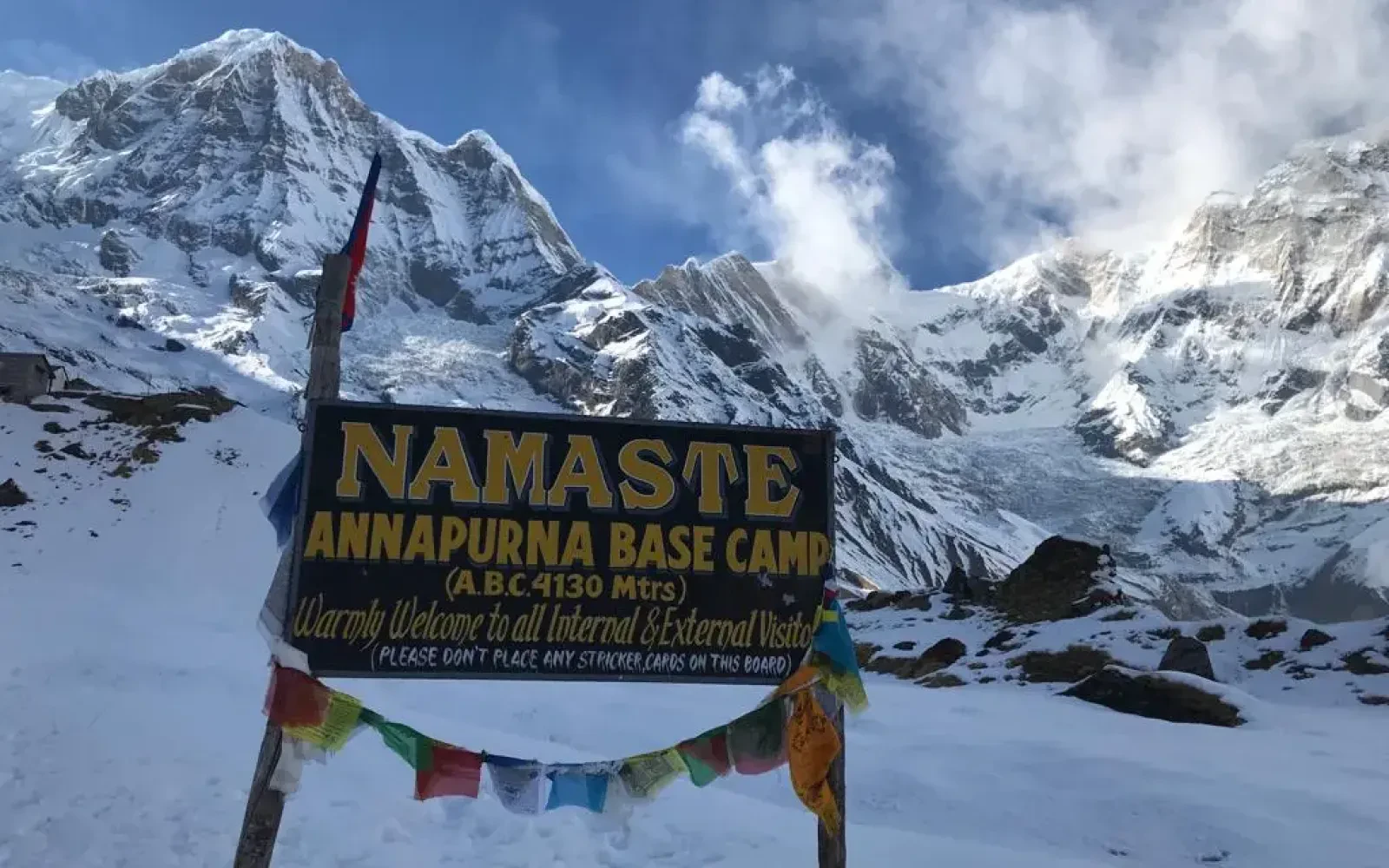
Trekking in Nepal requires permits, and their fees are decided based on the region and trekking trail you wish to undertake. Nepal's trekking regions are categorized as restricted and non-restricted, each with different permit regulations.
Restricted area trekking in Nepal includes remote and culturally significant regions with limited entry in an attempt to preserve their natural and cultural heritage. They are specially protected regions and are governed by special permits and are typically strictly controlled as they are bordered to other neighboring countries. Most significant restricted treks in Nepal include Upper Mustang, Upper Dolpo, Manaslu Circuit, Nar Phu Valley, Tsum Valley, and Kanchenjunga.

Non-restricted area trekking in Nepal are well-known routes that are comparatively easier and more accessible and have standard permit policies. Some of these trails are Everest, Annapurna, Langtang, Mardi Himal, Poon Hill, and Gosainkunda treks.
The cost and type of trekking permits vary based on the region, time of the year, and duration of the trek. Permits in some regions have to be bought multiple times. The permits required must be obtained before starting the particular trek for compliance with regulation.
Now Let’s see all trekking regions of Nepal with individual trekking trips and required permits and their costs one by one in detail.
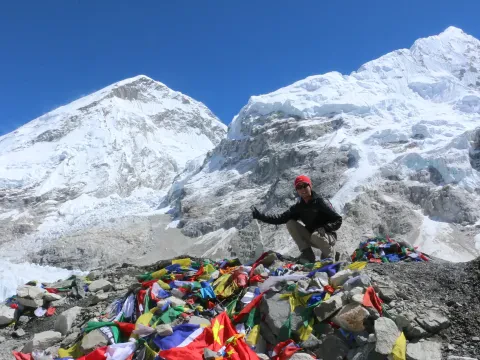
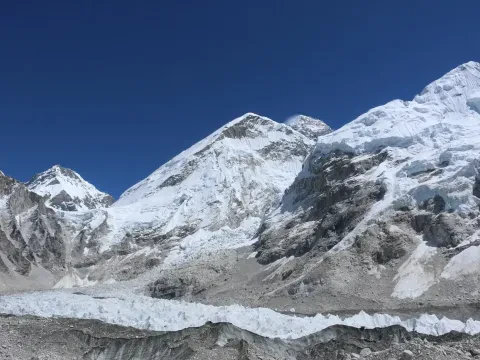
The Everest Region, home to the world's highest point, Mount Everest (8,848.86m), is among the most popular trekking areas in Nepal. Located within Sagarmatha National Park, the world highest national park, the region offers tremendous scenery, real Sherpa culture, and breath-taking Himalaya views. Its trekking trails consist of high-altitude trails to Everest Base Camp, Gokyo Lakes, and remote valleys like the Three Passes trek.

The Everest region features Buddhist monasteries, yak grazing grounds, glacial streams, and dramatic mountain scenery. Lukla is the point of entry, and most treks start there. Everest Region Treks are undertaken from spring (March to May) and autumn (September to November), the best seasons, with clear skies and comfortable temperatures.
The Everest region offers treks of various intensities, from moderate to challenging trails. Suitable acclimatization is necessary for trekkers due to high altitude.
Various permits are required for trekking in Everest Region, depending on the route. The following are the prominent trekking routes in Everest region, their features, permits required, and their costs for foreigners, SAARC nationals, and Nepali citizens.
Suggested Blog Post for Everest Base Trekking
Popular Trekking Trails in Everest Region:
| Gokyo Lake Trek | Everest Three Passes Trek | Everest Base Camp with Gokyo Lake Trek |
| Everest View Trek | Everest Base Camp Trek |
While trekking to the Everest region, trekkers need to acquire two types of permits so that they are cleared in accordance with the laws of the land to travel in Nepal in Everest region.
Here are the permits one requires for the Everest region:
Cost:
For: All trekkers visiting Sagarmatha National Park, including to Everest Base Camp.
1. Sagarmatha National Park Entry Permit
Where to acquire it:
You can get the Sagarmatha National Park entrance permit from either the park office in Monjo (near Namche Bazaar) or the Nepal Tourism Board (NTB) office in Kathmandu.
Your passport will be needed to get this permit.
2. Khumbu Pasang Lhamu Rural Municipality Permit
Required for: This permit is for trekkers going into the Everest region and is especially intended for the Khumbu area (which includes Namche Bazaar and Everest Base Camp).
Cost:
Where to obtain it:
It can be obtained in Lukla (the starting point for most Everest region treks) or Namche Bazaar.
How to Obtain the Permits:
In Kathmandu:
The Nepal Tourism Board (NTB) office (around by the Garden of Dreams) processes the Sagarmatha National Park Permit. You will need to show a valid passport and fill out a form.
For the Khumbu Pasang Lhamu Permit, you can also get it at the NTB or when arriving in Lukla or Namche Bazaar.
In the Everest Region (Lukla / Namche Bazaar):
You can get the Khumbu Pasang Lhamu Permit in person in Lukla or Namche Bazaar.
Documents Needed:
General Notes:

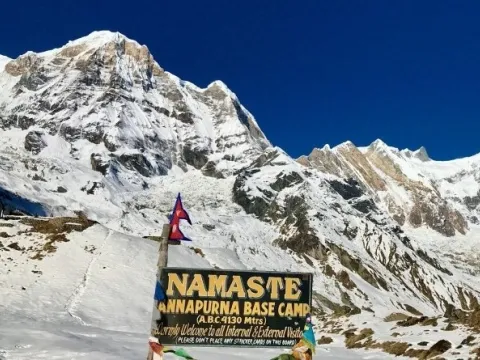
The Annapurna Region is a trekker's paradise offering a combination of natural beauty, cultural richness, and thrilling adventure that is truly unique. Located in Nepal's central Himalaya range, the Annapurna region boasts some of the world's highest peaks, including the gigantic Annapurna I (8,091m), Machapuchare (6,993m), and Dhaulagiri (8,167m). The Annapurna Circuit, a trek world-renowned, subjects you to diverse landscapes, ranging from subtropical forests to alpine meadows, culminating at the Thorong La Pass (5,416m), with stunning panoramic vistas of the surrounding snow-capped mountains.
The Annapurna region is also famous for its lively Gurung and Magar villages, where centuries-old traditions still flourish amidst picturesque landscapes. Walking through valleys such as the Modi Khola and the Marsyangdi River, you are treated to varied flora and fauna, such as the rhododendron blooms in springtime in Annapurna Conservation Area. The Annapurna Sanctuary Trek is no less amazing, with a close-up encounter of the Annapurna Massif. Whatever your preference for peace, culture, or adventure, Annapurna region has an unforgettable experience in store for you.
Blog Posts You May be Interested in:
Popular Trekking Trails in Annapurna Region :
Two primary permits are to be acquired for trekking in the Annapurna region by the trekkers. The permits are to be obtained for the conservation area and entry into the restricted areas of the region. Below are the permits needed, their charges for foreign, SAARC national, and Nepalese trekkers, and how and where they are to be acquired:
1. Annapurna Conservation Area Permit (ACAP)
This is a required permit to access the Annapurna Conservation Area, which is a large section of the Annapurna area.
Cost:
Where and How to Get:
2. Trekkers' Information Management System (TIMS) Card
This permit is required to track trekkers for safety and emergency purposes. It is a mandatory requirement for most trekking regions in Nepal, including Annapurna.
Cost:
Where and How to Get:
Important Notes:
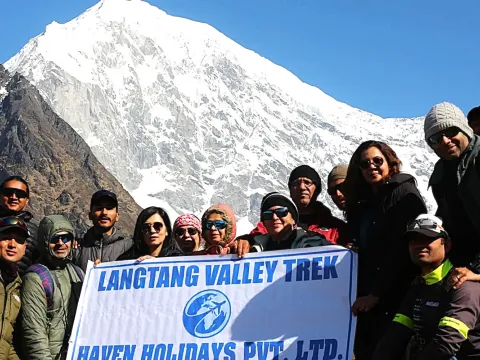
Langtang Region Trek is an adventure into such a unique world where Himalayan giants safeguard holy valleys and glaciers. Starting from the vibrant village of Syabrubesi, you ascend up through lush oak, rhododendron, and bamboo forests, giving the occasional glimpse of majestic summits. The trail opens out to Kyanjin Gompa, a centuries-old monastery ensconced at the foot of the towering Langtang Lirung (7,227m), the region's highest peak. The harsh landscape casts you directly upon such majestic peaks as Naya Kanga (5,844m) and Dorje Lakpa (6,966m), each one a breathtaking vista.

The higher you climb, the more towering looms the snow-covered landscape of Yala Peak (5,520m), calling for cautious summit ascents for an infusocial dose of alpine climbing. The Gosaikunda Lake (4,380m) lies at the summit, its mystical with incantations and legends and above it tower such giants as Manaslu (8,163m) in the distance. The Langtang Region is a wonderful combination of culture, nature, and adventure, hence a Himalayan gem.
Spotting rare Red panda and botanical excursions are two most popular activities to do during your Langtang Valley Trek.
Blog Posts You May Be Interested In :
Popular Trekking trips in Langtang Region
When you go trekking in the Langtang region of Nepal, you need to have two types of permits to be trekking safely and legally. The permits you need are as follows:
1. Langtang National Park Entry Permit
Where and How to Obtain:
2. TIMS (Trekkers' Information Management System) Card
Where and How to Obtain:
General Procedure for Obtaining Permits:
Visit the Nepal Tourism Board (NTB) or Trekkers' Information Management System (TIMS) counter at Kathmandu or Pokhara.
Submit Required Documents:
Tips:
These permits ensure that you are trekking legally in Langtang Region and are safeguarded by the regulations of the Langtang National Park and trekking organizations in Nepal.
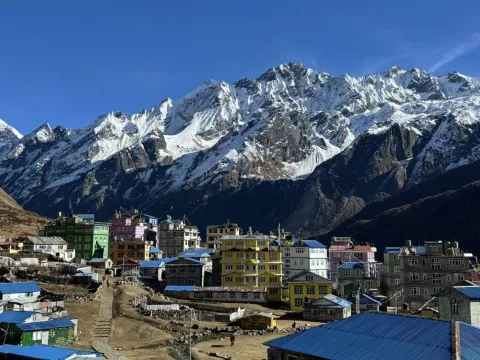
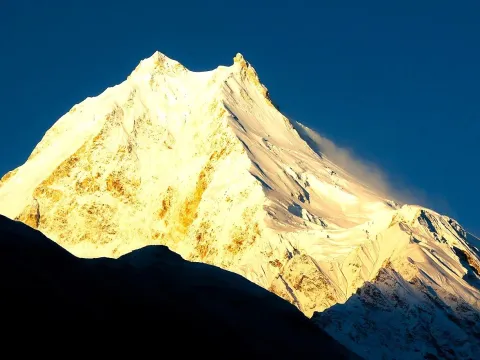
The Manaslu Region, a hidden gem in the Himalayas, offers a trek that is steeped in cultural heritage and breathtaking natural beauty. From Arughat to Sotikhola to Machhakhola (910m) the Manaslu trek follows dense forests and beautiful villages like Soti Khola and Machha Khola, each boasting its own distinct Gurung culture. Further up, the majestic Manaslu massif—8,163 meters high—overshadows the horizon.
The Manaslu hike attains great heights such as Larkya Pass (5,160 meters) with a spectacular view of snow-covered giant peaks including Manaslu, Himalchuli (7,893 meters), and Ngadi Chuli (7,871 meters). The trail continues beyond the mountains through the peaceful villages of Sama Gaon and Samdo, where Tibetan cultures are dominant. The Manaslu Circuit trek provides a glimpse of wildlife such as the snow leopard, which is elusive. A challenging but stunning adventure, the Manaslu Region Trek unveils an unforgettable combination of adventure, spirituality, and nature, off the crowded trails of more popular treks.
The Blog Posts you My be Interested in :
Popular trekking Trails in Manalsu Region
A number of permits are required for trekking the Manaslu region, and the Tsum Valley as they are restricted area trekking in Nepal. There is a clear division of these permits, cost, and how to obtain them:
1. Manaslu Conservation Area Permit (MCAP)
Where to get:
The MCAP can be found at the entrances of the Manaslu Conservation Area Project (MCAP) office in Soti Khola or the District Forest Office, Gorkha.
Procedure:
Appear in person at the office with your passport and trekking details.
Pay the fee.
You may require a guide and/or porter to make the trek there, which is required for the permit.
2. Tsum Valley Restricted Area Permit (RAP)
Where to get it:
Procedure:
3. Manaslu Special Trekking Permit
How to get it:
This permit is issued in the Department of Immigration in Kathmandu.
Process:
Submit with the specified documents, for example, your passport.
This is a special permit for only trekkers interested in trekking the Manaslu Circuit Trek. The trek has to be taken with a guide.
4. Annapurna Conservation Area Entry Permit (ACAP)
Where to obtain it:
The ACAP permit is obtainable at Pokhara or Besisahar at the office of the Annapurna Conservation Area Project.
Procedure :
Procedure on How to Obtain the Permits:
Overview of Total Costs (in USD & NPR):
Foreigners:
SAARC Nationals:
Nepali Nationals:
Notes:
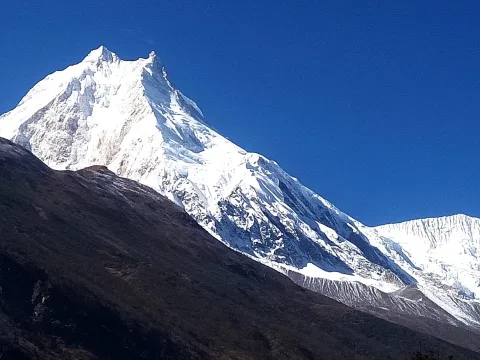
Trekking in the Kanchenjunga region will certainly be a special travel experience into Nepal's unspoiled and far-flung corners, unconquered by the people's civilization. Situated at the remotest eastern end of the Himalayas of Nepal, this trek unfolds spectacular views, from subtropical flora to alpine grasslands, all under the shadow of giant Kanchenjunga (8,586 m), the world's third highest mountain. The Kanchenjungha Base Camp trek passes through common Limbu settlements, such as Taplejung, and ascends beyond breathtaking views, such as the Kanchenjunga Base Camp and the Selele Pass at an altitude of 4,290 m.
The Kanchenjungha region is home to several other tall mountains, such as Jannu (7,710 m), Kanchenjunga South (8,494 m), and Kumbhakarna (7,710 m), each towering above the lower ground. The diverse ecosystems, high level of biodiversity, and the proximity to sacred peaks make Kanchenjunga a pilgrimage and adventure destination. Trekking in the Kanchenjungha region offers a special chance to observe pristine, lesser-traveled landscapes while being far removed from Nepal's trekking routes.
Popular Trekking Trail in Kanchnejungha Region
Kanchenjunga Region Trekking need multiple permits. The following are the principal permits you'll need, how much they cost, and where you can get them:
1. Kanchenjunga Conservation Area Permit (KCAP)
How and Where to Obtain:
You can get the KCAP permit at the Department of National Parks and Wildlife Conservation, Kathmandu, or Suketar (Taplejung) on arrival. You can also get it from the Trekking Agencies Association of Nepal (TAAN) or NTB (Nepal Tourism Board).
2. Restricted Area Permit (RAP)
How and Where to Obtain:
This permit is required for the Kanchenjunga region, which is a restricted region. You can obtain it from a government registered trekking agency in Kathmandu or Pokhara. The process is to apply using your passport details, trekking route, and expected dates.
3. Trekking Information Management System (TIMS) Card
How and Where to Obtain:
TIMS card is mandatory for all trekkers in Nepal. You can get the TIMS card from any registered trekking agency or from the NTB office in Kathmandu or Pokhara.
Procedure to Get Permits:
Kanchenjunga Conservation Area Permit (KCAP):
Restricted Area Permit (RAP):
TIMS Card:
Notes:
[trrip:kanchenjunga-base-camp-trek]
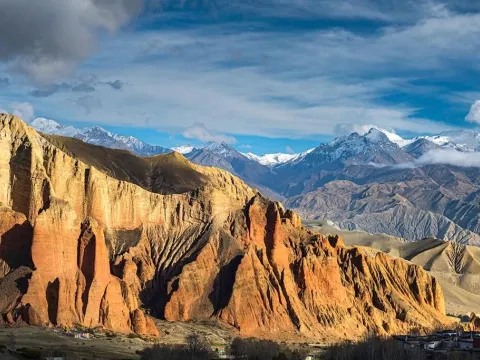
The Upper Mustang Trek takes you to a land that is nearly frozen in time, where the culture of Tibet is alive in its most pristine form. Located in Nepal's trans-Himalayan zone, the trek is a journey through barren desert landscape, ancient monasteries, and mud-brick settlements. The Upper Mustang region, a forbidden kingdom until recent times, offers a strange combination of stark beauty and overwhelming spirituality.
The Upper Mustang trek begins at Jomsom and winds its way through picturesque villages like Kagbeni and Lo Manthang, the medieval capital of Mustang, where time seems to have stood still.
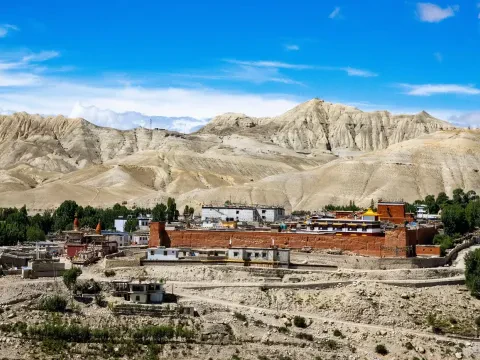
Along the Upper Mustang Trekking Trail, you'll be rewarded with views of giant peaks like Nilgiri (7,061m), Annapurna I (8,091m), and Dhaulagiri (8,167m). The landscape is a complicated mosaic of wind-swept cliffs, sheer canyons, and multicolored rock formations, giving you an unbeatable sense of remoteness. The Upper Mustang hike not only goes into nature's beauty but into the region's rich Tibetan Buddhist past, with centuries-old monasteries like the Tashi Lhakhang and the Upper Mustang caves, so that it is an otherworldly experience.
For the Upper Mustang Trek, there are a few required permits to ensure a legal and hassle-free trekking experience. Here is an overview of the permits, their costs, and where/how you can obtain them:
1. Annapurna Conservation Area Permit (ACAP)
Purpose: Required for trekking in the Annapurna region, including the Upper Mustang area.
Cost:
2. Upper Mustang Restricted Area Permit
Purpose: Upper Mustang is a restricted region, and this special permit is required to travel there. It is limited to the number of trekkers and must be issued together with a trekking guide.
Cost:
Procedure to Obtain Permits:
Book with a Licensed Trekking Agency: Due to the restricted nature of the Upper Mustang region, permits are typically organized through a licensed trekking agency. The agency will organize the permits, guide, and logistics at the same time for you.
Documents Required:
Important Notes:
Upper Dolpo Trek in the remote areas of Nepal is a trek into one of the most pristine and spiritually rich regions of the Himalayas. The Upper Dolpo trek takes you through the rugged landscape of Dolpo, where Tibetan culture blooms in isolation, and the Dhaulagiri range peaks dominate. A few of the big landmarks along this route include the ancient Shey Gompa, holy Phoksundo Lake, and serene villages like Dunai and Tarakot, where time goes as nature decides.
The Upper Dolpo trek is challenging, with elevations of a maximum 5,360 meters on the Kang La Pass, giving dramatic views of peaks like Mount Dhaulagiri (8,167m), Kanjiroba (6,387m), and the impressive Annapurna range. The enormity of these mountains, and the religious environment surrounding it, make for a thrilling experience for adventurers seeking excitement and exposure to the soul of the Himalayas.
For the Upper Dolpo Trek, you will need some special permits to trek in the restricted areas and conservation zones. Following is the detail of the permits needed, their charges, and the procedure to obtain them.
1. Upper Dolpo Restricted Area Permit
Required by: All the trekkers (foreigners, SAARC, and Nepali nationals) to enter the restricted area of Upper Dolpo.
Cost:
Where to get it:
2. Shey Phoksundo National Park Permit
Required by: All trekkers (foreigners, SAARC, and Nepali nationals) who plan to enter the Shey Phoksundo National Park, which is part of the Upper Dolpo area.
Cost:
Where to obtain it:
3. Trekking Information Management System (TIMS) Card
Required by: All trekkers entering any trekking region in Nepal, including Upper Dolpo.
Cost:
Where to get it:
Where and How to Get Permits:
Procedure:
Application Process:
Ensure you obtain all necessary permits for Upper Dolpo Entries before you trek since the areas are under strict regulation and authorities may check your permits during the trail.
The Makalu Base Camp Trek takes you to the absolute heart of the Nepal Himalayas, an expedition into a remote and untouched wilderness. The Makalu trek, which starts from Tumlingtar, snakes through lush subtropical forests, charming Sherpa villages, and alpine meadows, ultimately arriving at the base of the world's fifth-tallest mountain—Makalu (8,485 meters). En route, you pass through the lovely Arun Valley, famous for its cultural richness and distinct biodiversity, and ultimately to the Makalu Barun National Park, home of the snow leopard, red panda, and various species of orchids.
At Makalu Base Camp (5,000 meters), you will be greeted by the breathtaking scenery of towering high peaks, including Makalu, Chamlang (7,319 meters), and Baruntse (7,129 meters). The trekking is demanding but breathtaking, with its scenery of dramatic contrast and sense of distant wilderness. Makalu trekking is for trekkers who are looking for adventure in a less frequented and less crowded region of the Himalayas, away from the crowds of other treks.
For the Makalu Base Camp Trek, trekkers must obtain the following permits:
1. Makalu Barun National Park Entry Permit
Where to get it:
You can obtain this permit at the Tourism Office in Kathmandu or the Sittwe (Shital) Office in Tumlingtar.
Procedure:
2. Conservation Area Permit (CAP) for Makalu Barun Conservation Area
Where to get it:
You can also get this permit at the Tourism Office in Kathmandu or Sittwe in Tumlingtar.
Procedure:
3. TIMS (Trekkers' Information Management System) Card
Where to get it:
TIMS cards are issued by the Nepal Tourism Board in Kathmandu or Pokhara.
Process:
Additional Comments:
Make sure you have the original copies of all permits while trekking as officials may ask to see them along the way.
The Rolwaling Valley Trek is an unforgettable journey into one of Nepal's most hidden treasures, a condensed combination of nature and culture. Nestled between the giants of the Gauri Sankar Himal (7,134m) and the Melungtse (7,023m), the Rolwaling trek explores secluded villages, dense forests, and rugged terrain. The trek starts from the busy town of Dolakha and ascends gradually into the remote Rolwaling Valley, a region untouched by the usual tourist crowds.
Along the way, you'll hike through fascinating features like the Tsho Rolpa Lake, a glacial lake with breathtaking scenery at 4,058m, surrounded by icy peaks. The valley is also home to the sacred Gauri Sankar massif, which is generally revered. The climb to the summit of Gyalche (5,800m) and the difficult crossing of the Tashi Lapcha Pass (5,755m) are rewarded with panoramic views of Everest, Makalu, and the other peaks around, and this is a challenging but spectacular trek.
The Rolwaling Trek of Nepal requires special permits, the cost of which varies according to trekkers' nationality. Below is a detailed list of permits required and their costs:
1. TIMS (Trekkers' Information Management System) Permit
Foreigners:
Where to obtain:
You may obtain the TIMS permit at the Nepal Tourism Board (NTB) office in Kathmandu or the Tourism Office in Pokhara.
Procedure:
2. National Park Permit (Sagarmatha National Park)
Foreigners:
Nepali Nationals:
Where to get:
Procedure:
3. Conservation Area Permit (Gauri Sankar Conservation Area Permit)
Foreigners:
Nepali Nationals:
NPR 100.
Where to obtain:
You can buy the Gauri Sankar Conservation Area Permit from the Dolakha District office or at the Kathmandu Tourism Office.
Procedure:
Procedure for Applying:
Total Charges for Foreigners:
Total Charges for Nepali Nationals:
Make sure to carry the necessary identification documents (passport or national ID) when applying for the permits.
The Rara Lake Trek is a hidden gem in the farthest northwestern corner of Nepal, offering a serene retreat into pristine nature. The trek goes through the enchanting Rara National Park, where dark pine forests, alpine meadows, and shining alpine lakes weave an awe-inspiring scenery. The highlight of Rara Lake Trekking is the serene Rara Lake, Nepal's largest lake, at an altitude of 2,990 meters (9,810 feet). The deep blue waters of the lake reflect the surrounding snow-topped peaks to present a breathtaking vision.
Along the Rara Lake Trekking Trail, trekkers are treated to breathtaking views of majestic mountain tops like Mount Kanjiroba (6,693 meters / 21,960 feet), Mount Rara (3,078 meters / 10,100 feet), and other more remote but just as magical-looking peaks. Drifting through isolated villages like Murma, Chere Chaur, and Jhyari, the untouched cultural experiences even better enhance the encounter, making the Rara Lake Trek a lone-driven, class-of-its-kind adventure for those who enjoy being alone in nature.
The Rara Lake Trek entails special permits to enter the area safely and with proper regulation. Below is a description of what permits are required, their cost, and where and how one can obtain them:
1. Rara National Park Entry Permit
Required For: All visitors wishing to enter Rara National Park.
Cost:
Where to Obtain:
Procedure:
Cost:
Where to Get:
You can get this at the Nepal Tourism Board (NTB) office in Pokhara or Kathmandu.
Procedure:
Where to Get Permits:
Key Points:
The Tilicho Lake Trek is a stunning journey into the very heart of the Annapurna range, taking trekkers to one of the world's highest lakes. At an altitude of 4,919 meters (16,138 feet), Tilicho Lake is ringed by giant peaks, including the giant Annapurna I (8,091m), Manaslu (8,163m), and the giant Machapuchare (6,993m). The Tilicho trek offers a rare mix of challenging terrain, alpine meadows, and crystal-clear waters, which together create an ethereal, almost otherworldly atmosphere.
Starting in the vibrant town of Besisahar, the Tilicho trekking makes its way through picturesque villages like Jagat and Chame before ascending to the high-altitude Tilicho Base Camp. Throughout the journey, trekkers are treated to breathtaking views of the Himalayas, including the Annapurna Massif. The highlight at Tilicho Lake, with its blue waters surrounded by snow peaks, is standing at the edge of the world, and the feeling of peace and triumph is one that cannot be forgotten.
For the Tilicho Lake Trek in Nepal, the following permits need to be arranged: a TIMS (Trekkers' Information Management System) card and the Annapurna Conservation Area Permit (ACAP). Below is the list of required permits, along with their price and how one can get them:
1. TIMS (Trekkers' Information Management System) Card
Foreigners:
Nepali Nationals:
Where to Obtain
You can get the TIMS card in Pokhara or Kathmandu. The Nepal Tourism Board (NTB) Trekker's Information Management System (TIMS) counter in Kathmandu or the ACAP office in Pokhara issues it.
Procedure:
Fill in a form and a passport-sized photo, and pay the fee.
2. Annapurna Conservation Area Permit (ACAP)
Foreigners:
Nepali Nationals:
Where to Obtain:
ACAP permits can be had at the Nepal Tourism Board (NTB) in Kathmandu or at the ACAP office in Pokhara. Alternatively, you can collect them in places like Besisahar where treks start.
Procedure:
Give a passport photograph and complete the necessary forms. You will also need to present a photocopy of your passport.
3. Special Permit for Tilicho Lake (Optional)
If you trek to Tilicho Lake, you might require a special permit if you are in a restricted zone.
Cost:
Where to Get:
The special permit is generally issued in Besisahar or the nearest check posts of the trek. The trekking agencies can also arrange it.
Procedure:
The Narphu Valley Trek is an off-the-beaten-path trek in Nepal, with a raw and unspoiled experience of the Himalayas. Situated within the Annapurna Conservation Area, the trek offers a journey through secluded villages and untainted landscapes, blending Tibetan culture with stunning mountain vistas. You will trek scenic forests, rugged cliffs, and ancient monasteries as you trek from Koto, the gateway to Narphu. The hike leads you to the isolated Narphu Valley, where places like Phu, Meta, and Kyang exhibit a unique way of living and traditions, away from the touch of modernism.
The NarPhu trek also pays off with dominating views of majestic peaks such as Himalchuli (7,893 m), Manaslu (8,163 m), and Himalaya Range. The highlight of the trek is Kang La Pass at an elevation of 5,320 meters, and this is the most rewarding part of this trek with its stunning panoramic view of snow-capped peaks. With the blend of remoteness, cultural richness, and sheer beauty, Narphu Valley is still one of the treasures for the die-hard trekker.
For Nar Phu Valley Trek, the following are the required permits, and a description of the fee, the location where one should acquire it, and how one gets it follows below:
1. Annapurna Conservation Area Permit (ACAP)
Procedure:
2. Trekking Information Management System (TIMS) Card
Procedure:
3. Nar Phu Valley Special Permit
Procedure:
Tips:
Suggested blog post related to trekking in Nepal
1. What Trekking Permits Are Required in Nepal?
Every trekking region in Nepal has permit requirements. For example popular routes need a park or conservation area permit.. Restricted regions also require special permits. So you should check your destination before booking. A licensed trekking agency can arrange every permit correctly. Help you avoid delays or penalties on the trail.
Trekking permits are essential for a journey.
2. How Much Do Trekking Permits Cost in Nepal?
The cost of trekking permits depends on the trekking region and your nationality. In areas you usually need conservation or national park permits.. Restricted regions have much higher fees. So confirm the prices before your trip. Your trekking agency normally includes permit costs in the package for an experience.
Trekking agencies can help you with permit costs.
3. Where Can I Get Trekking Permits in Nepal?
You can get trekking permits through the Nepal Tourism Board, conservation area offices or a registered trekking agency. Most trekkers prefer agencies because they handle the paperwork correctly. As a result you save time. Avoid missing important documents before starting your trek.
Trekking agencies make it easy to get permits.
4. Which Treks Need Restricted Area Permits?
Some trekking regions require special government permits for safety and conservation. These areas include Manaslu, Upper Mustang, Upper Dolpo and Nar Phu. Moreover permits must usually be arranged through a registered trekking agency before your trek begins.
Trekking in areas needs special permits.
5. Do I Need a Guide to Get Trekking Permits?
Many trekking regions now require a guide especially in restricted areas. A guide also makes permit processing easier. Helps during checkpoints. Furthermore guided trekking improves safety, navigation and local cultural understanding throughout your journey. Always confirm the regulations before traveling.
Guides are helpful for trekking permits and safety.
6. What Documents Are Needed for Trekking Permits?
You usually need your passport, Nepal visa, passport-sized photographs and travel insurance details. Some restricted permits may require information. Therefore prepare your documents early. A registered trekking agency can check everything before submitting your permit application.
7. Can I Go Trekking Without a Permit in Nepal?
No. You cannot go trekking without a permit in Nepal. This is because trekking without a permit is against the law. There are checkpoints on the trails where people check if you have a permit. If you do not have the papers you might have to pay a fine or you will not be allowed to continue your trek. So you should always get the permits before you start trekking in any area.
8. Can I Get a Refund for My Trekking Permit. Give It to Someone Else?
Most of the time you cannot get a refund for your trekking permit. You cannot give it to someone else. So you should make sure you have the right travel dates before you apply for a permit. If your plans change suddenly you should talk to your trekking agency away to see what you can do. They might be able to help you figure something out or get a permit.
9. How Long Is My Trekking Permit Good For?
Your trekking permit is usually good for long as your trekking trip is supposed to last.. Some permits for restricted areas can only be used for a certain amount of time and you have to enter the area on a specific date. So you should stick to your plan. Make sure you have all of your permits with you when you are trekking. This way you can show them to the people at the checkpoints.
10. Why Do I Need a Trekking Permit in Nepal?
Trekking permits are important in Nepal because they help keep the environment clean and safe. They also help support projects that protect the area and make sure visitors are safe. When there is an emergency the permits help the authorities find trekkers. So when you buy a trekking permit you are helping to make sure that tourism in Nepal is sustainable and that you can have a fun and legal trekking trip. Trekking permits are very important, for trekking in Nepal. You should always get one before you go trekking in Nepal.
Our travel experts are ready to assist you with any questions.
Send us a message.Have a question before you book? Send your enquiry below and our travel experts will get back with the required information.