When planning the Annapurna Circuit Trek, I'm sure the topic of altitude sickness comes up. How do I prevent it from happening and be safe during my trek?
In fact, Acclimatization is the single most important aspect of a trek and in particular for Annapurna Circuit trekking where you gain altitude rapidly, your body will need to time to adapt to the lower oxygen levels.
Why Acclimatization is Important :
Key Acclimatization Guidelines :
Annapurna Circuit Altitude Zones :
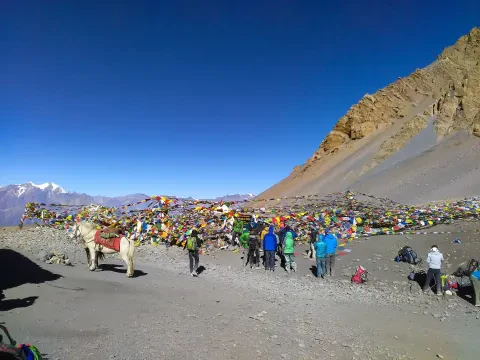
Have you considered an extra day of acclimatization in Manang when trekking the Annapurna Circuit? This is one adjustment that is highly recommended for virtually all trekkers and is so beneficial. Manang is at an altitude of 3,540m (11,614ft), making it an ideal point to acclimatize before attempting the much higher Thorong La Pass.
Benefits of an Extra Day of Acclimatization in Manang:
How to Spend Your Extra Acclimatization Day in Manang:
Recommendation:
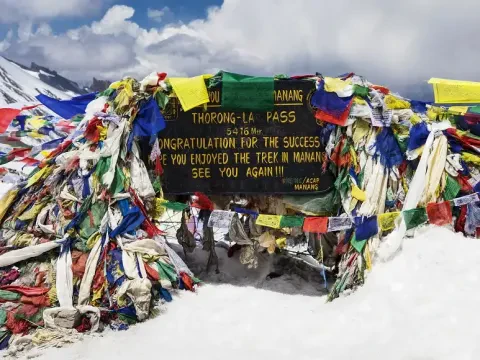
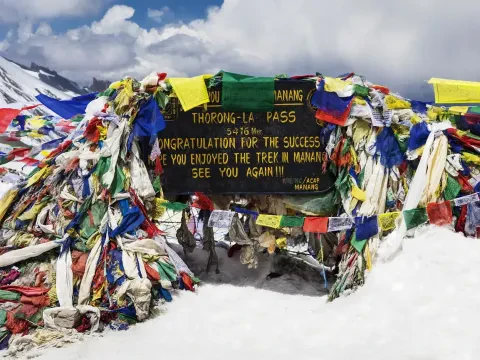
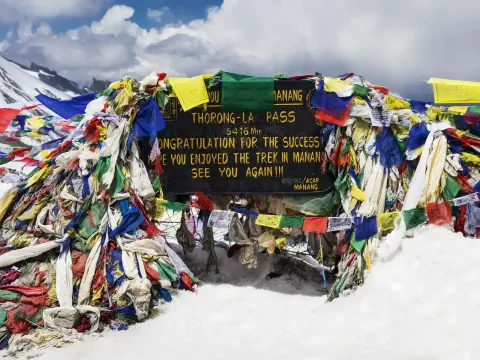
Here, we highly recommend an extra day of acclimatization in Manang, particularly for your first high-altitude trek. Trekkers who do take an extra acclimatization day are more likely to successfully summit the Thorong La Pass at 5,416m (17,769ft) and enjoy the entire trek far more.
Final word of advice:
Always pay close attention to your body for symptoms of altitude sickness, such as headache, nausea and dizziness. If these symptoms occur, rest and descend if needed. Acclimatization can make the difference between a dangerous and an incredible trek.
Now we are going to discuss about 10 best things to do in Manang during Acclimatization one by one:
Do you have an acclimatization day in Manang and would you like a beautiful and moderate hike? The hike to Gangapurna Lake, Chongkor Viewpoint and Glacier is one of the most popular and beautiful day-hikes of the Annapurna Circuit Trek.
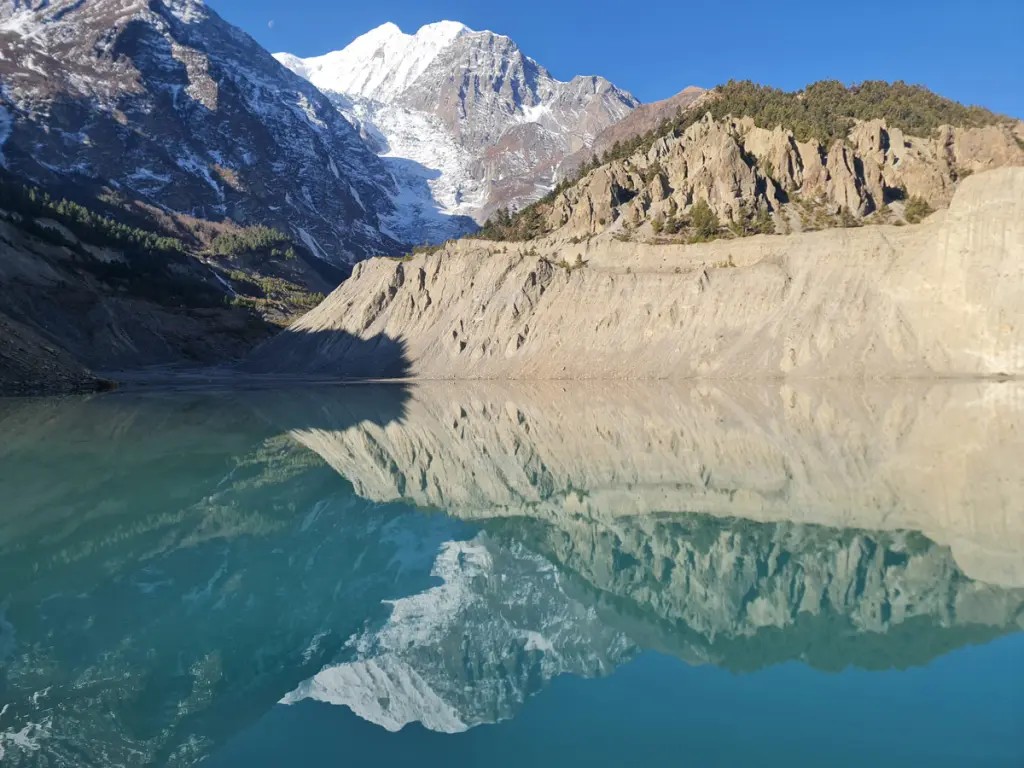
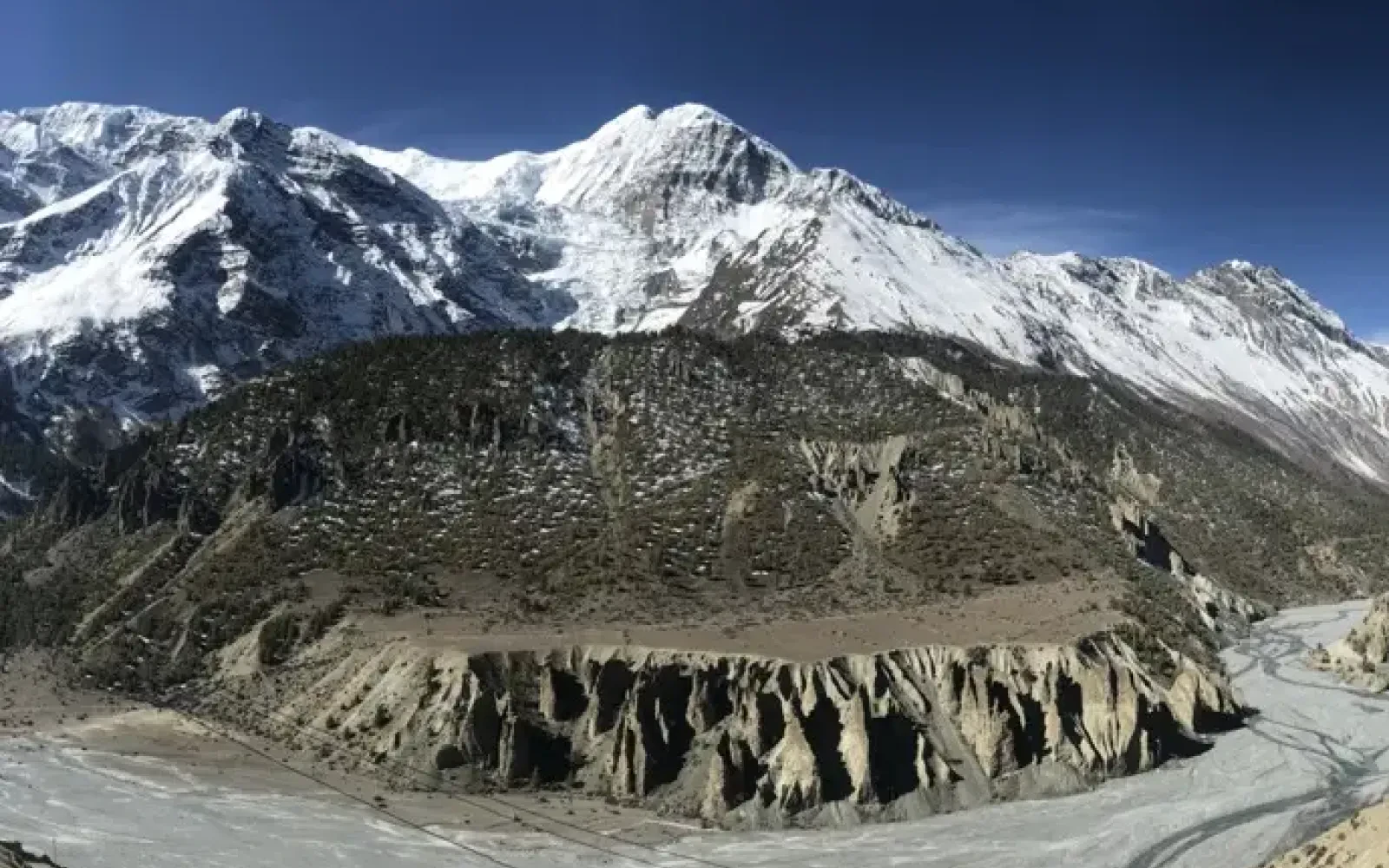
Actually, the hike gives you wonderful close-up views of glaciers and a turquoise lake with the Annapurna mountain range in the background. This is the ideal hike for acclimatization, as you climb high and sleep low.
Highlights of Gangapurna Lake Hike :
Details of Gangapurna Lake Hike :
Description:
Here, the trail is easy to follow and is lined with pine forests and meadows. As you reach the lake, you are rewarded with splendid views of Annapurna III, Gangapurna Peak and the large glacial icefall. There can be strong winds at the lake, so wear windproof clothing.
Are you considering a more demanding acclimatization hike from Manang? The hike to Ice Lake (Kicho Tal) is probably the most rewarding and the most popular day hike during the Annapurna Circuit.
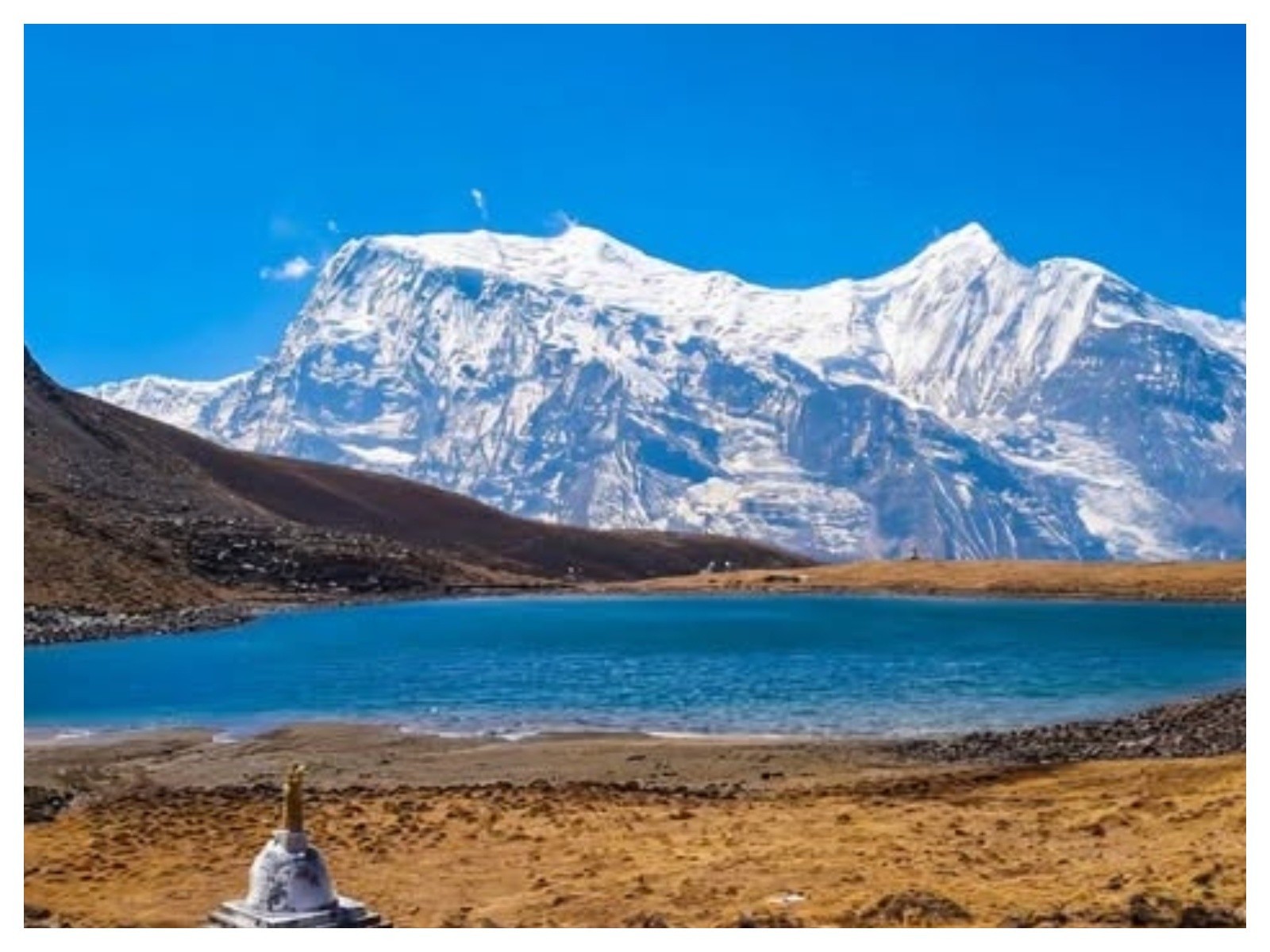
Actually, the hike leads to a superb alpine lake surrounded by snow-capped peaks at much higher altitudes. This is the perfect hike for acclimatization before tackling Thorong La Pass at 5,416 m (17,769 ft).
Details of Ice Lake Trek :
Highlights of Ice Lake Trek :
Description :
Actually, parts of the trail are quite steep and the views will gradually become more dramatic. The feeling is incredibly rewarding upon reaching the lake. The trail down can be tough for the knees, hence walking sticks are a great addition.
Conclusion :
If you have the stamina for the Ice Lake Trek, this is the recommended option for maximum acclimatization. If you'd prefer a less challenging option, you'll likely be satisfied with Gangapurna Lake. Both hikes will significantly increase your chances of success on Thorong La Pass, as both start from Manang (3,540 m / 11,614 ft).
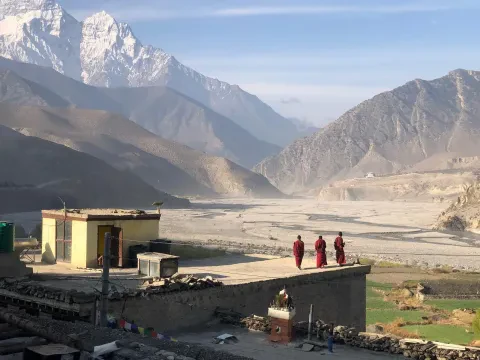
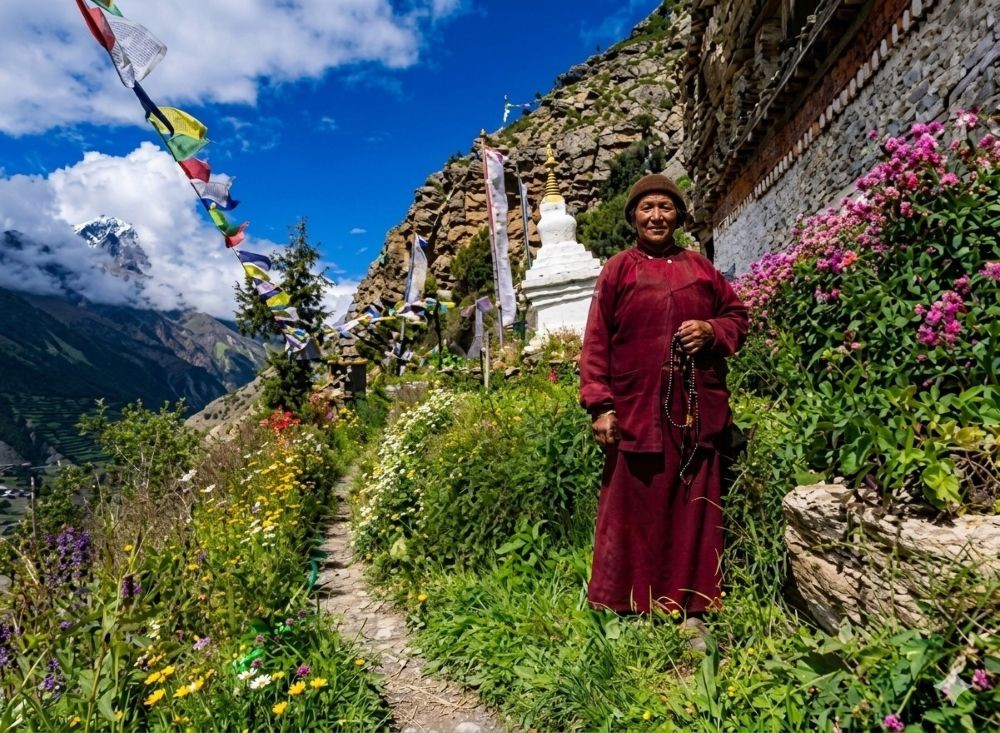
Have you heard of the sacred monastery just above Manang? In addition, visit Praken Gompa, otherwise known as the 100 Lama Cave, is perhaps one of the most rewarding spiritual short hikes on your acclimatization day in Manang.
Highlights of Praken Gompa :
| Aspect | Details |
|---|---|
| Starting Point | Manang Village (3,540 m / 11,614 ft). |
| Maximum Elevation | 3,900 m (12,795 ft). |
| Trek Duration | 3-4 hours round trip |
| Difficulty | Moderate |
| Elevation gain | About 360 m (1,181 ft) |
What to Expect :
Furthermore, the path is steep, yet short. Subsequently, you'll find yourself in a cliff-side monastery, dramatically perched with commanding valley views. The cave monastery contains ancient statues and allows you to soak in the profound spiritualism of the place. The final uphill to the monastery can be quite strenuous, so remember to take it slow and steady for better acclimatization.
Are you looking for an authentic experience while in Manang? In addition, exploring Braga Village and its ancient Gompa is one of the best ways to experience the traditional way of Tibetan-influenced life in the Annapurna region.
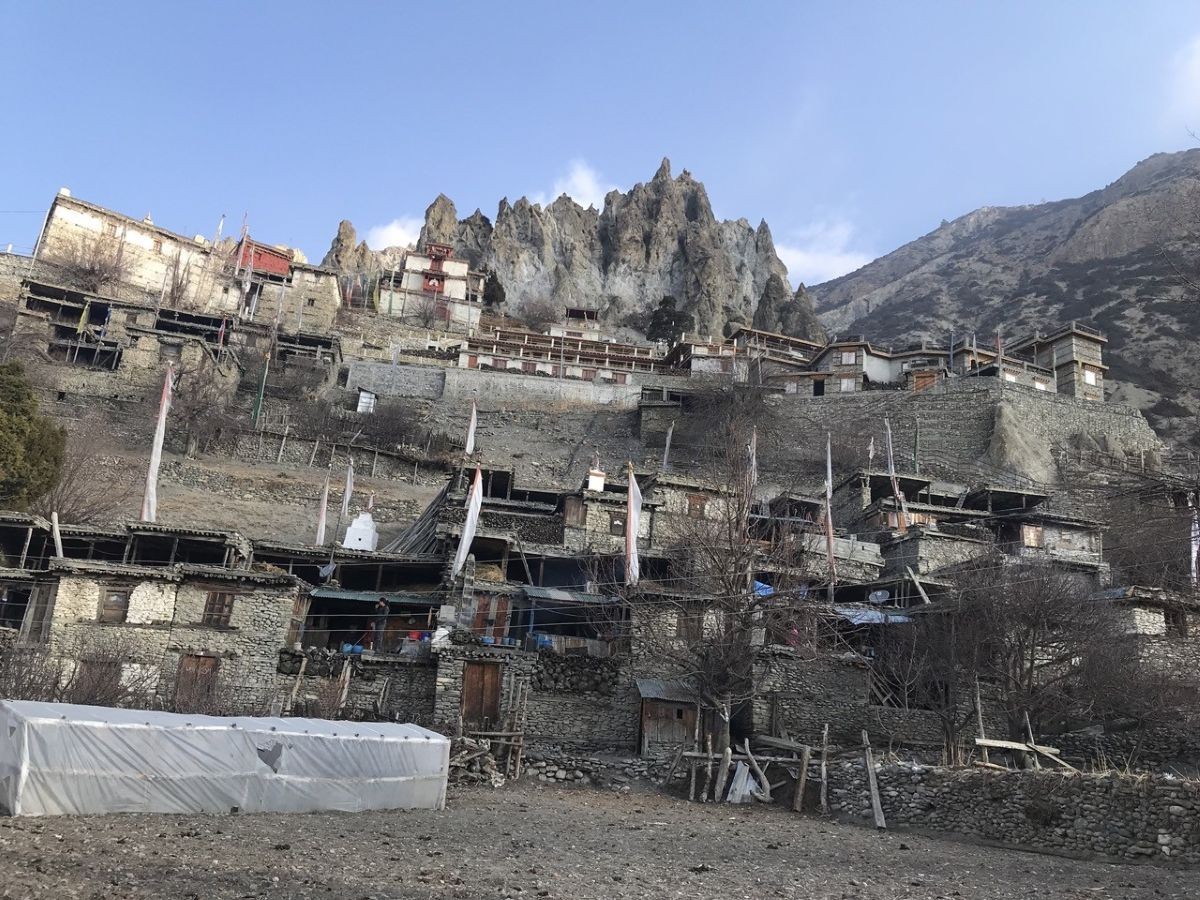
Highlights of Braga Village :
Braga Gompa Features :
| Aspect | Details |
|---|---|
| Distance from Manang | 30-45 minutes walk |
| Village Elevation | 3,450 m (11,319 ft) |
| Gompa Elevation | 3,500 m (11,483 ft) |
| Time Required | 2-4 hours |
| Difficulty | Easy |
What to Expect :
Further, a short walk from Manang leads to the village of Braga. This trek is relatively flat and an easy path to navigate through the narrow stone alleys and traditional homes, with the monastery commanding a prominent position overlooking the village. The Gompa provides the perfect place for some peaceful reflection. This tour is a good way to get an understanding of the culture in the region and for a slight acclimatization at a relatively low altitude.
Recommendation :
Therefore, combining Praken Gompa and Braga Village forms the perfect acclimatization day trip for the day while in Manang. Both these trips will offer you a unique perspective into the culture of Manang, as well as spectacular views of the mountains and surrounding landscape.
Have you heard about the spiritual meditation cave that is associated with Milarepa, the legendary saint of Tibet? In addition, paying a visit to the sacred cave is an easy and a religiously beneficial excursion during your stay at Manang.
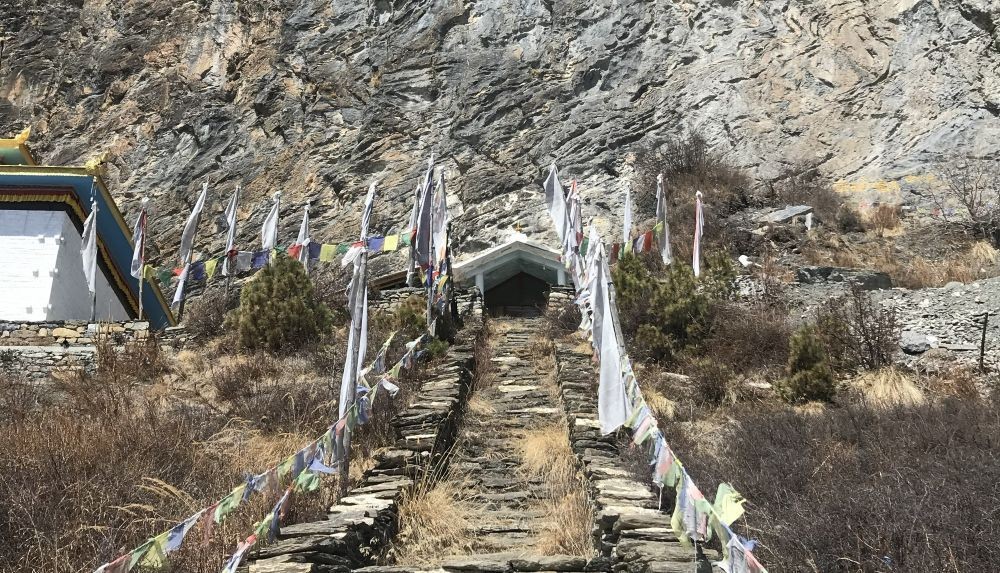
In addition to this, the site is also considered sacred for Buddhists so it has a great religious importance and most of the trekkers visit here for some culture and for a little bit of acclimatization.
Highlights of Milarepa's Cave :
| Detail of Milarepa's Cave Trek | Details |
|---|---|
| Starting point | Manang Village (3,540 m / 11,614 ft) |
| Elevation of cave | 3,750 m (12,303 ft) |
| Duration | 3 - 4.5 hours (round trip) |
| Difficulty | Easy to Moderate |
| Elevation Gain | Approx. 210 m (689 ft) |
What to expect :
Actually, the trail to Milarepa's Cave is well-defined and features beautiful views of the Marsyangdi River and surrounding peaks. Henceforth, you reach a peaceful cave where you can sit in silence, meditate, or simply experience the tranquility of the place. However, the last part of the trail is a little bit steeper. Most trekkers find this to be one of the most peaceful places on the whole of the Annapurna circuit.
Do you want to know about the way of life in the remote high Himalayas? It is by visiting the Manang Cultural Museum that you can most effectively learn about the unique culture of the Manangi people.
Additionally, this small but interesting museum displays the traditional culture, history, and lifestyles of the Manangi people and is strongly recommended during your acclimatization day at Manang.
Highlights of Manang Cultural Museum :
| Details of Manang Cultural Museum | Details |
|---|---|
| Location | Central Manang Village |
| Elevation | 3,540 m (11,614 ft) |
| Duration | 1 - 1.5 hours |
| Entry Fee | NPR 100 - 200 (approx.) |
| Best time to visit | Afternoon |
What to expect :
Also, this museum is a wonderful repository of culture which also serves as a window to learn about how people have sustained in these altitude levels over the centuries. Thus you will surely grow immense respect towards the locals that you will meet throughout the trekking journey. The collections include, old trade articles, sacred objects and daily tools and articles used by Manangi people.
Recommendation :
Consequently, visiting the Manang Cultural Museum together with any of the mentioned day hikes such as the Gangapurna Lake, Ice Lake, Praken Gompa, or Braga would be an ideal combination to achieve a balanced day of activity and cultural exploration in preparation for Thorong La Pass at 5,416 m (17,769 ft).
Have you considered venture off beyond the main Manang village for acclimatization? Furthermore, a day trip to Khangsar Village is a serene and enjoyable respite away from the main trail.
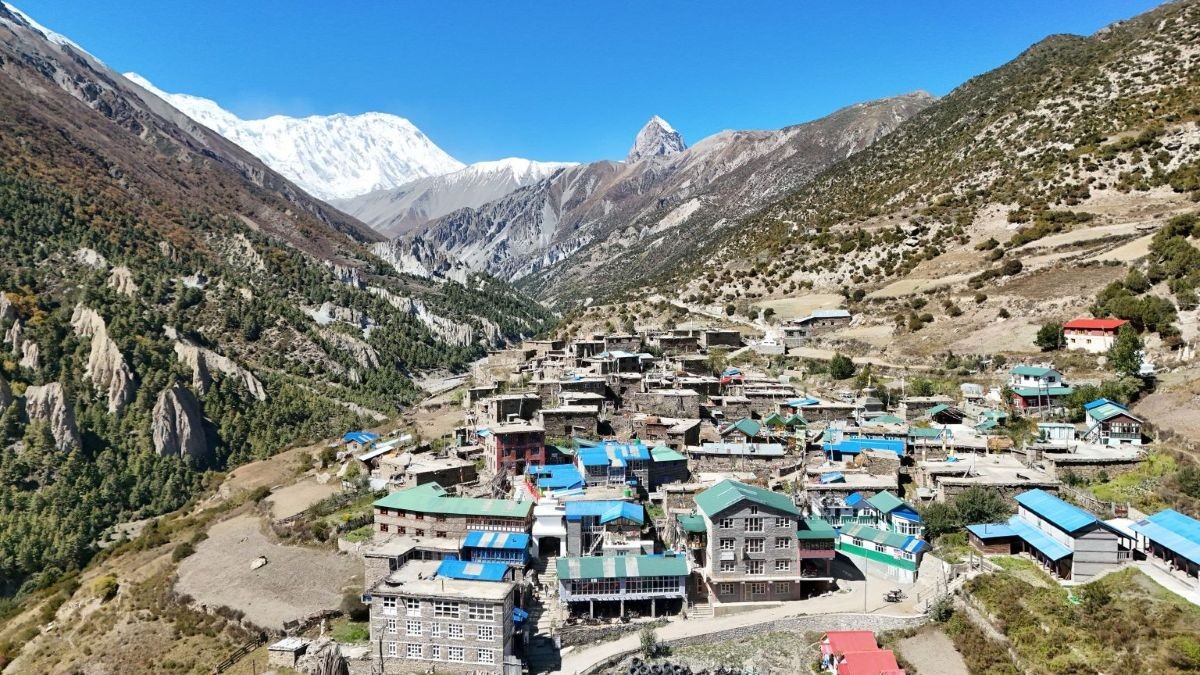
Additionally, Khangsar is among the highest and most traditional village in the Manang Valley and is therefore an excellent place for both acclimatization and a cultural tour.
Highlights of Khangsar Village :
| Parameter | Details |
|---|---|
| Start Point | Manang Village (3,540m/ 11,614ft) |
| Khangsar Village (alt.) | 3,730m (12,238ft) |
| Trek Duration | 5-7 hours round trip |
| Trek difficulty | Moderate |
| Gain of elevation | 190m (623ft |
What to Expect :
Additionally, the path takes you along the upper valley with gradually ascent and offers incredible views of the glaciers and snow peaks. Furthermore, you get to walk around the village, visit local homes, soak up the atmosphere. But return can be long, so start early.
Are you looking for something to ease into during your acclimatization day in Manang? Further, enjoy local bakeries and apple products which is among the most enjoyable things to do in Manang valley.
Moreover, Manang is surprisingly known for its German style bakeries and local apples. Therefore, it is a good break after the strenuous trekking with delicious food.
Highlights of Local Bakeries & Apple Products :
| Product | Price range (USD) | Place to try |
|---|---|---|
| Apple pie | 4-6 | Himalayan Bakery/German Bakery |
| Cinnamon rolls and pastries | 3-5 | Bakeries in Manang |
| Apple juice (fresh) | 2-3.5 | Bakeries and shops |
| Dry apples & Apple Brandy | 3-8 | Bradang Apple Farm area |
What to Expect :
In addition, the bakeries are typically run by local families who are friendly and welcoming. Many trekkers like to pass the afternoon in their bakeries sipping a hot cup of coffee/ tea while enjoying the magnificent views of Annapurna. Items get sold out quickly in the afternoons so visit earlier.
Recommendation :
Therefore, After a morning hike to Gangapurna lake or ice lake, enjoy an afternoon at the bakery. It is a perfect combination of activity and rest.
Have you ever thought about doing one of the most beautiful side-trips possible from Manang while acclimatizing? The trek to Tilicho lake is rumored to be the highest and most beautiful alpine lake in the world, making for a rewarding though strenuous side-trip option from Manang while your body acclimatizes.
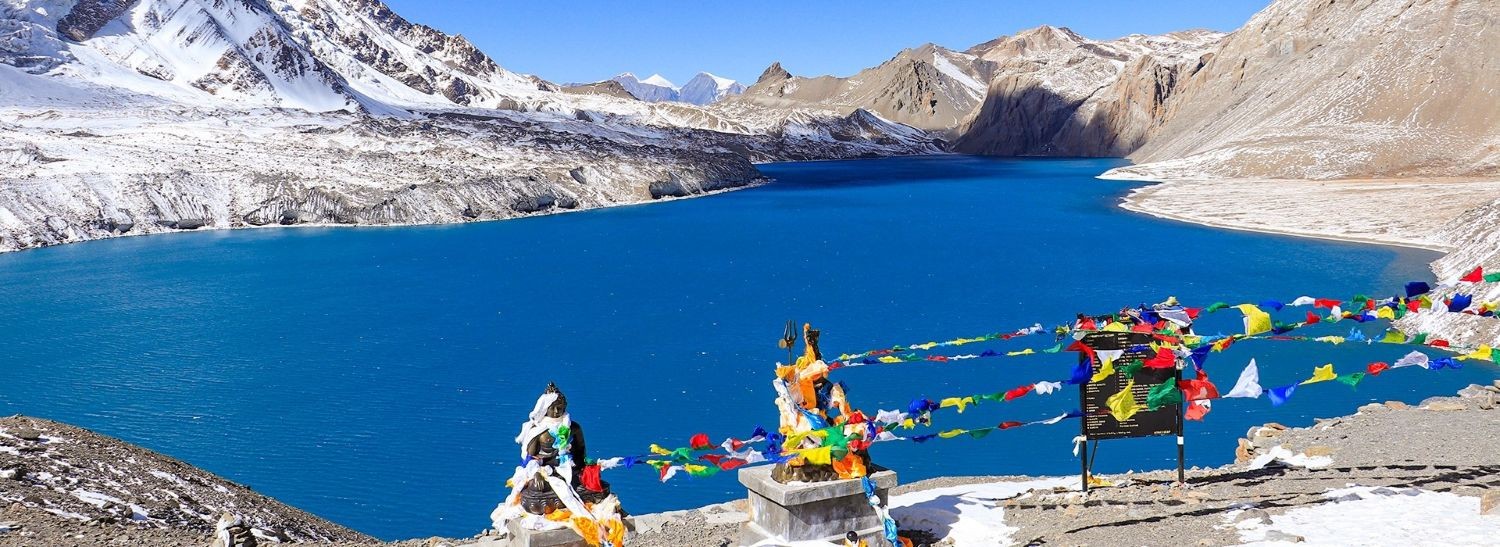
In fact, a lot of trekkers choose to hike to Tilicho Base Camp only in lieu of climbing all the way to the lake itself, in order to avoid a premature strain on the body prior to attempting the Thorong La.
Highlights of the Tilicho Lake trek:
| Aspect | Details |
|---|---|
| Start point | Manang village (3,540m / 11,614ft) |
| Tilicho Base Camp | 4,200 m (13,780 ft) |
| Tilicho Lake | 4,949 m (16,237 ft) |
| Round trip duration | 10-14 hours (extremely strenuous) |
| Round trip to Base Camp | 7-9 hours |
| Difficulty | Strenuous / Challenging |
What to Expect:
In fact, the trail to both base camp and the lake is very steep with a great deal of climbing involved, thus making it unsuitable for all but the fittest acclimatizing trekkers going all the way. That being said, going to the Base Camp will offer great views while still greatly acclimatizing your body. High winds are an issue in this part of the trail. It would be wise to take proper wind-resistant clothes.
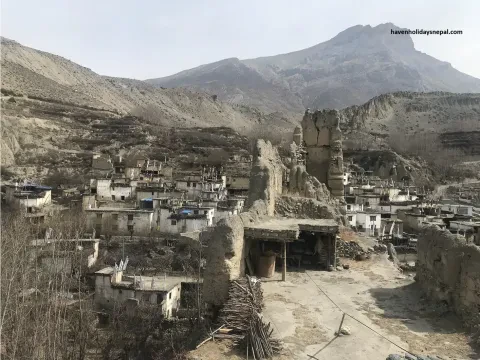
In an attempt to aid your acclimatization further and make you more comfortable with high altitude trekking while giving your legs a break from climbing up to great heights, why not embark on some gentle acclimatization walks and explore Manang village on foot? Gentle acclimatization walks are definitely a low impact way to get more done while enjoying the stunning views that are available throughout your trek.
In concussion, this type of walk will also boost your blood circulation, helping your body adjust without much fatigue.
Highlights of village exploration:
| Walk/ Activity | Duration | Elevation Gain | Difficulty |
|---|---|---|
| Manang to Khangsar Viewpoint | 2-3 hours | 150-200m | Easy |
| Manang Village Loop | 1-2 hours | Minimal | Very Easy |
| Marsyangdi river side walk | 2-3 hours | 100-150m | Easy |
| Old Manang upper village | 1.5-2.5 hours | 200 m | Easy-Moderate |
What to Expect:
Actually, walking is kept at a very relaxed pace so you can soak in the atmosphere of the surroundings. As the trails are mostly at lower elevations you are unlikely to experience any high altitude sickness. You are free to stop for photographs at any time, interact with local people and observe village life. You'll find gompas (monasteries) and mani-walls at various spots, and you may even see an apple orchard or two. This is an especially beneficial walk for first-time altitude trekkers or if you are experiencing some minor altitude sickness symptoms.
Recommendation:
Combining both the hike up to Manang (3,540m/ 11,614ft) and some gentle acclimatization walks or village exploration in Manang itself will greatly assist your body's acclimatization, and help it be better prepared to reach the highest point of your trek, the Thorong La pass (5,416m/ 17,769ft).
1. Which stop is the best for acclimatization on the Annapurna Circuit?
Manang at 3,540m is the ideal stopping point for a safe and productive acclimatization process before heading for Thorong La Pass. It offers great teahouses, facilities, and numerous day hikes that allow trekkers to ascend high before sleeping at a lower altitude, greatly minimising the risk of altitude sickness over an over 1-2 day stay.
2. What is the most popular short hike available at Manang?
Gangapurna Lake and Glacier hike is the top favorite for trekkers at Manang seeking a short acclimatization activity. With a 1.5 to 3 hour round trip from the village, the hike provides exceptional views of the turquoise lake, Gangapurna Glacier, and surrounding mountains while allowing for an initial low elevation gain that prepares the body.
3. How difficult is the Ice Lake hike from Manang?
The hike to Ice Lake, also known as Kicho Tal at an elevation of 4,620m, is both rewarding and demanding. The hike is a steep climb with the round-trip journey lasting between 6-9 hours and it's considered as one of the greatest acclimatisation hikes available at Manang, granting phenomenal views of the Annapurna range.
4. Is it worth visiting Braga Monastery while at Manang?
Yes, the short hike and visit to the ancient Braga (Bhraka) Monastery are highly recommended at Manang. Located on a cliff face overlooking the valley, the monastery is rich in Buddhist artifacts and offers serene views with a glimpse of traditional architecture.
5. What is Praken Gompa and should I visit it?
Praken Gompa or 100 Lama Cave is located at an elevation of approximately 3,945m just above Manang. The steep hike which can last anywhere between 3-5 hours is an excellent opportunity to further acclimatize and take in spectacular views of the Annapurna range while visiting this sacred cave monastery.
6. Is the HRA talk really beneficial at Manang?
Yes, the daily afternoon briefing conducted by doctors at the Himalayan Rescue Association (HRA) clinic in Manang is highly beneficial and should not be missed. This free session details all aspects of altitude sickness, from causes to prevention and treatment.
7. What other light activities can I do in the Manang village itself?
You can explore the ancient architecture of the Old Quarter of Manang, visit local bakeries for freshly baked apple pies, shop for trekking gear, or simply relax and admire the awe-inspiring views of the surrounding Annapurna peaks. Casual walks around the village are great for easy acclimatisation.
8. For how long should I stay in Manang for acclimatization?
Most trekkers choose to spend at least one full day and preferably two at Manang for acclimatisation. This duration provides sufficient opportunity for hiking and rest, along with taking in all the best parts of the area to fully prepare for the challenging journey ahead.
9. Can I do the hike to Milarepa Cave from Manang?
Yes, Milarepa Cave hike can be undertaken from Manang. The hike offers a spiritual as well as scenic adventure to the cave where legends say a famous Tibetan saint meditated. Combining it with another short walk ensures an adequately varied acclimatisation day.
10. Which is the best viewpoint to visit around Manang?
Chongkor Viewpoint provides the best panoramic vistas of the Manang Valley, a beautiful place to visit for sunrise or sunset. The round-trip hike to this viewpoint lasts approximately 2-3 hours and the breathtaking scenery is well worth the effort for any photographer or nature lover.
11. Is it worth visiting Khangsar Village from Manang?
The visit to Khangsar village is recommended as it is one of the traditional Tibetan-style villages in the region offering cultural immersion and calm, serene vistas. The half-day trip from Manang is mostly at a similar elevation, making it a great, un-strenuous walk.
12. What is the best food to eat during acclimatization at Manang?
Focus on a carb-rich diet. Dal Bhat is a highly recommended choice due to its energy content. Pasta, pizza, and apple pies from the local bakeries are also filling and delicious options that will support your acclimatization process without making you feel sluggish.
13. Are there any long side trips available from Manang?
Fit trekkers looking for an additional challenge and stunning natural beauty can undertake a multi-day side trip to Tilicho Lake, one of the world's highest lakes at 4,919m. This trip can take an extra 2-3 days to complete but offers an unparalleled experience.
14. How will acclimatization in Manang aid my journey to Thorong La?
By enabling hikes at high altitudes (above 4,000m) during the day while sleeping lower down at 3,540m, you are essentially following the crucial principle of "climb high, sleep low". This process stimulates red blood cell production, minimising the risk of severe altitude sickness, which is particularly important for the high Thorong La pass at 5,416m.
15. Is Manang appropriate for beginner trekkers for acclimatization?
Absolutely. Easy hikes like Gangapurna Lake or walks around the village are well suited for beginners. As a fitter beginner, you can even attempt the hike to Ice Lake, but it's vital to listen to your body and descend immediately if you feel unwell.
16. What kind of cultural experiences are there to encounter at Manang?
The village provides an opportunity to interact with the local Gurung and Tibetan communities, witness their unique way of life, explore Buddhist monasteries and customs, and experience their warm hospitality. Manang's distinct culture and atmosphere add to its allure.
17. What facilities like ATM's, Wi-Fi and medical services does Manang have?
Manang is quite well-equipped compared to many other smaller settlements along the route. It has functional ATM machines, teahouses with Wi-Fi, gear shops, bakeries, and the essential HRA medical clinic.
18. At what time of day are acclimatization hikes best undertaken at Manang?
The best time to set off on your acclimatization hikes at Manang is the morning, to avoid the high winds and often cloud cover that typically appears later in the day. Return before lunch, catch the HRA talk and ensure time for rest and recovery before dinner.
19. Is it better to do more than one activity a day, or just one?
It is generally best to stick to a balanced routine. Choose one major hike in the morning, followed by some relaxed cultural exploration or a gentle walk in the afternoon. Prioritizing rest will do more good for your acclimatization than overdoing it.
20. Is spending time in Manang really beneficial for the Annapurna Circuit?
Yes, without a doubt. Apart from being essential for acclimatization to prepare you for Thorong La, Manang offers a stunning natural environment, unique culture and a memorable experience in itself. An adequate stay here truly makes the rest of the Annapurna Circuit journey much more pleasant and safer.
Our travel experts are ready to assist you with any questions.
Send us a message.Have a question before you book? Send your enquiry below and our travel experts will get back with the required information.