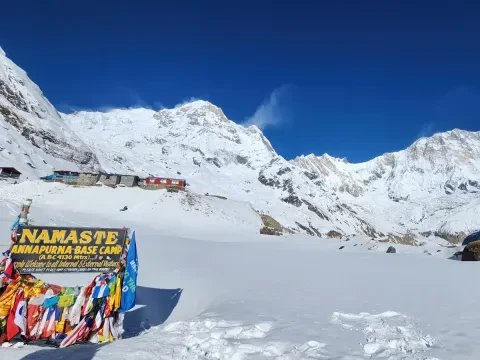
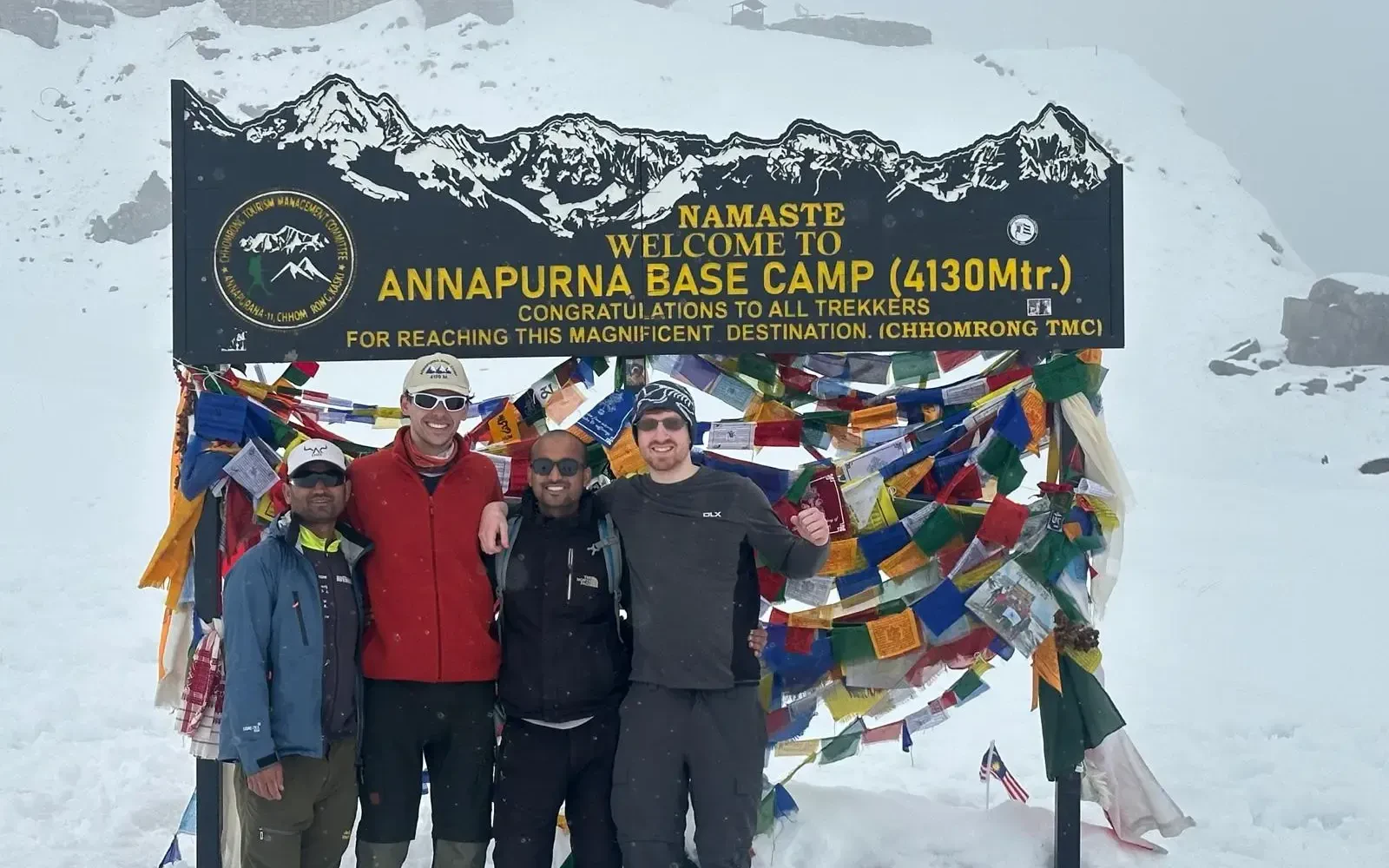
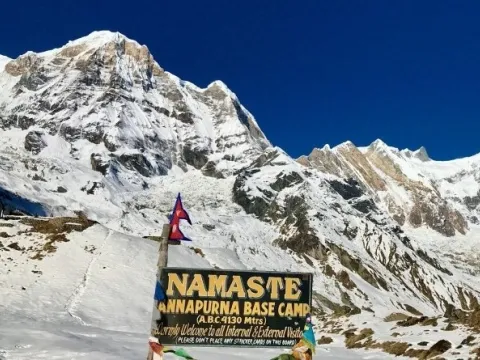
Picture yourself standing at Annapurna Base Camp, 4,130 meters up. Machhapuchhre Peak is gleaming above, the air’s sharp and cool, and everything around you feels impossibly big and still. In that moment, every sweaty step, every early morning, feels worth it. But here’s the thing—before you even lace up your boots, there’s a real decision to make: Do you sign up for a guided trip, or try to trek the Annapurna Base Camp (ABC) route in a more independent way? Making that call can change your whole experience.
Actually, there’s no secret why people love the ABC trek. The trails cut through loud, blooming rhododendron forests every spring. Every village, every teahouse, comes with that distinct Gurung hospitality—a smile, some tea, and genuine warmth. You’ll climb from the gentle rivers near Nayapul (starting around 1,070 meters) all the way up to that high glacial basin at 4,130. The views of Annapurna I, Hiunchuli, and Machhapuchhre follow you the whole way. But since Nepal’s rule change in 2023, all foreign trekkers need a licensed guide for the Annapurna region. That means true solo trekking—without support—just isn’t legal anymore. So, the choice isn’t “guided or solo,” it’s “fully guided” or “self-managed trip with a required guide and porter.”
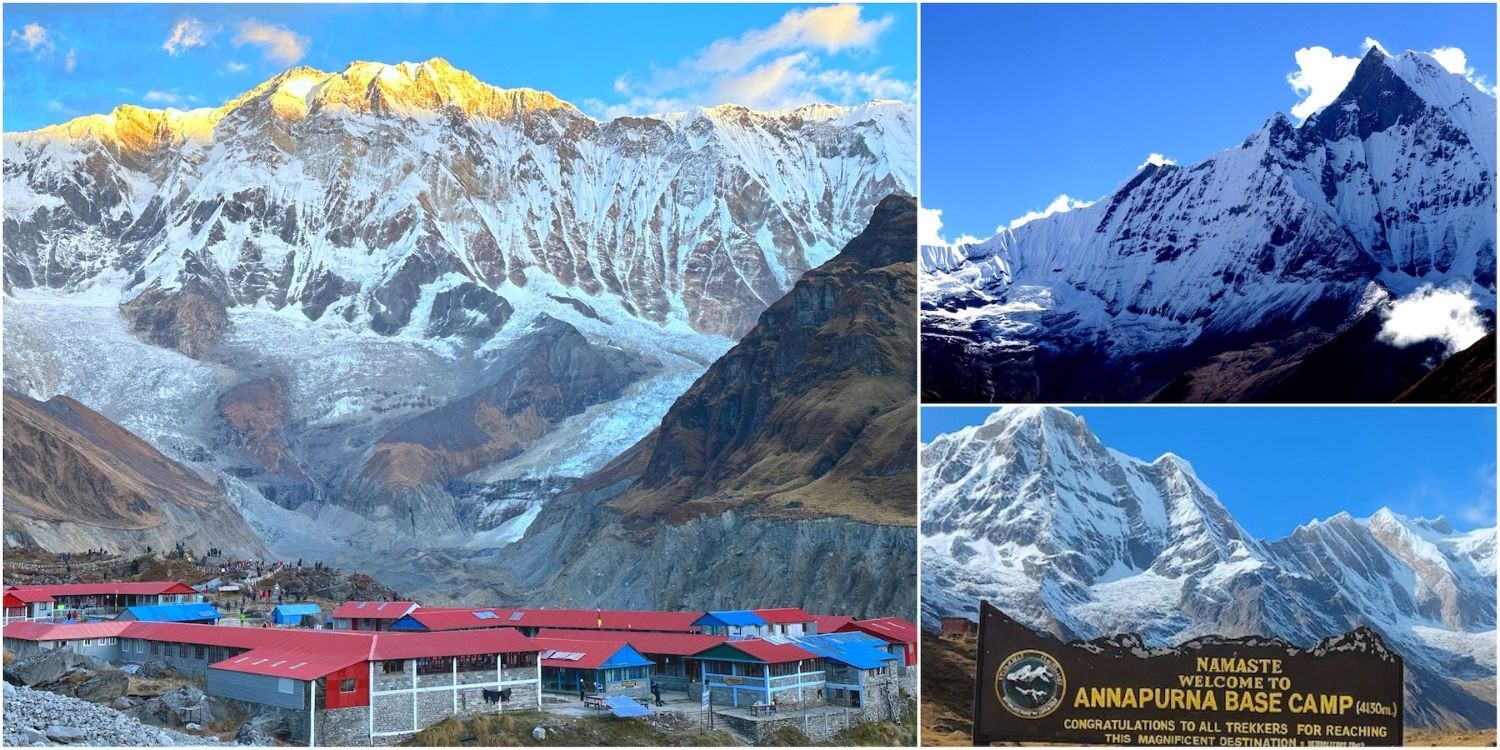
Why does this matter so much? Because safety and cost and overall enjoyment are all on the line with ABC. Once you get past 3,000 meters, altitude’s a real concern, weather turns quick, and you need the right support or things can go south pretty fast. If it’s your first high-mountain trek, an experienced guide is a lifesaver. And for pros, having options for flexibility matters, too—plus, nobody wants to mess around with permit issues or hidden fees. When you understand your options, you match your trek to your fitness, your budget, and your own dream, which means you go home with memories, not regrets.
Here’s why comparing guided and independent approaches is so important before you hit the trail:
| Factor | Why It Matters for ABC Trek | Guided Impact | Independent Impact |
|---|---|---|
| Legality & Permits | ACAP (NPR 3,000 / ~$23) + TIMS required | Handled fully by agency | Must coordinate via guide/agency . |
| Safety at Altitude | Risk above 3,000m (9,843 ft) to 4,130m | Professional monitoring & support | Self-managed with hired guide. |
| Cost Range | (7-12 days) | $500–$1,500 USD per person | $700–$1,500 (all-inclusive) | $500–$800 (plus guide ~$30/day). |
| Flexibility | Daily pacing & rest days | Structured yet customizable | Full control but more effort. |
In fact, it doesn’t matter if you’ve done dozens of treks or this is your first Himalayan adventure—the choice you make shapes every day out there. So, dig into the options, picture that sunrise, and pick the plan that gets you there with a smile (and all your toes intact). Haven Holidays Pvt. Ltd. is ready to make the hard parts easy so you just soak in the adventure. Book now and step into that sanctuary with real confidence. There’s a story waiting for you out there.
When trekkers reach Pokhara, full of excitement but maybe a little nervous, the big question usually pops up: What does it actually feel like to go guided versus independent on the Annapurna Base Camp Trek? The trail’s the same for everyone, with rhododendron forests and huge grassy meadows and icy mountain walls—but your actual experience changes a lot depending on how you set things up. Here’s what Haven Holidays Pvt. Ltd. wants you to know, so you pick the style that really fits your adventure style (and keeps you out of paperwork trouble).
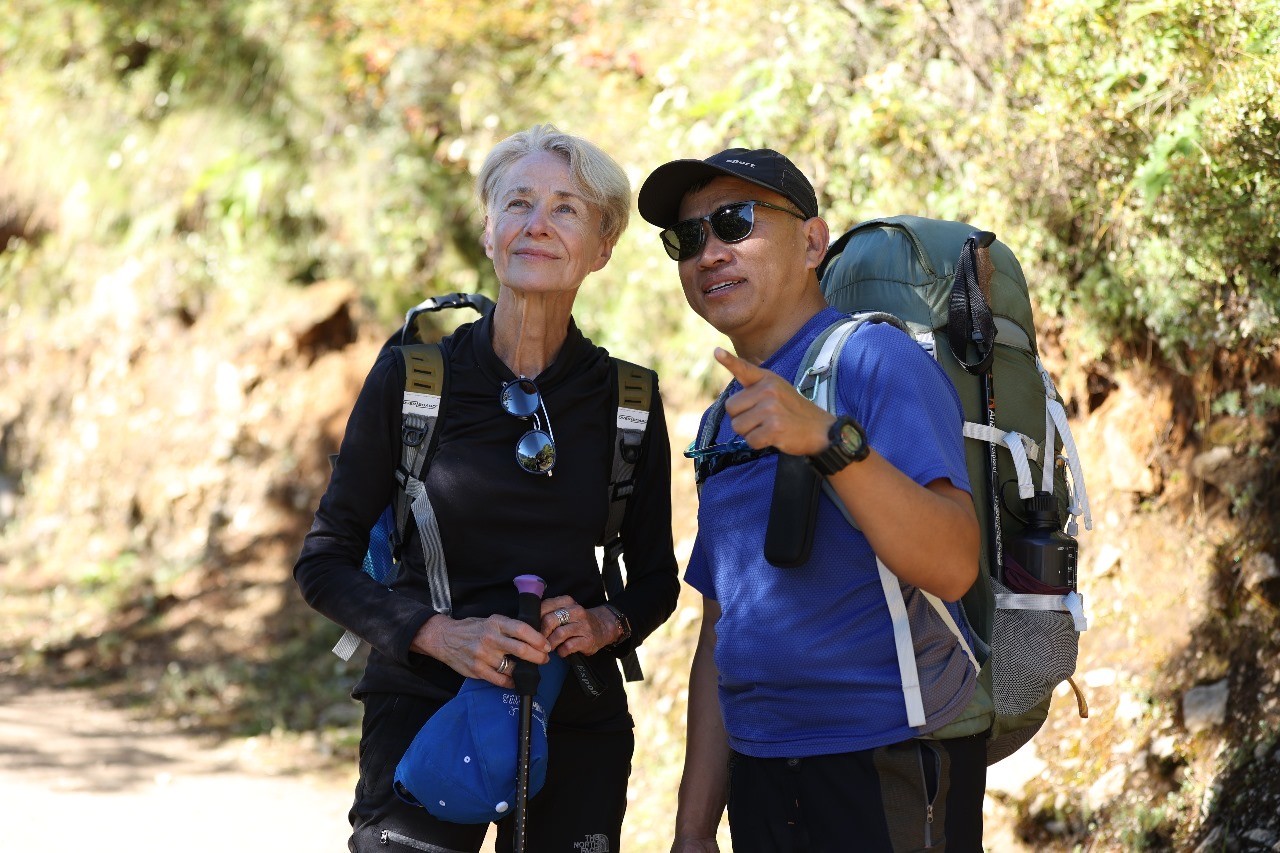
If you choose a guided ABC trek, you get the whole deal start to finish. Agencies like Haven Holidays Pvt. Ltd. sort out every single detail: a pro Nepali guide, porter if you want, teahouse beds all booked in advance, all meals lined up, permits handled, and local transport figured out. Your guide will check your pace, keep an eye out for altitude issues, and usually share some stories about the mountains and villages as your trail rises from Chhomrong (2,170 meters), through Deurali (3,230 meters), past Machhapuchhre Base Camp (3,700 meters), and up to the final prize at 4,130 meters. Your main job: keep walking and soak it all in.
If you prefer some independence, you'll have more say in how your trek unfolds. But don’t forget—you still need a licensed guide, by law, to get a permit. You book your own teahouses (if you can), shape your daily plan, arrange for transport, and set the pace. You still get a guide—through an agency or by hiring someone local in Pokhara—and many folks grab a porter, too, to keep things easier. But you’ll be a little more hands-on about logistics, money, and daily decisions, which suits hikers who’ve done this sort of thing before and like a bit of unpredictability. And in the remote sections, your guide’s expertise is still how you stay safe and on the right trail.
Actually, both paths usually follow the same legendary 7- to 12-day route. Most people sneak in a side trip to Poon Hill for sunrise, then come back through the valleys. Guided trips lock in the plan and leave room for altitude adjustment, while independent folks can change things as they go if weather or energy shifts. Either path gets you real mountain moments.
Here’s the side-by-side look at both trekking styles:
| Aspect | Guided ABC Trek (e.g., Haven Holidays Pvt. Ltd.) | Independent ABC Trek . |
|---|---|---|
| Support Level | Full package: guide + porter, all logistics | Hired guide/porter + self-managed bookings. |
| Permits & Logistics | Agency handles ACAP, TIMS, transport | You coordinate but guide assists. |
| Daily Experience | Structured days with expert guidance | Flexible pacing and spontaneous stops. |
| Typical Cost | (per person) | $700–$1,500 (7-12 days, all-inclusive) | $500–$800 + guide (~$30/day). |
| Best For | Beginners, safety-focused travelers | Experienced hikers seeking autonomy. |
| Altitude Management | Professional monitoring at 4,130m (13,550 ft) | Self-paced with guide support. |
In the end, guided or independent, both paths leave you grinning at sunrise on the glacier. It all comes down to how you want the journey to feel—easy and taken care of, or a bit more raw and self-driven. Haven Holidays Pvt. Ltd. has guided options ready and waiting for you, blending safety, comfort, and all-out Nepali friendliness. Pick your path and get ready for a trek that’ll stick with you forever. The mountains aren’t going anywhere—time to see them your way.
Imagine you’re hiking up toward Annapurna Base Camp, heart pounding with excitement, Machhapuchhre towering above you—then you hit a checkpoint and realize, suddenly, permits aren’t just a formality. In the Annapurna Conservation Area, Nepal’s government takes the rules seriously. They want to keep trekkers safe and make sure locals get employment, so the days of just wandering up the trail solo are gone. Haven Holidays Pvt. Ltd. is upfront about the rules, so you don’t get tripped up by paperwork or surprises. That way, you get to soak in those rhododendron forests and wander through Gurung villages with nothing on your mind except the next bend in the trail.
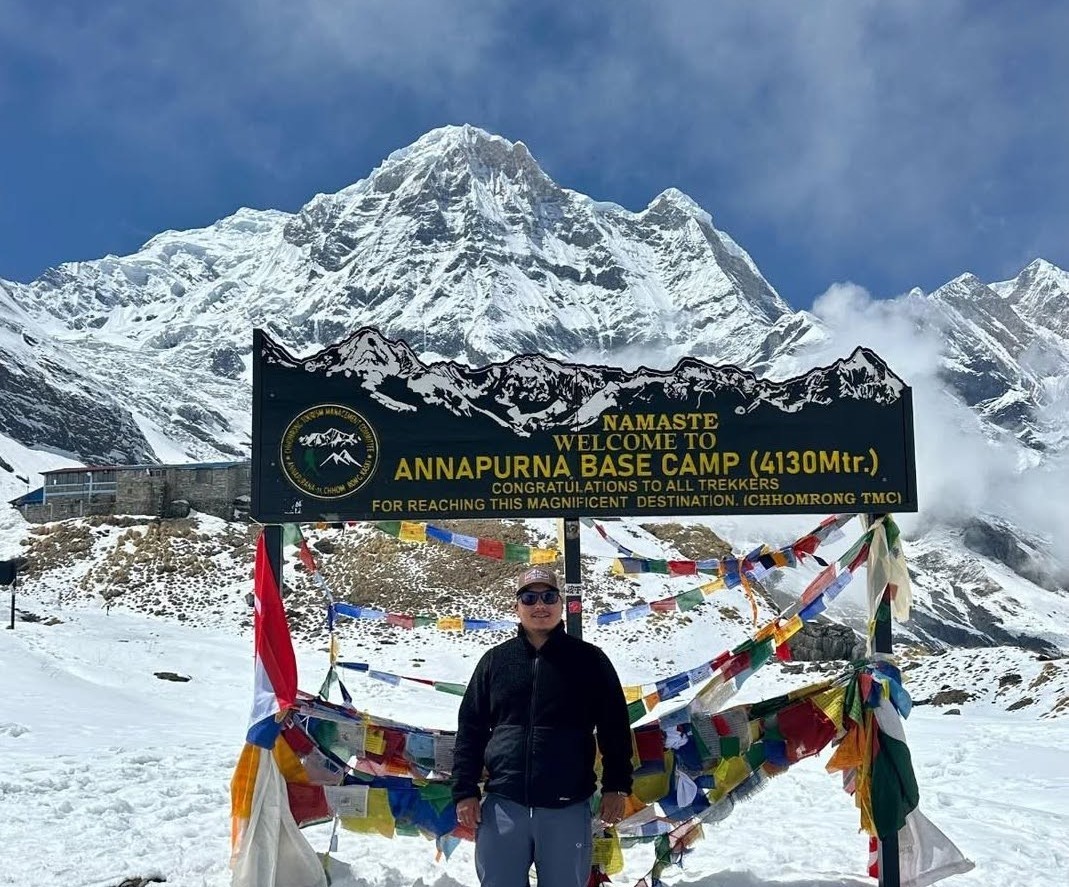
Here’s the bottom line: If you’re a foreign trekker, you have to hire a government-licensed guide to get your permits and actually start the trek. No guide? No go. Independent solo trekking’s not legal on the ABC route anymore. The basic permit you’ll need is the ACAP (Annapurna Conservation Area Permit)—costs NPR 3,000 (about $23 USD)—and the agency you book with will handle this, along with the TIMS registration for safety tracking. Checkpoints, like the one at Chhomrong and higher up, aren’t just friendly stops; the officials actually verify your guide’s government ID and your permits right there. These regulations aren’t just bureaucracy—they genuinely help cut down on altitude issues over 3,000 meters (9,843 feet) and, just as importantly, they put jobs straight in the hands of local guides and porters.
In fact, with Haven Holidays Pvt. Ltd., all the guides are officially registered. Your paperwork gets handled without fuss, so you don’t get stuck with double fees or turned back at those control points. You still have plenty of flexibility—the licensed guide hikes along for the whole journey, all the way from Nayapul at 1,070 meters (3,510 feet) up to the sanctuary. The rule cuts out guesswork instead of killing your adventure vibe, and honestly, having a pro around pays off if bad weather hits or you feel wiped out near Deurali at 3,230 meters (10,597 feet).
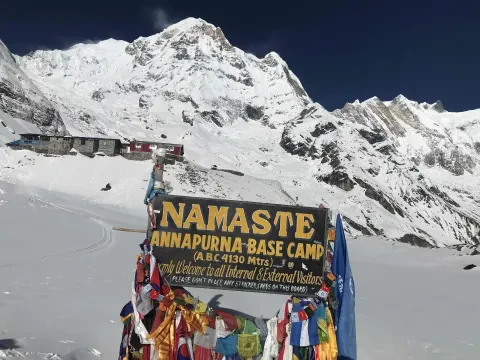
Here’s how you stay on the right side of the rules for your Annapurna Base Camp Trek:
| Legal Aspect | Requirement for ABC Trek | Guided (Haven Holidays Pvt. Ltd.) | Independent Style . |
|---|---|---|
| Licensed Guide | Mandatory for foreigners in Annapurna region | Fully provided & registered | Must hire via agency (no true solo). |
| ACAP Permit | NPR 3,000 (~$23) per foreigner | Handled by agency | Coordinated via guide/agency. |
| TIMS Registration | Often included via agency for safety | Bundled automatically | Agency-assisted . |
| Enforcement | Checked at trail checkpoints | Zero hassle | Risk of issues if not properly arranged . |
| Purpose | Safety + local employment | Professional support at altitude | Still requires guide for compliance . |
To sum up, cutting through these rules takes a load off your mind—you get to concentrate on the beauty of the Annapurna Sanctuary, not red tape. Haven Holidays Pvt. Ltd. keeps you legal and safe while giving you a real, down-to-earth trekking experience. Book your Annapurna Base Camp Trek now, because these mountains reward people who come prepared. Grab your licensed support and make mountain memories that actually last.
So, how does your money break down on the Annapurna Base Camp Trek once you start chasing those incredible sunrises? It helps to know exactly what you’re paying for, whether you go guided or try to arrange things yourself. Haven Holidays Pvt. Ltd. believes in showing you the numbers—so you don’t end up nickel-and-dimed on the trail. Sure, both types get you to the same beautiful sanctuary at 4,130 meters (13,550 feet), but the way your budget stretches is really different.
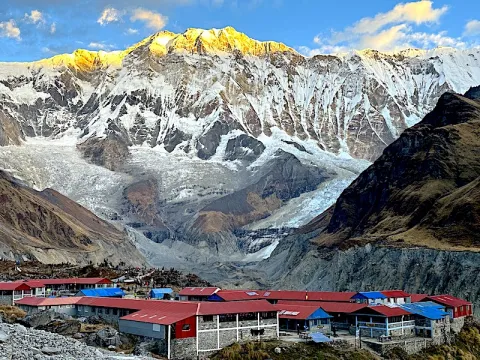
Here, go guided—especially with an established company like Haven Holidays Pvt. Ltd.—and pretty much everything’s bundled into one price. That means your licensed guide, porter (if you want one), every teahouse bed and meal, a ride from Pokhara, your ACAP permit, even basic insurance help. Teahouse rates do climb with the altitude, but on a package, you don’t have to haggle over prices or worry what tomorrow’s bill will look like. Plus, you get safety support and insider cultural tips, stuff solo trekkers usually have to figure out for themselves. For a lot of people, the added peace of mind feels worth it—especially when that altitude starts to mess with you over 3,000 meters.
If you go for the independent route, you’ll probably shave the base cost down a bit. You set up your own teahouse stays, pay as you go, book your own transport, and you’ll still need to hire the required local guide and maybe a porter through an agency. Guide rates usually land around $25–35 USD per day, porters ask $20–25 USD, but it’s on you to cover all your daily meals (NPR 500–1,500), rooms (NPR 300–1,000+), and tip at trip’s end. Got stuck by bad weather or needed an extra night at Machhapuchhre Base Camp? That’s coming out of your pocket, too. If you love managing the details and budgeting your trip, this system works. It just needs a cushion for those “just in case” challenges.
Likewise, add it all up for 2026: on a 7- to 12-day Annapurna Base Camp Trek, guided packages typically run $700–$1,500 per person. Independent trekkers usually spend $500–$900, plus guide fees—don’t forget those extras like the 10–15% tip or any gear rentals. Haven Holidays Pvt. Ltd. lays it out clearly—no random surcharges—so you just enjoy the journey, the culture, the mountains.
Key cost components that shape your Annapurna Base Camp Trek budget include:
| Cost Item | Guided (Haven Holidays Pvt. Ltd.) | Independent (Self-organized + Guide) | Notes |
|---|---|---|
| ACAP Permit | Included ($23) | $23 (paid via agency) | Mandatory for entry. |
| Guide + Porter | Included (professional team) | $25–35/day guide + $20–25/day porter | Required by law . |
| Teahouse Meals & Lodging | Fully covered (fixed rates) | $25–50/day per person (variable) | Rises with elevation. |
| Transport (Pokhara) | Private/shared jeep included | Self-arranged (~$20–50 round trip) | Depends on group size. |
| Total per Person (7-12 days) | $700–$1,500 all-inclusive | $500–$900 + guide fees | Excludes international flights & gear. |
| Best Value For | Beginners & comfort seekers | Experienced budget travelers | Guided adds safety & convenience . |
To sum up, a little smart planning makes the Annapurna Base Camp Trek affordable and unforgettable. Haven Holidays Pvt. Ltd. offers straightforward packages that keep you protected and grounded every step of the way. Ready to watch the sunrise at base camp without sweating the details? Book your trek now and just enjoy the Himalayas—let your adventure start with zero surprises.
Picture yourself on that final steep stretch to Annapurna Base Camp—breathing thin air at 4,130 meters, Machhapuchhre towering overhead like a watchful giant. Suddenly, you feel a headache that wasn’t there a minute ago, or the weather switches in a snap. At moments like this, having real expert support is worth everything. On this trail, safety stops being a background thought. Haven Holidays Pvt. Ltd. lays it out honestly: guided and independent trekking mean two totally different risk environments, and it’s good to know the tradeoffs before you lace up your boots.
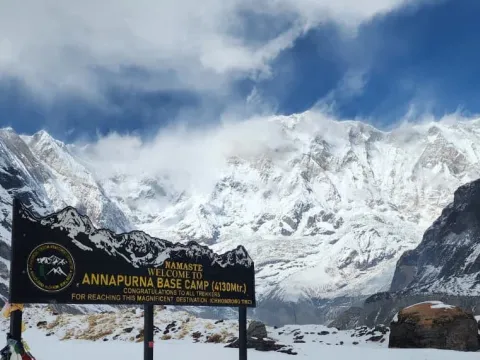
Here, from Nayapul (1,070 meters), it’s easy to follow the trail through lively Gurung villages and big rhododendron forests. But after you hit 3,000 meters, things get serious—altitude can sneak up fast. Prepping smart and having backup is the difference between worrying all day and actually enjoying the wild beauty around you.
If you sign up for a guided trek with Haven Holidays Pvt. Ltd., you get a seasoned pro by your side. They keep an eye on your acclimatization, handle a full first-aid kit, and—most important—know exactly what to do if altitude sickness strikes anywhere from Deurali (3,230 meters) or higher up. They’re used to sudden changes too: fog rolls in, rain, even early snow near Machhapuchhre Base Camp at 3,700 meters—they don’t just guess, they get you through safely. And if things go sideways, they’ve got satellite phones and solid emergency plans. Guides also catch those subtle altitude warning signs early and make sure you rest, so your main job is just to look up and enjoy those mountain views. For beginners and families, that’s a huge safety net.
In fact, going independently—even with the new rule that every trekker needs an official guide—puts more on your shoulders. The route is clear and the teahouse network is good, but you’re still calling more of the shots. You’ll have to pace yourself, listen to your body, decide when to rest, and manage emergencies without a full team around you. You handle your own insurance and emergency contacts, and honestly, you’ll need your own first-aid kit and a satellite gadget just in case. Some trekkers actually love this—they enjoy taking on the challenge and hitting base camp knowing they managed it all firsthand.
No matter how you go, some basic prep matters for everyone. Here’s a quick checklist for Annapurna safety:
| Safety Factor | Guided Trek (Haven Holidays Pvt. Ltd.) | Independent with Guide | Key Benefit |
|---|---|---|
| Altitude Monitoring | Professional daily assessment | Self-managed with guide input | Early detection prevents serious issues |
| First Aid & Emergency | Guide carries full kit + evacuation knowledge | Personal kit + guide assistance | Faster response in remote sections |
| Weather & Navigation | Expert route decisions in fog or snow | Trail is clear but self-judgment needed | Reduced risk above 3,700m (12,140 ft) |
| Group Support | Team helps weaker members | More personal responsibility | Peace of mind for beginners |
| Overall Risk Level | Lower due to structured support | Moderate with experienced hikers | Both safe when prepared |
Honestly, safety isn’t about doom and gloom; it lets you take in the rhododendron blooms, the smiles of locals, the crazy sunrises—all the best parts. Haven Holidays Pvt. Ltd. shapes every guided package around safety, so you just get the adventure without the stress. If you want to trade worry for wonder, book the guided trek and experience the mountains without doubts hanging over you.
Actually, there’s a buzz in making your own choices out there—maybe you wander when you want, stop by a hillside teahouse on a whim, or check out a hidden viewpoint because the weather’s just right. On the flip side, there’s something great about finishing a long day on the trail and knowing there’s a bed and a good meal waiting—no stress. Flexibility shapes your whole experience on the Annapurna Base Camp Trek, and Haven Holidays Pvt. Ltd. actually gets why these differences matter for every kind of trekker. If you want freedom or crave structure, getting this right means your trip feels personal—and memorable—for all the right reasons.
In fact, going independently on this route means you call the shots. Every day, you pick your distance, maybe take an extra hour in a mountain village, or decide to push on to a farther teahouse. If Machhapuchhre Base Camp seems especially stunning at sunrise, you can linger. That freedom is real—especially if you’ve trekked before—but you do the legwork. You set your start time, handle route changes, and manage your own mood and breaks. That makes reaching base camp feel even sweeter for people who like full control.
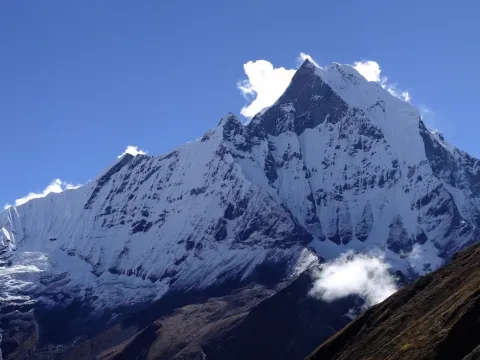
Here, guided packages from Haven Holidays Pvt. Ltd., on the other hand, make things simple. The guide takes care of teahouse bookings, food, and pacing. The itinerary is planned for acclimatization and group safety, but the agency can still tweak rest days or pacing for different groups. In a guided group, you get support, shared laughs, someone to look out for you on steep bits, and—if you want—someone else to make the hard decisions when you’re tired. If you’d rather go private for more quiet or control, that’s an option too. In short, guided treks trade some spontaneity for less hassle and less stress.
Summing up, some people mix it up—responsive agencies like Haven Holidays Pvt. Ltd. can add free days or slow things down if you want a little more flexibility, but still like the idea of reliable backups. For busy people who want peace of mind, guided is best. For the solo soul, independent treks with a guide let you move at your own pace, reflect, and take it all in without a crowd.
Here’s how flexibility really looks out there:
| Flexibility Aspect | Guided Trek | Independent Style | Best Suited For |
|---|---|---|
| Daily Pacing | Structured with guide input | Full personal control | Experienced hikers (independent) . |
| Side Trips & Adjustments | Possible with advance request | Spontaneous and easy | Adventurous souls. |
| Group vs Solo Feel | Shared experience with team | More private or small group | Social travelers (guided). |
| Hassle Level | Very low | Higher planning effort | Beginners (guided). |
| Customization | Good through agency | Maximum | All levels with proper booking. |
No matter what calls you—quiet control or easy days with backup—the Annapurna Base Camp Trek has a style that fits. Haven Holidays Pvt. Ltd. builds itineraries that match your needs, so you leave with the right mix of freedom, support, and those unforgettable moments with the mountains. If you’re ready, choose your path, reserve a spot, and walk your dream trek your way.
Picture this: you arrive in Pokhara, buzzing with anticipation for the Annapurna Base Camp Trek, but soon start worrying about long lines for permits, confusing transport to Nayapul, and all those checkpoint stops, while Machhapuchhre’s dramatic summit looms in the distance. Here’s where Haven Holidays Pvt. Ltd. swoops in—they take care of all these nitty-gritty details, so you just dive into what you came for: lush rhododendron forests, lively Gurung villages, and that sweet climb to Annapurna Base Camp. Guided packages untangle the whole process, and even if you like doing things independently, knowing how everything works gives you extra peace of mind right from the start.
Meanwhile, getting the ACAP (Annapurna Conservation Area Permit) isn’t complicated, but there’s paperwork—passport copies, visa details, photos, your licensed guide’s name, and license number. Nepal now requires a registered guide for all foreign trekkers (since 2023), so this isn’t optional. The ACAP costs NPR 3,000 (about $23–25 USD), and agencies breeze through the process in no time, handling safety registration too. Getting from Pokhara to Nayapul (the trek’s trailhead at 1,070 meters) involves a local bus or a shared jeep that runs $2–15 per person, but book a guided trek and you get a comfy ride that’s already sorted out—no figuring out return rides later, either. When you hit checkpoints near Chhomrong or higher up, your guide handles all the formalities, flashing the right papers so you don’t lose time or get hit with surprise fees.
Here, with Haven Holidays Pvt. Ltd., you skip all the stressful logistics. Their crew sorts every piece—transport, permits, nights at teahouses, all the way up to Machhapuchhre Base Camp. You just need to show up ready to walk; they’ve got the rest dialed in, thanks to local know-how and experience. Especially if this is your first big trek, or you’re short on time, this kind of package is a real lifesaver.
Still prefer a more DIY adventure but need to keep within the rules? Here’s a quick checklist to make the process smooth:
| Logistics Element | Guided (Haven Holidays Pvt. Ltd.) | Independent with Mandatory Guide | Practical Advantage |
|---|---|---|
| ACAP Permit | Fully arranged (~$23–25 included) | Self-applied with guide details (~$23–25) | No queues or paperwork stress |
| Transport Pokhara–Nayapul | Private/shared jeep arranged | Self-booked local bus/jeep ($2–15) | Comfortable and timely arrival. |
| Checkpoint Navigation | Guide handles all document checks | You + guide present papers | Zero delays at control points |
| Overall Coordination | End-to-end management | Personal effort with guide assistance | More energy for the actual trek |
Permits, transport, and logistics shouldn’t steal the show from the actual trek. With Haven Holidays Pvt. Ltd. handling the tough stuff, you walk from 1,070 meters to 4,130 meters with a clear head and a happy heart. Book your guided Annapurna Base Camp Trek package today—because smooth planning turns stressful tasks into pure excitement. The mountains are ready; all you need is to take the first step.
Meanwhile, your legs grow stronger, your heart gets lighter, and as you climb higher toward Annapurna Base Camp at 4,130 meters, you get why people come here—even Machhapuchhre’s silhouette at 6,993 meters feels like it’s cheering you on. The trek is graded moderate, so yes, beginners in reasonable shape handle it just fine. There’s still a challenge: you’ll climb and descend plenty, every day. Haven Holidays Pvt. Ltd. spells out what you’re really signing up for, so you prepare right and show up ready—guided or independent, with that mandatory guide at your side. Think of good training as your secret weapon for making this trip rewarding, not punishing.
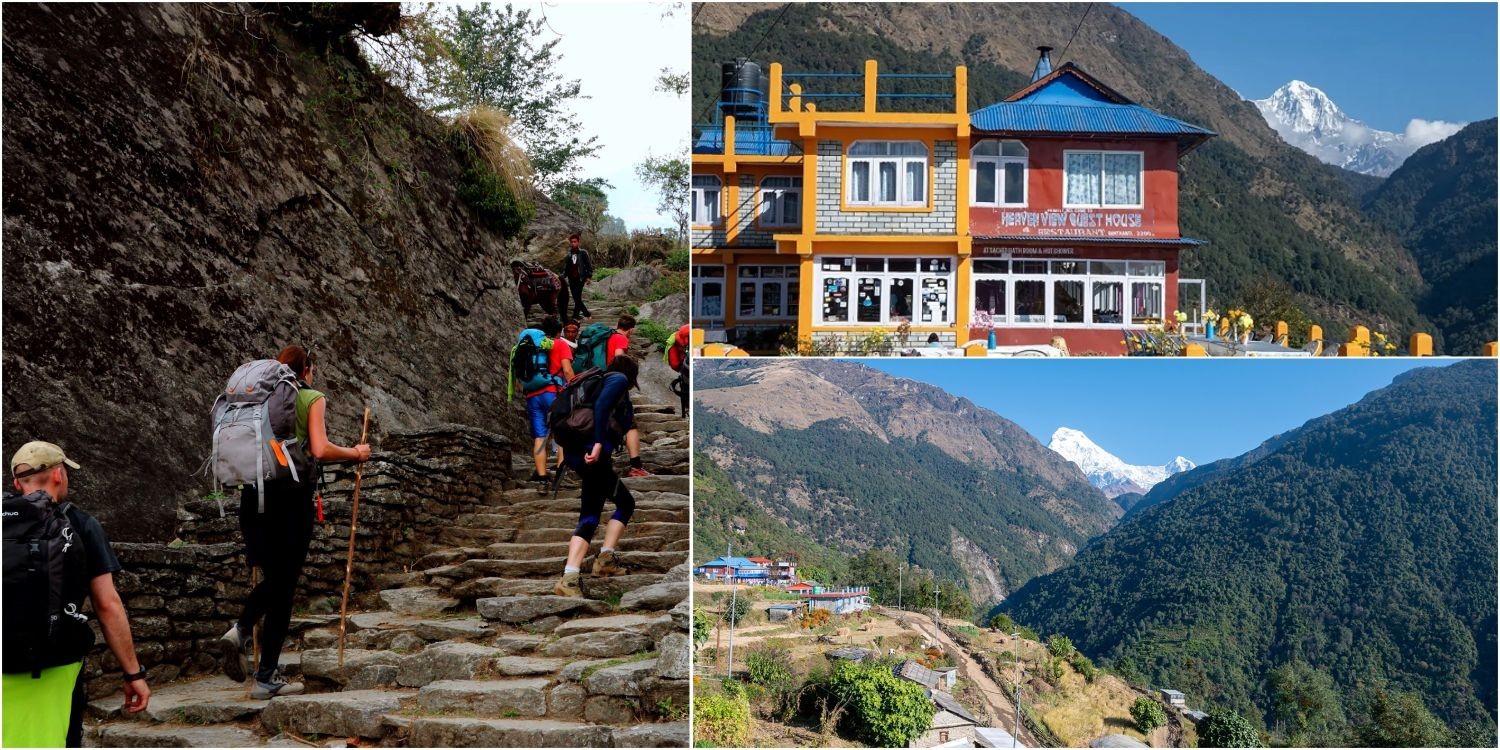
Likewise, you’ll be walking 5 to 7 hours a day along steep stone trails, up and down valleys, with lots of altitude changes. The trail starts in Nayapul (1,070 meters), then goes through Chhomrong (2,170 meters), then Deurali (3,230 meters), inching closer to the high sanctuary. You don’t need technical skills, but good leg strength and some cardio make everything easier. Above 3,000 meters, the thin air can sneak up on you—altitude sickness (AMS) is real, so take it slow, hydrate, and pay attention to your body. For most people in decent health, training for 6–12 weeks before your trek gives you the edge, and plenty of first-timers finish feeling strong and proud.
Here, book a guided trek and a porter will usually take the heavy gear, while the guide helps you pace yourself and keeps an eye out for altitude issues. If you go independent (still with the required guide), you might carry your own daypack or hire a porter—either way, it’s up to you. Packing matters more than you think: folks who go fully guided carry just essentials, but independent trekkers often bring a bit more. No matter which style, don’t underestimate the need for fitness—a guided trek just makes things a little easier, especially at altitude.
Some basic prep goes a long way for everyone:
| Preparation Aspect | Guided Trek (Haven Holidays Pvt. Ltd.) | Independent with Guide | Key Focus |
|---|---|---|
| Fitness Requirement | Moderate cardio + leg strength | Same moderate level | 5–7 hours daily on hilly terrain |
| Porter Support | Usually included (lighter daypack) | Optional but recommended | Reduces physical load |
| Altitude Training | Guide monitors & enforces acclimatization | Self-managed with guide advice | Crucial above 3,000m (9,843 ft) |
| Packing Load | Minimal personal items | Daypack or limited gear | Weather layers & essentials essential |
| Beginner Friendliness | High with professional pacing | Good for fit self-reliant hikers | Both achievable with preparation |
So, is it beginner-friendly? With good prep and respect for the altitude, definitely. The Annapurna Base Camp Trek leaves you with lasting memories and a real sense of achievement. Haven Holidays Pvt. Ltd. makes it even easier with guided plans, porter options, and expert pacing—so you finish strong and come home inspired. Don’t wait—book your Annapurna Base Camp Trek today and turn those dreams of Himalayan adventure into your own story.
Picture yourself waking up at Annapurna Base Camp, 4,130 meters high, to a sunrise so clear it turns Machhapuchhre’s sharp summit gold while the Annapurna range stands out against a deep blue sky. That’s why timing your trek makes all the difference. Haven Holidays Pvt. Ltd. lines up the peak and shoulder trekking seasons side by side, so you can pick what matters to you most. Spring and autumn top the list, but each has its perks—especially if you’re after an easygoing guided trek or want the freedom that comes with going more independently. Once you know about the usual weather, the crowds, and prices, you can lock in your plans with confidence and focus on those rhododendron-lined trails or sweeping mountain views.
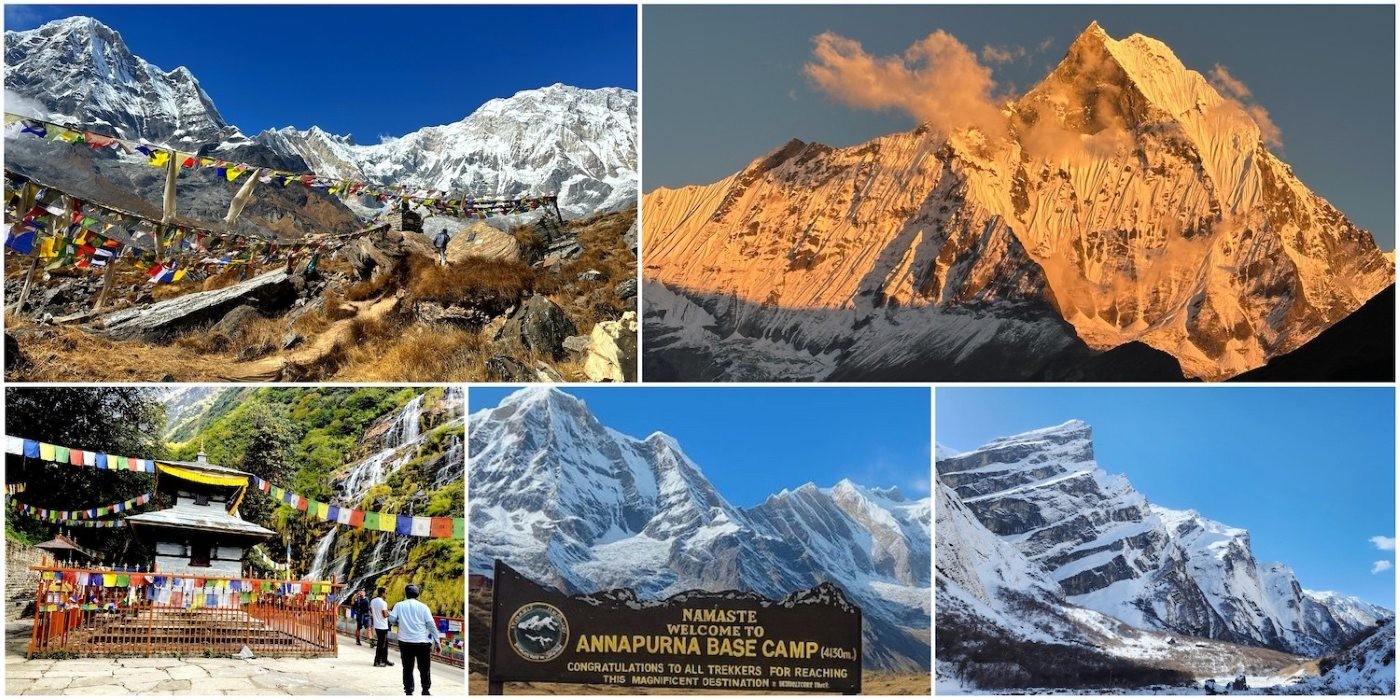
Meanwhile, Autumn (September to November, and especially October) is the season everyone raves about. The weather’s steady, skies stay clear, and you get beautiful fresh visibility after the monsoon’s washed everything clean. It’s never scorchingly hot nor icy cold, whether you’re near Nayapul at the base or moving up into high camp. Trails are safe and dry. But, you do need to know—it’s crowded. Teahouses book up quick, so prices edge higher. Guided treks with Haven Holidays Pvt. Ltd. are a smart move then because they sort accommodation in advance and keep everything running smoothly even when there are a lot of trekkers. If you’d rather go independently (nowadays always with a licensed guide), you do have the freedom to start earlier in the morning or change your pace to skirt around group clusters.
Likewise, Spring (March to May, especially April) is something else—those forests explode with rhododendrons, the days get warmer, and you get plenty of daylight. Views are still excellent, though now and then you’ll catch some afternoon clouds. While it’s busy, it’s not as crowded as autumn. Want even more peace and value? Aim for early September or late November. Fewer people will be around and you’ll pay less, but you’ve got to be ready for it getting quite cold and there’s a higher chance of light snow, especially up near Deurali. A guided trek is reassuring in unpredictable weather; their teams keep an eye on the forecast and handle acclimatization routines. On your own (with a required guide), you can wander off the main routes a bit and enjoy quieter trails.
However, Monsoon, though (June to August)? Rain soaks the trails, leeches are out, and most people steer clear. Winter (December to February) is for trekkers who want the mountains almost to themselves, but be ready—freezing temperatures and snow above 3,000 meters mean you need solid prep and the right gear. Both styles—guided and independent—work best in the busy autumn and spring months; guided options really shine in the chaos, nailing logistics and securing beds.
Here are seasonal pros and cons for the Annapurna Base Camp Trek:
| Season | Weather & Views | Crowds & Costs | Guided Advantage | Independent Advantage. |
|---|---|---|
| Autumn(Sep–Nov) | Excellent clarity, dry trails | High crowds, moderate price rise | Pre-booked lodges, smooth logistics | Early starts to beat groups. |
| Spring (Mar–May) | Rhododendron blooms, good visibility | Moderate crowds, stable prices | Weather monitoring & safety | Flexible detours amid flowers. |
| Shoulder (early/late) | Variable, cooler possible | Low crowds, best value | Reliable support in changing conditions | Maximum solitude and personal rhythm. |
So, when’s the best time? Depends if you want the sharpest views, blooming forests, or nearly empty trails all to yourself. Haven Holidays Pvt. Ltd. runs guided Annapurna Base Camp Trek departures year-round, always picking the safest weather windows. Their experienced teams adjust to whatever the mountain throws at you, so you reach 4,130 meters not just safely, but actually happy. Ready for your adventure? Book your preferred season’s package and let the mountains do the rest. The right timing and a good support crew can turn an ordinary trek into one of those trips you’ll never forget.
Here, just imagine standing at Annapurna Base Camp as the sun breaks over Machhapuchhre, the range glowing all around you. That’s the moment every trekker dreams of. But how you get there—well, it depends. Haven Holidays Pvt. Ltd. lays out both the classic 7–10 day guided route and the flexible approach so you can see exactly what suits your style, whether you want everything planned or you’d rather take things as they come. Both routes start at Nayapul and wind up to high camp, passing Gurung villages, rhododendron forests, sunrise at Poon Hill, and a soak in Jhinu’s hot springs on your way back. It’s all about what kind of flow fits your energy.
Meanwhile, the classic guided plan with Haven Holidays Pvt. Ltd.? It’s steady, with 8–10 days mapped out for safe acclimatization and a group rhythm you can count on. Kick off with a drive to Nayapul, hike to Tikhedhunga or Ghandruk (about 1,970 meters), then climb to Ghorepani (2,860 meters) for a night. Early morning, head up to Poon Hill (3,210 meters)—that panoramic sunrise is famous. Next, go down to Tadapani, over to Chhomrong (2,170 meters), and keep pushing through Bamboo, Deurali, all the way up to Machhapuchhre Base Camp. Then it’s ABC for the sunrise, a rewarding descent to Jhinu Danda for a long soak, and finally on to Pokhara. Guides keep the pace realistic, watch for altitude symptoms, and guarantee there’s a teahouse bed waiting for you every night.
Likewise, go independent (again, always with an official guide), and it’s just you and your guide deciding the pace. You can combine longer days if you’re fit, linger in a village you like, or stretch out at the hot springs. Experienced trekkers make detours if the weather turns, or just because they feel like it. Still, you’re in charge of your own bookings—for rooms and meals—though your guide will help with directions and paperwork. Either way, plan on 7–12 days round trip, covering 70–80 kilometers, with five to seven hours of trekking per day.
In fact, guided groups travel together with set plans for meals and rest breaks. Lots of encouragement and shared stories. Independent trekkers soak up peaceful mornings, take more photos, and let curiosity lead the way. But no matter your route, you get the same highlights—Poon Hill’s sunrise, genuine Gurung hospitality, the first overwhelming glimpse of the sanctuary, and the treat of Jhinu’s hot springs before the drive back.
Practical day-by-day comparison highlights include:
| Day(Approx.) | Guided Classic Flow (Haven Holidays Pvt. Ltd.) | Independent Flexible Option | Key Highlights & Altitude |
|---|---|---|
| 1–2 | Nayapul (1,070m/3,510ft) to Ghorepani area | Same start, possible slower pace | Stone steps of Ulleri, rhododendrons. |
| 3 | Poon Hill sunrise (3,210m/10,525ft) + Tadapani | Add extra time or side views | Panoramic Annapurna range. |
| 4–5 | Chhomrong (2,170m/7,119ft) to Deurali (3,230m/10,597ft) | Adjustable rests in villages | Gurung culture, forest trails . |
| 6–7 | MBC (3,700m/12,140ft) to ABC (4,130m/13,550ft) + sunrise | Early start or extra acclimatization day | Sanctuary views, Machhapuchhre close-up. |
| 8–10 | Descent via Jhinu hot springs (1,780m/5,840ft) to Pokhara. | Extend hot springs soak or optional detours | Relaxing thermal baths, return transport. |
So, both the classic guided and the flexible, self-managed approaches bring you all the awe-inspiring moments—as long as you prepare well and respect the mountains. Haven Holidays Pvt. Ltd. offers expertly guided Annapurna Base Camp Trek packages with great pacing, a safety focus, and lots of authentic touches. Book your preferred itinerary and take the first step on your Himalayan adventure—at 4,130 meters, it’s worth every step.
Stand on the floor of Annapurna Sanctuary, way up at 4,130 meters (13,550 feet), and watch as the first sunlight spills across Machhapuchhre’s jagged summit. The peaks around you light up in pink and gold, and for a moment, you forget the cold. Trekkers keep coming back to this moment, calling it life-changing. When you talk to people who’ve hiked the trail, you hear how choosing guided or independent travel shapes the journey—how it colors their walks through rhododendron forests, their nights in Gurung villages, the big challenges at high altitude. Haven Holidays Pvt. Ltd. collects these honest stories because nothing beats real-world insight. You'll get the truth about cultural immersion, group camaraderie (or quiet solitude), and what life in a Himalayan teahouse really feels like. It just helps to hear it all before you decide how you want to experience ABC for yourself.
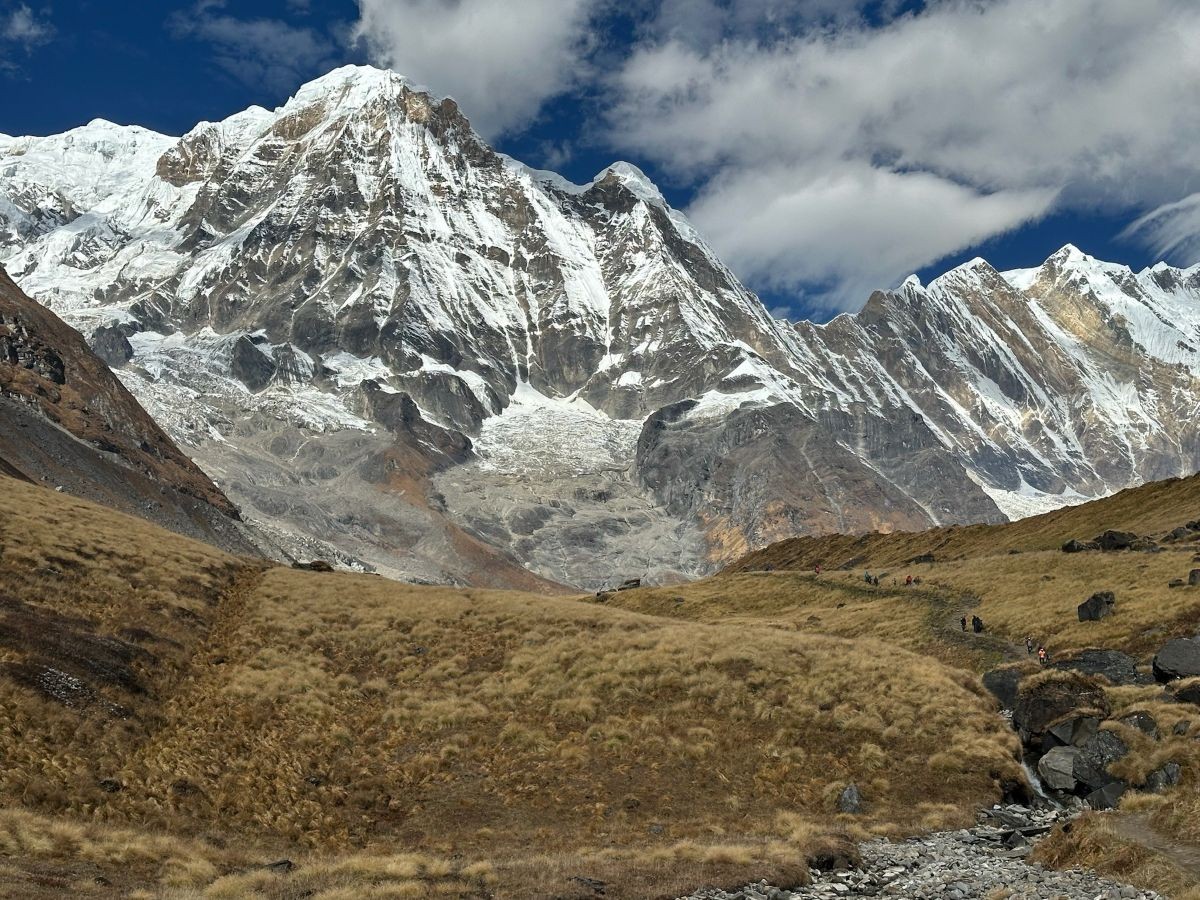
Actually, people who book guided treks almost always mention how strong the support feels and how much deeper they connect with the place. One traveler put it simply: “My guide Shreedhar was very helpful… throughout the whole trekking, there’s nothing I need to worry for.” Someone else shared, “Our guide checked on us, adjusted the pace, and told us the stories behind each mountain and village.” It’s not just about the physical path—it’s the sense of belonging, too. Groups forge friendships (“like hiking with family,” as one put it). Still, you do run into crowds at Annapurna Base Camp during peak times. Teahouses get loud. The weather can turn in a blink. But when things get tough, a good guide smooths it out, whether that’s snagging you a room, ordering up a hot meal, or rerouting for safety.
Meanwhile, independent trekkers who hire the required licensed guide talk a lot about freedom. One solo hiker said, “I preferred to just hike with my friend without a group… you can set your own pace and enjoy the epic views even after the groups have left.” There's magic in quiet mornings in empty villages, and you feel proud managing your own day. There's a price, though. Organizing your bed for the night, staying warm above 3,700 meters (12,140 feet) at Machhapuchhre Base Camp, and just keeping your energy up—all of that falls on you. You’re chatting more directly with locals, you have to decide what route to take, and you carry more responsibility when things don’t go perfectly. Doesn’t matter how you walk it, everyone faces gray afternoons, endless stone steps, and busy viewpoints at sunrise. Still, the hospitality and the beauty tie every story together—whether you’re surrounded by your group at dinner or watching the clouds drift alone.
Likewise, people are honest about the comforts and the not-so-great parts of teahouse stays, too. In a group, meals are lively and full of laughter. On your own, it’s quieter, more reflective. Rain or snow sometimes shows up, but with smart packing and a solid guide, bad weather turns into a story you’ll keep telling.
Key insights from past Annapurna Base Camp Trek travelers include:
| Experience Aspect | Guided Trekker Voices (Haven Holidays Pvt. Ltd. style) | Independent with Guide Voices | Common Thread. |
|---|---|---|
| Cultural Immersion | Guide explained villages and mountains beautifully | Direct local chats in quieter moments | Warm Gurung hospitality. |
| Bonding vs Solitude | Hiking with family… shared encouragement | Peaceful solitude and own rhythm | Shared sense of achievement. |
| Challenges | Managed crowds and weather with team support | Self-handled but still supported by guide | Altitude, cold nights, busy ABC viewpoint . |
| Overall Memory | Care-free adventure with professional care | Personal pride in flexible journey | Unforgettable sanctuary sunrise. |
If you ask around, the Annapurna Base Camp Trek touches nearly everyone—doesn’t matter if you go guided or independent. Team support brings some people closer to the culture and each other; solo time stirs up reflection. Haven Holidays Pvt. Ltd. aims to create guided treks that strike the right balance between safety, culture, and true human connection, giving you a shot at your own stories beneath Machhapuchhre. So why wait? Book your Annapurna Base Camp Trek package and find out for yourself why travelers keep coming back with memories that never fade.
So, you’re standing at Annapurna Base Camp, 4,130 meters up, surrounded by those legendary summits—Machhapuchhre, Annapurna South, all glowing in the honest morning light. You’ve read the stories, weighed the pros and cons of guided or independent trekking. The real question jumps out: what’s best for you? Haven Holidays Pvt. Ltd. offers a straight answer, pulling together everything that matters so you can finally move from dreaming to doing. This is about picking what matches your energy, comfort zone, and dreams—and taking that first real step toward the Himalayas.
Actually, guided treks take the hassle out of everything. They nail the official paperwork, handle permits and logistics, watch over your safety, and keep you comfortable each night so you have space to actually enjoy the views, forests, and Gurung villages as you move higher. For beginners, families, or anyone who wants to relax and focus on the experience, guided teams are hard to beat—regular altitude checks, rooms ready in advance, and stories from locals that stay with you. It might cost more, but when the trail gets crowded or the weather’s wild, the extra support is worth it. If you’re an experienced hiker who values independence and keeping costs down (and doesn’t mind organizing), going independent with the required guide gives you the freedom to roam at your own pace but still meets all the rules. What matters most: your fitness level, your budget, how much structure you crave, group vibes, and your willingness to handle the details.
Here’s the nitty-gritty: Want zero stress and help at high altitude? go for guided. Want freedom, but can handle a little extra planning and still need a licensed guide? Pick independent. Think about when you want to trek, how much time you have to prepare, and your comfort with risks. You’ll find that guided groups spark easy camaraderie and less stress, while independent trekkers walk away with a hard-earned sense of confidence. Either way, you’ll see the sunrise that makes it all worthwhile.
Final verdict factors that help you decide include:
| Decision Factor | Choose Guided (Recommended for Most) | Choose Independent with Guide | Best Match. |
|---|---|---|
| Experience Level | Beginners & families | Seasoned trekkers | Fitness & confidence. |
| Safety & Altitude | Professional monitoring at 4,130m (13,550 ft) | Self-managed with guide | Peace of mind priority. |
| Flexibility & Cost | Structured comfort, higher all-inclusive price | Maximum pacing freedom, lower base cost | Budget vs convenience . |
| Logistics & Permits | Fully handled | Coordinated but self-effort | Desire for ease . |
| Overall Recommendation | High value & enjoyment for majority | Rewarding for self-reliant adventurers | Your personal goals. |
At the end of the day, Annapurna Base Camp rewards those who get ready, respect the mountains, and just go. Haven Holidays Pvt. Ltd. is here with guided packages that mix safety, authenticity, and all the flexibility you need. Lock in your Annapurna Base Camp Trek now. That sunrise waits for nobody—pick your style, trust your gut, and step forward. Your Himalayan story starts as soon as you decide.
1. Is it better to do the Annapurna Base Camp Trek with a guide or independently?
Both options offer an excellent trekking experience. A guided trek provides professional support, better safety, easier logistics, and cultural insights, making it ideal for beginners. An independent-style trek (where you manage most arrangements yourself while hiring the required licensed guide) offers more flexibility and personal freedom.
2. Can foreigners trek to Annapurna Base Camp without a guide?
No. Under Nepal's current trekking regulations, foreign trekkers in the Annapurna region are required to have a licensed trekking guide. Completely solo trekking is no longer permitted in this region.
3. How much does a guided Annapurna Base Camp Trek cost?
A guided Annapurna Base Camp Trek generally costs between USD 250 and USD 5,00 per person, depending on the itinerary, group size, accommodation standard, transportation, and services included.
4. Is an independent-style Annapurna Base Camp Trek cheaper?
Yes. Managing your own accommodation, meals, and transport while hiring only a licensed guide can reduce overall costs compared with an all-inclusive guided package.
5. Which option is safer for first-time trekkers?
A guided trek is much safer for beginners. Guides monitor altitude symptoms, navigate the trail, arrange accommodation, assist during emergencies, and provide local knowledge throughout the journey.
6. What permits are required for the Annapurna Base Camp Trek?
Trekkers need an Annapurna Conservation Area Permit (ACAP). Permit requirements may change, so always check the latest official regulations or book through a licensed trekking company.
7. Does a guide arrange accommodation during the trek?
Yes. On guided treks, the guide usually books teahouses in advance, especially during the busy spring and autumn trekking seasons when rooms fill quickly.
8. Is navigation difficult on the Annapurna Base Camp route?
The trail is generally well marked, but weather changes, landslides, side trails, and poor visibility can make navigation challenging. A guide helps ensure you stay on the correct route.
9. Can I customize my itinerary with a guide?
Yes. Private guided treks usually allow flexible itineraries, additional acclimatization days, shorter walking distances, or extra village visits according to your preferences and fitness.
10. Do guided treks include meals?
Most guided trekking packages include three meals per day during the trek. However, inclusions vary between companies, so always confirm before booking.
11. Is hiring a porter worth it?
Yes. A porter carries your heavy backpack, allowing you to enjoy the trek with less physical strain and reducing fatigue, especially during long uphill sections.
12. Which option offers a better cultural experience?
Guided treks often provide richer cultural experiences because guides explain local traditions, history, mountain culture, religion, and village life throughout the journey.
13. Can experienced trekkers choose an independent-style trip?
Absolutely. Experienced trekkers often prefer organizing accommodation, meals, and daily schedules themselves while hiring the legally required licensed guide.
14. Which trekking style is more flexible?
An independent-style trek offers greater flexibility regarding walking pace, rest stops, photography time, and daily planning. Guided group departures generally follow a fixed itinerary.
15. Are emergency evacuations easier on guided treks?
Yes. Guides communicate with trekking agencies, arrange helicopter evacuation if necessary, assist with insurance procedures, and coordinate emergency response much faster.
16. What is the best season for both guided and independent-style trekking?
Spring (March to May) and autumn (September to November) are considered the best seasons because they offer stable weather, clear mountain views, and comfortable trekking temperatures.
17. Is altitude sickness a concern on the Annapurna Base Camp Trek?
Yes. Since Annapurna Base Camp sits at 4,130 meters, altitude sickness can affect anyone regardless of fitness level. Proper acclimatization, hydration, and gradual ascent are essential.
18. How many days are recommended for the Annapurna Base Camp Trek?
Most trekkers complete the trek in 5 to 12 days, depending on the starting point, transportation, chosen route, acclimatization schedule, and side trips such as Poon Hill.
19. Who should choose a guided Annapurna Base Camp Trek?
Guided trekking is ideal for first-time visitors to Nepal, solo travelers, families, older trekkers, and anyone seeking a stress-free experience with maximum safety and convenience.
20. How do I choose the best trekking company for Annapurna Base Camp?
Choose a government-registered trekking company with licensed guides, positive customer reviews, transparent pricing, emergency support, flexible itineraries, and strong local experience in the Annapurna region.
Our travel experts are ready to assist you with any questions.
Send us a message.Have a question before you book? Send your enquiry below and our travel experts will get back with the required information.