Find short treks around Pokhara with Himalayan views, cultural villages, low elevations, budget-friendly prices, and convenient itineraries for beginners in Nepal’s trekking scene.
Highlights of Short Treks near Pokhara:
Firstly, Best short treks around Pokhara will allow visitors to have an introduction to trekking in Nepal, with scenic landscapes, moderate altitude, and cultural diversity. Such treks will be suitable for beginners, families, and those with limited time to spend in Nepal, yet they want to enjoy Mount Everest. Pokhara, which is 822 m above sea level, will be the primary starting point for short trekking activities around the region.
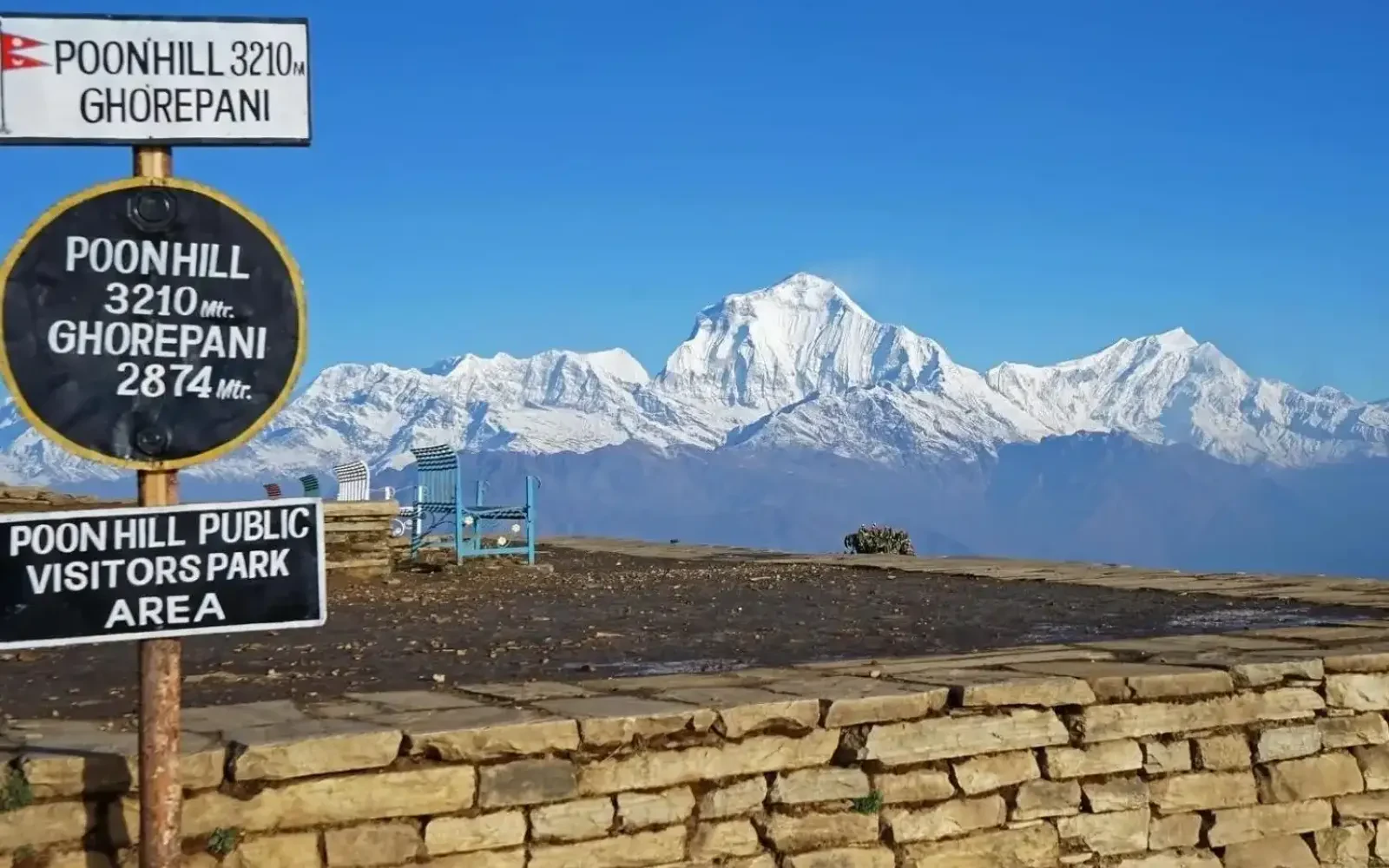
In addition, popular short treks near Pokhara are Ghorepani Poon Hill Trek (3,210m), Australian Camp Trek (2,060m), Dhampus Trek (1,650m), and Mardi Himal Short Trek (4,500m). Each of the short trekking trails provides spectacular views of Annapurna I (8,091m), Machchapuchre (6,993m), and Dhaulagiri (8,167m) mountains. These trails typically take two to five days; hence, they are the best short Nepal trekking trips. As a result, adventurers find the scenic view of the mountains without the long.
In addition, there are short treks in the Pokhara area that visit Gurung and Magar communities in Ghandruk (1,940m) and Dhampus (1,650m) villages. Trekking routes involve Rhododendron Forest, terraced farming lands, as well as stone staircases. In other words, cultural trekking experiences blend unnoticesably with nature trekking.
Moreover, accessibility has been one of the significant factors that make Pokhara short treks popular. Nayapul (1,070m), Kande, Ulleri and Phedi (1,130m) are some of the points where trekkers begin their expedition, which can be reached within an hour from Pokhara. This keeps the transportation cost effective, which in turn supports budget treks in Nepal.
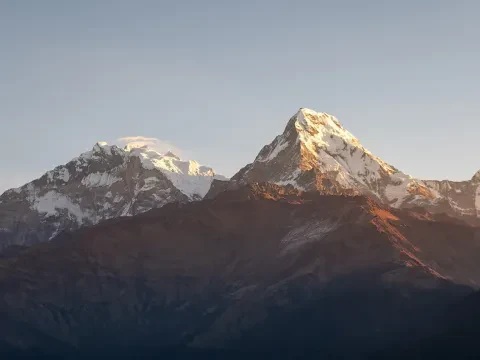
However, it is pertinent to note that there is a conducive environment for small treks due to weather conditions that favor this activity most of the time. This is especially true during spring and autumn when there is clear viewing of Mt. Annapurna and temperatures are generally normal. This is also true when trekking during low levels of altitude when it is still possible during winter periods.
Crucially, there are best short treks around Pokhara that support responsible travel. Teahouses provide jobs for local people and rely on local ingredients. Trekking permits such as ACAP prevent damage to nature and allow trails to remain functional. Hence, responsible trekking is possible.
Finally, the best short treks around Pokhara offer Himalayan scenery, cultural diversity, and non-technical altitudes within the scope of short time periods. Such trekking packages around Pokhara are ideal for both beginners and those who like to trek in a relaxed manner. Thus, the short trek around Pokhara proves to be the best introduction to trekking in Nepal.
Learn what makes Pokhara Nepal’s most convenient gateway to shorter treks that are easily accessible, relatively inexpensive, and have trekking facilities.
| Factor | Benefit for Short Treks |
|---|---|
| Location | Close to Annapurna trailheads |
| Elevation | Low starting altitude (822 m) |
| Cost | Affordable trekking packages |
| Views | Direct Himalayan panoramas of Annapurna |
To begin with, Pokhara is the most ideal entry point for shorter treks in Nepal in terms of accessibility. Also, Pokhara, being near the Annapurna range, makes accessing the trails shorter in duration. Pokhara (822 m) provides straight access to treks via either Nayapul (1,070 m), Kande (1,770 m), or Phedi (1,130 m). Hence, trekkers can embark on their journeys easily.
Furthermore, Pokhara provides unparalleled mountain vistas over other trekking centers. From Pokhara, trekkers can enjoy the sight of Annapurna South (7,219m), Machhapuchhre (6,993m), and Lamjung Himal (6,983m). Short treks extend these vistas through accessible points such as Poon Hill (3,210m) and Australian Camp (2,060m).
Moreover, facilities and services are provided by Pokhara to facilitate trekking. There are hotels, gear shops, trekking organizations, and transportation. Budget travelers will have access to reasonable hotels and services, while high-end trekkers will have some comforts added as well. Therefore, trekking in Pokhara will have smooth arrangements.
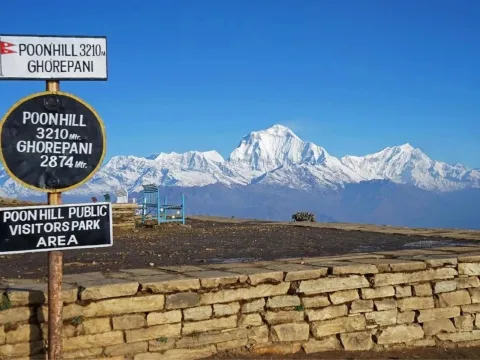
Likewise, short treks in Pokhara are suitable for people with varying levels of physical fitness and age cohorts. Paths such as the Dhampus Trek (1,650 m) and Sarangkot Trek (1,600 m) involve less acclimatization. Thus, treks in Pokhara are safe and accessible for everyone despite the Himalayan climate.
In particular, the factor that enhances Pokhara's role as a gateway is a cost-efficient approach. The average price of short treks around Pokhara ranges between USD 150 and 400, depending on the package and length of stay. Transportation costs, trekking fees, guides, and accommodations remain relatively inexpensive, especially compared with other areas.
Further, Pokhara also provides increased flexibility when it comes to trekking options throughout the year. Flora during spring, clear weather during autumn, sunlight during winter, and heavily vegetated areas during monsoon ensure diverse trekking options. Low-lying areas make monsoon and winter treks feasible. Pokhara short treks therefore function throughout almost all seasons.
Finally, Pokhara balances accessibility, scenic beauty, inexpensiveness, and safety factors in short treks in Nepal as a whole. In fact, the fact that the trekking gateways found in Pokhara are ideal both for beginners and seasoned trekkers makes this region Nepal’s number one choice for short Himalayan treks.
Best time for short treks around Pokhara involving good weather with proper views of the Himalayas, ideal temperature, reasonable seasonal cost, and safety in trekking.
Seasonal Overview of Short Treks Around Pokhara:
More specifically, the best time for short treks around Pokhara is considered one that offers good weather stability, better mountain visibility, and decent temperature ranges. Pokhara itself, being only 822 meters above sea level, enjoys a mild climate compared to the higher reaches in the Himalayas. Treks to destinations such as Poon Hill (3,210 meters) or camps like Australian Camp (2,060 meters) can be visited almost any month of the year, although seasonal timing increases overall trek satisfaction.
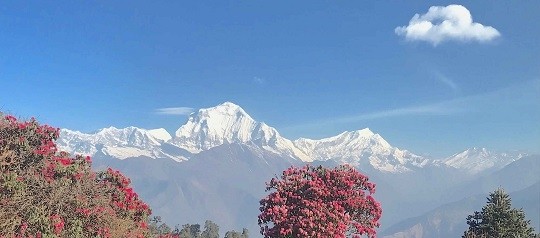
In addition, the spring season from March to May ranks among the favorite trekking periods near Pokhara. The routes to Ghorepani at 2,860 m and Ghandruk at 1,940 m are lined up with rhododendron forests in bloom. Still, clear skies give a clear view of Annapurna I at 8,091 meters and Machhapuchhre at 6,993 meters. As a result, scenery, color, and moderate temperatures will be combined during the spring trekking.
Besides, the autumn season, which starts from September and lasts up to November, is said to offer very clear mountain views with much stable weather. The post-monsoon air clarity improves the visibility of Dhaulagiri (8,167 m) and Annapurna South (7,219 m). Trails remain dry and safe for short treks. Hence, autumn remains ideal for photography and comfortable hiking.
Further, Winter season, from December to February, is appropriate for the low-altitude short treks around Pokhara. Trek routes such as Dhampus at 1,650 meters and Sarangkot at 1,600 meters are free of snow and pleasant during this time of the year. The mountain views in the morning remain sharp. Winter trekking supports budget-friendly experiences because there is not much rush and chaos.
Interestingly, the monsoon season starting from June to August offers some special trekking activities since it rains. The pathways near Australian Camp (2,060 m) and the Mardi Himal view point(4,500 m) lie facing greenery. There are fewer trekkers, so the costs are cheaper, and crowding is reduced. Therefore, monsoon trekking is for experienced travelers who seek solitude.
Importantly, the cost variation is related to the trekking seasons around Pokhara. Guided short treks cost between USD 250–400 during spring and autumn packages, while winter and monsoon packages usually have prices as low as USD 150–250 because not too many people go for trekking during this time. Thus, seasonal timing affects budgets allocated for trekking.
Finally, the best time for different short treks around Pokhara varies according to the preference and aim of each traveler. Each of these seasons has distinct advantages concerning scenery, cost, and experience. Pokhara trekking remains flexible throughout the year. Thus, choosing the right season ensures rewarding short trekking adventures in this region.
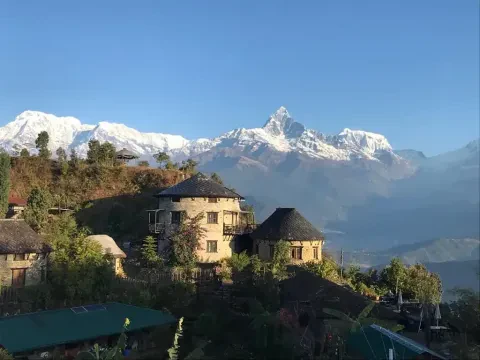
Understand how challenging the short treks around Pokhara can be: trail conditions, elevation gain, fitness level needed, safety issues, and some good beginner routes.
| Trek Name | Max Elevation | Difficulty Level |
|---|---|
| Dhampus Trek | 1,650m | Easy Day Hike |
| Australian Camp | 2060m | Easy |
| Poon Hill Trek | 3,210 meter | Moderate |
| Mardi Himal | Short Trek | 4500 m Moderate |
Meanwhile, the difficulty level in terms of elevation and the length of the trail varies from easy to moderately hard short treks around Pokhara. Low altitude starting points like Pokhara-822m facilitates gradual ascents. Dhampus-1,650 m and Sarangkot-1,600 m short treks are suitable for beginners; therefore, short treks are accessible to most travelers.
Besides, easy short treks around Pokhara are with limited elevation gain and short walking hours. Australian Camp Trek is at an altitude of 2,060 meters, which requires three to four hours of trekking daily. Well-marked trails and stone steps improve safety. Thus, these treks suit families and first-time trekkers.
Also, the actual moderate short treks require better endurance and longer ascents. Similarly, Ghorepani Poon Hill Trek (3,210 m) incorporates steep staircases and multiple trekking days. However, the altitude gain is gradual, so acclimatization issues are less common. Therefore, a moderate trek balances challenge and comfort.
Also, pave conditions of the trails also significantly affect trek difficulties. Well-maintained paths, teahouse availability, and frequent villages reduce logistical challenges. Routes through Ghandruk (1,940 m) and Landruk (1,565 m) offer rest stops. Thus, treks around Pokhara are perceived as easy despite elevation changes.
Notably, altitude sickness risk remains low on short treks near Pokhara. Most routes stay below 3,500 m, including Poon Hill, which is 3,210 m. Proper hydration and pacing ensure safety. Thus, these treks suit travelers with limited high-altitude experience.
More importantly, guides and porters make the trekking easier. Guided short treks range from USD 150-300 depending on the duration and services provided. The local guides manage the pace of the trek, navigation, and safety. Resulting in significantly improved trek comfort.
Finally, short trek trails around Pokhara remain suitable for a wide range of travelers in terms of difficulty. The options range from relaxed village walks to moderate Himalayan viewpoints. Proper preparation ensures enjoyable trekking experiences. Thus, Pokhara short treks offer safe and flexible adventure options for all.
Read more about permits that are mandatory for short treks in and around Pokhara and get information about the cost of the ACAP permit.
Permit Information Regarding Short Treks From Pokhara:
Firstly, permits that are required for undertaking short treks in or around Pokhara provide legal entry, conservation of environment, and the safety of trekkers. Almost all short treks are within the boundaries of the Annapurna Conservation Area. Hence, trekkers have to purchase the Annapurna Conservation Area Permit. Such permits are effective measures to ensure sustainable trekking in Nepal.
Furthermore, the Annapurna Conservation Area Permit, referred to as ACAP, also encompasses treks such as the Poon Hill trek (3,210 m), Ghandruk trek (1,940 m), and Dhampus trek (1,650 m). ACAP manages the activities performed by tourists and supports the conservation activities. Moreover, the permit for trekking is still obligatory for foreigners and SAARC nationals.
Also, the charge for ACAP remains quite affordable for short trekking routes. Foreigners trekking come under a charge of NPR 3,000. SAARC nations have to pay only NPR 1,000. Children below the age of ten get free entry. Permit charges therefore do not have a major impact on trekking costs.
Moreover, each trekker needs a valid passport, which is mandatory while applying for a trekking permit. In fact, approved centers found in both Pokhara and Kathmandu issue the ACAP permit quickly. In other words, trekking agencies assist in the process of acquiring the permit as a package service.
Notably, organized treks around Pokhara do not require a TIMS card on most trails. Current policies include trekker tracking systems with local policies and permits. Alternatively, organized trekking expeditions can organize trekking documents on their own. Therefore, changes on trekking make organizing a trekking trip easier.
Notably, the permits remain valid for the period of the whole journey within the protected area. Checkpoints at Nayapul (1,070 m), Birethanti (1,015 m), and Ghorepani (2,860 m) test the validity of these permits. It is important to carry these permits throughout the journey. Therefore, following this guideline helps prevent any inconveniences as well as.
Finally, permits for short treks close to Pokhara help in preserving nature and also make treks safer. Applying for the permits is still easy, inexpensive, and quickly accomplished. Taken altogether, having the right permits is also an imperative part of preparing for trekking.
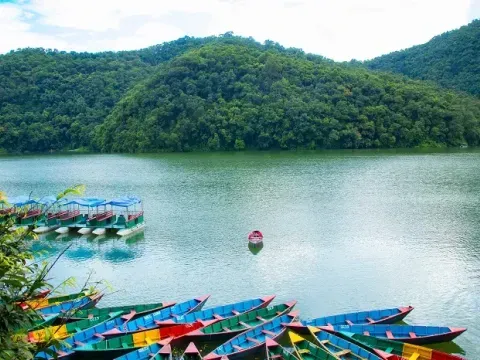
Discuss the Ghorepani Poon Hill Trek, including its itinerary points, mountain peaks visible, level of difficulty, cost, and reasons why it is considered the best short trekking in Nepal.
Important Key Highlights of Ghorepani Poon Hill Trek:
To begin with, the Ghorepani Poon Hill trekking trail is recognized as one of the most common trekking trails around Pokhara that takes a shorter route. This trek trails from Nayapul (at a height of 1,070 m) and ends up at Poon Hill (at a height of 3,210 m).
Additionally, the trek presents an opportunity for viewing the sunrise from Poon Hill (3,210 m). Trekkers can see Annapurna I (8,091 m), Annapurna South (7,219 m), Machhapuchhre (6,993 m), and Dhaulagiri (8,167 m). When the weather is clear, one can capture beautiful panoramic pictures.
Also, there's Ghorepani village, which lies at 2,860 m. It's a nice source of cultural experiences for the trekker. The Gurung and Magar people are friendly hosts for the visitor. The paths are made of stone, passing through both rhododendron trees and agricultural land. Cultural trekking and scenery trek
In addition, the Ghorepani Poon Hill Trek normally takes four to five days from Pokhara, which lies at an elevation of 822m. Walking duration on daily schedules can range from four to six hours.
Furthermore, it is pertinent to note that the difficulty level of Poon hill Trek is moderate, as it has stone stairs and an upward climb. However, it would not be an issue, as trekkers need to take proper rests. Moreover, altitude sickness would be minimal. Therefore, this trek is an ideal short trek in the Himalayas.
Crucially, the cost of the Ghorepani Poon Hill Trek has remained very reasonable. The cost of joining a guided Poon Hill Trek costs between USD 250 and 400. This cost includes the cost of permits, accommodation, and eating. Those who travel alone pay less but organize the trip by themselves. This makes it convenient for people.
Finally, the Ghorepani Poon Hill Trek provides unbeatable value for money for short treks around the Pokhara area. It has everything ranging from natural beauty, culture, easy accessibility, and affordability. This trek has been the most popular short trekking adventure in the whole of Nepal. Thus, Poon Hill has set the standards for short treks.
Learn the Learn Poon Hill Trek distance, duration, highlights, and points, and why it remains a rewarding short trekking experience in Nepal.
| Aspect | Details |
|---|---|
| Total Distance | 40–45 km |
| Duration | 4–5 days |
| Max Elevation | Poon Hill (3,210 m) |
| Difficulty | Moderate |
First of all, the distance and time required by the Poon Hill Trek make it an ideal short Himalayan trek package from Pokhara. The Poon Hill Trek begins from Nayapul (1,070m). Moreover, it takes standard routes of Annapurna. The normal route involves walking through either Tikhedhunga (1,570m) or Ulleri (2,070m).
In fact, the total distance of the Poon Hill Trek takes around forty to forty-five(40-45km) kilometers for a round trip. The average daily treks conducted here can go from eight to twelve kilometers in distance. This gentle slope makes it ideal for new trekkers to walk around.
Additionally, the length of the Poon Hill Trek is generally four to five days when commencing the journey from Pokhara, which is at an elevation of 822 m.
Every day of this trekking involves walking for four to six hours.
Another thing, the primary highlight is still the sunrise spot for Poon Hill (3,210 m). Here, trekkers will get a glimpse of Annapurna I (8,091 m), Annapurna South (7,219 m), and Dhaulagiri (8,167 m). The early morning light makes it perfect for Himalayan scenery photography. Thus, Poon Hill typifies what regular Nepal trek.
Specifically, the presence of Ghorepani Village (2,860 m) enhances cultural and aesthetic significance along the routes. Magar villages and warm tea houses make stay nights worthwhile. Trail sections through the forest are adorned with rhododendron flowers along routes during spring seasons. Thus, cultural trekking combines with mountain landscapes to complete each other.
Notably, the cost of the Poon Hill Trek still remains relatively low when compared to other Himalayan treks. The price for the guided trek usually ranges between $250 and $400, depending on the meals and the permit fees included. Solo trekkers incur lower charges. Thus, affordability adds to the trek’s popularity.
Similarly, the conditions of the trails are well maintained. Moreover, they are well marked all through. Stone staircases, suspension bridges, and forest trails are common in this type of landscape.
Likewise, the adaptability of the seasons increases the Poon Hill Trek experiences’ attractiveness. Greenery is experienced in spring, and autumn provides views of the mountains. Winter trekking is feasible, as there are fewer people on the trails. Therefore, the trek is appropriate for diverse traveling seasons.
In contrast, the fitness level requirement still remains moderate. The highest point reached does not go past extreme altitudes. Hydrated routines keep any altitude sickness at bay. Therefore, first-time trekkers find this reliable.
At last, the Poon Hill Trek offers intriguing value for money with respect to distance, time, and attractions, unlike other short treks around Pokhara. This is an experience determined by natural views, cultural nuances, and perfectly measured times for the activity. It still stands out as the most renowned short Himalayan trek experience in the whole country of Nepal. No wonder Poon Hill attracts tourists from all over the world.
Find another short trek in Nepal, Ghandruk Trek near Pokhara, with cultural villages, short itinerary, mountains of Himalaya, heights, and prices.
Cultural Highlights of Ghandruk Trek:
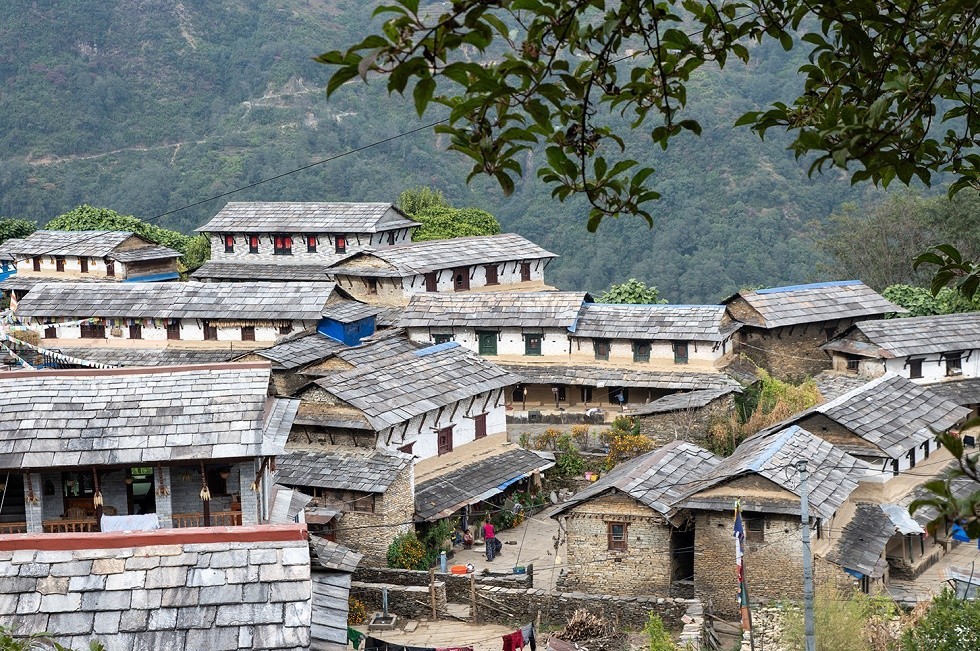
To begin with, Ghandruk Trek is recognized as the most suitable short cultural trekking target around Pokhara owing to exposure to village culture. Ghandruk trekking trail starts from either Nayapul (1,070 m) or Phedi (1,130 m). This trekking trail finally ends up at Ghandruk Village (1,940 m), which is located in the Annapurna area.
In addition, the trekking length for Ghandruk Trek is small and easy for all trekker groups. Typically, a trekker will walk a total of twenty-five to thirty (30-35 km) kilometers. The number of walking hours remains between four and five hours a day. Therefore, this trek is suitable for easy cultural tours.
Moreover, Ghandruk Village (1,940 m) portrays genuine Gurung culture. The stone houses and village lanes reflect the culture of the Himalayas. The villagers' hospitality makes village treks even more enjoyable. Therefore, cultural trekking acquires utmost significance.
In addition, the view of the mountains adds greatly to the experience of the Ghandruk Trek. From the village viewpoints, the trekker sees the peak of Annapurna South (7,219m), Hiunchuli (6,441m), and Machhapuchhre (6,993m).
In fact, it’s worth mentioning that the average duration for the Ghandruk Trek takes two to three days, when organizing the trek starting from Pokhara (822 m). Flexibility and the conjoining of other activities like the exploration of Pokhara are facilitated by short trekking days.
Significantly, the difficulty level of Ghandruk Trek is easy to moderate throughout the trek. There will be gentle slopes and stone stairs. There will not be any risk of altitude sickness since the area is at lower elevations. As such, it is an easy trek that can be undertaken by the family and the senior group.
Furthermore, the cost of doing the Ghandruk Trek is also quite affordable. Packages for doing this trek led by guides require an expenditure of USD 150-250. However, solitary travelers spend even less on this journey.
Similarly, changes in suitability with seasons make Ghandruk Trek all the more attractive. Availability of flowers during spring, clarity during autumn, sunlight during winter, and lushness during monsoon seasons contribute to diverse experiences. Trekking at a lower place ensures that it is always safe for trekking.
Furthermore, the trails support comfortable walks. There exist teahouses, rest stops, and trails. Cultural learning is improved by local guides. Therefore, organizing summit treks is easy.
Lastly, the Ghandruk Trek offers unparalleled cultural value compared to other short treks around Pokhara. The lifestyle, presence of Himalayan ranges, and trails make it appealing. The Ghandruk trek is the best short cultural trek in Nepal as it is perfect for people interested in new cultures.
Get to learn about the route of Ghandruk Trek: villages, Mountain Views, Elevation, cultural highlights, information on short duration, and why it is ideal around Pokhara.
| Start points | Nayapul (1,070 m), Kimche (1,640 m) |
|---|---|
| Main village | Ghandruk- 1,940 metres |
| Mountains | Annapurna South (7,219 m), Machhapuchhre (6,993 m) |
| Duration | 2–3 days |
First, the Ghandruk Trek route has a well-defined short trekking experience near Pokhara with cultural and scenic value. The trek usually starts from Nayapul (1,070 m) or Kimche (1,640 m). From Pokhara (822 m), travelers reach trailheads within one hour. Thus, the route remains highly accessible.
Besides, the most usual Ghandruk Trek route crosses the villages of Birethanti (1,015 m) and Syauli Bazaar (1,220 m). The trekkers are guided upwards continuously by stone staircases and forest paths. Suspension bridges cross rushing rivers along the way. Thus, the route of trekking appears adventurous yet safe.
Actually, Kimche village (1,640 m) may also be used either as an entry or exit point for the Ghandruk Trek. It represents a traditional Gurung village with its characteristic settlement patterns and terracing. rest and refreshment stops are available in local teahouses. Thus, village treks start early in the morning.
Moreover, Ghandruk village at 1,940 meters above sea level represents the cultural heart of the trek. Stone-paved lanes, slate-roof houses, and museums point out the culture and heritage of Gurungs. Friendly villagers extend a warm welcome to the trekkers. Thus, cultural immersion often becomes the main prize while trekking.
Notably, the Ghandruk Trek route delivers exceptional mountain views throughout the journey. From village viewpoints, trekkers observe Annapurna South at 7219 m, Hiunchuli at 6,441 m, and Machhapuchhre at 6,993 m. In favorable weather conditions, the panorama of the Himalayas becomes very fine. Therefore, scenic trekking remains constant.
Importantly, sunrise and sunset views from Ghandruk village provide unforgettable moments. Golden light reflects across snow-covered Himalayan peaks. Photographers love dramatic contrasts and wide horizons. Consequently, nature lovers find this trek quite appealing.
Similarly, the trail difficulty in the route of Ghandruk Trek remains easy to moderate. The gradual gain in altitude reduces physical stress. Furthermore, proper stone steps increase trail safety. Hence, this route is enjoyed by trekkers of all ages.
Likewise, this Ghandruk Trek route has flexible itineraries as well. Trekkers can complete the route in two to three days. Extensions toward Landruk at 1,565 meters or Jhinu Danda at 1,780 meters add experiences of hot springs. Thus, route customization remains possible.
Meanwhile, cost efficiency enhances the popularity of the Ghandruk Trek route. The guided packages start from around USD 150-250, which includes permits and accommodation costs. Independent trekking reduces the expenses further. Thus, budget travelers benefit from it greatly.
Finally, the Ghandruk Trek route effectively combines cultural villages, scenic trails, and towering mountain views. Its duration is short; hence, the experiences are rich. This trek perfectly represents short cultural trekking near Pokhara. Thus, Ghandruk remains a top choice for village-focused Himalayan trekking.
Actually, it involves Australian Camp Trek near Pokhara with easy trekking trails and beginner-friendly routes, which involve elevations of usually low to moderate altitudes showing mountain views. The duration is short, and the cost is relatively less as compared to other treks.
| Catering Beginner | Friendly Features |
|---|---|
| Feature | Benefit |
| Maximum Elevation | Australian Camp (2,060 m) |
| Duration | 1–2 days |
| Difficulty | Easy |
| Vistas | Annapurna and Machhapuchhre |
Among the other short treks from Pokhara, the Australian Camp Trek is the easiest for any beginner. Firstly, the trek starts from Kande, which is at 1,770 m and is reached easily from Pokhara, 822 m. The route goes along gentle ascents and clear trails; therefore, beginners feel confident from the very first step.
Besides, the Australian Camp Trek duration generally takes one or two days. A day's walking remains within three or four hours. The short distances and relaxed pacing have frequent rest stops. This makes the trek suitable for families as well as first-time trekkers.
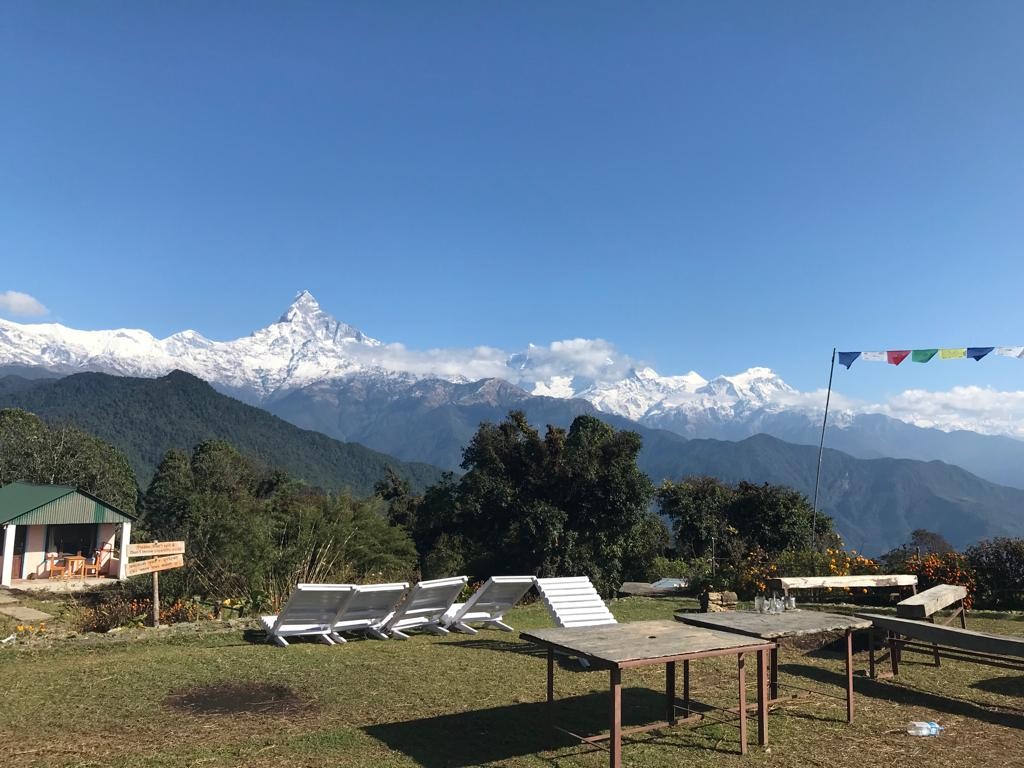
The Australian Camp, 2,060 meters, has equally stunning panoramic mountain views despite its low elevation. Trekkers observe Annapurna South, 7,219 meters; Machhapuchhre, 6,993 meters; and Hiunchuli, 6,441 meters. Sunrise and sunset views impress every visitor, hence the scenic rewards remain high.
Furthermore, trail conditions along the Australian Camp Trek remain well-maintained and safe. The dominating forest paths, stone steps, and village trails make for easy navigation. Therefore, navigation remains hassle-free.
Notably, the Dhampus village-1,650m, usually interlinks with the Australian Camp Trek schedule. It is a Gurung village that reveals the traditional house of inhabitants and their farming lifestyle. Cultural interactions make the trek more engaging for visitors. Thus, culture well complements the scenery.
Importantly, the difficulty level throughout the Australian Camp Trek remains easy. Minimal ascent means less fatigue and altitude-related issues. There are proper trails, and thus, walking remains comfortable. As a result of these advantages, the introduction to trekking also remains positive for beginners.
Similarly, the cost for such a short trek remains reasonable. Most guided packages range from USD 120-200, including permits and meals. Independent trekkers spend even less. Hence, budget trekking becomes achievable.
Likewise, seasonal flexibility also enhances the trek's attraction. The varied landscapes shaped by spring flowers, autumn clarity, winter sunshine, and monsoon greenery are an added feature. Because the elevation is lower, it ensures safe trekking year-round. Thus, Australian Camp suits all seasons.
Meanwhile, Australian Camp has come a long way for convenient accommodation: teahouse facilities, comfortably warm meals, clean rooms, and mountain-view dining greet the overnight guests with friendly hosts offering pleasant hospitality. Thus, comfort meets simplicity.
Finally, the Australian Camp Trek provides the perfect introduction to Himalayan trekking: easy trails, short duration, and grand mountain views define its charm. This trek builds confidence and inspiration. Consequently, Australian Camp remains the best easy and short trek for beginners around Pokhara.
Examine the trekking route of Dhampus Australian Camp to view daily trekking paths, altitudes, mountain scenery, and cost of trekking to determine its appropriateness for first-timers.
| Duration | 2–3 days |
|---|---|
| Max elevation | Australian Camp (2,060 m) |
| Start points | Phedi (1,130 m), Kande (1,770 m) |
| Cost range | USD 120–200 |
Firstly, the trek route in the Dhampus Australian Camp Trek is short and easy. This is because the trek begins from either Phedi (1,130m) or Kande (1,770m), which is an easy and short ascent from Pokhara (822m). Trails and paths join the villages and the points for observation in a smooth manner. Hence, the planning process is very easy.
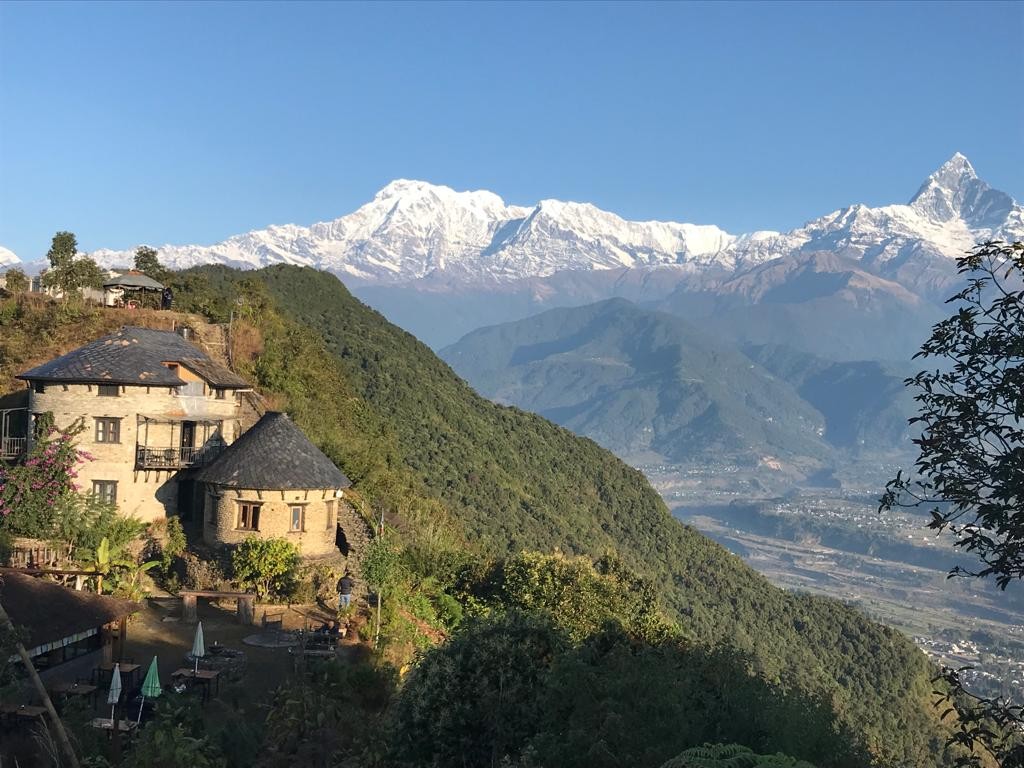
In addition, the first day of trekking usually commences from Phedi (1,130 m) and proceeds to the village of Dhampus (1,650 m). The stone steps lead through the forest and rice fields. At the village of Dhampus, observe the breathtaking view of Annapurna South (7,219 m) and Machapuchhre (6,993 m).
Moreover, the route extends through Dhampus (1,650 m) and then reaches Australian Camp (2,060 m). The entire route is easy and passes through forest areas. Moreover, Himalayan landscapes are visible from Australian Camp during the sunrise and sunset. Therefore, this night stay is also an experience.
Furthermore, the final trekking day usually goes from Australian Camp (2,060 m) to Kande (1,770 m) or Phedi (1,130 m) after descending. This descent is comfortable and takes a shorter period. From the final point, people take their cars back to Pokhara (822 m). This program takes only two days.
Importantly, some trekkers may opt for a three-day Australian Camp Trek route while taking the Dhampus route. Additional days contribute to easier walks and visits to villages. Importantly, flexibility during travel improves comfort levels.
In fact, it is important to note that the cost of the Dhampus Australian Camp Trek remains quite affordable for most people. The costs for trekking, which include the hiring of a guide, accommodation, as well as meals, range from USD 120–200. However, independent trekkers can get even more affordable rates.
In a similar way, the cost fluctuations are also dependent on the services offered, season, and size of the groups. There are peak seasons where the fares are slightly higher due to the increased demand. There are packages for the off-season treks that come at lower costs.
Correspondingly, this trekking trail is also favorable for new trekking enthusiasts since it involves lower elevations and smaller walking hours. Additionally, the highest point involves merely Australian Camp at 2,060m, reducing any possibility of endangerment through higher elevations.
On the other hand, cultural interaction adds substantially to the trek. The Dhampus village (1,650 m) introduces the culture and agriculture practices of the Gurung community. Engaging villagers adds to cultural trek experience. Cultural experiences complement the natural scenery well.
Lastly, the itinerary and price for the Dhampus Australian Camp Trek are very cost-effective when it comes to short treks around Pokhara. The breathtaking scenery, cultural encounters, and easier trails make it an awesome experience. This particular trek is ideal for beginners and laid-back trekkers. It still makes the list of top short trekking tours in Nepal.
Find the Mardi Himal Trekking Cost, Mardi Himal Trekking Route, Mardi Himal Trekking Height, Mardi Himal Trekking View, etc. in this Mardi Himal links page.
| Max Elevation | Mardi Himal Viewpoint (4,500) |
| Duration | 4– days from Pokhara to Pokhara |
| Difficulty | Moderate |
| Treks style | Quiet and scenic |
Firstly, Mardi Himal Short Trek can be termed a treasure in itself in and around Pokhara for adventure buffs. This trek starts from Kande (1,770m) or Phedi (1,130m), which can only be reached from Pokhara (822m). Rural routes go into the less-explored Annapurna region. This makes this trek very less crowded in nature.
Furthermore, the Mardi Short trekking route gradually rises through forest camps and ridges. Points of interest along the trek include Forest Camp (2,600 m), Low Camp (3,050 m), and High Camp (3,580 m). The mountain view becomes greater with each camp.
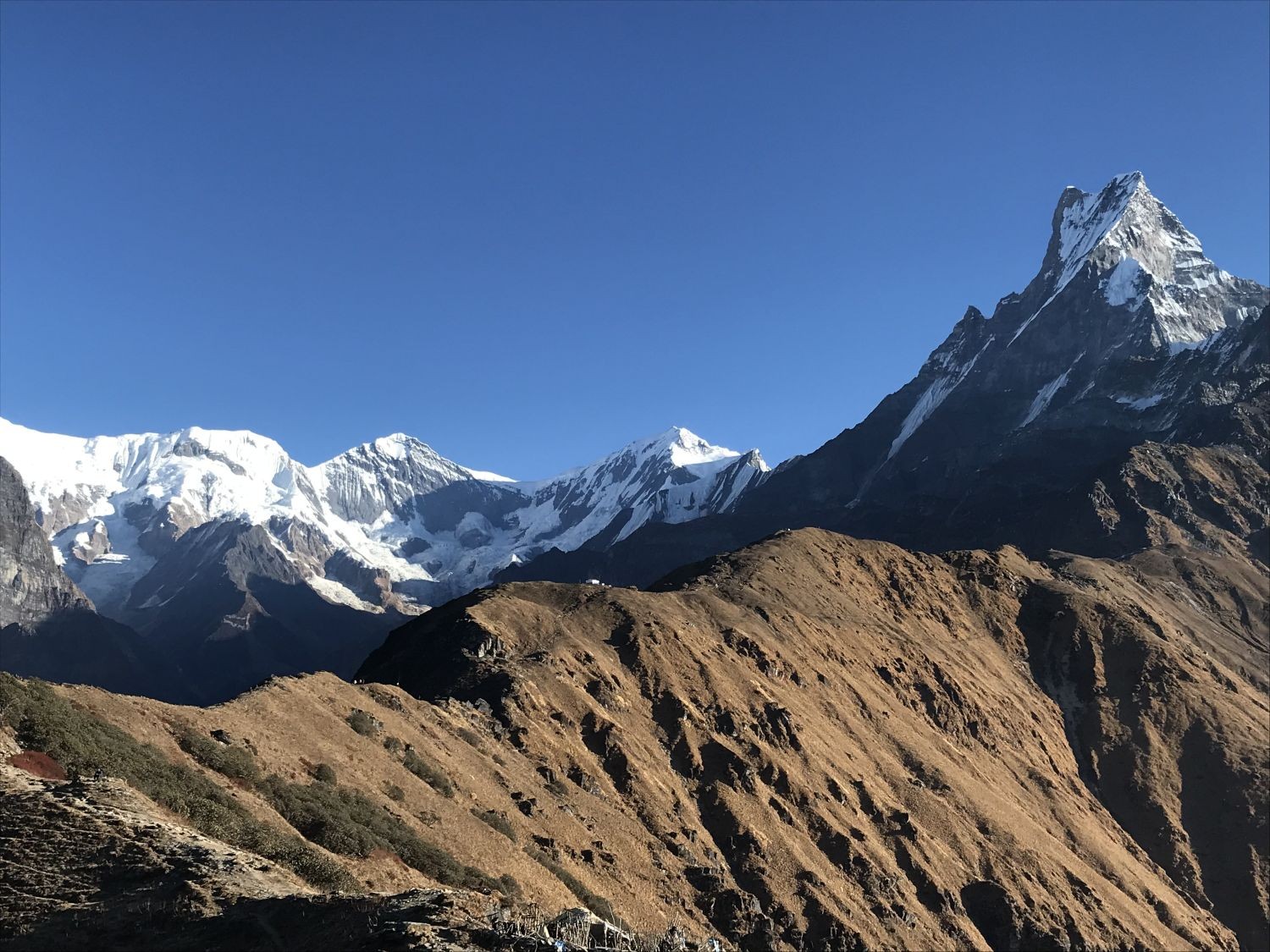
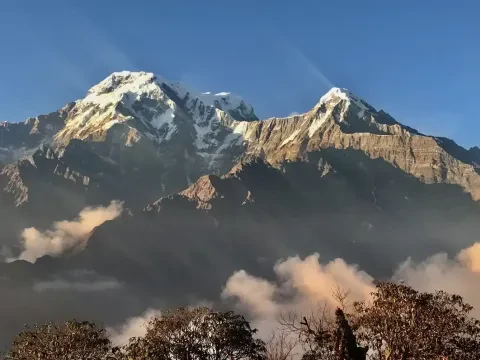
Additionally, another important highlight is Mardi Himal Viewpoint (4,500 m). This is because trekkers get a close glimpse of Machhapuchhre (6,993 m), as well as Annapurna South (7,219 m) and Hiunchuli (6,441 m), from here. The thrilling moment is experienced as trekkers hike through a narrow ridge.
Moreover, the duration for the short trek to Mardi Himal typically takes four to five days. The average time spent walking per day ranges from five to seven hours. Acclimatization helps prevent the discomfort associated with altitude. Thus, this trek is ideal for those who are relatively fit.
Nevertheless, the trail conditions are relatively less crowded compared to Poon Hill trails. The forested parts involve passing under rhododendron and oak trees. It is less crowded, which makes the wilderness adventure more peaceful. Hence, this trekking trail feels quite remote even though it is near Pokhara.
Significantly, the cost of Mardi Himal Short Trek remains affordable. A package led by guides can range from USD 300-450. It includes fees, accommodation, foods, and guide services. Independent trekking is somewhat cheaper. Nonetheless, the factor of value is high.
On the other hand, the level of difficulty is moderate since it involves climbing and walking along ridges. However, this is manageable. Indeed, most travelers have no problem adapting to the heights since they are not in the extreme elevation levels. Therefore, caution is essential.
Also, the seasonal suitability makes trekking more appealing. There are spring blooms, autumn clearness, and winter solitude that form distinct experiences. Monsoon trekking can still be done with caution. Thus, seasonal selection affects trekking variations.
On the other hand, accommodation comprises teahouses in the campsites. Basic rooms and hot meals are helpful to the trekker. Hospitality is personal too. Therefore, comfort is also met.
Lastly, in terms of adventure and scenic view experience, the Mardi Hill Short Trek is also an experience worth considering in and around Pokhara. Less crowded and towering scenic views define the uniqueness of this trek. Mardi Hill Trek is the true hidden gem among short treks in and around Pokhara.
Explore the detailed elevations, mountain views, route features, difficulties involved, cost insights of Mardi Himal Trek, and why it's a top short trek near Pokhara.
| Start | Kande (1,770 m) or Phedi (1,130 m) |
|---|---|
| Key camps | Forest Camp (2,600 m), Low Camp (3,050 m), High Camp (3,580 m) |
| Maximum elevation | Mardi Himal Viewpoint (4,500 m) |
| Major peaks | Machhapuchhre- 6,993 m, Annapurna I- 8,091 m |
First, the Mardi Himal Trek attractions make trekkers seek dramatic scenery near Pokhara. The trek starts from Kande (1770 m) or Phedi (1130 m) after driving from Pokhara (822 m). Quiet forest trails lead into the Annapurna region. Consequently, the trek feels peaceful and scenic.
Moreover, the trek route goes via Forest Camp-2600 m, which is cool in terms of climate and full of dense woodland landscapes. Rhododendron and oak forests are fully dominating on the trail sections. Basic rest and meal facilities are provided through teahouses; hence, trekking comfort is maintained to be manageable.
Finally, Low Camp at 3,050 m marks a break between forest and alpine. The views of the mountain get wider and clearer. Annapurna South at 7,219 m and Hiunchuli at 6,441 m are viewed upfront. Thus, elevation gain promotes scenery directly.
Besides, High Camp (3,580 m) is the most important overnight stop. From the elevation, trekkers have close views of Machhapuchhre at 6,993 m above sea level. The environment is defined by cold temperatures as well as open ridges. As such, preparation may be necessary.
Notably, the ultimate highlight remains the Mardi Himal Viewpoint (4,500 m). The significant ridge line walking and panoramic Himalayan views are the attractions at this point. Trekkers closely witness Annapurna I (8,091 m) and Machhapuchhre (6,993 m). Thus, this viewpoint defines the trek's identity.
Importantly, the gradient of elevation gain remains gradual even from a very high vantage point. Proper pacing and overnight stops reduce altitude risks; most trekkers easily stay below extreme altitude thresholds. Consequently, the trek stays safe for the prepared hiker.
Let's say, the length taken for a Mardi Himal Trek can range from four to five days. Secondly, daily walking ranges from five to seven hours, for proper and gradual acclimatization. A moderate fitness level can, therefore, be sufficient.
Similarly, trek highlights include fewer crowds compared to the Poon Hill routes. Quiet trails mean better wilderness trekking experiences. This is ideal for photographers since they can take uninterrupted mountain scenes. Therefore, solitude remains key to attractions.
Meanwhile, the cost of the Mardi Himal Trek remains affordable. Prices for guided Mardi Himal trek range from USD 300-450, including permits and accommodation. Self-guided trekkers will obviously be able to cut costs further, but overall, value is still good.
Finally, Mardi Himal Trek highlights and elevation details create a rewarding short trekking experience near Pokhara. Dramatic ridges, close mountain views, and quiet trails define the journey. This trek is suitable for explorers seeking adventure away from the crowds. Thus, Mardi Himal has remained a standout short Himalayan trek.
Kahun Danda trek is a shorter day hike near Pokhara. Get route details, elevation, mountain views, duration, cost, and why it is the best short day hike.
| FEATURE | DETAILS |
|---|---|
| Elevation at start | Pokhara 822 m |
| Highest point | Kahun Danda (1,446 m) |
| Duration | 3–4 hours |
| Difficulty | Easy to Moderate |
First, the Kahun Danda Trek ranks as the best short day hike near Pokhara. Starting from Pokhara city at an altitude of 822 m, the trail leads upwards to Kahun Danda at an altitude of 1,446 m. Accessibility and short distance characterize this hike. Therefore, it suits day travelers perfectly.
Additionally, the Kahun Danda Trek usually takes three to four hours. Because of the gradual rise, walking is done at a leisurely pace. Well-marked village trails lead the way upwards, thus navigation is easy.
Likewise, Kahun Danda has greater elevation at 1,446 meters and provides great panoramic views over the Pokhara Valley. From this viewpoint, a trekker can view Annapurna South (7,219 m), Machhapuchhre (6,993 m), and Lamjung Himal (6,983 m). On clear days, impressive backdrops of the Himalayas are visible. Hence, scenic value remains high.
Moreover, it goes via local villages and fields. The path follows stone steps at some places while going through stretches of forests at other places. Interactions with culture add to the local flavor. Hence, hiking through villages adds texture to the experience.
Notably, the difficulty of the Kahun Danda Trek remains easy to moderate. It contains short elevation gain and maintained paths that reduce physical strain. Beginners and families very comfortably enjoy the hike. Thus, this stands as a key benefit in terms of accessibility.
Importantly, this trek requires no overnight stay or complex logistics. Hikers return to Pokhara (822 m) the same day. No special gear or permits are needed; thus, planning is quite easy.
Similarly, the cost for the Kahun Danda Trek remains low. The hiring cost of a local guide is USD 20–40. Individual trekkers almost spend nothing. Hence, it remains very affordable.
Here, it is also that kind of trek where low elevation makes it suitable for all seasons. The spring and autumn days guarantee crystal-clear visibility. Winter mornings are still light crisp, pleasant, and perfect to spend in the hills. Therefore, it remains year-round accessible.
Meanwhile, sunrise and sunset hikes attract photographers and lovers of nature. Soft light brings greater visibility to the mountains. Quiet surroundings offer peaceful moments. Thus, timing adds extra value.
Finally, the Kahun Danda Trek delivers scenic beauty, cultural insight, and simplicity in one short hike. Its charm is defined by little time commitment with maximum views. This trek suits travelers with limited schedules. Therefore, Kahun Danda remains the best short day hike near Pokhara.
Meanwhile, Kahun Danda-it is a small ridge, lying 11 km east of Pokhara, is at an elevation of 1,560 meters above sea level and affords clear views of the Himalayan peaks: Dhaulagiri, Annapurna, and Manaslu. It is a popular viewpoint for viewing sunrises. The fascinating view from Kahun Danda attracts many tourists. It can be reached through an easy, short hike. The photographic value of this place is very high.
| Viewpoint Height | Kahun Danda (1,446 m) |
|---|---|
| Visible peaks | Annapurna South 7,219 m, Machhapuchhre 6,993 m, Lamjung Himal 6,983 m |
| Best time of the year | Spring and Autumn |
| Duration | 3–4 hours round trip |
Actually, nature lovers are drawn to mountain views and sunrise experiences from Kahun Danda while staying in Pokhara. Kahun Danda rises to 1,446 m above the Pokhara Valley at 822 m on the eastern ridge. The viewpoint remains easily accessible by a short hike; hence, it suits travelers with limited time.
Additionally, sunrise experience from Kahun Danda has serene Himalayan scenery with no crowds. Early morning light slowly illuminates the Annapurna range. Clear skies make for better visibility of faraway snow peaks. Thus, photographers feel calm and enjoy rewarding moments.
Besides, Kahun Danda provides a wide view of the mountains in the Annapurna region. The peak that can be viewed includes Annapurna South (7,219 m), Machhapuchhre (6,993 m), and Lamjung Himal (6,983 m). These peaks are quite visible in good weather conditions. So, although it has relatively low altitude, the scenic value would be pretty great.
Further, this east orientation of Kahun Danda provides much support for direct sunrise viewing. The sun rises behind the rolling hills and gradually lights mountain faces; soft golden hues create dramatic contrasts. Thus, sunrise hiking here becomes highly rewarding.
Notably, the viewpoint from Kahun Danda is also affected by the state of the weather. The clearest views of the Himalayas are from autumn and spring onward. Winter mornings can also offer sharp visibility due to the colder air. Thus, seasonal timing improves the experience.
More importantly, the trek route to Kahun Danda remains very easy and safe. Stone steps, village pathways, and forest trails take trekkers upwards, slowly and steadily. Then there are the local settlements, of course, bringing cultural beauty with themselves. Thus, it remains an enriching journey in a relaxed manner.
Similarly, hikes to view the sunrise also commence very early in the morning from Pokhara (822 m). The hike takes two hours up to the viewpoint. These early starts ensure that the sun and its rays are in an ideal position to offer good light conditions. Therefore, planning remains pretty simple.
Similarly, mountain views from Kahun Danda extend beyond sunrise hours. Late afternoon and sunset also offer scenic perspectives. Changing light conditions alter mountain colors. Therefore, multiple viewing times remain worthwhile.
Meanwhile, Kahun Danda has a minimum crowd pressure compared to Sarangkot (1,600 m). Quiet surroundings enhance the peaceful atmosphere. Visitors enjoy uninterrupted views. Thus, solitude defines the experience.
Finally, mountain views and sunrise experience from Kahun Danda combine accessibility, serenity, and Himalayan beauty. Short hiking time delivers the maximum visual reward. This viewpoint suitably fits for photographers and casual hikers alike. Thus, Kahun Danda stands as a hidden sunrise gem near Pokhara.
Know the cost of short treks around Pokhara by understanding the breakdown of budget, permits, guides, accommodation, meals, transport, and cost-effective trekking packages.
| Expense Category | Estimated Cost |
|---|---|
| Permits | USD 25 |
| Guide (per day) | USD 25–35 |
| Accommodation | USD 5–10 |
| Meals (per day) | USD 15–25 |
| Transport | USD 5–20 |
Firstly, the cost of a short trek near Pokhara remains low compared to the longer Himalayan routes. This would mean shorter trek packages that focus on lower elevations and fewer days. Pokhara at 822 m is also a cost-effective base to trek from. Thus, budgeting becomes less difficult.
Furthermore, allow charges comprise the first vital journeying cost. Most of the short journeys are within the Annapurna Conservation Area. The ACAP entrance permit costs approximately NPR 3,000 for foreigners. Hence, permit charges remain affordable.
Furthermore, the costs of guides and porters impact the overall budget for treks. A licensed guide's fee is approximately USD 25–35 per day. In addition, the cost of hiring a porter runs at about USD 20–25 per day. Thus, guided trekking is also very affordable.
Furthermore, accommodation costs during short treks remain low. Teahouses charge a night rate between $5 to $10 depending on the season. Rooms remain basic but comfortable. Hence, overnight expenses remain very nominal.
Notably, the cost of food encompasses the major part of the daily trekking expenses. It costs around USD 5–8 per dish in the trekking areas. Prices rise slightly higher at higher elevations. Thus, food budgeting matters.
Importantly, the transportation cost remains low for short treks near Pokhara. It costs USD 5–15 by local transport to trailheads like Nayapul (1,070 m) or Kande (1,770 m). Private vehicles are more expensive but save time. Consequently, transport remains flexible.
Similarly, the cost of packages ranges based on the duration of trekking and services involved. The two to three-day treks cost between USD 120–250, while the four to five-day ones cost around USD 250–450. Hence, options suit different budgets.
Likewise, season also determines short trek costs around Pokhara. Peak seasons slightly raise guide rates and accommodation prices. In addition, there may be limited options during this time. Discounts are available when one treks during an off-season. Timing is, therefore, a determinant of how affordable such an activity can be.
On the other hand, independent trekking costs less, though it is more tedious in the matter of planning. The guided package, on one side, offers all-inclusive packages with permits, accommodations, meals, and logistics. An independent trekker plans every expenditure separately, so choice affects the style of budgeting.
Finally, the cost of short treks around Pokhara remains affordable and relatively transparent. Expenses are lower because of the lower altitude elevation, brief duration, and local infrastructure already in place. Travelers have more control over their costs by being able to make choices about their itinerary. Thus, Pokhara Short Treks offer good value for money spent on Himalayan experiences.
Learn about the possibilities of accommodation and food during short treks around Pokhara, such as staying in tea houses, types of cuisine, price, level of hygiene, and comfort at varying altitudes.
| Aspect | Cost in USD/ Details |
|---|---|
| Room cost | USD 3–8 per night |
| Meal price | USD 4-7 each |
| Food type | Dal Bhat, noodles, rice |
| Water | Boiled or filtered |
Firstly, on a short trekking trip in the Pokhara area, basic accommodation and meals are still easily accessible. In fact, all trekking trails are organized along areas where teahouses or villages are easily accessible. Pokhara, with its elevation at 822m, serves as the prime entry point. As such, it’s unlikely that accommodation will pose problems to Trekkers.
Furthermore, teahouse lodging systems have a predominant influence on short trekking trails such as Ghorepani (2,860 m), Ghandruk (1,940 m), and Dhampus (1,650 m). These teahouses provide basic private or shared rooms equipped with beds and blankets. Sanitary conditions are still satisfactory on all popular trekking trails.
Moreover, the cuisine that is served during trekking in and around Pokhara is full of fresh, filling, as well as energy-generating foods. Dal Bhat, noodles, fried rice, soups, as well as pancakes, are common factors. Vegetables, which come from the local stations, also increase the nutritional and taste aspects.
Furthermore, breakfast foods include porridge, eggs, toast, and Tibetan bread. Also, hot beverages such as tea, coffee, and lemon and ginger honey are accessible. The meals allow for earlier trekking. As a result, the mornings remain efficient.
Worth mentioning is the fact the quality of the diet is consistent at lower elevations up to an altitude of 3,500m. Trails such as Poon Hill (3,210m) and Australian Camp (2,060m) offer good diversity. The higher the cost, the higher the altitude.
Significantly, the cost of accommodation in short treks remains relatively cheap. The average cost of accommodation per night is priced from USD 3-8. Food costs between USD 4-7 per dish based on the altitude. Thus, the daily budget remains reasonable.
Similarly, hygiene levels are also quite reasonable in trekking villages that are commonly visited. Clean kitchens and filtered water availability can easily be found in most of the teahouses. Thus, it is recommended to use boiled or filtered water. Therefore, health hazards remain minimal too.
Preferences in food choices also gain prominence in Pokhara short treks. Vegetarian diets are still easily accessible. Some teahouses also offer vegan or gluten light diets. Therefore, food variability increases the comforts of trekking.
On the other hand, eating facilities may have heated social gathering lounges at higher levels. Wood-burning stove gathering centers are typical and help socialize trekkers through storytelling during meals. Therefore, meals become social events.
Lastly, accommodation and food during short treks from Pokhara offer the best of both worlds since they provide simplicity, comfort, and affordability. When it comes to treks, the availability of good teahouses and healthy food is an added factor. Therefore, trekkers also enjoy trouble-free Himalayan adventures.
Hiring Guide and Porter for Short Treks around Pokhara, Be able to grasp hiring guide and, as needed, porter service for short treks around Pokhara.
Guide and Porter Cost Breakdown:
Firstly, hiring of guides and porters for shorter treks around Pokhara improves safety, convenience, and cultural immersion. Pokhara (822 m) has many trained trekking professionals. Guide handling of trekking tasks is efficient. Hence, the tourist’s sole preoccupation is enjoyment.
In fact, trekkers get rout information for treks such as Poon Hill (3,210 m), Ghandruk (1,940 m), and Australian Camp (2,060 m). Trekkers get information about the culture and traditions of the region. Interactions between trekkers and local people improve. The experience of trekking enhances.
Further, porters help in carrying one's luggage, which curtails physical strain. Also, trekers get a chance to walk freely with daypacks. Such assistance is helpful for families, senior citizens, and newbies. As a result, the comfort associated with
Determine for yourself which is the best short trek from Pokhara based on many factors, which include elevation, difficulty, duration of trek, mountain views, cultural experiences, and costs.
Factors for Short Treks:
Basically, the selection of the best short trek around Pokhara needs to consider elevation, terrain, and personal fitness. Trekkers may consider routes such as Poon Hill at 3,210 meters, Ghandruk at 1,940 meters, and Mardi Himal at 4,500 meters. Proper planning will ensure enjoyable, safe trekking. Hence, understanding physical readiness remains key.
Furthermore, the duration of the trek makes a difference in choosing suitable routes. Short treks, such as Australian Camp (2,060 m) and Kahun Danda (1,446 m), take one or two days; longer treks, such as Mardi Himal or Ghorepani Poon Hill, take three to five days. Thus, duration serves to match trekking schedules according to personal availability.
In fact, scenic and cultural experience further defines the best choice in trekking. Villages like Ghandruk (1,940 m) and Dhampus (1,650 m) offer insight into cultural experiences. Mountain scenery of Machhapuchhre (6,993 m), Annapurna South (7,219 m), and Dhaulagiri (8,167 m) add scenic beauty to the routes. Thus, the cultural and scenic combination imparts greater satisfaction to trekking.
In addition, the difficulty level of the trails should correspond to the experience level of the trekkers. Easy routes are Kahun Danda, which is 1,446 meters above sea level, and Australian Camp, which is 2,060 meters above sea level, whereas medium-graded treks like Mardi Himal, at 4,500 meters above sea level, require much steeper ascents. Opting for the right difficulty level in hiking offers safe and comfortable trekking. Awareness of fitness and skill is thus crucially important.
Notably, seasonal factors vary as far as trekking experience is concerned: spring and autumn enjoy clear skies and rhododendron blooms, winter provides fewer crowds and crisp views, while monsoon trekking is characterized by slippery trails and limited visibility. Thus, choosing the appropriate season increases safety and enjoyment.
Importantly, cost considerations remain crucial for trekking decisions. Costs vary from guided packages: USD 120–450 depending on the duration, services, and accommodations offered. Independent trekking reduces the cost burden, but this saves a bit of money and, at the same time requires more planning. Hence, budgeting helps avoid surprises and smooth travel.
Similarly, ease of access from Pokhara (822 m) determines which treks are undertaken. Itineraries that originate directly from Nayapul (1,070 m), Kande (1,770 m), or Phedi (1,130 m) reduce overall travel time. In return, effective means of access enable longer, more leisurely schedules. Thus, the selection of well-connected trailheads optimizes convenience for trekkers.
Likewise, trekking comfort is enhanced by accommodation options. Teahouses at Dhampus-1650m, Ghandruk-1940m, and Australian Camp-2060m provide meals, clean rooms, and resting areas. Well-maintained facilities improve overall trekking experience. Therefore, inquiries regarding the availability of lodges are very important.
Finally, elevation, duration, scenery, culture, difficulty, season, and cost altogether determine the best short trek near Pokhara. Satisfy your needs by planning well. Therefore, informed choices ensure memorable and safe trekking experiences.
Haven Holidays Pvt. Ltd. gives an overview of some of the most famous short treks around Pokhara, which are inclusive of itineraries, mountain views, cultural interaction, cost, and planning tips.
| Trek | Max Elevation | Duration | Highlights |
|---|---|
| Poon Hill Trek | 3,210 m 4–5 days | Sunrise views, Annapurna range. |
| Mardi Himal Trek | 4,500 m /4–5 days | Ridge walking, alpine scenery. |
| Ghandruk Trek | 1,940 m | 2–3 days | Cultural villages, mountain views. |
| Kahun Danda Trek | 1,446m | 3– 4 hours | Day hike, Pokhara Valley views. |
Actually, Haven Holidays Pvt. Ltd. organizes some well-managed short treks around the City of Pokhara, suitable for every fitness level. Trekking destinations include Poon Hill (3,210 m), Mardi Himal (4,500 m), and Ghandruk (1,940 m). Expert guidance ensures safety and convenience. Hence, trekkers can plan their tour with minimal stress.
Besides that, short treks range from one-day hikes like Kahun Danda (1,446 m) to multi-day journeys such as Ghorepani Poon Hill (3,210 m). Itineraries remain flexible and customizable. Daily walks combine scenic viewpoints, cultural villages, and Himalayan panoramas. Consequently, every trek brings memorable experiences.
Further, mountain scenery characterizes the treks that Haven Holidays arranges. The trekkers are taken to accessible viewpoints from where they can view Machhapuchhre at 6,993 m, Annapurna South at 7,219 m, and Dhaulagiri at 8,167 m. Sunrise at Poon Hill 3,210 m and Mardi Himal Viewpoint 4,500 m develops some unforgettable visuals. Therefore, Himalayan scenery forms the highlight of every trek.
Here, the cultural experiences also enrich the short trekking itinerary. Places like Ghandruk (1,940 m), Dhampus (1,650 m), and Landruk (1,565 m) are examples of Gurung and Magar traditions, respectively. Teahouses offer hospitality, food, and warm lodging. Thus, in the case of trekking, one could surely combine adventure with a plunge into culture.
Most importantly, transparency in the costs allows for better planning with Haven Holidays. The packages start from USD 120 on one-day treks to USD 450 on multi-day treks. This covers costs that include permits, accommodations, meals, and guides. Thus, there is value for money spent by travelers with no hidden costs.
Importantly, the company's approach defines safety and support. Efficient trekking is facilitated by experienced guides, porters, and intimate local knowledge. Security is enhanced through checkpoints and permits, among other means, that keep the trails in good condition. In such a context, the trekkers gain greater confidence and peace of mind.
Similarly, seasonality is taken into consideration in planning the itineraries. Spring and autumn treks have the maximum visibility of mountains, whereas winter offers them a peaceful solitude. Such seasonal adjustments ensure better quality and safety for the experiences that are arranged. Thus, Haven Holidays ensures optimal trekking conditions.
The company Haven Holidays Pvt. Ltd, on the other hand, directly states environmentally responsible trekking. It sets priorities for waste management, local community support, and conservation awareness. In this way, one protects natural beauty along with village culture through sustainable practices. This means that trekkers can enjoy short treks while contributing positively in some areas.
Meanwhile, Haven Holidays Pvt. Ltd. extends full support for short treks around Pokhara. The scenic mountains will enthrall you, the culture will fascinate you, the itineraries are flexible, and the packages are affordable. Thus, with Haven Holidays, you get all assurances that your trekking adventure tours will be safe, enjoyable, and memorable.
Furthermore, hiring local guides is an important aspect for community-based tourism. The money generated is retained in the trekking areas and villages. Responsible trekking is an aspect that enhances the local economy. Thus, the objectives for ethical tourism fit well.
What is pertinent here is that the cost of a guide for short treks in and around Pokhara may range from USD 25 to 35 per day. The cost for porters may range from USD 18 to 25 per day. Guide and porter services taken together may be slightly higher.
In addition, licensed guides undergo training regarding first aid and altitude. Their health conditions during trekking are monitored. Response to emergencies is eased by professional aid. Thus, the standards of safety increase.
Correspondingly, rules in Nepal are favoring guided treks. Organizations provide assistance regarding permits, staying, and transportation. This makes independent arrangement even easier through guides. Therefore, logistical concerns are reduced.
Also, language support is an added advantage. These books aid in menu translation, service negotiation, and custom explanation. Misunderstandings from cultural variations are eliminated. This helps preserve smooth communication.
While all that is happening, porters are limited by weight restrictions for their own health and safety reasons. Everything about responsible trekking involves ethical treatment and payment. This is taken care of by responsible companies that promote such ideals.
Finally, having a guide and a porter for the short treks around Pokhara from Haven Holidays Pvt. increases the security and experience of treks. The cost-effectiveness of prices for added services can also not be overlooked. The quality of treks can thus be greatly improved. Hence, guided treks around Pokhara are the best for Himalayan experiences.
1. Which is the short trek around Pokhara?
The Ghorepani Poon Hill Trek is an option. It has forests, traditional villages and great mountain views. This trek takes 4–5 days. So it is good for travelers who want a mountain experience in a time. The Ghorepani Poon Hill Trek is a choice.
2. How days do I need for a short trek from Pokhara?
Short treks around Pokhara take 2 to 5 days. The Dhampus and Australian Camp Trek takes 2 days. The Ghorepani Poon Hill Trek takes 4–5 days. You can choose a trek based on your schedule. These treks offer mountain views and village experiences.
3. Is Poon Hill the short trek near Pokhara?
Many people think Poon Hill is the best short trek near Pokhara. You can see a sunrise from Poon Hill. You can also see Dhaulagiri, Annapurna South, Machhapuchhre and Hiunchuli mountains. The trails are easy to walk on. So Poon Hill trek is good for beginners and experienced hikers. Poon Hill is a destination.
4. What is the easiest short trek around Pokhara for beginners?
The Dhampus and Australian Camp Trek is easy. You walk uphill. Not too much. You pass through villages and fields. This trek is good for beginners, families and older travelers. You can see mountain views.
5. Is the Mardi Himal Trek as a short trek from Pokhara?
The Mardi Himal Trek is a short trek. It takes 4–5 days. You go to Mardi Himal View Point, which's high. You see forests and great mountains. This trek is less crowded than Poon Hill. So it is good, for those who want a trek. The Mardi Himal Trek offers an experience.
6. Which short trek near Pokhara offers the sunrise views?
Poon Hill is a place to see the sunrise near Pokhara. People wake up early. Walk to the top of Poon Hill. It is 3,210 meters high. When the sun comes up the Annapurna and Dhaulagiri mountains look beautiful with a light. The view from the top is really amazing. So people who like taking pictures and nature love Poon Hill. They think it is one of the places in Nepal to see the sunrise.
7. What permits are required for treks around Pokhara?
Short treks around Pokhara need an Annapurna Conservation Area Permit. Some trails may need papers too. The rules can change so people should check before they go. There are checkpoints on the trails to make sure people have the papers. It is very important to have the permits. A trekking company can help people get all the papers they need.
8. Which short trek near Pokhara is best for families?
The Dhampus and Australian Camp Trek is a choice for families. The trails are not too hard. Do not go too high. There are also places to stay on the way. Children and older people can walk on these trails without much trouble. So this trek is a way for families to see the mountains and have fun.
9. Can I do a trek around Pokhara without a guide?
Some short treks around Pokhara can be done alone.. The rules can change so people should check before they go. A guide can help people stay safe and find their way. Guides also know a lot about the villages and mountains. Can share this knowledge with people. This makes the trip more fun and interesting.
10. What is the best time for treks around Pokhara?
The best time for treks around Pokhara is in the spring and autumn. In the spring from March to May the flowers are. The weather is nice. In the autumn from September to November the sky is clear. People can see the mountains well. These are the times to go trekking. People can also go in the winter and monsoon. It is harder.
11. Which short trek near Pokhara offers cultural village experiences?
The Ghandruk Trek is a way to see the culture of the villages near Pokhara. The village is home, to the Gurung people. They still live in a traditional way. People can see stone houses and museums and stay in community lodges. The people are very friendly and welcoming. So the Ghandruk Trek is a way to learn about the culture and see the beautiful mountains.
12. How much does a trek around Pokhara cost?
The cost of a trek around Pokhara is different for each person. It depends on how you trek and what you need. Most people spend between USD 150 and USD 500. This includes things like permits places to stay, food, transportation and guides. If you go on a trip it will cost more than going with a group. So it is an idea to plan your money carefully so you do not have any surprises on your trip.
13. Which short trek near Pokhara has the mountain views?
The Mardi Himal Trek is great for seeing mountains near Pokhara. When you get to the points you can see really beautiful scenery. You can see Machhapuchhre, which's 6,993 meters high Annapurna South, which is 7,219 meters high and Hiunchuli, which is 6,441 meters high. The trail also takes you along ridges where you can see for a long way. That is why many people choose the Mardi Himal Trek because the views of the mountains are so good.
14. Are accommodation and food on short treks around Pokhara?
Yes you can find places to stay and food on short treks around Pokhara. There are tea houses that have rooms, hot food and basic things you need. On the way you can eat food, Tibetan food and food from other countries. The bigger villages on the trekking route also have places to stay. So you usually do not need to carry a tent and camping gear on these treks.
15. Which short trek around Pokhara is less crowded?
The Mardi Himal Trek is not as crowded as Poon Hill. Even though more people are going to Mardi Himal now it is still quieter and more peaceful. You can walk in the forest on the ridges and to the viewpoints without seeing a lot of people. The natural environment also feels more wild and remote. So the Mardi Himal Trek is great, for people who want to be alone and have some peace.
Our travel experts are ready to assist you with any questions.
Send us a message.Have a question before you book? Send your enquiry below and our travel experts will get back with the required information.