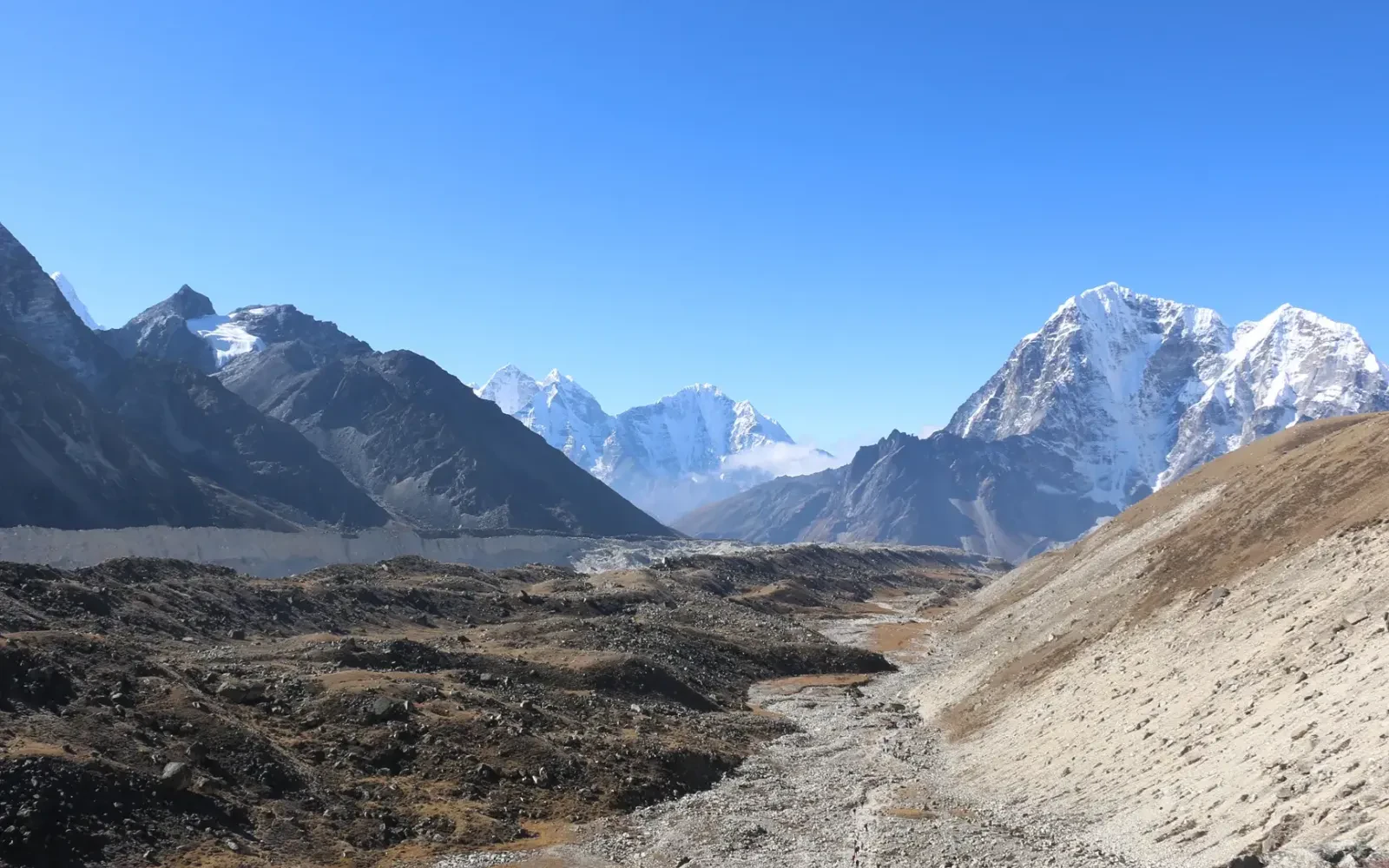
Meanwhile, Everest Base Camp Trek with Cho La Pass isn’t just another Himalayan hike—it’s a full-blown adventure. Over 15 to 18 days, you get the classic Everest Base Camp experience (all 5,364 meters of it), but there’s more: you’ll cross the wild Cho La Pass, wander the turquoise Gokyo Lakes, and collect those jaw-dropping mountain views everyone dreams about.
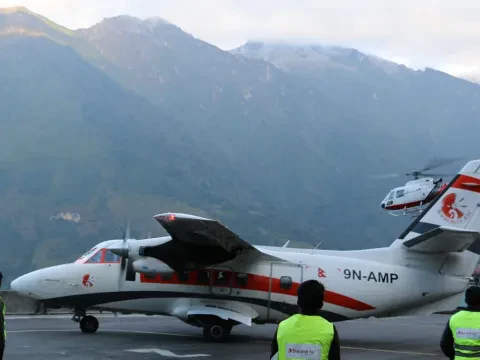
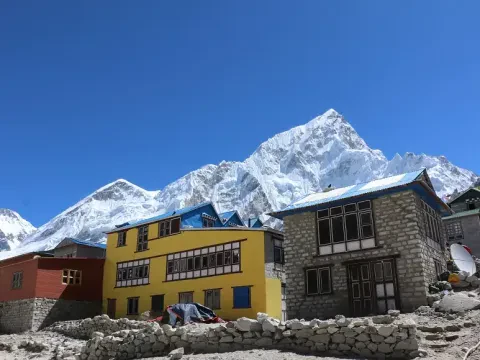
Actually, it all kicks off with a quick flight from Kathmandu to Lukla, perched at 2,860 meters. From there, you start weaving through some of the Khumbu region’s most colorful Sherpa villages—Phakding, Namche Bazaar—places that buzz with trekkers, yaks, and the smell of fresh bread in the mornings. The trail is tough at times, but the scenery and the energy of the place pull you along.
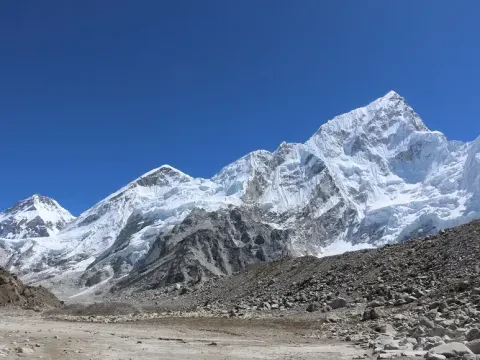
Here, the Everest Base Camp Trek with Chola Pass route climbs up to Tengboche, where an iconic monastery watches over the valley. You’ll spend time acclimatizing in Dingboche, then press on to Lobuche. Eventually, you hit Gorak Shep, your last stop before trekking out to Everest Base Camp itself. And if you want that killer Everest view? Kala Patthar is the spot, at 5,545 meters—cold, windy, but completely unforgettable.
In fact, crossing Cho La Pass is where things really get spicy. It’s a high, icy gateway into the Gokyo Valley, where the Gokyo Lakes shimmer below Gokyo Ri. From the summit, you’ll see the Ngozumpa Glacier, the longest in Nepal—just this massive, slow-moving river of ice. Sherpa guides lead the way, making sure everyone stays safe and healthy as the altitude climbs.
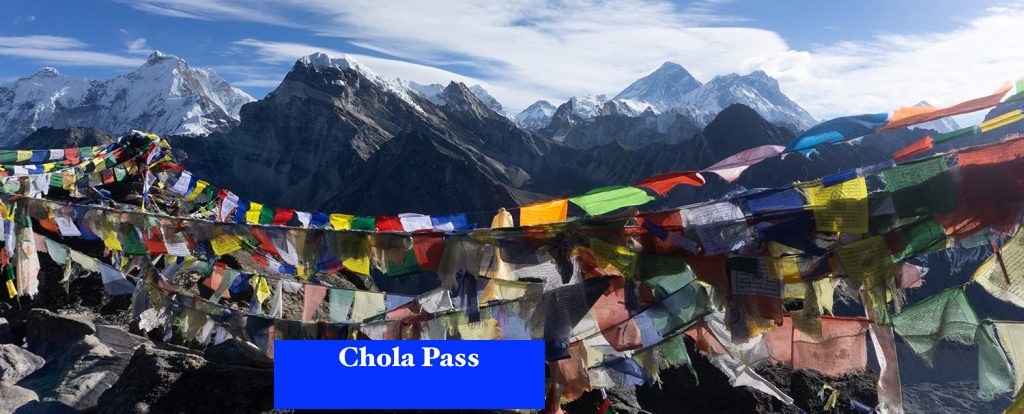
In fact, the whole trek runs around $1,450 to $1,750 per person—permits, meals, and basic teahouse lodging included. Along the way, you’ll come face to face with giants like Lhotse and Cho Oyu. The route works in rest days to help you adjust to the thin air, and you’ll need to come prepared for everything: weather, altitude, long days on the trail. Permits (TIMS and Sagarmatha National Park) are a must, and a bit of training before you come really pays off.
Best time to go Everest? Most people choose spring (March to May) or fall (October to November) when the skies are clear and the mountains pop. At its heart, this trek is about more than just ticking off Everest Base Camp. It’s about adventure, challenge, and soaking up the wild spirit of the Himalayas—no wonder people come from all over the world for it.
Here is a key itinerary highlights:
Costs and Essentials – Budget USD 1450-1750; includes flights, guides, meals; pack for cold at high elevations like 5420m.
Here, let’s talk about why so many trekkers are drawn to this wild combo: Everest Base Camp, Gokyo Lakes, and the Cho La Pass—all rolled into one epic adventure. It’s not just about ticking off famous spots in the Himalayas. It’s about the thrill of high passes, glaciers, and those sweeping mountain views you can’t really describe until you see them yourself.
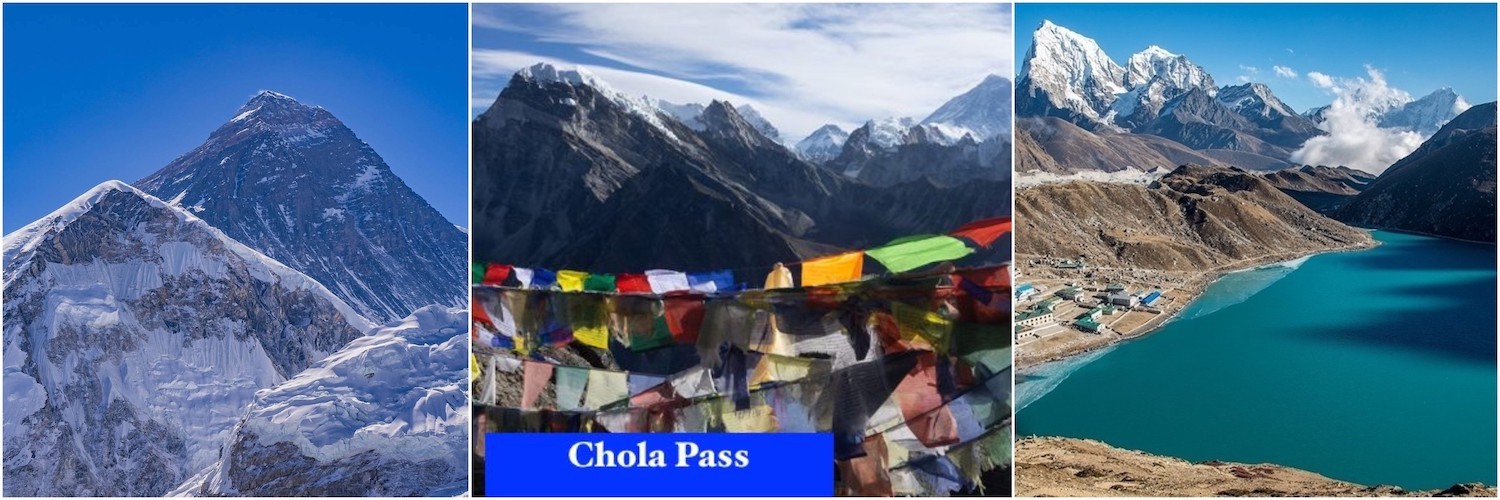
Actually, people pick this route because it packs in a ton: you start with Everest Base Camp at 5,364 meters, hit the turquoise Gokyo Lakes perched way up at 4,700 to 5,000 meters, and then tackle the tough Cho La Pass at 5,420 meters. It’s a real mix—so much more than the classic EBC trek. You get a front-row seat to Everest itself (all 8,848 meters of it), plus a whole lineup of other jagged peaks. If you want the full Himalayan experience, this trek delivers.
First up, Everest Base Camp. Standing there, right at the foot of the world’s tallest mountain, is surreal. Most folks also climb Kala Patthar for that jaw-dropping sunrise over Everest—hard to beat that view. All along the way, you pass through Sherpa villages, soaking up the culture, the smells, the sound of yak bells. The trek isn’t just about toughing it out in the mountains; you get to connect with the people who call this wild place home.
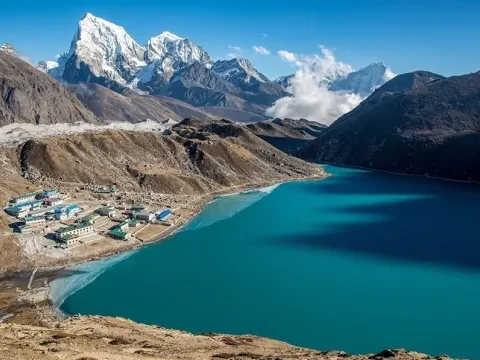
Likewise, then there’s the Gokyo Lakes. They’re stunning—bright blue water ringed by snowy peaks. Hiking up Gokyo Ri rewards you with views of Cho Oyu and Makalu, both massive in their own right. The Ngozumpa Glacier is huge and kind of humbling. Compared to the rest of the route, the lakes feel peaceful, almost meditative. It’s a chance to catch your breath, take it all in, and snap a million photos.
Now, the Cho La Pass is no joke. It’s steep, icy, and demands some grit. You’re crossing from the Khumbu region to the Gokyo Valley, sometimes with a glimpse of Tibet far off in the distance. Crampons come out here—the path gets slick. But that sense of crossing into a new world? It’s pure adrenaline.
Do you know? What’s really cool is how this trek loops you around, so you’re not just walking back the way you came. Every day brings something new. Most people take about 15 to 18 days for the whole thing, and the price usually lands between $1,450 and $1,750. For that, you get an adventure that keeps calling trekkers back to Nepal, year after year.
Here is a comparing key features :
| Feature | Everest Base Camp (EBC) | Gokyo Lakes | Cho La Pass |
| Elevation | 5364m | 4700-5000m | 5420m. |
| Main Appeal | Close views of Everest (8848m), climber base | Turquoise lakes, serene valleys, Gokyo Ri (5357m) summit | Challenging crossing, glacier navigation, panoramic peaks. |
| Trek Duration Segment | 7-10 days to reach | 3-4 days exploration | 1-2 days to cross. |
| Unique Experience | Cultural Sherpa encounters, Kala Patthar (5545m) | Ngozumpa Glacier views, birdwatching | Icy slopes, high-adrenaline adventure. |
| SEO Keywords | EBC trek, Himalayan base camp | Gokyo Lakes adventure, Nepal lakes | Cho La Pass challenge, Everest circuit. |
Actually, when you’re planning to trek to Everest Base Camp, the first big choice is how to get started. Do you fly straight into Lukla, or do you take the longer land route from Surke or Phaplu? Both get you into the heart of the Khumbu, but the experience is pretty different.
Now, let’s talk about the Lukla flight. It’s fast—about 30 to 40 minutes from Kathmandu or Ramechhap, and you land right at 2,860 meters. If you’re short on time or just want to dive straight into the mountains, this is the way to go. The flight isn’t cheap, though. For foreigners, it’s about $200–$220 one way. Once you land, you’re off on foot to Phakding, and from there, the trek really begins.
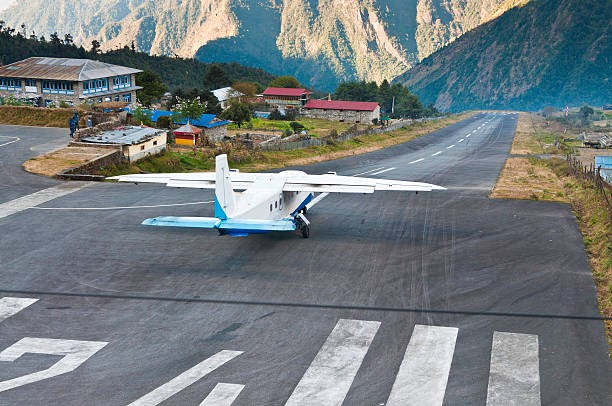
On the other hand, the land route has its own charm. You hop in a jeep or bus from Kathmandu for a 6- to 10-hour ride to Phaplu or Salleri, spending a lot less—usually $15–$55 if you share the ride. From Phaplu, you hike up to Surke or Thamdanda and eventually link up with the main trail near Phakding. This way, you see Nepal from the ground. You pass through villages, get a feel for the culture, and ease into the trek with a few extra days of walking. It’s slower, sure, but there’s something special about the gradual buildup.
Likewise, the Lukla flight saves you time and some tough travel, but the weather in the mountains can be unpredictable. Flights get delayed or canceled all the time. With the land route, you’re not at the mercy of the clouds, and you’re in control of your own pace.
No matter which route you pick, you’ll need permits like TIMS and Sagarmatha National Park entry. You start low in Kathmandu (1,400 meters) and climb up, so you’ll want to be ready for the altitude.
Here, if you combine a flight and a trek, you can finish the whole trip in 12 to 14 days. If you go overland, plan on 15 to 22 days, which actually helps with acclimatization. Guides usually suggest trekking in spring or autumn when the skies are clear. The full package—permits, guides, food, and everything—can run anywhere from $700 to $3,000 depending on how you do it.
So, in the end, it comes down to what matters most to you: speed or scenery, comfort or extra adventure. Both routes have their fans, and either way, you’re in for an iconic Himalayan journey.
Here is a table comparing key aspects:
| Aspect | Lukla Flight | Land Route from Surke/Phaplu |
| Starting Elevation | Lukla (2860m) | Phaplu (2413m)/Surke (2290m) |
| Travel Time to Start | 30-40 min flight | 6-10 hours drive + trek |
| Cost to Reach Start | USD 200-220 flight | USD 15-55 jeep/bus |
| Total Trek Duration | 12-14 days | 15-22 days |
| Key Advantages | Quick access, less fatigue | Scenic drive, better acclimatization |
Actually, flying to Lukla (2860m) is the fast-track option for anyone heading to Everest Base Camp. It’s perfect if you want to jump right into the Himalayas and skip the long, winding drive from Kathmandu. You get up to altitude fast, knock days off your trek, and spend more time exploring the iconic spots along the trail, like Namche Bazaar (3440m) and Everest Base Camp itself (5364m). For people on a tight schedule, this route is a no-brainer.
But, there’s a catch—actually, a few. Flights into Lukla are famous for getting canceled or delayed because of unpredictable mountain weather. You might end up stuck in Kathmandu or Ramechhap, watching your budget bleed away while you wait for the skies to clear. Extra hotel nights cost $50–$100 each, and that adds up fast. Then there’s the sudden jump in altitude. Going from 1400m in Kathmandu to 2860m in less than an hour can hit you hard with altitude sickness. You’ll probably need extra acclimatization days, or at least be ready for a rough start.
And let’s talk price: one-way flights cost $200–$220, which is a big leap from the $15–$55 you’d spend on a bus or jeep. On the bright side, you do get jaw-dropping views of the Himalayas from the plane, and most guides know how to keep you safe during the quick 30–40 minute hop.
Here, during the main trekking season, especially March to May, flights tend to run on time, so the whole plan feels pretty solid. Downsides? You’ve got strict baggage limits, so you’ll have to pack light—just the essentials. If you’re connecting to popular routes like the Cho La Pass (5420m), flying to Lukla fits right in with those itineraries.
So yeah, the flight isn’t perfect, but for most trekkers, the time saved and the experience gained make it worth the risks and higher cost. That’s why this shortcut stays so popular, year after year.
Here is alist of detailed pros and cons:
If you want a real taste of Nepal, skip the Lukla flight and take the scenic route from Kathmandu to Surke by jeep. It’s cheaper, a lot more immersive, and you’ll see things most travelers miss. The trip kicks off in Kathmandu (1400m), then heads to Salleri (2362m) along twisting mountain roads and river valleys. You’ll pass through lively hill towns, catch glimpses of everyday village life, and really start to feel the pulse of rural Nepal.
Actually, the drive from Kathmandu to Surke covers about 370 to 380 kilometers. Shared jeeps run about $50–$60 per person for the whole trip, while a private ride for a group can cost $300–$400. Most people break up the journey with a night in Salleri, which helps you start acclimatizing for the Everest Base Camp trek.
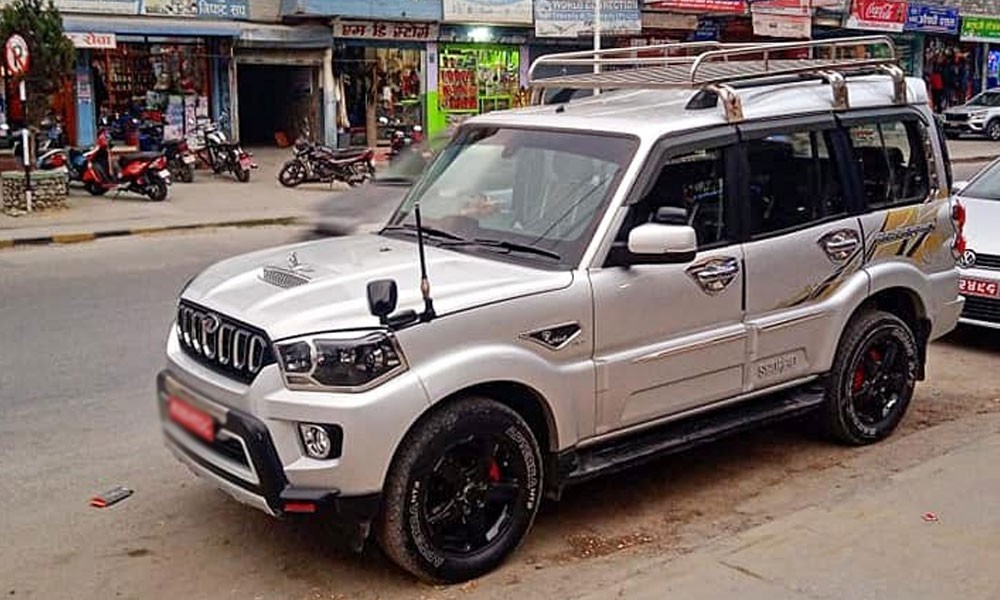
Here, it’s not a quick trip—expect 12 to 14 hours driving to Salleri, and another 4 to 5 hours to Surke. Some of the road is rough and bumpy, adding a bit of adventure before you even start walking. Once you get to Surke, it’s another 4 to 5 hours trekking to Phakding (2610m), where you’ll merge with the classic Everest trail near Lukla. Starting this way gives your body more time to adjust to altitude, and you’ll feel stronger once the real climbing begins.
Along the way, you’ll wind through thick forests and traditional villages, stopping to chat with locals and soak in the scenery. You avoid flight delays (or cancellations) and save a chunk of money. Spring is especially beautiful with all the flowers blooming. Honestly, it’s a richer experience if you want more than just a quick trip to base camp.
From Phakding, the trail climbs to Namche Bazaar (3440m), with rest days built in so you don’t get hit by altitude sickness. Guides always remind you to pack for all kinds of weather—sun, rain, even snow. The full trip, from Kathmandu to Everest Base Camp and back, usually takes about 16 or 17 days. This route isn’t about racing to the end; it’s about soaking in the journey.
All in, you’re looking at $1500–$1900 for the full package, including permits. You’ll see remote corners of Nepal that most people flying into Lukla never even know exist. This is the way to go if you’re traveling on a budget and want a true adventure. Just be ready for some long days and get in shape before you go—the drives and hikes are no joke. But by the end, you’ll have stories, memories, and probably a few new friends from the road.
Here is a table of key stages and details:
| Stage | Location and Elevation | Duration | Cost Estimate (USD) | Highlights |
| Drive Start | Kathmandu (1,338m) to Salleri (2362m) | 12-14 hours | Shared: 20-40 | Winding roads, river valleys. |
| Continuation | Salleri (2362m) to Surke (2290m) | 4-5 hours | Shared: 50-60 total | Off-road adventure, villages. |
| Trek Onward | Surke (2290m) to Phakding (2610m) | 4-5 hours | Included in package | Forest trails, river crossings. |
| Full Package | Up to Everest Base Camp (5364m) | 16-17 days | 1500-1900 | Cultural immersion, acclimatization. |
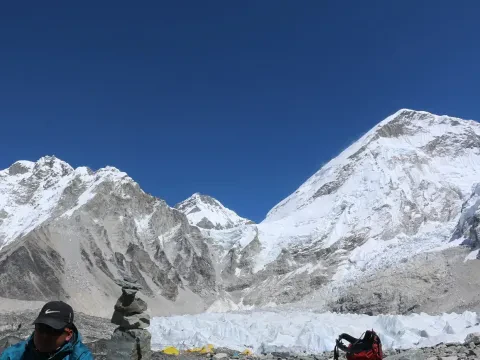
Actually, most people chasing the Everest dream follow this route: hit Everest Base Camp (5364m) first, then cross over Cho La Pass (5420m) into the Gokyo Lakes. It’s a wild loop through the heart of the Nepal Himalaya, packed with iconic views and serious adventure.
In fact, everything kicks off when you fly from Kathmandu (1400m) to Lukla (2860m)—a thrill in itself. From there, you start walking. The trail winds through Phakding (2610m) and up to Namche Bazaar (3440m), where you stop to acclimatize. That early rest is key; the altitude only gets tougher. Along the way, you’ll pass Tengboche Monastery (3860m), a peaceful stop before the real grind begins.
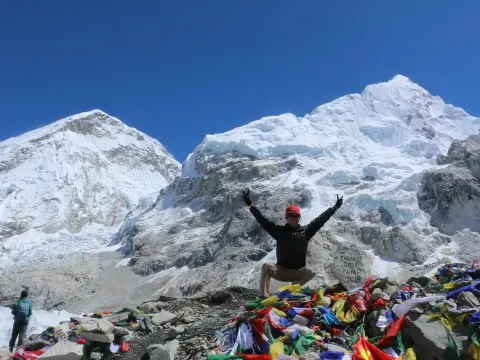
After Namche, the route climbs through Dingboche (4410m) and on to Lobuche (4940m). Next up: Gorak Shep (5164m), the last outpost before Everest Base Camp. When you finally reach EBC, the sense of accomplishment is huge. And if you’re up for it, a climb to Kala Patthar (5545m) delivers those classic Everest panoramas. That’s the first big milestone.
But the adventure’s not over. From Gorak Shep, you head to Dzongla (4830m), then tackle the steep, icy climb over Cho La Pass (5420m). Here, that section’s no joke—crampons help. After the pass, you drop to Thagnak (4700m), then roll into Gokyo (4790m), where the blue lakes spread out below the peaks. Gokyo Ri (5357m) is another highlight, serving up views of Cho Oyu (8188m) and the rest of the giants.
Likewise, this whole loop usually takes about 17 days, with a couple of rest days thrown in so you can catch your breath. Figure on spending somewhere between $1,470 and $1,900 per person. Having a guide really matters—they’ll keep you safe, especially on the tricky bits like Cho La.
Once you’ve soaked up Gokyo, the trail swings back down through Namche Bazaar, and you’ll fly out of Lukla. If you want the smoothest trek, aim for March to May—clear skies, better trails. Honestly, crossing Cho La to Gokyo after Everest Base Camp just feels like the perfect finale. It’s the full Everest experience, all the way.
Here is alist of daily highlights:
Actually, here’s how the classic 18-day Everest Base Camp trek unfolds when you fly straight into Lukla and make EBC your main goal before heading over Cho La Pass to Gokyo. This route gives you a smooth start, with plenty of time to get used to the altitude and soak in the adventure, including time in Kathmandu at both ends.
Here, Day 1 kicks off with your arrival in Kathmandu (1400m). You’ll get picked up and head to your hotel, sort out your gear, and get briefed on the days ahead. Jet lag can hit hard, so take it easy and let yourself settle in. That first night in Kathmandu really sets the mood for what’s coming.
On Day 2, you’re still in Kathmandu. Some folks choose to explore the city or just relax, but everyone needs to get their permits sorted — TIMS, park entry, the works. If you’re up for it, a little sightseeing around the valley helps you get a feel for Nepal’s culture. This day acts like a cushion, letting you catch your breath before the real trek kicks off.
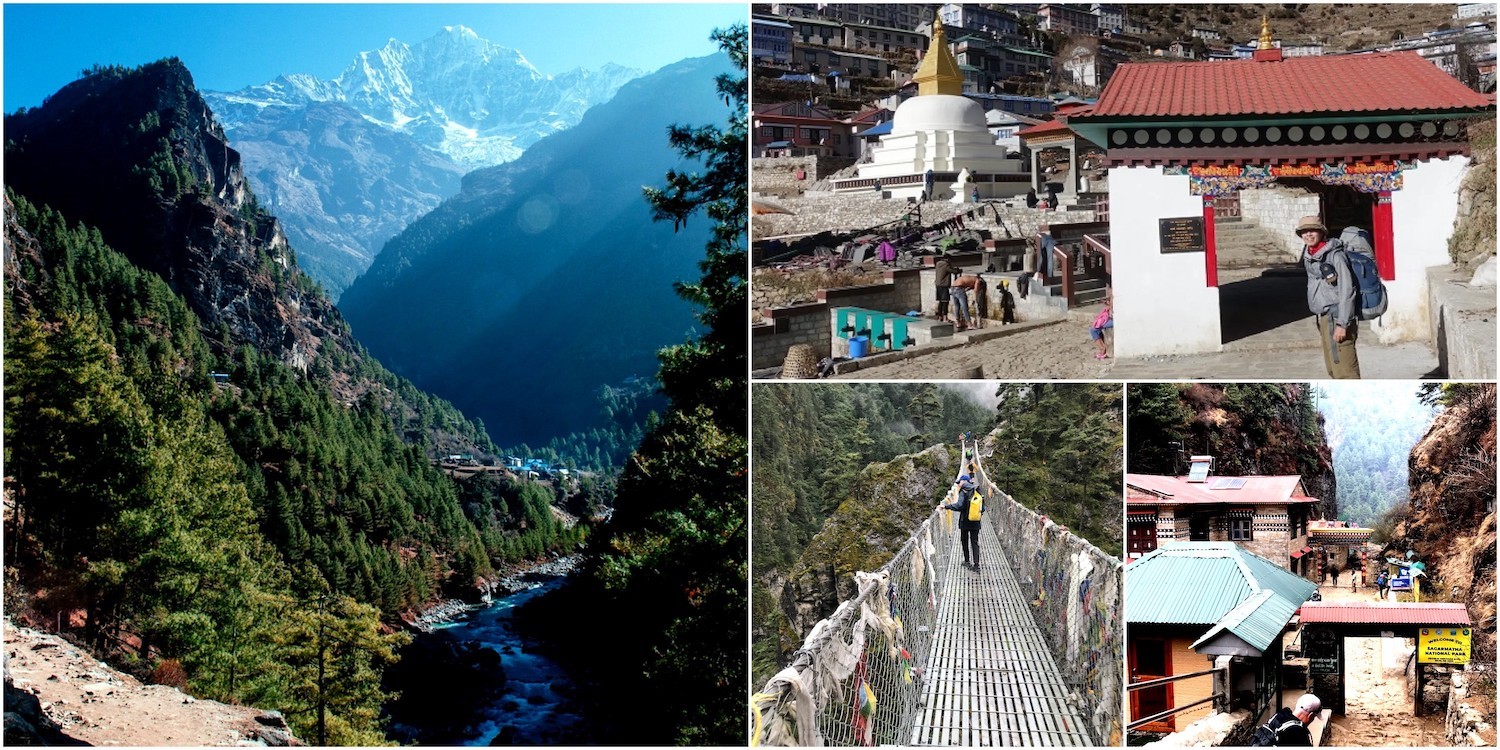
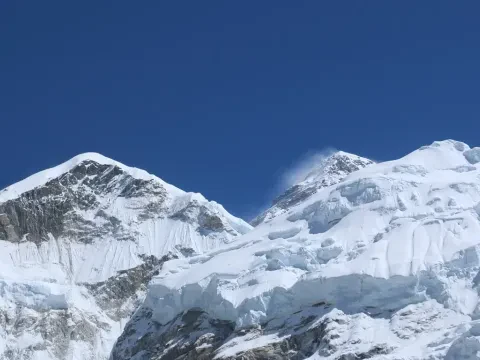
Likewise, Day 3 is when things get real. You catch a quick flight to Lukla (2860m) — just half an hour, but the mountain views are wild. From Lukla, you set out on foot to Phakding (2610m). The trail is about 8 km and takes 3-4 hours, weaving over swinging bridges above the Dudh Koshi River. By the end of today, you’re properly on the trail.
Moreover, Day 4 takes you from Phakding up to Namche Bazaar (3440m). You’ll enter Sagarmatha National Park, and the day’s hike covers 10-11 km, often uphill, through forests and Sherpa villages. Plan on 5-6 hours of walking. Reaching Namche always feels like a milestone — the energy in town is something else.
Further, Day 5 is all about acclimatizing in Namche. Maybe do a short hike or visit the Everest View Hotel for your first glimpse of the big peaks. Take it slow; this is your body’s chance to adjust and avoid altitude sickness. A proper rest here makes everything that comes next much easier.
On Day 6, you leave Namche behind and press on to Tengboche (3860m). The trail winds through rhododendron forests, and after 9-10 km (about 5-6 hours of hiking), you’ll arrive at the famous Tengboche Monastery. If you’re lucky, you’ll catch the monks’ evening prayers — a pretty unforgettable moment on the trek.
Here is a table of the full day-by-day itinerary :
| Day | Route and Key Activities | Elevation | Distance/Duration | Highlights |
| 1 | Arrive Kathmandu | (1,338 m) | 1,338 m | Hotel rest, briefing. |
| 2 | Kathmandu(1,338 m) | preparation | 1,338 m | Permits, optional tours. |
| 3 | Fly to Lukla (2860m), trek Phakding (2610m) | 2610m | 8 km / 3-4 hrs | Scenic flight, river bridges. |
| 4 | Phakding to Namche Bazaar (3440m) | 3440m | 10-11 km / 5-6 hrs | Park entry, uphill climb. |
| 5 | Acclimatize Namche (3440m) | 3440m | Short hikes | Everest views, market. |
| 6 | Namche to Tengboche (3860m) | 3860m | 9-10 km / 5-6 hrs | Monastery visit. |
| 7 | Tengboche to Dingboche (4410m) | 4410m | 11 km / 5-6 hrs | Imja Valley views. |
| 8 | Acclimatize Dingboche (4410m) | 4410m | Short hikes | Nangkartshang Peak. |
| 9 | Dingboche to Lobuche (4940m) | 4940m | 8 km / 4-5 hrs | Memorial stupas. |
| 10 | Lobuche to Gorak Shep (5164m), EBC (5364m) | 5164m | 12 km / 7-8 hrs | Base camp achievement. |
| 11 | Kala Patthar (5545m), to Dzongla (4830m) | 4830m | 10 km / 6-7 hrs | Sunrise views. |
| 12 | Dzongla to Thangnak (4700m) via Cho La (5420m) | 4700m | 8 km / 7-8 hrs | Pass crossing. |
| 13 | Thangnak to Gokyo (4790m) | 4790m | 4 km / 2-3 hrs | Lakes arrival. |
| 14 | Gokyo Ri (5357m), to Machhermo (4470m) | 4470m | 7 km / 6 hrs | Panoramic summits. |
| 15 | Machhermo to Namche (3440m) | 3440m | 14 km / 5-6 hrs | Descent forests. |
| 16 | Namche to Lukla (2860m) | 2860m | 19 km / 6-7 hrs | Farewell dinner. |
| 17 | Fly to Kathmandu (1400m) | - | 1400m | Rest day. |
| 18 | Depart Kathmandu (1400m) | - - International flight. |
Actually, here’s a new spin on the classic Everest Base Camp trek—one that skips the Lukla flight and gets you there by road, starting from Surke. It’s a budget-friendly, 19-day adventure that takes you all the way to Everest Base Camp (5364m), over Cho La Pass (5420m), and deep into the heart of Nepal’s wild landscapes.
So, why take the road? For starters, you get to soak in the scenery on the drive out. This version kicks off in Kathmandu, where you’ll land at 1400m, sort out your visa, check into your hotel, and get a briefing about the road journey ahead. The first day’s all about arrival and catching your breath—a chance to rest up before the real journey begins.
Likewise, the second day is for getting your permits and gear sorted, maybe squeezing in a little sightseeing around Kathmandu. At this lower altitude, your body gets time to adjust, which really helps before heading higher.
Likewise, day three, you’re off—Kathmandu to Salleri by jeep. It’s about 265 kilometers and takes 8 to 9 hours, costing anywhere from $20 to $40 if you share a ride. The road winds through rural Nepal, so you’ll see the countryside slowly unfold as you make your way up.
Moreover, day four, you drive from Salleri to Thamdanda, then start hiking. The drive’s around 40 km, and the trek to Surke is another 8 km on foot—takes about 6 to 7 hours total. You’ll walk through forests, join up with the main trail, and by the time you reach Surke, the real trekking begins.
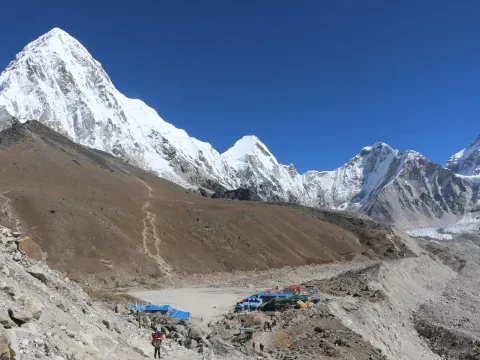
On day five, you hike from Surke to Phakding along the Dudh Koshi River—about 8 km, 4 to 5 hours on the trail, crossing suspension bridges and meeting Sherpa locals along the way. It’s the perfect way to connect the overland journey to the classic EBC route.
From here, the days start to look familiar if you’ve seen the flight-based itineraries. Day six is the big push to Namche Bazaar, and day seven is for acclimatization. Step by step, you climb higher, giving yourself time to adjust and stay safe. This land-based route might take a little longer, but it’s easier on your wallet—and honestly, it makes the Himalayas feel even bigger.
Here is the full day-by-day itinerary:
Here, if you want something different on the Everest Base Camp trek, try flipping the script: start with the Gokyo Lakes and Cho La Pass, then head to Everest Base Camp. It’s a whole new spin on the classic Nepal circuit.
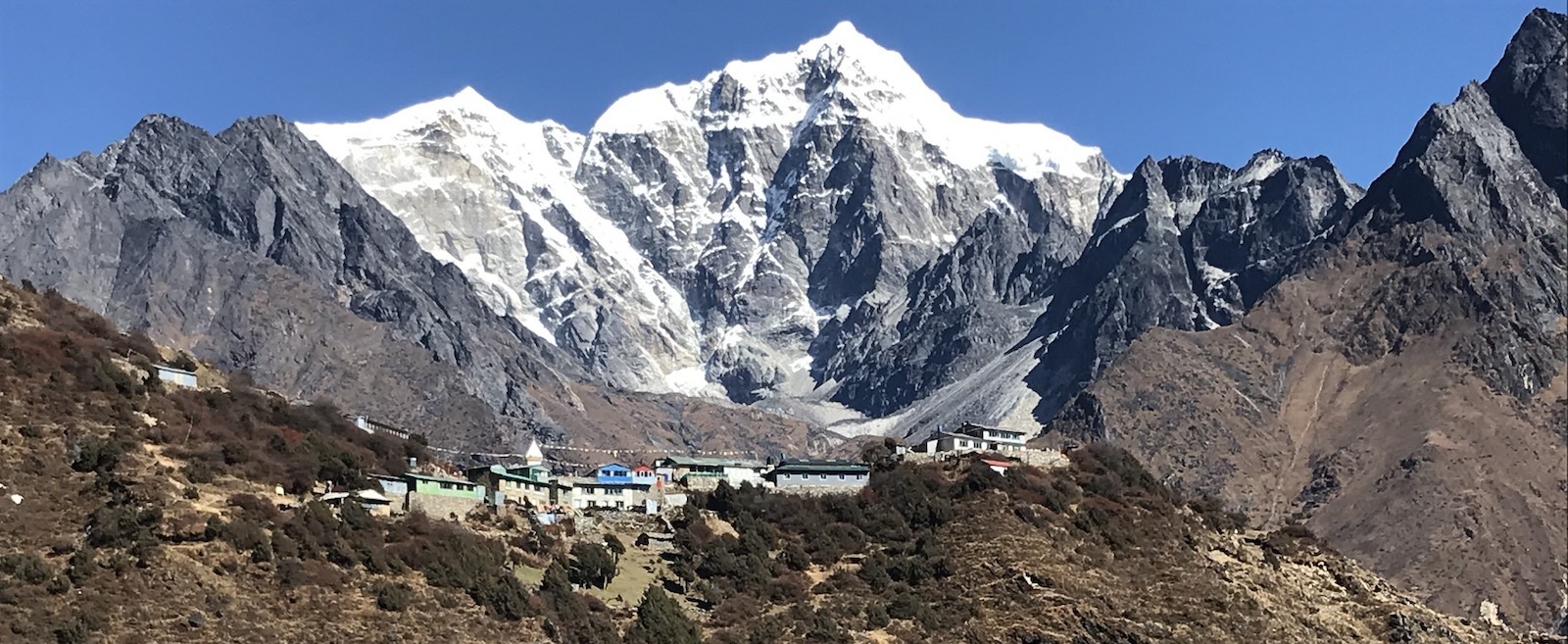
Actually, most people take this reverse route because they want to see the Gokyo Lakes before reaching Everest. You’ll fly into Lukla (2860m) from Kathmandu, then cut west toward the Gokyo Valley. The early days take you through Phakding (2610m) and Dole (3680m), then up to Machhermo (4470m) for a bit of acclimatization. Eventually, you hit Gokyo (4790m), where the lakes almost don’t look real.
By starting here, you ease into the altitude and build up for the tougher stuff. From Gokyo, you can climb Gokyo Ri (5357m), which hands you an epic view of Cho Oyu (8188m) and the surrounding giants. After that, you’ll cross over to Thagnak (4700m), then take on the Cho La Pass (5420m) early—while you’re still fresh. This pass isn’t easy, but doing it sooner rather than later makes the challenge feel more exciting than grueling.
Once you cross Cho La, you’ll drop down to Dzongla (4830m), then pick up the main trail to Lobuche (4940m). From there, it’s on to Gorak Shep (5164m) and finally Everest Base Camp (5364m). Don’t skip Kala Patthar (5545m)—the views of Everest are unreal from up there. And hitting Base Camp later in the trek just feels more rewarding, like you’ve really earned it.
After Base Camp, you’ll loop back through Namche Bazaar (3440m) and end up in Lukla again. You’ll want about 17 to 18 days for the whole thing, with a couple of rest days mixed in. Expect to spend around $1500–2000, permits and guides included. Guides are a must—those high passes can get icy and sketchy.
One of the best parts? You’ll dodge the early crowds at Base Camp, and get to soak up the peaceful vibe around Gokyo Lakes before the hordes show up. Just make sure you’re ready for the high altitudes early on. Aim for autumn if you want the clearest skies.
All in all, starting with Gokyo Lakes and Cho La Pass makes the trek feel fresh—and reaching Everest Base Camp at the end is the perfect finish.
To support this reverse route overview, here is a comparing key segments :
| Segment | Key Locations and Elevations | Duration | Highlights | SEO Keywords |
| Start to Gokyo | Lukla (2860m), Phakding (2610m), Dole (3680m), Gokyo (4790m) | 5-6 days | Lakes, Gokyo Ri (5357m) | Gokyo Lakes first, reverse route. |
| Cho La Crossing | Thagnak (4700m), Cho La Pass (5420m), Dzongla (4830m) | 1-2 days | Glacier views, challenge | Cho La Pass first, Nepal trekking. |
| To EBC | Lobuche (4940m), Gorak Shep (5164m), EBC (5364m), Kala Patthar (5545m) | 3-4 days | Base camp, Everest views | Then to Everest Base Camp, Himalayan circuit. |
| Descent | Back to Lukla (2860m) | 3-4 days | Villages, relaxation | Full itinerary, costs USD 1500-2000. |
Actually, here’s a real look at what an 18-day Gokyo-first trek actually feels like. You start with a flight into Lukla, then head up toward the Gokyo Lakes (they sit way up at 4700-5000m), cross the dramatic Cho La Pass (5420m), and only after all that do you make your way to Everest Base Camp (5364m). The plan’s flipped from the usual—Gokyo comes first, Everest last. There’s built-in time to adjust to the altitude, too, which helps a ton.
Likewise, Day 1 lands you in Kathmandu (1400m). Settle into your hotel, sort out your gear, sit through a quick trek briefing, and try to get some rest. The city buzzes with energy, and honestly, your nerves might too. But this first day’s all about getting ready.
Likewise, Day 2 stays in Kathmandu. Some folks use this day to fix permits or wander through temples and old neighborhoods. Take it easy, soak up the local vibe, and tweak your packing if you need to. No rush, just make sure you’re set for the mountains.
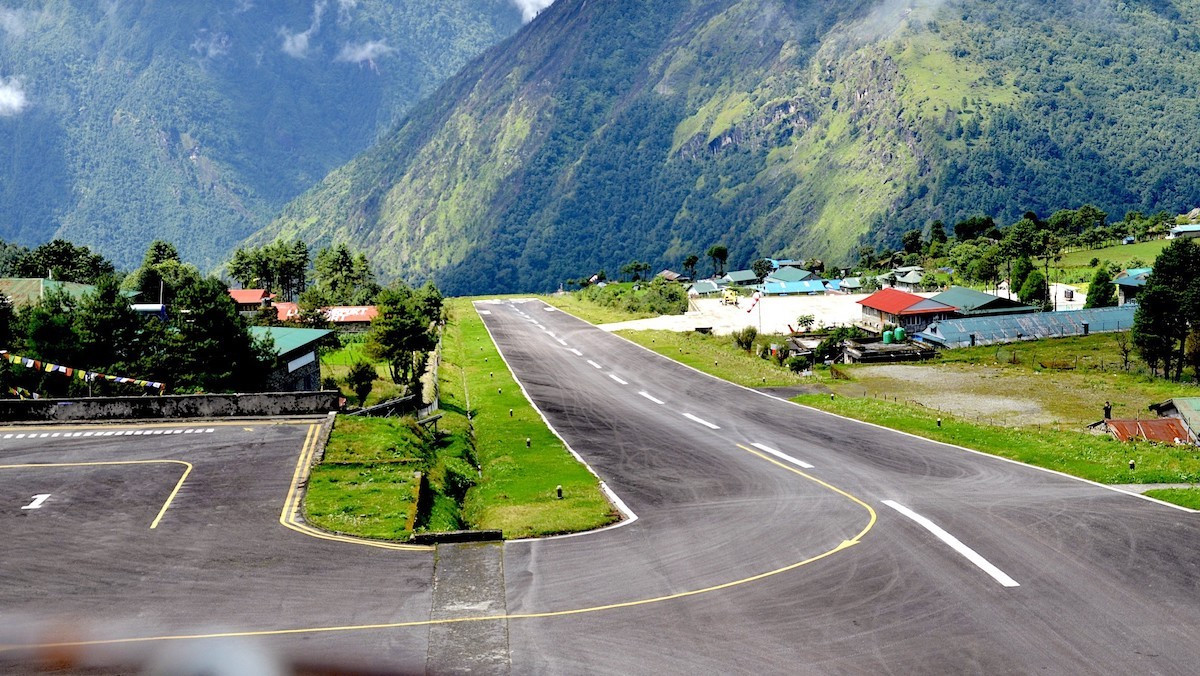
Moreover, Day 3, you board that famous flight to Lukla (2860m)—it’s short but never boring, with wild views right out the window. Once you land, you start walking. It’s about 8 kilometers to Phakding (2610m), a gentle hike, maybe three or four hours. You’ll cross a few rivers, pass prayer wheels, and start to feel the rhythm of trail life.
Further, Day 4, you’re heading up to Namche Bazaar (3440m). This is a tougher stretch—10 or 11 kilometers, usually five to six hours. The trail climbs, and you’ll stop to check into the national park. Namche itself is lively, a mix of Sherpa shops and teahouses, with mountains peeking over the rooftops. It’s the perfect spot to catch your breath.
Day 5 is an acclimatization day in Namche. Don’t just sit around—do a short hike up to higher viewpoints, maybe get your first glimpse of Everest if the weather’s kind. The idea is to help your body adjust, so you’re not wiped out later on. Take it slow, eat well, and enjoy the scenery.
Day 6, you leave the main Everest trail and swing west toward Gokyo. You’ll hike to Phortse Thenga (3680m) or maybe Dole (3680m), winding through forests and alongside rivers for six or seven hours. Small villages offer a break and a taste of local life. With every step, you’re getting closer to those deep blue Gokyo Lakes.
Here is the full day-by-day breakdown:
If you’re looking for a more scenic, wallet-friendly way to trek to Everest Base Camp, the Gokyo-first route from Surke by road is a real find. This 19-day adventure takes you through the stunning Gokyo Lakes first (think 4700–5000m), then up and over Cho La Pass (5420m), before you finally step onto Everest Base Camp itself at 5364m.
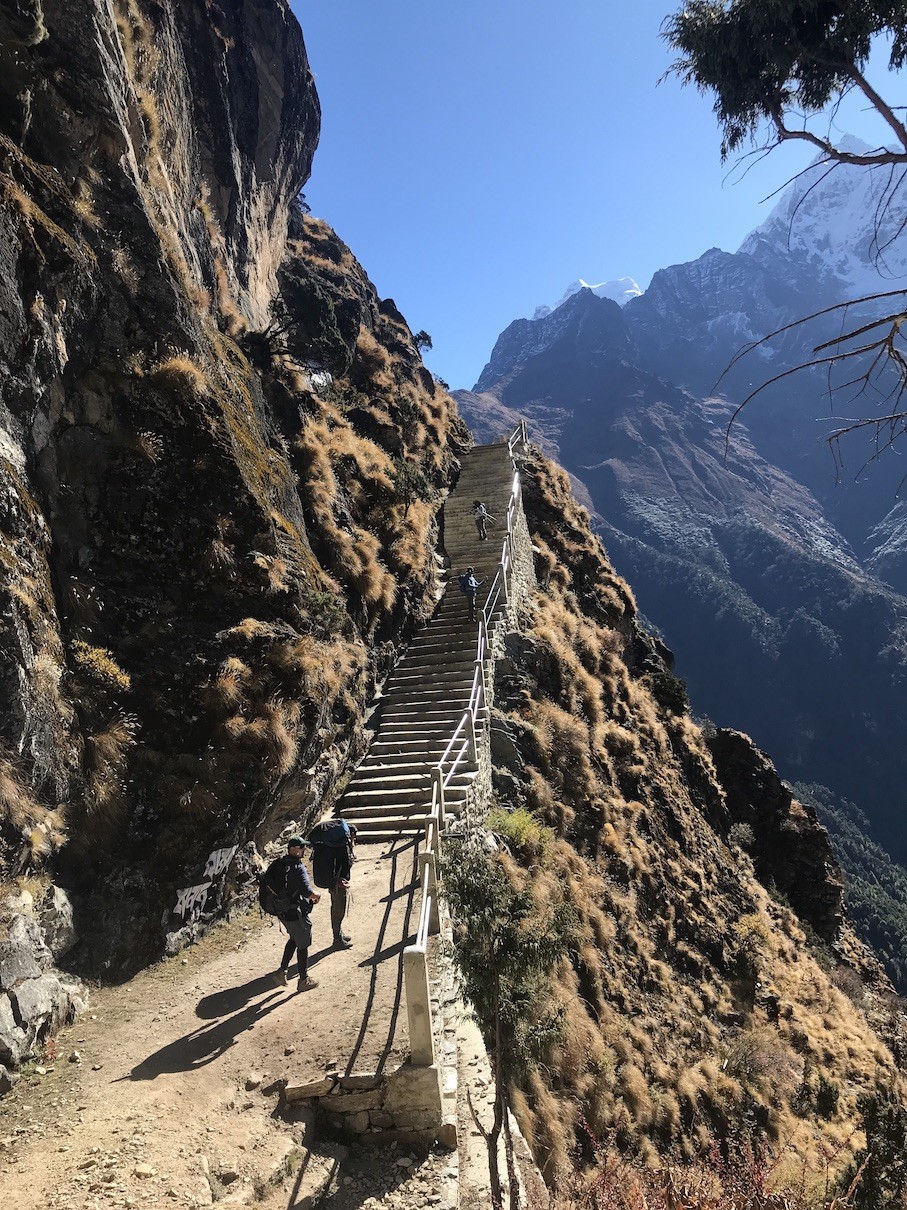
Actually, people pick this overland itinerary for two big reasons: the beautiful drive and a more gradual, comfortable acclimatization. It all kicks off in Surke (2290m), after a long road trip from Kathmandu (1400m). You get to experience the Gokyo Lakes right out of the gate, then take on the crossing to base camp. Stretching the trek to 19 days gives your body time to adjust, making the altitude gains much safer. Plus, this route lets you soak up more of Nepal’s culture along the way.
Here’s how it unfolds: Day 1, you land in Kathmandu (1400m), get transferred to your hotel, and sort out your gear. There’s a briefing, maybe some last-minute shopping, and a chance to shake off the travel fatigue. Excitement usually sets in right about now—Kathmandu’s your jumping-off point.
On Day 2, you’re still in Kathmandu, taking care of permits (TIMS, park entry) and maybe fitting in a little sightseeing. The city’s heritage sites are worth a look, and the low altitude gives your body a breather before the trek.
Likewise, Day 3 means a long jeep ride—about 8 or 9 hours, 265 km—to Salleri (2360m). It’ll set you back $20–40 if you share the ride. The cityscape fades and the hills roll in. The adventure’s officially underway.
Moreover, Day 4, you drive on to Thamdanda (2326m), then hit the trail for an 8 km hike to Surke (2290m). Forest paths, village life, and new faces greet you. This is where the real trekking starts on this version of the route.
On Day 5, you hike from Surke to Phakding (2610m)—a 4-5 hour walk along river trails and swinging bridges. It’s a lively stretch, and you start feeling the westward pull toward the Gokyo Lakes.
After that, you’ll wind up through villages like Dole (3680m) and Machhermo (4470m), letting your body acclimate as you go. Gokyo (4790m) comes first, then the big push over Cho La Pass (5420m), and finally, Everest Base Camp (5364m).
All in all, this overland, Gokyo-first itinerary is about pacing yourself, seeing more, and really soaking up the character of the Khumbu.
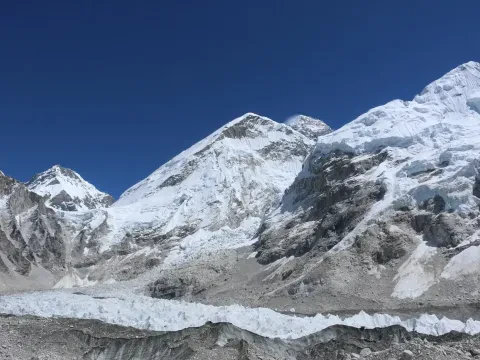
Here is the full day-by-day breakdown:
Here, let’s break down the EBC first and Gokyo first routes for the Everest Base Camp trek with Cho La Pass. People always want to know—Which route gets you better acclimatized? Which one’s tougher? Where do you get those jaw-dropping views? Here’s what actually matters when you’re planning this Nepal adventure.
In fact, both routes cross the famous Cho La Pass (5420m) and take you to Everest Base Camp (5364m). The price is about the same—figure on $1500 to $2000 all-in. So, what really sets them apart?
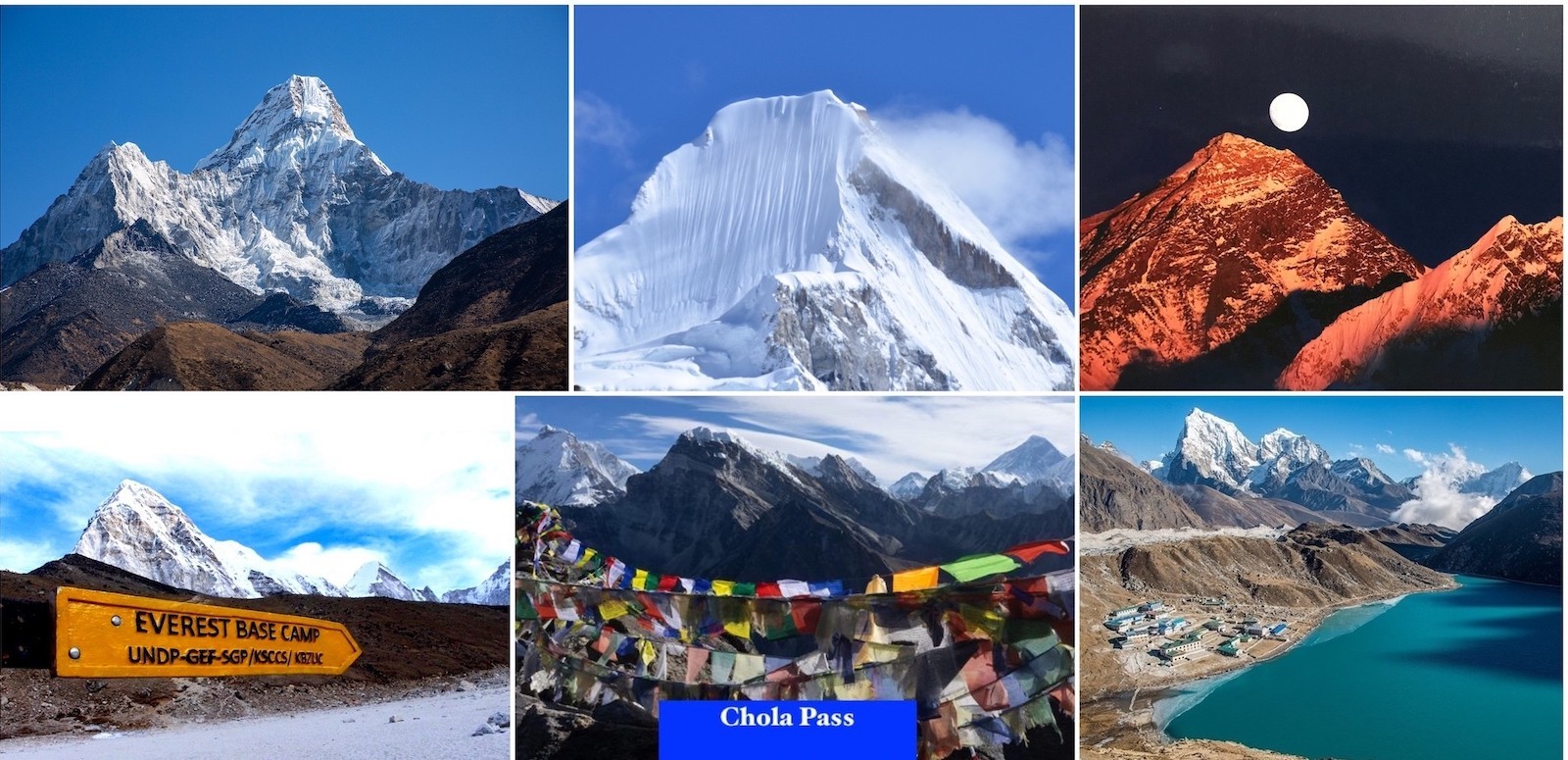
If you go EBC first, you start with a steady climb to Gorak Shep (5164m), with key acclimatization stops in Namche (3440m) and Dingboche (4410m). This gradual approach really helps your body adjust, cutting down the odds of altitude sickness. The Gokyo first route, on the other hand, pushes you up to Gokyo (4790m) much earlier. That means less time for your body to catch up, so EBC first is usually friendlier for beginners or anyone worried about high altitude.
Now, about EBC Trek with Larkya La Pass difficulty. The Gokyo first route throws you over Cho La Pass early on, before your legs have really found their rhythm. The terrain is steep, and you’ll need more stamina right from the start. EBC first gives you a little more time to build up endurance before you hit the pass. Both routes take about 17 or 18 days, but if you want an easier start, EBC first definitely wins.
In fact, scenery’s a big one. Gokyo first lets you see the turquoise Gokyo Lakes (4700-5000m) and the epic view from Gokyo Ri (5357m) right away, with Cho Oyu (8188m) dominating the skyline. EBC first saves the lakes for later, flipping the order. Either way, you’ll get those classic Everest (8848m) views, but Gokyo first gives you more variety upfront.
Moreover, both trekking routes build in rest days for acclimatization, and you’ll tackle roughly the same elevation gain—about 5000m total. The scenery’s always epic: glaciers, Sherpa villages, endless peaks. You’ll need to train for this trek, no matter which way you go.
In fact, costs are pretty much identical, covering guides, permits, and so on. The best seasons match up too, so clear skies are just a matter of timing. In the end, it comes down to what you want: a steady, gradual climb (EBC first), or a route packed with early highlights (Gokyo first). Either way, you’re in for a serious adventure. This comparison should help you pick the path that fits you best.
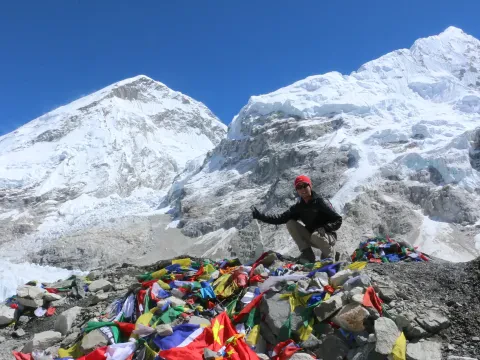
Here is a table of key differences :
| Aspect | EBC First Route | Gokyo First Route |
| Acclimatization | Gradual to 5164m, rests in Namche (3440m), Dingboche (4410m) | Faster to 4790m, early high exposure |
| Difficulty | Builds to Cho La (5420m) later, easier start | Early pass crossing, higher initial challenge |
| Scenery | Everest views first, lakes later | Lakes and Ri (5357m) early, EBC climax |
| Duration/Cost | 17-18 days, USD 1500-2000 | Similar duration and cost |
| Best For | Beginners, steady pace | Experienced, scenic variety |
| SEO Keywords | EBC first, acclimatization benefits | Gokyo first, difficulty comparison |
If you’re planning the classic journey to Everest Base Camp, you’ll face a big decision right away: fly to Lukla or go overland by jeep and foot. Each path has its ups and downs—literally and figuratively. Let’s break it down.
First, there’s time. A flight from Kathmandu to Lukla takes just 30 to 40 minutes. You’re at 2,860 meters in a blink, and you can wrap up the whole trek in about 15 days. If you hit the road instead, expect a bumpy 12- to 14-hour drive to Surke, which sits lower at 2,290 meters. The land route stretches the itinerary by two or three days, but you get a slower, steadier start to your adventure.
Now, the money part. Overland travel is a bargain. Jeeps usually run between $50 and $100, way less than a one-way flight, which costs $200 to $220—and that’s if the weather plays nice. Delays can mess with your plans and your wallet. Land routes can cut $300 to $500 from your total expenses. Permits are about the same for both, around $50 to $60.
Acclimatization? This is where the land route really shines. You gain altitude gradually, starting at 1,400 meters in Kathmandu and climbing slowly as you drive and walk. This gives your body time to adjust and lowers the risk of altitude sickness. The flight, on the other hand, dumps you right into thin air at 2,860 meters, so you’ll need extra rest days at the start.
But let’s talk about the soul of the journey. Land routes take you through rural villages, fields, and local markets. You meet people, see daily life, and get a sense of Nepal that most tourists miss. Sure, flying into Lukla offers stunning mountain views from above, but it’s over fast and you skip the slow build-up of the landscape and culture.
So, what’s the best call? If you’re tight on time and don’t mind spending more, the flight keeps things quick and simple. If you want a richer experience, better acclimatization, and to save some cash, the land route is your best bet. Either way, keep an eye on the weather (especially if you’re flying), and consider hiring a guide—they make everything safer and more interesting.
In the end, there’s no wrong answer—just what fits your style and schedule. Both routes drop you into the heart of the Himalayas and set you up for an unforgettable trek to Everest Base Camp.
To support this comparison, here is a table weighing key elements:
| Factor | Flight to Lukla (2860m) | Land to Surke (2290m) |
| Time | 30-40 min flight, 15-day trek | 12-14 hr drive, 17-19 day trek |
| Cost | USD 200-220 flight + package | USD 50-100 jeep + lower package |
| Acclimatization Benefits | Rapid gain, higher AMS risk | Gradual, better adaptation |
| Authentic Experiences | Aerial views, less immersion | Villages, cultural depth |
If you’re heading for the Everest Base Camp trek with Cho La Pass, a little prep goes a long way. Here’s what actually matters: get in shape, pack smart, think safety, and respect the altitude. That’s how you make sure your time in the Nepal Himalayas is worth every step.
Here, let’s start with preparation. Months before you fly, get your body moving—think cardio, steep hikes, anything that builds stamina. Before hitting the trail, stop by a doctor in Kathmandu for a check-up. Get your shots for things like hepatitis and typhoid. It’s not just about your body, either. The mental game is real—Cho La Pass sits at 5,420 meters, and that kind of altitude tests your grit.
Likewise, when it comes to gear for Everest Base Camp Trek with Chola Pass, don’t mess around. Temperatures swing wildly, so pack layers that can handle anything from 20°C sunshine to -20°C nights. Sturdy boots, a solid down jacket, a warm sleeping bag—these aren’t negotiable. Pack crampons for the icy bits around Gokyo Ri. Try to keep your backpack under 15kg. You’ll appreciate it later.
In fact, safety is about more than luck. Hire an experienced Sherpa guide—they know these mountains. Get travel insurance that covers evacuations up to 6,000 meters. Bring a satellite phone if you can, since cell service isn’t reliable up there. Always keep an eye on the weather, especially at places like Everest Base Camp, where storms can roll in fast.
Now, altitude management. Go slow, drink plenty of water, and give your body time. Some trekkers use Diamox to help with acclimatization. Take rest days in spots like Namche Bazaar—don’t skip them. If you get a headache or feel off, descend. No summit is worth risking your health.
Budget-wise, renting gear in Kathmandu usually costs $500 to $1,000. Make a packing list and look for training apps to keep you on track. If you can, start your trek by land instead of flying, since it helps your body adjust naturally. And listen to your guides—they’re there to keep everyone safe.
In the end, these are the basics that turn a tough trek into a memorable adventure. Plan well, respect the mountain, and you’ll walk away with stories worth telling.
Here is a key recommendations:
When it comes to choosing the best Everest Base Camp trek with Cho La Pass, it really comes down to three things: your fitness, your available time, and what kind of adventure you’re after. Some people start with EBC, others with Gokyo—neither is “better,” but they do feel different, and the route you pick should fit you.
Here, let’s get real about fitness. If you’re in decent shape and want a steady climb, EBC first is a good call. The path lets you adjust to the altitude as you go. If you’re already an experienced hiker and up for a big challenge right out of the gate, Gokyo first throws you over Cho La Pass early, and that takes some grit. Beginners usually do best with the classic EBC route, which gives more time to acclimatize. If you’ve done big hikes before and crave something extra, Gokyo’s turquoise lakes and higher climbs are hard to beat. Honestly, matching your fitness to the route is the safest way to go.
Then there’s time frame for EBC Trek with Chola Pass. If you don’t have weeks to spare, EBC first usually wraps up in about 15-17 days. Gokyo first stretches it to 17-19, especially if you want to linger by the lakes or take the scenic route. Starting by land adds a couple of days, but you’ll see more of the countryside and the villages. Flying to Lukla is faster, but weather delays happen—sometimes a lot. So, look at your calendar before you commit.
What are you really hoping to see? If you want those classic Everest views and the famous Kala Patthar sunrise, EBC first puts you right there. Gokyo first is all about the peace and beauty of high-altitude lakes and the wild panorama from Gokyo Ri. Either way, crossing Cho La Pass ups the adventure. If you want it all, combine the routes—you’ll get a bit of everything the Himalayas offer.
Likewise, how you start matters too. Heading in overland from Surke means more time to acclimatize and a taste of village life. Flying straight to Lukla is quick but drops you into the action fast. Both approaches work, and you can mix and match with either route.
Moreover, preparation makes all the difference. Train ahead of time, bring the right gear, and go with guides if you’re new to high-altitude trekking. The best seasons make the views unforgettable.
In the end, pick the route that matches your fitness, your calendar, and your sense of adventure. That’s how you turn a trek into a memory you’ll talk about for the rest of your life.
Here is a table for quick itinerary matching:
| Factor | Best for EBC First Route | Best for Gokyo First Route | Key Considerations |
| Fitness Level | Moderate fitness, beginners OK with training | High fitness, experienced trekkers preferred | Acclimatization days crucial at 4410m+. |
| Time Available | 15-17 days ideal | 17-19 days recommended | Add days for land starts from Surke (2290m). |
| Adventure Goals | Iconic Everest Base Camp (5364m), Kala Patthar (5545m) | Serene Gokyo Lakes (4700-5000m), Gokyo Ri (5357m) | Cho La Pass (5420m) thrill in both. |
| Start Preference | Flight to Lukla (2860m) for speed | Land via Surke (2290m) for immersion | Costs USD 1450-2000 average. |
1. What is the Everest Base Camp Trek with Chola Pass Itinerary?
The Everest Base Camp Trek with Chola Pass Itinerary is a way to see the Himalayas. It combines the Everest Base Camp Trek, the Gokyo Lakes and the Chola Pass crossing. You can start your journey from Lukla by taking a flight or from Surke by walking. This trek is perfect for people who love adventure and want to see scenery.
2. How difficult is the EBC with Cho La Pass trek?
The EBC with Cho La Pass trek is a bit challenging. You have to walk for hours and cross high mountain passes. If you are fit and have a good guide you can do it. It is also important to get used to the altitude slowly. The trek can be done in two ways: you can go to the Everest Base Camp first. You can go to the Gokyo Lakes first. Both ways have their difficulties and beautiful views.
3. What is the best time for Everest Base Camp Trek with Chola Pass?
The best time to do the Everest Base Camp Trek with Chola Pass is in the spring or autumn. The weather is stable. The mountains are clearly visible. It is also safer to cross the Chola Pass during this time. You should avoid doing the trek in the monsoon or winter season.
4. Should I choose Lukla flight or land route from Surke?
You can start the Everest Base Camp Trek with Chola Pass from Lukla or from Surke. If you take a flight to Lukla you can start the trek quickly. If you go by land from Surke you will get to see the scenery and you will also get to acclimatize to the high altitude. Both ways are good. It depends on what you prefer.
5. What is the difference between EBC-first and Gokyo-first routes?
The EBC-first route takes you to the Everest Base Camp first. Then you cross the Cho La Pass to go to the Gokyo Lakes. The Gokyo-first route takes you to the Gokyo Lakes first. Then you cross the Cho La Pass to go to the Everest Base Camp. Both routes are good. They give you a great experience of the Himalayas.
6. How long is the Everest Base Camp Trek with Chola Pass?
The Everest Base Camp Trek with Chola Pass usually takes 16 to 19 days. This includes the time you spend in Kathmandu. The trek can be flexible. It depends on your fitness level and your schedule.
7. Is prior trekking experience required for this package?
You do not need to have trekking experience to do the Everest Base Camp Trek with Chola Pass. It is a good idea to have some experience of trekking at high altitude. You need to be fit. You need to follow the instructions of your guide.
8. How does acclimatization work on EBC with Cho La Pass?
Acclimatization is very important when you are trekking at altitude. You need to give your body time to get used to the altitude. The Everest Base Camp Trek with Chola Pass Itinerary includes rest days at Namche and other places. This helps you to acclimatize. It makes the trek safer.
9. What permits are needed for this trek?
You need to have a permit to trek in the Sagarmatha National Park. You need to have a permit from the Khumbu Pasang Lhamu Rural Municipality. Your trek operator will arrange these permits for you.
10. What gear is essential for Cho La Pass crossing?
You need to have gear to cross the Cho La Pass. You need crampons, trekking poles, warm clothes, good boots and a down jacket. This gear will keep you safe and warm when you are crossing the pass.
11. Can beginners join the Everest Base Camp with Chola Pass?
Yes, beginners can join the Everest Base Camp with Chola Pass trek. You need to be fit and you need to be determined. You also need to have a guide and a good itinerary. The trek operator will help you to prepare for the trek.
12. What is the maximum altitude on this trek?
The maximum altitude on this trek is 5,420 meters at the Cho La Pass. The Everest Base Camp is at an altitude of 5,364 meters. You will also get to see the view from Gokyo Ri which's at a high altitude.
13. How much does the package cost?
The cost of the Everest Base Camp Trek with Chola Pass package varies. It depends on the size of your group what is included in the package and how you start the trek. You need to contact the trek operator to get the cost.
14. What accommodation and food options are available?
You will stay in teahouse lodges. You will get to eat Nepali, Tibetan and continental food. The accommodation and food are good. They will make your trek comfortable.
15. Is a guide and porter necessary?
Yes, it is an idea to have a guide and a porter. They will help you to navigate the trek. They will also help you to carry your load. They will make your trek safer and more enjoyable.
16. What are the risks of altitude sickness on this trek?
There is a risk of altitude sickness on this trek. You can minimize this risk by following the acclimatization plan and by drinking plenty of water. You also need to walk and not to exert yourself too much.
17. How to prepare physically for Everest Base Camp with Chola Pass?
You need to prepare for the Everest Base Camp with Chola Pass trek. You can do this by doing cardio exercises, strength training and hill walks. You need to start preparing least 3 to 6 months before the trek.
18. What views can I expect on the trek?
You will get to see views of the mountains and the lakes. You will see Everest, Lhotse and Cho Oyu. You will also see the turquoise Gokyo Lakes. The views are breathtaking. They will make your trek memorable.
19. What happens if weather affects Lukla flights?
If the weather affects the Lukla flights you can start the trek from Surke. This will give you a chance to acclimatize. It will also give you a chance to see the scenery. The trek operator will adjust the itinerary to make sure that you are safe and that you complete the trek.
20. How to choose between EBC- and Gokyo-first itineraries?
You can choose between the EBC- and Gokyo-first itineraries based on your fitness level and your preference. Both itineraries are good. They will give you a great experience of the Himalayas. You need to think about what you want to see and what you want to experience. Then you can choose the itinerary that's best, for you.
Our travel experts are ready to assist you with any questions.
Send us a message.Have a question before you book? Send your enquiry below and our travel experts will get back with the required information.