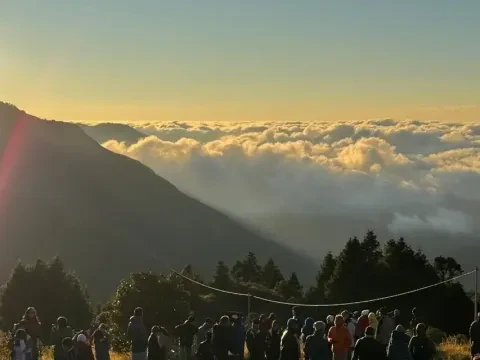
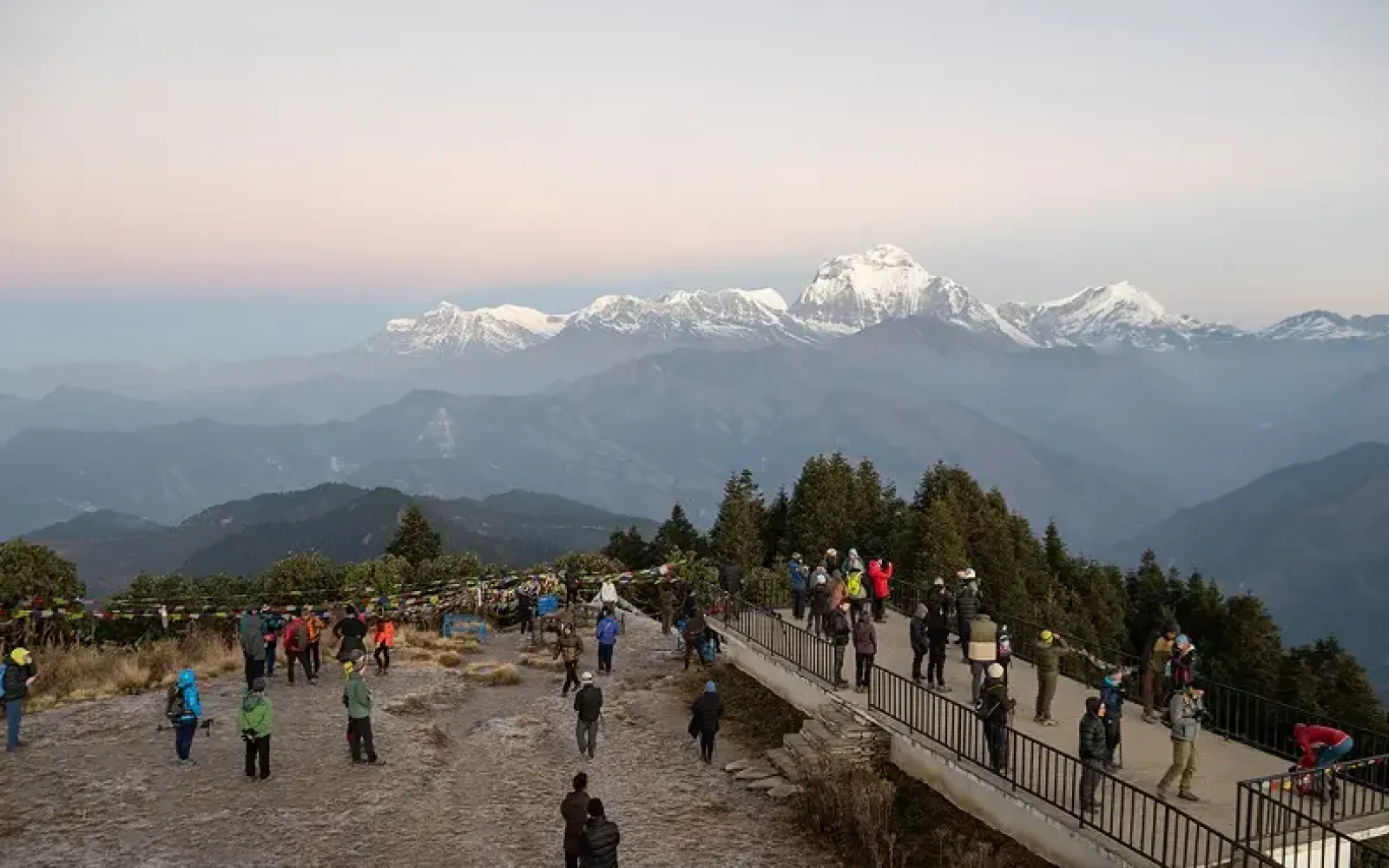
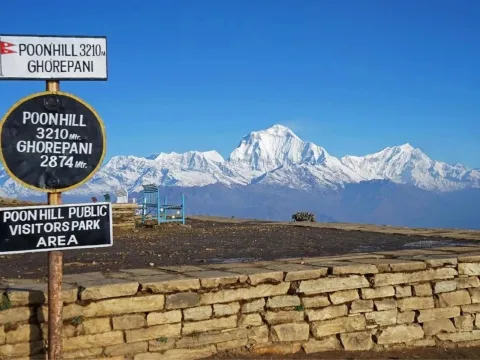
The Poon Hill Trek is one of the best short and picturesque Himalayan treks in Nepal. It formally starts from Nayapul (1,070 meters) and goes through Tikhedhunga, Ghorepani, and Tadapani. The highest point reached is Poon Hill at 3,210 meters. But, these days, one can directly begin Poon hill Trek from Ulleri/Banthanti or Ghandruk. The jeep ride from Pokhara to Ulleri or Ghandruk will help you.
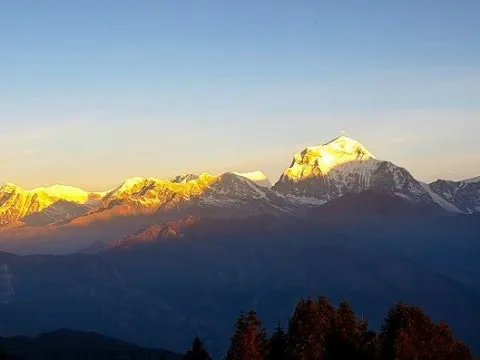
Additionally, the Poon Hill trekking has simply stunning views of Annapurna and Dhaulagiri ranges. On clear mornings, peaks such as Dhaulagiri (8,167 meters) and Annapurna South (7,219 meters) are visible.
In the same way, the Poon Hill hike passes through rhododendron forests, Magar villages, and terracing hillsides. It is ideal for beginners and families seeking a short but beautiful experience.

Likewise, the Poonhill trek does not require high-altitude acclimatization as it is the case with longer treks. The highest elevation is moderate, so the danger of altitude sickness is minimal. This renders the trek safer and less complicated.

Additionally, the Ghorepani Poon Hill trail has well-managed teahouses and lodges. You’ll find comfortable places to stay in Ghorepani (2,874 meters) and Ghandruk (1,940 meters). These villages offer hot meals, showers, and warm beds.
Furthermore, the Poon Hill trek from Kathmandu usually takes 4 to 5 days. If you begin Poon hill from Pokhara, you can accomplish in 2/3 days. It’s easy to customize the route based on your pace. The sunrise view from Poon Hill is the highlight and worth waking up early for.
Therefore, such a trek like Poon Hill exactly fits into a week-long Nepal tour. It's affordable, less risky, and greatly rewarding. It doesn't require expensive gear or long holidays.
Lastly, the Poon Hill Trek is short, scenic, and culturally enriching. It's ideal for those who desire to witness mountain glory without the exertion of high-altitude treks. So, travel lightly, walk slowly, and enjoy the Himalayan splendor.
The Poon Hill Trek is affordable but comes with additional expenses you need to budget for. To begin with, hot showers in upper villages such as Ghorepani typically range between NPR 200 and NPR 500. With elevation, the prices are slightly higher.
In the same manner, Wi-Fi costs between NPR 200 to NPR 400 per device but it’s free of cost these days. Moreover, at some places, the signals may be weak. Laundry service is rarely available on brief journeys but provided at Ghorepani for NPR 200 to NPR 500.
Additionally, beverages like tea or coffee cost between NPR 100 to NPR 250 per drink. Bottled water costs between NPR 80 to NPR 200 depending on altitude. Alcoholic drinks cost between NPR 400 to NPR 800.
Moreover, other food such as snacks, desserts, and second helpings are not packaged. Reserve NPR 300 to NPR 700 per day for extras. You can also buy souvenirs in Ghandruk or Ghorepani. Small gifts such as prayer flags or locally produced articles cost NPR 200 to NPR 1,000.
In the same way, some trekkers like donating to the monasteries or local schools. NPR 100 to NPR 500 is enough. It's a goodwill gesture to contribute to the region.
Furthermore, upgrades in attached bathrooms in accommodation cost anywhere between NPR 500 to NPR 1,000 extra per night. This depends on season and location.
Finally, tipping is expected. Guides and porters typically expect NPR 500 to NPR 1,000 per day in total. Tipping is not mandatory, but it is an expression of appreciation.
Overall, the Poon Hill Trek is budget-friendly, but it is reassuring to carry extra cash. Organize a budget that is flexible and have fun with no worries.
Poon Hill Trek budgeting goes beyond package costs. Carrying extra money brings comfort and convenience on the trek.
To start with, hot showers, Wi-Fi, snacks, and drinks are not included in most Poon hill Trek packages. You may also like private rooms. These extras add up as you go higher. In Ghorepani, Wi-Fi and shower can cost NPR 300 each. Drinks like juice or tea can cost NPR 150 to NPR 300.
Also, you may wish to buy souvenirs, make donations, or enjoy a dessert. These are not much on their own, but the total adds up daily. You can end up spending 500 to 1,000 NPR per day on average.
Similarly, you also need to tip your guide and porter. Budget 500 to 1,000 NPR per day for them. That is fair. It depends on group size and service quality.

Besides, there might be emergency or last-minute purchases. Having some extra saves stress. There are ATMs in Pokhara only, and therefore cash is required.
It is, therefore, advisable to carry NPR 8,000 to NPR 12,000 for extra expenses during Poon Hill Trek. This will cover tips, showers, Wi-Fi, snacks, and minor purchases.
In short, extra cash ensures a comfortable and stress-free Poon Hill trek. It enables you to enjoy comforts and help locals. So, get ready beforehand, carry small notes, and enjoy the trip without worrying about additional costs.

Hot showers are a welcome luxury on the Poon Hill Trek. They are not free at most places. Teahouses charge you a fee based on location and altitude.
For instance, at lower elevations like Tikhedhunga, hot showers can be between NPR 150 and NPR 300. In colder places like Ghorepani, it is NPR 300 to NPR 500. It is pricier due to fuel and water scarcity.
Similarly, there are also some lodges that have gas-heated showers, others are solar-powered. Solar showers may be warm only in the daytime. Always ask if the water is actually hot.
Likewise, shower facilities on Poon hill Trek can be simple. Frequently, there is no heat within the bathroom. Therefore, shower in the early afternoon when it is warm.
In addition, do not anticipate unlimited hot water for shower during Poon hill trek. Most teahouses are charged per shower, not daily. Keep things brief to conserve money and assist environmentally friendly practices.
Therefore, budget NPR 300 per day if you wish to shower every evening during Poon Hill Trek. But you do not need to shower every day. Trekkers tend to skip a day or two between showers due to cold.
In short, hot showers are available during Poon Hill Trek but not common. They are optional and place-dependent. Carry wet wipes as a backup on cold days or regions distant from civilization. That way, you can stay clean and comfortable on your trek.
Wi-Fi on the Poon Hill Trek is existent but not widespread. It is offered by the majority of teahouses at a certain charge. However, you can get Wi-fi facility on Poon Hill trek free of cost these days.
But, some lodges in lower villages like Ulleri, Wi-Fi costs approximately NPR 200. As you go higher to Ghorepani, the charge is NPR 300 or NPR 400 per device.
And the Wi-Fi connection is not always good during Poon Hill Trek. In bad weather or rush hour, the internet is slow. Some teahouses use satellite internet, with slower speeds and higher fees.
You generally pay once for 24-hour access on a device. But sharing connections from phones or laptops may not be possible.
Therefore, use Wi-Fi only when necessary. Download offline maps and send messages quickly. Most trekkers use Wi-Fi just to stay in touch with family.
In conclusion, expect to spend NPR 200 to NPR 400 on Wi-Fi during Poon Hill trek. Plan to use it wisely. Signal strength and speed vary, so don’t rely on it for work or streaming.
Drinks are one of the most common extra costs on the Poon Hill Trek. Actually, the prices of drinks increase with elevation.
Firstly, a cup of tea or coffee costs NPR 100 to NPR 250. In Ghorepani or Tadapani, expect the higher range. Bottled water is NPR 80 at lower altitudes and goes up to NPR 200 higher up.
Moreover, soft drinks like Coca-Cola and Fanta during Poon Hill Trek cost between NPR 200 to NPR 300. Energy drinks cost more. Hot ginger or lemon tea is a popular choice and costs between NPR 150 to NPR 250.
Drinks like beer or local wine during Poon Hill Trek cost between NPR 500 to NPR 800. Nevertheless, the consumption of alcohol is not recommended during trekking.
Therefore, budget NPR 300 to NPR 700 per day for drinks during Poon hill Trek if you like variety. Carry a water purifier or iodine tablets to save money.
In conclusion, the expenses on drinks during Poon hill Trek differs by location and choice. Drink lots, but plan ahead to utilize your money effectively.
The cost of meals on Poon Hill Trek vary with destinations. Transport price makes villages costlier.
Breakfast, to begin with, will be between NPR 300 to NPR 500. A Nepali standard dinner or lunch like dal bhat will be NPR 400 to NPR 700. Continental meals like pasta or fried rice can range from NPR 600 to NPR 800.
Also, food in Ghorepani and Tadapani is slightly more expensive. That's due to the fact that ingredients are carried up by mules or porters.

Likewise, fruit and side dishes could cost between NPR 150 and NPR 400. Second helpings could incur extra cost in certain teahouses.
Therefore, spend NPR 1,200 to NPR 2,000 per day on food during Poon Hill Trek. Packages generally include three plain meals a day.
In short, lunches are simple but healthy. Carry some cash with you in case you are a sweet tooth or prefer variety. Food is an extremely significant part of the trekking experience.
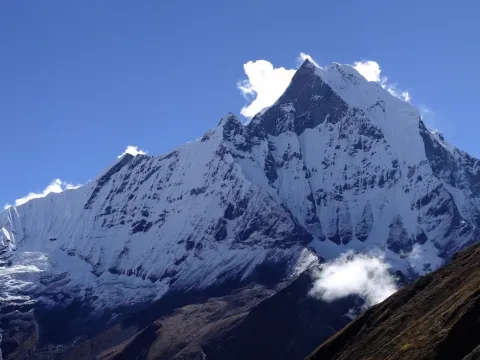
In brief, souvenirs help local artisans along Poon Hill Trek route. They are inexpensive and symbolic. Bring light, handy items to keep your memory of trek alive.
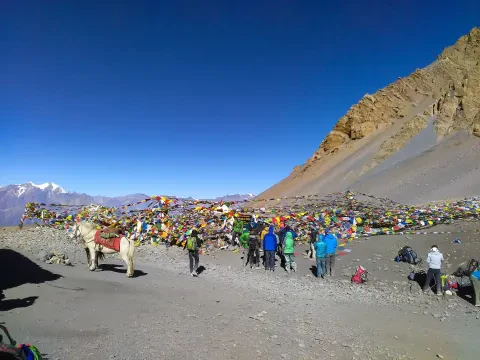
Improved accommodations can be availed on the Poon Hill Trek. Some teahouses offer attached bathrooms especially in Ghorepani and Ghandruk. New and luxury hotels are being built these days to comfort the trekkers.
Suggested Blog Post Related to Poon Hill Region :
In summary, the Poon hill hike is budget-friendly but requires planning. Having a clear budget and some extra money in hand, you can trek comfortably and help local communities. Allocate Rs. 10000-12000 for extra expenses during Poon hill Trek.
1. How money should I carry for extra expenses on the Poon Hill Trek?
You should carry cash for personal spending on the Poon Hill Trek. Most trekkers spend between 10 and 25 dollars every day. This money covers drinks, snacks, charging your phone, Wi-Fi and hot showers. Since there are no ATMs on the trail it's best to carry Nepalese rupees from Pokhara. Proper budgeting helps you avoid difficulties during the Poon Hill Trek.
2. Are showers included in the Poon Hill Trek package?
Usually trekking packages do not include hot showers. Tea houses charge extra for hot water bathing. The cost is higher in villages that're far away because fuel transportation is hard. So you should budget a little for showers. Many lodges do provide shower facilities on the Poon Hill route.
3. How much does Wi-Fi cost on the Poon Hill Trek?
Wi-Fi is available in tea houses on the Poon Hill Trek.. It is not usually included in trekking packages. The connection fee varies depending on the location and network quality. Internet speed can be slower during seasons. So carrying cash for internet is helpful if you need to communicate often.
4. Do I need to pay extra for charging devices?
Yes you need to pay extra for charging your phone, camera and power bank. Tea houses use electricity or solar energy in remote areas. Charging fees help cover their operating costs. To save money many trekkers carry a charged power bank. This provides power and saves money during the Poon Hill Trek.
5. Are drinks and snacks expensive on the Poon Hill Trek?
Yes prices go up as you climb higher. Transporting supplies by porters and mules raises costs in mountain villages. So bottled drinks, chocolates and packaged snacks cost more than in Pokhara. Many trekkers buy some snacks before starting the Poon Hill Trek. This simple preparation helps reduce spending on the trail.
6. Should I budget money for tipping guides and porters?
Yes tipping is a practice in Nepal. Although its not mandatory it shows appreciation for service. Guides and porters work hard to ensure your safety and comfort, on the Poon Hill Trek. So many trekkers set aside a tipping budget before departure. This helps avoid confusion and allows you to reward support fairly.
7. Are transportation costs always part of the trek package?
No they are not. Some packages cover all transportation costs while others do not include transfers. So it is crucial to check the itinerary before booking. You may have to pay extra for vehicles upgraded services or changes to your itinerary. Knowing these details helps you manage your trekking budget well.
8. Can I use credit cards during the Poon Hill Trek?
You cannot easily use credit cards in mountain villages along the Poon Hill Trek. Most tea houses and local shops only accept cash. Therefore you should withdraw Nepalese rupees before leaving Pokhara. It is also an idea to carry small denominations. This makes it easier to buy things and avoids payment problems in areas.
9. What emergency expenses should I prepare for on the Poon Hill Trek?
The Poon Hill Trek is considered moderate. Unexpected expenses can still occur. These may include treatment, transportation changes or extra accommodation. So it is strongly recommended that you carry an emergency fund. Even a small reserve gives you peace of mind. Helps you handle unexpected situations confidently during the journey.
10. What is the biggest hidden cost on the Poon Hill Trek?
One of the overlooked expenses is daily personal services. Things, like showers, Wi-Fi charging devices, bottled drinks and snacks can add up quickly. Each one seems like a cost. However over trekking days they become significant. So understanding these hidden expenses helps you create a trekking budget.
Our travel experts are ready to assist you with any questions.
Send us a message.Have a question before you book? Send your enquiry below and our travel experts will get back with the required information.