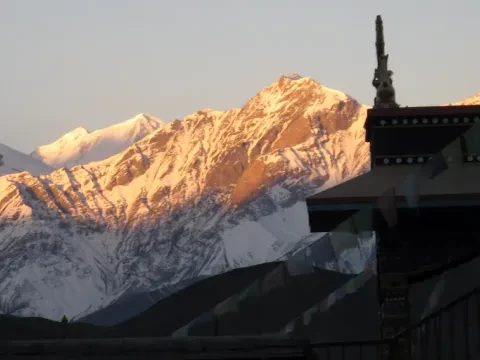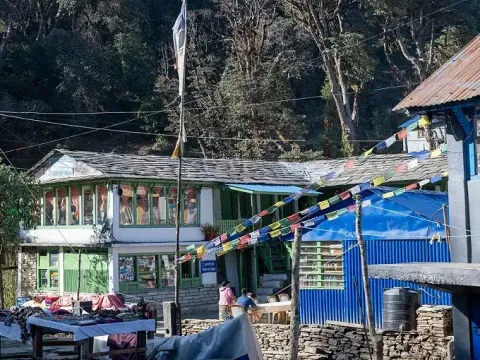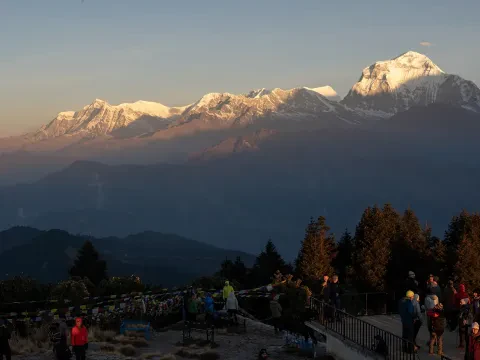
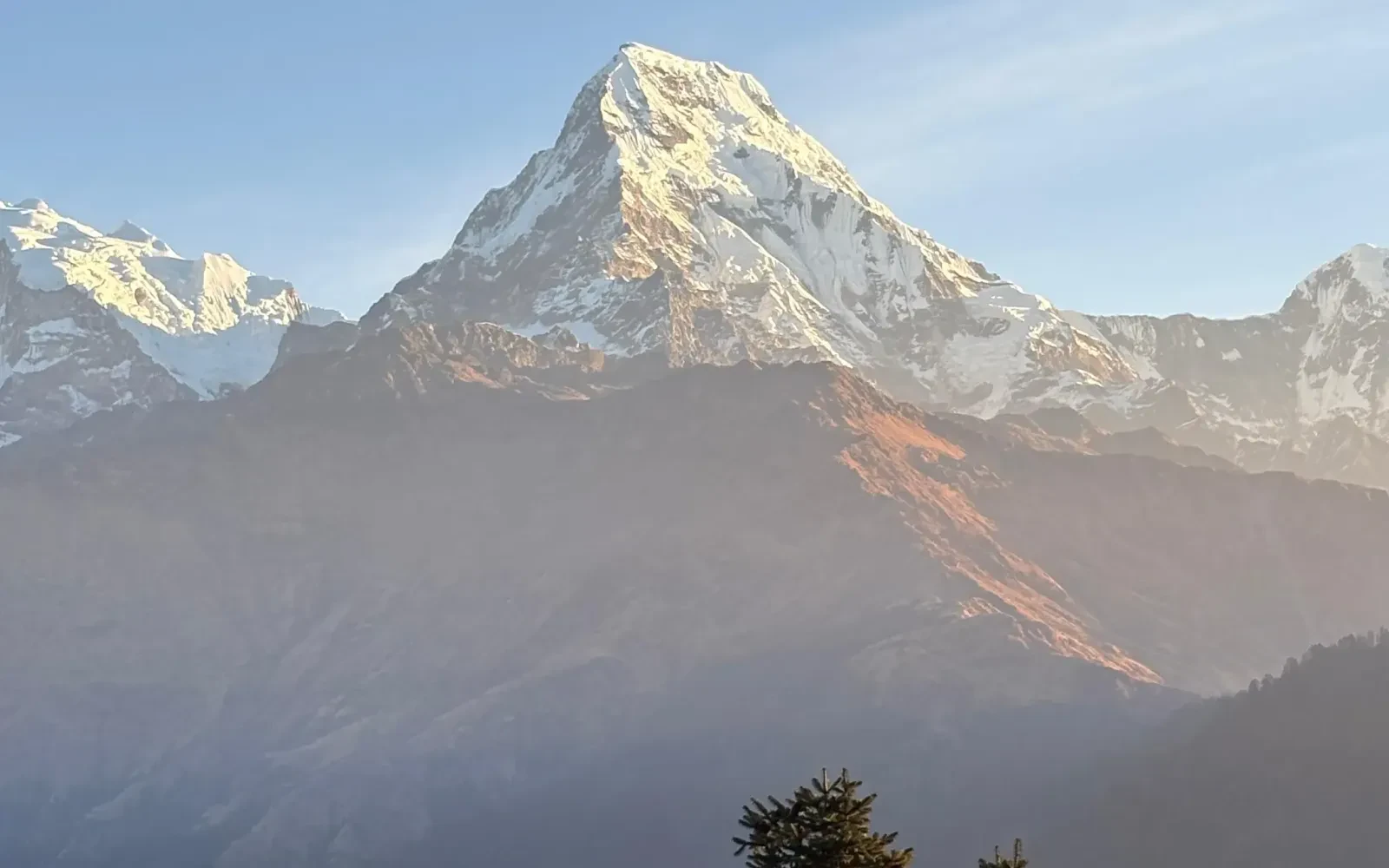
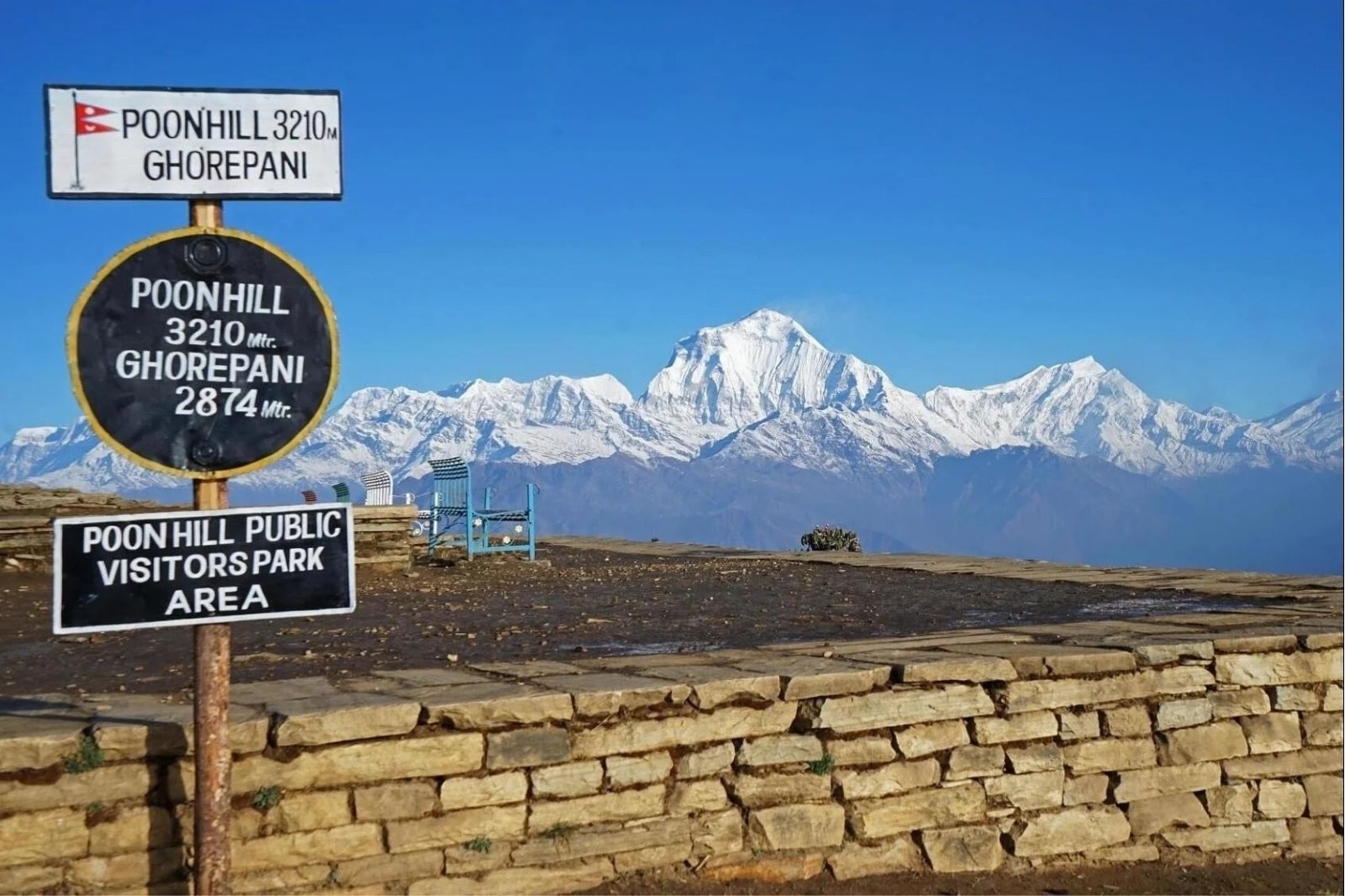
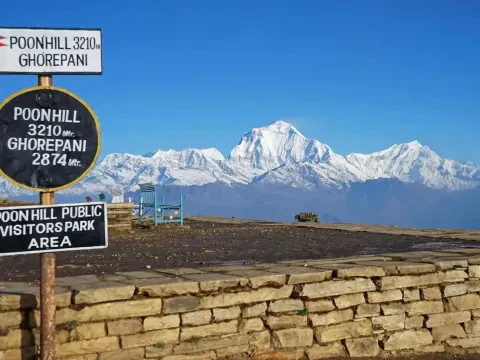
If you’re looking for a beginner-friendly trek in Nepal that packs a serious punch, the Ghorepani Poon Hill Trek is hard to beat. This route is famous for its jaw-dropping sunrise views from Poon Hill, which sits at 3,210 meters, and it’s just a short hop from Pokhara (822m). People love this trek not only for the scenery—think sweeping vistas of Annapurna and Dhaulagiri—but also for how accessible and doable it is, even if you’re new to trekking.
Meanwhile, the journey usually starts in Nayapul (1070m). From there, the trail winds through lush hills, past villages like Tikhedhunga (1540m) and Ulleri (1960m), and right into forests that explode with rhododendrons every spring. You end up at Ghorepani, perched at 2,870 meters, and that’s your launchpad for the sunrise show at Poon Hill.
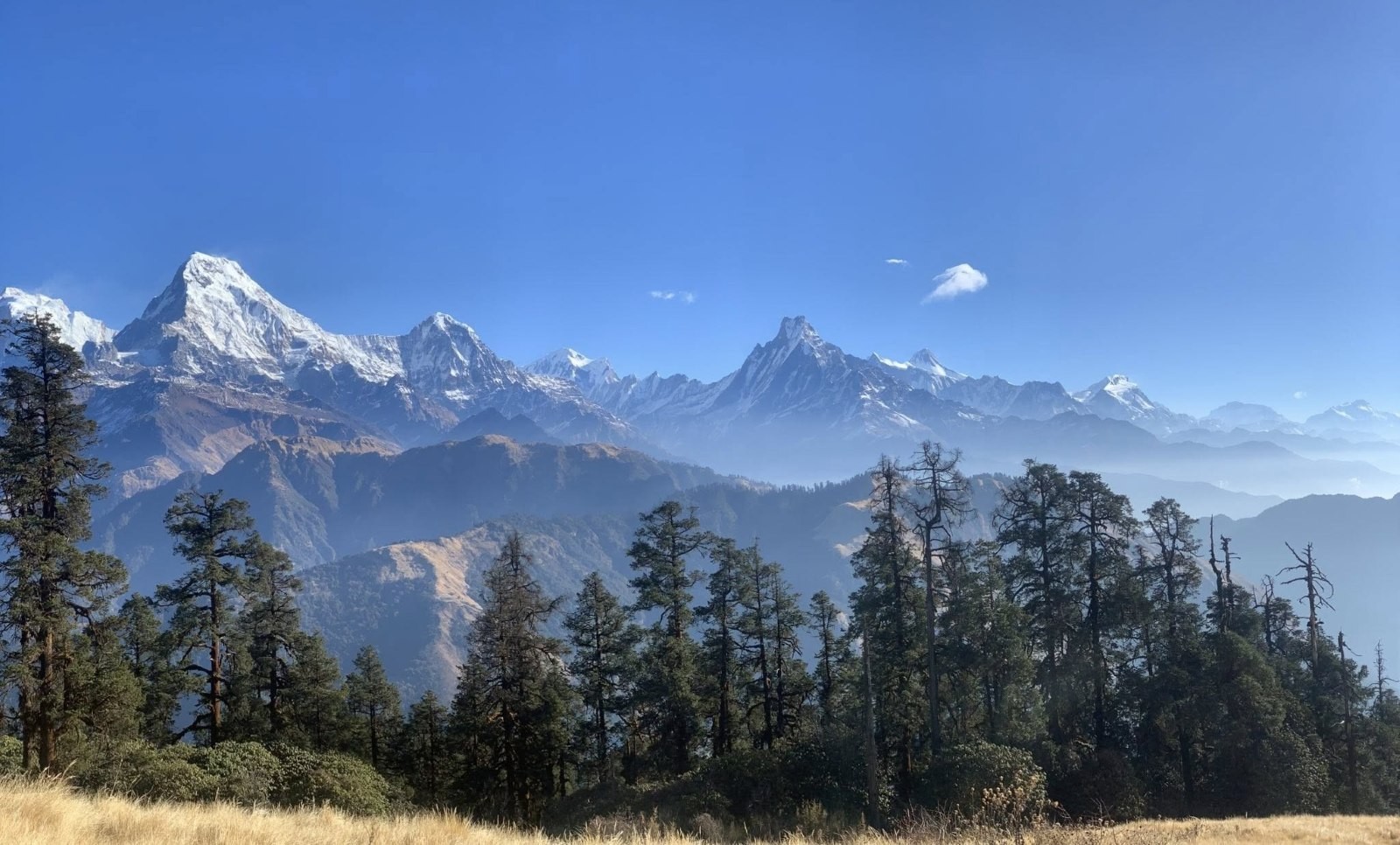
Here, most people spend four or five days on this trek. You’ll hike through landscapes that look like postcards, with Annapurna I (8091m) and Dhaulagiri (8167m) towering in the background. Machhapuchhre (6993m) stands out too—a sacred peak with its iconic fishtail shape. But there’s more than mountains here. As you walk, you meet Gurung and Magar villagers, stop at teahouses, and get a taste of local hospitality. Because the trail doesn’t climb to extreme altitudes, you don’t have to worry much about altitude sickness—making it a safe bet for families or anyone who’s not a hardcore trekker.
Likewise, you’ll need a TIMS card and an ACAP permit before you go, which cost around $20–40 each. Altogether, you can complete the trek for about $300–600, which makes it one of Nepal’s most affordable Himalayan adventures.
One of the best parts? You can do this trek almost any time of year. Spring brings wildflower blooms, while autumn means crisp, clear skies—so pick your season and go. Expect to walk 10–15 kilometers a day, with manageable climbs. Most people, even if they’re not super fit, finish the trek without too much trouble.
In fact, some trekkers hire guides for peace of mind and to learn more about the area’s plants and animals. Guides know the trails like the back of their hand, so you can relax and soak it all in.
Every year, people from all over the world come for the Ghorepani Poon Hill Trek. The sunrise alone is unforgettable, and the mix of natural beauty and local culture sticks with you long after you’ve left. If you want scenery, culture, and a real sense of adventure—all wrapped up in a short, doable trek—this is the one to try. So, why wait? Plan your trip and see Nepal’s Himalayan wonders for yourself.

| Aspect | Details |
|---|---|
| Duration | 4-5 days from Pokhara |
| Max Elevation | Poon Hill (3210m) |
| Starting Point | Nayapul (1070m) |
| Major Mountains | Annapurna I (8091m), Dhaulagiri (8167m), Machhapuchhre (6993m) |
| Permits Cost | $20-40 per person |
| Total Trek Cost | $300-600 per person |
| Best Seasons | Spring (March-May), Autumn (September-November) |
Why pick the Ghorepani Poon Hill Trek? Honestly, it just ticks so many boxes—stunning mountain views, colorful forests, a taste of real Nepali culture, and trails that welcome everyone, even first-timers and families.
Let’s start with the views. You get front-row seats to the giants—Annapurna South (7219m) and Hiunchuli (6441m) without sweating your soul out. At sunrise, Poon Hill (3210m) turns golden, and the whole Annapurna range lights up. It’s unforgettable, and the trek’s gentle pace means you can actually enjoy it, not just survive it.
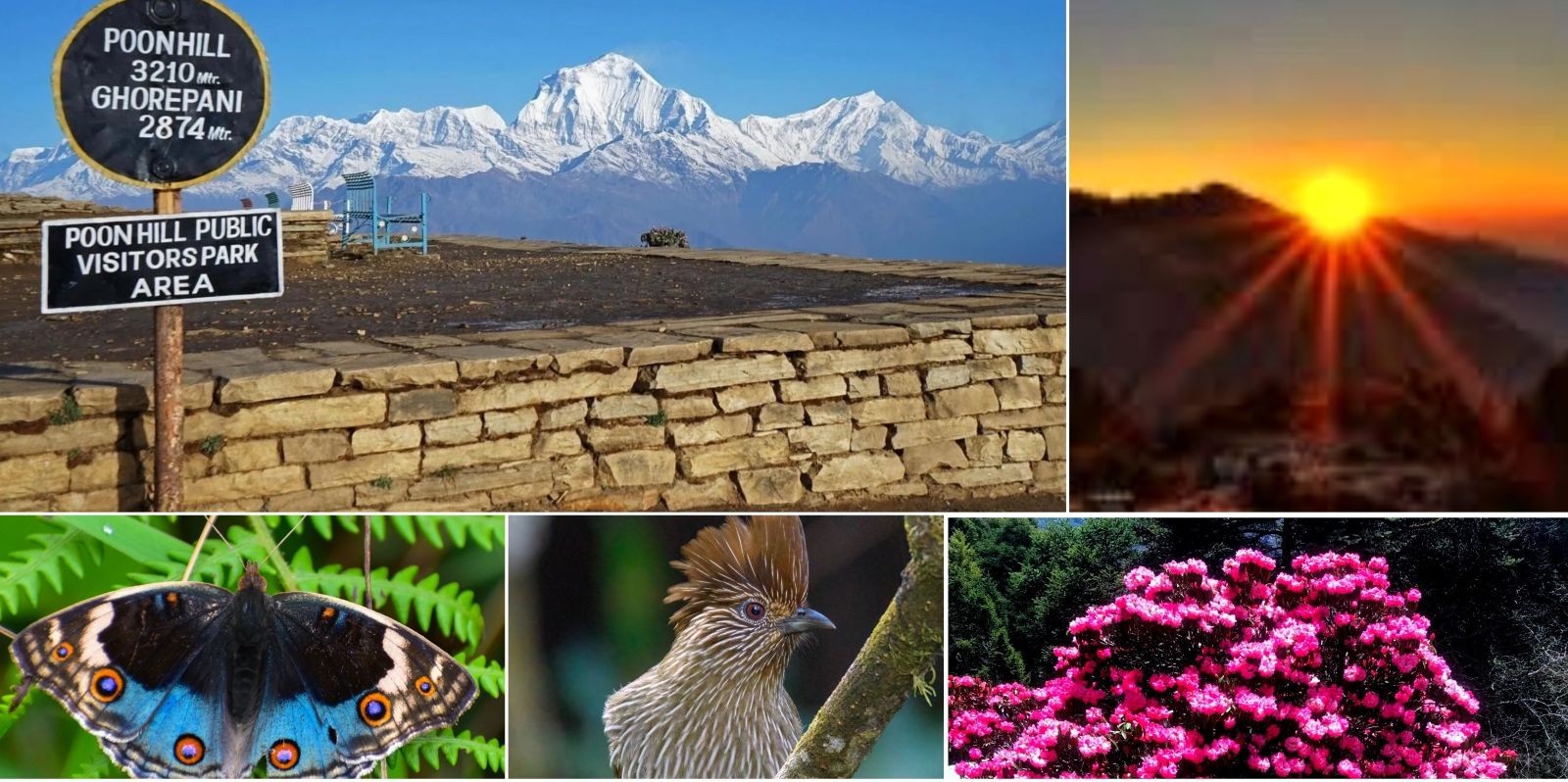
Meanwhile, Poon Hill Trek in Spring is something else up there. Rhododendrons burst into bloom, painting the trail from Ulleri (1960m) to Ghorepani (2870m) in wild colors. The forests are alive—lush, green, and full of surprises. Nature lovers won’t want to leave.
Likewise, you’re not just walking through scenery, though. The trail weaves through Gurung villages like Ghandruk (1940m), where you’ll see traditional homes and local festivals. Stay in a homestay, and you get a real slice of life here—warm welcomes, home-cooked food, and a peek into old traditions.
The best part? You don’t need to be a hardcore hiker. The route’s friendly, with steady climbs and plenty of places to rest. It’s a confidence booster, and great for families with kids or anyone new to trekking.
Getting there’s simple, too. You can start from Pokhara, and the whole trek fits easily into a short holiday. Teahouses line the route, so you’re never far from a comfy bed or a hot meal. It’s convenient, and that draws a lot of people in.
Here, wildlife is another perk. You’ll spot all kinds of birds, maybe some monkeys, all protected inside the Annapurna Conservation Area. Eco-tourists love it.
Plus, it’s affordable. Packages usually run between $300 and $600, which covers guides and meals. Permits won’t break the bank either. For what you get, it’s great value.
Likewise, the seasons keep things interesting. Autumn skies are clear as glass, perfect for those mountain shots. Winter? A hush falls over the trails, snow dusts the peaks, and everything feels peaceful. Lots of trekkers come back just to see it in a different light.
So, the Ghorepani Poon Hill Trek really does blend adventure and downtime. You’ll soak up mountain panoramas like Nilgiri, walk through magical forests, and meet people who make you feel at home. If you’re making a list of treks in Nepal, this one deserves a top spot. Plan your trip, bring your sense of wonder, and dive into the heart of the Himalayas.
Highlights for Ghorepani Poon Hill Trek :
When’s the best time to trek Ghorepani Poon Hill in Nepal? Let’s get right to it. If you want big mountain views, clear skies, and a shot at those famous rhododendrons, timing really matters.
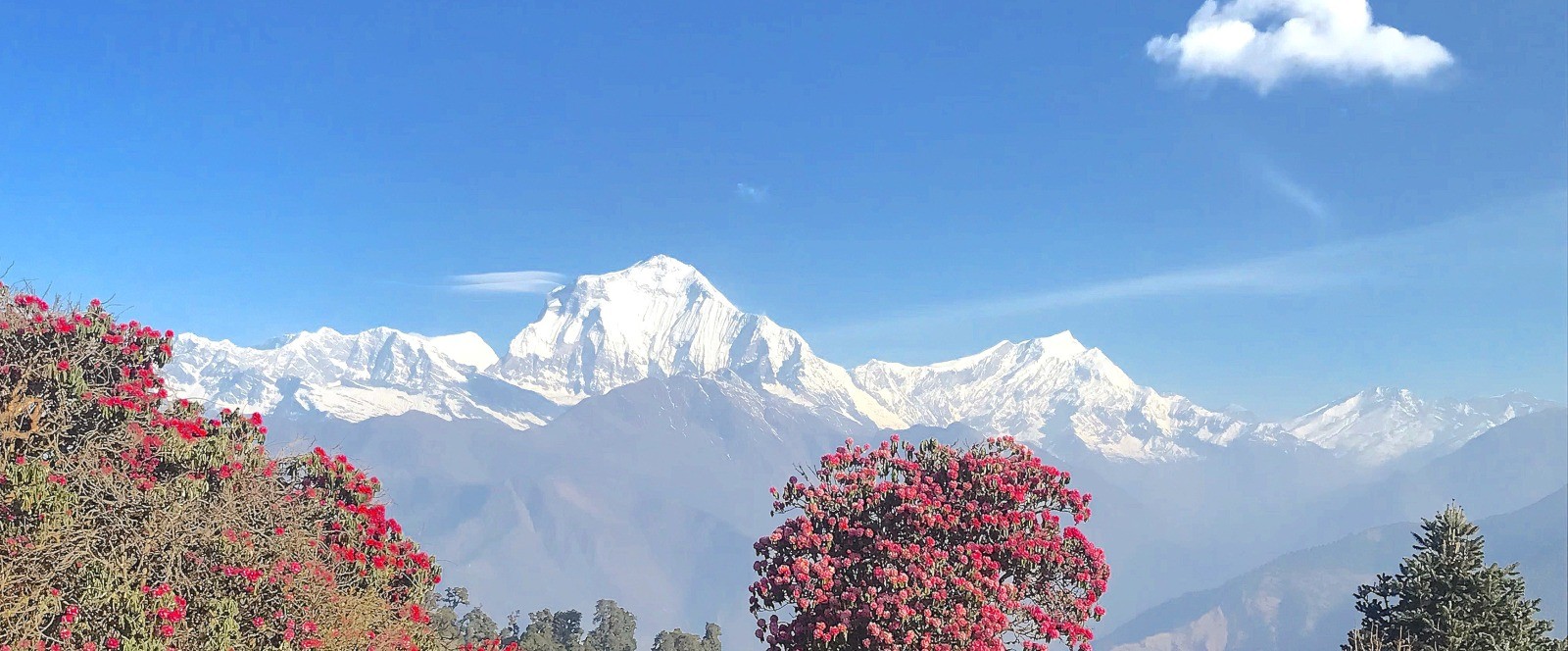
Most people say autumn—September through November—is the sweet spot. After the monsoon, the air turns crystal clear, so you get those sweeping Himalayan panoramas. At Ghorepani (about 2,870 meters up), daytime temperatures hover between 10 and 20°C, but nights drop to a chilly 0-5°C. You’ll feel that crisp mountain air, especially before dawn.
October’s the busiest month. People crowd Poon Hill (3,210 meters) to catch sunrise over Annapurna I, and the weather usually behaves. Rain is rare, so you’ll see Dhaulagiri shining in all its glory. If you don’t mind sharing the trail, this is as good as it gets.
Here, Poon Hill trek in Spring—March to May—comes in a close second. Rhododendron forests burst into color, and the days warm up, especially lower down around Ulleri. April is when everything really pops. You get milder weather (think 15-25°C during the day), longer daylight, and mostly clear skies. Trails are in good shape, and families love this season for its gentle conditions and wildflower displays.
In fact, just don’t go during the monsoon (June to August). Heavy rains turn the trails into mudslides, especially near Tikhedhunga. Leeches show up, the views disappear behind clouds, and sunrise at Poon Hill is usually a bust.
But, Poon hill trek in Winter (December to February) is cold, no way around it. Snow can block higher trails, and nighttime temperatures drop below freezing. But if you’re after solitude, this is your season—hardly anyone else is out there, so you’ll have the mountains mostly to yourself.
If you like quieter paths and don’t mind a bit of unpredictability, early spring and late autumn are nice. Fewer trekkers, lower prices, and you still catch some good weather. Flexibility pays off here.
So, pick your season based on what you want. Autumn is for the best views. Spring is for flowers and pleasant hiking. Both avoid most weather hassles.
One last thing—if you’re aiming for peak times, book early. Guides run about $20-30 a day in high season. Choose your moment, plan ahead, and you’ll get the most out of your Himalayan trek.
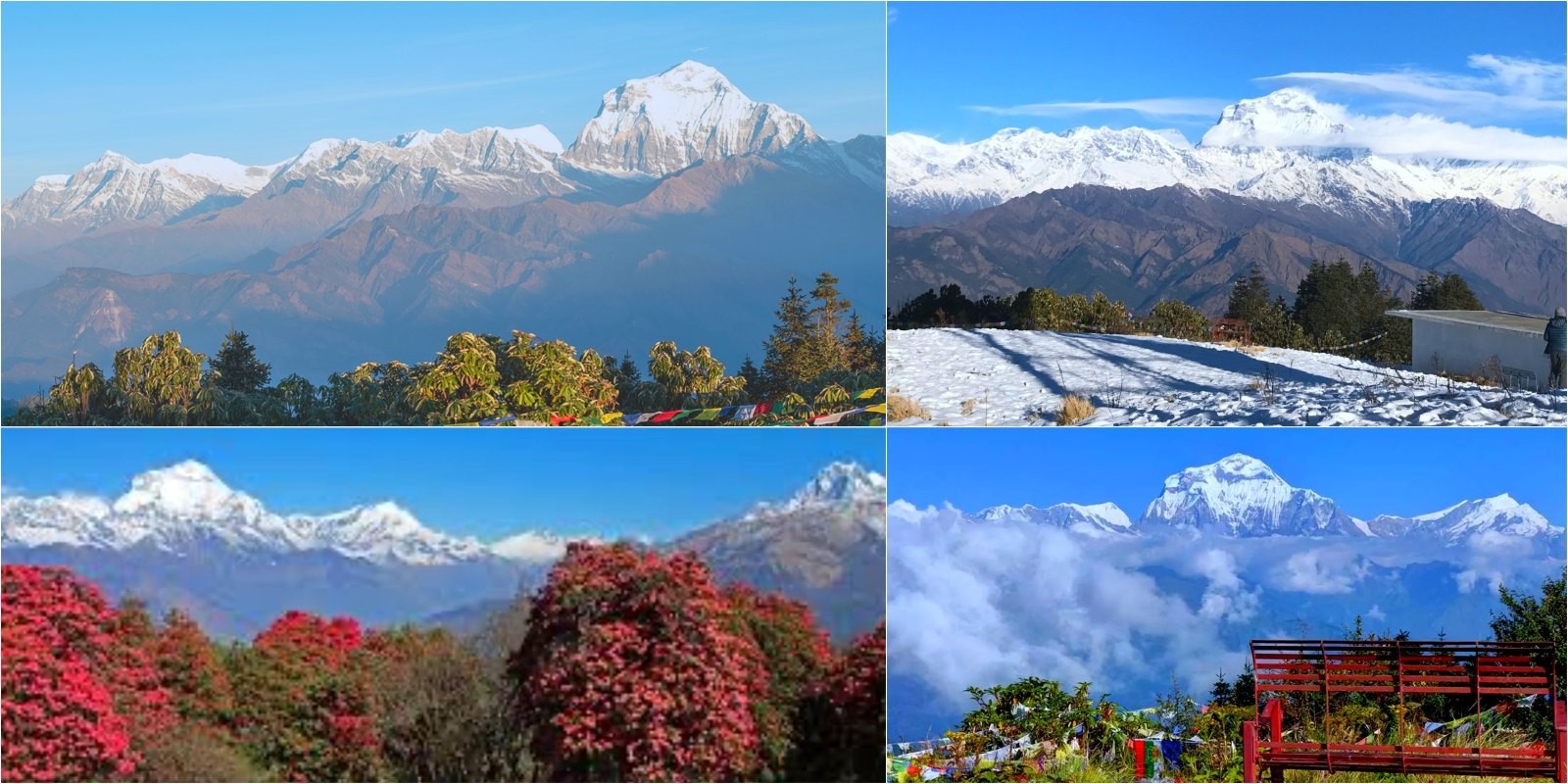
| Season | Months Daytime Temp (°C) | Key Features | Challenges |
|---|---|---|
| Autumn | Sep-Nov | 10-20 | Clear skies, peak views, crisp air | Busier trails |
| Spring | Mar-May | 15-25 | Rhododendron blooms, mild weather | Occasional showers |
| Monsoon | Jun-Aug | 15-25 | Lush greenery | Rain, slippery paths, leeches |
| Winter | Dec-Feb | 5-15 | Serene, clear days | Cold nights, possible snow |
Let’s talk honestly about the Ghorepani Poon Hill trek. If you’re trying to figure out if it’s right for beginners, here’s what you need to know. The trail isn’t super tough—most people rate it as easy to moderate. With some basic preparation, beginners, families, and anyone new to trekking in Nepal manage just fine.
Actually, the trek usually takes about 4 to 7 days starting from Pokhara (at 822 meters). Some folks stretch it out to 9 days if they want to go slow and soak it all in. Expect to walk 4 to 7 hours a day, so it’s perfect if you’re after a shorter Himalayan adventure instead of a weeks-long epic.
In fact, you’ll cover about 40 to 50 kilometers in total. The route kicks off at Nayapul (1,070 meters) and climbs up to Poon Hill (3,210 meters). The elevation gain is steady, not sudden, so altitude sickness isn’t much of a worry for most beginners.
Now, the tricky part: the stone steps. There are over 3,000 of them leading up to Ulleri (1,960 meters). Your legs will feel it, no doubt. The path can get rugged, so sturdy shoes are a must. Luckily, there are plenty of rest stops along the way, which really helps break up the climb.
Here, you don’t need any technical skills for this trek—just a reasonable level of fitness and some stamina. Walking through forests and villages honestly makes it easier than it sounds. Most people build confidence as they go, and the scenery keeps you motivated.
Likewise, the Poon Hill trail is dotted with teahouses, so you’ll always find a warm meal and a cozy bed, especially in Ghorepani (2,870 meters). Local guides help you stay on track, and that support goes a long way for first-timers.

Difficulty Highlights for Ghorepani Poon Hill Trek :
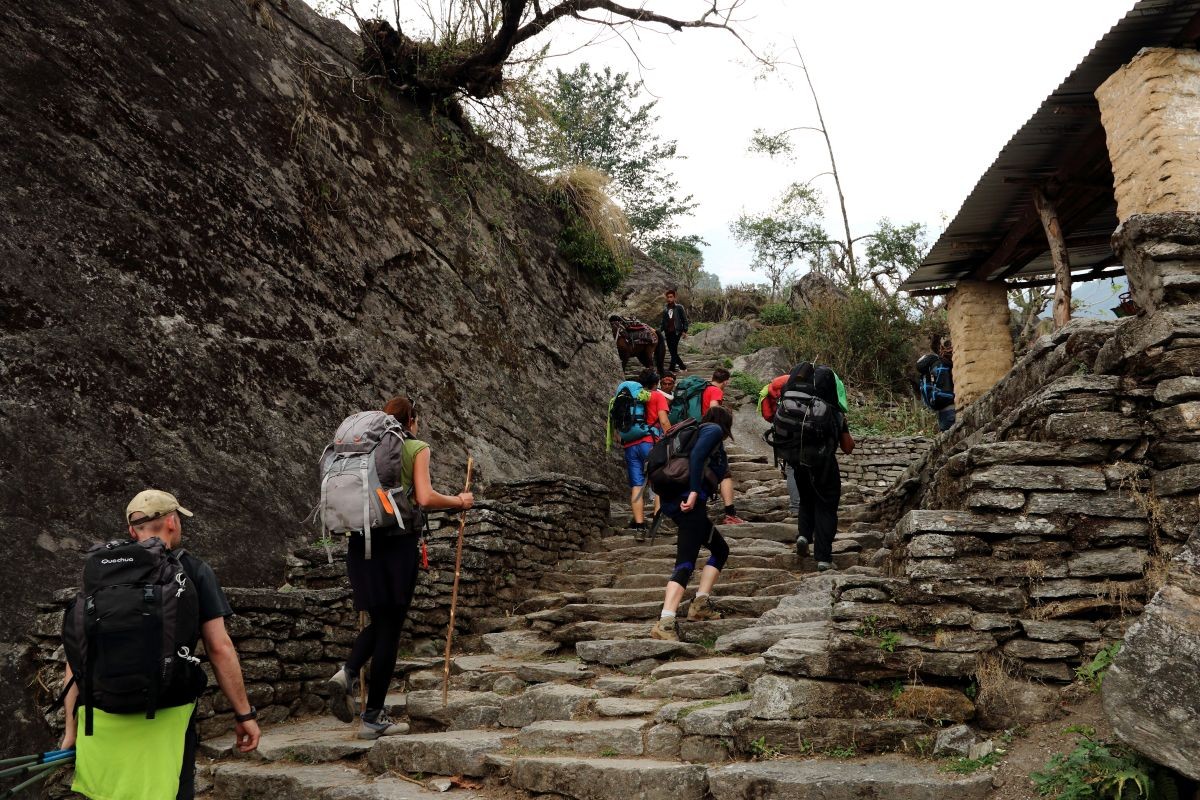
There are a few tough sections, especially the climb to Tadapani (2,630 meters), and coming down can be hard on your knees. Weather sometimes throws surprises your way too. Still, a bit of training before you go—especially cardio—makes a huge difference.
As for Poon Hill Trek cost, expect to spend $300 to $600, plus another $30 to $50 for permits. You can keep it pretty affordable if you go for budget options, and that’s one big reason people from all over the world pick this trek.
In the end, Ghorepani Poon Hill is perfect if you’re new to trekking. The challenges are there, but nothing you can’t handle. It’s a great way to build your confidence and get a real taste of the Himalayas. Make sure you’re in decent health, train a bit, and just enjoy the journey. The views and the experience are worth every step.
Ready to hit the trails? Here’s a real look at the Ghorepani Poon Hill trek, one of Nepal’s favorites. You’ll find classic routes that last anywhere from 4 to 8 days, depending on your pace and how much you want to soak in. The journey starts in Pokhara (822m), then it’s a drive out to Nayapul (1070m), where the real adventure begins. If you’re new to trekking, these plans break it down day by day, so you know exactly what’s coming.

If you want to stretch things out, take 5 or 6 days. Stay an extra night in Ghandruk, or hike on to Landruk (1565m). For a real treat, hit the hot springs at Jhinu Danda (1780m). Trust me, nothing feels better after a few days on the trail.
Feeling ambitious? The 7-8 day routes loop you out to Chomrong (2170m), with close-up views of Machhapuchhre (6993m). You come back down through the Kimrong Khola valley, adding some depth and variety to your trek.
You’ll need some basics: the ACAP permit ($25) and TIMS card ($20). Guides run $25–30 a day, and the whole trip usually costs between $400–800. Plan ahead, book your teahouses early if it’s busy, and you’re set.
Actually, this trek works for all kinds of travelers—families, solo hikers, or anyone looking for a mix of adventure and local culture. Every day brings something new. Just tweak the route to match your fitness and pace. Take it all in, and you’ll come back with real stories—and maybe a few new friends.
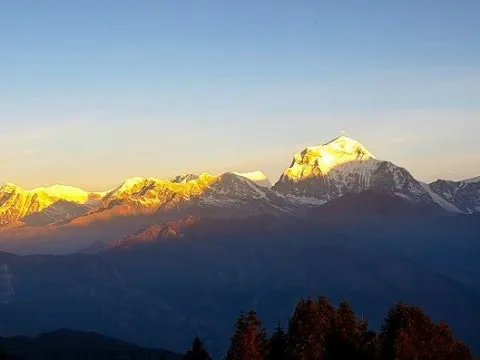
| Day | Route | Distance/Time | Elevation | Highlights |
|---|---|---|
| 1 | Pokhara (822m) to Nayapul (1070m) drive, trek to Tikhedhunga (1540m) | 10km / 4-5 hrs | +470m | Bridges, villages. |
| 2 | Tikhedhunga to Ulleri (1960m) to Ghorepani (2870m) | 12km / 6-7 hrs | +1330m | Stone steps, forests. |
| 3 | Ghorepani to Poon Hill (3210m) sunrise, to Tadapani (2630m) | 10km / 5-6 hrs | +340m/-580m | Sunrise views, rhododendrons. |
| 4 | Tadapani to Ghandruk (1940m) to Nayapul to Pokhara | 15km / 5-6 hrs | -690m | Gurung culture, drive back. |
| 5-8 (Ext) | Add loops to Jhinu Danda (1780m), Chomrong (2170m) | Varies / 4-6 hrs daily | Varies | Hot springs, extra views. |
Actually, there’s something unforgettable about watching the sunrise from Poon Hill. You’re at 3,210 meters, standing above the clouds, and suddenly the Himalayas—Annapurna, Dhaulagiri, Machhapuchhre—light up right in front of you. It’s one of those moments you can’t help but remember.
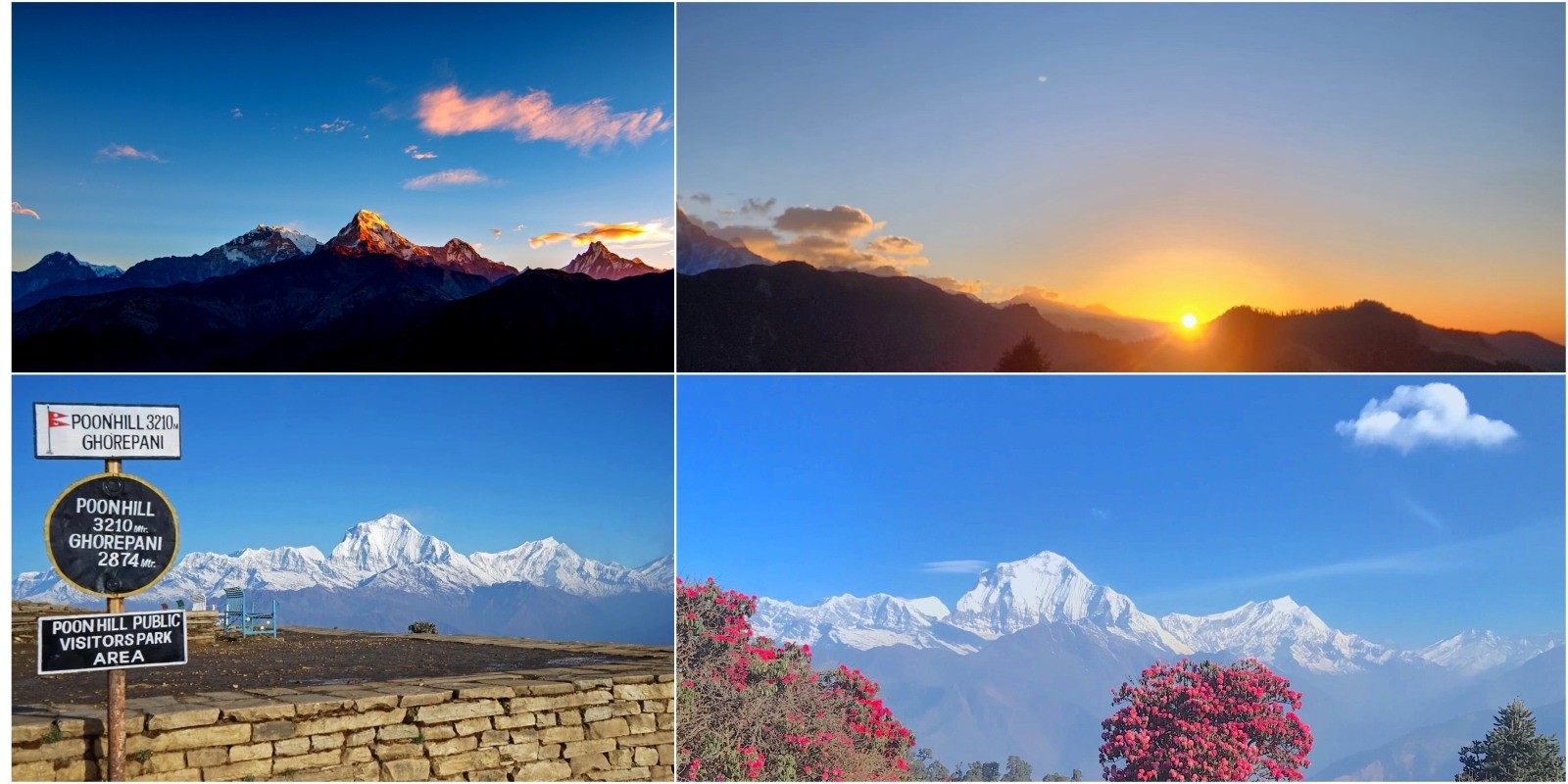
Here’s how it usually goes: You start climbing in the dark, somewhere between 4 and 5 in the morning. Headlamp on, hands jammed in your pockets, you follow the stone steps all the way up from Ghorepani (which sits at 2,870 meters). It’s cold, really cold, and you can see your breath. But the air feels so clean, and the stars look huge.
Most people reach the top before sunrise, just in time to snag a good spot. You’ll want to—because as the sun breaks over the horizon, Annapurna I (8,091m) glows gold, Dhaulagiri (8,167m) catches fire to the west, and Machhapuchhre (6,993m) rises up, sharp and sacred. The crowd goes quiet. Cameras click everywhere. Even if you don’t usually wake up early, you get why everyone does it for this.
Actually, peak season means lots of people, especially in autumn. Everyone crowds together near the lookout tower, all jostling for the best photos. Tea shops open up right after sunrise, handing out hot drinks to thaw your fingers. It’s noisy and lively, but honestly, that energy makes you feel like you’re part of something bigger.
In fact, the view isn’t just about the main peaks, either. To the north, Nilgiri (7,061m) stands tall, and Hiunchuli (6,441m) looks close enough to touch. As the light changes, the whole sky shifts from pink to deep orange. You hear birds waking up, and the cold air almost stings your face—makes you feel alive.
Here, actually, Poon Hill trek Weather matters a lot. Spring and autumn usually bring clear skies, but in winter, you might get fog and miss the show. Best to check the forecast before you go, just so you don’t climb up for nothing.
After about an hour at the top, most people head back down to Ghorepani for breakfast, still buzzing from the view. Everyone scrolls through their photos, trying to capture that feeling. It’s the kind of memory that keeps you moving for the rest of the trek.
Don’t forget to bundle up—pre-dawn temperatures can drop to zero. Pack water and snacks, too. Local guides often share stories about the peaks, which somehow makes the whole thing even better.
Honestly, the sunrise at Poon Hill is a highlight for a reason. The 360-degree view is unreal. Families, solo trekkers, everyone stands together in awe. It’s the kind of moment that defines a Himalayan adventure.
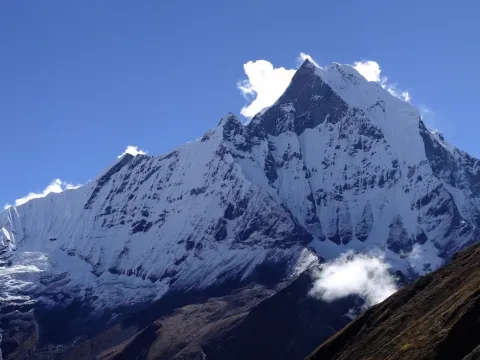
But it’s not just about the view. There’s a quiet up there, just after the sun comes up, that feels like it changes something inside you. You head down feeling lighter, like you’ve left a piece of yourself in those mountains. You won’t forget it.
Sunrise Views List for Poon Hill :
If you’re planning to trek in the Annapurna Conservation Area in 2026, you’ll need to sort out your permits and entry requirements before you go. The main thing is the ACAP entry permit, which costs NPR 3,000 for foreigners. SAARC nationals pay a bit less—NPR 1,000. Kids under ten get in free. The money goes right back into conserving the Annapurna region.
Since 2023, solo trekking isn’t allowed anymore. But the rules keep changing. You need to hire a licensed guide, no exceptions. It’s about safety, really, given how tough the terrain gets. Guides usually charge between $25 and $35 a day. It sounds like an extra hassle, but it actually makes the trek smoother and safer.
Here, you can pick up your ACAP permit at the Nepal Tourism Board offices in Kathmandu or Pokhara. Travel agencies can help with the paperwork if you’d rather not do it yourself. Don’t forget your passport and a couple of photos—they check everything at the permit office and again at trail checkpoints like Birethanti. Always carry your original documents.
There’s one big change for 2026: the TIMS card is gone. You don’t need it anymore, so that’s one less fee to worry about. But the guide requirement remains, so plan for that.
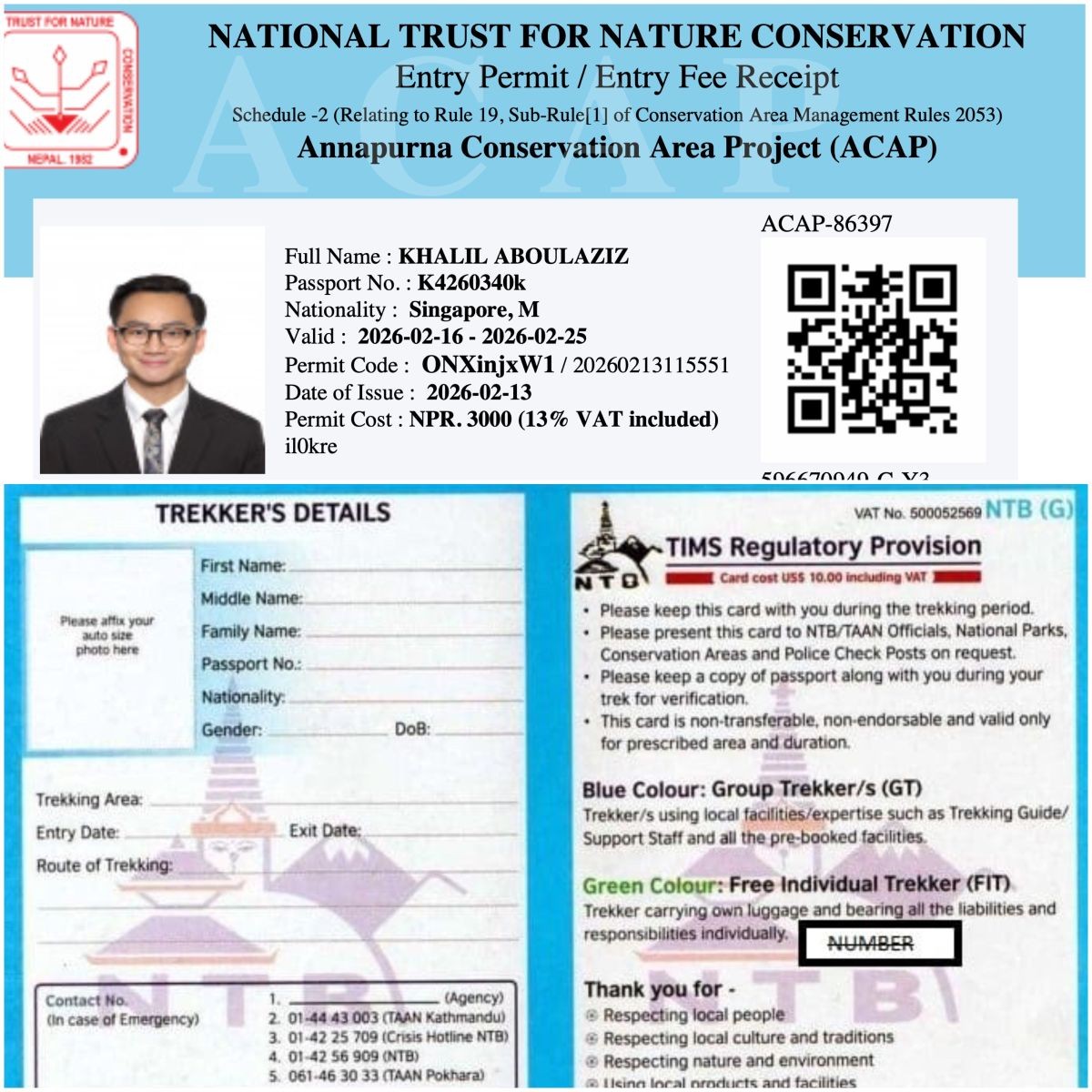
Some parts of the region—like Upper Mustang—are restricted and need special permits. Upper Mustang’s permit is expensive, starting at $500. The good news is, treks like Ghorepani Poon Hill just need the standard ACAP permit.
You can also apply for your ACAP permit online through the NTNC portal, but there’s a 2.9% processing fee. If you wait and try to get your permit at a checkpoint, you’ll pay double. So it’s smarter and cheaper to sort everything out ahead of time.
In fact, the new rules are designed with your safety in mind, and they help support local communities too. Families find things a bit easier with the updated process. Stick to the rules, and you’ll have a great trek.
Before you head out, double-check the latest updates on official government sites. The Annapurna Conservation Area is huge and diverse, and a little preparation goes a long way. Respect the regulations, and you’ll be all set for a memorable adventure in Nepal.
| Permit Type | Cost for Foreigners | Cost for SAARC | Where to Obtain | Key Notes |
|---|---|---|
| ACAP | NPR 3,000 (~USD 25) NPR 1,000 (~USD 8) | NTB Kathmandu/Pokhara or online | Mandatory for entry, single entry, funds conservation. |
| TIMS Card | Discontinued | Discontinued | N/A | No longer required; guides mandatory instead. |
| Guide Requirement | $25-35 per day | $25-35 per day | Licensed agencies | Bans solo trekking for foreigners since 2023 |
| Special Permits (e.g., Upper Mustang) | USD 500 for first 10 days | Varies | Immigration Department | Not needed for Ghorepani Poon Hill. |
| Additional Fees | 2.9% online charge | 2.9% online charge | Online portals | Double fees at checkpoints if not obtained in advance. |
Getting to the Ghorepani Poon Hill trailhead isn’t complicated, but it does take a little planning. If you’re starting in Kathmandu, you’ve got a couple of main ways to reach Pokhara. Want to save time? Just hop on a flight—it's only about half an hour and usually costs between $100 and $150 one way. Buddha Air and a few others run flights every day, so you’ve got options.
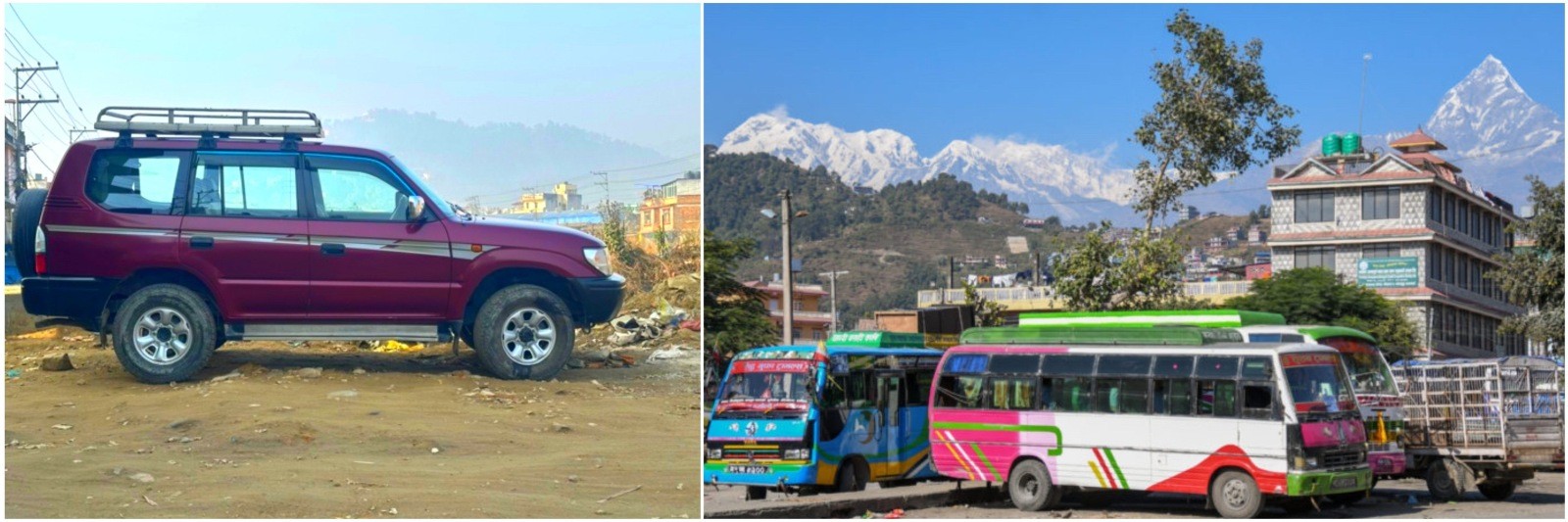
But if you’re watching your budget or just want to soak in the scenery, buses are a solid choice. Tourist buses from Kathmandu to Pokhara run $9 to $25 and take around 7 to 9 hours. Some are basic, others are pretty comfortable if you spring for a deluxe ticket. Groups often hire a private jeep or car for the 200 km drive; expect to pay about $120 to $160 total if you’re sharing.
Once you’re in Pokhara, you still need to get to Nayapul (that’s the actual trailhead, sitting at 1,070 meters). Local buses are the cheapest way—just $1 to $3 per person, and you’ll be there in an hour or two. Birethanti (1065m), the next village, is just a short walk from Nayapul. If you’re in a hurry or want less hassle, shared jeeps run about $10 to $15 per seat. Private taxis are a bit more, usually $15 to $25, but sometimes it’s worth it for the convenience.
Also, one can get Jeep to Poon Hill directly from Pokhara in dry seasons and also people can get Jeep to Ulleri/ Banthanti from Pokhara all round the year.
Heading back? Just retrace your steps—jeeps and buses from Nayapul will get you to Pokhara, and from there you can fly or ride back to Kathmandu. It’s all pretty straightforward.
One thing to remember: book ahead if you’re trekking during peak season (especially autumn). Things fill up fast, and prices can creep up. The good news is, all these options make the journey smooth for families and groups, and the views along the way are a nice bonus.
Nepal’s weather can be unpredictable, especially during monsoon season—sometimes roads get rough. Double-check conditions before you set out. But honestly, getting there is part of the adventure. Take your time, enjoy the ride, and you’ll roll up to the trailhead ready to hit the trail.
Transportation Options for Ghorepani Poon Hill Trek :
If you’re heading out on the Ghorepani Poon Hill trek, you’ll find the trail dotted with teahouses in villages like Ulleri, Ghorepani, Tadapani, and Ghandruk. These places aren’t fancy, but they’re warm and welcoming. Rooms are simple—usually two beds, shared bathrooms down the hall—but after a long day of walking, they feel like a real haven. The prices don’t sting, either. In Ghorepani, a typical night runs NPR 500 to 1000, maybe a bit more for a private space during busy months.
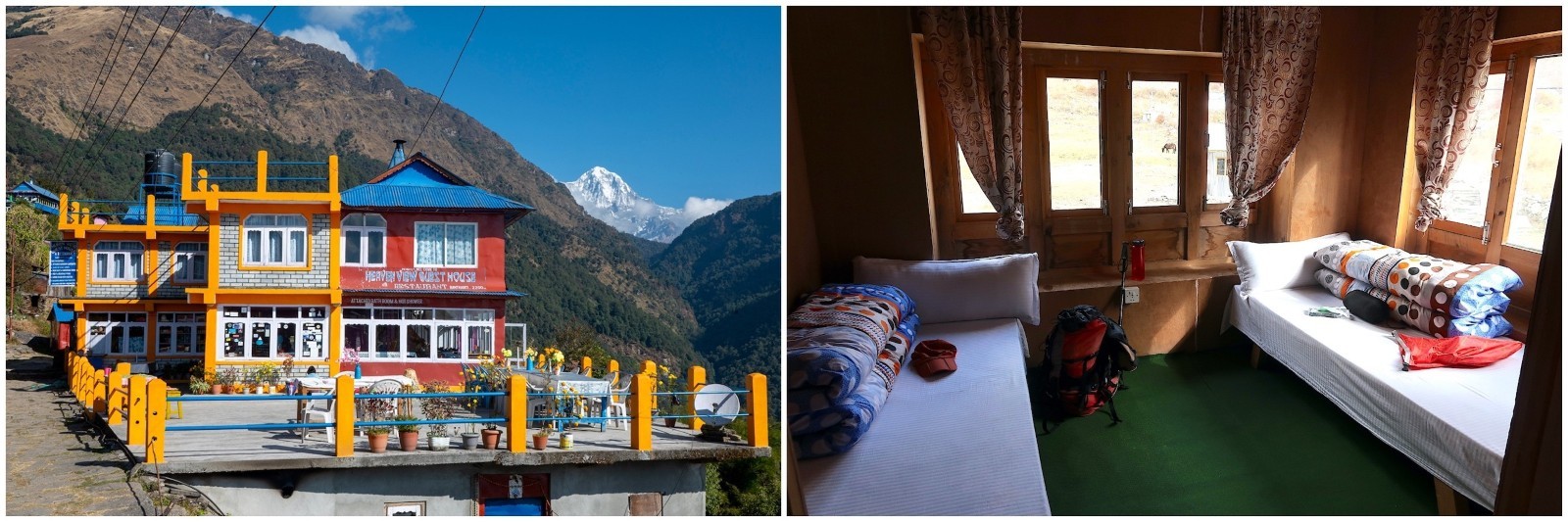
Hot showers? Sometimes they cost a little extra, and honestly, on a chilly morning, it’s worth every rupee. Tadapani’s teahouses sit among rhododendrons, and the vibe’s relaxed. Ghandruk steps it up a bit with some rooms that have private bathrooms. You get choices along the way, which keeps things interesting.
And the food—let’s talk about dal bhat. This is the trekker’s fuel: rice, lentils, fresh veggies, the works. You see it everywhere, and for good reason. It fills you up, keeps your energy steady, and usually costs $5-7 a plate. You’ll spot some Western food too—pasta, pancakes, toast with eggs—especially if you’re craving something familiar. Figure on $15-25 a day for meals, and you’ll eat well.
What really makes the trek special, though, are the people. In Ghandruk, for example, you can join a Gurung family for dinner, maybe even catch a bit of traditional dancing. Homestays give you a real window into village life—way more memorable than just passing through.
Actually, Ulleri’s teahouses are perfect for that first night when your legs are feeling those endless steps. Breakfasts are hearty—think eggs, toast, hot tea—and the prices stay reasonable, so beginners and families feel right at home.
If you’re trekking in autumn, definitely book your room ahead. Ghorepani fills up fast when the views are at their best. Expect to pay NPR 1000-1500 for a private room at peak times, but you’ll be glad you planned ahead.
In the end, these teahouses on Poon Hill Trail aren’t just about a bed and a meal. They’re part of the adventure, a mix of comfort, local culture, and connection with other travelers. You help the environment, too, since most places keep things pretty simple. Set aside $25-35 a day for food and lodging, and you’ll have everything you need to soak up the atmosphere, taste the local flavors, and come home with stories you’ll want to tell.

| Location | Elevation | Accommodation Type | Room Cost (per night) | Food Options | Meal Cost (per day). |
|---|---|---|
| Ulleri | 1960m | Basic Teahouse | NPR 500-1000 (~$4-8) | Dal Bhat, Eggs, Toast | $15-25. |
| Ghorepani | 2870m | Lodge with Views | $10-20 | Pasta, Pancakes, Soups | $20-30. |
| Tadapani | 2630m | Forest Teahouse | NPR 1000-1500 (~$8-12) | Local Organic Meals | $15-25 |
| Ghandruk | 1940m | Gurung Homestay | $5-10 | Traditional Gurung Cuisine | $20-35 |
When you’re getting ready for the Ghorepani Poon Hill trek, pack smart and keep it light. Comfort’s everything. You’ll need layers—weather changes fast up there. Even if you’re new to trekking, a few versatile pieces make a big difference.
Start with moisture-wicking base layers for your top half. Toss in a fleece jacket and an insulated down coat. Don’t forget a solid rain jacket—sudden showers aren’t rare. The right clothes mean you’re set for anything the weather throws your way.
Good boots matter. Pick sturdy trekking boots that support your ankles. Wool socks help stop blisters before they start. Trekking poles help on the steep parts. Basically, your feet and legs will thank you.
Bring a headlamp for those early morning climbs up Poon Hill (that sunrise is worth it). Water purification tablets or a filter keep your water safe to drink. Energy bars or snacks are a lifesaver when you need a quick boost. These basics keep you healthy and moving.
A 30-40L backpack should do the trick. It’s enough for water, snacks, and your camera. Sunglasses are a must—the sun’s strong at altitude. These little extras actually make the trek a lot more fun.
Essential Packing for Ghorepani Poon Hill Trek :
Here’s what you need to know about budgeting for the Ghorepani Poon Hill trek in 2026. You can expect to spend anywhere from $200 to $700 per person, depending on how you travel—solo or with a group, with or without a guide, and how much comfort you want.
Let’s break it down. First, you can’t skip the permits. The ACAP permit costs about NPR 3,000 (roughly $25), and the TIMS card usually adds another NPR 2,000 (about $15–$20). So, permits alone set you back $40–$50.
Next up, transportation. The bus from Pokhara to Nayapul is cheap—just $2–$10 round trip. But if you’d rather fly from Kathmandu to Pokhara, that’s a bigger chunk: $100–$150 one way. In total, set aside $30–$200 for transport, depending on your route.
Here, food and teahouse stays eat up most of your daily budget. A typical meal—think dal bhat—runs $5–$10. Rooms at teahouses cost $5–$15 a night in Ghorepani. Expect to spend $20–$40 a day on food and lodging, so a 4–5 day trek comes to $100–$200.
If you want a guide or porter, they’re surprisingly affordable and make the trip safer and easier. Guides charge $25–$35 a day; porters, $15–$25. For 4–5 days, that’s $150–$300 if you hire both.
Going solo keeps costs lower—independent trekkers usually spend $200–$400. If you go with a package (guide, porter, maybe some extras), it’s more like $400–$700. Trekking in a group helps cut costs even further. Just know that prices go up a bit during peak season.
Don’t forget the little extras: hot showers, Wi-Fi, and charging your devices each cost $1–$5. Toss in $50–$100 for tips and personal stuff, and you’re still looking at a pretty reasonable total—especially for beginners and families.
Shop around and compare trek agencies if you want everything spelled out clearly. Either way, you get those amazing Annapurna views. Most people spend about $300–$500 each, which covers the basics and leaves room for a few comforts. Plan smart, spend wisely, and you’ll have an unforgettable (and affordable) adventure in Nepal.
| Category | Estimated Cost (USD per person) | Details/Notes |
|---|---|---|
| Permits(ACAP + TIMS) | $40 - 50 | Mandatory for Annapurna Conservation Area entry. |
| Transportation(Pokhara-Nayapul round trip) | $10 - 50 | Bus/jeep; higher for private or flights from Kathmandu. |
| Food & Teahouse Accommodation (4-5 days) | $100-200 | Meals $20-30/day, rooms $5-15/night. |
| Guide Hire (4-5 days) | $100 - 175 $25 - 35/day | Mandatory in many cases for safety. |
| Porter Hire (4-5 days) | $60-125 $15-25/day | Carries gear for comfort. |
| Total Budget Range | $200-700 | Independent low end; packaged with hires high end. |
If you’re heading out on the Ghorepani Poon Hill trek, here’s what really matters: stay safe, take care of your health, and get the most out of the experience. The route isn’t too high, so you dodge a lot of the serious altitude risks, but you still need to show up prepared. That’s how you make it fun, not stressful. If you’re a beginner, don’t overthink it—just stick to the basics and you’ll be fine.
First off, drink water. Lots of it. Try to get down 3–4 liters a day. It’s easy to forget when you’re distracted by the views, but staying hydrated keeps you feeling good, especially as you get up to Poon Hill at 3,210 meters.
Here, take your time as you climb. Don’t rush from Ghorepani to the top. If you start feeling a headache, slow down or rest a bit. Most people don’t get altitude sickness on this trek, but there’s no need to test your luck.
Honestly, hiring a guide and a porter makes everything easier. You won’t get lost, and you won’t have to lug your bag up endless stone steps. You’ll enjoy it more, and it’s safer.
Weather in the mountains changes fast. Pack layers, bring a rain jacket, and check the weather before you leave Nayapul. That way you’re ready for almost anything, from hot sun to sudden downpours.
Please, respect the trails. Stick to the paths, skip the single-use plastics, and pack out your trash. Annapurna’s stunning, and it stays that way when trekkers don’t mess it up.
Pay attention to how you’re feeling. If you’re really sick or struggling, head down right away. Keep some basic meds in your bag—guides usually know what to do if something comes up.
Eat well. Dal bhat is your friend—it fuels you for hours. Avoid too much caffeine or alcohol, especially at altitude. You’ll feel stronger for it.
All these tips aren’t just about safety—they help you get the most out of the adventure. Families do this trek all the time and love it, mostly because they show up prepared.
And the last thing: listen to your body. Take in the views. Enjoy the whole journey, not just the destination. You’ll come back with stories and memories you won’t forget.
Safety and Health Tips for Ghorepani Poon Hill Trek :
Meanwhile, the Ghorepani Poon Hill trek is packed with both culture and nature. You’ll wander through Gurung villages like Ghandruk, where stone houses line the hills and museums show off ethnic artifacts — it’s a real glimpse into traditional Nepali life. The terraced fields spill down the slopes, and you can’t help but stop and stare.
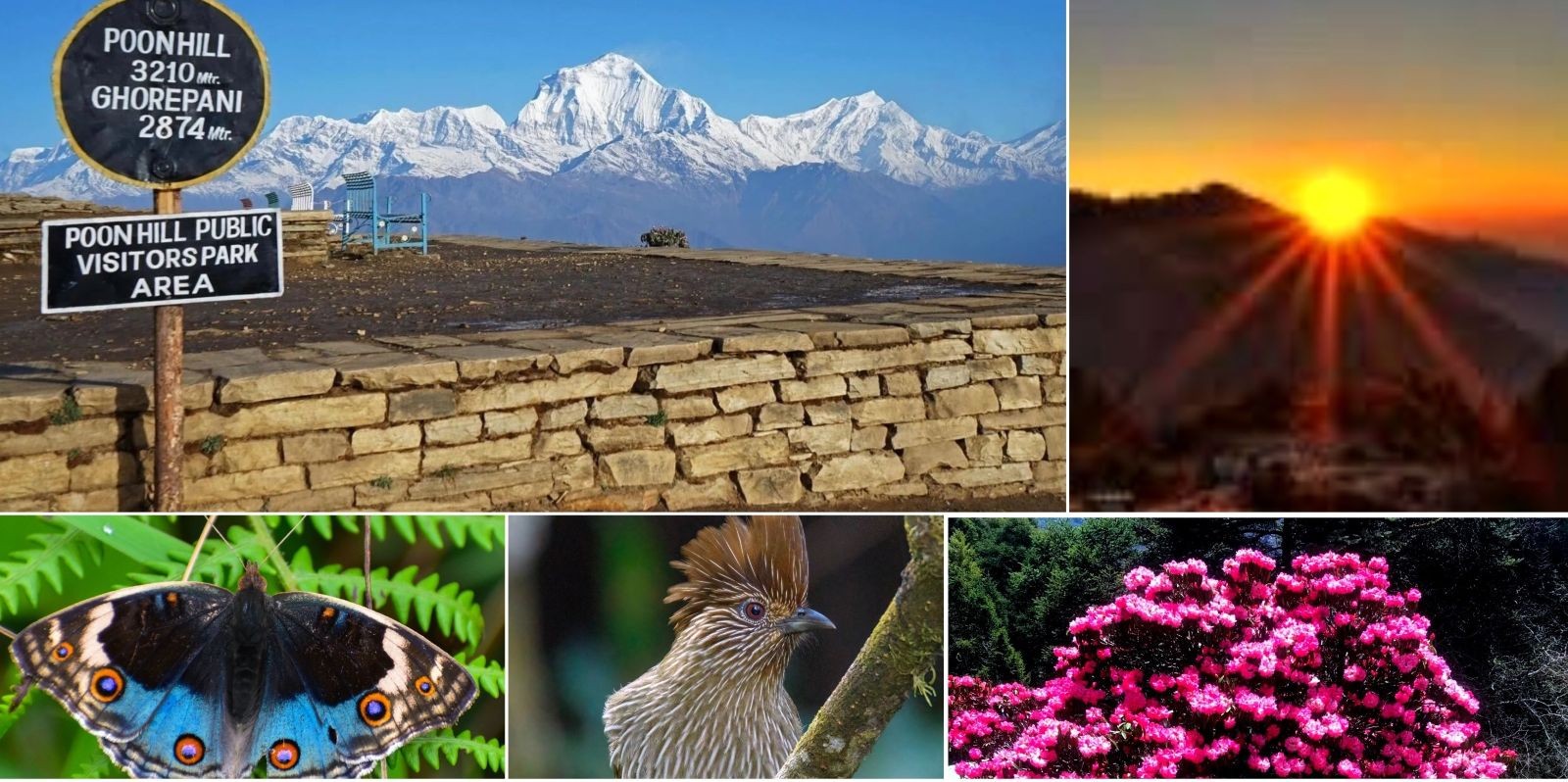
In fact, Spring is magic here. Rhododendron forests explode with color, especially around Tadapani. The air feels thick with the scent of blooms, and you’ll spot Nepal’s national flower everywhere you look. It’s a burst of life after the cold winter.
Walk the trails, and you’ll notice how alive everything is. You’ll hear pheasants calling, see eagles circling high above, and sometimes catch monkeys or deer darting through the trees. Birdwatchers love it, and anyone who cares about wildlife feels the conservation efforts at work.
Here, down in places like Tikhedhunga, terraced rice fields hug the hillsides. Farmers work the land with care, and the green paddies against the mountains make classic Nepali scenery. It’s peaceful, but you can tell it’s also the backbone of daily life here.
Likewise, Ghorepani itself, sitting at 2,870 meters, is home to Magar communities. The locals know how to make you feel welcome. If you time it right, you’ll run into a festival, and evenings often end with lively traditional dances. These moments stick with you — they’re what turn a good trip into an unforgettable one.
Moroever, the forests here aren’t just pretty — they’re diverse. Oak and bamboo grow alongside rhododendrons, and rare plants pop up in surprising places, drawing botanists from all over. It’s no wonder the region is a model for sustainable tourism.
If you’re lucky, you might even spot a red panda near Banthanti. They’re rare, but the protected trails give them a fighting chance. This kind of biodiversity is a huge part of what draws trekkers in.
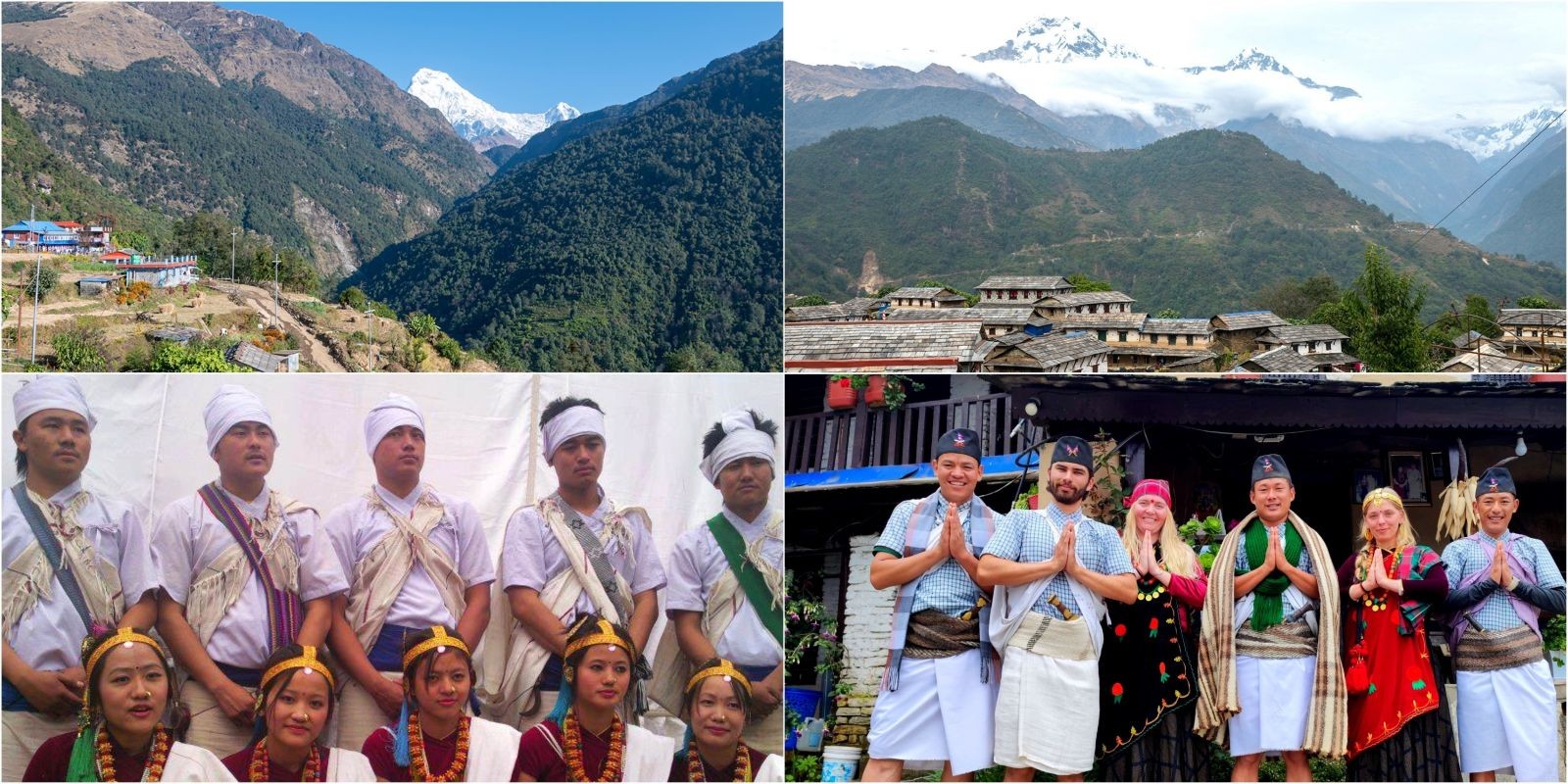
In fact, villages like Ulleri offer more than scenic views; they give you a window into authentic mountain life. The terraced farms keep local economies going, and the blend of culture and landscape is what really sets this trek apart.
If you want the full experience, come in March or April, when the rhododendrons are in full bloom. Plan your trip around that, and you’ll see Nepal at its best.
| Highlight | Location | Elevation | Description | Best Time |
|---|---|---|
| Magar Village Ulleri/ Ghorepani | Gurung Villages Ghandruk | 1940m | Traditional stone houses, museums, cultural dances, local hospitality | Year-round |
| Rhododendron Forests | Tadapani to Ghorepani | 2630m-2870m | Blooming national flowers in pink/red, dense woodlands | Spring (Mar-May) |
| Biodiversity | Annapurna Conservation Area | Varies | Flora like oaks/bamboo, fauna including birds/monkeys/deer | Autumn/Spring |
| Terraced Landscapes | Tikhedhunga/Ulleri | 1540m-1960m | Rice paddies, agricultural fields blending with mountains | Post-monsoon |
| Wildlife Sightings | Banthanti trails | 2250m | Pheasants, eagles, rare red pandas in protected habitats | Clear weather seasons |
Here, you can easily shape your Ghorepani Poon Hill trek to match your style and schedule. If you’re short on time, there are 3- to 5-day versions that let you see the highlights without rushing. For example, a quick three-day trip from Pokhara takes you by car to Ulleri, then on foot up to Ghorepani, and finally to that famous sunrise at Poon Hill. It’s a fast but rewarding escape.
Want a bit more? The classic four- or five-day loop adds Ghandruk and Tadapani, winding through peaceful forests and local villages. You get a richer taste of the culture and scenery, and the pace feels just right for most people.
For those who like to unwind, there’s a detour to Jhinu Danda’s hot springs. After reaching Poon Hill, you can soak and relax—perfect if you want a little extra comfort before heading home.
Feeling ambitious? You can link the Poon Hill trek with Annapurna Base Camp for a full 10 to 12 days. The trails meet at Chomrong, and as you gain altitude gradually, you’ll feel the adventure growing with every step.
Moreover, Mardi Himal is another great add-on. From Tadapani, you can branch off toward high camps and big mountain views. It’s ideal if you want more challenge and fewer crowds.
Or, if you prefer quieter paths, head to Khopra Ridge. This route veers west from Ghorepani and rewards you with wide-open vistas that rival Poon Hill itself—minus the crowds. Explorers love this one.
Likewise, Mohare Danda or Muldai Hill Trek offers something different. It’s a community trek that links Ghandruk and other villages, with homestays along the way. This route gives you a closer look at daily life in the hills and supports local families, which is catching on with travelers looking for a more meaningful experience.
There’s a variation for every preference. Shorter treks usually cost between $200 and $400, while side trips add about $100 to $200. You can mix and match based on your fitness, interests, and budget. Guides can help you plan the best combos, so think ahead, pick what excites you, and make your Himalayan adventure your own.
Variations and Side Trips for Ghorepani Poon Hill Trek :
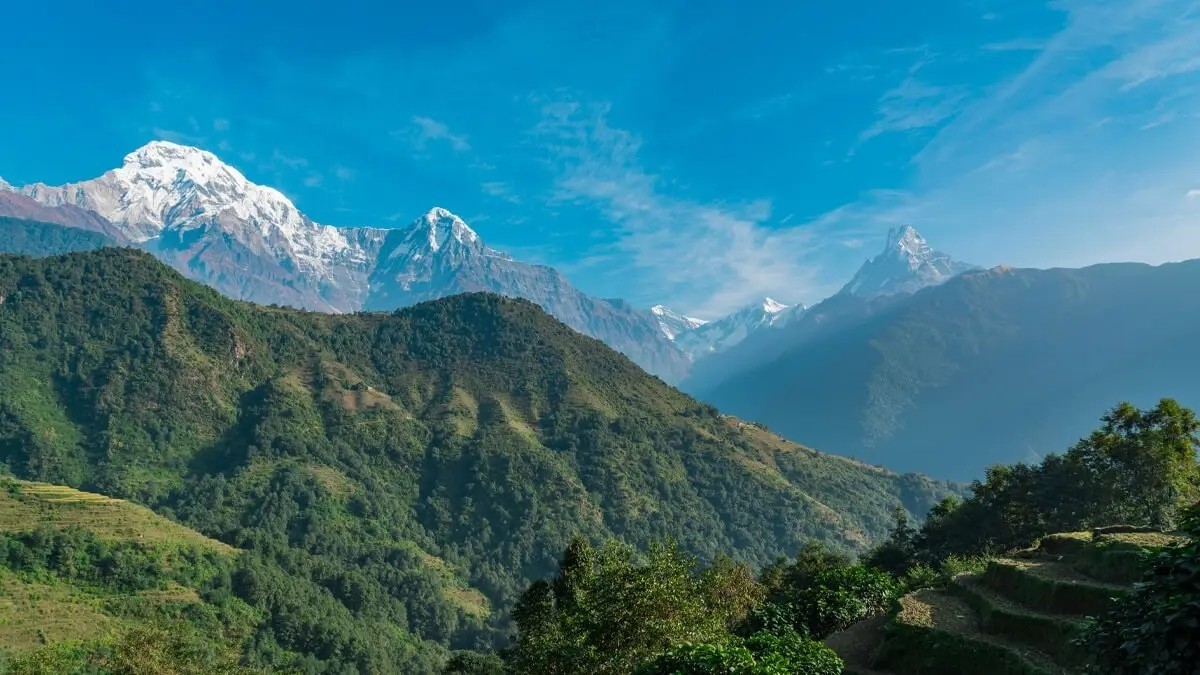
Why does the Ghorepani Poon Hill Trek keep showing up on every list of must-do adventures in Nepal? Easy. It’s accessible, packed with jaw-dropping sunrises, beginner-friendly, and gives you a real taste of the Himalayas — all without needing weeks off or mountaineering skills. If you’re looking for a short Himalayan trek in 2026, this is it.
Here’s what makes it special. You don’t need to be super fit or have tons of time. Getting to the trailhead at Nayapul from Pokhara takes just a few hours. The trek’s challenging enough to feel like an adventure, but not so tough that it scares off families or first-timers. That’s why people from all walks of life keep coming back.
And the views? Unreal. When you reach Poon Hill at sunrise, the peaks of Annapurna I, Dhaulagiri, and Machhapuchhre light up in gold. In spring, the rhododendrons go wild and turn the hillsides pink and red. You’ll remember those moments forever.
But it’s not just about the mountains. The villages along the way, especially places like Ghandruk, welcome you in. You’ll try real dal bhat, share stories with locals, and get a sense of Gurung culture you can’t find in a guidebook. The trail just blends nature and culture perfectly.
Plus, you don’t have to empty your wallet. Most people spend between $300 and $700, depending on the group size and how much comfort they want. Permits and guides won’t break the bank either, so even budget travelers get a great deal.
Timing’s flexible too. Come in autumn for clear skies and crisp mountain views. Spring has those famous rhododendron blooms. You’ve got options.
Worried about altitude? Don’t be. At 3,210 meters, Poon Hill isn’t high enough to cause problems for most people, and the climb is gradual. Beginners finish it proud and happy.
Actually, the Annapurna region stays beautiful, too, thanks to responsible tourism. People respect Leave No Trace, and conservation fees help keep the Annapurna area pristine for the next wave of trekkers.
So, when you put it all together — the easy access, the stunning views, the culture, affordability, and safety — Ghorepani Poon Hill just delivers. Solo adventurers, couples, families… everyone leaves with a story.
If you’re thinking about it, go for it. Book your permits and guides early if you’re coming during peak season, pack light, and let yourself be surprised. Step onto the trail and see for yourself why this trek is such a classic.
Why Choose Ghorepani Poon Hill Trek – Final Highlights :
1. What is the Ghorepani Poon Hill Trek. Why is it Popular?
The Ghorepani Poon Hill Trek is an option for those who want to see the beautiful mountains. It is a trek that offers amazing sunrise views of Annapurna, Dhaulagiri and Machhapuchhre from 3,210m. The trek is popular because it is not too difficult and offers a mix of beautiful forests, rich culture and comfortable teahouses. Many people do this trek, including beginners, families and those who are new to trekking.
2. What is the Best Time to Do the Ghorepani Poon Hill Trek?
The best time to do the Ghorepani Poon Hill Trek is in autumn from September to November. The weather is clear. The views of the mountains are stunning. Spring, from March to May is also a time with beautiful flowers and mild weather. Both seasons have temperatures between 10-25°C. It is best to avoid the monsoon season and consider winter if you want to trek
3. How Difficult is the Ghorepani Poon Hill Trek for Beginners?
The Ghorepani Poon Hill Trek is considered easy to moderate. As a beginner you can expect to walk for 4-7 hours a day covering a distance of 40-50km. The trek goes up to 3,210m. The main challenge is climbing over 3,000 stone steps to Ulleri. You don't need any skills and the teahouses and guides will help you along the way.
4. What is the Typical Itinerary for Ghorepani Poon Hill Trek?
A typical 4-5 day itinerary for the Ghorepani Poon Hill Trek starts with a drive from Pokhara to Nayapul. Then you trek to Tikhedhunga, Ulleri and Ghorepani. On the day you watch the sunrise from Poon Hill and then descend to Ghandruk. There are also options, like 7-8 days, which include side trips to hot springs or Chomrong.
5. What Permits are Required for the Ghorepani Poon Hill Trek?
To do the Ghorepani Poon Hill Trek you need to get an ACAP permit, which costs NPR 3,000 for foreigners. You also need a guide for safety but you don't need a TIMS card anymore. We will help you with all the paperwork.
6. How Much Does the Ghorepani Poon Hill Trek Cost?
The cost of the Ghorepani Poon Hill Trek varies,. Expect to pay $300-600 per person for a guided package. This includes permits, teahouses, meals and a guide. The price can be lower or higher depending on your choices.
7. Is a Guide or Porter Necessary for Poon Hill Trek?
You need a guide, for the Poon Hill Trek and its also a good idea to hire a porter to carry your bags. A guide will help you navigate and share stories making your trek more enjoyable. We provide guides and porters to make your trek safe and fun.
8. What Should I Pack for the Ghorepani Poon Hill Trek?
When you are getting ready for the Ghorepani Poon Hill Trek you should pack lots of layers. This means you need moisture-wicking base layers, fleece, a jacket, rain gear, sturdy trekking boots and a daypack. You will also need a headlamp for the sunrise hike, a water bottle, sunscreen a hat, gloves and some basic medications. The good thing is that you do not need to pack much because the teahouses have blankets and other essentials. If you pack the things you will be comfortable no matter what the weather is like.
9. What is the Poon Hill Sunrise Like?
The Poon Hill sunrise is really magical. We have seen it times and it never gets old. If you get up early and climb to the top you will see the light on Annapurna, Dhaulagiri and Machhapuchhre. The view is amazing. The mountain air is so fresh. It is a special moment. You should dress warmly. Get there early so you can see everything. The Poon Hill sunrise is the part of the Ghorepani Poon Hill Trek for a reason.
10. How to Reach the Starting Point of Ghorepani Poon Hill Trek?
To get to the starting point of the Ghorepani Poon Hill Trek you can fly from Kathmandu to Pokhara. The flight takes 25-30 minutes. You can also take a bus. That takes about 7-9 hours. From Pokhara you can take a bus or jeep ride to Nayapul. The jeep ride takes 1-2 hours. Some times of the year you can even take a jeep to Ulleri. We can help you get to the starting point so you do not have to worry about it.
11. What Accommodation and Food Options are Available on the Trek?
On the Ghorepani Poon Hill Trek you will stay in teahouses. They are simple. They are clean and have warm blankets. You will have to share the bathroom with people. The teahouses in Ghorepani, Tadapani and Ghandruk are really nice. The food is great too. You can get Dal Bhat, which's a local meal that gives you a lot of energy. It costs $5-7. You can also get food if you want. The people who run the teahouses are really nice and welcoming. They make you feel like you are at home.
12. Is the Ghorepani Poon Hill Trek Suitable for Families and Kids?
Yes the Ghorepani Poon Hill Trek is great for families and kids. It is not too hard. You do not have to walk for too long each day. The altitude is not too high so you do not have to worry about getting sick. Kids love the villages and the nature on the trek. We can help you plan the trek so it is fun and safe for everyone. If you prepare well it will be an experience for your whole family.
13. What Wildlife and Culture Can I Experience on the Trek?
On the Ghorepani Poon Hill Trek you will see a lot of wildlife. Experience the local culture. The trek goes through the Annapurna Conservation Area, where you can see birds, monkeys and beautiful flowers. You will also visit Gurung villages, like Ghandruk, where the people're really welcoming. You can see dances and stay in homestays. Our guides know a lot about the culture and wildlife so they can teach you about it.
14. What are the Altitude and Health Considerations?
The highest point on the Ghorepani Poon Hill Trek is 3,210m, which's at Poon Hill. You will get to this altitude gradually so you do not have to worry about getting sick. Just make sure to drink a lot of water walk slowly and listen to your body. Our team will also keep an eye on your health. If you are in shape and have done some cardio before the trek you will be fine. We want to make sure you are safe so you can enjoy the trek.
15. How to Prepare Physically for the Ghorepani Poon Hill Trek?
To get ready for the Ghorepani Poon Hill Trek you should do some cardio. Strengthen your legs. You should also practice hiking and walking on stairs. This will help you build up your endurance so you can walk for 4-7 hours a day. Try to start getting ready 4-6 weeks before the trek. We can give you some advice on how to prepare so you will feel confident when you start the trek. If you prepare well and have the gear and mindset you will have a great time, on the Ghorepani Poon Hill Trek.
Our travel experts are ready to assist you with any questions.
Send us a message.Have a question before you book? Send your enquiry below and our travel experts will get back with the required information.