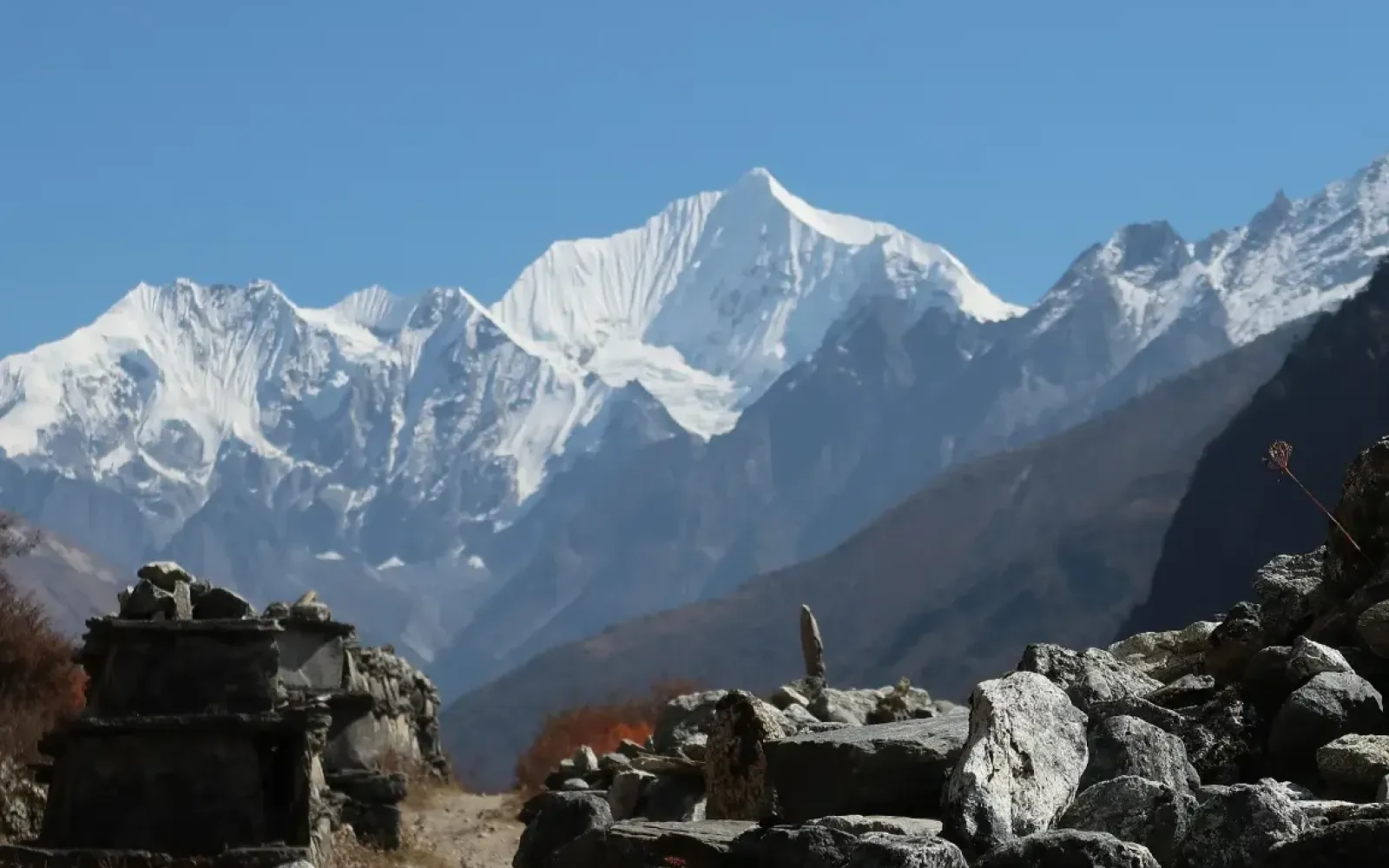
“Are you willing to learn how will be trekking today from Lama Hotel to Kyanjin Gompa? If yes, then , go through this article and learn about it comprehensively”
Go on a trek of the Lama Hotel to Kyanjin Gompa trek at an elevation of 3,870 meters in Langtang Valley. Have scenic trails and Himalayan views that no other place can offer, together with local culture-what every trekker wants for an unforgettable trekking experience.
Supporting Highlights:
In fact, the trek from Lama Hotel, lying at an altitude of 2,430m to Kyanjin Gompa, 3,870m above sea level, engages trekkers in an immersive Himalayan experience. The trail meanders through thick rhododendron forests, rivers with their gushing flow, and traditional Sherpa villages. Picked up by well-marked paths, trekkers also catch breathtaking views of Langtang Lirung-7,227m and Ganesh Himal-7,422m. This is generally a fine section for acclimatization and preparing for higher altitude excursions.
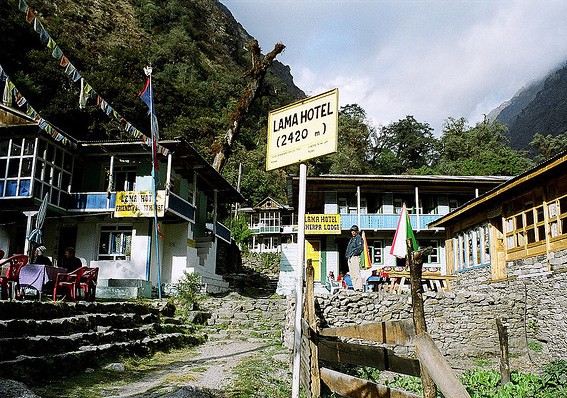
Moreover, the trek begins from Lama Hotel, which can be easily and comfortably reached from Syabrubesi at 1,540m by lodges and teahouses for overnight purposes. The trekkers will be given more opportunities to relish the local cuisine and communicate with the villagers to experience the culture firsthand. Thus, this is a trail of natural beauty blended with cultural heritage, not only for beginners but also experienced ones. In addition to this, the trekking permit, such as TIMS and Langtang National Park entrance, will be required for safety and regulation purposes.
Interestingly, the track boasts gradual elevation gains with short ascents between villages such as ThuloSyabru to Bamboo at 2,310 meters above sea level. These stages provide an opportunity for physical acclimatization while being treated to views of riverside and suspension bridges crossing the watercourse. Additionally, it has Kyanjin Gompa as the centerpiece, offering proximity to Tibetan Buddhist culture and panoramic Himalayan vistas. Generally, trekkers schedule two overnights at Kyanjin Gompa to conquer Tserko Ri at 5,033 meters above sea level and some nearby glaciers.
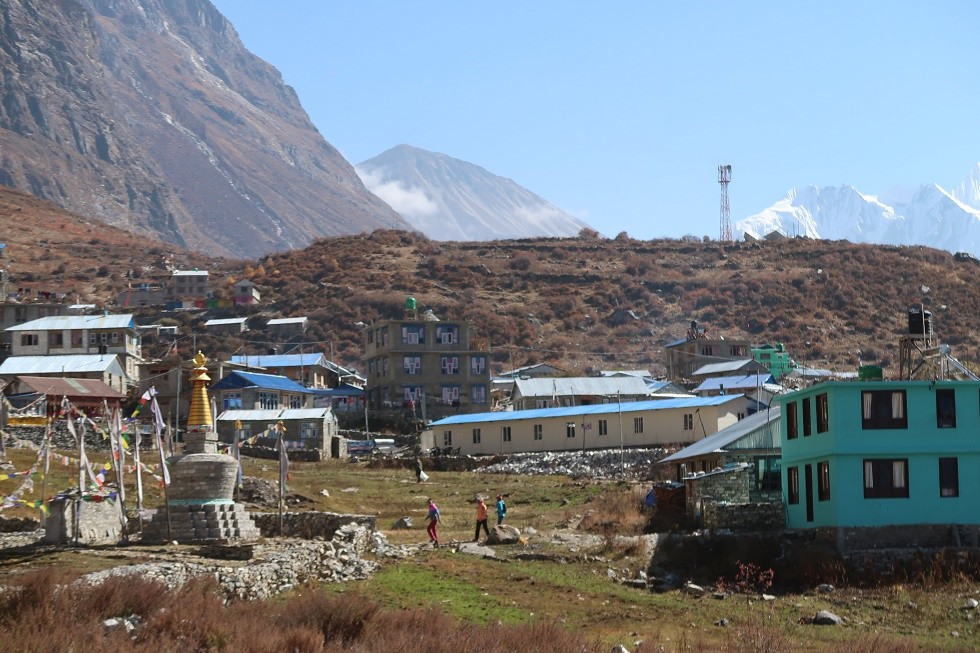
In terms of trekking experience, the trail is moderately demanding with some steep parts and rocky pathways. Tourists get benefits from local guides in knowledge about flora, fauna, and weather patterns. In addition, the wild Langtang Valley can be seen by the trekker, including Himalayan Thar and red pandas, which enhance the adventure. Such a route allows for photography, nature inquiry, and familiarity with Himalayan traditions; thus, a must-do itinerary.
Ultimately, this trek from Lama Hotel to Kyanjin Gompa balances scenic landscapes, cultural immersion, and manageable trekking difficulty. Trekkers will get a mix of forest trails, river crossings, and mountain panoramas to keep memories of the journey alive in their minds. The budget-conscious trekker is able to make the trail for about USD 300–400, covering basic lodging and meals. Furthermore, guided packages assure safety, local expertise, and logistical convenience, making the adventure smooth and enjoyable.
Langtang Valley trek section above Lama Hotel explores Bamboo, Ghoda Tabela, and Kyanjin Gompa with stunning Himalayan views and local culture.
Highlights to support the Above Lama Hotel Section:
| Stop/Region | Elevation Features |
| Bamboo | 2,310m | Riverside scenery, rhododendron forests. |
| Ghoda Tabela | 2,610m | Traditional settlements, acclimatization stop. |
| Kyanjin Gompa | 3,870m | Monastery, cheese factory, Tserko Ri view. |
Above Lama Hotel, the Langtang Valley trail goes up gradually through Bamboo (2,310m) and Ghoda Tabela (2,610m), with refreshing riverside scenery for trekkers. In addition, dense pine and rhododendron forests create a serene environment, while local settlements offer interaction with Sherpa communities. The trekkers find Langtang Lirung (7,227m) appearing far away, which provides iconic photo opportunities. This section focuses on acclimatization and gradual adaptation to altitude, very important in terms of safety.
Also, the teahouses on the way serve hot meals along with good lodging facilities and ancestral hospitality. The settlements in these villages still retain their distinctive Tibetan Buddhist culture, evident from mani walls and prayer flags. Local herding of yaks and farming add some extra bits to the Himalayan experience among trekkers. In addition, the trail from Lama Hotel onwards offers suspension bridges and streams flowing in, adding adventure and eye-catching scenery.
Importantly, Kyanjin Gompa 3,870 meters above sea level will still remain a highlight for this section, serving as a base for Tserko Ri 5,033-meter ascent and exploration of glaciers. This village has monasteries, cheese factories, and panoramic viewpoints. Consequently, trekkers usually spend two nights out here in order to explore the high elevation landscapes and to get ready for day hikes. Additionally, the trail is well-marked but requires moderate fitness due to rocky paths and occasional steep climbs.
Also, trekkers enjoy clear signage and local guides for safety and cultural insights. The above Lama Hotel section allows a gentle gain in altitude, reducing risks of AMS or Acute Mountain Sickness. Moreover, it offers stunning panoramas of Langtang Himal 7,246m and Ganesh Himal 7,422m, which give majesty to the Himalayan scenery.
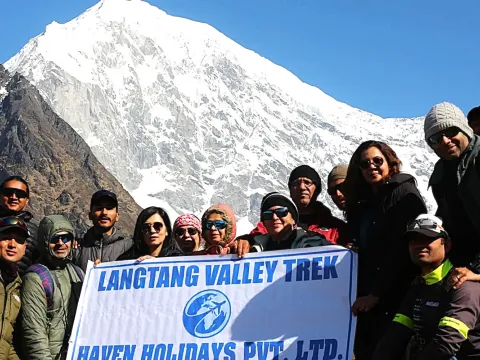
This is, therefore, one of the most memorable parts of natural beauty, culture, and relatively easy trekking in the Langtang Valley trek. The upper section of Langtang Valley from Lama Hotel onward is thusly a combination of adventure, culture, and picturesque scenery. The views of Himalayan wildlife, local life, and the majestic mountain peaks are some of the things to make your journey unforgettable as a trekker. This is a moderate trek that should be pretty accessible to most trekkers and a great introduction to higher altitude Himalayan trekking.
Learn about the distance of the trail, gain in elevation, and walking hours per day from Lama Hotel (2470m) to Kyanjin Gompa (3,870 meters) for the trekking tour in Langtang Valley.
Data Supporting the Trail:
| Section | Distance (km) | Elevation Gain | Approx. Walking Hours |
| Lama Hotel – Bamboo | 4 km | 60 m | 1.5–2 h |
| Bamboo – Ghoda Tabela | 3 km | 300 m | 2–2.5 h |
| Ghoda Tabela – Thangshyap | 3 km | 530 m | 2.5–3 h |
| Thangshyap – Kyanjin Gompa | 3 km | 500 m | 2–3 h |
The Lama Hotel to Kyanjin Gompa trek is approximately 13 kilometers, with gradual ascents and well-marked trails. Trekkers gain around 1,400 meters in elevation while passing through villages like Bamboo (2,310m) and Ghoda Tabela (2,610m). In addition, walking hours are normally within the bracket of 5 to 7 hours each day, depending upon fitness and acclimatization. This means one can take scenic stops and photography stops along the rivers, suspension bridges, and pine forests.
Also, the trail remains relatively moderate with some steep sections, particularly around Thangshyap 3,140m above sea level. A daily walking pace of 300-400 meters elevation gain is what trekkers should aim for to have safe altitude adjustment. Besides, proper footwear, trekking poles, and hydration will ensure a comfortable journey. Altitude acclimatization will help to avoid Acute Mountain Sickness; thus, scheduled breaks and night stops are mandatory.
Interestingly, the trek route from Lama hotel to Kyanjin Gumba has various viewpoint stops for which every ascent is rewarding. Some of these stops include Lama Hotel lying at 2,470 meters, Bamboo at 2,310 meters, and Kyanjin Gompa at 3,870 meters. These stops promise great views of the Himalayas. Some of the main peaks that are visible along this trekking route include Langtang Lirung, which is about 7,227 meters high, Ganesh Himal, which is about 7,422 meters high, and Langtang Ri about 7,205 meters above sea level. These form motivational points and enhance the viewing of the trekker. In addition, guides on trekking help in pacing, routes, and some information relating to the culture of the local people.
Besides that, trekkers are free to plan their schedule according to their fitness level and the weather. It is ideal to start in the morning in order to make full use of daylight and avoid afternoon rain or clouds. Also, day-to-day distances and elevation gains are well complemented by rest periods in teahouses, local food, and a great deal of time among Sherpa communities. In short, one who knows the overall distance of the trail, the gain in elevation, and hours of walking is safe and will enjoy the trek.
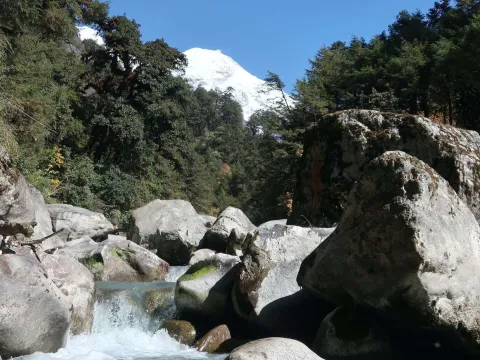
Primarily, knowledge of distances and elevation helps the trekkers get better physical and mental preparation. Travelers are able to complete the trek comfortably by following a structured pace, managing hydration, and availing guides. Costs for this section generally fall in the range of $US 25-40 per day for lodging and meals, which is considered very reasonable for budget travelers. Clear trail mapping together with real walking hours and scenic rewards on view ensures satisfaction in the journey from Lama Hotel to Kyanjin Gompa.
Treks from Lama Hotel at 2,470 meters via waterfalls, rivers, and clearest morning Himalayas to Langtang Valley.
Scenic Highlights from Lama Hotel Departure:
First of all, in the morning, leaving Lama Hotel at an altitude of 2,470m will reveal a tranquil trail to trekkers encircled by pine and rhododendron forests. They will enjoy the pure freshness of mountain air coupled with soothing sounds coming from Langtang Khola. Moreover, the early morning light gives it a perfect spot for photography because it highlights Langtang Lirung, 7,227m, and Ganesh Himal at 7,422 meters. This section offers a soft start, which helps the body get ready both physically and psychologically for the day ahead.
Likewise, the path is further adorned with wooden suspension bridges, stone-paved trails, and small streams adding both adventure and scenic values to the trek. Bamboo groves and occasional Sherpa houses will give the trekkers an insight into the traditional Himalayan way of living. This experience can be a nice blend of natural beauty mixed with cultural immersion. Additionally, guides will explain all about the medicinal plants, flora, and other Himalayan wildlife such as Himalayan Thar.
Importantly, this section sets the tone for acclimatization and gradual elevation gain: from Lama Hotel at 2,470m to Bamboo at 2,310m, trekkers experience minor descents and ascents that allow muscles time to adjust. The route then breaks through Ghoda Tabela 2,610m and Thangshyap 3,140m, increasing in difficulty while offering panoramic views of the Langtang Himal 7,246m. Small teahouses along the way offer walkers the opportunity to stop for tea and snacks, comfortable and sustainable trekking.
Besides, morning departures proffer clear skies and spirited sun give clarity of visibility and trekking safety. Travelers can get crisp air, hear birds, and watch prayer flags fluttering in the breeze. The forest trail reduces exposure to the sun while creating a serene atmosphere to walk and reflect. Furthermore, along the route, one commonly spots wild animals like red pandas, Himalayan birds, and colorful insects.
Ultimately, the walk away from Lama Hotel at 2,470 meters offers the right combination of serenity, adventure, and nature. It takes trekkers uphill through forests, rivers, and villages with Himalayan panorama views. With the proper walking pace, hydration, and guides, this safe and memorable start to the trek in Langtang Valley will be nothing but remarkable. It was here that the early stages of the trail showed how nature, culture, and adventure all combined in a sensational Himalayan experience.
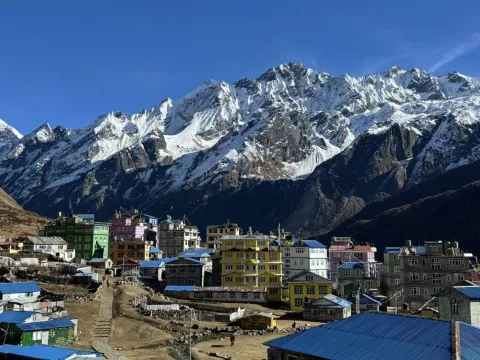
The trekking trail through Bamboo (2,310m) and the riverside trail to the village named Riverside Village is enjoyed in the Langtang Valley with the views of the Himalayas.
Trail Highlights & Distances:
| Segment | Elevation | Distance | Highlights |
| Lama Hotel – Bamboo | 2,470m – 2,310m 4 km | Forests, river views, suspension bridges |
| Bamboo – Riverside Village | 2,310m – 2,740m 3.5 km | Teahouses, local culture, Himalayan views |
To begin with, the trek from Bamboo (2,310m) exposes the trekker to the forest, the villages of the Sherpas, and rivers. There is the accompaniment of the Langtang Khola. This ensures sound production from the river. In addition to this, the trekker gets a gentle up-and-down climb. This is a great feature that ensures trekker ease. Additionally, the trekker gets the possibility of viewing suspension bridges.
Moreover, the Riverside Village (2,740m) is a welcome relief where trekkers can take a complete break. Teashops serve authentic Sherpa food, allowing for complete relaxation. Moreover, trekkers can witness the everyday activities of the local villages, ranging from yak-herding to cultivation, allowing for complete cultural immersion. Langtang Lirung (7,227m) and Langtang Ri (7,205m) serve as a stunning backdrop, leaving trekkers mesmerized.
Notably, this section of the trail strikes a good blend of nature and trekking. The bamboo groves offer some respite from the heat, besides protecting against weather fluctuations. As one hikes through the riverside trails, trekkers are treated to sights and sounds of flowing streams and waterfall sections. Furthermore, trekkers are accorded the luxury of local guides who provide insights into the local flora, fauna, and culture of the Himalayas.
Also, the early morning trek out of Bamboo offers trekkers beautiful river views, alongside the chance to see Himalayan birds, Red pandas, and Himalayan Thar occasionally in the area. Rivers trekking, village visits, and mountain views are enough to make the day on the trek very fulfilling. This part of the trek is one of the best sections for photographers and nature lovers.
Finally, the trek from Bamboo to the Riverside Village (2,740m) combines adventure with aesthetics. Trekkers can attain a higher altitude with scenic views and immerse themselves in local culture and the Himalayan wilderness. The cost of meals and accommodations in the Riverside Village is around USD $5-10 per night. This serves as a great preparation point before moving on to greater altitudes, including Ghoda Tabela (2,610m) and Langtang Village (3,430m).
Experience the scenic hike from Riverside (2,740m) to Langtang Village (3,430m) passing through valleys, majestic Himalayas, and cultural points.
Elevation and Distance Overview:
| Segment | Elevation | Distance | Highlights |
| Riverside Village – Lama Hotel | 2,740m – 2,470m | 3.5 km | Forests, rivers, gentle descent |
| Riverside Village – Langtang Village | 2,740m – 3,430m | 4.5 km | Open valleys, Himalayan views, cultural stops |
Firstly, the trek route from Riverside (2,740m) to Langtang Village (3,430m) is more or less level with some uphill walking, which is relatively easy but still poses some trekking challenges. The trekkers have the chance to walk through valleys, pine forests, and small streams along the way. The Langtang Lirung (7,227m) and Ganesh Himal (7,422m) peaks will be clearly visible in the background, which means every step taken will be scenic. In addition, this trek route is where trekkers are exposed to Sherpa culture.
Moreover, Langtang Village (3,430m) is an important stopping point for resting, eating, and acclimatization before proceeding to Kyanjin Gompa (3,870m). Teahouses at this altitude provide authentic food and accommodation. Moreover, it is possible to engage with the locals, watch yak-herding activities, and understand the practices of Buddhism. The gentle climb offers safety and minimizes the risk of Acute Mountain Sickness (AMS), while acclimatizing the trekkers to mountainous conditions.
Significantly, the trek consists of river-side trails, rocky sections, as well as meadows. Bridges of suspension type help to keep the trek connected, while open valleys offer views of the mountains.
Furthermore, the trekkers have to ascend through the terrain by means of gentle climbing, with the total cumulative ascent amounting to about 690 meters and the distance covered being 4.5 kilometers. Moreover, the trek begins early in the morning to take advantage of the sunlight and the views offered by the snow-covered mountains. Additionally, the trek includes the sighting of various animals, as well as the Himalayan birds.
Ultimately, the trek from Riverside at 2,740m to Langtang Village at 3,430m offers the best of both worlds in nature and culture and acts as an acclimatization experience on the trek. This trekking experience lays out the groundwork for an even greater Kyanjin Gompa trek at 3,870m or above.
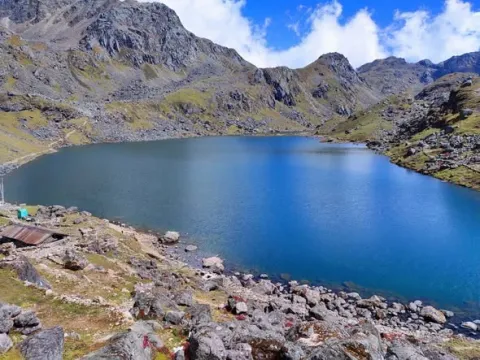
In fact, this trek typically starts at about USD 5-15 per night for accommodation and meals and serves as one of the best parts of the trek experience in the Langtang Valley region for trekking trails.
First mesmerizing views of Langtang Lirung (7,227m) and other surrounding Himalayan peaks can be sighted from Lama Hotel during the trek to Kyanjin Gompa.
Scenic Highlights First Clear View:
First unobstructed views of Langtang Lirung (7,227m) greet trekkers upon crossing over Thangshyap (3,140m), a very important milestone along the trail. This panoramic Himalayan backdrop comprises surrounding peaks of Langtang Ri at 7,205m and the Ganesh Himal at 7,422m. Rugged cliffs, flowing rivers, and terraced fields add to the visual feast. Trekkers often stop for photography here, taking in the natural beauty amidst cultural backdrop.
Furthermore, this viewpoint is approached on a trail passing through pine forests, open valleys, and rocky streams. This section enforces gradual elevation gain for safe acclimatization besides giving clear sightlines into the high Himalayas. Moreover, trek guides shed light on geological peak formations, glacial movements, and seasonal changes.
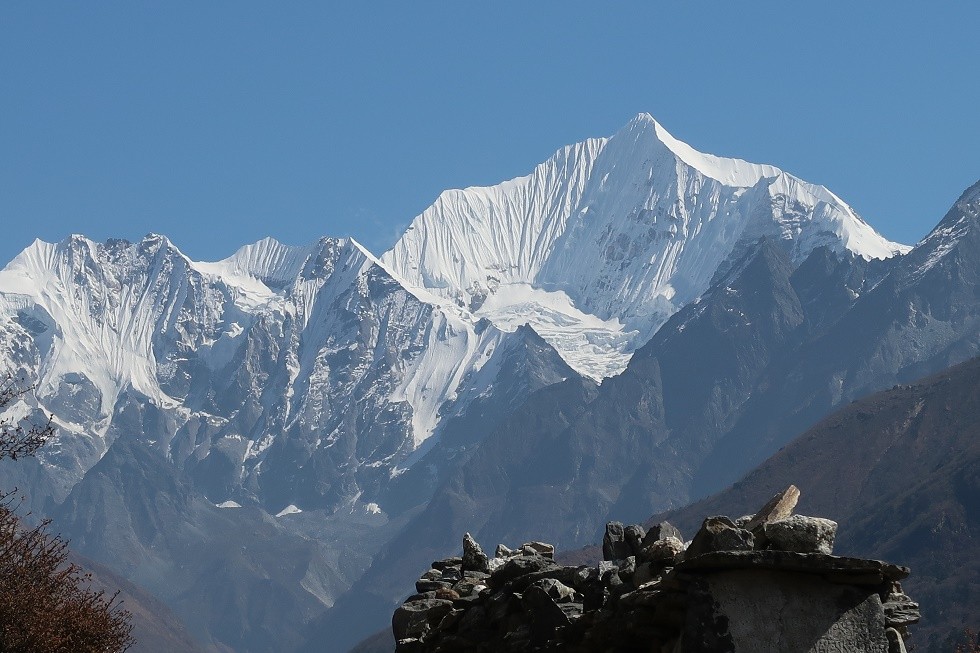
Importantly, this first clear view offers more than aesthetics; it motivates trekkers physically and mentally. Looking afar at towering peaks encourages pacing, hydration, and being more mindful. Additionally, from here, the trekkers will see glaciers, snowfields, and high-altitude wildlife, such as Himalayan Thar and marmots. This viewpoint will also offer them an opportunity to view the thin Sherpa settlement line, which follows a slope below.
Actually, this place also provides a very convenient stop for tea in the morning or packed lunch. Trekkers can rest and regroup, have some water, and organize the rest of the journey towards Kyanjin Gompa (3,870m). The area's moderately undulating terrain allows a bit of stretching and acclimatization to reduce the risks of altitude. Light conditions are soft during early mornings or late afternoons, so this is ideal for capturing photography and appreciating the scenery.
Ultimately, it forms a major highlight in the trek-the first clear view of Langtang Lirung at 7,227m slates surrounded by peaks. The combination of panoramic views, cultural background, and wildlife makes this stop memorable. There are minimal costs on this trek, mainly guides or tea houses, but generally, this averages out at around USD 5-10. This viewpoint provides the trekkers with a motive for the higher parts of the Langtang Valley trek, showing unmatched Himalayan beauty.
Experience the culture revival in Langtang Village 3,430 meters above sea level from the ruins of the earthquake, also known as a traditional Sherpa life along with Himalayan trekking experiences.
Cultural Highlights of Langtang Village:
First, Langtang Village at 3,430m was reconstructed remarkably after the 2015 earthquake, characterizing resilience and cultural preservation. Trekkers walking through the village observe rebuilt monasteries, prayer walls, and traditional stone houses. Besides, the village offers insights into Sherpa daily life, including yak herding, cheese production, and local festivals. History, architecture, and the experience of Himalayan trekking join in this perfectly smooth cultural walk.
Second, heritage preservation is also emphasized in guided walks, elucidating the effect of the earthquake on local communities. Visitors are shown the way villagers rebuilt homes, schools, and community centers, keeping traditional architectural style and techniques. In addition to this, the scenic viewpoints on the walk display Langtang Lirung at 7,227m and surrounding peaks like Ganesh Himal at 7,422m.
Importantly, trekkers get a chance to interact with the locals and witness the cultural revival in the forms of traditional music, handicrafts, and prayer ceremonies. The villagers can also narrate stories about resilience, adaptation, and sustainable livelihoods in high-altitude environments. In addition, teahouses in Langtang Village provide opportunities to enjoy meals, take rest, and immerse oneself in the culture. This section will allow trekkers to witness Sherpa hospitality, architecture, and community life while observing Himalayan natural beauty.
Additionally, walking through Langtang Village strengthens trekkers' knowledge about Himalayan resilience and sustainable tourism. This is a moderate trail that offers safe pathways and stops for cultural observation. It also offers wildlife viewing of Himalayan birds and small mammals along the village outskirts. Trekkers often schedule rest days here to explore the village and make photographs of the Himalayan panoramas to support the locals.
Ultimately, the cultural walk through Langtang Village (3,430m) incorporates history, recovery, and trekking adventure. The trekker gets post-earthquake resilience, Sherpa culture, and Himalayan views-the things that make it unique. The cost of accommodation and food is approximately USD 8-15 per day. A local guide can be very enriching in the cultural sense. This section not only enriches your experience but also prepares you for higher-altitude trekking toward Kyanjin Gompa at 3,870 meters.
Get information on convenient lunch stops, teahouse facilities, and views of the Himalayas, with local cuisine en route from Langtang Village at 3,430m to Kyanjin Gompa at 3,870 meters above sea level.
Overview: Teahouse and Lunch Stop,
| Stop | Elevation | Facilities | Average Meal Cost |
| Bamboo | 2,310m | Teahouse, hot meals, rest | USD 5–8 |
| Ghoda Tabela | 2,610m | Lodging, dal bhat, tea | USD 6–10 |
| Langtang Village | 3,430m | Accommodation, local cuisine | USD 8–12 |
| Thangshyap | 3,140m | Small teahouses, snacks | USD 5–7 |
First, there are well-placed lunch stops and teahouses along the Langtang Valley trail that trekkers can avail themselves of. Teahouses will introduce you to local food items such as dal bhat, momo, and noodles, which are nutritious enough to provide energy while high-altitude trekking. These facilities also ensure rest, hydration, and safe acclimatization for trekkers making an ascent toward Kyanjin Gompa at 3,870 meters. All these combinations of culinary convenience and altitude safety go a long way in making a trek truly memorable.
In addition, the teahouses in Bamboo (2,310m), Ghoda Tabela (2,610m), Langtang Village (3,430m), and Thangshyap (3,140m) are very comfortable rest stops. Tea drinkers and trekkers can rest and enjoy hot beverages along with packed meals, and traditional Sherpa hospitality. Additionally, these stops also offer luggage storage facilities, trekking information, and other basic medical facilities.
Importantly, this dispersion allows lunch stops to maintain proper hydration and replenish energy. For each teahouse, trekkers can have a break of about 1-2 hours, as there is less fatigue in treading and the pacing becomes better. More interestingly, some teahouses offer Wi-Fi, charging areas, and the scenic Langtang Lirung (7,227m) and Langtang Ri (7,205m) panoramic views. Thus, this development encourages photography and online posting support while maintaining trekking comfort. Guides do recommend making lunchtime departures right on schedule for better daylight exposure and safety in trekking.
Here, lunch stops also offer a chance to be enlightened by the culture of local Sherpa families of the Himalayas. Local trekkers learn about yak farming, production of cheese, and traditional ways of constructing dwelling houses. Teahouses often line the trails, minimizing excess foodstuffs that trekkers would need to carry, thus relatively lightening backpacks for better endurance. This act of eating, sleeping, and cultural interaction adds more trekking value.
Eventually, lunch stops and teahouse facilities are important in this section for safe and successful trekking. They provide energy, rest, and local cultural experiences while getting the trekkers ready for high-altitude areas. The prices remain within reasonable means, averaging between USD 5-12 per meal, thus being very affordable for budget trekkers. These stops, combined with Himalayan scenery, make the trek memorable and comfortable.
Hike from Langtang Village-3,430m to Mundu-3,750m and enjoy iconic mani walls, chortens, prayer flags, and cultural heritage of the Himalayas.
Cultural Events along the route:
Here, the first section starts from Langtang Village at 3,430 meters and ends at Mundu at 3,750 meters, combining a cultural and spiritual trekking experience into one. Along the trail, trekkers will pass mani walls bearing Buddhist prayers engraved on stones, beautifully colored chortens, and fluttering prayer flags. Natural beauty and cultural importance blend together as the route passes through open valleys with small streams crossing it and patches of pine forests.
Additionally, Mundu is a high-altitude village at 3,750 meters that epitomizes traditional Sherpa culture and Himalayan spiritual practices. The local villagers retain several small monasteries, prayer wheels, and community shrines. The trekker can witness day-to-day rituals, yak rearing, and communication with the pilgrims visiting the chortens. Such cultural immersion will enhance the trekking experience while gaining educational insights into Buddhist traditions and Himalayan lifestyles.
Importantly, the trail provides gradual elevation gain of about 320 meters from Langtang Village (3,430m) to Mundu (3,750m), thus allowing safe acclimatization. Trekkers are able to get scenic views of Langtang Lirung-7,227 m, Langtang Ri-7,205 m, and Langtang Himal-7,246 m. In addition, guides explain spiritual significance regarding mani walls and prayer flags, adding to cultural understanding. The balance in altitude, scenery, and spirituality promises a holistic trekking experience.
Furthermore, teahouses small in size come right on the way, offering snacks, tea, and rest before Mundu is reached. The village offers accommodation, local meals, and guidance for the next leg of trekking towards Kyanjin Gompa 3,870 meters above sea level. Wildlife such as Himalayan birds, marmots, and rarely Himalayan Thar make the natural interest on the cultural trails. Mani walls and prayer flags being a crucial part of the culture also form a liking for trekkers while they click pictures as a preserve for cultural and natural memories.
Here, the ultimate is the section between Langtang Village and Mundu (3,750m), representing culture, spirituality, and the Himalayas. Gradual altitude gain by trekkers provides them with an insight into Buddhist heritage and local life amidst stunning panoramic mountain views. Accommodation and food costs an average of USD 6-12 per night. It assists local communities and helps in sustainable trekking. This definitely is a fine example of how cultural discovery is well in tune with high-altitude trekking, making it an unforgettable Himalayan experience.
Discover Kyanjin Valley lying over 3,800m with its dramatic Himalayan landscapes, alpine flora, glacial views, and trekking adventure in Langtang Valley.
Kyanjin Valley Highlights:
First, passing into Kyanjin Valley above 3,800m dramatically changes the landscape and scenery of the trek. The trail transforms from the pine forest through alpine meadows, rocky terrain, and scrubs to almost no vegetation. Trekkers capture panoramic views of Langtang Lirung (7,227m), Langtang Ri (7,205m), and Langtang Himal (7,246m) from multiple viewpoints along the valley. This section introduces trekkers to basic high-altitude trekking while providing unparalleled Himalayan vistas.
It shows glacier formations, including moraines, icefalls, and snowfields feeding Langtang Glacier. Glacial melting often produces small streams that trekkers frequently encounter and can add to the scenic beauty and provide water. The valley also contains alpine flora, including rhododendron shrubs, junipers, and wildflowers that contrast superbly against rocky slope exposures.
More importantly, this section requires high-altitude acclimatization to avoid Acute Mountain Sickness. The trekkers walk with gentle pace, resting while observing the wildlife, such as Himalayan Thar, marmots, and high-altitude birds. Furthermore, local guides explain about geological features, the movement of glaciers, and seasonal changes, cultural knowledge, and environmental understanding. Also, rest houses at Kyanjin Gompa, which is 3,870 meters above sea level, facilitates comfortable resting after entrance into the valley.
Besides this, trekkers experience a marked decrease in cover as the altitude increases. The valley gradually opens up with steep cliffs, big boulders, and wide glacial streams. Scenic photography will be one of the highlights during morning or late afternoon light. It's a sign that it is approaching Kyanjin Gompa (3,870m) with its blend of natural beauty and cultural importance.
Here, Kyanjin Valley over 3,800m finally offers a grand view of the Himalayas. The change of landscape, glaciel views, alpine flora, and wild life present a visual feast in reality. Trekkers have ample opportunities to gain altitude gradually with accommodations in teahouses, rest stops, and scenic viewpoints along the way. Costs for lodging and meals near Kyanjin Valley range from USD 8-15 per night. This section prepares trekkers for the final approach to Kyanjin Gompa while maximizing Himalayan trekking rewards.
Complete your trek with the final ascent from Mundu (3,750m) to Kyanjin Gompa (3,870m), enjoying glaciers, monastery visits, and panoramic Himalayan views.
Final Push Highlights:
Meanwhile, the final push from Mundu to Kyanjin Gompa is at 3,750m to 3,870m, with moderate climbing and rewarding scenery. The trail will take open valleys, rocky terrain, and glacial streams, offering grand panoramic Himalayan vistas. Trekkers will see Langtang Lirung, Tserko Ri, and Langtang Ri along this approach. This section focuses on altitude adjustment, pacing safety, and visual enjoyment.
More importantly, Kyanjin Gompa lies at an altitude of 3,870 meters and acts as the primary base for trekking activities, housing monasteries, lodges, and offering local Sherpa hospitality. Teahouses offer hot meals and snacks, providing rest facilities to trekkers. Additionally, guides offer knowledge of hikes to Tserko Ri at 5,033 meters, the Langtang Glacier, and cultural heritage too.
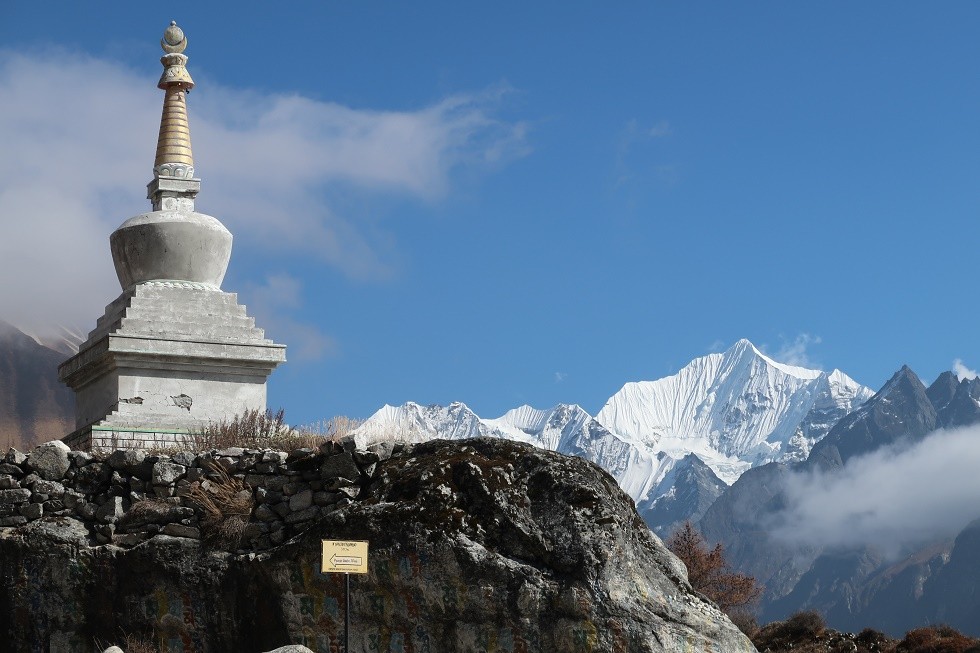
Importantly, trekkers face the glacier-fed streams and moraines during this final ascent. Observation points allow for photography and sighting of wildlife, including Himalayan birds, marmots, and sometimes the Himalayan Thar. The rocky terrain demands careful footing, trekking poles, and proper footwear. Besides, the dramatic visual change leaves the trekkers in the midst of Langtang Lirung at 7,227 meters towering over the valley, impressing them with the feeling of achievement.
Facilities: Monasteries, teahouses, overnight stops, local food Besides, trekkers often plan stops near streams and rocky ridges to take rest, replenish themselves with water, and click surroundings.
Additionally, early morning starts offer compensations of cloudless skies and soft light on the peaks of the Himalayas. It costs USD 10–15 per night to stay at Kyanjin Gompa, inclusive of meals. The combination of scenic rewards, cultural exposure, and altitude acclimatization makes the final ascent both challenging and memorable.
Ultimately, the last push from Mundu to Kyanjin Gompa completes the trek in Langtang Valley. Glaciers, panoramic peaks, monasteries, and Sherpa hospitality keep trekkers intrigued. Careful pacing, hydration, and supportive guides enable trekkers to safely reach their destinations and enjoy it. A blend of beauty, culture, and adventure-builds this part of trekking in Langtang Valley, thus rewarding the Himalayan explorer.
Visit Kyanjin Gompa at an altitude of 3,870m, which is a village enriched with monasteries, Sherpa culture, and surrounded by Langtang Lirung and other peaks.
Village and Monastery Highlights:
Actually, arrival first at Kyanjin Gompa at 3,870 meters affords views of a picturesque, Himalayan village with snow-capped peaks encircling it. Dominant in this panorama is Langtang Lirung at 7,227 meters, and complementing this are Langtang Ri at 7,205 meters and Tserko Ri at 5,033 meters. The trekkers find themselves amidst natural beauty and a rich cultural heritage, combined with high-altitude village life. The monastery here at Kyanjin Gompa forms the spiritual center for locals and trekkers alike.
Here, the village further comprises traditional stone houses, small teahouses, and lodges that cater to trekkers and pilgrims. Sherpa families keep livestock, go on yak herding, and also produce cheese, allowing visitors to observe the daily life of the Himalayas. Additionally, the monastery gives an idea about the Buddhist religion, prayer rituals, and local festivals.
Importantly, Kyanjin Gompa offers the convenience of trekking with cultural exploration. The village has teahouses to rest in, local eateries that serve dal bhat and noodles, and places to rest for acclimatization. Many trekkers spend a day exploring the monastery, taking pictures of alpine landscapes, or make day hikes to surrounding ridges for sunrise and sunset views. Moreover, guides explain the spiritual importance of the monastery and how locals have shown cultural resilience post-earthquake.
Additionally, trekking guides will provide insights about alpine flora and fauna, as well as cultural practices. One may take an excursion to the nearby glaciers, visit a cheese factory, or take short hikes for better mountain views. The morning and evening light enhances the photography and scenery enjoyment. This part of Langtang Valley Trek lays great emphasis on balance between nature, culture, and high-altitude adventure.
Ultimately, the arrival at Kyanjin Gompa, at 3,870 meters, is a combination of natural beauty, Sherpa culture, and spiritual exploration. It is a panoramic view of peaks, monastery visits, and village life that every trekker will remember in such high altitudes. The cost of accommodation/meal per night costs around USD 10–15, with the availability of teahouses for comfortable sleeping along with cultural immersion. This stop gets the trekkers ready for further exploration, including a hike to Tserko Ri at 5,033 meters and the views of glaciers.
For Kyanjin Gompa (3,870m), learn about accommodation options and the standards of teahouses while enjoying your comfort, meals, and convenience during a Himalayan trek.
Accommodation Overview:
| Type | Facilities | Approximate Cost in USD | Notes |
| Basic Teahouse | Shared rooms, meals, limited hot water 10–12 | Suitable for budget trekkers |
| Improved Lodge | Private rooms, hot showers, meals, Wi-Fi 12–15 | Comfortable for families and groups |
| Guesthouse | Twin/Shared rooms, local meals, cultural experience. 10–15 | Very good immersive Sherpa hospitality. |
Mainly, Kyanjin Gompa (3,870m) has a range of accommodation: simple lodges, upgraded teahouses, and family-run guesthouses. Most offer twin or shared rooms, hot water, and limited meals, but often dal bhat, noodles, and soups. Consequently, a comfortable trekking adventure blends with high-altitude practicality and cultural immersion.
Moreover, the standard of teahouses in Kyanjin Gompa also differs according to the altitude and infrastructure. Basic facilities include shared bathroom, limited heating, and simple bedding. Upgraded lodges provide private rooms, hot showers, and electricity during peak hours. In addition, teahouses present an excellent channel for socializing, whereby trekkers meet other locals, share tips about trekking, and plan hikes to Tserko Ri at 5,033 meters or nearby glaciers.
Importantly, the accommodation in Kyanjin Gompa supports acclimatization and safety in trekking. The village's position at 3,870m ensures a gentle rise in altitude for trekkers coming from Mundu (3,750m). Teahouses offer rest areas, hot food, and fluid intakes that minimize the threat of AMS. Furthermore, guides advise trekkers to book their rooms in advance during the peak season to make sure of their availability.
Further, teahouses further offer laundry facilities, charging, and advice on trekking. A number of lodges show local art, prayer flags, and Sherpa memorabilia to reinforce cultural awareness. Trekkers may take in afternoon hikes, shoot photos of alpine scenery, and take day trips to glaciers or Tserko Ri (5,033m). This combination of accommodation and meals with exposure to culture enhances the overall trekking experience.
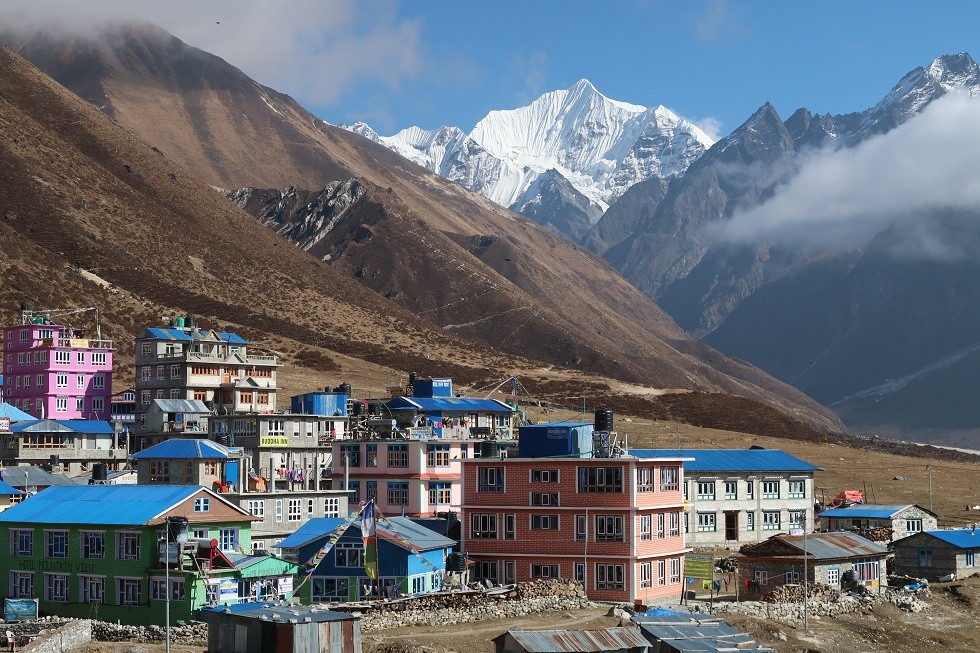
Ultimately, this balance of accommodation and teahouse standards in Kyanjin Gompa at 3,870 meters allows for comfort, cultured insight, and practicality at high altitude. Trekkers can expect a safe place to stay, nutritious food, and extra time for exploring while being submerged in Sherpa life. The cost also remains affordable at an average of USD 10–15 per night, making sure options remain open for a variety of trek budgets. This section assures comfort and convenience to trekkers in the Langtang Valley.
Meals, water, and charging are possible on the trek to the Langtang Valley, from Lama Hotel (2,470m) to Kyanjin Gompa (3,870m).
Teahouse and Facilities Overview:
| Location | Elevation | Meals | Drinking Water | Charging | Notes |
| Bamboo | 2,310m | Local cuisine, dal bhat | Boiled/filtered | USD 1–2 | Moderate comfort |
| Ghoda Tabela | 2,610m | Snacks, dal bhat, noodles | Boiled/filtered | USD 1–2 | Basic amenities |
| Langtang Village | 3,430m | Local meals, tea, momo | Boiled/filtered | USD 2–3 | Cultural experience |
| Mundu | 3,750m | Hot meals, tea | Boiled/filtered | USD 2–3 | Moderate comfort |
| Kyanjin Gompa | 3,870m | Dal bhat, noodles, tea | Boiled/filtered | USD 2–3 | Lodging and meals available. |
Firstly, trekkers are able to enjoy good teahouse and lodge facilities along the route to the Langtang Valley. This provides food, bottled or filtered drinking water, and charging points. Moreover, trekkers are given local food like "dal bhat, momo, noodles, and soups which are important for trekking at high altitude and require ample energy to move along and ascend to higher heights along the route.
Additionally, teahouses are available at Bamboo (2,310m), Ghoda Tabela (2,610m), Langtang Village (3,430m), Mundu (3,750m), and Kyanjin Gompa (3,870m) for hot meals, refreshments, and water stations. Also, power can be accessed to charge electronic devices at a cost of around USD 1 to 3 for each device. Additionally, these points provide places to rest, internet in some hostels, and trekking guidance to facilitate the process. Adventures will be able to relax as they enjoy the scenic landscapes of the Himalayas.
Notably, the provision of meals and water sources is balanced to ensure proper trekking and acclimatization. Trekkers are expected to take at least 3–4 liters of water per day to avoid dehydration. Furthermore, having water purification tablets or portable water filters helps in acquiring clean water sources along the trek trails. The provision of meals at the teahouse allows the body to obtain the necessary carbohydrates and proteins to achieve energy balance.
Further, the cost for meals on Langtang Valley Trek should be estimated at USD 5 to 12 per person according to the level of the facility, especially in the context of high-altitude treks. Also, meals should either be in the morning or in the latter part of the daytime in order to have the greatest possible number of hours for trekking.
Alternatively, a hybrid of packed lunches and teahouse meals should be adopted according to guides for easier movement while retaining energy levels.
Lastly, food, drinking water, and powering points available on the trekking route to the Langtang Valley offer a comfortable trekking experience. The required trekking needs, including food, drinking, and powering points, are available, which makes the trekking experience comfortable for tourists trekking from the Lama Hotel (2,470m) to Kyanjin Gompa (3,870m).
Find out how to gain altitude while trekking from Lama Hotel (2,470m) to Kyanjin Gompa (3,870m) in the Langtang Valley safely.
Altitude Gain and Acclimatization:
| Segment | Start Elevation | End Elevation | Distance | Acclimatization Tips. |
| Lama Hotel – Bamboo | 2,470m - 2,310m | 4 km | Gentle pacing, hydration. |
| Bamboo – Ghoda Tabela | 2,310m - 2,610m | 3.5 km | Maintain steady speed, eat properly. |
| Ghoda Tabela – Langtang Village | 2,610m - 3,430m | 4.5 km | Take breaks, observe AMS symptoms. |
| Langtang Village – Mundu | 3,430m - 3,750m | 3 km | Short acclimatization hikes. |
| Mundu – Kyanjin Gompa | 3,750m - 3,870m | 2 km | Slow ascent, hydrate, rest. |
Primarily, the gain in elevation in the trek from Lama Hotel (2,470m) to Kyanjin Gompa (3,870m) is a very crucial concern. During the 6–7 days, a gain of 1,400 meters is recorded. At times, AMS could be a concern, but the gain in elevation, along with water and/rest activities, can be helpful for the trekkers.
Additionally, the “climb high, sleep low” rule has to be considered while climbing Bamboo Pass (2,310m), Ghoda Tabela (2,610m), Langtang Village (3,430m), and Mundu (3,750m). Acclimatization walks like loops around Langtang Village also increase the adaptation of the oxygen. Furthermore, proper diet and drinking plenty of fluids along with maintaining a slower pace while trekking from the teahouse also help.
Preferably, rest days are placed on strategic points such as Langtang Village (3,430 m) and Mundu (3,750 m), wherein the body has the time to acclimate to the increased elevation. Avoidance of alcohol, caffeine, and strenuous activity during ascents helps the trekker avoid potential health problems based on heart rate, breathing, and energy levels. Additionally, carrying medication for AMS prevention or treatment is recommended for higher-risk trekkers.
Furthermore, trekking with a local guide helps in proper altitude control. It is also important for trekkers to notify their guides of any signs of headache, vomiting, or dizziness. The use of trekking poles, clothing systems, and altitude gadgets helps improve trekking safety. Therefore, by observing these acclimatization principles, trekkers can benefit from the beauty of the Himalayas without risking health.
Ultimately, knowledge regarding altitude increase and acclimatization is imperative when trekking from Lama Hotel to Kyanjin Gompa. To trek safely to higher altitude destinations, one should ascend slowly, drink plenty of fluids, eat nutritious food, and time rest appropriately. Such approaches offer safety as well as pleasure while exploring the beauty of the Himalayas located in the Langtang Valley.
Get information on the weather and temperature conditions in the Upper Langtang Valley, from Lama Hotel (2,470m) to Kyanjin Gompa (3,870m), while planning your trek.
Weather & Temperature :
| Location | Elevation | Day Temp (°C) | Night Temp (°C) | Weather Notes |
| Lama Hotel | 2,470m 10–18 | 2–6 | Mild spring/autumn conditions |
| Langtang Village | 3,430m 5–12 | 2–4 | Cool, occasional snow |
| Mundu | 3,750m 2–10 | 5–2 | Chilly, high-altitude winds |
| Kyanjin Gompa | 3,870m 0–8 | 7–0 | Cold, possible snow and ice |
Firstly, the Upper Langtang Valley offers extreme variations of the climate depending on the area’s elevation, seasonal, and temporal variations. The temperatures are relatively low in the morning at the point called the 'Lama Hotel' with temperatures between 10°C to 18°C during the spring or autumn seasons. However, once the trek progresses to the 'Langtang Village' or 'Kyanjin Gompa,' the temperatures fall between 0°C to 10°C.
Additionally, the Upper Langtang valley has its own monsoon season between June and September, characterized by rainfall, slippery trekking routes, and poor visibility. The pre-monsoon season, which occurs between March and May, and the post-monsoon season, between October and November, have the clearest skies, warmer weather, and optimal trekking conditions. The winter season, between December and February, is characterized by snowfall in areas above 3,000m, and the trekking routes are icy, requiring the use of trekking equipment, which may include crampons.
Notably, the difference between day and night temperatures is substantial. While day temperatures are suitable for trekking light, the nights require insulated clothing, sleeping bags, and heat-treated clothing. Moreover, the weather in the higher Himalayas is known to change quite suddenly, with snowstorms, hail, and strong wind at Kyanjin Gompa (3,870m) near Ganden at Kyanjin Gompa.
Furthermore, trekkers need to factor in wind chill, UV exposure, and moisture levels while planning the attire to wear. Sunglasses, sunscreen, and waterproof daily jackets are necessary items to carry while trekking to the higher altitude. Water intake needs to happen at regular intervals to cope with dehydration, which gets hampered by the colder climate that increases moisture evaporation.
Thus, knowledge of the weather and temperature conditions in the Upper Langtang Valley plays a very important part in trekking this valley safely. Dressing, equipment, and plans according to seasons between Lama Hotel (2,470m) and Kyanjin Gompa (3,870m) ensure greater levels of comfort and safety regarding the variations of temperatures, monsoon, and winter conditions.
Find the scenic attractions or photography spots from Lama Hotel (2,470m) to Kyanjin Gompa (3,870m) on a Himalayan trek.
Key Scenic & Photography Highlights:
Firstly, the trek route from Lama Hotel (2,470m) to Kyanjin Gompa (3,870m) has several scenic spots for photographers to take pictures of. The mountains to be photographed along the way include Langtang Lirung (7,227m), Langtang Ri (7,205m), Ganesh Himal (7,422m), and Tserko Ri (5,033m). The presence of rivers, forests, and snow-capped mountains provides enough variance for photographers to focus on when conducting their tasks.
Furthermore, the important photography locations along the trail are Bamboo (2,310m) with the river side scenery, Ghoda Tabela (2,610m) with pine forests, and Langtang Village (3,430m) with stone houses and tall peaks. Mundu (3,750m) features scenery with Mani walls, chortens, and prayer flags. The trekkers can take advantage of the early morning or evening light to picture the spectacular scenery of the Himalayas.
Significantly, glacial streams and alpine meadows around Thangshyap (3,140m) and Kyanin Valley (3,800m) also provide foreground interest for photographers to capture. The biodiversity including the Himalayan Thar, marmots, and high-altitude birds also increases the natural composition for the camera lens. It is recommended that photographers bring portable tripods, lens covers, and additional memory cards because it is a high-altitude trek.
In addition, photographable images of glacial features, hanging valleys, and terraced farmland can be taken in this trek route. Photography can be conducted from Teahouse in Langtang Village (3,430m) and Kyanjin Gompa (3,870m). Preparation and guidance from experts are necessary in order to maximize trekking and photographing satisfaction.
Ultimately, this trail between Lama Hotel (2,470m) and Kyanjin Gompa (3,870m) has so much to offer in terms of scenic attractions and photo opportunities. There are mountainous, valley, village, and wild life scenery to photograph. A careful plan of what to do and take advantage of, in terms of lighting and altitude, is useful in creating lasting photos of this stage of the trek.
This article discusses common difficulties faced by trekkers from Lama Hotel (2,470m) to Kyanjin Gompa (3,870m) that include altitude issues and weather conditions.
Challenges Overview :
| Challenge | Location/Elevation | Impact | Mitigation |
| Altitude | Lama Hotel – Kyanjin Gompa (2,470–3,870m) | AMS, fatigue | Gradual pacing, hydration, rest. |
| Weather | Entire trail | Rain, snow, wind, cold | Layered clothing, waterproof gear, monitoring. |
| Trail Conditions | Bamboo (2,310m) to Kyanjin Gompa (3,870m) | Slippery, rocky, steep | Sturdy boots, trekking poles, caution. |
Firstly, the presence of altitude is the biggest issue for trekkers from Lama Hotel (2,470m) to Kyanjin Gompa (3,870 meters). The climb of about 1,400 meters in several days requires pacing and acclimatization. Symptoms of altitude can include head pain, weakness, and dizziness.
Moreover, the weather conditions in the Upper Langtang Valley can be unpredictable. Trekkers can experience temperature fluctuations, ranging from 10°C at “Lama Hotel” to “freezing” at “Kyanjin Gompa.” There can be rain, snow, and strong wind gusts in the region, especially in the monsoon and winter seasons. To trek safely, one needs to be cautious with appropriate clothing and weather conditions.
Notably, the trail types that one experiences along the journey include forest trails, moraines, and glacial streams. The trail types include forests at Bamboo (2,310m) and Ghoda Tabela (2,610m), with valley floors and rocky ground at Mundu (3,750m) and Kyanjin Valley (3,800m). Trekkers will require trekking poles and boots.
In addition, other challenges involved are the lack of facilities when ascending to higher heights and sometimes encounters with wild animals along the way. The climber will need to carry enough supplies of water, fruits, and any medicines that might be required along the journey. Guides are important in ensuring safety by observing the environment and advising trekkers to walk slowly.
Ultimately, with an understanding of, and preparation for, the effects of altitude, weather, and trail conditions, the trekker can successfully navigate the way from the ‘Lama Hotel’ of 2,470 meters to the ‘Kyanjin Gompa’ of 3,870 meters."
Learn the benefits of the trek from "Lama Hotel" (2,470m) to "Kyanjin Gompa" (3,870m) and find out why the Himalayas are an ideal destination for adventure travelers.
Important Benefits of Lama Hotel to Kyanjin Trek:
Firstly, the trek from Lama Hotel (2,470m) to Kyanjin Gompa (3,870m) is a unique blend of natural scenery, culture, and high-altitude trekking experience. The scenery includes the views of Langtang Lirung (7,227m), Langtang Ri (7,205m), and Tserko Ri (5,033m), which makes the trekking experience worthwhile for the trekkers. The trekking trail is diverse because it comprises alpine forest, river, grasslands, and glaciers.
Moreover, exposure to cultures enhances the experience of trekking. The trekkers get a chance to live in Sherpa villages, which include Langtang Village (3,430 m), Mundu (3,750 m), and Kyanjin Gompa (3,870 m). Monasteries, mani walls, prayer flags, and festivities provide exposure to the spiritual and cultural aspects of this zone. Moreover, teahouses provide trekkers with meals, accommodation, and facilities to mingle with locals.
Actually, it is essential to note that the trek promotes personal development and adventure. Climbing to Kyanjin Gompa (3,870m) is both physical and psychological for the trekkers, and it is always a great learning experience. The short trek to Tserko Ri (5,033m) or glacier will treat the trekkers to a sunrise experience and provide them with an element of adventure and success.
Furthermore, the trek is good for trekkers with varying abilities, providing moderate trekking. Photographers have the opportunity to capture various subjects. Light conditions in the morning and later in the afternoon provide great opportunities for scenic shots of mountains and villages. Budget-friendly food and accommodation, costing between USD 8 to 15 per night, allow for affordability without sacrificing comfort.
In conclusion, the journey from the Lama Hotel (2,470m) to Kyanjin Gompa (3,870m) is one of value because of its offering of Himalaya scenery, cultural immersion, and adventure that is both possible and attainable at high elevation. The necessary planning and acumen make this journey into a worthwhile adventure where the trekker gets a chance to explore the Himalaya in all its glory.
1. What is the distance and duration from Lama Hotel to Kyanjin Gompa?
The trek from Lama Hotel to Kyanjin Gompa is about 13 to 15 kilometers. It takes people one to two days to complete it. You will pass through Riverside, Langtang Village and Mundu. You need to walk at a pace and get used to the high altitude for this part of the Langtang Valley trek.
2. How difficult is the Lama Hotel to Kyanjin Gompa trek?
The trek from Lama Hotel to Kyanjin Gompa is not too hard. You will walk uphill for a time and the air will get thinner as you go up. The trail goes through forests, along rivers and across valleys. If you are fit and have hiked before you can handle the challenges like the altitude and different trail conditions.
3. What is the highest elevation reached on this trek?
Kyanjin Gompa is at 3,870 meters. The trail goes up slowly so you can get used to the altitude in Langtang Village and Mundu. If you prepare well, you can enjoy the views of Langtang Lirung without getting sick from the high altitude.
4. When is the best time to trek from Lama Hotel to Kyanjin Gompa?
The best time to trek from Lama Hotel to Kyanjin Gompa is in the spring from March to May or in the autumn from September to November. The sky is clear the weather is stable. You can see the mountains clearly. In the winter it snows and in the monsoon the trails are slippery. These seasons are better for trekking.
5. Is altitude sickness a major concern on this route?
Yes, the high altitude is a concern on the trek from Lama Hotel to Kyanjin Gompa. You need to get used to the altitude slowly. Resting in Langtang Village drinking plenty of water and walking slowly can help. You should watch out for symptoms. Go down if you need to. The guide and the teahouses can help you trek safely.
6. What kind of accommodation is available in Kyanjin Gompa?
In Kyanjin Gompa you can stay in teahouses. They have rooms with shared facilities. You will get blankets, simple food and a place to charge your phone. The teahouses are like mountain lodges with views of the surrounding peaks and a monastery atmosphere.
7. What meals are typically served along the Lama Hotel to Kyanjin route?
On the trek from Lama Hotel to Kyanjin Gompa you can eat dal bhat, noodles, pasta, soups and Tibetan bread. There are vegetarian options. The food is made with local ingredients and you can get hot drinks to keep your energy up while you walk.
8. How many hours of walking per day should I expect?
You will walk for five to seven hours a day. You will walk along the river to Langtang Village and finally to Kyanjin Gompa. How fast you walk depends on how fit you're the weather and how many photos you take along the way.
9. Are there clear views of mountains from this section?
Yes, you can see the mountains after Langtang Village. The open valleys and the high terrain offer views of Langtang Lirung and other peaks. You can take photos on the way to Kyanjin Gompa.
10. What cultural experiences can I expect in Langtang Village?
In Langtang Village you can see the homes that were rebuilt after the earthquake the mani walls, the chortens and the prayer flags. You can meet the Tamang and Tibetan people. The village shows the culture and traditional way of life of the people who live there.
11. Do I need a guide or porter for this trek?
A guide can help you stay safe and learn about the culture. A porter can carry your bags. If you have experience trekking you can do it on your own. A guide can help you navigate, help in an emergency and appreciate the Langtang Valley more.
12. What permits are required for the Lama Hotel to Kyanjin Gompa trek?
You need a Langtang National Park Permit and a TIMS card. You can get these in Kathmandu or Syabrubesi. The permits help take care of the park and the people who live there.
13. How cold does it get in Kyanjin Gompa at night?
It gets very cold in Kyanjin Gompa at night below freezing. During the day it is milder. You should bring clothes, a down jacket and a sleeping bag to stay comfortable in the teahouses.
14. Is drinking water safe along the route?
You should drink boiled or treated water from the teahouses. You can also buy water but it is expensive at high altitudes. Drinking plenty of water is important to stay healthy and have energy on the trek.
15. What photography spots are best between Lama Hotel and Kyanjin?
There are great places to take photos like the bamboo forests the mani walls in Langtang Village, the open valleys with views of Langtang Lirung and the Kyanjin Gompa monastery. The light is beautiful during the hour.
16. What should I pack for this high-altitude section?
You should pack trekking poles, layered clothes, a rain jacket, sunglasses, sunscreen, a first-aid kit, a headlamp and snacks. Good shoes and altitude medicine can help you stay comfortable from the forests to the terrain.
17. How has the trail changed after the 2015 earthquake?
Langtang Village has been rebuilt with teahouses and infrastructure. The trail is still beautiful and safe. The people are welcome trekkers showing how strong their culture is.
18. Can beginners complete the Lama Hotel to Kyanjin Gompa trek?
If you are fit and get used to the altitude slowly you can do this trek even if you are a beginner. The teahouses and the gradual ascent make it easier. It is an idea to go on shorter hikes before to build your confidence.
19. Are there charging facilities and WiFi in Kyanjin Gompa?
Most teahouses have panels to charge your phone for a small fee. WiFi is limited. Depends on the weather. You should be prepared to disconnect and enjoy the atmosphere and the views.
20. Why is the Lama Hotel to Kyanjin Gompa trek so rewarding?
The trek from Lama Hotel to Kyanjin Gompa is very rewarding because it has everything: forests, rivers, villages and beautiful mountain views, like Langtang Lirung. When you reach Kyanjin Gompa you will feel peaceful see views and have an unforgettable adventure.
Our travel experts are ready to assist you with any questions.
Send us a message.Have a question before you book? Send your enquiry below and our travel experts will get back with the required information.