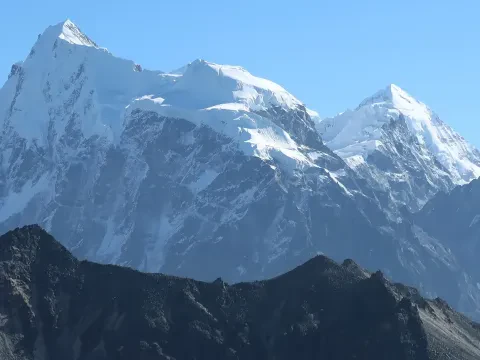
Craving an escape from the constant clamor of everyday life to a place of pure tranquility and healing? The Langtang Valley trek is the quintessential remedy for anyone seeking solace; it combines accessible wilderness with a deeply soothing, profound mountain environment. Affectionately named "the valley of glaciers," this sublime glacial trough gracefully reaches towards the heavens right from the edge of the Tibetan border. Here, Haven Holidays Pvt. Ltd. Invites you to leave your stress-filled lifestyle far behind and completely immerse yourself in this untouched alpine paradise.
Likewise, you'll notice an immediate quieting of your overstimulated senses upon leaving the bustling capital city for the calm of the mountain trails. Your adventure will begin in the peaceful trading village of Syabrubesi at 1,550 meters (5,085 feet), where the crisp mountain air instantly replaces the smoggy air of the city. Langtang Lirung at 7,234 meters (23,734 feet) will tower above you to create a soothing sense of protection from the busy world beyond. As this Langtang Valley Trek route is considerably less trafficked than Everest or Annapurna's commercial trekking paths, you will finally achieve the quiet, uninterrupted peace that you seek. Call our trekking agents today to make a leap into mindful exploration and book your tranquil Himalayan escape.
| Trek Attribute | Langtang Valley Solace Journey | Typical Commercial Treks |
|---|---|---|
| Overall Atmosphere | Quiet, mindful, and deeply peaceful | Busy, social, and highly commercialized |
| Starting altitude | 1,550 m (5,085 ft) | up to 2,845 m (9,334 ft) |
| Surroundings | U-shaped glacial valleys, dense pine forests | Wide river valleys, exposed high-altitude scree |
| Crowd Level Index | Low (ideal for mindful hiking) | High (significant bottlenecks at popular times) |
Are you ready to discover the healing power of rushing glacial rivers flowing through ancient mountain canyons? Trekking alongside these strong, clear rivers can become an extremely peaceful meditation, as their naturally roaring sounds completely drown out any residual anxieties from your previous life.
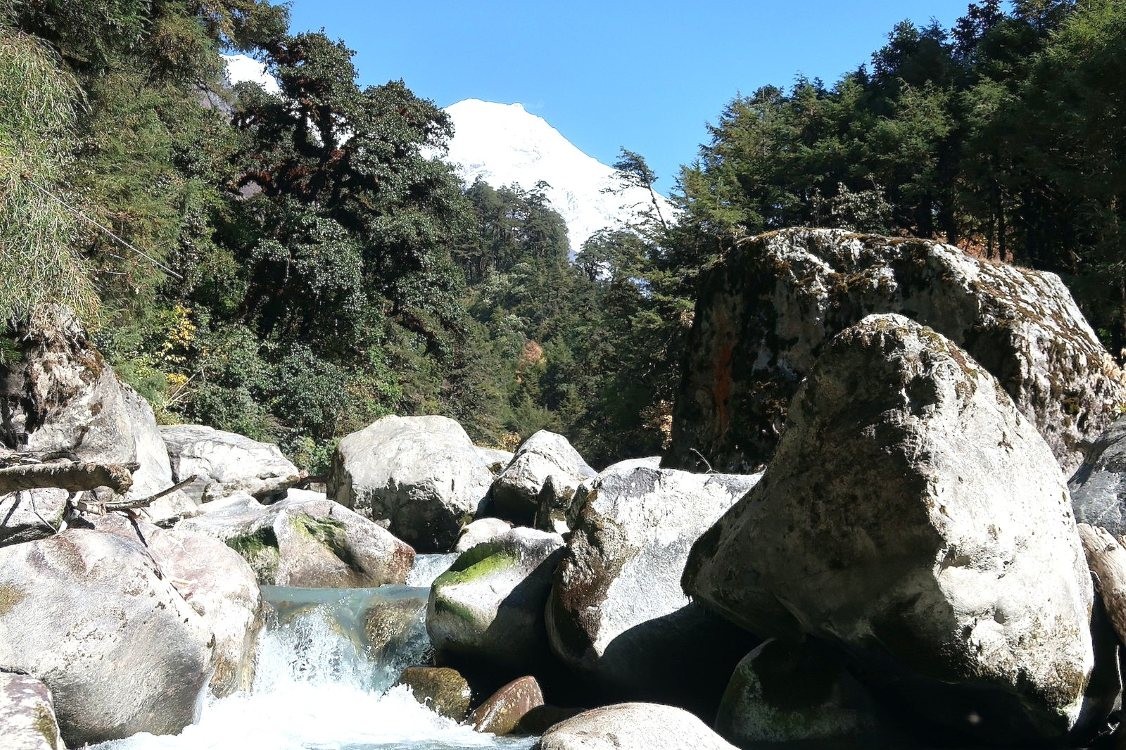
Also, you will traverse along the dramatically positioned Bhote Koshi and Langtang Khola rivers, which cascade down from the vast, icy glaciers at higher elevations. Haven Holidays Pvt. Ltd. Is happy to facilitate a slow-paced and meditative journey, allowing you to completely absorb the healing ambiance of these magnificent roaring waters.
Likewise, the river trail will function as both your geographical and your spiritual guide as you travel deeper into the heart of this sacred sanctuary. You will cross steel suspension bridges suspended over deep, roaring gorges; you will wander through densely forested areas where the air is always cool from the nearby river breeze.
Moreover, the Langtang trek route winds its way up past the strategically situated town of Bamboo, at 1,970 meters (6,463 feet), to the idyllic river junction town of Changtang, better known as Lama Hotel, at 2,480 meters (8,136 feet). With the soothing music of the river flowing by for your entire journey, you are sure to feel deeply connected to the natural world beneath your feet. Come listen to the whispering waters today; book your seasonal trekking days and start your transformative journey.
River Geography Highlights :
| Hydrological Segment | Elevation Range | Visual and Auditory Experience |
|---|---|---|
| Lower Bhote Koshi Confluence | 1,550 m to 1,800 m (5,085 to 5,905 ft) | Wide, raging grey silt rivers in deep subtropical rock gorges |
| Middle Langtang Khola Gorge | 1,800 m to 2,500 m (5,905 to 8,202 ft) | Fast-moving white-water cascades amidst dense oak and maple forests |
| Upper Glacial Stream Network | 2,500 m to 3,500 m (8,202 to 11,483 ft) | Clear, calm alpine streams winding through open, green alpine pastures |
| Key Rest Hub (Lama Hotel) | 2,480 m (8,136 ft) | Calm riverside lodgings; water sounds will ensure a sound sleep |
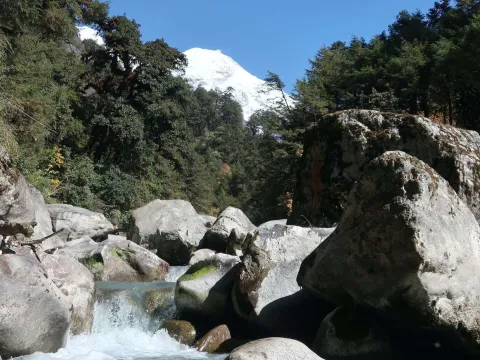
Long to feast your eyes upon towering, ice-clad peaks, but without the punishing exhaustion of Nepal’s most demanding high-altitude journeys? Strolling in the shadow of these monumental stone sentinels is an unparalleled visual experience.
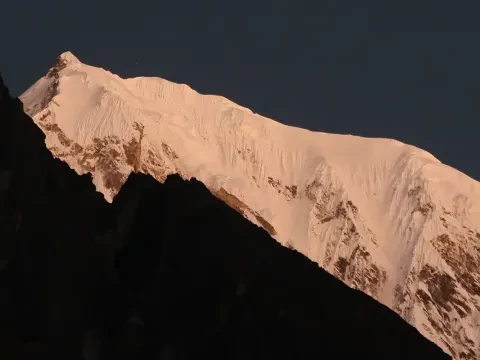
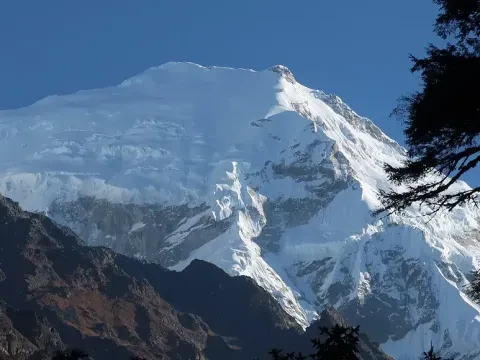
Why? Because the valley sides rise so steeply that the most breathtaking skylines on Earth are created. The most celebrated in this dramatic alpine arena is undoubtedly Langtang Lirung. This 7,234-meter (23,734-foot) giant shimmeringly dominates everything. Haven Holidays Pvt. Ltd. Plans this rewarding trek so that you will be privy to phenomenal, close-up mountain panoramas at a comfortable and totally safe pace.
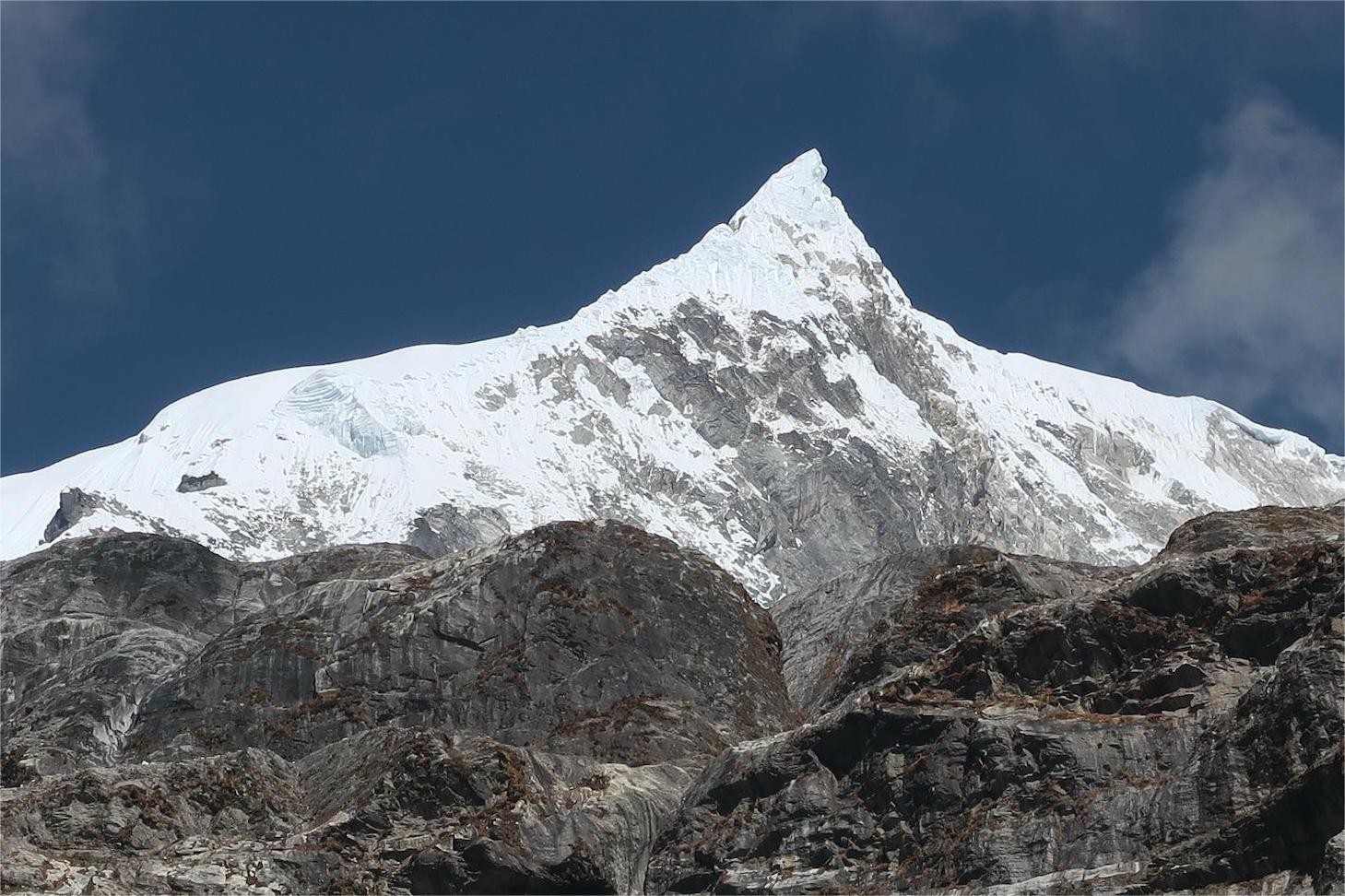
Because of the natural design of the open glacial valley, these mighty peaks will seem to escort your progress every single mile. As you exit the lower forest and wander past the attractive open grasslands of Ghodatabela at 3,030 meters (9,940 feet), the vista will explode with the snow-covered pyramids of Kimshung at 6,781 meters (22,247 feet) and Yala Peak at 5,520 meters (18,110 feet).
Likewise, eagles will circle the skies above while you are treading on wide, easy, very flat trails beneath these imposing vertical rock faces. This route offers so much scenery for so little energy expended daily that it has become the ultimate mountain photography trek. Call our adventure planners without delay and pick your optimal season to witness the grandest Himalayan display from your front-row seat.
Alpine Viewpoint and Mountain Peak Highlights :
| Mountain Landmark | Peak Elevation (Meters) | Peak Elevation (Feet) | Visual Characteristic From Trail |
|---|---|---|
| Langtang Lirung | 7,234 m | 23,734 ft | Enormous icefalls, hanging glaciers, and sharp ridgelines |
| Kimshung | 6,781 m | 22,247 ft | Symmetric snow pyramid situated behind villages |
| Langshisha Ri | 6,427 m | 21,085 ft | Sharp, rocky tower visible from higher valley meadows |
| Yala Peak | 5,520 m | 18,110 ft | Soft, snow-capped peak accessible to beginner climbers |
Do you long to escape the glare of screens and fully immerse yourself in a green, living, natural world? Trekking under this spectacular, emerald canopy is instant therapy; the air here has a natural, curative fragrance, and the earthy scents fill the soul. The lower reaches of the Langtang National park are densely covered with enormous oak trees, towering bamboo groves, and aged, lichen-covered pine trees. Haven Holidays Pvt. Ltd. Carefully plans your time in this incredible natural sanctuary so that you can enjoy quiet rambles, listening to unusual birdsong and observing playful, gray langur monkeys bounding through the canopy above you.
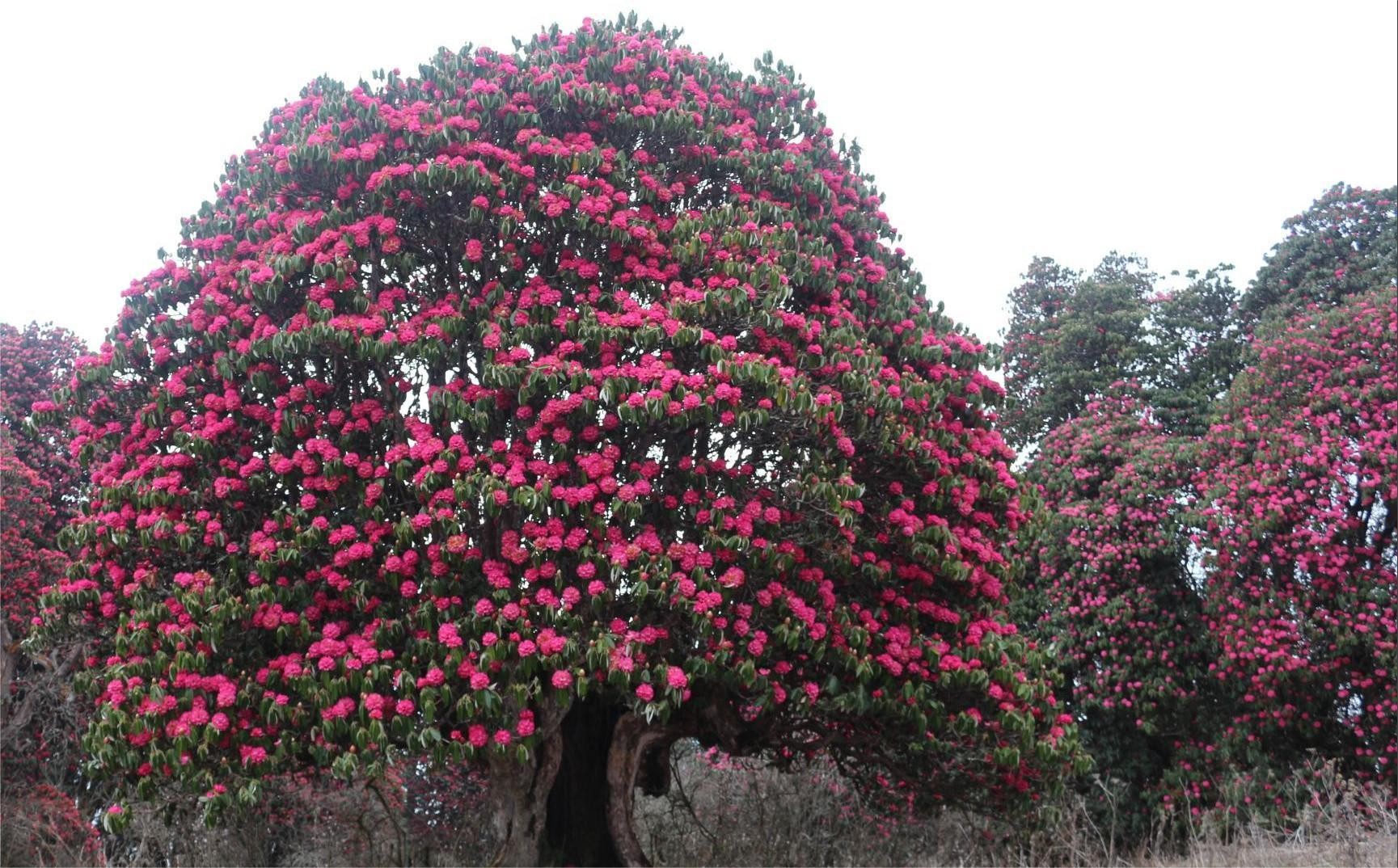
As you climb further into this protected Langtang national park, the vegetation changes dramatically and forms a beautiful, dynamic backdrop to your trek. If you are hiking during the colorful spring months, the entire mountainsides will be ablaze with vibrant red, pink, and white tree rhododendrons, which look truly stunning against the faraway white peaks.
Likewise, you will hike through the river canyon and past the peaceful, riverside settlement of Bamboo at 1,970 meters (6,463 feet) before ascending to the cooler, soothing altitudes of the lower cloud forests below 3,000 meters (9,842 feet).
Moreover, you will feel you have stepped back in time and found a peaceful, fairy-tale world, because the entire ecosystem is relatively quiet and undisturbed. Treat yourself to the natural remedy your body deserves; contact our booking specialists now to schedule your amazing walk in this unique, healing environment.
Forest and Botanical Reference Points :
| Forest Ecosystem Zone | Elevation Range | Core Tree and Plant Species | Wildlife Often Spotted |
|---|---|---|
| Subtropical Woodland | 1,500 m to 2,000 m (4,921 ft to 6,561 ft) | Wild Bamboo, Mountain Oak, and Chestnut trees | Grey Langur Monkeys and Himalayan Tree Pies. |
| Temperate Cloud Forest | 2,000 m to 3,000 m / (6,561 ft to 9,842 ft) | Red Rhododendron, Maple, and Lichen-covered Pine | Elusive Red Pandas and Musk Deer. |
| Subalpine Shrubland | 3,000 m to 3,800 m / (9,842 ft to 12,467 ft) | Dwarf Juniper, Alpine Birch, and Willow shrubs | Himalayan Monal (Danphe) and Snow Pigeons. |
| Upper Alpine Pasture | Above 3,800 m / (12,467 ft) | Hardy Mountain Grasses, Mosses, and Wildflowers| Grazing Domestic Yaks and Blue Sheep |
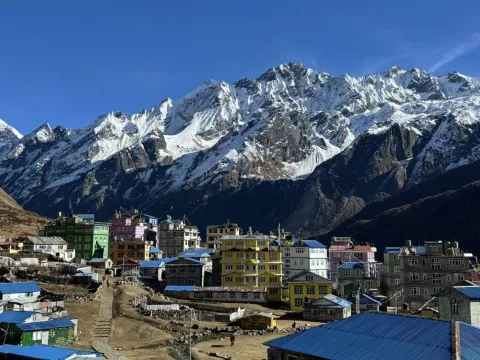
Are you fed up with sharing your coveted wilderness vacation with rowdy tourist groups, or do you think that famous trails have lost their element of adventure? Selecting these quiet trails will give you back your private peace, because removing the commercial congestion restores the primitive, natural character of days of Himalayan adventuring.
In fact, thousands of people are marching on the paved stonework of Annapurna circuit everyday, while the Langtang trail is visited by less than 15% of that number during its peak season. Haven Holidays Pvt. Ltd. Advocates for the popularity of this quiet trail, because lovers of seclusion need untamed space to embrace the power of nature.
Here, the lack of masses of commercial trekkers will make your everyday trekking journey a deeply spiritual, deeply personal, adventure. You'll walk for hours with no noise except your own calm breathing, and no other sound except for the distant, peaceful rush of glacial water falling onto stone. The trail curves through Langtang Village, at 3,430 meters (11,253 ft), a village whose traditional teahouses offer real hospitality minus the touristy chaos found in bigger settlements.
Since you won't be fighting for space on bridges or racing to snatch up beds, you'll be able to maintain peace within yourself. Leave the stressful, massive, commercial crowds of popular trails behind today by selecting a custom itinerary, and book your private wilderness trip to Langtang Valley with us.
Wilderness Isolation Highlights:
| Trail Environment Feature | The Silent Trails of Langtang | Highly Commercialized Trails |
|---|---|---|
| Daily Hiker Encounters | Rare (Individual independent travelers or locals) | Constant (Large groups or lengthy lines of porters) |
| Dining Hall Atmosphere | Quiet, cozy, and perfect for relaxed reading | Loud, crowded, and often on a timed system |
| Trail Pacing Freedom | Total (You can stop anywhere to take photos) | Limited (You have to keep pace to avoid bottlenecking the trail) |
| Accommodation Availability | Plenty of rooms to choose from in beautiful local teahouses | Very limited; reservations often needed many months in advance. |
Meanwhile, you dream of catching a priceless, fleeting glance at a wild red panda sleeping soundly high in the branch of an ancient, moss-covered tree? This sanctuary of the wild offers a lifetime thrill for any nature enthusiast, because these secluded ecosystems are home to some of Asia's most threatened wildlife. The vast area protected by Langtang National Park provides an important biological corridor for many wild mammals threatened by human expansion. Your group will be led by guides experienced in spotting wildlife, increasing your chances of spotting many animals that have adapted to this protected space.
Here, the diverse biological world within this national park opens itself to you as you travel upward through different altitudes and into shaded bamboo groves. You will search the canopy above Lama Hotel, at 2,480 meters (8,136 ft), for the bright red fur of the elusive red panda enjoying a meal of bamboo.
As you approach the upper altitudes, you'll see grazing Himalayan tahr and magnificent blue sheep grazing on grassy slopes and darting across rocky cliffs below 4,000 meters (13,123 ft). As Langtang National Park is less crowded with human presence, you are more likely to see wild animals near the trails. Pack your binoculars, speak with a wildlife travel expert today, and book your incredible animal adventure.
National Park Wildlife Facts :
| Native Wildlife Species | Preferred Elevation Belt | Primary Habitat Type | Likelihood of Spotting |
|---|---|---|
| Red Panda | 2,200 m - 3,200 m (7,217 ft - 10,498 ft) | Thick stands of bamboo, temperate forest | Rare (Requires patience and silence) |
| Himalayan Tahr | 3,000 m - 4,000 m (9,842 ft - 13,123 ft) | Steep, rocky cliffs, grassy slopes | Common (Often visible along valley trails) |
| Grey Langur Monkey | 1,500 m - 2,500 m (4,921 ft - 8,202 ft) | Subtropical and temperate forests, riverbeds | Very Common (Playful troops often seen) |
| Snow Leopard | 4,000 m (13,123 ft) | High alpine rocky slopes, scree | Extremely Rare (Masters of camouflage) |
Do you crave an authentic and incredibly moving mountain experience that prizes deep human connection over material possessions? Journey into the living heritage of these valleys and you'll discover the tender hospitality of the indigenous Tamang people, who carry on traditions that are deeply interwoven with ancient Tibetan ways.
Though the descendants of horse-warriors, these valley dwellers warmly welcome weary world travelers with steaming mugs of salted butter tea and open arms. Haven Holidays Pvt. Ltd. Meticulously arranges authentic homestays and village visits, so you can share moving stories and enjoy traditional meals with these resilient communities.
Likewise, the spiritual beauty of this region unfolds in every intricately carved prayer stone and vibrantly colored prayer flag that dances in the crisp mountain air. As you amble along the lovingly maintained stone paths of Langtang Village (3,430m/11,253ft), you'll notice long, spiraling mani walls, always to be kept on your right as a sign of deep respect.
Moreover, the local people do traditional, hand-woven woolen clothes during festive occasions and their architecture has evolved organically to suit this harsh mountain environment. This connection is purely authentic and uncommercialized, leaving you with a profound and life-altering impression. Open your heart to this welcoming community and book your authentic heritage experience with us today; consult our cultural travel specialists.
Cultural and Village Reference Points:
| Cultural Element | Langtang Tamang Heritage | Highly Commercial Tourist Trails |
|---|---|---|
| Guesthouse Stay | Warm, family-oriented, focused on human connection | Standard, swift, business-driven |
| Traditional Dress | Everyday wear for elders, pride during events | Mostly reserved for staged cultural shows |
| Religious Site upkeep | Local care and devotion, maintained by villagers and monks | Relies heavily on tourist entry fees |
| Authentic Local Cuisine | Fresh buckwheat bread, butter, yak stew | Common Western options: pizza, burgers, soft drinks. |
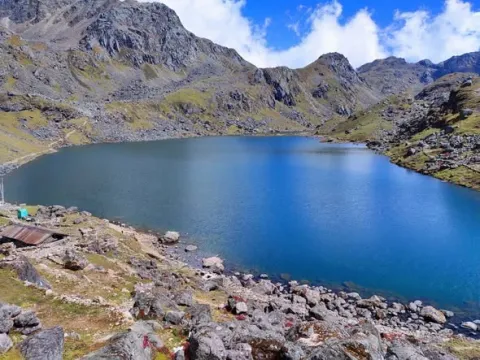
Do you dream of waking up surrounded by a silent amphitheater of shimmering glaciers, the gentle hum of Buddhist monks' chanting filling the air? Your personal and emotional pilgrimage finds its culmination at Kyanjin Gompa, the epitome of peaceful serenity.
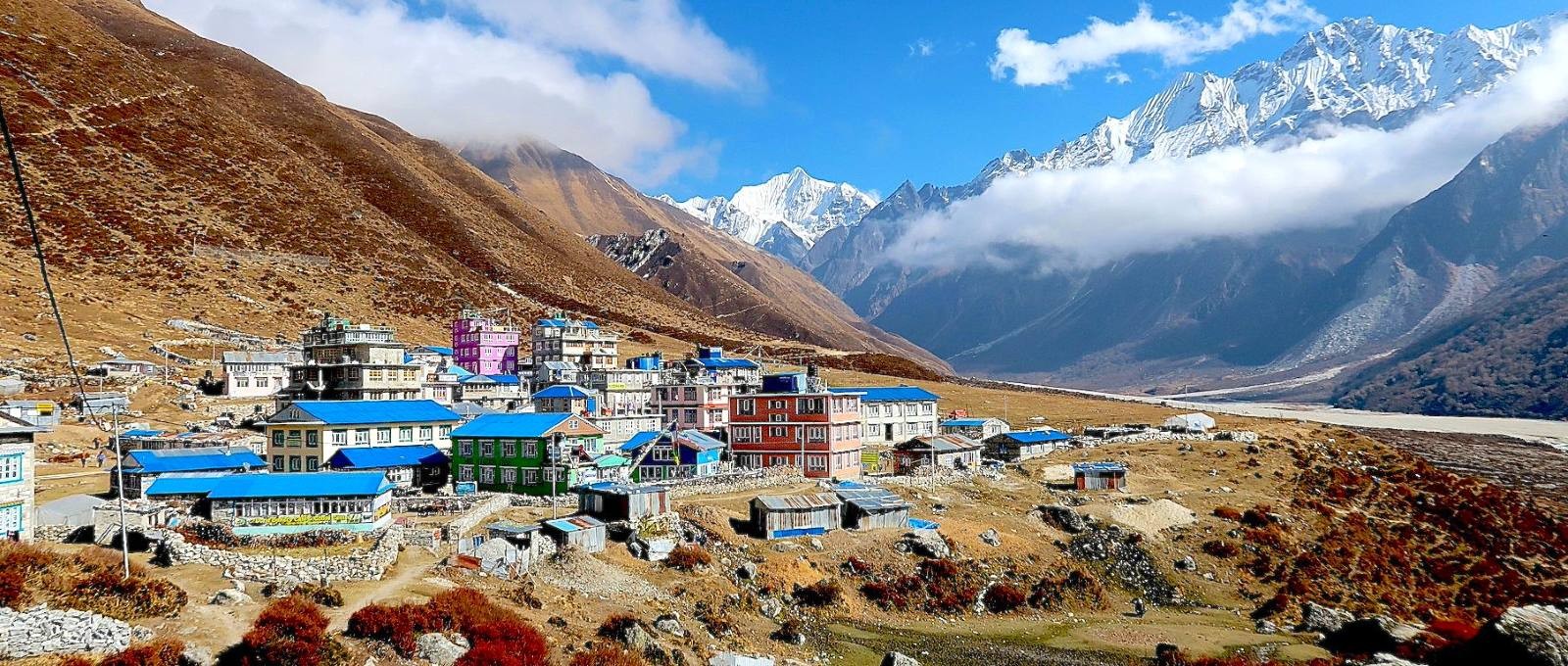
Situated in a wide, sun-drenched glacial basin, this historic monastery serves as the last permanent settlement before the raw, untouched high mountain wilderness begins. Haven Holidays Pvt. Ltd. Includes several nights here to ensure ample time for your body to recover and your mind to clear amidst the profound silence.
Here, this remote mountain heaven provides a perfect natural sanctuary for deep reflection and mindfulness. Spend your afternoons wandering the thousand-year-old monastery complex (3,830m/12,565ft) or simply sit on a rock and watch the shadows play across the magnificent icefall of Langtang Lirung.
For the more adventurous, a morning hike to the summit of Kyanjin Ri (4,773m/15,659ft) offers a breathtaking 360-degree panorama of surrounding peaks. In this immense landscape, your everyday worries melt away, leaving you with a lasting sense of clarity. Heed the call of the mountains, secure your well-being package, and book your transformative spiritual journey with us today.
Spiritual Sanctuary Highlights:
| Alpine Activity | Elevation Attained | Physical Challenge | Spiritual and Visual Reward |
|---|---|---|
| Monastery Meditation | 3,830m (12,565ft) | Easy (Gentle walks) | Mental peace, ancient murals, calming incense. |
| Kyanjin Ri Climb | 4,773m (15,659ft) | Moderate (Steep, uneven path) | Sweeping valley views, vast glaciers, and surrounding peaks. |
| Tserko Ri Expedition | 4,984m (16,351ft) | Strenuous (Rocky scrambles) | Unmatched panoramic views of over twenty peaks extending into Tibet |
| Langshisha Kharka Walk | 4,080m (13,385ft) | Moderate (Flat valley floor) | Untouched wilderness, wild yaks, and serene solitude. |
In conclusion, these are great additions that provide excellent substance for the outline. They really hit the sweet spot between the relaxed, experiential pace of modern trekking and the deep, soulful storytelling that makes the Langtang so special.
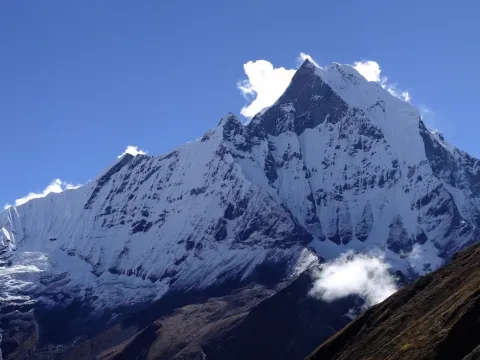
Unlike the steep altitude gains of the Everest or Annapurna circuits, Langtang Valley offers a beautifully measured progression in elevation. This section of your blog post will focus on how the trend of "slow travel" perfectly complements this trail:
The slow gain: Emphasize the gradual increase in altitude. The trek begins at Syabrubesi (1,460m / 4,790ft) and steadily ascends through the rhododendron and bamboo forests to Lama Hotel (2,470m / 8,104ft). Because the trail follows the rushing Langtang Khola, the incline feels natural rather than punishing.
The Kyanjin rest-and-acclimatize tactic: Underscore that the final stop in the valley is Kyanjin Gompa (3,870m / 12,697ft). Instead of rushing back down, a leisurely itinerary allows for an extra day here – the body has a seamless, low-stress window to acclimatize before undertaking high-altitude day trips like Kyanjin Ri (4,773m) or Tserko Ri (4,984m).
The philosophy of absorption over rushing: Frame this as the ideal philosophy for today's modern trekkers. By taking their time, trekkers will appreciate the wild langur monkeys flitting through the canopy, engage with local Tamang herders tending their yaks, and enjoy an extra cup of sea buckthorn juice without pressure to maintain high daily mileage.
Actually, this section must have a tender yet powerful narrative, shifting focus from tragedy to immense human fortitude.
Honouring the past: Briefly and sensitively mention the devastating event of 25 April 2015, when a huge rock and ice avalanche from Langtang Lirung buried Langtang Village under tonnes of debris. Note the community memorial wall near the old village site, covered in Mani stones and prayer flags-a place naturally visited by trekkers, who pause here for reflection.
A new beginning from safe ground: Explain that the survivors among the Tamang and Sherpa people resolved to rebuild their home 100 metres higher on safe terrain, completely away from the avalanche path.
A modern revival: Describe the state of the village today-a flourishing, well-managed hub. The teahouses, built on modern safety standards and insulation, now feature creature comforts like solar power, attached bathrooms, and warm, convivial dining rooms serving homemade meals.
The strength of impact tourism: End on an inspiring note: trekking in Langtang is a form of active support. Every meal enjoyed, bed rented, and local guide hired directly contributes to the economy of a community that literally picked up the pieces from the devastation.
Are you ready to witness a blinding explosion of golden morning light dancing across a colossal amphitheater of silent, snow-covered peaks? Climbing to the rugged, lofty summit of Tsergo Ri is the absolute ultimate reward for your physical exertion because this dramatic viewpoint delivers a truly breathtaking vista that no words could ever adequately capture.
In fact, this intimidating alpine giant stands a full 4,984 meters (16,351 feet) above sea level, claiming the distinction of being the highest and most impressive observation point in the entire Upper Valley range; Haven Holidays Pvt. Ltd. Will meticulously plan your predawn ascent, complete with expert mountain guides and slow-paced trekking, for a sense of profound personal accomplishment on the steep, switchbacking trail.
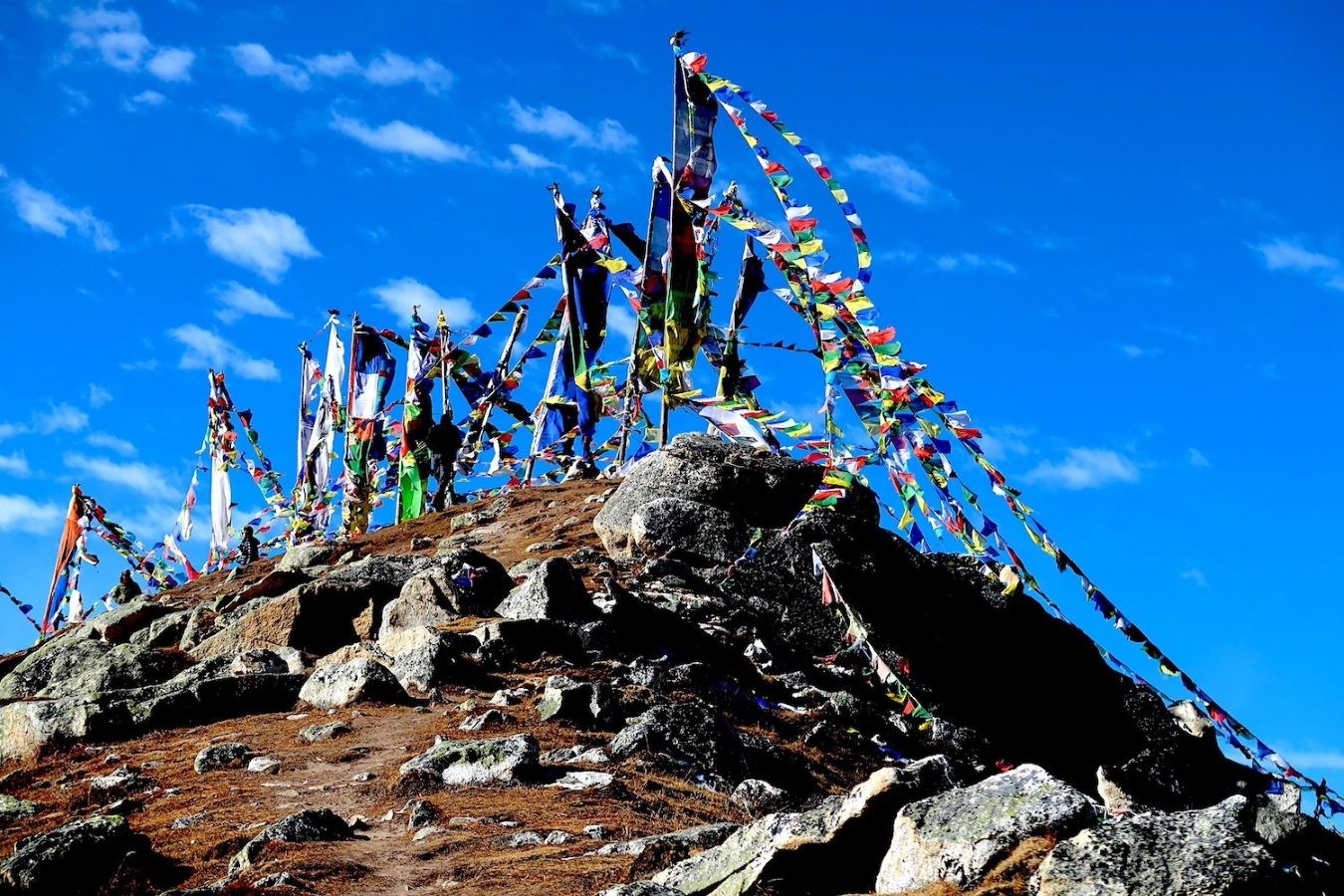
Likewise, you will find the raw spiritual power of witnessing the sun rise above the rooftop of the world will totally re-calibrate your perception of natural beauty. You will depart the serene village of Kyanjin Gompa at 3,830 meters (12,565 feet) as the stars are still visible in the inky, velvet expanse overhead, but as you crunch through the crisp alpine frost at this incredible elevation, the magnificent mass of Langtang Lirung, looming at a staggering 7,234 meters (23,734 feet), will begin to glow with an ephemeral purplish hue.
Because this trek is such a physically demanding achievement requiring a great amount of strength and mental focus, summiting right as the sun crests the horizon will feel like a sacred and introspective accomplishment. Secure your custom high altitude trekking journey right now, push beyond your limits, and claim your unforgettable mountain panorama.
High Point Ascent Reference :
| Peak Viewpoint Metric | Tsergo Ri Summit Experience | Kyanjin Ri Alternative |
|---|---|---|
| Maximum Altitude | 4,984 m / (16,351 ft) | 4,773 m / (15,659 ft). |
| Avg. Trek Duration | 6-8 Hours (intense) | 3-4 Hours (moderate). |
| Trail Difficulty | Strenuous (boulder scramble & high altitude scree) | Moderate (standard dirt trail). |
| Visual Scope/Vantage | 360-degree vista of over 20 peaks | Excellent valley & glacier view. |
Are you eager to return to your normal routine with a completely re-aligned sense of purpose, a quiet peace, and an unwavering level of self-possession? The return to your normal life, after having internalized the profound tranquility of this remote glacial valley, will mark the successful completion of your journey as this entire experience will fundamentally change you from within.
Here, the Langtang Valley trek has served as an incredible antidote to the stresses of modern existence, proving that serenity can be achieved by simple pleasures found among the mountains and through the gentle pacing of the days spent hiking; Haven Holidays Pvt. Ltd. Prides itself on guiding you on this transformative path, so that you can return home entirely changed by the quiet grandeur of these peaks.
Likewise, the reverberations of this amazing trek will long continue to provide solace long after your hiking boots are put away, as the long walks alongside the rumbling Langtang Khola and the quiet evenings in the resilient village of Langtang at 3,430 meters (11,253 feet) will become tranquil havens to escape to during busy times.
Moreover, the remarkable generosity of the Tamang people and the sheer, humbling size of the peaks that loom so largely on the horizon will forever be etched in your memory, and as this life-affirming pilgrimage delivers the ultimate combination of physical exertion and emotional healing, it is one of the best gifts you could ever give yourself. Contact us at our Kathmandu booking office immediately, procure your essential trekking permits, and book your path to inner peace today!
Journey Transformation Summary :
| Traveler Value Check | Langtang Valley Trek Selection | Standard Commercial Tour Choices |
|---|---|---|
| Ultimate Travel Goal | Deep mental rejuvenation and internal clarity | Sight-seeing milestones and forced socializing. |
| Daily Trail Pace | Unhurried, deliberate, and meditative | Rushed, competitive, and tightly regimented. |
| Post-Trek Emotion | Deeply peaceful, grounded, and wholly rested | Mentally exhausted yet socially invigorated. |
| Package Guarantee | All-inclusive with verified local guides and knowledge | Piece-meal booking with hidden costs and variable quality. |
1. Why is the Langtang Valley the best place for solace lovers?
In stark contrast to the overly Commercialized treks of Everest and Annapurna, the serene Langtang Valley has always been a haven for travelers who enjoy the peacefulness of untouched wilderness, it's incredibly far less commercialized than most other treks, and as such you will go for hours with not a soul in sight through old forest growth. This makes for quite a meditative experience and you can really immerse yourself in nature.
2. How difficult is the Langtang Valley Trek for beginners?
The classic Langtang Valley Trek is an easily-moderate trek which is highly suitable for novice hikers with a good level of physical fitness. As there are no technical climbing skills involved and only uphill walking involved, there are no specific training needed. A light cardio workout before starting the trek can certainly help in getting a more enjoyable time.
3. How many days does the Langtang Valley Trek itinerary take?
A standard well paced Langtang Valley Trek Itinerary normally spans for 7 to 9 days from Kathmandu to Kathmandu. Generally you'll be walking for 5-7 hours each day and have comfortable breaks, and your trails are very well spread out and hence do not make a strenuous walk.
4. What costs are associated with the Langtang Valley Trek?
The overall Langtang Valley Trek cost is quite economical than the other treks that lie in the Himalayas. Major part of your cost is your permit fee, ground transport and lodging and meals. Hiring a guide or porter will marginally increase the cost. As you are traveling by local bus you are indirectly saving a lot by avoiding domestic flight costs.
5. What is the highest point on the Langtang Valley Trek?
The highest point on the standard Langtang Valley Trek that one usually reaches is Kyanjin Gompa, an altitude of 3,870m. One can make optional hikes that can be up to 4,773m at Kyanjin Ri, or even further to the Tsergo Ri viewpoint that lies at an altitude of 4,984m.
6. How do river features add to the peacefulness of the Langtang Valley?
From day one, you are very much in tandem with the fast flowing Bhote Koshi and Langtang Khola river along the banks of which the trail often runs, this is a great addition that adds to the tranquil journey of the Langtang Valley by drowning out any stressful thoughts through its melodic river tune. The humid riverside also keeps you cool during hot days.
7. Can one see rare creatures such as the Red Panda on the Langtang Valley Trek?
Certainly! Since the entire Langtang Valley Trek is well within the periphery of the Langtang National Park, this place is a crucial habitat for rare wildlife and one may even spot the elusive Red Panda through the bamboo canopies if you keep your eyes peeled, andlangur monkeys along with some other beautiful creatures.
8. What type of vegetation can one expect during a Langtang Valley Trek Itinerary?
On the lower sections of the Langtang Valley Trek itinerary, one can expect lush, emerald green forests of oak, maple and thick bamboo clusters. Later on, the vegetation changes and you'll witness magnificent rhododendron forests. During the spring, they bloom in riotous shades of pink and red!
9. What is the cultural heritage of the people of Langtang Valley?
The beautiful Langtang Valley is a homeland of the indigenous Tamang and Sherpa people whose lifestyles revolve around the ancient Tibetan Buddhism and Mani stone walls alongside colorful prayer flags make an exciting spectacle for one to enjoy whilst walking along the route. These are the few of the many wonders of the people.
10. What is the overall cost of the Langtang Valley Trek when including transport to Syabrubesi?
The ground transport costs to the trekking trailhead in Syabrubesi are one of the least expensive components of the Langtang Valley Trek cost, and it is best to use a public bus, although one can rent a private jeep, the latter can be slightly more expensive.Avoiding domestic flight costs will cut down significantly the price of the trek.
11. What are the available accommodation facilities along the Langtang Valley Trek?
The lodging available along the Langtang Valley Trek can be considered as cozy and traditional mountain teahouses and small lodges, these are mostly run by local families that provides twin beds in most of the rooms, there is also an option of a shared toilet. The lodging also allows a unique opportunity to see the lifestyle of local mountain dwellers.
12. What sort of meals can travelers expect to find along the Langtang Valley Trek?
The standard Nepali Dal Bhat is the most frequently available meal at any place along the Langtang Valley Trek, this meal normally consists of rice, lentil soup and organic vegetables. Aside from Dal Bhat, other choices are readily available such as pasta, momo dumplings, pizza, pancakes and noodles.
13. What is the risk of altitude sickness on a Langtang Valley Trek Itinerary?
Although the chances are quite less in comparison with other treks, AMS is certainly an important thing to consider when embarking on the Langtang Valley Trek Itinerary, as you will be climbing to 3,500 meters altitude and above. Taking slow ascents and keeping yourself hydrated throughout the day, that is, having 3-4 liters of water everyday, will considerably minimize the risk.
14. Why is a rest day at Kyanjin Gompa crucial during the Langtang Valley Trek?
The extra rest day in Kyanjin Gompa will make you acclimatize to the altitude, this region of the Langtang Valley Trek opens to a glacier amphitheater and you will have stunning views, plus one can visit local yak cheese factories, also ideal for simply resting and doing some basic contemplation of the breathtaking scenery.
15. What mountain ranges can one see along the Langtang Valley?
The majesty of the Langtang Valley displays the incredible Langtang range at their very best. The towering peak of Langtang Lirung stands prominently at 7,227meters in close vicinity of the valley. One may also get panoramic views of the Yala Peak, Dorje Lakpa, and Langshisha Ri.
16. Which permits are required and what are their costs on the Langtang Valley Trek?
Permits such as the Langtang National Park Entry Permit and a TIMS card are a must for your Langtang Valley Trek cost as well. The permit fee though, is not very expensive as compared to many of the other regions and is necessary for protection of nature, as well as the general safety of the people.
17. Are Wi-Fi and Electricity services available during the Langtang Valley Trek?
Electrification along the Langtang Valley Trek route uses hydroelectricity and solar power so one may easily recharge any electronic gadgets at an affordable price. Furthermore, Wi-Fi can be found at almost all the tea houses, particularly at Syabrubesi and Kyanjin Gompa.
18. How has the history of the 2015 earthquake influenced a modern Langtang Valley Trek Itinerary?
In April 2015, an earthquake triggered a landslide and utterly wiped out the original village of Langtang. Since then, a modern Langtang Valley Trek Itinerary walks you through newly reconstructed, safer lodges and monasteries, allowing your tourism revenue to fuel their remarkable reconstruction and survival.
19. Is solo trekking to the Langtang Valley possible?
Yes, Langtang Valley Trekking is permitted entirely for individual trekkers. Solo travel is a highly ideal way to immerse yourself in complete solitude, as the trekking route stays within a single valley river system, making it very easy to follow with no diversions. Nonetheless, having a guide is advised for added safety and cultural exchange.
20. When is the best time of the year to travel to Langtang Valley?
For perfectly clear views, your window of opportunity falls in either the spring (March to May) or autumn (September to November) months. During the shoulder months within these periods, there may be slight discounts from the standard lodges, lowering your Langtang Valley Trek cost. The crisp air in the autumn months guarantees clear skies and stable weather for your trek, while spring blooms with wildflowers and greenery in the valley.
Our travel experts are ready to assist you with any questions.
Send us a message.Have a question before you book? Send your enquiry below and our travel experts will get back with the required information.