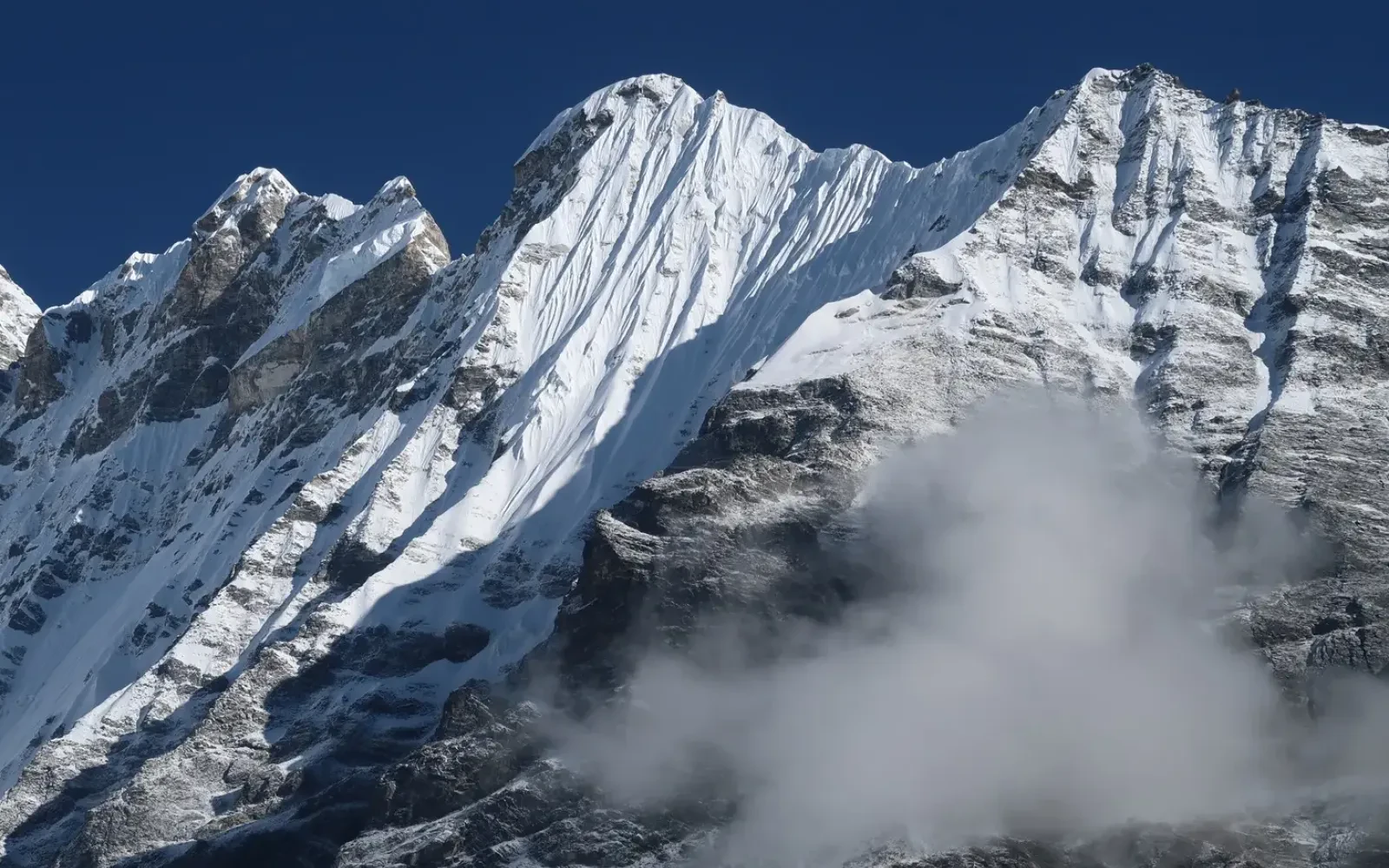
Of all Nepal's easily-accessible and satisfying short treks, the Langtang Valley Trek is undoubtedly at the top. With its breathtaking glacial vistas, diverse Tamang culture and tranquility, it bypasses the altitude challenges associated with Everest. When planning your visit, a fundamental choice between the Spring (March to May) and the Autumn (September to November) will shape your experience, as both seasons transform the valley into entirely unique landscapes.
Actually, Spring ushers in a riot of blossoms, wildlife and warming temperatures, whereas autumn is a kingdom of crystalline glacial clarity, steady atmospheric pressure, and biting, crisp alpine air. Your choice of season will directly influence all aspects of your trek, from daily ease of living and photographic opportunities to crowds and overall trail ambiance.
| Element / Condition | Spring (March to May) | Autumn (September to November) |
|---|---|---|
| Visibility | Good in the morning, clouds build in the afternoon | Crystal-clear at all times of day |
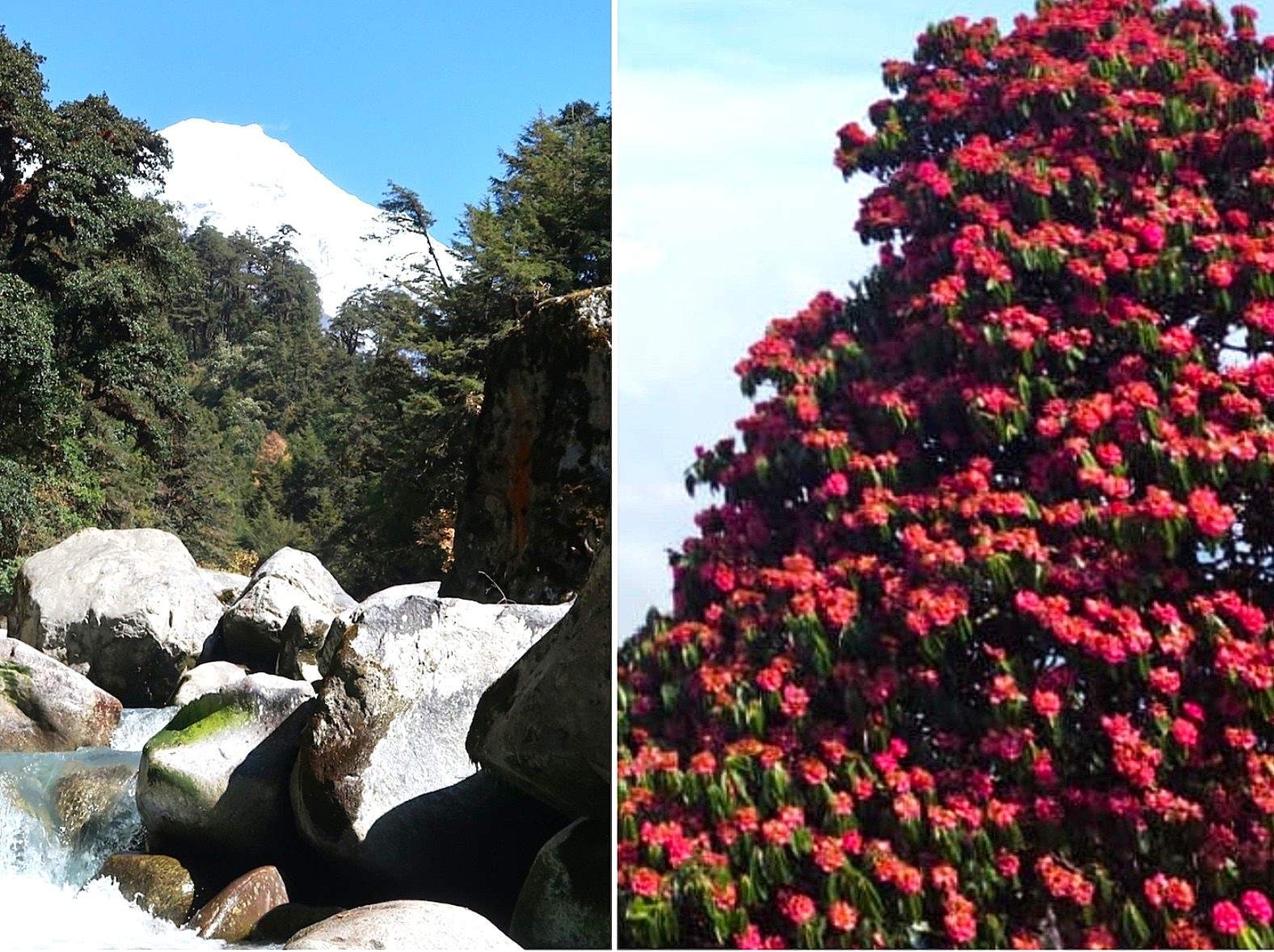
| Scenery | Pink and red blooming rhododendron forests | Golden, amber, and white mountain slopes and glaciers |
| Trail Condition | Melting winter snow and ice high up, and mud at lower elevations | Dry, firm and very stable ground |
| Teahouse Congestion | Moderate and generally manageable | Packed and hectic (peak pressure in October) |
| Night-time Temperature | Tolerable (0° C to -5° C at Kyanjin) | Bitingly cold (below -10° C by late November) |
To sum up, the spring season is ideal for nature lovers and those with an eye for floral and landscape beauty. Autumn is perfectly suited for trekkers who are focused on the clarity of the mountains and desire to traverse peaceful trails in solitude. An understanding of these distinctions between spring and autumn will assist you in choosing the most opportune time to embark on your Langtang Valley trek.
Of all the variations in the Langtang Valley between trekking in Spring and trekking in Autumn, temperature has the most pronounced and observable effect. It spans a large differential ranging from the comfortable, even warm lowlands to intensely frigid nights spent at the high camps.
Spring Temperature Data,
Spring yields higher day-time averages in, for instance, Syabrubesi, at the low end of the trail. These warm days make for pleasant climbing as well as making the first section of the trek easier to manage, especially for novices.
Autumn Temperature Data,
Conversely, Autumn presents us with cool, crisp days, and extremely cold nights in places like Kyanjin Gompa, at the high end of the trek. While the cool, crisp air boosts visibility considerably, it requires far greater insulation.
| Locale / Altitude | Spring Daytime / Nighttime Temperature | Autumn Daytime / Nighttime Temperature | Impact upon trekker |
|---|---|---|
| Syabrubesi (1550m) | 15C-25C / 5C-10C | 14C-22C / 4C-8C | Spring is more comfortable here for novices. |
| Kyanjin Gompa (3870m) | 8C-15C / -2°C to -5°C | 6C-12C / -5°C to -10° C | Autumn night-time temperatures are quite harsh here. |
| Tserko Ri (4984m) | 0C-8C day-time | -3° C to -8° C day-time | Warmer layers required for Autumn ascent. |
Main points of concern :
A Word to the Wise,
Here, it is crucial that you hire a knowledgeable local guide who will be well-equipped to read the erratic climate and who will be able to get you the warmest rooms possible in teahouses and who will adjust the pace of the trek accordingly for the colder segments.
Ultimately, the choice comes down to whether you are able to cope with the lower temperatures, or if you desire the crisp mountain air and crystal clear panoramas.
Among all the distinctions, the quality of the air is the most evident difference when trekking through the Langtang Valley in Spring or Autumn. The state of the skies and the clearness of mountain views can strongly influence your trekking experience and photography.
Spring Air Quality,
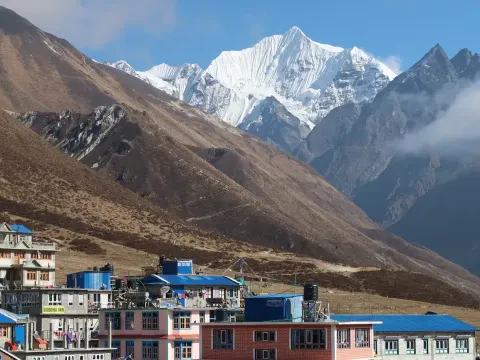
While morning skies may be crisp and clear giving good visibility, pre-monsoon moisture and dust can result in afternoons characterized by haze building up over the ridges, creating softer views of distant peaks such as Langtang Lirung (7,227 m).
Autumn Air Quality,
After the recently passed monsoon rains, the dust and particles have all been washed from the atmosphere, providing exceptionally clear, pristine views and visibility all day long. The skies are typically clear and blue, rendering mountains to be as sharp as needles from morning till dusk.
| Aspect | Spring | Autumn | Winner |
|---|---|---|
| Morning view | Crisp & clear | Good | Tie |
| Afternoon view | Moderate (can become hazy and cloudy) | Clear and crystal | Autumn |
| Mountain clarity | Good | Great | Autumn |
| Photographing | Soft images | Sharp images with sharp details and contrast | Autumn |
Photography Tip,
Photography purists would agree that it’s the best season to take striking photographs of Langtang Lirung (7,227 m) and its neighbours because they would appear as sharp as needles from the first till the last minute. However, Spring brings about vibrant greens and blooming rhododendrons, which are a beautiful subject of photography in their own right.
Hence, it is more advisable to choose Autumn when the objective is to gain superb mountain views, whereas, it’s Spring for the scenic and colourful green landscapes and blossoming flowers.
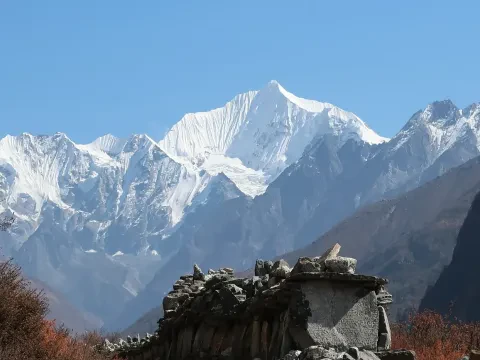
Walking paths and their conditions vary considerably between Spring and Autumn and can significantly impact your comfort and safety during the trek.
Spring Trail Conditions,
The initial Spring treks will encounter the trail covered in a considerable layer of snow, which will later become slush as it melts. This is particularly noticeable within the deep, shaded gorges that precede lama Hotel (2,480 m) as well as the widely spread out fields in ghodatabela (3,030 m), causing you to slip quite easily at some points and slowing you down.
Autumn Trail Conditions,
Autumn trails consist of firm and stable ground. This means that while you might struggle less with traction in Autumn than in Spring, you’ll also be more confident on steeper and slippery segments as there is no underlying slush or mud; hence, you will never feel your feet sink from beneath you, nor will you risk being pulled by a boggy floor pulling you downwards.
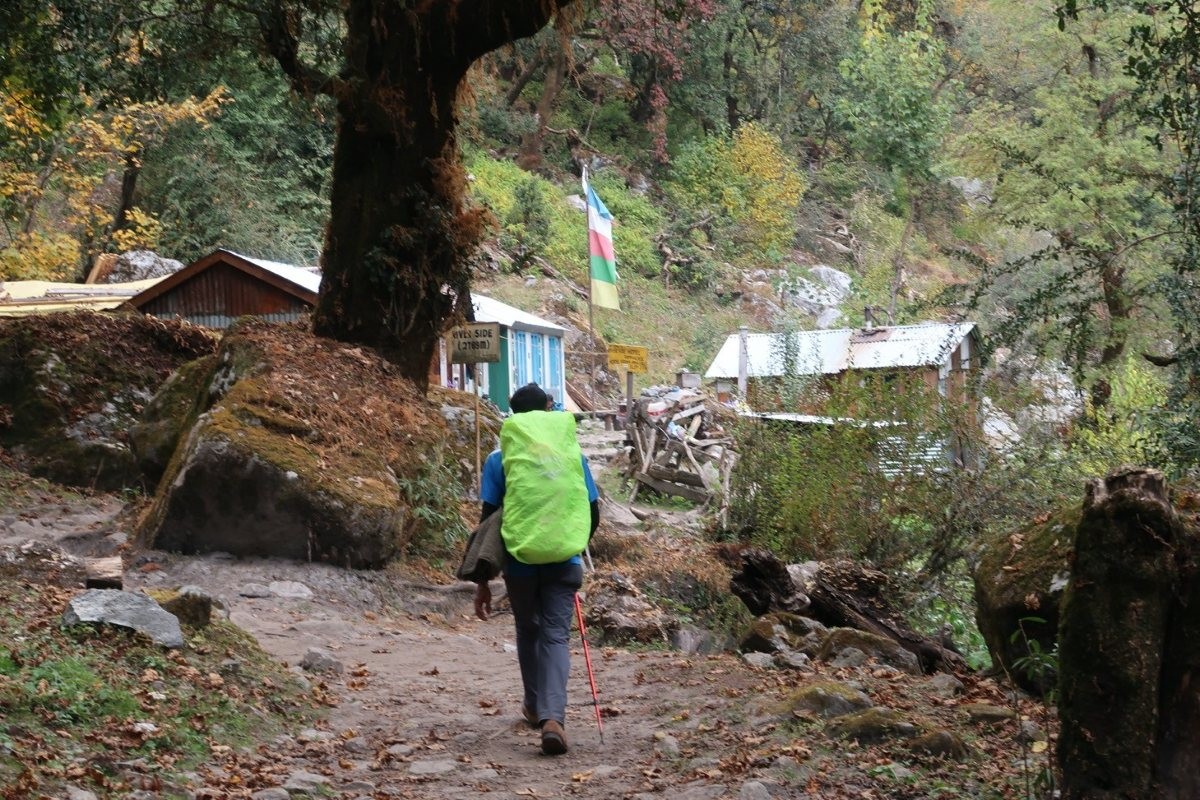
| Aspect | Spring | Autumn | Winner |
|---|---|---|
| Trail surface | Snow that later turns into slush | Firm, compact and dry | Autumn |
| Foothold & Traction | Slippery in some sections | Excellent | Autumn |
| Steep segments | Require extra precaution | Extremely high level of certainty | Autumn |
| Walking comfort | Moderate | Very high level of comfort | Autumn |
Practical Considerations,
During spring trekking, walking poles are essential for good balance on slippery slopes,Sturdy, highly gripped hiking boots with deep lugs are critical in both seasons but especially in Spring.
Finally, it can be concluded that Langtang trekking in Autumn guarantees you the maximum amount of security on paths while trekking in Spring will require you to be more careful because the ground will be slushy as the winter snow begins to melt away.
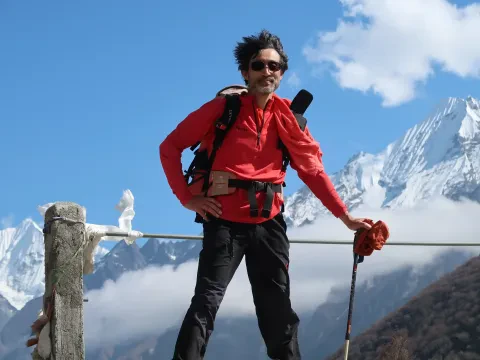
Spring, no doubt, is the undisputed queen of botanical beauty along the Langtang Valley Trek. From March to April, the sub-alpine and alpine forests between Lama Hotel and Langtang Village (3,430m) turn into a riot of red, pink and white rhododendron blossoms.
Likewise, the trekking path becomes a flowery, living tunnel during the rhododendron season. You hike under trees loaded with colorful, blooming flowers; one of the most captivating and encouraging trails on a Himalayan trek. This cascade of color is most noticeable in the lower and middle regions of the valley, which boast denser woods.
| Season | Character of vegetation | Color Palette | Visual impact |
|---|---|---|
| Spring | Rhododendron bloom | Red, pink and white | Vibrant, lively |
| Autumn | Dried alpine grasses and golden-brown leaves | Amber, gold, brown | Serene, golden |
A Tip from experience,
While the lower valley spring offers an emotional, vivid journey; the golden and subdued colors of the autumn make for a more peaceful exploration. However, for the photographer in you, and those wanting the vibrant look of nature; Spring definitely wins.
So, the lower Langtang valley covered in fiery rhododendron forests during the springtime creates one of the most beautiful hiking trails in Nepal, and hence, a very popular choice for many trekkers
When it comes to the diverse natural wonders and the animal encounters on a trek along the Langtang Valley; Spring and Autumn once again presents different experiences.

Spring wildlife observation,
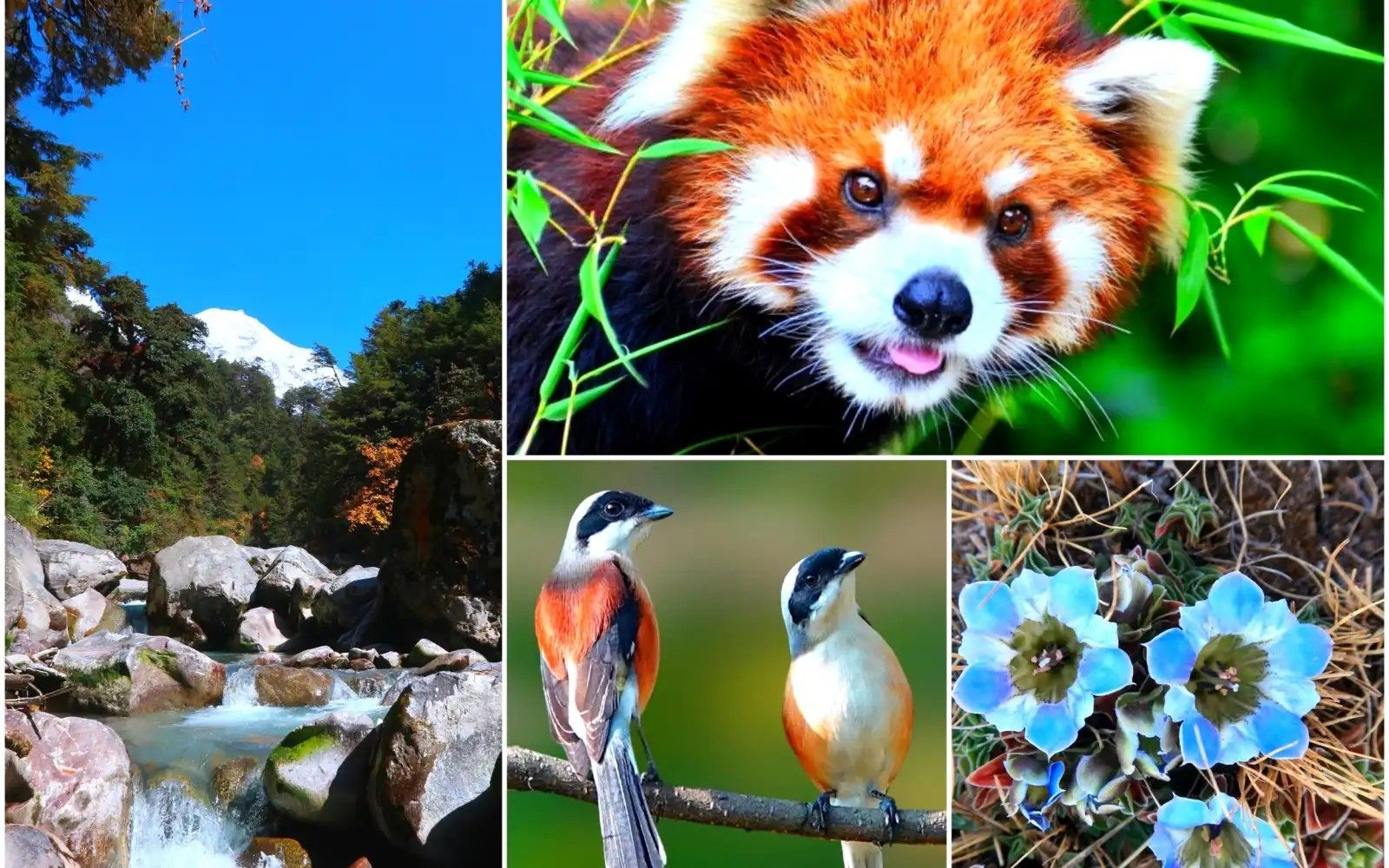
During Spring, as the temperatures warm up the endangered red panda, the Himalayan black bear and langur monkey becomes very active, and emerges in search of bamboo and rhododendron to feast on. Therefore, there are chances of sighting the red panda during early Spring at the lower and middle regions of the valley.
Autumn wildlife observation,
In Autumn the animals also remain in the forest though they move deeper inside and further away into the hidden valleys as winter season approach. Chances are high that these animals will not be sighted quite as easily as in the spring.
| Animal | Spring observation | Autumn observation | Best Season for spotting |
|---|---|---|
| Red Panda | Most active in bamboo & rhododendron | Moves to deep forest | Spring. |
| Tahr | In the rocky areas | Still spotted, but cautious | Spring / Autumn. |
| Monkey | Most active in the canopy | Not seen as the trees are lower | Spring. |
A Tip from experience,
Move as quiet as you can and have a good look around the trees and rocky areas. The best time of viewing these animals are in the morning or in the late afternoon. Remember that these animals may not be too friendly, thus maintain a distance from the creatures and do not attempt to feed them.
Summing it up, if you are searching for elusive species such as red panda on your trek; then Spring is a definite yes. While wildlife encounters can still happen on Autumn; they may be not as easy to achieve as in Spring, and present a more peaceful experience.
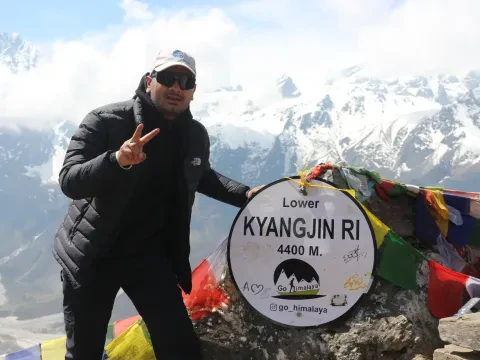
Reaching the high viewpoints of Kyanjin Ri (4,773 m) and Tserko Ri (5,000 m) is one of the most rewarding things you can do on the Langtang Valley Trek. Conditions on these summits vary greatly between Spring and Autumn.
Autumn summit experience,
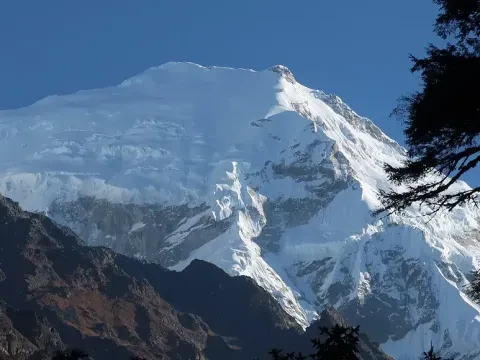
An exceptionally clear blue sky at the summits is virtually guaranteed in Autumn. The dry air and stable weather result in outstanding visibility, giving you crisp panoramic views of Langtang Lirung, the glaciers, and the Tibetan plateau. This high vantage point appears particularly majestic under the sharp autumn light.
Spring summit experience,
Spring trekkers need to begin their pre-dawn ascent much earlier, in order to summit before the afternoon clouds roll over the glaciers. Whilst the mornings can be breathtaking, visibility often deteriorates throughout the rest of the day as clouds build and pre-monsoon moisture begins to build.
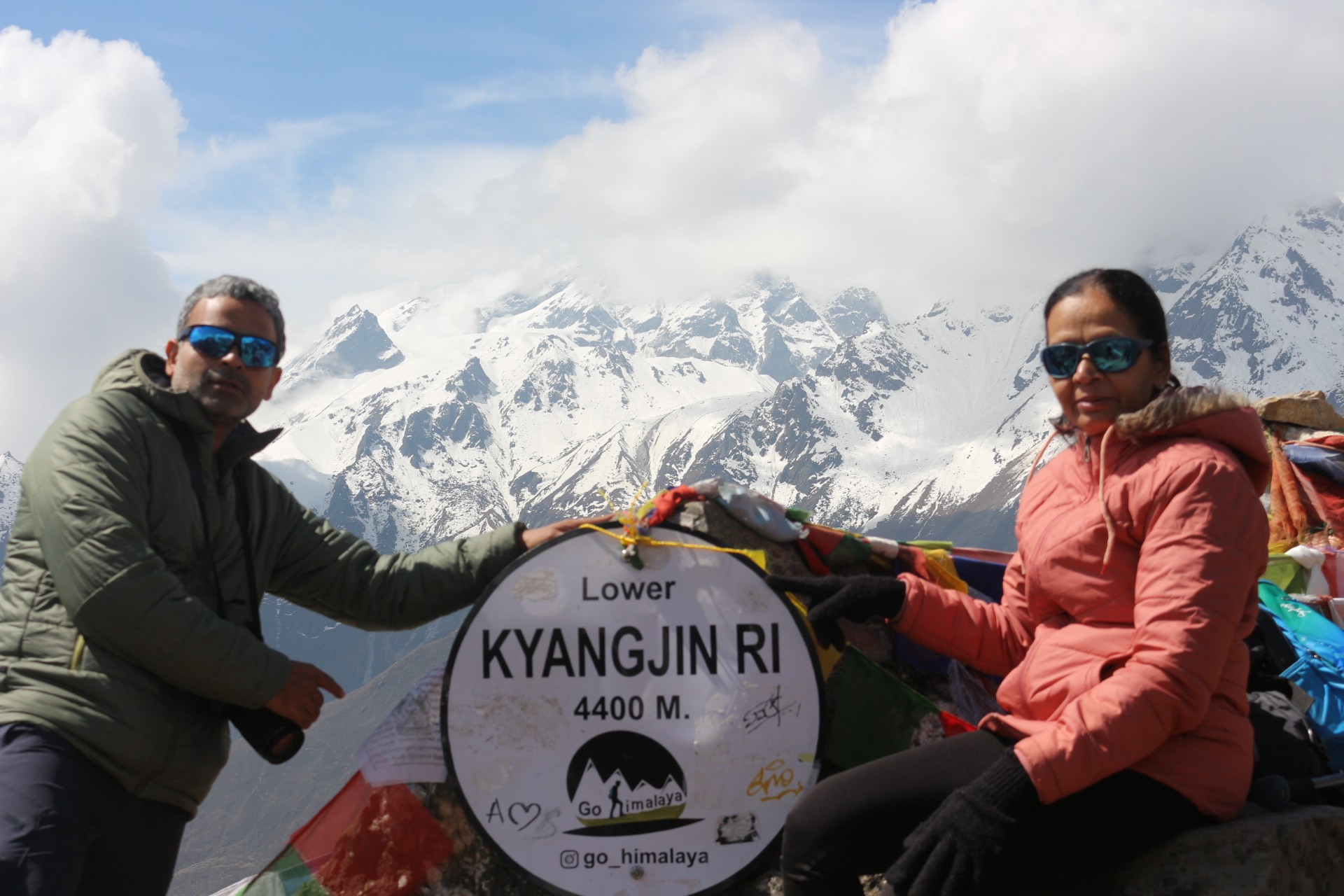
| Viewpoint | Spring Conditions | Autumn Conditions | Best Season |
|---|---|---|
| Kyanjin Ri (4773m) | Good morning views, then clouds set in | Excellent all-day visibility | Autumn |
| Tserko Ri (5000m) | Requires an early dawn start | Near-perfect visibility | Autumn |
| Panorama quality | Variable | Superb | Autumn |
Tips :
Ultimately, Autumn is by far the best season in terms of consistently excellent visibility on both the Tserko Ri and Kyanjin Ri summits, whilst the mountains can be enjoyed on a less busy, more relaxing trip in the Spring time.
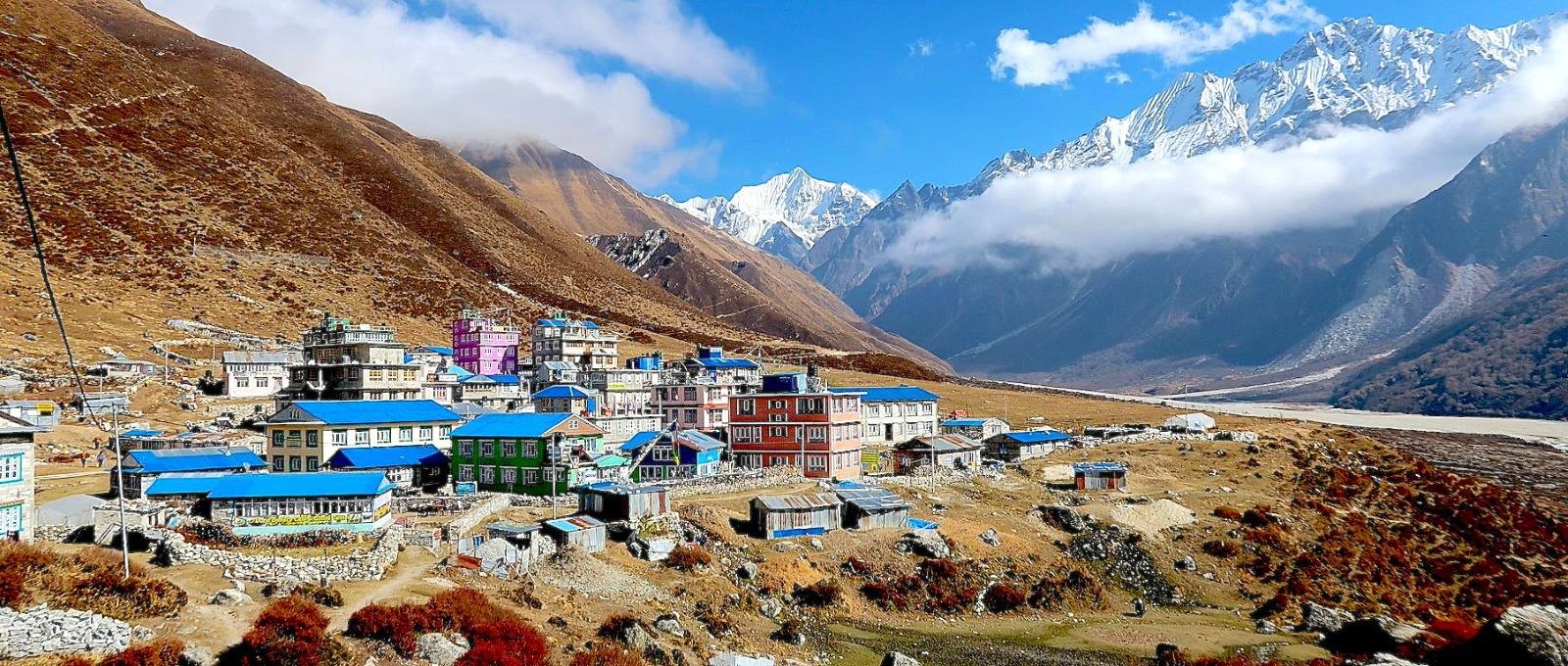
One of the biggest practical differences between Spring and Autumn on the Langtang Valley Trek lies in teahouse accommodation availability. Space in popular village teahouses is limited, and demand affects your comfort throughout the day.
The grim reality in October (peak autumn season)
October is overwhelmingly the busiest month for Langtang. If you arrive late in the afternoon you may find yourself sleeping in the dining room or sharing your accommodation with another trekkers. The most popular villages such as Kyanjin Gompa are often fully booked and particularly around the middle of October you can find rooms hard to come by.
The Spring time reality (March-May)
During the Spring you are able to benefit from less competition over the desirable corner rooms, a swifter turn-around service in the kitchen and a greater sense of personal space and intimacy in your accommodation.
| Location | October (Peak season) | Spring (March-May) |
|---|---|---|
| Kyanjin Gompa | Very high demand - usually full | Moderate – still quite hard to get room |
| Lama Hotel | Busy – rooms fill up fast | Very relaxed – get the best room |
| Langtang village | Competing for rooms | Plenty of available rooms |
| General feeling | Stressful, a bit frantic | Very relaxed |
Tips :
When deciding between Spring and Autumn for your Langtang Valley Trek, the budget and logistics aspect of sourcing guides, porters, and rooms must be a major consideration. Seasonal demand is the primary factor dictating prices and availability.
Autumn Budget Reality
Given the incredible surge in international trekkers and domestic holiday-makers that descends upon Nepal during autumn, the cost of everything will be at its peak. Guides, porters, and teahouse rates are usually fixed at peak season prices. Due to high demand, booking rooms, meals, and other services at a cheap rate will be almost impossible.
Spring Budget Reality
If traveling on a tighter budget and looking for more flexible logistics for individual or group travel, Spring will prove to be a slightly more cost-effective and easier option. With fewer crowds around, you'll be in a much better position to negotiate rooms, hot showers, and porter fees.
| Expense Item | Autumn (Peak Season) | Spring (March-May) | Notes |
|---|---|---|
| Guide + Porter Fees | Higher & fixed | More negotiable | You’ll be better off in Spring. |
| Teahouse Room Rate | Premium pricing | Competitive | The room rate will be cheaper in Spring. |
| Meals & Extras | Standard peak rates | Slightly flexible | Some discount is possible. |
| Overall Daily Budget | Higher | Lower | Spring will cost more than a hundred rupees less daily. |
Budget Tips :
Overall, Autumn treks will have firmer pricing due to high demand, while Spring treks are far more flexible in budget and logistics for individual trekkers looking for cost-effectiveness.
Each season, Spring and Autumn, offers the trekker a unique peek into Tamang traditions, either at a personal level or through a more grand national-scale celebration.
Spring Cultural Experience
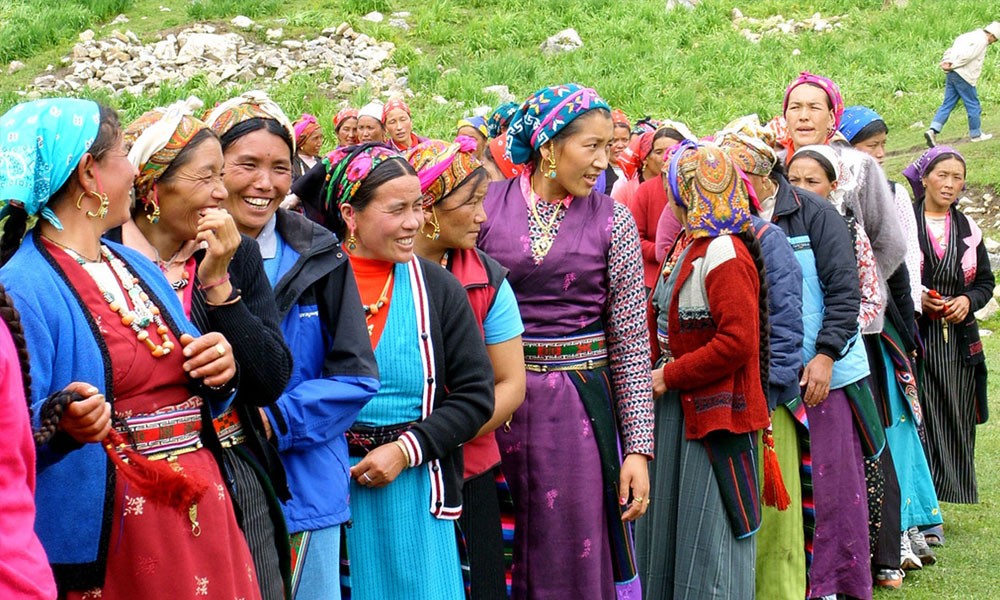
A trek in the Spring (February-March) allows you to participate in or observe the Sonam Lhosar (Tamang New Year) where you'll find small monastery dance performances, prayer sessions and celebrations. You'll also be able to find out more about the local Tamang traditions and culture as the villages are not so crowded.
Autumn Cultural Experience
If your Langtang trek in the Autumn is timed with the national holidays, you'll be celebrating Nepal's biggest festivals of Dashain and Tihar. The towns and villages along the trek route will have a lot of activities going on, including traditional singing and dancing, community gatherings and worship at monasteries.
| Season | Major Festival/Event | Cultural Atmosphere | Experience Type |
|---|---|---|
| Spring | Sonam Lhosar (Tamang New Year) | Intimate, spiritual, traditional | You'll get to learn a lot about Tamang traditions. |
| Autumn | Dashain & Tihar | Festive, lively, communal | You'll get to join in all the national celebrations. |
Cultural Immersion Tips :
Ultimately, if you're interested in a quiet and profound Tamang cultural experience, Spring treks offer an intimate glimpse into tradition, while treks in Autumn coincide with the exuberant national festivals of Nepal.
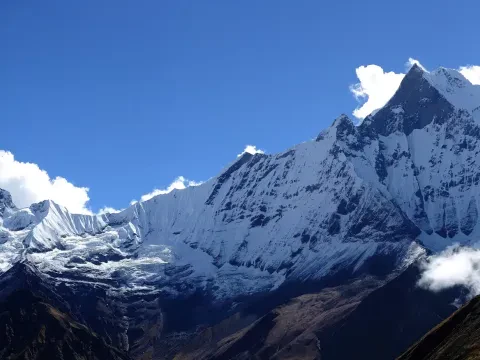
Understanding season length is a crucial aspect of trekking that can catch first-time hikers off-guard. Due to Langtang's high mountain valleys and dramatic gorges, sun-set doesn't mean day-end - light disappears very quickly behind the walls and, as such, temperature plunges suddenly, making daylight planning critical for even moderately strenuous treks.
Key Daylight & Strategy Points
| Trekking Month | Average Day light hours | Trek start time target | Sundown in valleys: |
|---|---|---|
| March (Spring) | 12 hours | 8 am | Warm, fading light; safety margined afternoons |
| April (Spring) | 12.5 hours | 8 am | Long, light afternoons; flexible day lengths |
| October (Autumn) | 11.5 hours | 7.30 am | Crispy, rapid twilight; valley sundown 5 pm |
| November (Autumn) | 10.5 hours | 7 am | Chilly twilight; need mid-afternoon arrival |
Meanwhile, your first journey into the Himalayas is life-changing and your chosen season will determine if you get what you dreamed from your trek.
Your "secret weapon" to ensure both autumn and spring treks pass smoothly are through licensed, trusted local guides; they arrange everything, from private transport from Kathmandu, to securing your warmest room at tea houses. This gives you one less worry in the world, to solely concentrate on Langtang's magnificent mountain vistas.
Langtang: Final Decision Making Matrix
| Priority | Spring (March-May) | Autumn (October-November) | Seasonal Winner |
|---|---|---|
| Flora and Wildlife | Luscious greenery, bright rhododendrons, active animals | Dry autumn grasses, fading forests, dormant animals | Spring Wins. |
| Photography and Visibility | Sharp early morning and later afternoon shots with mid-afternoon haze potentia | Exceptionally clear, crisp 360 degrees throughout day. | Autumn Wins. |
| Weather and Trail Stability | Mild temperatures, occasional short showers; moderate trail conditions | Perfectly clear skies, no precipitation, exceptionally stable dry trails. | Autumn Wins |
| Room Availability and Solitude | Crowds begin to build up but remain manageable and a cheerful atmosphere | Very full during popular trekking months; buzzing with fellow trekkers. | Spring Wins |
Pre-Trek Check-List :
1. Which season offers better mountain visibility on the Langtang Valley trek?
Autumn is renowned for its impeccable mountain visibility on the Langtang Valley trek. Following the monsoon rains, the atmosphere is scrubbed clean of dust and pollution, resulting in deep blue skies and sharp, unobstructed views of Langtang Lirung and other 7,000-meter peaks.
2. Why is spring considered a visually unique time to trek Langtang Valley?
Spring transforms the lower Langtang Valley trek into a riot of color. Between late March and April, the sub-tropical and alpine forests between Lama Hotel and Ghoda Tabela become dense tunnels of blooming red, pink, and white rhododendrons.
3. What are the temperature differences between spring and autumn at Kyanjin Gompa?
In spring, temperatures at Kyanjin Gompa (3,870m) steadily warm, averaging 3C to 12C during the day, while still being cold at night. Autumn is crisp and cool, with daytime temperatures generally between 6C and 18C, though nights drop well below freezing.
4. Is the Langtang Valley trek trail more crowded in spring or autumn?
Autumn is the busiest trekking season across Nepal, so the Langtang Valley trek trails and teahouses will be significantly more crowded. Spring is typically more relaxed, offering a quieter and more intimate trekking experience.
5. How do the daylight hours vary between spring and autumn treks?
Spring offers longer daylight hours, giving you more time and flexibility on the trail. Autumn has shorter days, so an earlier start is necessary to ensure you reach your teahouse before sunset.
6. Which season has the most predictable weather for climbing Tserko Ri?
Autumn has highly stable, predictable high-pressure systems, making it the ideal season for high viewpoint ascents like Tserko Ri (4,985m). While spring mornings can be clear, afternoon cloud buildup or scattered showers can obstruct views from the summit.
7. What kind of wildlife can I spot on a spring Langtang trek?
Spring is an excellent time for wildlife viewing on the Langtang Valley trek. The endangered red panda, Himalayan tahr, and various bird species become more active as the snow melts and temperatures rise.
8. Are local cultural festivals part of the autumn Langtang Valley trek?
Yes! Trekking during autumn may coincide with major Nepalese festivals like Dashain and Tihar (usually in October or November), offering a unique opportunity to experience local culture and traditions.
9. What is the biggest seasonal mistake to avoid when trekking in spring?
The main mistake to avoid in spring is underestimating the high-altitude winds and potential afternoon rain. Muddy trails due to melting snow also require careful navigation, so waterproof gear and sturdy boots are essential.
10. Do I need to book teahouses in advance for an autumn trek?
Absolutely. Due to the popularity of the Langtang Valley trek in autumn, especially in higher villages like Kyanjin Gompa, booking accommodation and guides several weeks in advance is highly recommended.
11. How do early September and early March compare on the trail?
Both months are considered shoulder seasons. Early March still has a winter feel with potential snow at higher elevations. Early September marks the end of the monsoon with lush greenery and powerful waterfalls, though the trails can be muddy and leeches are still present.
12. Which season is highly recommended for professional landscape photography?
Many professional photographers prefer autumn for the Langtang Valley trek. The post-monsoon clarity provides intense colors and sharp contrasts between white mountains and blue skies, with minimal haze or atmospheric interference.
13. Is the risk of altitude sickness different between spring and autumn?
The physiological risk of altitude sickness is the same in both seasons as the elevation of the Langtang Valley trek remains constant. However, the colder night temperatures in late autumn can add extra strain on your body, making proper hydration and warmth crucial.
14. Are there any specific seasonal clothing requirements for late autumn?
Yes, late autumn (November) requires substantial winter gear for the Langtang Valley trek. You'll need high-loft insulation (rated for -10C), thermal layers, warm gloves, and a well-insulated sleeping bag as temperatures at higher altitudes will be below freezing.
15. How does the local vegetation change between the two peak seasons?
Spring brings a vibrant transformation to the Langtang landscape with abundant wildflowers, fresh green growth, and blooming forests. Autumn trades the bright floral colors for a golden palette, painting the trees and fields with rich shades of orange and red.
16. What are the flight and road logistics conditions like in spring vs. Autumn?
The Langtang Valley trek primarily uses road transport to Syabrubesi, so it is less susceptible to flight cancellations than treks like Everest Base Camp. Road conditions are generally good in both spring and autumn, though late spring might encounter some dust storms or occasional showers.
17. Can I combine the Gosaikunda Lake trek with Langtang in both seasons?
Yes, the popular route combining these two treks via the Laurebina Pass is possible in both seasons. Autumn offers the most reliable and snow-free passage across the pass. In early spring, deep snow often blocks the trails, requiring advanced climbing equipment and guiding.
18. Are the local Kyanjin cheese factories open in both spring and autumn?
Yes, the renowned yak cheese factories in Kyanjin Gompa operate year-round and are fully functional during both peak spring and autumn trekking seasons.
19. Is a licensed guide required for Langtang in both seasons?
Yes, current regulations mandate a licensed guide for the Langtang Valley trek throughout the year, regardless of whether you choose a spring or autumn itinerary.
20. Summary verdict: Should I choose spring or autumn for my Langtang trek?
Opt for autumn if you prioritize crystal-clear mountain views, excellent photography opportunities, and stable weather. Choose spring if you prefer warmer trekking temperatures, a less crowded experience, the chance to see wildlife, and the unique beauty of rhododendron blooms.
Our travel experts are ready to assist you with any questions.
Send us a message.Have a question before you book? Send your enquiry below and our travel experts will get back with the required information.