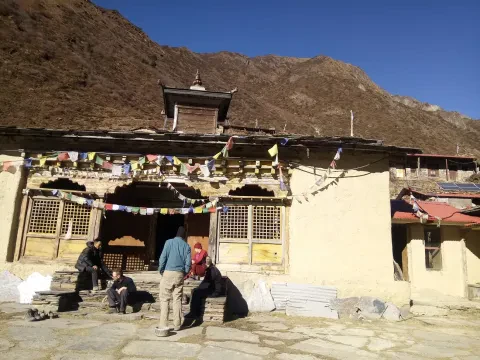
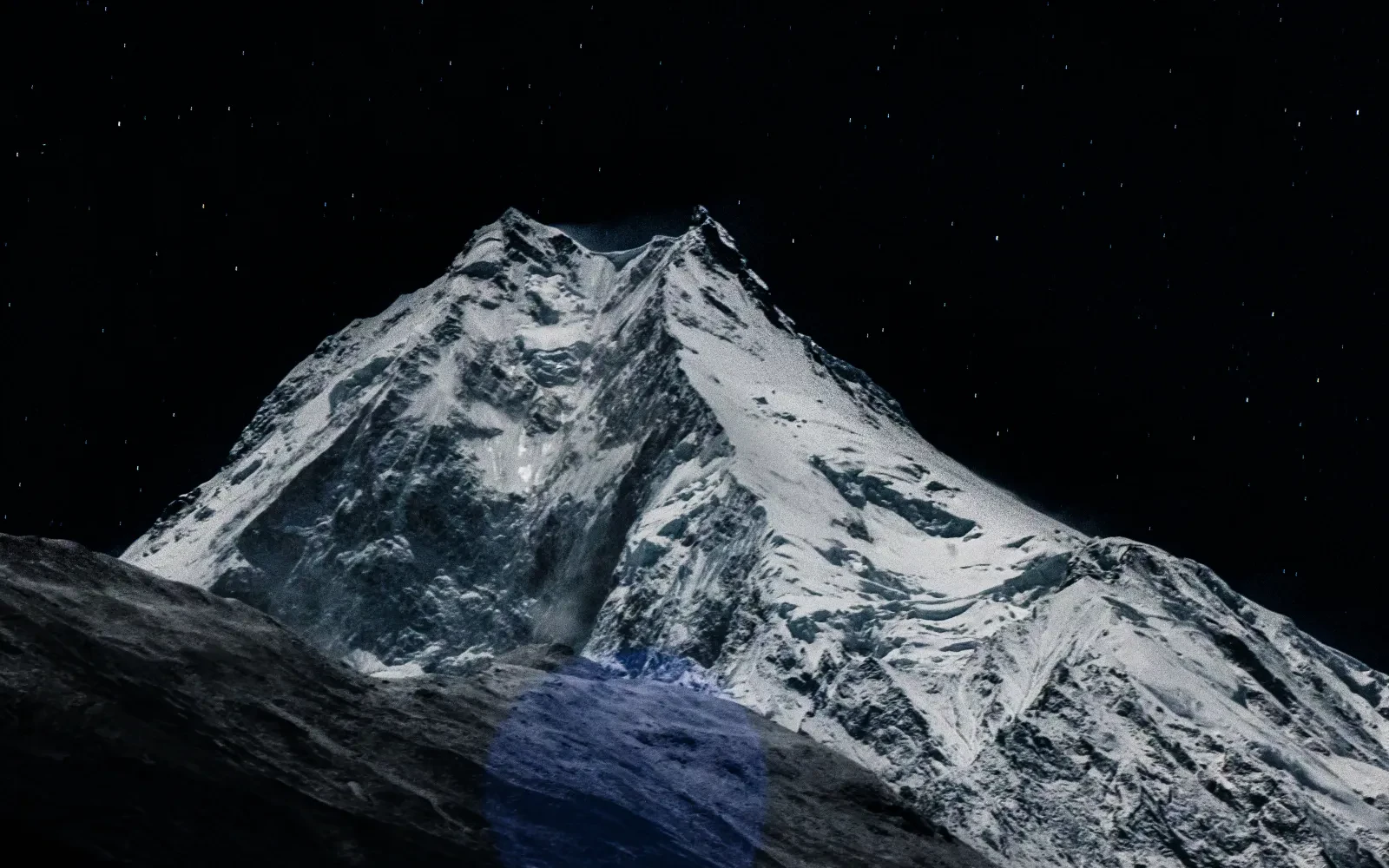
Thinking about trekking the Manaslu Circuit? March and April really stand out, and there’s a good reason. If you want clear skies and those show-stealing rhododendrons, spring’s got you covered. March feels quieter—fewer people on the trails, fresh air, and early blooms popping up near Deng. You might even crunch through some snow as you get closer to Larke Pass, which has its own charm if you’re into peaceful hikes and swapping stories by the fire at Samagaon.
Actually, April’s a little different. Days warm up, and suddenly the rhododendron forests near Namrung explode in color—just carpets of pink everywhere. The weather gets more stable, so crossing high passes like Larke feels less risky. If you’re drawn to vibrant nature and meeting people from around the world, April is your month. Teahouses at places like Bhimtang become cozy spots to relax after a day of hiking.
Honestly, both months bring their own magic. No matter which you choose, you get stunning mountain views from spots like Dharamsala, a safe rhythm for acclimatizing, and all the details (permits, guides, teahouses) sorted by trek agencies. You get authentic Tibetan culture, remote scenery, and that wild Himalayan feeling—spring truly delivers the best Manaslu Circuit experience.
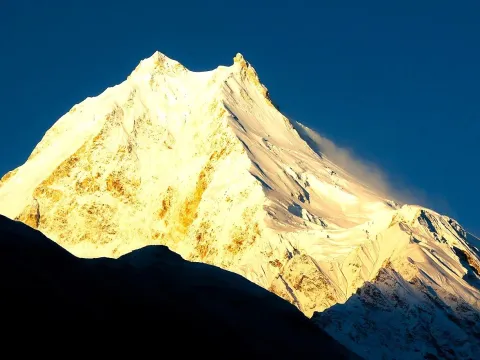
Manaslu Circuit Trek March vs April Highlights :
| Aspect | March Benefits | April Benefits |
|---|---|---|
| Crowds | Quiet trails, peaceful teahouses | Lively yet manageable groups. |
| Rhododendrons | Early blooms start at lower elevations | Full vibrant displays everywhere. |
| Snow at Larke Pass (5106 m) | Light snow adds challenge | Minimal snow, easier crossing. |
| Temperature (high alt) | -10°C to 0°C nights | -7°C to 3°C nights. |
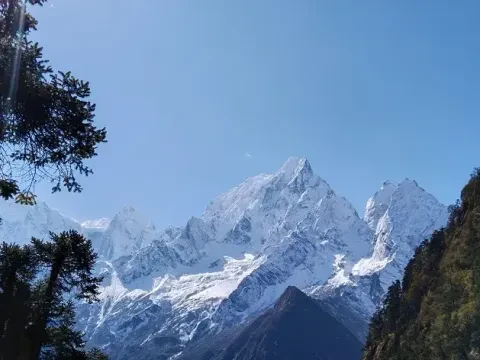
| Views of Manaslu (8163 m) | Crystal-clear with fresh snow | Bright blue skies, colorful valleys. |
Meanwhile, Manaslu Circuit Trek in Spring is honestly a dream. March and April—those are the months to aim for if you’re after epic mountain scenery and wild forests bursting into bloom. Picture yourself hiking through the Budhi Gandaki valley, climbing toward high camps with Manaslu towering overhead. Logistics? No worries. Trekking packages handle all the details for this restricted route.
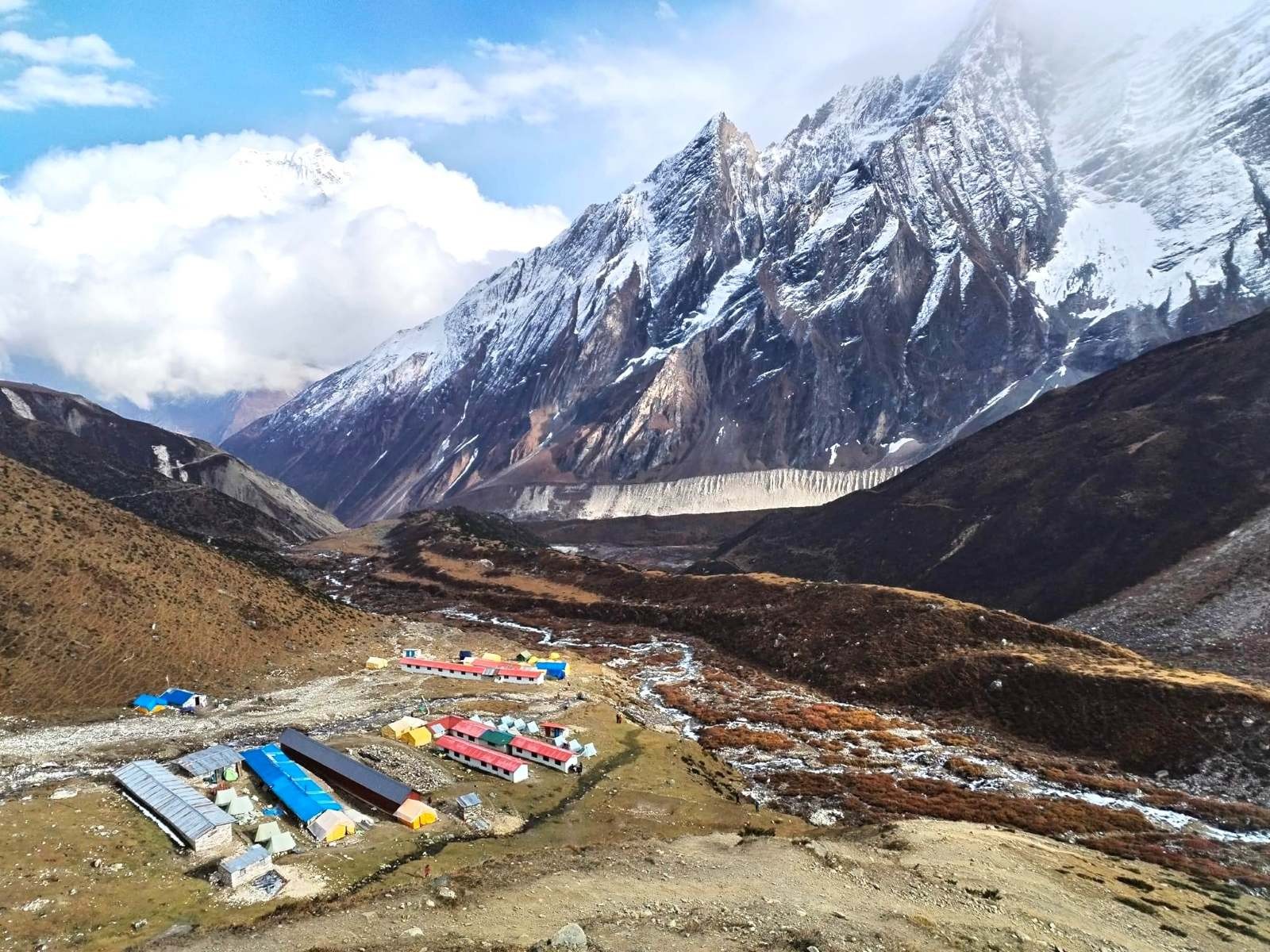
Here, let's break down the main differences. If you start in March, you’ll feel the chill in the air—especially at higher spots like Samdo. Sometimes there’s fresh snow, and early mornings reward you with clear, untouched views. It’s quieter too, so you can spot wildlife in the forests around Namrung. Nights get cold, especially at Dharamsala, so pack extra layers.
Likewise, April is warmer and full of color. The trails past Lho village open up under clear skies. Rhododendrons go wild near Shyala and the days are longer—so your itinerary stretches out to Bhimtang comfortably. Daytime temperatures are more pleasant, and every photographer’s happy with all the flowers.
Actually, costs are about the same whether you go in March or April. The restricted permit runs $75 for the first week, then $10 a day after that, plus a $25 MCAP fee. All told, you’re looking at $1200–1600 for a spring trek, including guides and porters. Agencies typically offer fair rates for the standard 14-day trip.
No matter which month you pick, Larke Pass is safe to cross and gives you legendary views. From there, you descend through pine forests down to Dharapani and take home serious bragging rights. This trek—especially in spring—is one for the lifetime list. Just book your guided trip, and get ready for an adventure you’ll remember forever.
Spring Weather Comparison: Manaslu Circuit Trek March vs April :
| Altitude Zone | March Day/Night Temps | April Day/Night Temps | Key Highlight |
|---|---|---|
| Lower (870-2000 m) | 10-20°C / 0-10°C | 12-22°C / 3-13°C | Rhododendron start vs full bloom. |
| Mid (2600-3500 m) | 5-15°C / -5-5°C | 8-18°C / -2-8°C | Clear mornings, light haze April. |
| High (4460-5106 m) | -10-0°C / -15 to -5°C | -7-3°C / -12 to -3°C | Possible snow March vs stable April. |
Manaslu Circuit Trek March vs April Quick Pros :
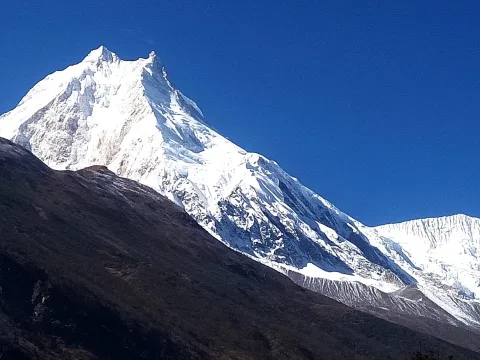
Actually, comparing weather on the Manaslu Circuit Trek in March and April really shows some clear differences, especially once you get up near Larke Pass (5106 m) and the higher slopes around Manaslu itself (8163 m). March is colder at pretty much every altitude, and, honestly, if you’re trekking early in the season, you feel the risk of snow a lot more — especially near the pass. But as April rolls in, daytime comfort improves bit by bit. You don’t need to bundle up quite as much, though guides still recommend layering to handle the changing conditions.
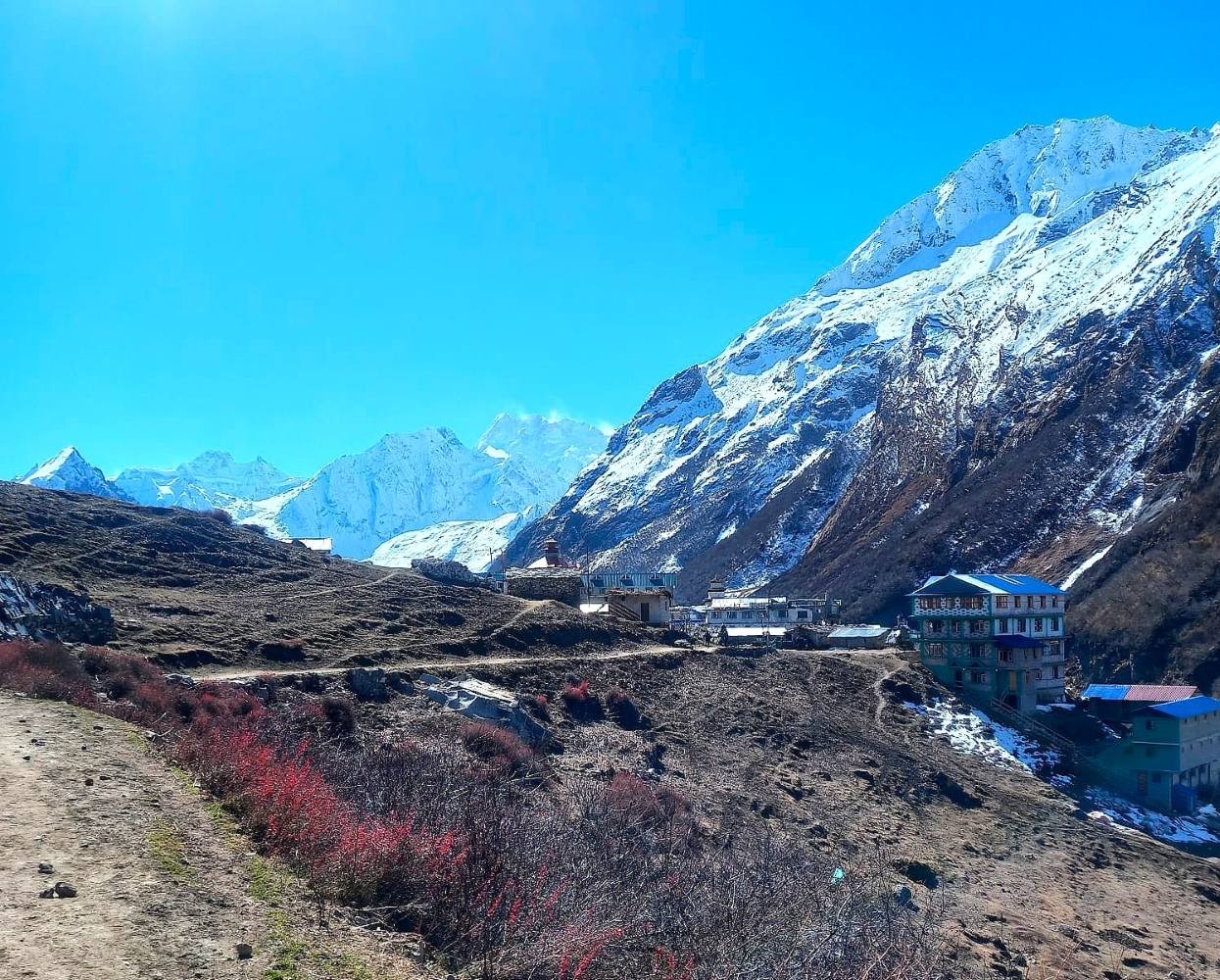
Likewise, down in the lower valleys, the weather’s surprisingly mild. In March, you get daytime temperatures between 10°C and 20°C around Machha Khola (870 m). Come April, it edges up a couple of degrees — think 12°C to 22°C. So, if you like a more relaxed pace and easier hiking, April’s definitely the better bet. Most trekkers agree the weather feels steadier, and you can actually enjoy the afternoons instead of just pushing through the cold.
Similarly, high camps are a different story. Nights up at Dharamsala (4460 m) are chilly, dropping to -6°C to -12°C in March. By April, it's not quite as harsh — usually between -2°C and -8°C — which makes sleeping a little easier. Above 4000 meters, snow risks ramp up in March, so you need to get an early start for safe pass crossings. Nobody wants to get stuck up there with fresh snow underfoot.
Moreover, snow makes its presence known around Manaslu, especially in March. You might have to cross a few light patches near Samagaon (3530 m), but by April, there’s usually only minimal ice left near Bhimtang (3590 m). Still, higher elevations demand caution no matter the month. If you prep right, though, spring on the Manaslu Circuit is pretty rewarding.
All in all, both months are great for experienced trekkers. March gives you crisp, clear views if you don’t mind braving more snow and colder nights. April’s just easier on the body — pleasant temperatures and much less snow. With smart planning and the right gear, you’ll stay safe and actually enjoy every part of the trek.
Manaslu Circuit Trek Weather March vs April :
| Factor | March Details | April Details | Winner for Comfort |
|---|---|---|
| Daytime Temps (high alt) | 4°C to 12°C | 6°C to 16°C | April |
| Night Temps (Larke) | -6°C to -12°C | -2°C to -8°C | April |
| Snow Risks (5106 m) | Higher, icy patches possible | Minimal, few small patches | April |
| Daytime Comfort | Cool but clear mornings | Warm and stable all day | April |
Here, let’s compare what it’s actually like up on the Manaslu Circuit in March versus April, especially around the challenging Larke Pass (5106 m). If you want dry paths, both months deliver below 3000 m. But as you climb higher, you start running into stubborn snow patches—especially near Samdo (3875 m).
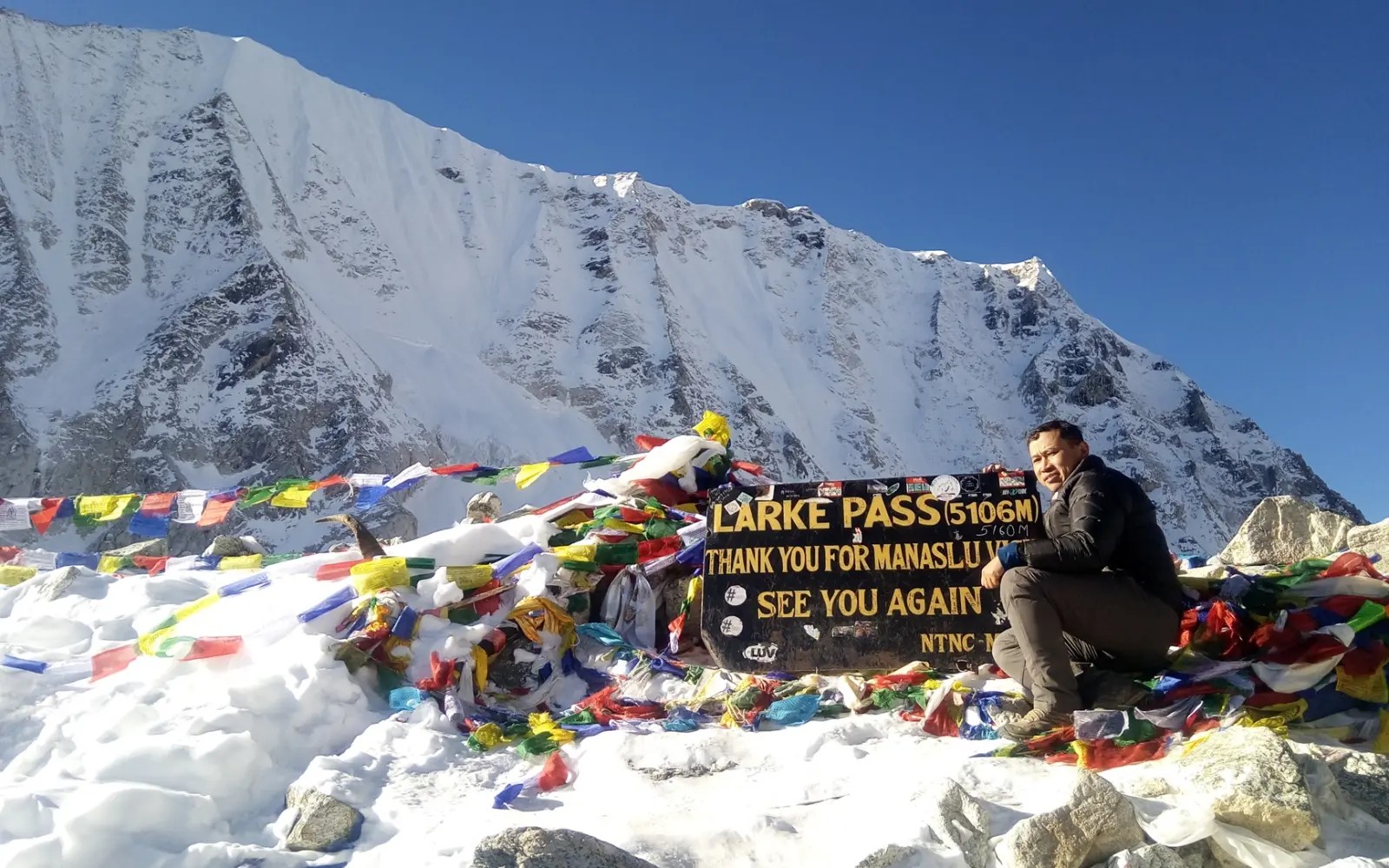
Likewise, timing matters a lot up here. Guides pay extra attention to when groups reach the Larke Pass, knowing the conditions can shift fast. Every package puts safety first, but the real difference comes down to the snow.
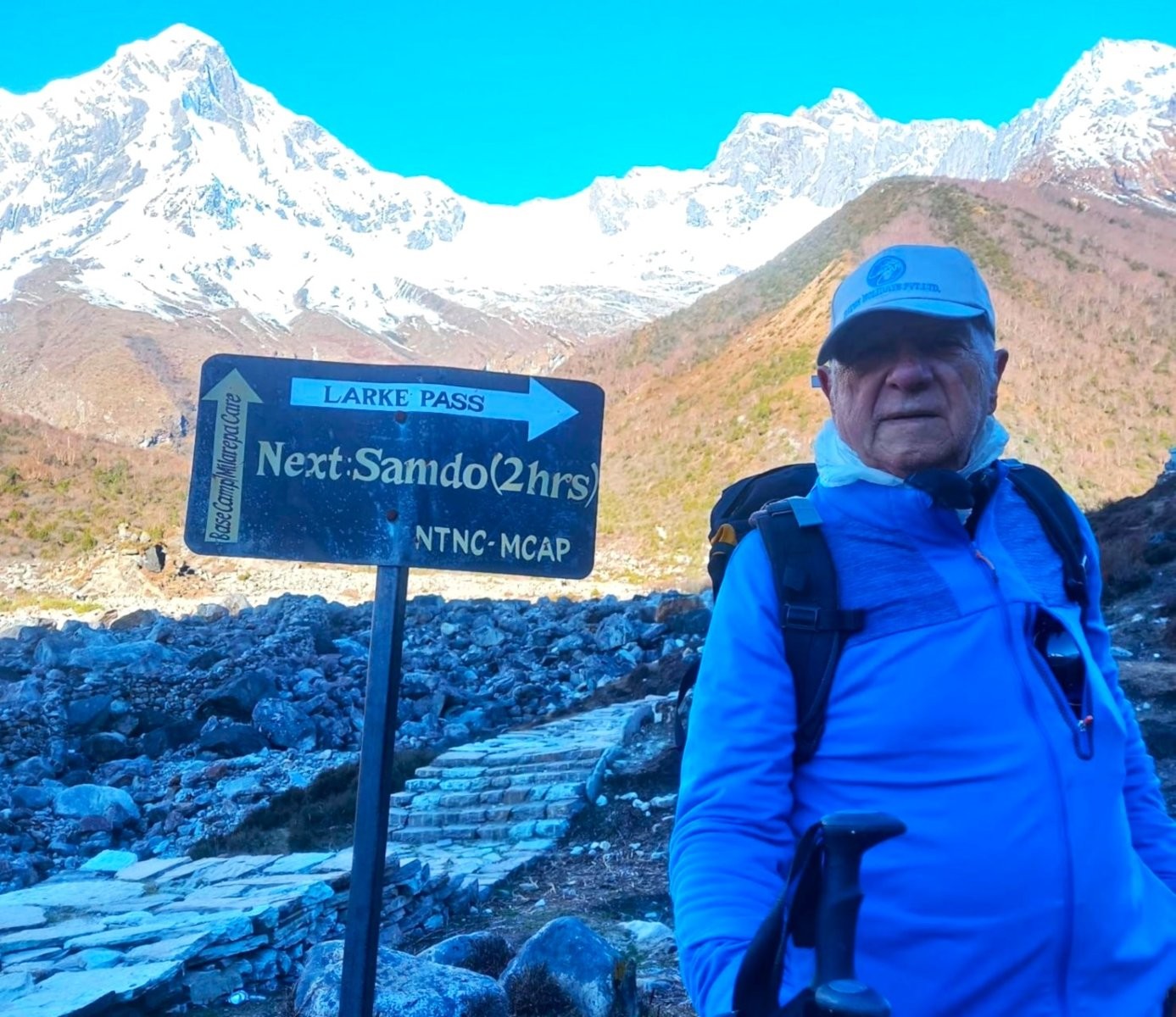
Similarly, March is for the hardy. You’ll find firm trails, but a tough layer of snow hangs on as you approach Dharamsala (4460 m). Crampons aren’t just nice to have—they’re necessary for some sections, especially early in the season. You get that raw, adventurous feeling, alright, but it demands careful steps and steady nerves.
Moreover, April feels like the whole trek relaxes a notch. By the time you get past Namrung (2630 m), the snow mostly melts away, and the trails clear up. Larke Pass gets a lot friendlier, with fewer hidden ice traps. By mid-April, most operators agree—it’s the safest window for that big crossing.
Still, the mountains don’t hand out guarantees. Altitude is serious business. Everybody keeps an eye on the weather, and experienced guides lead the way down to Bhimtang (3590 m) after the pass, keeping you sharp with regular briefings and supports.
So, if you want the safest shot at Larke Pass, April wins. The ground’s firmer, there’s less ice, and you don’t need to worry as much about slips or surprise storms. March has its charm—fewer trekkers, a wild atmosphere—but it’s best for those who like things a little rough and don’t mind a challenge. The smartest move? Match your own experience to the month and pick the adventure that feels right.
Larke Pass Safety Tips: March vs April :
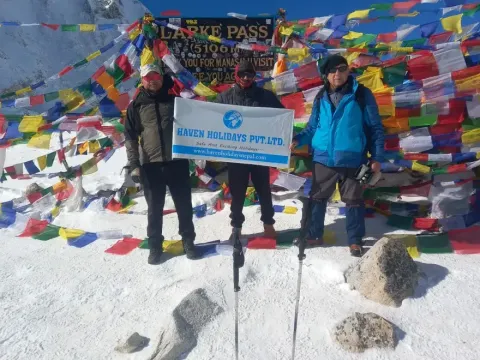
Here, let’s talk about crowds on the Manaslu Circuit Trek in March versus April. If you want some quiet time and fewer trekkers, March is your month. The trails around Manaslu and Larke Pass really empty out, giving you that calm, almost meditative experience. You’ll probably share teahouses with just a handful of people—especially near Samagaon. March is great for anyone who craves Himalayan solitude.
But everything changes in April. Suddenly, the circuit feels alive. You’ll bump into more trekkers past Namrung, and the lodges at Bhimtang are buzzing with conversations and laughter. April’s vibe suits travelers who love connecting with others along the way. Guides are pretty used to handling the bigger groups and keep things organized without missing a beat.
Still, compared to Annapurna or Everest, Manaslu stays quieter all spring. Permits keep numbers limited, so even at its busiest, you won’t feel crowded. And honestly, the local villages like Lho remain welcoming and genuine. No matter the season, your guide and operators deliver solid service.
Likewise, March walks offer silent mornings and good chances to spot wildlife near Machha Khola—think birds, monkeys, and peaceful scenes before you climb toward Dharamsala. April might have more people, but it brings a sense of camaraderie that just feels right without getting chaotic.
So, choose March if you want total peace and the trail mostly to yourself. Go for April if you’re after lively company and shared views across the peaks. Either way, you’ll end up with a trek worth remembering in this hidden part of Nepal.
Manaslu Circuit Trek Crowds: March vs April Comparison :
| Factor | March Experience | April Experience | Best For |
|---|---|---|
| Daily Trekkers | Very low (10-30 on trail) | Moderate (40-80 on trail) | March for solitude. |
| Teahouse Availability | Easy booking, often private rooms | Busier but still comfortable | March. |
| Social Atmosphere | Quiet, introspective | Lively, shared stories | April. |
| Permit Impact | Strict limit keeps crowds minimal | Same limit, but peak spring timing | Both. |
Ready for jaw-dropping scenery on the Manaslu Circuit Trek? Spring, especially March and April, turns this Nepal trek into something pretty magical. Picture rhododendrons bursting into color—massive stretches of pinks and reds lining the trails. You catch the best views of Manaslu (8,163 m) and the forests near Larke Pass (5,106 m) showing off their springtime glow. If you're aiming for adventure, there’s no better time.
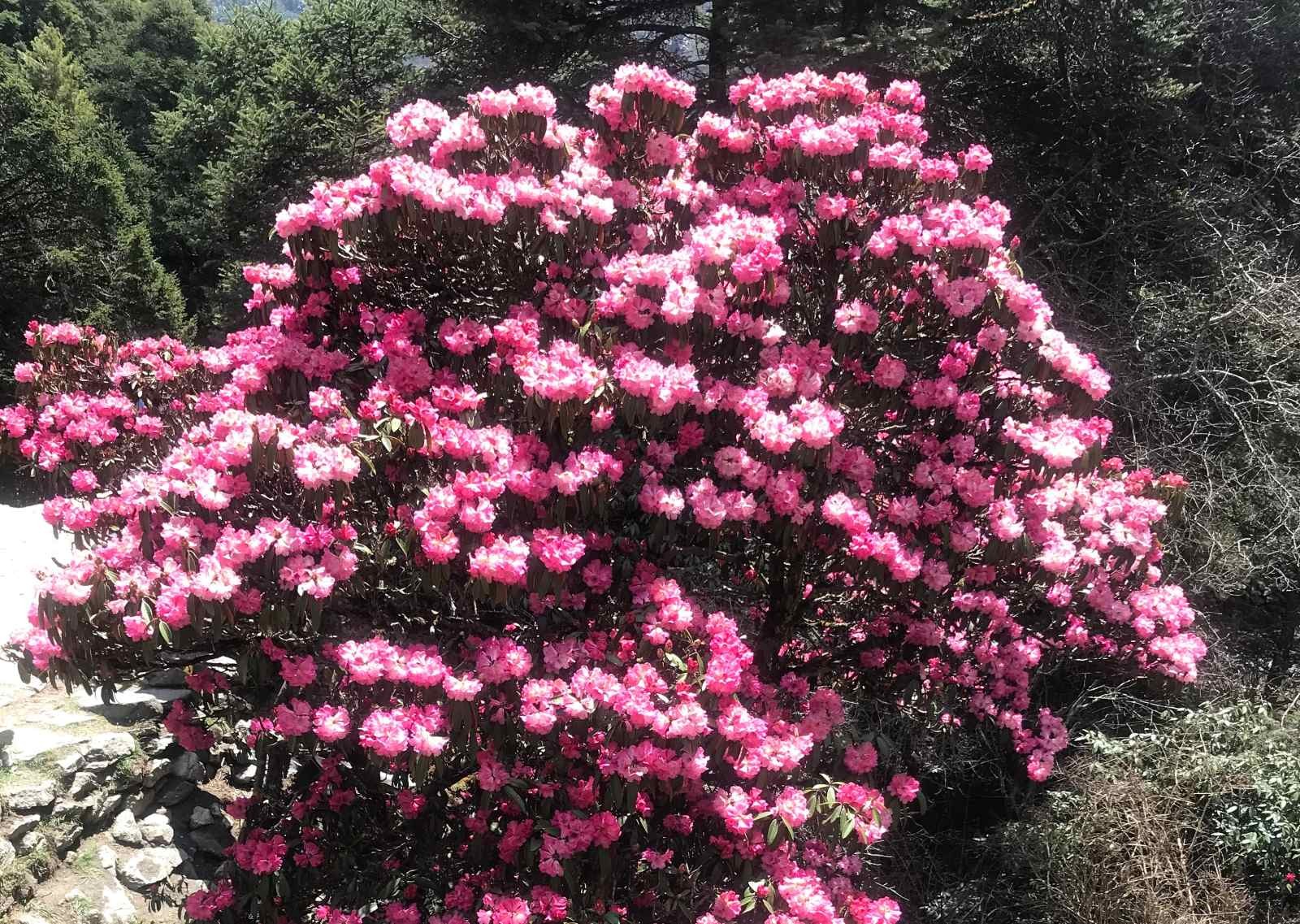
Actually, March is when the rhododendrons start popping up, mostly around Deng (1,860 m), and you get that fresh snow sitting on top of green valleys near Samdo (3,875 m). Honestly, the scenery in March feels untouched—clean mountain peaks, crisp air, and no haze blocking the view. Your camera’s going to get a workout.
By April, the rhododendrons really steal the show. Past Shyala village, you walk through whole forests of pink, and the hillsides near Lho (3,180 m) look like they’re on fire with color. Blooming landscapes stretch even higher up, and every day feels like you’re walking through a postcard.
Likewise, views don’t let up either. Both months, adventurers catch dramatic sunrises and sprawling panoramas of Himlung (7,126 m), Ngadi Chuli (7,871 m), and the Manaslu massif from spots like Dharamsala (4,460 m). Seriously, the combination of flowers and mountains makes these landscapes shine.
In fact, April wins out for the biggest rhododendron displays, but March brings quieter valleys and sharper mountain contrasts. No matter which, you get unforgettable highlights around Larke Pass. If you love nature and epic views, this trek should definitely be on your list.
Manaslu Circuit Trek Natural Highlights: March vs April :
Meanwhile, daylight makes a big difference when you’re hiking the Manaslu Circuit. In March, you get about 11.5 to 12 hours of light each day, so hikers tend to plan shorter walks near places like Machha Khola. This way, there’s no rush to reach the next teahouse, and it’s easy to stick to a comfortable pace. Guides usually tweak the itinerary to make sure everyone’s moving safely while there’s still daylight.
But in April, the days stretch out—think 12.5 to even 13 hours of sun. With all that extra light, walking feels more relaxed, especially past spots like Samagaon. There’s time to wander through villages, take breaks at Bhimtang, or just soak in the scenery. Longer days also mean your body has a better shot at acclimatizing before you hit the altitude at Larke Pass. April really stands out here; local guides and trekkers both prefer it for the smoother, laid-back pace.
And let’s be honest—the best photos happen when you’re not racing against the sunset. April’s generous daylight lets you linger for those golden-hour shots of Manaslu or descend from high passes without stressing about darkness.
If you want a stress-free hike with plenty of time for views and unhurried strolls, April is the month to go. March still works if you stick to a thoughtful schedule, but April’s longer days make everything a little easier—and a lot more enjoyable—on the Manaslu trail.
Daylight Hours Comparison: Manaslu Circuit Trek March vs April :
| Month | Average Daylight Hours | Trekking Pace Benefit | Key Advantage |
|---|---|---|
| March | 11.5–12 hours | Structured, no rush needed | Crisp mornings, focused stages. |
| April | 12.5–13 hours | Relaxed progress, extra exploration | Easier acclimatization, more views. |
| Both | Increasing seasonally | Safe daily distances to 5106 m pass | Optimal for guided Manaslu trek. |
Let’s break down the permits, costs, and real-life differences between trekking the Manaslu Circuit in March versus April.
First of all, permits are negotiable. Anyone can do the Manaslu Circuit trek, without joining group, it means, Solo trekkers also can get it Permit through a Government authorized trekking agency and Government license holder Guide. They sort out the paperwork, so you don’t really have to stress over the details. The fees shift a bit depending on the time of year, but honestly, there’s not much difference in cost between spring (March and April) For the Manaslu Restricted Area Permit, you’re paying $75 for the first week, then $10 per day after that. This price holds steady from December through August—including both March and April. Trekking companies handle this stuff quickly, so you won’t lose sleep over permit hassles.
On top of that, the Manaslu Conservation Area Permit is a flat $30 per person. If you exit through Annapurna, you need another permit—also about $30. So total permit costs land somewhere between $135 and $160 for most 14–18 day treks.
What about the overall package ? Manaslu Circuit Trek Cost generally runs between $1200 and $1800, depending on which agency you choose and how much luxury you want. Costs don’t spike in spring—things stay pretty stable.
Now, here’s where things actually feel different: crowd levels and logistics. March is quieter. It’s easier to book guides, grab porters, and find spots in teahouses near Samdo because fewer trekkers are around. Early spring lets you be more flexible with your plans, and tour operators usually quote lower prices for off-peak departures.
If you’re counting pennies, March gives you a bit of an advantage. April isn’t much more expensive, but you’ll share the trail with more folks because it’s peak spring. Still, whether you trek in March or April, the permit costs stay almost identical, and you’ll get a well-organized adventure with reliable support.
So, for budget travelers, March is a solid pick. For a livelier vibe, go for April. Either way, trekking around Manaslu delivers the goods.
Manaslu Circuit Trek Permits and Costs: March vs April :
| Permit Type | Cost (USD, Foreigners) | March (Early Spring) | April (Peak Spring) | Notes |
|---|---|---|
| Restricted Area (First 7 days) | USD 75 | Same | Same | Dec–Aug rate applies. |
| Additional Days | USD 10 per day | Same | Same | For 14–18 day itineraries. |
| Conservation Area (MCAP) | USD 25 fixed | Same | Same | Fixed year-round. |
| Total Permits (approx. 14 days) | USD 135–160 | Lower demand | Higher demand | Included in most packages. |
Practical Tips for Permits and Costs :
Altitude Sickness and Acclimatization Considerations in March vs April
Meanwhile, altitude sickness is always something you have to think about on the Manaslu Circuit Trek—no matter which month you pick. People head up past 4000 meters, so a steady pace and smart acclimatization are key. And honestly, the risks and ways to deal with them shift just a bit between March and April.
If you choose March, expect colder air and maybe even snow at places like Dharamsala, sitting at 4460 m. Your body takes longer to adjust to the thin mountain oxygen, so you’ll want extra rest days and stricter routines. Guides don’t joke around—they stick to the “climb high, sleep low” strategy to help everyone stay safe.
Here, April feels a bit easier. You get warmer days near Samagaon, which sits at 3530 meters, and that helps your body recover after those daily climbs toward Larke Pass at 5106 meters. Less snow means better sleep and fewer surprises. Tour operators tend to go with conservative plans for April, focusing on safety and gradual progress.
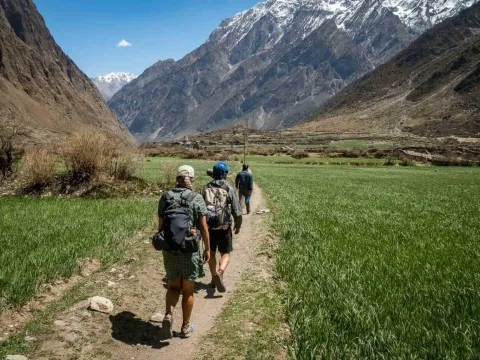
No matter the month, the basic acclimatization tactics stay the same. You’ll spend two nights at Samagaon, do short hikes to higher spots, then keep moving upward once you’re ready. Good guides keep an eye on everyone’s health every day, and with these routines, altitude sickness stays under control.
All things considered, April gives you slightly easier acclimatization. But with smart planning, regular rest, and plenty of water, March works well too. If you follow the guide’s advice and prepare properly, you’ll cross Larke Pass safely either way.
Altitude Sickness & Acclimatization Tips: March vs April :
Meanwhile, March is the perfect pick for the Manaslu Circuit Trek if you want quiet trails, fewer people, and cool mountain air. If you’d rather walk in solitude than chat with other trekkers, and you love the idea of crisp mornings and fresh snow, this month is made for you. It’s a great time for those who like to hike deep into their own thoughts, stare out at Manaslu’s huge peaks, and soak in the silence along the path to Larke Pass.
The beauty of March? The trails are mostly empty, especially near Machha Khola and Lho. You get to enjoy the peace, maybe even meditate at a serene viewpoint without a soul in sight. Teahouses stay quiet; you don’t have to worry about crowds keeping you up at night.
If you’re all about cooler weather, March has your back. The air stays brisk, snow adds contrast to the landscape near Samdo, and the lower humidity means you can breathe a little easier as you climb higher. Layer up and enjoy hikes that feel fresh and invigorating, not sticky and hot.
Actually, photographers love March, too. You get sharp mountain silhouettes, deep blue skies, and nobody’s crowding your shot. The light is clear and the midday haze from April hasn’t rolled in yet, so every snap feels special.
So, if you crave peace and chilly vibes on your Manaslu trek, March is your month. But if you’re after warmer weather and blossoming rhododendrons, maybe wait for later in spring. For those who chase solitude and crisp mountain air, March promises some of the most unforgettable and peaceful journeys in the Himalayas.
Who Should Pick March for Manaslu Circuit Trek? :
| Traveler Type | Why March Fits Perfectly | Key March Benefits | Best Match? |
|---|---|---|
| Solitude Seekers | Minimal crowds, silent trails | Peaceful reflection, private moments | Yes. |
| Cooler-Weather Lovers | Crisp air, fresh snow accents | Invigorating hikes, comfortable layers | Yes. |
| Photographers | Sharp light, no haze | Dramatic Manaslu (8163 m) shots | Yes. |
| Budget-Conscious Travelers | Lower demand, easier bookings | Competitive package rates | Yes. |
Ideal March Manaslu Trek Profile :
Who’s April really for on the Manaslu Circuit Trek? Honestly, it’s the best month if you want comfort, jaw-dropping flowers, and a smooth crossing over Larke Pass (5106 m). April means warmer days and bright, colorful trails, especially with Manaslu (8163 m) as your backdrop. Hikers get to work through the high passes without wrestling icy storms or biting cold that show up earlier in spring. If you like your trekking with a side of actual comfort, this is the month to go.
Now, if you’re one of those people who geek out over rhododendron blooms, April’s your dream. From Namrung (2630 m) to Shyala (3,500 m/11,482 ft), entire forests explode with pink and red. Around Lho (3180 m), the hills are so bright with flowers you’ll keep reaching for your camera. Trek operators know this, so they time their spring itineraries to hit the blooming sweet spot.
Another win in April? Crossing Larke Pass (5,106 m) is just easier. The snow has mostly melted, so the ground’s firm and the path up near Dharamsala (4460 m) feels less risky. Plus, warmer nights mean you rest up before the descent to Bhimtang (3590 m) instead of shivering through the dark. High altitude’s tough enough—you want every advantage you can get.
Here, don’t forget the people factor, either. April’s alive with trekkers from all over, so if you like swapping stories in busy teahouses past Samagaon (3530 m), this is when you’ll find your crew. Sunny days, good company, and a little mountain hospitality can go a long way.
So, if you care more about warmth, stunning rhododendrons, and a reliable high-pass crossing than being totally alone, April’s your season for Manaslu. Of course, if you need real solitude, pick a quieter time. But for most, April gives you a trek that’s safe, colorful, and just plain fun.
Who Should Pick April for Manaslu Circuit Trek? :
| Traveler Type | Why April Fits Perfectly | Key April Advantages | Best Match? |
|---|---|---|
| Comfort Seekers | Warmer days, milder nights | Easier breathing, better sleep quality | Yes. |
| Rhododendron Bloom Lovers | Peak vibrant displays everywhere | Full pink forests, photography heaven | Yes. |
| Stable Pass Crossers | Minimal snow, secure Larkya La (5106 m) | Lower risk, confident ascent/descent | Yes. |
| Social Trekkers | Moderate crowds, lively energy | Shared experiences, friendly vibe | Yes. |
Ideal April Manaslu Trek Profile :
So, which is really better for your Manaslu Circuit trek—March or April? It all comes down to what you want out of the experience. Both months have their own charm, and honestly, there's no one-size-fits-all answer. You’ve got to think about what matters most: peace and quiet or lively scenery, cool solitude or colorful rhododendrons, brisk mornings or warmer afternoons.
If you treasure having the trail mostly to yourself, March is where you’ll find it. The paths are quieter, the air’s cool and clear, and you get that raw, untouched vibe before the bigger crowds show up. It’s perfect if you like space to think or want a more budget-friendly trip. Plus, operators can give you a more authentic feel of this restricted area.
On the flip side, April really shows off the Himalayas in full bloom. The days are warmer, rhododendrons splash color everywhere, and the weather is more stable for crossing Larke Pass. You get longer sunlit days and a bit more energy along the route, especially near Bhimtang. If you’re into photography, flowers, or just an easier hike, April is hard to beat.
Permits and safety? Not much difference between the two months, as long as you acclimatize and stick with guides who know what they’re doing.
So, bottom line: If you’re after solitude and crisp air, go in March. If you want comfort, blossoms, and a bit more company, choose April. Either way, you’re in for an epic adventure around Manaslu.
1. Is March a good time for the Manaslu Circuit Trek?
March is a good time for the Manaslu Circuit Trek if you like it quiet and cool. The Manaslu Circuit Trek trails are not crowded so you can have a peaceful time. But it can still snow at places like near Larke Pass so you need to be ready for that.
2. Is April better than March for crossing Larke Pass?
April is a time to cross Larke Pass because it is warmer and there is less snow. The Manaslu Circuit Trek trail is safer and easier to walk on in April, which's good for people who want a smooth trip.
3. How cold does it get in March on the Manaslu Circuit?
It gets very cold in March at high places on the Manaslu Circuit. At night near Larke Pass it can get very cold, below -10°C. During the day it is cool not too cold. You need to wear clothes to stay comfortable and safe on the Manaslu Circuit.
4. What are the temperatures like in April?
April is warmer than March so it is a time to do the Manaslu Circuit Trek. The days are warm. The nights are not too cold even near Larke Pass. This makes April a time for the Manaslu Circuit Trek.
5. Which month has visibility and mountain views?
Both March and April are good for seeing the mountains. April is usually clearer and more beautiful. The views of the Manaslu Mountain and other peaks are great near Larke Pass, where the weather is usually good and the photos are nice. The Manaslu Circuit Trek is really nice, in April.
6. Are there more crowds in April than in March?
Yes, the Manaslu Circuit attracts trekkers in April than in March. This is because the Manaslu Circuit has good weather and beautiful landscapes in April. The Manaslu Circuit is still not as crowded as the Everest or the Annapurna. You will see more people near the Larke Pass in April than in March.
7. Is it possible to trek solo in March or April?
You cannot trek solo in the Manaslu Circuit. You have to trek with a guide and at least one other person. This is a rule that applies to the Manaslu Circuit whether you go in March or April. You will need a guide when you cross the Larke Pass.
8. How difficult is the Manaslu Circuit Trek in spring?
The Manaslu Circuit Trek is pretty tough. You have to walk for a time and go up to high altitudes. The hardest part is crossing the Larke Pass. March can be even harder because of the snow. April is a little easier.
9. What permits are required for the Manaslu Circuit Trek?
You need to get a permit for the Manaslu Circuit Trek. You need a Restricted Area Permit, a Manaslu Conservation Area Permit and an Annapurna Conservation Area Permit. You need these permits whether you go in March or April. You have to get these permits through a registered agency even to cross the Larke Pass.
10. How much does the Manaslu Circuit Trek cost in the spring?
The cost of the Manaslu Circuit Trek can vary. It usually costs between USD 1200 to 1800. This includes the cost of permits a guide, a place to stay and food. The cost is the same, for March and April. This cost covers the trek, including the Larke Pass.
11. Are teahouses open in March?
Most teahouses on the route are still open in March. Fewer trekkers are there so some may not be fully open. Near Larke Pass you can find basic accommodation. If you book through an agency, you are more likely to get a room.
12. Is altitude sickness a concern in spring?
Altitude sickness is a risk in spring. The elevation is high near Larke Pass. To stay safe, you need to acclimatize and drink plenty of water and ascend gradually.
13. What gear is essential for March trekking?
For March you need clothing, a good insulated jacket, gloves and a proper sleeping bag. You may also need snow gear like micro spikes near Larke Pass, where it can still be icy.
14. What should I pack for April trekking?
In April you can pack layers and a warm jacket. It is milder. It can still get cold near Larke Pass. Make sure you have warm clothes.
15. Are flights or transport affected in March?
You can usually get to the starting point, by road in March. However, the weather can sometimes cause delays. By April the conditions are a bit better making it easier to get to Larke Pass.
16. How long does the Manaslu Circuit Trek take?
The Manaslu Circuit Trek usually takes around 12 to 16 days. It depends on your plan. How many rest days you take. You need time to cross Larke Pass, which is 5,106 meters high.
17. Which month is better for photography?
If you want to take photos April is a good month. The rhododendrons are blooming the landscapes are green. The skies are clear. March is also nice with lots of snow around Larke Pass. The snow looks amazing.
18. Is travel insurance necessary for this trek?
Yes, you need travel insurance for the Manaslu Circuit Trek. It should cover trekking up to 5,500 meters. This is important in case of an emergency especially when you are crossing Larke Pass and need to be evacuated.
19. Can beginners do the Manaslu Circuit Trek?
Beginners can do the Manaslu Circuit Trek if they prepare well. They need to be physically fit and mentally ready. The biggest challenge is crossing Larke Pass. You need to train and get guidance to complete the trek successfully.
20. Which month should I ultimately choose?
If you want to trek and see snowy landscapes, choose March. If you prefer weather and blooming nature, choose April. Both months are great, for the Manaslu Circuit Trek. It depends on what you like.
March vs April Final Comparison: Manaslu Circuit Trek :
| Category | March Winner If You Want… | April Winner If You Want | Overall Edge. |
|---|---|---|
| Crowds & Solitude | Deep peace, minimal trekkers | Moderate energy, social vibe | March. |
| Scenery & Blooms | Early blooms, sharp mountain contrast | Peak rhododendrons, vibrant valleys | April. |
| Comfort & Temperatures | Crisp air for cool-weather fans | Warmer days, better sleep at altitude | April. |
| Larke Pass (5106 m) Safety | More challenge, but manageable | Minimal snow, easier crossing | April. |
| Daylight & Pace | Structured stages | Relaxed progress, extra exploration | April. |
| Best For | Solitude seekers, photographers | Comfort lovers, bloom enthusiasts | Tie – Your choice. |
Our travel experts are ready to assist you with any questions.
Send us a message.Have a question before you book? Send your enquiry below and our travel experts will get back with the required information.