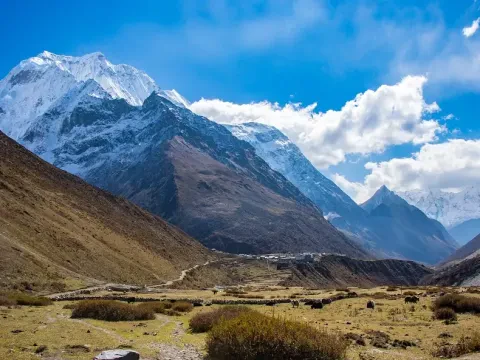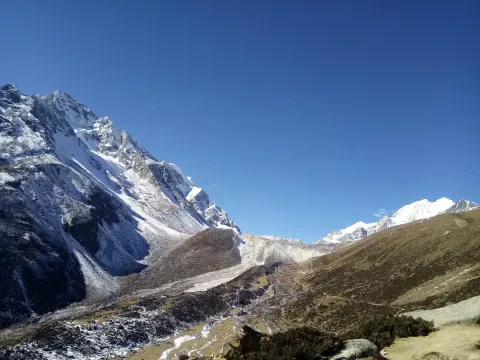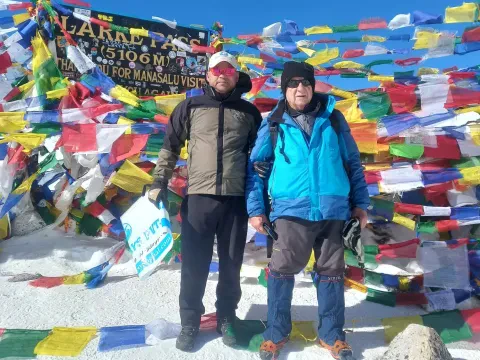
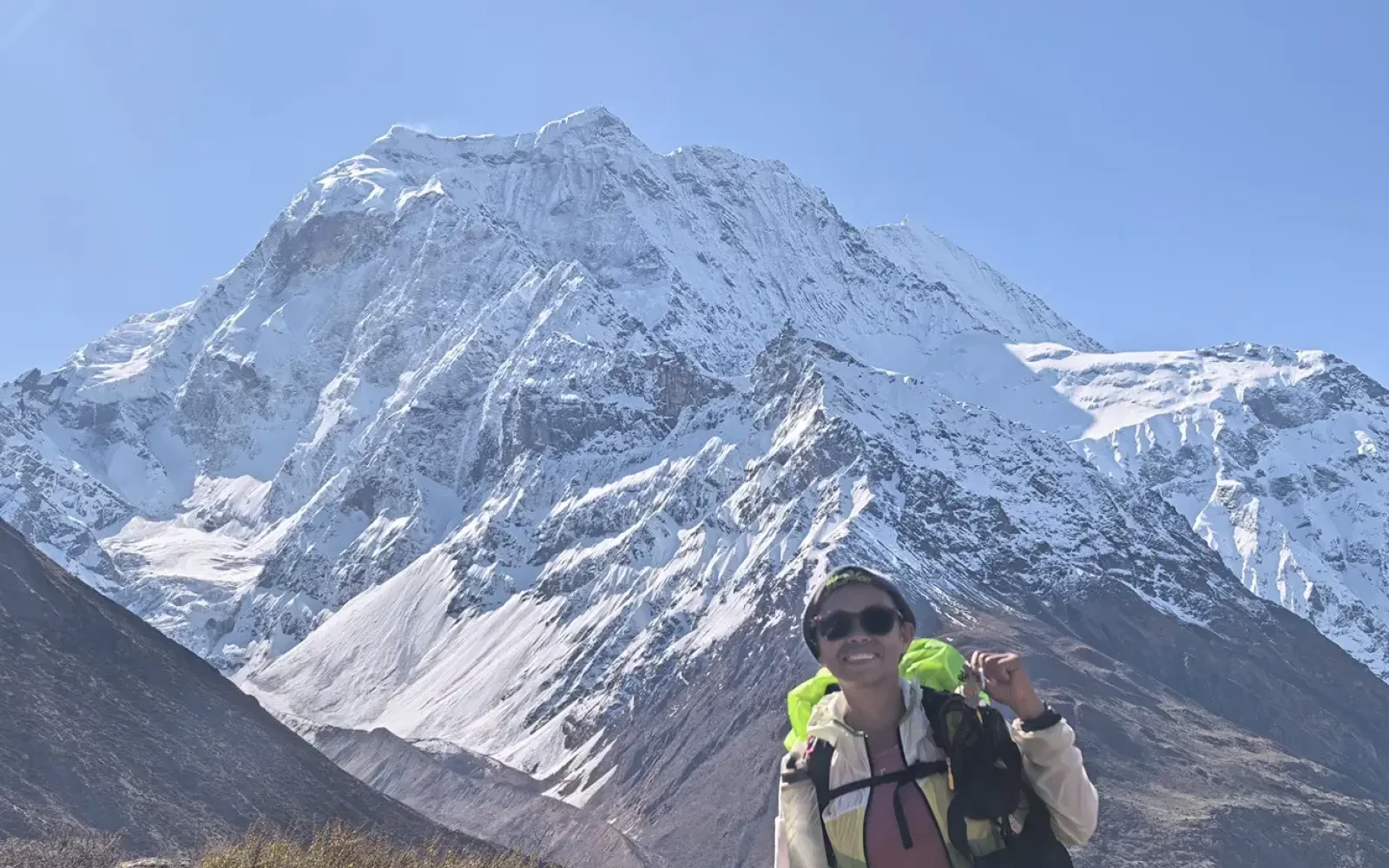
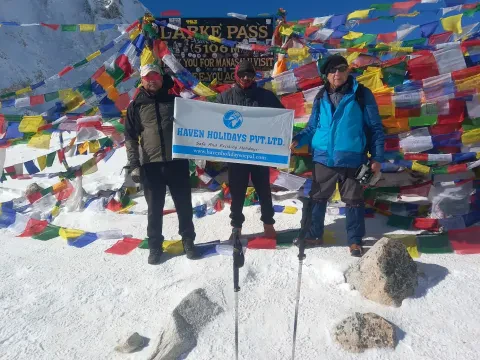
Manaslu Circuit Trek in September? This month, arguably the most delightful transition in Nepal's trekking scene, presents a curious meteorological dilemma for any trekkers headed for the Manaslu Circuit. Imagine, for a moment, being enveloped by the steamy subtropical mists clinging to the Machha Khola (869m) valley floor in the early days of the trek, only to be face-to-face with the bone-chillingly arid expanse that awaits at the windswept Larkya Pass (5106m) – and everything in between.
Note: Manaslu Circuit Trek in completely different than Manaslu Circuit Trek in November and Manaslu Circuit Trek in October. It is the transitional phase between monsoon and autumn in Nepal. You must pack smart and comfortable for a successful Manaslu Circuit Trek in September.
Definitely, it demands a decidedly hybrid packing strategy.
In fact, you're combating humidity-soaked river gorges with the next you’re facing snow-dusted peaks where the mercury regularly plunges into the double digits below zero. This delicate balancing act between warm, light layers for the tropical lowlands and rugged, insulative gear for the alpine heights is key to enjoying one of Nepal's most challenging yet rewarding treks. And you want to do it light, smart, and, critically, safe.
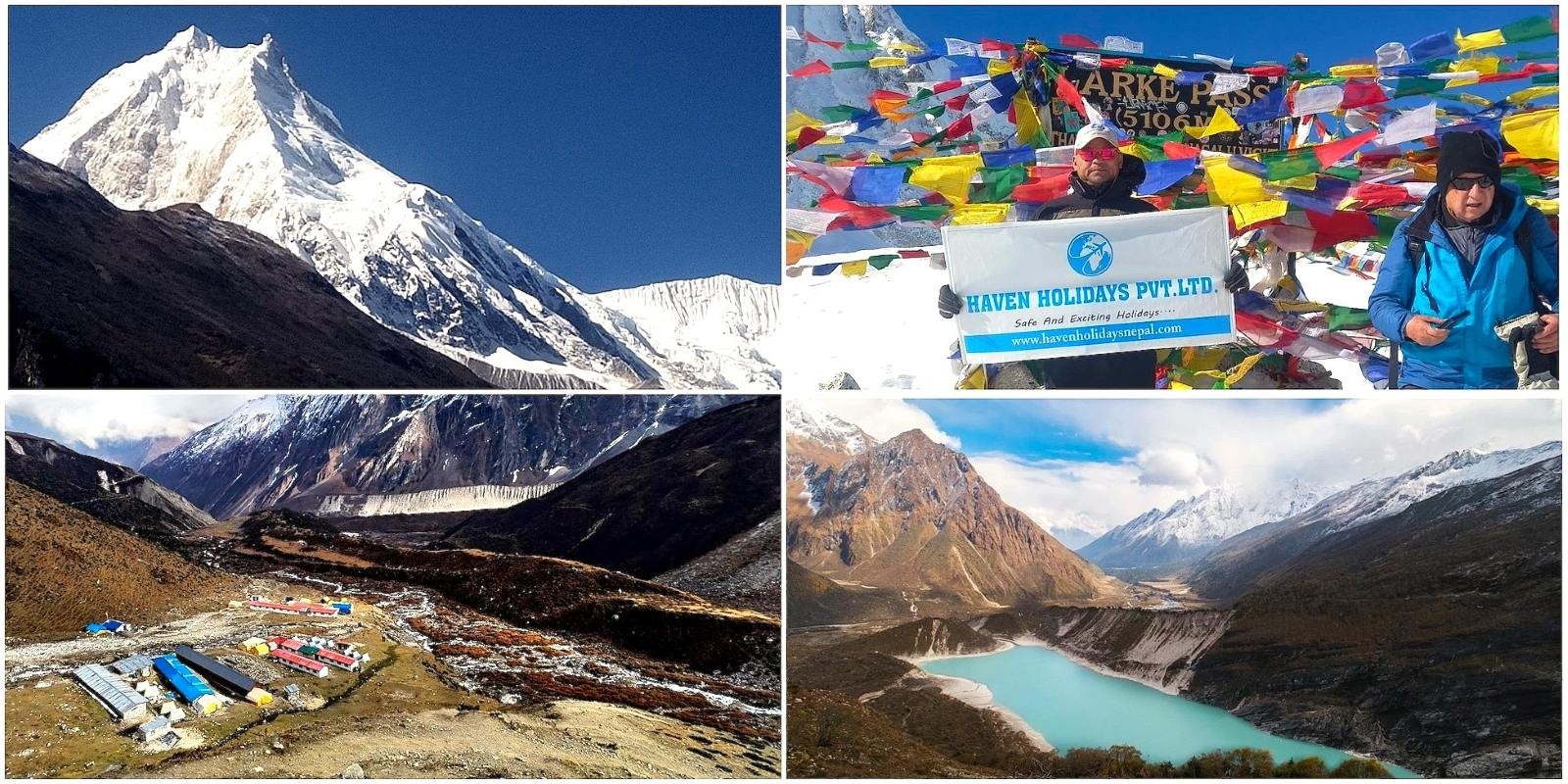
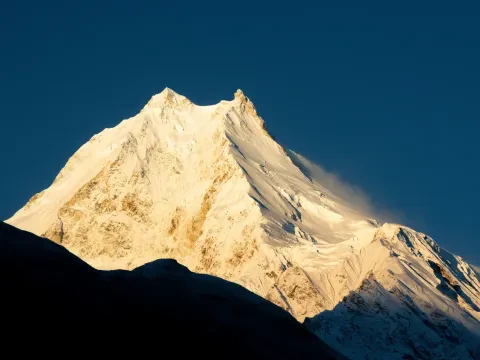
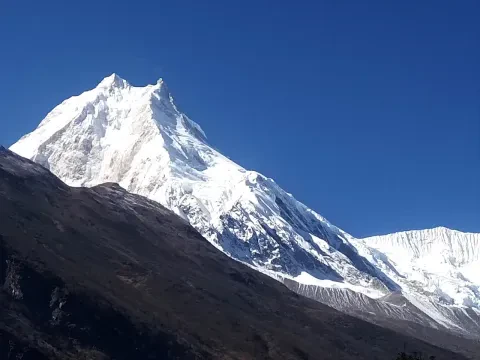
The pay-off? Significantly lighter crowds compared to October, those lingering verdant landscapes dotting the Budhi Gandaki riverbanks as you start your journey, and gradually more expansive, mind-blowingly clear views of Mt. Manaslu (8163m), the eighth-highest peak in the world, as you ascend. But achieve that sartorial sweet spot-being comfortable in the stifling heat of the subtropical lowlands without shivering in the sub-zero arctic winds of the upper reaches-and this protected border region trek, which can no longer be solo-traversed, becomes an absolute triumph.
| The Section | altitude | Climate-Dominating Factor | packing Priority Focus | Anything... Extra? The unique must-have item |
|---|---|---|
| Lower & Middle Trail(>2500m) | Warmth. Humidity. Occasional Afternoon Showers | Breathability. Wicking | Anti-leech gear and a fully-waterproof pack cover. |
| Higher altitude.(<3500m) & Above | Bone-Dryness. Strong Winds. Severe Cold | Insulation. Warmth | "-15C Rated" sleeping bag and a robust headlamp. |
Likewise, it bears repeating, as this cannot be stressed enough: since the Manaslu Circuit traverses a restricted border zone, venturing forth without a legally permitted local guide is strictly forbidden and a substantial safety risk.
Not only will your guide meticulously monitor the ever-shifting meteorological landscape, particularly the often-treacherous conditions around Larkya La, but they will also provide crucial insight into potential hazards on sections prone to landslides, such as the vicinity of Jagat, and manage the overall logistics ensuring your porter's pack doesn’t exceed the stipulated 15kg limit-an absolute necessity for safety and sustainability.
The September Advantage. :
Therefore, in summary, September beckons trekkers with its unique blend of post-monsoon lushness and anticipation of crisp autumn skies on the Manaslu Circuit.
However, to fully capitalize on these benefits and avoid the misery of inadequate gear, a thoughtful, hybrid packing strategy tailored to the stark contrast between the hot, damp river gorges of Machha Khola and the freezing alpine terrain bordering the imposing massif of Mt. Manaslu is not merely suggested, but absolutely imperative for a comfortable and safe trekking.
Here, the ascent begins, from Machha Khola (869m) right through to the small, ancient village of Jagat. The initial few days, especially as you tread the path through the dramatically deep and narrow Budhi Gandaki River gorge, will bombard you with heat (expect temperatures from 20°C up to a balmy 26°C) and a rather significant dose of humidity. This isn’t a gentle warm glow, mind you; this is the kind of damp, muggy air that makes every exertion feel like you're wading through a soup.
The Absolute necessity Of Moisture-Wicking Fabric ;
You will, undoubtedly, be drenched in sweat while climbing the steep, arduous trails that hug the river's course – the more challenging the terrain, the greater the amount you’ll exude in this humid environment.
Those seemingly innocent cotton t-shirts are your enemy here; they absorb moisture like a sponge, become ridiculously heavy, cling to your skin for hours, and are a recipe for disaster when the slightest breeze cuts through your damp clothing, chilling you to the bone.
On the flip side, synthetic materials (think polyester) and their equally superior natural alternative, merino wool, work magic, whisking sweat away from your skin and drying with astonishing rapidity, ensuring you remain remarkably comfortable and blister-free.
Must pack Low-Altitude Base Layer Gear (The 'Humidity Buster' Strategy)
Aim for three to four lightweight, ultra-breathable synthetic t-shirts – the more mesh detailing, the better!
Include one long-sleeve top. It’s not just for fashion; it serves a dual purpose – protecting you from the sun’s relentless gaze in the valley and offering an extra layer against unexpected drizzles.
Prioritize T-shirts with enhanced ventilation features, like underarm gussets and front panels that allow air to circulate freely. Oh, and odor resistance is your friend, trust me.
Pair these with quick-drying, possibly convertible, trekking trousers. Convertible ones are brilliant; Zip off the legs when it gets really hot and zip them back on as the sun dips or if the temperature drops suddenly.
| Critical Item | The ideal incarnation | What it accomplishes during a muggy low-altitude traverse |
|---|---|---|
| Base Layer Tops | Synthetic-based fabric or pure merino wool | Wick moisture; ensure your skin breathes; dries fast. |
| Trekking Trousers | Convertible nylon or polyester, water-repellent | Adapt to changing temps; offer sun & light rain protection. |
| Outer Layer (Rain Gear) | Lightweight but completely waterproof hardshell jacket | Provides immediate shield against surprise downpours. |
A Few Hard-Won Wisdom strategies for the Budhi Gandaki Experience :
More importantly, remember the Manaslu Circuit is officially a restricted trekking region, and traveling independently is, by law, prohibited; this necessitates having a certified local guide. He is your most valuable safety asset on this trek, providing real-time insights into weather developments, guiding you through any hazardous landslide zones, and ensuring no element – from excessive pack weight on your porter’s back to changing temperatures at higher elevations – catches you by surprise.
Note: Solo trekkers can get the restricted area permits now (2026) though they don’t have group of at least 2 people
In summation, conquering the challenges of the humid, heat-soaked Budhi Gandaki gorge in September for the Manaslu Circuit boils down to outsmarting the moisture with the right clothing choices.
Opting for quick-drying, moisture-wicking synthetic fabrics or natural merino wool for your base layers will set you up for a surprisingly comfortable start to your trek, laying a solid foundation before you embark on the much colder, more alpine phases of the adventure toward Samagaon and ultimately the formidable Larkya Pass.
As the tail-end of the monsoon lingers into early September along the rugged Budhi Gandaki gorge and down towards Machha Khola (869m), the air still crackles with the potential for sudden afternoon deluges. This makes a bomb-proof outer layer your absolute MVP for staving off the damp without roasting yourself on the constant climbs.
The Ultimate Rainproof Gear :
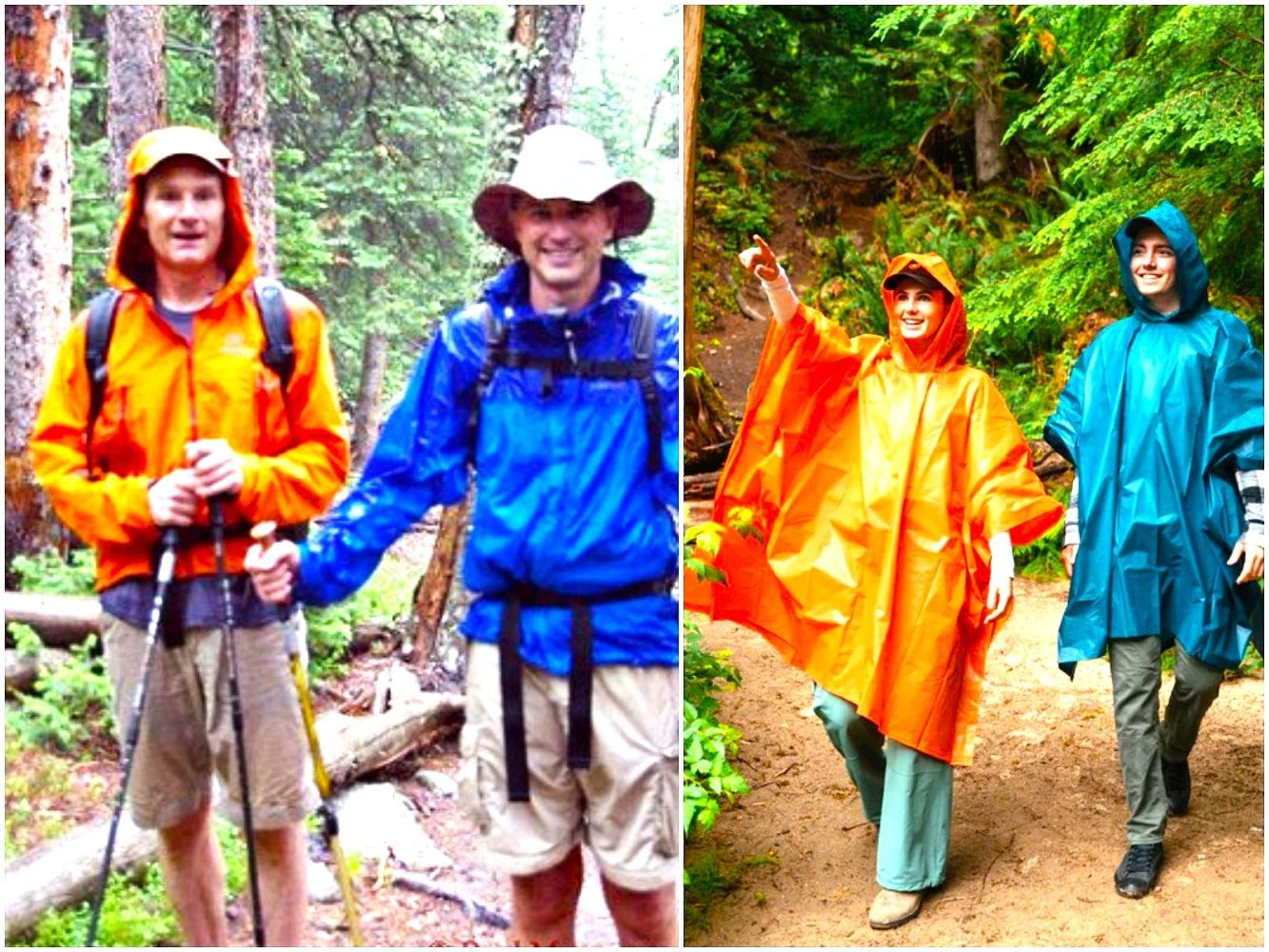
| Gadget | Hefty or Lightweight? | Breathable Beyond Belief? | Protection Level? | Manaslu Must-Use Where? |
|---|---|---|
| Hardshell Jacket | 300-450g | Yes | The Elite Class | Any and all rain, all the time |
| Packable Poncho | 150-250g | Moderate | Pretty damn Good | Those sudden, massive splashes |
| Backpack Rain Cover | 80-120g | N/A (it just holds things dry!) | The Guardian of Dry Stuff | All your main gear |
Pro-Tips for Navigating the rain Like a Pro :
The Wise Words of Local Experts (That's Guides),
Here’s the deal: The weather in the gaping maw of the Budhi Gandaki gorge in early September can be more capricious than a hyperactive marmot. So, unless you’re a meteorologist in disguise with a crystal ball, your best bet is to trek with a certified local guide. These guys and gals have eyes that spot trouble miles away, and they’re wizards at timing your rest breaks to avoid the afternoon cloudbursts while maximizing your chances of snagging those spectacular Mt. Manaslu (8,163m) views as the month progresses.
Bottom line? Equip yourself with a svelte, breathable hardshell and that non-negotiable water-proof backpack cover, and you’re golden for staying dry and comfortable through the transitional weather of early September. Let the lush green vistas and plunging river gorges enchant you, knowing you’re well-prepared for whatever the sky throws your way.
Meanwhile, those idyllic, emerald green forests hugging the slopes between Tatopani and Philim remain stubbornly damp well into September, making them leech central. These tiny, tenacious creatures are experts at latching onto your socks and lower legs on damp, shrub-lined paths if you’re not on high alert.
Operation Leech Shield: Your Deception Game :
| Item to Bring | What it Does | How You Use It |
|---|---|---|
| Leech Socks | Physical deterrent | Slide ’em on, tuck in your pants. Easy. |
| Table Salt | Leech Dislodger Extraordinaire | Just dump a little on a clinging critter. They bail. |
| Insect Repellent | Anti-Suck-Machine | Spritz it where the bugs like to bite, specifically around your ankles. |
| Gaiters | Added Wall of Defense | Combine with leech socks for peak anti-leech security. |
Gems of the Trail :
Wise Words of Local Experts (Yes, Again!),
Because the lower, Budhi Gandaki-adjacent trails can be a leech-tastic party in early September, hooking up with a licensed local guide is a game-changer. They know precisely which stretches are the leech hotspots and can shepherd you through them like a pro, all while dropping valuable on-the-ground knowledge.
In short, while leeches are an annoying reality in the humid lowland forests of the early September Manaslu Circuit, they’re easily manageable with a tiny, lightweight kit. Stay prepared, stay vigilant, and don’t let a few pesky invertebrates deter you from exploring the gorgeous, green lower valleys before you ascend to the higher, spectacular terrains of places like Samagaon and ultimately, the dramatic pass of Larkya La.
Actually, Namrung (2,660 m / 8,727 ft) marks a significant shift on the Manaslu Circuit. As you ascend beyond the 2,500m mark, the environment changes: the oppressive heat and humidity of the lower Budhi Gandaki give way to cooler, breezier conditions. At this altitude, it’s time to upgrade your layering game.
Why It’s All About Layering in Namrung,
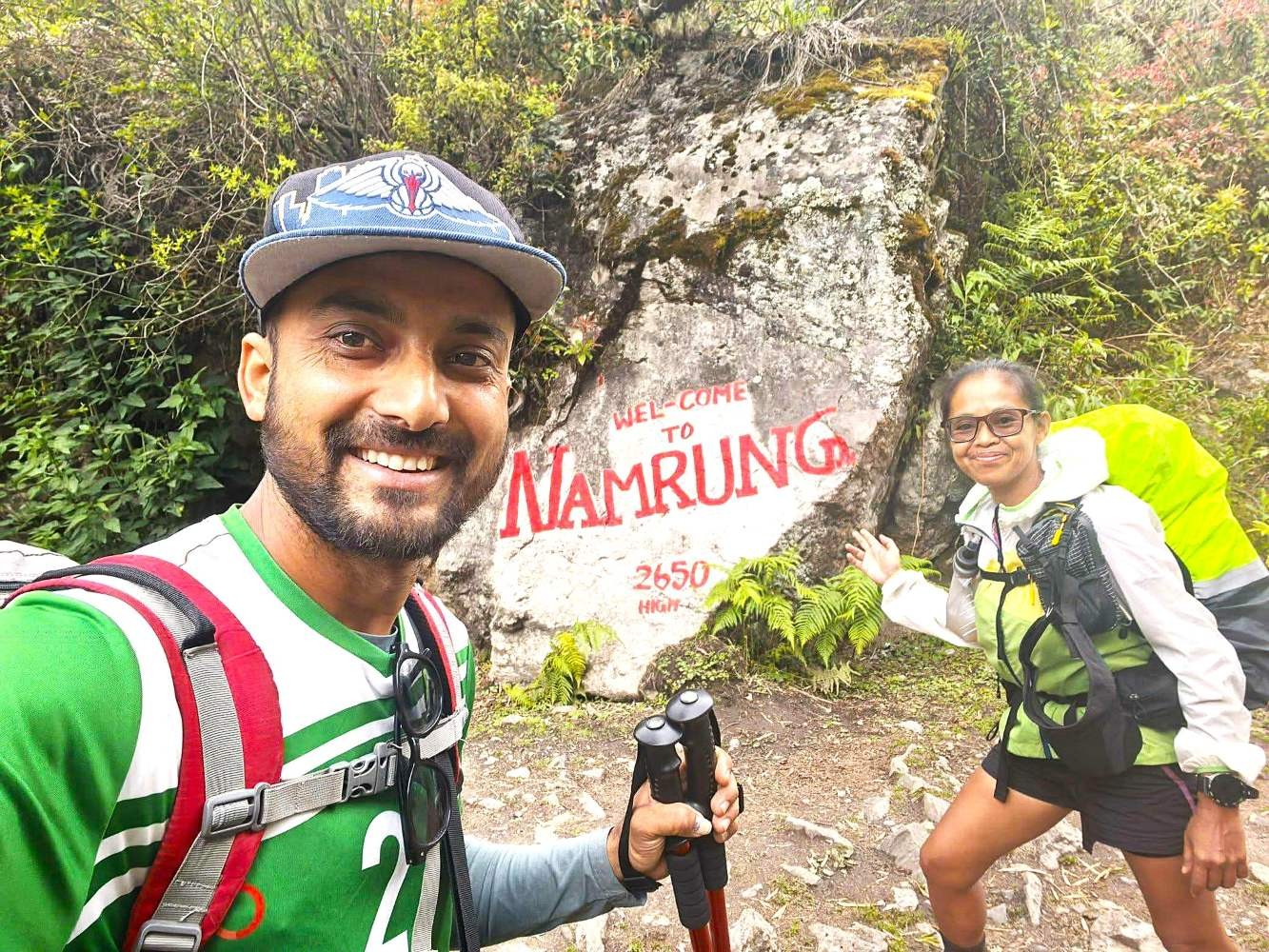
Here, the drop in temperature as the valley opens up and winds pick up is palpable. While the sun might still pack a punch, shade brings an immediate chill. It’s the ideal place to transition your base layers to something warmer, without adding so much weight that you’ll want to shed it all at every stop. Your mid-layer becomes your best friend here for maintaining your core temperature.
The Perfect Namrung Mid-Layer,
Now, the time comes for a fleece jacket. You’ll want something light to mid-weight that’s breathable and has plenty of stretch for freedom of movement during steep ascents. A zippered style is a lifesaver – it allows for easy venting during intense climbs, preventing you from overheating only to then get cold during rest stops.
| Elevation / Location | Expected Day Temperature (C) | Suggested Layering |
|---|---|---|
| Lower than 2,500m | 18 - 26 | Base Layer only (+ Rain Jacket/Shell if needed). |
| Namrung (2,660m) | 12 - 20 | Base Layer + Fleece Jacket. |
| Above Samagaon | 5 - 15 | Base Layer + Fleece Jacket + Outer Shell/Down Jacket |
Namrung Layering Pro Tips :
An Insider’s Perspective
In fact, the warmth and languid pace of the lower trail truly give way in Namrung. Introducing a good quality fleece into your mix is crucial for regulating body temperature. This mid-layer perfectly bridges the transition from tropical heat to alpine coolness, preparing you for even colder nights further up at places like Sama Gaon.
By the time you’re layering with an outer shell or down jacket for Samagaon and beyond, you’ll be glad you invested in that crucial mid-layer fleece back in Namrung.
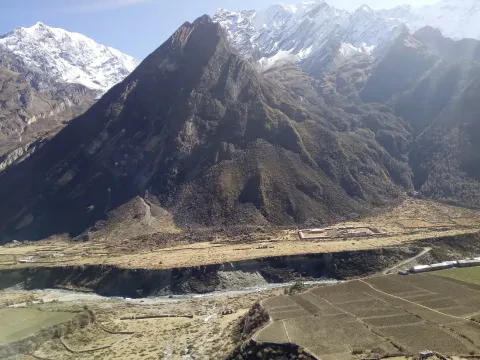
Here, welcome to the realm where night doesn’t just fall – it descends, bringing biting cold. As the Manaslu Circuit ventures above 3,500 meters and into settlements like Sama Gaon (3,530 m / 11,581 ft) and Samdo (3,875 m / 12,713 ft), temperatures can plunge well below freezing at night, with wind chill turning the cold into a sharp, biting force. This is where your base layer strategy for sleeping shifts dramatically.
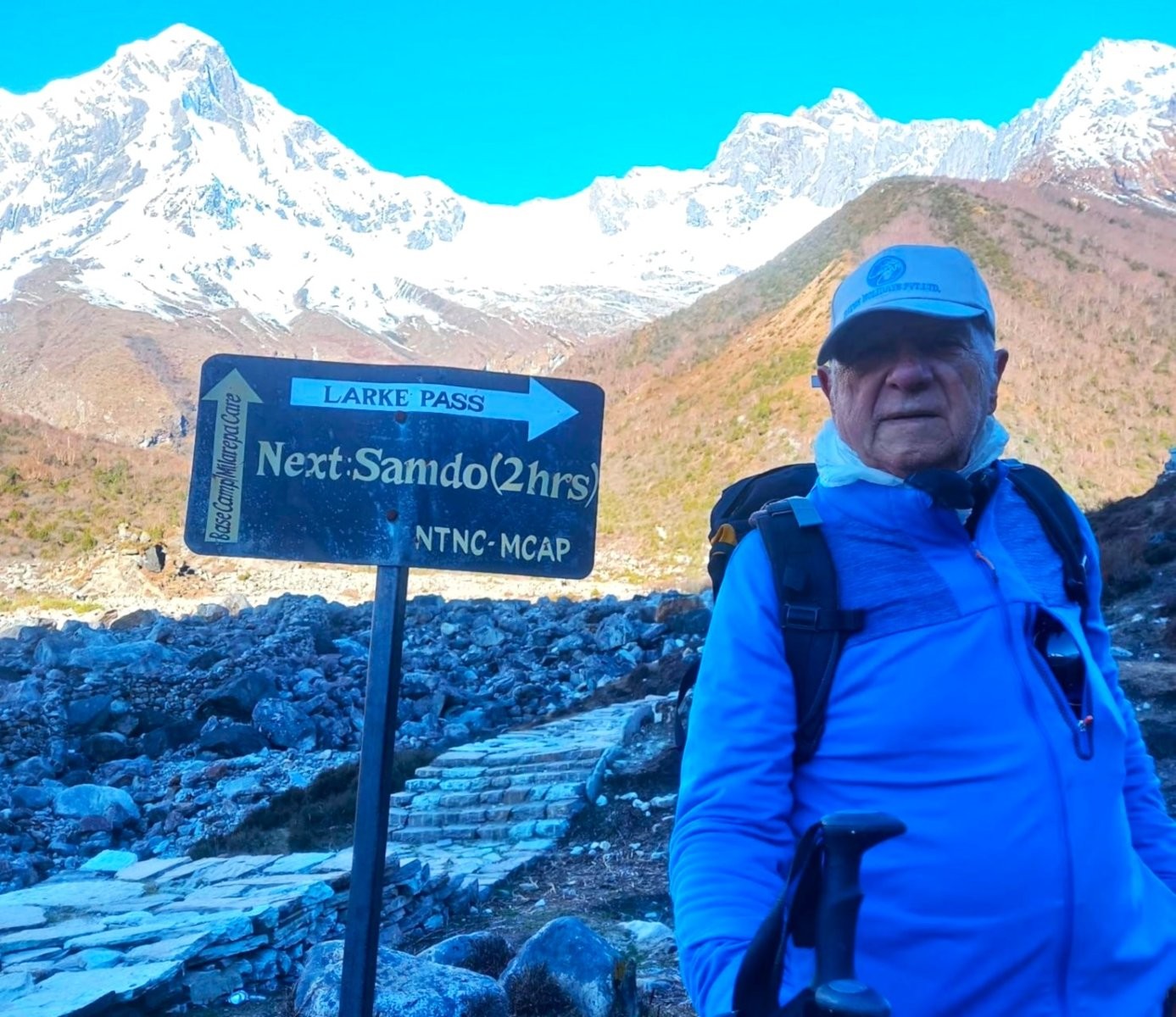
Merino Wool is King (and Queen!) at Altitude :
Your High-Altitude Sleep Gear,
Here, you absolutely need a dedicated set of merino wool thermals – both top and bottom – that you’ll use only for sleeping and for those frigid mornings before the sun hits your lodge. Wash your regular day layers if necessary, but treat your sleeping thermals with reverence. Don’t forget a warm hat and a thick pair of wool socks, also preferably merino.
| Gear Item | Material & Specification | Why It Matters Here |
|---|---|---|
| Merino Wool Thermals | 100% Merino or High Merino Blend (200gsm+) | Warmth, moisture control, odor resistance |
| Warm Wool Socks | Thick Merino Wool | Prevents those all-too-common freezing feet in unheated rooms. |
| Sleeping Bag Liner | Silk or Lightweight Fleece | Adds an extra layer of warmth, making your bag feel even warmer and more plush. (Optional but highly recommended). |
| Wool Hat | Fleece or Merino Wool | Minimizes heat loss from the head. |
| Sleeping Bag Rating | -10C to -15C minimum | Essential for maintaining body temperature throughout the night. |
Smart Sleep Strategies for the high altitudes :
To sum it up, if you’re doing the Manaslu Circuit Trek in September and heading up to Sama Gaon or Samdo, pack a stellar set of merino wool thermals like it's your ticket to comfort in the cold. These high-quality base layers are indispensable for warm, dry nights and for enabling quick recovery before you take on the challenging final leg towards Larkya La. Sleep well!
As the shadow of Mt. Manaslu (8,163 m) lengthens over the Manaslu Circuit in September, a high-loft down jacket ascends to the rank of your paramount piece of insulation.
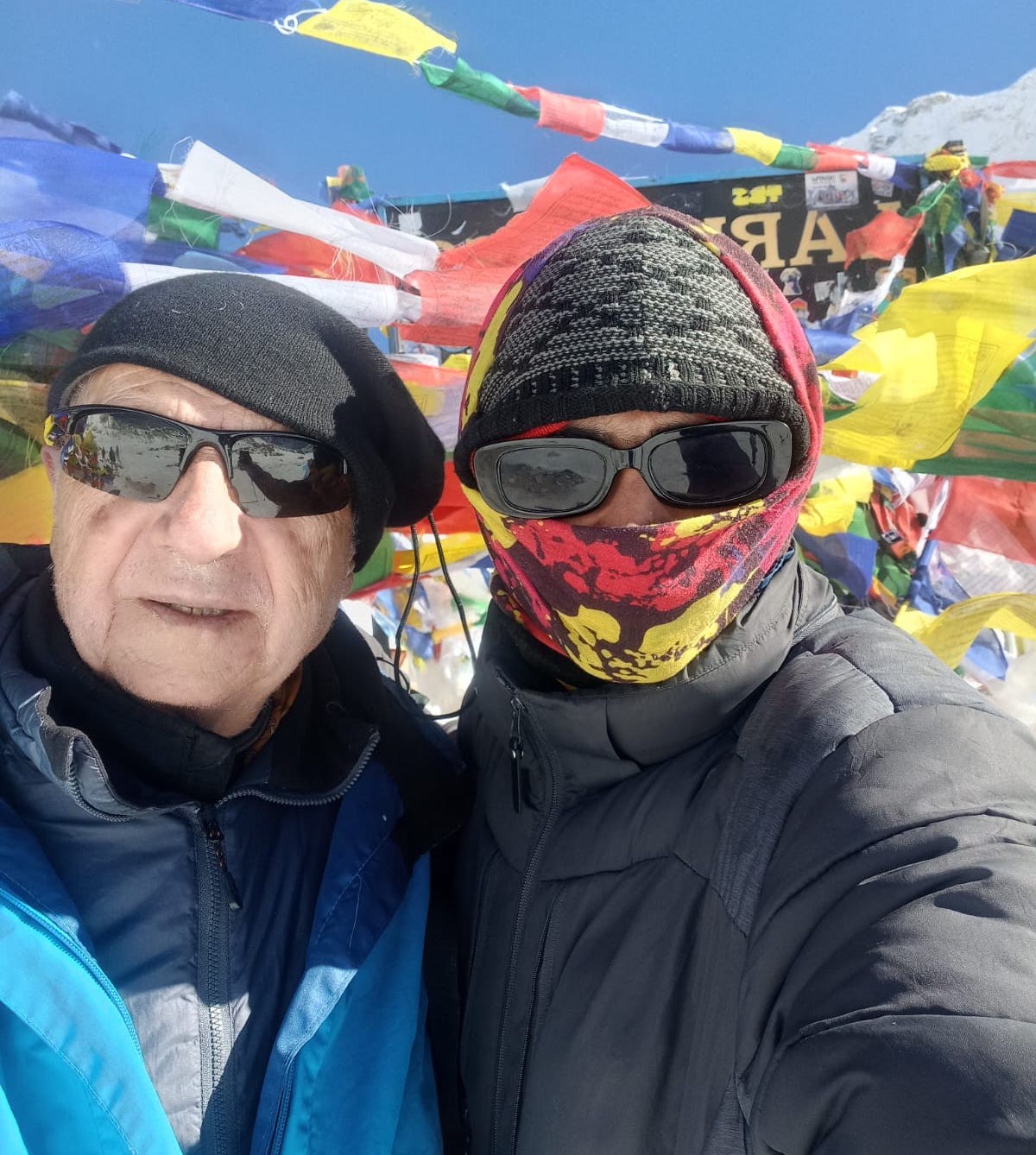
Beyond settlements like Sama Gaon (3,530 m / 11,581 ft) and Samdo (3,875 m / 12,713 ft), the temperature plummets, particularly as unheated teahouse dining halls leech warmth after dusk.
Why is this down jacket non-negotiable?
Actually, Ii’s your primary weapon against frigid evenings and dawn's chill. Minimum 700 to 800 fill power delivers bang-for-your-buck warmth and weight. Lightweight and compressible, it vanishes into your daypack. An outer shell must deflect chilling valley breezes.
| Feature | Ideal Specification | Advantage on Manaslu Circuit |
|---|---|---|
| Fill Power | 700-800 | Superb warmth for sub-zero nights |
| Weight | 300-500g | Effortlessly carried on daylight hikes |
| Packability | Stuff-sack storage | Saves precious space in your main backpack |
| Hood & Fit | Adjustable hood | Extra defense against blustery sections | On the Trail with Your Downy Wear over fleece evenings and high-camps. |
Have it ready for early mornings and wind-swept ridges. Layer over mid-layers with ease. Top with a wool beanie and gloves.
Importantly, a reliable, portable down jacket with high fill-power is indispensable for a September Manaslu Circuit adventure. It is your guardian against the chill in Manaslu's shade, keeping you toasty from evening to morning and small enough not to burden your daytime efforts.
On the ascent from Samagaon towards the daunting Larkya Pass (5,106 m / 16,752 ft), the Manaslu Circuit devolves into a gauntlet of steep, scree-strewn glacial moraines. Navigating this loose, unstable ground necessitates footwear built for the task.
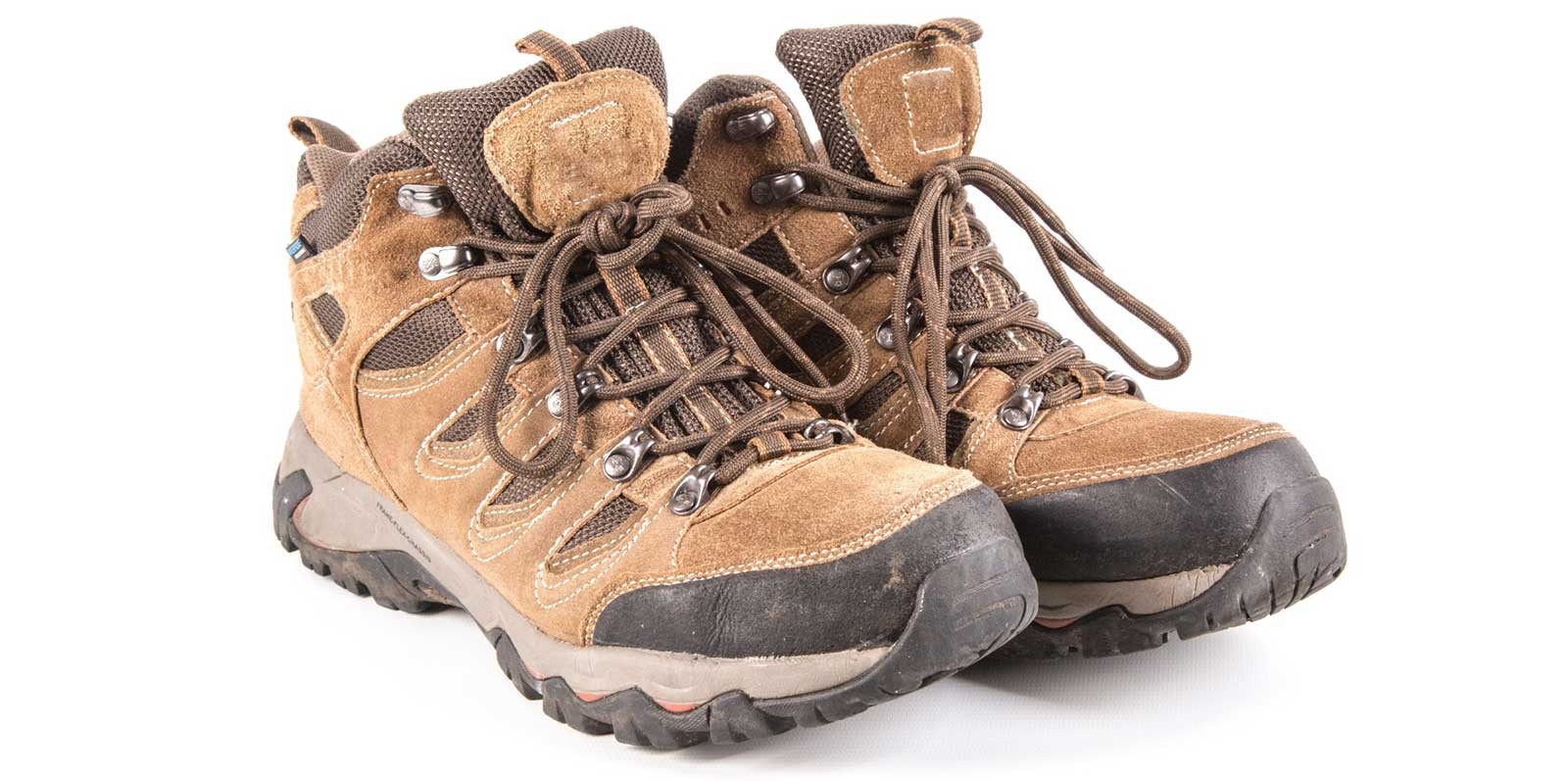
The Boot Blueprint: Waterproof hiking boots offering substantial ankle support to foil rollovers.
Here, a grip-master sole with deep, aggressively patterned Vibram lugs to hug the unstable rocks. Most crucially, they must be thoroughly broken-in months prior to your Nepal sojourn, or you'll be counting blisters instead of panoramas.
| Feature | Significance | Recommended Choice |
|---|---|---|
| Waterproofing | Seals out moisture from slick moraines | Gore-Tex (or similar) membrane |
| Sole Traction | Bite into scree and rock | Vibram, or deep, multi-directional lugs |
| Ankle Support | Prevents sprains on uneven surfaces | Mid- to high-cut hiking boots |
| Weight | Balance support and mobility | Light- to mid-weight designs |
Boot Breaking and On-Trail Protocols: Start breaking them in with long hikes back home, well in advance. Pack a few pairs of moisture-wicking wool socks.
Employ trekking poles aggressively to lessen the load on your feet.
Dry them out and give them a good clean nightly. Solid, waterproof hiking boots with aggressive tread, diligently broken in before you depart, are absolutely critical for conquering the loose moraines of the Manaslu Circuit in September. They grant stability and traction, keep your feet dry, prevent debilitating blisters, and free you to appreciate the high-altitude grandeur unfolding around you.
Actually, Dharmasala at 4,480 meters (14,698 feet) is the final frontier before the dramatic Larkya La Pass. Expect simple stone-shelters with no heating; the blankets provided will quickly lose their battle with sub-zero wind chills that Howl through the desolate valley after sunset. You NEED extra gear to survive a night here.
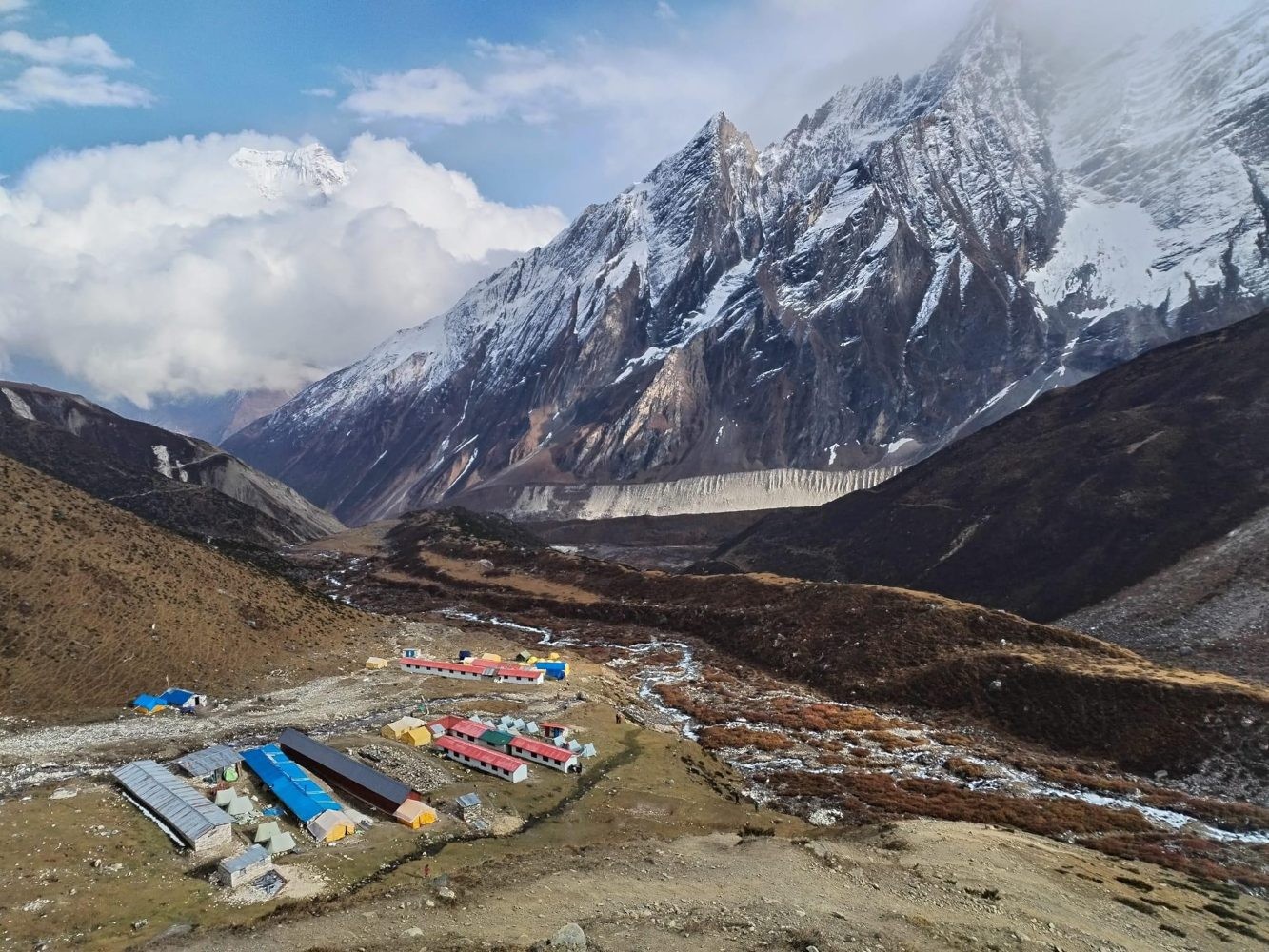
WHY EXTRA GEAR IS NON-NEGOTIABLE AT DHARMASALA:
NIGHTS are biting cold. Winds are ferocious. Rooms drain heat. Sleep MUST be had for pass success.
RECOMMENDED GEAR: A four-season sleeping bag (down to -15C / 5F) is paramount. Add a thick sleeping bag liner for warmth and hygiene, and carry a warm wool beanie and gloves you can even wear inside the sleeping bag.
HIGH-CAMP SURVIVAL KIT :
In summary, preparing honestly for Dharmasala’s harsh conditions and its high-camp status is the only path to true survival. A-15C sleeping bag, paired with a liner and extra warming accessories, will unlock much-needed rest and set you up for the monumental challenge ahead. You're NOT in a hotel; you're on the edge.
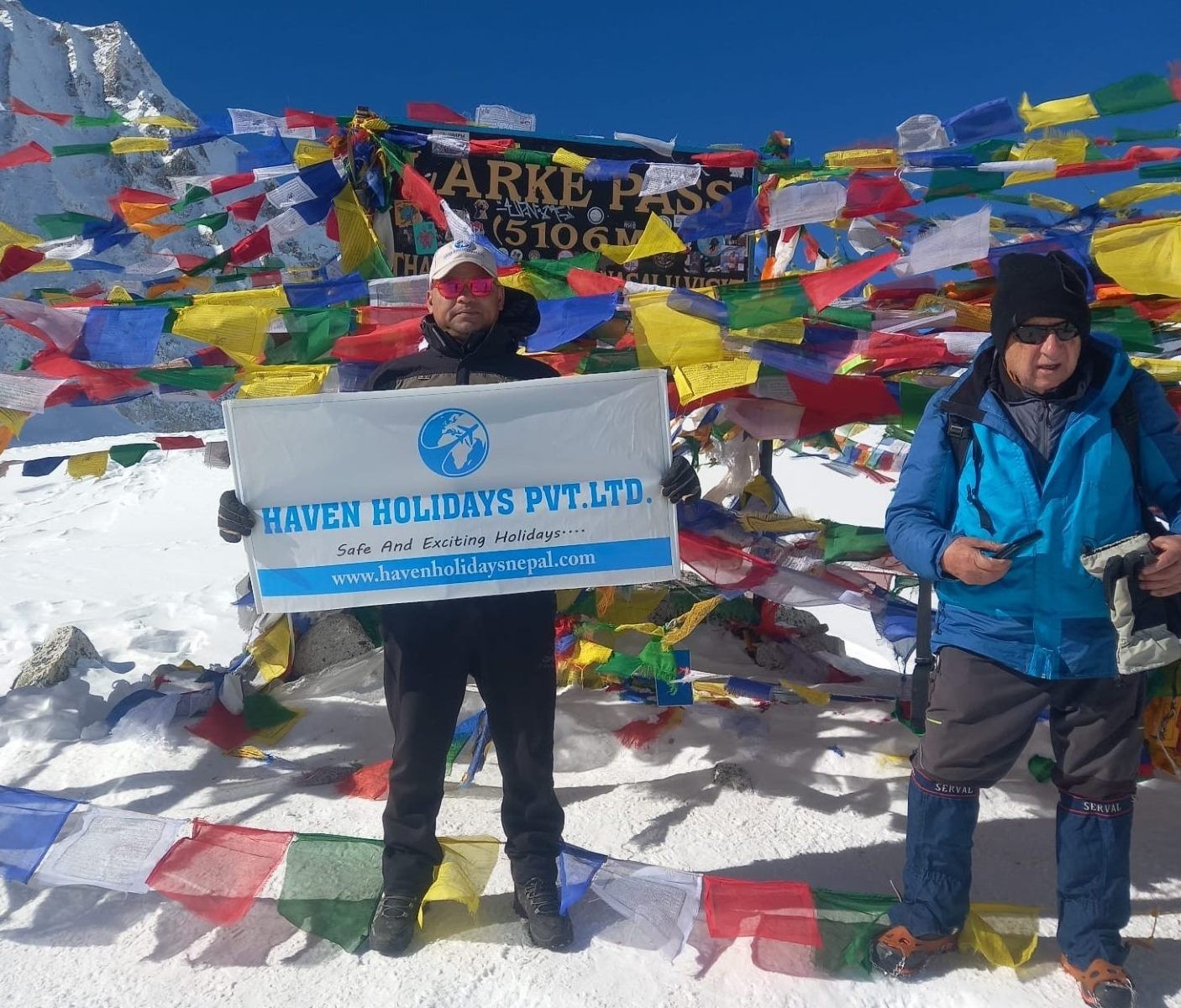
Reaching the 5,106-meter (16,752-foot) summit of Larkya La is the crescendo of the Manaslu Circuit trek. The alpine ascent begins before dawn, usually at 4 AM, when temperatures often hover between -5C and -10C and gales whip through the pass. This pre-dawn assault demands a specific, non-negotiable kit to combat the freezing elements and ensure safety.
ESSENTIAL PRE-DAWN ARSENAL FOR THE SUMMIT PUSH:
| Item | Specification | Critical Reason for Pass Day |
|---|---|---|
| Headlamp 200 | lumens | spare batteries Safe navigation in total darkness |
| Warm Beanie | Thick fleece or wool | Prevents rapid heat loss from head |
| Neck Gaiter | Buff UV-protective material | Face & neck protection from wind |
| Insulated Gloves | Windproof with good grip | Hand warmth & pole control |
PASS DAY PREPARATION TIPS:
In conclusion, the pre-dawn arsenal for the Larkya La Pass crossing transforms a treacherous high-pass endeavor into a safely triumphant adventure.
By strategically packing a powerful headlamp, a warm beanie, a protective neck gaiter, and windproof gloves, and by wisely pacing yourself with your guide’s support, you'll conquer the 5,106 meters and bask in the breathtaking, expansive vistas of September’s Manaslu Circuit.
Worried about whether you'll need crampons or microspikes for Larkya La (5,106m / 16,752 ft) this September on the Manaslu Circuit? Chill out! It's not spring, it's not winter, and the infamous pass is historically free of any snow, consisting primarily of a rocky, solid, and scree-covered path.
Note: Mountain weather is always unpredictable. Though spikes are not mandatory for your Manaslu Trekking in September, it is recommended to pack light-weight spikes in case you need it while crossing Larkya Pass.
What to Expect at Larkya La in September
Why Trekking Poles Trump Spikes in September :
| Item | Need in September? | Reason |
|---|---|---|
| Microspikes/Crampons | Nope | Trail is typically dry and free of ice. |
| Trekking Poles | Absolutely! | Critical for stability on scree and knee relief. |
| Waterproof Hiking Boots | Yes | For any dampness in the lower sections or near water. |
| Gaiters | Helpful | Keeps that pesky scree out of your boots. |
Tips for Crossing the Pass :
So, to recap: leave the crampons and microspikes at home for your September Manaslu Circuit trek. Larkya La in September is all about efficient footwork on dry rock and scree, and great trekking poles. Concentrate on staying well-hydrated and strong, and let those reliable trekking poles cushion your knees.
Actually, September on the Manaslu Circuit is pretty much the sweet spot! Lush lower valleys, stunning clear skies as the monsoon retreats, and an atmosphere that just feels right for the trek. The key to a successful and enjoyable Manaslu trek in September is a smart packing approach. Think light and efficient, not heavy and cumbersome.
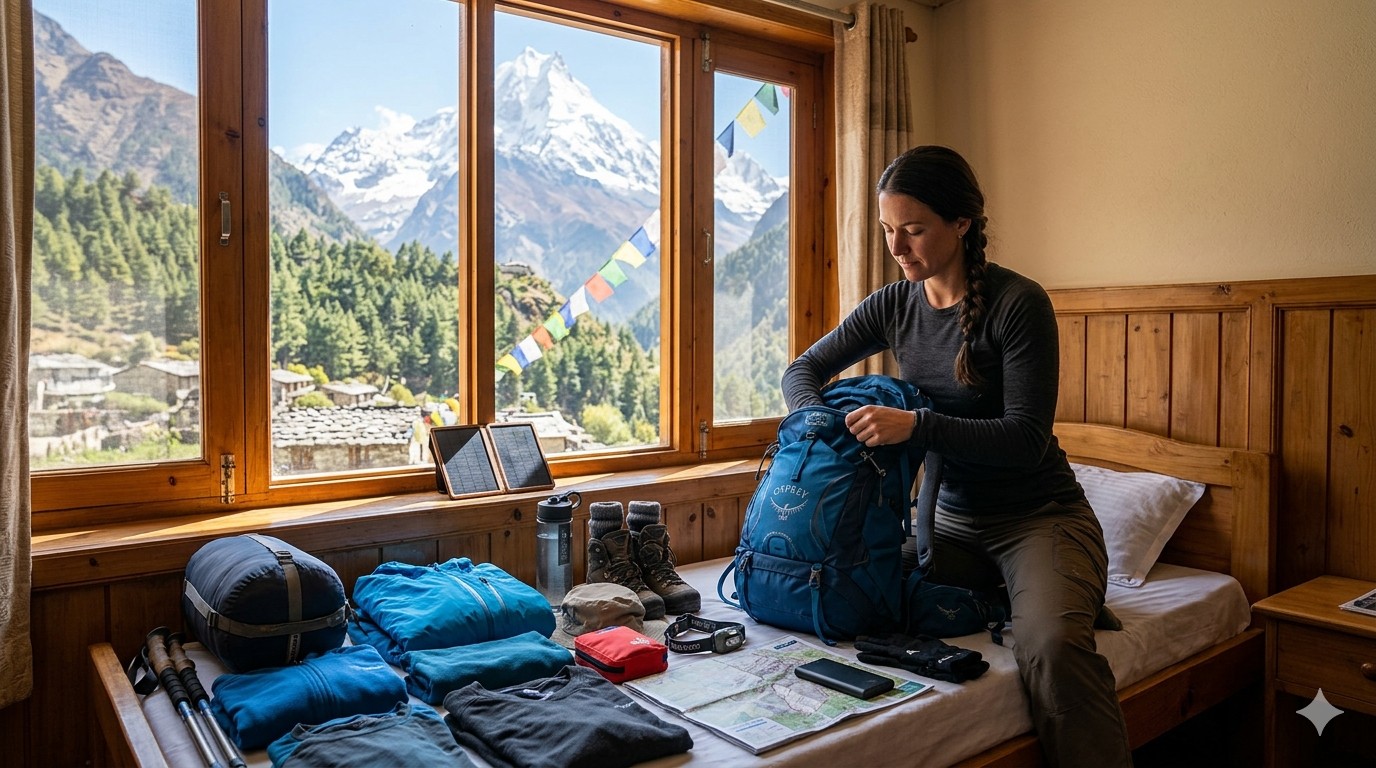
Subtropical to Alpine: The Shift in What You Need
| Trekking Phase / Altitude | Key Climate Factor | Focus of Your Clothes | Special Considerations |
| Lower Trail (Under 2,500m) | Warm, humid, post-monsoon damp | Moisture-wicking tops, shorts | Leech socks (if active) & backpack rain cover |
| Upper Trail (Over 3,500m) | Crisp, windy, freezing nights | Merino wool thermals, puffy jacket | -15°C sleeping bag and a good headlamp |
Important note for trekkers: Manaslu is a designated and protected trekking region, which means independent travel is actually prohibited by law. Hiring a local, licensed guide is therefore not only a legal requirement, but also your best assurance for safety, managing logistics, and understanding weather patterns and trail conditions (especially around landslide-prone areas). Your guide also ensures your porters don't overload themselves – a 20kg limit per porter is the standard, and it's for good reason.
| Gear Category | Essential Items | Aim for Weight | How Important? |
|---|---|---|
| Base Layers | 3-4 moisture-wicking T-shirts (synthetic or merino) | 1.0-1.5 kg | Must Have |
| Mid & Outer Layers | Fleece jacket, Hardshell jacket, Packable down jacket | 2.0-3.0 kg | Must Have |
| Bottoms & Footwear | Convertible trekking pants, Waterproof boots, Wool socks | 2.0-2.5 kg | Must Have |
| Protection & Trekking Aids | Backpack rain cover, Gaiters, Trekking poles | 1.0-1.5 kg | Must Have |
| Sleeping Gear | -15°C Sleeping Bag + liner, Comfortable camp shoes | 1.0-1.5 kg | Must Have |
| Electronics & Safety | 20,000mAh power bank, Headlamp, Comprehensive First Aid Kit | 1.0-1.5 kg | Must Have |
| Your Total Pack Weight | - - - | 10-13 kg MAX | Overall Goal |
All in all, September is a fantastic month to experience the Manaslu Circuit. With a little careful planning around its transitional climate, you can be comfortable, prepared, and leave the heavier items at home.
Need more than just a packing list?
Here, Haven Holidays offers a complete, supported Manaslu trekking experience with expertly guided treks that include guaranteed accommodation and smooth logistics – the ultimate way to explore this incredible region! Contact us and book your Manaslu Circuit Trek for September.
1. What kind of clothing layers are crucial for the Manaslu trek in September?
Your Manaslu Circuit trek in September packing list necessitates a three-layer clothing system. As lower valleys stay humid through this time, the high altitudes plunge well below freezing during evenings and early mornings. You’ll need base layers made of moisture-wicking synthetic material, insulating fleece mid-layers, and a waterproof, windproof shell.
2. Do I need to pack rain gear for the Manaslu trek in September?
Yes. Since early September might still catch lingering, intermittent rain showers from the monsoon season, your Manaslu Circuit trek in September packing list must include waterproof rain trousers, a waterproof jacket, and a pack cover.
3. What sort of trekking footwear should I plan for the Manaslu Circuit in September?
Sturdy, well broken-in waterproofing boots featuring high ankle support are a must. The lower sections of the Manaslu Circuit trek in September tend to be boggy or muddy, while the higher ground nearer to the pass becomes rocky and rugged. You'll also want to include some high-quality moisture-wicking hiking socks made of Merino wool to keep your feet blister-free.
4. Should I bring a very heavy, full-length down jacket for my September trek?
Absolutely. Though temperatures in the lower areas remain tropical, once you get past Namrung the weather cools significantly. During night stays at high altitudes like Samdo (3,860m) and Dharmasala (4,460m), a top-quality down jacket will be absolutely crucial for keeping your core temperature up.
5. What is the best sleeping bag temperature rating for the Manaslu trek in September?
Your Manaslu Circuit trek in September packing list absolutely must include a four-season sleeping bag with a temperature rating of at least –15°C (5°F). Many teahouses in this region do not have heating, and nights just before the Larkya Pass crossing will dip well below freezing during September.
6. Are trekking poles recommended for the Manaslu Circuit in September?
Yes, they are highly recommended. Trekking poles reduce impact on the knee and hip joints by as much as 25% and will definitely come in handy as you navigate slippery rocky sections after the pass, or the sometimes steep stone stairways lower down.
7. What head and handwear should be on my packing list for September?
In early autumn, the sun is still quite strong, especially in the lower valleys. Pack a breathable sun hat, alongside a warm fleece hat for colder days at higher elevations. For your hands, bring a system of light liner gloves coupled with a pair of windproof, insulated outer gloves.
8. Which is better, a backpack or a duffel bag for a guided Manaslu trek?
If you hire a porter for your treks, pack your main luggage in a spacious and robust 80- to 100-liter waterproof duffel bag. You’ll carry a 30- to 40-liter daypack, containing your personal items, rain gear, snacks, camera equipment, and daily water.
9. How should I purify water on the Manaslu trek?
Never rely on plastic water bottles to stay hydrated on the trek; you will create unnecessary waste. Instead, pack a quality reusable water bottle, perhaps with a built-in filter, or some Water Purification Tablets. Staying hydrated is paramount to enjoying the trek and avoiding altitude sickness!
10. Is it necessary to pack microspikes or crampons for the Manaslu Circuit trek in September?
Yes. You’ll want to add lightweight microspikes to your Manaslu Circuit trek in September packing list. Although you avoid much glacier hiking, patches of ice or very early autumn snow can linger and make the steep northern section of the Larkya La Pass descent perilous.
11. What kind of skin and eye protection will I need at high altitude?
Protect your skin from the intense mountain sun. Your Manaslu Circuit trek in September packing list should include a good pair of UV-blocking polarized sunglasses, preferably with good wrap-around coverage. Pack a high-SPF sunscreen and moisturizing lip balm with SPF protection.
12. Should I carry quick-dry towels and wet wipes on the trek?
A high-quality quick-dry microfiber towel, about 24 x 15 inches in size, is invaluable. A couple of packs of biodegradable wet wipes also come in handy for freshening up on nights when hot showers are either unavailable or too expensive, especially as temperatures plummet around Samdo and Dharmasala.
13. What electronic gadgets and power solutions are essential for September treks?
Pack a high-capacity power bank (20,000mAh or more), as on-site charging at teahouses can be unreliable due to cloud cover in September, and cold weather drains batteries faster. Keep your electronics and extra batteries inside your sleeping bag overnight to retain power.
14. Do I need to put together a personal first-aid kit for the Manaslu Circuit trek?
Absolutely. Even though your guide will likely carry a standard first-aid kit, it's wise to assemble your own personal one containing blister pads, pain relief tablets, rehydration salts, any prescription medicines, basic antibacterial ointment, and Diamox (for managing acute mountain sickness).
15. What kind of trousers are appropriate for the Manaslu trek in September?
Pack at least two pairs of sturdy, quick-drying trekking trousers. Convertibles are highly useful: at lower altitudes where it can be hot, they can be zipped off at the knees, and you can pull them on over your thermal base layers when temperatures drop at higher elevations.
16. Should I bring a headlamp for the Manaslu trek?
A high-lumens LED headlamp with spare batteries is a non-negotiable item on your Manaslu Circuit trek in September packing list. You’ll rely on it for late evening departures, navigating teahouses after dark (many have power cuts), and the rather essential 4:00 AM start you'll need to undertake the Larkya Pass crossing.
17. Do gaiters make sense to pack for the Manaslu Circuit in September?
Yes, lightweight, breathable trail gaiters are a very useful addition. Whether protecting you from muddy conditions or possible leech encounters lower down, or from loose scree and dust higher up, they are worth considering.
18. How many sets of base thermal underwear should I bring?
Pack two sets of base thermal tops and bottoms. Good-quality synthetic, or merino wool, layers are the way to go here. It’s a good idea to keep one set specifically for sleeping in, so you always have a clean, dry top to slip into at the end of a long trekking day.
19. What are the best snacks to carry in my September packing list?
Bring a selection of high-energy, lightweight snacks to power you through challenging segments. Protein bars, trail mix (nuts and dried fruit), chocolate, and energy gels can provide a vital burst of sustenance between meals.
20. What documents need to be secured for the Manaslu Circuit trek?
Make sure you have a waterproof document holder carrying your passport, printed copies of your Restricted Area Permit, and any necessary visa information. Also include a few passport-size photographs for additional permits along the trail; be ready to present these at various check-points.
Our travel experts are ready to assist you with any questions.
Send us a message.Have a question before you book? Send your enquiry below and our travel experts will get back with the required information.