Importantly, both novices and more experienced trekkers can be affected by these issues. Although good acclimatization, appropriate gear and a trained guide can all help to minimize the chances of these situations occurring, there is still a risk that specialist medical intervention may be required.
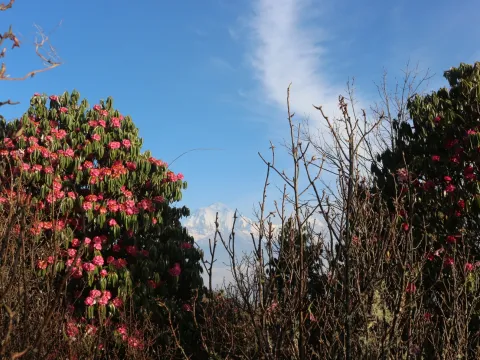
The Muldai Hill Trek includes stunning Himalayan views, and is especially delightful in spring. Located in the Annapurna region of Nepal, this is a highly desirable trek in March, April and May. Spring also sees a rise in temperature and an extension in daylight hours. Furthermore, rhododendrons flourish in the forests in this season. Meanwhile, the Muldai Viewpoint (3,637m) is one of the main highlights of this trek. It has outstanding views of the Annapurna and Dhaulagiri mountain ranges. On clear spring mornings trekkers can also view Machhapuchhre (6,993m), Hiunchuli (6,441m), Annapurna South (7,219m) and other Himalayan mountain
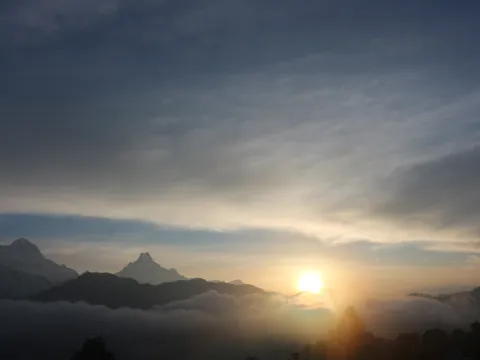
ctually, not all treks in Nepal will be suitable to trek in winter. While the Ghorepani Poon Hill Trek and Chisapani to Nagarkot Trek are generally easier to trek, the Mardi Himal and Langtang treks will be more challenging to prepare for. Importantly, depending on your fitness level, past trekking experience, how long you have on holiday and which mountain views you would like to see, you may wish to choose a different trek.
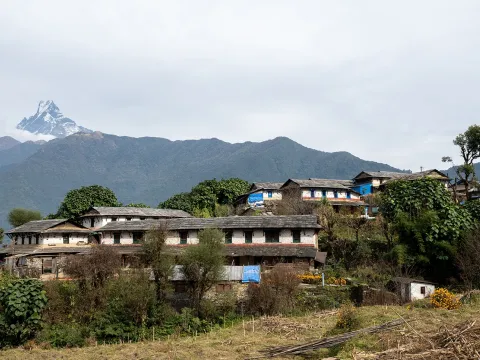
Meanwhile, this winter break will take you to 5 different locations in Nepal. In Kathmandu Valley, you can learn about Nepalese history, culture and civilization from the ancient times. In Nagarkot you can enjoy beautiful mountain views. Pokhara showcases beautiful lake side locations. Chitwan will allow you to experience wildlife and Ghandruk allows you to experience traditional Gurung culture.
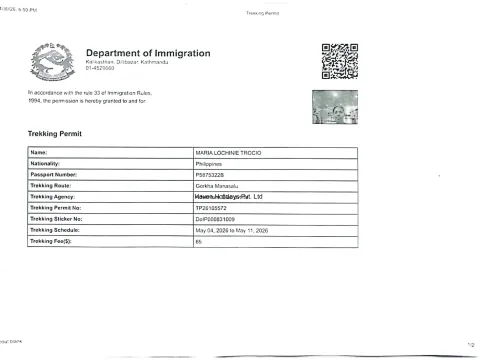
A Restricted Area Permit in Nepal is a permit required for foreign trekkers wishing to visit a restricted area of Nepal. These areas are important due to geographical, cultural, environmental and security reasons. They commonly occur near the north international border. Meanwhile, these permits allow control of access to specific villages, rural municipal wards and routes. These popular restricted areas include Upper Mustang, Upper Dolpo, Manaslu, Tsum Valley, Nar Phu Valley and Kanchenjunga.
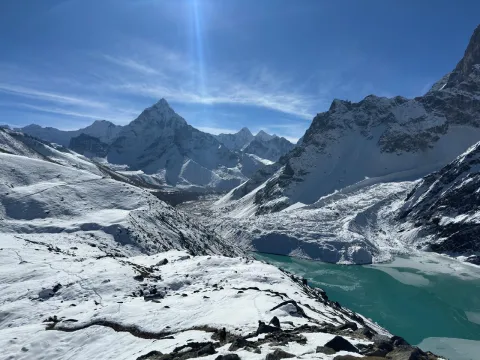
Trekking in Nepal in January is possible, however it is the coldest period of the winter trekking season. It is important to carefully consider which route you take. Actually, many popular trekking routes in Nepal will be dry in January. As fewer people go trekking in January compared to Autumn/Spring, the trails are quiet. In clear conditions, the mountain views can be very good.
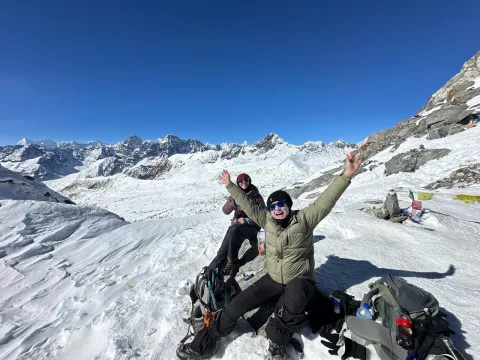
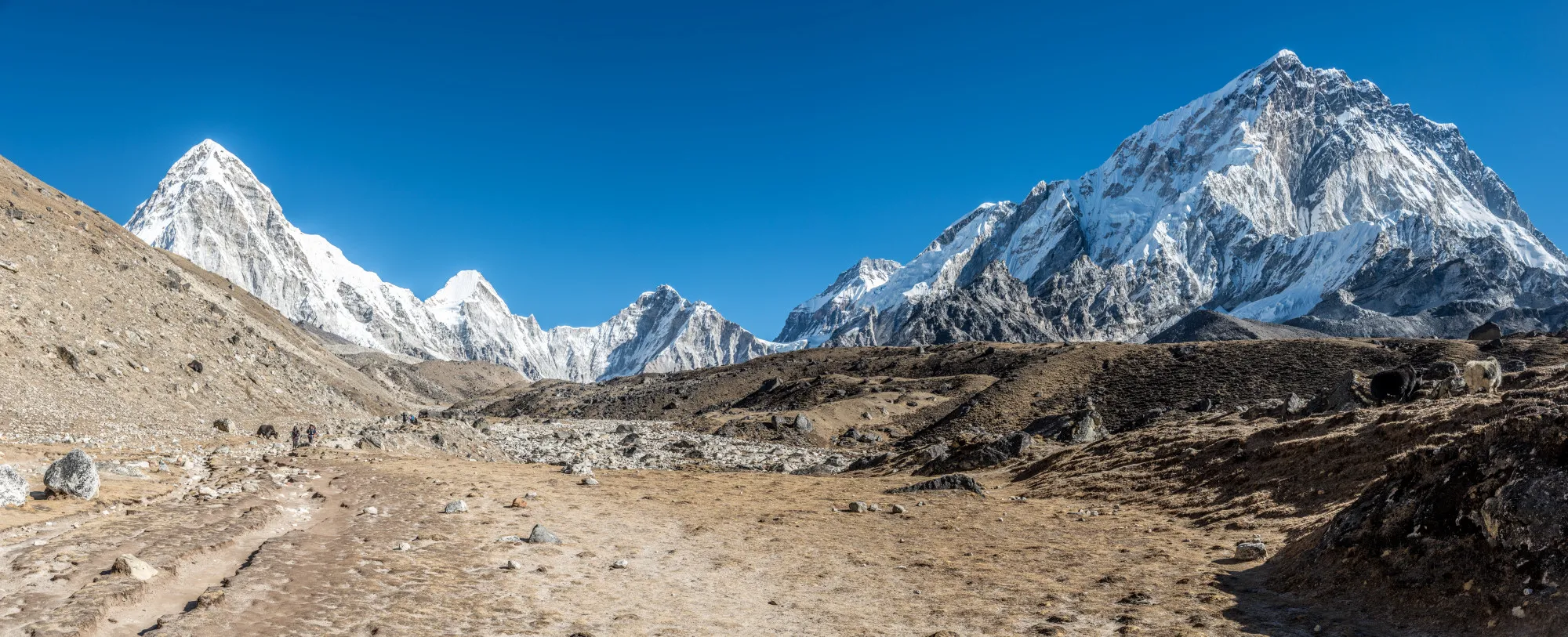
rekking to the Gokyo Valley, Cho La Pass and Everest Base Camp (EBC) in November is a great option for experienced trekkers. This route includes the beautiful Gokyo Lakes and provides an incredible high altitude experience. In November, generally the weather in this area is pleasant after the monsoon season. However, temperatures begin to drop. In particular, temperatures will be dropping in Gokyo (4,790m), Dzongla (4,830m), Lobuche (4,910m) and Gorak Shep (5,164m).
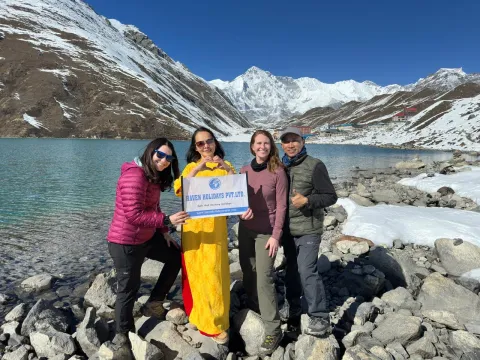
Spring and Autumn are the most popular times of year to trek in Nepal. However, there are some key differences between these 2 seasons when it comes to the weather and scenery. In general, Spring trekking in Nepal will take place between March-May with warm days and lots of blooming Rhododendrons. Autumn trekking in Nepal takes place between September-November with clearer skies and pleasant temperatures.
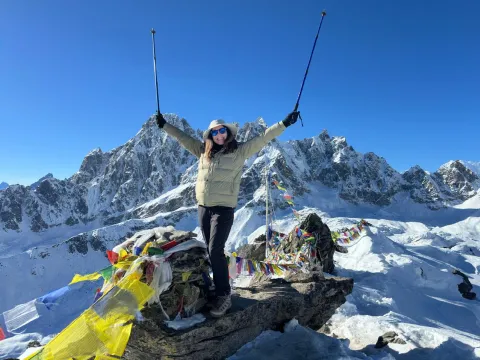
Trekking in Nepal in December can be a great experience if the right routes are chosen. The trails will be less busy, very dry, and peaceful in the mountain villages. Actually, it tends to be very cold in December. You may get great views over the Himalayas in clear morning conditions. However, temperatures rapidly drop after sunset. Snowfall can occur, making trails icy. In addition, daylight hours reduce.
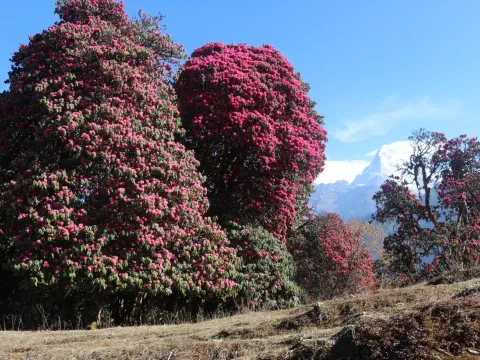
March is one of the best months to trek in Nepal. As the start of the spring trekking season temperatures begin to increase. The days are longer and trails are in better condition. Actually, the landscapes are also very beautiful. Rhododendron flowers start to come into bloom in the lower to mid altitudes. However, the flowers aren’t usually as widespread until April.
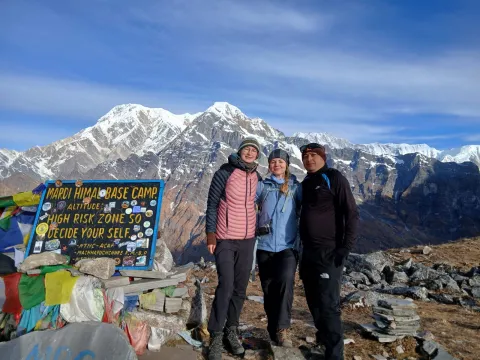
Yes, you can do the Mardi Himal Trek in February – as long as you are well prepared, have the right winter clothing and an experienced local guide. However, it will still be winter in Nepal, so temperatures will be cold, there may be snowfall and icy paths, especially above High Camp. Actually, February can be a great time to trek the Mardi Himal Trek. The trails are usually quiet, the forest is peaceful and you may get some great views of the Annapurna range depending on the weather.
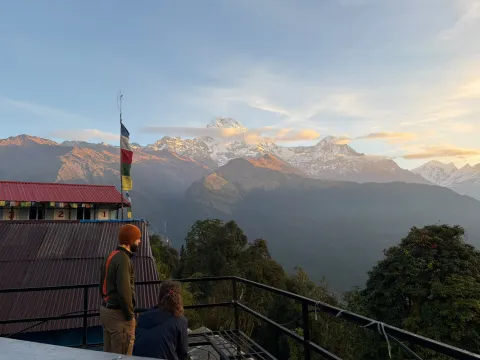
Yes! There are plenty of treks you can do in the Himalayas in the winter months of December, January and February. However, it is important to consider the altitude, snowfall, trail difficulty and your experience level when choosing where to go. Moreover, you will find the trails are much quieter and you will enjoy the crisp mountain air and snow-covered scenery. However, the cold nights, icy paths, less daylight and potential snowfall can make the higher altitude treks difficult.