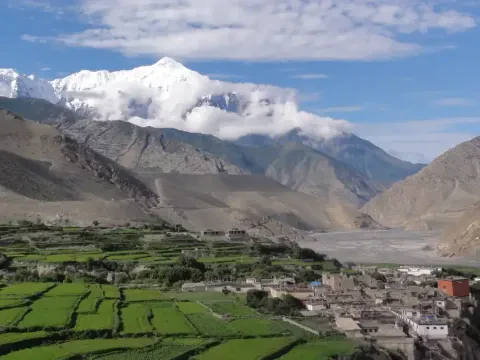
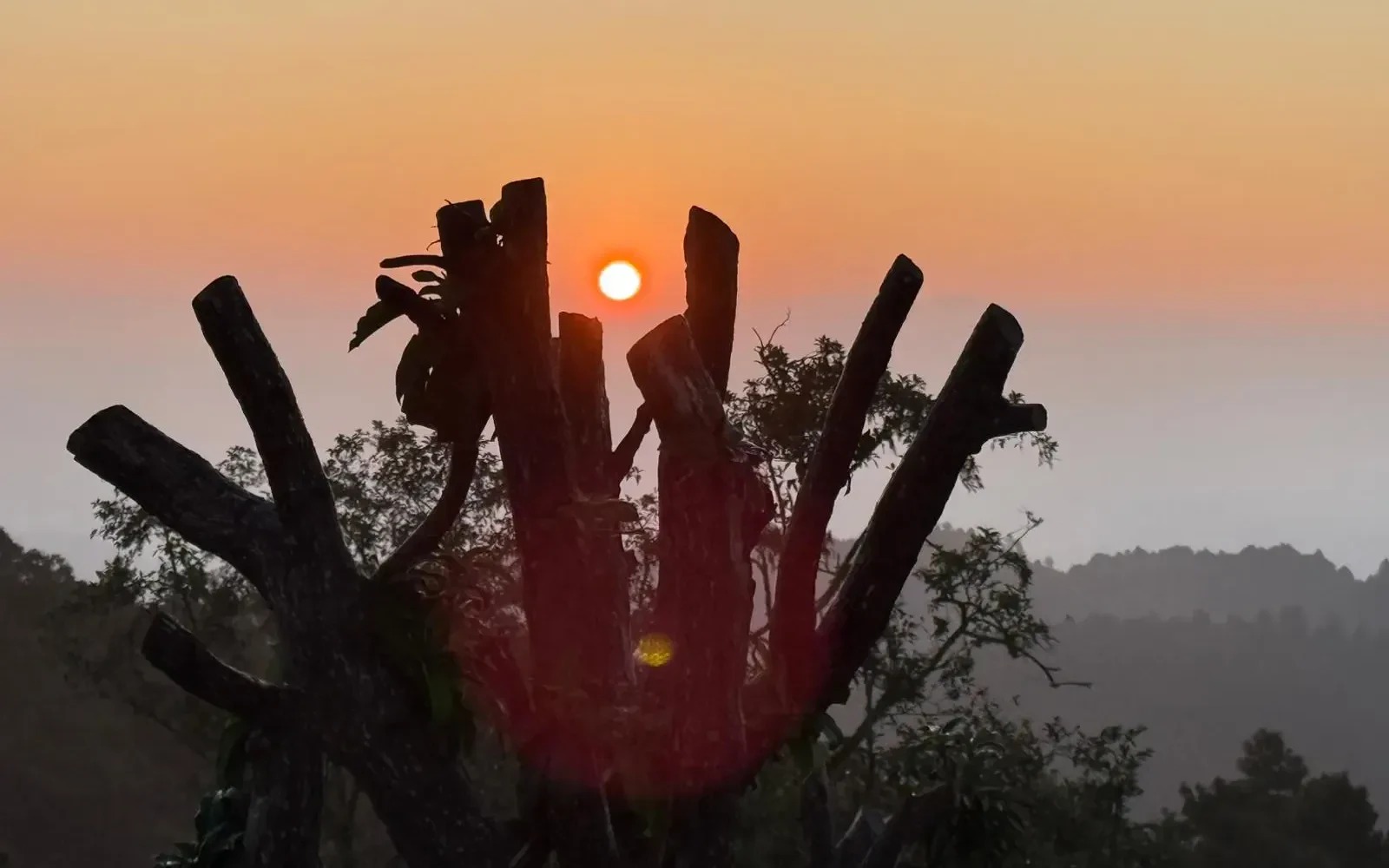
Actually, Nagarkot is this peaceful hill station tucked away in Bhaktapur District, not too far from Kathmandu—about 32 kilometers east, actually. People come here for one main thing: the incredible view of the Himalayas. Honestly, if you need a break from the chaos of the city, this is where you go. At 2,195 meters up, the air feels cooler, fresher, and the scenery just stretches out in every direction. You get forests, rolling hills, and that quiet, almost untouched atmosphere travelers always crave. Hikers love it. Nature lovers, too. It’s not just about the outdoors, either—Nagarkot opens the door to Nepal’s deep cultural roots.
Moreover, the history here isn’t just a sidenote; it’s part of the experience. Centuries ago, rulers built a fort on this hill to keep an eye on rival kingdoms. Later, royals escaped up here in the summer to dodge the heat down below. Over time, Nagarkot turned into a hill station that draws visitors from all over the world. The name itself comes from “Mandapgiri” in old texts. And you really feel that blend of past and present—Nepali culture runs deep, shaped by both Buddhist and Hindu traditions. Locals hold tight to their way of life, even as tourism brings in new energy and supports the economy. At the same time, people here work hard to protect the area’s natural beauty. So, Nagarkot ends up as this rare mix: a place rich with history, alive with culture, and quietly stunning—a spot that keeps travelers coming back.
Key Facts about Nagarkot:
| Basic Information | Details |
|---|---|
| Location | Bhaktapur District, 32 km east of Kathmandu |
| Elevation | 2,195 meters (7,201 feet) |
| Historical Role | Ancient fort and royal summer retreat |
| Scenic Features | Panoramic Himalayan views, lush pine forests |
| Best Time to Visit | September to November or March to May for clear skies |
Additional Data Points:
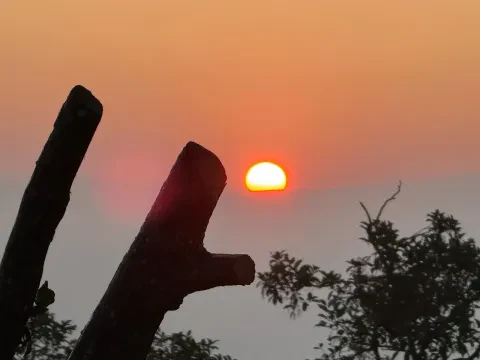
Actually, Nagarkot grabs your attention with its jaw-dropping sunrises and sunsets over the Himalayas. Early risers head out just to catch those first golden rays lighting up the peaks. On a clear day, you get sweeping views of several mountain ranges—there’s nothing quite like it. Sitting at 2,195 meters (7,201 feet), Nagarkot’s height gives you even better visibility. The area is crisscrossed with hiking trails that wind through thick forests and quiet villages. If you’re craving a rush, you can go paragliding and take in the scenery from above. But it’s not all about adventure—there’s plenty of local culture too. Visit nearby farms and you’ll see traditional agriculture in action. Really, Nagarkot blends nature and excitement in a way that grabs everyone who comes.

The main draws? It all comes back to the mountains and what you can do around them. From the viewpoints, you’ll spot eight different Himalayan ranges. On rare, crystal-clear mornings, Mount Everest itself (8,848 meters or 29,029 feet) rises in the distance. Peaks like Langtang Lirung (7,234 meters or 23,734 feet) dominate the horizon. Trails branch off toward temples and the famous Nagarkot View Tower, where you get a full 360-degree panorama. Biking and short treks keep things lively for the energetic crowd. If you’re after peace and quiet, there are plenty of retreats for that too. All in all, these pieces come together to make Nagarkot a must-visit spot near Kathmandu.
Top Attractions in Nagarkot:
| Visible Himalayan Ranges | Key Peaks and Elevations |
|---|---|
| Everest Range | Mount Everest (8,848 m / 29,029 ft) |
| Langtang Range | Langtang Lirung (7,234 m / 23,734 ft) |
| Ganesh Himal | Ganesh Himal (7,422 m / 24,350 ft) |
| Manaslu Range | Manaslu (8,163 m / 26,781 ft) |
| Annapurna Range | Visible on clear days (peaks up to 8,091 m / 26,545 ft). |
Popular Activities:
| Adventure Options | Description and Elevation | Notes |
|---|---|
| Paragliding | Aerial views from 2,195 m | launch points |
| NagarkotPanoramic | Hiking Trail - 12 km trail with rice terraces and village sights |
| Nagarkot to Changu Narayan | Hike Descends to temple at lower elevation |
| Sunrise Tour | Early morning at viewpoints above 2,000 m |
| Biking Tours | Trails around 2,000-2,200 m elevations |
Actually, Nagarkot’s got something for everyone—especially when it comes to food and places to stay. Up here at 2,195 meters (7,201 feet), you get those unbeatable Himalayan views, and honestly, the local food just tastes better in that kind of setting. You’ll find restaurants dishing out Nepali favorites like dal bhat and momo, and plenty of them toss in a few international twists if you’re craving something different.
The hotels? You’ve got options. Some folks go all out with luxury resorts—think infinity pools, mountain-facing spas, the works. Others prefer the simpler guesthouses, where you get that real village vibe without blowing your budget. Either way, you wake up surrounded by scenery that’s tough to beat. On clear days, you might even spot Mount Everest way out there at 8,848 meters (29,029 feet).
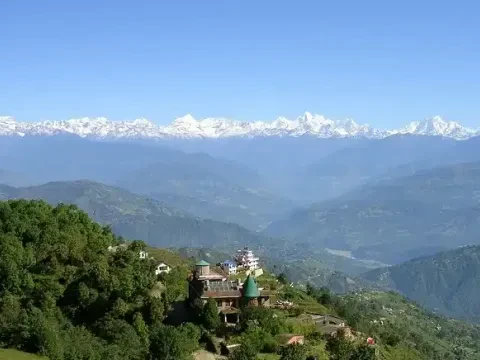
Likewise, most places in Nagarkot don’t just focus on the views—they care about what’s on your plate, too. Restaurants keep things fresh and local, serving up traditional recipes and dishes like Thakali thali for a real taste of the region. Cafes know how to do coffee right, especially when you’re sipping it while the sun rises over the hills. A lot of hotels have terraces where you can eat and just take it all in.
In the end, Nagarkot makes it easy to relax, eat well, and soak up the mountains—no matter your travel style.
Popular Restaurants in Nagarkot:
Must-Try Local Foods:
| Top Accommodation Options | Type | Key Features | Approx Price Range (USD, 2026 est.) |
|---|---|---|
| Hotel Mystic Mountain | Luxury Resort | Infinity pool, spa, mountain views, fine dining | $100–$250/night |
| Peaceful Cottage & Café du Mont | Mid-range Cottage | Cozy rooms, on-site cafe, panoramic vistas | $50–$120/night |
| The Fort Resort | Luxury Resort | Scenic location, pools, cultural touches | $150–$300/night |
| Club Himalaya | Upscale Hotel | Spacious rooms, facilities for families | $80–$200/night |
| Hotel Country Villa | Mid-range Hotel | Comfortable stays, valley views | $40–$100/night. |
Additional Tips:
If you want those jaw-dropping Himalayan views, timing is everything in Nagarkot. Autumn’s the real showstopper—cool, crisp air, skies so blue they barely look real, and sunrise over Everest that’ll have you reaching for your camera before you’ve even had coffee. Spring puts on a different kind of display: trails lined with blooming rhododendrons and mild weather that just begs you to get outside. Winter mornings? Cold, for sure, but the mountains look razor-sharp and the whole place feels peaceful.

These are the seasons when hiking and paragliding are not just doable—they’re fantastic. When the monsoon rolls in, though, forget it. Clouds swallow up the views almost every day, so you’re better off waiting.
If you’re planning, shoot for October and November first. That’s when you get the clearest look at giants like Langtang Lirung. March to May comes close behind, with flowers everywhere and comfortable temps. December to February means chilly air but unforgettable sunrises if you don’t mind bundling up. Skip the summer rains—they just get in the way.
Bottom line: come in autumn or spring, and you get Nagarkot at its best, with mountain views you’ll remember for years.
Best Seasons Overview:
| Month/Season | Avg. Temperature (°C) | Visibility for Himalayan Views | Best Activities | Notes |
|---|---|---|
| October–November | 10–20 | Excellent (peak season) | Sunrise watching, hiking, paragliding | Clear skies, low humidity |
| March–May 10–25 | Very good | Trekking, photography, nature walks | Blooming flowers, mild warmth |
| December–February | 0–15 | Good to excellent | Sunrise tours, peaceful stays | Cold nights, frost possible |
| June–September | 15–25 | Poor | Indoor relaxation | Heavy monsoon rains, clouds |
Tips for Visiting:
Actually, Nagarkot isn’t just about the views—though, honestly, those are hard to beat. Most visitors lace up their boots and hit the trails, winding through pine forests and quiet villages perched at 2,195 meters (7,201 feet). If you’re feeling bold, paragliding gives you a wild, bird’s-eye look at the valleys below. A lot of people set alarms before dawn just to see the sun rise over the Himalayas, hoping to catch a glimpse of Everest on a clear morning.

Some people just want to unwind, soaking in the scenery from a cozy resort balcony. Others head out on short treks to temples nearby, adding a little local culture to the mix. So, whether you’re chasing adventure or just breathing in mountain air, Nagarkot delivers.
Moreover, there’s something for everyone here. Hikers tackle the Nagarkot Panoramic Trail for wide-open views of the countryside. Paragliders ride the wind above green hills and winding rivers. At sunset, crowds gather at lookouts, hoping to see the peaks—like Langtang Lirung—glow gold. Families wander quiet paths, stopping to chat with locals. Mountain biking is an option, too, or you can end your day by a fire, swapping stories. All these activities add up to one thing: a visit to Nagarkot isn’t just beautiful—it’s unforgettable.
Top Activities in Nagarkot:
| Activity Description | Duration/Notes | Elevation Involved |
|---|---|---|
| Nagarkot Panoramic Hiking Trail | 12 km circuit with rice terraces, villages, and Himalayan views | 4-6 hours | Around 2,000-2,195 m |
| Nagarkot Nature Trail | Leisurely 6 km loop through pine forests | 2-3 hours | Starting at 2,195 m |
| Paragliding | Tandem flights over valleys toward peaks | 20-40 minutes | Launch from ~2,195 m |
| Mountain Biking | Trails through rural paths and hills | Half-day | Varied 1,900-2,200 m |
| Sunset Viewing | Gather at viewpoints for evening colors on ranges | Evening | Viewpoints at 2,175-2,195 m |
Additional Experiences:
Actually, Nagarkot doesn’t just offer a view—it delivers a real show. Hike up to the viewpoint at 2,195 meters (7,201 feet) and you’ll get a front-row seat to the sunrise lighting up the Himalayas. The sun creeps over those snow-covered peaks, and if the skies are clear, you can spot Mount Everest way out in the distance at 8,848 meters (29,029 feet). The mountain ranges stretch out forever, and when that early golden light hits, the entire landscape glows with color. This is easily one of the best places near Kathmandu to soak in Nepal’s legendary mountain panoramas.

Moreover, the sunrise here is something else. Get up early and you’ll watch those jagged peaks turn orange against the last shadows of night. Head up to the Nagarkot View Tower for a full 360-degree sweep—you won’t miss a thing. Langtang Lirung (7,234 meters or 23,734 feet) steals the show, with Ganesh Himal (7,422 meters or 24,350 feet) right there beside it. And on those crystal-clear mornings, Everest might peek out on the horizon. Stick around for the sunrise and you’ll walk away with more than just photos—this place leaves you with a sense of peace you’ll remember.
Key Viewpoints in Nagarkot:
| Peak/Range | Elevation | Notes on Visibility |
|---|---|---|
| Mount Everest | 8,848 m (29,029 ft) | Distant, visible on exceptionally clear days (Mahalangur Range) |
| Langtang Lirung | 7,234 m (23,734 ft) | Prominent in central views |
| Ganesh Himal | 7,422 m (24,350 ft) | Clearly seen in northern direction |
| Manaslu | 8,163 m (26,781 ft) | Part of western ranges on clear mornings |
| Dorje Lakpa | 6,966 m (22,854 ft) | Sharp peak in Langtang area |
| Gaurishankar | 7,134 m (23,406 ft) | Eastern range highlight. |
Sunrise Viewing Tips:
Meanwhile, Nagarkot draws in bird-watchers with its incredible variety of birds tucked away in the calm Himalayan foothills. You’ll find yourself wandering pine forests and open ridges at over 2,000 meters, eyes peeled for flashes of color or sudden movement in the trees. The trails here? They’re perfect for catching glimpses of all kinds of species. Sometimes it’s raptors gliding overhead, other times it’s songbirds creating a lively soundtrack all around you. If you visit during migration season, you’ll spot even more unusual visitors passing through.

What sets Nagarkot apart is the peaceful setting. It’s quiet enough that you can actually hear the birds, not just see them. And you don’t have to hike for hours—this spot is close to Kathmandu, so it’s easy to reach. The forests are home to bright barbets and busy little tits, while the open viewpoints give you front-row seats to watch eagles and kites ride the mountain air. The mix of subtropical and temperate habitats means there’s always something new to see. Show up early, and you’ll catch the most action. For anyone who loves birds, Nagarkot delivers: great sightings, beautiful scenery, and a sense of discovery, all in one place.
Common Bird Species in Nagarkot:
Best Bird-Watching Spots and Tips:
| Season | Best For Temperature (°C) | Key Species | Notes |
|---|---|---|
| Spring (Mar-May) | Migratory arrivals, breeding - 10–25 | Tits, barbets, warblers | Blooming forests attract more |
| Autumn (Sep-Nov) | Clear views, resident activity - 10–20 | Raptors, shrikes | Excellent visibility |
| Winter (Dec-Feb) | Resident birds, raptors - 0–15 | Kites, drongos | Crisp air aids spotting |
| Monsoon (Jun-Aug) | Limited 15–25 | Fewer sightings | Rain reduces activity. |
Additional Facts:
Just a short hop from Kathmandu, Nagarkot sits tucked away to the east. Getting there takes little time, thanks to several ways to travel. Roughly 32 kilometers separate it from the city center. Some choose private taxis when they want a smoother ride. Others climb aboard public buses for cheaper trips. Footpaths twist between green hillsides. Altogether, being close by lets people visit Nagarkot easily from the city, sitting high up at 2,195 meters (7,201 feet)
Likewise, getting to Nagarkot works different ways. A car you drive yourself gets there quick without stops. Public buses go through Bhaktapur if saving money matters more. The start of the road sticks to Araniko Highway before branching off. Crowded roads happen less when rush times pass. On top of that, people ride shared jeeps - some live nearby, others are just passing through. Because of this, how you arrive depends mostly on what you can spend and how easy it needs to be.
| Option | Distance | Travel Time | Approx. Cost (NPR, 2026 est.) | Notes |
|---|---|---|
| Private Taxi/Car 32 km | 1.5–2 hours | 3,500–5,500 one-way | Direct, comfortable, door-to-door |
| Tourist/Private Vehicle Hire | 32 km | 1.5 hours | 4,000–7,000 round trip | Often includes driver, flexible stops |
| Local Bus (via Bhaktapur) | 32 km | 2–4 hours | 120–300 | Change buses in Bhaktapur, cheapest |
| Bus + Taxi Combo | 32 km | 1.5–2 hours | 500–1,000 | Bus to Bhaktapur, then taxi |
| Shared Jeep/Minivan | 32 km | 2–3 hours | 300–600 | Local transport, departs frequently. |
Route and Accessibility Details:
Tips for Travel:
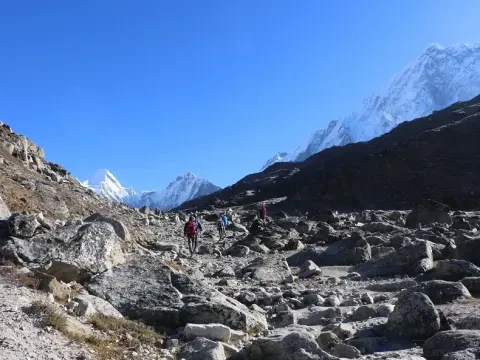
Actually, the Changunarayan to Nagarkot trail gives you the best of both worlds—local culture and jaw-dropping scenery. You kick things off at the ancient Changu Narayan Temple, sitting at 1,541 meters, then work your way up to Nagarkot at 2,195 meters. The hike takes you through lively villages, lush forests, and terraced farmlands. Along the way, those wide-open Himalayan views really steal the show.

Likewise, this isn’t one of those brutal, exhausting climbs. The trail offers a steady ascent, so most people find it pretty manageable. You’ll wander through traditional Newari villages, watch farmers tending their fields, and, if the weather’s clear, you might even spot Mount Everest in the distance. Sunrise or sunset at Nagarkot? Absolutely worth it.
Moreover, this is a great pick for families or anyone new to hiking. You get a healthy dose of history and nature, all packed into a single day near Kathmandu. Honestly, if you’re looking for a short trek that blends culture and scenery, this route checks every box.
Trail Overview:
Key Features and Highlights:
| Aspect | Details |
|---|---|
| Best Time | September–November or March–May for clear skies and mild weather. |
| What to Bring | Water, snacks, sunscreen, comfortable shoes, layers for elevation changes. |
| Transport to Start | Drive 1–1.5 hours from Kathmandu to Changu Narayan |
| Return from End | Taxi or bus from Nagarkot back to Kathmandu (1.5–2 hours). |
| Best Views | Sunrise from Nagarkot View Tower (2,175 m / 7,136 ft) after hike. |
| Difficulty Notes | Minimal steep sections; good for most fitness levels. |
Additional Facts:
Meanwhile, the Chisapani to Nagarkot trek is all about mixing forest adventures with sweeping mountain views. You start out in Shivapuri National Park, winding your way up through oak and rhododendron forests. The air feels crisp, and if you’re lucky, you’ll catch a glimpse of some wildlife along the way. Once you hit those ridge lines, the scenery just opens up—huge panoramas everywhere you look. And then there’s Nagarkot, perched at 2,195 meters, where people crowd the lookouts before dawn just to catch the sun rise over the Himalayas. It’s hard to beat that feeling of quiet, open space so close to Kathmandu.

Actually, this trek isn’t a race—it’s a steady climb, starting from Sundarijal at 1,350 meters and winding up to Chisapani, which sits a bit above 2,100 meters. After that, you follow the ridges out to Nagarkot, passing through ethnic villages and catching those classic valley views. The best part? The distances aren’t overwhelming, so beginners do just fine here. Blending Chisapani and Nagarkot gives you a short, accessible trek with plenty of variety, peaceful trails, and a serious payoff in views and fresh air.
Trail Overview:
Typical 2–3 Day Itinerary Highlights:
| Section | Elevation Range | Key Views | Notes |
|---|---|---|
| Sundarijal to Chisapani | 1,350 m to 2,165–2,215 m | Langtang, Ganesh Himal (7,422 m / 24,350 ft), forest landscapes | Steady ascent through national park. |
| Chisapani Ridge | Around 2,200 m | Dorje Lakpa, Gaurishankar, broad panoramas | Overnight spot with sunrise potential. |
| Chisapani to Nagarkot | 2,165 m to 2,195 m | Himalayan ranges, valleys, villages | Ridge trail with gentle ups/downs. |
| Nagarkot Viewpoints | 2,175–2,195 m | Mount Everest (8,848 m / 29,029 ft) on clear days | Ultimate reward for the trek. |
Additional Tips and Facts:
Actually, this trek winds from Nagarkot to Dhulikhel and on to Namobuddha, and it’s more than just a walk—people really feel the mix of adventure and spirituality along the way. You start up high in Nagarkot, about 2,195 meters. The air is fresh, and if you get up early, you’ll catch the sun rising over the Himalayas—sometimes you even spot Everest off in the distance. Then the trail heads down along ridges, through small villages and terraced hillsides, all the way to Dhulikhel, which sits lower at 1,550 meters. The vibe changes here; the town’s history and the local culture pull you in.
From Dhulikhel, the path climbs a bit, leading you into forests and past farmlands, until you reach the sacred Namobuddha Monastery at 1,750 meters. It’s peaceful here—quiet, with prayer flags fluttering and monks moving between buildings. Along the route, you get those classic Himalayan views, but also a real taste of local life. The hike itself isn’t too tough—gentle descents, steady paths, and plenty to look at.
Likewise, Nagarkot- Dhulikhel- Namobudddha route really packs in the variety. You get mountain panoramas, cultural stops, and moments of genuine calm. It’s an accessible trek, but it feels special—like you’re moving through layers of nature, tradition, and quiet reflection, all within reach of Kathmandu.
Trail Overview:
Typical 3-Day Itinerary Highlights:
| Section | Distance (km) | Elevation Change | Key Features | Approx. Time |
|---|---|---|
| Nagarkot to Dhulikhel | 16–18 | Descent from 2,195 m to 1,550 m (~645 m drop) | Ridge trails, villages, forests, valley views | 4–6 hours. |
| Dhulikhel to Namobuddha | 6–8 | Ascent to 1,750 m (~200 m gain) | Terraced fields, stupa, monastery, peaceful paths | 3–4 hours. |
| Overall Blend | 22–26 | Net descent with minor ascents | Himalayan glimpses, cultural sites, rural Nepal | 2–3 days. |
Additional Facts and Tips:
1. What Is Nagarkot Famous For?
Nagarkot is really famous for its beautiful Himalayan views and peaceful hilltop setting. You can see snowy peaks on clear days including Mount Everest. Nagarkot also offers sunrise and sunset views. Many people like to go hiking, cycling and walking around the village. So Nagarkot is one of the popular short getaway destinations near Kathmandu.
2. What Are the Best Things to Do in Nagarkot?
There are lots of things to do in Nagarkot for every kind of traveler. Most people come to Nagarkot to see the sunrise and the mountain views. They also like to hike to villages and the Nagarkot View Tower. People who love nature can explore the forests and local trails.. Photographers love Nagarkot because the mountain colors change throughout the day making it a great place to visit.
3. How Far Is Nagarkot from Kathmandu?
Nagarkot is 32 kilometers east of Kathmandu. The drive usually takes around one and a half hours depending on the traffic and the road. So it is a place for a day trip. Many people also like to stay in Nagarkot. This way they can see the sunrise and enjoy the peaceful mountain atmosphere.
4. Is Nagarkot Worth Visiting for a Sunrise View?
Yes Nagarkot is one of the places in Nepal to see the sunrise. The morning sunlight makes the Himalayan peaks look amazing.. On clear days you can see the wide mountain views from the viewpoint. The sunrise in Nagarkot is different every season many people think it is a highlight of their trip to Nepal.
5. Can You See Mount Everest from Nagarkot?
Yes you can see Mount Everest from Nagarkot on days.. You have to be lucky with the weather. Besides Mount Everest you can see other Himalayan peaks, from Nagarkot. So it is best to visit Nagarkot during autumn or spring if you want to see the mountains and take good photos.
6. How Days Should You Spend in Nagarkot?
You can enjoy Nagarkot in one or two days. If you stay overnight you can see the sunset and the sunrise. You can also explore the hiking trails and viewpoints.. If you want to relax and enjoy nature you might want to stay in Nagarkot for a few more days to really enjoy the peaceful surroundings of Nagarkot.
7. What Is the Best Time to Visit Nagarkot?
The best time to visit Nagarkot is during the spring and the autumn seasons. These seasons are really nice because you get skies and pleasant temperatures. You can also see the mountains clearly. It is also a time to do outdoor things. Winter can be nice too because the views are crisp. Summer is not so good because it is cloudy and rainy. So most people like to visit Nagarkot during the spring and the autumn seasons.
8. Are There Good Hiking Trails in Nagarkot?
Yes Nagarkot has some nice hiking trails. These trails are good for people who are just starting out and for people who have been hiking for a time. You can walk to villages and forests and see some really cool cultural sites. When you are hiking you can see the mountains. Learn about how people live in Nagarkot. The trails are not too hard to walk and they are really rewarding. This is why hiking is one of the popular things to do in Nagarkot.
9. Is Nagarkot Suitable for Families and Children?
Nagarkot is a place for families and children to visit. It is really peaceful. The air is fresh. There are also some easy walks that you can do in nature. Kids love running in the open spaces and looking at the views. Most of the things you can do in Nagarkot are easy and fun for families. This is why people of all ages like to visit Nagarkot all year
10. Can Nagarkot Be Combined with Other Nearby Attractions?
Yes you can visit Nagarkot and other nearby places at the time. A lot of people visit Bhaktapur and Changu Narayan and the old parts of Kathmandu when they are in Nagarkot. These places are really easy to get to from Nagarkot. So you can look at cultural things and see the mountains at the same time. This makes for a great trip, to Nepal.
Our travel experts are ready to assist you with any questions.
Send us a message.Have a question before you book? Send your enquiry below and our travel experts will get back with the required information.