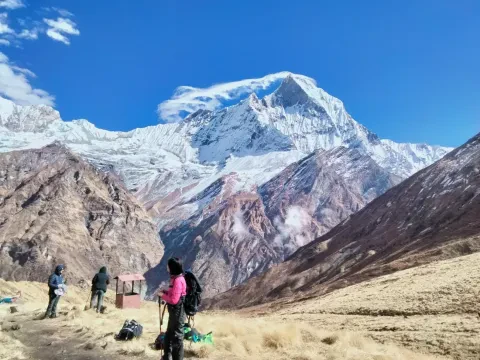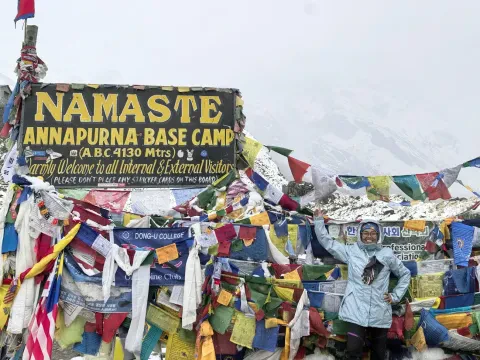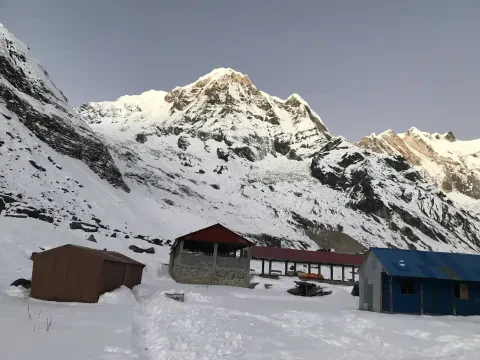
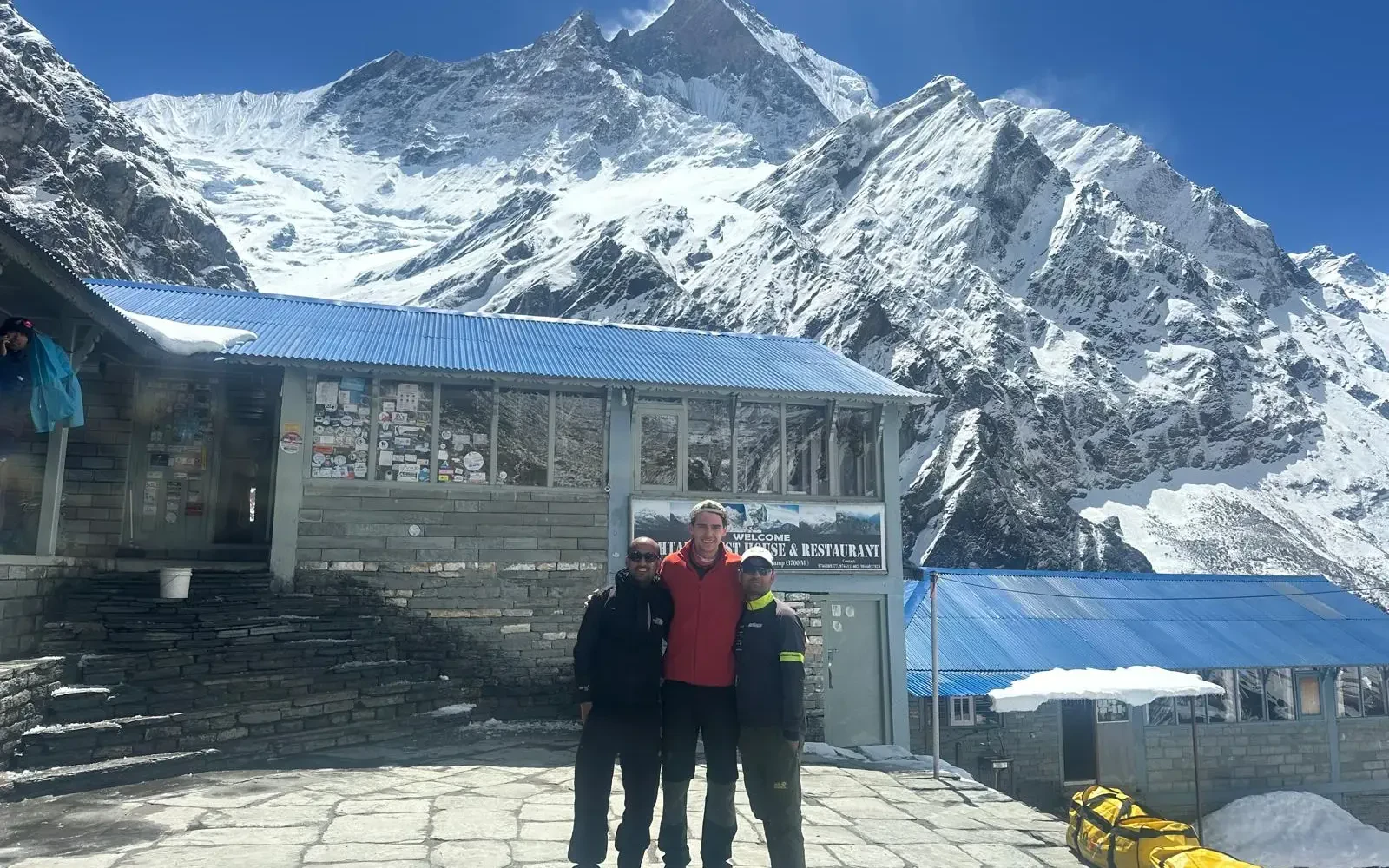
Actually, November is undeniably the best time to do the Annapurna Base Camp Trek. The blue skies are clear and the outlook for the mountain views are incredible. The weather does produce a cold although so bring plenty of gear so that you can appreciate the views without suffering.
So, the right Annapurna Base Camp packing list November will keep you warm, dry and comfortable from the warm valleys up to the freezing high camps. And be prepared for the unexpected is vital for success, so this provides you useful and tried and tested tips on what you should pack for Annapurna Base Camp in November.
As you go from low to high, the temperatures vary greatly. Layering is crucial to stay warm and dry, and good packing helps you keep the pack light and offers that option to cool off.
Why Packing Smart Matters :ABC in November
| Category | Importance in November | Priority |
|---|---|---|
| Warm Layers | Freezing nights at ABC | Essential |
| Waterproof Jacket | Unexpected wind & brief periods of drizzly rain | Extremely Important |
| Good boots & socks | Rocky roads and cold toes | Critical |
| Sun Guard | Lemon-orange strong sun on cloudless day | Essential |
Hence, with the right packing, your : Annapurna Base Camp trek in November can be a safe, enjoyable experience. So that you can enjoy the beautiful mountain vistas instead of being bothered by the cold. Further, a preparation can help your body acclimatize to the altitude. So that you can go back home with many splendid memories and pictures.
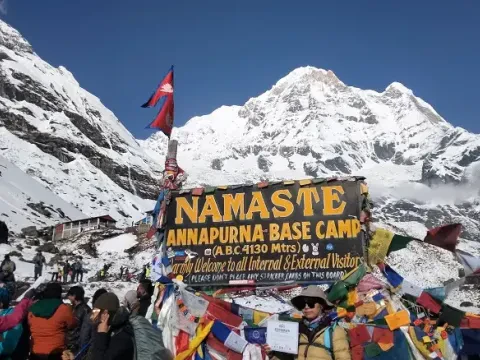
Actually, climates will be two very different along a 7- to 11-day ABC trip. Three layers will be the most sensible way keep you comfortable. It also quickly enables you to peel on off the layers.
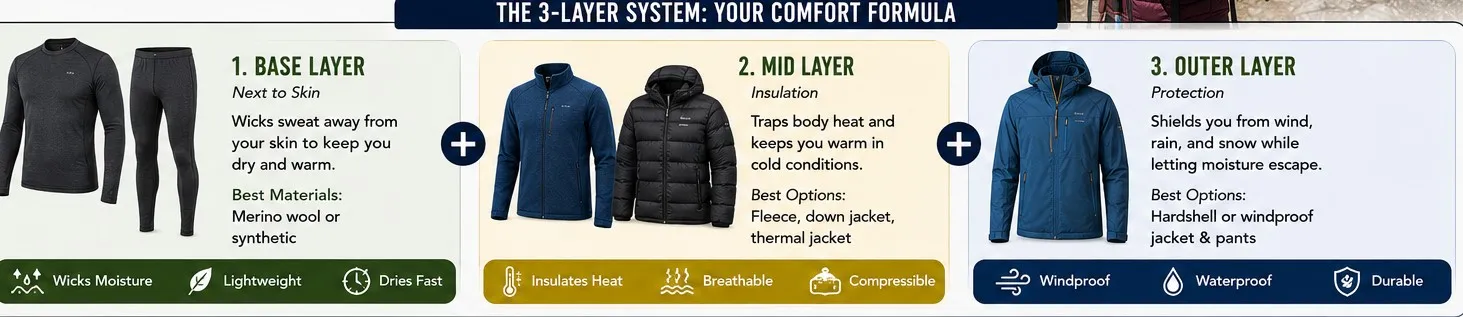
Here, the base layer of your system is a set of moisture wicking clothes that move the sweat away from your skin. The next layer is the mid-layer that holds the heat from your body. The top layer is the outer shell which deflects the the wind and the light rain.
Thus, the best innovation for the clothes is "moisture wicking" clothes because they tend to have a quick evaporation and help to stay dry.
Additionally this "trekking layers guide" is effective for the entire trekking.
A good best clothes for trekking in Nepal system helps you to adapt to flight conditions. Therefore, you stay cool whilst walking and keep warm during breaks. And this fabulous system keeps your pack size down as well!
| Layer Type | Recommended Item | Benefit |
|---|---|---|
| Base Layer | Wick Thermal Top | Draws moisture away from skin, quick to dry. |
| Mid Layer | Warm fleece sweater | Provides extra warmth for body. |
| Lightweight Shell | Smokey the Bear lightweight windbreaker jacket 71% polyester | Keeps the wind out and stops the light rain from entering. |
ABC Trek in November Layering Tips :
As a result, the three layer clothing system keeps you feeling comfortable from the warm valley floors to the icy mountain peaks. Then, you can enjoy taking photos instead of being feeling over warm or chilly. Furthermore, this easy system is efficient for all the days of the Annapurna Base Camp Trek in November. Then, you feel awake and comfortable every day.
Here, you spend so much time walking during the day that your choice of daytime attire has to be both comfortable and protective. The afternoons in November are might be chilly and sunny, but the sun overhead, so high in the sky, is absolutely punishing. So your clothing has to protect your skin from those powerful rays.
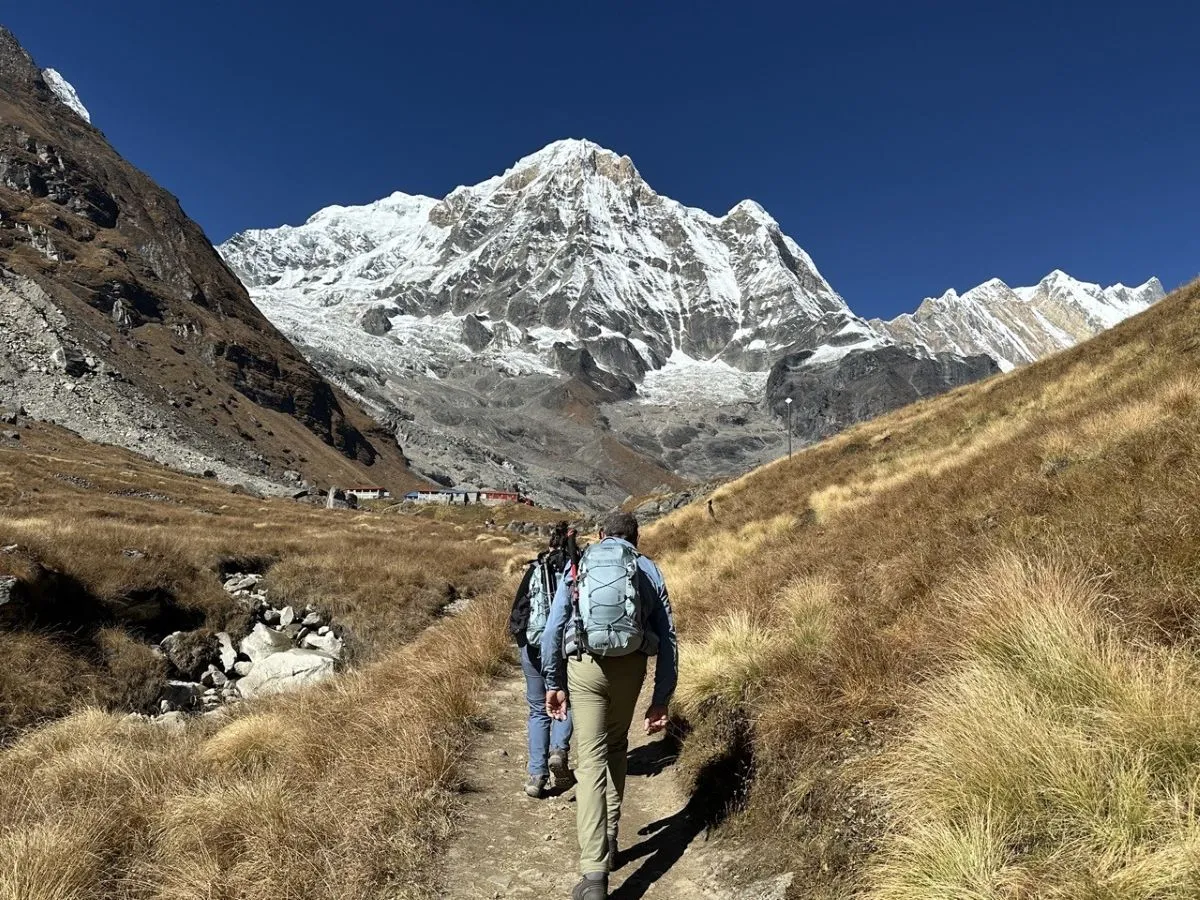
So, take 3 light, airy, non-cotton t-shirts and 2 pairs of such quick dry t-shirts. If you sweat, they dry really quickly and help to save your arms from the sun. Take also 2 pairs of light weight trekking trousers which are comfortable as well as flexible for long walking days. Sun protection gear- a sun hat and UV protected spectacles are a must.
That's why appropriate clothing will keep you cool and comfy in the daytime. Then you can appreciate the breath-taking landscapes without feeling too hot or exhausted. And good walking clothes really improve every hike on the trail.
| Item | Key Features | Why It Works Well |
|---|---|---|
| Rapid-Dry Tee’ s | Ultra-light, non-cotton | Fast Dry, Sun Screen |
| Lighter trekking pants | Airy, elastic material | Good for long walking days |
| Sun hat | wide brim | shields face and neck |
| UV-Protected sunglasses | Has high UV protection | Helping to reduce glare on the trail. |
Walking Clothes Tips :
Yes, as your right walking clothing means staying dry and comfortable in the cool, sunny hours of a November afternoon. So you can concentrate on the amazing views and enjoy every stride on your Annapurna Base Camp Trek in November. Yes, the right light weight walking shoes and products such as quick dry t-shirts and lightweight trekking pant make far longer walking days much easier. So you can end each day feeling lively and with happy memories.
Fabrics also can offer some useful protective properties. For instance, think about what happens when you’re sweating and you’re wearing cotton-i.e., a wet rag. Cotton will cling onto that sweat and continue to be quite damp over a long period of time.
Hence, do not pack any cotton. Instead, opt for merino wool thermals or synthetics like polypropylene, which will wick away any moisture. These clothes dry out super quickly. Apart from that, merino wool thermals have antibacterial properties which prevent your clothes from smelling bad.
In fact, a good synthetic hiking underwear and thermal layers is an important layer of protection. Keep you dry and comfortable, it will warm you up in the cold, even when you stop for a break or a photo. And it helps a lot to the pleasure of your more.
| Fabric Type | Benefit | Best Use |
|---|---|---|
| Merino Wool | Naturally resistant to smell | Base layer and socks. |
| Synthetic | Breathable, dries rapidly, lightweight | T-shirts, underwear. |
| Cotton | Completely intolerant | On the trail is not acceptable, indoors is relative. |
| Polyester | Okay in the house no longer acceptable out side but still the lesser of evils | Fabric Using Tips. |
Read labels before you pack away :
Hence, if you eliminate cotton and get the correct materials, this will keep you warm and dry. As a result, you'll be cozy and self-assured throughout your whole trekking experience. Additionally, this easy guideline is the most crucial of all Best Clothes for Trekking in Nepal. In conclusion, you can enjoy the spectacular mountain views!
As soon as the sun goes behind the killer Annapurna peaks, the temperature plummets. Therefore, the nights at high camps are extremely chilly. Also, the teahouses lack any heating equipment in their bedrooms; thus, thick padding is required.
So, you'll most definitely require a heavy, insulated best down jacket for Nepal trek rated to -10C or below. This best down jacket for Nepal trek with hood keeps you warm while perched in the dining hall and walking to the toilet at night! Then bring along a best down jacket for Nepal trek with fleece-lined sweat pants and rest in the lodge.
Here, having this high altitude clothing ensures that you stays warm and relaxed during night time, right after sun down. So relaxing, having a hot meal and chatting with your fellow sheep farmers doesn't let you shiver your night away. Therefore, this fine evening outfit greatly enhances your pleasant high-altitude nights.
| Item | Key Features | Best Use |
|---|---|---|
| Heavy Down Jacket Thick fill | Hood Cold in evenings | Chilly dining hall. |
| Heavy Fleece Sweater | warm and the soft | Additional lie-down to the heat. |
| Fleece-lined Sweatpants | Cozier than your favorite pair | Slip into after your walk. |
| Thick Wool Socks With Comfortable Cushion | Warm and comfortable | Keeps your feet warm during cold days in room. |
Evening Warmth at Lodges Tips :
However, this way, the heavy jackets and fleeces make you get warm even after the sunset. Consequently, you sit quite comfortably and unwind the evenings in the teahouses. Furthermore, the effective insulation makes your Annapurna Base Camp Trek in November utterly pleasurable. As a result, you relax well in the nights and rise up lively in the mornings.
Meanwhile, the Annapurna Base Camp trek is well known for it's thousands of steep stone steps. So this puts quite a lot of strain on your feet and ankles over several long days of walking. The trail is also rocky and uneven so it is important to have quality footwear for safety and comfort.
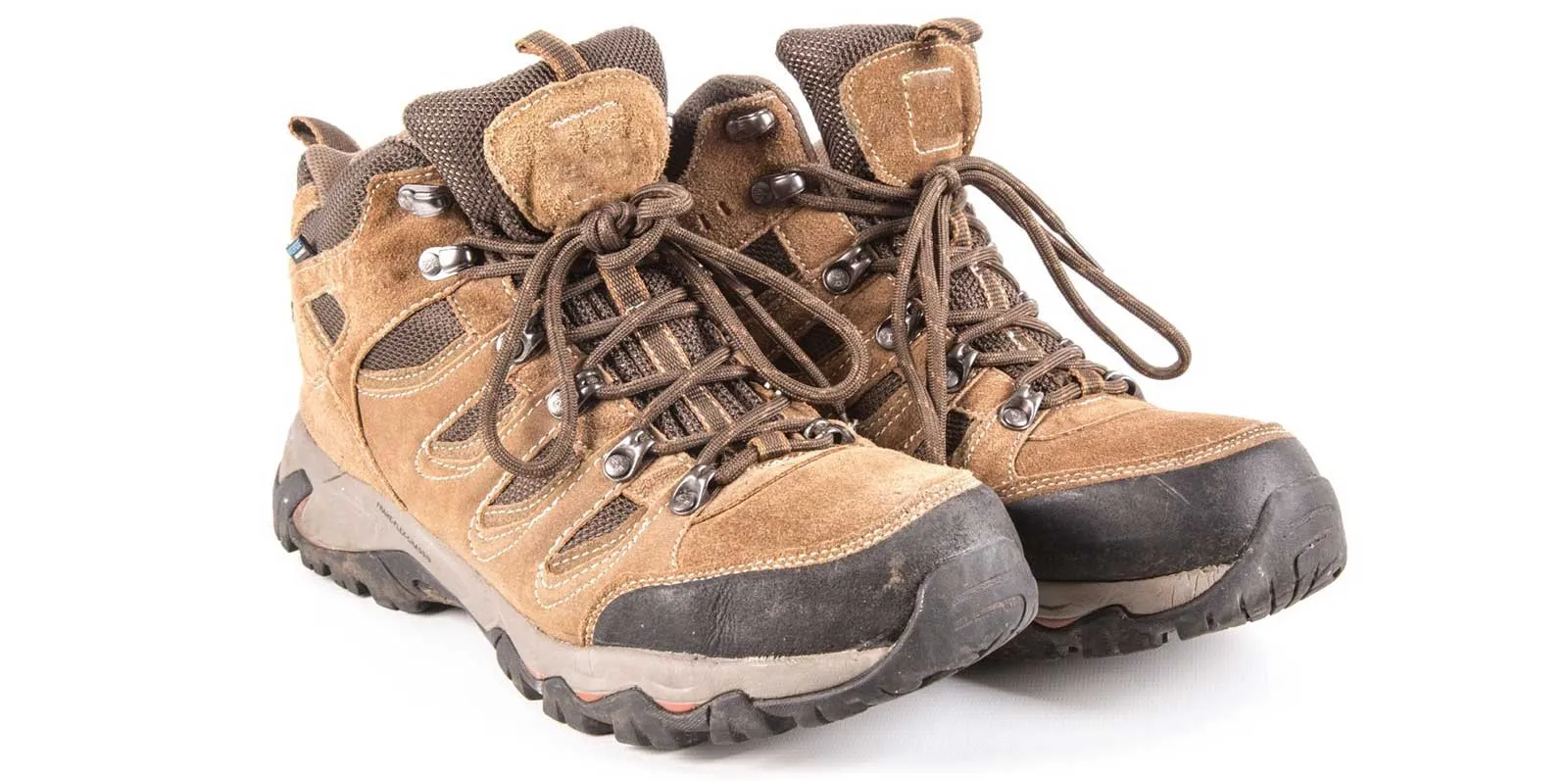
So, go for the best hiking boots for Annapurna that are waterproof and providing great ankle support. Moreover, these high ankle boots must be pre-loved in the comfort of your home so that most of the blisters are taken care of. Also get yourselves the dark, thick merino wool socks so that they offer great cushion and keep the moisture away.
In fact, your careful footwear and nice socks take good care of your ankles and toes on the stony steps. As a result, you trek with assurance, and without your feet suffering. Therefore, spend your money on the best shoes possible, as, after all, your feet do get you over the entire trekking trail.
| Item | Key Features | Why It Is Important |
|---|---|---|
| Hiking Boots | Waterproof ankle support | Stability on steep stone steps. |
| Merino Wool Socks | Triple thickness for extra comfort, moisture wicking | Prevents blisters, dry feet . |
| Gaiters (discretionary) | Lightweight | Stops debris going in to your shoes. |
| Blister Resistant | First aid basic | Treatment for bisters. |
Foot Safety Tips on ABC Trail :
Thus, strong shoes and shoes have since that pain or ram on your ankle and feet on the stone stairs. Hence, enjoy your every step of Annapurna Base Camp Trek in November without pain. Further, proper icing and winds are excited to come back home without pain with sweet story of mountain views and experiences.
That is why your head and hands need to be well protected as these are the parts where most of your body heat escapes. In November, your hands and head are likely to get cold due to extreme cold in the mornings and evenings.
So, bring a warm winter beanie gear for sleeping at base camp. Also, a multi-purpose neck buff gear to protect against cold dust wind. Therefore, bring a pair of lightweight inner liner gloves AND heavy outer winter gloves. Thus, to warm and fondle your head and hands.
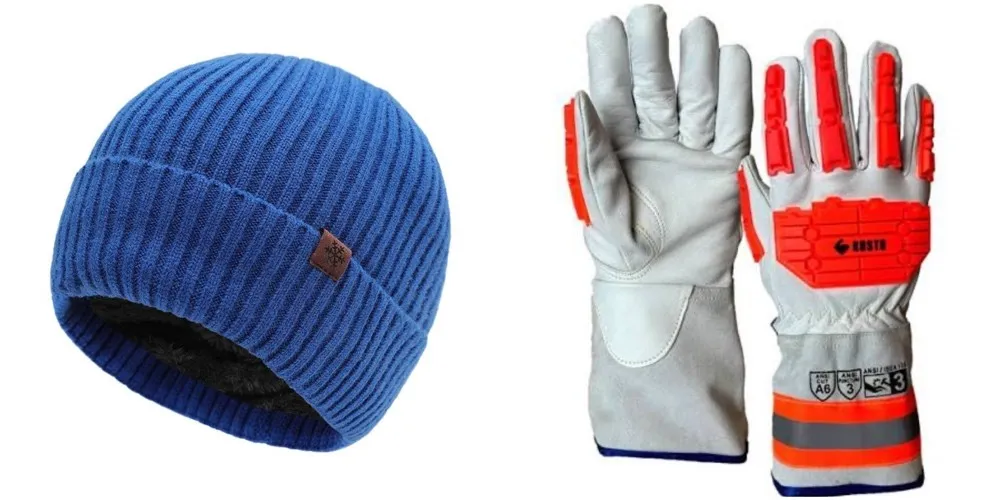
And these accessories! They are small but crucial. For example, you can take pictures from Poon Hill, or walk without shivering in the cold; they go along with your other layers perfectly.
| Item | Key Features | Why You Need It |
|---|---|---|
| Warm winter beanie | Thick wool or fleece | keeps your head warm and heat in. |
| Light weight and multifunctional | This Neck Buff Gear can keep you warm and dry and block dust during cycling, running, or other outdoor sports | Protect you from dust. |
| Inner liner gloves | Comfortable and warm | First layer for your hands |
| Protected hands from freezing | Thick outer gloves | Insulated and windproof |
Head and Hand Protection Tips :
In conclusion, good head and hand protection will block that November chill really well. Therefore, you're remaining warm and relaxed during your trek. Also, these minor accessories will make a real impact to how much you enjoy the cold mornings and nights. So, you'll be able to enjoy the stunning mountain scenery and make fantastic memories on your Annapurna Base Camp Trek in November.
Actually, the Annapurna Base Camp Trek is most busy in November. As a result, the mountain teahouses are bustling and finding extra blankets is tricky. Additionally, the rooms are cold as the lodges are constructed of fine wood with no boiler or radiators.
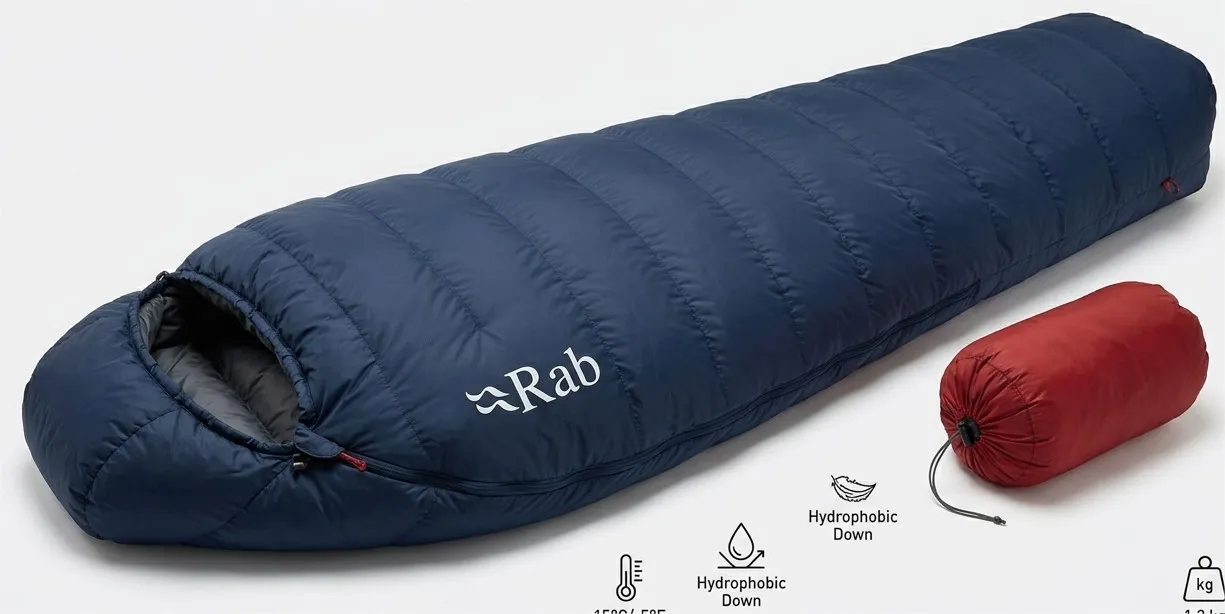
That is why you need your own sleeping bag rating for ABC trek. I recommend one rated 4 seasons of at least -10C or -15C. The one that is really hot stays comfortable even during the coldest of sleeping weathers up high during high (i.e.
Also, good sleeping bag is one of the most important thing for unheated teahouses Nepal.
If you have your own, or rent one in Pokhara or even in Kathmandu in Thamel then this is another thing you should bring along with you. This way you can have a good night sleep and wake up feeling fresh and healthy. And this small point takes a lot of the hassle out of your Trek.
| Item | Rating | Benefit | Tips |
|---|---|---|
| Four-Season Sleeping Bag | -10 C or-15 C | Especially suitable for very cold weather | Mummy shape best |
| Sleeping bag liner | Provides additional warmth | keeps you cleaner | silk or cotton. |
| Inflatable Head Pillow | Suitable for pregnancy and travel | Ensures a comfortable sleep | Easily portable due to small size |
| Warm hat and socks | wool | Additional warmth to feet and head | Use inside the sleeping bag |
Getting Sleeping Bag Tips :
Hence, rated sleeping bag always makes sure that you sleep comfortably and warmly every time. Additionally, then the good sleeping gear allow your body to regenerate itself after days of walking long miles. So, you keep energetic and cheerful throughout the trek.
Actually, trekking poles are one of the most indispensable piece of gear for the Annapurna Base Camp Trek. They aslo are an absolute godsend on the long and steep descent from ABC and alleviate the strain on your knee joints. They also allow for greater balance and support.
Hence, where ever possible use easily adjustable trekking poles which are lightweight as well as strong. They should be easily adjustable as per your need and with the terrain. It will make your walk on the mountains also much more comfortable as well as enjoyable. Also bring along a high-lumen headlamp along with extra batteries as the days are shorter in November especially if you plan on doing a dawn walk or an evening walk to the shared bathrooms.
A daypack rain cover A daypack rain cover is vital as well. So, it safeguards your bag and belongings from unexpected rain or mist. And these small things will also make your trek comfortable & secure.
| Item | Key Features | Why It Helps |
|---|---|---|
| Dynamic Adjustable Trekking Poles | Light, durable, come apart easily | Lightens your pack, protects your knees and you feel more balanced. |
| Headlamp with spare batteries | Brightest lumen, dependable | Night trek and morning walks. |
| Daypack Rain Cover | Ultra-light pack-away pack cover | Guards your bag from the rain and mist. |
| Portable first aid kit | Simple essentials | Handle small issues on the spot. |
Trekking Poles for the Trail Tips :
Thus, these tiny trail devices avoid the injury to your knees and smooth your trail. You walk more confidently and also experience less pain. Besides, quality hardware would allow you to savor the stunning views and stay safe on the trail. So, you would have a far better trek in Nepal Base Camp Trail in November.
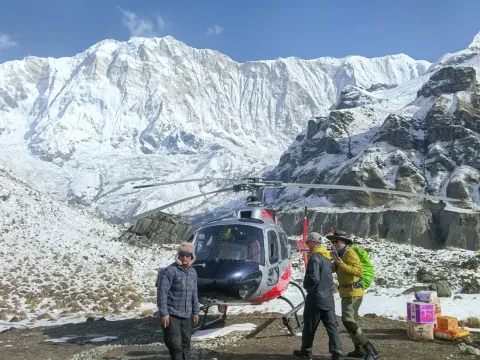
Meanwhile, cold air really drains laptops and camera batteries. Your things can go dead pretty quickly when the temperature goes down. Also, most of the lodges were charging cash to use their electricity sockets (2-5 USD).
Hence, simply taking a robust 20, 000mah power bank with you is a godsend. The power bank will give you several full charges during the trek. Further, you should keep your phone and camera in your sleeping bag while sleeping to keep warm. Hence the camera battery cold weather problem is significantly reduced.
Likewise, you can also charge your devices in teen houses if possible, but do not solely count on them. So a good power bank will save you money and headache. And you can still take nice sunrise pictures at Poon Hill.
| Item | Recommendation | Benefit |
|---|---|---|
| Power Bank | 20,000mAh or more | To keep you going! Will take more than one charge on the trail. |
| Spare camera batteries | They're kept warm | Charged and ready to go for those early morning skies. |
| Charging Cables | Extra set | Reliable connections. |
| Small dry bag | This one is a small dry bag and a perfect one | To keep in dust out of your camera/laptop/electronics. It is waterproof. |
Taking Trekking Electronics Tips :
Thus, great cold weather gadgets can keep your cell phones and cameras functioning well even in freezing temperatures. Consequently, you are able to photograph and communicate outdoors at no extra charge or trouble.
Here, one of the most important things to be aware of for your Annapurna Sanctuary trek is water purification. In fact, plastic water bottles are completely banned past a certain point on the trail to help protect the fragile environment. This means you need to bring a different strategy for staying hydrated and healthy.
What is the best bet?
Definitely, reusable water bottles and water purification tablets in Nepal. I highly recommend packing two 1-liter reusable bottles and topping them up with water at teahouses, then treating that water with purification tablets to make it safe to drink.
In fact, this is the most eco-friendly way to stay hydrated and avoid the plastic waste.
Importantly, don't forget a small basic hiking first aid kit with things like band-aids, pain relievers, and altitude sickness medication Diamox (after chatting with your doctor, of course!).
In fact, these simple essentials are key to keeping you feeling your best so you can fully enjoy the stunning Annapurna Sanctuary without any health hiccups. Having safe drinking water and practicing good hygiene habits are super important for a successful and enjoyable trek!
| Item | What it's for | How to use it |
|---|---|---|
| Reusable Water Bottles | Stay hydrated without creating plastic waste | Refill with water at teahouses. |
| Water Purification Tablets | Make tap water safe to drink | Follow the instructions on the packet. |
| Basic First Aid Kit | For minor cuts, headaches, or colds | Keep it easily accessible in your pack. |
| Altitude Sickness Medicine | Helps with breathing and headache symptoms | Use as advised by your doctor (if needed). |
Top Health Tips for the Trek:
By focusing on good health and water practices, you'll ensure a safe and worry-free trek through the Annapurna Sanctuary. You can then truly soak in the incredible mountain scenery and create unforgettable memories on your Annapurna Base Camp Trek in November!
So, there you have it – all the key information you need to pack effectively for your Annapurna Base Camp Trek in November. By packing light and smart, you can ensure a safe and comfortable adventure. Remember, an overly heavy bag will only make those steep mountain paths feel even more challenging.
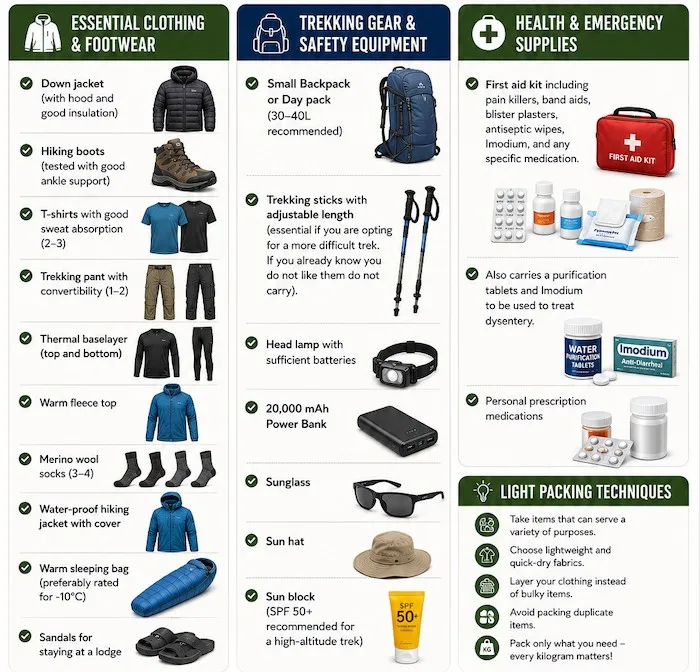
Importantly, always pack with the essentials in mind! This Annapurna Base Camp trek packing checklist is designed to keep you warm, dry, and prepared for everything the trail throws at you. Try to keep your main backpack under 10kg and if needed, use a porter for anything else. Booking with a reputable travel agency in Nepal or hiring a licensed local trekking guide will also go a long way for your safety and seamless logistics.
Your Essential ABC Trek Packing Checklist:
Here, November offers fantastic trekking weather, but since it's peak season, it can be challenging for solo travelers to secure accommodation at higher teahouses. This is why booking with a licensed local trekking agency or hiring a local guide is the easiest way to ensure your transport from Pokhara is arranged and your room at each lodge is confirmed.
Ultimately, packing light, smart, and warm will make your ABC trek in November much more enjoyable. You can then focus on soaking up those breathtaking mountain views and the peaceful tranquility of the trails. With good preparation and a positive attitude, you're all set for a safe and unforgettable journey. Go forth and make memories that will last a lifetime!
If you want to ask any help about Annapurna Base Camp Trek in November, please, contact us. Also, you can book Annapurna Base Camp Trek with us and enjoy in safe and exciting way with our team.
Happy Annapurna Base Camp trekking and safe travels!

1. Do I need to bring a heavy down jacket for Annapurna Base Camp Trek in November?
Certainly, you need a heavy down jacket when packing for Annapurna Base Camp Trek in November as temperatures at high altitudes tend to fall quickly. While hiking during the daytime remains comfortable, nights at Machhapuchhre Base Camp (3,700m) can be freezing, necessitating the best insulations to keep one warm.
2. How many thermal layers should I go with for Annapurna Base Camp Trek in November?
You should totally bring some decent quality merino wool thermal longs/vests & tops to pack for Annapurna Base Camp Trek in November as a good base layer system. They wick excess sweat during the strenuous ascents and behave as thermal insulators at night.
3. Which hiking boots to pack while packing equipment for Annapurna Base Camp Trek ?
Annapurna Base Camp Trek packing gear the most important are waterproof hiking boots with a good ankle support and deep rubber soles. To avoid ankle injuries they are should be fully broken in before departure from Pokhara (822m).
4. Is a four-season sleeping bag necessary for the ABC Trek?
Yes, it is a four season sleeping bag that should have a rating of -10C is ABSOLUTELY critical for your PACKING for ABC Trek as the teahouses are not heated and the overnight temperature in late autumn will go well below freezing at ABC (4130m).
5. Is it necessary to bring waterproof outer shells for Annapurna Base Camp Trek in November?
Yes. When you are off to Annapurna Base Camp Trek in November, bring a windproof and waterproof Gore-Tex coat with you that can serve as your protective outer layer for the frigid gusts of the mountains. It deflects the bitter mountain breezes while maintaining the moisture of your insulating layers within.
6. What are the types of trekking trousers most suitable for Annapurna Base Camp Trek?
Convertible, fast-dry trekking trousers, these are perfect for pack for Annapurna Base Camp Trek as this allows to adapt to huge variations in daytime temperature. You can wear shorts at lower elevation but zip on lower legs near Deurali (3,200m).
7. How many pair of trekking socks are require for Annapurna base camp Trek?
For your Annapurna Base Camp Trek, the four pairs of heavy wool hiking socks are essential packing gear to help your feet from developing painfully blistered. Pack one clean, dry pair in your bag for sleeping inside the freezing teahouses.
8. What is the use of a broad-brimmed sun hat in a packing list for ABC Trek on a bright sunny day?
A wide brimmed sun hat is essential for a successful an is also advisable for a successful wide brimmed sun hat is essential for a successful Reason because the high altitude of the autumn sun at ASC, want to become severe sun burns because the thinner atmosphere (absorb less ultraviolet radiation) in order to prevent my face.
9. what type of gloves do I need for Annapurna Base Camp Trek on my list?
In pack for Annapurna Base Camp Trek in November, typical gloves should be equipped as light inner liner gloves and heavy wind-proof outer gloves to prevent your fingers from getting frostbite. This glove system is essential for early morning departure and cold weather.
10. Do I need to carry trekking poles for the Annapurna Base Camp Trek if selecting pack gear?
Yes, adjustable trekking poles are considered essential packing gear for Annapurna Base Camp Trek and the use of them diminishes joint/ joint impact significantly. As we will be descending hundreds of tiered, stony stairs for steep slopes using poles stabilizes us significantly.
11. Do I require packing a bright headlamp for the autumn Annapurna Base Camp Trek?
Yes, a high-powered LED Headlamp with few extra batteries is must for your packings for ABC Trek to help you walk through dark trails safely. You will require that for early morning sunrise walk and during the unannounced power failures in the evenings.
12. Which backpack sizes are best suited when preparing for Annapurna Base Camp Trek during November?
A 30-L daypack is ideal in this case-packing for Annapurna Base Camp Trek in November you will need a small pack for your daily water supply, digital camera and jackets. Your porter will carry your 60-L duffel pack with your mountain heavy equipment.
13. Do I need UV-shield sunglasses for Annapurna this drive?
Absolutely, UV-protection polarizing sunglasses are an essential part of the probably required packing gear to be taken to Annapurna Base Camp Trek in order to avoid snow blindness and overwhelming eye fatigue. The snow glare bouncing from massive mountains such as Annapurna South (7,219m) can be detrimental to eye health without protective glasses.
14. Which water treatment method should I pack for ABC Trek?
The best options for your packing for ABC Trek are water purification tablets and a filtration bottle for drinking water. It will save money and also improve the plastic kind nature.
15. Will microfiber towel be useful When packing for Annapurna Base Camp Trek in November?
A microfiber towel that dries quickly should be packed for Annapurna Base Camp Trek in November’s traditional towels will still be damp in the freezing mountain air. The microfiber material has the ability to dry extremely quickly and can be packed into a very small space.
16. Is it necessary to bring a personal first-aid kit while choosing packing equipment for Annapurna Base Camp Trek?
Yes! Along with other gear, a personal first aid kit with Diamox, painkillers and blister tape is smart packing gear for Annapurna Base Camp Trek to be medically self dependent. Since there are no pharmacy in the remote mountain villages, it is very wise to have simple emergency medicines in hand.
17. Do you recommend a high-SPF sunscreen while packing for ABC Trek?
Yes, your high SPF sun-blocking sunscreen and barrier sunscreen can be used for the file of your " packing for ABC Trek " to soften the dry, harsh mountain environment. By use of frequent sunscreen, this can be avert harsh skin crack and radiation burns.
18. Which charging devices do I need to bring with me for Annapurna Base Camp Trek in November?
For Annapurna Base Camp Trek in November, you are required to carry a power bank capacity about 20, 000mAh during your packing due to the fact that camera and phone batteries become dead due the cold climate in the Himalaya. Personal power packs can save money for charges from teahouses.
19 How much physical local currency would be needed for ABC Trek?
Having a good stash of physical Nepalese Rupees is essential for. It is suggested to have NPR 30000-40000 for the entire ABC Trek. Since credit cards are not accepted by the trail lodges, make sure you have done enough withdrawal in Pokhara to cover hot showers and snacks.
20.Do I need to pack high-calorie trail snacks to carry with me during the Annapurna Base Camp trek?
Yes, you should take chocolate bars, nuts, and electrolyte powders when you pack for Annapurna Base Camp Trek. These energizing snacks give you quick bursts of physical energy during the exhausting days of walking for six hours.
Our travel experts are ready to assist you with any questions.
Send us a message.Have a question before you book? Send your enquiry below and our travel experts will get back with the required information.