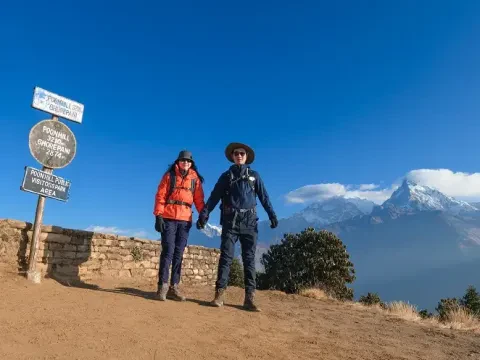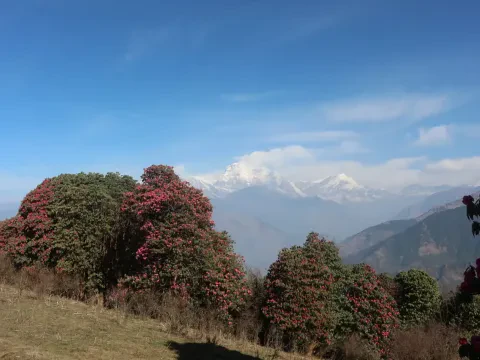

Actually, September on the Poon Hill Trail – the quintessential transitional shoulder-season confuses the trekkers what to pack! After the monsoon, the paths leading from Nayapul up to Ghorepani are bursting with greenery; rhododendron forests are a vibrant spectacle and the waterfalls roar with gusto. The weather, however, is a curious concoction of the warm and wet of the lower valleys giving way to a crisp, clear, and downright frosty atmosphere higher up.
Moreover, this unique climate makes September an excellent choice if you're after fewer fellow trekkers than October, a more budget-friendly price point, and spectacularly verdant landscapes, all while retaining good chances of catching that magical clear sunrise from Poon Hill. The secret sauce is, you guessed it, packing smart to tackle those varied microclimates.
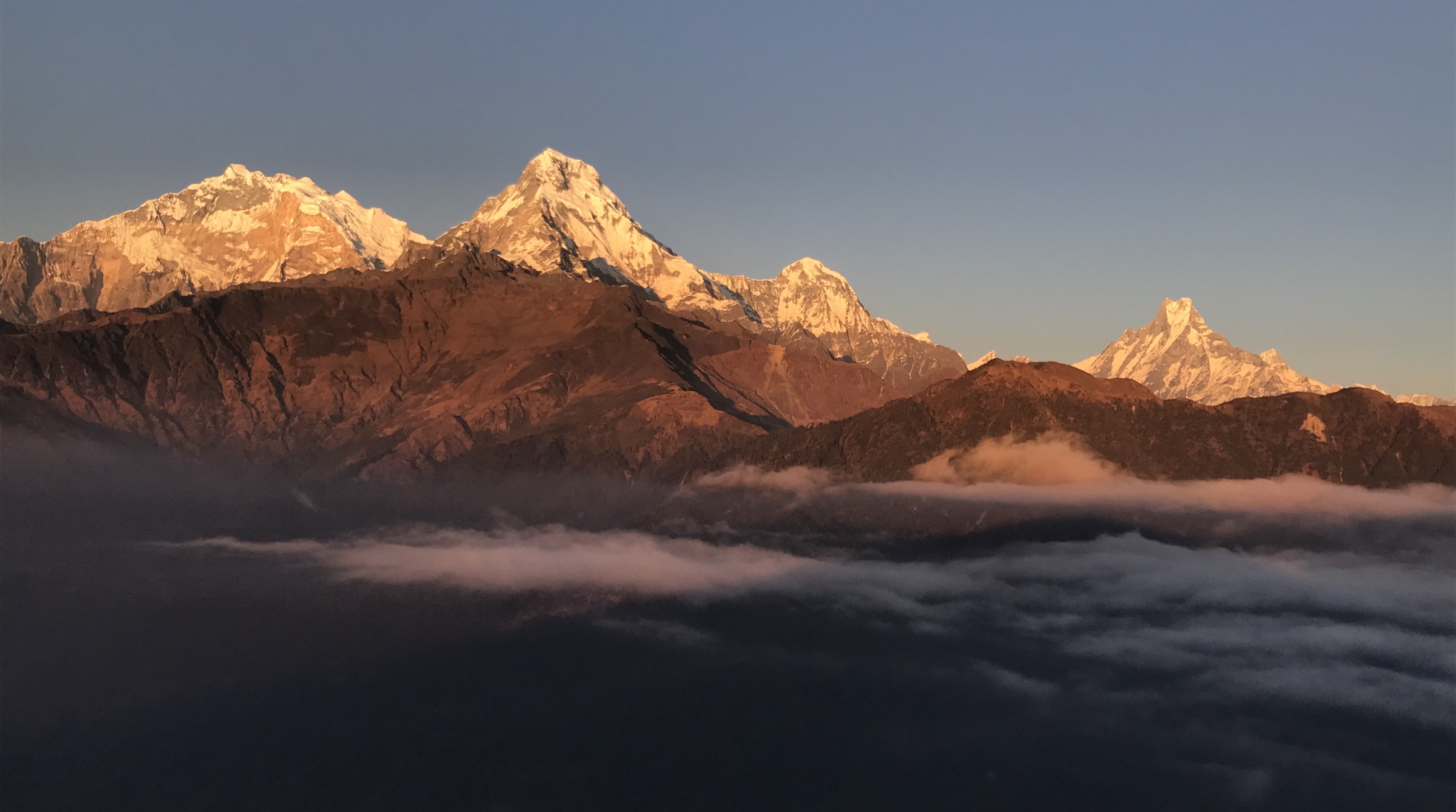
Why Poon Hill Trek in September?
Target Pack Weight (My Golden Rule)
Here, your goal pack weight for the entire trek (including water) should be a maximum of 7.0 kg to 10.0 kg. Hauling any more than that up the notoriously steep stone steps between Nayapul and Ulleri is a swift route to aching limbs.
| Gear Category | Target Weight Range | What to pack this September |
|---|---|---|
| Wearable Layers | 3.5 - 4.5 kg | Quick-dry synthetic t-shirts and lightweight fleece jacket |
| Rain & Trail Protection | 1.0 - 1.5 kg | Taped-seam waterproof shell jacket and adjustable trekking poles. |
| Hardware & Electronics | 1.0 - 2.0 kg | High-lumen headlamp with sufficient battery or power bank. |
| Total Pack Weight | 7.0 - 10.0 kg Max | Perfect for either carrying yourself or the porter’s bag. |
Likewise, hiring a licensed guide or a reputable trekking agency is highly recommended for Poon Hill Trek in September. The trail conditions, which can include muddy patches just after Ulleri or sudden cloud banks obscuring views, can change unpredictably. A knowledgeable guide will also help you time the hike to Poon Hill to coincide with that coveted sunrise!
In conclusion, Poon Hill Trekking in September presents a fantastic shoulder-season opportunity if you’re prepared to layer effectively and adapt to its unique microclimates. The lush trails and fewer crowds make it a wise and economical choice for discerning hikers.
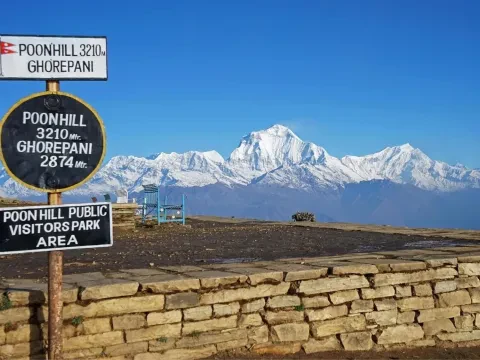
To master your Poon Hill Trek packing list for September, understanding the climate's nuances is absolutely critical. From the lowest valley floors to the very summit, it's a journey through several climatic zones, creating a hybrid weather experience.
Lower Elevations – The Warm & Humid Zone
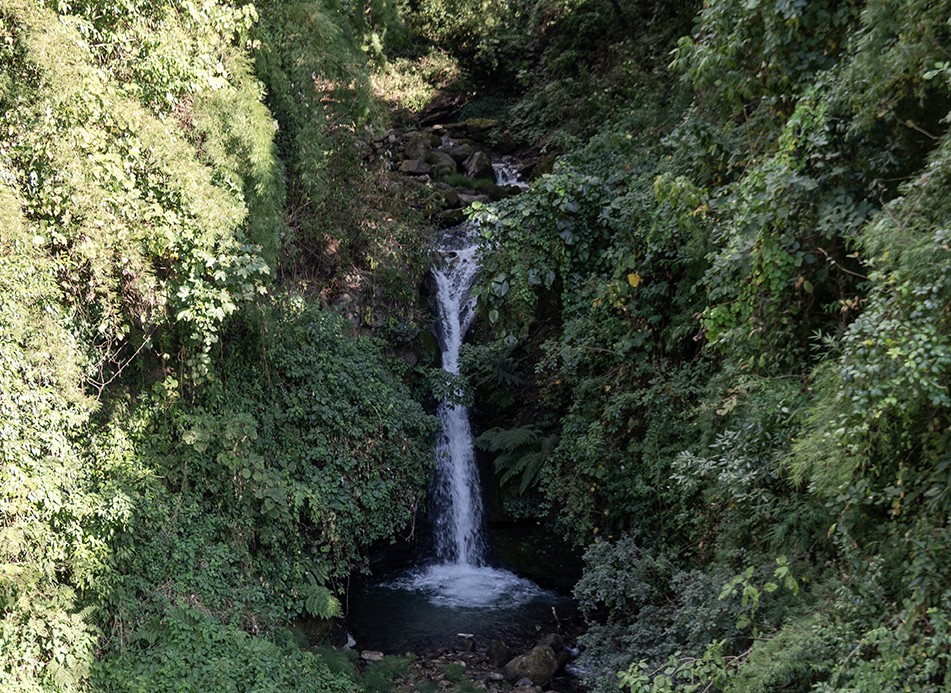
Starting your trek from Nayapul through to the mid-levels (Tikhedhunga, Ulleri), temperatures during the day generally range from a pleasant 18C to 25C. While the sun can feel warm, especially in the sheltered valleys, expect higher humidity levels and the possibility of light, intermittent showers, particularly early in the month.
Mid-Level Warmth & Cooler Nights
As you ascend towards Ghorepani (2,874 m), the daytime temperatures cool to a more moderate 12C to 18C. However, as the sun dips below the horizon, the temperatures quickly plummet. Evenings in Ghorepani can drop to around 5C to 8C.
The Peak Chill – Poon Hill Dawn
The most dramatic temperature shift occurs for the pre-dawn hike to Poon Hill summit (3,210 m / 10,531 ft). To catch the iconic sunrise, you'll need to brace yourself for temperatures that can easily reach a frosty 0C to 3C – quite a change from the lower valleys!
| Section of Trail | Average Day Temperature | Night / Pre-Dawn Temperature | Recommended Clothing Layers |
|---|---|---|
| Lowlands (Nayapul – Ulleri) | 18 – 25°C | 12 – 18°C | Quick-dry synthetic base layer shirts, a light fleece mid-layer, and a waterproof and windproof shell jacket. |
| Mid-Level (Ghorepani) | 12 – 18°C | 5 – 8°C | A mid-weight fleece or down vest is recommended as a primary mid-layer, in addition to the shell jacket. |
| High Altitude (Poon Hill Summit) | 5 – 10°C (at sunrise) | 0 – 3°C | Warm thermal base layers (top and bottom), a very warm down or synthetic insulated jacket, a hat, gloves, and warm socks are absolutely essential. |
Do I Need a Super Warm Sleeping Bag for Poon Hill in September?
Thankfully, no! You won't need a bulky winter down sleeping bag. Teahouses in Tikhedhunga and Ghorepani provide relatively clean bedding with thick quilts for warmth. However, carrying a lightweight silk or cotton sleeping bag liner is a fantastic idea. It offers personal hygiene, a bit of added warmth, and helps keep your bedding fresh.
Packing Tips Tailored for September's Hybrid Conditions
In conclusion, on the Poon Hill in September offers a truly rewarding experience, but it demands a well-thought-out packing strategy that accounts for its distinct microclimates. Pack smart and layer effectively to stay comfortable throughout this beautifully green, less-crowded adventure.

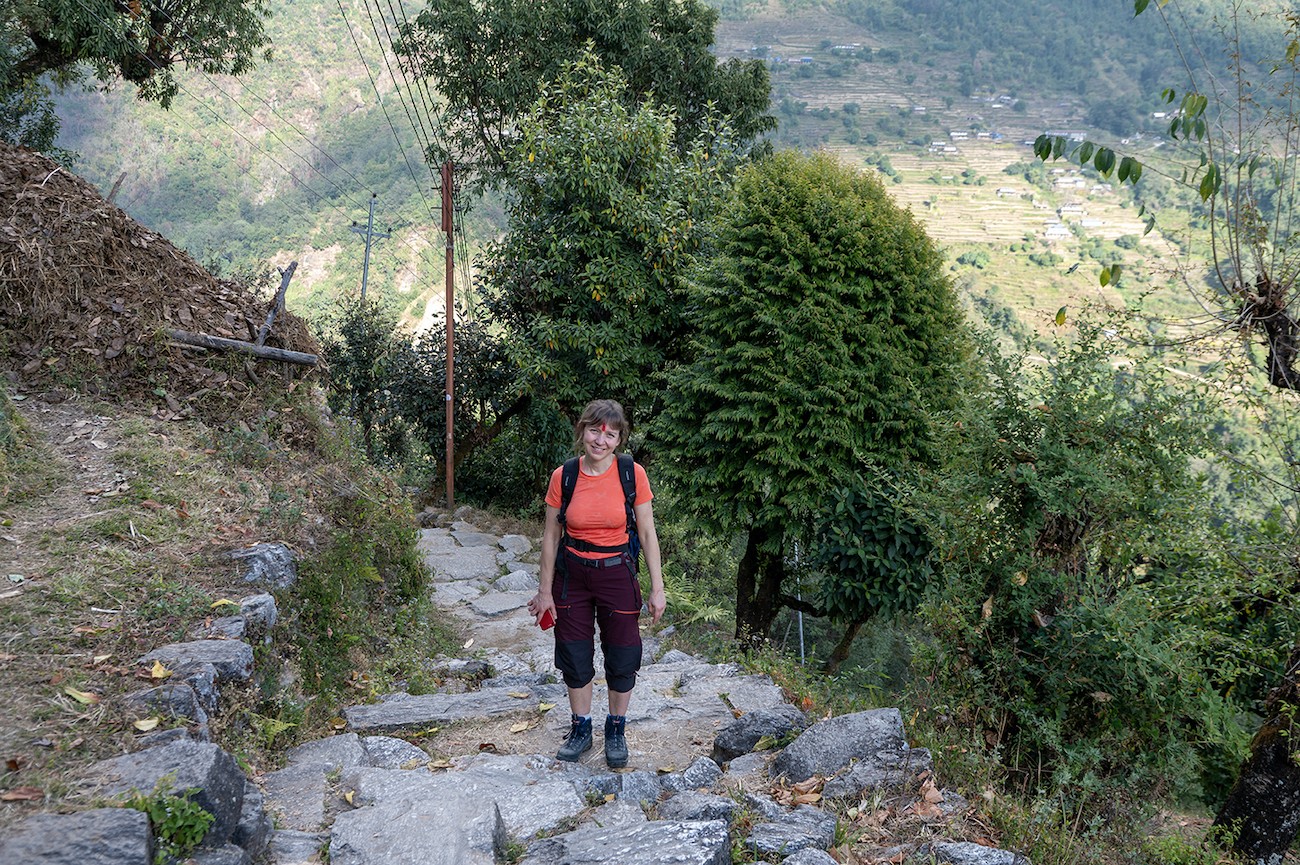
Actually, the steep climb up nearly 3,000 stone steps from Ulleri, which is often encountered on day one or day two of the Poon Hill trek, may be your first major physical trial. If you embark in September, as the monsoons wane but the air remains moist and heavy in the lower villages, a sweaty, uncomfortable ascend may soon be underway.
Why Cotton and its "wicking" abilities do not stand a chance,
Best Strategy :
Pack 2 to 3 quick-dry tops – polyester or Merino Wool T-shirts with odor resistant properties. I favor light long sleeves for sun protection and added warmth in the evenings.
Avoid cotton like the plague.. Use cotton only back in town, not in the hills.
| Top Layer | Humidity Performance | Drying Speed | Dry Weight | Our pick for September Trekking |
|---|---|---|
| Cotton | Very Poor | Terrible | Moderate | N/A – Never wear these on trail! |
| Polyester | Excellent | Extremely Fast | Very Light | #1 recommendation |
| Merino Wool | Excellent (plus odor resistant) | Fast | Light | Excellent premium pick |
Tips for Trekking Day 1-2 to Ulleri :
Conquering the Ulleri Stairs and their September humidity demands a thoughtful gear approach to base layers. Choosing 2-3 versatile moisture-wicking shirts will be well worth the investment in your comfort and safety.

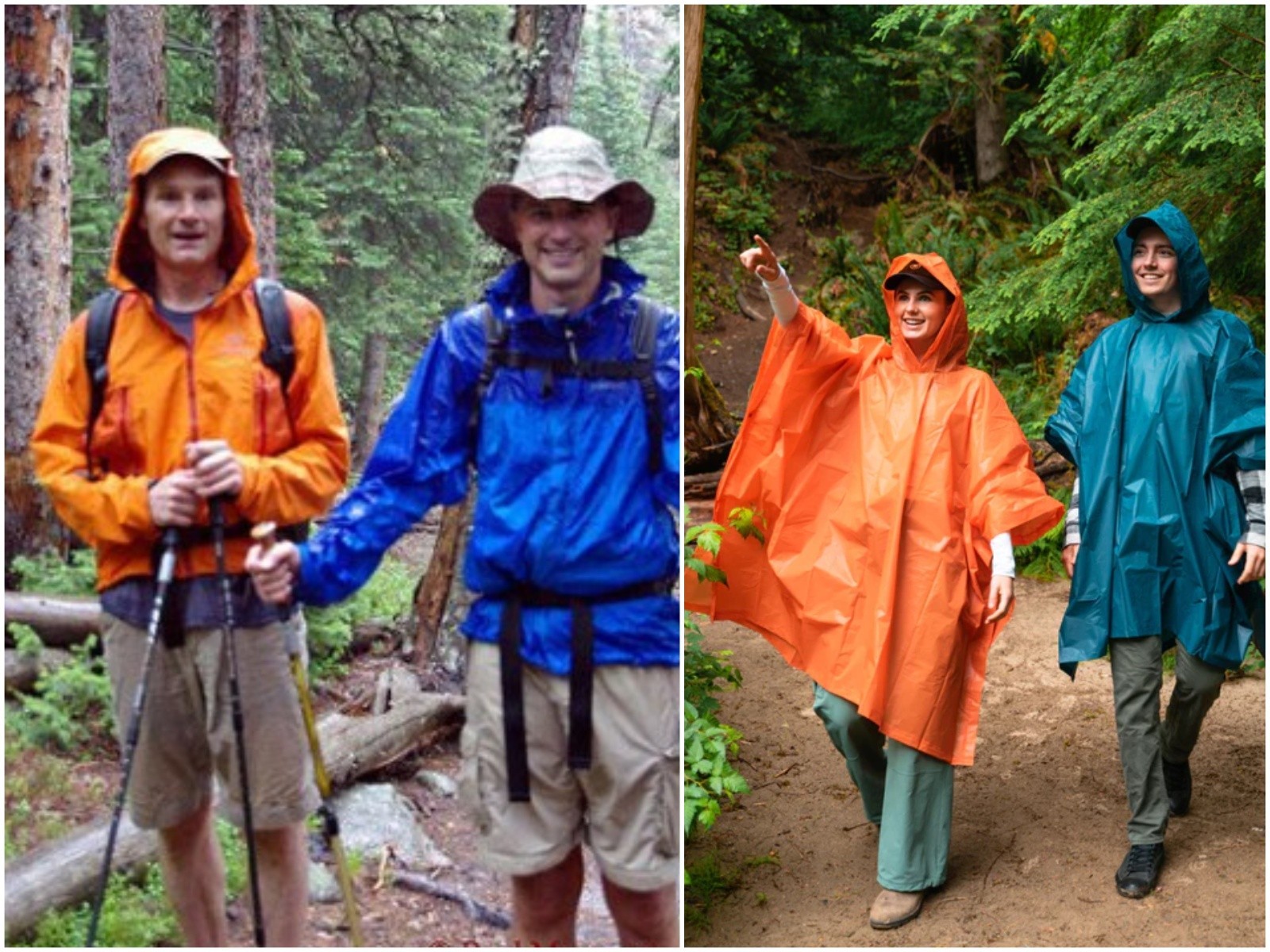
Meanwhile, early to mid September marks the season of the receding monsoon – so whilst intense rain is less likely than the previous months, be prepared for more sporadic and sometimes intense short bursts of rainfall.
Rain Gear to Pack
| Item | Weight | Breathability | Protection against the rain | Our favorite use |
|---|---|---|
| Hardshell Jacket | 300-450 grams | Very Good | Weather sealed, 100% dry | Every day insurance |
| Backpack Rain Cover | 80-120 grams | N/A | 100% dry – stops your pack getting soaked | When the downpour truly hits |
| Waterproof Bag Covers | 30-50 grams (small to medium) | N/A | 50% dry – keep smaller essentialsdry | For electronics and sensitive items |
Important September Rain Tips:
By focusing on lightweight and Breathable gear for the Poon Hill Trek, in September, any rain is unlikely to be a persistent problem but will require intelligent preparation – as and when the rain inevitably arrives, so too shall our well-chosen, stylish and functional rain kit!
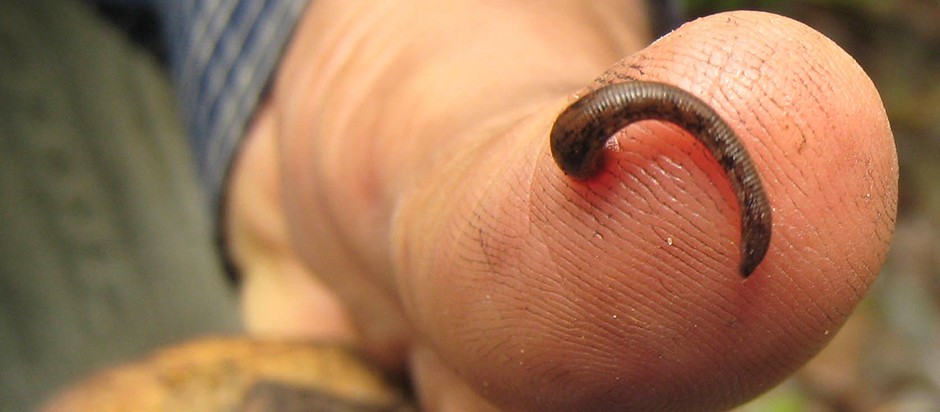
Actually, mid-September along the Poon Hill Trek still shows the lingering effects of the monsoon season in the damp rhododendron and oak forests dotting the trail between Banthanti and Ghorepani. The abundant moisture is a perfect recipe for leeches to come out in full force and can easily attach themselves to unsuspecting legs and ankles if you’re not prepared.
The Essential Leech Defense Plan :
| Item | Function | How to Use It |
|---|---|---|
| Leech Socks | Physical barricade | Wear over hiking socks; tuck pant bottoms inside the top. |
| Table Salt | Emergency eviction | Sprinkle directly onto the attached leech; it will shrivel and release. |
| Bug Repellent | Proactive prevention | Rub along ankle tops and where pants meet boots. |
| Gaiters | Extra security seal | Combine with leech socks for comprehensive protection. |
Pro-Level Trail Tip :
Here, leeches are most active in the cool of the early morning and right after a rain shower. If possible, time your treks through wetter forested sections to coincide with mid-day sunshine. If you spot an attached leech, don’t try to rip it off – this will just leave the head behind. Instead, use salt or a spray directly on it.
Do I Really Need Special Pants?
Lightweight, quick-dry trekking pants are perfect. Zippers at the ankle to adjust to your socks and gaiters add extra protection. Avoid heavy cotton pants that’ll soak up every bit of moisture.
In short, though leeches along the Poon hill Trail are present in September, they’re a minor annoyance if you pack a small, effective kit. With proper preparation, you can immerse yourself in the lush, vibrant forests of the Poon Hill trek without constantly checking your ankles!

Actually, the journey down from places like Ghorepani to Tadapani or back from Poon Hill through Ulleri requires serious descent skills and places significant eccentric stress on your knees and joints. When the trails can still be a bit slick from leftover monsoon dampness, trekking poles aren’t a luxury; they’re a necessity.

Trekking Poles Are Not Optional on the Descent for Good Reason :
What to Look For in a September Trekking Pole :
| Gear Item | Benefit When Descending | September-Specific Advantage |
|---|---|---|
| Trekking Poles | Reduces joint shock and enhances stability | Rubber tips provide grip on damp steps. |
| Supportive Trekking Boots | Cushioning for impact; ankle support | Waterproof construction prevents waterlogging. |
| Knee Braces (Optional) | Additional support for vulnerable joints | Useful if you have existing knee issues. |
Descent Technique :
Bottom line, the moderate weight of lightweight, adjustable trekking poles is arguably the most important safety and comfort addition you can make to your Poon Hill trekking pack in September. They’re a direct defense against knee pain and falls on slick stone, freeing you up to focus on the stunning Himalayas unfolding before you.

For many trekkers, the highlight of a September trek to Poon Hill (3,210m) is waking before the sun to reach the summit. Temperatures are at their lowest when trekking between roughly 4:30 and 5:00 AM, making it critical to dress smart.
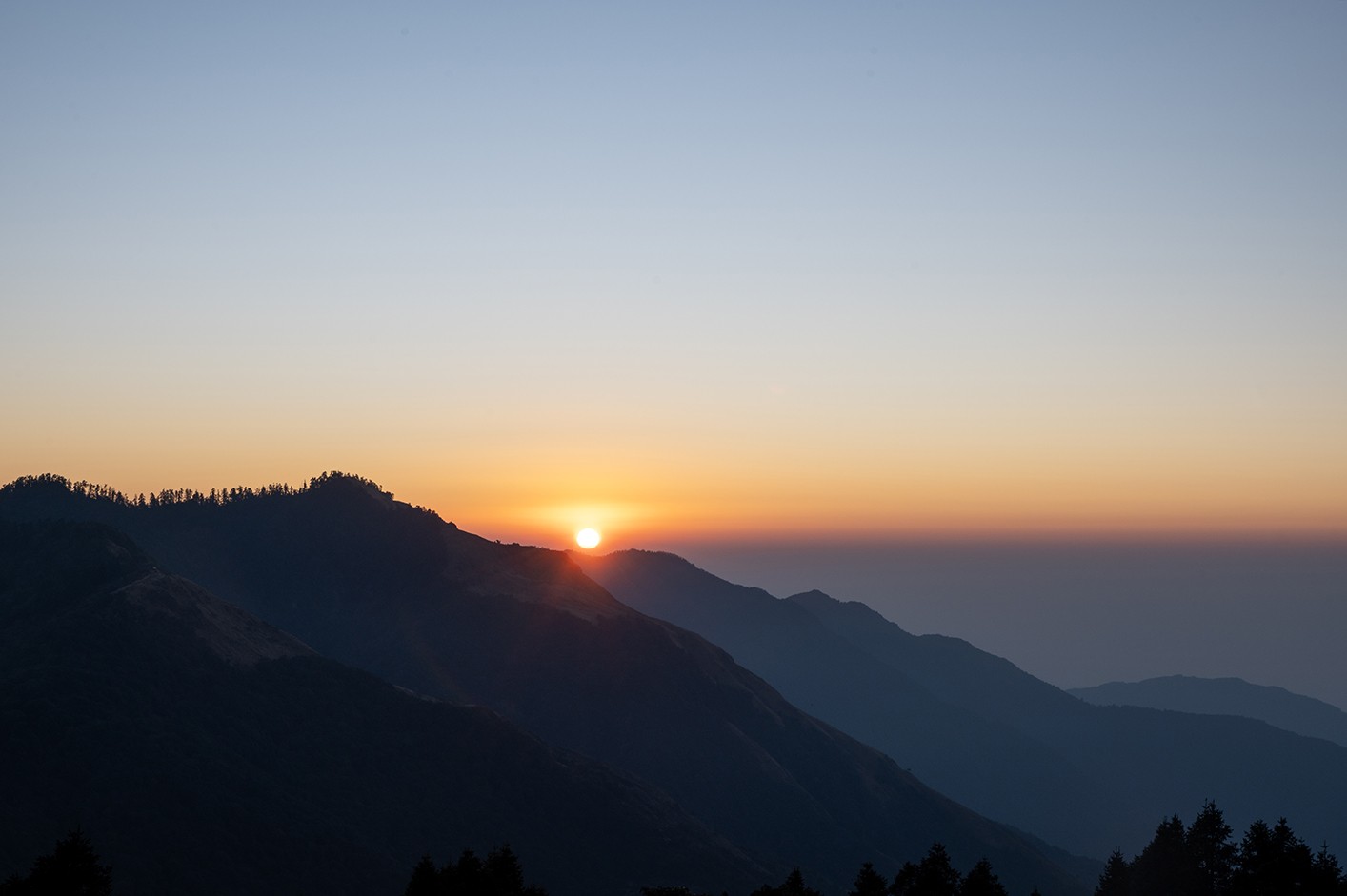
Here, this means packing your base layers – an essential first layer of synthetic or merino wool for wicking sweat – along with your mid and outer layers, which must provide insulation and wind protection at the freezing-cold summit, yet pack down small to remain comfortable throughout the rest of the day. The most essential combination involves a warm fleece mid-layer topped by a packable down coat or jacket.
And to combat that pre-dawn chill on your head and hands? Pack a warm beanie that covers your ears and lightweight, thin gloves that allow you to handle your camera with relative ease.
Pre-Dawn Dress Strategy (September):
Meanwhile, selecting the right footwear is a non-negotiable part of preparing for a September Poon Hill Trek. The trails can still be damp, and the steep stone staircases, particularly the thousands lining the ascent to Ulleri, or during the descent, can be surprisingly slippery with moss, mud, or morning dew.
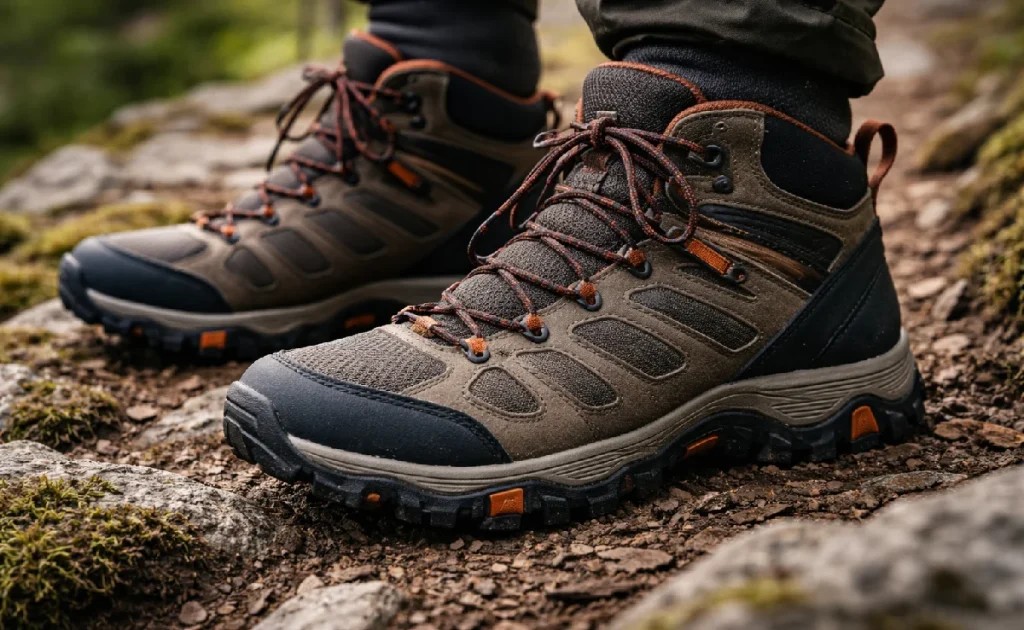
Likewise, the absolute go-to footwear for this trek are lightweight to mid-weight waterproof hiking boots that offer good ankle support. You want rugged rubber soles – ideally a trusted brand like Vibram – with deep, aggressive lugs for maximum grip on wet surfaces. Pair them with 2-3 pairs of moisture-wicking, cushioning wool socks to keep your feet dry and happy, drastically reducing your risk of blisters.
Footwear & Socks Strategy (September):

After an invigorating day spent battling inclines and breathing in the crisp September air on the Poon Hill trek, slipping into dry, cozy clothes at the teahouse is one of those small but mighty joys. Come evening, especially in the mountain air of Ghorepani, things can get quite cool, so having a dedicated set for downtime will ensure you get the best sleep and are ready to hit the trail again.
Teahouse Comfort Kit:
| Item | Role | Why it’s key for September |
|---|---|---|
| Clean Dry Thermal Set | Sleep and lounging – the ultimate comfort zone after discarding sweaty hiking clothes. | Provides warmth and a cozy feeling as temperatures drop after sunset. |
| Warm Wool Socks | Essential for cozy feet, especially on the usually cool floors of mountain lodges. | Battle the evening chill and keep your body temp regulated for better sleep. |
| Camp Shoes/Sandals | Convenient for getting around the lodge; easy to slip on for meals or bathroom trips. | Beats the hassle of wrestling with hiking boots or going barefoot. |
| Sleeping Bag Liner | Adds a layer of hygiene and an extra touch of warmth on lodge beds. | Enhances comfort and cleanliness, particularly if you're sensitive to lodge linens. |
Pro-Recovery Tips for Trekkers:
To sum it up, bringing a dedicated, blissfully dry outfit for your teahouse stays will revolutionize your Poon Hill Trek experience in September. Layering up in clean thermals, keeping your toes toasty with wool socks, and having a comfortable pair of slip-ons for the lodges will make all the difference in how well you relax and recover each day.
Actually, the Poon Hill and Ghorepani region has taken a strong stance against pollution by implementing a zero-plastic policy. This means no single-use water bottles are permitted along the trail. Responsible trekkers need to come prepared with a robust water purification system to stay hydrated using safe, sustainable methods.
Your Hydration Arsenal:
| Item | Function | September Recommendation |
|---|---|---|
| Reusable Water Bottle | Carrying and drinking your daily supply. | Opt for a wide-mouth model – it's easier to fill and clean. 1-2 liters is a good size. |
| Purification Tablets | Killing bacteria and protozoa in collected water. | Lightweight, fast-acting chlorine dioxide tablets are highly effective. |
| UV Water Purifier (Optional) | Sterilizing water using ultraviolet light. | Great for larger volumes or as an alternative to chemicals. Carry extra batteries. |
| Hydration Bladder | Convenient, hands-free water access. | Excellent for long, sustained climbs and when you need to drink on the move. |
Savvy Hydration Hacks:
In closing, heeding the zero-plastic mandate is more than just environmental ethics; it's a vital part of trek safety on the Poon Hill-Ghorepani trail in September. A dependable reusable bottle paired with effective water purification ensures you stay well-hydrated and healthy while protecting the pristine mountain ecosystem for generations to come.
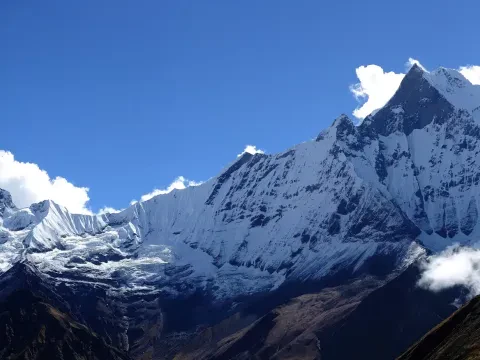
Actually, the Poon Hill Trek in September necessitates diligent electronics management due to a confluence of factors: elevated humidity levels and the crucial reliance on functional light sources during the pre-dawn ascents to Poon Hill.
Electronics Essentials for Poon Hill,
| Item | Recommended Specification | Significance in September |
|---|---|---|
| Headlamp | High-lumen; red light mode | Safety for pre-dawn ascent; preserving night vision. |
| Power Bank | 10,000-20,000mAh | Cost-saving; device recharge on the go. |
| Silica Gel Packets | A few small, dry packets | Prevents condensation and moisture damage to devices. |
| Phone/Camera | Waterproof case (optional) | Protects against unexpected downpours; capturing views. |
Practical Electronics Tips for the Poon Hill Trek :
To guarantee that your electronics function flawlessly during your Poon Hill Trek, and to optimize your pre-dawn ascent and view-catching efforts, a well-chosen electronics kit is absolutely indispensable for September. (348 words)
Actually, the month of September represents a sweet spot for the Poon Hill Trek, offering a delightful "shoulder season" experience characterized by burgeoning greenery, a welcome absence of dense crowds, and more budget-friendly options. However, the fluctuating weather-warm in the lower altitudes and cool in the early mornings-demands a strategic packing approach.
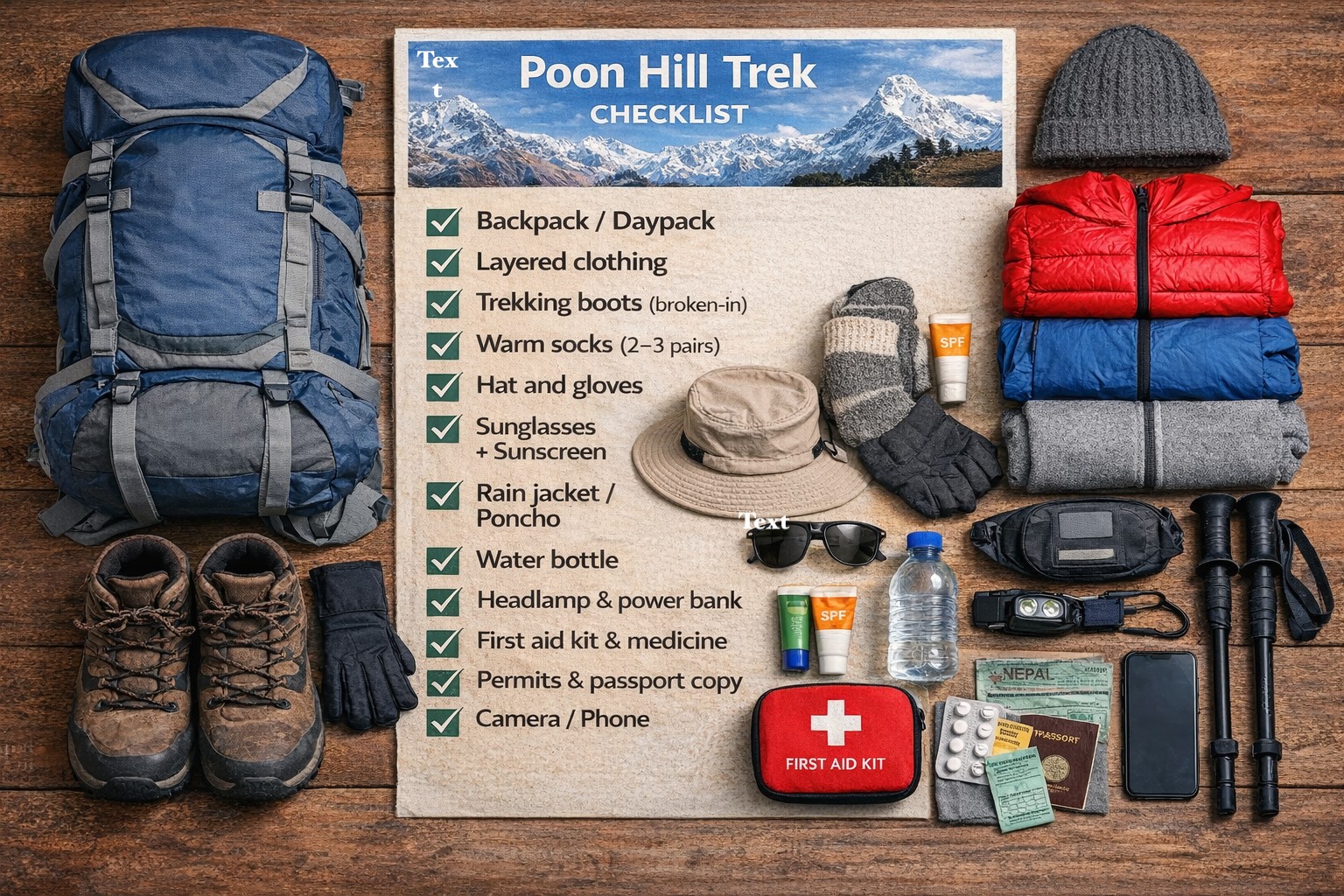
| Gear Category | Target Weight | Critical Items for September | Priority |
|---|---|---|
| Wearable Layers | 3.5 - 4.5 kg | Quick-drying base layers, warm fleece, insulating down jacket | High |
| Rain & Trail Protection | 1.0 - 1.5 kg | Waterproof and windproof outer shell, umbrella/poncho, pack cover | High |
| Footwear & Accessories | 1.5 - 2.0 kg | Sturdy waterproof trekking boots, warm wool socks, trekking poles | High |
| Sleeping & Recovery Gear | 0.8 - 1.2 kg | Lightweight sleeping bag liner, comfortable camp shoes/sandals | Medium |
| Electronics & Safety Supplies | 1.0 - 1.5 kg | Reliable headlamp, power bank, silica gel, basic first-aid kit | High |
| Total Self-Carried Weight | 7.0 - 10.0 kg Max | Aim for the lower end to facilitate movement | - |
Is a Heavy Sleeping Bag Necessary for Poon Hill Trek in September?
Absolutely not! Most teahouses in the lower sections and at Ghorepani provide comfortable beds accompanied by ample blankets and quilts. A silk or cotton sleeping bag liner is strongly advised for an extra layer of comfort and hygiene.
Likewise, September is an ideal month to embark on the Poon Hill Trek, combining visually stunning landscapes with a serene atmosphere, minus the typical season's hustle. Thoughtful packing is paramount to ensuring a comfortable, secure, and memorable journey.
For a seamless Poon Hill Trek experience, complete with a custom packing list, expert guides, hassle-free logistics, and assured room reservations even during this advantageous shoulder season, get in touch with Haven Holidays. Let us handle the details while you savor the magic of Poon Hill!
In conclusion, a trek during shoulder season needs a layered approach & a special arsenal for unpredictable weather in mountains. September makes up of the ending of rainy season and bright clear days of autumn. Thus to make sure you are always in the best comforts during your Ghorepani Poon Hill Trek September. Book now with us; our professional team will make your dream successful.
1. What is the typical Poon Hill trek in September weather?
September signals the transition from the monsoonal month of August to the clear skies and cooler days of the Autumn trekking season in Nepal. During this period, daytime temperatures hover between a mild 15 to 20 degrees Celsius. The beginning of the month may still experience lingering post-monsoon showers during afternoons, whereas by late September, skies are usually clear and mountain vistas breathtaking.
2. Is a waterproof rain jacket necessary for the Poon Hill trek in September?
Yes, absolutely. For a Poon Hill trek in September, a good waterproof rain jacket is an essential item on your packing list. The transition month often sees sporadic, unpredictable afternoon downpours remnants of the monsoon season. A breathabile yet waterproof jacket keeps you dry and comfortable on the trail, even during these unexpected showers.
3. What essential clothing should be on my Poon Hill trek in September packing list?
A well-thought-out Poon Hill trek in September packing list should focus on moisture-wicking and fast-drying clothing. Pack 2 to 3 trekking t-shirts (preferable material like merino wool or synthetic fabrics), lightweight trekking trousers or pants, a fleece jacket for warmer layers, your waterproof jacket and a good pair of hiking underwear. Avoid cotton for your main trek gear as it retains moisture.
4. Do I need an insulated down jacket for the Poon Hill trek in September?
A very warm down jacket isn't strictly necessary for the daytime during the Poon Hill trek in September, as the temperatures are mild. However, carrying a fleece jacket or a light insulated jacket is highly recommended. Mornings can be quite chilly at the viewpoint during the pre-dawn hours, with temperatures sometimes dipping to around
5°C.
5. What footwear is best for the muddy Poon Hill trek in September trails?
Proper hiking boots are crucial for Poon Hill trek in September. You’ll need sturdy, broken-in trekking boots that are waterproof and offer excellent ankle support. The trail includes a lot of steps (3,000 to be exact just up to Ulleri), and after monsoon rains, these can be muddy and slippery, so good traction is paramount to avoid injuries.
6. Are leeches an issue on the Poon Hill trek in September, and what should I pack?
Yes, because the beginning of September falls within the latter end of the monsoon season, leeches are common in the wet, humid rhododendron forests particularly at altitudes below Ghorepani. To protect yourself, pack anti-leech socks or carry a small pouch of salt and a good insect repellent. Simply put salt on the leeches; they'll detach automatically.
7. What type of backpack should I prepare for the Poon Hill trek in September?
A backpack in the range of 30 to 45 litres should be sufficient for your Poon Hill trek in September. Make sure the backpack is comfortable, lightweight, and comes with an effective, fully covering rain cover, as you'll want to protect your belongings from any unexpected afternoon showers.
8. Should I pack trekking poles for the Poon Hill trek in September?
Trekking poles are highly recommended for the Poon Hill trek in September. They aid in balance on uneven, potentially slippery terrain and also reduce the stress on your knees during the steep ascents and descents you’ll encounter, especially on the extensive stone stairways.
9. What headwear is required for the Poon Hill trek in September weather?
Pack a wide-brimmed sun hat for protection during the day, when the sun can still be quite intense. Also, bring a warm woolen beanie or a warm hat for the cold, pre-dawn mornings spent waiting for the sunrise at the Poon Hill viewpoint; it will get very cold in that thin air!
10. Do I need to pack a sleeping bag for the Poon Hill trek in September?
While teahouses in Ghorepani provide blankets, it's wise to pack a lightweight sleeping bag for your Poon Hill trek in September. A sleeping bag rated around 0°C will ensure you have a warm, comfortable and hygienic night's sleep in your mountain lodge, especially as the temperature can dip significantly in the evenings.
11. What electronics and power accessories should be on my September packing list?
Include your phone and camera. For charging, a high-capacity power bank is crucial as outlets in teahouses are often scarce and sometimes require payment. Also, bring a headlamp with extra batteries for the early morning trek to the viewpoint at Poon Hill-it’s mandatory!
12. How should I pack to protect my electronics from monsoon moisture?
Your electronics, including phones, cameras, and charging cables, should be kept in waterproof dry bags or at least in heavy-duty zip-lock plastic bags. Make sure to store these inside your backpack, preferably in the main compartment that will be covered by the rain cover during walks.
13. What personal hygiene items are essential for a Poon Hill trek in September?
Besides a quick-dry microfiber towel, you must pack plenty of wet wipes and hand sanitizer. While water might be available for showering, it can be very cold in September evenings. Also, pack a decent supply of toilet paper, as mountain lodges rarely provide it for free.
14. Should I pack water purification items for the Poon Hill trek in September?
Yes, water purification tablets, a SteriPEN, or a filtering water bottle are strongly recommended. This allows you to drink purified water from tap sources in lodges instead of having to buy expensive, disposable plastic bottled water sold at higher elevations and at higher prices.
15. Are gloves necessary for the Poon Hill trek in September?
Lightweight, windproof fleece gloves are highly recommended for your Poon Hill trek in September. Even though the daytime can be pleasant, your hands can get quite cold and numb during the pre-dawn walk to the Poon Hill viewpoint where you’ll likely be holding trekking poles.
16. What basic first-aid items should I pack for this September trek?
A small, basic medical kit should contain antiseptic wipes or cream, plasters or band-aids (including blister treatment), painkillers (like paracetamol or ibuprofen), and possibly rehydration salts. Good foot care is essential given the humid conditions that could lead to blisters, and having the right treatment is important.
17. How many pairs of socks should I pack for a Poon Hill trek in September?
Pack 3 to 4 pairs of high-quality wool or synthetic blend trekking socks. Because humidity lingering after the monsoon means drying can be challenging, having a fresh pair of dry socks to put on in the evening, separated in a dry bag, can be an absolute lifesaver for your feet.
18. Do I need to bring a lot of cash, or can I use cards in September?
You absolutely must bring enough cash (Nepali Rupees) with you. Teahouses on the Poon Hill trek do not accept credit or debit cards for food, accommodation, hot showers, or other services. You can withdraw cash in Pokhara or Kathmandu before your trek begins.
19. Should I pack shorts or long pants for the Poon Hill trek in September?
Pack a pair of convertible trousers (zip-off legs) for the Poon Hill trek in September. Here, this gives you the flexibility to wear shorts in warmer weather in the lower villages like Nayapul, while long pants are essential as you ascend to higher altitudes near Ghorepani and for lee protection.
20. What is the number one packing tip for a successful Poon Hill trek in September?
The most crucial packing tip for your Poon Hill trek in September is to master the art of layering and keeping your bag weight minimal. Organize your pack well, placing dry clothes separate from wet ones (using plastic bags), and try to stay under 10kg for maximum trekking comfort.
Our travel experts are ready to assist you with any questions.
Send us a message.Have a question before you book? Send your enquiry below and our travel experts will get back with the required information.