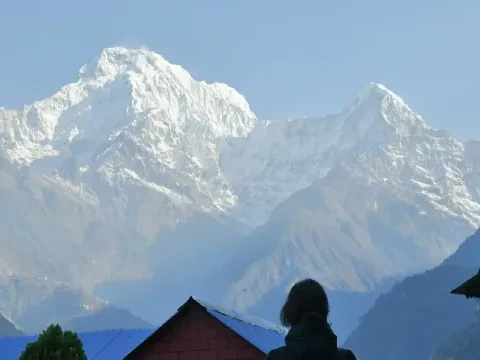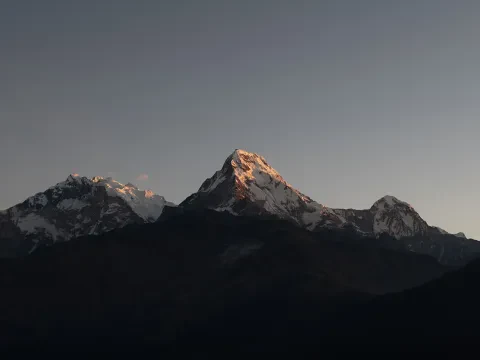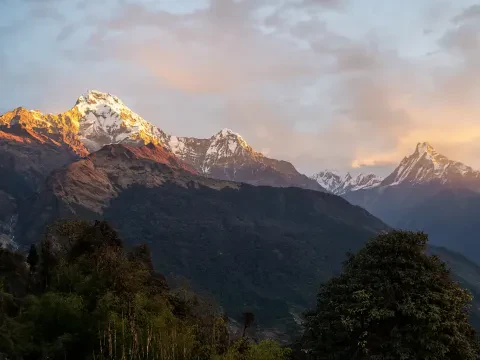
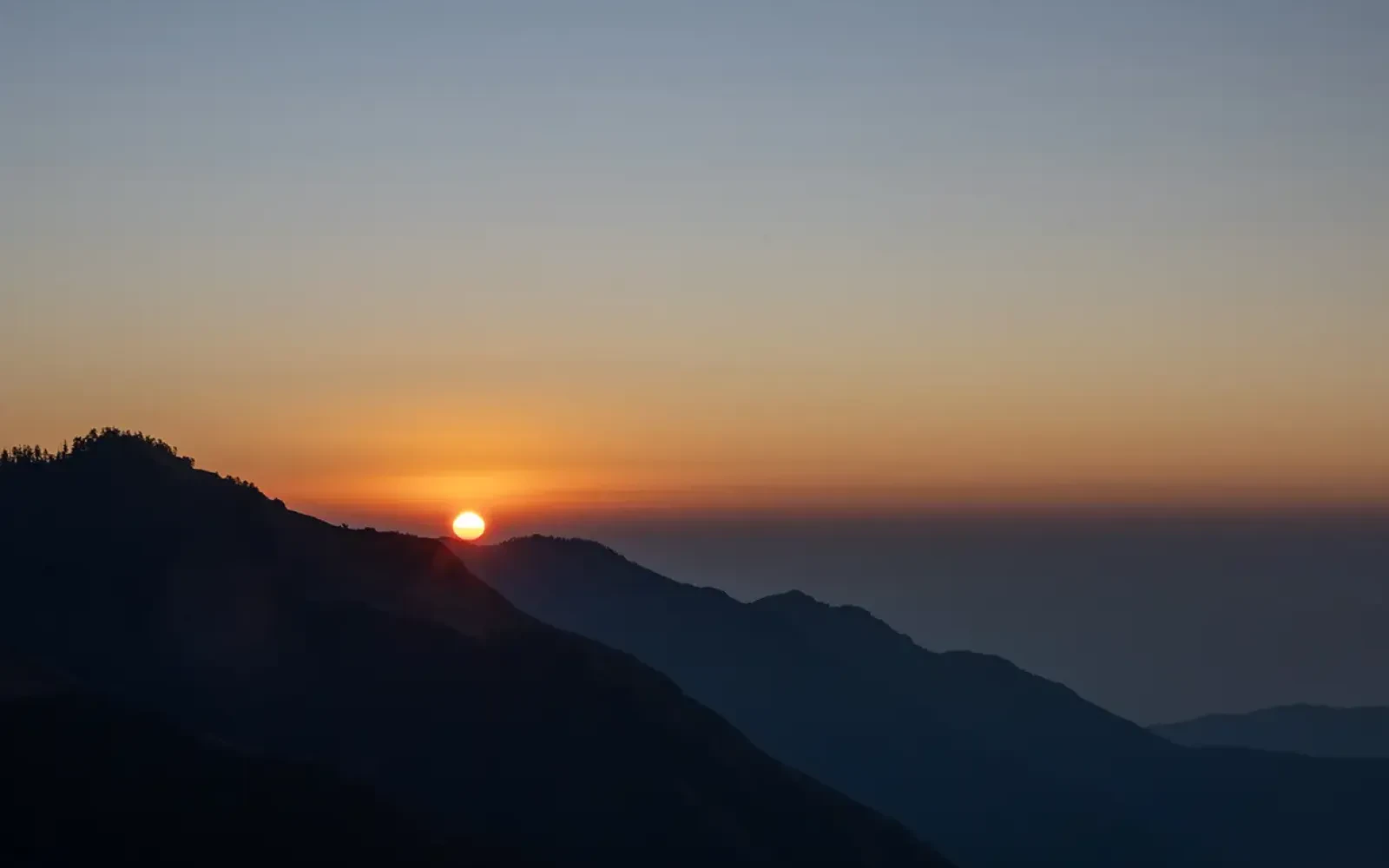
Ever wished you could see the massive peaks of the Annapurna Himalayas without the need to commit to a weeks-long expedition? The Poon Hill Trek delivers this magic of seeing the Himalayas in just a few days. The reason it has become Pokhara's most-loved Himalayan trek is it's combination of accessibility and stunning views. You don't need months of training or mountaineering expertise to be rewarded with a world-class sunrise over the highest peaks in the world.
Why Poon Hill Trek is Pokhara's Ultimate Short Adventure:
| Detail | Information |
|---|---|
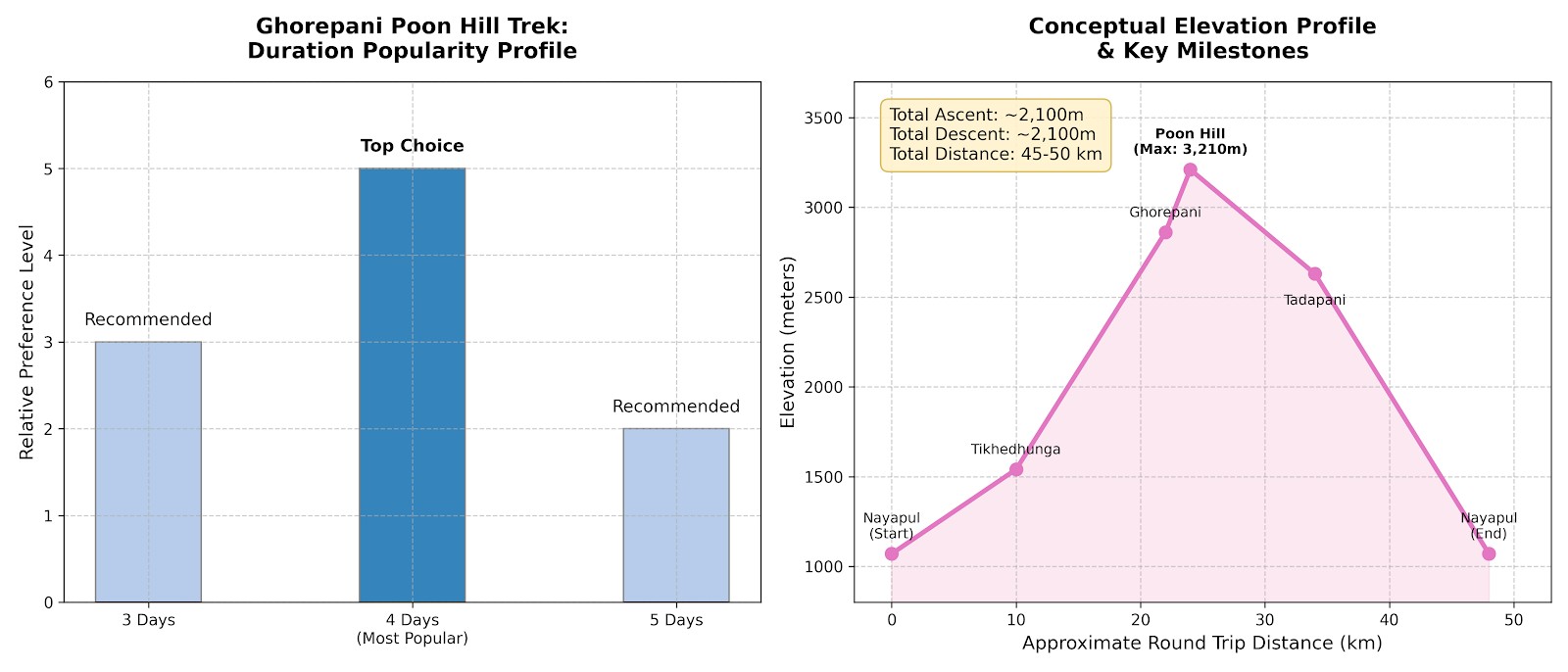
| Total Duration | 3 to 5 days (4 days is most popular) |
| Total Distance | Approx. 45-50 km round trip |
| Maximum Elevation | Poon Hill - 3,210 meters (10,531 feet) |
| Difficulty Level | Easy to Moderate |
| Best For | First-timers, photographers, short-trip seekers |
Thus, if you want a short yet incredibly rewarding Himalayan trek near Pokhara, the Poon Hill trek is Pokhara's ultimate short adventure.
Is the Poon Hill Trek really as easy as they say it is? Even though the trail is one of Nepal’s easiest treks for beginners, you will still be surprised and face an authentic challenge. There are tens of thousands of steps along the trail (especially on the famous Ulleri stairs), which might surprise even experienced travelers. "Easy" doesn't mean it's not going to require physical effort; you just don't need technical climbing skills or high passes to experience it.
| Detail | Information |
|---|---|
| Total Duration | 3 to 5 days (4 days is most popular) |
| Total Distance | Approx. 45-50 km round trip |
| Maximum Elevation | Poon Hill - 3,210 meters (10,531 feet) |
| Starting Point | Nayapul (near Pokhara) |
| Total Ascent | Approx. 2,100 meters |
| Total Descent | Approx. 2,100 meters |
| Best Season | March-May and September-November |
| Aspect | Level | What to Expect |
|---|---|---|
| Physical Demand | Moderate | Thousands of stone steps, particularly at Ulleri |
| Altitude | Moderate | Maximum of 3,210 m-manageable for most |
| Technical Climbing | None | No special climbing skills required |
| Mental Challenge | Low-Moderate | Early morning summit to Poon Hill |
In conclusion, the Poon Hill trek is one of the easiest ways to experience breathtaking Himalayan views, while still providing the trekkers with a sense of achievement. Thus, it truly is the ultimate short adventure in the Himalayas for many different types of travelers.
Have you tried to picture how the entire Poon Hill Trek comes together from start to finish? Furthermore, seeing the overall plan will give you both mental preparedness and assistance in your packing.
More importantly, the classic Poon Hill Trek follows a beautiful loop, starting and finishing near Nayapul or Birethanti. As a result, you'll experience the softer hills of the lower regions and the dramatic crest of Poon Hill without covering the same ground twice.
3-Day Poon Hill Trek Overview :
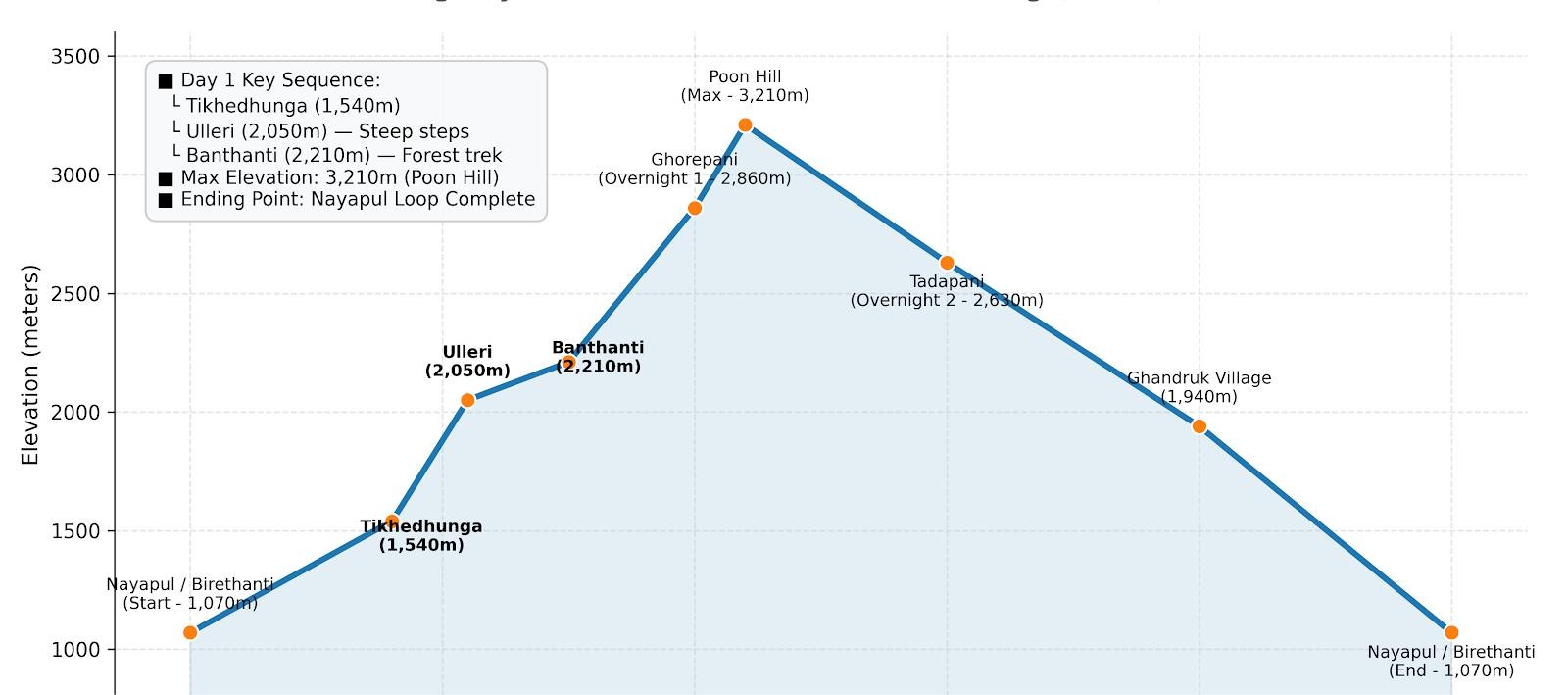
3- Days Ghorepani Poon Hill Trek Profile
| Day | Route | Main Attraction | Overnight Town | Approx Walking Hours |
|---|---|---|
| 1 | Pokhara – Tikhedhunga/Ulleri – Ghorepani | Jeep transfer, then climb | Ghorepani | 5-6 hours |
| 2 | Ghorepani – Poon Hill – Tadapani | Poon Hill Sunrise, then trek down | Tadapani | 6-7 hours |
| 3 | Tadapani – Ghandruk – Pokhara | Trek down, then jeep transfer | Pokhara | 4-5 hours |
Because the 3 day Poon Hill Trek itinerary follows a loop, you get to witness distinct scenery and communities with less backtracking, ultimately offering a satisfying experience for just three days of trekking.
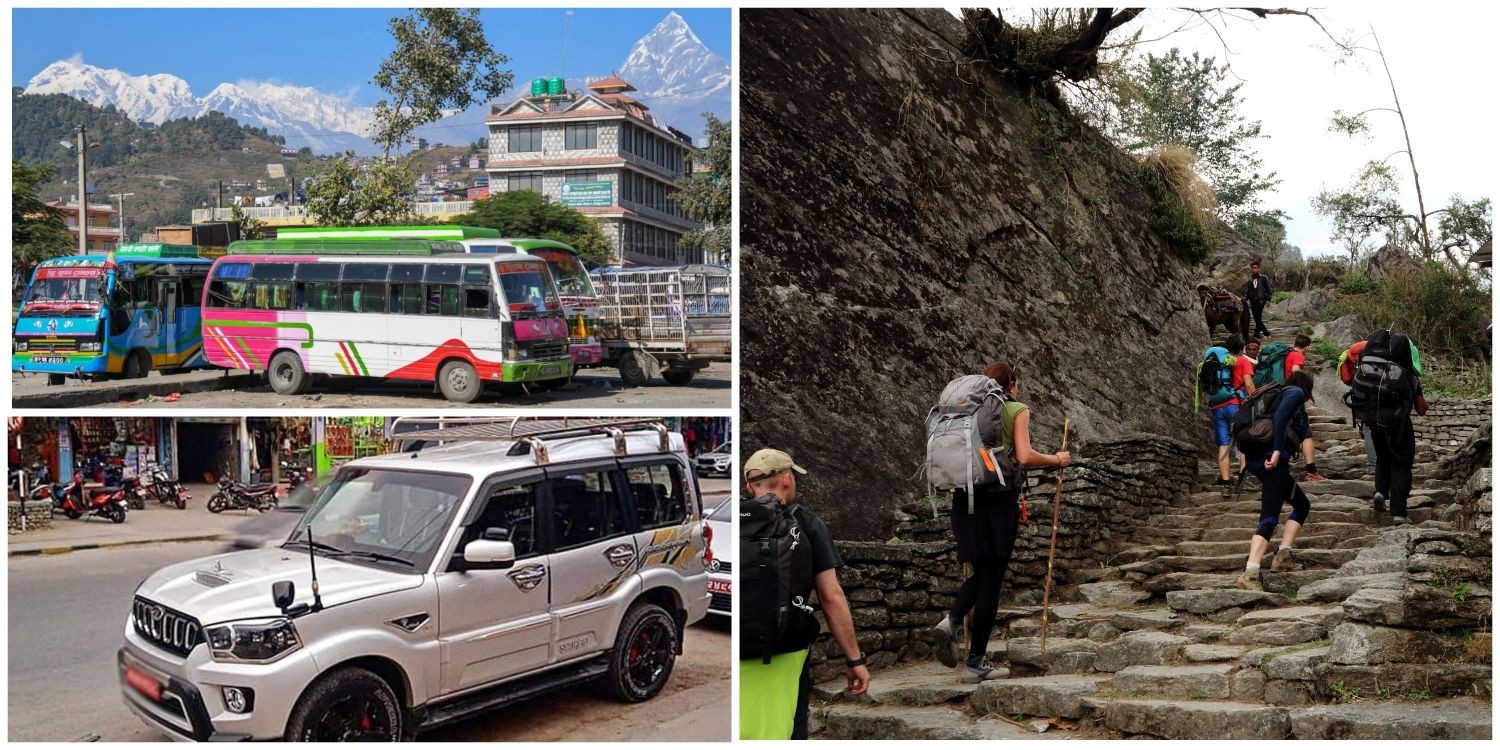
Have you tried to envision leaving the peaceful lakeside town of Pokhara and heading directly into the Himalayas? Day 1 of the Poon Hill Trek takes you directly to this spectacular transition.
Here, you begin with a journey from Pokhara to Tikhedhunga or Ulleri by jeep which allows you to save your energy for the trek. As a result, you are whisked from the tropics of lakeside Pokhara to rural farmlands and lush green forests in just an hour or so.
Then you walk over many suspension bridges across clear rivers and through beautifully terraced farmland. Climbing to Ghorepani (2,860 m / 9,383 ft) in the afternoon represents the biggest physical test of the day.
Day 1 highlights :
| Part | Activity | Duration | Elevation Gain | Highlights |
|---|---|---|
| Pokhara to Tikhedhunga | Jeep Ride | 1.5 - 2 hours | - | Village landscape |
| Tikhedhunga to Ulleri | Trek (stone stairs) | 2 - 3 hours | 500 m | steep ascent |
| Ulleri to Ghorepani | Trek | 3 - 4 hours | 800 m | Rhododendron forests and villages |
Day 1 pace tip,
Go slow on the Ulleri/Banthanti stone stairs to help you save your energy for later; the slow steady climb up to Ghorepani will reward you with some gorgeous views. Most people arrive at Ghorepani in late afternoon.
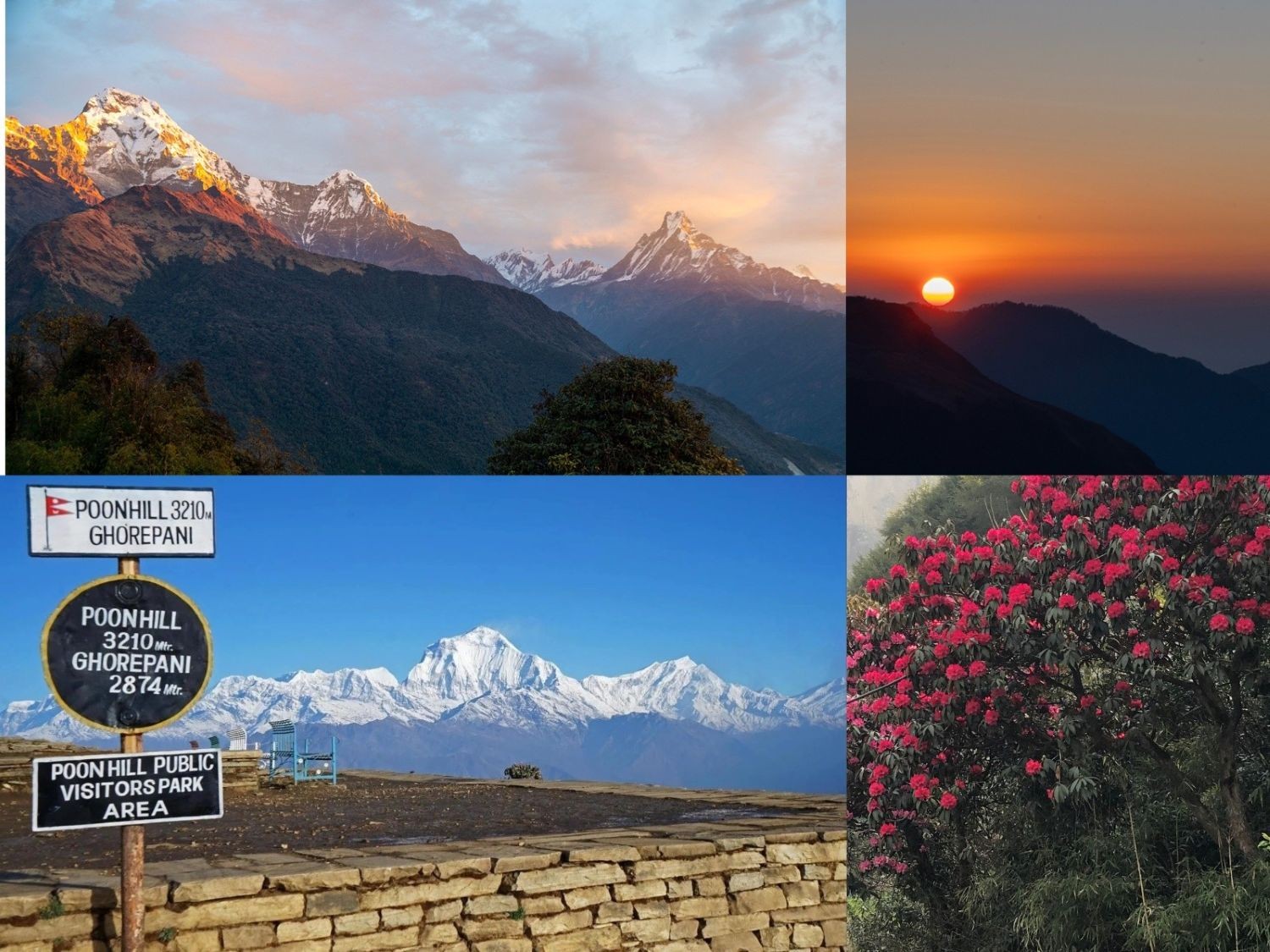
Imagine yourself walking through rolling hills draped in scarlet and pink. Day two of the Poon Hill Trek is one of the most breathtaking days of your trek.
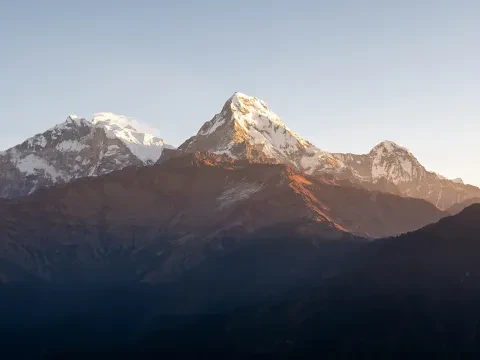
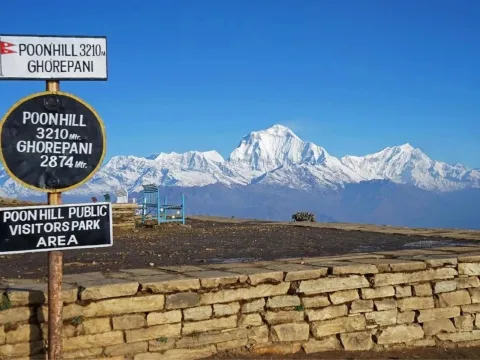
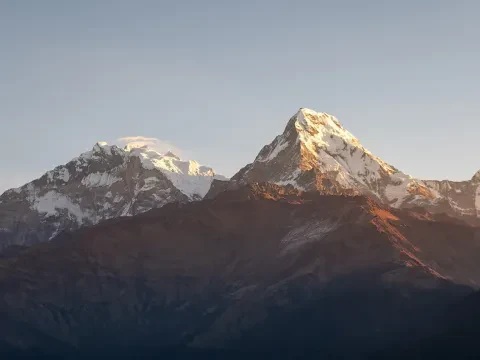
Here, you rise before the dawn and trek to Poon Hill (3,210m / 10,531 ft) in the pre-dawn light to witness one of the most spectacular sunrises in the Himalayas. With the Annapurna and Dhaulagiri ranges taking centre stage, the scene that unfolds is truly awe-inspiring.
From Ghorepani, you trek towards Tadapani through breathtaking rhododendron forests which explode into bloom in March and April, creating a canopy of vivid colours.
Highlights of Day 2 :
| Section | Activity | Duration | Elevation Change | Highlights |
|---|---|---|
| Ghorepani to Poon Hill | Sunrise Trek | 1-1.5 hrs | +350 m | Panoramic mountain sunrise |
| Poon Hill to Ghorepani | Descent | 1 hour | -350 m | Golden light on the mountains |
| Ghorepani to Tadapani | Rhododendron Forest Trek | 5-6 hrs | -500 m | Beautiful forests, Banthanti, views Annapurna South |
In fact, Day two( trekking from Ghorepani to Tadapani) is tough, but so rewarding for what it offers. It is the emotional heart of the entire Poon Hill trek.
Would you like to wake up to a tranquil Gurung village, the Annapurna massif illuminated by a sunrise? Day three is one for exactly that type of morning.
You leave Tadapani and descend through beautiful forests to the traditional village of Ghandruk. You have one more chance to admire magnificent mountain views, now soft and mellow in the morning light.
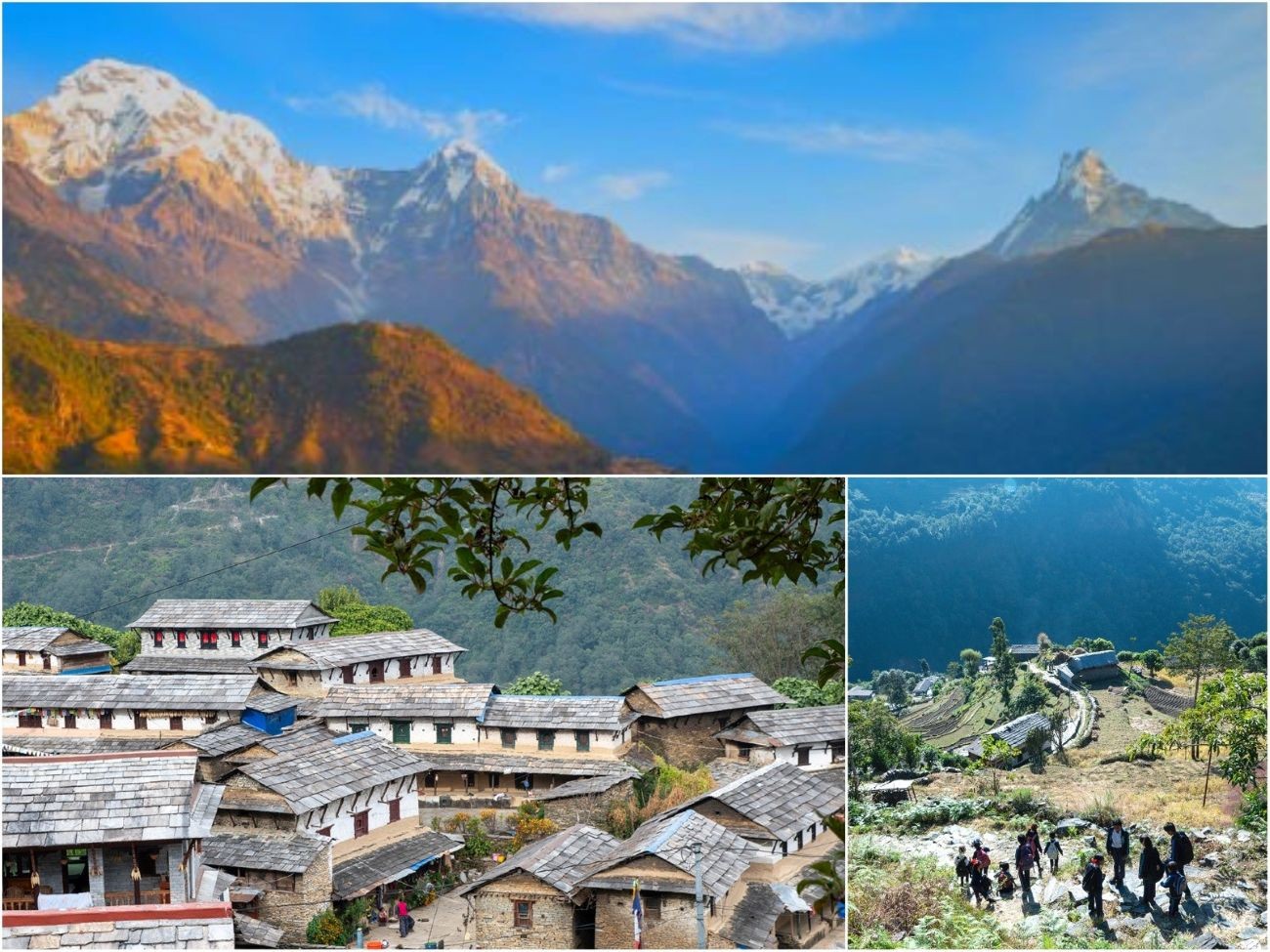
From Ghandruk, you can experience the beauty of the Gurung village and its steep, cobbled streets before driving back to Pokhara. The comfortable drive gives you relaxed views of the surrounding landscapes and eases your transition back to city life.
Highlights of Day 3 :
| Section | Activity | Duration | Elevation Change | Highlights |
|---|---|---|
| Tadapani to Ghandruk | Morning trek | 3 - 4 hrs | -700m | Enjoy the views of forests and village |
| Ghandruk exploration | village tour | 1-2 hrs | - | Gurung culture, traditional houses |
| Ghandruk to Pokhara | Drive | 2-3 hrs | - | Comfortable ride back, changing scenery. |
In fact, this is the perfect and peaceful conclusion to the Poon Hill trek, from enjoying mountain views to experiencing village life you'll be returning to Pokhara with fond memories and a true sense of achievement.
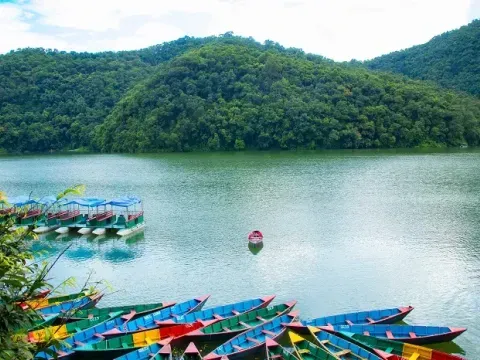
Ever wonder which is the best season for Poon Hill trek to catch those perfect blue skies for the sunrise? Moreover, picking the right season is probably one of the most important decisions to make for this trek.
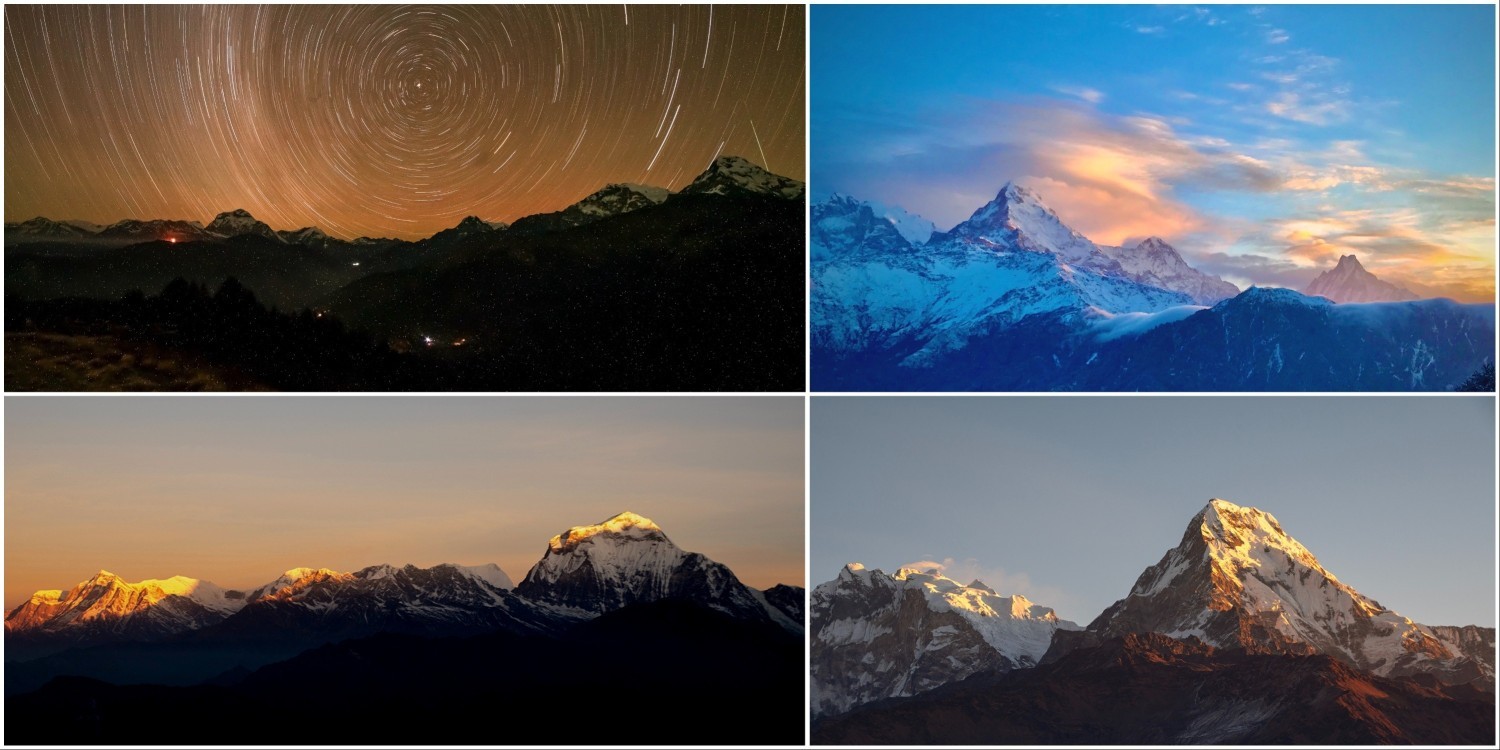
More importantly, the weather in Himalayas can drastically change throughout the year; consequently some season offers crystal clear vision and others can cover the whole of the mountains by clouds and rain.
Seasons for Poon Hill Trek:
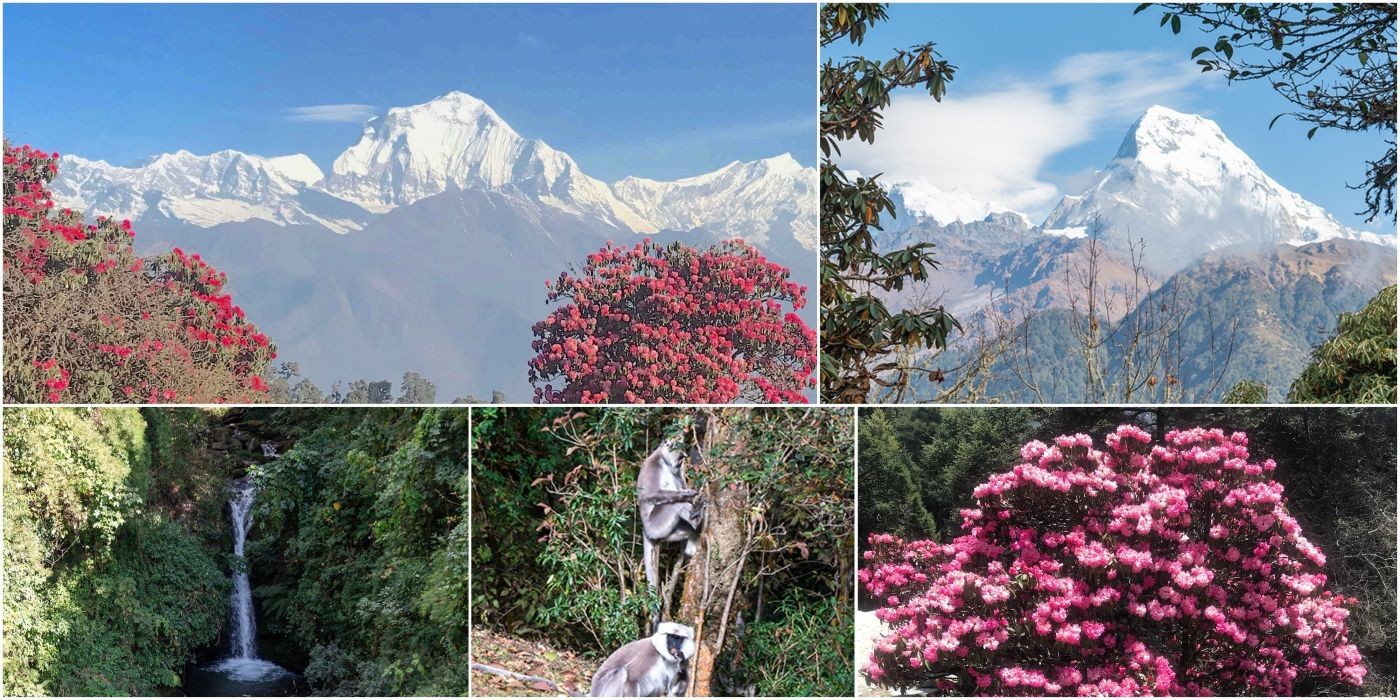
| Season | Mountain Views | Weather Stability | Rhododendron Bloom | Crowded Level | Recommendation |
|---|---|---|
| Autumn | Very Good | Very High | No | High | Recommended. |
| Spring | Good | High | Yes | Moderate | Highly Recommended. |
| Winter | Average | Medium | No | Low | Recommended for the hardy. |
| Monsoon | Poor | Low | Partially | Very Low | Not Recommended. |
Therefore, to witness the mountains in all their splendor with the sharpest views, visit Poon hill trek between October and November, you would have maximum chances to see the mountains with blue skies.
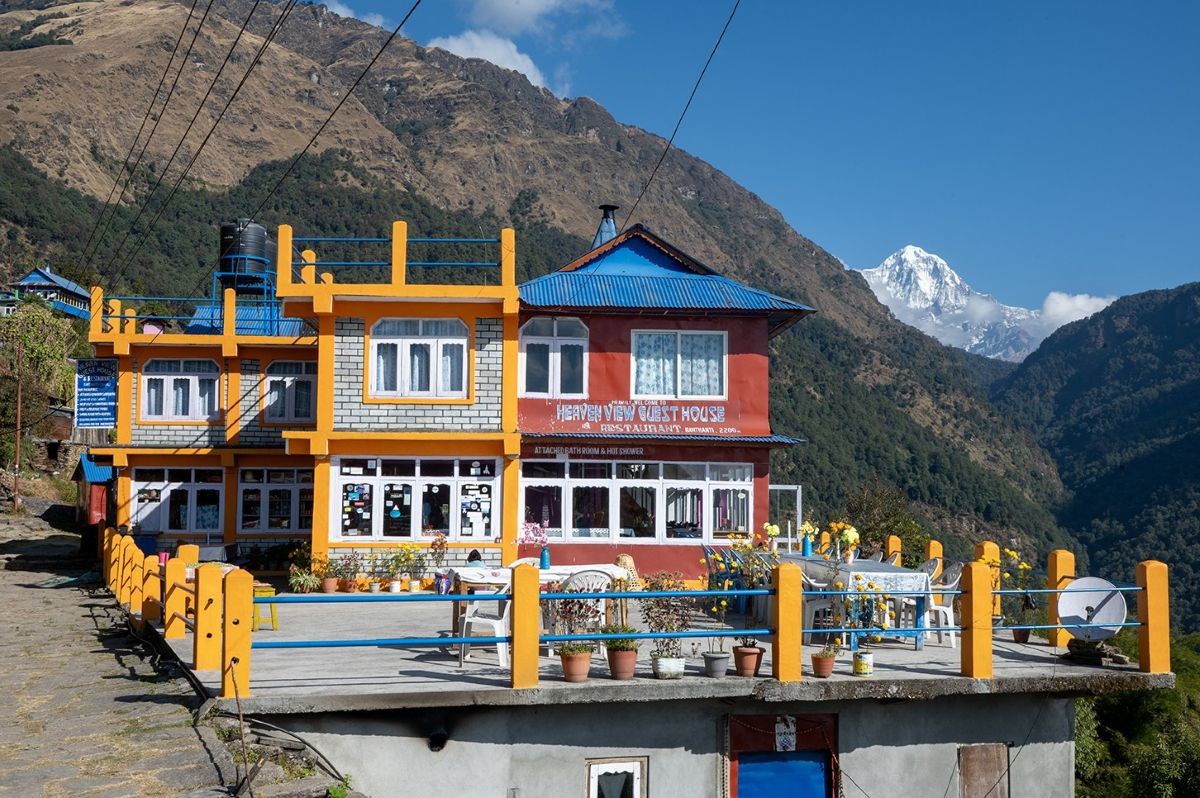
Ever wonder what you would eat and how you would be accommodating during the Poon Hill trek? More importantly, the life within teahouses is one of the most fascinating aspects of the Poon Hill trek.
More importantly, teahouses are cozy, family-owned guesthouses providing simple, comfortable accommodation and wholesome meals. Therefore, staying in a teahouse gives you a warm insight into the Nepali mountain hospitality.
Accommodation and food within the teahouse- what to expect:
Teahouse meals to expect:

| Facility | Availability | Note |
|---|---|---|
| Rooms | Provided | Simple, twin beds, basic |
| Hot water shower | Provided | Usually a extra charge |
| Food quality | Good | Fresh local produce |
| Heater | Common Area | In winter, only in evenings |
| Wi-fi | Available | Depends on the area |
More importantly, it is the warm hospitality from the locals along with the scrumptious home-cooked meals that make the stay in a teahouse all the more memorable; hence you'll leave the teahouse feeling very content even if it provides very basic facilities.
Have you ever ended up overpacking and regretted carrying too many things on your short trek? Plus, for a Poon Hill trek which lasts for only 3-5 days, packing smart and light is essential for an enjoyable trip.
Moreover, you don't have to use heavy trekking expedition gear. Rather, if you focus on correct layering and the must-have items, you'll stay comfortable and carry a lighter backpack.
The Essentials to pack for Poon Hill Trek:
| Category | Must-have item(s) | Why is it essential? |
|---|---|---|
| Footwear | Broken-in trekking shoes | Comfortable on thousands of stone stairs |
| Clothes | Base layer, fleece, down jacket | Ready for the cold morning and varying temperatures |
| Rain Gear | Lightweight waterproof jacket | Sudden mountain showers |
| Accessories | Headlamp, sunglasses, trekking poles | For safety on the early morning trek |
| Backpack | 25-35 liter daypack | light enough for a short trek |
Furthermore, packing light but smart will make your Poon Hill Trek even more enjoyable and less tiring.
Have you been wondering about the permits for the Poon Hill Trek? Plus, this procedure is fairly simple, and you can easily sort them out in Pokhara before you begin your trek.
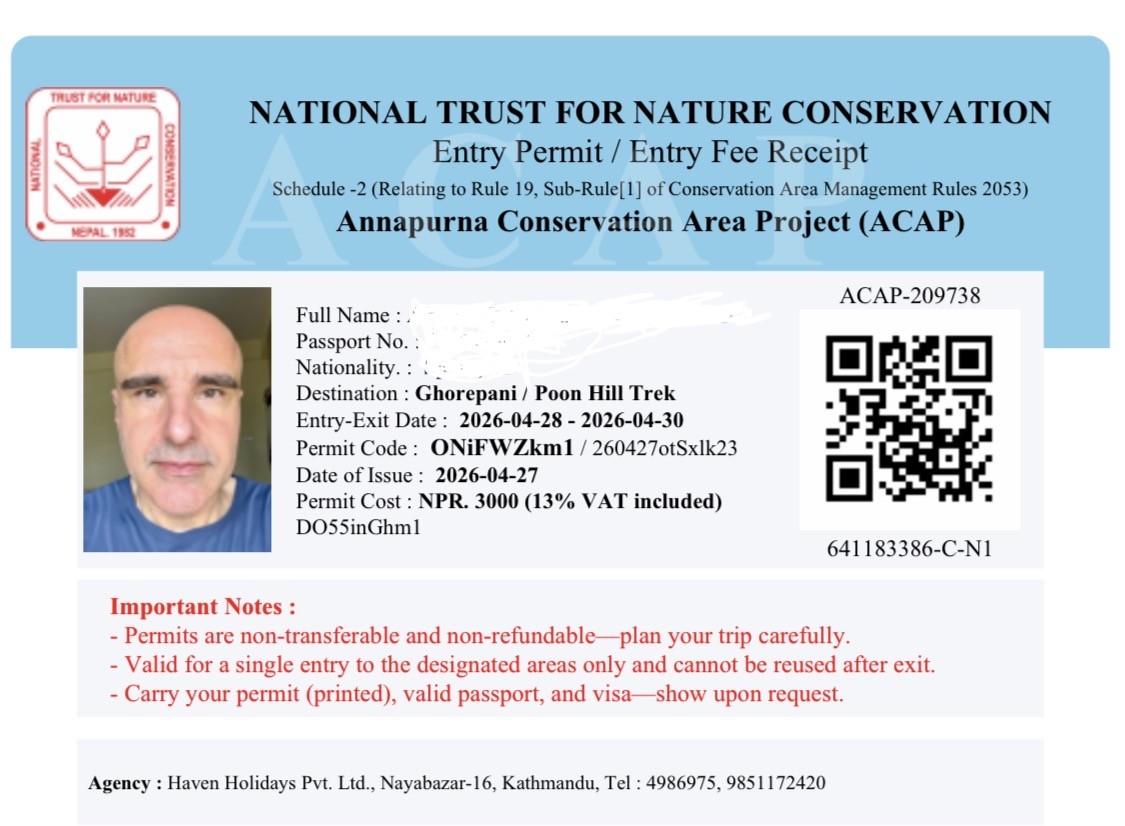
Moreover, only two types of documents are needed. Consequently, getting them organized early on in your journey will save time and give you a peaceful start.
Necessary permits:
| Permit type | Cost (for foreigners) | Where to get | Validity |
|---|---|---|
| ACAP permit | USD 30 | Pokhara or Nayapul | During the whole trek |
| TIMS card | USD 20 | Pokhara (Tourist office) | Single trek |
Additionally, you can obtain both permits quite easily in Pokhara, either at the Nepal Tourism Board office or through your trekking agent. Therefore, dealing with permits in Pokhara makes your trekking logistics much simpler and stress-free.
Have you by now understood how the Poon Hill trek offers massive rewards with little time commitment? Moreover, this quick hike is all the proof you need that you can create unforgettable memories even without spending weeks on the mountain.
Furthermore, in just 3-5 days, you can witness world-class Himalayan sunrise, walk through rhododendron forests, experience warm Gurung hospitality, and return to Pokhara with a deep sense of fulfillment. Consequently, it remains one of the most sensible and rewarding short adventures in Nepal.
So, lace up your boots, pack lightly and get to Pokhara. The mountains are ready to welcome you with open arms and golden light.
Whether you are an experienced trekker or a novice, the Poon Hill trek will undoubtedly remind you why the Himalayas continue to enchant adventurers from across the globe.
Your adventure in the Himalayas awaits!
Have safe travels and happy trekking!
1. So, what exactly is the Poon Hill Trek all about?
The Poon Hill Trek is one of Nepal's most famous shorter hikes. It's renowned for its breathtaking sunrise views over the towering Annapurna and Dhaulagiri mountain ranges. Starting from Pokhara, this 3-day hike is perfect for first-time trekkers, families, and anyone short on time but still craving a genuine Himalayan experience.
2. How many days does this trek typically take?
You can complete the classic Poon Hill Trek in 3 days, though some people like to stretch it out to 4 or 5 days for a more leisurely pace. Day one gets you to Tikhedhunga or Ghorepani, day two is dedicated to that unforgettable sunrise on Poon Hill, and day three sees you heading back down to Pokhara.
3. Is Poon Hill hike suitable for people who have never trekked before?
Absolutely, yes! It's widely considered one of the best beginner-friendly treks in Nepal. The trail isn't overly demanding, the path is well-maintained, and you'll have teahouses to stay in, making it ideal for newcomers. As long as you're reasonably fit, no prior trekking experience is needed.
4. What is the absolute best thing about doing the Poon Hill Trek?
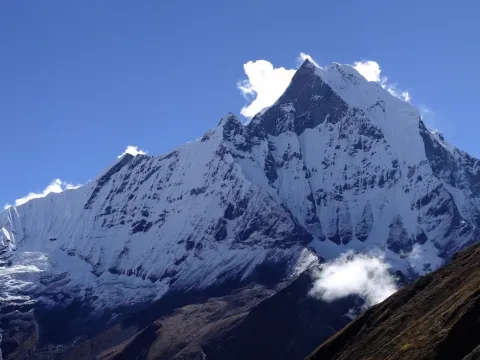
Without a doubt, it's witnessing the sunrise from Poon Hill (which stands at 3,210 meters). As the sun peeks over the horizon, it illuminates the snow-capped peaks of Annapurna South, Machapuchare (Fishtail Mountain), and Dhaulagiri. The panorama is truly one of the most stunning in the Annapurna region.
5. How tough is the Poon Hill trek actually?
I'd describe it as moderately easy. The biggest challenge is the climb from Tikhedhunga to Ghorepani-there are roughly 3,000 stone steps to conquer! But if you're fit enough, you should be able to manage it without too much trouble. You'll typically be walking for 4 to 7 hours each day.
6. When is the ideal time to plan your Poon Hill Trek?
The most popular times to go are during spring (March to May) and autumn (September to November). The weather is usually clear and pleasant, and the views are spectacular. You can also trek in winter (December to February), which offers a beautiful snowy landscape but much colder temperatures, or in the monsoon (June to August), which can bring rain and obscure views.
7. What is the estimated cost for the Poon Hill Trek?
A basic 3-day trek you plan yourself will likely cost around $150-$250 per person, covering your permits, transportation to and from Pokhara, food, and accommodation. If you opt for a guided trek with a porter, you can expect to pay between $280 and $450.
8. Do I need to hire a guide for Poon Hill Trek?
A guide isn't strictly mandatory since the trail is generally well-marked, but it's definitely recommended, especially if this is your first trek in Nepal. A guide will provide valuable cultural insights, take care of all the logistical arrangements, and make the entire experience much more enjoyable and stress-free.
9. What kind of permits are needed for Poon Hill trek?
You'll need two permits: the Annapurna Conservation Area Permit (ACAP) and a TIMS (Trekkers' Information Management System) card. These can be easily purchased in Pokhara and typically cost around $40-$50 in total.
10. Where does the Poon Hill Trek actually start from?
Most treks begin from Nayapul, which is about a 1.5-hour drive from Pokhara. Some people also start from Birethanti. The trail winds through picturesque Gurung villages such as Ulleri, Tikhedhunga, and Ghorepani.
11. What essential items should I pack for the Poon Hill Trek?
Definitely pack layers of clothing (including warm thermal wear), a waterproof jacket, trekking poles, good hiking boots that are already broken in, a headlamp (essential for the pre-dawn start), water purification tablets, sunscreen, and a warm jacket for the cold mornings at Poon Hill. Aim to keep your backpack weight to about 8-10 kg.
12. Is Poon Hill a good trek to do with children?
Yes, it's one of the most family-friendly treks available in Nepal. Many families trek with children as young as 8 or 10. The relatively short duration and moderate difficulty level make it a great adventure for the whole family.
13. What kind of accommodation can I expect during Poon Hill Trek?
You'll be staying in teahouses, which are very basic but clean. The rooms usually have beds with warm blankets, and bathrooms are typically shared. Ghorepani has some teahouses that offer slightly better facilities, including hot showers and Wi-Fi.
14. What sort of food is available during Poon Hill trek?
You'll mostly be eating traditional Nepali meals, with dal bhat (lentil soup, rice, and vegetable curry) being a staple. You'll also find momos (dumplings), pasta, pancakes, and Tibetan bread. Ghorepani has some charming bakeries that are famous for their delicious apple pies and cinnamon rolls.
15. How early do I need to wake up to see the sunrise at Poon Hill?
On day two, you'll typically need to get up around 4:00 AM to 4:30 AM. It takes about 45 to 60 minutes to hike from Ghorepani up to Poon Hill, and you'll want to reach the viewpoint before 5:30 AM to catch the best of the sunrise.
16. Will I see snow on the Poon Hill Trek?
You might, especially if you trek during the winter months (December to February). Snow on the trail and at the top of Poon Hill can create a magical setting, but be prepared with warm gear and potentially some microspikes or crampons for icy patches.
17. Is the Poon Hill Trek worth the effort?
Absolutely! For only three days of your time, you get incredible mountain scenery, beautiful blooming rhododendron forests (in the spring), and a chance to experience the charming villages and culture of the Annapurna region. It's a perfect introduction to trekking in Nepal.
18. What are the main difficulties I might face on Poon Hill trek?
The two main challenges are the steep climb up the stone steps to Ulleri and the cold, early morning start to reach Poon Hill for sunrise. The altitude isn't very high (3,210m at Poon Hill), so altitude sickness is rare, but still a possibility to be aware of.
19. How do I get to Pokhara to start the Poon Hill Trek?
You can easily fly from Kathmandu to Pokhara, which is a quick 25-minute flight. Alternatively, a tourist bus takes about 6 to 7 hours. Pokhara itself is a vibrant city with plenty of hotels, restaurants, and trekking shops for any last-minute purchases.
20. Why is Poon Hill considered the best 3-day sunrise hike from Pokhara?
It's because you get maximum breathtaking views and an authentic trekking experience with minimal time commitment. The accessibility, safety, cultural immersion, and, of course, the unparalleled sunrise over the Annapurna range make it an absolute must-do short trek in Nepal.
Our travel experts are ready to assist you with any questions.
Send us a message.Have a question before you book? Send your enquiry below and our travel experts will get back with the required information.