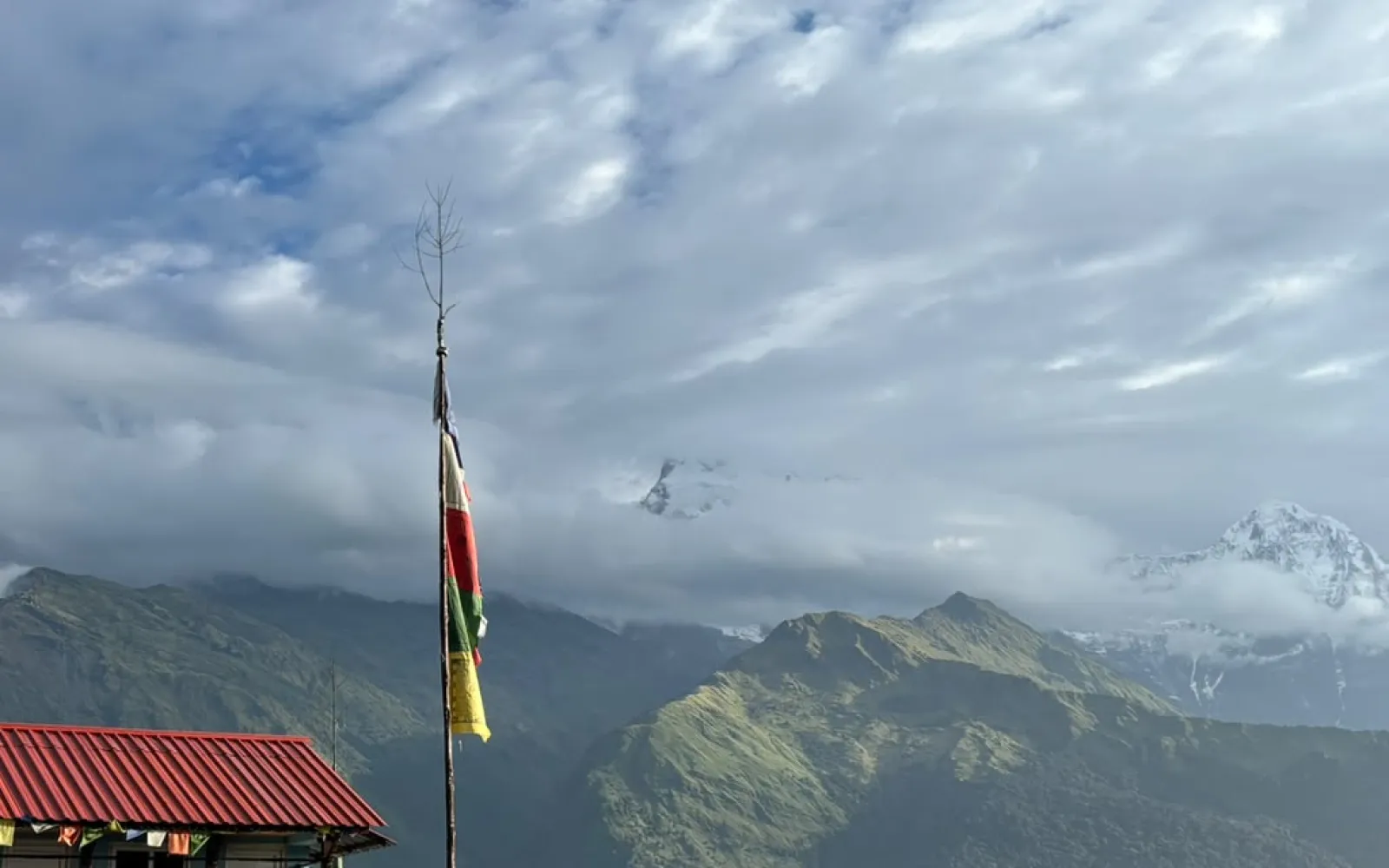
Nepal's typical monsoon season is June-early September, with monsoon withdrawing around 2 October normally, but there have been unusual monsoon patterns in recent years.
For instance, the monsoon withdrew from eastern Nepal on 12 October 2024 - ten days later than normal, while the 2025 monsoon lasted 135 days, around 23 days lengthier than the normal duration of 112 days.
| Period | Official Observation |
|---|---|
| Normal season | June– Early September |
| Normal withdrawal | Around 2 October |
| 2024 | Withdrawal on 12 October in eastern Nepal |
| 2025 | 135-day monsoon period |
| Recent years | More variable and sometimes prolonged |
Also, the shifting pattern does not imply that all monsoons are delayed, as onset and withdrawal date vary greatly year on year.
Here, History shows that Department of Hydrology and Meteorology (DHM) records both unusually early and late monsoon dates for Nepal.
While recent study shows a tendency to delayed withdrawal at monsoon ending and extended monsoon period length in part of the wider region.
26 August 2026 Bhotekoshi–Trishuli flood is the example of mountain hazards during the monsoon season, but scientists investigating that event identified an ice-rock avalanche and resulting debris flow as a suspected trigger factor, thus it cannot be automatically attributed to a climate-change-caused flood.
Therefore, it is more precisely said that Nepal's monsoon is becoming more variable, with certain recent seasons showing prolonged duration and delayed withdrawal, rather than asserting that the traditional monsoon season has shifted to July - late September.
There cannot be one simple reason why Nepal experiences a late or prolonged monsoon in a certain year, as monsoon onset and withdrawal is governed by large-scale atmospheric circulation, ocean temperatures, regional weather systems and natural climate variability.
Furthermore, climate change is increasingly affecting the background conditions, including warming temperatures, changing rainfall patterns and more inconsistent extreme precipitation.
| Factor | Possible Influence |
|---|---|
| Climate change | Changes temperature, moisture and rainfall patterns |
| Rising temperatures | Increases atmospheric moisture-holding capacity |
| Ocean-atmosphere variability | Influences monsoon circulation |
| Changing circulation | Can affect onset and withdrawal |
| Land-use change | Can increase local flood and landslide impacts |
| Extreme rainfall | Produces heavier short-duration rainfall events |
What's more, recent scientific research indicates a tendency to delayed monsoon withdrawal and prolonged monsoon duration in parts of South Asian monsoon system, though the precise pattern varies between datasets and regions.
Deforestation, badly planned construction, river encroachment, road cutting and other forms of environmental degradation do not directly control the monsoon onset and withdrawal.
However, they can leave communities more vulnerable by enhancing runoff, erosion, landslides and flood damage in the case of intense rainfall.
Significantly, ICIMOD reported that the Hindu Kush Himalaya is witnessing more erratic rainfall patterns as well as rising temperatures, with long dry periods punctuated by intense rainfall capable of triggering flash floods and landslides.
To sum up, it is more accurate to say that climate change is modifying Nepal's temperature as well as hydrological conditions while the natural variability dominates most of the annual monsoon timing, with human activities amplifying the consequences of heavy rainfall, instead of claiming that it is the sole reason for a late monsoon.
September comes at the end of the monsoon season but heavy rainfall can continue into the month and cause delays to the end of the monsoon.
Meanwhile, intense continued rainfall can cause landslides, floods, road closures, flight disruptions, and difficult conditions for hiking and trekking, especially in the hill and mountain areas.
| Problem | Effect on Travel |
|---|---|
| Heavy rainfall | Flooding and roads washed away |
| Landslides | Road and trail closures |
| Flash floods | Bridge damage and road closures |
| Poor visibility | Flight delays or cancellations |
| Muddy trails | Slow and difficult trekking |
| Road disruption | Tour and trekking delays |
| River crossings | Safety concern |
Furthermore, the extreme rainfall event of 27–29 September 2024 led to widespread flooding, landslides, road closures and travel disruption throughout Nepal, with 25 rainfall stations setting new 24-hour precipitation records on 28 September.
Thus, this issue is not just limited to one exceptional year since monsoon-related landslides continue to disrupt major roads and mountain routes during the recent seasons.
During September 2025, several road sections were closed due to landslides and flooding while night travel was restricted in some areas for safety reasons.
Therefore, September travel is possible but flexibility and weather awareness are key factors for trekking, mountain flights and long road trips.
Those visiting Nepal during September should be prepared for variable weather rather than expecting that the monsoon will have finished.
Furthermore, short periods of very heavy rainfall can occur even if the overall seasonal outlook suggests normal or below-normal rainfall amounts, so checking the latest reports and warnings is recommended.
| Precaution | What to Do |
|---|---|
| Check weather | Follow DHM forecasts and warnings |
| Allow extra days | Keep buffer days for delays |
| Road travel | Avoid unnecessary travel during severe rainfall |
| Mountain flights | Expect possible delays or cancellations |
| Trekking | Check trail, river and landslide conditions |
| Accommodation | Confirm bookings before departure |
| Travel insurance | Choose coverage appropriate for trekking |
| Emergency contacts | Keep local contacts available |
Furthermore, travelers should avoid walking or driving through swollen rivers or unsafe areas and follow the advice from local authorities, guides, transporters, and trekking agencies.
During periods of persistent rainfall it is better to postpone a mountain trek rather than simply continue a journey because the original plans have been made.
For Trekkers :
Therefore, September visitors should be flexible with their plans rather than following a strict schedule since weather disruptions can occur rapidly.
As the 2026 situation demonstrates, DHM may recommend avoiding long distance road travel and Himalayan treks due to the increased risk of flooding and landslides during periods of heavy rainfall.
At Haven Holidays Pvt. Ltd, we recommend travelers plan their September trips carefully and remain flexible as monsoon can continue later than expected as well as heavy rainfall has an impact on roads, trails, flights and mountain conditions.
Moreover, travelers should check the latest weather forecast and local conditions before starting a trek or long road journey rather than relying only on a fixed itinerary.
| Travel plan | Haven Holidays recommendation |
|---|---|
| City tours | Generally possible with weather planning |
| Short lower altitude treks | Possible when conditions are suitable |
| Long high altitude treks | prefer to postpone |
| EBC Trek | Prefer October-November |
| Annapurna base camp | Prefer October-November |
| Annapurna Circuit | Prefer October-November |
| Manaslu circuit | Prefer October-November |
| Langtang valley | Prefer October-November |
Furthermore, if you must travel during September then carry a good rain jacket, waterproof trousers, waterproof footwear, backpack cover and protection for your documents and electronics.
Most importantly, check the road and trail conditions daily, keep extra buffer days and be prepared to change the route if heavy rainfall creates unsafe conditions.
Our practical advice :
Therefore, our general recommendation is to chose October or November for longer and higher altitude Himalayan treks whenever your schedule allows while September can remain suitable for selected shorter trips when weather and trail conditions are favorable.
Here, Nepal Tourism Board also identifies October-November as a prime trekking period with clearer post-monsoon skies.
October and November are generally more reliable than September as they follow the main monsoon period and usually bring clearer skies, better mountain visibility, drier trails and more stable trekking conditions.
Moreover, Nepal Tourism Board identifies October and November as among the best months for trekking as particularly the post-monsoon atmosphere often provides excellent Himalayan views.
| Factor | September | October-November |
|---|---|---|
| Rainfall | Monsoon may continue | Generally much drier |
| Mountain views | Can remain cloudy | Usually clearer |
| Trails | Wet and muddy in places | Generally drier |
| Landslide risk | Higher after heavy rain | Usually reduced |
| Road conditions | More disruption possible | Generally more reliable |
| Mountain flights | Weather can cause delays | Usually more favorable |
| Trekking conditions | Variable | Generally stable |
| Himalayan visibility | Frequently affected by clouds | Usually much better |
Furthermore, the improvement is particularly important for long treks such as Everest Base Camp, Annapurna Base Camp, Annapurna Circuit, Manaslu Circuit and Langtang Valley where travelers depend on mountain roads, flights, trails, bridges and high altitude accommodation.
More importantly, Nepal Tourism Board specifically lists October-November as the best season for several major trekking areas including Sagarmatha and Langtang.
Main advantages of October and November :
Therefore, October and November are generally the safer planning window for travelers who want long Himalayan treks and reliable mountain views, although these months are also the busiest trekking season and popular lodges and flights should be booked early.
However, Nepal can still be visited throughout the year, but September requires greater flexibility as monsoon conditions can persist.
September can still be a challenging month to travel and trek in Nepal as the monsoon officially runs through June-Sept., which brings rain, slippery trails, landslides, road closures, and shifting mountain conditions.
Thus, travelers planning Nepal in September should seriously consider preparing for more unpredictable conditions than the generally clearer post-monsoon months of October and November.
Having said that, September travel is not impossible and short trips can still be had in September when the weather and conditions permit.
Also important in planning a trek in September is to stay up-to-date on the latest weather forecasts, road and trail conditions, flight information, and safety advisories, and to pack appropriate rain gear, waterproof bags, good shoes, and extra days for flexibility.
For longer or higher-altitude treks, Haven Holidays recommends seriously considering October or November if you have the flexibility, as those months are officially noted by Nepal Tourism Board as having clearer skies after the monsoon season.
Especially when considering a trek in September, it's also wise to travel with a licensed guide and registered trekking company, especially on routes where current regulations require a guide and agency-issued TIMS.
Moreover, a professional guide can be especially valuable in navigating changing conditions on the trail, making decisions about routes or accommodations, and managing logistics and communication - especially in the event of changing weather or other conditions.
So, if you're travelling to Nepal in September, be prepared, stay informed, pack appropriately, and allow for flexibility in your plans.
And if in doubt, postpone a long Himalayan trek like Everest Base Camp, Annapurna Base Camp/Annapurna Circuit, Manaslu, Langtang, etc. to October or November when conditions are generally more predictable and favorable.
Also, you can contact us for the most recent updates about the weather in Nepal in September. This way, you can plan your trekking trip in Nepal in a better way.
September tends to be impacted by the monsoon, particularly earlier in the month, so heavy rain, cloudy skies, slippery trails, landslides and weather-related transportation delays are possible. Therefore September tends to be less predictable for trekking and mountain travel compared to October and November which have more consistent and settled conditions.
September falls within the Nepal monsoon season, although showers usually taper off later in the month. Nepal gets around 80% of its annual precipitation during June-September monsoon so travellers should still expect heavy rainfall, wet roads, swollen rivers and potential landslides, especially during stretches of persistent heavy rain.
September trekking is possible although conditions can be quite variable with sudden changes in rain, slippery trails, landslides, cloudy weather and related transportation disruptions so you should plan on checking weather and trail reports, hire a licensed local guide, remain flexible in your plans, and avoid continuing on recommended or scheduled treks if your guide or local authorities advise against further travel.
If you have the option to travel in either month October and November tend to be better months for trekking than September as Nepal Tourism Board states that October-November has clearer skies over the Himalayas compared to September when rain is still highly likely especially earlier in the month, therefore waiting until October can provide better trekking conditions.
Heavy September rainfall can cause disruptions to mountain roads, highway travel, trekking trails, mountain bridges, rivers and transport generally. Landslides and flooding can make roads impassable or require detours, and persistent cloud can reduce or eliminate mountain flight options so it is wise to plan for extra time and keep at least one flexible day for travel during monsoon period.
A September packing list should include a waterproof rain jacket, waterproof rain trousers or poncho, waterproof backpack cover, waterproof pouches for electronics and papers, quick-dry clothing layers, good quality trekking shoes or boots with strong grip, extra socks, and a warm layer for mountain pass areas. In addition, you should bring medications, personal documents and a headtorch or torchlight as weather disruptions can add travel days.
Mountain and domestic flights can be impacted by September rains, cloud and changing weather conditions so it is generally a good idea not to schedule important international return flights immediately following a mountain flight, keep at least one flexible travel day if possible, and check with airlines, airports, your guide, and local weather reports ahead of time.
September weather can vary greatly depending on the region you are considering as a travel destination. Mustang and certain areas of Manang and Dolpa tend to be more comfortable in rainy monsoon season while many other Himalayan trekking regions tend to be quite wet; therefore, you should factor in rainfall patterns, road conditions and current weather on your intended trek routes.
You should check the weather forecast and local road/trail conditions before any journey or trek, avoid walking anywhere during dangerous weather conditions, stay away from swollen rivers and slopes vulnerable to landslides, and follow any guidance or restrictions issued by local guides or authorities.
Additionally, taking out comprehensive travel insurance covering trekking and helicopter rescue for mountain travel is highly advisable.
Trekking in October and November tends to be popular because these are post-monsoon months with reduced rainfall, dry trekking trails, and generally improved Himalayan visibility. Nepal Tourism Board specifically highlights October-November as offering some of the most consistently clear skies following the monsoon although weather changes are still possible so keep checking the forecast.
Our travel experts are ready to assist you with any questions.
Send us a message.Have a question before you book? Send your enquiry below and our travel experts will get back with the required information.