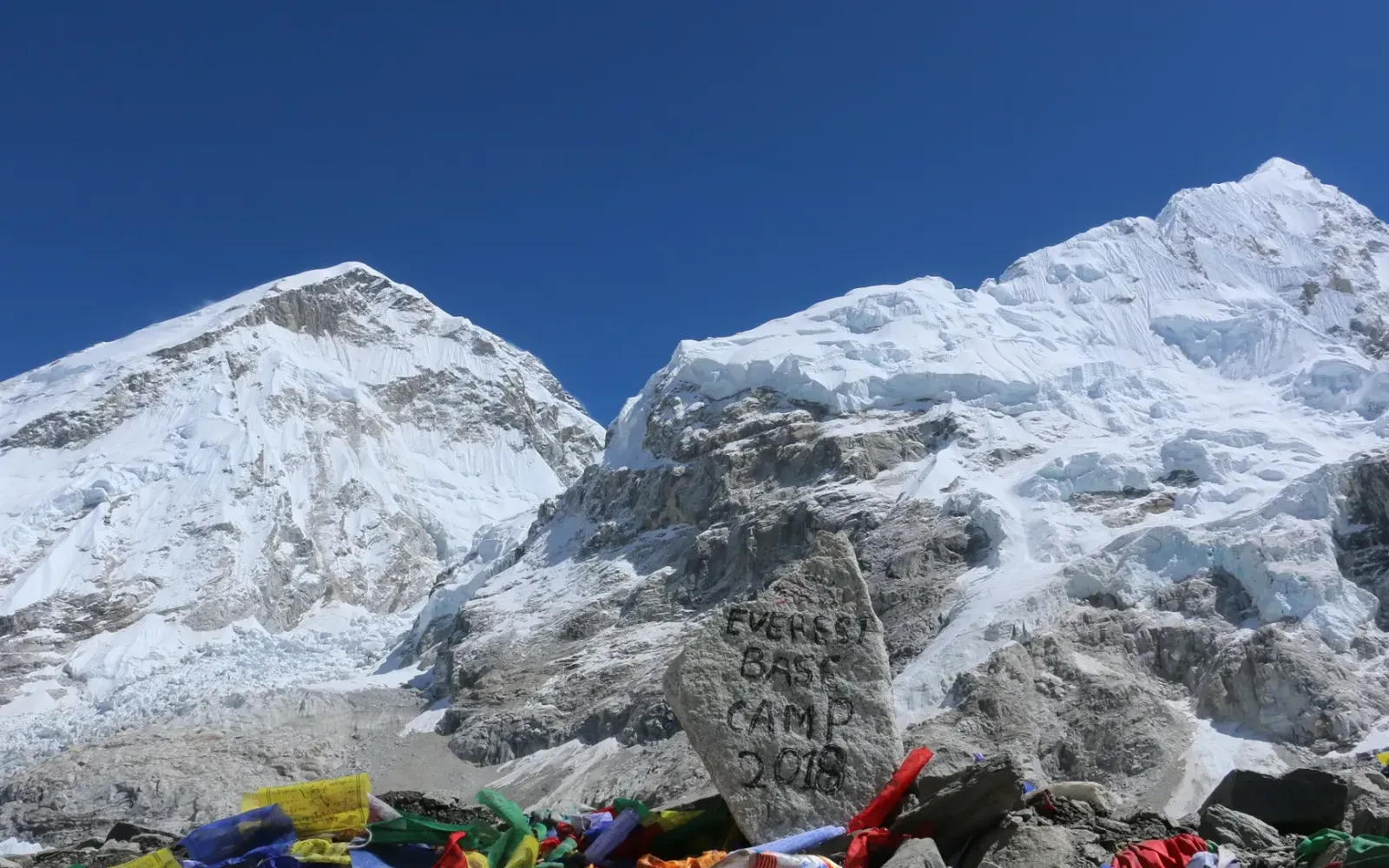
Here, there’s a reason the Everest region tops so many bucket lists. If you’re into adventure, Sherpa culture, and jaw-dropping Himalayan views, Khumbu is the place to be. This isn’t just Nepal’s most famous trekking spot—it’s a whole world of its own.
Every year, trekkers from all over flock to Khumbu. The landscapes here? Unreal. You’ll wander through lively villages, pass ancient monasteries, and get a real taste of Sherpa heritage everywhere you go. And then there are the mountains—seriously, nothing compares.
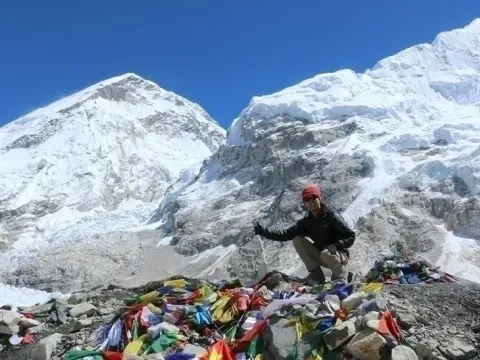
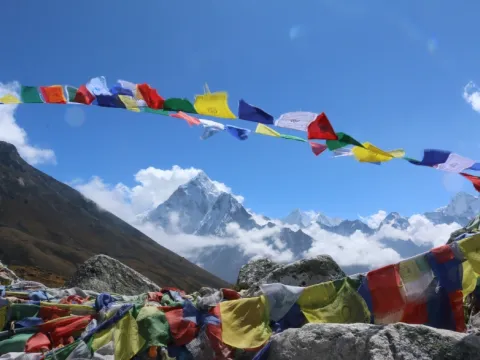
Actually, your journey starts in the Khumbu valley, tucked away in northeastern Nepal. The Sherpa people don’t just greet you; they welcome you in, sharing their deep Buddhist traditions and stories of mountaineering legends like Tenzing Norgay. Colorful prayer flags flutter everywhere, adding this quiet, spiritual vibe to the whole trek.
Then, there’s Everest itself—8,848 meters of pure awe. It towers above everything, even giants like Lhotse and Nuptse. You’ll catch sight of Ama Dablam too, sometimes called the “Matterhorn of the Himalayas.” All these peaks together set the stage for every step you take.
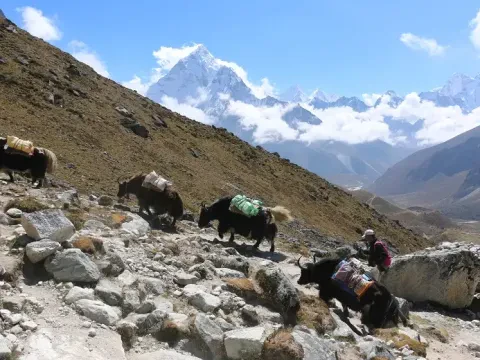
Likewise, nature here pulls out all the stops. Sagarmatha National Park protects rare animals like snow leopards and red pandas. Sometimes you’ll spot Himalayan tahrs climbing the steep slopes. If you come in spring, rhododendron forests explode with color, making the trails feel almost magical.
Meanwhile, what really sets Khumbu apart, though, is the culture. The Sherpas keep traditions alive with festivals like Mani Rimdu at Tengboche Monastery. You can join in prayer sessions, try local dishes like thukpa, and get a deeper respect for how strong and welcoming this community is.
Adventure-wise, there’s something for everyone. If you’re just starting out, you can hike up to viewpoints like the Everest View Hotel and get amazing panoramas without breaking a sweat. For seasoned trekkers, there are high passes and tougher routes that really test your limits. Basically, Khumbu welcomes all kinds of explorers.
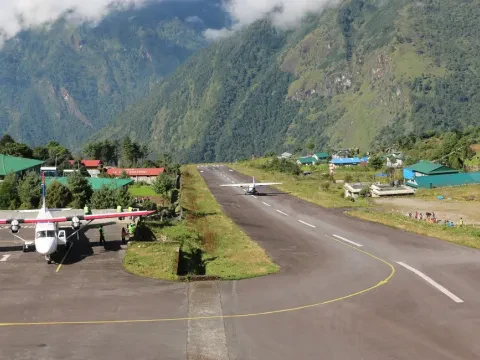
Likewise, getting here isn’t hard either. Most people fly from Kathmandu to Lukla, and from there, the trek begins. Along the way, teahouses offer a warm place to rest and refuel, making the dream of trekking to Everest surprisingly doable for so many people
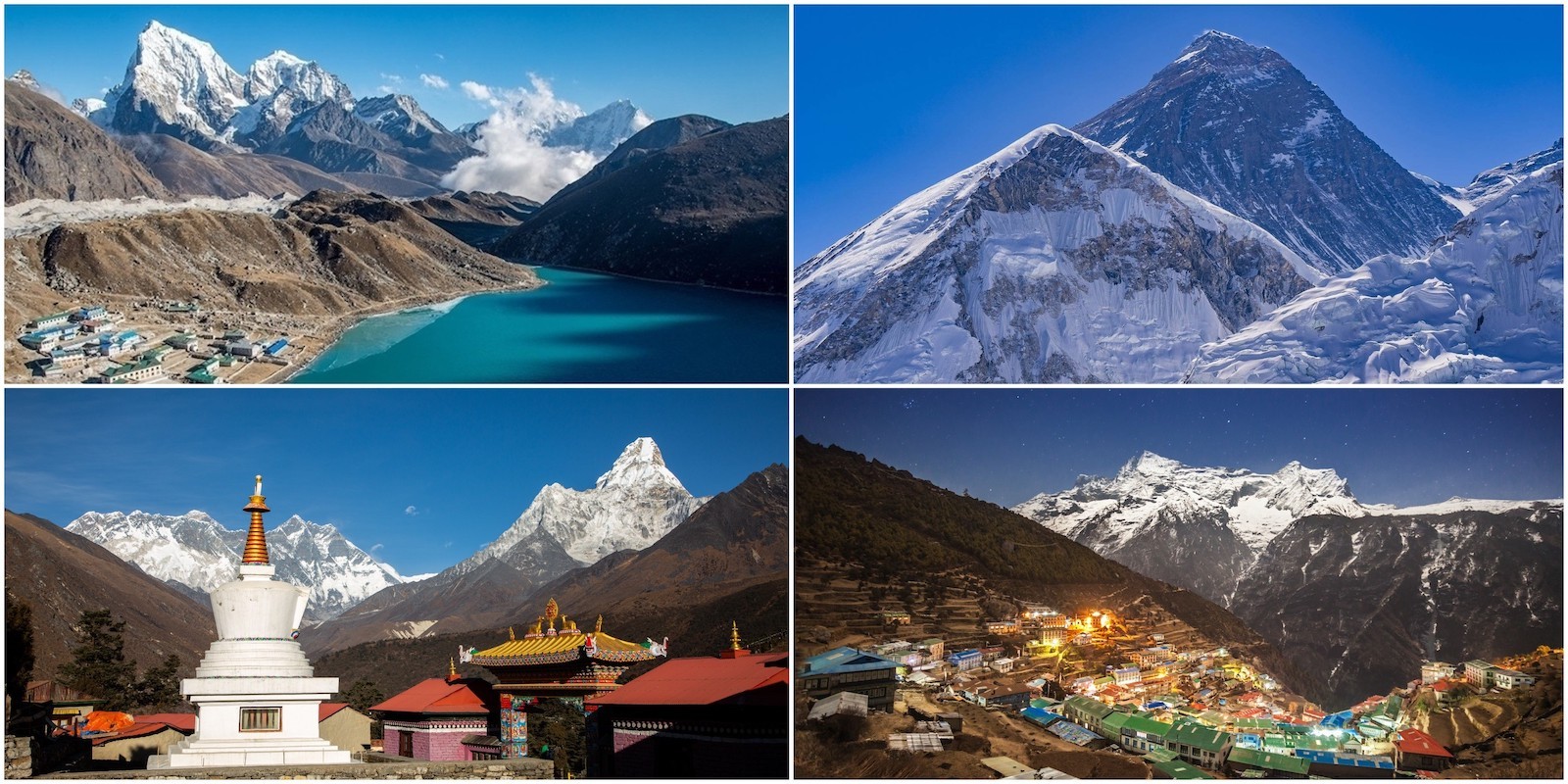
To highlight why Khumbu reigns as Nepal's premier trekking spot, consider these key attractions:
In summary, the Everest region combines natural wonders with cultural depth. It inspires trekkers to push limits and create lasting memories. Thus, Khumbu remains the top choice for Himalayan adventures.
Looking to trek in the Everest region? There’s a bunch of different routes, each with its own vibe and level of challenge. Some trails are short and beginner-friendly, while others will really test your endurance. Figuring out which one fits your style makes all the difference.
Now, let’s start with the classic: the Everest Base Camp (EBC) trek. This is the one you’ve probably heard about. You make your way up to EBC at 5,364 meters and Kala Patthar at 5,545 meters for those jaw-dropping mountain views. On the way, you stroll through colorful Sherpa villages like Namche Bazaar and Tengboche, and wander past blooming rhododendron forests. The whole trip usually takes about 12 to 14 days round-trip from Lukla. Expect to spend anywhere from $1,200 to $2,000, which covers permits and guides. You’ll need to be in decent shape since you’re hiking about 5 to 7 hours a day. Not surprisingly, EBC pulls in thousands of trekkers hoping to get close to the world’s highest peak.
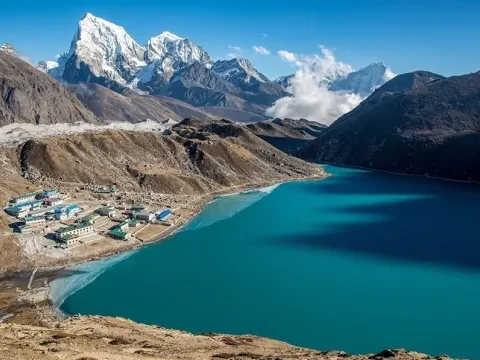
If you want something a little less crowded and love dramatic scenery, the Gokyo Lakes trek is a great pick. Picture clear turquoise lakes sitting at 4,700 to 5,000 meters, with the chance to summit Gokyo Ri at 5,357 meters. You’ll also cross the Ngozumpa Glacier, the longest in the Himalayas, and take in views of Cho Oyu and Makalu. This trek takes about 12 to 13 days and typically costs between $1,300 and $2,200, including cozy teahouse stays. Since fewer people hike this route, it feels much more peaceful—perfect if you’re into glacial landscapes and quiet trails.
For passionate adventurers, the Three High Passes trek is the big one. You’ll cross Kongma La (5,535m), Cho La (5,420m), and Renjo La (5,360m), and visit both Everest Base Camp and Gokyo along the way. In fact, this Everest Trekking route weaves together the region’s most dramatic highlights and remote valleys, so you get a bit of everything. It’s tough, though—you’re looking at 18 to 21 days and a price tag of $1,800 to $2,500, including gear rentals. You’ll need solid stamina for all those steep climbs, but the payoff is huge: endless views of Lhotse, Ama Dablam, and more.
If you want to add some mountaineering, try climbing Island Peak (6,189m). Most people combine it with the EBC trek and start from Chukhung. You’ll use basic mountaineering skills—think glacier walking and fixed ropes—to reach the top. The views up there? Absolutely unreal. The whole adventure takes about 18 to 20 days, and costs jump to $2,500 to $4,000 with permits. You do need some climbing experience for safety, so this is best for trekkers looking to move up to real expeditions.
Prefer a quieter, old-school approach? You can skip the flight to Lukla and start the trek from Jiri or Phaplu. These less-traveled paths add 5 to 7 days to your trip and let you follow in the footsteps of early Everest pioneers like Hillary. The cost drops to $1,000 to $1,500, which is a bonus for budget travelers or anyone who wants a more authentic journey without the crowds.
In the end, there’s no single “best” route—just the one that matches what you’re after. Whether you’re chasing iconic peaks, sparkling lakes, peaceful trails, or the thrill of a summit, the Everest region has a trek that’s just right for you.
To compare these major Everest trekking routes effectively, review this table:
| Route | Duration | Difficulty | Max Elevation | Key Highlights | Approx. Cost (USD) |
| Everest Base Camp | 12-14 days | Moderate | 5,545m (Kala Patthar) | Sherpa villages, Everest views, cultural sites | 1,200-2,000 |
| Gokyo Lakes | 12-13 days | Moderate-Challenging | 5,357m (Gokyo Ri) | Turquoise lakes, glaciers, fewer crowds | 1,300-2,200 |
| Three High Passes | 18-21 days | Challenging | 5,535m (Kongma La) | Multiple passes, EBC + Gokyo combo, remote areas | 1,800-2,500 |
| Island Peak | 18-20 days (with EBC) | Strenuous | 6,189m (Summit) | Climbing experience, panoramic summits | 2,500-4,000 |
| Jiri/Phaplu Entry | +5-7 days to standard | Moderate | Varies by combo | Classic approach, rural Nepal immersion | 1,000-1,500 |
In conclusion, select a route based on time and fitness. Each delivers unforgettable Everest trekking experiences. Ultimately, Khumbu rewards every adventurer.
In fact, thinking about trekking in the Everest region in 2026? Here’s what you need to know about the best seasons, the weather, and how climate change is starting to shake things up—plus, a heads up on Lukla flights so your trip doesn’t get thrown off track.
Let’s start with the basics: spring and autumn are hands-down the best windows for Everest treks. Most people aim for these seasons, and there’s a reason—clear skies, steady weather, and temperatures that aren’t out to torture you. Everest Base Camp Trek in spring (March to May), expect daytime temps around 15°C in Lukla (2,860m), dropping to about -5°C by the time you hit Base Camp (5,364m). You might get a light shower now and then, but nothing wild. Plus, rhododendrons are in full bloom along the trails, turning the whole place into a photographer’s paradise.
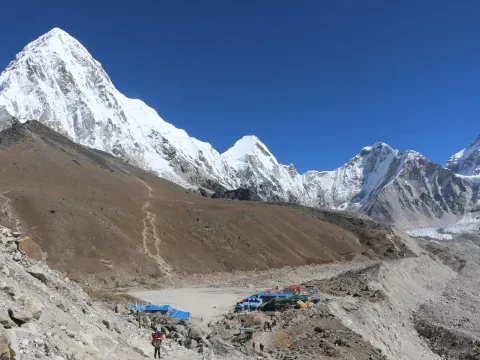
Come autumn (September to November), things get even better for views. Down in Namche Bazaar (3,440m), days can warm up to 20°C, but nights at higher spots like Gorak Shep (5,164m) dip to -10°C. The weather’s stable, which means you really get those epic, wide-open Everest views everyone dreams about.
But if you’re considering the monsoon season (June to August), think twice. Rain buckets down—over 200mm a month in the lower valleys. Trails get muddy, leeches come out, and thick clouds swallow the peaks, so forget about seeing Ama Dablam or Everest itself.
Likewise, winter (December to February) is another beast altogether. Temperatures nose-dive—think -20°C at Tengboche (3,860m) and even colder at Base Camp, sometimes below -30°C. Snow blocks the high passes, and only well-prepared, experienced trekkers should even think about a winter attempt.
Now, climate change is making its presence felt. Glaciers are melting faster, which means avalanche risks are up, especially near the Khumbu Icefall. Warmer temps are stretching out the monsoon, and scientists expect about 20% more rain in coming years. All this makes planning—and safety—even more important.
Similarly, weather’s getting less predictable, especially as you climb past 4,000m. The higher you go, the colder it gets, and the risk of hypoxia goes up. Most trekkers rely on weather apps and add extra days for acclimatization to avoid altitude sickness.
And don’t forget about the Lukla flights. In spring and autumn, flights are pretty reliable—about 80–90% on time. But in the monsoon, delays are the norm (half get pushed back because of fog), and winter brings more cancellations thanks to snow. It’s smart to build in a few buffer days in Kathmandu (1,400m) so weather delays don’t ruin your plans.
Bottom line: pick your season carefully, keep an eye on changing weather and climate trends, and stay flexible. That way, you get the best out of your Everest adventure and stay safe while you’re at it.
Seasonal Weather Overview :
| Season | Best Months | Avg. Temp (Low/High Altitudes) | Precipitation | Pros/Cons | Flight Reliability to Lukla |
| Spring | Mar-May | 15°C (Lukla) to -5°C (EBC) | Low (50-100mm) | Clear views, flowers; occasional rain | High (85%). |
| Autumn | Sep-Nov | 20°C (Namche) to -10°C (Gorak Shep) | Minimal | Stable, crowds; post-monsoon freshness | Highest (90%). |
| Monsoon | Jun-Aug | 10-25°C (valleys) | High (200+mm) | Lush greenery; slippery trails, low visibility | Low (50%). |
| Winter | Dec-Feb | -5°C (Tengboche) to -30°C (high camps) | Snow (variable) | Solitude; extreme cold, blocked paths | Moderate (70%). |
In conclusion, Everest trekking thrives in spring and autumn. Climate change adds uncertainties. Therefore, plan with current weather data for success.
How tough is trekking in the Everest region, really? Let’s break it down so you know what you’re signing up for in 2026—think daily distances, how much you’re climbing, who can handle it, and what you’ll need to get ready.
First off, not every trek is the same. Some trails in the Khumbu are pretty manageable, others will test you. How well you prepare, physically and mentally, makes all the difference.
Here, the classic Everest Base Camp trek sits in the moderate range. You’ll walk about 10–15 km a day, usually climbing between 400–800 meters. Expect to spend 5–7 hours on your feet daily, crossing stone steps and those famous suspension bridges. The terrain changes all the time, so boredom isn’t a problem—but your legs will feel it.
If you’re aiming higher, literally, high passes like Kongma La (5,535m) really crank up the challenge. You need strong cardio for these steep climbs, and once you’re above 3,500 meters, altitude sickness is no joke. That’s why everyone stops to acclimatize at Namche Bazaar (3,440m). Take that seriously—it’s not just a tourist trap, it keeps you healthy.
In fact, beginners don’t have to miss out. Shorter routes like the Everest View trek last 3–5 days and don’t push you too hard. If you’re experienced and want a real adventure, Island Peak (6,189m) is waiting. But whatever route you pick, training ahead is huge. Those who show up fit last longer and enjoy the trek way more.
Similarly, you’ll carry a daypack—usually 5 to 10 kg. Teahouses along the way handle your food and bed, so you’re not hauling camping gear. Still, even with lighter loads, the mental side matters. You’ll get tired, isolated, maybe a little grumpy. A good attitude helps you push through headaches and thin air.
Age matters, but it’s not everything. Most trekkers are between 18 and 60, and they do just fine. If you’re over 65, get a doctor’s okay before you go. Younger folks have the energy, but older trekkers bring wisdom and steady pacing.
Most importantly, training is key. Cardio—running, cycling, whatever keeps your heart rate up—builds stamina. Strength workouts for your legs and core make climbing easier. Give yourself 2–3 months of regular prep, and you’ll lower your risk of injury.
Moneywise, guided treks cost $1,500–$3,000. That usually covers porters, so you don’t have to carry the heavy stuff. Solo trekking is cheaper, but it’s a lot tougher and riskier. Going with a group? It’s safer and, honestly, way more fun.
In the end, trekking in Everest is possible for lots of people—but it’s no walk in the park. Prepare well, respect the altitude, and you’ll have an adventure you’ll never forget.
To outline Everest trekking difficulty gradings, review these key factors:
In summary, Everest region trekking demands realistic expectations. Preparation matches difficulty to abilities. Ultimately, it rewards with personal growth.
If you want to trek to Everest Base Camp and actually enjoy the journey, you can’t just wing it. You need a plan—and not some light “I’ll walk more” thing. Give yourself 8 to 12 weeks to really get ready. We’re talking cardio, hill training, strength work, building up your endurance, doing practice hikes, and getting your body ready for the altitude you’ll face in the Khumbu.
Likewise, start by getting your heart and lungs in shape. Cardio’s your best friend up here. The air gets thin and your body will feel it. Run, cycle, or head out for brisk walks 4 or 5 times a week. Each session should last 45 to 60 minutes, just like a day on the trail.
Here, don’t skip hills or stairs. Load up a backpack and find the steepest path you can. Aim for a total 500 to 1,000 meters of elevation gain each week. Your legs will thank you when you’re grinding up to Namche Bazaar.
In fact, strength training’s just as important. Three times a week, do squats, lunges, and core moves—bodyweight or actual weights, whichever works. Go for 3 sets of 12 to 15 reps. You need strong muscles to protect your knees, especially on the way down from places like Tengboche.
But don’t just stick to the gym. Get out for real hikes with a loaded pack, 10 to 15 kilos if you can. Try to mimic the trek: 5 to 7 hours on rough ground, sometimes two days in a row. That’s what you’ll face out there.
If you can, try some altitude simulation. Hypoxic masks, training at elevation, or even sleeping in altitude tents help your body handle the thin air above 4,000 meters. It helps cut down your risk of acute mountain sickness.
Likewise, break up your 8-12 week prep into phases. Weeks 1 to 4, just get moving and build a base. Weeks 5 to 8, pick up the pace and go longer. Weeks 9 to 12, push for your max—do your hardest hikes, pack heavy, and test yourself.
Similarly, pay attention to your body as you go. Rest and recover. Stretch. Take a day off if you need it. And talk to your doctor before you start anything intense, especially if you haven’t trained like this before.
Do all this, and you’ll step off the plane in Lukla ready for Everest Base Camp—not just to survive it, but to actually enjoy every step.
To outline an effective Everest trekking training guide, follow these essential components:
In summary, dedicated physical preparation transforms Everest trekking experiences. Follow structured plans diligently. Ultimately, fitness unlocks the magic of Khumbu trails.
Here’s what permits you need for trekking in the Khumbu region—no fluff, just the real steps. You’ll need a Sagarmatha National Park entry permit and the Khumbu Pasang Lhamu Rural Municipality fee. Nepal offers tourist visas on arrival, and there are online options if you want to save time. Costs and rules are pretty clear and haven’t changed much. Get your paperwork sorted before you go; it makes things easier at the trailheads.
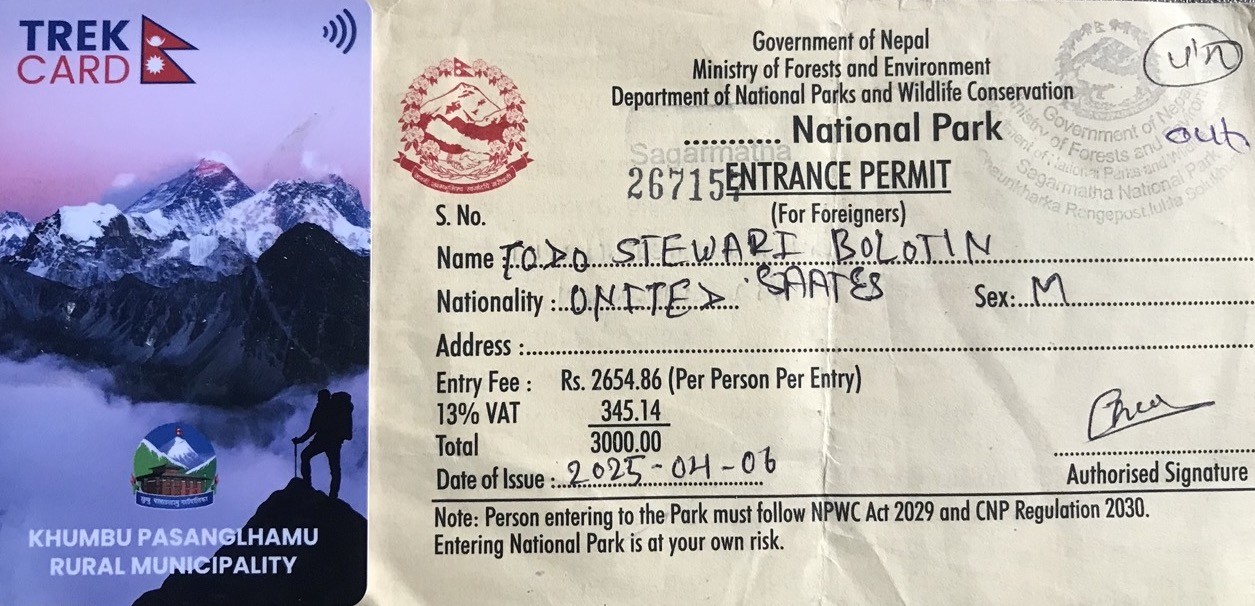
Start with the Sagarmatha National Park permit. This fee helps protect the Everest area, a UNESCO World Heritage Site. Actually, foreigners pay NPR 3,000 (that’s around $22–25), SAARC nationals pay NPR 1,500, and Nepalis pay a nominal fee.
Next up is the Khumbu Pasang Lhamu Rural Municipality permit. This one supports local development in the Khumbu. It’s NPR 3,000 for foreigners and you can get it either in Lukla or at the Monjo checkpoint.
Now, you don’t need the TIMS card anymore for Everest treks. The Khumbu region switched to its own system, so just focus on getting the two main permits.
For your Nepal visa, you can get it on arrival or apply online beforehand. The fees: $30 for 15 days, $50 for 30 days, $125 for 90 days. Make sure your passport’s valid for at least six months and bring a couple of passport photos.
If you’re trekking solo and you’re not Nepali, the rules in 2026 require you to hire a licensed guide. Group trekkers have a bit more freedom, but solo travelers should book through an agency to stay within the rules and for safety.
Likewise, you can pick up the permits in Kathmandu at the Nepal Tourism Board or grab them along the way—national park permits work at Monjo, and you can get the municipality permit at Lukla. Bring cash and some passport copies.
If you want to skip airport lines, fill out your visa application online before you arrive. It’s faster and makes catching your flight to Lukla less stressful. Plan ahead, get your documents in order, and your Khumbu entry will go smoothly.
To compare key permits and entry rules for Khumbu region, review this table:
| Permit/Visa | Cost (Foreigners) | Where to Obtain | Requirements | Purpose |
| Sagarmatha National Park Entry Permit | NPR 3,000 (USD 25) | Kathmandu (NTB) or Monjo | Passport copy, photo | Conservation funding, park access |
| Khumbu Pasang Lhamu Rural Municipality Permit | NPR 3,000 (USD 25) | Lukla or Monjo | Passport, cash | Local development, entry tracking. |
| Nepal Tourist Visa (On Arrival/Online) | USD 30 (15 days), USD 50 (30 days), USD 125 (90 days) | Airport or online portal | Valid passport, photo, form | Country entry. |
| TIMS Card | Not required for Khumbu | N/A | N/A | Replaced by local permit. |
In conclusion, understand permits and visas for hassle-free Khumbu journeys. Current 2026 rules prioritize safety and sustainability. Ultimately, proper documentation enhances responsible Everest trekking.
If you’re heading to Everest Base Camp in 2026, getting from Kathmandu to Lukla takes a bit of planning, but you’ve got options. Most people start in Kathmandu (1,400m) and fly to Lukla (2,860m). The classic flight is quick—about 30 to 35 minutes—and airlines like Tara Air, Summit Air, and Sita Air run small planes on this route. Expect to pay around $215 to $240 one-way if you’re a foreigner. Flights usually leave early in the morning to catch the best weather.
But here’s the thing: weather delays happen a lot. Fog, wind, and clouds are common, especially during the monsoon or late spring. Some days, all flights get canceled. That’s why smart trekkers build in an extra day or two, just to be safe.
During the busiest seasons, flights shift to Ramechhap (Manthali Airport) instead of Kathmandu. You’ll need to drive four or five hours from Kathmandu to get there, then hop on a much shorter, 15- to 20-minute flight to Lukla. This route helps avoid Kathmandu’s crowded skies and actually makes delays less likely.
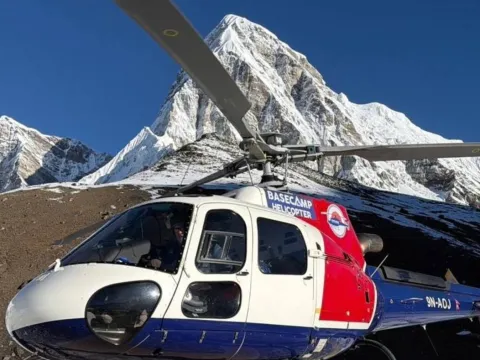
Moreover, helicopters are another way out. Shared rides run about $350 to $600 per person, and private charters go for $2,600 to $3,200 per flight. Helicopters can handle trickier weather than small planes, so if you’re tight on time or flights keep getting canceled, this is your backup.
Don’t want to fly at all? No problem. You can drive to Salleri or Surke—a long, bumpy 17 to 18 hours by jeep—then walk the rest of the way to Lukla. It takes longer, but some trekkers actually prefer this for a more gradual acclimatization.
If you want to keep things running smoothly, book the earliest flight possible, check weather apps every day, and stay flexible. In 2026, most trekkers will use the Ramechhap route during busy times because it really cuts down on delays. That’s the most reliable way in these days.
To compare options for getting to Lukla, review this table:
| Option | Duration | Cost (USD, one-way approx.) | Reliability | Notes |
| Kathmandu to Lukla Flight | 30-35 min | 215-240 | Weather-dependent, frequent delays | Tara Air, Summit Air, Sita Air. |
| Ramechhap to Lukla Flight | 4-5 hr drive + 15-20 min flight | 175-210 + drive cost | Higher in peak seasons | Common in spring/autumn. |
| Shared Helicopter | 45-50 min | 350-600 | Better in marginal weather | Scenic, flexible timing. |
| Private Helicopter | 45-50 min | 2,600-3,200 per heli | Highest flexibility | For groups or urgency. |
| Road/Jeep to Surke + Walk | 17-18 hr drive + short trek | Lower (transport fees) | Weather-independent | Gradual ascent, cultural immersion. |
In conclusion, choose based on time, budget, and risk tolerance. Proper strategies ensure smooth starts to Everest trekking. Ultimately, preparation turns potential delays into minor hurdles.
Meanwhile, the Everest Base Camp trek usually takes about 12 to 16 days, depending on your pace and how much time you want for rest and side trips. You start in Lukla (2,860m) and wind your way up to Everest Base Camp itself at 5,364 meters, with plenty of chances to soak in the views and adjust to the altitude along the way.
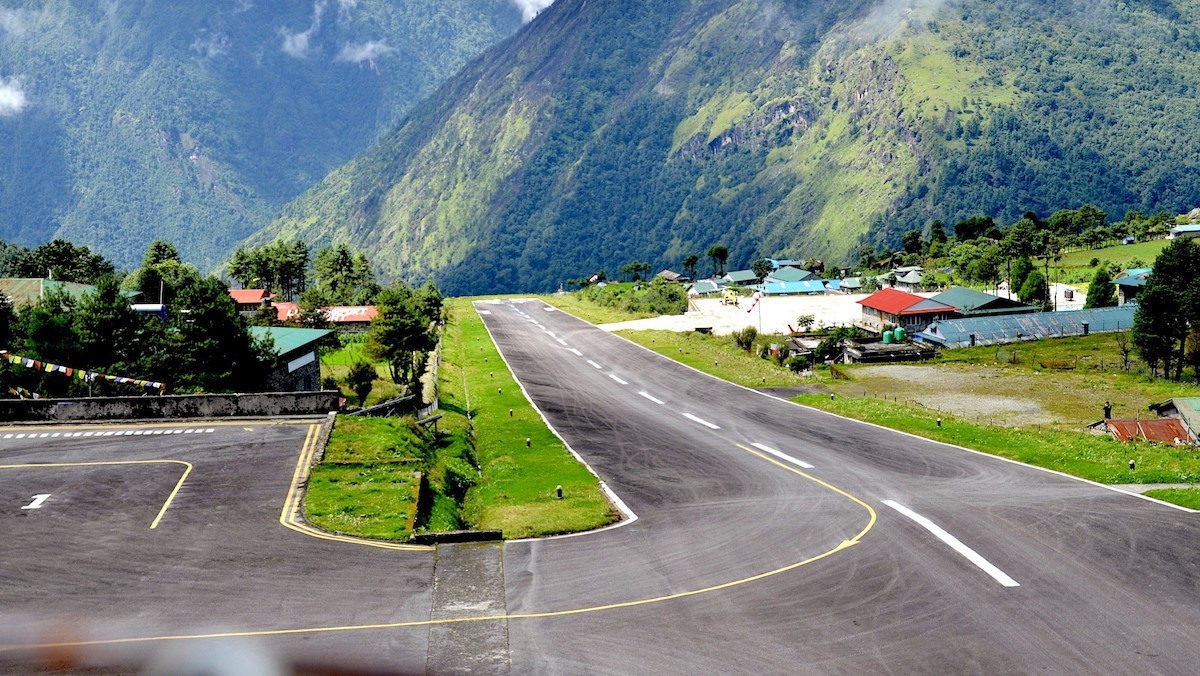
On Day 1, you fly into Lukla, a tiny mountain airstrip that feels like something out of an adventure movie. From there, you hit the trail to Phakding (2,610m), crossing suspension bridges over the Dudh Koshi River. The walk only takes 3 to 4 hours, so it’s a gentle intro to what’s ahead.
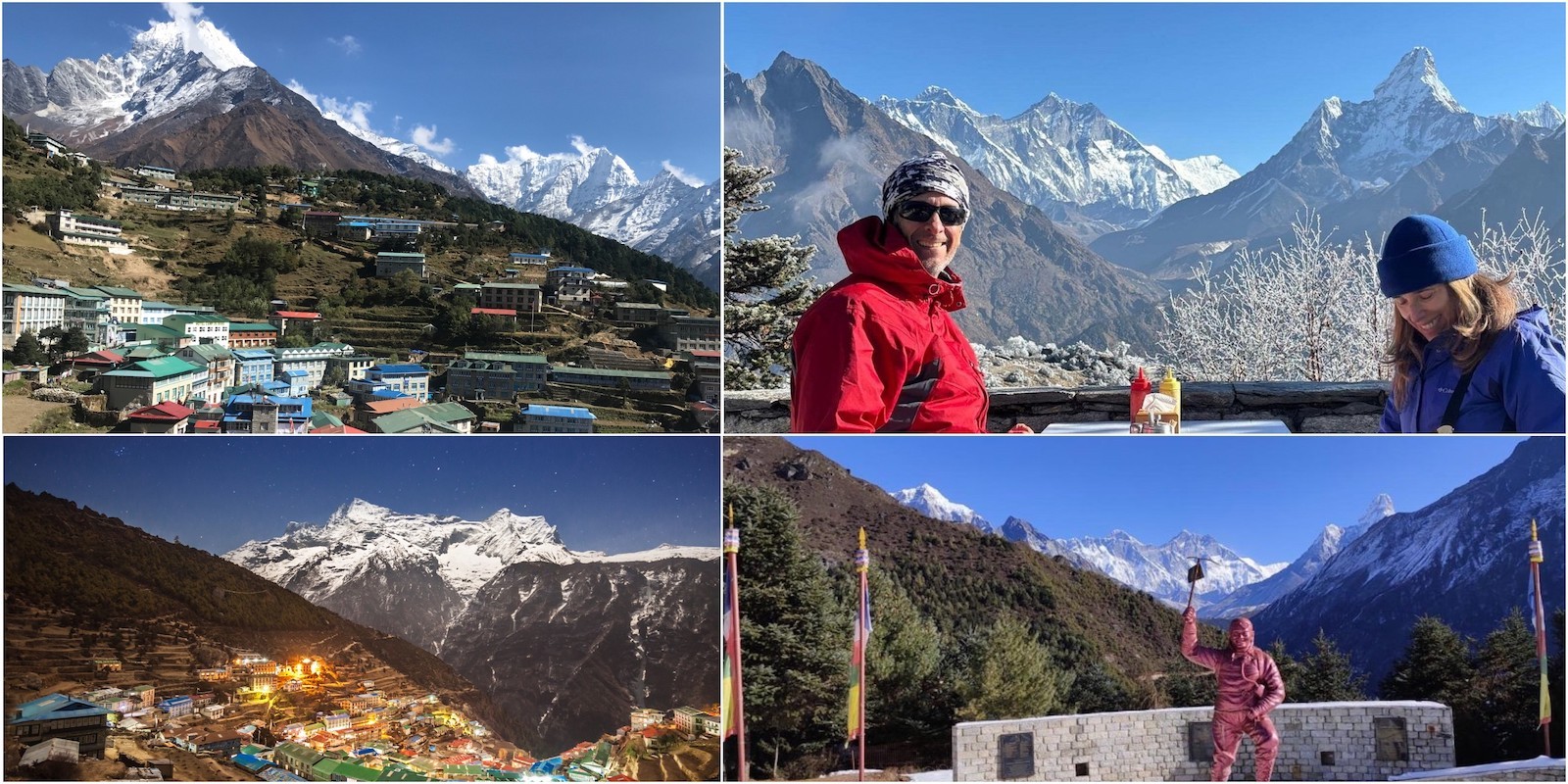
Day 2 is where things start to feel real. You trek up to Namche Bazaar (3,440m), a lively Sherpa town tucked into the hillside. The climb takes about 6 or 7 hours, and you’ll feel the altitude kicking in. Namche is the perfect spot to grab a tea, wander through the markets, and get your first real taste of Sherpa culture.
Likewise, you stay put on Day 3 to acclimatize in Namche. Most people do a day hike up to Everest View Hotel (3,880m) or over to Khumjung village. It’s all about letting your body adjust so you don’t run into trouble higher up. Plus, the views just keep getting better.
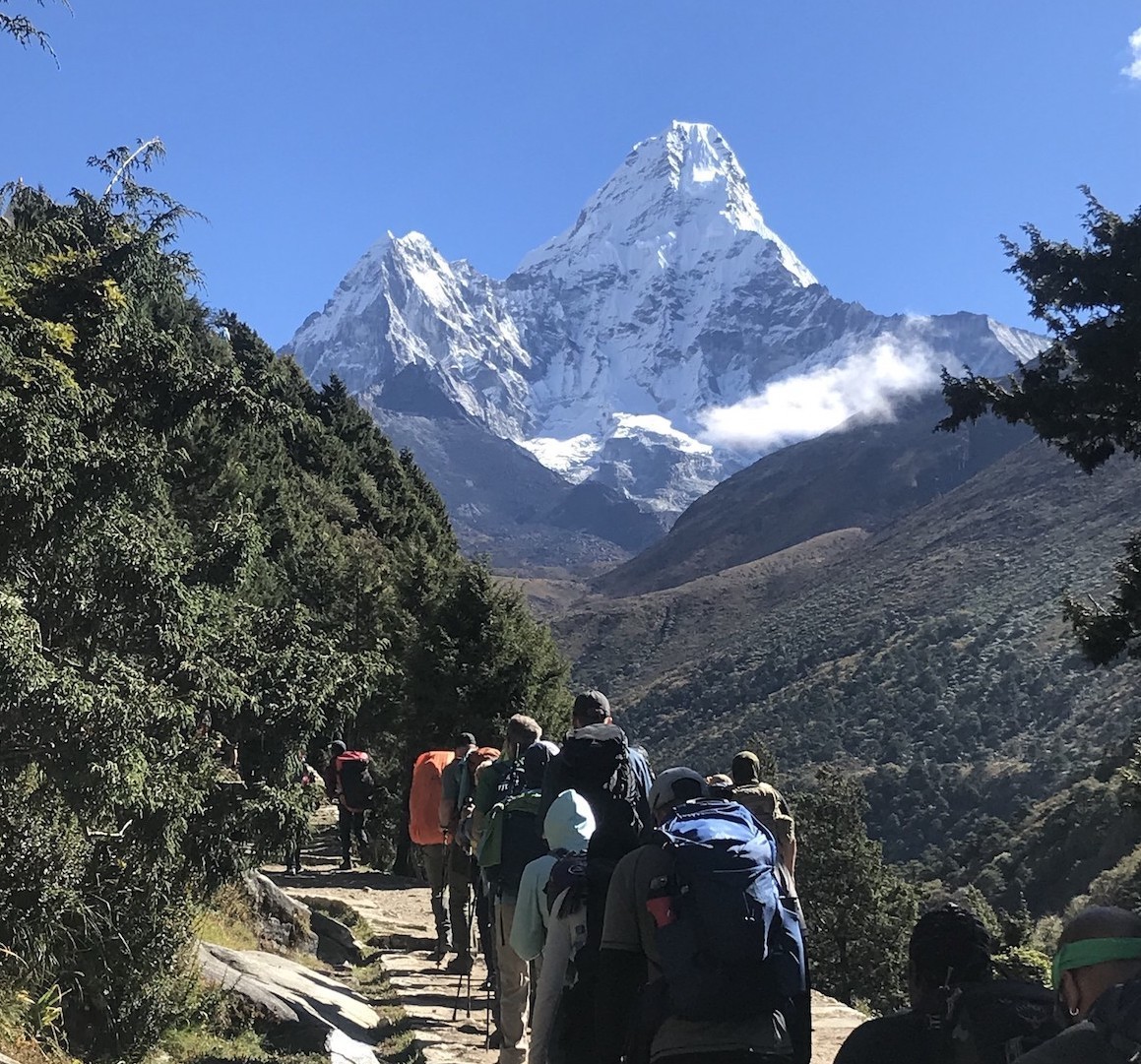
On Day 4, you head out for Tengboche (3,860m). It’s a 5-6 hour trek with jaw-dropping views of Ama Dablam (6,812m) along the way. Tengboche’s monastery is famous in these parts, and the spinning prayer wheels and mountain backdrop make it a memorable stop.
Day 5 takes you to Dingboche (4,410m) through wide valleys and along the Imja Khola river. The walk lasts about 5 to 6 hours, and you’ll notice the nights getting colder as you climb.
Day 6 is another acclimatization day in Dingboche. Most trekkers hike up to Nagarjun Hill (5,100m) for a look at giants like Lhotse (8,516m). It’s tough, but the views are worth it, and your body will thank you later.
Day 7 leads to Lobuche (4,910m), crossing the memorials at Thukla Pass. Here, you really start to feel the altitude and see the landscape turn wild and glacial. The trek is 5 to 6 hours and feels like a big milestone.
On Day 8, you push on to Gorakshep (5,164m) and then the big one—Everest Base Camp (5,364m). Walking alongside the Khumbu Glacier, you finally reach base camp. It’s a long day—7 to 8 hours—but standing at the foot of Everest feels unreal.
Day 9 starts early with a climb up Kala Patthar (5,545m) for sunrise. This is where you get those classic Everest views. Afterward, you head down to Pheriche (4,210m). Early mornings usually mean clear skies and the best photos.
Likewise, the last stretch, Days 10 to 12, is all about descending. You retrace your steps through Tengboche and Namche, eventually making your way back to Lukla. It’s a good time to reflect and celebrate, and those buffer days help if there are any weather delays.
If you want to stretch things out, you can add extra rest days or side hikes, making it a 14- to 16-day adventure. The classic Everest Base Camp trek is tough, but it’s safe, unforgettable, and packed with moments you’ll remember for the rest of your life.
To summarize the classic Everest Base Camp trek day-by-day key stages:
In conclusion, this itinerary suits most trekkers. Proper pacing ensures enjoyment. Thus, Everest Base Camp becomes an achievable dream.
Here, getting used to the altitude is the key to trekking safely in Everest’s Khumbu region. Acute mountain sickness is a real threat up here, so smart acclimatization isn’t just smart—it’s necessary. Bodies need time to get used to the thin air. If you do it right, you cut your risks way down, and, honestly, just being aware of the dangers can make all the difference.
First up: stick with the “climb high, sleep low” rule. Head up to higher elevations during the day, but always come back down a bit for the night. This quick exposure lets your body start adjusting without overwhelming it. You’ll feel better in the morning, trust me.
Most importantly, don’t rush your trek. Rest days are your friend—spend extra time in places like Namche Bazaar (3,440m) and Dingboche (4,410m). Take short hikes around the area during these breaks. It’s not just about relaxing; these pauses help your body adapt and keep AMS at bay.
Now, pay close attention to how you feel and keep an eye on your trekking buddies too. Headaches, nausea, fatigue, dizziness, or no appetite—these are red flags. If you spot any of them, don’t ignore it. Sometimes, your friend might notice something’s off before you do.
Likewise, hydration matters more than you think. Drink at least 3-4 liters of water every day—it really helps. Some people take Diamox to speed up acclimatization, but talk to your doctor before you even think about it.
If things start to go south, don’t gamble with your health. Head down 300-500 meters right away if symptoms get worse, and look for help at medical clinics like the one in Pheriche (4,210m). Quick action saves lives and stops AMS from turning into something deadly, like HAPE or HACE.
Now, blend all these strategies—climb high, sleep low, hydrate, take rest days, and watch for symptoms. Keep notes on how you’re feeling each day. When you put it all together, you give yourself the best shot at a safe, successful trek to Everest Base Camp (5,364m).
Finally, don’t brush off the importance of education and awareness. Good guides make sure you know the risks and what to do. Everyone’s safety improves when people take AMS seriously. With the right preparation, the mountain’s challenges become something you can actually handle.
To highlight acclimatization essentials for avoiding AMS, consider these key practices:
In summary, effective acclimatization combats acute mountain sickness effectively. Implement principles and monitor health vigilantly. Ultimately, these essentials ensure memorable Khumbu treks.
Let’s talk about teahouse lodging on the Everest trail. Wherever you go—from Lukla all the way up to Gorakshep—these places become your home base each night. You’ll find everything from bare-bones basics to surprisingly comfy upgrades, and the higher you climb, the more things change.
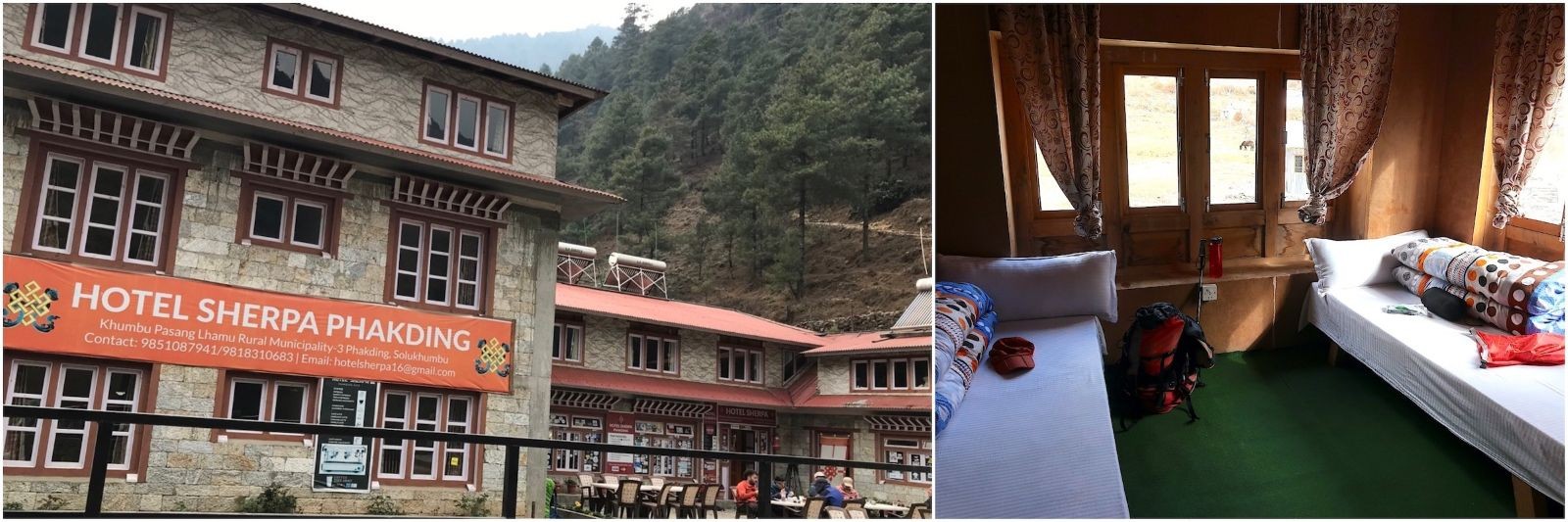
Here, start at Lukla (2,860m). Here, teahouses offer simple rooms with twin beds, blankets, and pillows—nothing fancy, but it gets the job done. A night costs about $5–10. Bathrooms are usually shared, and you get cold showers and flush toilets.
When you reach Namche Bazaar (3,440m), things get a little better. Some rooms have attached bathrooms, and you’ll notice wood stoves crackling in the dining areas to keep everyone warm. Wi-Fi and device charging are available, but expect to pay $2–5 an hour.
Likewise, Tengboche (3,860m) keeps it pretty basic. Rooms are thin-walled, often just plywood, and there’s no insulation. If you want a shower, it’s a bucket of hot water for a small fee. Charging stations rely on solar power, so you might have to wait your turn.
Up in Dingboche (4,410m), it gets colder and rougher. Rooms have foam mattresses and thick quilts, and gas heaters warm up the dining area in the evenings. Wi-Fi gets patchy here, and using it costs more.
Meanwhile, Lobuche (4,910m) is about as minimal as it gets. Most people sleep in shared dorm rooms, and the toilets—usually buckets—freeze solid overnight. Seriously, bring a warm sleeping bag.
Then there’s Gorakshep (5,164m), your last stop before Everest Base Camp. The teahouses here are as basic as they come: beds with no heating, no showers at all—just pack some wipes and focus on resting up for the final push.
Now, if all this sounds a bit too rugged, you do have options. Luxury lodges like Yeti Mountain Home offer hot showers, electric blankets, and private bathrooms, but you’ll pay for it—anywhere from $150 to $300 a night. For comfort seekers, though, it’s worth every penny.
To compare teahouse lodging facilities by altitude in Everest region, review this table:
| Altitude/Village | Room Types | Heating | Wi-Fi/Charging | Bathrooms/Showers | Approx. Cost (USD/night) |
| Lukla (2,860m) | Twin beds, basic | Stove in dining | Available, fee-based | Shared, cold showers | 5-10. |
| Namche Bazaar (3,440m) | Attached options | Wood stove | Wi-Fi USD 2-5/hr | Flush toilets, hot water | 10-20. |
| Tengboche (3,860m) | Plywood rooms | Minimal | Solar charging | Bucket showers, fee | 8-15. |
| Dingboche (4,410m) | Foam mattresses | Gas heaters | Weak signals, extra cost | Basic shared | 10-18. |
| Lobuche (4,910m) | Dorm-style | None | Limited | Frozen toilets | 12-20. |
| Gorakshep (5,164m) | Simple beds | None | Scarce | No showers | 15-25. |
| Luxury Upgrades (Various) | En-suite | Electric | Free/included | Hot showers | 150-300. |
In conclusion, teahouse lodging meets essential needs across altitudes. Choose based on budget and comfort. Ultimately, these facilities support unforgettable Khumbu adventures.
Meanwhile, eating right matters when you’re trekking to Everest. Your body works overtime at high altitude, so you need steady energy and plenty of water. Get this right, and you’ll feel stronger, recover faster, and actually enjoy the climb.
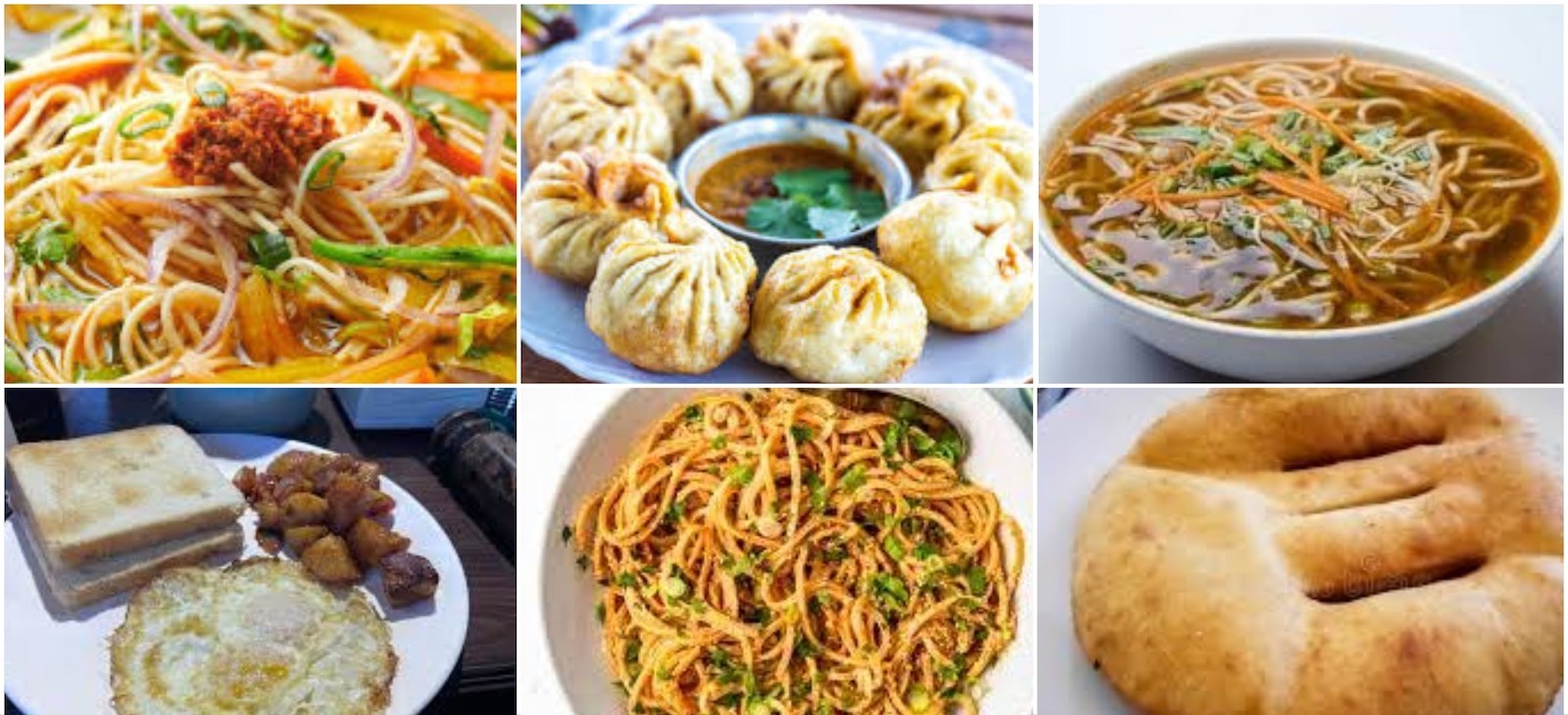
Let’s talk dal bhat. This Nepali classic—rice, lentil soup, veggies—keeps you going. Teahouses serve it twice a day, usually for $5–8. It’s filling, packed with carbs and protein, and just what you need after a tough hike to Namche Bazaar (3,440m).
Likewise, you don’t have to live on dal bhat alone, though. Menus usually offer momos (dumplings), fried rice, pasta, and other comfort food. Most of it’s vegetarian, which makes things easy for vegans too. Potato dishes and veggie soups are everywhere.
Meanwhile, clean water is non-negotiable up here. Always purify it—boil, use iodine tablets, or bring a filter. Bottled water is easier to find (and cheaper) in Lukla, but gets pricier the higher you go.
In fact, you’ll burn through 4,000–6,000 calories a day above 4,000m. That’s a lot. So, stash energy bars, nuts, and dried fruit in your pack. These snacks keep your blood sugar steady, especially on the way up to places like Dingboche (4,410m).
Keep it light—dried fruit, electrolyte powder, and portable snacks beat heavy cans every time. Mix up teahouse meals with your own stash, just to keep things interesting.
Here, hydration is a constant battle. Aim for 4–5 liters a day. The air’s dry, and dehydration hits fast, bringing headaches and fatigue. Reusable bottles help you stay green, too.
In the end, getting your food and water right is one of the best things you can do out here. Mix local meals with your own snacks. Pay attention to what your body’s telling you. Stay fueled, stay hydrated, and you’ll have way more fun on the trail.
To outline essential Everest trekking nutrition tips, consider these key elements:
In summary, prioritize food, hydration, and nutrition on trails. Implement varied menus and safe practices. Ultimately, these sustain adventurers through Khumbu challenges.
Here’s what you really need for trekking in the Everest region. The weather changes fast up there, so you want to be ready for anything. Start with layers—good base layers pull sweat off your skin, fleece or puffy jackets trap warmth, and a solid waterproof shell keeps out the rain, especially around places like Tengboche.
Likewise, don’t even think about cheap shoes. Bring tough hiking boots with solid ankle support; you’ll need the grip for rocky trails and to keep your feet safe on steep descents from places like Gorakshep. Gaiters help keep out mud and pebbles, too, which means fewer blisters.
Here, sleeping gear matters a lot. Nights get cold, so grab a sleeping bag rated for -10°C to -20°C. Down bags pack small, and a liner gives you extra warmth in chilly teahouses up at Lobuche.
Trekking poles? Definitely bring them. They take some pressure off your knees, keep you steady during river crossings, and the lighter carbon ones won’t weigh you down on those long days.
Don’t forget a basic first aid kit. Pack Diamox for altitude sickness, bandages, antiseptic—nothing fancy, just enough to handle the usual scrapes and headaches.
For electronics, keep it simple. A power bank goes a long way since outlets can be hard to find. A good headlamp is essential for dark mornings or late arrivals.
And finally, think about the environment. Carry reusable water bottles and bags, and bring biodegradable soap. That way, you help keep Sagarmatha National Park as stunning as you found it.
Pack smart, and you’re set for an unforgettable trek.
To detail the complete Everest trekking packing list, review this table:
| Category | Items | Details/Recommendations | Why Essential |
| Layering System | Base/merino wool, fleece mid, Gore-Tex outer, hat/gloves | Moisture-wicking, breathable; USD 200-400 total | Adapts to 20°C days to -15°C nights. |
| Hiking Boots/Gear | Waterproof boots, socks, gaiters, crampons if needed | Ankle support, break-in before; USD 150-300 | Traction on uneven trails to EBC (5,364m). |
| Sleeping Bag | -15°C rated down bag, liner, compression sack | Lightweight, warm; USD 200-500 | Cold teahouse nights above 4,000m. |
| Trekking Poles | Adjustable, shock-absorbing pair | Collapsible; USD 50-100 | Balance on steep ascents like Kala Patthar (5,545m). |
| Medications/First Aid | Diamox, ibuprofen, bandages, sunscreen, water tablets | Compact kit; USD 50-100 | AMS prevention, injury care. |
| Electronics | Headlamp, power bank (10,000mAh+), adapter, camera | Solar-compatible; USD 100-200 | Navigation, photos in remote areas. |
| Eco-Friendly Items | Reusable bottle, biodegradable toiletries, trash bags | Zero-waste focus; USD 20-50 | Environmental responsibility in Khumbu. |
In conclusion, curate your packing list meticulously. Focus on versatility and lightness. Ultimately, prepared gear elevates Everest trekking success.
Here, let’s talk real numbers for trekking in the Everest region in 2026. You’ll need to plan for permits, flights to Lukla, guides, porters, teahouse stays, meals, insurance, and all those smaller costs that sneak up on you—like tips and random fees. Whether you go solo or join a guided group, your budget will look different, so let’s break it down.
First of all, permits. You’ll pay about $50–$60 per person. That covers the Sagarmatha National Park entry ($30) and the Khumbu Pasang Lhamu Rural Municipality fee ($20–$30). You can pick these up in Kathmandu or somewhere along the way.
Now, flights to Lukla. Expect to spend $400–$470 for a round-trip ticket. Book as early as you can, especially if you’re trekking during the busy season. If you want to save a bit, you can drive to Ramechhap and fly from there, but honestly, it doesn’t cut costs by much. And weather delays? They’re common, so you might need to shell out extra for last-minute hotel stays.
Likewise, guides run $30–$40 per day. For a 12–14 day trek, you’re looking at $360–$560 total. Worth it, though—they keep you safe, and starting in 2026, solo trekkers actually need to hire a guide.
Moreover, porters usually charge $25–$30 a day. They’ll carry up to 20kg for you, and most trekkers share one porter between two people. If you’re dreading the weight of your pack, a porter makes all the difference.
Similarly, teahouse stays are affordable, usually $5–$15 a night, but prices climb with the altitude—places like Gorakshep cost more. Meals aren’t included, so budget $25–$35 a day for food. That adds up to $300–$450 for a typical trek.
Meanwhile, insurance isn’t optional. You’ll pay $100–$300 for decent coverage, including high-altitude evacuation. And don’t forget hotels and other pre-trek costs in Kathmandu, which can run $50–$100 per night. These extras pile up fast.
If you’re trekking independently, you’ll probably spend $800–$1,200 total. Guided Everes trek packages range from $1,200 up to $2,500, and if you want luxury—think better lodges and extra comforts—it’s $2,500 or more.
In fact, don’t forget the hidden stuff: Wi-Fi ($2–$5 per session), hot showers ($3–$5 each), and snacks or drinks ($150–$250 for the whole trek). Tipping is standard—plan to give $100–$200 per trekker to your guides and porters. So, it’s smart to add an extra 10–15% to your total budget, just in case.
In the end, trekking in the Everest region isn’t cheap, but knowing what to expect helps you plan—and actually enjoy the adventure when you get there.
To detail the Everest trekking budget breakdown for 2026, review this table:
| Cost Category | Independent (USD) | Guided (USD) | Notes |
| Permits | 50-60 | Included | Sagarmatha & Khumbu fees. |
| Lukla Flights | 400-470 | Included | Round-trip from Kathmandu, Per-person. |
| Guide Fees | 360-560 | Included | Daily rate for 12-14 days. |
| Porter Fees | 240-420 | Included | Load carrying support. |
| Teahouses | 120-180 | Included | Nightly lodging. |
| Meals | 300-450 | Included | Three daily meals. |
| Insurance | 100-300 | 150-250 | Evacuation coverage. |
| Kathmandu Extras | 100-200 | 150-300 | Hotels, transfers. |
| Hidden Fees & Tipping | 200-400 | 150-300 | Wi-Fi, showers, tips. |
In summary, realistic costs ensure smooth Everest trekking. Compare independent vs guided options wisely. Ultimately, budgeting prevents surprises in Khumbu.
If you’re heading to Everest in 2026, put safety first. Get solid insurance—don’t wait. Make sure it covers medical evacuation, at least up to $100,000, and includes trip cancellation and altitude sickness. Double-check that helicopter rescues are part of the deal, since you’ll be in some pretty remote places.
When you hire guides or porters, go local and do it right. Look for licensed Sherpas from agencies with a good reputation. Pay fair wages, make sure they have insurance, and you’ll support the Khumbu economy while learning from the real experts.
Here, take Leave No Trace seriously. Whatever you pack in, pack out. Stick to the trails. Don’t light campfires—Sagarmatha National Park is too fragile for that. Every little bit helps keep the place wild.
Likewise, think about overtourism, too. The trails get crowded, especially in peak season. Try trekking during the shoulder months and keep your group small. It makes a difference for the environment around Everest.
Moreover, support the local community while you’re there. Buy handmade stuff in Namche Bazaar, maybe donate to a school or monastery. That’s how you build real connections and give back.
Likewise, stay on top of your health. Check for symptoms of altitude sickness every day and don’t hesitate to descend if you feel off. Clinics in Pheriche are there for a reason—use them if you need to.
Blend safety with sustainable habits. Respect the local culture. Skip single-use plastics. Responsible trekking isn’t just about your own trip—it’s about making sure Everest and Khumbu are still here for the next adventurers.
To emphasize safety and sustainable practices in Everest trekking, consider these key guidelines:
In conclusion, prioritize safety and responsible trekking diligently. Adopt sustainable practices wholeheartedly. Ultimately, these ensure ethical, memorable experiences in the Himalayas.
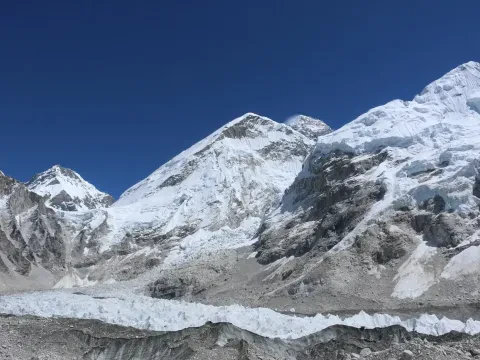
Here, trekking in the Everest region isn’t just about the scenery or the bragging rights. It changes you—deep down. You’re standing on Kala Patthar, watching the sunrise paint Everest gold, or catching your breath at Everest Base Camp, surrounded by prayer flags snapping in the wind. Maybe you push on to Gokyo Ri, where those unreal turquoise lakes and Cho Oyu look close enough to touch. These moments stick with you. They don’t fade.
But it’s not just about the views. The people you meet—especially the Sherpa community—leave a mark. You feel it in the warmth of Namche Bazaar’s welcome, or the calm inside Tengboche Monastery. You start to understand the strength behind those gentle Buddhist rituals, and you walk away with a deeper respect for how these communities live and thrive up here.
Honestly, the real shift happens inside. The physical grind up to places like Dingboche tests your limits. You learn patience and grit, especially when altitude tries to pull you down. There’s something about the silence of the Himalayas that makes you look inward. You come back not just fitter, but more clear-headed and sure of yourself.
After all that, Kathmandu feels like a gentle landing. You kick back in a Thamel café with a hot meal, swap stories with other trekkers, and let everything sink in. This downtime helps you step back into daily life without losing what you found up there.
Likewise, the changes don’t stop once you’re home. You see nature differently. You crave simplicity—the kind you learned from the Sherpas. You set new goals, maybe even start planning your return. People call the Everest trek transformative for good reason. It tests you, but the rewards run deep. Peaks like Ama Dablam and Lhotse stick in your mind, not just for their beauty, but for what they represent—perseverance, ambition, awe.
In the end, it’s about the whole experience. Physical challenge, spiritual insight, and real cultural connections all come together. That’s what makes the Khumbu region unforgettable. And once you’ve felt it, you carry a bit of it with you, wherever you go.
To capture the transformative elements of Everest region trekking, consider these key reflections:
1. What makes the Everest Region Nepal’s premier trekking destination?
The Everest Region is a special place because of its famous mountains, the Sherpa people and the amazing landscapes. You can see Mount Everest and other mountains. You can walk on many different trails. There are also teahouses where you can rest and eat. This is a place for people who like adventures and want to challenge themselves.
2. Which major trekking routes suit beginners in the Everest Region?
If you are new to trekking you should try the Everest Base Camp trek. It is not too hard. You can see really beautiful things. If you are more experienced you can try the Gokyo Lakes or Three Passes treks. You should choose a trek that's right for your fitness level and how much time you have.
3. What are the best seasons for Everest Region trekking?
The best time to go trekking in the Everest Region is in the spring from March to May or in the autumn from September to November. The weather is nice. You can see the mountains clearly. You should not go trekking during the monsoon or winter because it is not safe and it is not comfortable.
4. How difficult is trekking in the Everest Region?
Trekking in the Everest Region is a bit challenging because you have to walk for a long time and the altitude is high. You do not need to be a technical climber. You should be prepared to walk for 5-8 hours every day. If you are fit and you take your time you can do it.
5. How should I physically prepare for Everest Region trekking?
You should start getting 8-12 weeks before your trip. You should do cardio exercises, strength training and practice hiking. You should also try to build up your endurance and your mental strength. This will help you to enjoy your trek and to handle the altitude.
6. What permits, visas, and rules apply to Khumbu Region trekking?
You need to get a permit for the Sagarmatha National Park and a permit for the Khumbu Rural Municipality. You can get a visa for Nepal when you arrive or online. You should follow the rules so that you can trek safely and responsibly.
7. How do I get from Kathmandu to Lukla for Everest treks?
There are flights from Kathmandu to Lukla every day. Sometimes the flights are delayed because of the weather. You can also take a helicopter. Drive to Phaplu. You should plan some days in case your flight is delayed.
8. What is the day-by-day itinerary for the Classic Everest Base Camp Trek?
The Classic Everest Base Camp Trek takes 12-14 days. You will walk to the Base Camp and to Kala Patthar. You will stop at Namche Bazaar, Tengboche and Dingboche to get used to the high altitude. Every day you will walk a bit more and you will see more and more beautiful things.
9. How important is acclimatization to avoid AMS in Everest Region?
You need to get used to the altitude so that you do not get sick. You should walk slowly. Take rest days. You should also drink a lot of water. Watch out for symptoms like headaches and nausea. If you get used to the altitude slowly you will be safe and you will have a good time.
10. What teahouse lodging and facilities can I expect?
The teahouses in the Everest Region are simple. They are cozy. They have beds and shared toilets and sometimes they have electricity. The higher you go the simpler the teahouses are. They always have warm dining areas where you can eat and rest.
11. What food, hydration, and nutrition tips apply on the trail?
You should eat food that's rich in carbohydrates like dal bhat and you should drink a lot of water. You should also bring snacks and electrolytes with you. You should not drink alcohol. If you eat well, you will have the energy you need to trek.
12. What should be on my complete packing list for Everest trekking?
You should pack layers of clothing, sturdy boots a sleeping bag, a headlamp and rain gear. You should also bring sunglasses, sunscreen and any medications you need. You should pack lightly. You should be prepared for different temperatures and weather conditions.
13. What is the realistic budget for Everest Region trekking?
You will need around $1,200-$2,500 USD for your Everest trek, including permits, flights, teahouses and guides. You should also bring some money in case you need it. The cost depends on the size of your group and the level of service you want.
14. What safety and sustainable practices should I follow?
You should trek safely and responsibly by leaving no trash respecting the local culture and treating the porters well. You should follow the advice of your guide. Help to protect the environment in the Khumbu area.
15. Can solo travelers join Everest Region group treks?
Yes, you can join a group trek if you are traveling alone. This is a way to meet new people and to share the cost of the trek. You can also hire a guide if you want a more personalized trek.
16. What happens if Lukla flights get delayed or cancelled?
If your flight to Lukla is delayed or cancelled you should have some days planned. You can take a helicopter. Drive to Phaplu. Delays are common because of the weather. They do not usually ruin your trek.
17. Is previous trekking or climbing experience required?
No, you do not need to have experience with trekking or climbing to trek in the Everest Region. You just need to be fit and have an attitude. If you prepare well and get used to the altitude you can succeed.
18. Will I see Mount Everest clearly during the trek?
Yes, you will be able to see Mount Everest during your trek. You will see it from Kala Patthar and from points on the trail. The weather might be cloudy sometimes. You will have many chances to see the mountain.
19. Are there Wi-Fi and communication options on the Everest trails?
There is Wi-Fi at teahouses but you have to pay for it. Mobile phone signal is limited. Sometimes you can only get a signal with a satellite phone. It is nice to disconnect from the world and just enjoy the trek.
20. Why is Everest Region trekking considered transformative?
Trekking in the Everest Region is a life-changing experience. You will be challenged physically you will learn about the culture and you will see amazing natural beauty. You will feel proud of yourself. You will grow as a person.
Our travel experts are ready to assist you with any questions.
Send us a message.Have a question before you book? Send your enquiry below and our travel experts will get back with the required information.