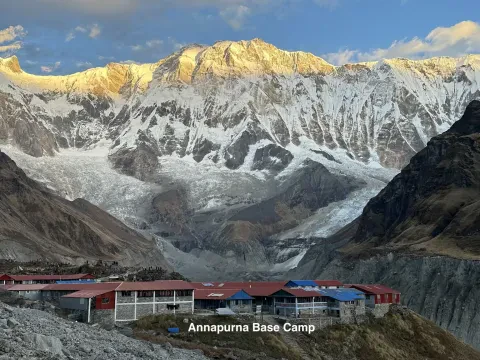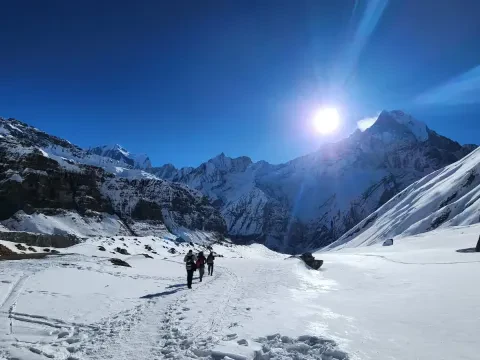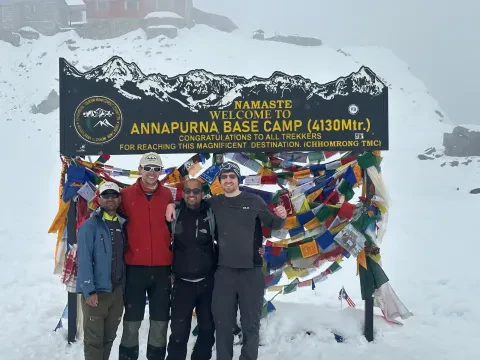
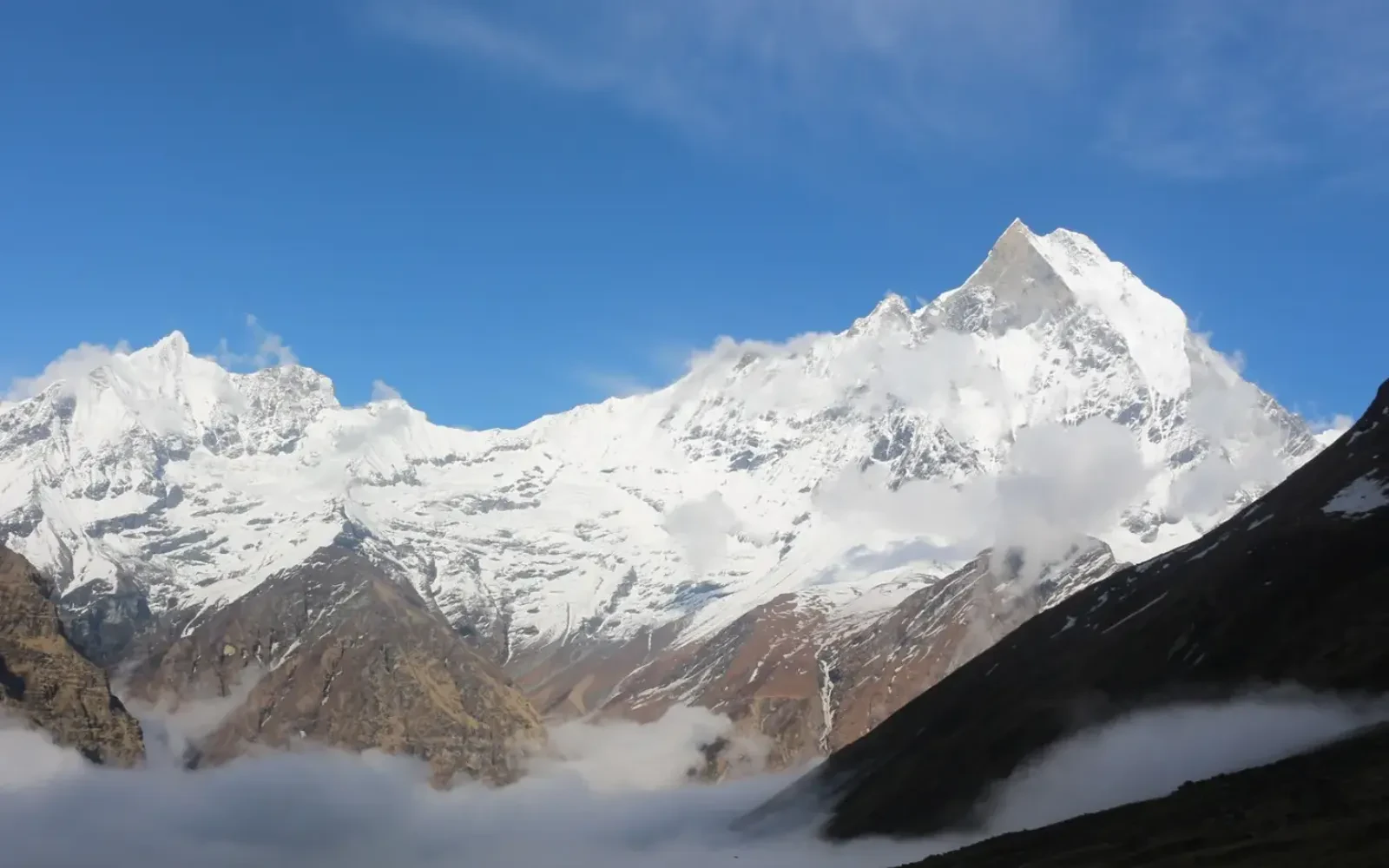
Here, September, a transitional, shoulder season, graces the Annapurna Base Camp Trek with some of the most rewarding experiences possible. The lower segments of the trail leading from Nayapul towards the ultimate sanctuary are unbelievably green, lush, and verdant following the monsoon season, boasting vibrant rhododendron forests and gushing waterfalls. The catch? The climate is an utter schizophrenic mix; it’s warm, and at times wet, in the lower valley gorges while high up in the alpine at the sanctuary, the air turns crisp, clear, and bitingly cold.
Actually, this combination makes September the perfect choice for trekkers who don’t wish to face the thronging masses of October, are looking to avoid the October price gouging, and want to soak in an unparalleled lush green landscape while still having a reasonable shot at witnessing those magical clear sunrise vistas at ABC. The trick here is adopting a hybrid strategy for your packing – light enough to endure a humid low-altitude sweat fest, yet sufficiently warm and waterproof for the high-altitude chill and lingering late-monsoon showers.
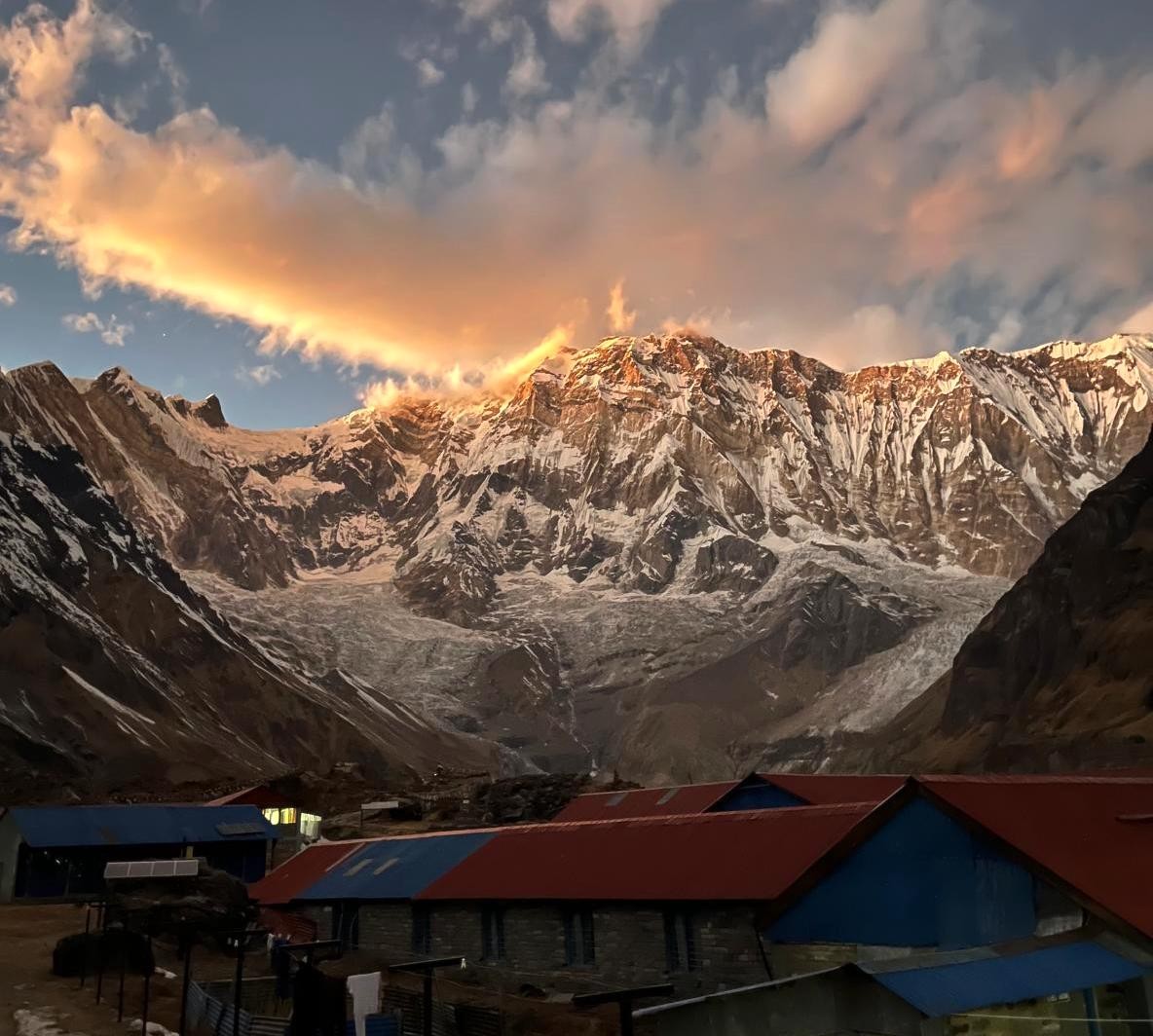
Why September Packing Matters:
Target Pack Weight Goal: Aim to keep your load under 8-11 kg (including water) to make the ascent on the countless stone steps and extended valley traverses comfortable.
| Trekking Zone / Phase | What You Wear on the Trail (Day) | What You Wear inside the Lodges (Night) |
|---|---|---|
| Lower Altitudes (Nayapul to Chhomrong) | Lightweight synthetic T-shirt, convertible shorts, sun hat | Light fleece or cotton t-shirt, camp sandals |
| Upper Altitudes (Himalaya to ABC) | Thermal base top, mid-layer fleece, waterproof shell jacket | Full thermal innerwear, heavy down jacket, beanie |
Real Trail Reality: Does it rain all day in September?
Absolutely not, Even early in the month, showers typically manifest as late-afternoon downpours or evening drizzle. If you get a jump start on your day and hike early in the morning, you can almost always complete your day’s leg under clear blue skies, arriving at your next tea house completely dry and ready for a hot cup of tea.
To effectively navigate the microclimates of the deep Modi Khola gorge, anticipating weather shifts, and ensuring a safe journey, consider hiring a licensed local guide or engaging the services of a reputable local trekking agency.
In summation, if you pack thoughtfully to cater to its transitional climate, September provides an exceptional shoulder-season window for your Annapurna Base Camp Trek, offering lush trails and fewer trekkers.
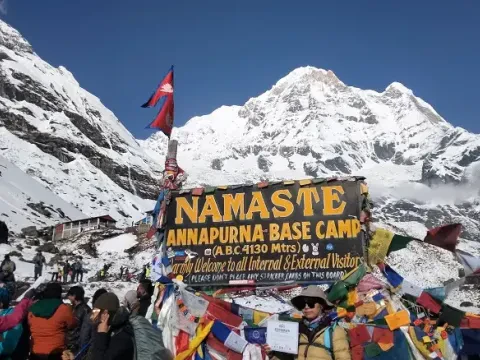
Actually, a well-constructed, three-layer clothing system forms the very bedrock of maintaining comfort throughout your Annapurna Base Camp Trek in September. As you ascend from the balmy lowlands into the biting high-altitude camps, your body must perform a rapid juggling act to adapt to the dramatic and swift changes in both temperature and humidity.
The Physics of Layering:
| Elevation Zone | Day Conditions | Core Layering System |
|---|---|---|
| Lowlands (1,000-2,500 m) | Warm (18-25°C), humid | Synthetic base layer + light fleece |
| Mid-Valley (2,500-3,500 m) | Cooler (12-20°C), breezy | Base + mid-weight fleece + shell jacket |
| High Sanctuary (3,500-4,130 m) | Cold (5-12°C day, sub-zero night) | Thermal base + heavy fleece + high-loft down jacket |
Key Layering Principles:
Practical Layering Tips:
Here, it is highly recommended to hire a licensed local guide, who can provide real-time advice on adjusting layers according to the ever-changing mountain weather.
In conclusion, mastering the multi-layer system is the fundamental key to remaining comfortable, dry, and safe while you ascend from the humid lowlands to the frigid altitudes of Annapurna Base Camp during your September trek.
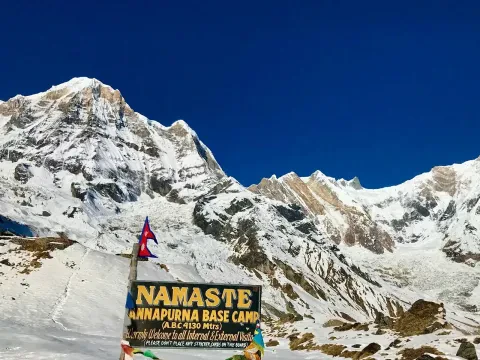
Here, a crucial rule on the Annapurna Base Camp Trek in September is to absolutely steer clear of all cotton. Why? The Modi Khola gorge and the forested portions between Bamboo and Deurali maintain a high level of humidity, particularly during the first half of the month. Cotton loves to soak up your sweat, then stubbornly cling to it for hours in the mountain air, significantly increasing your risk of cold, debilitating wind-chill.
Why Merino Wool and Synthetics Rock :
| Fabric Type | Sweat Wicking | Drying Time | Odor Resistance | Verdict for September Trail |
|---|---|---|
| Cotton | Poor | Very Slow | Poor | Absolutely forbidden. |
| Synthetic | Excellent | Very Fast | Moderate | Top all-rounder for budget. |
| Merino Wool | Excellent | Fast | Excellent | The premium, do-it-all option. |
Base Layer Best Practices :
Handy Tips for Base Layers :
In conclusion, cutting out cotton entirely and investing in Merino wool or synthetic base layers is paramount for the Annapurna Base Camp Trek in September. These materials guarantee dryness and comfort against the damp lower sections and breezy high valleys, letting you focus purely on the magnificent scenery instead of clammy attire.
Meanwhile, the first half of September still brings a hint of monsoon remnants, so expect afternoon cloud cover creeping up the Modi Khola valley. Your exterior shell layer must be exceptionally effective, providing waterproofing without making you sweat to death.
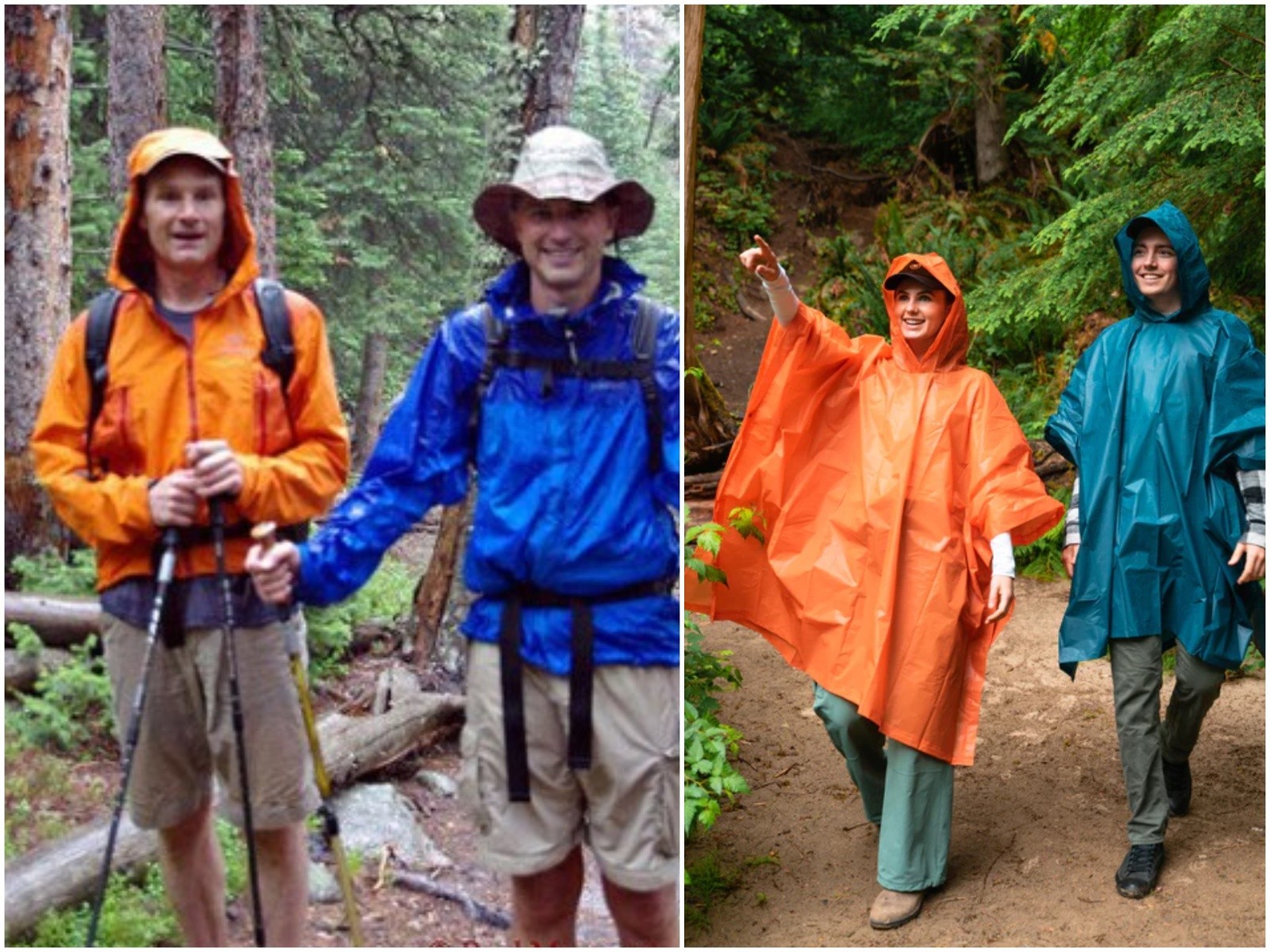
What Makes a Shell a Shield :
| Feature | Ideal Specification | Why it's essential in September |
|---|---|---|
| Waterproof Rating | 20,000mm or higher | Handles afternoon showers like a champ |
| Breathability | High, preferably with pit zips | Prevents overheating on the ascent |
| Weight | 300-450g | Doesn't weigh down your daypack |
| Fit | Relaxed with hood | Layers comfortably over insulating wear |
Savvy Rain-Fighting Techniques :
Pro tip: The weather in September can be fickle. Teaming up with a local guide is your best bet, as they can anticipate afternoon shower movements, helping you adjust your timing for the best possible conditions.
In summary, investing in a top-quality, breathable hardshell that is truly waterproof is a game-changer for the Annapurna Base Camp Trek in September. It offers unwavering protection against those final monsoon rains and allows you to truly embrace the vibrant, green landscapes without any dampness-induced misery.
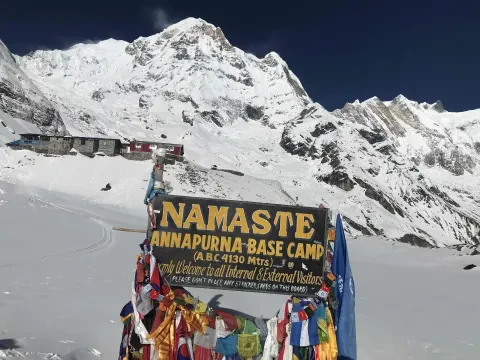
Get this: The Annapurna Base Camp Trek is crawling with thousands of steep, gnarly stone stairs, especially during the grueling climb to Chhomrong and in the seemingly endless staircases lower down. And you know what’s super common in September? Those stones getting slick, really slick, with dew, last night’s rain, or creepy moss. That’s why nailing your footwear is seriously one of the most important safety decisions you'll make on this trek.
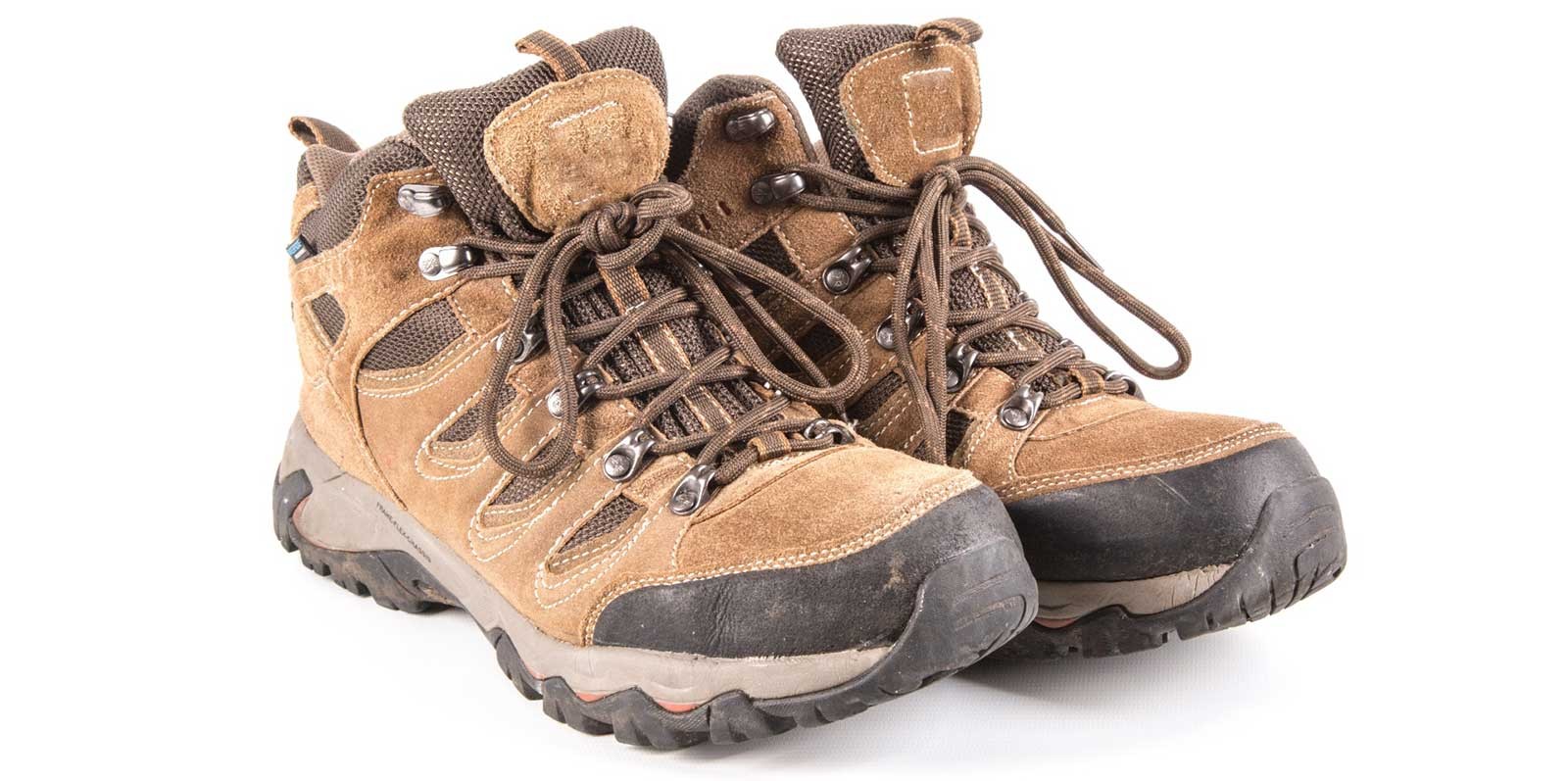
September Shoe Game Strong:
| Factor | Duh! How important is it? | What you need |
|---|---|---|
| Waterproof | HUGE! | Gore-Tex or something equally slick at repelling water |
| Sole Traction | The MOST critical! | Vibram or really aggressive, multi-directional lugs |
| Ankle Support | Pretty darn important | Mid to high cut is best |
| Weight | A tricky balance | Lean towards lightweight, but still be supported |
Pro Shoe Tips :
So, to sum it up, don't cheap out on the footwear for Annapurna Base Camp in September. Strong, waterproof boots with great traction are your key to conquering those stony inclines without taking a tumble. They keep you dry, blister-free, and focused on the incredible views!
Heading down to the dense, steamy bamboo and rhododendron forests below 2,500 meters in early September? Watch out! This is prime leech and bug territory, and while often overlooked, these tiny annoyances can really put a damper on your trek if you're not prepared.
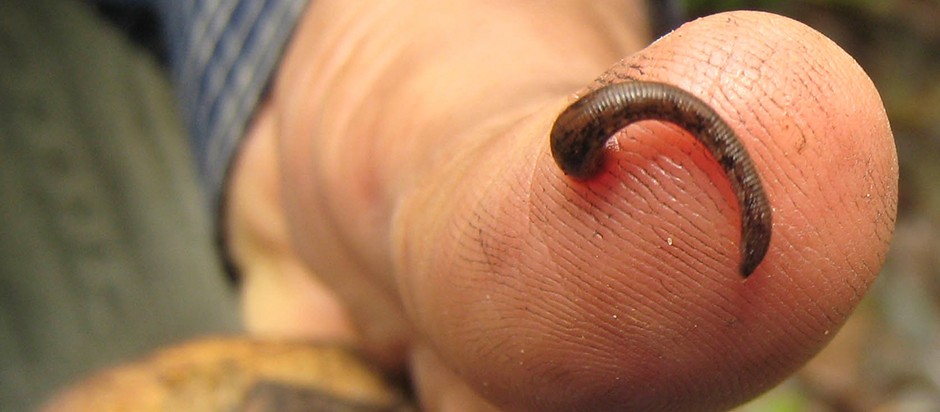
Your Leech and Bug Battle Plan :
| Item | What does it do? | How to use it |
|---|---|---|
| Leech Socks | Physical blocker of clingy critters | Wear over socks, tuck in pants. |
| Table Salt | Leech eviction squad | Sprinkle on the leech itself. Ouch! |
| Insect Repellent | First strike / defense | Apply to ankles, exposed legs, boots. |
| Gaiters | Secondary defense | Wear over socks, alongside leech socks. |
Trail-Tested Leech Wisdom :
Pro Tip for Leech Avoidance
Hiring a local, licensed guide in September is highly recommended. These guys know the exact leech zones and how to get through them with minimal fuss.
So, yeah, leeches are a thing in the lower Annapurna sections in early September, but they're totally manageable. With a small, lightweight gear kit and a few smart habits, you can happily trek through the greenest parts of the Annapurna Base Camp without the creepy-crawly worry!
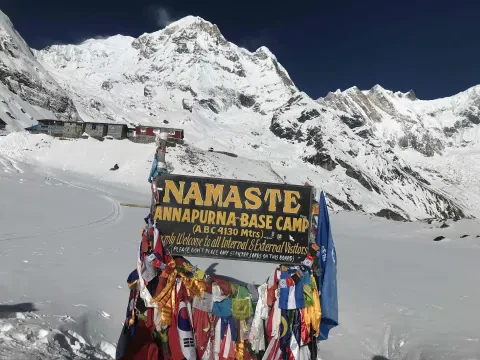
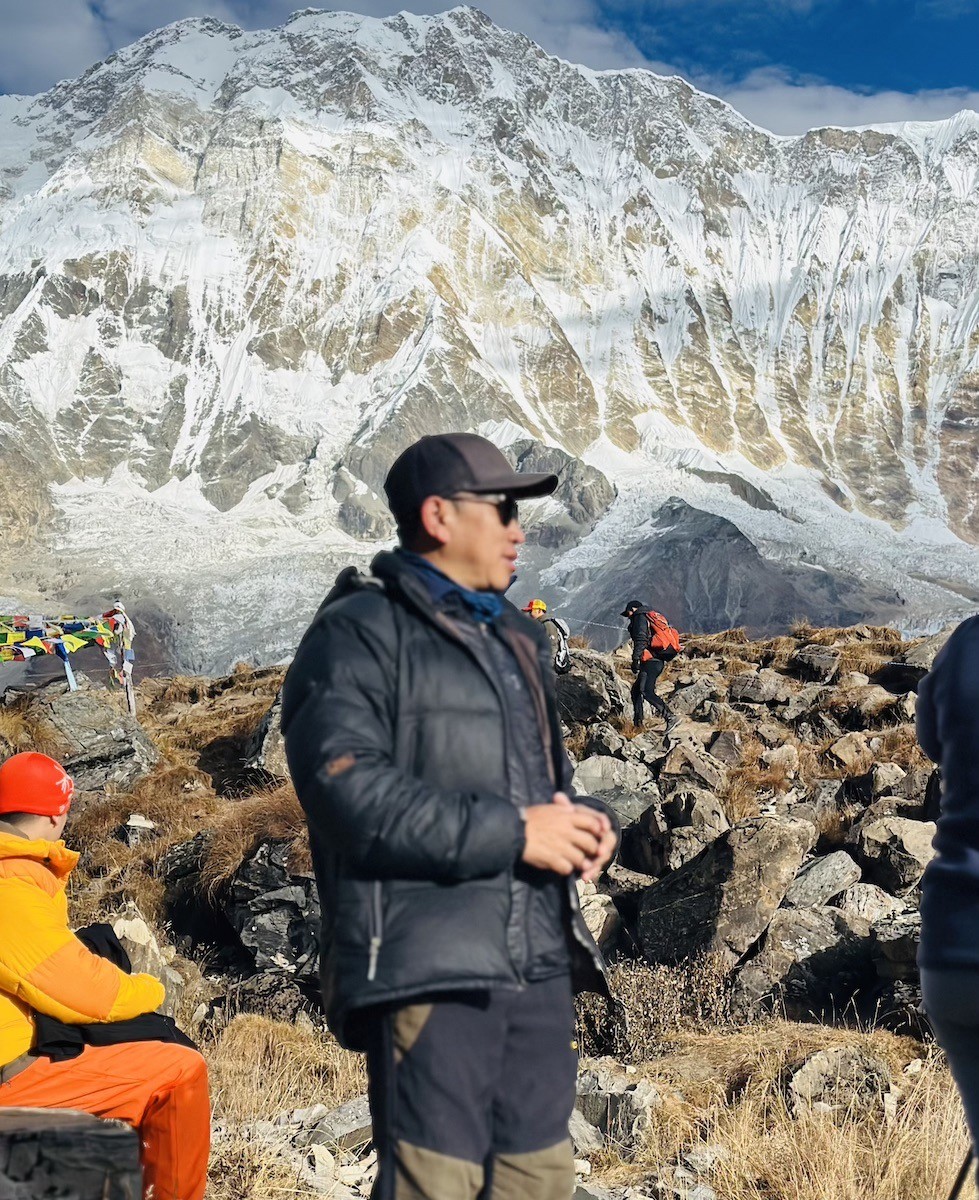
Once trekkers crest 3,500 meters past Himalaya Hotel and Deurali, the damper lowland warmth has long since evaporated. The air thins, crisps, and quickly bites with significant intensity. Nowhere is this frigid air more apparent than around Machhapuchhre Base Camp (MBC) and eventually Annapurna Base Camp (ABC). For freezing nights in this sublime mountain sanctuary, nothing serves as your ultimate armor quite like a robust down jacket.
Down Jacket Requirements for September :
| Feature | Ideal Specification | Benefit at MBC & ABC |
|---|---|---|
| Fill Power | 700+ | Essential insulation against freezing temperatures. |
| Weight | 300-500g | Lightweight and portable. |
| Temperature Rating | -10°C or colder | Guarantees warmth in frosty conditions |
| Hood & Fit | Adjustable hood, regular fit | Customizable warmth and comfortable layering |
Practical Usage Tips :
In short, a top-quality, packable down jacket capable of handling at least -10°C is indispensable for the upper regions of the Annapurna Base Camp Trek in September. It will ensure comfort during freezing nights at MBC and ABC, allowing for much-needed rest and recovery after challenging trekking days, so you can soak in the majesty of the high Himalayas.
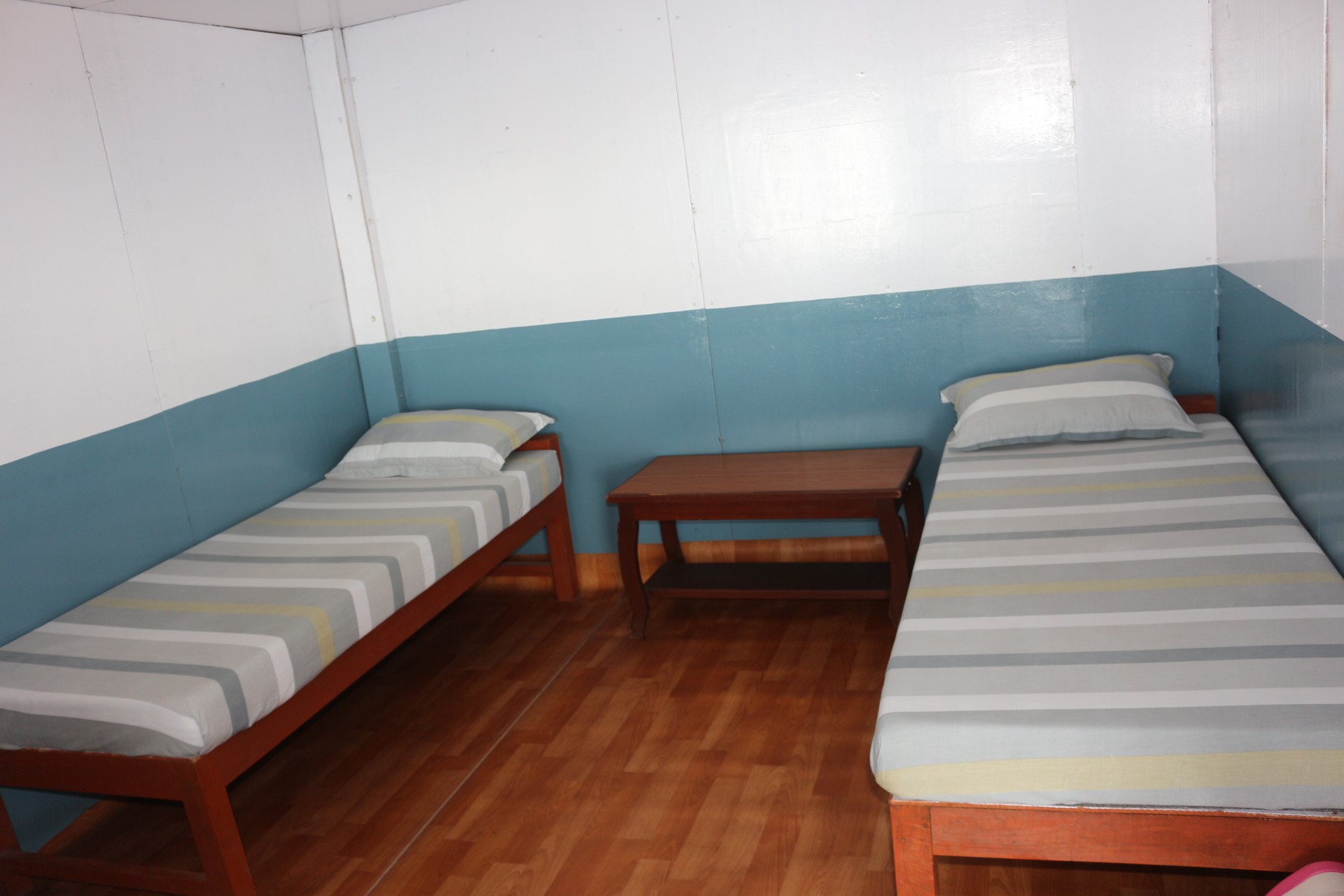
While Annapurna teahouses are equipped with basic mattresses and blankets, they are often unheated and share notoriously thin walls, especially as you climb. When the temperature plunges well below freezing on a September night at Machhapuchhre Base Camp or ABC, your own sleeping system is crucial for maintaining comfort, warmth, and hygiene.
Recommended Sleeping Gear :
| Item | Rating / Feature | Benefit in September Teahouses |
|---|---|---|
| Sleeping Bag | -10°C to -15°C | Guarantees warm nights in cold, unheated rooms |
| Sleeping Bag Liner | Silk or cotton | Adds extra warmth and essential hygiene |
| Lodge Blankets | Provided | Supplementary thermal layer |
Practical Sleep Tips :
In summary, bringing a sleeping bag rated to -10°C or -15°C and a liner for the Annapurna Base Camp Trek in September is highly advisable. The teahouses on Annapurna Base Camp Trek ’ thin walls and lack of heating at high altitudes necessitate this equipment to ensure comfortable, restorative sleep and keep you strong for the journey ahead to Base Camp and your return.
Actually, single external pack covers do not make the mark at September Annapurna Base camp treks, on account of afternoon showers. You might be getting yourself soaked by afternoon rains in case it gets to be that the Modi Khola gorge experiences a cloud burst or persistent mist, regardless of having an exterior pack cover. The main safe path is to have double layered waterproof measures, that’s shielding your kit from within the pack.
How to Use your Dry-bag system for waterproofing your gear;
Use Siliconised dry-bags, zip lock bags and plastic containers. Pack your clothing, documents, electronics gadgets, and also other camping or sleeping arrangements into dry bags first and securely seal them by evacuating all of the air from inside.
Tuck into the pack at the same time as using the external rain cover being Your backpack ‘2nd’ line of protection.
| Items | Purpose | Second Pack Cover (40 litres +) |
|---|---|---|
| Contents (sleeping bag liner, spare clothes etc) | To Keep the pack Contents completely dry even if your backpack gets soaking | Protection layer Against rain & Mist. |
| Backpack | Main pack Cover | The First barrier against heavy rain and mist. |
Items that absolutely need protection layers:
Pack your Passport, any travel related documents, your power bank, camera, laptop, dry clothing for a whole day, sleeping bag liner, and even any kind of medications in double dry bags.
Useful Tips :
Actually, cold alpine nights on the Annapurna Base Camp Trek in September rapidly deplete lithium-ion batteries, and teahouse charging is typically exorbitant. Thus, intelligent power management is crucial to ensure that your headlamp, phone, and camera are ready for every mile of the journey.
Recommended Electronics Setup :
A durable 10,000mAh to 20,000mAh power bank serves as your primary lifeline. Pack a bright headlamp (with spare batteries) for those pre-dawn summit departures. Shielding devices in your sleeping bag or jacket lining is your trick to defying cold-induced battery drain overnight.
| Item | Recommended Spec | Why Critical in September |
|---|---|---|
| Power Bank | 10,000-20,000mAh | Unreliable sun, frigid temps drain power. |
| Headlamp | 200+ lumens, red light mode | Safety first on the early climb. |
| Device Storage | within your sleeping bag | Combats drastic temperature drop on battery life. |
| Spare Batteries | for headlamp & camera | A contingency for unpredictable charging access |
Practical Tech Tips :
Expert Insight :
As the upper Annapurna sanctuary relies predominantly on limited solar energy, carrying a reusable water bottle and purification tablets is also imperative. This not only conserves plastic but also complies with the park's guidelines.
In conclusion, a hefty power bank, coupled with smart cold-weather handling of electronics, is indispensable for the Annapurna Base Camp Trek in September. With careful attention to your tech kit, you’ll illuminate pre-dawn treks, capture stunning images, and remain connected without being plagued by dwindling power sources in this solar-dependent paradise.
In fact, September is an ideal shoulder season for trekking to Annapurna Base Camp. The trail will greet you with vibrant greenery, reduced crowds, lower expenses, and good odds of clear vistas. But as with any shoulder season, the key to a memorable journey lies in smart packing for the transitional weather.
| Gear Category | Essential Items | Target Weight | Priority |
|---|---|---|
| Base Layers | 3-4 moisture-wicking tops (synthetic/merino) | 1.0 - 1.5 kg | High |
| Mid & Outer Layers | fleece jacket, hardshell, packable down jacket | 2.0 - 3.0 kg | High |
| Bottoms & Footwear | convertibles, waterproof boots, wool socks | 2.0 - 2.5 kg | High |
| Rain & Trail Protection | rain cover, gaiters, trekking poles | 1.0 - 1.5 kg | High |
| Sleeping & Recovery | -10°C sleeping bag & liner, camp shoes | 1.0 - 1.5 kg | High |
| Electronics & Safety | 20,000mAh power bank, headlamp, first aid kit | 1.0 - 1.5 kg | High |
| Total Pack Weight | - | 8-11 kg Max | -- | -- |
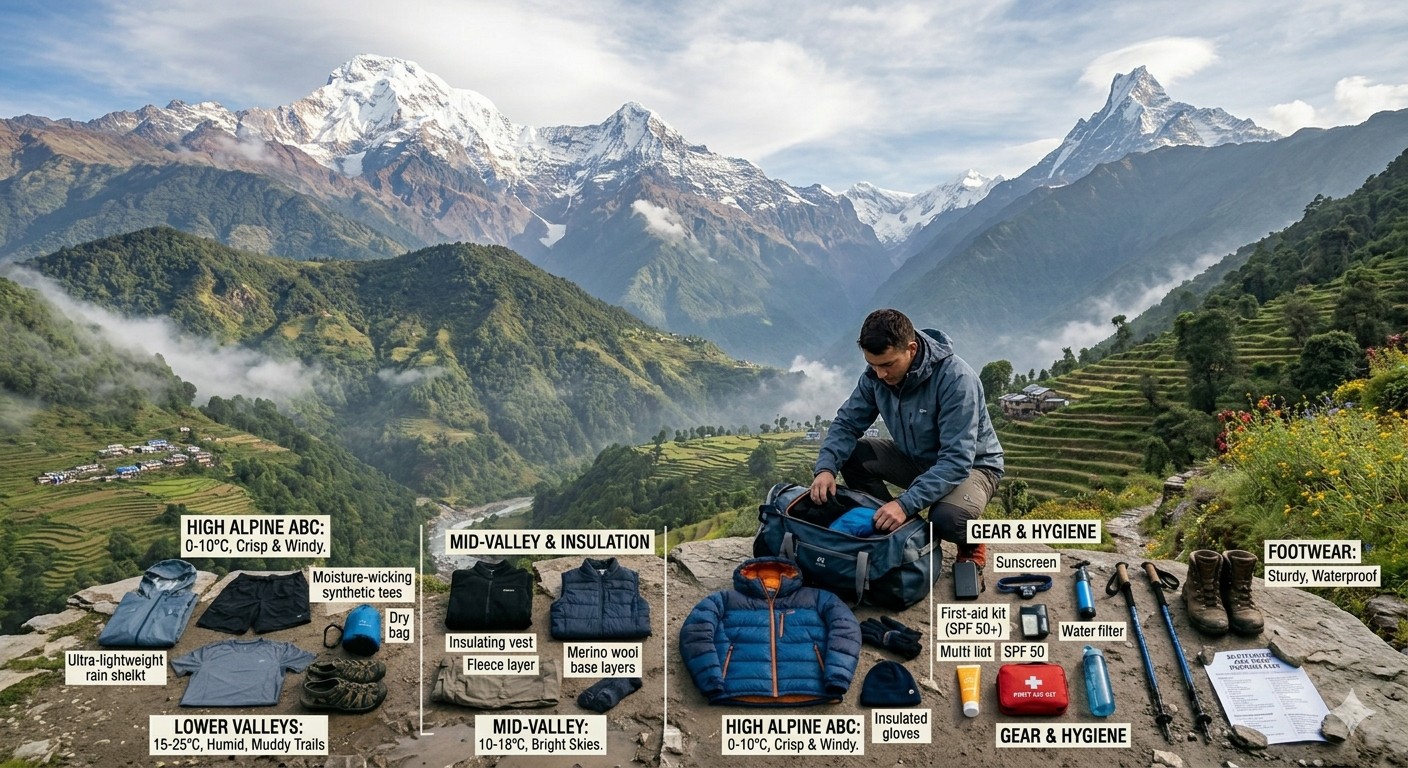
Real Trail Reality: Does it rain on September? Not all day. Rain typically arrives late afternoon or during evening hours. A disciplined 6-am start each day allows you to ascend under favorable conditions, reaching your overnight guesthouse completely dry.
Moreover, your greatest asset on the Annapurna Base Camp Trek in September is to hike with a licensed local guide or through an experienced agency. This will enable you to effectively predict and manage shifting microclimates and navigate higher elevations safely.
In conclusion, preparing meticulously-with this definitive September packing checklist as your guide-will transform your Annapurna Base Camp Trek from an ambitious undertaking to an effortlessly serene lifetime achievement. Keep your pack lean and enjoy this peaceful peak season! For comprehensive logistical support, personalized guidance, and assured accommodations, don’t hesitate to contact Haven Holidays. We'll orchestrate a seamless, unforgettable September ABC experience for you. Book ABC Trek in September with us.
1. Why Layered clothing System Is Mandatory for Annapurna Base camp trek in September?
September shifts from scorching hot summer months to cool crisp autumn evenings with days hovering to 25°C which often feel hotter due to trekking intensity and nights getting as low as 0°C or sometimes lower, especially up at ABC. Layered dressing helps you adjust to these temperatures effortlessly, keeping sweat to a minimum while conserving your body heat.
2. What base layer do I need to Carry for trekking to Annapurna base camp in September?
2 or 3 pairs of high-quality, non-cotton thermal tops and bottoms that wick moisture away from the skin are recommended. Merino wool or synthetic fabric such as nylon is best. You can also use lightweight thermal underwear. Cotton absorb moisture, stays wet and gives you chills in high altitudes. So never pack cotton for trekking in the mountains.
3. Do I need heavy waterproof garments for a Annapurna base camp September trekking?
Yes, especially for September trek. Carrying heavy waterproof shell jacket and trousers is a must to be prepared for rain either its late in the monsoon season or unexpected downpours. A lightweight rain poncho can also protect you and your day-pack from rain showers.
4. Is a down jacket compulsory for ABC in September?
Absolutely! Though trekking routes are moderate with temperature reaching 25° C during day in lower parts, at places like machhapucchhre base camp and at annapurna base camp the temperature drops severely to around 0 to -10 °C after 3500 meter. Therefore, an insulated down jacket that provides warmth to a cold night in an Alpine region is very essential to prevent it freezing outside the rooms.
5. Which type of mid-layer should be carried for day time trek in ABC in September?
A 200 weight weight-class fleece jacket, Pullover or a lightweight insulated vest helps lock your base layer warmth when walking up through the trail and are quick to remove as the sun increases the temperature up.
6. What type of pants work best on Annapurna trek route in September?
2 or 3 pairs of light-weight, quick-dry trek pants will keep you comfortable. Pants which convert from long trekking pants to shorts through zip-off function are ideal to wear when the temperature increases as you trek the higher elevation to protect you from heat as well as for the cool breezy alpine evenings, while also providing adequate protection to your skin in insect-ridden low altitude sections.
7. How do I choose the right footwear for trekking on the Annapurna trail in September?
You'll need sturdy, waterproof trekking boots with good ankle support and excellent traction, especially as parts of the trail may be muddy and slippery due to lingering monsoon rains. Break them in before your trek and bring a spare pair of well worn-in walking shoes to wear during non-trekking hours. Light leather boots are best. Heavy Leather Boots are not recommended to prevent injuries to the ankle.
8. Should I carry a spare footwear at base camp in September for relaxing?
Yes, light comfortable sandals or sports shoes. After hours of trekking it's the much needed solace for your tired feet and allow your hiking boots to air out, as well as are useful in the common teahouse bathrooms.
9. Are gaiters needed on ABC trail trek in September?
Leeches can still be present on the lower sections of the trekking trail, particularly during early September. Gaiters offer great protection from them, not to mention dirt, mud and rain getting into your hiking boots. Carrying a small pouch of salt or tobacco can also act as an effective leeches repellant in emergencies.
10. What type of trekking socks to wear on the Annapurna trekking route?
Pack at least 4 to 5 pairs of warm wool or synthetic trekking socks to cushion your feet in your boots. Wool socks are the warmest but, some prefer the cushioning of synthetic or a blend. Wearing a liner socks beneath them can protect you from getting blisters as these layers absorb friction from walking.
11. Do I need to carry a sleeping bag for September in Annapurna Basecamp?
Although the lodges provide bedding, it's a good idea to bring a warm 3-season sleeping bag, rated to at least -10°C, to ward off the evening chill, especially as you gain altitude, you should at least consider packing a sleeping bag liner for added comfort, hygiene and warmth.
12. What size backpack should I pack for an Annapurna Base camp trek in September?
You'll need a sturdy waterproof 60-80 liters backpack (duffel bag to a porter), or a 25-35 liters daypack to hold your daily essentials for the hike if you've decided on hiring a guide and porter for luggage to prevent an excess weight strain on yourself, or to keep with you on treks.
13. Why is it crucial to carry trekking poles for an ABC trek in September?
The ABC trail contains thousands of steep stone steps, notably near Ulleri and Chhomrong. Using trekking poles with shock absorbers can reduce stress on your knees and improve your balance on slick terrain, aiding your trek on steep and slippery trails, especially those filled with muddy or watery rocks on steep descents which cause damage to knees
14. Which electronics and charging device should I bring to Annapurna basecamp trek in September?
You will be relying on a portable charger or power bank with a capacity of at least 10000-20000mAh and universal adapter to charge your phones, camera batteries or other gadgets on the trail. You'll also need to remember the fact that teahouse power is an expensive option. At nights, you'd also want to carry battery and cell phones to a warm and secure sleepingbag to protect them from freezing up.
15. What kind of hats/headwear are mandatory on a September Annapurna trek?
Protection from sun and cold is necessary to avoid injuries. A broad-brimmed hat or a sun cap protects your face from harsh sunlight during day hikes, while a warm woolen hat can be indispensable on cold alpine nights at basecamp. A scarf or buff helps to shield your neck from chilly wind.
16. What are the safest water treatment methods for the Annapurna trek?
Do not consume untreated water! Carries 2 liter water bottle and water purification tablets or use a steripen UV filter that effectively kill any germs in water that you get from the teahouses and avoid buying water in small plastic bottles to save mother earth and contribute to minimizing the environment pollution and damage of tourism.
17. What first aid and medical items must be carried along?
It is essential to pack a compact first aid kit that is personalized for any chronic medication, along with pain killers, gauze, band-aids, antibiotic ointment, water purification tablets, altitude sickness medicine like Diamox (with prior doctor's prescription), Sun block SPF 50 and a UV protected lip balm that will come handy especially in high altitude where sun is really harsh and lip cracks easily.
18. What personal hygiene products to bring to stay fresh in teahouses?
Personal toilet articles like quick-drying towel, biodegradable soap, sanitizer, toothpaste and a biodegradable toothbrush are required. Teahouses do not supply these items. Wet tissues will always be useful to clean hands and face when there is no access to water facilities when out and about
19. Why is it beneficial to carry dry bags or rain covers while trekking in September?
Rain is unpredictable in the mountains, especially the high altitude, during September. Use a rain cover to prevent water damage to your backpack or keep your essential things and belongings protected in separate lightweight and waterproof dry bags to maintain them perfectly dry throughout the trek. These also helps in compression your stuff and maximize space utilization.
20. How much cash is enough for the ABC trek, and how is payment handled at teahouses?
Carry sufficient Nepalese Rupees (NPR) cash for all expenses, including meals, drinks, and any incidentals you may encounter during your trek. Generally, budget around NPR 3,000 to NPR 5,000 per day for personal spending, and be aware that teahouses do not accept credit or debit cards and there are no ATMs past Pokhara.
Our travel experts are ready to assist you with any questions.
Send us a message.Have a question before you book? Send your enquiry below and our travel experts will get back with the required information.