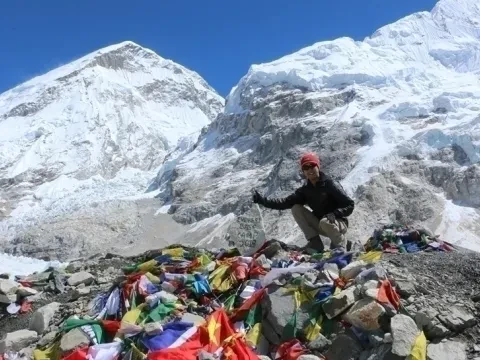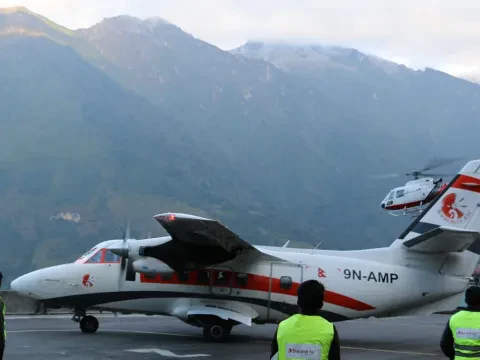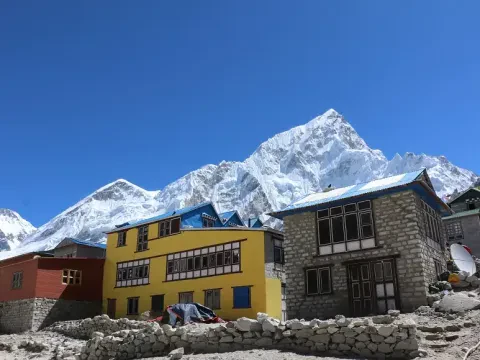
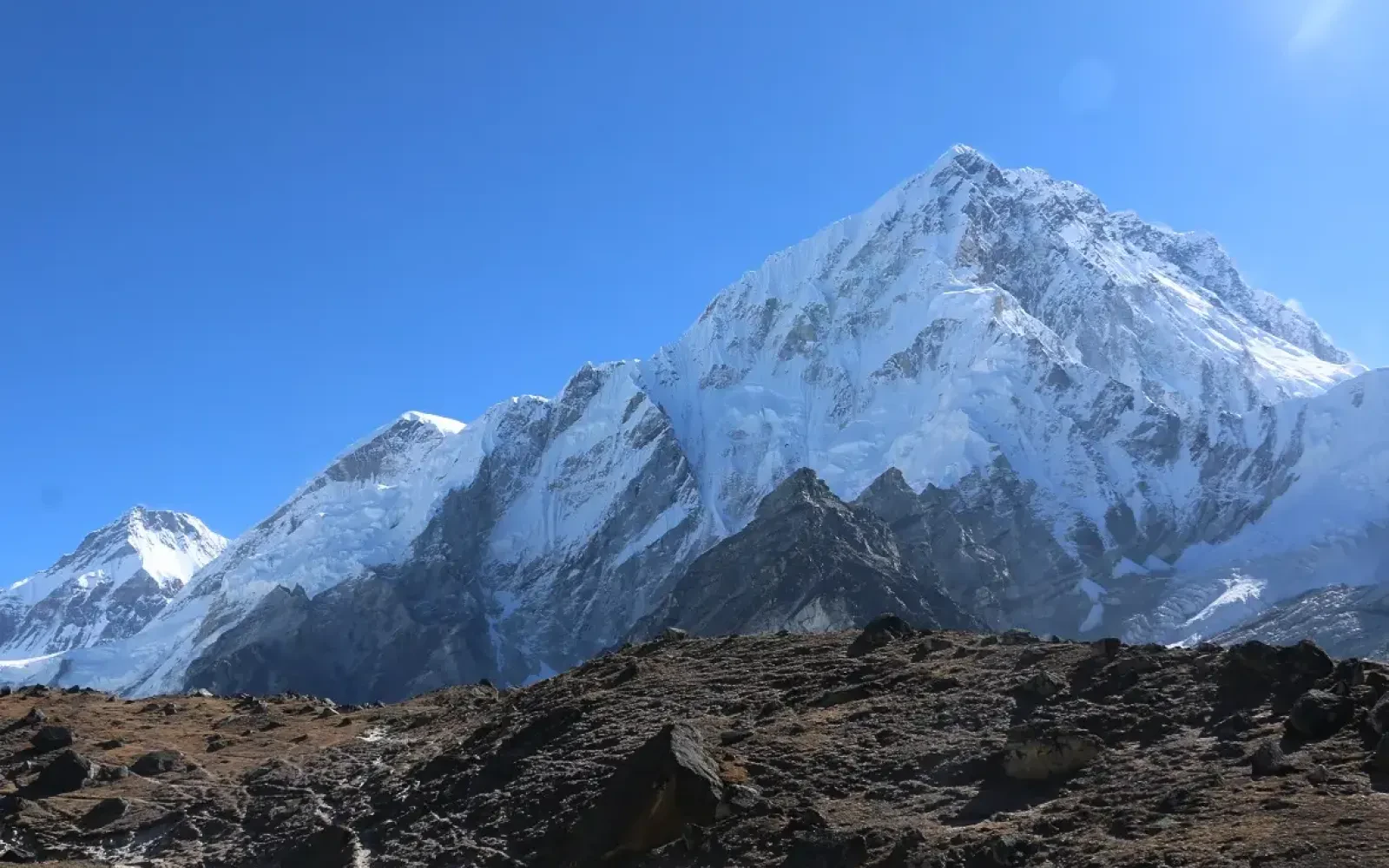
Actually, the Everest Base Camp Trek (EBC Trek) offers some truly amazing mountain views. Trekkers begin their journey in Lukla, which sits at 2,860 meters, and make their way up through the valleys. They come across snow-covered mountains that tower above them. The air feels fresh and cool with each breath as the trail twists its way up. Pines stand tall against the far-off horizon, with rivers flowing swiftly beneath. With every step, the excitement grows. Hikers catch sight of Thamserku, standing at 6,608 meters, early in their trek.
Then Ama Dablam, standing at 6,812 meters, comes into clear view. Lhotse, standing at 8,516 meters, and Nuptse, at 7,861 meters, rise up ahead. At the end, Everest at 8,848 meters stands as the highlight of the trip. This trek turns regular walks into great adventures. It brings people closer to the beauty of nature. Get ready for some sights that will really amaze you.
Here, the view changes from glimpses through the trees to wide-open panoramas. The beginning parts hint at Kusum Kangaru, which stands 6,367 meters high. Halfway through the hike, Cho Oyu stands out in the distance at 8,201 meters. At higher altitudes, Pumori (7,161m) feels much closer. Glaciers shine in the sunlight, and prayer flags wave gently in the breeze. Trekkers often stop at viewpoints like Tengboche, which sits at 3,860 meters. They take pictures of the ridges that have layers.
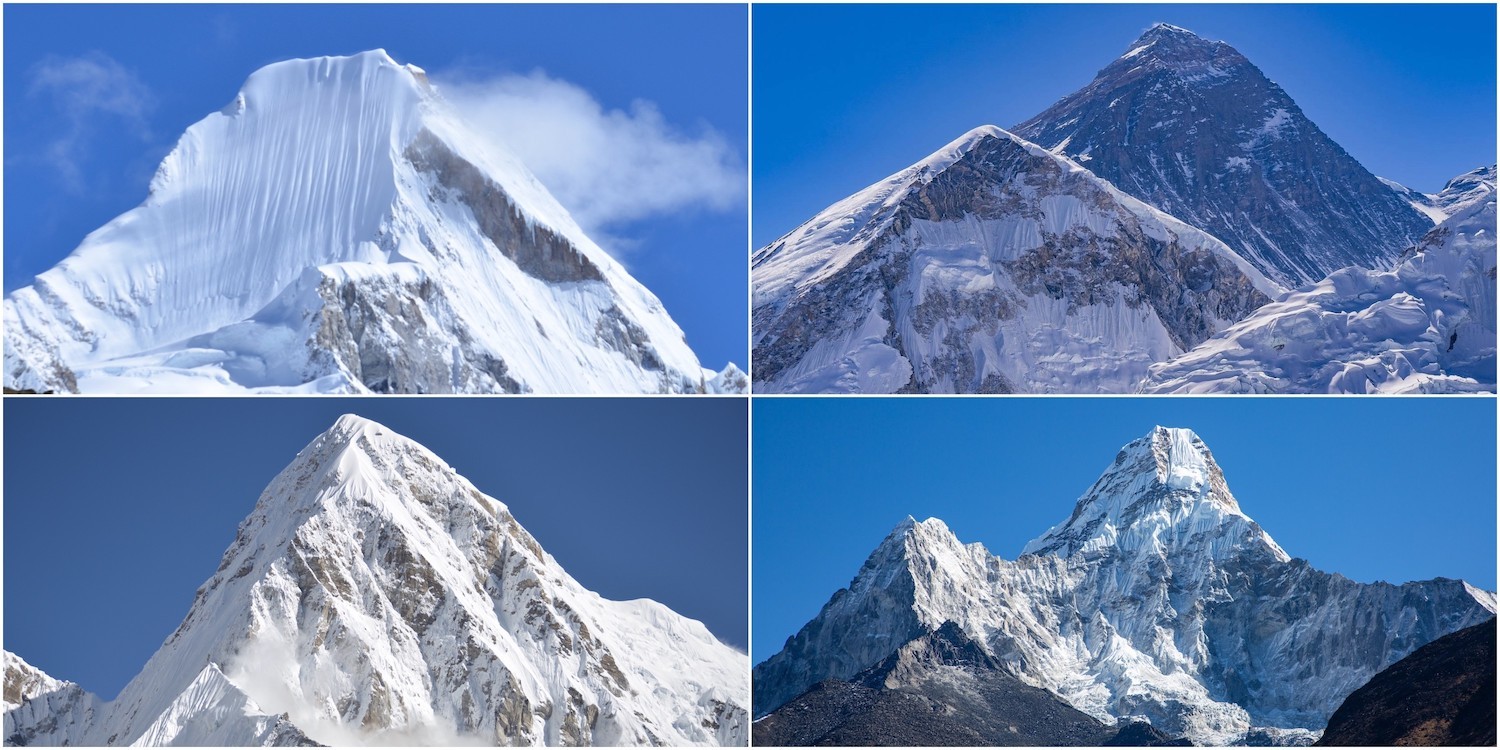
Also, the weather on Everest Base Camp Trek changes moods, sometimes foggy and sometimes clear. Taking a few days to get used to a new place helps you appreciate it more. So, the trek shows a steady stream of amazing sights. It pays off to wait with the stunning view of the Himalayas. And it creates memories that stay with you of the earth's tallest.
Key Mountains on the Everest Base Camp Trek:
| Trek Stages | Elevation Range | Major Views |
| Lukla to Namche | 2,610m - 3,440m | Thamserku (6,608m), Kusum Kangaru (6,367m) |
| Namche to Tengboche | 3,440m - 3,860m | Ama Dablam (6,812m), Kangtega (6,782m) |
| Tengboche to Dingboche | 3,860m - 4,410m | Lhotse (8,516m), Island Peak (6,189m) |
| Dingboche to Lobuche | 4,410m - 4,910m | Nuptse (7,861m), Pumori (7,161m) |
| Lobuche to Base Camp | 4,910m - 5,364m | Everest (8,848m), Khumbu Icefall. |
EBC Trek Highlights :
Mountain Facts Height (m) Best Viewing Spot
Makalu 8,463 From higher trails near Chukhung (4,730m)
Pumori 7,161 Gorak Shep (5,164m) overlooks
Kongde Ri 6,187 Early paths from Monjo (2,835m)
These parts get you ready for the trip's visual story.
Meanwhile, trekkers arrive in Lukla at 2,860 meters and start their descent. Paths wind through pine forests fast. Far-off peaks suddenly rise above the trees. Thamserku, standing at 6,608 meters, rises sharply like a guard watching over the land. Kusum Kangaru, standing at 6,367 meters, shows its rough shape clearly. Bridges stretch over rivers that roar beneath them. Air carries fresh scents in a way that feels truly refreshing.
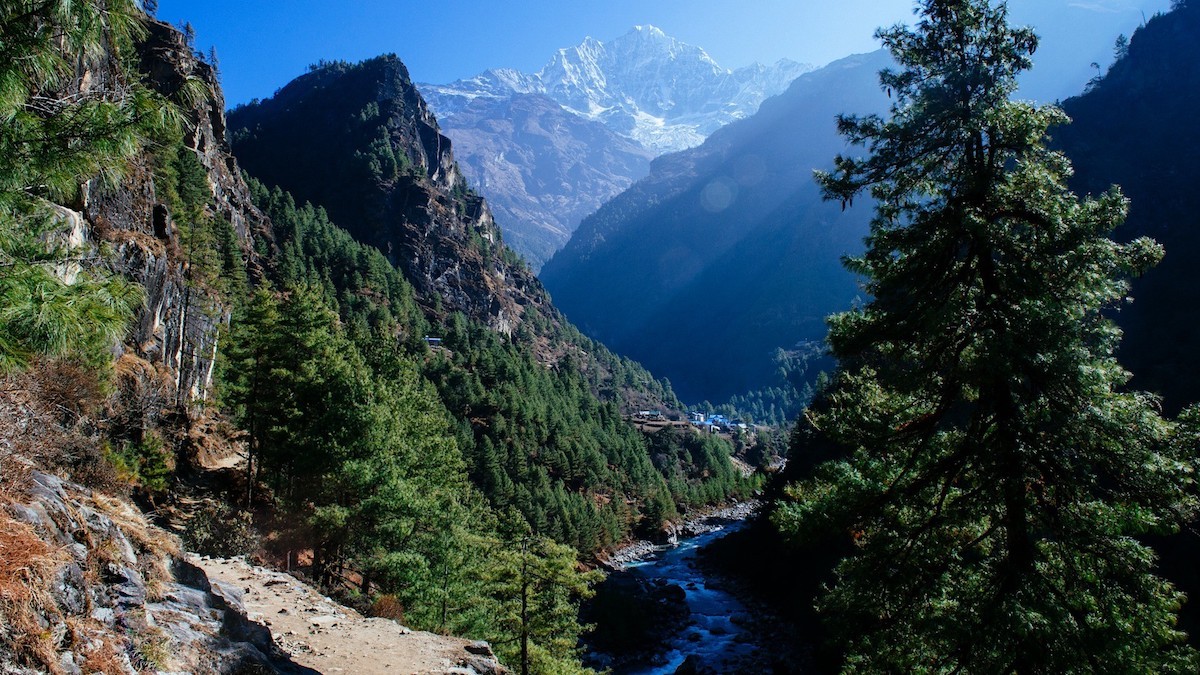
Here, hikers feel the adventure spark right away. Taking short walks helps build stamina little by little. The views hint at bigger things coming up, drawing you in. This part really grabs the attention of beginners. It keeps a steady rhythm for the trek.
Moreover, forests line the edges of the first glimpses of the mountains, setting the scene naturally. The pines split apart, showing the snow-covered peaks shining brightly. Thamserku, standing at 6,608 meters, stands out strongly on the eastern horizon. Kusum Kangaru, standing at 6,367 meters, stands out with its three dramatic peaks.
In fact, trekkers eagerly take photos whenever they find a clearing. The gentle downhill slope slowly leads you to a higher altitude. Phakding, sitting at 2,610 meters, greets you with cozy lodges ready to welcome travelers. Riverside paths calm you with the steady sounds all around. So, brief looks just make you want more. They offer Himalayan wonders little by little. They help hikers feel connected to nature right away.
Views Along Lukla to Phakding Route:
| Route Details | Distance (km) | Time (hours) | Elevation Change |
| Lukla to Toktok | 3 | 1-1.5 | Descent 150m |
| Toktok to Phakding | 3 | 1-1.5 | Slight descent to 2,610m |
Mountain Facts for Early Section:
| Viewing Tips | Best Time | Weather Notes |
| Morning Hikes | Dawn | Clear skies for sharp outlines |
| Afternoon | Post-lunch | Possible clouds; use breaks |
These first views give trekkers the boost they need for tougher days ahead.
Actually, Namche Bazaar is the main spot where people go to adjust to the altitude. Trekkers reach 3,440 meters and then head up to higher spots to take in the views. Kongde Ri, standing at 6,187 meters, really stands out on the western skyline. From higher ground, Everest at 8,848 meters is the first to come into view. These opinions encourage taking time to adjust gradually.
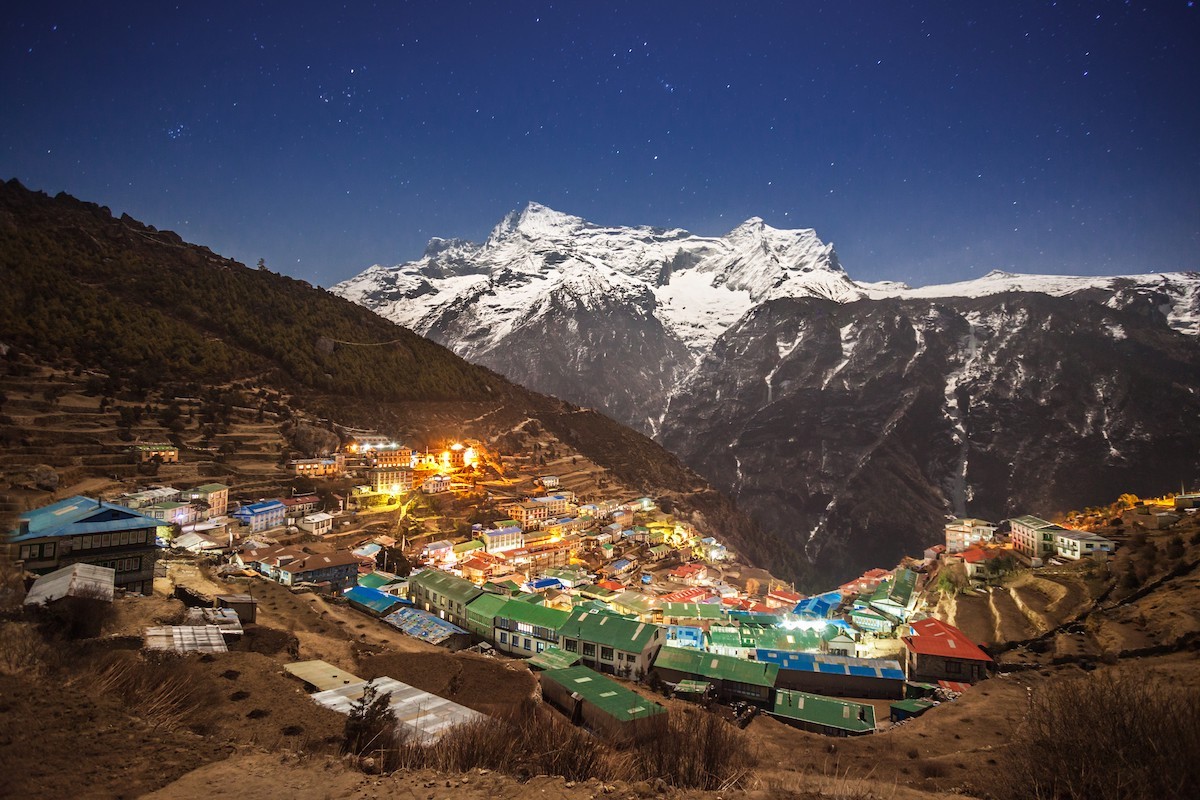
Likewise, changes in elevation really change how things look in a natural way. Trekkers take shorter trails to get better views. The golden-hour light hits Everest just right, making its outline stand out beautifully. Try taking photos during sunrise or sunset. One hiker said, "Kongde Ri framed Everest teasing us in the distance." Another person said, "The climb made reaching the peak unforgettable. "These moments really give hikers a boost. They get both the body and mind ready for the higher altitudes coming up.
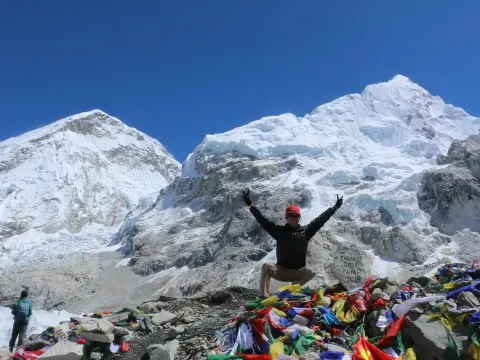
Key Viewpoints and Tips :
Major Peaks from Namche Vantages :
| Peak Name | Elevation (m) | Best Vantage Point | Notable Feature & Photo Tip |
| Kongde Ri | 6,187 | Town ridges, amphitheater slopes | Jagged western sentinel; capture at dawn. |
| Thamserku | 6,632 | Namche trails | Sharp ridges; golden light enhances contrast. |
| Mount Everest | 8,848 | Everest View Hotel / Sagarmatha Center | First distant peek; shoot silhouette at sunset. |
| Kusum Kanguru | 6,367 | Surrounding hills | Pyramid shape; wide shots include valley. |
| Lhotse / Nuptse | 8,516 / 7,861 | Higher acclimatization paths | Flank Everest; use telephoto for details. |
Acclimatization Facts :
Meanwhile, Tengboche Monastery sits atop a scenic ridge. It reaches 3,867 m and carries a deep spiritual energy. Ama Dablam, standing at 6,812 meters, juts into the sky sharply like a dagger. Everest, standing at 8,848 meters, and Lhotse, at 8,516 meters, make up the impressive background. The overlook brings culture and nature together in a natural way.
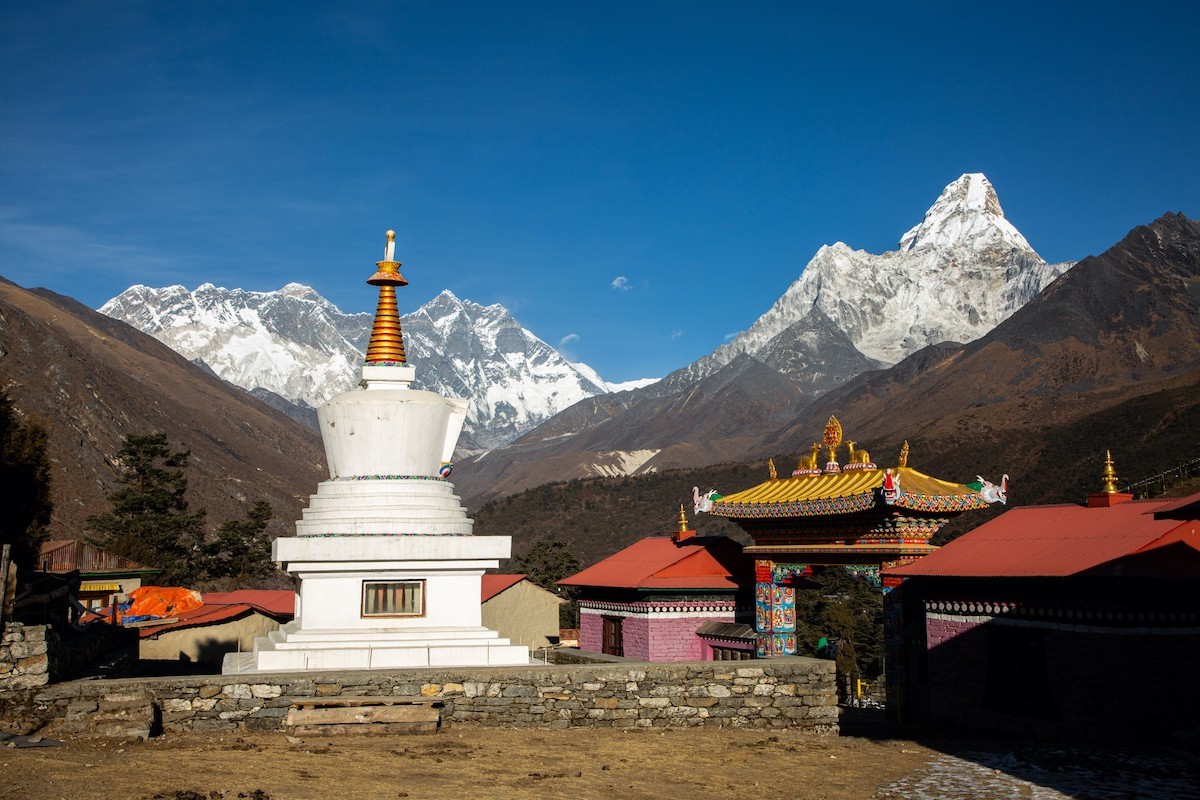
Here, trekkers stop here to take a moment and reflect. Monastery prayers drift through the air, carried by the wind among the tall mountains. Ama Dablam's tall, graceful peak catches your attention right away. Everest rises above the ridges with a quiet strength. One visitor said, "The gompa framed Ama Dablam just right. "Someone else said, "Sunrise turned the peaks golden. "These views really take your breath away. They provide some calm during the tough parts of the trek.
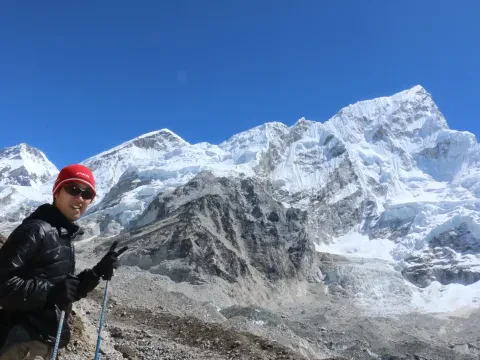
Spiritual and Visual Highlights :
Key Peaks from Tengboche Overlook :
| Peak Name | Elevation (m) | Position from Monastery | Description & Viewing Tip |
| Ama Dablam | 6,812 | Front and center | Dagger-like spire; best at sunrise glow. |
| Mount Everest | 8,848 | Distant northeast | Summit tip visible; telephoto for clarity. |
| Lhotse | 8,516 | Next to Everest | Broad face; capture with Nuptse (7,861 m). |
| Nuptse | 7,861 | Flanking Everest | Rugged ridge; wide-angle for full scene. |
| Thamserku | 6,623 | Western side | Sharp peaks; include monastery foreground. |
Additional Facts and Tips :
Actually, Dingboche offers close-up views of the mountains. Trekkers reach 4,410 m and sense the peaks are closer than before. Island Peak, standing at 6,189 meters, now looms clearly in view. Taboche, standing between 6,367 and 6,495 meters, and Cholatse, at 6,440 meters, rise up sharply and make quite an impression. These views are way bigger and clearer than the faint glimpses we saw before.
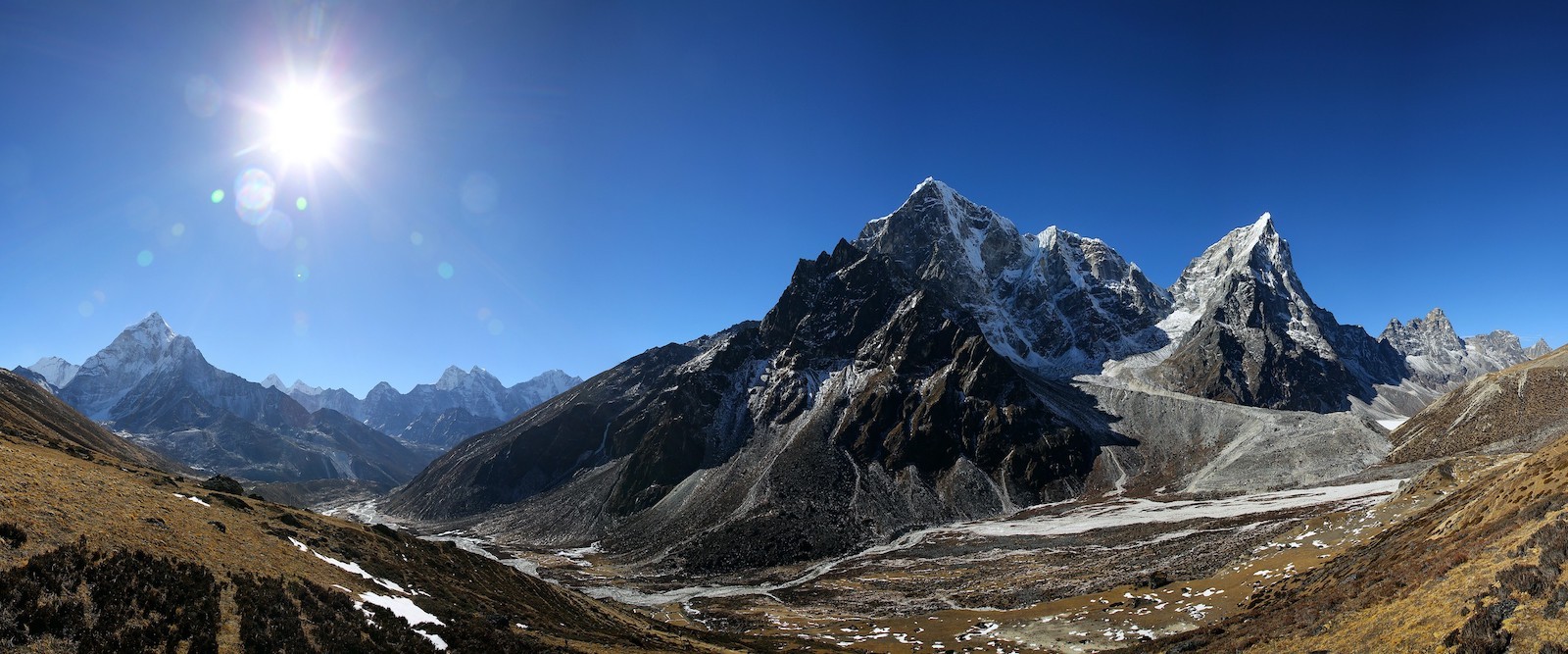
Likewise, the valley spreads out wide at this spot. Snowy faces hang above with a strong presence. Weather changes bring new excitement every day. Mornings with clear skies show sharp details really clearly. Cloudy afternoons bring out deep shadows and soft light that give everything a moody feel. One trekker said, "From Dingboche, Island Peak looked close enough to reach out and touch. "Someone else said, "Taboche and Cholatse are the main focus now. "These close encounters really get adventurers excited. They show that being patient leads to moments of deep, stunning closeness.
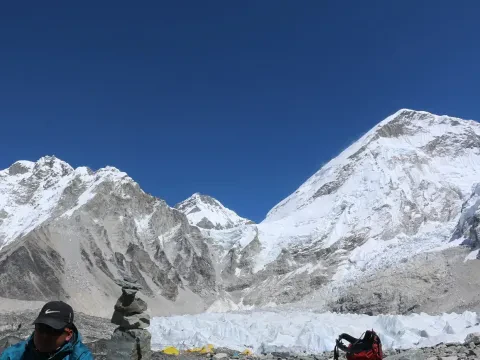
Closer-Than-Ever Peaks and Contrasts
Major Peaks from Dingboche :
| Peak Name | Elevation (m) | Best Vantage in/near Dingboche | Notable Feature & Storytelling Tip |
| Island Peak (Imja Tse) | 6,189 | Village fields, Nangkartshang hike | Pyramid summit; contrast with prior far views. |
| Taboche | 6,367–6,495 | Valley overlooks, ridge trails | Dramatic twin with Cholatse; sunrise glow epic. |
| Cholatse | 6,440 | Direct from village, acclimatization paths | Steep north face; moody in variable weather. |
| Lhotse | 8,516 | Northeast horizon | Broad south face; builds toward higher trek. |
| Ama Dablam | 6,812 | Surrounding ridges | Elegant spire; frames intimate valley scenes. |
Supporting Facts and Tips :
Actually, the Lobuche approach really amps up the tension at high altitude. Trekkers climb to heights between 4,910 and 5,050 meters, passing by various memorials along the way. Nuptse, standing at 7,861 meters, and Lhotse, reaching 8,516 meters, loom over the rough landscape with a strong presence. Their large size builds tension little by little. Echoes, pushed by the wind, bounce off the massive walls.
Likewise, the path curves quietly past the chortens. Mountains stand tall and tough, rising straight up without giving way. Nuptse’s walls beat loudly as the wind blows hard. Lhotse stands like a huge wall blocking the way. One hiker remembered, "Nuptse seemed alive when the wind blew. "Someone else said, "The scale made every step feel overwhelming. "Being fully immersed in your senses makes you more aware. It gets you excited about getting close to Everest.
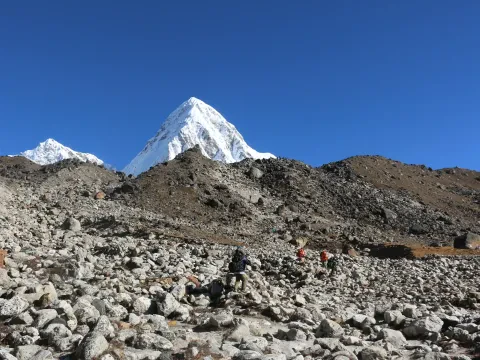
Imposing Scale and Sensory Highlights :
Key Peaks on Lobuche Approach :
| Peak Name | Elevation (m) | Location on Approach (e.g., from Dingboche/Thukla) | Description & Immersion Tip |
| Nuptse | 7,861 | Prominent along trail to Lobuche | Massive walls; listen for wind-whipped echoes. |
| Lhotse | 8,516 | Dominant horizon near memorials | Sheer scale; feel tension in rugged paths. |
| Pumori | 7,161 | Western views en route | Sharp pyramid; contrasts with giants. |
| Lobuche Peak | 6,119–6,145 | Approaching village | Rugged sentinel; builds climb excitement. |
| Everest (distant) | 8,848 | Emerging glimpses | Teases closer presence ahead. |
Additional Facts and Intensity Notes:
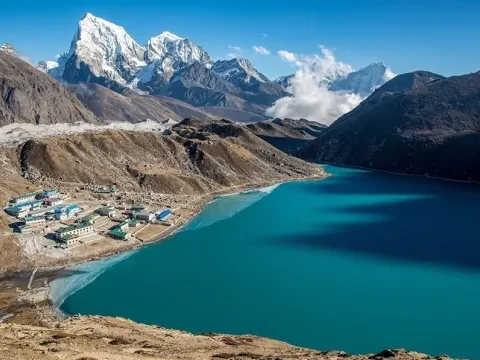
Meanwhile, Gorak Shep is the final stop. The trekkers set up camp at 5,164 m, staring out toward the north. Pumori stands tall at 7,161 meters, rising sharply with a pyramid shape. Khumbutse, standing 6,636 meters tall, stands out boldly along the border. These sentinels stand guard at the entrance to the Khumbu Glacier.
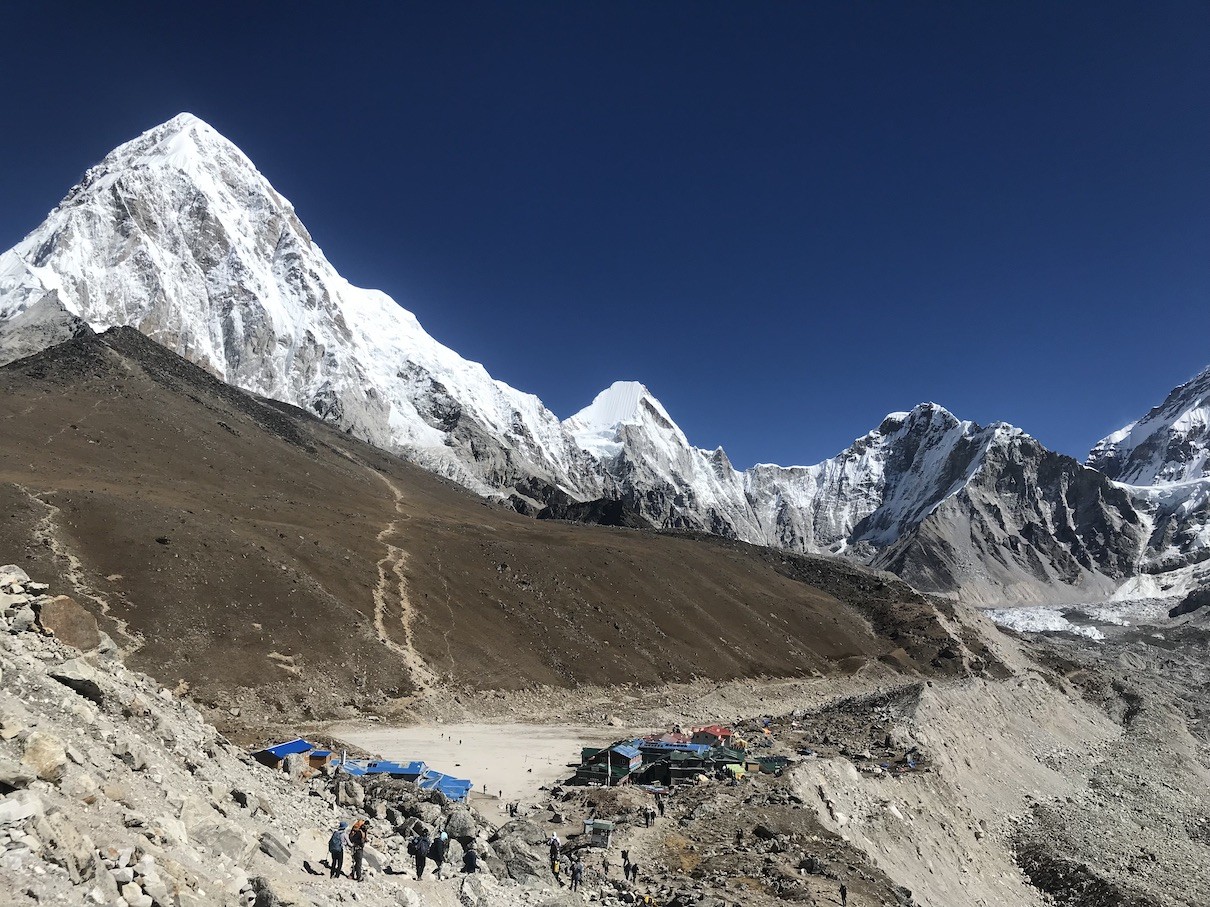
Likewise, the village offers wide open views. At dawn, Pumori’s face is touched by a soft Alpine glow. The light changes, casting the peaks first in gold, then in pink. Trekkers notice the change when they reach the climactic zones. One traveler said, "Pumori stood watch over the glacier. "Another one added, "Khumbutse caught our eyes as we looked toward Everest ahead. "These views connect the lower trails with some really dramatic sights up high. They build up excitement for the last efforts.
Threshold Views and Light Dynamics :
Key Peaks and Features from Gorak Shep :
| Peak/Feature | Elevation (m) | Position from Gorak Shep | Notable Feature & Viewing Tip |
| Pumori | 7,161 | Western horizon | Pyramid shape; alpine glow epic at dawn/dusk. |
| Khumbutse | 6,636 | North-northeast border | Sharp ridges; frames glacier entry dramatically. |
| Lingtren | 6,749 | Nearby north | Complements Khumbutse; adds skyline depth. |
| Nuptse | 7,861 | Southeast sharp ridge | Massive face; transitions to higher views. |
| Khumbu Glacier | N/A | Central foreground | Vast ice expanse; observe crevasses in light. |
Supporting Facts and Transitional Notes :
Actually, Kala Patthar tops off the trek in a way that really hits you emotionally. Trekkers reach the summit around 5,545 to 5,644 meters, celebrating their hard-earned victory. Everest, standing at 8,848 meters, shows its full south face clearly. Nuptse at 7,861 meters and Lhotse at 8,516 meters round out the wide views. This peak gives you the best reward.
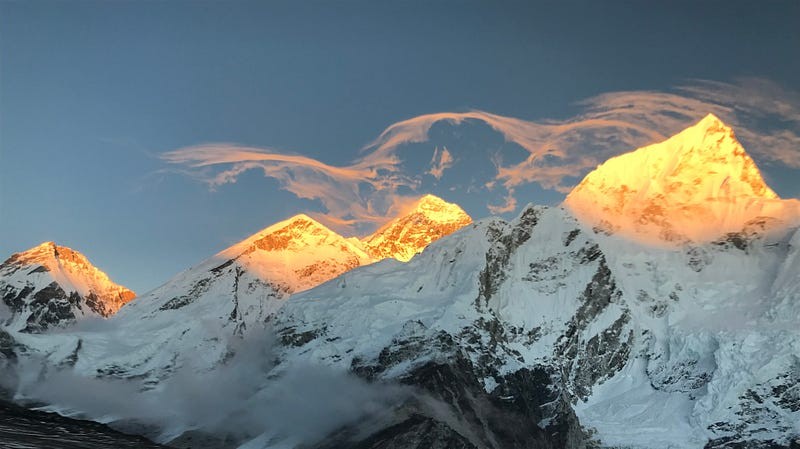
Likewise, climbing takes a lot of hard work, but it also touches something deep inside. Panoramas cover a full 360 degrees, stretching out in all directions. Being eye-level with the world's roof feels pretty deep. Trekkers here are marking a personal win. One of them said, "Everest finally stood there, uncovered at last." Another person said, "The panorama was filled with joy. "These views capture the emotional peak. They create memories that last a lifetime.
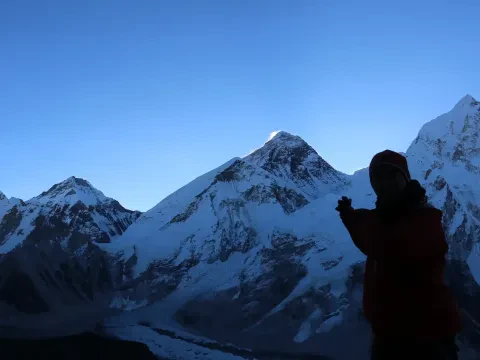
360-Degree Panorama Breakdown :
Major Peaks from Kala Patthar Summit :
| Peak Name | Elevation (m) | Position in Panorama | Description & Emotional Highlight. |
| Mount Everest | 8,848 | Central-north | Closest clear view; feel triumph eye-level. |
| Lhotse | 8,516 | Northeast flank | Broad severe face; shares Everest spotlight. |
| Nuptse | 7,861 | Southeast massive wall | Blocks lower views; epic scale up close. |
| Pumori | 7,161 | South-southwest | Pyramid sentinel; golden alpenglow stunning. |
| Changtse | 7,543 | North (Tibet side) | Adds border drama; completes 360 sweep. |
Additional Facts and Triumph Tips :
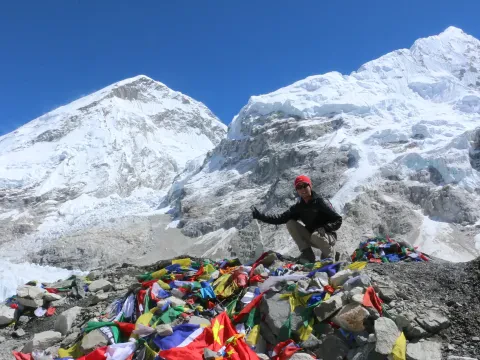
Actually, Everest Base Camp feels deeply personal. Trekkers reach 5,364 m and find themselves right in front of the Khumbu Icefall. Everest, standing at 8,848 meters, stays tucked away quietly behind the smaller ridges. Instead, giants like Nuptse, which stands at 7,861 meters, and Lhotse, at 8,516 meters, take center stage. These close views change the focus a lot.
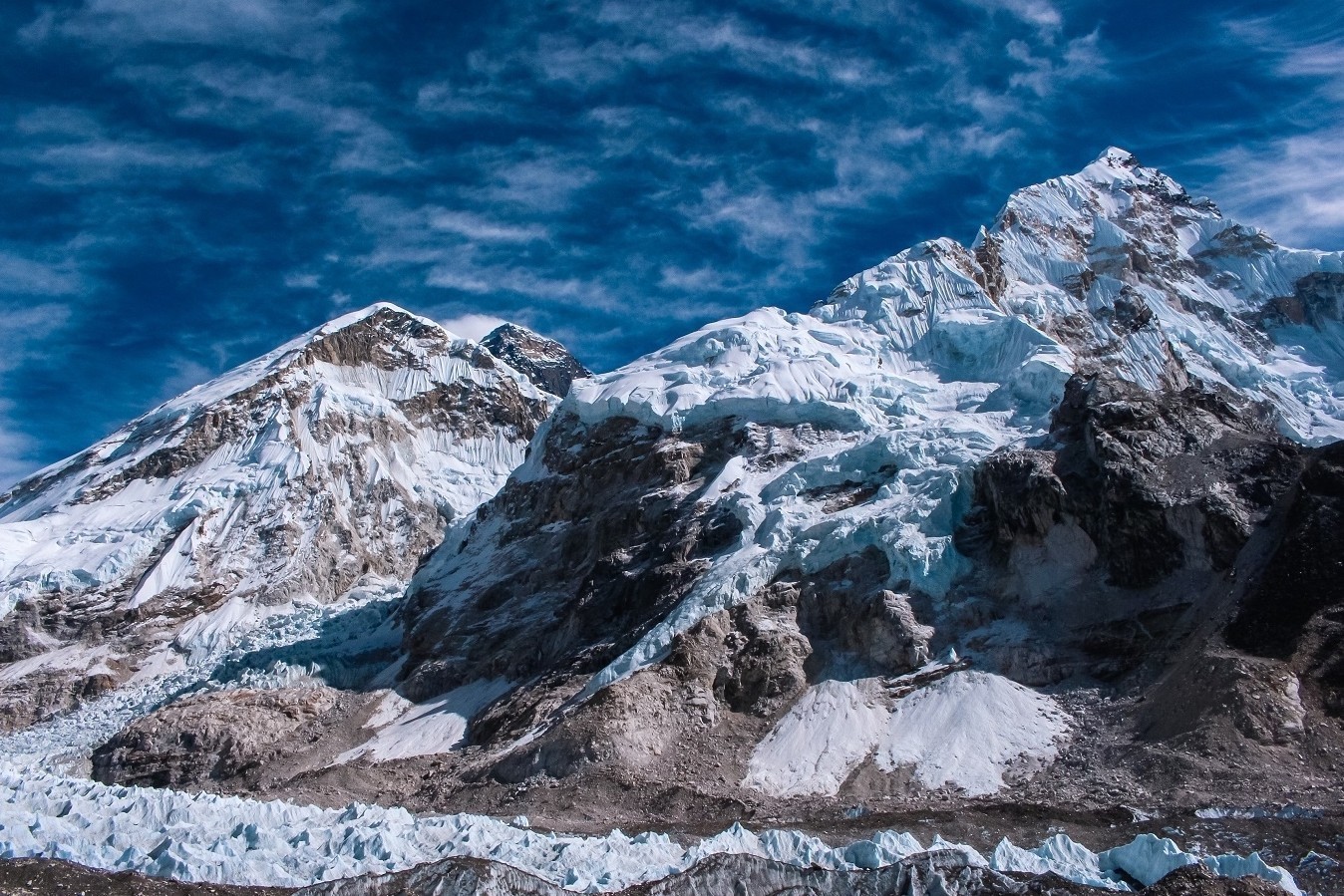
Likewise, crevasses cut deeply into the icefall’s wild, broken surface. Mountains rise up and keep changing all the time. Winds bring loud rumbles from far away. Trekkers stop to think about the raw power of nature in this place. One hiker said, "The icefall felt huge and almost alive. "Another person said, "It’s a feeling of awe mixed with respect for how dangerous it is ."Keep your sense of wonder, but stay practical and careful too. These views make the trip truly worth it.
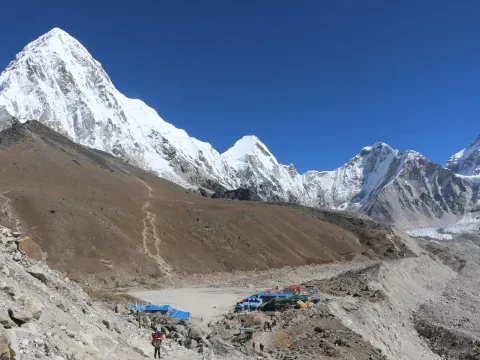
Close-Range Details and Reflective Elements :
Major Features and Titans from Base Camp :
| Feature/Peak | Elevation (m) | Position from EBC (5,364 m) | Close-Up Detail & Practical Insight. |
| Khumbu Icefall | N/A | Central foreground | Crevasses and seracs; watch for movement risks. |
| Nuptse | 7,861 | Southeast massive wall | Sheer face dominates; adds scale and tension. |
| Lhotse | 8,516 | Northeast towering flank | Broad and imposing; frames icefall dramatically. |
| Mount Everest | 8,848 | Partial summit view behind ridges | Hides modestly; focus shifts to flanks. |
| Pumori | 7,161 | Western backdrop | Elegant contrast; good for sunrise reflection. |
Supporting Facts and Authenticity Tips:
Actually, coming down gives a chance to think things over and find closure of EBC Trek. Trekkers make their way down from high altitudes, retracing their steps. Mountain mosaics change in a beautiful way, moving backward through their patterns. Brief moments turn into lasting memories that stay with us forever. The journey shows how nature grows and changes over time.
Here, the shots move from tight close-ups to wider, more teasing views. Peaks may fade, but they still stay clear in your memory. Trekkers come back home with changed views. One person said, "The mountains changed me little by little. "Someone else said, "Every view made to keep that sense of wonder alive for a lifetime. "These thoughts make me feel grateful. They encourage others to go after their own Himalayan vistas.
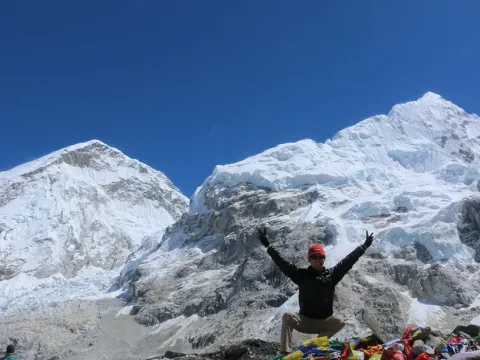
View Progression Recap (Reverse Order) :
Evolving Mountain Mosaics Summary :
| Trek Stage/Location | Elevation (m) | Key View Evolution | Lasting Reflection & Theme |
| Everest Base Camp | 5,364 | Intimate icefall and titans | Raw power; awe balanced with humility. |
| Kala Patthar | 5,545–5,644 | Ultimate 360° Everest panorama | Triumph; eye-level with the world's roof. |
| Gorak Shep | 5,164 | Threshold sentinels to glacier | Anticipation; light transforms anticipation. |
| Dingboche | 4,410 | Closer Island Peak, Taboche, Cholatse | Intimacy; weather adds dynamic personal touch. |
| Tengboche/Namche | 3,867 / 3,440 | Spiritual frames and first peeks | Wonder begins; culture enhances natural beauty. |
Major Facts about Everest Base Camp Trek:
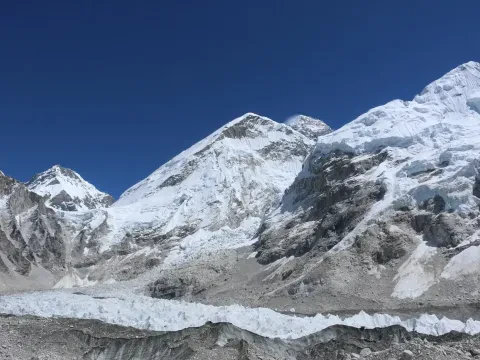
1. What is the "Major Mountain Views on Everest Base Camp Trek"?
The Major Mountain Views on Everest Base Camp Trek package is really special. It shows you the mountain viewpoints along the classic Everest Base Camp route. You will see the mountains from Lukla to Kala Patthar and Everest Base Camp. You will focus on big peaks like Everest Ama Dablam, Lhotse and more. This will give you views of the Himalayas.
2. Which mountains will I see on the trek from Lukla to Phakding?
When you walk from Lukla to Phakding you will catch your glimpse of Kongde and Kusum Kanguru. These mountains are really away but they are covered in snow and look beautiful. This is the start of the amazing mountain views you will see on the Major Mountain Views on Everest Base Camp Trek.
3. What views can I expect from Namche Bazaar?
Namche Bazaar is a place to see Kongde Ri and Mount Thamseku clearly for the first time. You will be able to take in the views of these mountains while you are getting used to the higher altitude. This will get you excited for the rest of the Major Mountain Views on Everest Base Camp Trek.
4. Why is Tengboche Monastery a highlight for mountain views?
Tengboche Monastery is a peaceful place where you can see Ama Dablam, Everest and Lhotse. The monastery is surrounded by these mountains and it is a great place to take photos. The Major Mountain Views on Everest Base Camp Trek package includes this spot because it is so beautiful and peaceful.
5. What peaks are visible from Dingboche?
From Dingboche you can see Island Peak, Taboche and Cholatse close. The Major Mountain Views on Everest Base Camp Trek package takes you to this point so you can see these dramatic mountains. You will feel really small compared to these mountains.
6. Which mountains tower over the Lobuche approach?
When you are walking to Lobuche you will see Nuptse and Lhotse towering above you. These mountains are really big and impressive. They make a beautiful backdrop for your walk to Everest Base Camp. The Major Mountain Views on Everest Base Camp Trek package includes this section because it is so amazing.
7. What can I see from Gorak Shep?
Gorak Shep is a place to see Pumori and Khumbutse. These mountains are like guards standing over the Khumbu Glacier. The Major Mountain Views on Everest Base Camp Trek package takes you to this spot so you can see these impressive mountains up close.
8. Is Kala Patthar the best viewpoint for Everest?
Yes, Kala Patthar is one of the places to see Everest, Nuptse and Lhotse all at once. The Major Mountain Views on Everest Base Camp Trek package includes this spot because it is so amazing. You will be able to take in the views of these mountains and take some great photos.
9. What will I see at Everest Base Camp itself?
When you finally get to Everest Base Camp you will be able to see the Khumbu Icefall and the surrounding mountains clearly. The Major Mountain Views on Everest Base Camp Trek package includes this moment because it is so exciting. You will feel like you are standing among the giants of the Himalayas.
10. How difficult is this mountain views focused trek?
The Major Mountain Views on Everest Base Camp Trek is moderately challenging. You will be walking uphill for a while. You will have time to get used to the higher altitude. The package is designed for people who're fit and want to see the amazing mountain views without having to do any really hard climbing.
11. When is the best season for Everest Base camp Trek?
The best time to go on the Everest Base Camp Trek is in the spring or autumn. The sky is clear. You can see the mountains really clearly. You will be able to see Everest Ama Dablam and Lhotse in all their glory.
12. How long is the Everest Base Camp Trek?
The Base Camp Trek usually takes 12-14 days. This gives you time to see all the mountain views and get used to the higher altitude. You will be able to take your time and enjoy the views of the Himalayas.
13. Do I need previous trekking experience?
You do not need to have previous trekking experience to go on Everest Base Camp Trek. You just need to be fairly fit. Have done some hiking. The package includes guides who will help you and make sure you are safe.
14. What is included in this package?
The Major Mountain Views on Everest Base Camp Trek package includes guided trekking, accommodation, meals, permits and expert guides who will tell you all about the mountains. You will learn about the mountains you are seeing and have a great time.
15. Will I see Everest clearly every day?
You will see Everest gradually as you walk. You will get your glimpse from Namche and then you will see it more clearly from Tengboche and Kala Patthar. The Everest Base Camp Trek package is designed to show you the views of Everest and the other mountains.
16. How cold does it get on Kala Patthar?
It can get really cold on Kala Patthar, even as cold as -10°C. The Major Mountain Views on Everest Base Camp Trek package will help you prepare for the cold so you can enjoy the views of Everest and the other mountains.
17. Is this trek suitable for solo travelers?
Yes, Everest Base Camp Trek is suitable for solo travelers. You will be with a group and have guides to help you so you will be safe. You will also have a time seeing the amazing mountain views.
18. What makes this package different from standard EBC treks?
The Major Mountain Views on Everest Base Camp Trek package is special because it focuses on the mountain views. You will see all the viewpoints and learn all about the mountains. This package is designed for people who want to see the mountain views and have a great time.
19. Can I take good photos of the mountains?
Yes, you will be able to take some photos of the mountains. Every stop on the Major Mountain Views on Everest Base Camp Trek package has photography opportunities. You will be able to take photos of Tengboche, Kala Patthar and all the other amazing mountain views.
20. How do the mountain views change during the trek?
The mountain views change as you walk. You will see the mountains from away at first and then you will see them up close. The Major Mountain Views, on Everest Base Camp Trek package is designed to show you the views of the mountains and how they change as you walk. You will see the mountains in a way every day.
Our travel experts are ready to assist you with any questions.
Send us a message.Have a question before you book? Send your enquiry below and our travel experts will get back with the required information.