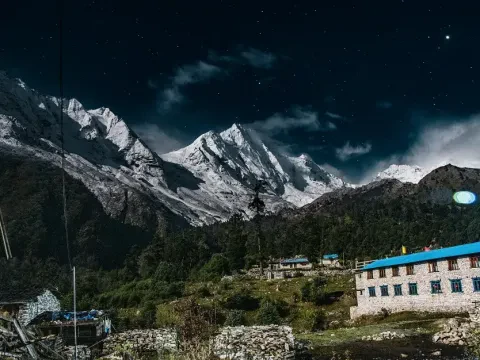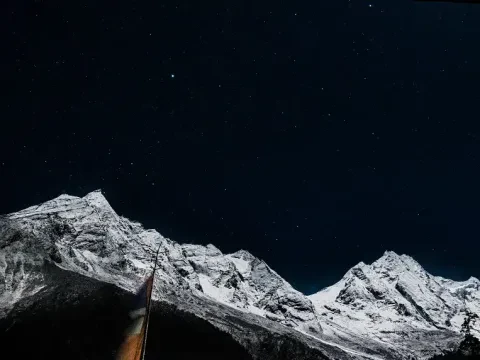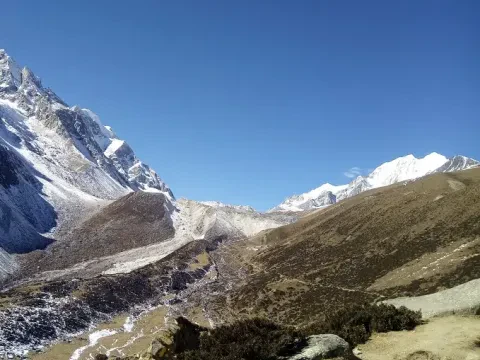
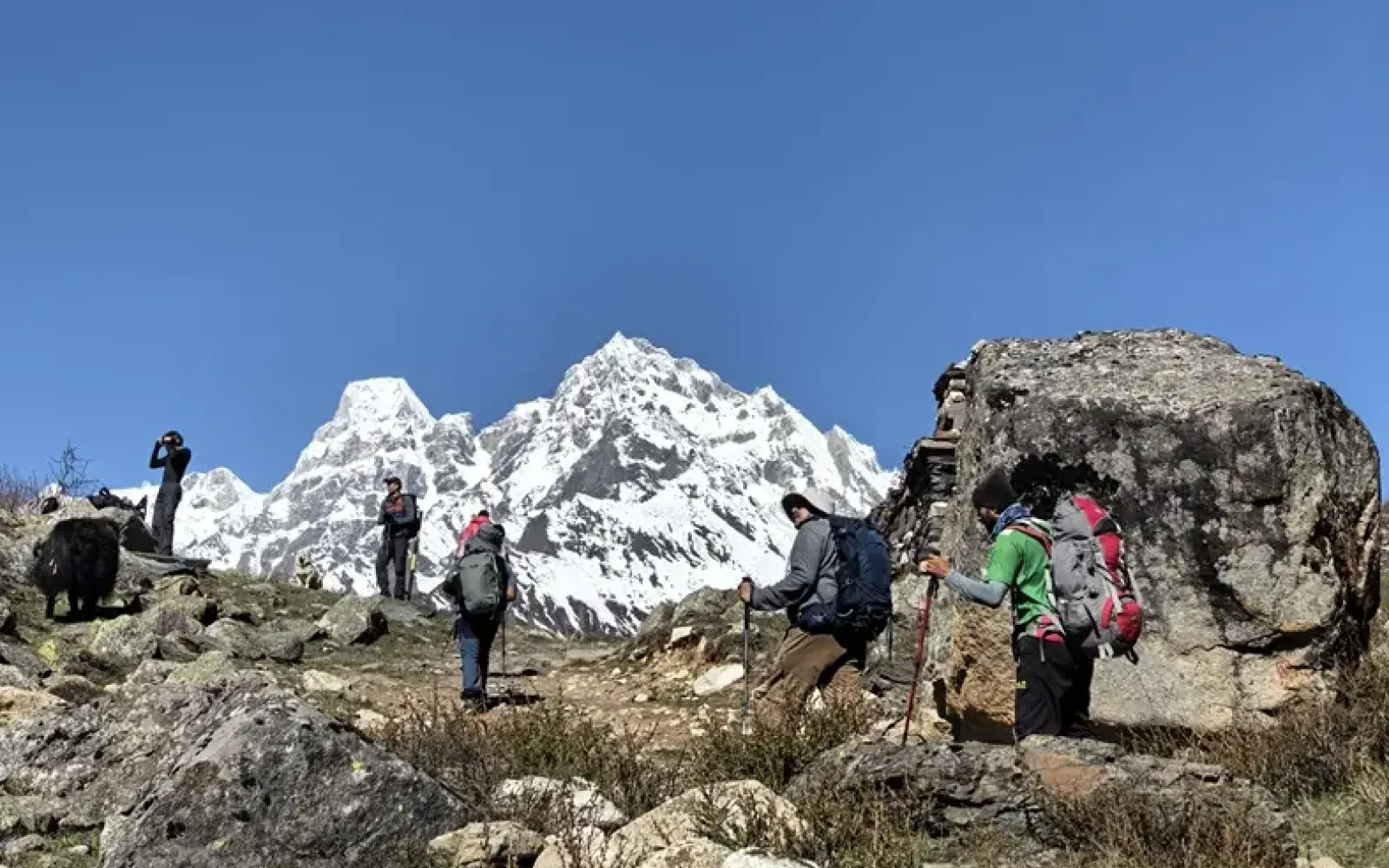
Actually, Manaslu Circuit is the best high-pass trek in Nepal, bar none. It's a trek for the adventurous, who are looking for a classic Himalayan experience without the commercialization and throngs of people. While the views are as epic as a classic high-pass crossing through an 8,000-meter giant and include a challenging pass of 5,106 meters in height at Larkya La, you won't be bumping into mass tourism or motorized traffic on the route-something that has already corrupted some of Nepal's finest trails.

What Makes Manaslu Better than the Rest?
| Trek | Total Distance (km) | Max Pass Height (m) | Crowds | Roads | Who It's For |
|---|---|---|
| Manaslu Circuit | 177 | 5,160 | Low | None | Serious remote high-pass adventure lovers. |
| Annapurna Circuit | 160-180 | 5,416 | High | Significant | Comfort-seeking adventurous travellers. |
| Everest Base Camp | 130 | 5,545 (at Kala Patthar) | Very High | Minor | Iconic mountain views addicts. |
In fact, the Manaslu Paradox is simple: a high-pass trekking experience as magnificent and overwhelming as that offered by the major Nepalese high-pass routes, but with the peace and tranquility that are increasingly hard to find. It's one of the greatest trekking expeditions on offer today.
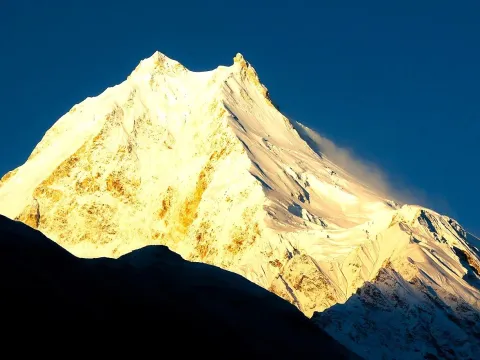
Actually, the secret to the unique, undisturbed condition of the Manaslu trekking trail is the restricted area permit. Strict controls placed by Nepal on its fragile ecosystems with mandatory guide and permit systems effectively serve as a filter to large-scale tourism, preventing the inevitable commercialization that has now afflicted other more popular trails.
How the Restricted Area Status Affects You :
| Trek | Permit Type | Guide | Average Daily Trekkers | Commercialization Level. |
|---|---|---|
| Manaslu Circuit | Restricted Area Permit | Mandatory | Low | Low |
| Annapurna Circuit | ACAP Permit | Not Mandatory | Very High | High |
| Everest Base Camp | Sagarmatha National Park | Not Mandatory | Extremely High | Very High |
In fact, this restricted area system keeps the trail wonderfully wild and quiet from the first to the last day of trekking. While an additional fee is required to obtain the necessary permit, it is essential in order to experience the unadulterated Himalayas in its purest form.
Here, this has to be said about starting points, so much in it is natural. Starting the Manalsu Circuit trek is from a very low altitude and gives you the highest advantage of natural acclimatization. You will start walking from a Machha Khola trailhead at a height of 930 meters (3,051 feet) and therefore spend the first three to four days walking up through subtropical gorges at a steady incline. Hence, this steady ascent will enable your body to form better red cell adaptation, naturally, and only by the time you reach the altitude of 3,000 meters.

In such cases, you have the luxury of avoiding sharp altitude related shocks you would have experienced on many of the other treks of Nepal, with a gentle slow ascent, making you feel physically more apt when approaching higher altitudes. This is precisely what making a start from low altitudes on the Manalsu Circuit provides.
Advantages to having low start altitude :
| Day | From-to | Climbing to (meters/feet) | advantages |
|---|---|---|
| 1-2 | Machha Khola-Jagat | 930-1340 (3051-4400ft) | low altitude easy walk. |
| 3-4 | Jagat-Deng/Namrung | Up to 2600m (8530ft) | Natural acclimatisation |
To summarize it; starting at sea-level with a gradually increasing path gives you the edge and the safety you require for a comfortable and enjoyable trek at high altitudes on the Manaslu Circuit.
Here, the early few days of walking on the Manalsu Circuit trail follows the furious Budhi Gandaki river, and thus generates the ultimate solitude the trek holds. You will be walking through quite whispering gorges with the Budhi Gandaki raging beneath you, and you will realize that the walking trails below remain extremely quiet. Moreover, you will be able to walk for days without seeing even a handful of commercial trekking group. You will enjoy a feeling of trekking on a very wild and solitary track, compared to the busy trekking paths of the Annapurnas and the Everest.

Whereas the trails for the Everest Base Camp and Annapurna Circuit are quite congested and turn into a highway by now; the walking trail in Budhi Gandaki gorge has retained its natural charm and seems to remain remote and intimate. Therefore, your only companions on such days will be the roaring river, and the songs of the birds around you; as well as offering the finest natural scenes you have ever encountered, alongside the truest solitudes in the Himalayas.
Why the Budhi Gandaki provides an unbeatable solace :
| Region | Trail ambiance | Number of trekkers | Solitude |
|---|---|---|
| Manalsu (Budhi Gandaki) | Remote & tranquil | Very low | Very high |
| Annapurna Circuit | Busy lower section | High | moderate |
| Everest Base Camp | Often congested | Very high | very low |
To summarize; The quiet whispering gorges of Budhi Gandaki River are the one aspect that has managed to give the Manaslu Circuit its unique solitude.
Arguably, the Manaslu Circuit’s greatest triumph is its ability to preserve an authentic mountain culture. Due to its restricted status and fewer visitors, the villages on the trail haven't re-shaped themselves for mass tourism; rather, they continue their age-old traditions as they always have. You’ll feel this most keenly in villages such as Namrung at 2,660 meters (8,727 feet), and Lho at 3,180 meters (10,433 feet) where ancient Buddhist traditions, originating in Tibet centuries ago, have been carried on naturally and undisturbed.
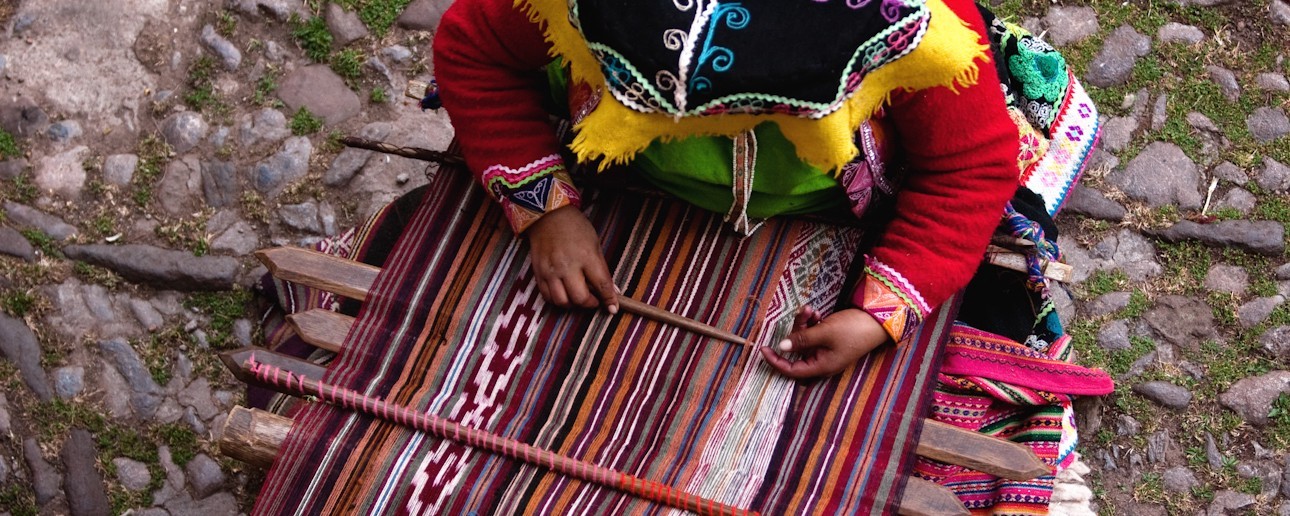
Likewise, passing through the villages you’ll see ancient monasteries, chortens and stone houses that have a distinct and unchanged character. Locals still maintain their own agricultural, weaving, and religious customs in their daily lives. Because of this the cultural footprint in each village is very strong and it is a true experience to walk through them.
Cultural highlights along the trek :
| Village / area | Cultural feel | Level of commercialization | Experience of traveler |
|---|---|---|
| Namrung & Lho(Manaslu) | Traditional, culturally strong | Extremely low | Authentic, immersive |
| Annapurna region | Moderate mixture of tourism and tradition | Moderate to high | More commercial |
| Everest region | Massively tourism influenced | Extremely high | More modernised |
In essence, walking through the timeless transitions of Manaslu's villages presents you with an almost undisturbed, living, Tibetan Buddhist culture that is quite unlike anywhere else in the Himalayas.
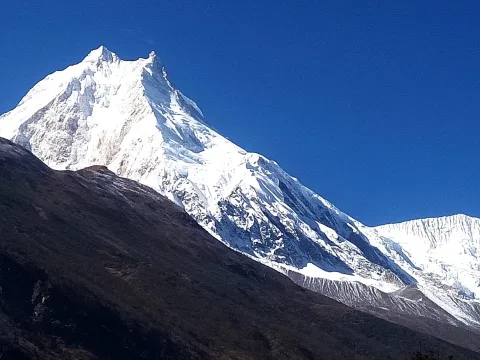
Meanwhile, there are moments on the Manaslu Circuit that stick with you, and your arrival in Sama Gaon is one that certainly lives up to that billing. Nestled at 3,530 meters (11,581 feet), the colorful stone village lies in the natural protection and awesome, sheer shadow of Manaslu, the world's eighth highest peak at 8,163 meters (26,781 feet). This perfectly protected glaciated valley, framed on all sides by huge Himalayan mountains, makes for a uniquely dramatic and yet remarkably tranquil place to stop.

After trekking for a few days you’ll reach Sama Gaon where the immensity of the south face of Manaslu completely dwarfs the monastery and houses, creating arguably the finest high-altitude settlement anywhere in Nepal. Trekkers on the Manaslu Circuit all describe their approach into the village, as the colossal mountain face seems to literally hang above you, as a 'spiritual and visually stunning moment'.
Why Sama Gaon is the Highlight :
| Feature | Details | Travel Experience |
|---|---|---|
| Elevation | 3,530 m (11,581 ft) | High-alpine sanctuary |
| Mount View | Manaslu (8,163 m) | Towering, breathtaking |
| Village Description | Traditional stone houses & monasteries | Timeless, cultural gem |
| Ambiance | Serene, uncrowded, peaceful | Tranquil, rejuvenating |
Overall, the shadow of Manaslu ensures that Sama Gaon is the ultimate alpine hideaway.
Actually, one of the absolute best things about the Manaslu Circuit is the chance to practice the "hike high, sleep low" strategy in complete isolation. Because the trail isn't overrun, you can train your body without the pressure of large trekking groups and rigid itineraries.
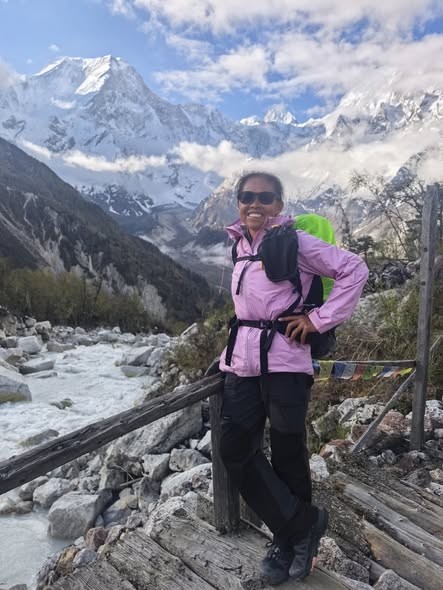
Starting from Sama Gaon, you take an active acclimatization day to hike up to Manaslu Base Camp at 4,800 meters (15,748 ft), or the incredibly beautiful Pungyen Gompa at 4,050 meters (13,287 ft). Not only do these day trips allow you to trek over rough glacial moraine and enjoy stunning, up-close views of Manaslu's south face, but they also bring you back to sleep at the lower elevation of Sama Gaon to give your body a chance to safely adjust before the big pass.
Key Acclimatization Benefits :
| Destination | Distance (Round Trip) | Max Elevation | Walking Time | Primary Benefit. |
|---|---|---|
| Manaslu Base Camp | 10-12 km | 4,800 m | 5-7 hours | Intensive altitude training. |
| Pungyen Gompa | 6-8 km | 4,050 m | 4-5 hours | Beautiful, moderate climb. |
Here, this time to yourself means you can really tune in to your body and soak in the mountains without any distractions. Haven Holidays guides will keep an eye on your progress to make sure you acclimatize efficiently.
In essence, mastering the hike high, sleep low technique on the Manaslu Circuit Trek is a truly quiet and personal affair that significantly reduces the chance of altitude sickness and readies you for the tough pass ahead.
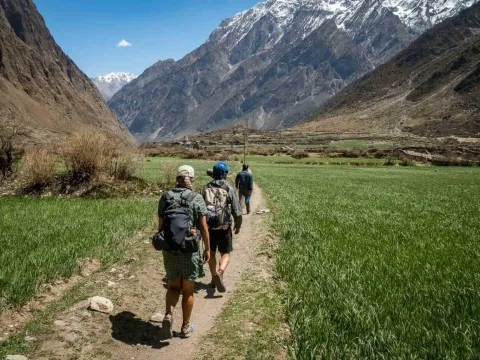
Here, arriving in Samdo at 3,860 meters (12,664 ft) truly feels like you've reached the end of the world, a high-altitude outpost that stands on the precipice of the Tibetan border. This last village on the Tibetan border acts as a final checkpoint, both mentally and physically, before you step away from civilization and venture into the vast unknown towards Larkya Pass.

In fact, Samdo is a small, exposed settlement built of stone homes and frequented by yak herders. The imposing mountain walls that enclose the village instill a profound sense of isolation and adventure, and many trekkers choose this stop to rest, reorganize their gear, and prepare their minds for the daunting high pass crossing.
Why Samdo is Crucial :
| Feature | Details | Significance |
|---|---|---|
| Elevation | 3,860 m (12,664 ft) | High-altitude base |
| Atmosphere | Remote and windswept | Builds resilience |
| Location | Close to the Tibetan border | Culturally significant transition |
| Role in Trek | Final village before Larkya La Pass | Body and mind preparation |
Importantly, Haven Holidays suggests making the most of your time in Samdo: get plenty of rest, eat hearty, carb-loaded meals, and, if you feel up to it, take a short, easy acclimatization walk.
In summary, experiencing life on the edge in Samdo perfectly prepares you for the wilderness that lies ahead, serving as the bridge between village life and pure, high-mountain adventure.
After reaching the Dharmasala High Camp (4,460 m /14,633 ft), it's definitely going to be another drastic shift away from comfort toward the rugged, true mountain life. The accommodation here is the most basic of all - simple stone shelters with common sleeping arrangements, minimal facilities, and definitely not luxury. Yet, the simplicity of this basic accommodation is not a drawback at all. Instead, it's one authentic, bonding rite of passage that prepares your body and mind for the big trial of Larkya Pass.
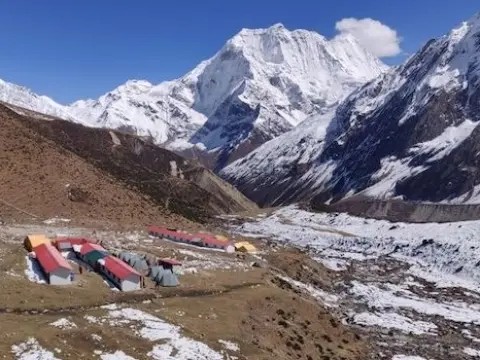
Here, the severe cold and lack of oxygen at this extreme altitude make you go slow, focus on basics, and adjust to a simplified high mountain life. More importantly, sharing this with other trekkers allows you to feel connected to them and develop mental fortitude.
Dharmasala High Camp reality :
The value of this experience :
To sum it up, the humble simplicity at Dharmasala is one rewarding part of Manaslu Circuit. It sheds away the luxury and makes you feel the essence of the journey, and this simple enjoyment adds even more value to your successful passage through Larkya La.
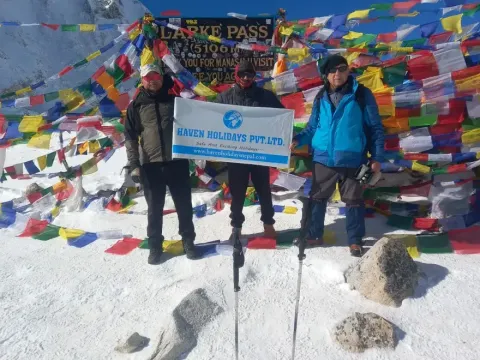
Actually, the day of traversing Larkya Pass is the final trek accomplishment of the Manaslu Circuit. Reaching up to an elevation of 5,106 m (16,752 ft), this highest mountain pass in Nepal offers awe-inspiring panoramic views of Nepal’s highest peaks, most tranquil scenery, and most beautiful mountain range.

A step-by-step guideline to crossing Larkya La Pass safely and successfully :
| Section | Distance| elevation gain | Approximate time | key guideline |
|---|---|---|
| Dharmasala to pass | 6-7 km | 650+ m | 4-6 hours | rhythmic and slow breathing pace on scree slopes. |
| Pass summit | - | 5,106 m (16,752 ft) | 30-45 minutes | enjoy the view and get your picture taken. |
| Descent to Bimthang | 8-10 km| sharp steep down hill | 3-5 hours | focus on every footfall and stay balanced on scree. |
Although the trek from Dharmasala to Bimtang via Larkya Pass is very demanding on your body, the mental and visual rewards at the pass are well worth it. Taking your time, acclimatizing properly, and having a good guide will help make this day the best of your life.
At the end, the crossing of Larkya Pass is the pinnacle of the Manaslu Circuit. With all these qualities combined, this high pass is one of the most awe-inspiring and worthwhile in Nepal.
As if the effort of conquering Larkya La Pass wasn't rewarding enough, the grand alpine drop into Bhimthang presents one of the most visually breathtaking experiences of the entire Himalayan trekking scene. As you descend from the pass, the terrain opens up into a vast, unspoiled glacial valley, located at 3,720 meters (12,205 feet), that can be described as an enormous natural amphitheater framed by majestic peaks.
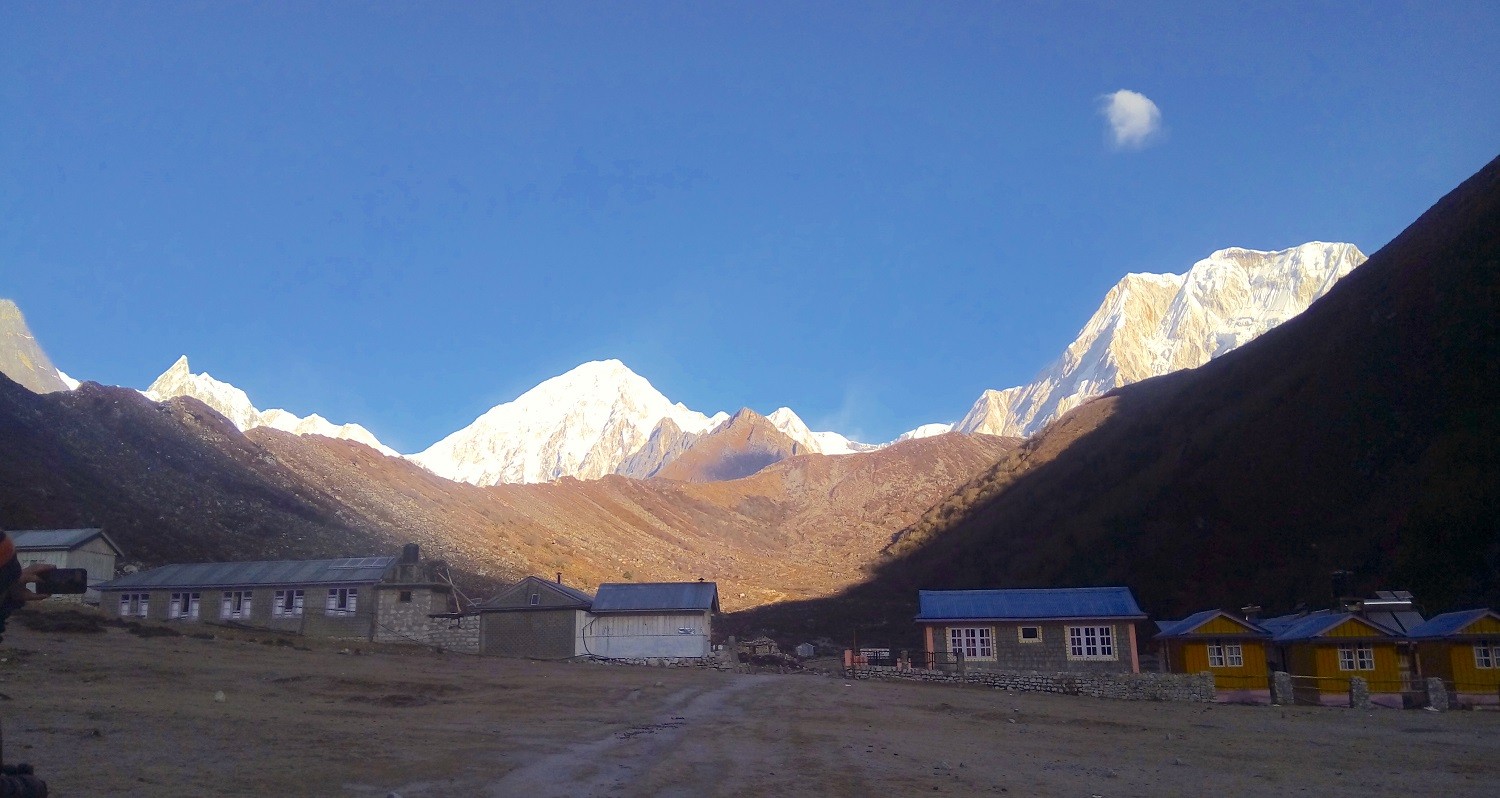
In fact, every downward step reveals increasingly spectacular views of Himlung Himal, Cheo Himal, and the magnificent Manaslu range, while the valley floor unfolds with lush meadows and babbling glacial streams. Furthermore, the emotional shift that occurs from the brutal, windy high-pass environment to the peaceful, green bowl of Bhimthang provides a truly unforgettable sense of relief and accomplishment.
Why the Descent to Bhimthang Stands Out :
| Section | Distance | Elevation Change | Walking Time | Visual Reward. |
|---|---|---|
| Larkya La to Bhimthang | 8-10 km | 5,106 m to 3,720 m | 3-5 hours | Massive glacial valley panorama. |
In conclusion, the magnificent alpine drop into Bhimthang is the ultimate visual reward that makes the entire Manaslu Circuit journey truly worth every demanding step and effort.
Meanwhile, the Manaslu Circuit is renowned as Nepal's premier high-pass trekking route that is conspicuously absent of large crowds. This trek rewards trekkers with dramatic 8,000-meter peaks, rich Tibetan culture, a challenging 5,106-meter pass, and a true sense of wild wilderness, all without the ubiquitous roads and busy trails characteristic of more famous treks.
Why Choose the Manaslu Circuit :
| Day | Key Section | Distance | Elevation (m) | Walking Hours | Highlights |
|---|---|---|
| 1 | Machha Khola to Jagat | 22 km | 930 - 1,340 | 7-8 hrs | Entering the river gorge. |
| 2-3 | Jagat to Namrung | 30-35 km | To 2,660 | 6-7 hrs/day | Beginning to enter the Tibetan culture |
| 4-5 | Namrung to Sama Gaon | 25-30 km | To 3,530 | 6-7 hrs/day | Stunning Manaslu views and acclimatization |
| 6 | Sama Gaon Acclimatization | 8-12 km | To 4,800 | 5-7 hrs | Optional side hike to Manaslu Base Camp. |
| 7 | Sama Gaon to Samdo | 8 km | To 3,875 | 3-4 hrs | Strategic stopping point. |
| 8 | Samdo to Dharmasala | 11.5 km | To 4,460 | 5-6 hrs | Preparation for the high camp. |
| 9 | Dharmasala - Larkya La - Bhimthang | 18-20 km | 5,160 m Pass | 8-10 hrs | Crossing the Pass and grand descent. |
| 10-14 | Bhimthang to Dharapani | 50-60 km | Descent | 5-7 hrs/day | Trekking back through varied terrain |
| Total | Full Circuit | 177 km | Max 5,160 m | 12-14 Days | A complete trans-Himalayan journey |
In conclusion, this master itinerary provides you with the ideal blend of challenge, cultural immersion, and safety. For a safe, unforgettable, and truly rewarding trek across the Manaslu Circuit with experienced guides, flawless logistics, and complete support, please contact Haven Holidays and let us help you plan your ultimate adventure.
1. Why is the Manaslu Circuit known as the best less crowded trek?
The Manaslu Circuit trek is regarded as a pristine, less crowded alternative to the Annapurna Circuit. Due to government restrictions on the protected area and a mandatory requirement to trek with guides, traffic is unusually low and helps preserve a genuine Himalayan wilderness experience.
2. What is the total Manaslu Circuit trek distance?
The total walking distance of the Manaslu Circuit trek is approximately 177km. The distance is variable due to vehicle drop off and pick up points, with trekkers covering 12-15km a day on average.
3. How long is the standard Manaslu Circuit trek itinerary?
A typical 14 to 17 day Manaslu Circuit trek itinerary should start and end in Kathmandu. This will account for two days of road travel and allows ample time for the climb, rest stops and acclimatization periods at high altitude.
4. What is the maximum elevation on the Manaslu Circuit trek altitude profile?
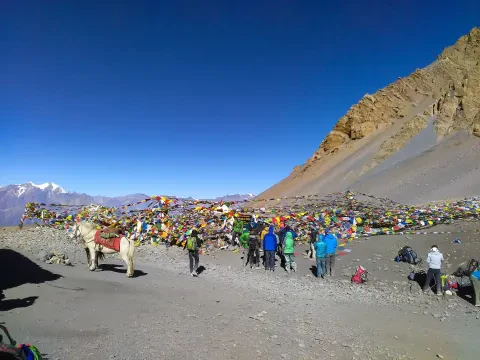
The Larkya La Pass, at the highest altitude on the Manaslu Circuit trek profile is 5,106m and it will be necessary to descend after this strenuous crossing of high altitude mountains on your Himalayan trekking adventure. You can see the panoramic views of Himlung Himal and Cheo Himal from the summit of the pass.
5. How difficult is the Larkya La Pass crossing day?
The Larkya Pass crossing is considered the toughest part of the Manaslu Circuit trek difficulty; you start trekking at 4:00am from Dharmasala at 4,460m, trekking for between 4 and 5 hours uphill and over glaciers. You will then begin your steep and taxing journey downhill.
6. Can a beginner complete the Manaslu Circuit trek safely?
A beginner who is fit enough to trek the Manaslu Circuit can do it, though they must ensure they spend time training intensely and working on their cardio strength weeks in advance as they will be spending the majority of the trip above 3,500m.
7. What permits are required for the Manaslu Circuit restricted area?
Your Manaslu Circuit trek costs should always include 3 distinct permits for crossing the restricted area: The Manaslu Restricted Area Permit (RAP), The Manaslu Conservation Area Project (MCAP) permit and the Annapurna Conservation Area Project (ACAP) permit.
8. Can I trek the Manaslu Circuit solo without a guide?
Solo travel is prohibited as it is a restricted trekking area and you will need to book through an authorized agency and have both a licensed local guide and a minimum of 2 foreign trekkers with you.
9. What is the average Manaslu Circuit trek cost?
The average all inclusive trekking costs of a 14 day Manaslu Circuit trek vary, but are generally between $900 and $1500 USD, and should cover permits, transport, guide and meals and accommodation.
10. Where does the Manaslu Circuit trek itinerary officially start?
The official Manaslu Circuit trek route begins with 2 days drive on a bumpy off-road track from the capital,Kathmandu, taking you to the river town of Machha Khola 870m. Alternatively you can also start the trek at Soti Khola 700m.
11. What accommodation is available along the Manaslu route?
Accommodation will vary along the Manaslu route, from fairly comfortable and luxurious Lodges and Teahouses to basic Lodges which you may find in more remote villages on the trekking trail, so it is recommended to carry your own sleeping bag and perhaps a mat with you.
12. When is the best season to trek the Manaslu Circuit?
The optimal seasons to trek the Manaslu Circuit itinerary are generally considered to be the spring season from March to May and autumn from September to November; the skies are clear and the weather pleasant on your trek at high altitudes.
13. How does oxygen availability change at Larkya La Pass?
Your body will have a high supply of oxygen at the starting point of your journey, but it will be difficult to take deep breaths at the Larkya La Pass as there will be considerably less oxygen available at this high altitude on your strenuous Himalayan trek.
14. What are the best acclimatization stops on the Manaslu route?
It is crucial that you allow your body to adapt to the higher altitudes of the Manaslu Circuit on 2 designated rest and acclimatization days in either Samagaon (3,530m) or Samdo (3,860m), before commencing your difficult push towards the Larkya Pass high camp of Dharmasala at 4,460m.
15. What side trips can I take from Samagaon?
From Samagaon you can visit a glacial lake, (Birendra Glacial Lake) 3,450m, go to the Pungyen Gompa monastery, or perhaps you'd like to trek up to Manaslu Base Camp and view the amazing landscape of the mountain, trekking at 4,400m, your accommodation will be back in the village.
16. Is travel insurance required for the Manaslu Circuit trek?
It is essential that you obtain specialized trekking travel insurance as the risks associated with the Manaslu Circuit difficulty at higher altitudes will include a need for a rescue and medical evacuation plan of up to 6,000 meters.
17. How much local cash should I carry on the Manaslu trail?
NPR 40,000 - 55,000 is the recommended amount of cash to carry for the entire trek as the trail provides limited access to cash machines or any other financial services. Remember to allow yourself enough for tips, hot showers, Wi-Fi and laundry.
18. What clothing gear is essential for the high pass crossing?
You'll need warm, wind-proof and water-resistant layers, including a heavy duty, high-loft down jacket; warm thermal base layers; thick gloves, and sunglasses as it's going to be bitterly cold during the high pass crossing over Larkya Pass (5,106m).
19. How does the Tsum Valley extension affect the itinerary?
The addition of the Tsum Valley will prolong your 14 day Manaslu Circuit itinerary by adding an extra 7-9 days to allow exploration of the sacred valley of Tibetan Buddhism; this also adds to the trek distance by covering more of the terrain.
20. Where does the Manaslu Circuit trek officially end?
The walking portion of the Manaslu Circuit trek officially concludes at Dharapani (1,860m) where the trail links up with the Annapurna circuit trail. It is then an onward journey to Kathmandu on a 4x4 vehicle.
Our travel experts are ready to assist you with any questions.
Send us a message.Have a question before you book? Send your enquiry below and our travel experts will get back with the required information.