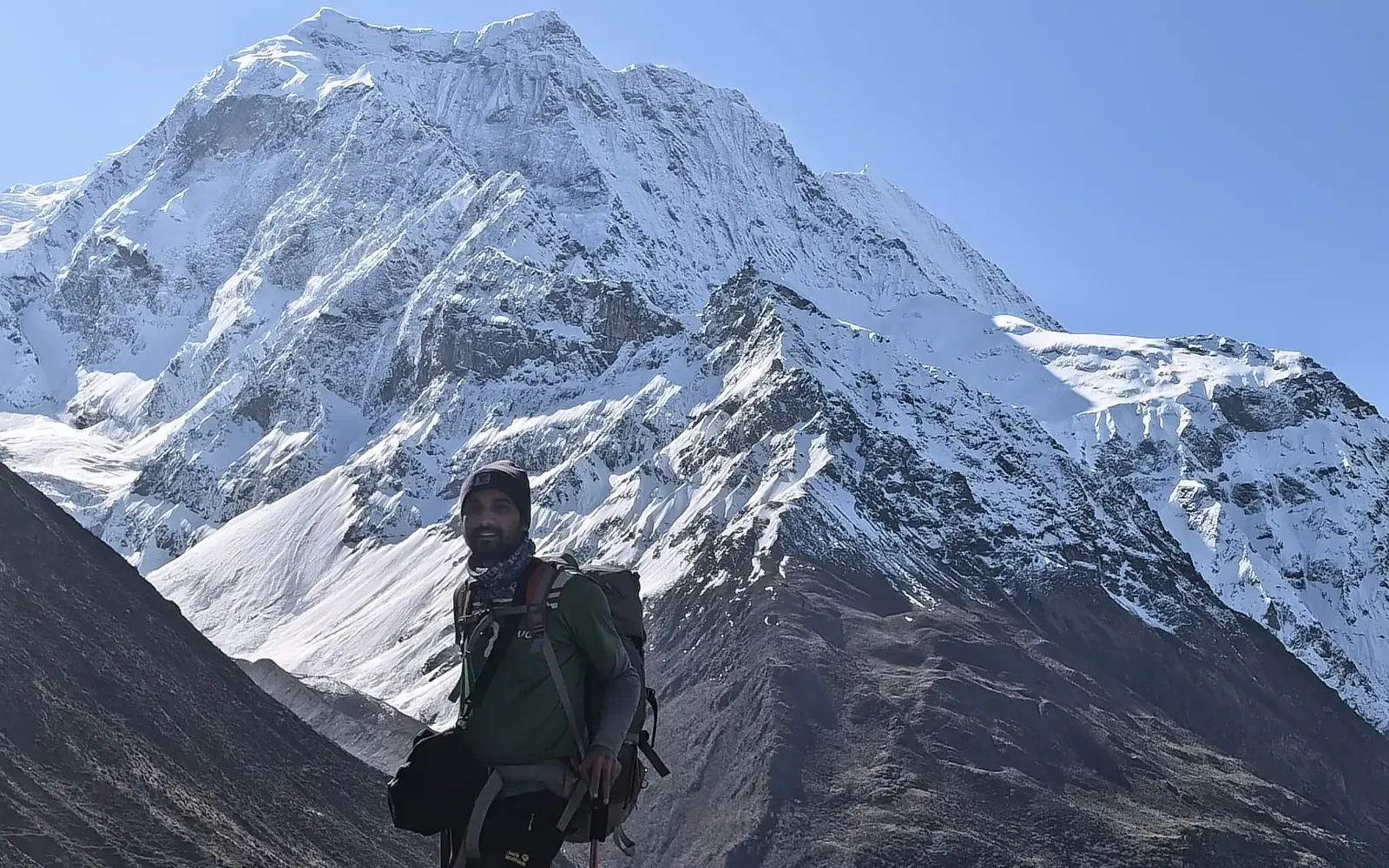
Manaslu Circuit Trek in October?
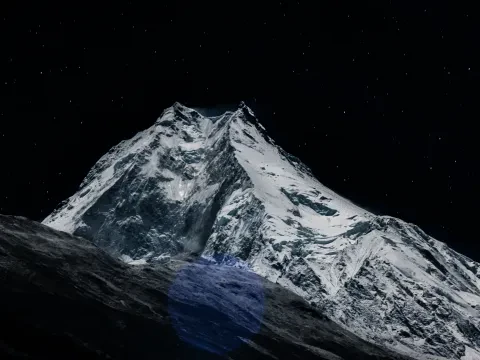
Here, think crisp, clear skies, a dazzling panorama of the world's eighth highest mountain, and dry, pleasant days. It's easily one of the most sought-after times for this spectacular trek, thanks to its prime trekking weather.
However, 'pleasant' can be a relative term as you ascend to soaring altitudes to Samagaon, Samdo and Dharmasala.
Likewise, you'll experience everything from the toasty warmth of low-lying valleys to the biting chill of high passes. This guide is your essential companion for building the ultimate Manaslu Circuit Trek packing list for October, ensuring you're comfortably prepared for the journey.
In fact, packing smartly is paramount. You're navigating a landscape where temperatures can shift dramatically within a single day. Your gear needs to be adaptable.
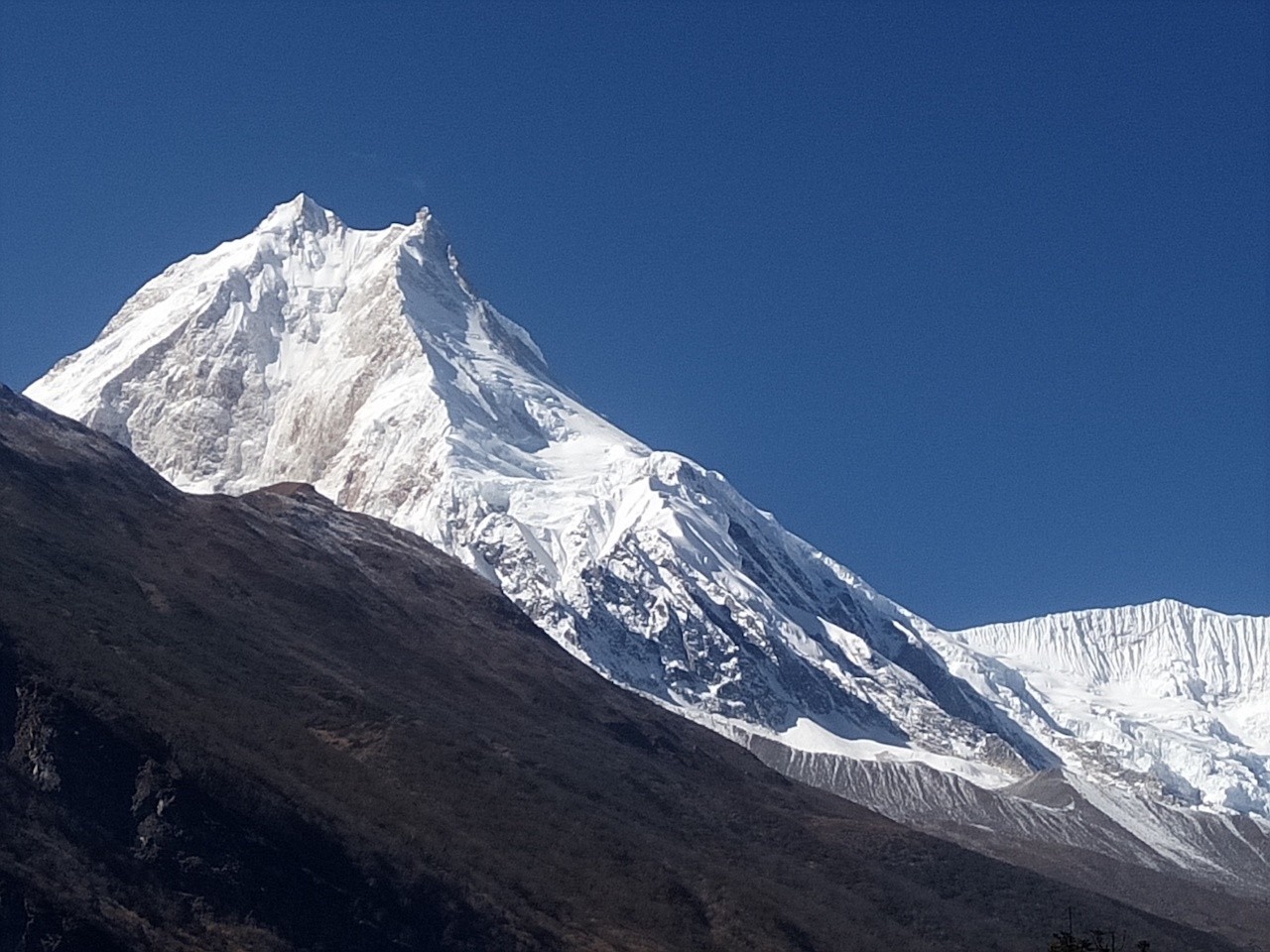
Importantly, the right preparation will transform a potentially challenging trek into an unforgettable adventure, letting you focus on the awe-inspiring beauty around you rather than on being too hot or too cold.
Get right packing, and you're set for an incredible experience.
Let's dive into what you absolutely must bring.
Key Takeaways - What Your October Pack Needs:
| Category | Importance in October | Priority |
|---|---|---|
| Layering System | Crucial for managing varied temperatures | Essential |
| Sleep System | Freezing nights are a given at high altitudes | Critical |
| Outer Shell (Rain/Wind) | Protects against unpredictable mountain weather | Very Important |
| Sun Protection | High altitude and clear skies require serious SPF | Must-Have |
| Footwear | Comfortable and durable for varied terrain | Essential |
| Accessories | Small items that make a huge difference | Very Important |
In conclusion, choosing the right Nepal autumn trekking gear sets you up for success. Your focus will shift from discomfort to the stunning vistas and rich cultural encounters that define the Manaslu Circuit Trek. Proper preparation also aids your body in acclimatizing more effectively to the altitude, returning you home with cherished memories and an album bursting with breathtaking photos.
Meanwhile, the allure of trekking the Manaslu Circuit in October lies in its famously clear skies. But the mountain climate is a story of constant variation, driven by elevation. While rain is less frequent and views are often crystal clear, prepare for a remarkable spectrum of temperatures as you ascend through diverse landscapes. This understanding is the bedrock of a successful Manaslu packing list for October.
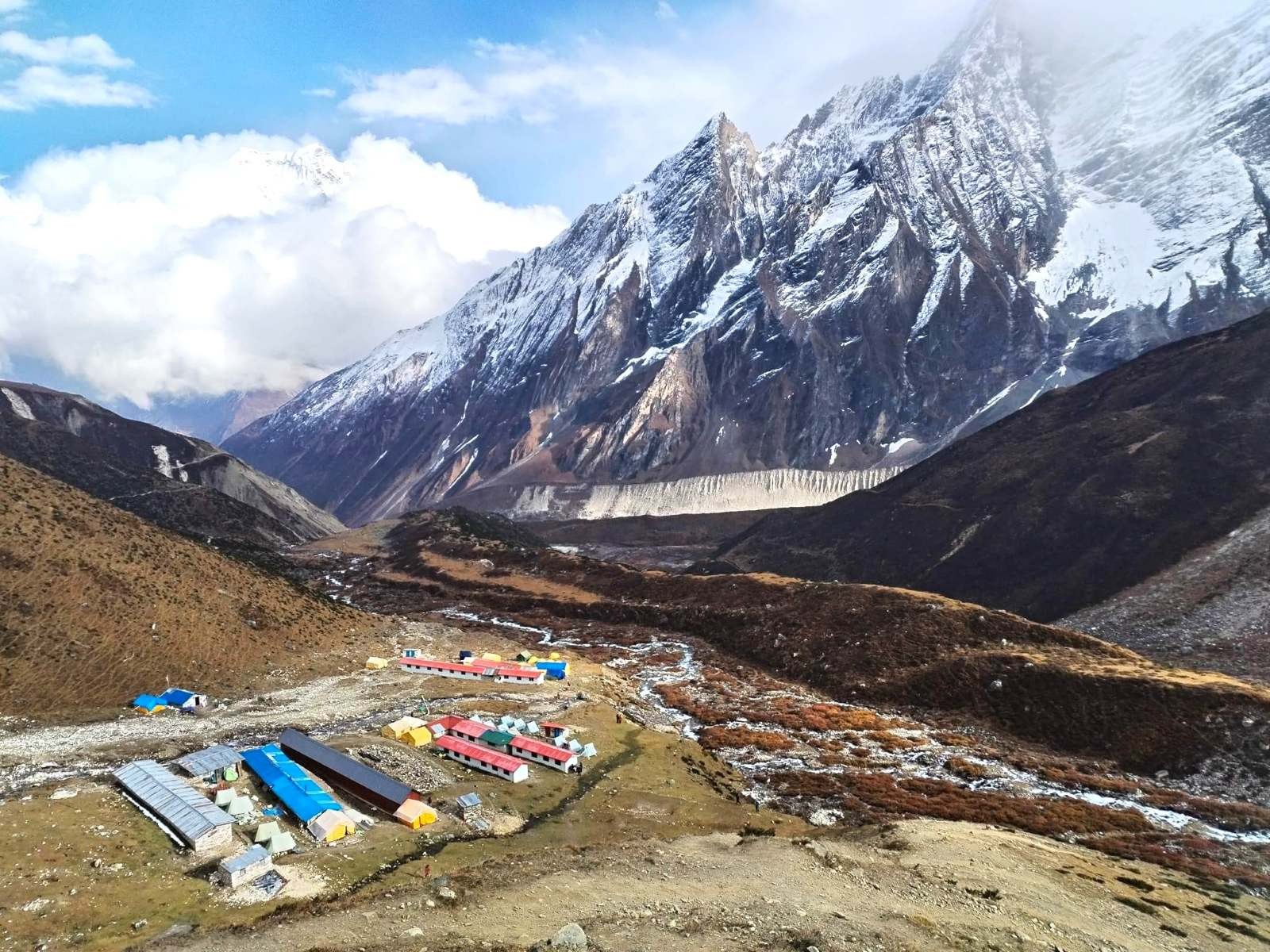
Mainly, expect a welcoming, almost summery warmth in the lower reaches of the trek, where daytime temperatures can hover around 25°C (77°F). The initial days involve traversing verdant valleys, rice terraces, and subtropical forests, making for pleasant, comfortable walking conditions. The atmosphere feels alive and vibrant under the early autumn sun.
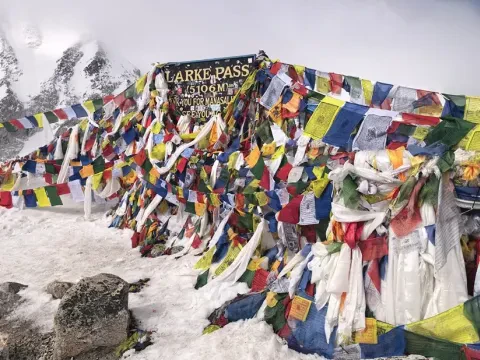
However, this warmth is a fleeting prelude to the significant drop in temperature as you gain altitude. By the time you reach higher campsites, such as Dharmasala, or the approaches to the mighty Larkya Pass (at 5,106m / 16,929ft), night temperatures can plummet to -10°C (14°F) or even lower. Added to this are the often harsh winds, which dramatically exacerbate the perceived cold. The Manaslu weather in October therefore dictates the absolute necessity of warm, insulating layers.
| Location / Section | Daytime Temp (Approx.) | Nighttime Temp (Approx.) | Typical Conditions |
|---|---|---|
| Lower Valleys (Arughat) | 20°C - 28°C | 12°C - 18°C | Warm, humid, clear, sunny |
| Mid Trail (Lho / Samagaon) | 12°C - 20°C | 2°C - 8°C | Cool, crisp mornings; mild days |
| High Camps (Dharmasala) | 0°C - 10°C | -10°C to -5°C | Cold, windy, possible frost |
| Larkya La Pass Area | -5°C to 5°C | Freezing to Below Freezing | Extremely cold, intense winds possible |
Crucial Mountain Climate Advice for October:
In summary, by arming yourself with knowledge about the autumn mountain climate on Manaslu, you can pack effectively and ensure your trek is both safe and incredibly enjoyable. Being well-prepared removes anxieties, allowing you to fully immerse yourself in the majestic landscapes and vibrant cultures that this incredible region offers.
Comprehensive Approach for Manaslu Circuit Trekking Clothing: From Inner to Outer Shell
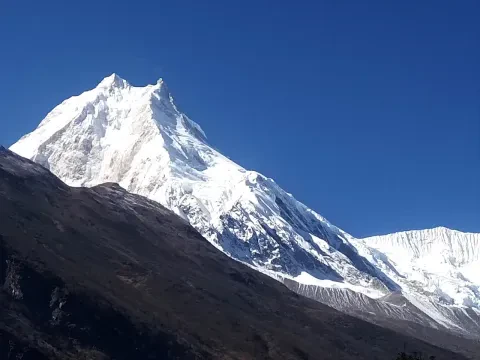
Actually, your base layers are the closest skin interface; hence they’re integral for navigating the varied temperatures during the Manaslu Circuit in October. They're responsible for wicking moisture away from your body as you exert effort and regulate body heat. Cotton is the mortal enemy; it readily absorbs sweat, remains damp, and becomes an inferno of cold when a chill or wind gusts.
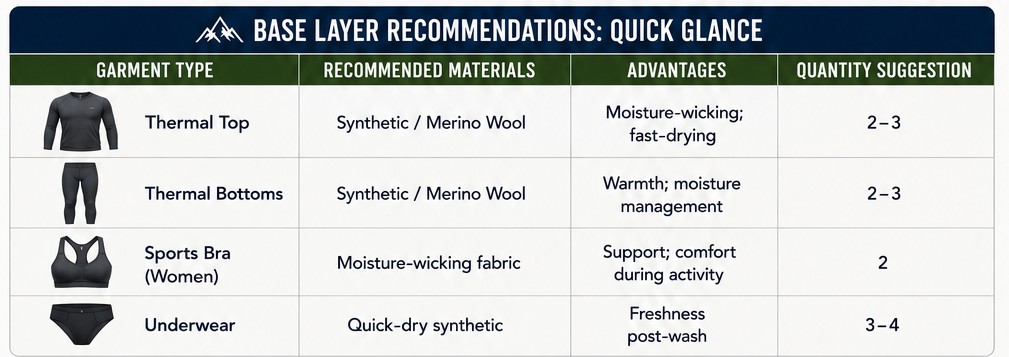
Importantly, choose, without fail, for the best base layer for trekking comprised of either synthetic fibers or the supreme comfort of merino wool thermals. These materials excel at transferring perspiration from your skin to the garment’s surface for quick evaporation. A bonus: merino wool inhibits odorous growth, a definite plus on an extended trek, ensuring you remain comfortable and fresh for hours of ascents.
Likewise, pack a minimum of 2 to 3 pairs of moisture wicking thermal tops and bottoms; this allows you to have a clean set at the ready while the other launders. Additionally, lighter hues of base layers help deflect solar radiation, contributing to a cooler feel during warmer days, thus greeting each morning with renewed energy.
| Garment Type | Recommended Materials | Advantages | Quantity Suggestion |
|---|---|---|
| Thermal Top | Synthetic / Merino Wool | Moisture-wicking; fast-drying | 2-3 |
| Thermal Bottoms | Synthetic / Merino Wool | Warmth; moisture management | 2-3 |
| Sports Bra (Women) | Moisture-wicking fabric | Support; comfort during activity | 2 |
| Underwear | Quick-dry synthetic | Freshness post-wash | 3-4 |
Essential Base Layer Tips:
In concluding lines, investing in quality base layers guarantees your skin remains dry and cozy, facilitating the transition from low-altitude warmth to the frigid extremes around Larkya Pass (5,106 m). You can then direct your attention to the breathtaking vistas, rather than battling damp or chilly clothing, dramatically enhancing the entire trekking adventure.
Actually, your day clothes are your on-trail comfort zone, so they must be adaptable, protective, and quick to shed moisture – you’re looking at hours of walking, traversing both balmy valleys and blustery highlands. This category is where thoughtful selection truly pays off in daily comfort.

Here, embrace the necessity of 2 to 3 long-sleeved quick dry hiking shirts. Long sleeves provide essential protection against the sun's intensity in the lowlands and guard against bothersome insects; they also encourage airflow to help you stay cool as you ascend. Accompany these with a pair of lightweight trekking pants that dry rapidly from any perspiration or dampness.
Likewise, for ultimate flexibility, convertible hiking pants are invaluable. Their zip-off leg feature transforms them into shorts during warm mornings, converting back into trousers as the afternoon temperature dips. This allows seamless adaptation to varying weather without extra bulk in your pack.
| Article Type | Distinctive Characteristics | Justification for Effectiveness |
|---|---|---|
| Long-Sleeve Shirts | Breathable; expedited drying time | Sun/insect protection; cooling effect |
| Lightweight Pants | Zip-off legs; stretchability | Adaptability; quick drying performance |
| Convertible Shorts | Leg-to-pant option | Accommodation of temperature shifts |
| Trekking Headwear | Wide brim or adjustable strap style | Sun shield for face/neck |
Day Wear Strategies & Insights:
In summary, these clothing items ensure that you remain comfortable from the trek’s initial steps through the warmer valleys to the chilling winds that precede Larkya Pass (5,106 m). This focus on comfortable attire frees you to immerse yourself in the spectacular mountain panorama, rather than struggling with discomfort.
The Manaslu Circuit Clothing List for October: Top Insulation Choices
Meanwhile, teahouses in the Manaslu Circuit don't offer the luxury of indoor heating. This means, particularly at the higher camps just below Larkya Pass (5,106 meters) and once the sun dips below the horizon, your room and even the dining hall become chilly havens for the cold. In situations like these, having adequate insulation is key for surviving those cold, clear nights and ensuring you can actually enjoy your evenings!
High-Altitude Gear Part 1: Your Best Friend on a Cold Night - the Heavy Down Jacket
To survive the cold Manaslu evenings, a really warm, down insulated jacket is essential. I highly recommend a high quality 800 fill power goose down jacket that is rated to at least -15 degrees Celsius. These down jackets are perfect because they pack very small for carrying during the day and then provide superb warmth without excessive weight in the evenings.
Here, this is where you really don't want to skimp, invest in the best down jacket for Manaslu you can afford!
Likewise, it will be worn both as an additional warmth layer on top of your fleece as you sit at dinner, and for your nocturnal trips to the bathroom in the middle of the night. You will want to also have a good hooded down jacket for protection around your head and neck!
Moreover, your down jacket will serve as an outer-insulation layer on the coldest nights. For your mid-layer to add extra warmth and warmth control, you'll want to have your mid-weight or warm weight 200 weight fleece jacket to wear over your base layers, and then add the down jacket over this when necessary. Together this combination should provide a wide temperature range suitable for any cold mountain conditions you will experience during the Manaslu Circuit in October. I typically keep my mid-weight fleece jacket and my down jacket readily accessible in my daypack during cold weather, so I can quickly put them on if needed.
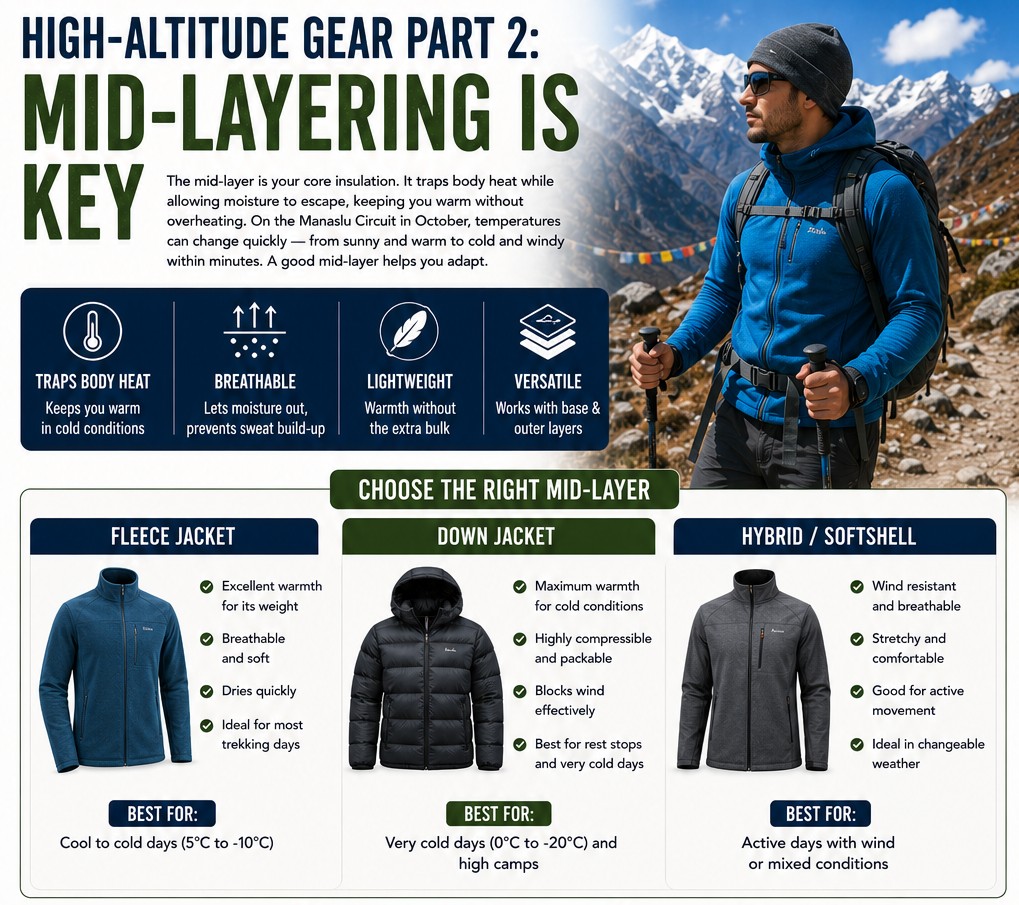
| Layer | Best Choice | Primary Purpose | Where It Shines |
|---|---|---|
| Mid-layer | Warm weight fleece jacket (200gsm) | Trap and retain body heat | Under the down jacket; cool days |
| Insulation (outer) | Heavy, high-quality down jacket (min 800 Fill Power) with hood | Maximum warmth-to-weight ratio | Freezing nights; dining hall use |
| Essential warm accessories | Warm woolen hat, thick gloves, warm woolen socks | Prevent heat loss from extremities | When sleeping; high altitude camps |
High-Altitude Clothing Tips
In conclusion, a good warm insulation layer is going to drastically improve your experience in the evenings on the Manaslu Circuit in October. You’ll actually be able to enjoy socializing with your trek mates or simply reading a book rather than shivering the night away. One of the best gear decisions you’ll ever make for the Manaslu trek is investing in a serious down jacket.
The Manaslu Circuit Clothing List for October: Facing Those High-Altitude Cold Wind
When you start getting into the high-altitude ridgelines of the Manaslu Circuit, the wind is no joke! In particular, as you get close to Larkya Pass (5,106 meters), you’ll experience some seriously wild, gusty winds. Mountain weather is also extremely fickle, and you can go from clear skies to light rain or even snow very quickly with a bit of warning – or often no warning at all. So, you need clothing that will shield you from these unforgiving elements.
High-Altitude Gear Part 3: Keeping the Wind at Bay
First and foremost, pack a good quality waterproof, breathable windbreaker jacket as your outer layer. This piece of gear is going to block the wind that wants to penetrate every seam of your Clothing, keeping you protected while also allowing sweat to escape during any upward treks or climbs. Make sure it has a hood to offer protection for your head and neck, which is also quite vulnerable. For that final push towards Larkya Pass, investing in some good waterproof hiking rain pants for added protection is highly recommended.
Actually, your last layer of defense against the extreme weather in the high-altitude parts of the trek will be your waterproof, windproof hardshell jacket. This can and should be worn over your other layers when you anticipate or are experiencing strong winds and/or precipitations. It adds that crucial element of being truly impervious to the elements, keeping the worst of the wind, rain, and snow from reaching your more insulating layers and your body. This level of weather protection is indispensable at altitude.
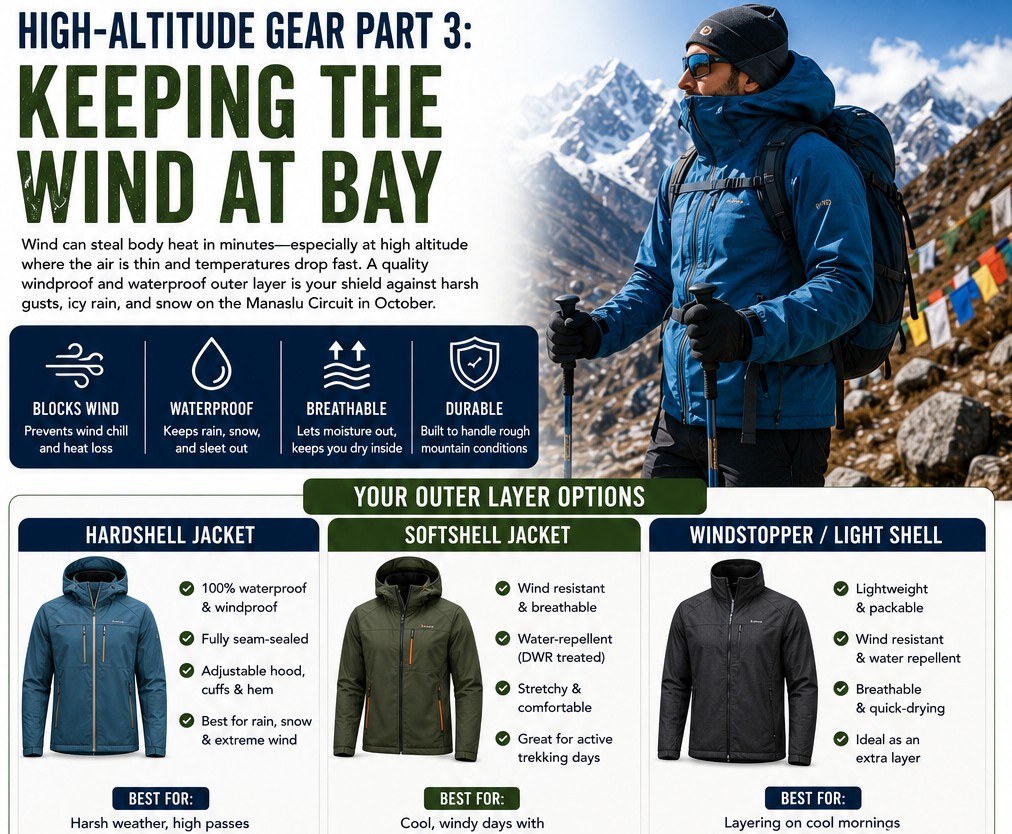
| Gear Item | Key Attributes | Best Application on the Trail |
|---|---|---|
| Waterproof windbreaker jacket | Breathability; hood and adjustable closures | Exposed ridgelines near pass; moderate wind and rain |
| Waterproof rain pants | Lightweight; quick drying; reinforced areas | wet or snowy approaches to the pass |
| Hardshell jacket | Excellent wind protection; waterproof membrane | High exposure areas; worst weather conditions |
| Gaiters (optional but useful) | Waterproof material | Keeping out snow and debris from your boots at higher altitudes |
Outer Shell Clothing Tips :
In conclusion, having the right outer shells is going to provide a sense of confidence as you traverse the rugged mountain landscapes of the Manaslu Circuit. You can then focus on the incredible scenery and your achievement of reaching Larkya Pass, rather than constantly fighting the elements for basic comfort and safety. Top-notch outdoor gear is certainly an investment, but when it comes to high-altitude trekking, your outer shell system is one of the most critical components.
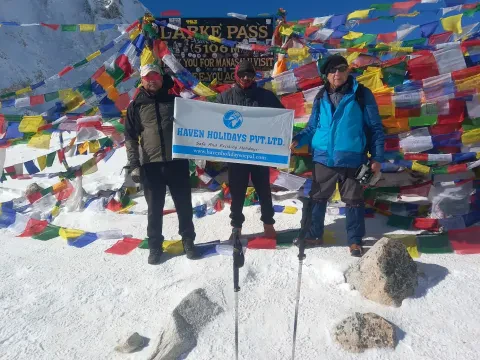
Meanwhile, the Manaslu Circuit Trail is practically made up of sheer rock walls and endless, painful stone stairs, so if you’re thinking about doing this trek you need to think about how your feet are going to cope. Seriously, your feet take a beating and having good footwear becomes less about personal preference and more about survival.
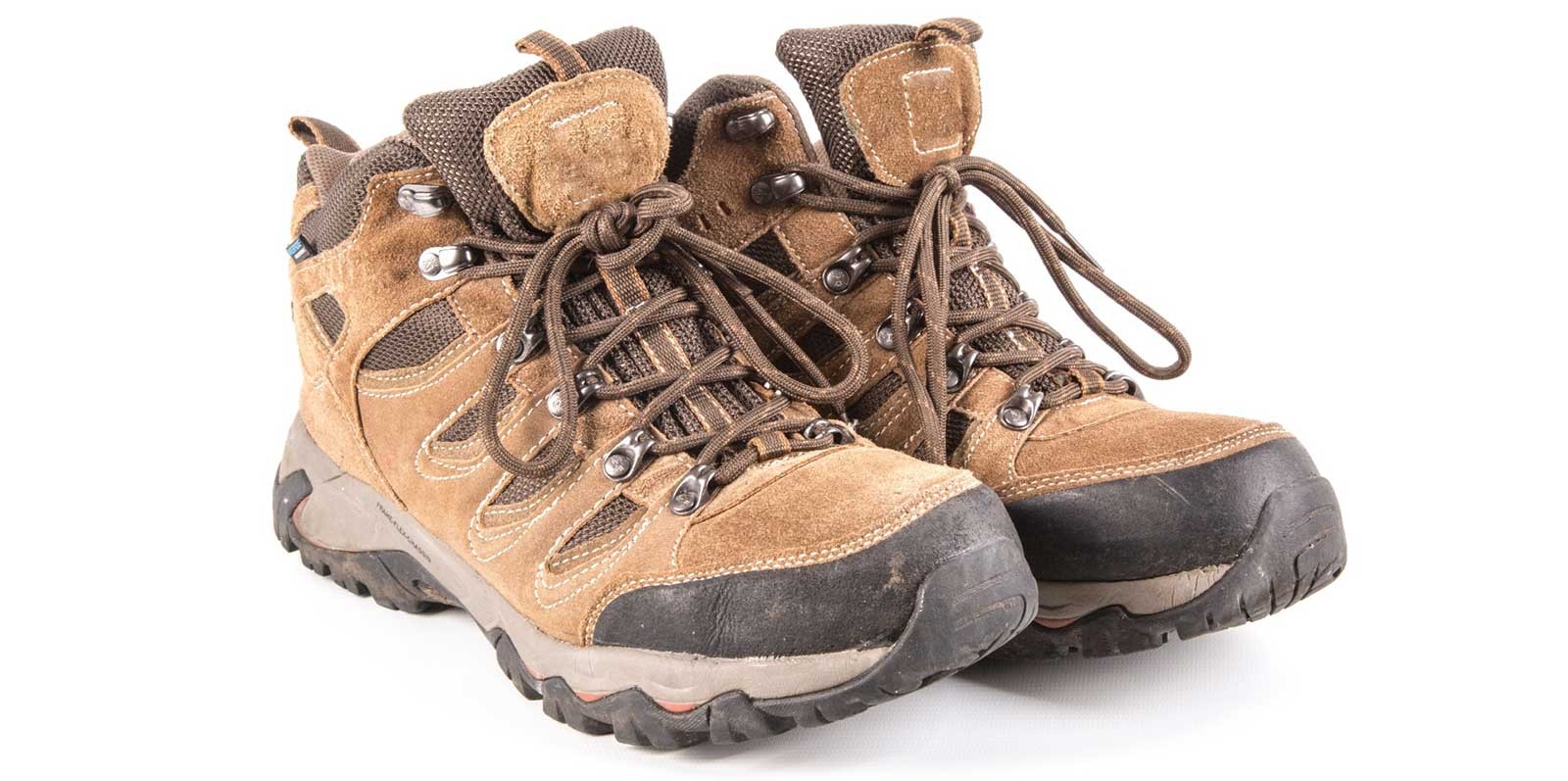
Here, make sure you pack some bomb-proof, waterproof, ankle-hugging, and aggressively-treaded hikers. You don’t want to go to this extreme for the sake of vanity. Your ankles won't forgive you when you roll them over some unsuspecting chunk of rock or during some treacherous watery section.
The most important tip here: they better be well broken in before your Manaslu Circuit Trek.
New boots on this trail are a recipe for some truly epic blisters. There will be no “fashion statement,” only your two sore stumps, begging for mercy.
Importantly, four pairs of merino wool trail socks will be your best friend. Not only are they super comfortable for trekking, they have this incredible ability to suck moisture right out, and also help to prevent the infamous blisters from forming. Not to mention they are warmer if it get a bit frigid. So get in the habit of changing these guys every day.
| Item | Key Characteristics | Why having them |
|---|---|---|
| Hiking Boots | Water-resistant, ankle-huggers, deep lugs on the soles. | Keep you from falling down and going boom-splat on rocks. |
| Merino Wool Socks | Plush cushioning, draws water, smells less after five days straight of trekking. | Say goodbye to foot blisters, hi to dry comfort. |
| Gaiters | Waterproof, ankle to shin cover, designed to block dust and pebbles | Keeps rocks from playing invasive body cavity searches in your socks. |
| Blister Kit | Various sized plasters, medical tape, and a needle if you’re feeling particularly adventurous | Swift relief when your feet decide to stage a revolt |
Pro Tips for Happy Feet:
In conclusion, properly suited footwear will ensure your feet make it through the arduous trail of the Manaslu Circuit, not to mention help you make it up and over Larkya Pass. You’ll enjoy the incredible mountain views, not the throbbing pain in your toes.
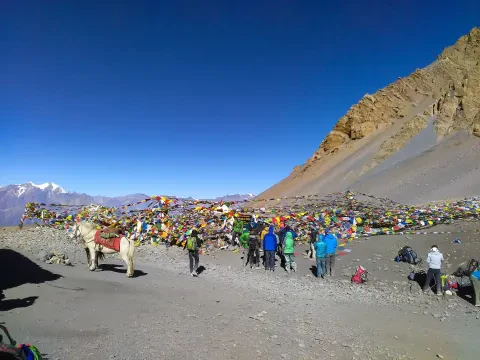
Meanwhile, the final, and arguably biggest, Hurrah of your Manaslu adventure is passing over Larkya Pass. At a towering 5,106 metres, this is no joke, especially when you consider most people make the crossing in the very early morning, before the sun really has a chance to melt any of the ice and snow from the trail. It’s also a beastly slog downhill on the other side that your knees won’t be thanking you for after the initial uphill battle.
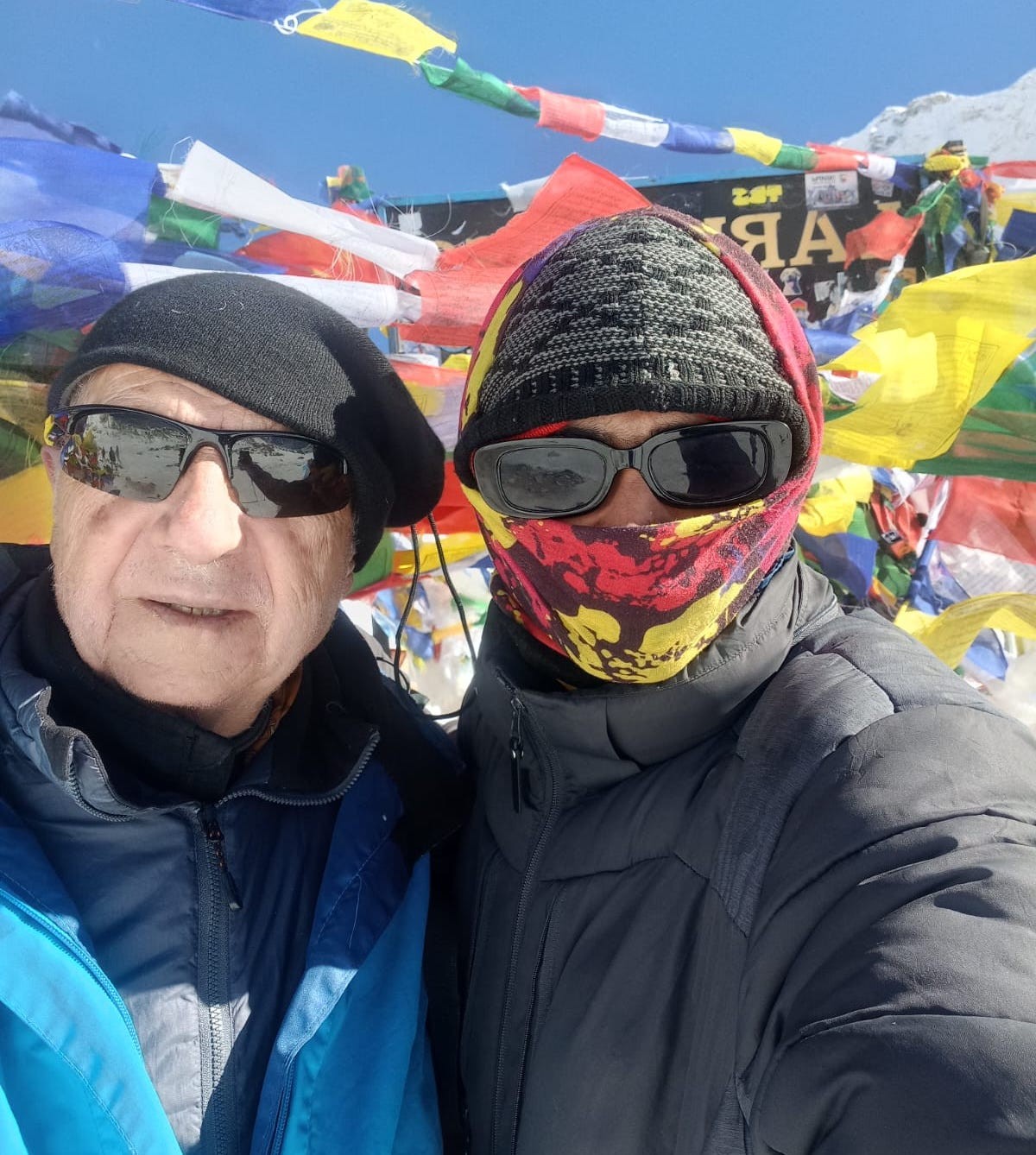
To make sure you get over Larkya Pass smoothly and safely you should snag yourself a cheap pair of slip on micro-spikes. These are indispensable if the going gets icy and help provide vital traction. Pair those up with a solid set of adjustable trekking poles; you'll find they will seriously save your knees during that long descent, not to mention help steady you on the way up.
| Item | Key characteristics | Best used for |
|---|---|---|
| Lightweight Microspikes | Easy to slip on, lightweight. | Icy patches, preventing slipping on snow. |
| Adjustable Trekking Poles | Sturdy, foldable design. | Balance, uphill ease, knee-saver downhill. |
| Warm Gloves | Waterproof and insulated, good grip. | Preventing numb fingertips. |
| Buff or neck warmer | Windproof and versatile | Keeping your face and neck toasty. |
Top Tips for Larkya Pass Success:
Here, in conclusion, conquer Larkya Pass with Confidence: With the right gear and preparation, this monumental pass crossing won’t be a daunting ordeal, it will be the incredible triumph it deserves to be. You’ll look back on October’s trek, and remember the views – not the slips and slides or the pain in your joints.
Actually, teahouses along the Manaslu circuit have no heating systems and the rooms get extremely cold at night, particularly at the high camps located nearer to Larkya Pass (5,106m). October is also the peak of trekking season in Nepal and remote teahouses run out of spare blankets quickly.
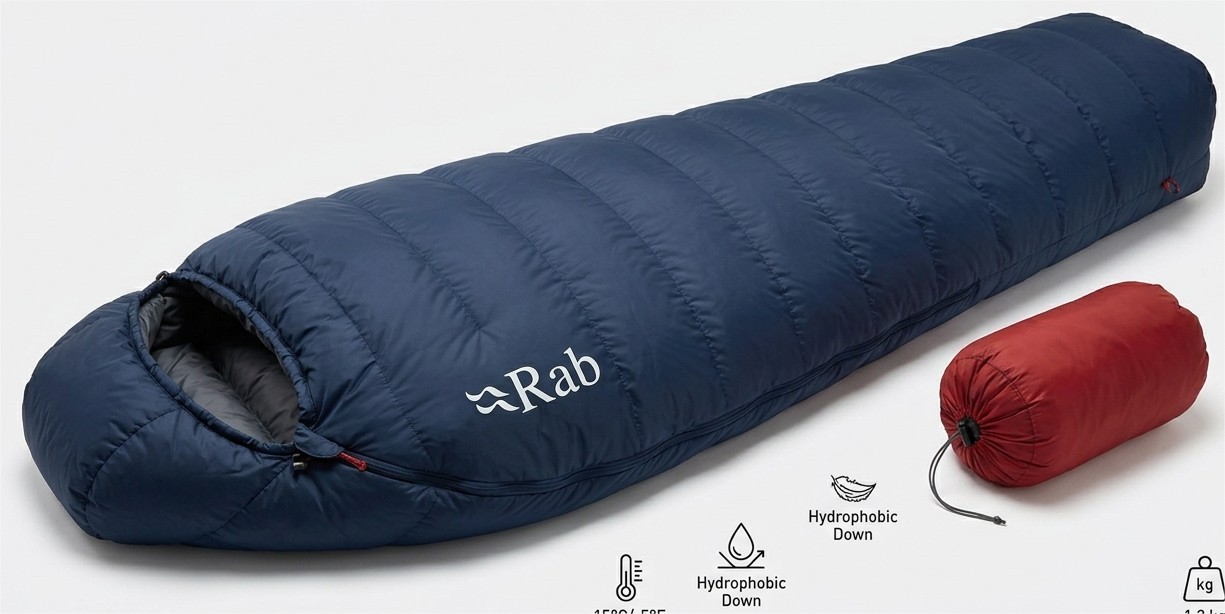
Importantly, a 4-season, -15C sleeping bag for the Manaslu trek is an essential part of your kit, particularly as you’ll likely feel the biting cold most severely higher up on the trail near Larkya. A quality sleeping bag is your guarantee of getting a warm and restful sleep at the cold teahouses even when the temperature plummets dramatically in the evenings. For one thing it’s more hygienic than borrowing shared blankets which often get well used.
A good sleeping bag becomes one of your most important items – use it as an extension of your clothing for the ultimate warmth, or slip your down jacket inside with your head stuck out on colder nights!
| Item | Rating | Best for | Tips |
|---|---|---|
| 4-season sleeping bag | -15C or lower | High camps (near Larkya Pass) | Mummy style for better insulation. |
| Sleeping bag liner | Adds 2-3°C to warmth | Keeps your sleeping bag clean and adds insulation | Silk liner packs smallest, Cotton liner for extra warmth. |
| Inflatable pillow | 1.5 oz | Provides a comfortable place to sleep | Lightweight and packs very small. |
| Warm hat | wool or polartec | To keep your head and body from losing warmth while sleeping | can wear inside the sleeping bag on colder nights. |
Sleeping Bag tips :
In conclusion, with your own warm, quality sleeping bag, the difference on your comfort levels and overall energy on the trek are incredible. Instead of spending the nights shivering you wake up feeling refreshed and energized ready to take on another day of trekking on the beautiful Manaslu Circuit.
Actually, the cold mountain air affects our electronics disproportionately and camera and phone batteries deplete far more quickly at altitude. High altitude lodges charge you per-day to use their meagre electricity power outlets, which are almost always solar-powered and scarce anyway.
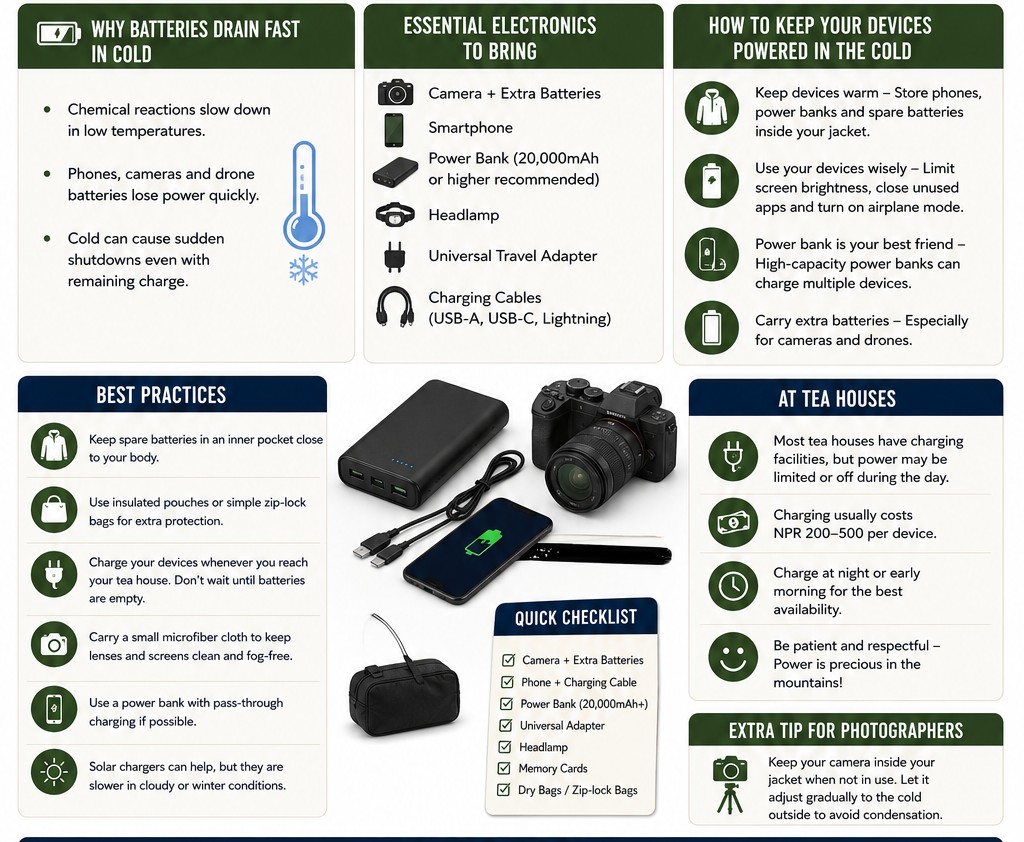
Hence, a strong power bank for trekking in Nepal is arguably just as important as the above. A decent 20,000mAh battery pack (or larger) is essential for keeping both your camera and your phone charged each night, without needing to shell out extra money at the lodges for ‘Charging Phone in Teahouses.’ In addition, you should invest in a ‘smart’ or ‘fast charging’ device as this can rapidly replenish your battery when you’ve got a limited window.
Also remember that power management extends beyond power-banks, you'll need spare camera batteries, particularly for the photo rich Larkya Pass and for catching the dawn chorus.
In order to extend the life of the battery pack consider placing devices in your sleeping bag or a warm pocket inside your jacket.
| Item | Capacity | Benefit | Tips |
|---|---|---|
| Best power bank for trekking | 20,000 mAh+ | Multiple device full charges at night | Look for quick charge capability. |
| Spare Camera Batteries | 2-3 additional original batteries | Ensure your camera is ready for the perfect shot | Keep them in your warm jacket pocket overnight. |
| Spare Charging Cables | 1 backup set of phone and camera cables | Have a backup ready for failure. | Organize with a dry bag. |
| Mini Solar Charger | - | Power source when there is daylight available | Useful to keep battery topped up at higher altitudes (e.g., near Larkya Pass). |
Power bank tips :
In conclusion, the above list of items should go some way to preventing you from experiencing those familiar modern woes that can quickly detract from your trekking experience, and that’s what it’s all about. After all, once your gadgets and gizmos have had a chance to refresh themselves on the charging port (even if it’s on the slow, old fashioned solar grid!), you can go about making the most of the stunning views and vibrant culture of the Manaslu region.
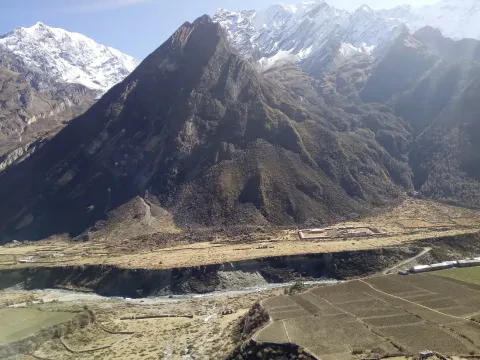
On a trip to the Himalayas like during Manaslu Circuit, nothing beats a trek through remote regions, exploring unique valleys and villages. One such region where you want a trek that will immerse you into the Himalayas, not destroy it, is the remote Annapurna region that holds a pristine range of peaks known as Manaslu. It’s one of the 8,000 meter peaks which lie mostly unexploreb Being the 8th highest mountain on earth.
Being at high altitudes necessitates that trekkers must drink adequate amount of water for overall well-being. One requirement is that you will need access to clean water each and everyday especially as the altitude starts to creep up with you. The amount will definitely be in litters per day per person.
Actually, drinking water from plastic water bottle is heavily discouraged due to its destructive impact in the surrounding mountain environment.
As an alternative to buying plastics bottles everywhere; what trekkers ought to have are two 1 liter water purification Nepal which can be used to treat water sources like streams and taps at local tea houses. The system comes with water purification tablet Nepal which will treat and purify water in very easy and convenient ways. Plus, with its usage, you will be able to save some money during your trek while saving mother earth. Thus, drinking clean water has never been so safe and environmental-friendly.
Note: Don’t let your thirst lead you to ruin the natural landscape with those ugly plastic water bottles.
Importantly, other health precautions and safety during your trip include carrying a simple first-aid box with, among many, foot blasters and painkillers. Additionally, considering of any symptoms that may arise such as altitude sickness medicine Nepal( Diamox) would definitely help during a medical check. Here are some important details to guide you when it comes to health preparation for your trek.
| Health & Water items | Purpose of items and how they are used. |
|---|---|
| Two 1 Ltr water purified Nepal | For trekking and other daily usage when purifying water. Can be used and filled with stream water or tap water. Water purification tablet Nepal will be used with bottle. |
| Water Purification Tablet Nepal | Purified water to ensure health and to make safe the consumption of water. |
| Blister Plasters | For quick usage to fix blisters. |
| Painkillers | To avoid unwanted and annoying pains especially headaches from traveling. |
| Altitude Sickness Medication | like diamox (with doctor’s approval, which the lead guide also is). Altitude Sickness Medicines Nepal will Help in the breathing. |
| Basic first aid Kit | Basic safety requirements with antiseptic, bandage, tape,etc. |
Note: Taking Care: Hydration, Safety, and More!
In conclusion, the above list of the health preparations and safety precautions to guide the trekking and the overall journey. These few guidelines can contribute to an unforgettable journey on the Manaslu Circuit trek in Nepal. Happy trekking!
Water and Health
Water purification tablet along with two 1-liter reusable water bottles for an environmentally friendly trip. This will provide clean drinking water from local sources.
A basic first aid kit with essential medicines including a pain reliever and altitude sickness medicine ( consult a doctor prior to consumption). Additionally, include blister plasters for foot comfort.
Other Essentials :
Most importantly, remember to always pack light for the Manaslu Circuit trek as this trek is quite challenging due to long walking hours. Keeping your backpack at around 10 kg will ease your journey significantly. It’s a good idea to test out all your gear on shorter hikes prior to leaving to ensure comfort and functionality. Lastly, always ensure you are accompanied by at least one other person or the entire team is traveling with a licensed local guide since independent trekking is restricted in this protected area.
Following these guidelines will ensure a safe, enjoyable, and environmentally responsible adventure on the beautiful Manaslu Circuit in October!
1. Is a heavy down jacket necessary when packing for Manaslu Circuit Trek in October?
Absolutely. When packing for Manaslu Circuit Trek in October, a heavy down jacket is a non-negotiable item. This isn't just a suggestion; it's a survival necessity due to the drastic temperature fluctuations between day and night. While lower elevations can be pleasantly mild, the evenings and nights at higher camps such as Dharmasala (4,460m) plummet into freezing conditions.
Your heavy down layer is your primary defense against losing crucial core body heat, ensuring you can rest and recover comfortably even in sub-zero temperatures.
2. What type of footwear is required when packing for Manaslu Circuit Trek in October?
The footwear you choose when packing for Manaslu Circuit Trek in October will significantly impact your comfort and safety. The absolute essentials are a pair of sturdy, ankle-supportive trekking boots and camp sandals. Your trekking boots need to be waterproof and, crucially, well broken in before you even set foot in Kathmandu. This prevents the misery of blisters as you navigate the challenging, uneven terrains leading to the famous Larkya La Pass (5,160m), a section demanding maximum foot support and resilience.
3. Should a sleeping bag be included when packing for Manaslu Circuit Trek in October?
Without a doubt. A robust four-season sleeping bag with a temperature rating of at least -15°C is a fundamental inclusion when packing for Manaslu Circuit Trek in October. While teahouses at lower elevations provide adequate blankets, the unheated high-altitude lodges in places like Samdo (3,875m) transform into arctic chambers at night. Your personal, high-quality sleeping bag is the barrier between you and a night of shivers, offering warmth and security that standard local bedding simply cannot provide.
4. What thermal layers are recommended when packing for Manaslu Circuit Trek in October?
When packing for Manaslu Circuit Trek in October, you’ll want at least two sets of high-quality thermal layers, preferably made from merino wool or moisture-wicking synthetic materials. These base layers are your unsung heroes on freezing pre-dawn starts and are equally valuable as comfortable, warm sleepwear in remote mountain villages. They trap body heat efficiently and wick away sweat, keeping you dry and regulating your temperature effectively across a wide range of conditions.
5. Why should I include trekking poles when packing for Manaslu Circuit Trek in October?
Trekking poles are an intelligent and highly recommended addition to your packing for Manaslu Circuit Trek in October. Their primary function is to save your joints! The grueling downhill trek from the windswept Larkya La Pass (5,160m) to the valley below at Bimthang (3,590m) can be incredibly punishing on your knees and ankles. Trekking poles provide essential stability and shock absorption, significantly reducing the strain on your lower body and making the descent much more manageable and safer.
6. Is rain gear mandatory when packing for Manaslu Circuit Trek in October?
It’s always wise to be prepared. Even though October is statistically one of the driest months of the autumn season for trekking in Nepal, mountain weather is notoriously unpredictable. Including a lightweight, windproof rain jacket in your packing for Manaslu Circuit Trek in October is a prudent safety measure. While severe rainfall is unlikely, the possibility of sudden high-altitude snow flurries or isolated afternoon showers means having this layer on hand could prevent an uncomfortable and potentially risky situation.
7. What headwear is useful when packing for Manaslu Circuit Trek in October?
When packing for Manaslu Circuit Trek in October, ensure you have two critical pieces of headwear: a wide-brimmed sun hat and a warm fleece beanie or wool hat. The sun hat is indispensable during sun-drenched days spent traversing exposed trails, offering protection for your face and neck. In stark contrast, the warm beanie is essential for retaining body heat during frigid alpine nights or early morning excursions. It’s a simple item, but its impact on your overall comfort at altitude is significant.
8. Should a headlamp be included when packing for Manaslu Circuit Trek in October?
Yes, a reliable LED headlamp with an ample supply of spare batteries is an absolute must-have when packing for Manaslu Circuit Trek in October. You’ll be relying on it for those very early, pre-dawn departures, such as the 4:00 AM start from Dharmasala (4,460m) to beat the morning cold and optimize your trek. Furthermore, when the solar power dims and light becomes scarce in remote teahouses, your headlamp will be your indispensable guide, allowing you to move about safely.
9. What hand protection is needed when packing for Manaslu Circuit Trek in October?
To combat the biting cold at high altitudes when packing for Manaslu Circuit Trek in October, it’s essential to pack multiple layers for your hands. Include a pair of lightweight inner liner gloves made of silk or merino wool for dexterity, and a robust pair of heavy, windproof outer gloves. Layering provides superior warmth and protection against frostbite, especially as you ascend above the tree line and face increasingly harsh mountain winds.
10. Are sunglasses required when packing for Manaslu Circuit Trek in October?
High-quality, UV-protected sunglasses are not optional; they are a requirement when packing for Manaslu Circuit Trek in October. The thin mountain atmosphere significantly magnifies the sun's ultraviolet radiation. Polarized lenses are particularly beneficial as they help reduce glare, preventing discomfort and protecting your eyes from painful conditions like snow blindness, which can be triggered by reflections from snowfields near the glaciated pass.
11. What water purification system works best when packing for Manaslu Circuit Trek in October?
Since single-use plastic bottles are prohibited within the protected Manaslu Conservation Area, carrying a reliable water purification system is critical when packing for Manaslu Circuit Trek in October. Your best options are water purification tablets or a portable filter pump. These solutions ensure that you can safely and responsibly drink water from streams and taps along the trek, minimizing environmental impact and staying hydrated without the need to purchase expensive bottled water.
12. Should a power bank be considered when packing for Manaslu Circuit Trek in October?
Yes, absolutely. A high-capacity power bank is a very practical item when packing for Manaslu Circuit Trek in October, especially given that cold temperatures drain electronic batteries far more rapidly. While teahouses above the village of Namrung (2,630m) often charge a premium for charging your devices using their solar power, having your own power bank will save you money and the inconvenience of waiting for power access.
13. What toiletries are essential when packing for Manaslu Circuit Trek in October?
Keep your toiletries minimalist but essential when packing for Manaslu Circuit Trek in October. A travel-sized biodegradable soap, toothbrush, toothpaste, and a packet of wet wipes are your primary allies for daily hygiene. Hot showers are a rarity and often come with a hefty fee at higher elevations, making wet wipes a far more accessible and economical way to freshen up and maintain some sense of cleanliness throughout your journey.
14. Is skin protection necessary when packing for Manaslu Circuit Trek in October?
Yes, diligent skin protection is absolutely vital when packing for Manaslu Circuit Trek in October. Pack a high-SPF (50+) sunscreen and a hydrating lip balm with sun protection. The intense sun exposure at higher altitudes is compounded by the thinner atmospheric layer, increasing the risk of severe sunburn and painful chapped lips, even on what might appear to be overcast days. Your skin will thank you for the extra care.
15. How many pairs of socks should I add when packing for Manaslu Circuit Trek in October?
You should pack between 3 to 4 pairs of thick merino wool hiking socks when packing for Manaslu Circuit Trek in October. Proper socks are the unsung heroes of trekker comfort; they cushion your feet, prevent friction that leads to blisters, and, crucially at this time of year, keep your toes toasty warm as you relax inside cold lodges in the evenings after a long day's walk.
16. What kind of daypack is required when packing for Manaslu Circuit Trek in October?
When packing for Manaslu Circuit Trek in October, a daypack with a capacity of 30 to 40 liters is your ideal companion, and ensure it has a built-in rain cover. Your porter will carry your larger duffel bag, leaving your daypack as your personal pack. It needs to comfortably store all your immediate necessities, including your water bottles or hydration pack, extra layers of clothing, your camera, snacks, essential toiletries, and all your trekking permits and personal documents.
17. Should a personal first-aid kit be ready when packing for Manaslu Circuit Trek in October?
Yes, it is crucial to pack a well-stocked personal first-aid kit when packing for Manaslu Circuit Trek in October. This kit should include essential medications for high-altitude sickness, such as Diamox (if prescribed by your doctor), pain relievers for headaches and general soreness, and basic wound care supplies like antiseptic wipes, bandages, and blister tape. There are no readily available pharmacies on the trail, so being prepared for minor medical issues is paramount for self-sufficiency and safety.
18. Why should I include physical cash when packing for Manaslu Circuit Trek in October?
Including a generous amount of Nepalese cash is non-negotiable when packing for Manaslu Circuit Trek in October. This trek ventures into relatively remote regions where credit cards and ATM machines are non-existent. Cash is the sole accepted medium of exchange for purchasing essential items such as snacks, hot beverages, clean water, and most importantly, for tipping your guides and porters, which is an integral part of Nepalese trekking culture.
19. What type of trekking pants are best when packing for Manaslu Circuit Trek in October?
When packing for Manaslu Circuit Trek in October, you’ll want a pair of versatile and quick-drying convertible trekking pants. The beauty of these pants is their ability to zip off into shorts, which is incredibly convenient for warmer, lower-elevation sections of the trek, like the beginning around Machha Khola (830m). As you ascend into colder, alpine environments, you can zip the legs back on to maintain essential warmth and protection against the elements.
20. Should I include high-energy snacks when packing for Manaslu Circuit Trek in October?
Absolutely, yes! High-energy snacks should definitely be a staple when packing for Manaslu Circuit Trek in October. Items like energy bars, trail mix, nuts, and dried fruits are invaluable for providing quick bursts of calories and sustained energy throughout the long and often strenuous trekking days. When your energy levels dip before you reach your next teahouse for a meal, these lightweight, portable snacks will be your saving grace.
Our travel experts are ready to assist you with any questions.
Send us a message.Have a question before you book? Send your enquiry below and our travel experts will get back with the required information.