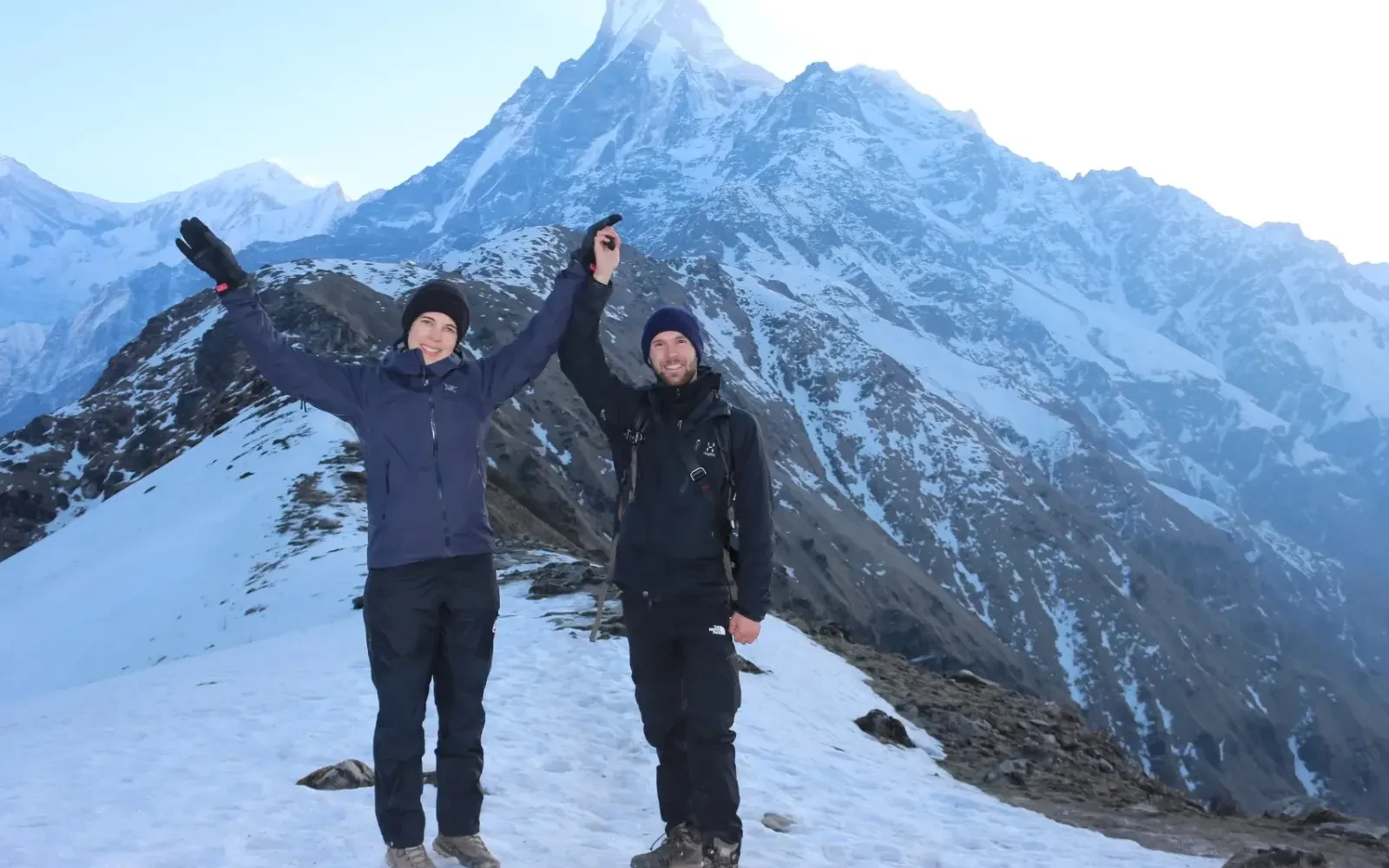
The Mardi Himal Trek (4,500m) reveals its enchanting beauty when trekkers discover its hidden paths. The Annapurna gem attracts solo adventurers and guided groups because of its breathtaking mountain views.
Meanwhile, the Mardi Himal Trek (4,500m) presents an unspoiled route which leads trekkers deep into the Annapurna Region (8,091m) wilderness. The new trail presents trekkers with a peaceful route which connects to the popular Annapurna Base Camp (4,130m) trek. Trekkers experience an intimate connection with nature while walking through lush rhododendron forests and alpine meadows. The journey satisfies those who want peace and want to see the majestic Himalayas.
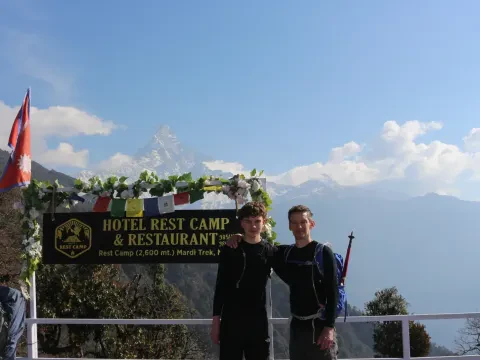
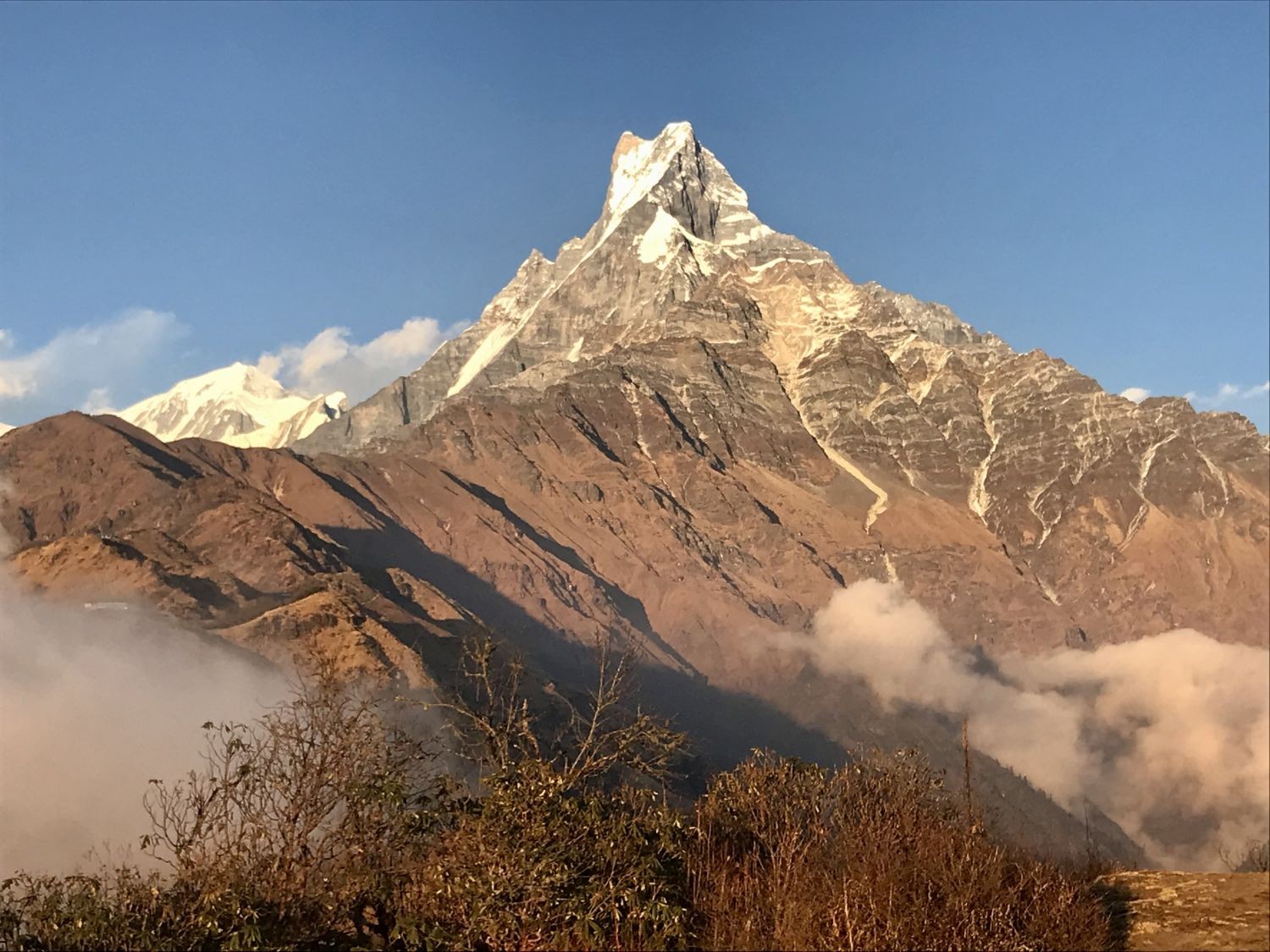
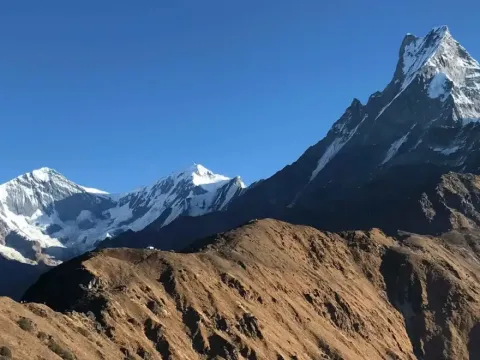
Furthermore, the dramatic mountain backdrop which includes Machhapuchhre (6,993m) creates a beautiful sight which all visitors can enjoy. The trail provides hikers special views of the Fishtail mountain which other paths do not permit. Climbers on steep paths receive visual rewards which make their climbs easier to complete. The trail has rapidly developed into a preferred route for both photographers and mountain climbers.
However, the primary question at hand requires a decision between two options which involve either hiring a guide or trekking without assistance. The choice between these two trekking methods requires you to assess your current skills and your ability to navigate high-altitude areas. Independent trekking enables travelers to move freely while professional guides share essential knowledge about local areas and safety measures. Your choice will generate an entire atmosphere which will define your entire Himalayan journey.
Finally, the Mardi Himal Trek which reaches 4500 meters provides trekkers with easy access to wild natural areas. The trail serves as an ideal entry point for first-time Nepal trekkers while providing experienced trekkers with a distinctive trail experience. The teahouses of the area provide visitors with authentic cultural experiences through their genuine local hospitality. The trek provides an uplifting experience which will touch your heart no matter which travel method you choose.
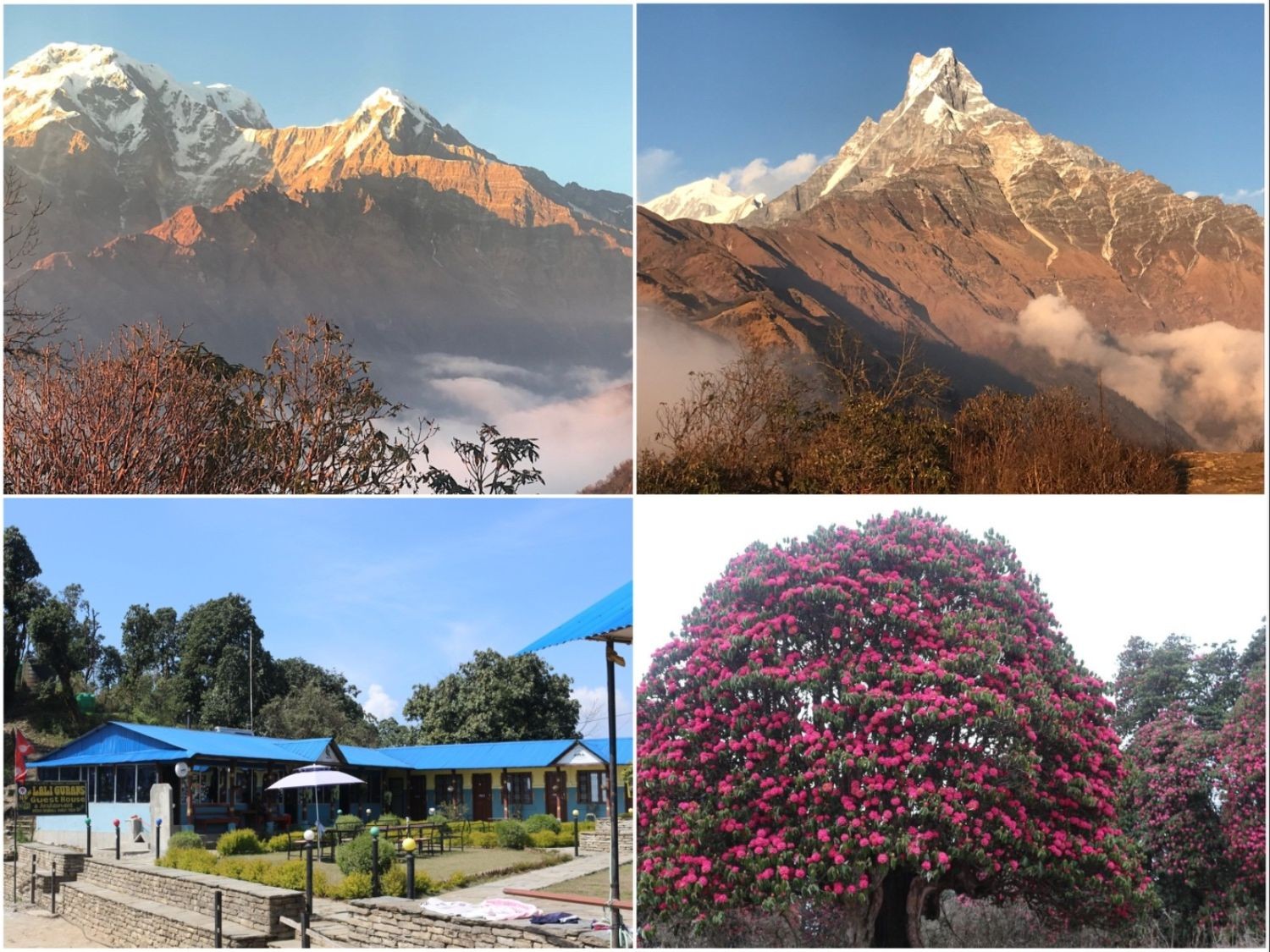
Key Highlights of the Mardi Himal Experience :
Here, the Mardi Himal Trek route needs to be mastered by trekkers who want to learn about its difficulty level and available 5-7 day trekking paths together with their elevation changes which lead from Pokhara to High Camp situated at 3,580 meters.
Actually, the Mardi Himal Trek (4,500m) typically spans a duration of 5 to 7 days starting from Pokhara (822m). The trekking path requires trekkers to possess decent physical conditioning because it requires them to ascend at a continuous pace. The journey starts from the foothills which lead to your ascent toward High Camp located at 3,580 meters. The body needs to follow proper pacing because thin air conditions create risks for altitude sickness.
In addition, the terrain features clear forest paths which lead to narrow ridgelines that extend towards the summit. The path includes steep stone staircases which require you to test your knee endurance during the descent. The weather undergoes rapid transformations which proceed from sunny conditions to dense mist within an hour. All trekkers must carry dependable equipment together with waterproof protective gear because of this requirement.
Moreover, the itinerary includes stops at Forest Camp which lies at 2,500 meters and at Low Camp which exists at 2,970 meters to support acclimatization needs. The resting points provide comfortable teahouse rooms which serve simple local dishes including Dal Bhat. Hikers who reach these stops experience a cheerful social atmosphere because of the strong friendships between fellow hikers. The route becomes easy to navigate because of its straightforward structure which enables most hikers to complete their journey.
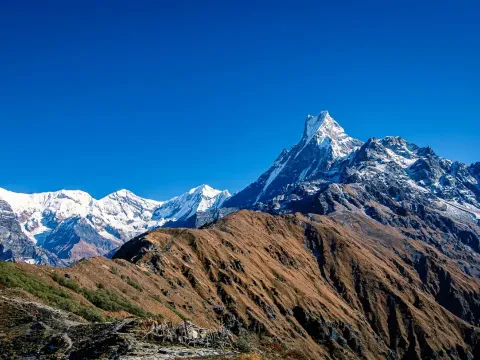
Lastly, the final segment of the journey to Mardi Himal Base Camp (4,500m) stands as the most difficult section to traverse. You need to begin your hike before sunlight to view the sun rising above the enormous mountains. The Annapurna Massif (8,091m) offers a spectacular view which requires all visitors to exert themselves physically. The route offers a high-altitude experience which combines elements of exploration with practical accessibility.
| Trekking Point | Elevation (Meters) | Difficulty Level | Typical Duration |
|---|---|---|
| Pokhara Start | 822m | Easy Drive to Phedi/Kande. |
| Deurali | 2,100m | Easy/Moderate 4 - 5 Hours. |
| Forest Camp | 2,500m | Moderate | 5 - 6 Hours. |
| Low Camp | 2,970m | Moderate | 3 - 4 Hours. |
| High Camp | 3,580m | Challenging | 4 - 5 Hours. |
| Mardi Base Camp | 4,500m | Strenuous | 6 - 7 Hours (Round Trip). |
Check the Mardi Himal Trek regulations. The Annapurna region requires trekkers to obtain mandatory guides and ACAP permits and TIMS cards for safe trekking activities.
Actually, all contemporary travelers must understand the legal obligations that govern the Mardi Himal Trek which reaches an elevation of 4500 meters. The Nepal Tourism Board established new regulations in 2026 that prohibit solo trekking in the Annapurna Region which reaches an elevation of 8091 meters. The majority of high-altitude trekking paths now demand trekkers to have licensed guides who will protect their safety while preserving natural resources. The specific trail now permits only limited independent exploration because all but complete free movement has been restricted.
Furthermore, you need to acquire specific permits which include the Annapurna Conservation Area Project (ACAP) permit before you can start your work. The permit provides funding which is used to maintain trails and protect the Himalayan ecosystem found in the area. You also need a Trekkers’ Information Management System (TIMS) card which must be issued by a registered trekking organization. The documents function as your official documentation which allows you to enter the beautiful Mardi Himal (5,587m) mountain range.
Additionally, the guide requirement which all visitors must follow exists to decrease the number of people who go missing in the mountain areas. Licensed guides possess essential documents which they carry while monitoring current weather alerts that affect their operational area. The team makes sure that all trekkers for their mountain hike will follow the "Leave No Trace" standards. The policy restricts all public movement yet it provides substantial environmental protection for tourism activities which happen in Nepal.
Finally, your budget needs to cover both the costs of professional guides and the expenses for administrative permit processing. The permit fees for foreigners currently stand at about 3,000 NPR which does not include the daily wages for your mountain companion. People who break these rules will face penalties which include fines and being stopped at security checkpoints. Legal compliance with specific laws enables visitors to reach Mardi Himal Base Camp (4,500m) without facing any obstacles during their journey.
| Requirement Type | Issuing Authority | Estimated Cost (Foreigners) | Necessity |
|---|---|---|
| ACAP Permit | NTB / ACAP | 3,000 NPR | Mandatory. |
| TIMS Card | TAAN | 2,000 NPR | Mandatory. |
| Licensed Guide | Registered Agency | $25 - $40 Per Day | Mandatory. |
| Passport Copy | Department of Immigration | N/A | Mandatory. |
Discover the benefits of a guided Mardi Himal Trek. Expert Himalayan guides provide safe conditions because they monitor altitude and deliver deep cultural insights throughout the trek.
Actually, the guided Mardi Himal Trek provides hikers who want to cross the Himalayas with better protection than any other option. Professional guides possess deep knowledge of the terrain between Forest Camp (2,500m) and High Camp (3,580m). The medical team can detect initial signs of altitude sickness and provide instant first aid treatment. Your health remains most important during the challenging walk to Base Camp which stands at 4,500m.
Moreover, the local guide provides essential support which connects you to the active mountain culture of the region. They share fascinating stories about Machhapuchhre (6,993m) and the traditions of the local Gurung people. The cultural knowledge makes every trekker who wants to learn more about their surroundings into an educational experience. Your guidebook provides an incomplete mountain view which no guidebook can match.
![Trekking Guide_Mardi Himal View Point]](https://www.havenholidaysnepal.com/storage/description-images/8cf74175920a6a300560c836fdd755c6.jpg)
In addition, the work of logistical management becomes simplified through the employment of a dedicated expert who manages all operational tasks. Your guide secures the best rooms in crowded teahouses during the peak trekking seasons in Nepal. They also work with porters to transport your heavy equipment from one campsite to the next with safe and efficient methods. You can now watch the breathtaking views of Annapurna South (7,219m) without any pressure.
Finally, expert navigation becomes essential when heavy fog or snow conditions form on the Mardi Himal (5,587m) ridgelines. Guides know every shortcut and safety shelter along the path to prevent you from losing your way. The presence of guides helps maintain security when extreme weather conditions occur in the remote high-altitude areas. Your protection and better travel experience depend on hiring a guide for your trip.
Why a Professional Guide Enhances Your Journey :
Actually, budget travelers find the Mardi Himal route which reaches 4500 meters to be an appealing option for independent trekking. The article explains how trekkers in Nepal choose their own walking speed while maintaining their personal independence.
Here, the independent spirit of trekking appeals to those who want to experience their own personal trekking speed in the Himalayas. You can start your day at sunrise or linger longer at Low Camp (2,970m) for photos. The complete freedom to choose your walking speed enables you to experience a stronger bond with the peaceful rhododendron forests. Solo adventurers achieve profound fulfillment when they independently navigate their entire journey.
Furthermore, the primary reason travelers select independent trekking style, which they call trekking, because budget control functions as their main motivation. Your meal expenses decrease substantially when you prepare your own food and choose basic teahouse accommodations for your trail journey. The budget-friendly selections enable backpackers who stay in the Annapurna Region (8,091m) to prolong their time in the beautiful area. Young mountain enthusiasts who love adventure find that solo travel provides them with financial flexibility.
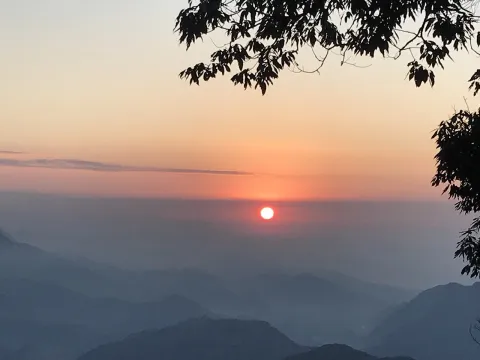
Additionally, the process of climbing high altitudes presents a special mental test because it allows climbers to experience personal freedom. You must rely on your own instincts while navigating the path toward High Camp (3,580m). The process of making each choice by yourself helps you develop both your outdoor skills and your independence. Hiking without a guide helps most hikers develop their character through the process of crossing challenging paths.
Finally, the trail offers a peaceful space where people can meditate and discover inner calmness. You can experience the silent beauty of Machhapuchhre (6,993m) without the interruptions of ongoing talk or group dynamics. People who wish to escape modern life find this peacefulness to be their most valuable treasure. The independent path leads to an authentic experience of the Mardi Himal (5,587m) which provides direct access to the mountain.
Benefits of Independent Trekking Autonomy :
The Mardi Himal Trek requires navigational mastering which needs your training to understand trail markers and offline maps and safety procedures for reaching the 4200-meter View Point under all weather conditions.
Meanwhile, the Mardi Himal Trek needs complete understanding of its trail markers and terrain to achieve successful navigation. The path starts as wide dirt tracks at Kande which has an elevation of 1770 meters and then develops into narrow forest ridges. The path leads you through the area which contains blue and white stripes that have been painted on rocks. The signals need your complete attention because they stop you from entering the dense forest areas.
Furthermore, reliable offline maps such as Maps.me function as essential tools for people who want to navigate the Annapurna Region (8,091m) mountains. The digital tools enable users to obtain precise GPS coordinates which work without mobile signals in remote valley areas. Users need to download all map data before they travel from the lakeside city of Pokhara (822m) because of the poor internet connection that exists in this area. The combination of technology with your navigation skills will help you reach Base Camp (4,500m) by following the correct path.
Moreover, trekking without professional local assistance creates dangerous conditions because of limited visible space. The majestic peaks of Annapurna South (7,219m) become hidden when sudden clouds appear which disorient your senses. You must stay on the main ridgeline during heavy mist to avoid dangerous steep slopes. Weather pattern comprehension provides equal importance to physical map reading.
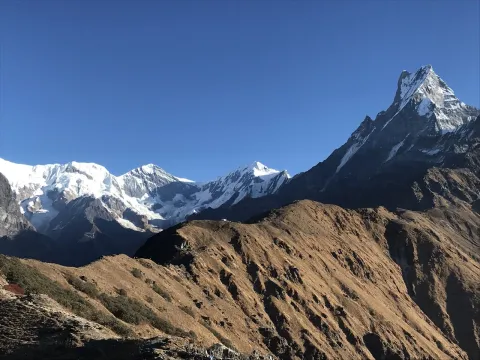
Finally, the ascent from High Camp (3,580m) to the upper View Point (4,200m) presents multiple challenges during the final stage of the journey. The path becomes rocky and less distinct as you climb toward the high-altitude meadows. The early morning trek requires you to follow other groups while using a headlamp for better visibility. The successful wayfinding process will guide you to the breathtaking panoramic views of Mardi Himal (5,587m).
| Tool/Method | Reliability | Best Used For | Risk Factor |
|---|---|---|
| Trail Markers | High | Daylight forest hiking | Can be hidden by snow. |
| Offline GPS Apps | Very High | Confirming exact position | Battery drain in cold. |
| Local Knowledge | Essential | Weather and shortcut tips | Language barriers. |
| Physical Compass | Moderate | General orientation | Requires technical skill. |
Learn vital altitude sickness prevention tips for Mardi Himal Trek (4,500m). The trek through Nepal requires hikers to maintain proper hydration while being able to identify their symptoms of altitude mountain sickness.
Meanwhile, the Mardi Himal Trek (4,500m) requires you to maintain your health through active high-altitude safety measures. The body needs time to acclimate during your ascent which should be done at a controlled pace. The Forest Camp (2,500m) altitude causes altitude sickness to start with headache and nausea symptoms. The body needs to be listened to because it functions as the primary method to prevent serious medical conditions.
Furthermore, proper hydration stands as an essential factor which helps climbers avoid developing Acute Mountain Sickness (AMS) during their ascent. You should drink a minimum of four liters of filtered water throughout each day. Your current fluid intake maintains blood oxygen levels while you trek to High Camp which sits at an elevation of 3,580 meters. Every healthy trekker needs to carry a trustworthy water purification system as their essential equipment.
Additionally, the presence of professional supervision in Himalayan ridge navigation provides security benefits for climbers who tackle steep slopes. Experienced guides monitor your heart rate and oxygen saturation levels with specialized pulse oximeters. They can quickly distinguish between simple exhaustion and dangerous pulmonary edema near the Base Camp (4,500m). The expert presence enables medical staff to make urgent treatment decisions during vital mountain emergencies.
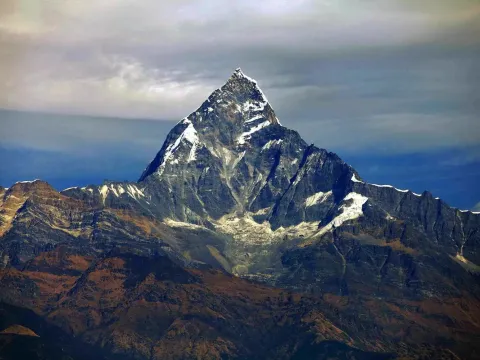
Finally, you need to start your descent when your symptoms show no signs of improvement through rest and hydration practices. The effects of altitude gain usually reverse when you descend to a lower elevation distance of 500 meters. Your daypack should always contain a basic first-aid kit which includes Diamox and electrolyte powders. Your physical health determines the outcome of your journey to Machhapuchhre which has an elevation of 6,993 meters.
High Altitude Health and Safety Checklist :
Master Mardi Himal Trek logistics. The current details of ACAP permits and Pokhara transport and teahouse reservations for the Annapurna region will be available.
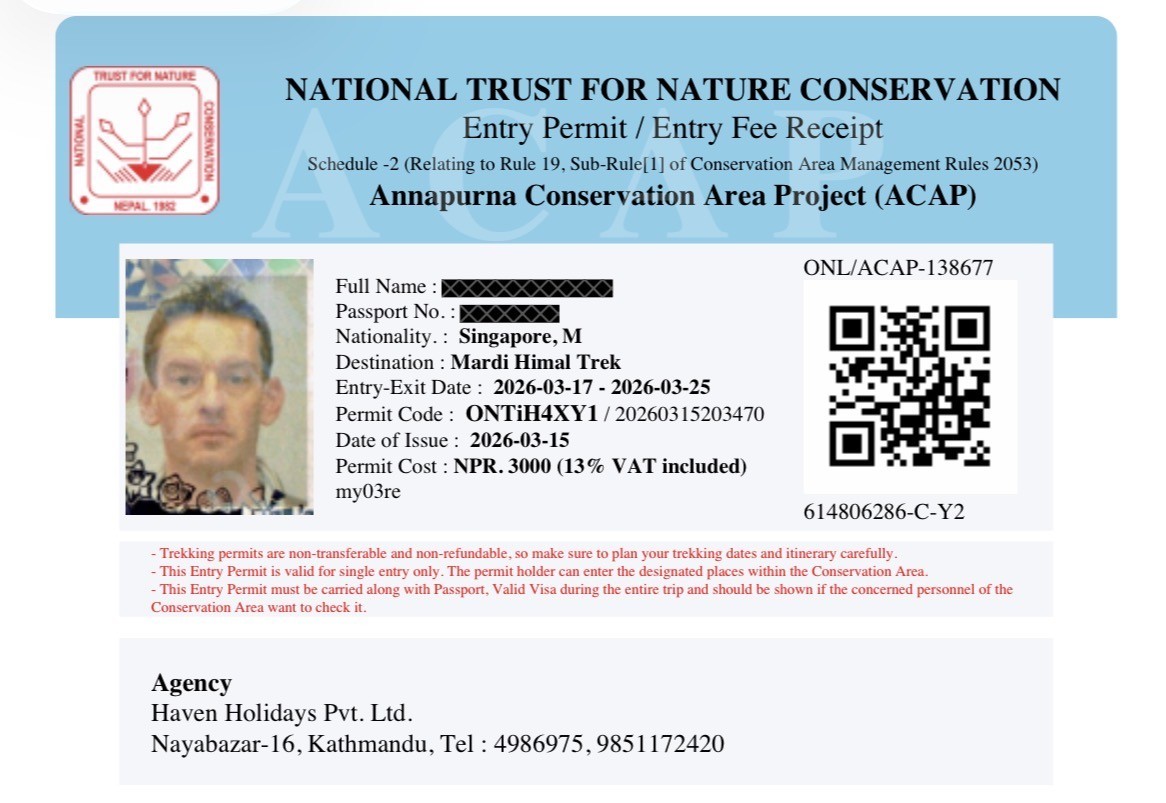
Actually, the Mardi Himal Trek (4,500m) requires trekkers to complete multiple administrative tasks together with their travel arrangements. First you need to obtain your ACAP permit and TIMS card from the tourism office located in Pokhara at 822m elevation. The legal documents permit your movement through different checkpoints situated in the Annapurna Conservation Area. The early completion of your paperwork process will help you avoid delays that would occur during your upcoming adventure.
Moreover, the process of arranging trustworthy transportation services to reach Kande and Phedi trailheads at their respective elevations of 1770 meters and 1130 meters presents no difficulties. The available options let you choose between a private jeep which provides comfortable travel or a local bus which offers affordable pricing. The lakeside route provides visitors with stunning panoramas of the surrounding green hills and valleys. The selection of an appropriate vehicle establishes a positive atmosphere for your hiking expedition.
In addition, the peak trekking season which occurs in October and April creates significant difficulties for people who need to reserve teahouses. The accommodation capacity at High Camp (3,580m) reaches full occupancy by midday every day. A guide usually provides you with access to a sleeping space and a meal area. People who want to avoid sleeping in public spaces should plan their activities accordingly.
Lastly, you need to bring sufficient local currency which will pay for your meals and charging costs throughout the day. Most teahouses above Low Camp (2,970m) do not accept credit cards or digital payments yet. Your daily expenses should be about 4,000 to 5,000 NPR which will allow you to access hot showers and purchase snacks. The process of mastering these hidden elements creates a much more seamless journey through the area which lies beneath Annapurna South (7,219m).
| Service Item | Location / Type | Estimated Cost (NPR) | Booking Recommendation. |
|---|---|---|
| ACAP Permit | Pokhara Office | 3,000 NPR | Buy in advance. |
| Private Jeep | Pokhara to Kande | 3,500 - 5,000 NPR | Book one day before. |
| Teahouse Room | High Camp (3,580m) | 1,000 - 1,500 NPR | Call ahead or use guide. |
| Daily Meals | Standard Menu | 3,500 - 4,500 NPR | No booking required. |
Get the ultimate Mardi Himal Trek packing list. The article presents essential information about proper layering techniques and sleeping bag rating systems and necessary high-altitude boots for travelers who want to experience safe Nepal journeys.
Here, your comfort during Mardi Himal Trek (4,500m) depends on your choice of trekking equipment because Himalayan weather conditions remain unpredictable. The steep ascent from Deurali (2,100m) requires you to use a smart layering system for effective body heat control. Your first layer should consist of moisture-wicking synthetic fabrics or merino wool because these materials will keep your skin dry. The combination of staying dry with traditional camping equipment allows you to avoid dangerous hypothermia which starts when the sun sets behind Annapurna South (7,219m).
Furthermore, the freezing temperatures of High Camp (3,580m) require you to wear a high-quality down jacket as your essential winter gear. You should also invest in a sleeping bag rated for at least -15°C to ensure restful sleep. The teahouses supply blankets to their customers, but these blankets do not provide adequate warmth for high-altitude springtime conditions. Your personal insulated equipment serves as an essential protective measure which you need to maintain safety during the most extreme cold conditions of your expedition.
Additionally, the choice of footwear determines whether you will have a positive or negative experience while hiking on the challenging mountain trails. The Base Camp (4,500m) route requires trekkers to use sturdy waterproof boots which provide ankle support because of the rocky terrain. You should also pack several pairs of thick wool socks to prevent painful blisters during long walking days. The proper shoes which you have broken in enable you to enjoy the beautiful sights of Machhapuchhre (6,993m) without experiencing discomfort.
Finally, a personal first-aid kit needs to contain essential medications together with blister treatment supplies for trail emergencies. You should carry water purification tablets to safely drink from local taps at Forest Camp (2,500m). High-SPF sunscreen together with polarized sunglasses will provide sun protection for your eyes against intense ultraviolet radiation at high altitudes. Your ability to move freely through the mountains depends on your packing method which requires you to keep essential items while maintaining a light body weight.
| Category | Recommended Items | Purpose |
|---|---|---|
| Clothing | Thermal layers, Down Jacket, Waterproof Shell | Temperature regulation and wind protection. |
| Footwear | Hiking Boots, Camp Shoes, Wool Socks | Traction and comfort during long descents. |
| Equipment | 4-Season Sleeping Bag, Trekking Poles | Warmth and joint support on steep steps. |
| Health | Water Filters, Sunscreen, First-Aid Kit | Disease prevention and emergency care. |
The Mardi Himal Trek offers visitors the chance to experience genuine Nepalese hospitality. The Annapurna region reveals its exclusive teahouse tradition and native cultural practices to visitors who explore its core area.
Meanwhile, the unique teahouse culture defines the emotional heart of every journey through the Annapurna Region (8,091m). The family-owned lodges in Siddhing village (1,700m) provide exhausted international travelers with their first warm greeting. The communal dining hall operates as a lively meeting space which people use throughout the entire night. The practice of sharing stories around the central wood stove creates bonds of friendship that connect people from around the world.
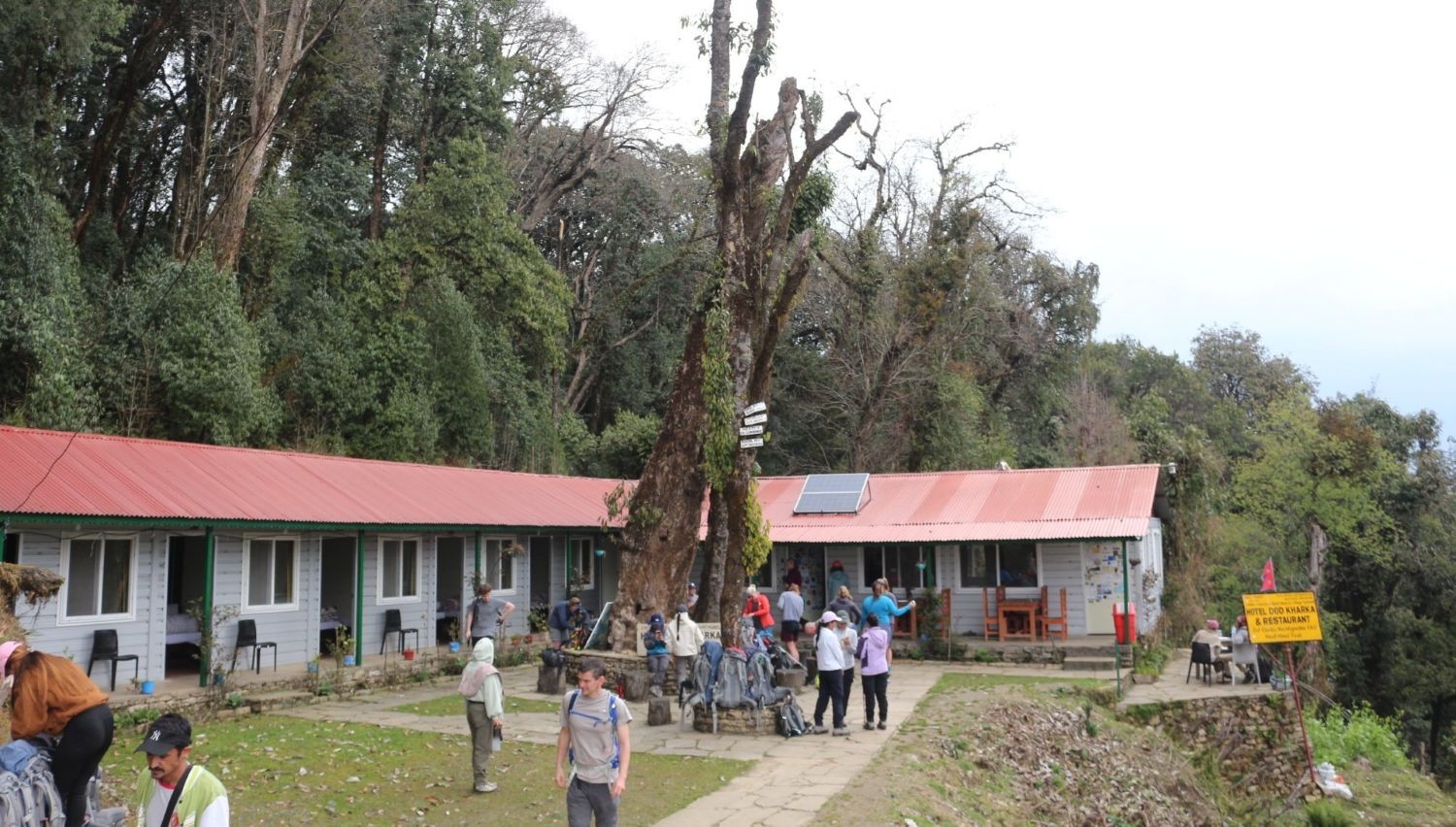
Moreover, the people of these mountain communities need to preserve their local customs because it helps them maintain their community relationships. People should take off their footwear before they enter either private areas or sacred temple zones. It is also polite to use both hands when giving or receiving items from your local hosts. The Gurung people show mutual respect for others through these small cultural practices which demonstrate their cultural understanding.
In addition, the local hospitality tradition continues through the practice of serving authentic Dal Bhat dinner which comes on a steaming plate. The meal serves as a nutritious base which supplies climbers with the energy they require to reach Mardi Himal View Point (4,200m). The majority of hosts take great pride in serving fresh organic vegetables which they cultivate in their personal high-altitude gardens. The villagers' dedication to hard work and the land system of their village create a celebration through every dining experience.
Lastly, the best memories from your trek come from the relationships you develop with fellow trekkers and local guides. You will meet people from diverse backgrounds who all share a common love for the majestic Himalayas. The people who struggle together and achieve their goals together create lasting relationships which continue after they depart from Pokhara (822m). The Mardi Himal Trek (4,500m) enables people to establish deep human connections which lead them to experience inner transformation.
Cultural Etiquette and Teahouse Traditions :
Find the best time for your Mardi Himal Trek. The perfect trekking season for Nepal can be assessed through a comparison of spring blooms with autumn clarity and winter snow and monsoon risks.
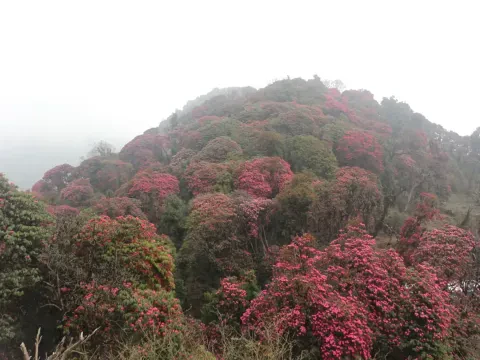
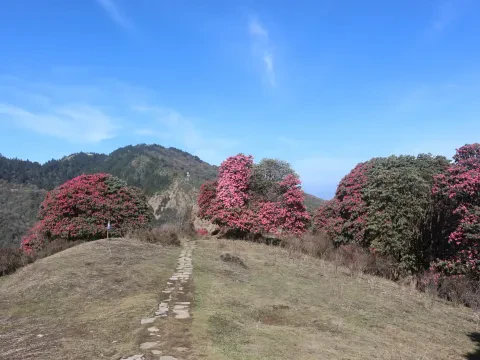
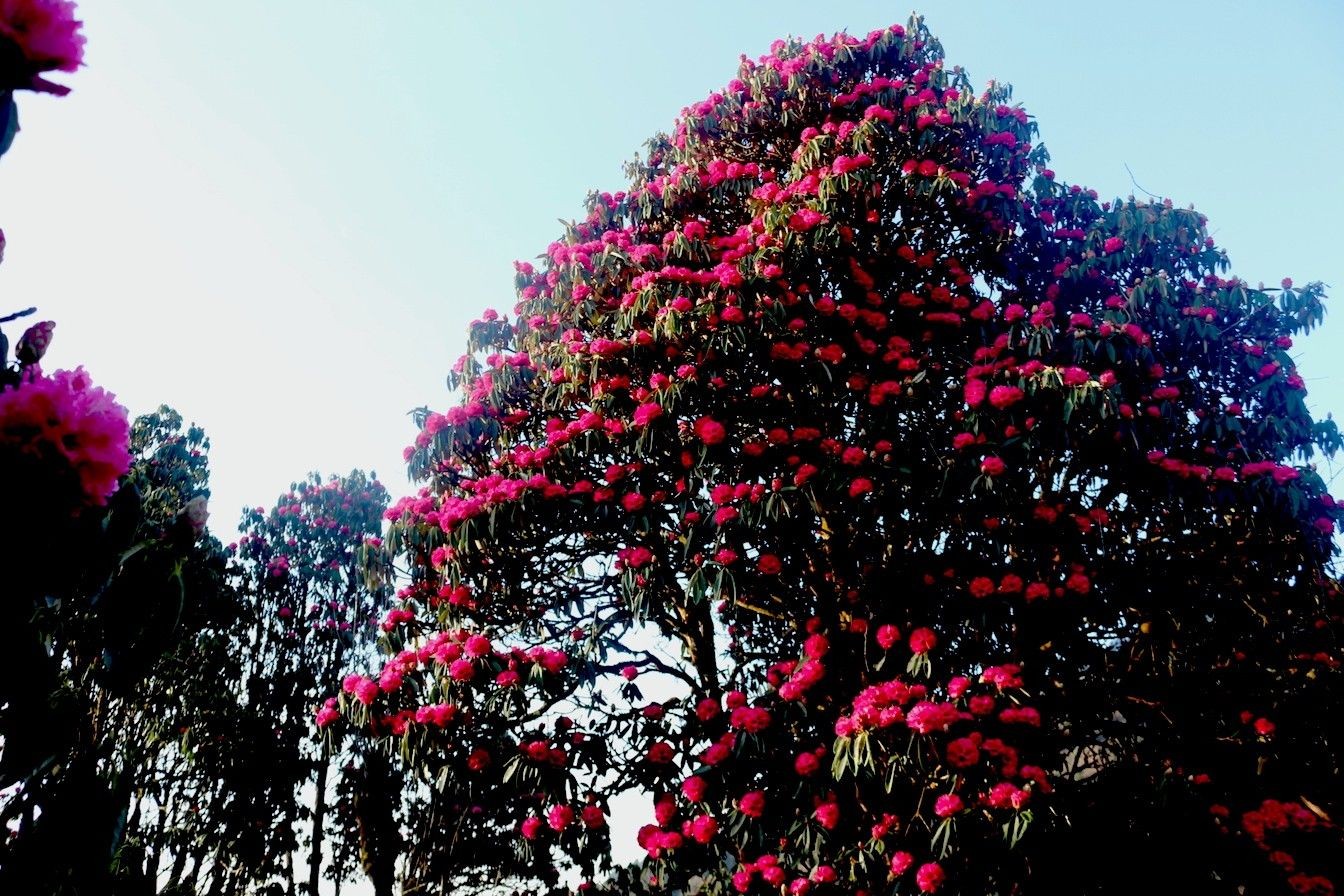
Actually, your Mardi Himal Trek (4,500m) experience will be determined by your choice of the best season to trek. Springtime brings a lively display of rhododendron flowers that bloom throughout the lower Annapurna Region slopes. During March and April you will experience forests that display their red and pink colors. Nature lovers and trekkers who prefer mild weather conditions consider this season their most preferred time to explore.
Furthermore, the autumn season established itself as the time which provides reliable weather conditions together with completely clear views of the vast Himalayan mountain range. The summer rains create dust-free conditions which show Machhapuchhre (6,993m) in its complete splendor. The peak months create perfect photography conditions because of their sharp visibility which extends until November. Professional photographers choose this time period to photograph the golden sunrise which occurs at High Camp (3,580m).
However, the monsoon season brings dangerous leech infestations together with heavy rain to the lower forest trails. The paths near Forest Camp (2,500m) become dangerous for beginner hikers because they turn into slippery conditions. Frequent cloud cover will obstruct your view of Annapurna South (7,219m) which requires you to prepare for this situation. Summer hiking demands strong rain resistance and requires hikers to concentrate on observing abundant green plant life.
Finally, extreme cold weather creates a peaceful snowy environment which attracts people who appreciate wintertime. The High Camp (3,580m) area experiences lower visitor numbers during the December and January months. The frozen areas of the upper trail require you to use special equipment which includes micro-spikes for safe passage. The Mardi Himal (5,587m) experience presents different seasonal environments which provide visitors with opportunities to discover its breathtaking natural beauty.
| Season | Best Months | Weather Condition | Major Highlight |
|---|---|---|
| Spring | March - May | Mild and Clear | Giant Rhododendron Blooms. |
| Autumn | Sept - Nov | Stable and Crisp | Best Mountain Visibility. |
| Winter | Dec - Feb | Very Cold / Snow | Quiet Trails and Solitude. |
| Monsoon | June - Aug | Wet and Humid | Lush Greenery and Waterfalls. |
Decide between a guided or independent Mardi Himal Trek. The assessment will provide final results on safety aspects and cost factors and logistical requirements for your Nepal trekking trip.
Here, your decision about Mardi Himal Trek (4,500m) begins with your personal priorities and your trekking experience. The guided trek option stands as the safest choice for you because it provides better security and cultural experiences. Professional guides handle all operational requirements from permit acquisition to emergency evacuation procedures at Base Camp (4,500m). The guided path serves as the easiest option for first-time visitors who want to explore the Himalayas.
Furthermore, independent trekking option continues to attract hikers who want complete independence over their travel expenses. You are free to proceed along the Low Camp trails which reach 2,970m at your preferred pace. The 2026 regulations which require mandatory guide policies for the Annapurna Region need to be learned by you. The legal requirements must be checked by you before you complete your plans for traveling alone.
In addition, you should assess your physical fitness level and your ability to traverse challenging high-altitude areas during different weather conditions. The Mardi Himal View Point (4,200m) ascent demands both mental strength and physical capability to complete. The professional team offers essential support for handling decreased oxygen levels that occur during the last ascent. The assessment determines which option between package convenience and solo mission excitement provides the better value.
Finally, the Mardi Himal Trek (4,500m) delivers a transformational journey which suits all types of travelers. You will experience the stunning beauty of Machhapuchhre (6,993m) while creating enduring memories of your mountain adventure. Therefore, each step toward the summit takes you deeper into the spectacular Nepalese wilderness. The adventure path needs to be selected according to your personal safety requirements and your adventurous nature.
Final Verdict: Guided vs. Independent Selection :
1. Is it mandatory to hire a guide for the Mardi Himal Trek?
The Mardi Himal Trek does not require trekkers to hire a guide according to legal requirements so far (24/04/2026). The Annapurna region permits trekkers to hike without guides. The regulations for the area may change in the future. Licensed guides should be hired because they provide safety protection and help trekkers find their way and create job opportunities for local people.
2. What are the primary safety differences between trekking independently and with a guide?
A guided trek offers enhanced safety through local expertise, emergency handling, and route awareness. Independent trekkers face danger because they must depend on their own judgment during dangerous weather conditions and while navigating through remote areas and unknown terrain which leads to navigation mistakes and decision-making delays that create more serious problems.
3. How does the cost of a guided trek compare to an independent one?
Guided hikes are more costly owing to guide costs, porter charges, and bundled services. Un-guided hikes are relatively inexpensive, but there will be individual planning concerning permits, lodgings, food, and other costs. Although solo hiking can cut expenses, guided hiking is usually more advantageous.
4. What logistical tasks does a guide handle that an independent trekker must manage alone?
The guide manages all necessary permits and develops the trek route and makes accommodation reservations and coordinates meal times and plans their schedule. The guide communicates with teahouses and changes plans according to weather conditions and health conditions. Independent trekkers must organize all these aspects themselves, requiring preparation and adaptability.
5. How does the level of flexibility differ between solo trekking and guided trekking?
Independent trekking provides travelers complete freedom to determine their walking speed and rest times and their travel routes. Guided treks follow a structured plan, though good guides can adapt when needed. Solo trekkers enjoy freedom, while guided trekkers benefit from a balanced schedule designed for safety and acclimatization.
6. Which option is better for first-time trekkers in Nepal. Guided or independent?
For first-time trekkers in Nepal guided trekking is the way to go. It makes the whole experience less stressful and a lot safer. You also get to learn a lot about the area from your guide. On the hand independent trekking is better for people who have trekked before and know how to handle themselves in tough situations.
7. What are the navigation challenges on the Mardi Himal trail for independent trekkers?
The Mardi Himal trail is mostly well marked. It can get confusing in the forest or when it is foggy or snowy. There are also a lot of side trails that can make it hard to know which way to go. Sometimes the signs are not clear so it is easy to take a turn. If you are trekking on your own you will need to use a map or a GPS to make sure you stay on track.
8. How does having a guide affect the experience of cultural immersion and local interaction?
Having a guide is really helpful when it comes to learning about the culture. They can translate for you. Explain things that you might not understand. They can also introduce you to locals, which can be really interesting. If you are on your own you might still meet some locals. You could have trouble talking to them if you do not speak the same language. A guide can help you have a meaningful experience.
9. In an emergency, how does a guide assist compared to being on your own?
If something goes wrong a guide can really help. They know what to do in an emergency. Can get you the help you need. They can even arrange for you to be evacuated if necessary. If you are on your own it can be much harder to get help especially if you are in an area with no phone signal.
10. Does a guide help with monitoring symptoms of Acute Mountain Sickness (AMS)?
Yes a guide can help you if you get Altitude Sickness. They know the symptoms to look out for, such as headaches and feeling tired. If you are not feeling well they can slow down the pace. Even take you back down the mountain. If you are, on your own it can be harder to know what to do. You might even ignore your symptoms, which can be dangerous.
11. What are the pros and cons of carrying your own gear versus hiring a porter?
Carrying your own gear can save you money and let you do things your way but it can also be really tiring. If you hire a porter you will get tired easily and have a more comfortable trek. However it costs more. You have to trust them to take care of your stuff.
12. How do permit requirements (ACAP and TIMS) differ for guided versus independent groups?
Both groups with guides and those without guides need ACAP permits.. Tims cards are different depending on how you are trekking and what the rules are. Usually trekking agencies get the permits for guided treks. If you are trekking on your own you have to get the permits yourself from the office.
13. Is it easier to secure teahouse accommodation with a guide during peak season?
Yes guides often know people locally. Can get rooms for you early especially when its busy. If you are trekking on your own you might find it hard to get a place to stay in areas. You might have to change your plans or share a room.
14. What level of physical fitness is required for the Mardi Himal Trek independently?
You need to be fairly fit. You should be able to walk for 5 to 7 hours a day and go up hills. You need to be strong and have some experience hiking if you are going to carry your gear and set your own pace.
15. Do guides provide additional value regarding photography or nature spotting?
Yes many guides know a lot, about places to take pictures, where to find animals and secret spots. They help you take pictures and tell you about the area, which makes the trek more enjoyable and helps you take memorable photos.
16. How does the trekking pace typically differ between a guided group and a solo trekker?
A guided group usually walks at a pace. This pace is planned so that all members can keep up and get used to the altitude. On the hand solo trekkers can walk faster or slower as they like.. They have to be careful not to get too tired or get sick from the high altitude.
17. What are the risks of trail conditions (like snow or fog) for someone trekking without a guide?
Snow and fog can make it hard to see the trail. This can make it easy to get lost. The paths can also get slippery. Without a guide it's harder to know which way to go. You have to be very aware of the weather and have the gear.
18. How can an independent trekker effectively manage food and water supplies?
There are teahouses along the way that serve meals. So you don't need to carry a lot of food.. You should bring some snacks. A water bottle that you can refill is an idea. You should also have a way to make your water safe to drink. Planning where you will stop each day and drinking plenty of water is key to having lots of energy.
19. Is the camaraderie or social experience different when trekking independently versus with a guide?
When you trek with a guide you often make friends with the people in your group. You have shared experiences. Make memories together. If you trek alone you might meet trekkers on the trail.. You don't always know when or where you'll meet them. Both ways of trekking have benefits. Guided treks are more structured.
20. What specific preparations should an independent trekker make before starting the Mardi Himal route?
Before you start research the Mardi Himal route. Check the weather forecast. Bring a map and compass. Arrange for any permits. Pack. Gear that will keep you safe and warm. It's also an idea to know about altitude sickness. Have emergency contact numbers ready.. Know some basic first aid. This will help you have a journey, on the Mardi Himal route.
Our travel experts are ready to assist you with any questions.
Send us a message.Have a question before you book? Send your enquiry below and our travel experts will get back with the required information.