[{"name":"Everest Base Camp Helicopter Tour","duration":"1","image_url":"https:\/\/www.havenholidaysnepal.com\/storage\/trip-galleries\/1\/thumb_6cd53005d75a86e373d31419d1b14d78.webp","offer_price":1195,"url":"https:\/\/www.havenholidaysnepal.com\/trips\/everest-base-camp-helicopter-tour"},{"name":"Everest Mountain Flight","duration":"1","image_url":"https:\/\/www.havenholidaysnepal.com\/storage\/trip-galleries\/4\/thumb_3b0b4f1d6f72b0ad224daf4752f2c6e0.jpg","offer_price":285,"url":"https:\/\/www.havenholidaysnepal.com\/trips\/everest-mountain-flight"},{"name":"Everest Short Trek","duration":"9","image_url":"https:\/\/www.havenholidaysnepal.com\/storage\/trip-galleries\/5\/thumb_BXPP3621.JPEG0.02033800 1727957098.webp","offer_price":895,"url":"https:\/\/www.havenholidaysnepal.com\/trips\/everest-short-trek"},{"name":"Gokyo Valley Trek","duration":"12","image_url":"https:\/\/www.havenholidaysnepal.com\/storage\/trip-galleries\/6\/thumb_10bc469b14731f23d3ce84a7092ad53f.jpg","offer_price":1195,"url":"https:\/\/www.havenholidaysnepal.com\/trips\/gokyo-valley-trek"},{"name":"15 days Annapurna Base Camp Trek","duration":"15","image_url":"https:\/\/www.havenholidaysnepal.com\/storage\/trip-galleries\/7\/thumb_87d1533bc45faf070990aef0579e4be4.jpg0.81855100 1728285496.webp","offer_price":785,"url":"https:\/\/www.havenholidaysnepal.com\/trips\/15-days-annapurna-base-camp-trek"},{"name":"Nepal Pilgrimage Tour","duration":"14","image_url":"https:\/\/www.havenholidaysnepal.com\/storage\/trip-galleries\/8\/thumb_02c3bcf2ad2e8a4c1703e90ae747b5f1.jpg","offer_price":1475,"url":"https:\/\/www.havenholidaysnepal.com\/trips\/nepal-pilgrimage-tour"},{"name":"UNESCO World Heritage Site Tour","duration":"10","image_url":"https:\/\/www.havenholidaysnepal.com\/storage\/trip-galleries\/9\/thumb_unesco-world-heritage-site-Lumbani-temple-buddhists-hindus-kathmandu-nepal0.36988600 17347617740.93089500 1737469667.webp","offer_price":715,"url":"https:\/\/www.havenholidaysnepal.com\/trips\/unesco-world-heritage-site-tour"},{"name":"Island Peak Climbing","duration":"16","image_url":"https:\/\/www.havenholidaysnepal.com\/storage\/trip-galleries\/11\/thumb_Island peak0.53947000 1734692503.webp","offer_price":2495,"url":"https:\/\/www.havenholidaysnepal.com\/trips\/island-peak-climbing"},{"name":"Upper Mustang Trek","duration":"18","image_url":"https:\/\/www.havenholidaysnepal.com\/storage\/trip-galleries\/12\/thumb_upper mustang 7 Oct-2024.jpg0.95398900 1728286166.webp","offer_price":2995,"url":"https:\/\/www.havenholidaysnepal.com\/trips\/upper-mustang-trek"},{"name":"Annapurna Circuit Trek","duration":"16","image_url":"https:\/\/www.havenholidaysnepal.com\/storage\/trip-galleries\/15\/thumb_tibetan-flags.jpg0.04843900 1728289138.webp","offer_price":985,"url":"https:\/\/www.havenholidaysnepal.com\/trips\/annapurna-circuit-trek"},{"name":"Gosainkunda Lake Trek","duration":"10","image_url":"https:\/\/www.havenholidaysnepal.com\/storage\/trip-galleries\/16\/thumb_5A8083B3-C007-41A8-853F-D0C37C97D235_1_105_c.jpeg0.52581200 1731845258.webp","offer_price":595,"url":"https:\/\/www.havenholidaysnepal.com\/trips\/gosainkunda-lake-trek"},{"name":"Zip-lining in Pokhara and Dhulikhel","duration":"1","image_url":"https:\/\/www.havenholidaysnepal.com\/storage\/trip-galleries\/18\/thumb_215f765e2ebc995dd5c800b4bfdbacc3.jpg","offer_price":82,"url":"https:\/\/www.havenholidaysnepal.com\/trips\/zip-lining-in-pokhara-and-dhulikhel"},{"name":"Annapurna Heli Tour","duration":"1","image_url":"https:\/\/www.havenholidaysnepal.com\/storage\/trip-galleries\/19\/thumb_d71a6bbb9fd4da8d1b567a5cdbdec85d.jpg","offer_price":555,"url":"https:\/\/www.havenholidaysnepal.com\/trips\/annapurna-heli-tour"},{"name":"Paragliding in Pokhara","duration":"1","image_url":"https:\/\/www.havenholidaysnepal.com\/storage\/trip-galleries\/20\/thumb_de788d2dd9726783431f882c007efae1.jpg","offer_price":65,"url":"https:\/\/www.havenholidaysnepal.com\/trips\/paragliding-in-pokhara"},{"name":"Ultra-Flight in Pokhara","duration":"1","image_url":"https:\/\/www.havenholidaysnepal.com\/storage\/trip-galleries\/21\/thumb_e27a9fb572a5c21611bb2a3c18e4b8f0.jpeg","offer_price":175,"url":"https:\/\/www.havenholidaysnepal.com\/trips\/ultra-flight-in-pokhara"},{"name":"Sarangkot Hiking","duration":"1","image_url":"https:\/\/www.havenholidaysnepal.com\/storage\/trip-galleries\/22\/thumb_100ef822fea19987166c6c1366215f15.jpg","offer_price":55,"url":"https:\/\/www.havenholidaysnepal.com\/trips\/sarangkot-hiking"},{"name":"Mera Peak Climbing","duration":"18","image_url":"https:\/\/www.havenholidaysnepal.com\/storage\/trip-galleries\/24\/thumb_d16ae3895f678cf26ffbf2455f541fb5.jpg0.31883400 1732617790.webp","offer_price":2475,"url":"https:\/\/www.havenholidaysnepal.com\/trips\/mera-peak-climbing"},{"name":"Lower Dolpo Trek","duration":"18","image_url":"https:\/\/www.havenholidaysnepal.com\/storage\/trip-galleries\/26\/thumb_Dolpo Galary - 1.JPG0.37725200 1727939952.webp","offer_price":2995,"url":"https:\/\/www.havenholidaysnepal.com\/trips\/lower-dolpo-trek"},{"name":"Nagarkot Sunrise\/Sunset Tour","duration":"1","image_url":"https:\/\/www.havenholidaysnepal.com\/storage\/trip-galleries\/27\/thumb_5147a5532644283a380f2e86f3857c13.jpg0.17748000 1728488108.webp","offer_price":30,"url":"https:\/\/www.havenholidaysnepal.com\/trips\/nagarkot-sunrise-sunset-tour"},{"name":"16 day Everest Base Camp Trek","duration":"16","image_url":"https:\/\/www.havenholidaysnepal.com\/storage\/trip-galleries\/28\/thumb_IMG_4311.JPG0.64984800 1727942213.webp","offer_price":1475,"url":"https:\/\/www.havenholidaysnepal.com\/trips\/16-day-everest-base-camp-trek"},{"name":"Ghorepani Poon Hill trek with Jungle Safari and Trishuli River Rafting -13 days","duration":"13","image_url":"https:\/\/www.havenholidaysnepal.com\/storage\/trip-galleries\/29\/thumb_Ghorepani Poon hill.jpg0.48460800 1728281439.webp","offer_price":795,"url":"https:\/\/www.havenholidaysnepal.com\/trips\/ghorepani-poon-hill-trek-with-jungle-safari-and-trishuli-river-rafting--13-days"},{"name":"Mardi Himal Trek","duration":"12","image_url":"https:\/\/www.havenholidaysnepal.com\/storage\/trip-galleries\/30\/thumb_s1.jpg0.62112600 1728200721.webp","offer_price":795,"url":"https:\/\/www.havenholidaysnepal.com\/trips\/mardi-himal-trek"},{"name":"Langtang Valley Trekking","duration":"10","image_url":"https:\/\/www.havenholidaysnepal.com\/storage\/trip-galleries\/31\/thumb_IMG_4702.JPG0.84916500 1727958504.webp","offer_price":685,"url":"https:\/\/www.havenholidaysnepal.com\/trips\/langtang-valley-trekking"},{"name":"Real Adventure Tour in Nepal","duration":"9","image_url":"https:\/\/www.havenholidaysnepal.com\/storage\/trip-galleries\/32\/thumb_ebd1b8cc78d90abe8b9003dd9a2f25bf.jpg0.82151300 1728213516.webp","offer_price":695,"url":"https:\/\/www.havenholidaysnepal.com\/trips\/real-adventure-tour-in-nepal"},{"name":"Luxury Tour in Nepal","duration":"10","image_url":"https:\/\/www.havenholidaysnepal.com\/storage\/trip-galleries\/33\/thumb_8574e61b252b18676b042caf30d830df.jpg","offer_price":1675,"url":"https:\/\/www.havenholidaysnepal.com\/trips\/luxury-tour-in-nepal"},{"name":"Luxury Everest Panorama Trek With EBC Heli Sightseeing","duration":"8","image_url":"https:\/\/www.havenholidaysnepal.com\/storage\/trip-galleries\/34\/thumb_URZL2397.JPEG0.01209600 1728027820.webp","offer_price":2395,"url":"https:\/\/www.havenholidaysnepal.com\/trips\/luxury-everest-panorama-trek-with-ebc-heli-sightseeing"},{"name":"13 day Everest Base Camp Trek with Helicopter","duration":"13","image_url":"https:\/\/www.havenholidaysnepal.com\/storage\/trip-galleries\/35\/thumb_IMG_4292.JPG0.70131500 1728029276.webp","offer_price":2095,"url":"https:\/\/www.havenholidaysnepal.com\/trips\/13-day-everest-base-camp-trek-with-helicopter"},{"name":"Manaslu Circuit Trek","duration":"16","image_url":"https:\/\/www.havenholidaysnepal.com\/storage\/trip-galleries\/36\/thumb_Mt Manaslu 03-Oct-2024.jpg0.65804900 1727938470.webp","offer_price":955,"url":"https:\/\/www.havenholidaysnepal.com\/trips\/manaslu-circuit-trek"},{"name":"Kanchenjunga Base Camp Trek","duration":"21","image_url":"https:\/\/www.havenholidaysnepal.com\/storage\/trip-galleries\/37\/thumb_Kanchanjunga Trek -!.jpg0.54744400 1727938497.webp","offer_price":2275,"url":"https:\/\/www.havenholidaysnepal.com\/trips\/kanchenjunga-base-camp-trek"},{"name":"Ganesh Himal and Sing-La Trek","duration":"18","image_url":"https:\/\/www.havenholidaysnepal.com\/storage\/trip-galleries\/38\/thumb_Ganesh Himal slider-1.jpg0.43764500 1727937722.webp","offer_price":2975,"url":"https:\/\/www.havenholidaysnepal.com\/trips\/ganesh-himal-and-sing-la-trek"},{"name":"Island Peak Climb with Everest Base Camp Trek","duration":"21","image_url":"https:\/\/www.havenholidaysnepal.com\/storage\/trip-galleries\/39\/thumb_2be428730fe83525bc85a010564f99de.jpg","offer_price":2750,"url":"https:\/\/www.havenholidaysnepal.com\/trips\/island-peak-climb-with-everest-base-camp-trek"},{"name":"Students' Adventure Tour in Nepal","duration":"12","image_url":"https:\/\/www.havenholidaysnepal.com\/storage\/trip-galleries\/41\/thumb_a926d22fbfe08cba271c41ac289b3fd2.jpg","offer_price":995,"url":"https:\/\/www.havenholidaysnepal.com\/trips\/students-adventure-tour-in-nepal"},{"name":"7 Day Poonhill Trek","duration":"7","image_url":"https:\/\/www.havenholidaysnepal.com\/storage\/trip-galleries\/42\/thumb_6196bd69036473293a2c24cc21ed57d7.jpg0.10880600 1728205378.webp","offer_price":555,"url":"https:\/\/www.havenholidaysnepal.com\/trips\/7-day-poonhill-trek"},{"name":"7 Days Annapurna Base Camp Trek","duration":"7","image_url":"https:\/\/www.havenholidaysnepal.com\/storage\/trip-galleries\/43\/thumb_IMG_2214.JPG0.08204900 1728202033.webp","offer_price":355,"url":"https:\/\/www.havenholidaysnepal.com\/trips\/7-days-annapurna-base-camp-trek"},{"name":"3 days Poonhill Trek","duration":"3","image_url":"https:\/\/www.havenholidaysnepal.com\/storage\/trip-galleries\/44\/thumb_Poon hill.jpg0.60816600 1731412954.webp","offer_price":165,"url":"https:\/\/www.havenholidaysnepal.com\/trips\/3-days-poonhill-trek"},{"name":"Poon Hill Luxury Trek with Chitwan-12 days","duration":"12","image_url":"https:\/\/www.havenholidaysnepal.com\/storage\/trip-galleries\/45\/thumb_Poom hill.jpg0.52074500 1730180532.webp","offer_price":1175,"url":"https:\/\/www.havenholidaysnepal.com\/trips\/poon-hill-luxury-trek-with-chitwan-12-days"},{"name":"Everest Luxury Trek-7 days","duration":"7","image_url":"https:\/\/www.havenholidaysnepal.com\/storage\/trip-galleries\/46\/thumb_ACRX9330.JPEG0.93236200 1728031275.webp","offer_price":2395,"url":"https:\/\/www.havenholidaysnepal.com\/trips\/everest-luxury-trek-7-days"},{"name":"Hindu Pilgrimage Tour in Nepal-10 days","duration":"10","image_url":"https:\/\/www.havenholidaysnepal.com\/storage\/trip-galleries\/47\/thumb_a94bf96a4d31decb419f6f828a3280d2.jpg","offer_price":995,"url":"https:\/\/www.havenholidaysnepal.com\/trips\/hindu-pilgrimage-tour-in-nepal-10-days"},{"name":"Everest Base Camp Short Trek-12 days","duration":"12","image_url":"https:\/\/www.havenholidaysnepal.com\/storage\/trip-galleries\/48\/thumb_IMG_4311.JPG0.52680100 1727945154.webp","offer_price":995,"url":"https:\/\/www.havenholidaysnepal.com\/trips\/everest-base-camp-short-trek-12-days"},{"name":"Everest Base Camp Hike 12 Days","duration":"12","image_url":"https:\/\/www.havenholidaysnepal.com\/storage\/trip-galleries\/49\/thumb_IMG_4260.JPG0.51729100 1728061234.webp","offer_price":1295,"url":"https:\/\/www.havenholidaysnepal.com\/trips\/everest-base-camp-hike-12-days"},{"name":"11 Days Everest Base Camp Trek","duration":"11","image_url":"https:\/\/www.havenholidaysnepal.com\/storage\/trip-galleries\/50\/thumb_IMG_4249.JPG0.21392500 1727946959.webp","offer_price":985,"url":"https:\/\/www.havenholidaysnepal.com\/trips\/11-days-everest-base-camp-trek"},{"name":"6 Days Annapurna Base Camp Trek","duration":"6","image_url":"https:\/\/www.havenholidaysnepal.com\/storage\/trip-galleries\/51\/thumb_6 days Abc.jpg0.58185400 1728200798.webp","offer_price":285,"url":"https:\/\/www.havenholidaysnepal.com\/trips\/6-days-annapurna-base-camp-trek"},{"name":"Annapurna Base Camp Trek","duration":"8","image_url":"https:\/\/www.havenholidaysnepal.com\/storage\/trip-galleries\/52\/thumb_IMG_2214.JPG0.29415700 1729487656.webp","offer_price":585,"url":"https:\/\/www.havenholidaysnepal.com\/trips\/annapurna-base-camp-trek"},{"name":"Everest Base Camp Trek with Helicopter Fly Out 10 Days","duration":"10","image_url":"https:\/\/www.havenholidaysnepal.com\/storage\/trip-galleries\/53\/thumb_IMG_4328.JPG0.52056600 1728058444.webp","offer_price":1875,"url":"https:\/\/www.havenholidaysnepal.com\/trips\/everest-base-camp-trek-with-helicopter-fly-out-10-days"},{"name":"Everest Base Camp Trek 14 Days","duration":"14","image_url":"https:\/\/www.havenholidaysnepal.com\/storage\/trip-galleries\/54\/thumb_Everest Base Camp Trek 14 days Oct 3 2024.JPG0.43202700 1727939745.webp","offer_price":1235,"url":"https:\/\/www.havenholidaysnepal.com\/trips\/everest-base-camp-trek-14-days"},{"name":"ABC Trek with Poonhill 11 Days","duration":"11","image_url":"https:\/\/www.havenholidaysnepal.com\/storage\/trip-galleries\/55\/thumb_ABC with fishtail.JPG0.21441100 1728277965.webp","offer_price":555,"url":"https:\/\/www.havenholidaysnepal.com\/trips\/abc-trek-with-poonhill-11-days"},{"name":"Muldai Hill Trek 9 Days","duration":"9","image_url":"https:\/\/www.havenholidaysnepal.com\/storage\/trip-galleries\/56\/thumb_7efee59f0a8c6817c8255bd2b9f3539d.jpeg0.19479300 1728213091.webp","offer_price":675,"url":"https:\/\/www.havenholidaysnepal.com\/trips\/muldai-hill-trek-9-days"},{"name":"Mardi Himal Trek 6 days","duration":"6","image_url":"https:\/\/www.havenholidaysnepal.com\/storage\/trip-galleries\/57\/thumb_slider 1.jpeg0.36909700 1728184981.webp","offer_price":590,"url":"https:\/\/www.havenholidaysnepal.com\/trips\/mardi-himal-trek-6-days"},{"name":"Mardi Himal Trek 7 days","duration":"7","image_url":"https:\/\/www.havenholidaysnepal.com\/storage\/trip-galleries\/58\/thumb_slider1.jpg0.61666600 1728206414.webp","offer_price":620,"url":"https:\/\/www.havenholidaysnepal.com\/trips\/mardi-himal-trek-7-days"},{"name":"Mardi Himal Trek 8 Days","duration":"8","image_url":"https:\/\/www.havenholidaysnepal.com\/storage\/trip-galleries\/59\/thumb_sli1.jpg0.38569100 1728206631.webp","offer_price":695,"url":"https:\/\/www.havenholidaysnepal.com\/trips\/mardi-himal-trek-8-days"},{"name":"14 Days Manaslu Trek","duration":"14","image_url":"https:\/\/www.havenholidaysnepal.com\/storage\/trip-galleries\/60\/thumb_sunrise-mt-manaslu-during-manaslu-circuit-larke-pass-trekking-himalaya-nepal (1)0.81855800 1738673284.webp","offer_price":885,"url":"https:\/\/www.havenholidaysnepal.com\/trips\/14-days-manaslu-trek"},{"name":"Dhampus-Sarangkot Trek with Chitwan 8 days","duration":"8","image_url":"https:\/\/www.havenholidaysnepal.com\/storage\/trip-galleries\/61\/thumb_Sarangkot Bhangyang.jpg0.75461400 1728210333.webp","offer_price":790,"url":"https:\/\/www.havenholidaysnepal.com\/trips\/dhampus-sarangkot-trek-with-chitwan-8-days"},{"name":"7 Days Golden Triangle Tour","duration":"7","image_url":"https:\/\/www.havenholidaysnepal.com\/storage\/trip-galleries\/62\/thumb_311ce1d117ee0ba75402a7c301bcdf830.73532400 1739179809.webp","offer_price":845,"url":"https:\/\/www.havenholidaysnepal.com\/trips\/7-days-golden-triangle-tour"},{"name":"Annapurna Circuit Trek 12 days","duration":"12","image_url":"https:\/\/www.havenholidaysnepal.com\/storage\/trip-galleries\/63\/thumb_IMG_20161024_092237.jpg0.57796600 1728289938.webp","offer_price":695,"url":"https:\/\/www.havenholidaysnepal.com\/trips\/annapurna-circuit-trek-12-days"},{"name":"Everest Base Camp Budget Trek 16 Days","duration":"16","image_url":"https:\/\/www.havenholidaysnepal.com\/storage\/trip-galleries\/64\/thumb_IMG_4423.JPG0.92579200 1728144669.webp","offer_price":958,"url":"https:\/\/www.havenholidaysnepal.com\/trips\/everest-base-camp-budget-trek-16-days"},{"name":"Poonhill Budget Trek 7 Days","duration":"7","image_url":"https:\/\/www.havenholidaysnepal.com\/storage\/trip-galleries\/65\/thumb_5be067852d0c5228d6f3155bc425c6b5.jpg","offer_price":395,"url":"https:\/\/www.havenholidaysnepal.com\/trips\/poonhill-budget-trek-7-days"},{"name":"Annapurna Base Camp Budget Trek 8 Days","duration":"8","image_url":"https:\/\/www.havenholidaysnepal.com\/storage\/trip-galleries\/66\/thumb_Pokhara.jpg0.16188000 1728212001.webp","offer_price":375,"url":"https:\/\/www.havenholidaysnepal.com\/trips\/annapurna-base-camp-budget-trek-8-days"},{"name":"The Real UNESCO Seven World Heritage Tour in Kathmandu 4 days","duration":"4","image_url":"https:\/\/www.havenholidaysnepal.com\/storage\/trip-galleries\/67\/thumb_Baudha Stupa.JPG0.63906900 1728201021.webp","offer_price":380,"url":"https:\/\/www.havenholidaysnepal.com\/trips\/the-real-unesco-seven-world-heritage-tour-in-kathmandu-4-days"},{"name":"Everest Base Camp Jeep Ride with Helicopter Return","duration":"14","image_url":"https:\/\/www.havenholidaysnepal.com\/storage\/trip-galleries\/68\/thumb_788ee5b63a6efb6f3c3d048b4270daca.JPG","offer_price":1895,"url":"https:\/\/www.havenholidaysnepal.com\/trips\/everest-base-camp-jeep-ride-with-helicopter-return"},{"name":"Annapurna Base Camp Jeep Ride with Helicopter Return 7 days","duration":"7","image_url":"https:\/\/www.havenholidaysnepal.com\/storage\/trip-galleries\/69\/thumb_abc jeep.jpg0.10280600 1728204064.webp","offer_price":1455,"url":"https:\/\/www.havenholidaysnepal.com\/trips\/annapurna-base-camp-jeep-ride-with-helicopter-return-7-days"},{"name":"Everest Base Camp Trek","duration":"15","image_url":"https:\/\/www.havenholidaysnepal.com\/storage\/trip-galleries\/70\/thumb_Everest Base Camp Trek 3 oct- 2024.JPG0.58445300 1727941472.webp","offer_price":1355,"url":"https:\/\/www.havenholidaysnepal.com\/trips\/everest-base-camp-trek"},{"name":"7 UNESCO World Heritage Tour Kathmandu 2 days","duration":"2","image_url":"https:\/\/www.havenholidaysnepal.com\/storage\/trip-galleries\/72\/thumb_Bhaktipur 3.jpg0.05559600 1728201496.webp","offer_price":150,"url":"https:\/\/www.havenholidaysnepal.com\/trips\/7-unesco-world-heritage-tour-kathmandu-2-days"},{"name":"Day Tour to UNESCO Heritage Sites","duration":"1","image_url":"https:\/\/www.havenholidaysnepal.com\/storage\/trip-galleries\/73\/thumb_228A1018.jpg0.79892500 1728199793.webp","offer_price":55,"url":"https:\/\/www.havenholidaysnepal.com\/trips\/day-tour-to-unesco-heritage-sites"},{"name":"Golden Triangle Tour in Nepal","duration":"8","image_url":"https:\/\/www.havenholidaysnepal.com\/storage\/trip-galleries\/74\/thumb_f54139cf9100f00015ffe0400687e946.webp","offer_price":588,"url":"https:\/\/www.havenholidaysnepal.com\/trips\/golden-triangle-tour-in-nepal"},{"name":"Everest Base Camp Honeymoon Tour by Helicopter with Pokhara","duration":"7 days","image_url":"https:\/\/www.havenholidaysnepal.com\/storage\/trip-galleries\/76\/thumb_RJTL7517.JPEG0.40261600 1731499989.webp","offer_price":9999,"url":"https:\/\/www.havenholidaysnepal.com\/trips\/everest-base-camp-honeymoon-tour-by-helicopter-with-pokhara"},{"name":"Yoga and Meditation Retreat Tour in Nepal","duration":"10 days","image_url":"https:\/\/www.havenholidaysnepal.com\/storage\/trip-galleries\/77\/thumb_decf8e33-6617-4400-9df0-63bf75509adf.JPG0.51948300 1731574810.webp","offer_price":2575,"url":"https:\/\/www.havenholidaysnepal.com\/trips\/yoga-and-meditation-retreat-tour-in-nepal"},{"name":"Chisapani-Nagarkot Trek","duration":"3","image_url":"https:\/\/www.havenholidaysnepal.com\/storage\/trip-galleries\/78\/thumb_0b64dfceaeab48ac36d685476bdebafb.webp","offer_price":165,"url":"https:\/\/www.havenholidaysnepal.com\/trips\/chisapani-nagarkot-trek"},{"name":"Chitwan Jungle Safari Tour","duration":"2","image_url":"https:\/\/www.havenholidaysnepal.com\/storage\/trip-galleries\/79\/thumb_IMG_1696.JPG0.28467800 1733054554.webp","offer_price":175,"url":"https:\/\/www.havenholidaysnepal.com\/trips\/chitwan-jungle-safari-tour"},{"name":"Kailash Overland Tour","duration":"16","image_url":"https:\/\/www.havenholidaysnepal.com\/storage\/trip-galleries\/80\/thumb_PA2605230.68496700 1735818657.webp","offer_price":2495,"url":"https:\/\/www.havenholidaysnepal.com\/trips\/kailash-overland-tour"},{"name":"4 nights 5 days Bhutan Tour","duration":"5","image_url":"https:\/\/www.havenholidaysnepal.com\/storage\/trip-galleries\/81\/thumb_PB0508470.23069500 1735828937.webp","offer_price":1265,"url":"https:\/\/www.havenholidaysnepal.com\/trips\/4-nights-5-days-bhutan-tour"},{"name":"Everest Base Camp Trek Without Flying","duration":"16","image_url":"https:\/\/www.havenholidaysnepal.com\/storage\/trip-galleries\/82\/thumb_308b054484eddc042e092e1ae2ae5586.webp","offer_price":685,"url":"https:\/\/www.havenholidaysnepal.com\/trips\/everest-base-camp-trek-without-flying"},{"name":"Everest Base Camp Trek by Land","duration":"16","image_url":"https:\/\/www.havenholidaysnepal.com\/storage\/trip-galleries\/83\/thumb_8f0f2784a3ae7343d193b64fe8d47c96.webp","offer_price":675,"url":"https:\/\/www.havenholidaysnepal.com\/trips\/everest-base-camp-trek-by-land"},{"name":"Everest Base Camp Trek by Jeep","duration":"16","image_url":"https:\/\/www.havenholidaysnepal.com\/storage\/trip-galleries\/84\/thumb_f82b3acdfc933bc3e0197624c001b0a6.webp","offer_price":675,"url":"https:\/\/www.havenholidaysnepal.com\/trips\/everest-base-camp-trek-by-jeep"},{"name":"Everest Base Camp Trek without Lukla Flight","duration":"16","image_url":"https:\/\/www.havenholidaysnepal.com\/storage\/trip-galleries\/85\/thumb_2d0acc76dc958e3122a3745074989914.webp","offer_price":675,"url":"https:\/\/www.havenholidaysnepal.com\/trips\/everest-base-camp-trek-without-lukla-flight"},{"name":"Langtang Valley Trek","duration":"7","image_url":"https:\/\/www.havenholidaysnepal.com\/storage\/trip-galleries\/86\/thumb_a845db06c5feada1478e8aed659fce97.webp","offer_price":199,"url":"https:\/\/www.havenholidaysnepal.com\/trips\/langtang-valley-trek"},{"name":"Everest Base Camp Trek with Gokyo Lake","duration":"17","image_url":"https:\/\/www.havenholidaysnepal.com\/storage\/trip-galleries\/87\/thumb_c6aa32f7654f2eda78134bc84ac70b79.webp","offer_price":1885,"url":"https:\/\/www.havenholidaysnepal.com\/trips\/everest-base-camp-trek-with-gokyo-lake"},{"name":"Everest Three Passes Trek","duration":"19","image_url":"https:\/\/www.havenholidaysnepal.com\/storage\/trip-galleries\/88\/thumb_db5364eaab56f5755da55868f8ca4258.webp","offer_price":1735,"url":"https:\/\/www.havenholidaysnepal.com\/trips\/everest-three-passes-trek"},{"name":"Annapurna Base Camp Trek From Pokhara","duration":"5","image_url":"https:\/\/www.havenholidaysnepal.com\/storage\/trip-galleries\/89\/thumb_49c813cf1054ff06108963924a78ee88.webp","offer_price":255,"url":"https:\/\/www.havenholidaysnepal.com\/trips\/annapurna-base-camp-trek-from-pokhara"},{"name":"Sarangkot Sunrise Tour from Pokhara","duration":"1","image_url":"https:\/\/www.havenholidaysnepal.com\/storage\/trip-galleries\/90\/thumb_932d995b8fb702634a23e8f9a0432c6e.webp","offer_price":35,"url":"https:\/\/www.havenholidaysnepal.com\/trips\/sarangkot-sunrise-tour-from-pokhara"},{"name":"Langtang Valley Trek-8 days","duration":"8","image_url":"https:\/\/www.havenholidaysnepal.com\/storage\/trip-galleries\/91\/thumb_81d3d0a6979c9ed01f65d5ade53820b2.webp","offer_price":250,"url":"https:\/\/www.havenholidaysnepal.com\/trips\/langtang-valley-trek-8-days"},{"name":"Manaslu Circuit Trek 12 days","duration":"12","image_url":"https:\/\/www.havenholidaysnepal.com\/storage\/trip-galleries\/92\/thumb_d8251bbef0c8a246a02bda5c150a27c2.webp","offer_price":675,"url":"https:\/\/www.havenholidaysnepal.com\/trips\/manaslu-circuit-trek-12-days"},{"name":"2 Days Poon Hill Trek","duration":"2","image_url":"https:\/\/www.havenholidaysnepal.com\/storage\/trip-galleries\/93\/thumb_9d8fa8f60767538857d6c7cb3a7fee8b.webp","offer_price":135,"url":"https:\/\/www.havenholidaysnepal.com\/trips\/2-days-poon-hill-trek"},{"name":"Upper Mustang Jeep Tour","duration":"6","image_url":"https:\/\/www.havenholidaysnepal.com\/storage\/trip-galleries\/94\/thumb_9a3098a6c860b87ad3339773ef5435b9.webp","offer_price":1095,"url":"https:\/\/www.havenholidaysnepal.com\/trips\/upper-mustang-jeep-tour"},{"name":"Tsum Valley Trek","duration":"11","image_url":"https:\/\/www.havenholidaysnepal.com\/storage\/trip-galleries\/95\/thumb_704a6a1eb293553827633dbd8ad7d22c.webp","offer_price":775,"url":"https:\/\/www.havenholidaysnepal.com\/trips\/tsum-valley-trek"},{"name":"Mardi Himal Trek from Pokhara","duration":"4","image_url":"https:\/\/www.havenholidaysnepal.com\/storage\/trip-galleries\/96\/thumb_c92e9ee49c2564a11c7a9ba593439efc.webp","offer_price":295,"url":"https:\/\/www.havenholidaysnepal.com\/trips\/mardi-himal-trek-from-pokhara"},{"name":"4 Days Poon Hill Trek","duration":"4","image_url":"https:\/\/www.havenholidaysnepal.com\/storage\/trip-galleries\/97\/thumb_c349e182edd0858f3e3409d945f0d2ec.webp","offer_price":215,"url":"https:\/\/www.havenholidaysnepal.com\/trips\/4-days-poon-hill-trek"},{"name":"Poon Hill Sunrise Jeep Tour from Pokhara","duration":"2","image_url":"https:\/\/www.havenholidaysnepal.com\/storage\/trip-galleries\/98\/thumb_509875052b16f6f9156db386e3592eb8.webp","offer_price":260,"url":"https:\/\/www.havenholidaysnepal.com\/trips\/poon-hill-sunrise-jeep-tour-from-pokhara"},{"name":"Muktinath Jeep Tour from Pokhara","duration":"3","image_url":"https:\/\/www.havenholidaysnepal.com\/storage\/trip-galleries\/99\/thumb_1651790cb7422703fe86d472a35d4f90.webp","offer_price":255,"url":"https:\/\/www.havenholidaysnepal.com\/trips\/muktinath-jeep-tour-from-pokhara"},{"name":"Ghorepani Poon Hill Trek from Pokhara","duration":"5","image_url":"https:\/\/www.havenholidaysnepal.com\/storage\/trip-galleries\/100\/thumb_27fa62452af4ea8e08544aaa035cc446.webp","offer_price":295,"url":"https:\/\/www.havenholidaysnepal.com\/trips\/ghorepani-poon-hill-trek-from-pokhara"},{"name":"Ghandruk, Poon Hill, Muktinath and Upper Mustang Tour","duration":"7 days","image_url":"https:\/\/www.havenholidaysnepal.com\/storage\/trip-galleries\/101\/thumb_a7dd15032cd9693005233b1df7dc63d3.webp","offer_price":685,"url":"https:\/\/www.havenholidaysnepal.com\/trips\/ghandruk-poon-hill-muktinath-and-upper-mustang-tour"},{"name":"Nar Phu Valley Trek with Annapurna Circuit","duration":"16 days","image_url":"https:\/\/www.havenholidaysnepal.com\/storage\/trip-galleries\/102\/thumb_21f5af1d6f698a6898b64413bcc19c69.webp","offer_price":1395,"url":"https:\/\/www.havenholidaysnepal.com\/trips\/nar-phu-valley-trek-with-annapurna-circuit"},{"name":"Poon Hill-Jhino Danda Hot Spring Trek","duration":"4","image_url":"https:\/\/www.havenholidaysnepal.com\/storage\/trip-galleries\/103\/thumb_b1a8563edaf102468aab613332282c6c.webp","offer_price":215,"url":"https:\/\/www.havenholidaysnepal.com\/trips\/poon-hill-jhino-danda-hot-spring-trek"},{"name":"Annapurna Base Camp Trek with Helicopter Return","duration":"4","image_url":"https:\/\/www.havenholidaysnepal.com\/storage\/trip-galleries\/104\/thumb_928d650987e2db5f449127b41966da53.webp","offer_price":895,"url":"https:\/\/www.havenholidaysnepal.com\/trips\/annapurna-base-camp-trek-with-helicopter-return"},{"name":"Annapurna Circuit with Tilicho Lake Trek","duration":"10","image_url":"https:\/\/www.havenholidaysnepal.com\/storage\/trip-galleries\/105\/thumb_a8c9d8bf4041c0fa676d6c239abfd24c.webp","offer_price":615,"url":"https:\/\/www.havenholidaysnepal.com\/trips\/annapurna-circuit-with-tilicho-lake-trek"}]
Smart Packing for Poon Hill in October (The Crowded Season)
Why You Need to Be Strategic in October for Poon Hill Trek– for those postcard-perfect panoramic views of the Annapurna and Dhaulagiri ranges on crystal-clear blue days? Priceless.
The trade-off? It's peak trekking season, meaning the trails and teahouses will be bustling.
Here, smart packing is your secret weapon here. You want to move efficiently on the endless stone steps, maintain comfort in sociable teahouses, and be prepared for the brisk, invigorating chill at the viewpoint before sunrise.
Actually, your Poon Hill Trek starts in the sun-baked lowlands before ascending to the frigid heights, so your clothing needs to span a significant temperature range. October has shed most of September's rainy uncertainty but is packed with fellow trekkers, so careful preparation is paramount to avoid headaches.
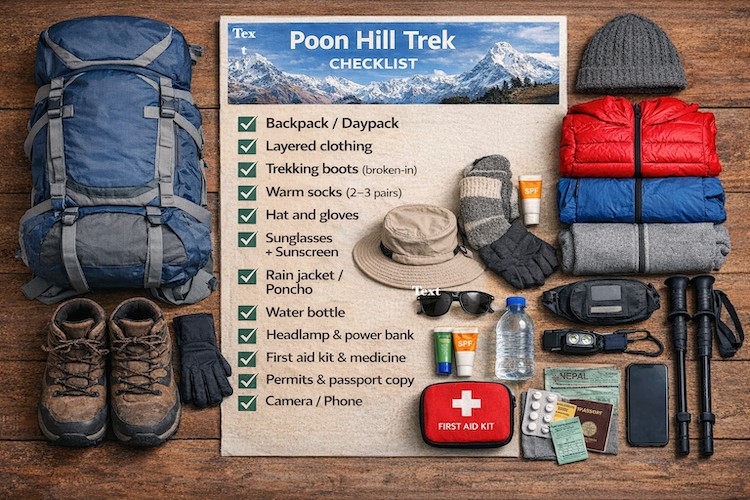
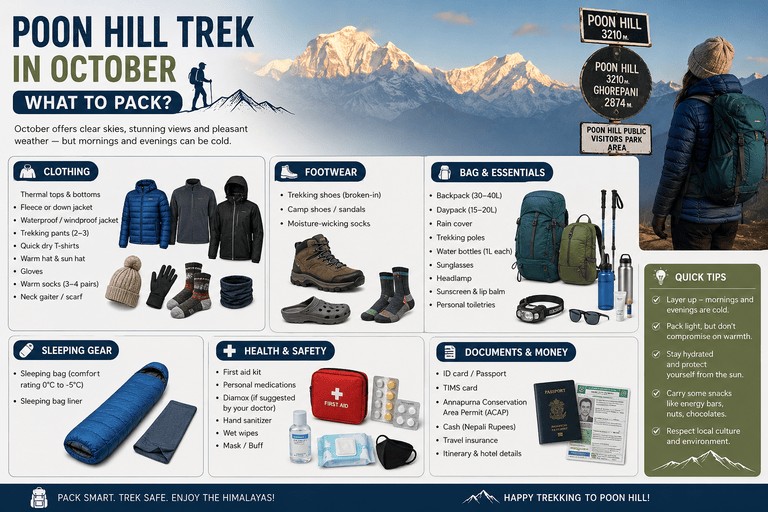
Poon Hill Trek checklist – pack light but smart for a comfortable Himalayan sunrise adventure.
Trekking Zone / Phase
Notable Locations
Trail Features & Vibe | Essential Gear Piece
The Steamy Lowlands
Nayapul, Hile, Tikhedhunga
Hot and dusty, relentless stone stairs | Breathable t-shirt, high-SPF sun hat, polarized sunglasses.
The Cool Canopy
Forest trails towards Ghorepani
Shady rhododendron forests, cool and damp air | Lightweight fleece, long-sleeve synthetic shirt.
The Frosty Summit Attack
Ghorepani to Poon Hill Viewpoint
Freezing, exposed ridge, biting winds before dawn | High-loft down jacket, headlamp, thermal beanie and gloves.
Poon Hill Trek Packing for October – From Tropical to Alpine :
Hiking Boots or Sneakers for Poon Hill?
While the pathway up to Poon Hill is mostly well-maintained, the sheer number of stone steps and uneven sections makes good rubber grip essential. Opt for broken-in trail runners or light hiking boots rather than basic sneakers to minimize the risk of slips and ankle twists.
Considering a trip to Poon Hill in October? Engaging a seasoned local guide through an authorized trekking agency is invaluable. They handle advance teahouse reservations in the busy season, arrange transportation, and are adept at reading the ever-changing weather patterns.
In essence, October is best month for Poon Hill's visual rewards, but successful trekking in this popular time relies on a packed-light mentality for easy movement, comfortable lodgings, and solid protection against the alpine morning chill.
The Microclimate Trekking: Packing Smartly from Nayapul to Poon Hill
Actually, your Poon Hill in October Trek involves a significant shift in climate as you gain elevation, and your packing strategy must reflect this. Understanding the temperature gradient is key to staying comfortable and ready for anything. You’ll start in the pleasant warmth of the lowlands and climb into the frosty alpine air.
Lowland Climate,
From the starting points like Nayapul or Hile (approximately 1,430 m), expect warm and comfortable days. Daytime temperatures typically hover between 22°C and 25°C. Lightweight, breathable clothing that wicks away sweat is crucial for conquering the steep stone steps.
Upper Altitude Weather,
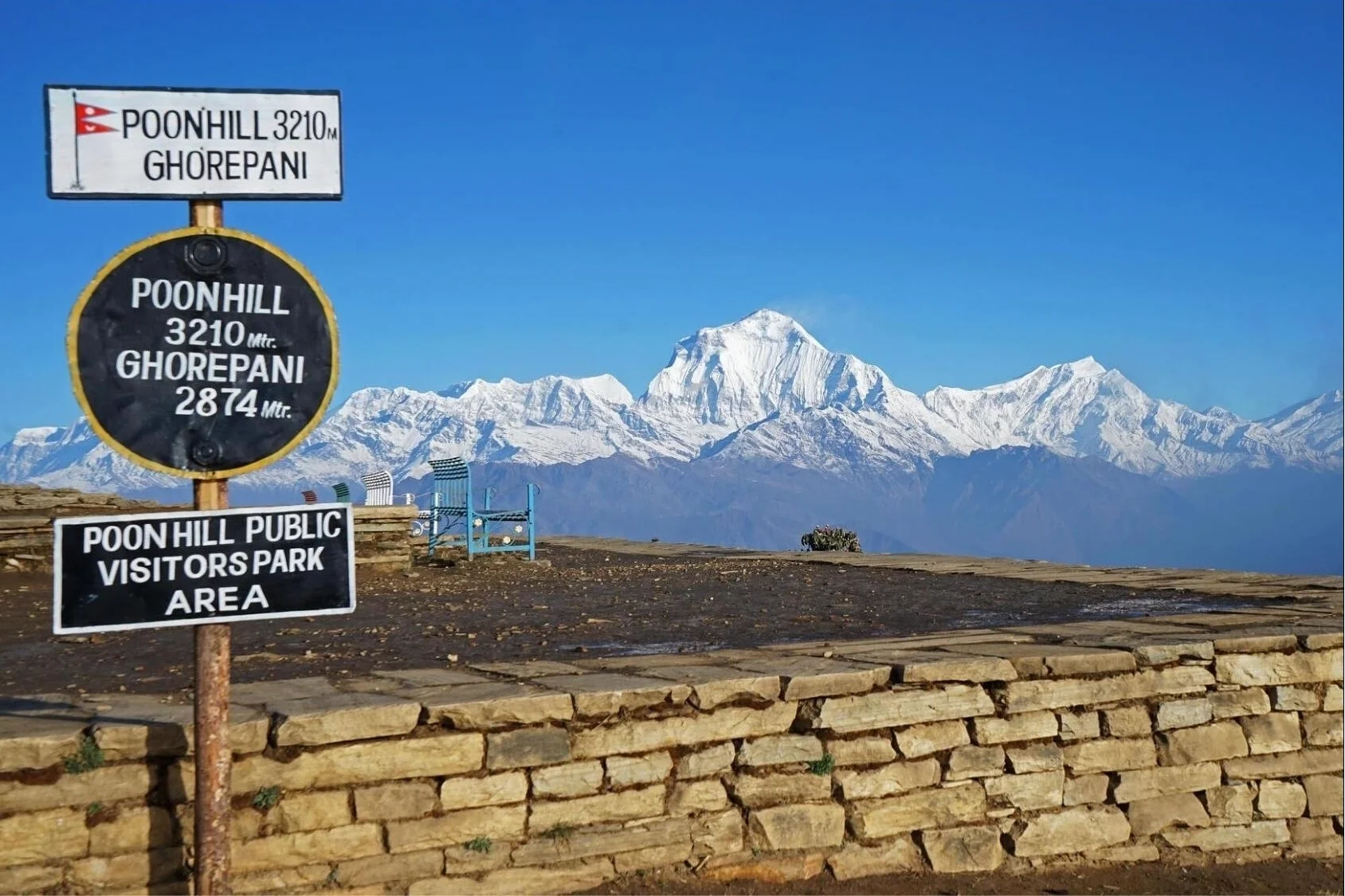
By the time you reach Ghorepani at an elevation of 2,874 m, the nights become considerably cooler, dropping to around 4°C to 8°C. Early mornings at the Poon Hill viewpoint (3,210 m) can be biting cold, particularly without adequate gear.
Trekking Section
Approximate Elevation
Daytime Temperatures | Nighttime Temperatures | Most Essential Clothing
Lowlands (Nayapul, Hile)
1,430 m
22-25°C | 12-18°C | Quick-dry shirts.
Middle Reaches (towards Ghorepani)
Up to 2,874 m
15-20°C | 4-8°C | Fleece jacket, outer shell
Summit (Poon Hill)
3,210 m
5-12°C | 0-4°C | Down jacket, thermal layers
Temperature Zones on Poon Hill Trek :
Due to the rapid temperature decrease with altitude, layering is your friend. Begin your trek with light, quick-drying shirts. Gradually add a fleece layer as you ascend, and don't forget a warm down jacket for the chilly pre-dawn summit expedition. Although October is predominantly dry, a light, waterproof shell jacket is a sensible addition.
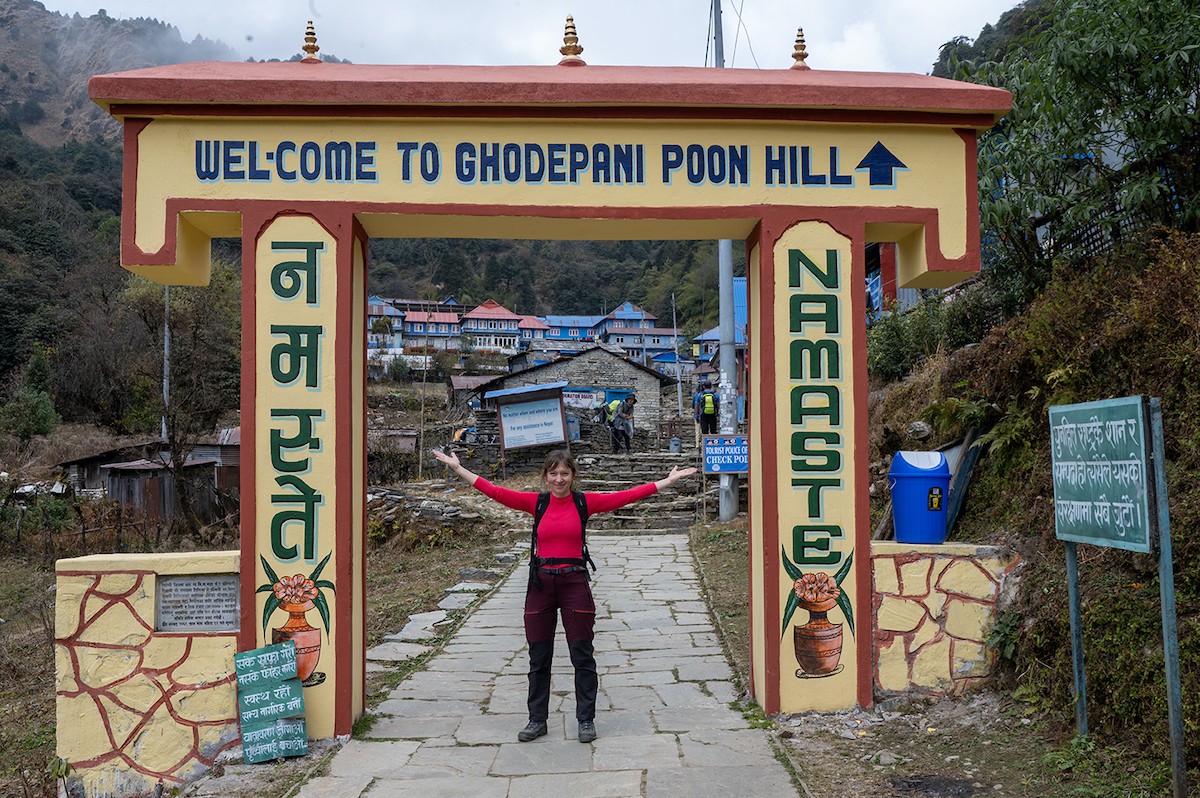
Ghorepani Gate – the welcoming entrance to one of Nepal’s most popular trekking villages and the gateway to Poon Hill.
Importantly, a skilled local guide is a fantastic asset on any trek, especially during the busy months. They’ll provide insight into the shifting weather patterns and assist you in adjusting your clothing and pace accordingly.
In conclusion, the microclimate transitions on the Poon Hill Trek require smart packing for a comfortable and enjoyable experience in October. Balancing layers for both warm lowlands and cold high elevations ensures you are well-equipped for this rewarding adventure.
The Backbone of Layering: How To Handle Sweat and Shivering on Poon Hill Trail
On the Poon Hill trek rapid temperature changes occur so you require a simple three layered clothing system. This is selected to keep you comfortable as the temperature varies from the warm lowlands to the colder high ridges. So you should be selecting the appropriate fabrics and layers.
Why This System Works Well :
It is very convenient because you can put on or take off your clothing during the day, when you were too hot or too cold.
Maintains body heat despite numerous ups and downs of the trail.
It avoids overheating and chills.
Layer 1: Base Layer
You need to be an absolute purist with your ban on cotton. Stay away from anything made out of this. It is totally absorbent of sweat and can remain soaking wet for long periods of time in the October humidity.
It is not helped when wind hits it by making you feel really cold and uncomfortable.
Always wear synthetics or merino wool base layers that pull the moisture away from the body and dry quickly.
Layer 2: Mid Layer
Include a lightweight fleece ski jacket as your mid-layer. With this on, you have an added insulation during the times when the air turns chill. Yet it remains light enough to be packable. It can be fitted as over your base garment while you are on windy sections or resting, and stays airy so you do not become too warm when hiking.
Layer 3: Outer Layer
And last but not least always go out with a packable windproof outer shell. It will protect you from unexpected wind and quick downpour of rain to make sure you're safe and dry. It's crucial because weather could change in minutes on the ridge.
Layer
What to Use
What October Finds Useful
Base layer
Shirt made of synthetic or merino wool type material
draws away sweat and dries fast;
Mid layer
Breathable fleece jacket
Provides warmth,Wear without unwanted bulk.
Outer Layer
Packable windproof shell
Shields us from both the wind and unexpected rain.
Simple 3 - Layer System :
Moreover, you can add or remove layer very simply during the day and you have always the right amount of clothing. Lots of trekkers keep this simple rule in mind, but don't implement it correctly, so you have a better trekking than being too hot or too cold.
To sum up, the essential layering plan is the best way for dealing with sweat and chills on the Poon Hill Trek Route. Thanks to a moisture-wicking underneath layer, a decent fleece mid-layer and a bomber shell there is no way you'll get cold and damp from the valleys around Nayapul (1,000 m) to the chilly summit at Poon Hill (3,210 m). Such straightforward technology will keep your October trek safe and fun.
Up the hard-shell Ulleri : what clothing to wear in order to climb 3 200 unmerciful stone steps
Here, climbing the orange Ulleri stairs is one of the most difficult things on the Poon Hill Trek. It has 3,215+ steep stone stairs, and the sun is very strong in October! So bring the kind of clothes that will help you stay cool and move easily when walking this long hot climb up to Ulleri (2,050 m).
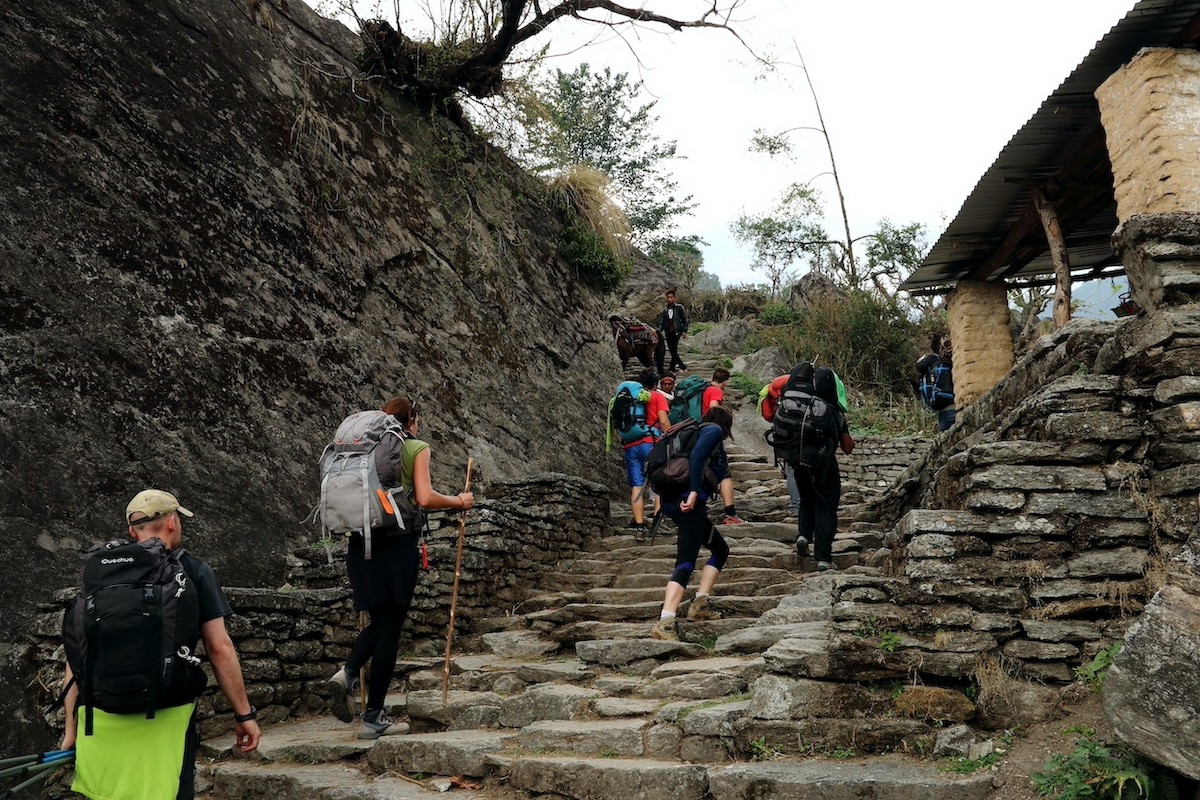
Conquering the legendary Ulleri stone steps – a challenging but rewarding start to the Poon Hill Trek.
What to Wear for the Ulleri Stairs :
Light and highly breathable trekking shorts or convertible pants, for you to be fresh Legs.
A high-SPF sun hat to block out the powerful rays.
70%weight synthetic t-shirt that draws sweat from your skin.
item
reasons to have it
Methods of usage
Shorts/Pants Ventilated pant for more comfort
Allows steaming hot air out of the pants during a steep climb
To keep legs warm without overheating.
High-SPF Sun Hat
Head protection from intense sunlight
Use throughout the day on open staircases
Synthetic T-Shirt
Wicks sweat and drags fast
Replace if too wet
Simple Clothing Tips for Ulleri Day :
Here, you will get very sweaty on these ascents, so it is essential to wear light clothing that dries quickly. As you are quite high, the sunshine will be intense, so a good sun hat is advisable to help avoid sunburn. You can have short rest stops in the shade but the ideal is to start early in the morning when it is cooler.
Practical Advice :
Remember to hydrate with drinking water throughout the ascent.
Use your trekking poles to take the pressure off your knees on the steep steps.
Bring a mini towel so you can wipe your face to cool down.
Save it when you can. Where ever you can rest in the shade.
In conclusion, wrap up appropriately to deal with the climb. Be sure to dress for the warm, sunny weather with useful items such as lightweight shorts, a wide brimmed sun hat, and moisture wicking t-shirts. This will keep you cool and feeling good on the 3,200 stone steps leading all the way up to Ghorepani (2,874 m).
This would alleviate exhaustion during the journey.
Shoes for the foothills: Which boots are right when you encounter rocky ground and dusty trails?
Actually, the trails on the Poon Hill Trek are mostly rocky and dusty, especially through the foothills, so you need to ensure you wear the right footwear for safety reasons and for comfort. While October has dry trails, the stone steps and uneven surfaces can be hazardous if inappropriate shoes are worn.
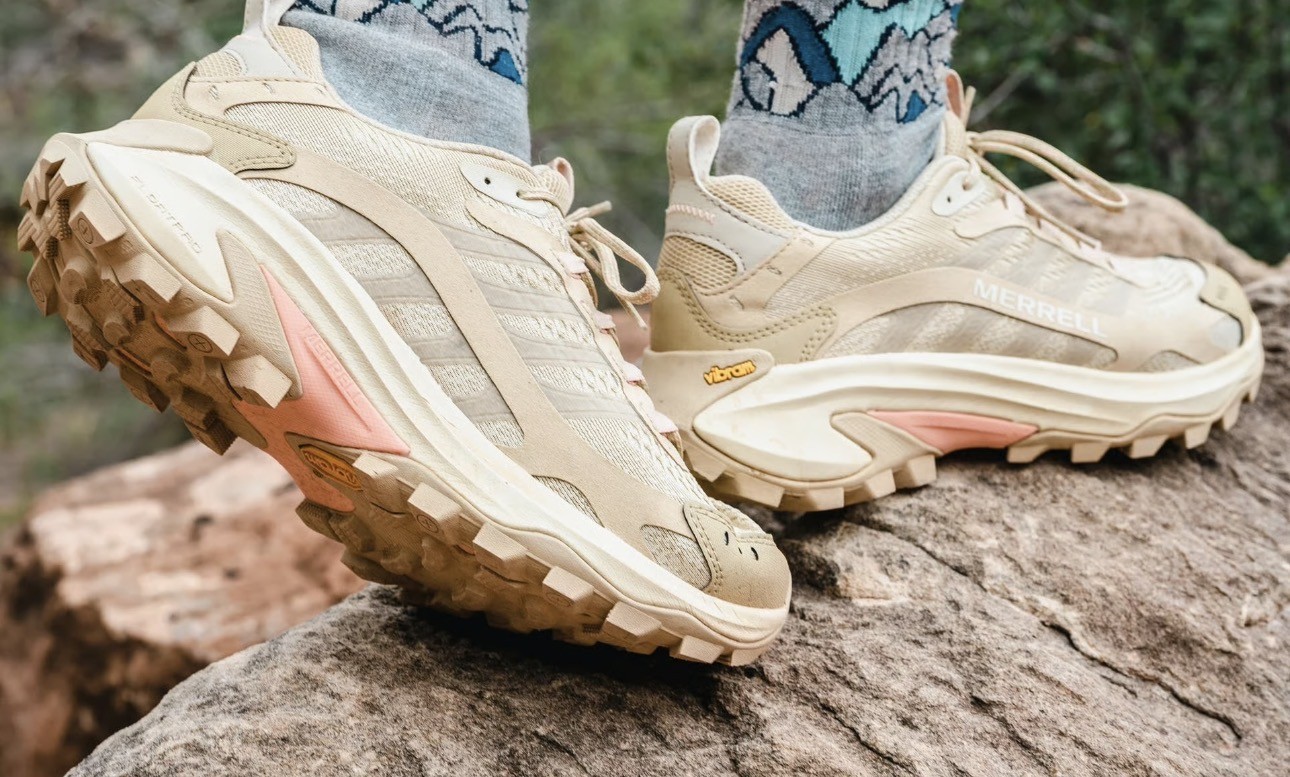
rekking boots with good grip – essential for confidence, comfort, and safety on rocky and slippery Himalayan trails.
Why Good Boots Matter :
The trails are tough and rocky, made up of thousands of stone steps.
Dust has the ability to get into shoes and cause irritation.
Supports around ankle provide additional stabilization when walking on uneven surface.
Recommended Footwear :
Mid cut hiking shoes with comfortable padding and strong ankle protection.
Heavy rubber lugs give great traction on loose and dusty trails.
Match 'em with some medium-cushioning merino wool socks to help deter the formation of friction blisters.
Option
Pros
Cons | Recommendation for Poon Hill
Hiking Boots
Excellent support and grip
All a bit heavy | The best overall purchase.
Trail Running Shoes
Easy and comfortable
Less support on rocks | Good enough for very fit day hikers.
Merino Wool Socks
Wick moisture, prevent blisters
Must change if very wet | Always worn with boots.
Footwear Comparison :
Practical Footwear Tips :
Use your boots for a few long walks prior to the trek to loosen them up.
Pack a couple of spare pairs of socks – merino wool works well and if they get wet, change them-
When descending really steep drops, use a good set of trekking poles to protect your knees.
Dust your boots nightly.
Actually, there are tons of stone steps along the way from Nayapul (1,000 m) up to Ulleri (2,050 m)-with quality boots, you can walk up feeling confident that your footwear won't cause you trouble. Later, as you ascend toward Ghorepani (2,874 m) and Poon Hill (3,210 m), it gets more dry, but there are occasional rocky paths. Stay comfortable on the way up by wearing quality boots and socks.
To sum up, the best equipment for a trek the Poon Hill Trek in October is excellent footwear. For bringing yourself safely over rocky paths and dusty trails, solid ankle support, mid-cut walking shoes and Merino Wool socks under the changing conditions of the foothills through to the summit are needs and essentials to keeping your feet strong and healthy.
Shaded Rhododendron Forests: Staying Comfortable Between Tikhedhunga and Ghorepani
Between Tikhedhunga and Ghorepani the trail runs through thick rhododendron forests. The forest receives the shade during the day and the temperature suddenly drops even in the month of October. So make sure you have easily approachable layers on to keep yourselves comfortable entering into the forest.
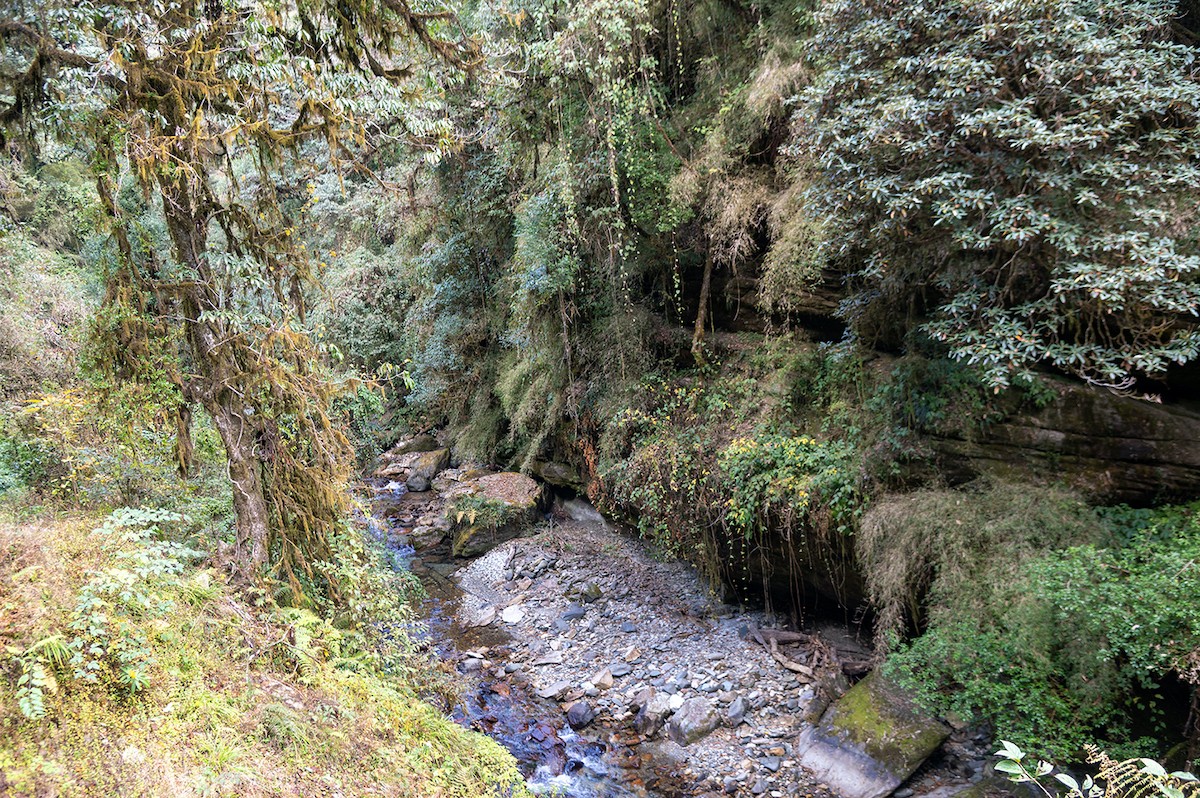
A peaceful forest stream on the way to Ghorepani – where nature, fresh mountain air, and tranquil trails create a perfect trekking experience.
Why Temperature Drops Happen Here :
Thick canopy yellows blocking the sun.
You feel cooler with the breeze swirling through the trees.
You sweat slightly less, but at higher speeds you may still feel chilly.
Recommended Gear for Forest Sections
Carry a light Windbreaker or a long-sleeve zip-neck top at the top of your Day Pack.
Easy to add another layer as air cools down.
The windbreaker can be used in gusts of light winds or rainy times.
Item
Why you need it
How to use it
Ultra-Light Windshell
Keeps the unexpected chill off
Mantained on top of the day pack.
Long-sleeve zip-neck top
Keeps you warm but doesn't make you bulky
Easily slipped on when you enter forest
Simple Forest Layering Tips :
Fleece jacket (optional) put on if the temperature falls by another 5, cooler than light green
fleece jacket (optional) Dress if the temperature drops another 5, colder than light green.
Practical Advice :
Initially wear light clothes when crossing the open valleys.
As soon as you feel the shade of your windbreaker or long-sleeve top must be added.
Try to have short breaks when you are in a sunny clearing.
Remember to keep drinking water, as the forest air can be very dry.
Likewise, the Rhododendron forests are marvelous, but the temperature changes may sneak up on you. Be sure to have a lightweight windbreaker or long-sleeved shirt available for when you find yourself in the refreshing shade of a thick green canopy.
In conclusion, this time set up makes it a breeze to stay comfortable in the shadowy, cool forests of rhododendron at the start of the route between Tikhedhunga and Ghorepani. Lightweight windproof or long-t-shirt is ideal for using it to adapt to temperature changes. This small effort provides you for enjoying climate change perfectly and get the Ghorepani (2,874 m) fresh and smiley.
The midnight call: Preparation for the frozen predawn ascent till summit of Poon Hill (3,210m)
Actually, the highlight of the Poon Hill Trek is the early morning ascent to the top. You will rise at around 4:30, in Ghorepani, and make your way up in the dark to the viewpoint at 3210m (10531ft). It will be mid winter and winter does get very cold on the mountain! You may experience the full severity of the alpine winds, with windchill at 0C (32F) or colder.
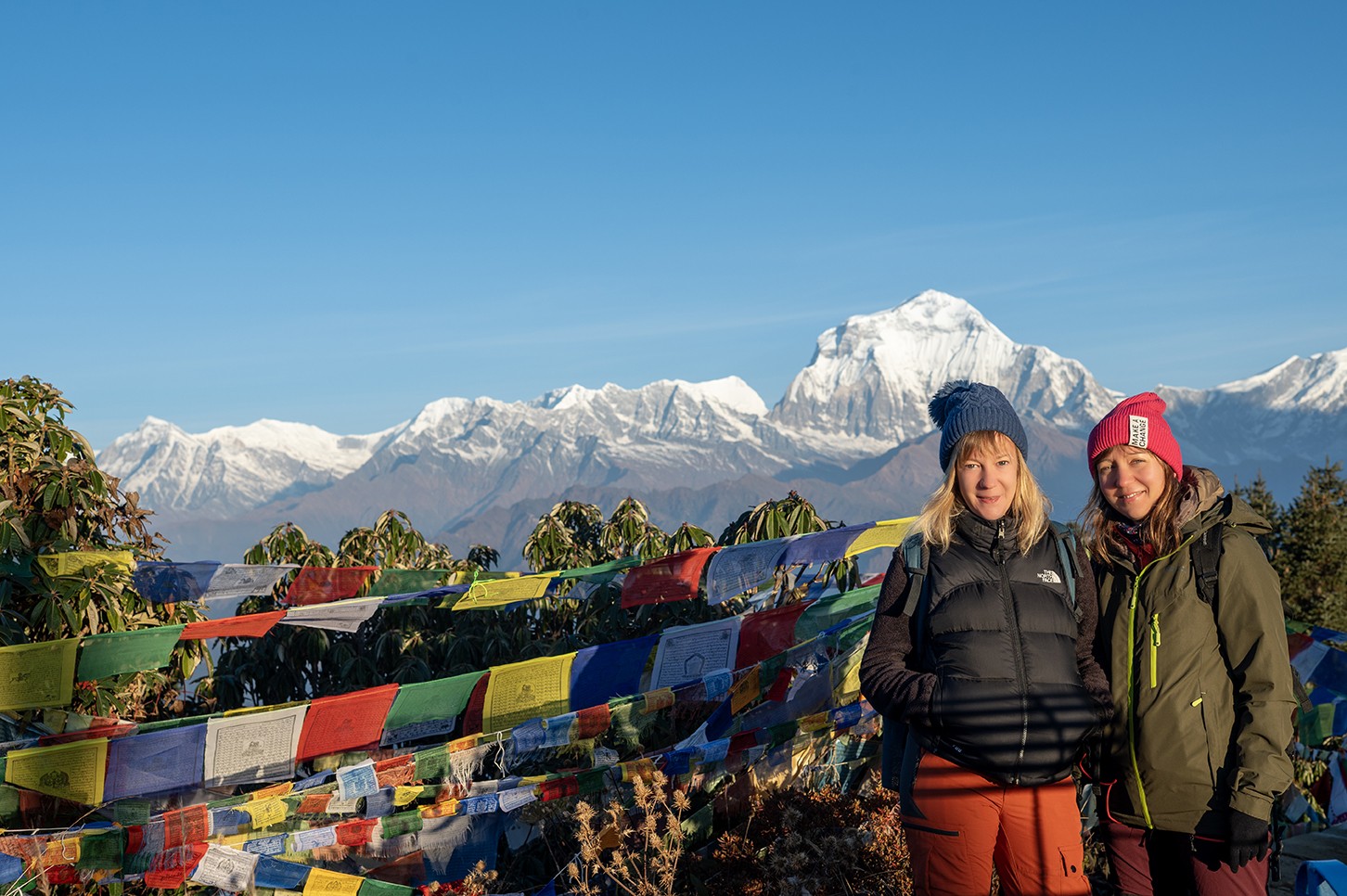
Poon Hill summit – trekkers celebrating amidst prayer flags and breathtaking Himalayan panoramas.
Non-Negotiable Items for the Dawn Climb :
A high-loft down jacket to block the wind and insulate your body.
A thermal option such as a thermal t-shirt to add another insulating layer under your clothes.
A cosy fleece beanie for your head and ears.
Lightweight gloves so you can hold your camera or trekking poles without freezing your hands.
A dependable torch, with loose batteries and a powerful beam to illuminate the less-trodden trail ahead.
Item
Why You Need It
Simple Tip
High-Loft Down Jacket
Reduces colder wind and heat
Wear over the whole layers
Thermal/Layer
Allows the sailor to stay warm closer to the body
Needs to put on just prior to leaving the lodge.
Fleece Beanie
Head will be protected from windchill
Cover ears completely.
To keep your hands warm in cold weather
wear a pair of warm lightweight gloves while taking photographs
Look for a pair that provides a good grip.
Headlamp + spare batteries
Lights the steep, dark path
Test it the previous evening.
Dawn Climb Gear Checklist :
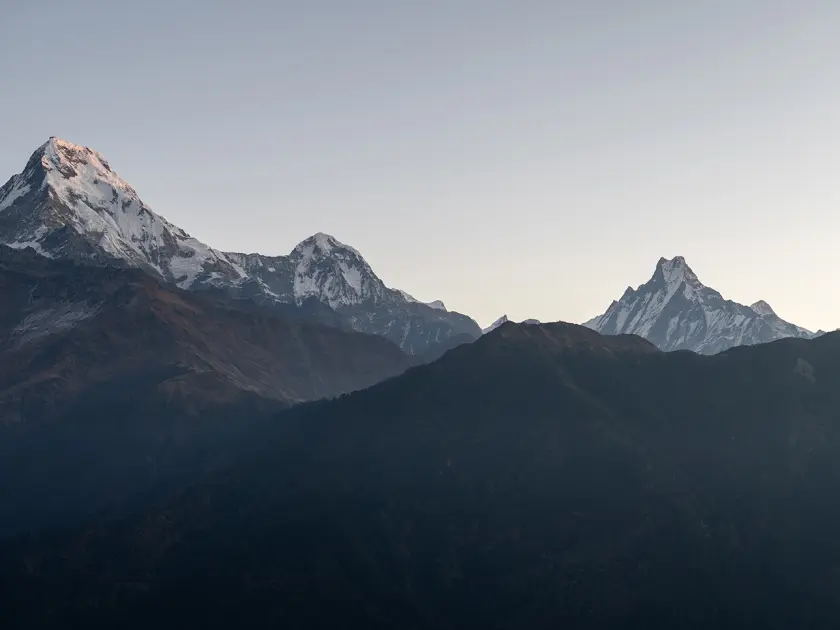
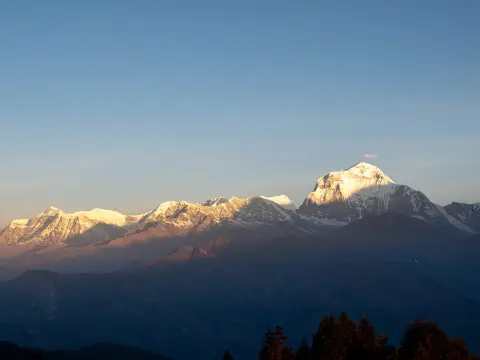
Here, you walk in a darkness so the head lamp illuminates the path and you can walk comfortably on the trail. The down jacket and the warm layers above shield you from the cold wind. By the time sun rises, you get a breath taking sight of Dhaulagiri and Annapurna south and the chill ice wind disappears.
Practical Tips for This Morning :
Wear all the warm layers when leaving the teahouse.
Bring a small snack and water in your daypack.
Keep walking steadily and stand with your group.
Take pictures but don't stay too long in the cold wind.
All in all, the midnight wake-up call to Poon Hill Summit requires good warm gear. Armed with a high-loft down jacket, thermals, fleece beanie, fleece gloves and a dependable headlamp, you'll stay warm and secure during the freezing-dawn hour trek to catch the sunrise. This additional prep makes for a wondrous viewing at 3,210m and will certainly be one of the best memories of your October trekking experience.
Teahouse Survival Gear: Securing Warmth in Crowded Peak-Season Lodges
In October, the Poon Hill Trek is the busy time so the teahouses in Ghorepani and Tadapani get very crowded. The rooms are basic and have limited insulation so the blankets supplied by the lodge may not be sufficient when everyone is staying there. You therefore need your own kit to keep warm and comfortable at night.
Recommended Teahouse Survival Gear :
A sleeping bag or thermal liner suitable for temperatures as low as 0C, small and light enough to carry but warmly insulating.
Light camp shoes or Crocs (bought in cheap shop in town) to take in the lodge so your boots can breath.
Item
Why You Must Have It
Tips on Usage
Sleeping Bag or Liner
Adds warmth and sanitary protection
For use over lodge sheets.
Camp Sandals
Releases the stress from your legs
Wear these around the dining hall while your feet are tired from walking around campus for the past 10 hours.
Simple Teahouse Gear List :
Practical Survival Tips :
Change into dry attire immediately upon entering the teahouse.
Get into your sleeping bag or sleep liner before going to bed.
Evening, in the heat of the dining hall with the other trekkers.
Your warm hat and socks should be kept handy for sleeping.
As October is so popular with the trekkers, the rooms get booked up quickly leaving fewer blankets and sleeping bags. If you bring your own, you know you will always be comfortable and be fresh in the mornings. Lightweight camp sandals work wonders on tired feet after a day of climbing the stone steps!
All in all, teahouse survival equipment is extremely necessary in the busy October. A packable sleeping bag or an inner and camp sandals provide insulation and comfort in basic lodges. With respect to this equipment, you sleep soundly in Ghorepani (2,874 m) and other busy points and remain physically strong for the Poon Hill Trek.
Power and Connectivity: How do I keep my kit alive when my lodges are jam- packed?
When Himalayan altitudes, teahouses are stuffed with trans-global tourists, there is nothing more complicated than snagging a socket to give your mobile a boost. The majority of isolated mountain hostels are exclusively solar or micro-hydro powered; and, due to the shortage of electricity, you will often have to share two or three sockets with a dozen others in the main communal dining room.
In addition, the biting mountain cold succeeds as a vacuum cleaner for 21st century electronics. Absolute zero slows down the chemical reactions within a lithium-ion cells and leads to lasting trouble with cell phone batteries freezing drain where the full battery charge can fall to nil in minutes. Intelligent power control means that your camera and cell phone remain ready to document the remaining journey.
Tech and Battery Protection Strategies :
Keep your kit warm: Pack your camera's batteries, your phone and your power banks away in your sleeping bag overnight so that they stay warm from the heat of your body.
Enable airplane mode: Cell phones deplete their batteries very quickly when attempting to pick up weak signals deep within canyon walls, so it's best to keep the phone in airplane mode.
Keep batteries near: Keep spare camera batteries in your internal jacket or coat pockets next to your chest while hiking the trail.
Pack the right plugs: Carry a multi-plug adapter as the sockets in most isolated village places are experienced to be very old, loose or of abnormal shape.
Electronic Charging Reality Matrix :
Power source option
Averagu Cost
Reliability level | Best used for | Power capacity benefit
Teahouse Charging Outlets
2 - 5 Euros per hour
High (Outlets are often broken, crowded, or reliant on solar power) | Emergency top-ups for your phone | Helpful for a quick boost if your there without a backup plan.
Portable charger 10000mah
Single purchase
High (Stand alone fully functional for an hour in your room) | Two or three times charge to your mobile | The best match of weight and power for a short trek.
Heavy Power Bank 20000mAh
Single purchase
fantastic (Tremendous amount of backup power for numerous electronic devices) | Powering phones, headlamps, and cameras | Allows 2 walkers to stay powered for a week.
Portable solar panel
Purchase once
Medium (Limited benefits on a cloudy and covered afternoon, can’t shade the panel) | Hung on your backpack all day long | Beneficial on long walks, but a waste on a cloud covered afternoon.
We have created this comparison chart to guide you in an electronics gadget strategy when considering to charge electronics devices in Nepal.
Health Hazards – Water safe & knees will need protecting on the descent
Basically, there are two golden rules to keep yourself healthy on the trail: Keep the water clear and keep your joints safe on the long descents. Plastic bottles are 100% prohibited in most areas of the Annapurna Conservation Area in an effort to preserve the environment; therefore bottled water is off limits. Tiroides need to purify the tap and local water supplies before it is suitable for consumption.
Likewise, the second health challenge involves the toll your body takes from walking downhill. While climbing through the steep terrains and forested trail to Poon Hill gets you breathing hard, riding thousands of ancient stone steps down toward Ghandruk or Birethanti annihilates your knees. If you treat your feet and knees right, joint ache won't ruin your trek.
Essential Trail Health Habits :
Treat every drop: Use water purification tablets Nepal or a reusable filtration bottle to filter out dangerous bacteria when drinking the water from any local tap.
Shorten your down hill steps: Use small, gentle steps on stone stairs rather than hopping on your heels.
Be prepared: Bring along a basic first aid kit with blisters pads, rehydration salts, ibuprofen, and any personal medication in your day pack so you can get to them quickly.
Drink enough before you become thirstier: As dry mountain air acts as a sponge to your body, you should take in at least 3 to 4 liters of purified water per day.
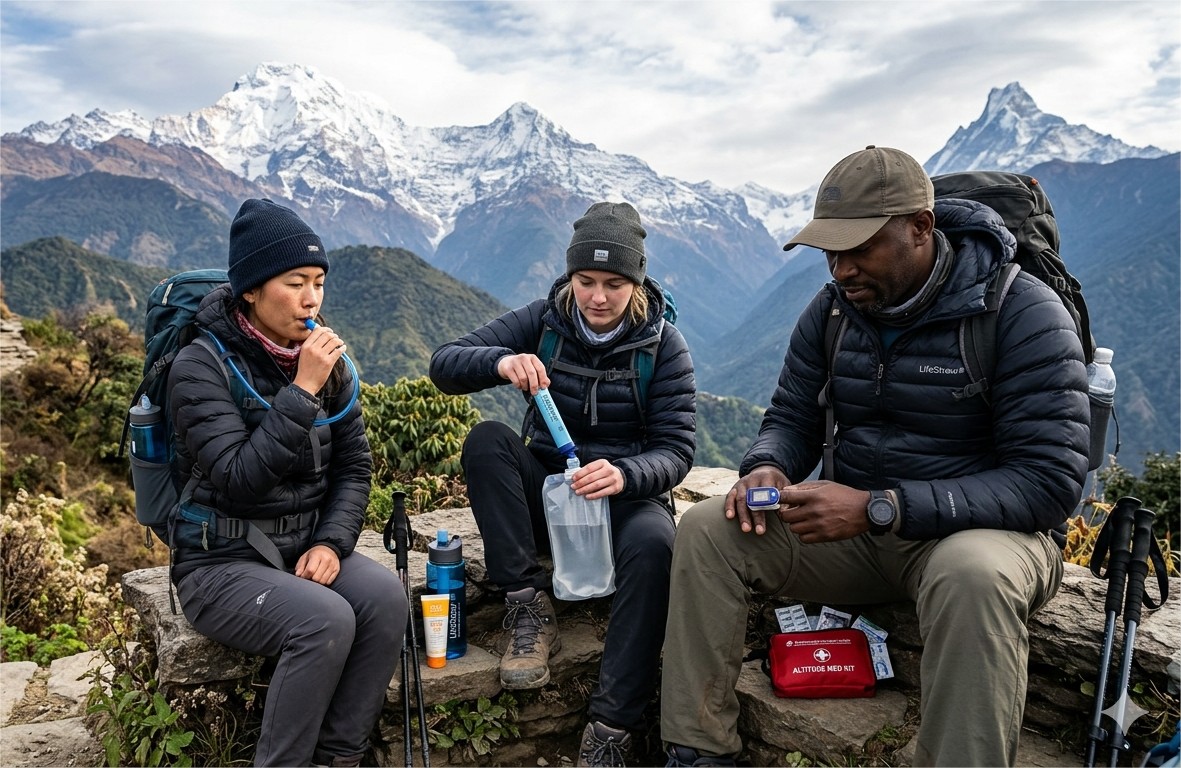
Smart water management on the trek – stay hydrated, refill regularly, and use safe drinking water practices throughout your Himalayan adventure.
Gear and Health Management Matrix :
Item To Protect Your Body
How Does this Item | Protect Your Body
Why Do You Need This Item
Adjustable Trekking Poles
Knees, ankles, and lower back | Automatically pass on 20 per cent of your body weight directly to your hands and forearms
Free of agony in the feet and knees on mountain ascent of slab stones.
Water purification tablets
Stomach and digestive system | Kills all dangerous bacteria and viruses in mountain water supply
Maintains 100% hydration without garbage creating micro-plastics
Strong hiking shoes
Ankles & toes | to shield you against furious twists when walking over loose gravel & uneven dirt tracks
to give you essential hold & not bruise your toes3
Electrolyte replacement powders
Your muscles and your energy level | Replaces important mineral salts required after loss by extreme perspiration on the hot hillsides
Keeps pain free of leg cramps and your energy level high
This functional table is your ultimate checklist of the critical health gear you need to pack, for a safe and comfortable experience during the high-altitude descent.
Rainy day fallback: that a packable rain shell has a place in an October pack
Here, one mistake many newbie hikers make is to believe that a dry month means no rain, and with October to be the 'golden rule' for blue skies, it is worth noting that in the high mountains, time mentions little. The hurricane winds don't necessarily fall in October Nepal and can barge through just the same.
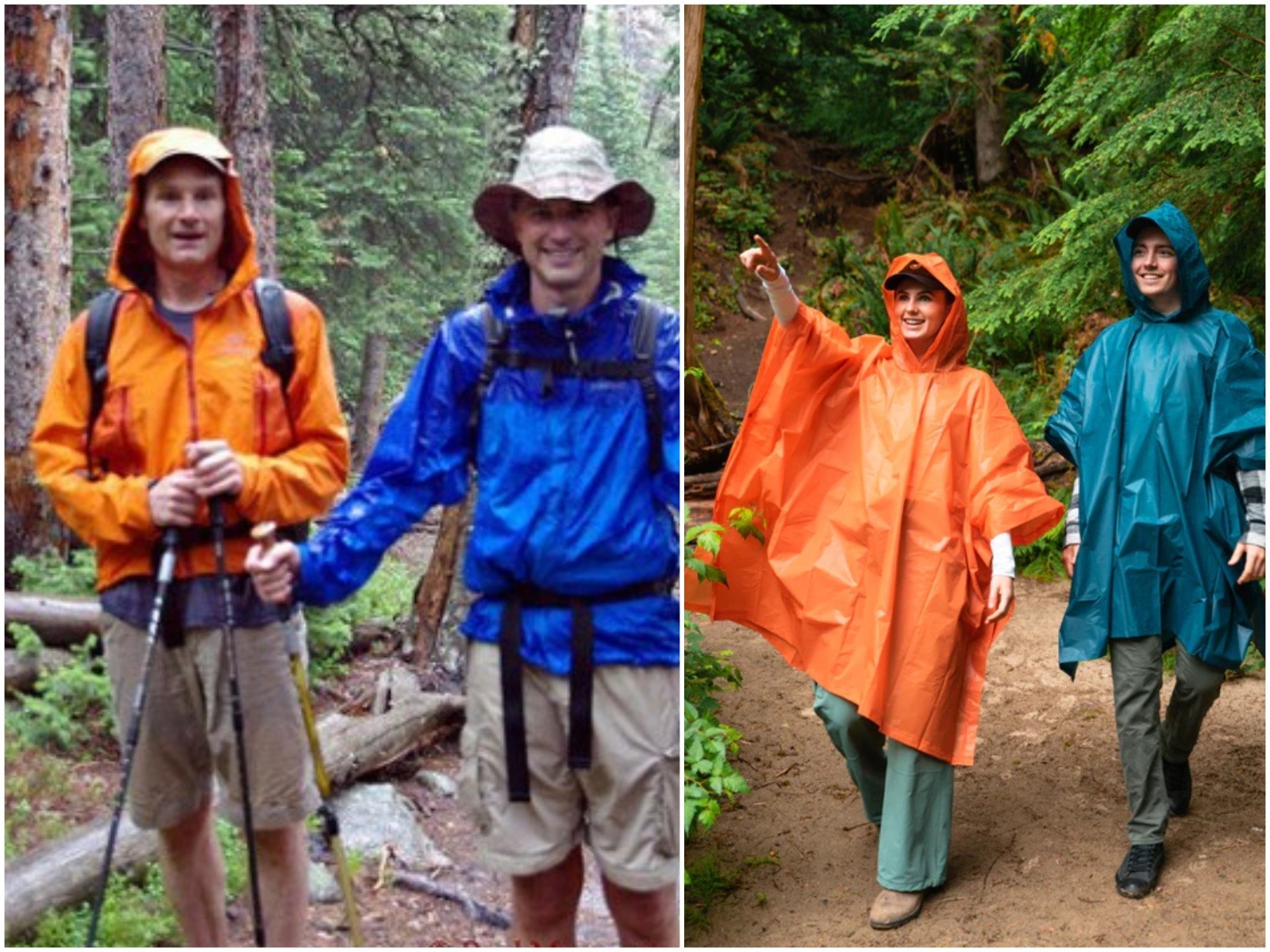
Rain gear essentials – stay dry, warm, and comfortable on the trail with reliable waterproof protection.
"Not packing for a quick shower for October during Poon Hill trek is a sure way to turn an easy walk into a splashing, freezing nightmare." Staying dry isn't just comfortable; it can save your life and keep you safe from hypothermia during cold hikes. Lightweights, water-repellents and protective sheets of gear are for times when weather changes will not ruin today's trekking.
Keep Raingear on Top-Tuck your waterproof (think: rain jacket and pants) somewhere on top in your pack so you can grab it at the first sign of rain.
Take care of your electronics, money, and electronics? Put your phone, camera and passport in zipped plastic bags inside your pack to add an extra layer of waterproofing.
Be cautious where you walk: Slick when wet, stone stairways require you to take smaller steps and use your trekking poles to establish a stable base as you traverse.
Remove Wet Clothing Right Away: As soon as you arrive at your evening teahouse strip off all damp garments and hang them near the dining room heater; this often helps to dry them by the time you leave.
Wet-Weather Protection Matrix :
Water proof Items:
Water proof items:
Water proof protection: | How do we utilize it?
Packable Rain Jacket
during the use of thermal layer systems
in the outer pocket of the main daypack | protects hands from cold winds, ensures thermal layer system is completely dry, carried as an outer shell when windy or rainy conditions occurs.
Waterproof Backpack Cover
Spare clothes &electronics
Elastic nylon shield pulled over the outside of your pack | Stops the rain from going through the seams of your pack.
Waterproof Zipped Pouches
Travel papers and money
Sealed inner bags kept close to your body | Ensures your passport and permits remain dry whatever the weather.
Dry-Sack Liner Bags
Sleeping clothes and spare socks
Heavy Duty Internal Bag which lines the whole pack | Always have some warm, dry clothes to change into at night.
Conclusion: The Definitive Under-8kg Autumn Packing Checklist for Poon Hill Trek
Here, the best part about doing Poon Hill is it's a very short and very comfortable teahouse trek. With so many different monasteries housing you each night and cooking you each day, you don't have to pack too much-the walk itself is only a few hours. As you'll be riding light Nepal style, with a pack that weighs less than 8kg, your low energy levels and full attention will be entirely focused on the spectacular sunrise views.
Essential packing checklist for the Ghorepani Poon Hill Trek in Nepal's Annapurna region.
Trail Zone & Climate Conditions Matrix :
Trekking Zone / Phase:
Major Places of Visit During the Phase:
Condition of trail & map; feel of the trail: | Mandatory Gear Item:
The Tropical Lowlands
Nayapul, Hile, Tikhedhunga
Sizzling smooth stonespiral staircase and continuous farmland | Be sure to pack: A cool-breathable T-Shirt, A hat with a super-SPF sun protectant and some polarized sunglasses for the long sunny days.
The Shaded Forest
Forest trail to Ghorepani
Cool, damp trail through a dark, bushy rhododendron forest | Lightweight fleece sweater, long sleeved synthetics layer.
The All Night Climb to the Top of the Alps
From Ghorepani to the Poon Hill Overlook
Sleep under the stars on the windswept ridge track before dawn | temperature plummets, and get 'high-loft' down jacket-ed up, headlamper, thermalled Beanie Footwarmer & Great Glovest In preparation for the cold, cold climb to the summit.
This breakdown will help you audit your bag before flying out so you know specifically what conditions you'll be facing and what gear is required for each stage.
Think I should buy some hiking boots for Poon Hill, or are nice trainers alright? Master Under-8kg Packing Checklist
Clothing for underneath: Pack 2 polypro synthetic t-shirts, a long sleeve base layer, a fleece jacket, and an ultra high loft down jacket.
Trekking Pants & Socks: Bring two pairs of stretchy trekking pants, three pairs of breathable trekking socks, and a warm beanie.
Great trail electronics: Bring a dependable head lamp, along with some spare batteries, your phone, and an extra power bank so you can avoid long lines while charging at busy ports.
Health & Hygiene: Take water purification tablets, a small travel towel, lip balm with some sun protection and a minimal first aid kit.
The Value of Professional Field Guidance,
Looking to make your autumn trek as smooth as possible? Just like you can't control the unpredictable short-term mountain forecasts, you can minimize your own climbing chaos by bolstering your experienced ground support. By booking through an authorized trekking agency or hiring a professional trained, licensed, experienced local guide is your one true logistical advantage over crowds in October. Trained guides can guarantee your private, pre-arranged cars in Pokhara, interpret the subtle seasonal signals of Himalayan weather, and leverage well-established local relationships to pre-book your teahouse rooms long before they come in hordes.
1. What kind of clothing should I prepare for the trek to Poon Hill in October? For your Poon Hill trek packing list you should carry three basic layers: Moisture-wicking T-shirts for hiking on warm days, lighter fleece jacket for the chilly treks in the late morning and a down jacket for sleeping in the freezing evenings. October weather at the low trailhead can be very different from that up at the high viewpoint, so packing for warmth and variety is a wise idea.
2. Will a Poon Hill trek in October require you to carry winter heavy kit? You won't require specialized adventure trekking equipment, though you will need suitable such items as a warm down jacket and woolen beanie. It's still warm during the daytime at lower elevations such as Tikhedhunga (1,540m) after all, but it's quickly cold the higher up the trail profile you go.
3. What type of shoes would you recommend for trekking to Poon Hill during the month of October? Bring a comfortable pair of well broken-in hiking boots that will support your ankles on the trail. Also pack a pair of light sneakers or sandals to wear inside the teahouses in Ulleri (2,020m) and Ghorepani (2,874m) at night while your feet relax after a day of walking.
4. How many pairs of socks should I take for Poon hill hike in October? Bring 3 to 4 pairs of good quality woollen hiking socks. A good pair of sock made of merino wool would be ideal as it cushions your foot on the stone stairs and drains the water away very fast so your toes stay dry and warm during the chilly early morning haul up the Poon Hill summit (3210m).
5. Which backpack should I take for Poon Hill in October? Bring a 30-liter daypack with you if you hire porters so you have a place for your water, camera, jacket, and sunblock. If you walk on your own, consider bringing a 40- to 50-liter pack to carry your clothing and personal effects between the mountain villages.
6. Is it necessary to bring a sleeping bag for lodge stay in the Ghorepani area in October? Teahouses in Ghorepani (2,874m) have blankets, but we arrived in October which is very busy and rooms can be extremely chilly overnight. A small pack sized sleeping bag (0C (32F)) will be worth it to keep you warm, clean and comfortable overnight.
7. What do I need to pack on my Poon Hill trek in October? Bring two varieties of hats with: A wide-brimmed sun hat for covering your face on those sunny day walks from Nayapul (1,070m). A warm fleece beanie for covering your ears from freezing winds on the early morning climb up to Poon Hill (3,210m).
8. Is it recommended to bring trekking poles on the Poon Hill trek in October? Absolutely, the use of trekking poles is recommended to cope with the Poon Hill trek difficulty. They help to alleviate the shock that your knees are bound to endure when conquering the 3,000 stone steps leading up to Ulleri (2,020m) and give your balance on the tedious, protracted descent into Ghandruk village (1,940m).
9. What kind of hand gear do I need to bring for the October Poon Hill Trek? Take a pair of light gloves that are windproof if you plan to do the trek at this time of year. You won't need them during your daytime trek to Ghorepani (2,874m) but you will be frozen when sitting around waiting for the sun to rise over Mount Dhaulagiri (8,167m) on the windy summit viewing balcony!
10. Is it advisable to carry rain gear for a trek in Poon Hill in October? October tends to be dry but mountain conditions are always fickle. Bring a lightweight, packable rain jacket or inexpensive plastic poncho in your day pack in case of a surprise rainy day of trekking from Tikhedhunga (1,540m) to Ghorepani (2,874m).
11. What water treatment equipment should I take on the Poon Hill trail? Pack water purification tablets or a reusable Water filter bottle. Plastic bottled water is an expensive - and damaging - luxury in Ghorepani (2,874m). Purifying tap or stream water will protect you from stomach bugs anywhere in Nepal.
12. Should I bring a headlamp for the Poon Hill viewpoint hike? A headlamp is essential! You'll start out at 4.30am in pitch darkness for the very popular sunrise hike from Ghorepani village (2,874m) up to the Poon Hill summit (3,210m). An essential item, a good headlamp frees up your hands to safely handle your trekking poles.
13. Which electronics and charging equipment will I need in October for Poon Hill Trek? Bring a powerful portable charger (10,000mAh and up). The freezing mountain air will drain your batteries faster than anything. Some teahouses in higher villages such as Ghorepani (2,874m) require a small surcharge for using their shared electrical sockets, so bringing your own power source will be cheaper.
14. What do I need to take in terms of toiletries on Poon Hill trek in October? Pack some biodegradable soap, a quick dry towel for the a trek, wet tissues and a high factor sunscreen. Hot showers cost an additional fee at Ulleri (2,020m). So in order to freshen up it is easier to use wet tissues. Due to the aspic sun at 3,000 meters the sun is hottest.
15. Do I need to carry a first-aid kit on the Poon Hill trek in October? Yes, take a simple first aid kit with plasters, blister pads, ibuprofen, rehydration salts and diarrhea medication. The relatively low Poon Hill trek elevation means altitude problems are not an issue but cuts, muscle strains and blisters from the rocky terrain are.
16. How should I Dress in October-What kind of trousers-or pants-should I pack for Poon Hill Trek? Pack 2 pairs of light and convertible trekking trousers which can be zipped off to make shorts. Ideal for the warm lower valleys near Nayapul (1,070m). Also pack 1 pair of thermal fleece pants for wearing inside the cold teahouses in the evening.
17. Should I bring Cash to spend during the Poon Hill trek? Absolutely, bring enough real Nepali Rupees. There are no working ATMs at the towns of Tikhedhunga (1,540m), Ulleri (2,020m), or Ghorepani (2,874m). You will require cash before even beginning your journey to purchase hot showers, Wi-Fi access cards, charging units, and snacking supplies.
18. What mountains will I see in Poon Hill Trek, and do I need to bring binoculars? Enjoy the colossal Mount Dhaulagiri (8,167m), Annapurna South (7,219 m) & the famous Machhapuchhre (Fishtail, 6,993m). If you have a good quality binocular, they are useful to see features on the ice walls, otherwise they are non-compulsory!
19. Do I need to bring some snacks or energy bars along for the daily walking distance during Poon Hill Trek? Yes, grab some of your favorite chocolate bars, trail mix, or energy gels from Kathmandu or Pokhara. In the villages along the trail such as Ulleri (2,020m), small shops sell snacks, but they will be more expensive at higher elevations, and its helpful to have them ready for long climbs up uphill.
20. What supplies I should I pack in my daypack for the checkpoints? Ensure to bring the physical copies of your passport, passport photos and trekking permits, including the ACAP permit (see below) with you. You will be required to physically present these at the checkpoints in Birethanti village (1,022m) before being allowed to travel further up the mountain path.