Here, trekking has resumed in many areas of Nepal, including Everest, Annapurna and Manaslu. But the Langtang Valley via Syabrubesi trek is the major exception due to Rasuwa flood damage ( August, 26,2026).
Meanwhile, the August 26, 2026 disaster centered on the Lhende-Bhote Koshi-Trishuli corridor, destroying roads, bridges and infrastructure in the Rasuwa area.
Thus, it must be concluded that trekking in Nepal is not closed nationwide. Updated trekking news shows Everest, Annapurna and Manaslu routes are unaffected by the Langtang access closure.
| Trekking region | Current recommendation |
|---|---|
| Everest Base Camp | ✅ Trekking can continue |
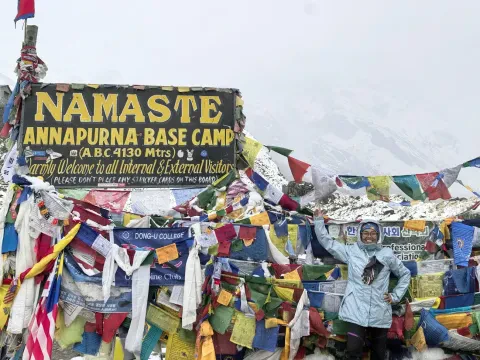
| Annapurna Base Camp | ✅ Trekking can continue |
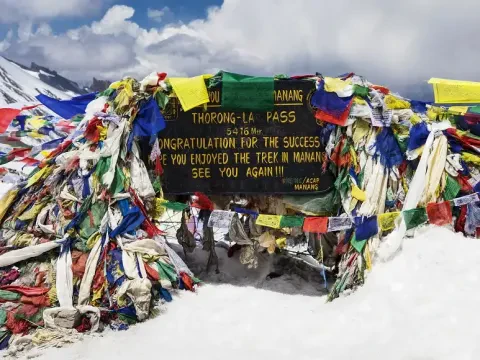
| Annapurna Circuit | ✅ Trekking can continue, subject to monsoon conditions |
| Manaslu Circuit | ✅ Trekking can continue, subject to local conditions |
| Mardi Himal | ✅ Possible with weather checks |
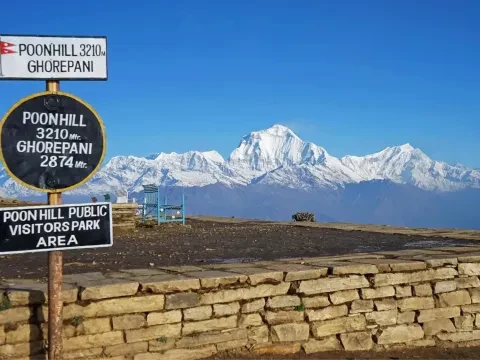
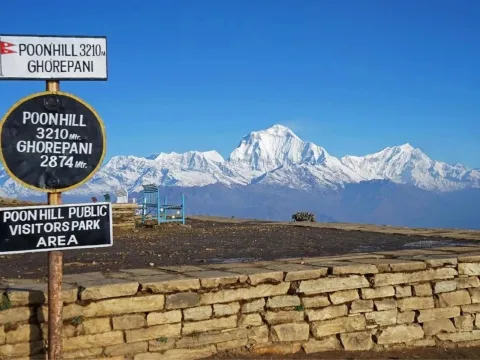
| Poon Hill | ✅ Possible with weather checks |
| Kanchenjunga | ✅ Separate from Rasuwa disaster |
| Makalu | ✅ Separate from Rasuwa disaster |
| Langtang Valley | ⚠️ Postpone via Syabrubesi |
| Gosaikunda via Rasuwa | ⚠️ Postpone/check current access |
In fact, the crucial distinction is between flood impact and monsoon trekking conditions. While the August 26 flood may not have directly impacted a trekking region, heavy monsoon rains can still cause landslides, road closures, and difficult trail conditions. Current national reports still show disruptions on some highways due to rainfall and landslides.
Before starting any trek, travelers should:
Thus, Nepal's major trekking industry has not stopped due to the Rasuwa flood. The most important exception is the Langtang-Syabrubesi corridor which requires special assessment.
Yes, some roads and highway sections have reopened, but it would be misleading to suggest all highways have reopened. Road conditions are changing rapidly as rescue, debris removal and temporary repairs continue.
Importantly, Rasuwa was reconnected to the national road network via an alternative route on August 28, 2026. The alternative route currently allows small four-wheeled vehicles to access the district.
However, significant sections of the original transportation network remain compromised. The flood destroyed numerous bridges and approximately 40 km of road infrastructure, presenting major restoration challenges.
| Area | Current situation |
|---|---|
| Kathmandu–Rasuwa corridor | ⚠️ Partially disrupted |
| Alternative access to Rasuwa | ✅ Reopened for small 4WD vehicles |
| Syabrubesi access | ⚠️ Severely affected |
| Rasuwagadhi route | ❌ Major infrastructure damage |
| Other national highways | ⚠️ Some open ( Prithiv Highway), some disrupted by monsoon landslides |
| Everest access | ✅ Separate from Rasuwa flood |
| Annapurna access | ✅ Separate, but check monsoon road conditions |
| Manaslu access | ✅ Separate, but check local road conditions |
Importantly, the situation is particularly critical for Langtang trekkers. While an alternative road connection to Rasuwa has been established, that does not indicate the return of normal conditions on the Kathmandu-Syabrubesi route or the Langtang trekking trail. Current reports continue to indicate uncertainty on the Syabrubesi/Langtang access.
Do not assume that a "reopened highway" means normal travel has resumed. Following a major Himalaya flood, roads can reopen temporarily while remaining vulnerable to landslides, erosion and further monsoon damage.
But, the largest highway of Nepal, Prithvi Highway which connects Kathmandu to Pokhara, has reopened.
For trekking, the safest approach is:
Check the road → check the trail → confirm with a local operator → check the weather → then travel.
Meanwhile, this is especially important for Langtang and Gosaikunda, while trekkers headed to Everest, Annapurna and Manaslu should make separate route-specific safety checks.
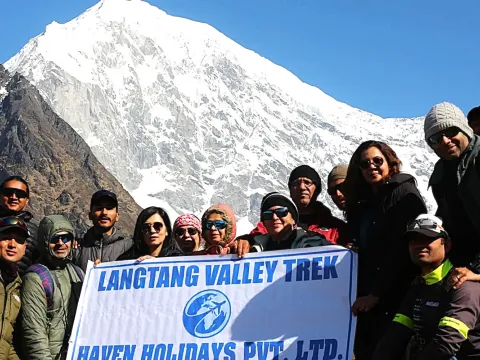
Yes. Annapurna trekking is generally unaffected and separate from the August 26, 2026 Rasuwa-Bhote Koshi flood, and Annapurna Base Camp reports trekkers safe after the disaster. A group of trekkers at Annapurna Base Camp was reported safe after the 2026 flood, verifying that the main disaster corridor is geographically separate from the Annapurna trekking region.
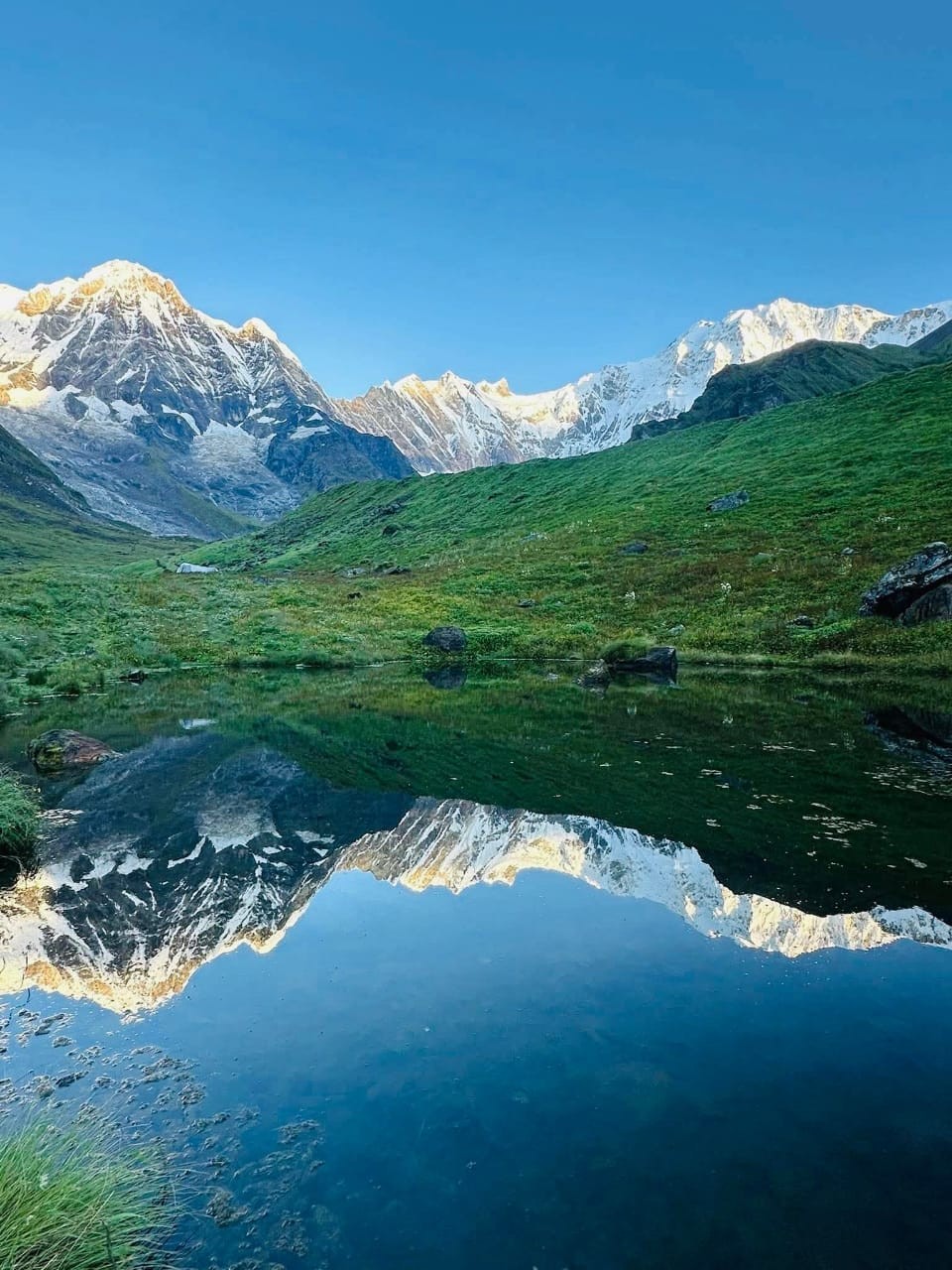
Having said that, "safe" is not "risk-free," especially since August is still monsoon season.
Likewise, heavy rain can still trigger landslides, slippery trails, falling rocks, swelled streams, and temporary road closures in the Annapurna region.
| Trek | Situation after Aug. 26 flood |
|---|---|
| Annapurna Base Camp | Generally operating |
| Annapurna Circuit | Generally operating; check local conditions |
| Poon Hill | Possible; check weather/trail conditions |
| Mardi Himal | Possible; check monsoon conditions |
| Rasuwa/Langtang routes | Separately more seriously impacted |
Here, the crucial distinction is that the Rasuwa disaster did not shut down trekking in Nepal. Nepal is a large country with diverse geography, and Annapurna is located outside the directly impacted Bhote Koshi corridor.
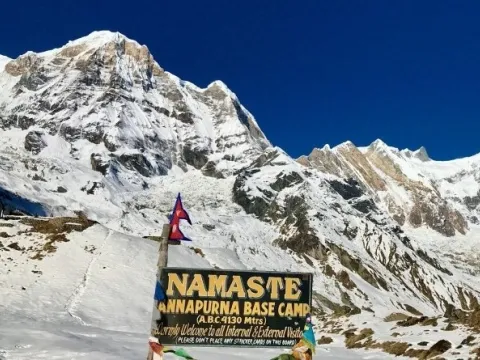
In summary, Annapurna trekking can resume, but trekkers should conduct a route-specific weather and trail risk assessment rather than assuming "business as usual."
Yes. The Everest Base Camp Trek remains generally safe and operational, as the main EBC route lies outside the Rasuwa-Bhote Koshi flood corridor. Current trekking reports confirm no flood damage to the main Everest Base Camp trekking route, including the classic Lukla-Namche-EBC trail.
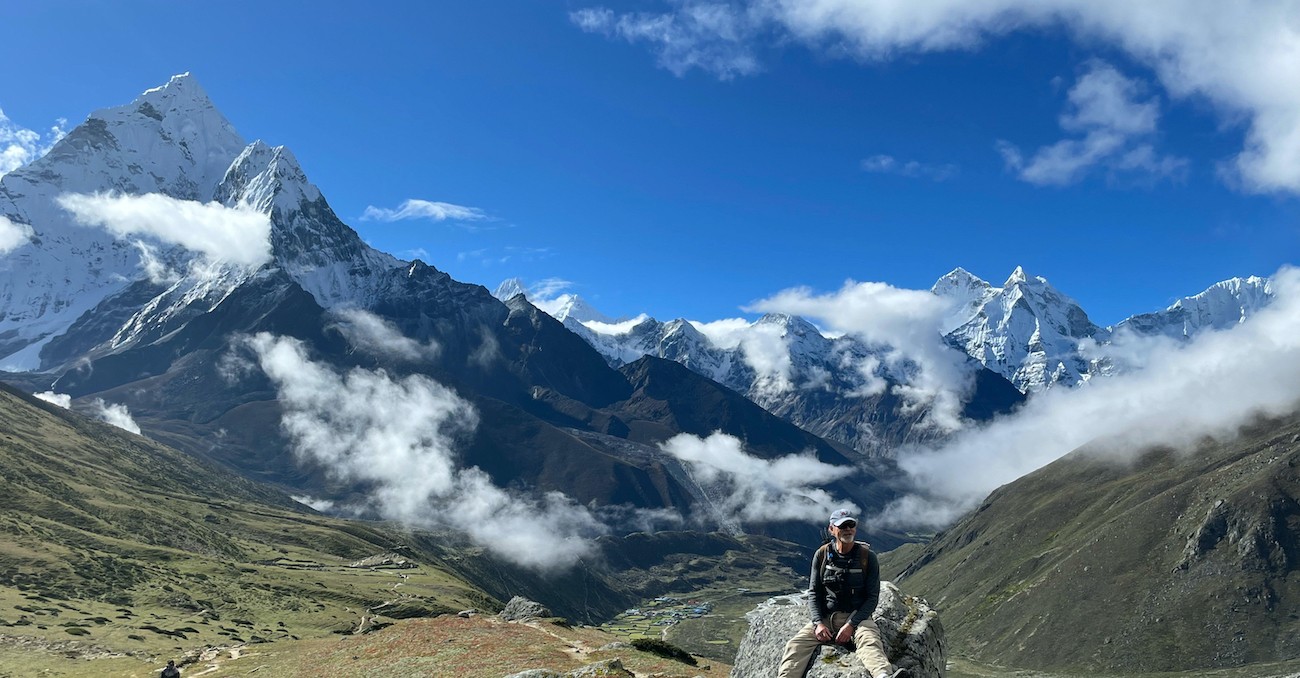
Here, the Everest region has a different river system from the Bhote Koshi disaster area. Therefore, the August 26 flood did not directly impact the classic EBC trekking route.
| Area | Current situation |
|---|---|
| Lukla | Operational; check flights |
| Namche Bazaar | Operating |
| Tengboche | Operating |
| Dingboche | Operating |
| Lobuche | Operating |
| Gorakshep | Operating |
| Everest Base Camp (5,364 m) | Accessible |
| Kalapatthar (5,545 m) | Accessible, subject to weather |
In spite of that, trekkers should be aware that August is monsoon season. Flights, clouds, rain, slick trails, and localized landslides are always a possibility. These are general seasonal risks, rather than direct consequences of the Rasuwa flood.
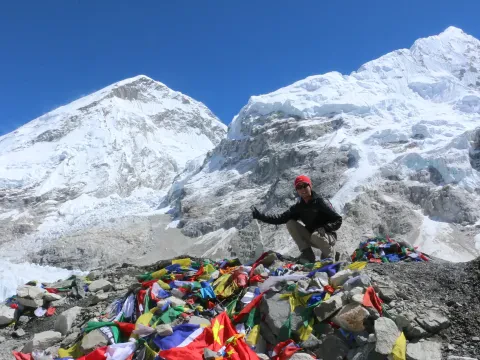
Here, Everest Base Camp trekking can resume after the August 26, 2026 flood. The main EBC route has not been reported as directly damaged by the disaster.
Despite that, every trekker should still acquire current local information right before departure, as Himalayan weather and trail conditions can change rapidly.
In short: Annapurna and Everest remain viable trekking destinations, while the Langtang/Rasuwa corridor requires significantly greater caution and separate safety clearances after the flood.
Yes, the Manaslu circuit trek is generally unaffected by the August 26, 2026 Rasuwa-Bhote Koshi flood. The Manaslu circuit trek region is located on an alternate trekking corridor to the main flood zone of Rasuwa.
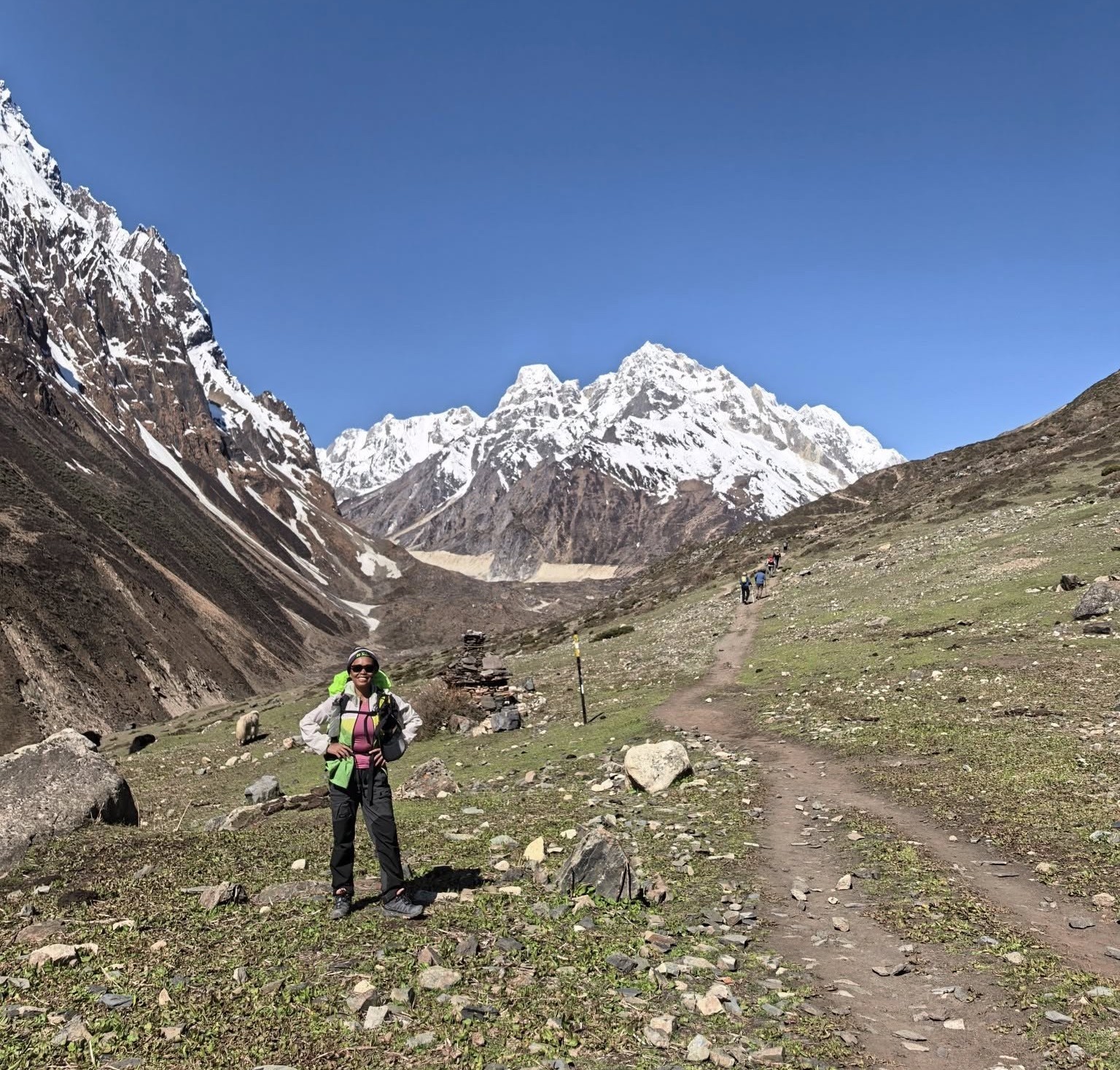
Here, the main concern for Manaslu Circuit Trekkers should be distinguishing between flood impact and monsoon conditions.
While Manaslu trek region is unaffected by the direct flood impact, the monsoon can still cause landslides on the trekking trail, making the road inaccessible, falling rocks, challenging river crossings and more.
| Factor | Manaslu Circuit situation |
|---|---|
| Direct Rasuwa flood impact | No |
| Manaslu trekking trail | Generally unaffected by the main flood |
| Road access | Check before departure |
| Monsoon landslides | Possible |
| River crossings | Require caution |
| Local weather | Must be checked |
| Trek recommendation | Possible with local verification |
Moreover, a particularly important factor to consider for the Manaslu circuit trek is the road access to the Manaslu Trek trail-head. While the trekking region itself is unaffected by the flood, some of the connecting road routes and bridges in the central Nepal region have been impacted by the monsoon and flood damage. Recent news has recommended trekkers check their specific transportation route conditions before departure.
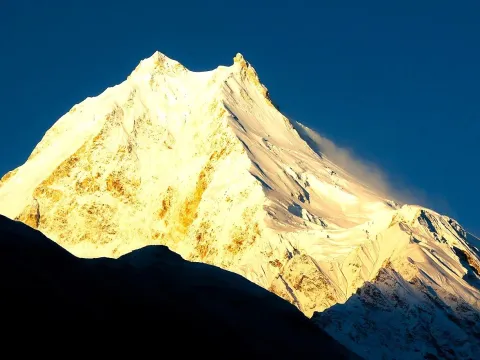
Final verdict: The Manaslu Circuit Trek is possible after the 2026 Rasuwa flood, but not totally risk-free. The main concern for trekkers should now be monsoon conditions rather than direct flood impact.
Yes. Kathmandu Valley is generally safe to travel after the August 26, 2026 flood. The catastrophic flood was limited to the Rasuwa-Bhote Koshi region with Kathmandu valley not directly impacted by the disaster. Current travel advice makes the distinction between the heavily affected Rasuwa region and the current conditions in Kathmandu.
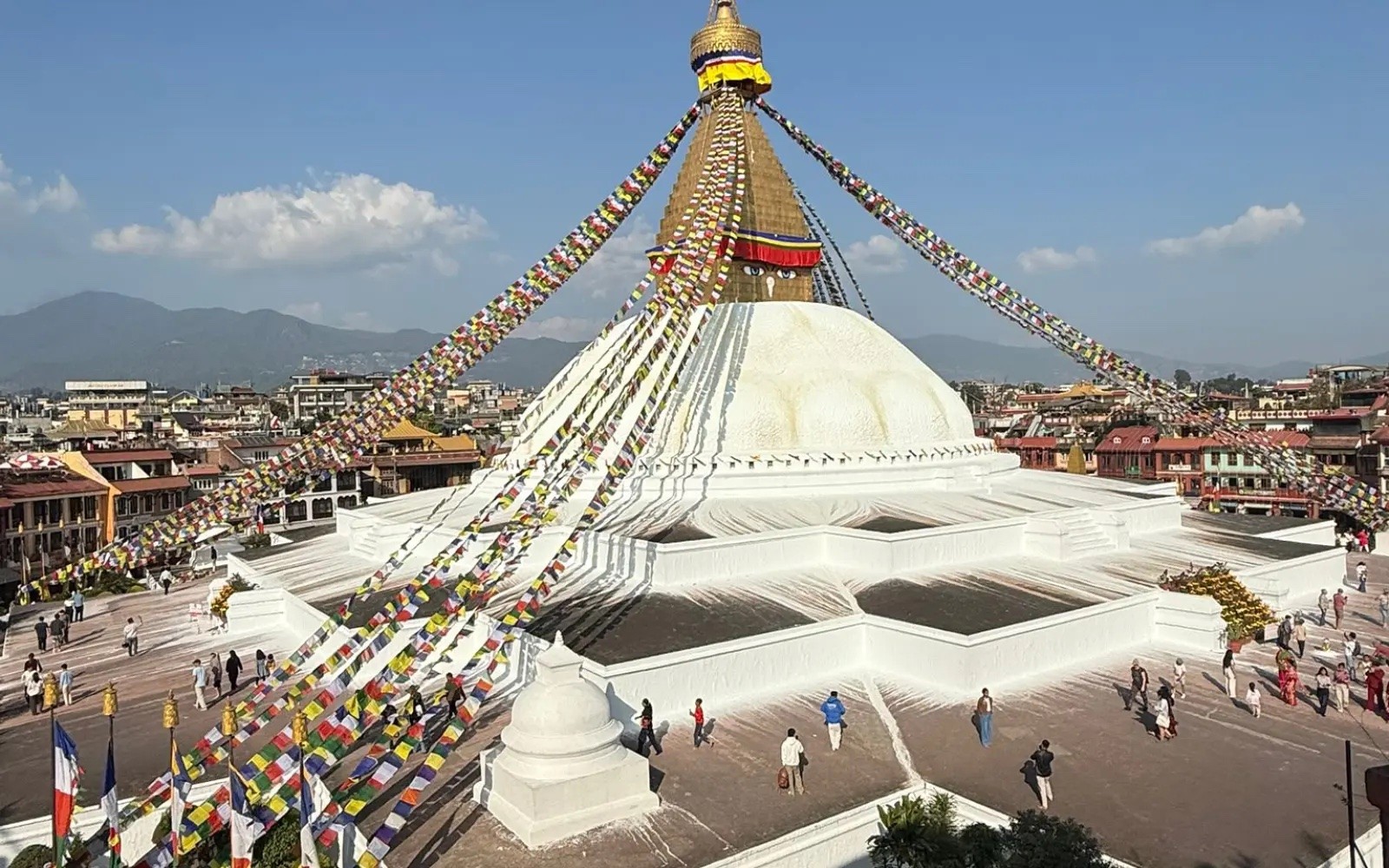
Likewise, Kathmandu is still the main gateway into Nepal and the starting point for many treks and tours. It has a thriving hotel and restaurant sector as well as cultural sights, travel agencies, and other tourist facilities that are generally operating.
| Area | Current situation |
|---|---|
| Kathmandu | Generally safe |
| Patan | Generally safe |
| Bhaktapur | Generally safe |
| Thamel | Operating |
| Tribhuvan International Airport | Operating |
| Hotels | Operating |
| Restaurants | Operating |
| Major tourist sites | Generally accessible |
| Rasuwa/Langtang road corridor | Severely affected |
Here, it is worth noting that while Kathmandu is still a generally safe place to be, there are some local impacts from the monsoon flooding. It is still possible for landslides, road closures, downstream flooding and other impacts to occur in the Kathmandu Valley during heavy rainfall periods. Authorities have also continued monitoring rivers downstream from the flood zone for continued safety.
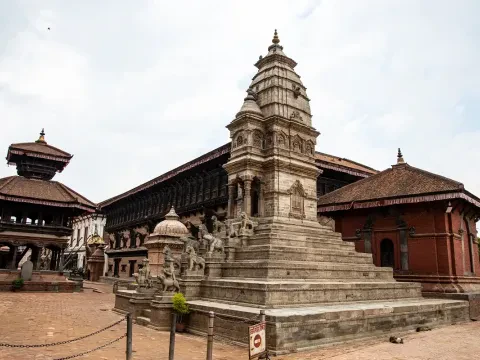
The Kathmandu Valley region is still a practical and safe base for travelers after the 2026 flood, with the main exception being road safety from Kathmandu to other trek regions. It is important to make a distinction between road conditions on the Kathmandu to Manaslu route and the Kathmandu to other trekking regions route.
In particular, Kathmandu → Rasuwa → Syabrubesi requires increased caution while other trekking regions should be assessed based on current conditions.
Yes, Pokhara is generally safe to travel to after the August 26, 2026 flood, and is not a part of the Rasuwa-Bhote Koshi disaster zone. Recent reports suggest that popular tourist attractions outside the inundated areas should remain accessible despite monsoon season weather risks in Nepal.
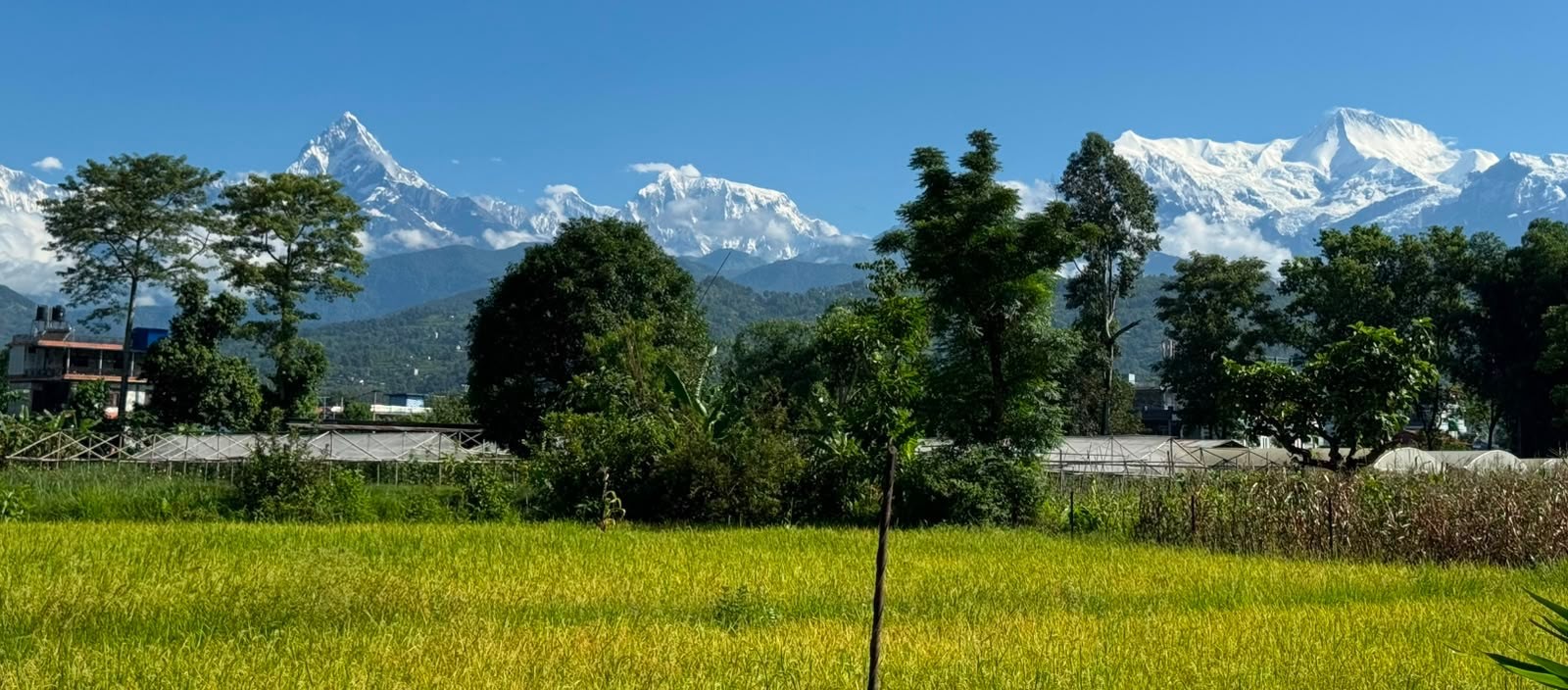
Likewise, Pokhara city, located in Gandaki province west of the Rasuwa disaster area, has not been affected by the catastrophic flood near Rasuwa, Syabrubesi and the Bhote Koshi corridor, and therefore there has not been a general closure of tourist facilities in the area.
| Area/Service | Current situation |
|---|---|
| Pokhara city | Generally safe |
| Lakeside | Operating |
| Hotels and restaurants | Operating |
| Phewa Lake activities | Generally available |
| Tourist attractions | Generally accessible |
| Pokhara Airport | Operating |
| Annapurna access | Route-specific checks required |
| Roads during monsoon | Check before travel |
Most importantly, travelers should nevertheless note that August is still monsoon season, and that heavy rains can lead to landslides and road closures, especially on mountain passes connecting Pokhara with trekking areas. Recent official warnings about monsoon disruption of roads should be taken into consideration before road travel.
Pokhara should normally still be possible to include in a Nepal tour after the 2026 flood, but it is recommended to:
Final verdict: Pokhara city is generally safe to visit, but individual mountain routes from Pokhara should be checked separately.
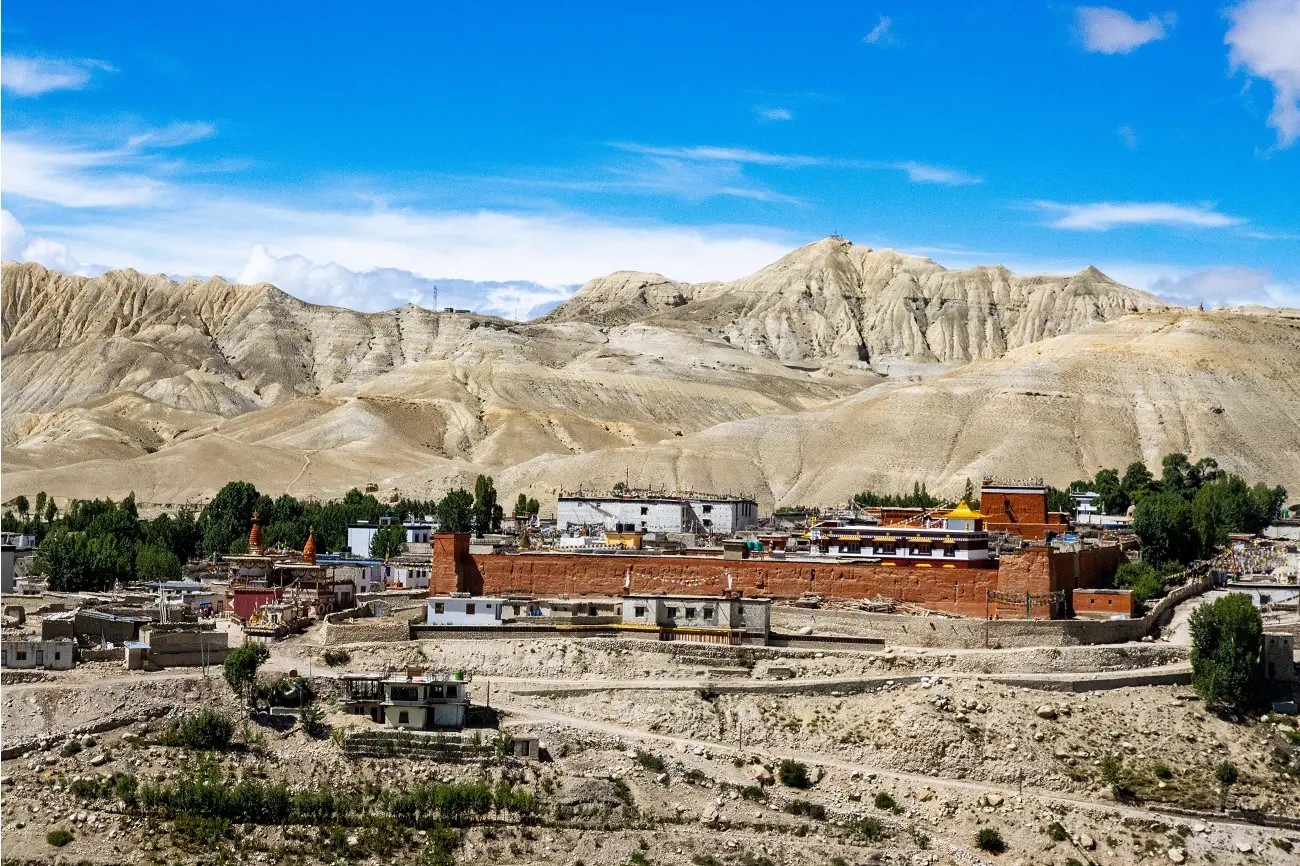
Yes, the region of Upper Mustang is separate from the main August 26, 2026 Rasuwa-Bhote Koshi flood disaster and can be considered a separate travel area. The Upper Mustang region is located in Mustang District, north of the Annapurna mountain range and bordering the Tibetan Plateau, and was not the specific area devastated by the Rasuwa flood.
Here, this means that the Rasuwa flood disaster does not automatically close Upper Mustang to tourists, except through the general effect of monsoon weather on mountain roads and conditions.
Nevertheless, the road from Pokhara to Upper Mustang through Beni and Jomsom should always be considered a factor in touring Upper Mustang, and current conditions should be checked before departure.
| Factor | Situation |
|---|---|
| Direct Rasuwa flood impact | No |
| Upper Mustang region | Generally separate from disaster zone |
| Lo Manthang | Not directly affected by Rasuwa flood |
| Pokhara access | Generally operating |
| Jomsom access | Check weather and transport |
| Mountain roads | Monsoon caution required |
| Trekking | Possible with local verification |
Therefore, Upper Mustang is also a high mountain and sparsely populated region, and there are additional factors beyond the August 2026 flood that affect safety, such as weather, road conditions, landslides, strong winds, and transport availability.
Upper Mustang is a region that can be visited after the 2026 Rasuwa flood disaster, as it was not directly affected by the disaster.
Nevertheless, the monsoon season with its associated risks to mountain roads and weather are the main factors affecting travel to Upper Mustang, especially the road from Pokhara to Jomsom.
Therefore, it is important to make a distinction between the direct effects of the Rasuwa flood and the general monsoon dangers to mountain touring in Mustang. The best solution for touring Upper Mustang after the August 26 disaster is to check current conditions as close to departure as possible.
In short: Pokhara and Upper Mustang can generally continue to be included in travel itineraries, while Langtang and other areas affected by the Rasuwa flood require much more careful assessment after the August 26 disaster.
Yes. Travelers can continue to visit Nepal, but should conduct route-specific risk assessments after the August 26, 2026 flood. Although the disaster was particularly severe in Rasuwa and Bhote Koshi corridor, most major tourist destinations outside the disaster zone are already operational. Trekking Agencies' Association of Nepal (TAAN) has also asked travelers and operators to make itineraries based on the latest access information.
Likewise, the most crucial point is not to generalize a single flood-affected area like Langtang, which can have significantly different conditions from Everest, Annapurna, Pokhara or Upper Mustang.
| Consideration | What travelers should do |
|---|---|
| Weather | Check what the latest forecast says |
| Road conditions | Roads should be confirmed before departure |
| Trekking trails | Landslides and trail damage should be asked |
| Flood warnings | Avoid riverbanks during heavy rains |
| Transportation | Buses, jeeps and domestic flights need to be confirmed |
| Rasuwa/Langtang | Specific local clearances should be obtained |
| Other trekking regions | Check conditions separately |
| Travel insurance | Coverage should include trekking and emergencies |
| Flexible itinerary | Extra days should be kept for delays |
| Local operator | Current information should be sought from a reliable operator |
While road access to Rasuwa has been re-established by an alternative route from Kathmandu to Dhunche, the Road Department has warned that there are still risks in several sections. Currently the restored route only allows light four-wheel-drive vehicles rather than marking the return of normal highway conditions.
Therefore, travelers should not assume road conditions based on information from before August 26.
Check weather → confirm transportation → ask your local operator → verify the trail → follow local authorities → then travel.
Here, this method allows visitors to continue enjoying Nepal while avoiding the areas that are still dangerous and unreachable.
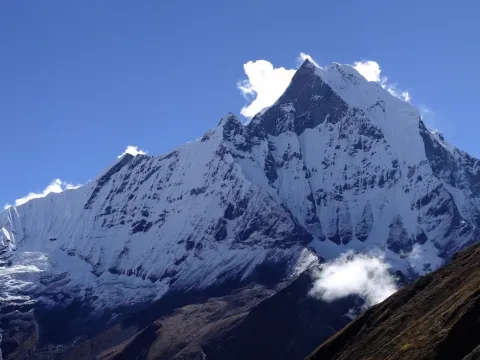
No. It is not necessary to cancel all travel plans to Nepal because of the August 26, 2026 flood. The disaster was catastrophic, but it mainly affected the specific areas such as Rasuwa, Syabrubesi, Timure, Bhote Koshi corridor and downstream areas.
Importantly, Nepal's tourism industry has not been completely closed down. Annapurna Base Camp trail, for example, has reopened to tourism after recent monsoon landslides, showing that trekking activities are continuing in other regions.
| Travel plan | Recommendation |
|---|---|
| Kathmandu Valley | No need to cancel |
| Pokhara | No need to cancel |
| Everest Base Camp | No need cancellation |
| Annapurna | No need cancellation |
| Manaslu | Check current access |
| Upper Mustang | No need cancellation |
| Langtang via Syabrubesi | Postpone/check carefully |
| Gosaikunda via affected Rasuwa routes | Postpone/check carefully |
| Rasuwa/Bhote Koshi travel | Avoid affected areas until cleared |
Nepal is a large country with diverse geography. Just because a disaster occurs in the Rasuwa-Bhote Koshi corridor does not mean all trekking areas are at risk.
Having said that, this is still an evolving emergency situation. Rescue operations and repairs are ongoing, and further floods could occur in the affected areas.
Therefore, it is recommended to adjust affected itineraries rather than cancelling an entire trip to Nepal.
If a Langtang Trek cannot operate safely, it could be postponed or replaced with another destination after consulting current conditions.
Depending on the latest local information, travelers might want to consider:
Travelers should not automatically cancel their Nepal trip, but should cancel affected route only when current conditions require it.
To travelers arriving in Nepal after the flood, the best policy is :
Nepal is open for travel, but not for everyone. Check destination, road, trail and weather conditions before departure.
As Haven Holidays, it is also the most responsible advice we could give to our clients: Keep Nepal in your itinerary, but avoid affected areas and provide safe alternative destinations when necessary.
The flood in Nepal on August 26, 2026 has not stopped the trekking activities altogether - rather, there are significant regional variations. While the cataclysmic flood damage primarily impacted the Rasuwa-Bhote Koshi and Trishuli corridors, these popular trekking destinations are not in danger, according to the Nepal Tourism Board, and travelers are urged to simply avoid the problem areas in the flood-hit corridors.
According to the most recent report by Trekking Agencies' Association of Nepal (TAAN), several highly popular trekking destinations are actually considered safe destinations, though some of the access routes should be avoided. Note that TAAN is reporting Langtang/Kyanjin Valley and Gosaikunda to be safe areas themselves, with the only danger coming from the Trishuli-Betambeti corridor closure.
| Trekking destination | Current recommendation |
|---|---|
| Everest Base Camp | ✅ Can operate with normal weather checks |
| Annapurna Base Camp | ✅ Can operate |
| Annapurna Circuit | ✅ Possible with local road checks |
| Manaslu Circuit | ✅ Possible with local verification |
| Mardi Himal | ✅ Possible with monsoon precautions |
| Poon Hill | ✅ Possible with weather checks |
| Upper Mustang | ✅ Possible with access checks |
| Langtang Valley | ⚠️ Access route requires verification |
| Gosaikunda | ⚠️ Access route requires verification |
| Rasuwa Bhote Koshi corridor | ❌ Avoid until cleared |
In conclusion, the main takeaway message is simple - a flood in the Himalayan range does not mean an end to trekking in Nepal. Since Nepal's trekking destinations are highly fragmented both horizontally and vertically, localized assessments apply rather than a blanket statement about the entire country.
Regarding the Langtang area, the key distinction to make is between trail safety and access safety. While the higher ground of Langtang Valley may be safe, the current issue is defined by the access road to the valley which was rendered unsafe.
In other words, the alternative route via Dhunche-Bharku-Thulo Syabru should only be utilized after personal confirmation of current access road conditions.
Rather than cancel a trekking holiday altogether, consider postponing and adjusting your plans in accordance with the latest safety recomendations as it concerns your selected routes and operators.
If you are departing for Nepal in the coming days or weeks, the suggested approach to your holiday planning should be: check, confirm, choose, adjust, and go, in search of responsible trekking rather than risky, ill-prepared expeditions.
Here, Nepal remains a fantastic hiking destination, even with the flood in 2026 and, more importantly, the information about current conditions, available resources, weather expectations, and recommended routes is more important than ever. The flood disaster is already being seen across the media as an illustration of inadequate rescue operations. It will likely take weeks or even months for recovery teams and volunteers to reach the affected areas. On the local community level, a responsible approach to trekking with verified information sources and a flexible itinerary is currently more important than ever.
1. Are the trekking trails in Nepal reopen after the August 2026 flood?
Not all trekking trails in Nepal are open for now after the August 2026 monsoon flood. The areas which witnessed the worst impact of the flood are around Rasuwa, Bhote Koshi, and Trishuli corridor. Nepal Tourism Board has asked the tourists to stay away from these flood-hit areas. However, there are several trekking destinations outside the impact zone of the August 2026 flood. Before heading to your desired trekking trails, always keep in mind the road, trail, weather, and permit situation.
2. Can I do Everest Base Camp safely after the August 2026 flood?
Everest Base Camp Trek might be an option for you after the August 2026 flood. However, an important practice would be not to assume that everything is normal in the Everest region as it has a different geography compared to the worst-hit Rasuwa corridor. You should check the latest situation of Lukla or Ramechhap road, trail, and weather before finalizing your plans. Always travel with a licensed trekking operator and leave enough buffer days for your Everest Base Camp Trek.
3. Can I do Annapurna Base Camp Trek safely after the August 2026 flood?
Annapurna Base Camp Trek might be a safer option compared to other high-risk trekking trails after the August 2026 flood. The Annapurna region is comparatively far from the Rasuwa disaster zone which was the worst-hit area of Nepal by the recent monsoon flood. However, the Annapurna Circuit Trek is at risk of landslides and muddy trails due to continuous rainfall. Before heading to the ABC trek, double-check the local trail and road condition, weather forecast, and accommodation availability.
4. Is Prithvi Highway reopen after the August 2026 flood?
The Kathmandu – Mugling portion of the Prithvi Highway has officially reopened after the August 2026 flood. There are some roadblocks on the highway as of now. However, according to the latest news, the Prithvi Highway is open for traffic with one-way traffic movement in Baireni Bazaar. It will be a wise practice to keep an eye on the latest road and traffic condition before planning your Kathmandu to Pokhara road trip.
5. Are Kathmandu and Pokhara safe after the August 2026 flood?
Kathmandu and Pokhara are not among the areas which saw the devastating impact of the recent Rasuwa flash flood. These are the main tourist hubs in Nepal where hundreds of trekkers and travelers visit every year. However, the road connectivity to these beautiful cities can be at risk during the monsoon season. Always keep the road situation in mind while planning your travel to Kathmandu and Pokhara.
6. Are trekking trails in Nepal safe after the August 2026 flood?
All Trekking trails in Nepal can not be considered safe after the August 2026 monsoon flood. It depends on the region you are planning for your next trek. If you are thinking of trekking in Rasuwa and Bhote Koshi areas, it would be better to postpone your plan. Double-check the trail, road, and weather condition with local people and your trekking operator before finalizing your plan for trekking in Nepal.
7. Is Manaslu Trail safe after the August 2026 flood?
Manaslu Trail is a fantastic option for trekking in Nepal. However, after the August 2026 flood, the situation of the Manaslu Circuit Trek is not clear yet. Manaslu region is comparatively far from the Rasuwa disaster zone. Nevertheless, during the monsoon season, the Manaslu Circuit Trek is at risk of landslides, river erosion, and road blockage. Before finalizing your plan for Manaslu Trek, check the latest road, weather, and trail condition with local people, hotel, and your trekking operator.
8. Is Ghorepani Poon Hill Trail safe after the August 2026 flood?
Ghorepani Poon Hill Trek is a safer option for trekking after the August 2026 flood. The Annapurna region was not the epicenter of the recent monsoon flood in Nepal. However, Annapurna Circuit Trek is at risk of landslides and trail erosion due to heavy rainfall. The situation of the Ghorepani Poon Hill Trail can be risky due to the slippery nature of the mountain path. Before heading to this beautiful trek, keep a close watch on the weather forecast and road condition. A local guide might help you to get the latest road and weather condition.
Our travel experts are ready to assist you with any questions.
Send us a message.Have a question before you book? Send your enquiry below and our travel experts will get back with the required information.