Meanwhile, vivid crimson and pink rhododendrons burst into life along the trails near Namche Bazaar at 3,440 meters (11,286 feet), and trekkers soak in the magical Himalayan spring spectacle while clear skies reveal Mount Everest at 8,848 meters (29,029 feet) in all its glory. Yet the same beauty draws massive crowds every March to May, and popular routes transform into busy highways where expedition teams and adventure seekers jostle for space. Sarah, an experienced trekker from Australia, arrived in Namche Bazaar during peak April 2025 under conditions experts expect to repeat in 2026, and she watched her peaceful acclimatization day turn into a frantic scramble because every decent teahouse stood fully booked. After hours of searching, her group settled into a basic dorm with thin mattresses and shared cold bathrooms, so the stunning rhododendrons could not fully mask the trail that felt like a congested highway with delays at every bottleneck that tightened altitude safety schedules.
Likewise, Spring trekking in Nepal offers warmer days between 10 and 20 degrees Celsius at lower elevations, clear mountain visibility, and wildflower displays, but exploding visitor numbers create real accommodation issues that test even seasoned hikers. Teahouses in key spots like Namche Bazaar fill weeks in advance, and trekkers without early plans often accept substandard rooms or push harder days that risk health at high altitude. However, smart preparation turns these challenges into unforgettable adventures, and early bookings plus less-traveled side routes restore the magic that Sarah rediscovered the following year. Therefore, spring still delivers the best Himalayan experience when you plan ahead with experts who know every detail of the terrain.
In fact, Haven Holidays Pvt. Ltd. designs spring trekking packages that secure premium teahouses and private accommodations, so you avoid the scramble and focus on the blooms and views instead of logistics. Moreover, their experienced guides monitor bottlenecks and adjust itineraries daily, and they build in extra acclimatization buffers at Namche Bazaar (3,440 meters / 11,286 feet) and beyond to keep every trekker safe and relaxed. Thus, you enjoy the rhododendron forests in full bloom without the stress of last-minute searches or overbooked trails.
Key Spring Challenges on Popular Trails:
| Popular Spring Trek | Elevation Highlight | Typical Crowd Impact | Accommodation Tip with Haven Holidays Pvt. Ltd. |
|---|---|---|
| Everest Base Camp | Namche Bazaar 3,440 m (11,286 ft); Base Camp 5,364 m (17,598 ft) | Very high in April; highway-like trails | Early booking guarantees private rooms and extra acclimatization nights. |
| Annapurna Circuit | Rhododendron zones 2,000–3,300 m (6,562–10,827 ft) Moderate to high near Ghorepani | Side-route options and premium lodges included. |
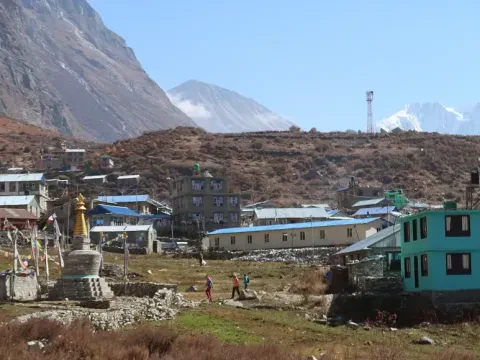
| Langtang Valley | Lower trails 1,500–2,500 m (4,921–8,202 ft) | Lower crowds than Everest | Custom packages with bloom-focused photography stops. |
To sum up, Spring offers magical Himalayan trekking in Nepal, yet exploding crowds and limited teahouses demand smart planning. Book your package with Haven Holidays Pvt. Ltd. today, secure the best accommodations, and transform potential stress into pure adventure on the trails you have always dreamed of exploring.
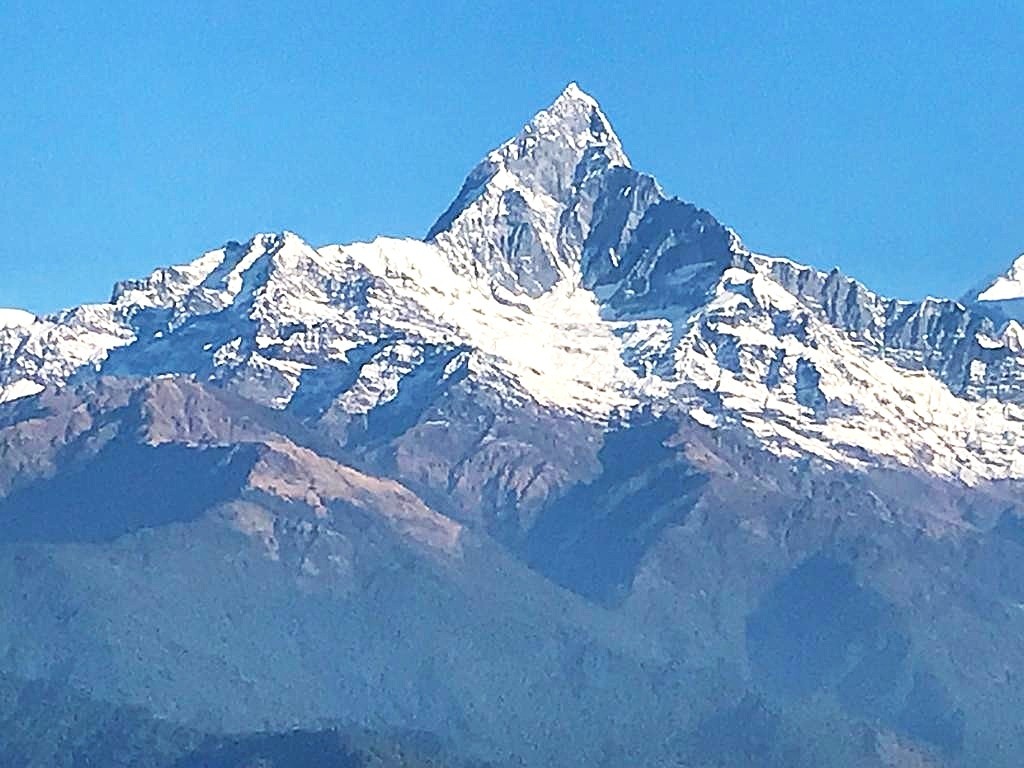
Meanwhile, trekkers choose spring for trekking in Nepal because stable weather, excellent mountain visibility, and blooming rhododendrons create the perfect blend of comfort and spectacle across every trail. Clear skies dominate from March to May, so you enjoy unobstructed panoramas of Mount Everest at 8,848 meters (29,029 feet) and the entire Annapurna range, and daytime temperatures hover pleasantly between 10 and 20 degrees Celsius at lower elevations while nights stay crisp yet manageable. Moreover, fewer weather disruptions strike than during the monsoon, and flights to Lukla at 2,860 meters (9,383 feet) operate more reliably, so you reach the trailhead without frustrating delays. Thus, spring delivers reliable progress and breathtaking views that make every step rewarding.
Likewise, rhododendrons transform the lower Everest trails and especially the Annapurna region into a living carpet of red, pink, and white flowers, and the blooms peak between late March and mid-April at elevations from 2,000 meters (6,562 feet) to 3,500 meters (11,483 feet). Wildlife spotting becomes easier because animals emerge after winter, and you may glimpse Himalayan monals or blue sheep against the snowy backdrop, yet the trails stay dry and firm underfoot. In addition, pleasant conditions reduce the risk of heavy snow or rain that can close passes in other seasons, and longer daylight hours allow relaxed pacing with time for photography and rest. Therefore, families, first-timers, and seasoned adventurers alike find spring ideal for safe yet spectacular journeys.
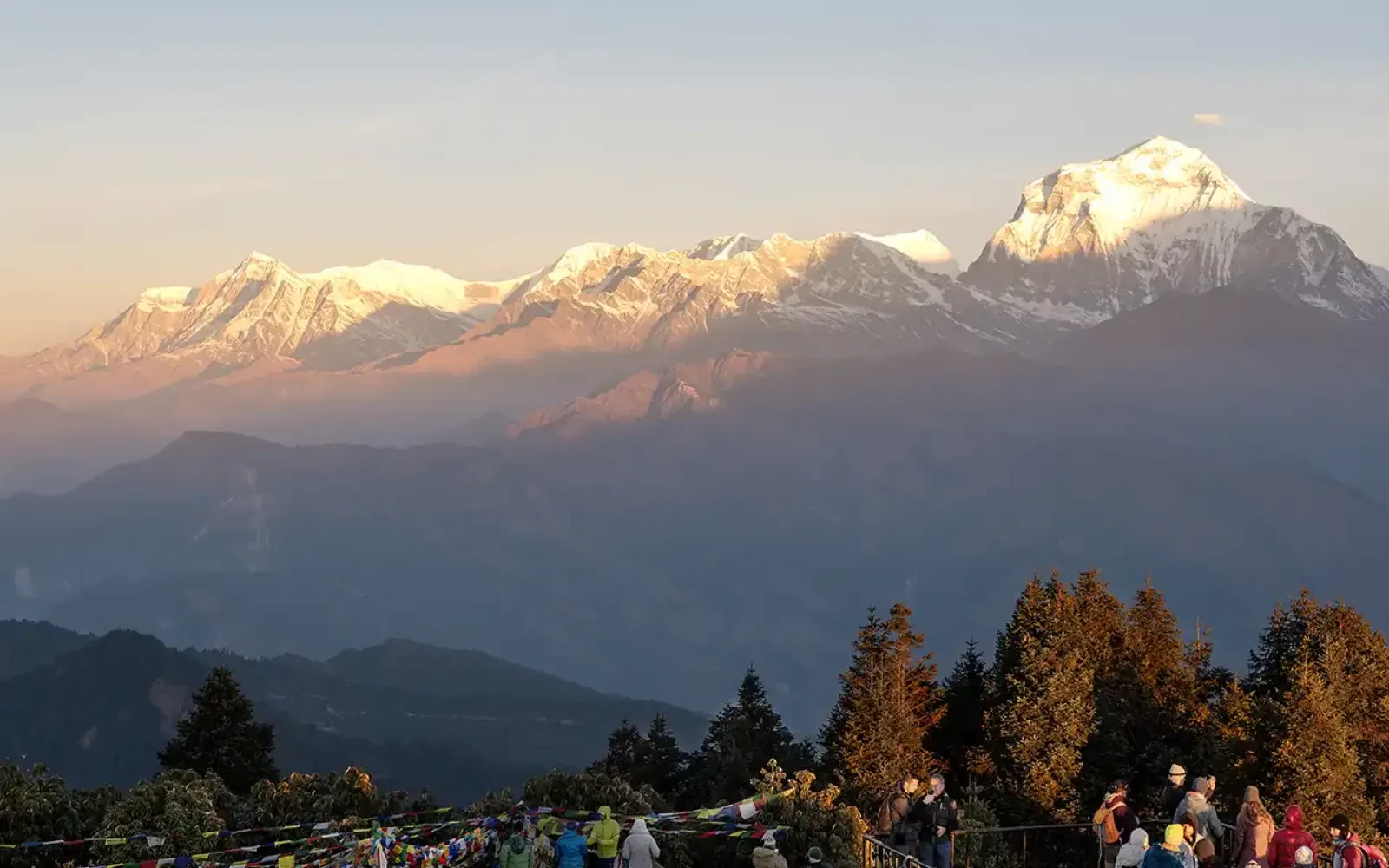
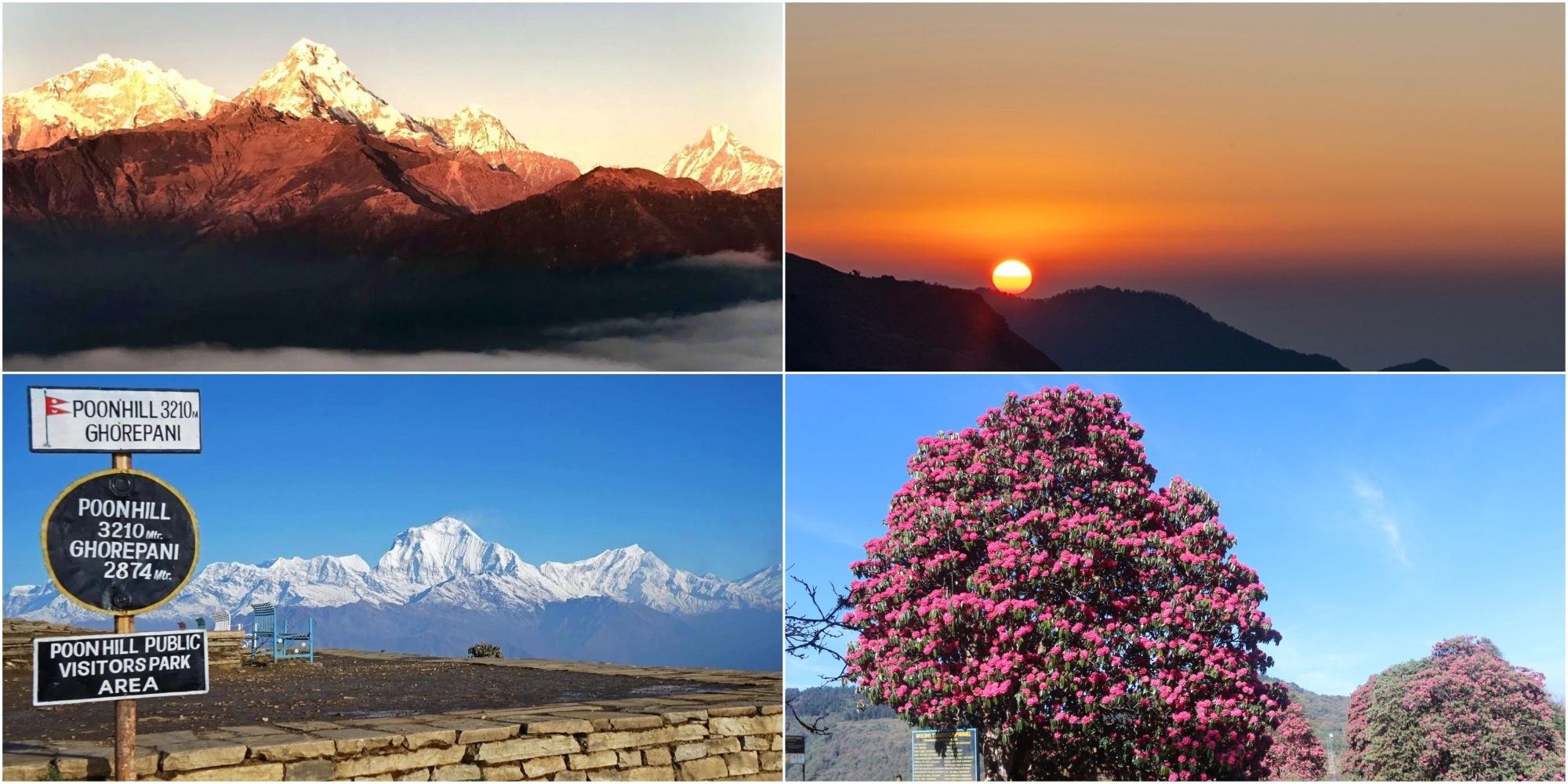
To sum up, Haven Holidays Pvt. Ltd. crafts spring trekking in Nepal packages around these natural advantages, and their guides lead you to the most vibrant rhododendron forests while avoiding peak-hour crowds through smart route choices and early departures. Consequently, you capture stunning photos at sunrise over Poon Hill at 3,210 meters (10,531 feet) or watch the Annapurna massif glow at dusk without sharing the viewpoint with hundreds of others. Furthermore, the company includes altitude-aware itineraries with built-in rest days, so you savor the blooms and views instead of rushing through bottlenecks. Book now with Haven Holidays Pvt. Ltd. and experience why spring turns every trek into a colorful, memorable highlight of your life.
Top Advantages of Spring Trekking in Nepal:
| Elevation Range | Daytime Temperature | Key Spring Feature | Benefit for Trekkers with Haven Holidays Pvt. Ltd. |
|---|---|---|
| Lower trails (1,000–2,500 m / 3,281–8,202 ft) | 15–22°C (59–72°F) | Early rhododendron bloom & lush greenery | Comfortable walking + photography stops included. |
| Mid elevations (2,500–4,000 m / 8,202–13,123 ft) | 10–18°C (50–64°F) | Peak flower displays & clear mountain views | Private teahouse bookings & acclimatization days. |
| High camps (4,000–5,500 m / 13,123–18,045 ft) | 5–12°C (41–54°F) | Snow-capped panoramas with stable skies | xpert guides monitor weather and health daily |
Summing up, Spring remains one of the best seasons for trekking in Nepal because the combination of blooms, visibility, and pleasant conditions creates experiences you will cherish forever. Contact Haven Holidays Pvt. Ltd. today to lock in your 2026 spring package, secure the finest lodges, and let the Himalayas reveal their most colorful and welcoming face just for you.
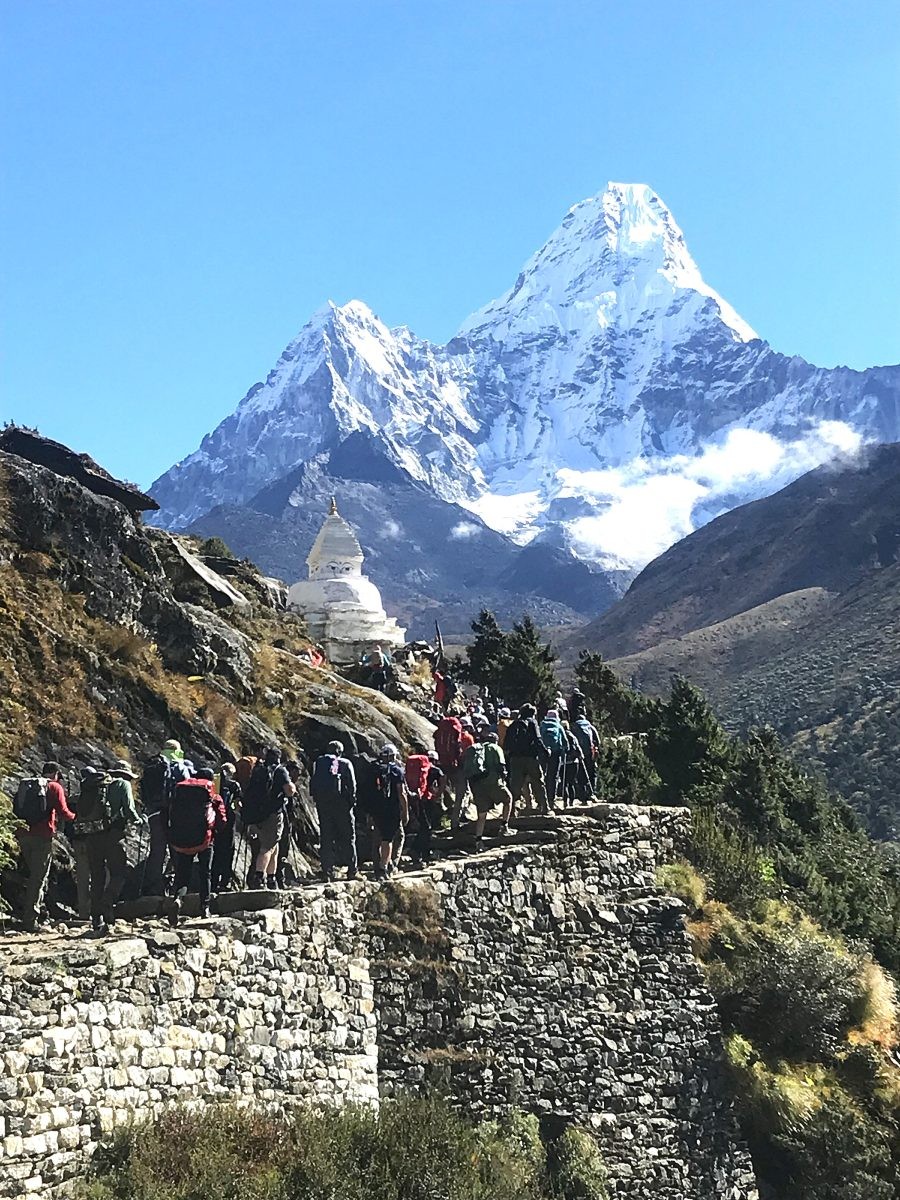
Imagine standing amid vibrant rhododendrons near Namche Bazaar at 3,440 meters (11,286 feet) while clear skies frame Mount Everest at 8,848 meters (29,029 feet), yet the trail buzzes with hundreds of fellow trekkers and expedition teams pushing toward high camps. Spring in Nepal has always attracted adventurers, but 2026 stands out as potentially the busiest season yet because China’s restrictions closed the north-side expeditions on Everest and other eight-thousanders, so many climbers and support teams shifted entirely to Nepal’s south side. Consequently, standard peak climbing activity in April and May combines with surging trekking numbers, and popular routes like Everest Base Camp and Annapurna Base Camp experience heavier traffic than recent years.
Actually, this surge affects both trekkers and mountaineers because the south side now absorbs extra expeditions alongside regular spring visitors who seek blooming forests and stable weather. Teahouses fill faster, trails see more foot traffic between key points, and logistics tighten, yet the season remains safe and rewarding when managed well. Moreover, Nepal’s government and local operators work on improvements, but the reality demands proactive planning rather than last-minute decisions. Therefore, understanding these dynamics helps you prepare for a smoother experience instead of surprises.
Summing up, Haven Holidays Pvt. Ltd. monitors these trends closely and designs spring packages that secure priority accommodations and flexible routes, so you navigate the increased activity without compromising comfort or safety. Their expert guides adjust daily plans around bottlenecks and ensure proper acclimatization at elevations such as Namche Bazaar (3,440 m / 11,286 ft) and Dingboche (4,410 m / 14,469 ft). Thus, you focus on the magic of spring blooms and mountain views while the team handles the logistics of a busier Himalaya.
Factors Driving the 2026 Spring Surge:
| Route | Expected 2026 Impact | Key Elevation Points | Preparation Tip with Haven Holidays Pvt. Ltd. |
|---|---|---|
| Everest Base Camp | Highest traffic due to shifted expeditions | Namche Bazaar 3,440 m (11,286 ft); Gorak Shep 5,164 m (16,942 ft) | Early booking + private teahouse allocations. |
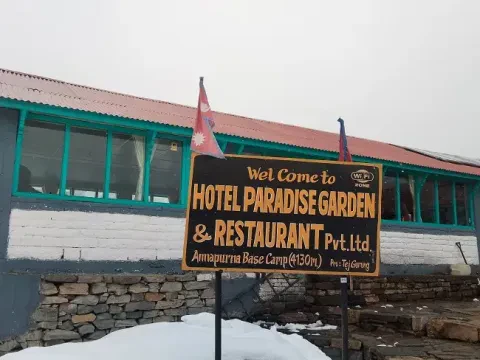
| Annapurna Base Camp | Steady high demand with bloom appeal | Ghorepani 2,874 m (9,429 ft); ABC 4,130 m (13,550 ft) | Side trails and premium lodge guarantees. |
| General Spring Season | Busiest on record | Lower trails 2,000–3,500 m (6,562–11,483 ft) | Flexible itineraries with extra rest days. |
Summing up, the reality of trekking in Nepal in spring shows 2026 shaping up as the busiest season yet, yet smart preparation with Haven Holidays Pvt. Ltd. turns potential challenges into well-managed adventures. Book your 2026 package early, secure the best spots, and let the blooming Himalayas reward you with unforgettable memories instead of crowds.
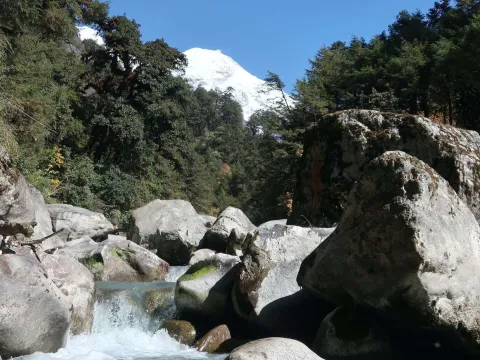
Meanwhile, trekkers often dream of serene Himalayan paths, but popular routes in spring reveal a different pace as bottlenecks slow movement and reduce solitude on trails to Everest Base Camp and Annapurna. Between Lukla at 2,860 meters (9,383 feet) and Namche Bazaar at 3,440 meters (11,286 feet), the trail can feel like a busy highway during April peaks because groups and porters converge at narrow sections and suspension bridges. Similarly, on the Annapurna side, the stretch from Ghorepani at 2,874 meters (9,429 feet) to Poon Hill at 3,210 meters (10,531 feet) sees sunrise crowds that create long wait times at viewpoints, and higher camps near Annapurna Base Camp at 4,130 meters (13,550 feet) fill quickly with limited dining space. Consequently, progress slows, and the sense of wilderness sometimes gives way to a more social yet less private atmosphere
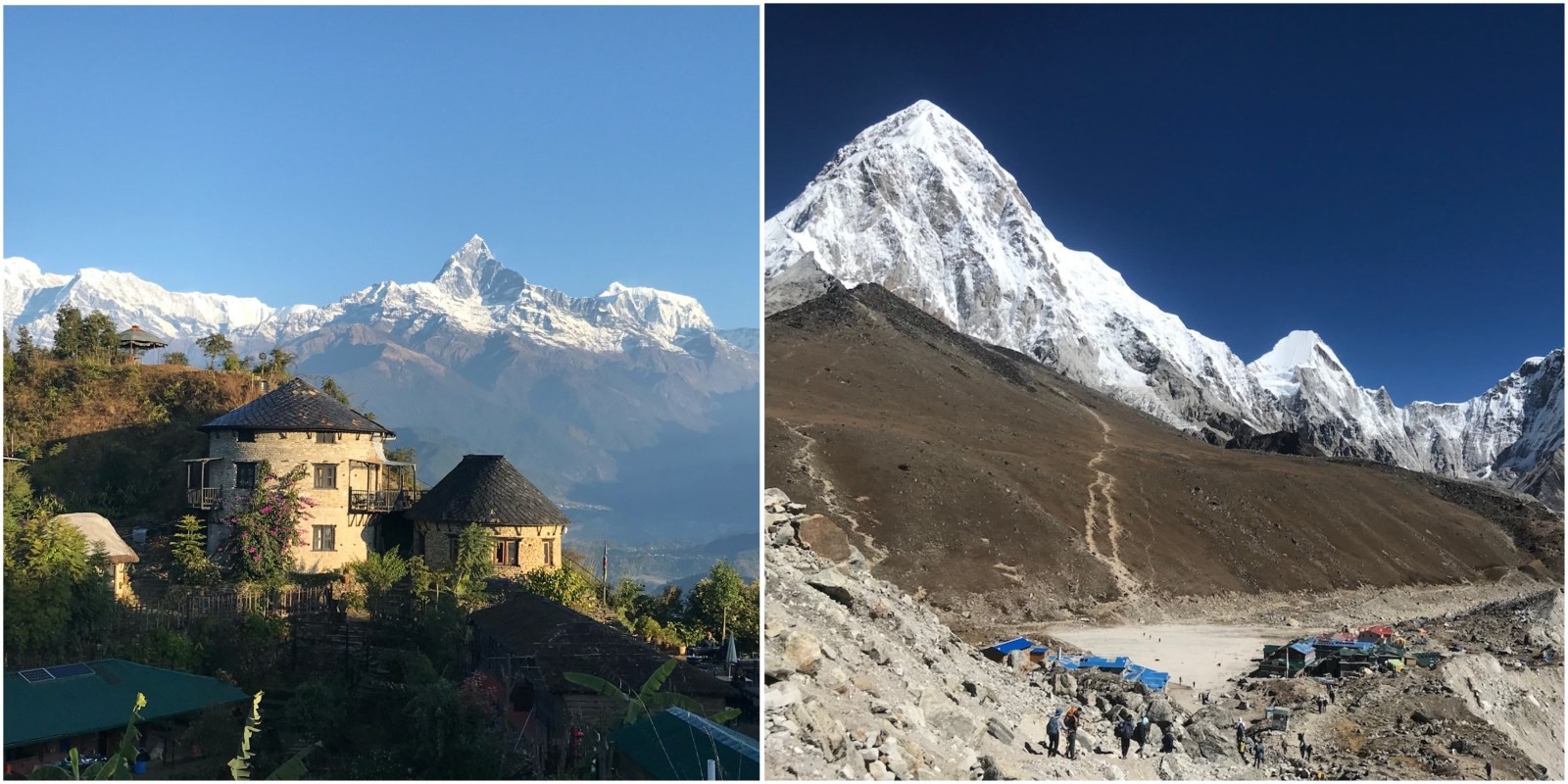
Actually, these conditions impact the overall experience because slower pacing affects daily schedules and tightens altitude safety windows, yet early departures or alternative side routes restore much of the magic. In comparison, shoulder periods in early March or late May offer noticeably quieter trails with easier teahouse access and more personal space, though weather can be slightly cooler or cloudier. Nevertheless, the trade-off favors spring for most because rhododendron blooms and mountain visibility remain superior when you plan carefully. Haven Holidays Pvt. Ltd. counters these realities by starting hikes before dawn on busy sections and incorporating less-traveled paths that bypass main bottlenecks.
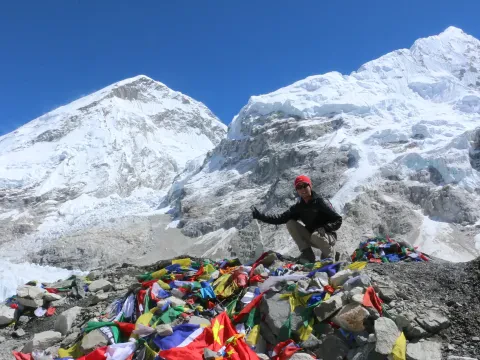
Furthermore, their packages include priority room bookings and experienced guides who monitor group flow, so you enjoy the views of Mount Everest (8,848 m / 29,029 ft) or Annapurna I (8,091 m / 26,545 ft) without constant competition for space. Thus, you still capture stunning photos and create lasting stories while avoiding the frustration that catches unprepared trekkers.
Common Bottlenecks and Their Effects:
| Month / Region | Crowd Level | Expected Experience | Better Alternative with Haven Holidays Pvt. Ltd. |
|---|---|---|
| Early March (Everest/Annapurna) | Moderate | Cooler but quieter trails, easier bookings | Standard package with bloom start. |
| April Peak (Everest) | Very High | Highway feel, long waits at Namche (3,440 m / 11,286 ft) | Early starts + private rooms secured. |
| April Peak (Annapurna) | High | Busy Poon Hill (3,210 m / 10,531 ft), full lodges at ABC (4,130 m / 13,550 ft) | Side routes and premium teahouses. |
| Late May (Both) | Moderate-High | Clearing crowds, still good visibility | Flexible end-of-season packages. |
Summing up, crowded trails on popular routes like Everest and Annapurna test patience in spring, yet they never diminish the Himalayan beauty when you choose smart preparation. Contact Haven Holidays Pvt. Ltd. today to book your trek, enjoy expertly managed routes, and experience the blooms and peaks with comfort and confidence instead of congestion.
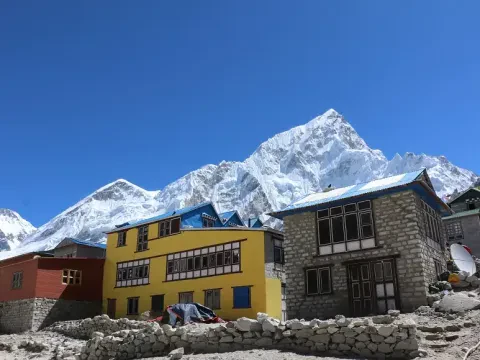
Picture arriving exhausted at Dingboche at 4,410 meters (14,469 feet) after a long day climbing from Namche Bazaar at 3,440 meters (11,286 feet), yet every decent teahouse displays a “full” sign because expedition teams and spring trekkers already claimed every bed weeks earlier. Lodges in key Everest region villages such as Dingboche, Lobuche at 4,940 meters (16,207 feet), and Gorak Shep at 5,164 meters (16,942 feet) fill months ahead during March to May, and late arrivals often face no rooms, forcing groups to push onward or settle for overcrowded dorms with thin mattresses. Consequently, trekkers share cold bathrooms, endure limited heating from smoky yak-dung stoves, and huddle in basic dining areas where temperatures drop sharply after sunset. Sarah’s group experienced this reality in April 2025 when they searched for hours and accepted substandard options, so the stunning rhododendron views could not fully compensate for the discomfort.
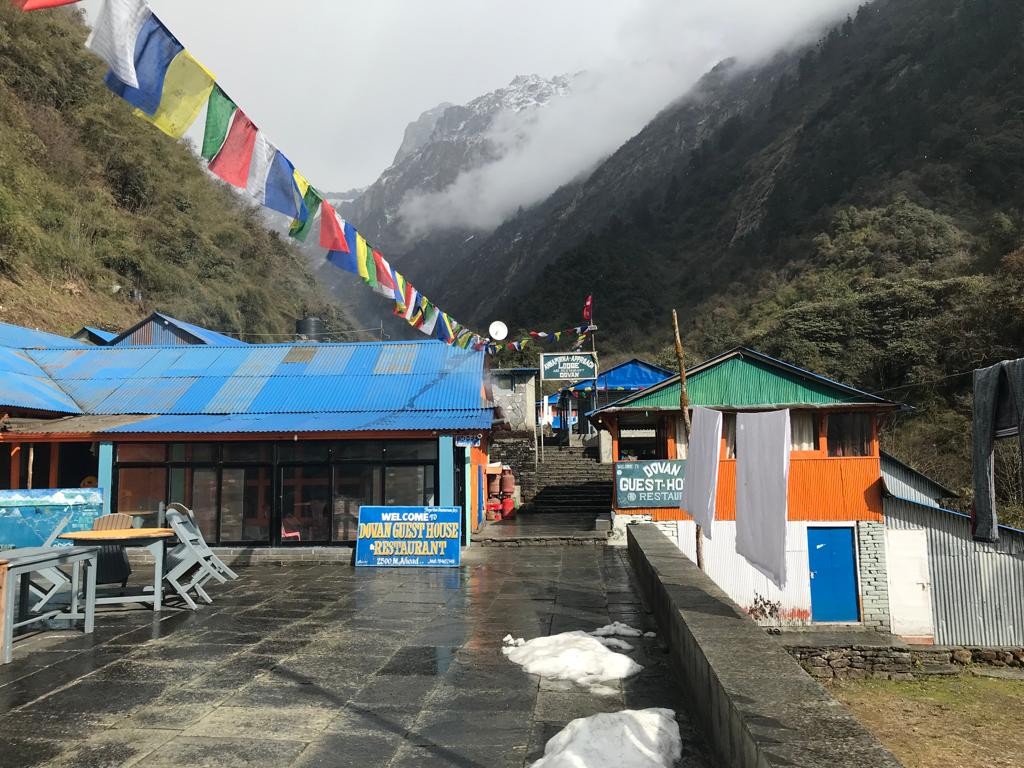
Meanwhile, this accommodation crunch creates real risks because pushing further without proper rest heightens altitude sickness chances at high elevations, and last-minute prices for remaining beds can surge dramatically. Basic facilities dominate above 4,000 meters (13,123 feet) with cold nights, shared toilets, and occasional power outages, yet these conditions remain part of authentic teahouse trekking when you prepare wisely. Moreover, the battle for rooms intensifies in 2026 due to redirected expeditions and steady visitor growth, but early action prevents most issues. Haven Holidays Pvt. Ltd. secures priority bookings in premium or private rooms across these critical stops, so you avoid the scramble entirely.
Common Accommodation Challenges in Spring:
| Key Village | Elevation | Spring Accommodation Reality | Solution with Haven Holidays Pvt. Ltd. |
|---|---|---|
| Dingboche | 4,410 m (14,469 ft) | High occupancy; limited private rooms | Guaranteed private or premium teahouse allocations with extra acclimatization nights |
| Lobuche | 4,940 m (16,207 ft) | Very competitive; basic facilities dominate | Early confirmed bookings and guide-managed alternatives. |
| Gorak Shep | 5,164 m (16,942 ft) | Often fully booked by climbing teams | Priority access plus flexible itinerary adjustments. |
| Namche Bazaar | 3,440 m (11,286 ft) | Busy gateway; prices surge | Secured comfortable lodges from day one |
Summing up, arriving late to find every bed taken forces trekkers to push on or settle for poor options, yet this need not define your spring adventure. Book with Haven Holidays Pvt. Ltd. today for 2026, lock in quality accommodations along the routes to Mount Everest (8,848 m / 29,029 ft), and enjoy the blooms and views in comfort instead of battling for space.
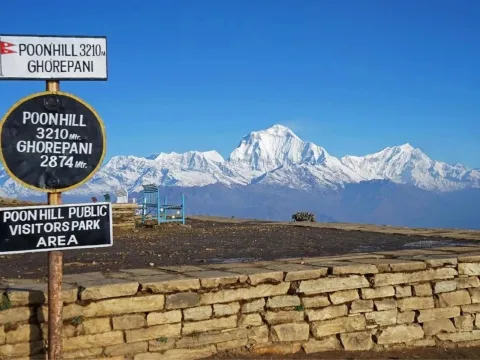
Crowds and limited lodges in spring trekking in Nepal honestly reduce the peace many seek in the Himalayas, yet they never erase the magic when you approach the journey with realistic expectations and smart support. On busy days near Namche Bazaar at 3,440 meters (11,286 feet) or Ghorepani at 2,874 meters (9,429 feet), trails lose some solitude as groups converge, and teahouse evenings feel more communal than quiet because dining areas fill with trekkers sharing stories amid smoky stoves. Consequently, fatigue builds faster from competing for space or adjusting to basic cold rooms, and tight schedules sometimes compress acclimatization at higher points like Dingboche (4,410 m / 14,469 ft), which raises minor altitude concerns if rest becomes limited. Nevertheless, these realities foster new friendships and vibrant trail energy that many trekkers ultimately appreciate.
Actually, higher costs for food and rooms during peak demand add pressure to budgets, yet the trade-off delivers superior rhododendron blooms and clear views of peaks like Annapurna I at 8,091 meters (26,545 feet). Adopting a flexible mindset helps because accepting occasional waits or shared spaces allows you to focus on the breathtaking landscapes instead of minor inconveniences. Haven Holidays Pvt. Ltd. mitigates these effects through expertly timed departures, pre-booked quality lodges, and guides who monitor group pace and health daily, so you maintain energy and enjoyment throughout.
Key Impacts on Experience:
| Aspect of Trek | Potential Downside in Crowded Spring | Balanced Positive | How Haven Holidays Pvt. Ltd. Helps |
|---|---|---|
| Peace & Solitude | Busier trails and teahouses | More social connections | Early starts and side-route options for quieter moments. |
| Physical Fatigue | Competition for space adds stress | Shared motivation boosts morale | Flexible pacing with built-in rest and private rooms. |
| Altitude Management | Tighter schedules at high camps | Stable spring weather aids progress | Expert monitoring and extra acclimatization buffers. |
| Overall Enjoyment | Higher costs and minor waits | Unmatched blooms and visibility | Comprehensive packages that prioritize comfort and safety. |
Summing up, crowds and limited lodges can test your patience during spring trekking in Nepal, but they also create opportunities for richer stories when managed thoughtfully. Reach out to Haven Holidays Pvt. Ltd. now to secure your package, travel with confidence, and let the Himalayan spring reveal its full beauty without unnecessary strain.
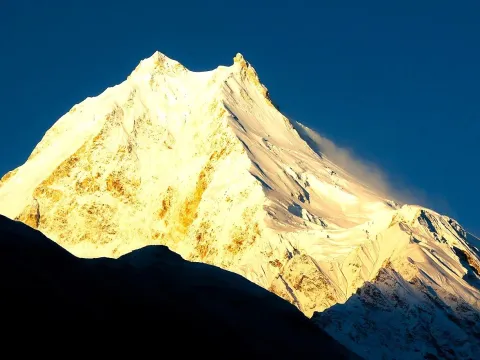
Meanwhile, Spring trekking in Nepal brings extra logistical pressures because high demand strains flights, permits, and support services, yet careful planning keeps everything smooth and stress-free. Lukla flights at 2,860 meters (9,383 feet) face frequent delays or cancellations due to weather and overwhelming bookings, especially in April and May when trekkers and expeditions converge on the Everest region. Moreover, flights now depart from Manthali (Ramechhap) instead of Kathmandu, so you endure a pre-dawn 4–5 hour drive that adds fatigue before even reaching the trailhead. Consequently, early morning windows fill quickly, and backup plans become essential when fog or wind disrupts schedules at high-elevation airports.
Likewise, permits add another layer because 2026 rules have evolved: TIMS cards are largely discontinued or not enforced in many areas, yet trekkers still need region-specific documents such as the Khumbu Pasang Lhamu Rural Municipality entry permit for Everest routes or the Annapurna Conservation Area Permit (ACAP) for Annapurna trails. Guide requirements have tightened for safety, and queues at permit offices or checkpoints lengthen during peak season, so independent travelers risk wasting valuable acclimatization time. In addition, guide and porter availability tightens as top professionals book with large groups months ahead, and shortages can force last-minute compromises on quality.
In fact, Haven Holidays Pvt. Ltd. handles all these logistics seamlessly, and their team arranges flights, secures permits in advance, and provides licensed, experienced guides and porters who know every elevation from Namche Bazaar at 3,440 meters (11,286 feet) to higher camps. Therefore, you focus on rhododendron blooms and views of Mount Everest at 8,848 meters (29,029 feet) instead of worrying about delays or paperwork.
Practical Logistics Checklist for Spring 2026:
| Logistics Element | Spring Pressure Point | Elevation Impact | Haven Holidays Pvt. Ltd. Advantage |
|---|---|---|
| Lukla Flights | High demand & weather delays | Lukla 2,860 m (9,383 ft) | Priority booking + contingency plans |
| Permits | Longer queues at offices/checkpoints | Checked at Monjo or trailheads | Pre-arranged and included |
| Guides/Porters | Limited availability | Critical above 3,000 m (9,843 ft) | Experienced team secured early |
Summing up, flights, permits, and logistics create extra pressures during spring trekking in Nepal, but they never overshadow the beauty when you choose professional support. Contact Haven Holidays Pvt. Ltd. today to lock in your 2026 package, travel with peace of mind, and let the team turn potential hassles into a seamless Himalayan adventure.
Meanwhile, trekkers who want to enjoy spring rhododendrons and clear mountain views must act early because the rush for accommodations in Nepal intensifies every year, yet smart strategies make the difference between stress and success. Book your entire package 3–6 months ahead through a reputable operator like Haven Holidays Pvt. Ltd. because popular teahouses in villages such as Dingboche at 4,410 meters (14,469 feet), Lobuche at 4,940 meters (16,207 feet), and Gorak Shep at 5,164 meters (16,942 feet) fill rapidly during March to May. Moreover, operators with strong local networks can secure private rooms or premium lodges that independent travelers rarely access, and they coordinate daily reservations so you never arrive to a “full” sign after a tough climb from Namche Bazaar at 3,440 meters (11,286 feet).
Likewise, flexible itineraries with built-in rest days help beat the rush because you can adjust pace around bottlenecks or weather, and adding extra acclimatization nights at key elevations keeps you safe while others scramble. Group trekking offers advantages like shared costs, social energy, and guaranteed guide support, yet it sometimes means less personal space; independent trekking provides freedom but demands far more effort for bookings and logistics, especially with 2026 guide requirements in place. Therefore, joining a well-organized small group through Haven Holidays Pvt. Ltd. combines the best of both worlds while ensuring priority teahouse access and expert route adjustments.
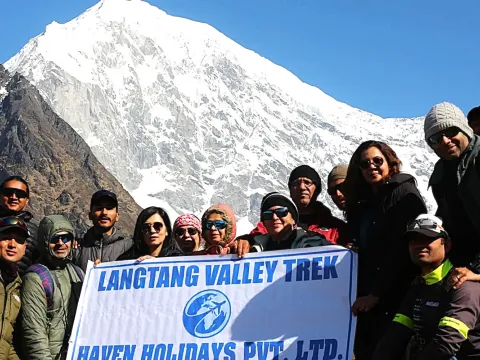
Summing up, Haven Holidays Pvt. Ltd. excels at these strategies because their team maintains direct relationships with lodge owners and monitors real-time availability, so you receive confirmed comfortable accommodations even during the busiest April peaks. Consequently, you savor blooming forests on Annapurna trails or sunrise over Mount Everest at 8,848 meters (29,029 feet) without wasting energy on logistics.
Booking Hacks for Spring Trekking:
| Strategy | Independent Trekking | Group Trek with Haven Holidays Pvt. Ltd. |
|---|---|---|
| Booking Lead Time | 3+ months self-managed, high risk | 4–6 months secured professionally. |
| Teahouse Access | First-come risk of dorms | Priority private/premium rooms. |
| Flexibility | High but stressful | Built-in with expert adjustments. |
| Cost & Peace | Variable, more effort | Predictable with full support. |
To sum up, smart strategies for booking accommodations and beating the spring rush transform potential headaches into smooth, memorable treks. Book your spring adventure with Haven Holidays Pvt. Ltd. today, secure the best spots on the trails, and experience the full magic of blooming Himalayas with comfort and confidence.
Meanwhile, Spring trekking in Nepal tempts adventurers with blooming rhododendrons and clear skies, yet choosing between classic routes and quieter alternatives decides whether you enjoy peaceful trails or navigate busy highways. Popular treks like Everest Base Camp and Annapurna Base Camp deliver iconic views of Mount Everest at 8,848 meters (29,029 feet) and Annapurna I at 8,091 meters (26,545 feet), but they attract heavy crowds in April and May. In contrast, less-traveled paths such as Langtang Valley, Manaslu Circuit, Khopra Ridge, and Gokyo Lakes offer the same spring magic — vibrant forests and excellent visibility — without the masses, so you immerse deeper in nature and local culture.
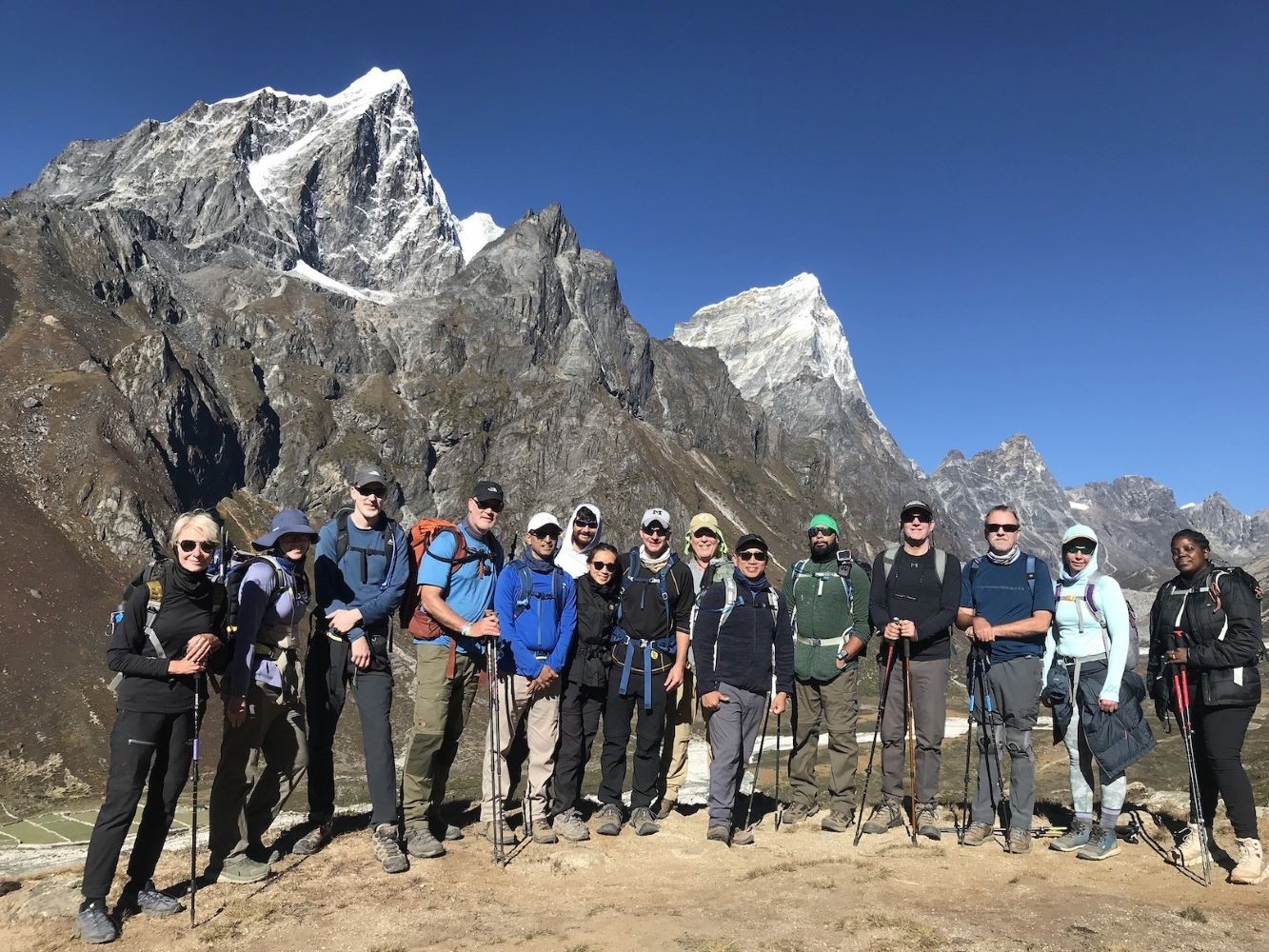
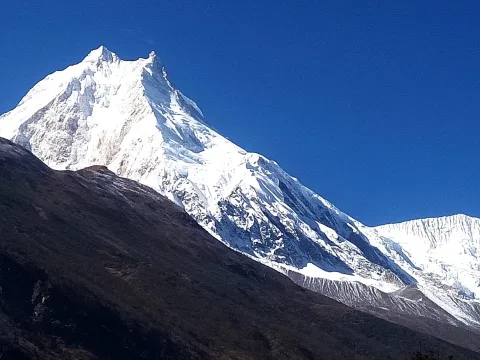
Actually, Langtang Valley stays quieter because it lies closer to Kathmandu yet feels remote as you trek through lush forests and glaciers up to 4,984 meters (16,352 feet). Manaslu Circuit rewards with dramatic Larkya La Pass at 5,106 meters (16,752 feet) and Tibetan-influenced villages that remain largely untouched, while you still witness stunning rhododendron displays at lower elevations between 2,000 and 3,500 meters (6,562–11,483 feet). Khopra Ridge and Gokyo Lakes provide ridge walks and turquoise lakes with far fewer trekkers than the main Annapurna or Everest routes, and spring conditions keep trails dry and flower-filled. Haven Holidays Pvt. Ltd. expertly guides you on both popular and alternative routes, matching your fitness and preference for solitude or classic highlights.
Popular vs Less Crowded Routes in Spring:
| Route | Crowd Level (Spring) | Difficulty | Max Elevation | Spring Highlights with Haven Holidays Pvt. Ltd. |
|---|---|---|
| Everest Base Camp | Very High | Strenuous | 5,364 m (17,598 ft) | Iconic Everest views; priority teahouse bookings. |
| Annapurna Base Camp | High | Moderate-Strenuous | 4,130 m (13,550 ft) | Rhododendron tunnels; comfortable lodges secured. |
| Langtang Valley | Low-Moderate | Moderate | 4,984 m (16,352 ft) | Serene glaciers & forests; easy access from Kathmandu. |
| Manaslu Circuit | Low | Strenuous | 5,106 m (16,752 ft) | Larkya La Pass & Tibetan culture; restricted permit handled. |
| Gokyo Lakes | Moderate | Strenuous | 5,357 m (17,575 ft) at Gokyo Ri | Turquoise lakes & Everest panoramas; less traffic. |
Here, choosing the right trek in spring lets you balance adventure with peace. Contact Haven Holidays Pvt. Ltd. today to select your ideal route, secure comfortable accommodations, and trek through blooming Himalayas exactly as you envision — whether classic or off-the-beaten-path.
Find solitude while still enjoying spring blooms by shifting to alternative routes or shoulder periods, and you discover the true magic of Himalayan trekking without the rush. Early March or late May offers noticeably fewer people on trails because most visitors target the April peak, yet rhododendrons begin blooming in March and linger into May at higher elevations from 2,000 to 3,500 meters (6,562–11,483 feet). Remote options like Nar Phu Valley, Tsum Valley, and Ruby Valley provide even deeper tranquility with ancient monasteries, preserved Tibetan culture, and stunning mountain backdrops under clear skies.
Meanwhile, Nar Phu and Tsum Valley require restricted area permits and a licensed guide, yet these rules ensure the areas remain pristine and less visited. You cross high passes and explore hidden villages while spring wildflowers carpet the lower slopes. Ruby Valley delivers similar peace with rhododendron forests and fewer trekkers than mainstream routes. Trade-offs include mandatory guide requirements and slightly higher permit costs, but the reward is authentic experiences and personal space that crowded classics rarely offer. Haven Holidays Pvt. Ltd. manages all permits, logistics, and expert guiding for these special areas, so you trek safely and focus on the landscapes.
Ways to Escape Crowds in Spring:
| Option | Crowd Level | Key Trade-off | Spring Benefit | Haven Holidays Pvt. Ltd. Support |
|---|---|---|
| Early March (Any Route) | Low | Cooler mornings | First rhododendron blooms, clear views | Early-season packages with warm layers. |
| Late May (Popular Routes) | Moderate | Possible afternoon clouds | Fewer people, good visibility | Flexible end-of-season itineraries. |
| Nar Phu / Tsum Valley | Very Low | Restricted permits & guide | Pristine culture & solitude | All permits & licensed guides arranged. |
| Ruby Valley / Khopra | Low Slightly longer access | Rhododendrons without masses | Custom routes with premium teahouses. |
In fact, alternative routes and shoulder periods let you escape crowds while embracing spring’s beauty. Book your personalized trek with Haven Holidays Pvt. Ltd. now, enjoy peaceful paths blooming with color, and create memories surrounded by the Himalayas instead of fellow trekkers.
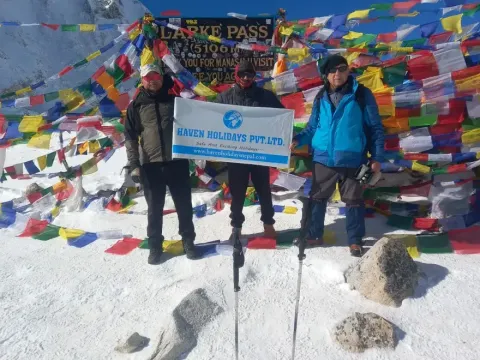
Sarah, an experienced trekker from Australia, landed in Nepal full of excitement for her Everest Base Camp trek in April, expecting peaceful acclimatization days amid blooming rhododendrons near Namche Bazaar at 3,440 meters (11,286 feet). What she imagined quickly turned chaotic because every decent teahouse in the village was already packed with climbing teams and spring groups. After hours of searching with her small group, they settled into a basic dorm with thin mattresses and shared cold bathrooms, and the stunning pink and red flowers along the trail could not fully mask the highway-like feel of the path from Lukla at 2,860 meters (9,383 feet) onward.
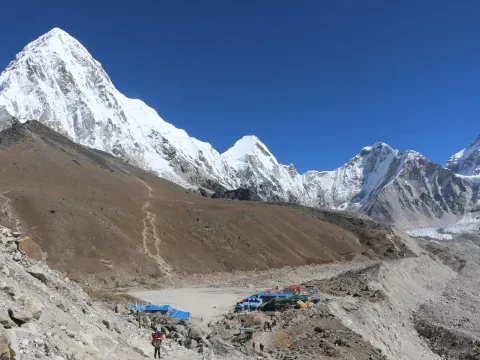
Likewise, bottlenecks slowed their progress between villages, and tight schedules made proper rest at Dingboche at 4,410 meters (14,469 feet) and Lobuche at 4,940 meters (16,207 feet) challenging. One evening at Gorak Shep at 5,164 meters (16,942 feet), they arrived late only to learn all better rooms were taken, so they squeezed into a crowded dining area where smoky stoves provided the only warmth against freezing nights. Fatigue built, and minor altitude headaches appeared because rest days felt compressed amid the rush. Yet Sarah and her companions pushed forward, and the moment they stood at Everest Base Camp at 5,364 meters (17,598 feet) with clear skies revealing the world’s highest peak at 8,848 meters (29,029 feet), the struggles faded into awe.
Moreover, the experience taught Sarah valuable lessons about spring trekking in Nepal. Crowds test patience, but preparation changes everything. The following year she switched to a less-traveled side route with early bookings, and the difference was night and day — she enjoyed quiet mornings with rhododendrons, better teahouses, and relaxed pacing. Stories like Sarah’s show that while spring brings beauty, it also demands smart choices to avoid chaos.
In fact, Haven Holidays Pvt. Ltd. turns such potential challenges into seamless adventures by securing premium accommodations, arranging early flights, and guiding flexible itineraries with built-in acclimatization at every key elevation. Their expert team monitors conditions daily, so you focus on the magic instead of logistics. Sarah now recommends professional support because it restored the joy she first sought in the Himalayas.
Lessons from Sarah’s Spring Everest Experience:
| Challenge Faced | Impact on Trek | How Haven Holidays Pvt. Ltd. Prevents It. |
|---|---|---|
| Teahouse Shortages | Basic dorms & cold nights | Priority confirmed bookings in quality lodges. |
| Trail Bottlenecks | Slower pace & fatigue | Early departures & alternative paths. |
| Altitude Schedule Pressure | Minor health concerns | Flexible itineraries with extra acclimatization. |
| Overall Stress | Reduced enjoyment | Full logistics handling & expert guiding. |
To sum up, a real trekker’s story of navigating crowds and teahouse chaos on the Everest trail in spring highlights both the difficulties and rewards. Let Haven Holidays Pvt. Ltd. craft your 2026 spring adventure so you write a happier ending — one filled with comfort, blooms, and unforgettable Himalayan views instead of frustration. Book today and trek smarter.
Actually, Spring trekking in Nepal dazzles with vibrant rhododendron forests in full bloom and crystal-clear views of Mount Everest at 8,848 meters (29,029 feet), yet the season also brings real challenges of crowds, teahouse shortages, and logistical pressures that can test even seasoned adventurers. From busy trails near Namche Bazaar at 3,440 meters (11,286 feet) to accommodation crunches at Dingboche at 4,410 meters (14,469 feet) and Gorak Shep at 5,164 meters (16,942 feet), the reality shows that exploding visitor numbers demand smart preparation for 2026. Nevertheless, these issues never diminish the magic when you plan ahead, choose suitable routes, and travel with reliable support that prioritizes both your comfort and the local environment.
Here, key takeaways stand clear: book accommodations and packages 3–6 months in advance, consider less-crowded alternatives like Langtang Valley, Manaslu Circuit, or Gokyo Lakes for more solitude while still enjoying spring blooms between 2,000 and 3,500 meters (6,562–11,483 feet), and always arrange flights, permits, and guides early to avoid delays and bottlenecks. Moreover, trekking responsibly means respecting trails, supporting local teahouse owners through ethical bookings, and selecting operators who practice sustainable tourism and fair treatment of porters and staff. Haven Holidays Pvt. Ltd. embodies these values by securing priority teahouses, offering flexible itineraries with proper acclimatization, and guiding small groups on both classic and alternative routes so you experience the Himalayas without unnecessary chaos.
Moreover, trekking in Nepal in spring can still be magical if you prepare wisely – respect the trails, support local teahouses, and choose routes that match your desire for peace or energy. Whether you seek the iconic thrill of Everest Base Camp at 5,364 m / 17,598 ft) or the quiet beauty of remote valleys, the right planning transforms potential stress into pure adventure under stable skies and among colorful wildflowers.
Essential Takeaways for Responsible Spring Trekking:
| Responsible Choice | Benefit for You | Benefit for Nepal |
|---|---|---|
| Early Booking (3-6 months) | Secure private rooms & smooth logistics | Steady income for teahouses year-round. |
| Alternative Routes | More solitude & personal pace | Reduces pressure on heavily used trails. |
| Professional Operator | Expert guidance & altitude safety | Fair wages for guides and porters. |
| Respectful Trekking | Memorable, stress-free experience | Preserves environment and culture. |
Summing up, the Himalayas reward the prepared. Start planning your spring trek now with Haven Holidays Pvt. Ltd. and turn into your most beautiful Himalayan chapter yet — filled with rhododendron blooms, breathtaking mountain panoramas, and the peace of mind that comes from traveling responsibly. Contact Haven Holidays Pvt. Ltd. today, secure your preferred route and dates, and let the team handle every detail so you simply enjoy the journey of a lifetime.
Q: Why is spring the busiest trekking season in Nepal?
A: Spring, from March to May, is a great time to trek because the weather is usually stable and the rhododendron flowers are in bloom. You can see the mountains clearly. Many people want to travel so popular routes like Everest and Annapurna get very crowded. This means the trails are busy and it’s hard to find a place to stay.
Q: Which trekking routes are most crowded during spring in Nepal?
A: The Everest Base Camp Trek and Annapurna Base Camp Trek are the crowded. Short treks like the Ghorepani Poon Hill Trek and Mardi Himal Trek are also busy in April.
Q: How difficult is it to find accommodation during spring treks?
A: Finding a place to stay can be tough if you don't book ahead. Many teahouses fill up quickly in places like Namche Bazaar and Ghorepani. If you don't book you might have to share a room stay in the dining hall or walk further to find a lodge.
Q: Do I need to pre-book teahouses for spring trekking in Nepal?
A: Yes, it's an idea to book teahouses ahead of time, especially for popular routes. Guides and travel agencies can help you book rooms. If you're trekking on your own plan your stops carefully and arrive early especially in April when its busiest.
Q: How do crowds affect the overall trekking experience?
A: Crowds can make the trek feel less wild because of delays on trails and making more noise.. They also bring a fun atmosphere and a chance to meet other trekkers from, around the world. The Everest Base Camp Trek and Annapurna Base Camp Trek are very popular. You will likely meet many other trekkers on these routes.
Q: Are flight delays more common during spring trekking in Nepal?
A: Yes, flights to Lukla Airport get delayed a lot because of weather and many flights. You should have days in your plan so you do not get stuck if flights are delayed during spring.
Q: Which time in spring has the highest trekking crowds?
A: The time from mid-March to April is very busy. Many people come to see the rhododendron flowers and enjoy the weather. This is the peak time and trails are very crowded.
Q: Are permits harder to obtain during the spring season?
A: You can get permits. You might have to wait in line for a bit in Kathmandu offices. Travel agencies can help you get everything done quickly and easily.
Q: What are the best ways to avoid crowds while trekking in spring?
A: If you want to avoid crowds try going on popular trails. You can also start early every day. Trekking in March or late May is a good idea. You can go to places that are not as well-known like the Manaslu Circuit Trek.
Q: Is the Manaslu Circuit Trek crowded in spring?
A: The Manaslu Circuit Trek is not as crowded, as Everest or Annapurna. You get to cross the Larke Pass which's 5,106 meters high. The views are amazing. There are fewer trekkers making it a more real Himalayan experience.
Q: How early should I book my spring trekking package in Nepal?
A: I think it is an idea to book your spring trekking package for at least one to two months in advance. This way you can get accommodation and your flight will be available. You will also be able to arrange for a guide and a porter, which's very important for your Everest and Annapurna region treks.
Q: Can I trek independently during spring despite the crowds?
A: Yes, you can trek independently during spring. You need to plan everything very carefully. You must make sure you have a place to stay. You have time, everything is just right. If you hire a guide, it will be easier for me to get a room. You will have more flexibility. Your spring trekking package will be less stressful with a guide.
Q: Do crowded trails impact safety during trekking?
A: Generally, no crowded trails do not make your spring trekking less safe. In fact, if something happens to me there will be people around to help me. However, when the trails are narrow or steep, you must be extra careful not to slip or fall. You might get hurt or delayed. Your spring trekking package requires me to be careful.
Q: What time of day is best to avoid trail congestion?
A: The best time to trek is early, in the morning. If you start your spring trekking before 7 AM the trails will be quieter. You will be able to see the views more clearly. You will also be able to get a room at the teahouse before all the other trekkers arrive. Your spring trekking package will be more enjoyable if you trek early.
Q: Are food and services affected by spring crowds?
A: Yes, when it is busy the service is slower. The teahouses that are popular might run out of food. You will have to wait a long time to get what you want. You need to be patient and flexible when you are doing your spring trekking during the season. Your spring trekking package will require me to wait.
Q: What are the advantages of trekking in spring despite the crowds?
A: The spring is a time to go trekking because the views are really beautiful the weather is nice and stable and you can see everything clearly. You will also meet a lot of people. Have a fun time on the trails. The spring season makes trekking a fun experience even though the trails are busy.
Q: Are there luxury accommodation options available during spring treks?
A: Yes, you can find places to stay, especially near Everest and Annapurna. You have to book them ahead of time because they fill up quickly. If you want to stay in a nice lodge, you should book it early.
Q: Which alternative treks are less crowded in spring?
A: There are some treks that're not as crowded, like the Langtang Valley Trek, the Manaslu Circuit Trek and the Kanchenjunga Base Camp Trek. These treks are just as beautiful as the ones but you will not see as many people.
Q: How do guides help during crowded spring treks?
A: Guides are really helpful when you are trekking in the spring. They can book your accommodations change your plans if needed and help you get through the trails. They also know a lot, about the area, which helps keep you safe and makes your trek more fun.
Q: Is spring still worth trekking in Nepal despite crowds?
A: Yes, the spring is still a time to go trekking in Nepal. If you plan ahead book your trip early and choose a route you will have a great time. The scenery the people you meet and the mountains are all worth dealing with the crowds. Trekking in Nepal in the spring is a great experience.
Our travel experts are ready to assist you with any questions.
Send us a message.Have a question before you book? Send your enquiry below and our travel experts will get back with the required information.