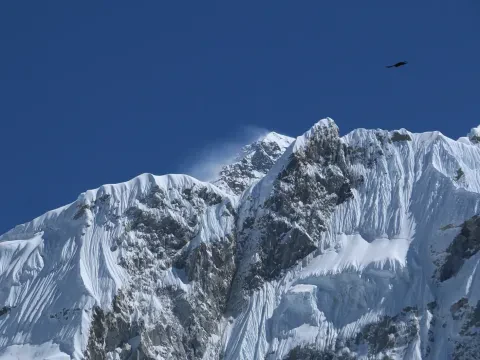
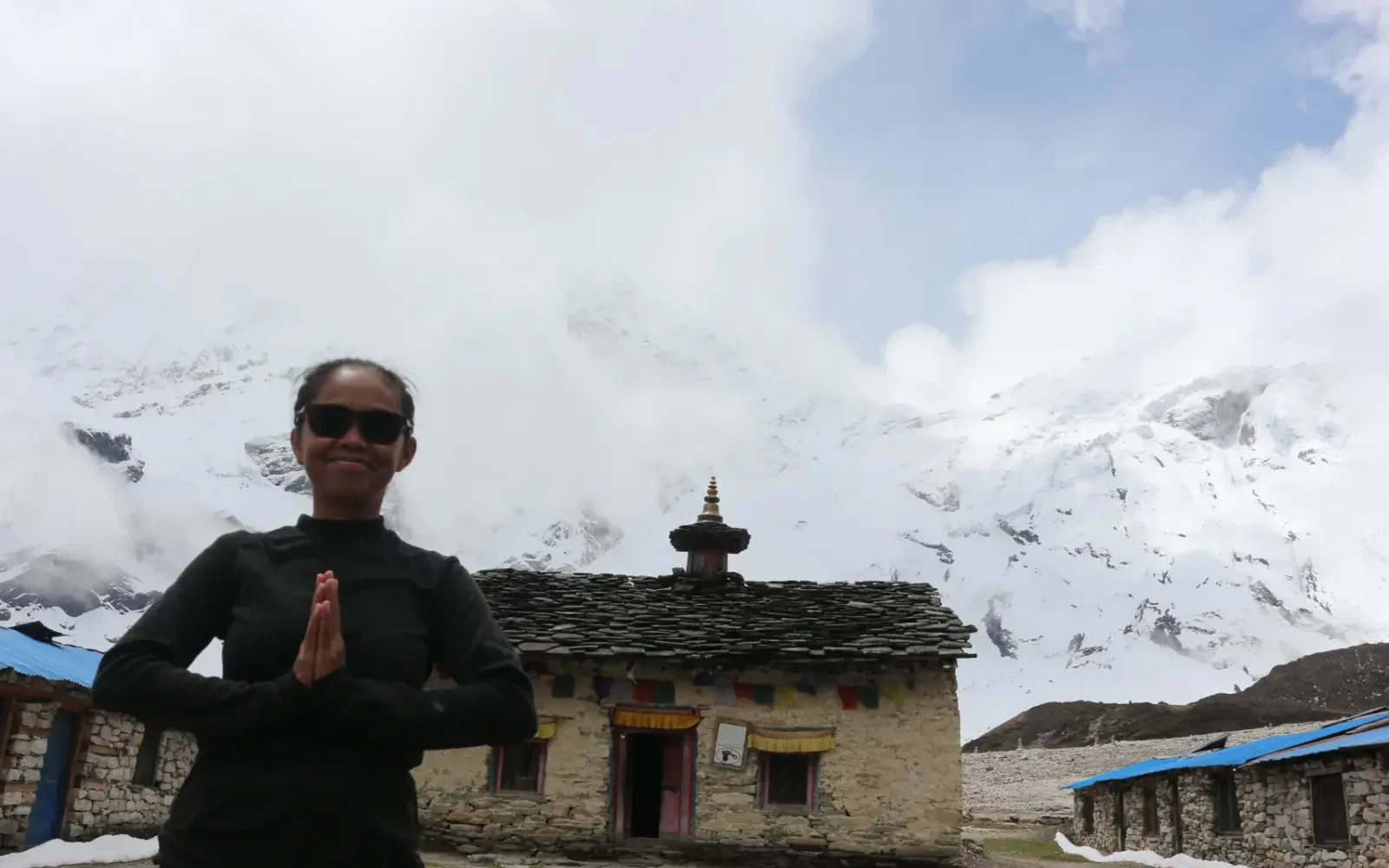
The secret tips for a successful Manaslu circuit trek will help you achieve the best out of the Himalayan trekking experience. Many trekkers give up on their Manaslu Circuit Trek due to various reasons like altitude, weather, logistics, and other specific details regarding the restricted area permit, which they are not well-versed with prior to commencing the trek. Most of the errors are caused by a lack of planning rather than a lack of fitness.
Meanwhile, the Manaslu Circuit Trek is undoubtedly one of Nepal’s most remarkable and exotic trekking trails. The Manaslu Circuit Trek takes you around the eighth tallest peak in the world, Mount Manaslu (8163 meters). You will also pass through the intimidating Larke Pass (5106 meters), one of the highest trekking passes in the world, and encounter Tibetan Buddhist traditions in the region’s monasteries and hamlets throughout your journey. The Manaslu Circuit is one of Nepal’s most isolated trekking trails, despite being less well-known than the Everest or Annapurna Circuit trekking routes. This circuit trek in Nepal requires a special permit to enter the restricted area in addition to a licensed guide and a minimum of two other people.
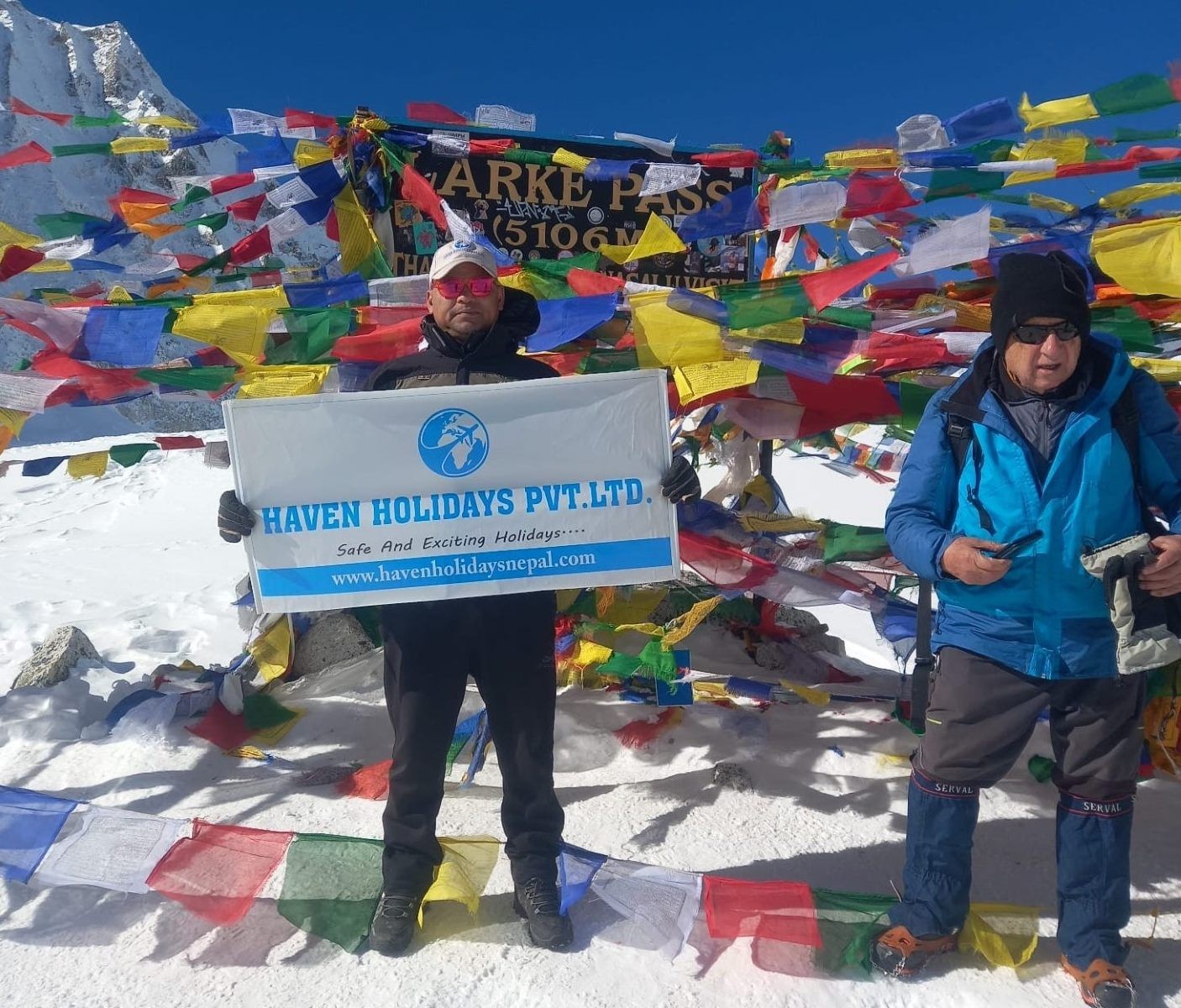
Although adequate fitness is critical for a Manaslu Circuit Trek, there are several crucial considerations that go beyond preparing your body for the most difficult Himalayan trekking trails. Tips such as acclimatizing to high altitudes, appropriate packing, selecting the best time to trek, and transportation choices all contribute to a well-planned Manaslu Circuit Trek.
Actually, this Manaslu Circuit Trek guide provides you with practical advice based on actual experience and field evaluations. I will give you valuable pointers from the perspectives of a professional guide and a hiker who has successfully completed the Manaslu Circuit Trek.
I hope you will be able to apply the information from this Manaslu Circuit Trek guide to prepare for your own Himalayan adventure as well as the following:
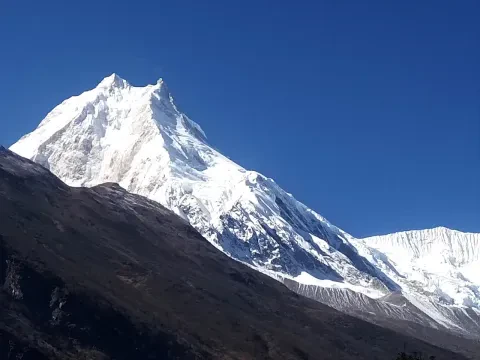
The most typical error made by trekkers who embark on the Manaslu Circuit Trek is skipping or shortening the Samagaun acclimatization day. Furthermore, it is one of the most crucial health and fitness-related choices you will have to make on your journey. It is critical to spend at least one day acclimatizing to high altitudes so that your body may gradually adjust to the abrupt drop in oxygen density as you climb higher into the Himalayas. Despite appearing fitter when arriving at Samagaun (3500 meters), most hikers suffer from altitude sickness as a result of hastening to get to higher altitudes.
Actually, climbing high and sleeping low is a time-honored rule that has been utilized by mountaineers, trekkers, and explorers for generations to acclimatize to higher altitudes and lessen the severity of altitude sickness during Himalayan climbing and trekking.
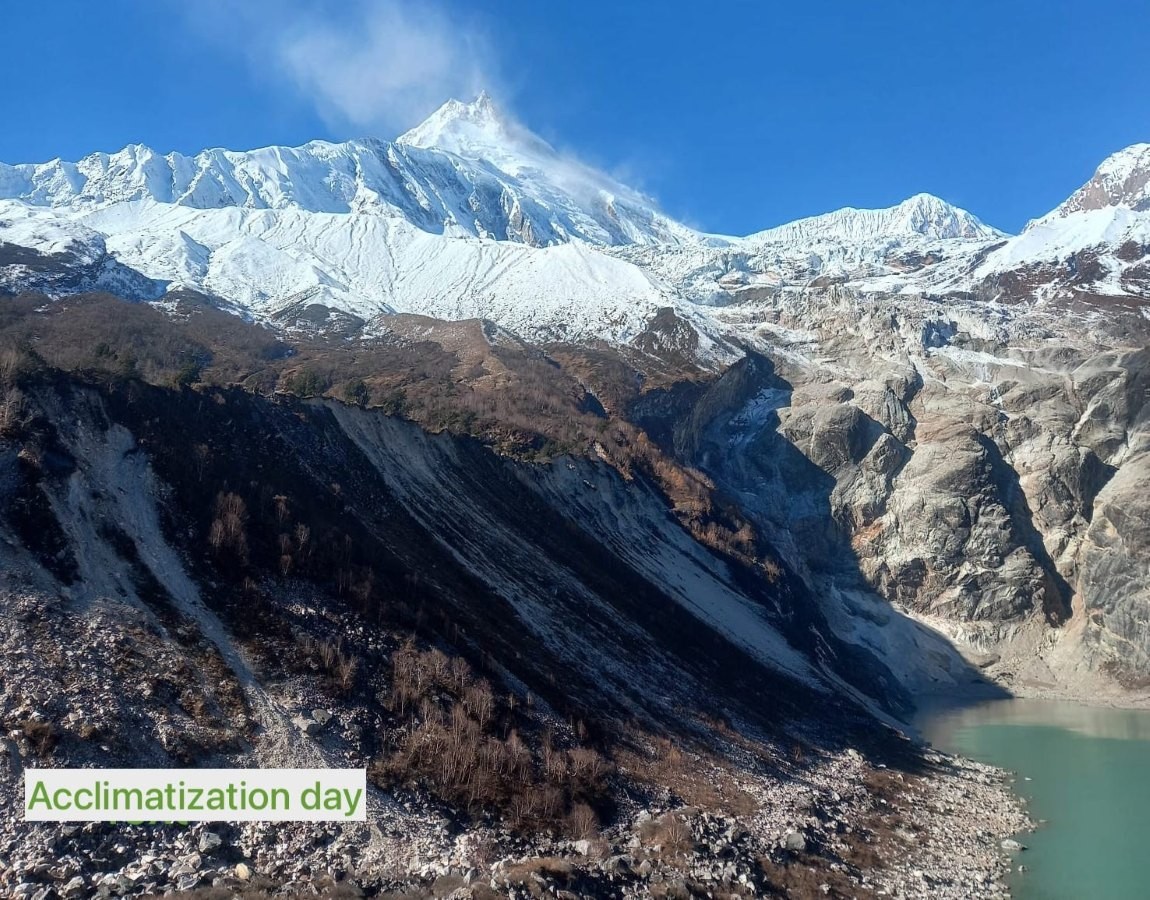
So, while you are in Samagaun for the day, you should go on a brief excursion to a greater altitude for a few hours before returning to Samagaun to spend the night.
Best Places to Acclimatize in Samagaun
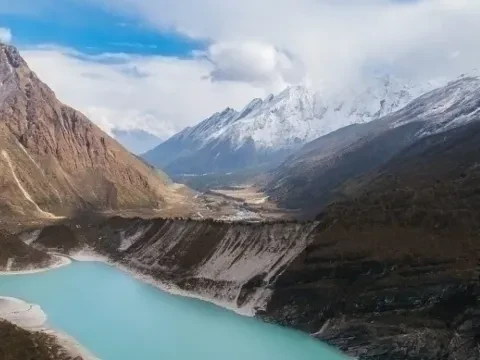
Birendra lake
It is a fantastic location to invest your day in Samagaun because it is not too difficult and allows you to witness the splendor of the Himalayas while also giving your body the necessary acclimatization to prepare for the following days at greater altitudes. If you have the time, strength, and fitness, you might also consider trekking to Manaslu base camp (4800 meters), which takes around six to eight hours to complete. If you want a less strenuous walk that allows you to see a glacier lake and the towering Himalayan peaks, you might want to consider going to Pungyen gompa (around 4000 meters) for a four- to five-hour stroll.
| Destination | Approx. Elevation | Hiking Time (Round Trip) | Difficulty |
|---|---|---|
| Birendra Lake | 3690 meters | 2-3 hours | Easy |
| Manaslu Base Camp | 4800 meters | 6-8 hours | Challenging |
| Pungyen Gompa | 4000 meters | 4-5 hours | Moderate |
The Samagaun acclimatization day is critical for the following reasons:
If you’re anything like most hikers, you’ll be tempted to shorten the Samagaun acclimatization day to finish your trekking itinerary in Samagaun as soon as possible.
It’s a frequent misconception among many trekkers that the Samagaun acclimatization day is a waste of time since trekking in Samagaun is considerably easier than attempting to complete the Manaslu circuit trek the same day.
However, in the Manaslu Circuit Trek, this is arguably the most crucial day since most of the trekking mishaps that occur in the Manaslu Himal are caused by skipping or shortening the Samagaun acclimatization day.
Prevention Strategies for Altitude Sickness in Samagaun
You should go for day hikes to higher altitudes during your acclimatization day in Samagaun to assist your body in adapting to the lower oxygen levels, as described above
However, while in Samagaun, it is critical that you:
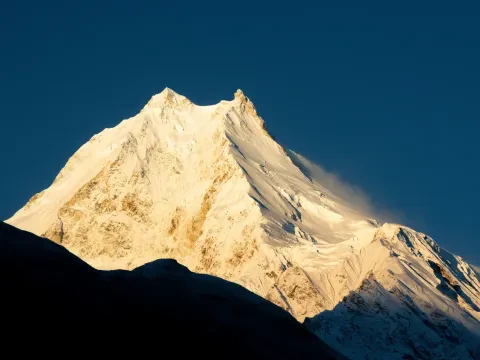
Most hikers believe that any headache at altitude is a sign of Acute Mountain Sickness (AMS). In truth, dehydration while on the Manaslu Circuit trek is a common cause of AMS symptoms. Cold nights, dry air, excessive sweating, and long hikes all contribute to hikers losing water in their bodies faster than they expect. This is especially true on the Manaslu Circuit trek, which involves several challenging hikes per day.
Drinking enough water on the Manaslu Circuit trek is one of the easiest ways to ensure you don’t get AMS.
How much water should you drink on the Manaslu Circuit trek?
Drink 3–4 liters of fluids every day on the trek.
You can get this from:
| Elevation | Water per Day |
|---|---|
| Below 3000 m | 2.5–3 liters |
| Above 3000 m | 3–4 liters |
| Larke Pass (Summit day) | 4 or more liters |
Drinking clean water on the Manaslu Circuit trek,
Make sure to drink clean water on the Manaslu Circuit trek. The Manaslu Circuit trail passes through many streams and rivers that you can use as a source of clean water
However, you should ideally use water purification tablets or a UV water purifier or a portable water filter or boiled water from the teashops to avoid water-borne diseases.
Signs of dehydration :
These AMS-like symptoms should subside once you start drinking more fluids. Here are some hydration tips while on the Manaslu Circuit trek.
Here, many ailments associated with altitude maladies are caused by dehydration. Make sure you hydrate sufficiently on the Manaslu Circuit trek to avoid AMS and enjoy the views of the Himalayas!
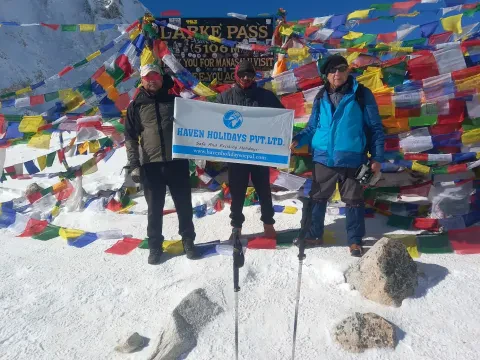
The Larke pass crossing early start is one of the most crucial parts of the Manaslu Circuit trek. It is nearly impossible to complete this leg of the trip if you leave Dharamsala (Larke Phedi) after sunrise. Most professional trekking agencies and local guides recommend leaving Dharamsala between 3:00 and 4:30 AM so that you can cross Larke (5,106 m) before the weather takes a turn for the worse. This may seem unfathomable at first, but it’s well within your capabilities if you prepare adequately
Larke Pass early start recommended schedule:
Here’s a list of things you should do while on the Larke pass early morning trek:
This early morning schedule is followed by most local guides and porters on the Manaslu Circuit trek.
Things to expect on the Larke pass crossing late start
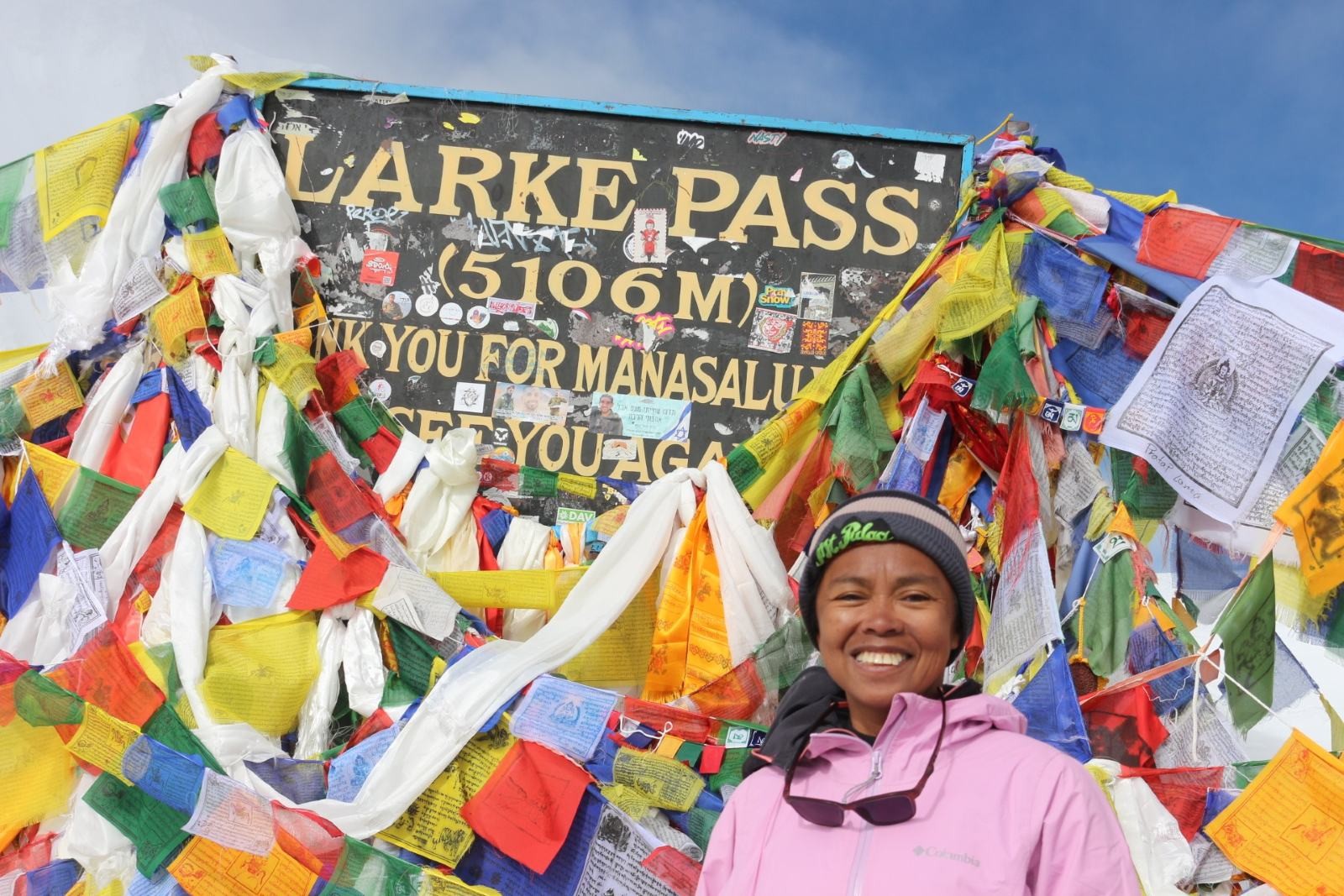
If you decide to do the Larke pass crossing in the afternoon, here are some things you can expect:
It can be extremely difficult to complete the Larke pass crossing if you start it too late in the day.
What should I do the night before the Larke pass crossing?
Here are some things you should do the night before the Larke pass crossing:
You shouldn’t try to hike if your headlamp isn’t working. This is extremely important, because most of the Larke pass crossing will take place in the dark
How should I hike the Larke pass crossing?
Here are a few things to consider when hiking the Larke pass crossing:
Remember, the point isn’t to reach the summit of the Larke pass; the point is to get there safely.
Here, an early start is one of the main reasons why people either successfully cross or fail at the Larke pass. Make sure to leave Dharamsala between 3:00 and 4:30 AM so that you can cross Larke pass before the weather turns for the worse.
As you get higher up in the Manaslu Circuit trek, your food options are going to change. Another of the best food safety tips for the Manaslu Circuit is to avoid meat above Namrung or Lhi. You may notice that meat dishes are popular on some teahouse menus; however, they are not the safest option in isolated mountain villages with limited cold storage.
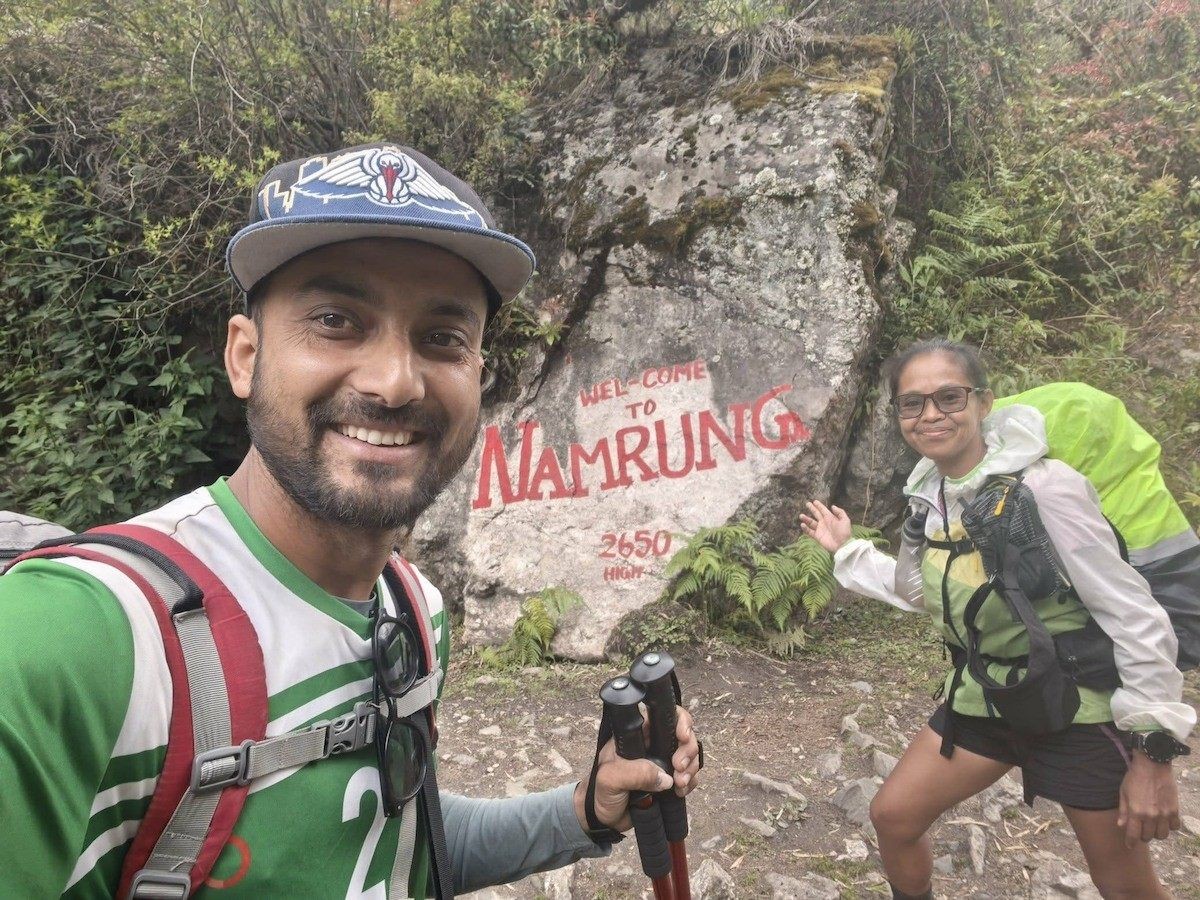
Meanwhile, the reason for this food safety tip is simple (unfortunately not based on cultural preference). Above Namrung/Lhi, the villages had access to less refrigeration and fresh food deliveries. Remember that they are small settlements with limited resources. Meat has to be hauled up the mountain and kept cool somehow. If you get food poisoning at altitude, you will most likely be too weak and dehydrated to continue. This is especially true for people trekking above 3000 m, where the air pressure is lower, so your body cannot deal with fluid loss as well.
The best food safety tip for avoiding meat on the Manaslu Circuit is also a health and performance tip.
Here are just a few of the dangers of eating meat in faraway mountain villages:
In other words, a stomach bug can easily ruin your trek! If you can’t hike, you might have to cut your itinerary short and turn back.
Instead, Get Your Energy From Dal Bhat!
The safest and most filling food you can eat on the Manaslu Circuit is dal bhat. This is a traditional Nepali dish of rice, lentils, vegetables, and pickle. It is a very healthy and hearty meal.
Why is Dal Bhat Perfect For High Altitude Trekking?
Here are some benefits of traditional dal bhat in the mountains:
Many guides and fellow trekkers I met ate dal bhat practically every day on the Manaslu Circuit. It is filling and very popular with the locals for a reason!
Other healthy alternatives include:
Go With A Mostly Vegetarian Diet,
I believe that a vegetarian diet is healthier at altitude. Here are some vegetarian foods to eat on the Manaslu Circuit:
Drinking alcohol on the Manaslu Circuit needs a category of its own. The reason for this is simple – alcohol is bad for you at altitude!
Why Avoid Alcohol Above Namrung/Lhi?
Drinking alcohol above Namrung or Lhi can:
After a couple of drinks, it is much harder to climb and think straight at altitude!
Instead, Try These Drinks…
To help you stay warm and hydrated on the Manaslu Circuit, bring along:
Expert Tip
In summary, the best food-safety tip for the Manaslu Circuit is to start eating fresh vegetarian meals (like dal bhat) and stop drinking alcohol above Namrung/Lhi. By doing so, you will not only avoid getting food poisoning, but also have more energy and better performance on the trail! Your stomach will most likely complain about this transition, but your legs will thank you afterwards!
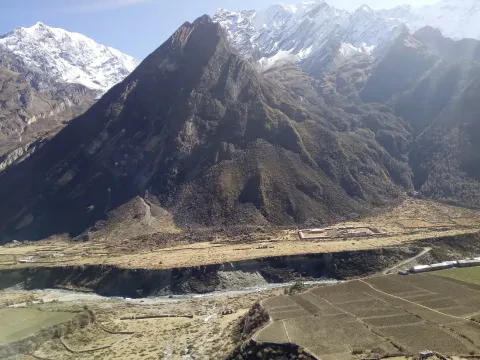
People who are new to trekking in Nepal usually believe that during the spring and autumn, it almost never rains. This is partially true, since these are indeed the peak trekking seasons. The weather is often sunny and clear year-round on the Manaslu Circuit, but that does not mean it cannot rain!
It can, actually, be quite rainy during the Manaslu Circuit trek, particularly in October and November. The mountainous terrain of the region means that there are frequent sudden downpours, morning mist, river spray, and changing temperatures. This kind of unpredictable weather can soak you in an instant if you are not prepared.
More importantly, most mountain treks require you to wear special rain gear – even if it is not explicitly stated. This applies to the Manaslu Circuit as well.
Water-Proof vs Water-Resistant Clothing
Many inexperienced hikers confuse the meaning of water-proof and water-resistant.
| Waterproof | Water-Resistant |
|---|---|
| Keeps heavy rain away | Handles only light drizzle |
| Has sealed seams | Usually no sealed seams |
| Great for mountainous weather | Great for urban/rural trails |
| Recommended for the Manaslu Circuit | Not recommended as primary gear |
For the Manaslu Circuit, it is best to invest in water-proof clothing with sealed seams.
Manaslu Circuit Rain Gear Checklist,
Here are some essential rain gear items needed for the Manaslu Circuit:
Keeping your extra clothing/dry gear dry is as important as keeping yourself dry.
Having waterproof clothing and gear in Nepal is important for several reasons:
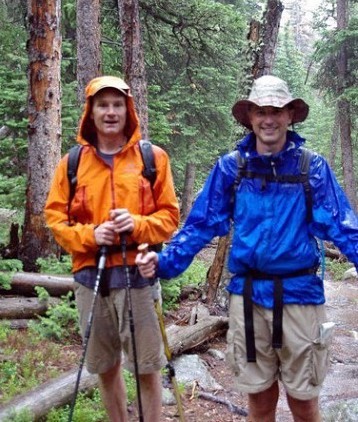
During mountainous hikes at high altitudes, even light rain makes the weather much colder. This effect is even stronger above 3500 m.
Pack Smart!
Make sure to pack separate waterproof bags for:
Do not rely only on your backpack’s rain cover, since heavy rain can damage electronics, papers, and documents.
Practical Mountains Tips,
Many fellow Manaslu Circuit trekkers told me that during the “dry” season, they still got soaked by sudden afternoon rains. Even though it was not the rainy season, mountain weather patterns change throughout the day, so it can pour buckets of water without any warning. It was fascinating to watch how different people handled the situation. The ones who packed waterproof clothing stayed nice and dry while the others returned to their teahouse in wet clothes and soggy boots.
Expert Tip,
Treat waterproof clothing as essential gear! A good waterproof jacket, pants, and backpack cover, plus waterproof dry bags will protect you from the unpredictable mountain weather of the Manaslu Circuit.
Your feet are the most important gear on the Manaslu Circuit. No matter how well you prepare and how fit you are, without proper footwear, even the best-laid plans will not keep your feet comfortable. One of the most crucial pieces of trekking advice for the Manaslu Circuit is to break in your boots properly before the trek and to consider bringing microspikes if the trail conditions require them. The Manaslu circuit trek is a challenging route, and having reliable gear such as well-worn boots and microspikes is imperative in order to be able to enjoy it.
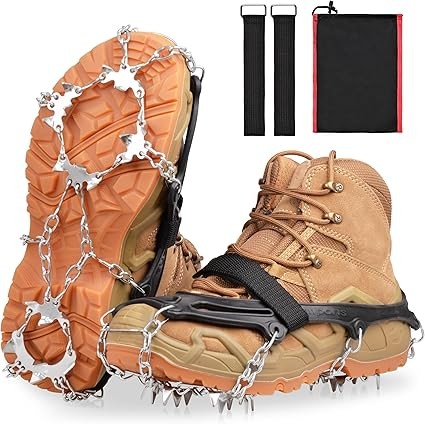
Actually, many hikers make the mistake of buying new boots right before arriving in Nepal. This might lead to excruciating blisters, unpleasant feet, and, overall, a very uncomfortable trek. Well-worn boots will help you feel less tired and more comfortable on the trail. Moreover, they will prevent untimely injuries caused by rocky terrain.
At the very minimum, you should walk in your boots for 50 km before attempting to do the Manaslu circuit trek. That includes:
It is important that your boots feel comfortable from the first minute of the trek.
Blister Prevention Reminders,
It is usually much easier to prevent blisters than to treat them. To avoid getting one, you should:
Even little blisters can turn into excruciating wounds after several hours of walking.
Why Microspikes Matter,
Many people wonder whether the Manaslu Circuit requires crampons or spikes. In most cases, microspikes are preferable to crampons on the Manaslu Circuit. Microspikes are great for
They add enough traction for slippery terrain without being too bulky or heavy.
Conditions When You Might Need Microspikes,
| Season / Month | Recommendation |
|---|---|
| October –November | Usual after snowfall |
| March–April | Highly recommended |
| December–February | Essential |
| May | Occasionally useful after snowfall |
Larke Pass (5,106 masl) can be unexpectedly snowy throughout the year. Moreover, the trail can be icy in the morning since most hikers attempt to reach the pass before sunrise.
Choosing the Right Footwear for the Manaslu Circuit
When choosing boots for the Manaslu Circuit, opt for:
Do not use light running shoes for the circuit, especially in cold seasons.
Expert Tip
Your well-used boots and a set of light microspikes can make all the difference between a Larke Pass crossing and a potential slip on ice; never attempt high-altitude hiking in brand new footwear.
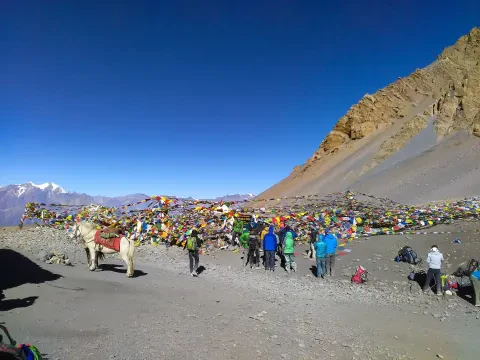
The most important tips for money on the Manaslu Circuit are simple: bring more cash than you think you will need before heading to the trail. There are no ATMs on the Manaslu Circuit, so it is vital to have enough cash with you at all times. Almost all of the teahouses, lodges, and shops accept cash only. Some of the hikers greatly underestimate the amount of cash they will need for incidentals, in addition to food and accommodation.
No ATM on the Manaslu Circuit,
As you start the Manaslu Circuit trek, you should always keep in mind that once you leave, you will not have access to any cash withdrawals or electronic funds transfers. There are very few ATMs on the Circuit, and those that are available have unreliable internet connections. It is best to assume that you will only be able to pay for things in cash on the trail.
What Will You Need Cash for on the Manaslu Circuit?
There are several things you may want or need to buy with cash on the Manaslu Circuit:
In addition to food and accommodation, many hikers greatly underestimate the amount of money they will need to have with them for incidentals.
Daily Budget
| Expense | Average Cost (NPR) |
|---|---|
| Accommodation | 500-1,200 |
| Meals | 2,000-3,500 |
| Charging | 300-600 |
| Hot shower | 300-700 |
| Wifi | 300-600 |
| Snacks and drinks | 500-1,500 |
In fact, the prices may vary depending on the location and the availability of certain goods and services. Generally, the higher you go, the more expensive most things tend to be since they are brought there by porters on foot.
When budgeting for your Manaslu Circuit trek, it is wise to remember to bring an additional 10 to 20 percent of the cash you initially intended to bring with you.
Likewise, there can be various unexpected circumstances, such as adverse weather, needing extra acclimatization days, and needing to pay for additional services.
Having more cash with you than you think you will need can save you from having to rely on someone else’s generosity or goodwill.
How to Carry Your Cash
The following are some money safety guidelines for hikers in Nepal:
Budgeting Tips
When you plan a trek, it is helpful to know how much you will spend on an average day. The table above provides a good indication of that. In order to cover incidentals, you may want to expect to spend an additional 10 to 15 percent in cash. You should bring enough cash in Nepalese Rupees from Kathmandu. It is a good idea to keep track of your expenditures every day. And remember to leave some cash for emergencies until after you return from the trek.
Expert Tip
On the Manaslu Circuit, cash is more important than cards. You should bring at least enough cash in Nepalese Rupees to cover all of your anticipated Manaslu Circuit expenses, as well as some cash for unforeseen expenses, since there are no ATMs outside of Kathmandu.
Many people train for the Manaslu Circuit by running, biking, or going to the gym. Although such exercises will give you an amazing cardio workout, they will do little to prepare you for walking with a backpack for days on end over rocky surfaces, stone stairs, and through the forest. The key to training for the Manaslu Circuit Trek is to simulate the type of exercise you are going to be doing when you actually do the trek.
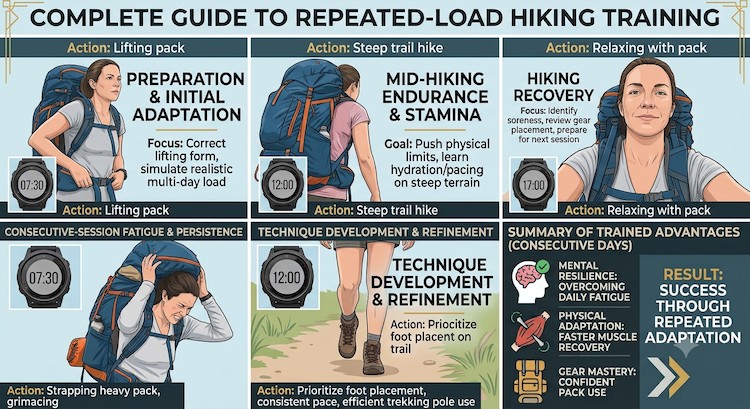
Meanwhile, the Manaslu Circuit requires a minimum of 12 consecutive days of walking over rough terrain. Your muscles, joints, and most importantly, your shoulders, need to be trained to be able to carry a heavy pack and then recover overnight and be ready to do it all over again the next day.
Here are some tips to get you started:
Instead of training once or twice a week on treadmills and stationary bikes, go for consecutive days of walking with a loaded pack. Try to hike two or three days in a row with a backpack on your shoulders over hills and stairs to help build the muscles which will help you carry your pack.
Your training should include:
These preparations will help to simulate the Manaslu Circuit and will get you ready for the actual trek.
Pack It In,
When preparing for the Manaslu Circuit, it is a good idea to get your body accustomed to the weight of the pack you are going to be carrying for most of the trek. The pack should weigh at least five to eight kilograms. This should simulate the weight of the pack when you hire a porter to carry your main bag.
Your pack should have:
Do not go for training hikes with an empty pack.
Leg Muscle Training,
Strong leg muscles will prevent tiredness, especially during climbs and descents.
Good lower body muscle development exercises include:
Walking down slopes can put more pressure on the knee joints, so try to practice downhill walking when training.
Multi-Day Hiking
The Manaslu Circuit is not a single day adventure. It is a long and tiring trek which requires you to walk for hours every day. A good way to train your body to be ready for such an adventure is to do multi-day hikes.
| Training session | Goal |
|---|---|
| First day | 4–5 hours of hiking |
| Second day | 5–6 hours of hiking |
| Third day | 4–5 hours of hiking |
You can try doing this training to test your strength for trekking in Nepal.
Endurance Building,
In addition to walking, it would be a good idea to build your endurance by doing other types of exercises. Go swimming or spend some time at the gym. Try to jog or walk regularly and do stretching exercises after your workout to keep your muscles flexible.
Good endurance will allow you to trek at a reasonable pace without exhausting yourself.
Do Not Forget to Recuperate,
It is vital that you take proper rest and recuperate after each training session. This will allow your muscles to develop. Good rest, together with a healthy diet and good sleeping habits, will help your body to be strong and flexible enough to withstand the rigors of the trek.
Moreover, stretching, especially after each training session or hike, will help to keep your muscles supple and relaxed and will also help to prevent the strain that can happen when trekking. Strengthening your core muscles will help your body to resist fatigue.
Expert Tip,
For the Manaslu Circuit, the best type of fitness training is walking instead of running. Walking for several hours a day on consecutive days with a backpack will prepare your body much better for the trek than running on a treadmill.
One of the most common Manaslu Circuit trekking itinerary questions is about how much time you need to have when returning to Kathmandu. A lot of people tend to plan around the exact day that they are supposed to fly out. When it comes to the Manaslu Trek, this is most definitely not the right thing to do.
When doing Manaslu Circuit, the last thing you want is a rigid schedule. The Manaslu Trek is a mountain adventure that requires a certain amount of flexibility on your part. You need to give yourself some extra days in case your flight is delayed or if you decide to take an extra day somewhere to recover or adjust to the altitude. Extra buffer days are always a better option in the mountains, and they give you some breathing room if any unexpected mishaps occur.
Adding Extra Days to Your Itinerary,
A day that is set aside for any reason that was not intended for trekking or traveling is a buffer day.
This extra day is your “cushion” which comes in handy when:
Avoid Tight Flight Connections
Most people who fly to Nepal tend to make the mistake of booking a domestic flight that leaves right after they are done with their trek or the day after. If there are any delays on the way back, they could easily miss their connecting international flight. This means additional expenses since most international airlines charge exorbitant amounts of money for rebooking.
Meanwhile, this could also leave them stuck in Nepal with their trekking gear for weeks until they can find another flight out. The situation could be avoided by having a more flexible itinerary with extra buffer days built into it. You should also avoid making any other plans right after you finish your trek when you are still adjusting to the lower altitudes.
| Trip duration | Recommended number of buffer days |
|---|---|
| For a 12-14 day trek | 1-2 days |
| For a 15-18 day trek | 2-3 days |
These additional days can be the difference between an unforgettable and a ruined adventure.
Many people who do the Manaslu Circuit tend to skip acclimatization days or spend too much time walking during their trek. They feel pressured to complete as much as they can before their flight back. This causes them to rush the trek, put unnecessary strain on their bodies, and increases the chances of getting altitude sickness or other illnesses.
A more flexible itinerary removes the pressure of having to get done by a specific deadline.
Extra Time Can Be Used to Explore Kathmandu,
If everything goes according to plan on your trek, and you have a few extra days after you finish it, you can use the time to explore the Kathmandu Valley. You can spend your days visiting World Heritage Sites, shopping in the Tibetan area of Thamel, and feasting in local restaurants and cafes. Many people who have done the Manaslu Circuit say that they appreciated having some extra time after the trek to recuperate.
Be Flexible
Make sure to allow yourself extra days when planning your return to Kathmandu after the trek. Avoid making any specific plans in Kathmandu immediately after you finish the trek. Talk with your trekking company about adding extra days to your itinerary to make it more flexible.
Expert Tip
When it comes to the Manaslu Circuit, extra days in your itinerary are always better than tight schedules.
The final secret tip for a successful Manaslu Circuit Trek is simple. Listen to your body and your guide. There are no more important matters than your own health and safety. The Himalayas will be there no matter how many times you try to conquer them - so let’s not waste valuable time and energy on one single expedition.
In Nepal, you may hear many local Nepalis say “Bistari, bistari”, which means “slowly, slowly”. There’s a reason for this. The best way to trek in the mountains is to keep a steady, comfortable pace so your body gets used to the lower pressures of higher altitudes while still having enough energy for the following days.
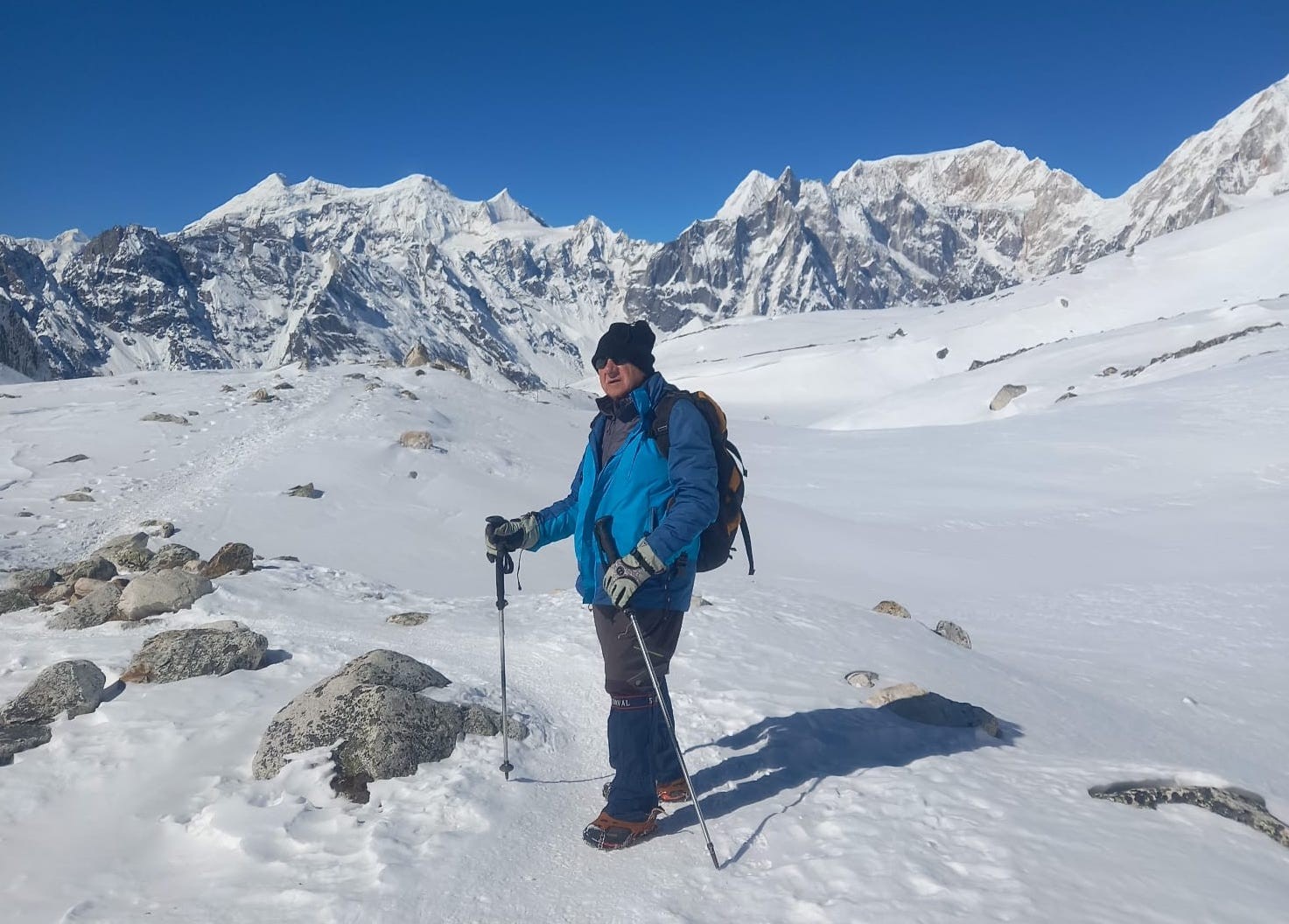
Many people make the mistake of rushing their Manaslu circuit trek in the earlier days as they feel energetic.
However, here are some essential tips to have a successful Manaslu circuit trek:
Remember, a successful Manaslu circuit trek is about finishing the circuit and not about rushing every day to reach the destination.
Furthermore, make sure to know the essential AMS symptoms in Manaslu Circuit Trek
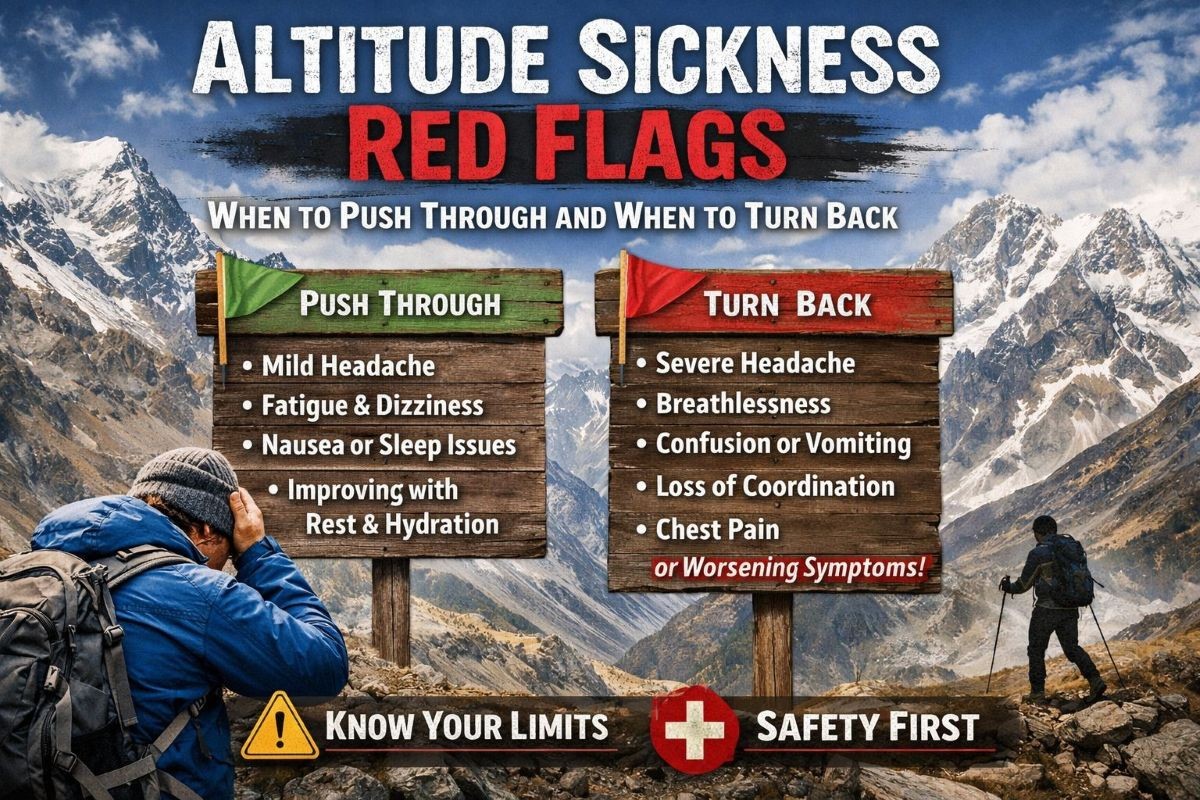
AMS, or acute mountain sickness, is a severe reaction to high altitudes. Some symptoms of AMS are:
If you start to experience these AMS symptoms, make sure to tell your guide right away. Never, ever try to hide these symptoms since an experienced licensed guide will know exactly what to do to help you feel better. This may require extra rest or even descending to lower altitudes to reduce these uncomfortable AMS symptoms. The guide will always want you to finish the trek, healthy and strong, rather than rushing and putting yourself at risk. Also, make sure to inform your guide if you feel ill or have uncomfortable symptoms while continuing your Manaslu Circuit Trek.
Know When to Go Down
The only right thing to do in some cases is to descend. Descend immediately if:
Listen to Local Expertise,
When it comes to knowledge of mountains, local guides are your best allies. Your trek guide has the local expertise that makes them a cut above the rest. The guide knows the best way to take you through the mountains. Moreover, they also have the right skills in terms of acclimatization, mountain climbing, and emergency care.
Importantly, they understand the local weather and terrain better than most. So, make sure to pay heed to your guide. Also, you can always ask your guide about their views on the Manaslu circuit trek.
Furthermore, it is always best to remember the simple words of wisdom from local guides, “Bistari, bistari“.
Listen to Your Guide and Take it Slowly
Here are some expert tips for those who wish to have a successful and fulfilling Manaslu Circuit Trek.
The Manaslu Circuit Trek always rewards everyone who takes it calmly and is respectful. It doesn’t matter how fit you are; the fastest hiker is not always the one who finishes first. Taking it slow and steady gives the body enough time to adjust to the drastic changes in altitudes as you ascend or descend. A successful Manaslu circuit trek is one where you listen to your body and your guide. Make sure to drink lots of fluids, take regular breaks, and never ignore the signs of AMS. The Manaslu circuit trek is all about “bistari, bistari” or “slowly, slowly”.
Completing the Manaslu Circuit Trek is much more than just a personal accomplishment of crossing to Larke Pass (5,106 m) - it is an opportunity to gain invaluable life experience and make amazing memories in the beautiful Himalayas.
Here, all the ultimate secret tips for Manaslu Circuit Trek that have been mentioned above are based on extensive local experience and will help you to make the right decisions before and during the trek.
More importantly, the most vital Manaslu Circuit Trek tips are to never miss the acclimatization day at Samagaun village, drink at least 3-4 liters of water a day to prevent AMS, start your Larke Pass crossing early in the morning between 3:00 and 4:30 AM, and to follow the local wisdom of “listen to your body and guide” or “bistari, bistari” to make the right decisions on the trail.
Additionally, it is important to prepare wisely, have enough cash with you, bring reliable waterproof clothing and boots, and add extra buffer days in your itinerary. This way, you will have a fantastic trek in one of the most beautiful trails in Nepal.
1. What are the best secret tips for a successful Manaslu Circuit Trek?
The best secret tips for a successful Manaslu Circuit Trek are walking slowly, hiring a mountain guide, staying hydrated, acclimatizing yourself, and preparing the necessary gear. It is important to start walking early in the morning and slowly to avoid altitude sickness. The above Manaslu Circuit Trek tips will ensure a fantastic adventure on your journey.
2. Why is acclimatization important on the Manaslu Circuit Trek?
You must acclimatize yourself before ascending to Larke Pass (5106 meters) to avoid altitude sickness. You can spend an extra day or two in Samagaon (3500 meters) or Samdo (3875 meters) if you feel unwell. It is advisable to climb up gradually, drink plenty of water, and pay attention to AMS symptoms during the Manaslu Circuit Trek.
3. What is the best season for a successful Manaslu Circuit Trek?
The best seasons for a Manaslu Circuit Trek are spring (March to May) and autumn (September to November). These months have clear mountain views, pleasant weather conditions, and are generally safe for hiking. A successful Manaslu Circuit Trek is highly likely during these seasons.
4. Why should I hire a licensed guide for the Manaslu Circuit Trek?
You are required to hire a licensed Manaslu Circuit Trek guide as the region is restricted. Licensed guides can assist you with permits, trekking itineraries, and other related needs. A good guide can also help you understand the local culture and weather conditions. Overall, hiring a professional and experienced guide can enhance your trekking experience and ensure a successful Manaslu Circuit Trek .
5. How should I prepare physically for the Manaslu Circuit Trek?
It is advisable to start preparing for the Manaslu Circuit Trek at least two months prior to the departure. You can begin by doing exercises such as stairs climbing, hiking, mountain biking, and other cardiovascular activities. This will help you strengthen your legs and improve your stamina. The above activities will also help you tackle the long and strenuous walking days while on the Manaslu Circuit Trek.
6. What should I pack for a successful Manaslu Circuit Trek?
Some of the essential items that you should pack while preparing for the Manaslu Circuit Trek include layered clothing, waterproof gear, trekking shoes, poles, gloves, sunglasses, sunscreen, water bottles, and a first aid kit. You should always carry a minimal yet functional packing list while on the Manaslu Circuit Trek as weather conditions can be unpredictable. Additionally, you should also carry cold-weather gear as you trek along higher altitudes.
7. How can I avoid altitude sickness on the Manaslu Circuit Trek?
You can avoid altitude sickness on the Manaslu Circuit Trek by ascending slowly, staying hydrated, having healthy meals, and sleeping at lower altitudes whenever possible. Moreover, you should carry water purification tablets, drink three to four liters of water daily, and avoid drinking alcohol to prevent AMS. It is critical to follow your guide’s instructions and descend as soon as possible if you start experiencing acute mountain sickness symptoms.
8. How much water should I drink during the Manaslu Circuit Trek?
It is essential to drink at least three to four liters of water during the Manaslu Circuit Trek. You must stay hydrated throughout your journey as the body tends to lose moisture at higher altitudes. You should always carry water purification tablets and a portable filter while on the Manaslu Circuit Trek.
9. What permits are required for the Manaslu Circuit Trek?
The permits required for the Manaslu Circuit Trek include the Restricted Area Permit (RAP), Manaslu Conservation Area Permit (MCAP), and Annapurna Conservation Area Permit (ACAP). You should only rely on a registered trekking company that can assist you with all the required permits before starting your Manaslu Circuit Trek.
10. Why should I start trekking early every morning?
One of the best Manaslu Circuit Trek tips is to start early in the morning. It is generally safe and advisable to start trekking early in the morning as the weather is comparatively calmer and more predictable. You might also witness spectacular sunrise views over the mountains while on the Manaslu Circuit Trek. Additionally, starting early will also give you enough time to reach the teahouses before strong winds begin to blow, especially while crossing Larke Pass.
11. What food should I eat during the Manaslu Circuit Trek?
You should eat healthy meals such as dal bhat, soup, noodles, potatoes, rice, vegetables, eggs, and porridge while on the Manaslu Circuit Trek. You should eat frequent meals that consist of healthy carbs to keep your body energized throughout your adventure. Moreover, you should avoid eating junk food or drinking alcohol and focus on eating nutritious food to maintain your body weight while on the Manaslu Circuit Trek. Healthy meals also assist in acclimatizing your body during your mountainous expedition.
12. How important are trekking poles on the Manaslu Circuit Trek?
Trekking poles are vital on the Manaslu Circuit Trek as they help you maintain your body balance while walking on uneven terrains. These trekking accessories are also useful in reducing the stress on your knees, wrists, and ankles, especially when walking down steep slopes during the Manaslu Circuit Trek. Moreover, trekking poles also offer you more stability on slippery and rocky mountain trails. The adjustable trekking poles are also helpful for crossing Larke Pass (5106 meters) on the Manaslu Circuit Trek.
13. Why should I include extra buffer days in my Manaslu Circuit Trek itinerary?
The extra buffer days on your Manaslu Circuit Trek itinerary will give you a chance to explore nearby attractions if the weather allows. You can also utilize these days to acclimatize properly and tackle any emergency situations that might arise. The additional days also help if there are any delays along your route or if you feel unwell. The Manaslu Circuit Trek is a challenging expedition, and having extra days in your itinerary will reduce stress and help you complete your journey successfully.
14. How can I stay connected during the Manaslu Circuit Trek?
Most of the villages along the Manaslu Circuit Trek route provide mobile network coverage. You can buy a local SIM card before you start your journey. Connecting to the internet on the Manaslu Circuit Trek can be a challenge as the network gets weaker at higher altitudes. You can always ask at the teahouses to have access to their free Wi-Fi if available. It is critical to inform your family and friends about your journey on the Manaslu Circuit Trek.
15. What are the biggest mistakes to avoid on the Manaslu Circuit Trek?
Some of the common mistakes to avoid on the Manaslu Circuit Trek include walking at a fast pace, skipping acclimatization days, packing too many items, and not paying attention to AMS symptoms. It is critical to avoid walking too quickly as it prevents your body from adjusting to higher altitudes during the Manaslu Circuit Trek. You should also minimize the gear that you bring along on your journey as it can slow you down. Avoiding these mistakes will lead to an enjoyable and successful Manaslu Circuit Trek.
16. Why is travel insurance important for the Manaslu Circuit Trek?
The best travel insurance for the Manaslu Circuit Trek should cover altitude-related expenses and helicopter rescue services. It is essential to have a comprehensive travel insurance policy for the Manaslu Circuit Trek as it can be expensive to receive medical treatment in the higher altitudes. A good insurance plan will also offer you peace of mind while enjoying your Manaslu Circuit Trek adventure.
17. How can I respect local culture during the Manaslu Circuit Trek?
Respecting the local culture while on the Manaslu Circuit Trek means being polite to the locals, dressing modestly, asking permission before taking photos, and avoiding disturbing monasteries and religious places. You should always support the local economy by giving tips to the teahouse owners and porters. Being respectful to the local culture and traditions will undoubtedly make your Manaslu Circuit Trek experience more enjoyable.
18. How can I protect the environment on the Manaslu Circuit Trek?
You can help protect the environment on the Manaslu Circuit Trek by using eco-friendly products and avoiding single-use plastic as much as possible. You should also always carry your trash with you and dispose of it in the right place. Additionally, you should avoid destroying the local flora and fauna and follow the Leave No Trace guidelines while enjoying your Manaslu Circuit Trek.
19. How difficult is the Manaslu Circuit Trek for beginners?
The Manaslu Circuit Trek difficulty level is moderate to challenging. It is always advisable for the trekking beginners to do proper physical training before undertaking this adventure. The Manaslu Circuit Trek can be a thrilling expedition for the people who have some trekking experience, are physically fit, and hire expert trekking guides.
20. What is the ultimate secret to a successful Manaslu Circuit Trek?
The ultimate secret to a successful Manaslu Circuit Trek is to stay patient. You need to walk slowly and follow your guide’s instructions throughout your journey. Moreover, it is essential to acclimatize yourself and stay positive during the expedition. You can also try to make the most of your adventure by enjoying the spectacular views while on the Manaslu Circuit Trek.
Our travel experts are ready to assist you with any questions.
Send us a message.Have a question before you book? Send your enquiry below and our travel experts will get back with the required information.