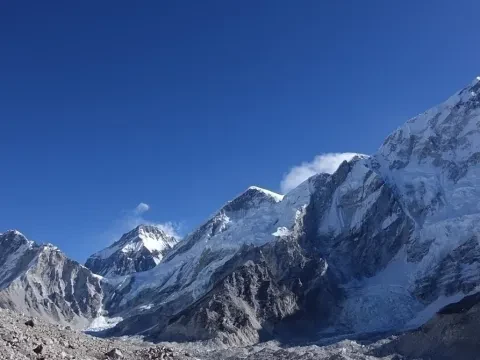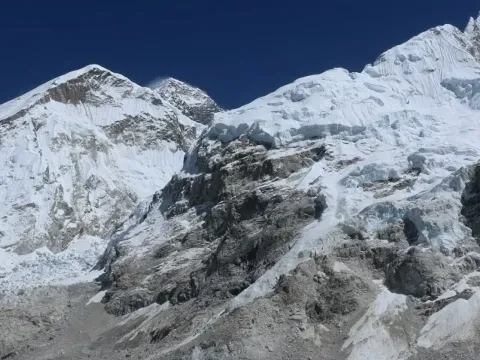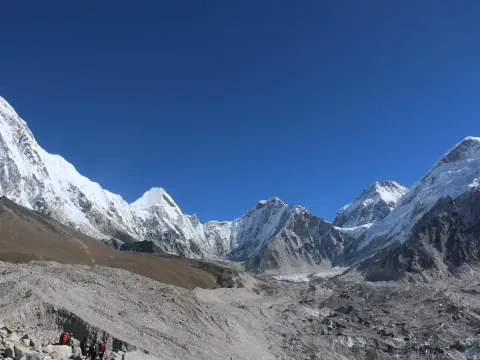
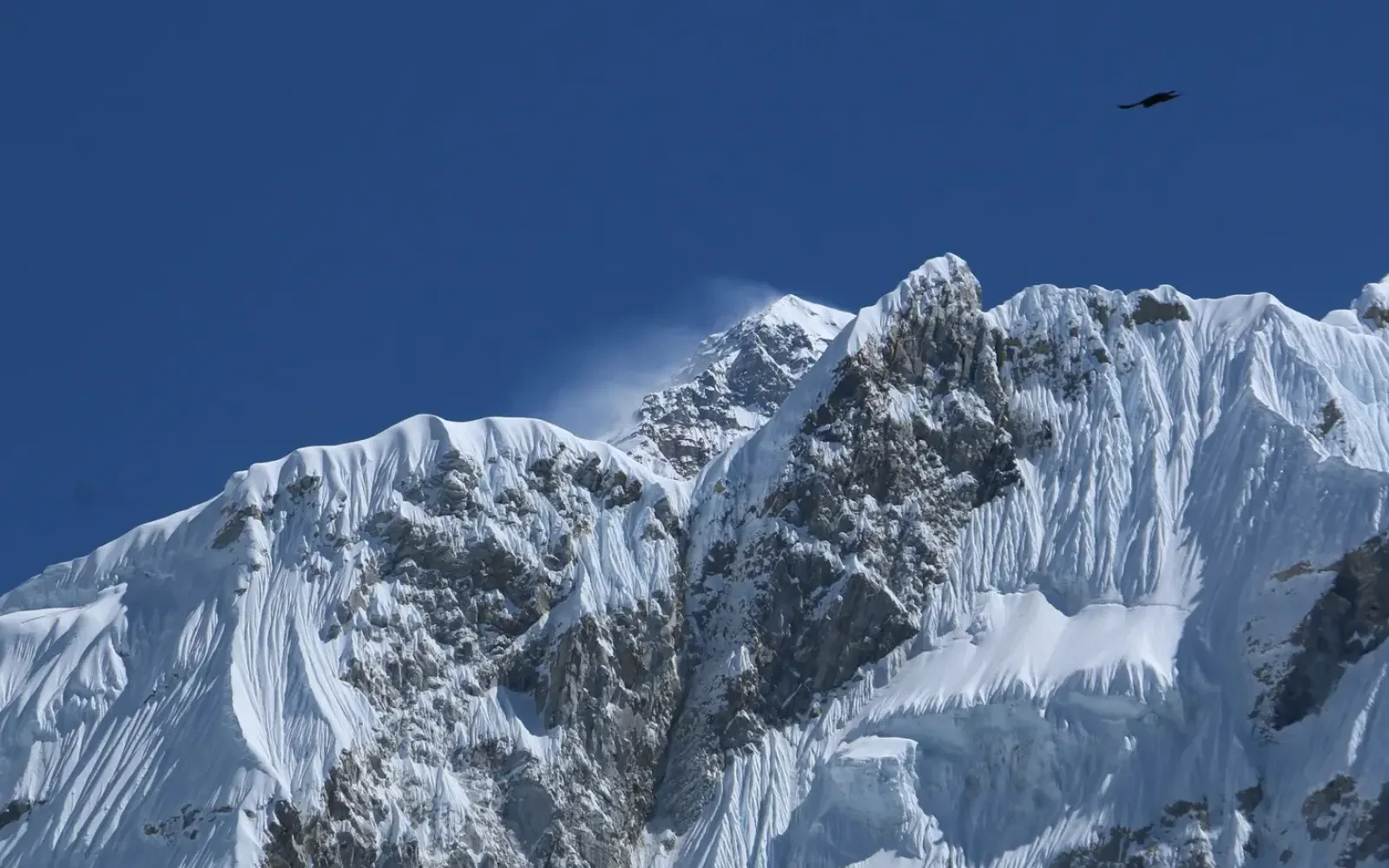
Here, viewing images of the world's highest peak will probably send a shiver down your spine and, frankly, it is completely natural to be utterly terrified of trekking through the famous Khumbu trails. Perhaps you doubt your fitness for such an adventure, or perhaps you are scared of being left stranded alone in the freezing wilderness.
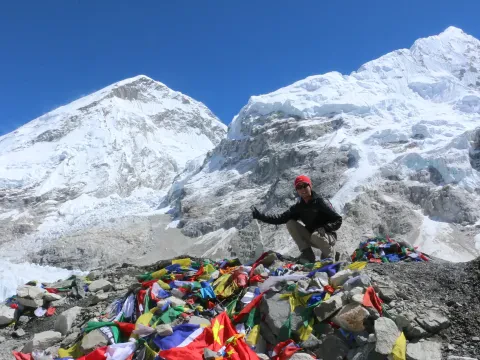
Let us kick out the ultimate mountaineering myth straight away – you do not need to be a professional climber and have ice-axes to find yourself standing at the base of Mt Everest (8,848.86m/ 29,031.7ft). Unlike any of the major trekking trips in Nepal in high mountains like Manaslu Circuit and Annapurna Circuit, this trek is considered non-technical because you walk up to the peak instead of climb, and a determined and fit beginner is perfectly capable of conquering it.
| Trekking station / Peak | Metric altitude | Imperial Altitude | Primary purpose for trekkers |
|---|---|---|
| Lukla Airport (starting point) | 2,860 m | 9,383 ft | Airport, meeting your porters |
| Namche Bazaar | 3,440 m | 11,286 ft | Sherpa capital, for early acclimatisation |
| Tengboche Monastery | 3,860 m | 12,664 ft | spiritual center, with splendid mountain views |
| Dingboche Village | 4,410 m | 14,468 ft | vital second rest point before altitude sickness risks rise |
| Lobuche Village | 4,910 m | 16,109 ft | high-altitude, glacial settlement below the Khumbu Moraine |
| Everest Base Camp | 5,364 m | 17,598 ft | ultimate destination |
| Kala Patthar viewpoint | 5,545 m | 18,192 ft | highest point option for the best view of Mt Everest |
In conclusion, we at Haven Holidays Pvt. Ltd. Excel in bringing this grand dream into reality in a completely safe and convenient manner for amateur travelers. Our expert guides create itineraries for low-climb profiles so you stay within the limits of your physical capabilities. This ensures you have sufficient energy to take in the sights of historical monasteries and vast glaciers, instead of fighting for each and every breath.
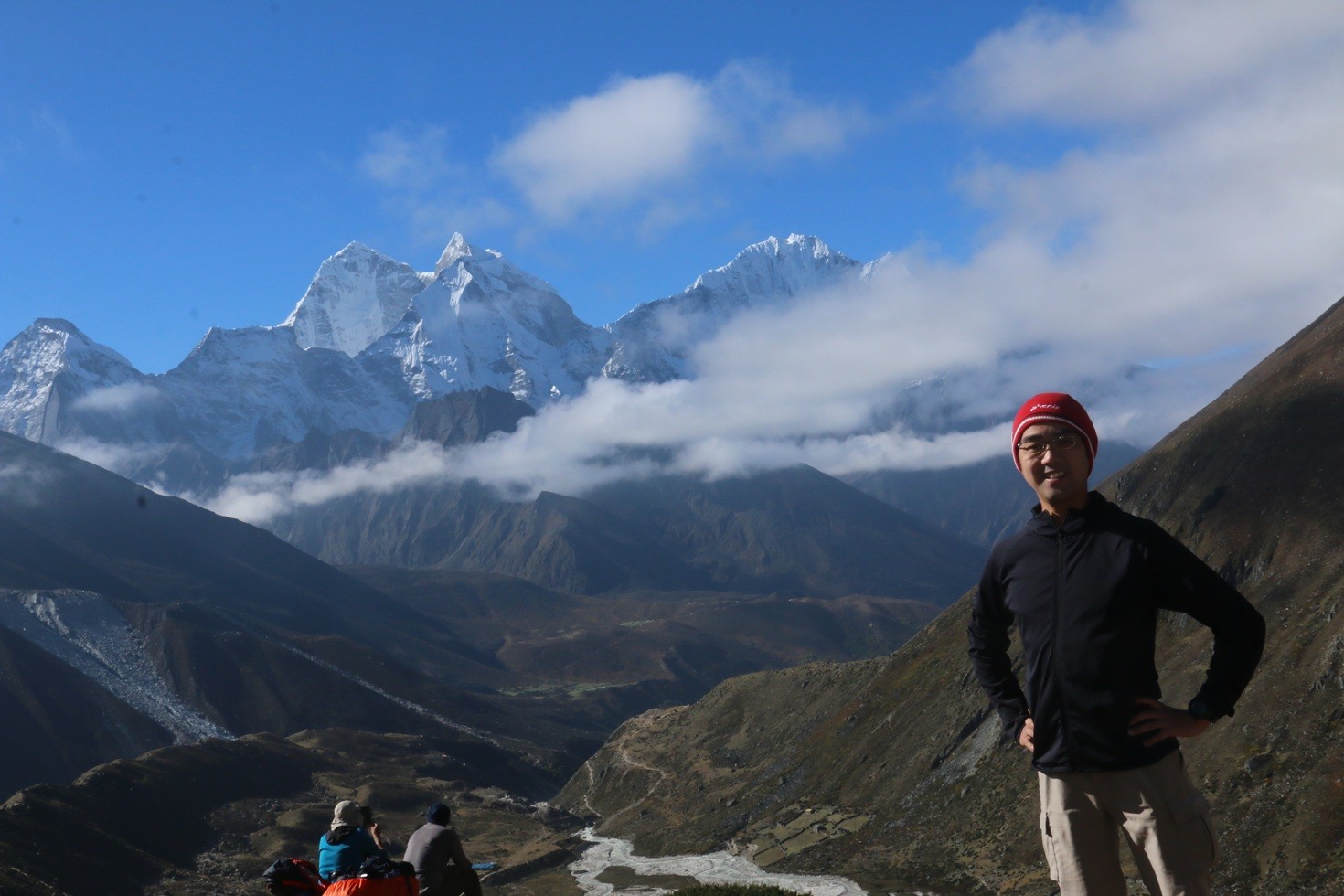
If you are determined to overcome your fears and witness the magnificent views from the Everest base camp of the world's tallest mountain, book one of our expert-led excursions.
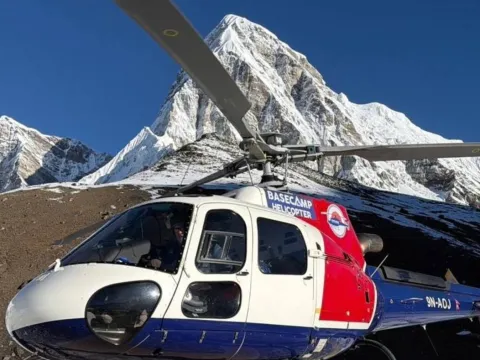
Actually, it is of utmost importance to distinguish online sensationalism from the real and often everyday difficulties of trekking at high altitude to properly prepare for your journey. The primary challenge of the famous Khumbu route has very little to do with death-defying vertical drops, but it is mainly about being able to endure sustained effort on rough, rocky surfaces.
The Day-to-day realities of the Khumbu Trek :
| Section / Day Route | Estimated trekking duration | Approximate distance | Terrain Description |
|---|---|---|
| Lukla-Phakding | 3-4 Hours | 7.8 km/ 4.8 miles | Smooth descent down past local walls |
| Phakding-Namche Bazaar | 5-6 Hours | 10.5 km/ 6.5 miles | Continuous, difficult staircase ascent through pines |
| Tengboche-Namche Bazaar | 5-6 Hours | 9.6 km / 5.9 miles | Steep descent followed by long, arid climb |
| Dingboche-Tengboche | 5-6 Hours | 10.8 km / 6.7 miles | Gentle, exposed hike above the tree line |
| Lobuche-Dingboche | 5-6 Hours | 11.2 km / 6.9 miles | Steep Thukla Pass followed by moraine |
| Everest Base Camp - Lobuche - Gorak Shep | 7-8 Hours | 15 km / 9.3 miles | Sustained trek across boulder-strewn moraine |
Vital Safety Tip: Double-check that your travel insurance covers emergency medical helicopter evacuation up to 6,000 meters, as standard policies usually limit coverage to 3,000 meters which will be inadequate in the Everest region.
In fact, knowledge of the above will allow any amateur to train properly prior to embarking on their holiday. Our professional guides at Haven Holidays Pvt. Ltd. Stress the 'Bistari, Bistari' rule of the trek, because conserving energy early is crucial. We ensure you are well-fed on local dishes like Dal Bhat and check your blood oxygen levels nightly, so rest assured that safety is paramount throughout the trek. Contact our travel consultants today and begin your once-in-a-lifetime adventure!
Meanwhile, the single greatest barrier between a trekking rookie and the base camp of Everest is not physical conditioning, but the human body's ability to adapt to thinning air. As you ascends through the Khumbu region, the air pressure decreases. This means that with each breath you inhale less oxygen than the one below.
Altitude Sickness (AMS) explained
| Trekking Landmark / Station | Altitude in Meters | Altitude in Feet | Effective oxygen level relative to sea level |
|---|---|---|
| Lukla Airport (trailhead) | 2,860m | 9,383 ft | Approx. 72% |
| Namche Bazaar (Sherpa Capital) | 3,440m | 11,286 ft | Approx. 67% |
| Tengboche Monastery | 3,860m | 12,664 ft | Approx. 64% |
| Dingboche Village | 4,410m | 14,468 ft | Approx. 59% |
| Lobuche Settlement | 4,910m | 16,109 ft | Approx. 56% |
| Everest Base Camp (Goal) | 5,364m | 17,598 ft | Approx. 53% (Almost half!) |
| Kala Patthar Peak | 5,545m | 18,192 ft | Approx. 50% |
An expert's take on safety: "Acclimatization depends not on your fitness levels; even a marathon runner can get AMS if he hikes up quickly. The only secret of reaching 5364m is by keeping a low heart rate and letting your body make red blood cells gradually".
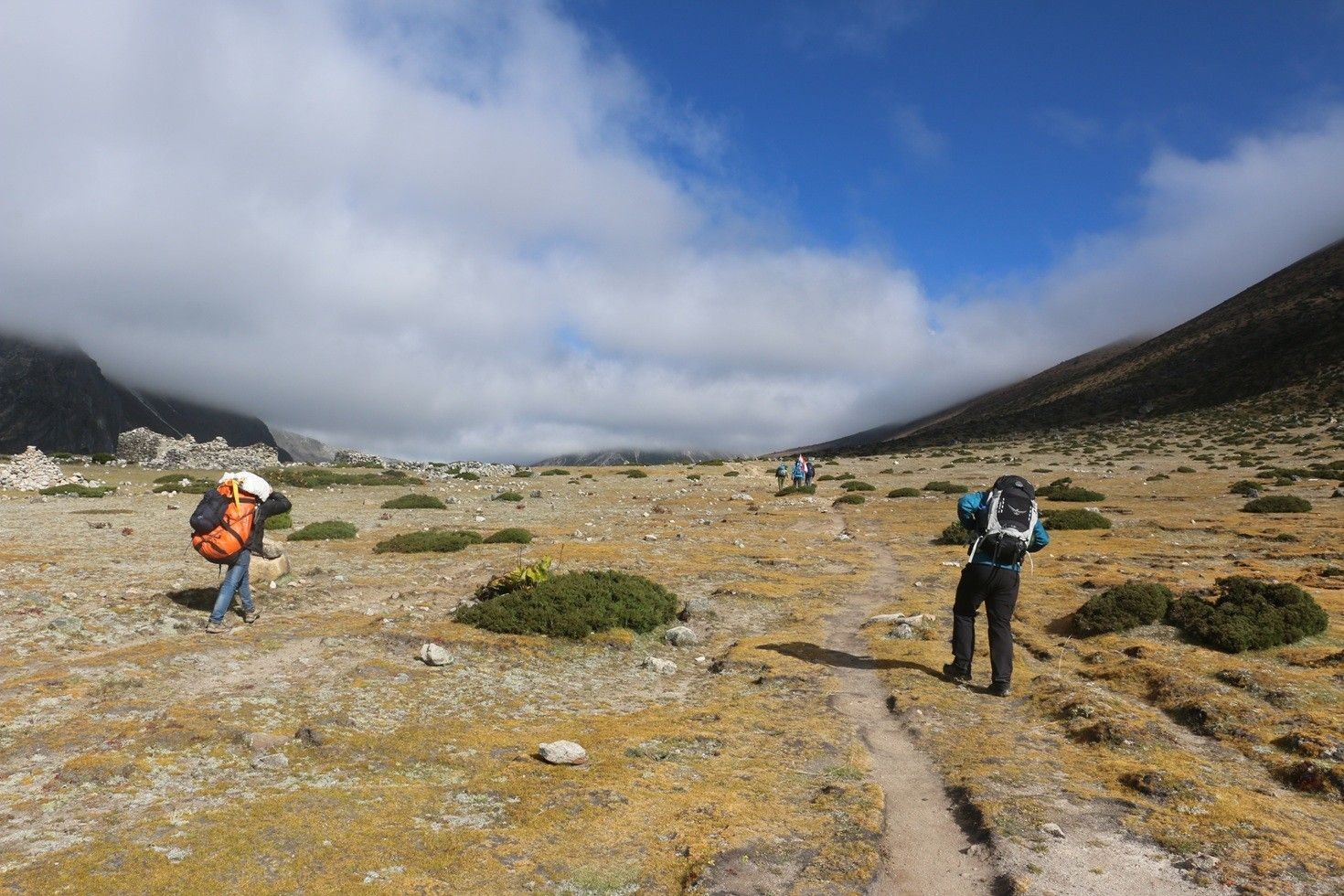
Here, our trained specialists at Haven Holidays Pvt. Ltd. Will take the worry out of high altitude trekking, with your vital signs constantly checked step by step. Our teams carry portable pulse oximeters to monitor your blood-oxygen level each evening over dinner. This ensures that you are fit to make higher gains, and the slower trail speed guarantees that you will cross the challenging altitude with utmost confidence.
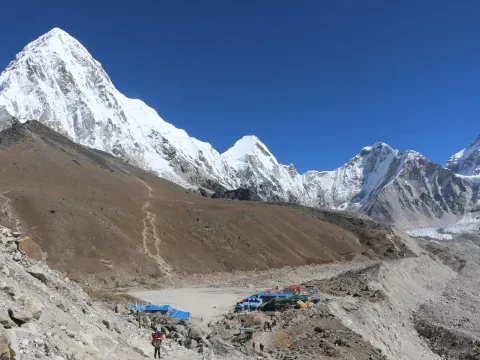
Meanwhile, the quickest way to fail on the Khumbu trek is to race ahead. An extra 2-3 day trek beyond the 12-14 day itinerary is not a luxury for trekkers, it is a necessity required for adapting to the mountain.
Why rest and acclimatization works:
| Trip Day | Trail segment | Altitude(M/F) | Major activities and emphasis on pace |
|---|---|---|
| Day 01 | Lukla to Phakding | 2,610m / 8,562 ft | 3-hour mild downhill warm-up trek. |
| Day 02 | Phakding to Namche Bazaar | 3,440m / 11,286 ft | 6-hour climb; stair step trek |
| Day 03 | Namche Bazaar (rest and acclimatization) | 3,440m / 11,286 ft | Hike to the Everest View Hotel (3880m); stay at a lower altitude to sleep. |
| Day 04 | Namche Bazaar to Tengboche | 3,860m / 12,664 ft | 5-hour walk through rhododendron forests. |
| Day 05 | Tengboche to Dingboche | 4,410m / 14,468 ft | 5-hour gradual incline; Above tree line. |
| Day 06 | Dingboche village (rest and acclimatization) | 4,410m / 14,468 ft | Hike up Nagarjun Hill (4700m) and back. |
| Day 07 | Dingboche to Lobuche | 4,910m / 16,109 ft | 5-hour trek over Thukla pass. |
| Day 08 | Lobuche to Gorak Shep & Base camp | 5,364m / 17,598 ft | 7-hour final walk to Everest Base camp! |
| Day 09 | Kala Patthar hike and return to Pheriche | 4,240m / 13,910 ft | Climb to Everest summit views in the early morning. |
| Day 10 | Pheriche to Namche Bazaar | 3,440m / 11,286 ft | 6-hour consistent walk downhill. |
| Day 11 | Namche Bazaar to Lukla | 2,860m / 9,383 ft | 7-hour final walk across the valley back to Lukla. |
| Day 12 | Lukla to Kathmandu | 1,400m / 4,593 ft | Morning flight to the capital, check-in at the hotel. |
| Day 13-14 | Buffer days in Kathmandu | 1,400m / 4,593 ft | Allocated for flight delays or rest. |
Here, booking your Everest Base camp trek with Haven Holidays Pvt. Ltd. Assures that you don't have to compromise with the budget and plan your trip with added days which could prevent any unforeseen trouble especially with the unpredictable Lukla weather.
Moreover, with meticulous planning our expert guides have customized a smooth ride for every trekkers, making it sure that every single traveler safely cross all altitudes with confidence. Contact us today for booking.
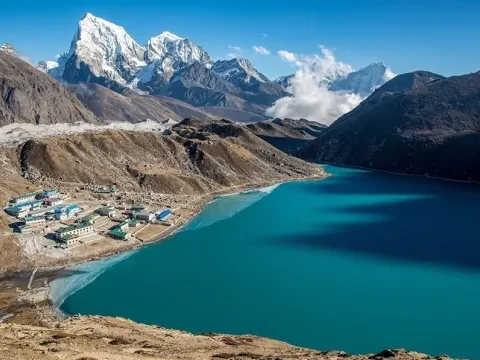
To get to the foot of Everest, you certainly don’t need to be a world-class runner, however training for a smart and strategic trek is an absolute must if you want to make it to the base camp comfortable. Because thousands of never-ending stone stairs and rock strewn inclines stand in the way, strengthening your heart and lung muscles before touching down in Nepal is essential.
Actually, a solid training program, which can be started anywhere from 8-12 weeks prior to your departure, will truly enhance your trek. This low impact functional training will help your lungs, heart and knees adjust quickly to the harsh and grueling demands of the mountains.
Practical Training Methods for a Novice Hiker :
| Weeks/Training Phase | Cardiovascular Focus (3x/week) | Leg and Terrain Focus (2x/week) | Weekend Trek Rehearsal Target |
|---|---|---|
| Weeks 1-4 | 30-minute jogging, cycling, or treadmill sessions | 15 bodyweight squats and lunges (x3 sets each) | 2-hour walk on a flat terrain trail while wearing hiking shoes. |
| Weeks 5-8 | 45-minute uphill treadmill, cycling, or swimming sessions | Stairmaster 30 minute sessions; core strengthening planks | 4-hour mountainous trail walk with 4 kg (8lb) day pack. |
| Weeks 9-11 | 60-minute fast paced treadmill run or rowing session | Stairmaster 45 minute sessions, along with core strengthening planks | 6-hour steep trail walk with a 6 kg (13lb) daypack. |
| Week 12: Taper Week | 30-minute jogging, swimming or walking sessions | Light stretching; deep yoga focus for flexibility | Allow muscles to recover, hydrate and relax while you pack for your trip. |
In conclusion, at Haven Holidays Pvt. Ltd. We remind all beginners that proper technique is so much more important than intensity. There is no reason to focus on lifting tremendous weight as opposed to allowing your body time and ample exposure to walk comfortably for hours on end.
Moreover, it is essential to build a stable baseline of fitness when preparing for the trek so that you are not depleted and can easily appreciate the stunning mountain views in lieu of focusing on aching muscles. Let our expert team handle the difficult parts of your expedition while you use our plan as a framework to allow you to enjoy this journey.
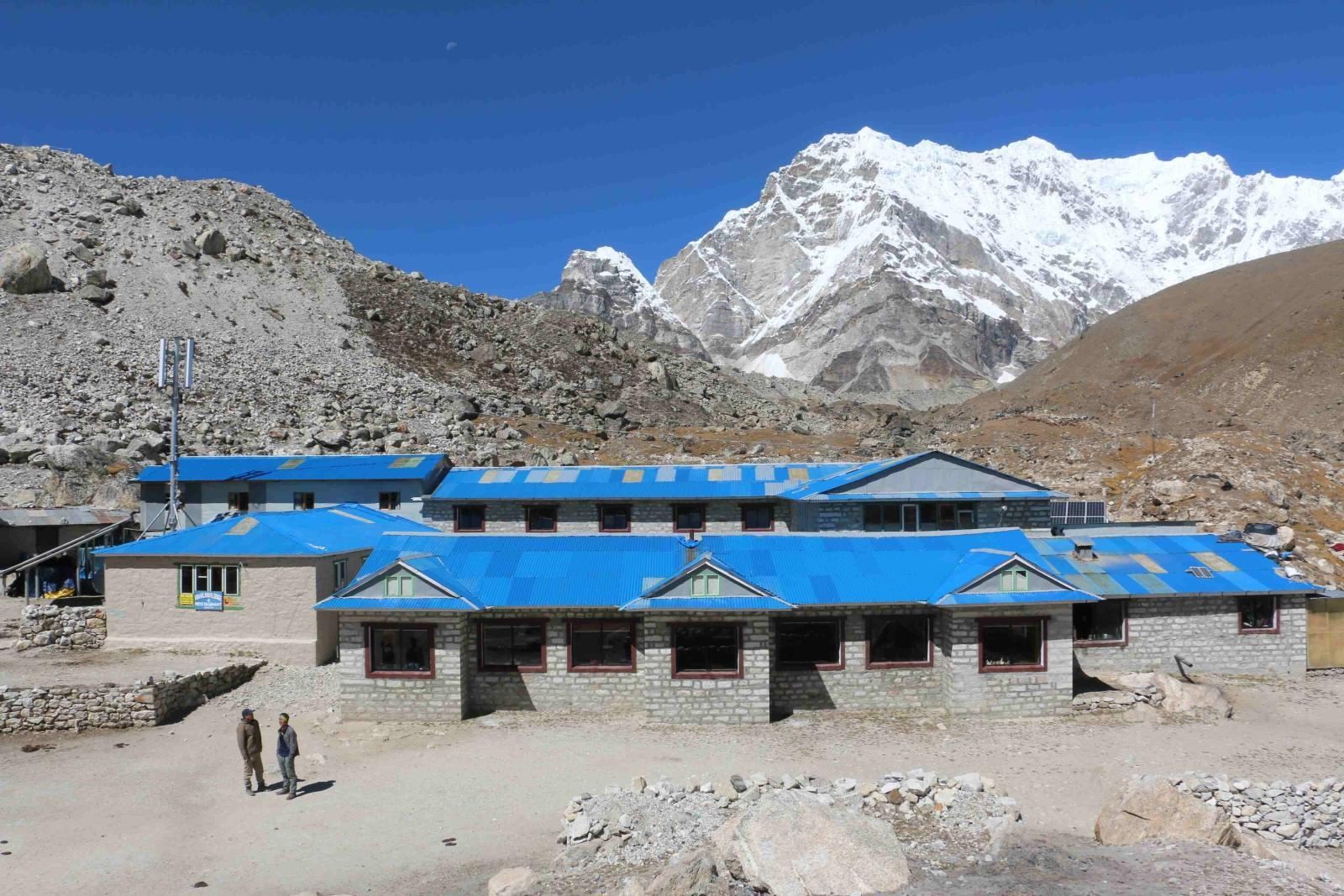
Actually, it is your physical endurance that will transport you up the trail; it is your mental strength that will ensure you reach Everest Base Camp. Too many new hikers fixate solely on building strength in their legs and end up underestimating how challenging it will be to survive without your usual modern luxuries and overcome the dread of the 'teahouse blues'.
Mental Roadblocks and How to Navigate Them :
| Standard Teahouse Experience | Potential Psychological Effect | The Solution from a Pro |
|---|---|---|
| Unheated, cold nighttime accommodation | High anxiety regarding discomfort and lack of sleep | Bring our supplied medical-grade down sleeping bag and wear a beanie to bed. View the cold as an experience. |
| Basic, shared toilet facilities | Displeasure with the simple arrangements | Cultivate a more simple lifestyle, and pack your own wet wipes. Remember, this is temporary. |
| Routine hiking and muscle pain | Feeling overwhelmed or desiring to quit | Set small achievable milestones to reach throughout the day and celebrate every small village that you arrive at. |
| Similar food menu options daily; limited Western cuisine. | Missing home cooking | You will be eating lots of hot, nutritious, clean eating Dal Bhat every day. This provides fuel necessary to hike long distances. |
Important Safety Disclaimer: Please be aware that comprehensive medical evacuation from above 6000m requires travel insurance that includes a specialized evacuation plan to helicopters. The vast majority of standard insurance providers offer coverage only up to 3000m and will not be suitable for the Everest region.
Here, adapting to and overcoming these mental challenges is what transforms your trip into a deeply personal and highly rewarding accomplishment. When you choose to travel with Haven Holidays Pvt. Ltd., our local guides offer each of our trekkers an unmatched sense of family and support. They constantly work to maintain high team spirits while gathering the entire crew around our heated dining room tables each night to laugh, recount stories, and prepare each trekkers for the following day. Contact us to arrange your expertly guided journey to the bottom of the world's most beautiful peak!
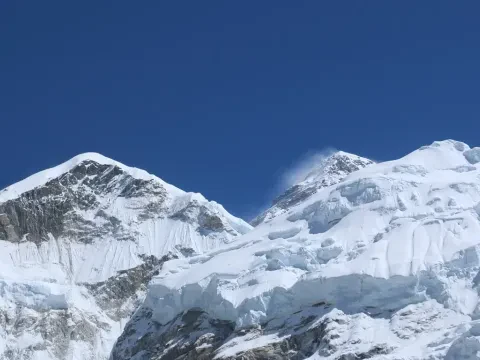
Here, venturing into the vast, high-altitude wilderness of the Khumbu region alone as a novice trekker is not something to even consider. A solitary walk may sound alluring in a travelogue but the harsh reality of the Himalayas requires local knowledge, instant emergency backup and incredibly complex logistical planning.
The Life-Saving Benefits of Professional Back-up :
| Trekting aspect / Metric | Solo independent trekker | Haven Holidays guided trek |
|---|---|---|
| Emergency Medical Facilities | If you can get the signal out to satellite phone, you must arrange your own rescue | Guaranteed and instant communication facilities and heli-evacuation up to 6,000m. |
| Nightly health checkups | guess and consult articles from internet | Mandatory use of pulse oximeters, plus careful daily medical checks by staff. |
| Bed and meal provisions | First come, first served and can be very difficult in the trekking season | Guaranteed comfortable accommodation with private teahouse rooms plus freshly prepared, nourishing meals for you. |
| Safety on the trail | Risks of getting lost and caught up in severe alpine blizzards; this could be life threatening | A guide will skillfully lead you through any terrain and know various alternate routes should it be needed. |
Important Safety warning: Your travel insurance should explicitly specify emergency helicopter evacuation cover to altitudes of up to 6,000 metres. Standard travel insurance normally only covers rescue to 3,000m and won't be sufficient in Everest.
In conclusion, the first Himalayan trekking should be a truly amazing and unique experience and not a perilous struggle for survival. Choosing to book your first trek with Haven Holidays Pvt. Ltd. Provides you with a guaranteed, trustworthy and fail safe system covering every eventual step on the ground. Our experienced, professional staff manage all logistics and paper work including trekking permits and daily itinerary adjustments seamlessly; leaving your family in our highly experienced hands allows you to focus entirely on the incredible journey ahead.
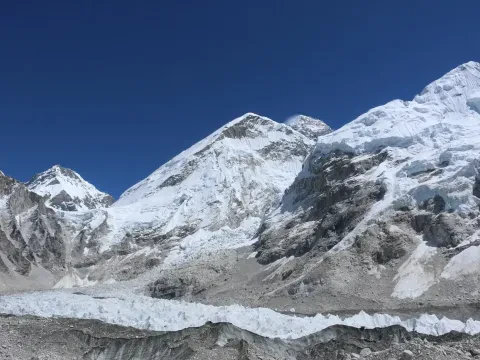
Here, mastering the three-layer clothing system to avoid getting cold on freezing alpine nights and to keep your body dry by wicking away perspiration is the key for any first-time high-altitude trek. As our porters will carry your main duffel pack, the main thing you need to be mindful of is what to include in your day pack.
Key Items to Pack for your First Trek :
| Clothing Category / Item | Why it is important on your trek | Items needed in your main day sack / Porter bag |
|---|---|---|
| The Base Layer | Pulls perspiration away from your skin | 3 polyester T-shirts; 2 pairs of merino wool thermal long johns and thermal tops. | Porter bag. |
| The Insulating Layer | Traps heat against your body to fend off extreme cold | 1 mid-weight fleece jacket; 1 heavy, mountain-grade down jacket. | Duffel (fleece) / day-pack (down jacket). |
| The Outer Shell Layer | Protects against harsh wind and rain/snow | A high-performance windproof/waterproof and breathable rain jacket and pants. | Keep in the day-pack at all times. |
| Accessories and hygiene | Keep your eyes and skin safe and your feet comfortable | UV protection sunglasses, SPF 50+ sun cream, SPF 15+ lip balm, 4 pairs of merino wool socks. | Store in your day-pack for constant access. |
By choosing to embark on this beginning Himalayan adventure with Haven Holidays Pvt. Ltd. You will relieve yourself of the need to purchase costly winter gear; as we supply every trekker with a free, robust duffel bag and a quality down sleeping bag for the entire trip you will make considerable savings.
Get in touch with our dedicated team today for further information on our full inclusive, completely supported, safety conscious trek and allow yourself to step into the awe-inspiring presence of Mount Everest with the absolute minimum stress and maximum safety.
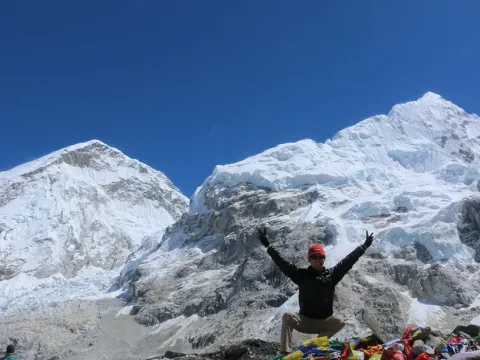
When you ascend higher into Khumbu valley the thinner air takes water from your lungs at twice your normal sea-level rate. Further adding to this is the fact that at high elevations, the brain's appetite signals get turned down. This can leave you not hungry when your body desperately needs fuel for steep ascents.
Basic Fueling Tactics For Your First Trekking to EBC :
| Nutritional Item | The High Alpine Trail Reality | The Actionable Survival Solution |
|---|---|---|
| Daily Water Intake | Lack of humidity and rapid breathing depletes your body quickly | 4 litres per day of clean, safe drinking water (purification tablets or drops are essential). |
| Main Meal Recommendation | Meat has too low a freezing point at high altitudes, so you can't safely eat meat in any of the tea houses as refrigeration is non-existent | Fresh Dal Bhat 2 times per day (or daily). It's both entirely safe to eat and incredibly nutritious. |
| Calorie Intake | your body uses forty percent more energy in keeping warm | Have carb based meals such as garlic soup, potatoes, and porridge. |
| Electrolyte Balance | Sweating and steep ascents drain your body of essential minerals | Add rehydration salts or glucose drinks to water every day. |
In fact, your team at Haven Holidays Pvt. Ltd. Believe that correct nutrition is every bit as important as the right walking boots. We ensure that your meals are always freshly cooked, well prepared and completely hygienic by liaising with the kitchens of all the tea houses we use.
Moreover, our guides are trained to provide a complimentary, hot garlic soup each night - a local delicacy proven to boost circulation and aid acclimation. Let us handle your fuel and we will do the rest to help keep you going until you reach Base Camp.
Here, most trekkers budget solely for their EBC package, trekking flights only to discover when they reach Khumbu the highly inflated cost for everything due to steep rises in costs with altitude. As you are at altitude, everything has to be carried by porters or pack animals so that costs naturally rocket upwards as you ascend.
The Cost of Trekking - Unexpected Extra Expenses :
| Expense Type | Estimated Cost (USD) | Brief Explanation and Critical Detail |
|---|---|---|
| Heli-Evacuation Insurance | $200-$350 | This essential insurance must cover up to 6000 metres. Standard travel insurance generally only covers you up to 3000 metres. |
| Mandatory Trekking Permits | $50 | These are the Khumbu Pasang Lhamu Municipality Permit and the entry fee for Sagarmatha National Park. |
| Device Charging | $3 to $ 8 per device | You'll need it to charge phones and camera battery packs. A portable power bank can cut down this cost significantly. |
| Teahouse Hot Showers | $5 to $10 per shower | Optional comfort expense; most trekkers at higher elevations opt for baby wipes to avoid chills. |
| Bottled water and trail snacks | $2 to $6 per item | For instance, a bottle of water costs $1 in Lukla and nearly $4 at Goraksep, due to carrying costs. |
Most importantly, safety First! It is vital that you are covered by travel insurance that includes an emergency medical evacuation up to 6000 meters. Typical insurance policies cover you to 3000 meters.
At Haven Holidays Pvt. Ltd., we understand how critical adequate preparation is to the success and enjoyment of your trek. We coordinate all your pre-booked essentials, from permits and flights to standard meals and expert guidance, taking all the guess-work out of the planning process.
Likewise, we'll advise you on the correct amount of local currency to withdraw in Kathmandu, so you are fully prepared to pay your way with no hidden surprises on the trail. Contact us today for a detailed quote for your unforgettable Everest Base Camp trekking adventure.
Before setting foot onto the historical paths of the Khumbu region, one needs not only sufficient fitness but also immense respect for mountain etiquette and the laws of high-altitude safety. The trail is a vital connecting lifeline for local Sherpas, expedition teams and pack animals alike. Learning smart trail practices can not only ensure your personal safety, but it will also help you to travel in peace with others sharing the road.
Rules to Live by on the trail :
| Traps that can get you killed on the trail | What it will immediately do to trekkers | How to prevent this danger |
|---|---|---|
| Walking to the cliffside while pack animals pass | Fall off a steep ravine | Immediately take a step up toward the mountainside, stand perfectly still. |
| Speeding up to "keep up" with fast friends | Immediate burnout & onset of altitude sickness | Enforce the "Bistari, Bistari" rule. Keep your pace under control. |
| Eating local meat dishes above Namche Bazaar | Terrible stomach bug, from un-refrigerated meat | Sticking to Dal Bhat & vegetarian food above Namche is mandatory. |
| Ignoring mild headaches or minor dizzyness | Risk of developing rapid & potentially fatal AMS | Let your guide know immediately. Never hide symptoms. |
Here, our knowledgeable local guides at Haven Holidays Pvt. Ltd. Will always act as your keen protectors on the trail. They'll watch over you to prevent newbie mistakes, which can have serious consequences. We'll take care of all of your trail navigation as well as all of the group movement details, which will let you walk with complete freedom and confidence.
Likewise, simply practice these easy golden rules, and you'll find that your journey will be harmonious and inspiring all the way to the bottom of the world's highest peak.
If you’re eager to experience the majesty of reaching 5,364m while guaranteeing both weather and the trails themselves work in your favor, timing your trip accordingly becomes incredibly important. Whereas April and October can still hold a number of risks associated with busy season, you want to take advantage of the less hectic and supportive shoulder season in either late spring (May) or late autumn (November).
Shoulder windows are ideal for novice trekkers because:
| Best window to trek | Seasonal atmosphere and vibe | Temp. Estimate (Celsius) | Benefits for beginners |
|---|---|---|
| Late Spring (May) | Warm, lively and very social. Days are mild and nights are just above freezing. Base Camp is winding down the historic Everest Climbing season | 10-16 (day) | warmest daytime temperatures; good for those that dislike the extreme cold. |
| Late Autumn (November) | Tranquil and grand, the busy peak has passed making for a peaceful trip. The air is crisper, and the visibility can be as good as it gets | 5-12 (day) | unparalleled clear views of the peaks; best for photographers and mountain lovers. |
Important Safety Advice: If purchasing travel insurance, make sure it covers helicopter evacuation up to 6,000m. Standard travel insurance policies will usually only cover you up to 3,000m.
Actually, your first Himalayan debut can be just as you want it – serene, grand, and inspiring with the perfect support system. Let Haven Holidays Pvt. Ltd. Plan your trip according to the ideal trekking windows for first-time trekkers with custom-tailored guiding. We will manage all your bookings, flights and ground arrangements, all of which will ensure that your Everest adventure is comfortable, enjoyable and utterly successful. Contact us today for your package to the top of the world!
While reaching the base of Mount Everest might seem like a distant fantasy at the moment, each explorer started exactly where you are-staring at a map, filled with a healthy dose of nervous energy, and questioning if they had what it takes. The true key to the Khumbu is not found in athletes or survivalists-it’s found in regular people willing to embrace the power of the mountains by preparing properly and moving slowly.
From Aspiration to Adventure for the Beginner :
Here, you don't have to go it alone. Partner with Haven Holidays Pvt. Ltd., and the Himalayas' top safety net is right there with you. From the daily tracking of your oxygen to ensuring all permits are processed and shouldering your heavy loads, our professional teams handle every logistical detail so you can simply immerse yourself in the incredible scenery with a clear mind. Don't let fear be the reason you delay your dream; contact our experts today, book your fully supported trek package, and take your first giant leap towards this life-changing reality!
Essentially, yes, a beginner can absolutely do the EBC trek, provided it's well-prepared. As it's a non-technical "walking trek" (so no ropes or ice axe necessary) the only barriers to entering the trail are decent cardiovascular fitness and strong mental perseverance to reach its extreme altitude. So, to assess if you're up to the challenge, here are the 20 most frequently asked questions for beginners aiming for the iconic Everest Base Camp trek:
1. Can a beginner really do the Everest Base Camp trek?
Yes, beginners can do the Everest Base Camp trek, you do not need to have experience climbing or using equipment. If you're fit enough with reasonable endurance levels, then you're capable of getting to EBC.
2. What makes Everest Base Camp so difficult for a beginner?
The Everest Base Camp trek is not difficult because of the steepness of the terrain but because you're trekking at an extremely high altitude for 5-7 hours every day on rocky, unstable trails. Your lungs will feel like they're burning because the air will become thinner, which is what makes this such an immense feat of endurance.
3. What is a typical Everest Base Camp trek itinerary?
A classic and beginner-friendly Everest Base Camp trek itinerary is usually around 12 to 14 days for the round trip, starting and finishing from Kathmandu. This is to ensure you have time for necessary acclimatization days to adjust to the high altitude without pushing your body to its limits.
4. What is the approximate cost of an Everest Base Camp trek?
The average Everest Base Camp trek cost is anywhere from $1,200 to $3,000 USD per person. This greatly depends on what type of agency you go with, ranging from local budget companies to more expensive international high-end ones and whether or not you opt for internal flights and porters.
5. Why does the Everest Base Camp trek cost more than some others?
The most expensive part of the Everest Base Camp trek cost is getting to Lukla, which requires flying to from Kathmandu (or Ramechhap) because there is no access by road. Transporting supplies and food by porter to the remote mountain range also adds to the expense.
6. What is the altitude of Everest Base Camp, and is altitude sickness common?
The altitude of Everest Base Camp is 5,364m (17,598ft). At this extreme altitude it is very common to experience mild altitude sickness, so you must pick an itinerary with a good ascent schedule.
7. What is the best Everest Base Camp trek itinerary for safety?
To trek to Everest Base Camp safely, it's essential to pick an itinerary with at least two acclimatization rest days, preferably in Namche Bazaar (3,440m) and Dingboche (4,410m) to give your lungs and body time to adapt.
8. How many miles do you walk per day on the EBC trek?
During the EBC trek you walk 130 km in total on the way there and back, so it equates to walking between 10 and 15km (6-9 miles) each day, which beginners will manage well at a gentle pace.
9. What sort of training is recommended for a beginner doing Everest Base Camp?
For beginners, at least 2-3 months of cardiovascular training should be completed along with some muscle building workouts 2-3 times a week before attempting the trek.Hiking on a steep incline or climbing stairs wearing a backpack weighted with a few pounds of weight will be extremely useful.
10. Can I do the Everest Base Camp trek solo as a beginner?
While the route technically allows for solo trekking, it is strongly not recommended and sometimes prohibited. Local rules will not allow solo travelers and guides can manage complex mountain logistics and will ensure your well-being on the trek.
11. What type of accommodation is provided on the EBC trail?
Accommodation on the Everest Base Camp trek is provided in basic local mountain lodges, known as tea houses. These will mostly have rooms for two people with a shared toilet and a shared communal area which provides the opportunity to socialize with other trekkers in the warm and cozy dining room.
12. Is food expensive along the trail, and is it included in the Everest Base Camp trek cost?
Food becomes more expensive the higher you go up the mountain, and it's usually included in the price of an all-inclusive Everest Base Camp trek cost. You'll likely be eating a lot of 'Dal Bhat', rice and lentils, that gives you plenty of carbohydrates, which unlimited amounts can be ordered.
13. What's the best month for a beginner to do the EBC trek?
The best two periods to visit and do the Everest Base Camp trek are in autumn (September-November) or spring (March-May), which provide stable weather with clear views of the surrounding mountains and comfortable walking temperatures in the day. However, go in either late Spring or late Autumn.
14. Is there a weight limit on the flight to Lukla?
Yes, there is a weight limit for flights to Lukla-the main transport to EBC-of 15kg in total which includes hand luggage, therefore a beginner will have to pack very efficiently.
15. What are the essential things to bring with me for EBC for a beginner?
Your most essential gear should include broken-in hiking boots, a -15C rated down jacket, a base layer set, walking poles and head torch, a warm sleeping bag and some water purification tablets as it's not guaranteed you'll find clean water on the trail.
16. How do porters benefit a beginner on the Everest Base Camp trek?
Porters will alleviate any strenuous activity, and carry all your belongings except for your daypack in a duffel bag, leaving you free to concentrate on your surroundings and breathing without carrying excess weight.
17. Are there any extra costs beyond the standard Everest Base Camp trek cost that a beginner might not know about?
Besides the main Everest Base Camp trek cost, beginners will likely need to have extra money for charging devices ($2-5 per device), hot showers ($3-7 per shower), Wi-Fi card (these are provided as and when they're available), drinks, and tips.
18. Do I need travel insurance for the Everest Base Camp trek?
Yes, travel insurance is absolutely essential for the Everest Base Camp trek. Beginners absolutely must obtain insurance that specifically includes medical evacuation by helicopter up to 6,000m, as standard plans often only cover medical rescue up to 3,000m.
19. Can children or seniors do the EBC trek safely?
Yes, active children and elderly adults commonly finish the EBC trek. They usually do not do as much walking per day and can enjoy their Everest Base Camp trek with a slower ascent.
Our travel experts are ready to assist you with any questions.
Send us a message.Have a question before you book? Send your enquiry below and our travel experts will get back with the required information.