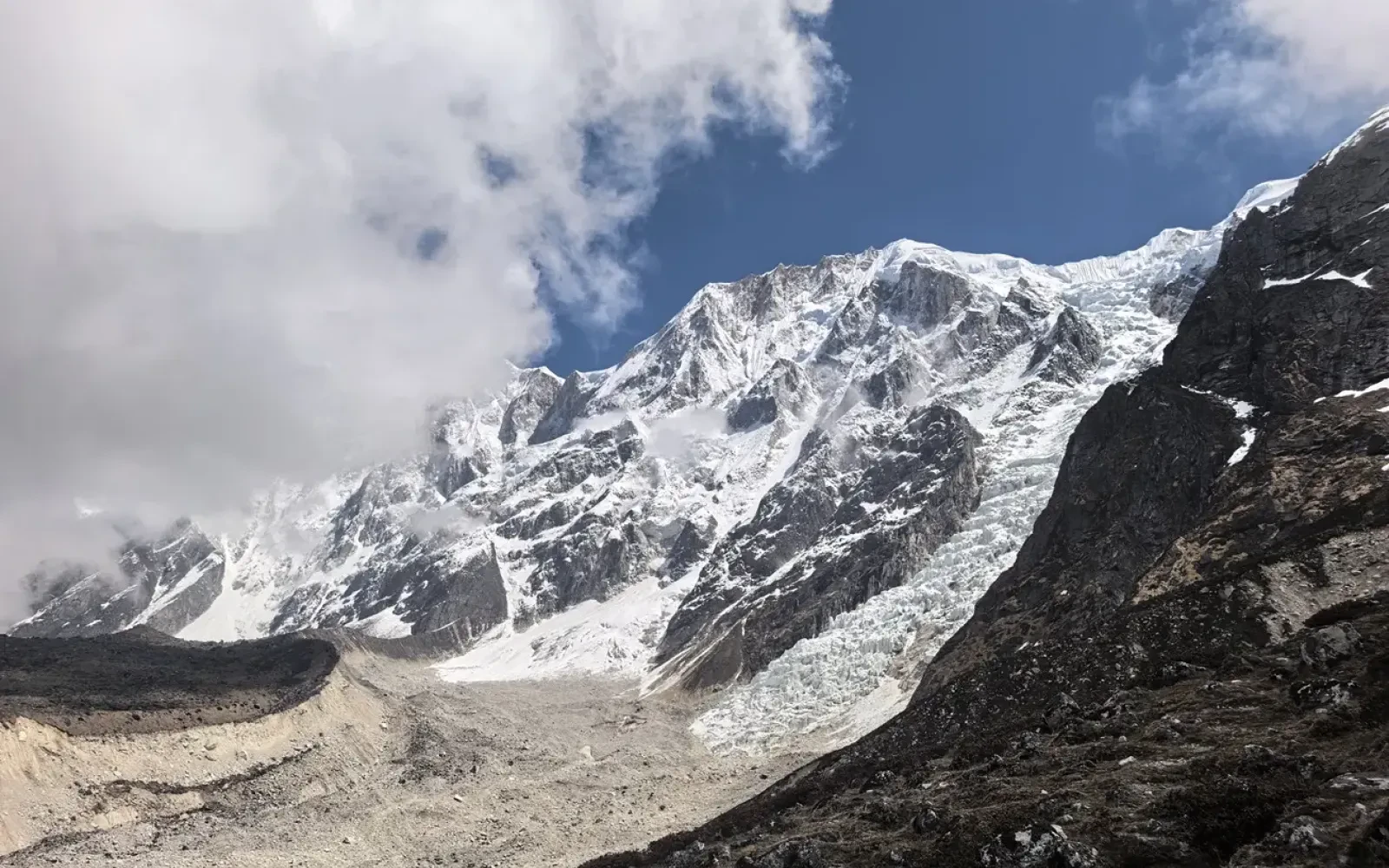
Picture this: You're standing at the foot of the world's highest mountains in Nepal’s Himalayas, each step bringing you closer to raw Himalayan glory as you weigh two legendary adventures. You're weighing up the iconic Everest Base Camp trek, globally recognized for its proximity to the world's tallest peak, versus the remote and untouched beauty of the Manaslu Circuit, where deep solitude and authentic cultural immersion await you.
Actually, both are bucket-list a adventure journeys in Nepal, but one offers world-renowned fame while the other provides pristine wilderness and a more intimate experience with far fewer fellow trekkers. Thus, this ultimate Himalayan showdown will reveal the trek that truly resonates with your soul as you embark on your quest for the perfect Nepal adventure.
No matter which path you choose, you'll be challenged and inspired by panoramic vistas, challenging high passes, and encounters with warm, local communities. You'll be surrounded by a dramatic mountain landscape, where the skyline is dominated by towering peaks, and the thrill builds with every meter of elevation gained. And while the Manaslu Circuit takes you to the base of the world's eighth-highest mountain and the Everest Base Camp trek to the foot of the first, both promise unforgettable experiences of adventure and natural wonder, whether you crave the crowds and legends or the peace and discovery.
Here, it’s an exciting decision, because each trail offers its own distinct character and rewards, trekking through changing landscapes and forging connections with the mountain people along the way. Carefully comparing them will help you select the path that best suits your trekking goals.
Manaslu Circuit vs Everest Base Camp - Quick Highlights:
| Aspect | Everest Base Camp Trek | Manaslu Circuit Trek |
|---|---|---|
| Thematic Focus | Iconic fame & global recognition | Remote solitude & authentic immersion |
| Duration (Typical) | 12-14 days | 14-18 days |
| Highest Point | 5,364 m (17,598 ft) at EBC | 5,106 m (16,929 ft) at Larkya Pass |
| Best For | First-time high Himalayan trekkers | Seekers of off-the-beaten-path adventure |
Ultimately, this showdown between the Manaslu Circuit and the Everest Base Camp trek will lead to an epic decision. Contact Haven Holidays today and book the trek that calls to your soul for the adventure of a lifetime.
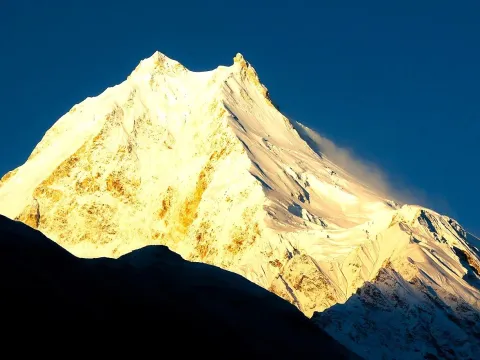
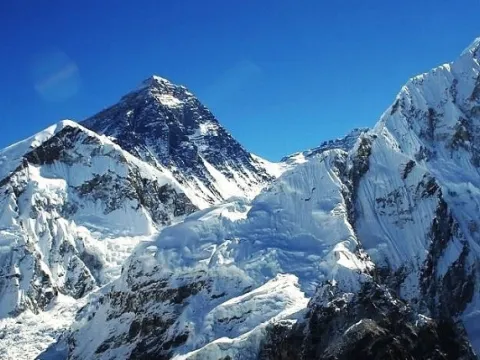
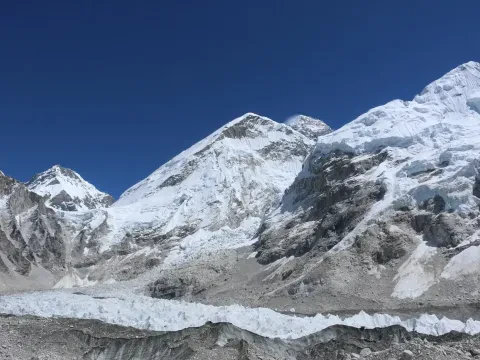
Prepare to be transported to two dramatically different Himalayan realms as you compare the bustling Khumbu Region with the restricted Manaslu Conservation Area. Your journey into the Khumbu begins with a thrilling flight to Lukla, perched at 2,860 meters (9,383 feet), before following the classic out-and-back trail along the Dudh Koshi River valley toward Everest Base Camp at a staggering 5,364 meters (17,598 feet).Or trekkers can take jeep ride from Kathmandu to Surke via Salleri to begin their Everest Base Camp Trek. This renowned region, located in eastern Nepal, is characterized by dramatic glacial valleys, iconic Sherpa villages, and the colossal presence of Mount Everest, standing tall at 8,848 meters (29,029 feet).
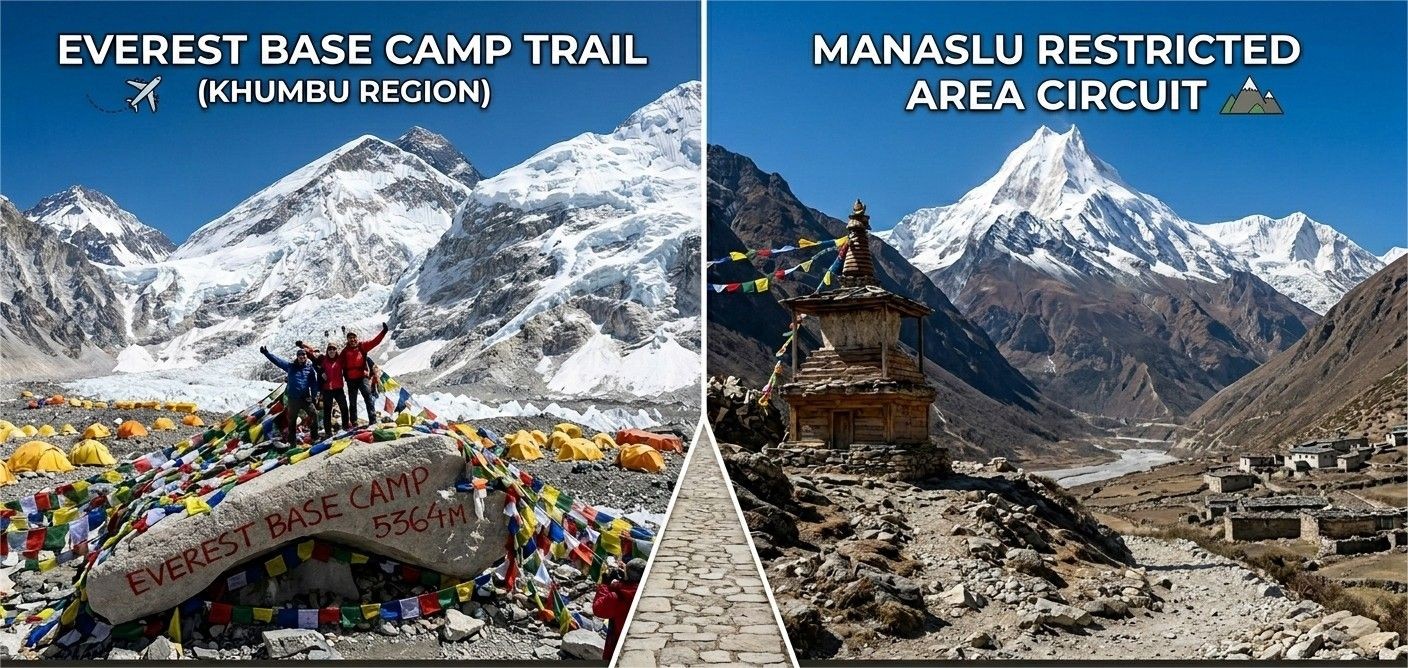
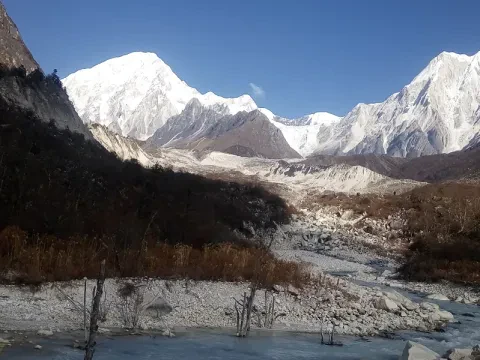
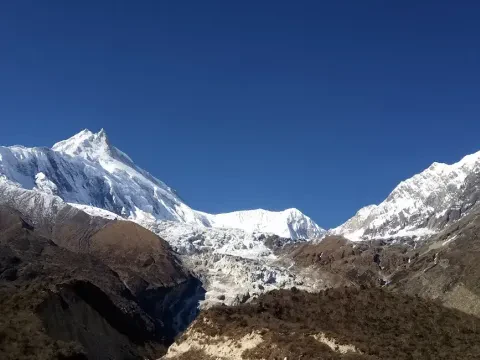
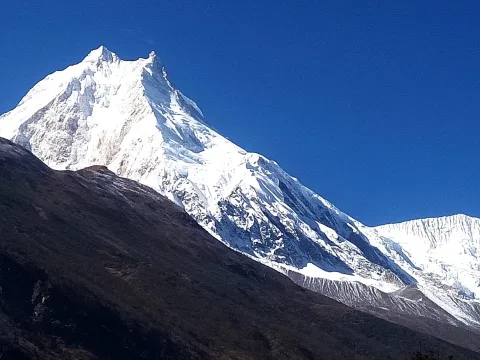
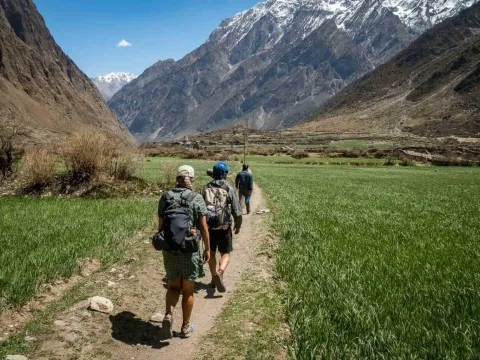
In stark contrast, the Manaslu Circuit unfolds as a breathtaking loop through the remote Manaslu Restricted Area in central Nepal's Gorkha district. Your adventure starts near Machha Khola at 870 meters (2,854 feet), following the Budhi Gandaki River before encircling the imposing Mount Manaslu, which soars to 8,163 meters (26,781 feet). You'll then cross Larkya La at 5,106 meters (16,929 feet) and descend toward Dharapani. This striking geography seamlessly transitions from subtropical forests and terraced fields to alpine meadows and glaciated high passes, and its restricted status ensures a serene experience, preserving the pristine beauty of the landscape. The circular nature of this route also offers a variety that simply isn't possible with the Everest out-and-back trail.
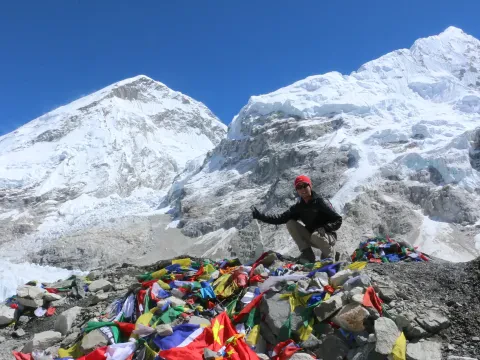
Here, both regions boast diverse ecosystems, but they each present them in their own unique way: Khumbu features rugged moraines and the world-famous Khumbu Glacier, while Manaslu offers a stunning combination of deep river gorges and high Tibetan-influenced plateaus. You'll witness significant elevation changes, from low river valleys to extreme alpine zones, and each area offers a truly distinctive trekking character. Choosing the right location and geography will set the stage for your ideal Himalayan adventure.
Key Geographic Features :
| Region / Area | Starting Point | Route Style | Highest Point | Key Geographic Feature |
|---|---|---|
| Khumbu Region (EBC) | Lukla, 2,860 m (9,383 ft) | Out-and-back | 5,364 m (17,598 ft) EBC | Glacial valleys & Khumbu Glacier. |
| Manaslu Restricted Area | Machha Khola, 870 m (2,854 ft) | Circuit loop | 5,106 m (16,929 ft) Larkya La | River gorges & diverse ecosystems. |
In the end, the stark differences between the Khumbu Region and the Manaslu Restricted Area underscore the profound impact that location and geography have on your Himalayan adventure.
Are you prepared for a test of will against the awe-inspiring trails of Nepal but aren't sure which journey is feasible given your timeframe? Total trekking distance and trail duration is a crucial factor to consider because getting this wrong could turn a dream expedition into an grueling experience. The classic Everest Base Camp trek is approximately 130km (80 miles) long and perfectly suits a typical 12-14 day trip, whereas the Manaslu circuit is around 177km (110 miles) in length and normally calls for a tougher 14-18 day journey. Both itineraries are expertly designed by Haven Holidays Pvt. Ltd. To allow you to acclimatize and achieve both of these famous journeys.
Here, the layout of the trail indicates daily physical demands but also tremendous reward on both trails. On the Everest Base Camp trail, you'll trek roughly 10-15km (6-9 miles) daily until you reach Mount Everest's base camp, where you'll be sitting at 5,364m (17,598ft).
On the other hand, the Manaslu circuit demands stamina throughout due to remote surroundings and the demanding Larkya Pass trek at 5,106m (16,752ft). Even with these impressive daily distances, the breathtaking changes in scenery will surely leave you motivated. Choose the timeline that is right for you and book your Himalayan trip today!
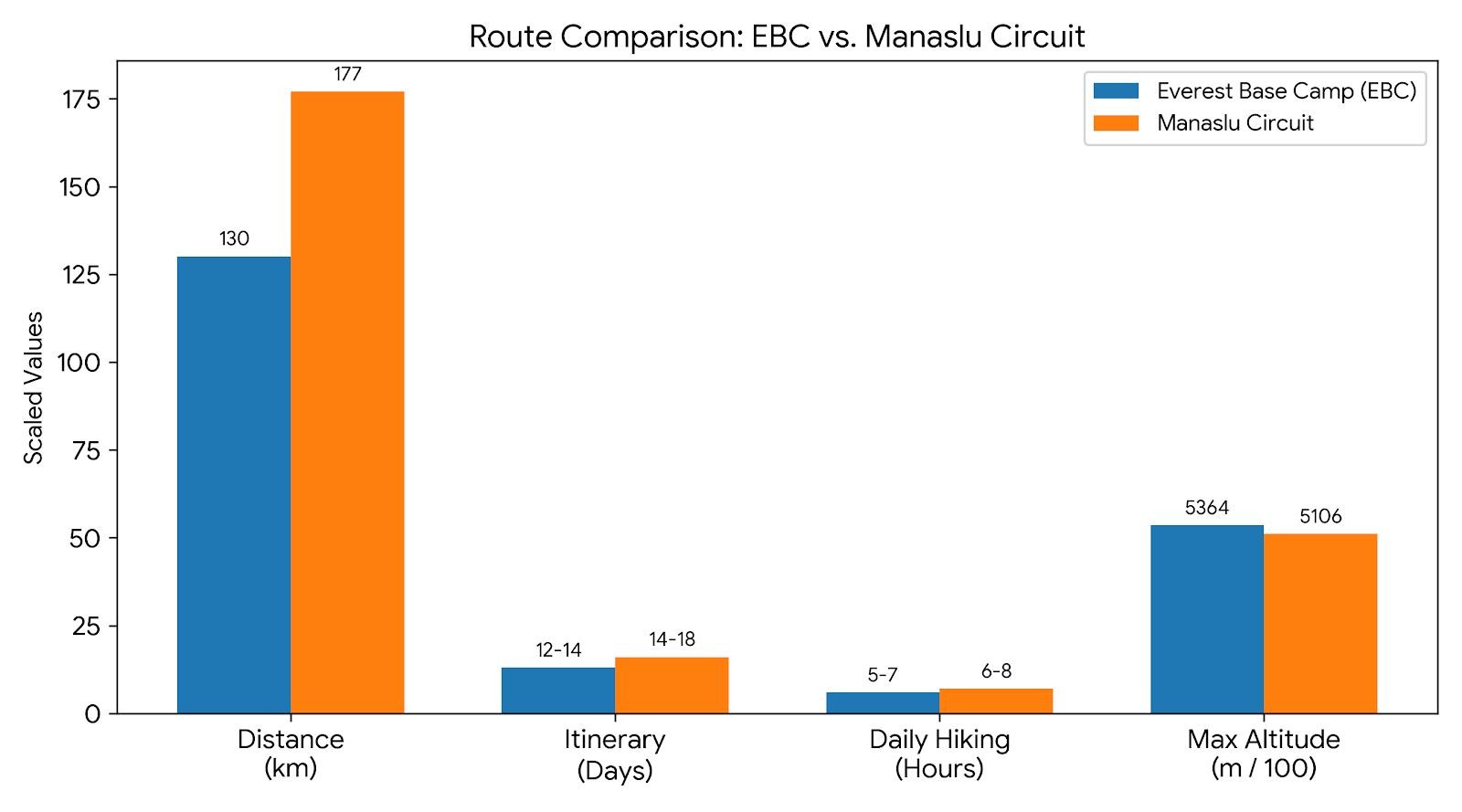
Route Comparison Details:
| Metric | Everest Base Camp trek | Manaslu circuit trek |
|---|---|---|
| Standard Itinerary Timeline | 12-14 Days | 14-18 days |
| Core Trekking Distance | 130km (80 miles) | 177km (110 miles) |
| Daily Hiking Hours | 5-7 hours | 6-8 hours |
| Maximum altitude | 5,364m (17,598ft) | 5,106m (16,752ft) |
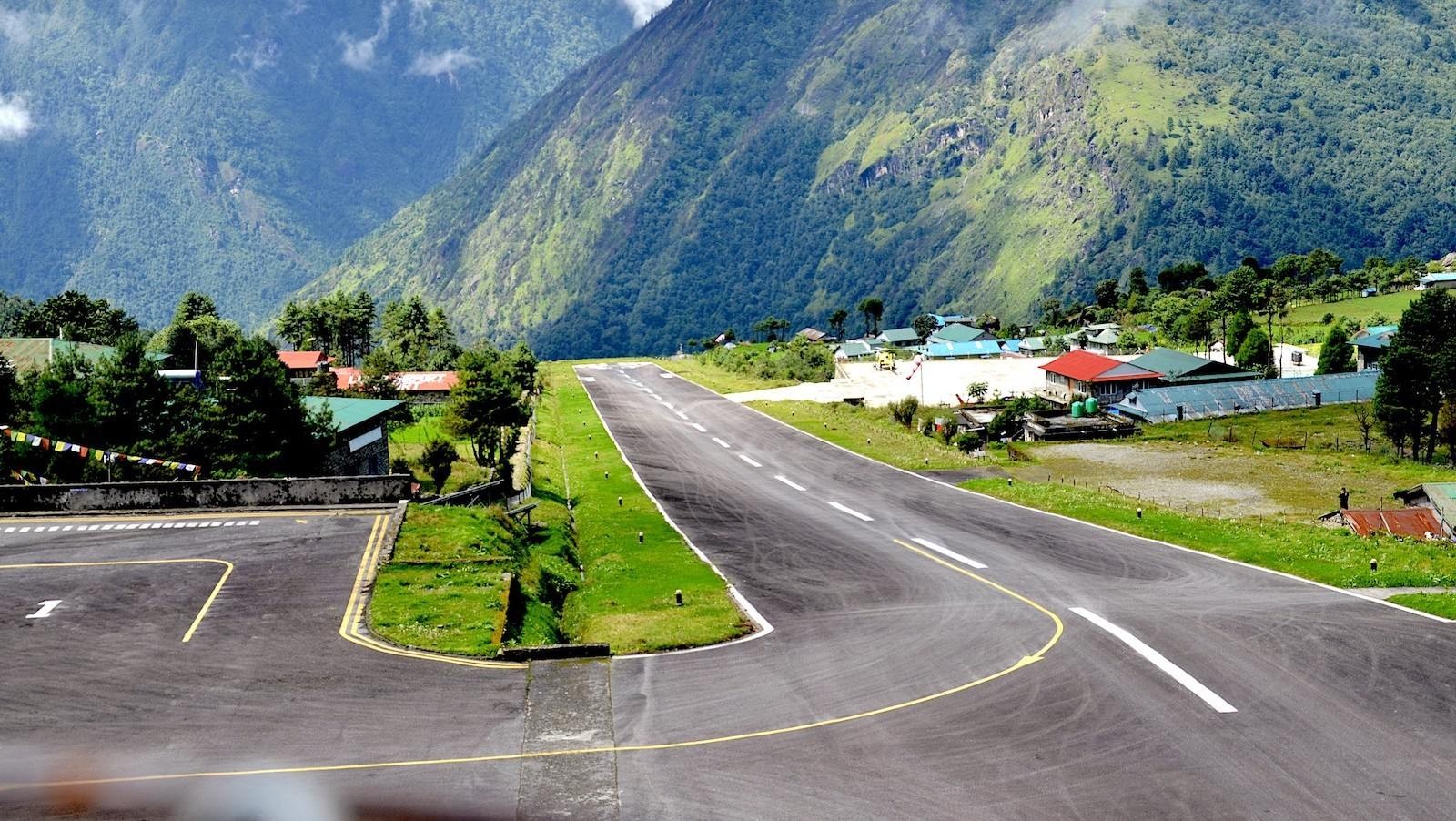
Are you looking forward to iconic mountain flights or a sturdy overland commute? The accessibility of your trail is the rhythm of your expedition in Nepal and the ultimate logistical choice for many trekkers today. The classic Everest Base Camp trek heavily depends on flights from Kathmandu to Lukla, which land you at Tenzing-Hillary Airport at 2,845m (9,334ft). The flights are magnificent with breathtaking views but the route is notorious for delayed flights due to its dependence on weather and visibility so a change in the forecast could significantly impact your plans. However, these logistical challenges are no problem for Haven Holidays Pvt. Ltd who make sure they have backup plans like helicopters for emergencies and extended itineraries.
But people these days, can go to Surke by Jeep from Kathmandu via Salleri crossing the total distance 265km spending all 14-16 hours in two days.
If you wish to avoid any aviation hassles, then a reliable overland drive to Machha Khola at 930m (3,051ft) starts the Manaslu circuit. The trek takes roughly 8-10 hours in an 4WD jeep or local mountain bus but it completely bypasses aviation delays caused by weather and other factors.
Enjoy the beautiful sights of local towns and winding valleys from your car window and absorb this unique layer of the Nepalese culture. Given that each mode of travel brings its own distinct set of pros and cons to the table you may as well pick one that satisfies your personal interests and book your Himalayan trek right away.
Logistics and Access:
| Accessibility Features | Kathmandu to Lukla flight (EBC) | Overland drive to Machha Khola (Manaslu) |
|---|---|---|
| Mode of transport | Twin-otter aircraft / Helicopter | 4WD Jeep / Local Mountain Bus. |
| Time from capital city | 30-45 mins | 8-10 hours. |
| Weather dependency | Extremely high (clear skies required) | low (operates regardless of weather). |
| Starting trek altitude | 2,845m (9,334ft) | 930m (3,051ft). |
Here are the rewritten sections, aiming for a natural, human tone:
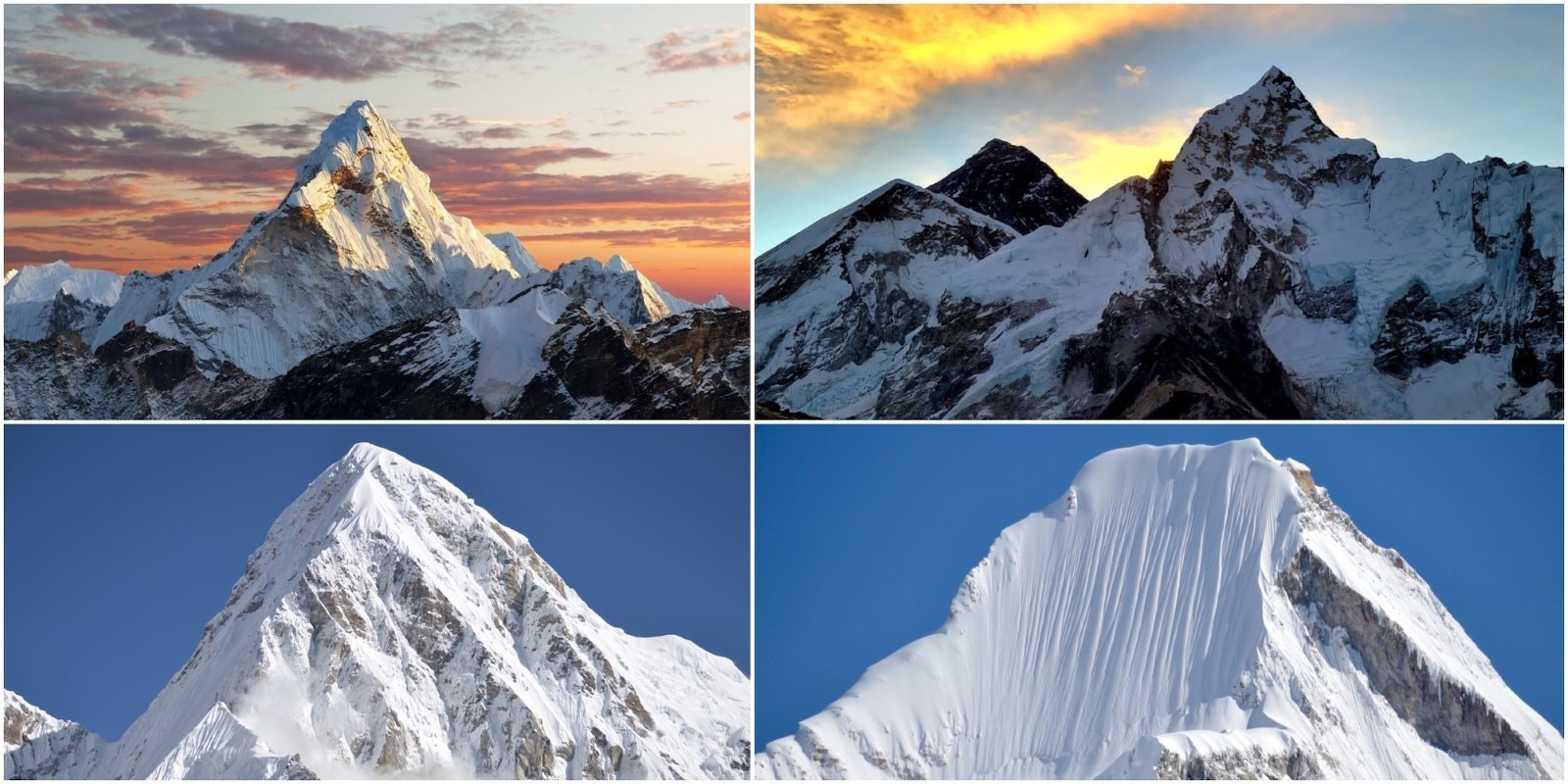
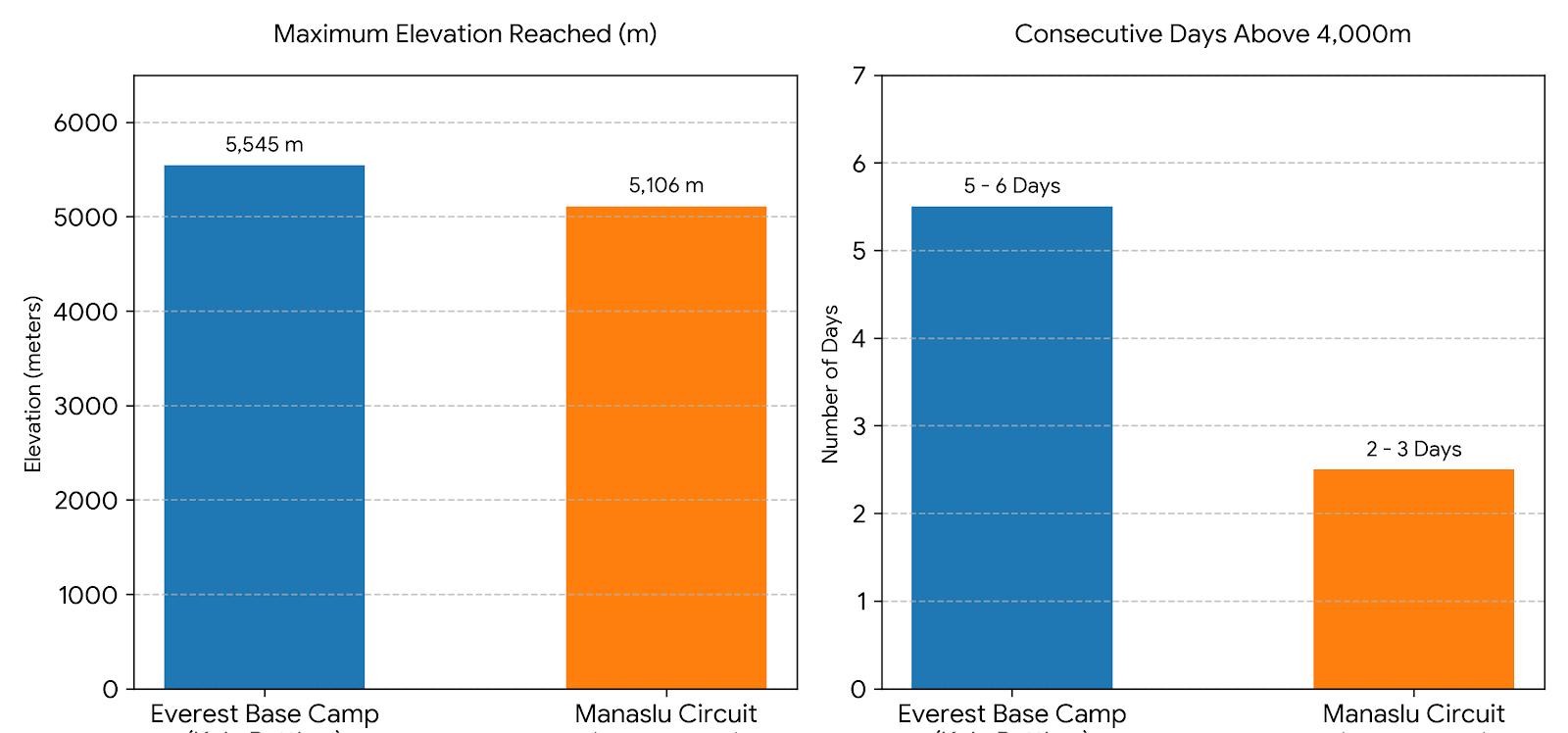
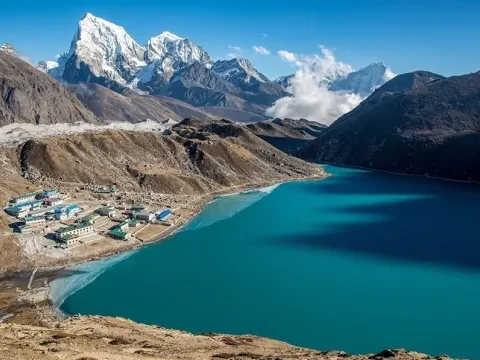
Ready to be in the presence of giants but worried your lungs will collapse from lack of oxygen? Navigating these high-altitude routes means giving the altitude sickness serious thought – entering the death zone isn't something to take lightly. Take Everest Base Camp, for instance; the highest point you'll reach is the legendary Kala Patthar viewpoint at an incredible 5,545m (18,192ft).
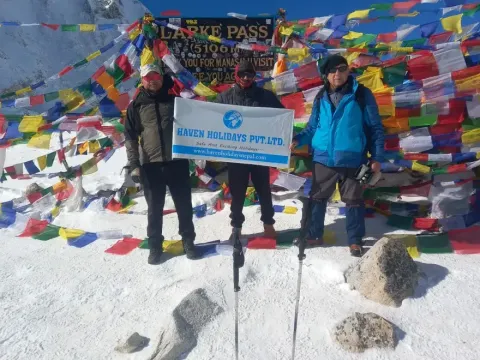
The Manaslu Circuit, on the other hand, caps out a little lower at Larke Pass, at a stunning 5,106m (16,752ft), but you'll be crossing it over a single, tough day. The good news? Haven Holidays Pvt. Ltd. Strategically schedules days of rest into every itinerary so you can focus on beating altitude sickness and summiting safely.
How your body adapts to the change in altitude each day is the key to your daily trekking experience. During the EBC trek, your system will spend five consecutive days above 4,000m (13,123ft), putting constant strain on your lungs. The Manaslu altitude profile builds more gradually from the lowlands but finishes with an arduous twelve-hour push over a high mountain pass. Both routes will test your physiology differently, but the sense of achievement at the top will be equally rewarding. Get your high-altitude permit secured with us today and let us help you reach the roof of the world!
| Altitude Parameter | Kala Patthar (Everest Base Camp Trek) | Larkya Pass (Manaslu Circuit Trek) |
|---|---|---|
| Maximum Elevation | 5,545 m (18,192 ft) | 5,160 m (16,929 ft) |
| Consecutive Days Above 4,000m | 5 to 6 Days | 2 to 3 Days |
| Acclimatization Rest Strategy | Two planned days (Namche & Dingboche) | Two planned days (Sama Gaon & Samdo) |
| Primary Altitude Risk Profile | Sustained multi-day exposure | Acute single-day pass exhaustion |
Do you crave the challenge of a well-worn path or prefer the raw, untamed beauty of a less-traveled wilderness? Deciding which trek demands more physical stamina comes down to how your body reacts to terrain versus altitude. Most experienced guides would rank the Manaslu Circuit as physically more demanding because it features wilder terrain, remote tracks, and incredibly taxing, lengthy descents.
While the EBC trek definitely has the edge when it comes to pure altitude, its trails are much more developed and boast numerous tea houses for comfort. Haven Holidays Pvt. Ltd. Provides expert training guides and personalized fitness plans to help you build the strength to conquer either trek with absolute confidence.
Actually, the physical demands of both these epic routes will certainly push you to your limits, but the sheer sense of adventure is worth every single step. While the Everest trek offers wide, crafted pathways, the thinner air means each stone step uphill requires immense effort.
On the other hand, the Manaslu trail can be exposed, with loose scree and a demanding mountain pass that calls for hours of intense concentration. Both treks require excellent cardiovascular fitness and serious mental fortitude, so preparing your body in advance is absolutely crucial for success. Get in touch with our adventure experts right now, pick the challenge that ignites your soul, and book an adventure of a lifetime.
Terrain and Stamina Profiles :
| Difficulty Factor | Everest Base Camp (EBC) Journey | Manaslu Circuit Journey |
|---|---|---|
| Overall Difficulty Grading | Strenuous (High Altitude Focus) | Challenging to Tough (Terrain Focus). |
| Terrain Infrastructure | Well-developed trails, stone steps | Rugged terrain, scree, narrow paths. |
| Steep Mountain Pass Required | None (Gradual climb to base camp) | Larkya Pass (Long, steep alpine crossing). |
| Daily Trekking Commitment | 5 to 6 hours of slow, deliberate pacing | 6 to 8 hours of intense, agile hiking. |
Trying to figure out the financial structure of your Himalayan endeavor, but intimidated by the invisible layers of mountain trekking costs? Analyzing a thorough cost breakdown is crucial because financing a trek through remote terrains requires the careful balancing of upfront administrative expenses against day-to-day operational charges.
For example, the Everest Base Camp trek has expensive charges for domestic flight charges as well as food bills due to the fact that each single ingredient has to be transported or airlifted into the high valleys.
In comparison, the Manaslu circuit costs include hefty initial outlay with its mandatory licensed guide and an expensive restricted area permit. Haven Holidays Pvt. Ltd. Includes all these details in its straightforward package rates to avoid any unexpected charges during your dream holiday.
Actually, the economic structure difference of the two regions of economy will affect drastically the ways you will plan your travel budget. As for EBC trek you have low normal fees for entry while the food prices are 3x of normal city food in the altitude of 4940m(16,207ft). On the other hand a typical 14 days Manaslu itinerary requires a restricted area permit which costs 100 USD for first 7 days on peak autumn. While both trekking routes would cost you similarly on the end, the ways your expenses are dispersed are absolutely different between logistical, administrative. Examine our various all-inclusive prices according to seasons, choose the economic strategy that suites you best and finalize your next mountain trip with confidence.
Cost and Permit Insights :
| Budget Category | Everest Base Camp (EBC) Trek | Manaslu Circuit Trek |
|---|---|---|
| Main transport Charges | Highest amount ($360 - $400 USD roundtrip flight on Lukla) | Moderate amount ($15 USD for local bus or $250 USD for jeep) |
| Permit fees | Lowest amount ($55 USD total) | Highest amount ($130 - $170 USD total) |
| Mandatory guide requirement | No (highly recommended) | Yes (legally mandatory) |
| Average daily food budget | $40-$50 USD (Increases with altitude) | $25-$35 USD (Standard locals prices) |
Ever wanted to have a cup of a latte while enjoying the view of the snowcapped mountains at a charming alpine cafe? Or is it more to your desire to bond over a shared fireplace with a humble local family in the Himalayas? Exploring each region's teahouse lodging will help you shape realistic physical expectations as the lodging conditions varies to a great extent among various trekking routes. The EBC route features many sophisticated lodges, that include attach toilets and reliable internet at high settlements like Namche Bazaar at 3,440m(11,286ft) and Dingboche (4410m). While, the Manaslu route preserves more traditional solitary lodging, with basic wooden huts giving you a true feeling of living in the local ancient culture. Haven Holidays Pvt. Ltd. Has ties with exclusive teahouses all over the Himalayas so that you can have comfortable accommodation during your trek.
Likewise, the variety in the menu on the high-altitude food list is another aspect that will differ considerably for each international trekker. On an EBC trek you have the luxury to experience premium cappuccinos, sweet muffins and pastries as well as an assortment of international dishes like sizzling stones pizzas and vegetarian burgers while on the villages of Manaslu you mostly have hearty, energy-filled traditional dishes of Dal Bhat ruling the menu which is considered as the best mountain fuel.
However, the complete absence of Wi-Fi on Manaslu gives you a unique chance to explore the world in its truest form. Choose the one that appeals the most to your sense of adventure and book your next journey right away with the available itinerary options.
Lodging and other facilities-Compared :
| Hospitality Feature | Everest Base Camp (EBC) Lodging | Manaslu Circuit Lodging |
|---|---|---|
| Room Infrastructure | Upgraded private rooms with attached toilets | Simple twin shared rooms with shared facilities. |
| Food Menus Variety | Vast amount of choices (pastries, coffee, Italian, Indian etc.) | Limited (mostly Dal Bhat and potatoes). |
| Internet connectivity | Highly reliable through local Wi-Fi networks | Spotty, unreliable (cell towers only) |
| Shower facility | Hot showers are available for a fee (solar heated or gas) | Basic bucket showers or solar heat on lower villages only |
Do you aspire to trek shoulder to shoulder with the legends of high altitude trekking, or to uncover secrets guarded within hidden valleys of Tibetan Buddhism? The experience of culture shock on high paths is in fact a bridge between hard sport and deep spiritual awakening, for many of the civilizations living along these routes have existed in isolation for centuries, essentially unchanging.
Actually, the Everest region offers an immersion into the renowned Sherpa culture; its historic trading centers like Namche Bazaar at 3,440 m (11,286 ft) recall the long history of these high altitude peoples and their adventurous feats.
By contrast, the Manaslu route takes you into unspoiled valleys such as the Nubri and Tsum whose Tibetan Buddhist culture has remained intact through years of isolation. Haven Holidays Pvt. Ltd. Designs each trek so that authentic cultural exchange occurs at every moment allowing deep connection to the very souls who call these sacred spaces home.
Likewise, the sacred architecture and customs will leave a permanent impression. While trekking to Everest Base Camp, you will be moved by the rich murals adorning Tengboche Monastery at 3,860 m (12,664 ft), as chanting monks perform their daily rituals before the majestic Ama Dablam.
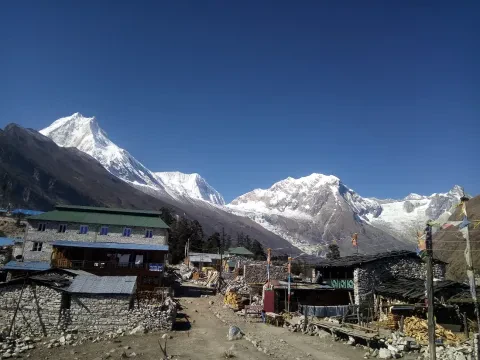
The Manaslu circuit, on the other hand, brings you face to face with thousand-year-old mani walls, prayer stupas or chortens, that appear to stare out across protected valleys toward the border of Tibet. These two different Himalayan peoples and their customs are distinct, yet each will profoundly deepen your understanding of the world around you. Follow the cultural line that beckons your spirit, check our tailored departure dates, and book your spiritual heritage trip today.
Cultural and Spiritual References :
| Cultural Attribute | Everest Base Camp (Khumbu Region) | Manaslu Circuit (Nubri/Tsum Valleys) |
|---|---|---|
| Dominant ethnic group | Khumbu Sherpa (world-renowned high altitude climbers) | Nubri and Tsumba (descended from Tibet) |
| Primary spiritual hubs | Tengboche Monastery & Pangboche Monastery | Pungyen Gompa & Mu Gompa |
| Modern influence | Very High (influenced by international trekkers and media) | Very Low (due to decades of exclusion) |
| language and customs | Sherpa with modern English; international trekking customs; Everest festival culture | Tibetan dialect and ancient local practices; classical Tibetan dress; polyandry. |
Do you wish to trek amidst a lively international group of adventurers, or to discover your inner peace in a serene wilderness? The daily atmosphere of your hike hinges on the crowds you'll encounter: sometimes a bustling meeting of global travelers, other times a profound experience of solitude.
Here, the popular Everest Base Camp trail teems with trekkers and can be like a crowded highway during October's high season, but for those who prefer more secluded paths, the Manaslu Circuit offers a true wilderness escape where tight permit regulations keep numbers manageable. Haven Holidays Pvt. Ltd. Understands that personal preferences vary, so we help you find your ideal balance, whatever it may be.
Likewise, the density of trekkers dramatically alters the feeling of remoteness that you will experience. On the Everest Base Camp route, you will find a lively atmosphere and constant chatter with other trekkers, but also long strings of yaks carrying supplies; the trail is not often truly empty.
In contrast, on the Manaslu circuit, you may hike for hours without seeing another group of travelers. Here, you can fully appreciate the sound of rushing rivers, the rustling of trees, and the utter stillness of the mountains. Although some revel in the vibrant social energy of the EBC trail, many long for the peaceful emptiness of Manaslu. Escape the noise and haste of city life, embrace the solitude that your soul needs, and embark on a restorative wilderness journey with us today.
Trail Density and Traffic:
| Atmosphere Attribute | Everest Base Camp (EBC) Trail | Manaslu Circuit Trail |
|---|---|---|
| Peak season density | High (Expect lots of trekkers and full lodges) | Low to moderate (Wide trails and plenty of space). |
| Social aspect | Extremely high-energy, a huge international gathering | More quiet and intimate, for those seeking solitude. |
| Obstacles on trail | Constant yak caravans, large groups of trekkers | Mule trains occasionally, local goat herders infrequently |
| Availability for booking | Relatively easy, there are many trekking lodges and itineraries to choose from | Can be difficult to book, requires advance planning and securing permits. |
Thinking about when to attempt the high Himalayan passes or when the views would be at their clearest? Timing your trip correctly is vital, as the local weather conditions at the time can make or break whether you reach your destination, or become completely stranded at the hands of fierce mountain elements.
In fact, the best trekking season in Nepal is spread across two main periods; the colourful spring months (March-May), and the crisp autumn months (September-November). Haven Holidays Pvt. Ltd. Chooses mainly these premium months for departure to give you the benefit of stable weather and avoid seasonal blockades.
Likewise, each window represents dramatically different conditions and has distinct effects on which specific high-altitude routes are suitable for tackling. In winter, heavy snowfall can render the distant Larkya Pass at 5,106 meters (16,929 ft) completely impassable and shut down the whole Manaslu Circuit loop, on the other hand, even though conditions at Gorak Shep, (5,164 meters (16,942 ft) on the infamous Everest Base Camp trail, plummet below -20C (-4F) it is still accessible for the whole of the winter period. This is why considering the seasonal patterns can have a huge impact on your trek success. Check out our various season departure windows and reserve your trip today to fit with your optimum period!
Seasonal weather and route conditions :
| Trekking Window | EBC Corridor Weather Conditions | Manaslu Circuit Weather Conditions |
|---|---|---|
| Spring (March - May) | Mild weather, slight clouding each afternoon | Flower trails and reliable weather over the high pass. |
| Autumn (September - November) | Extremely clear, great photograph opportunities | Dry and safe conditions over all the high routes. |
| Winter (December - February) | Temperatures far below freezing point, frozen plumbing risk | Severe snowfall over all routes, Larkya La completely blocked. |
| Monsoon (June - August) | Flight delays likely at Lukla, extremely muddy at lower altitudes | Very unstable, likely to have landslides, cloudy mountain vistas. |
Ready to make your holiday plans final? To guide you in making your last crucial decisions to have a memorable adventure, deciding on your most preferred trek destination makes the end of the journey fun. Book the classic Everest Base Camp trek for the spectacular views of the world's highest mountain, as well as the comfort and services of lodge facilities. However, if it is solitude and an adventurous wilderness setting that you're looking for in a restricted area trekking route, then the Manaslu Circuit will make a rewarding journey for the experienced trekker. Haven Holidays Pvt. Ltd. Is always available to customize your trips to either destination to ensure your trek in Nepal is unforgettable.
Each individual trip offers unique physical demands and lifelong memories, whether you’re viewing Mount Everest (8,848 meters (29,029 ft)) at close range with all modern luxuries or trekking through the wild, dramatic and demanding landscape to Mount Manaslu (8,163 meters (26,781 ft)) along its rugged and beautiful paths you're sure to leave with something unforgettable. Contact our travel experts today to reserve your trek today!
| Decision Factor | Everest Base Camp (EBC) Choice | Manaslu Circuit Choice |
|---|---|---|
| Best visual sight | Mount Everest at 8,848 m (29,029 ft) | Mount Manaslu at 8,163 m (26,781 ft). |
| Accommodation standard | Modern guesthouses with private toilets | Basic, traditional stoneroofed teahouses. |
| Desired trekking atmosphere | Popular, global, socially active | Isolated, traditional, natural. |
| Legal trek requirements | Independent trekkers are permitted | A fully licensed guide and minimum two trekkers required. |
In conclusion, it can be tough to decide between these two legendary Himalayan treks-as both are life-changing-so here are the 20 most frequently asked questions about the Manaslu Circuit and EBC trek to guide your way.
1. Which trek is more difficult, Manaslu Circuit or Eveest Base Camp?
The terrain of the Manaslu Circuit is much rougher, steeper and remote; and therefore is generally the more physically demanding of the two. However, the Everest Base Camp (EBC) trek, while following more widely, and clearly maintained paths, climbs to much higher sleeping altitudes, meaning the risk of altitude sickness is arguably greater than that on the Manaslu trail.
2. What is the highest altitude on the Manaslu Circuit and Everest Base Camp trek?
On the Manaslu Circuit your final height is 5,106m over the Larkya Pass. Everest Base Camp, on the other hand, will take you to 5,364m (at base camp itself), or even higher, to 5,545m should you decide to trek up to the famous viewpoint, Kala Patthar.
3. Can I hike the Manaslu Circuit alone without a guide?
The government has classed Manaslu as a Restricted Area trekking destination, so trekking it completely alone and without a guide is not allowed. You will need to obtain both licensed guide and book through a registered agency, or choose for the guided only Manaslu Circuit treks available. In comparison, EBC can be completed solo, though a guide is highly recommended for safety reasons.
4. Which trek offers better views of the mountains, Everest Base Camp or Manaslu Circuit?
If you want to be up close and personal with Earth’s highest peaks you will choose Everest Base Camp-as this trek will surround you by the awe-inspiring summits of Everest and Lhotse. However, the views on Manaslu are dramatic and panoramic (especially with Mount Manaslu), and variety of scenery along the trek are far superior, switching from lush green jungle, to icy alpine territory, as you ascend.
5. How long does the Manaslu Circuit and Everest Base Camp trek take?
A traditional 14-18 day loop on the Manaslu Circuit allows adequate time to conquer all the necessary acclimatization required to summit Larkya Pass, and walk a full circle of the entire massif. On the other hand, the standard 12-14 days on the EBC trek follows a more direct up-and-down route, so you have less travel time between viewpoints.
6. What are the accommodation options like on Manaslu Circuit?
Teahouses on the Manaslu Circuit are very rustic, and you can expect simple rooms, shared squat toilets, and inconsistent electricity-giving you a very authentic (though slightly basic) Himalayan mountain experience. Local families will warmly welcome you, and you will be treated to delicious home-cooked meals though there are few comforts here.
7. How do Manaslu teahouses compare to those on EBC?
Teahouses on the Everest Trail are much more modern and luxurious than those in the Manaslu region. You can expect private rooms with hot showers, attached western-style toilets, and heated blankets at the more established teahouses; even Wi-Fi and cafes offering homemade cakes and pasta are found throughout the region.
8. Which trail is more crowded during peak season, Everest Base Camp or Manaslu Circuit?
If you want to experience the true, remote Himalayas then the Manaslu Circuit is your perfect choice. The number of trekkers who opt for this path is a fraction compared to those trekking EBC during the peak seasons of Spring and Autumn-when the latter path feels like a busy mountain highway.
9. How do you get to the starting point of the Manaslu Circuit?
After a long 7-9 hour (and rough!) jeep/bus drive from Kathmandu to the village of Machha Khola you will begin the trek. This will allow you to get to the starting point avoiding the unpredictable flight times at Lukla-meaning more time on the trail!
10. How do you get to the starting point of Everest Base Camp?
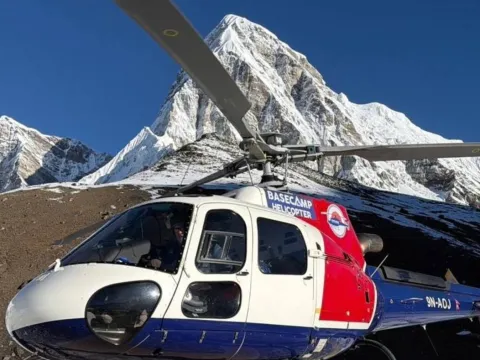
The most popular way to efficiently get to Everest Base Camp is via a small, scenic plane ride from Kathmandu to Lukla, the highest airport in the world. Weather delays here are frequent, so be prepared, though you also have the option to hire a jeep to Salleri and then to Surke and trek up from there-though this adds extra days to your journey.
11. What is the food like on the Manaslu Circuit and Everest Base Camp treks?
Dal Bhat is the traditional Nepali mountain dish which features as a hearty meal in lodges on both treks, though due to a more commercialized trekking trail on EBC, many western-style meals like pizza and burgers are available at teahouses throughout the region. Manaslu provides more traditional, locally sourced Tibetan bread and Yak cheese instead.
12. What permits do I need for the Manaslu Circuit?
Along with the Manaslu Conservation Area Project (MCAP) and Annapurna Conservation Area Project (ACAP) permits you will need a Restricted Area Permit (RAP), that will cost more or less depending on which month you trek. This permit is vital due to Manaslu being classified as a restricted trekking region.
13. What paperwork is required for EBC?
Thankfully, trekking EBC is not classified as a Restricted Area trekking destination, and therefore requires far less paperwork. You will still need to purchase a Khumbu Pasang Lhamu Rural Municipality entrance card, and the Sagarmatha National Park entry permit on the way.
14. Which trek is more culturally rich, Manaslu Circuit or Everest Base Camp?
Whilst both trails provide glimpses into ancient cultures, Manaslu remains the more authentic of the two. It is still relatively unmodernized, meaning you will experience the pure Tibetan-Buddhist lifestyle of the locals on the Nubri and Gurung communities. EBC still offers the stunning culture and traditions of the Sherpa people and their infamous monasteries, however, it is noticeably more developed and tourist-focused.
15. Is altitude sickness more prevalent on Everest or Manaslu?
Generally AMS is much more prevalent on the EBC trek. This is because the acclimatisation is slightly more rushed, you will end up sleeping several nights above 4000 meters very quickly, therefore your body has less time to adjust to the altitude compared to the slower, more gradual ascent on the Manaslu Circuit.
16. When is the best season to go on these treks, Everest Base Camp and Manaslu Circuit?
Both Everest Base Camp and Manaslu are best trekked during Autumn (September-November) and Spring (March-May), as the weather conditions remain stable with crystal clear views of the mountains, and low chances of rain. Early summer treks are possible at high altitudes in Manaslu due to the partial dry rain-shadow it resides within.
17. Is EBC for complete beginners?
If you're new to trekking but eager for a mountain experience, EBC is perfect for a fit individual with excellent stamina. The path is clear, well-maintained and very easy to follow, and there are medical aid clinics along the way. Ensure adequate acclimatisation time however.
18. Should a beginner trek Manaslu?
Generally, the Manaslu Circuit is not recommended for beginner trekkers. The rugged terrain and remoteness, coupled with the strenuous one day trek over the Larkya La pass demands a high level of endurance, both physically and mentally. The trekking is considered suitable only for experienced, fit walkers.
Our travel experts are ready to assist you with any questions.
Send us a message.Have a question before you book? Send your enquiry below and our travel experts will get back with the required information.