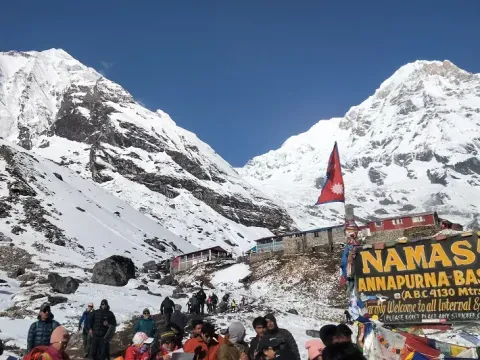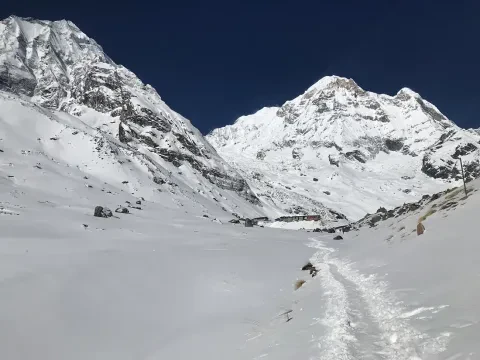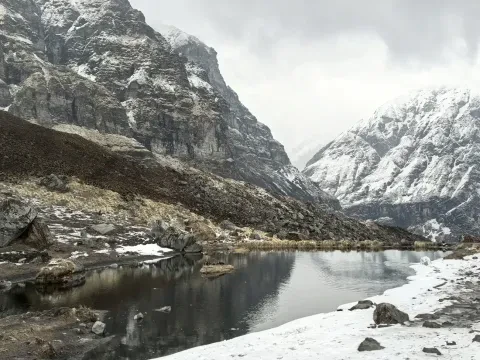
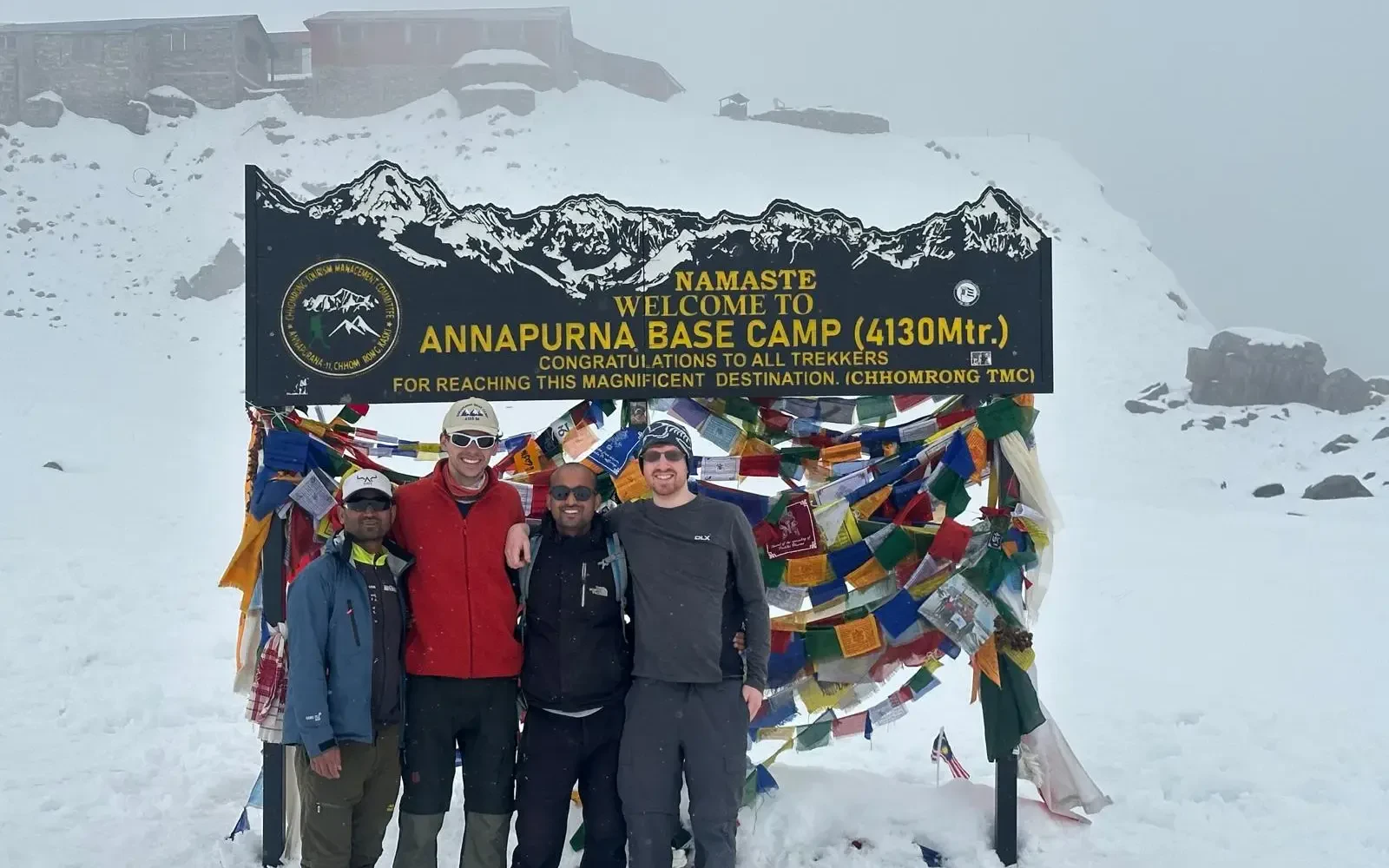
Actually, the Annapurna Base Camp trek is one of Nepal’s most cherished and sought-after mountain experiences, where iconic peaks like Annapurna I and Machhapuchhre loom large against the sky. Every year, thousands of adventure-seekers flock to this trail for breathtaking close-ups of some of the world’s highest mountains. While the beauty is undeniable, and the journey profoundly rewarding, it’s an experience that many, despite their best intentions, often find fraught with simple, avoidable errors. In fact, it has the second largest charm among the trekkers after Everest Base Camp Trek.
Underestimating the physical strain, inadequate acclimatization, or misjudgment in packing can all combine to transform a potentially dreamlike trip into a difficult and even disappointing one. Whether it's your first foray into high-altitude trekking or you're a seasoned explorer, understanding these common missteps is key to ensuring your journey is a safe and unforgettable one.
Here, we'll delve into the 10 mistakes people often make on the Annapurna Base Camp trek, and crucially, how to steer clear of them.
Have you ever thought that going alone could be more affordable and grant you more independence on your Annapurna Base Camp trek? This is, moreover, one of the most common mistakes that most trekkers-especially first-time visitors-make.
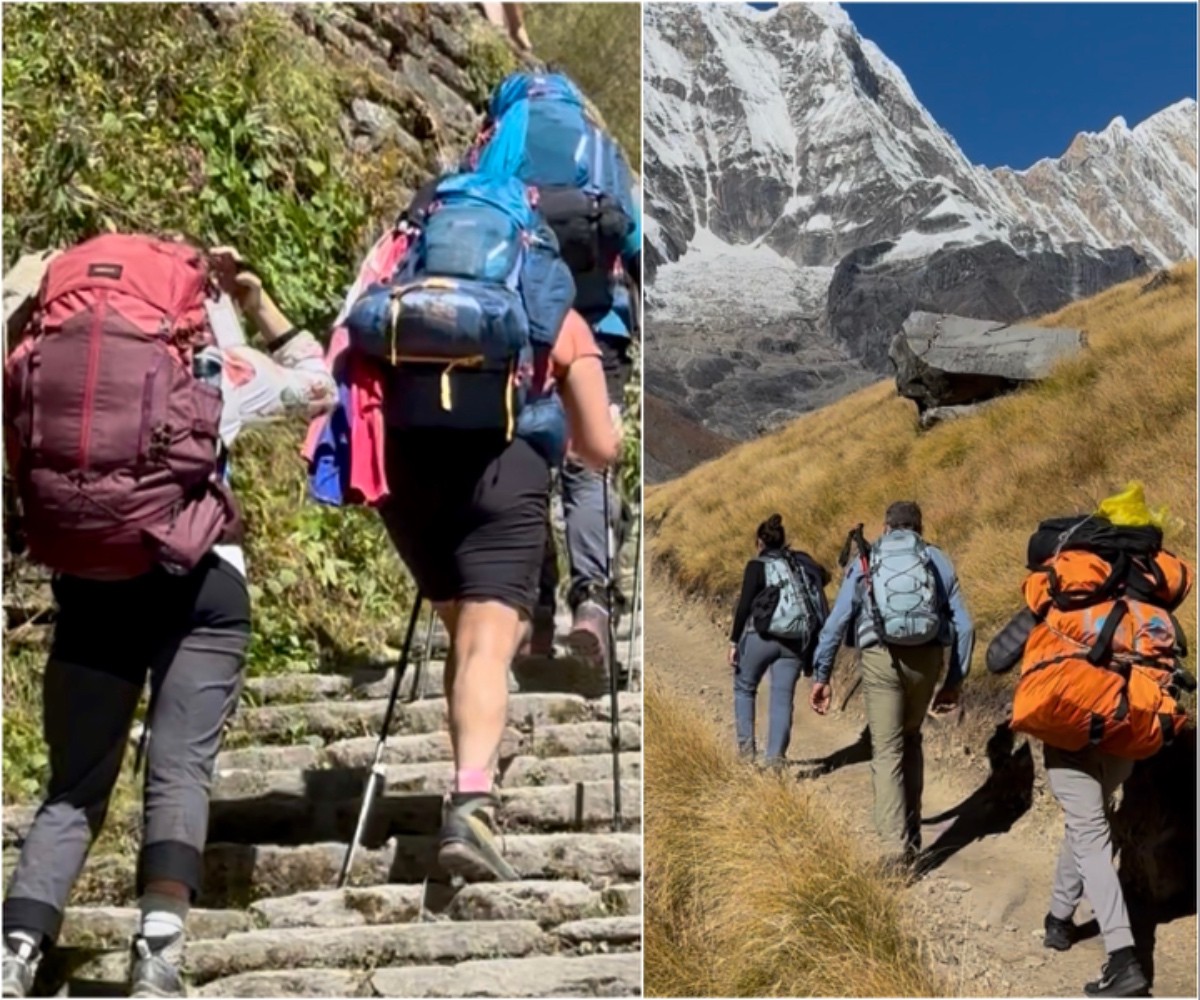
In fact, although some parts of the trail are clearly marked, navigating on your own can be a real struggle with the changing weather and trails and altitude issues. Choosing not to hire a guide and porter often translates into unnecessary anxiety and physical danger, ultimately ruining the experience.
Reasons why it is better to hire a Guide and Porter:
| Issue | Solo Trek | Trek with Guide and Porter |
|---|---|---|
| Safety | Risky | safe |
| Local Knowledge | None | Valuable |
| Loads | Entirely yours | light |
| Trek organization | Time-consuming | seamless |
| Cost over time | may be higher | better value |
Therefore, even if you have had lots of hiking experience, I would recommend hiring at least a guide for your Annapurna Base Camp trek, and it may be the best choice you ever make.
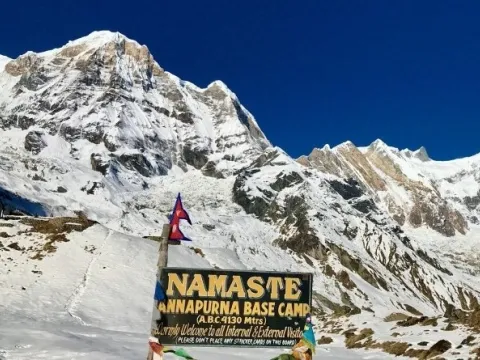
Did you consider making your way to Annapurna Base Camp directly through Jhinu Danda to save on time? This is, moreover, another great mistake that trekkers often regret.
In fact, bypassing Ghorepani-Poon Hill means you miss the most breathtaking sunrise vista of the entire Annapurna region; consequently, the mesmerizing panaroma of the Annapurna and Dhaulagiri mountains will remain out of your sights.
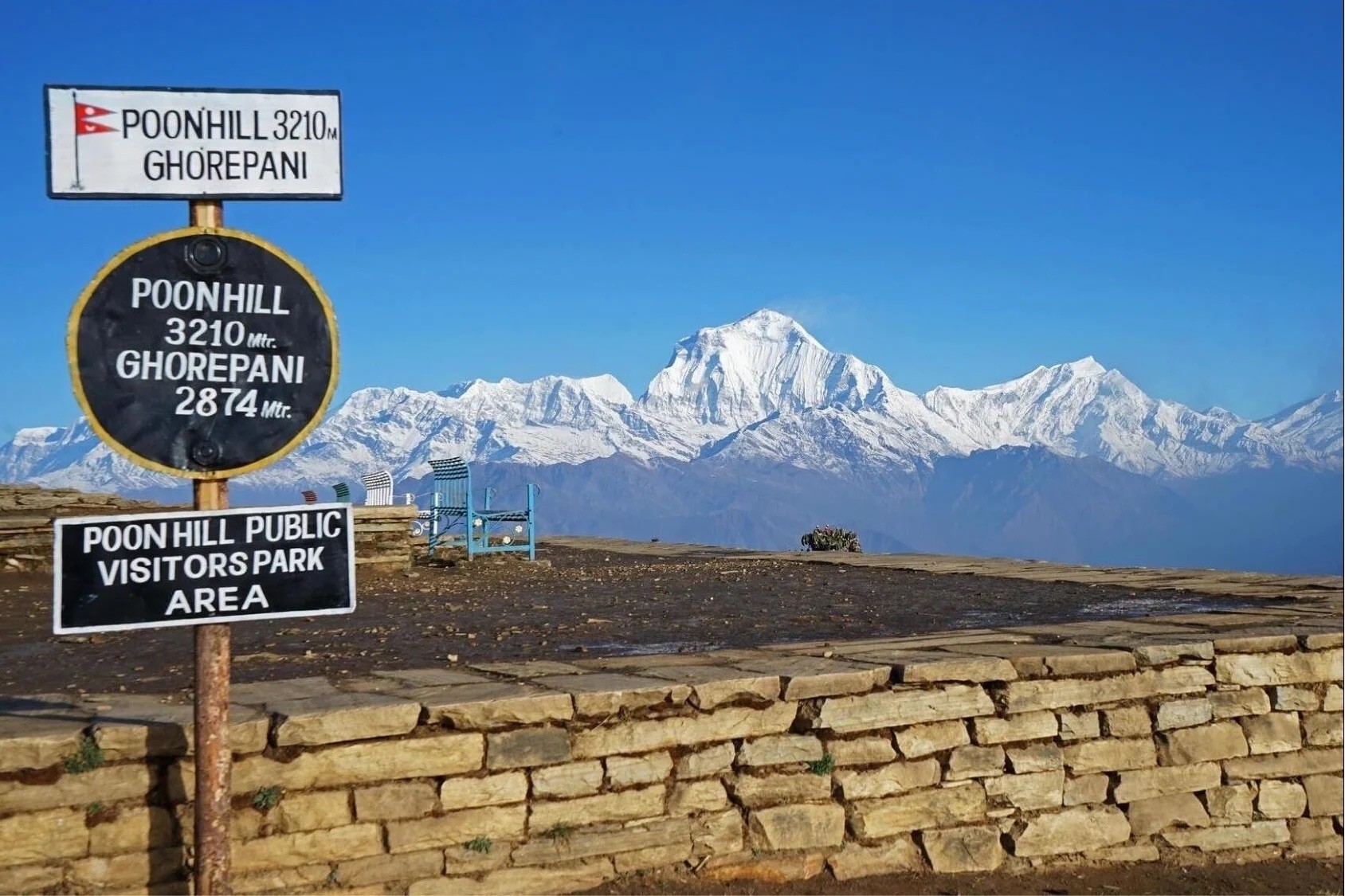
Also, you miss the most important parts of the trek for proper acclimatizing your body before you head to Annapurna Base Camp.
Reasons why you should travel via Ghorepani-Poon Hill:
| Route | Length | Maximum altitude | Sunrise vista | Acclimatization | Recommendation |
|---|---|---|
| Jhinu Danda to ABC | short | less altitude | nil | Poor | Do not recommend |
| Via Poon Hill | long | 3210m | Excellent | Good | Recommend |
Additionally, the ABC trek through Ghorepani-Poon Hill is more scenic and can be taken by many trekkers; consequently, even if it took a little longer, you should take it to complete your Annapurna Base Camp trek.
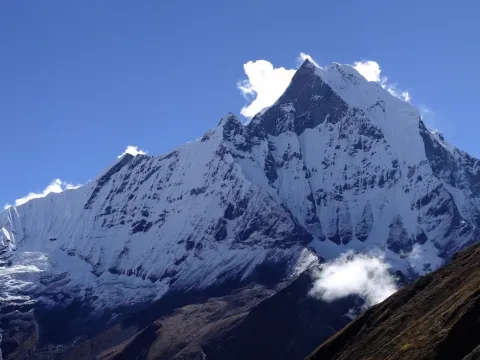
Here, this is perhaps the most common (and dangerous) mistake made by many trekkers who do Annapurna Base Camp trek. Are you planning on hiking all the way from Deurali or Machhapuchhre Base Camp to ABC without an overnight at MBC? While it may sound tempting, this is one error that you might seriously regret.
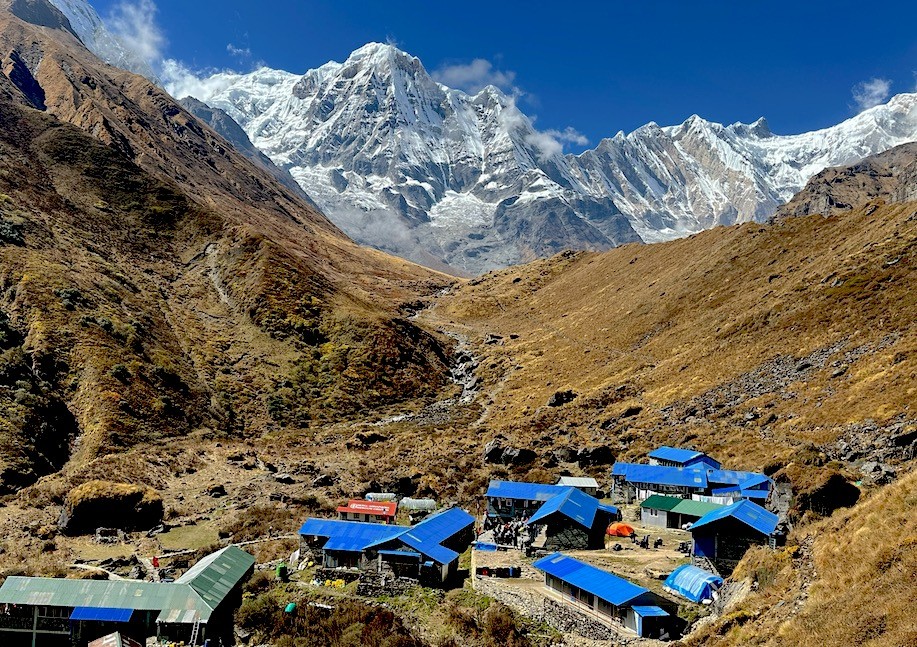
By reaching ABC so quickly, you will put your body under sudden and excessive altitude stress. Not only are you significantly increasing your chances of developing acute mountain sickness, but you'll also miss out on one of the most beautiful sunrises of the entire trek.
Why stay overnight at MBC?
| Route Option | Duration from MBC to ABC | Altitude Gain | Risk Level | Sunrise View | Recommendation |
|---|---|---|
| Same-day hike | 4-5 hrs | 430m | High | Missed | Not recommended |
| Overnight at MBC | Split over 2 days | Gradual | Low | Excellent | Highly recommended |
Even if you're an extremely fit trekker, spending one night at MBC will elevate your entire ABC trekking experience from a struggle for survival to a truly memorable adventure.
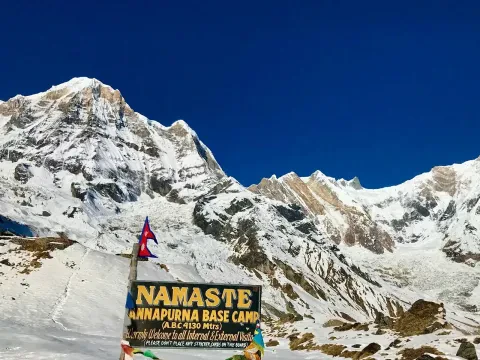
Planning an Annapurna Base Camp trek with a tight schedule and aiming to finish it as fast as possible? Rushing is by far the biggest mistake trekkers ever make.
For better explorations, you can do these popular side trips during your ABC Trek:
3. Hot Springs at Jhino Danda
4. Visit Ghandruk Village
Actually, you are so focused on reaching ABC as quickly as possible that you miss out on experiencing what the Annapurna Base Camp trek is truly about. You will end up feeling like you were on a time trial and will later regret not taking the time to discover.
Things that trekkers miss when they rush:
| Activity | rushed trek | slow trek | benefit of slow trek |
|---|---|---|
| Photography | Quick snaps | Time to compose photos | capturing beautiful moments |
| Local interaction | Fleeting greetings | Deeper conversation | enriching cultural experiences |
| Nature observation | Passing glimpses | Detailed observations | a connection with the mountains |
| Trekker satisfaction | Average | Very High | unforgettable memories for a lifetime |
In conclusion, Annapurna Base Camp trek is not a competition and therefore should not be treated as such. Allow yourself sufficient time for exploration, relaxation, and enjoyment of the beautiful surroundings.
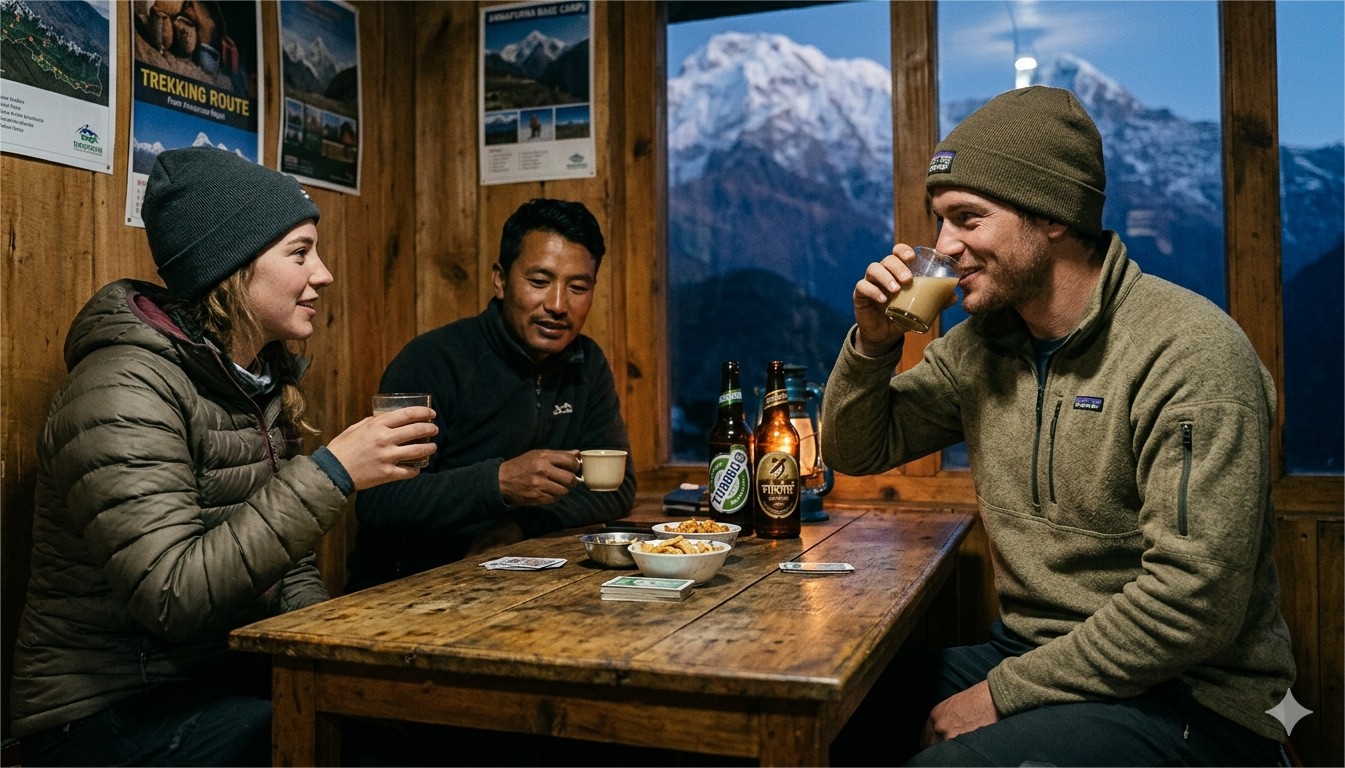
Ever considered a few evening drinks would help unwind after a strenuous trek? Well, it’s among the riskiest and common errors trekkers make on Annapurna Base Camp Trek.
In addition, drinking dehydrates your body and increases altitude sickness effects. Hence, even a minimal amount could result in dizzy spells, headaches and disturbed sleep-all of which are already familiar on high altitudes.
Why You Must AVOID Alcohol above 3,000 Metersn :
| Behavior | Impact on Body at Altitude | Risk Level |
|---|---|---|
| Drinking Alcohol | Accelerated Dehydration and poor sleep | High |
| Drinking Loads of Water | Boosts acclimatization and energy | Very Low |
| Drinking Tea/Coffee | Acceptable, but in small quantities | Low |
So, try to completely abandon the bottle past 3,000 meters on ABC Trek (around Chhomrong, MBC, ABC) and you'll be safer and stronger when you resume your hike.
Have you thought that mountain water from tap and rivers are clean? Well, it's another big, costly and dangerous mistake that would land you in tummyaches and lost days of trekking.
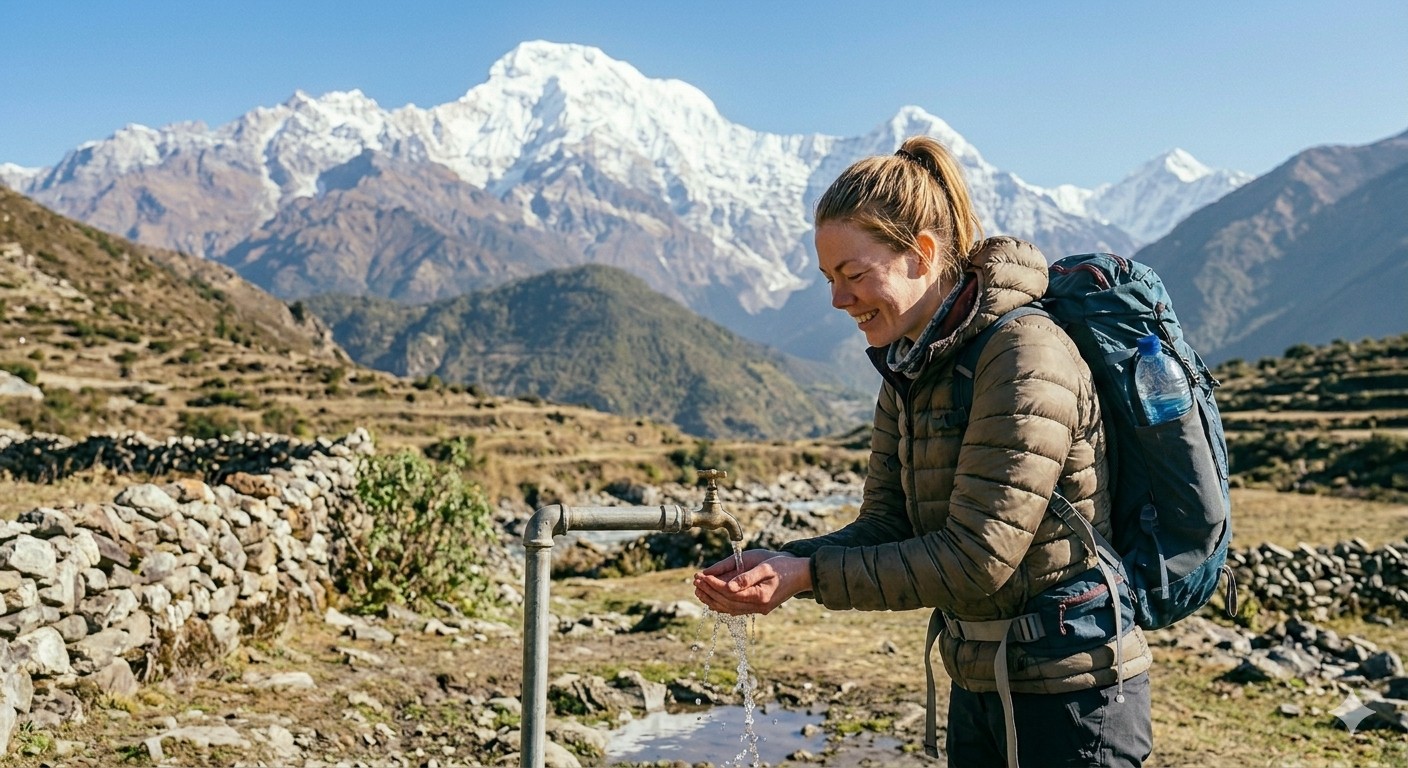
Although they look crystal clear, river/tap waters are contaminated with nasty bacteria and parasites from human and animal wastes further upstream, thus drinking from a mountain tap or stream unpurified is among the quickest ways of getting traveler’s diarrhea or giardia.
Safe Drinking water tips during Annapurna Base Camp Trek :
| Water source | Safety | Chances of getting sickness | advisable thing to do |
|---|---|---|
| River / stream water | Very unsafe | Very high | Never drink directly |
| Local tap water | Unsafe | High | Boil it or purify it |
| Boiled water from lodge | Safe | Low | Good to drink |
| filtered/purified water | Safe | Very low | good choice |
| Bottled mineral water | Safe | Very low | good to drink, but more costly |
Last, being well hydrated is among the key factors to proper acclimatization. Therefore, don't hesitate from taking an extra step to ensure you have pure water with you at all times!
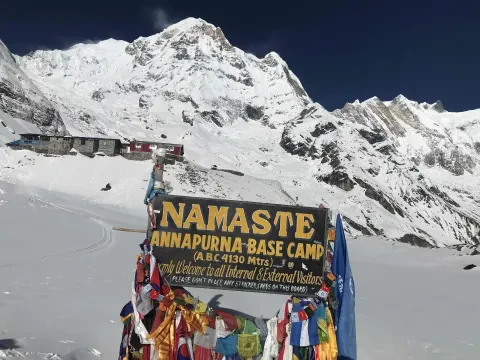
Don't you think that consuming a large amount of food and supplemental products will help you keep going throughout your journey to ABC? Many people consider this a huge mistake made by trekking enthusiasts, especially at the very beginning.
Moreover, at higher altitudes, the capacity of the digestive organs to work normally tends to decrease due to the low levels of oxygen available. Eating a lot and a rich and heavy meal several times a day would eventually cause issues like bloating and digestion problems.
Why this habit becomes dangerous:
| Eating Habits | Results in higher altitudes | Your approach towards eating. |
|---|---|---|
| Very Heavy Meal | Poor metabolism & Bloating | Avoid eating too much. |
| Constant Munching | Uneven energy | Use low-fat, carbohydrate snacks. |
| Balanced Meal | Normal energy | Ideal for this trek. |
| Supplements (heavy dosage) | Stomachaches | Use only if necessary. |
Additionally, ensure that you mostly eat those food that are easily digestible such as Dal Bhat,soups etc.Listening to your body will surely help you manage with constant energy levels throughout the entire trek.
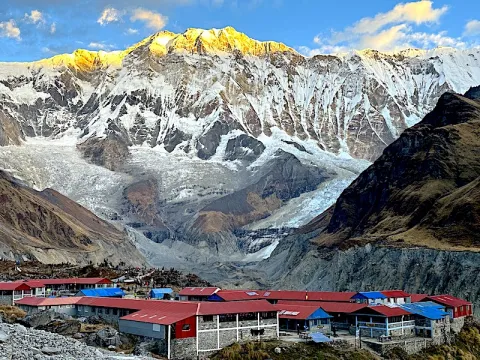
Don't you think that trekking to higher altitudes does not involve the feeling of being cold, especially for people coming from tropical countries? Believe it or not this is one common mistake that trekkers coming from tropical country tend to make.
Moreover, the moment the cold wind blows even during day light, our bodies begin to lose heat even before we realize what it's all about and hence, most of us from hot weather countries end up getting cold easily and feel more weary.
Why This Mistake Is Very Dangerous:
| Conditions | Normal Mistake | Your sensible approach |
|---|---|---|
| Dawn & evening | Wearing lightweight clothes | Use suitable and proper layering of clothing. |
| Windiest part | Open body to the wind | Always cover your whole body by a windproof jacket. |
| High altitude (above 3500 m) | wearing T-shirts | Carry warm layers & a down jacket. |
| Night Time | Lightweight sleeping bags | Carrying the right sleeping bag (4 season) |
Additional information to this table that must be followed would be the principle of layering; base layer, insulating layer and the outer layer with a wind proofing. You should protect your body from cold winds at higher altitudes.
Ever felt like you're practically melting with a heap of layers on a trekking trail, only to be freezing the moment you stop for a break? Well, this is one of the most common mistakes of first-time trekkers trekking on the Annapurna Base Camp trail.
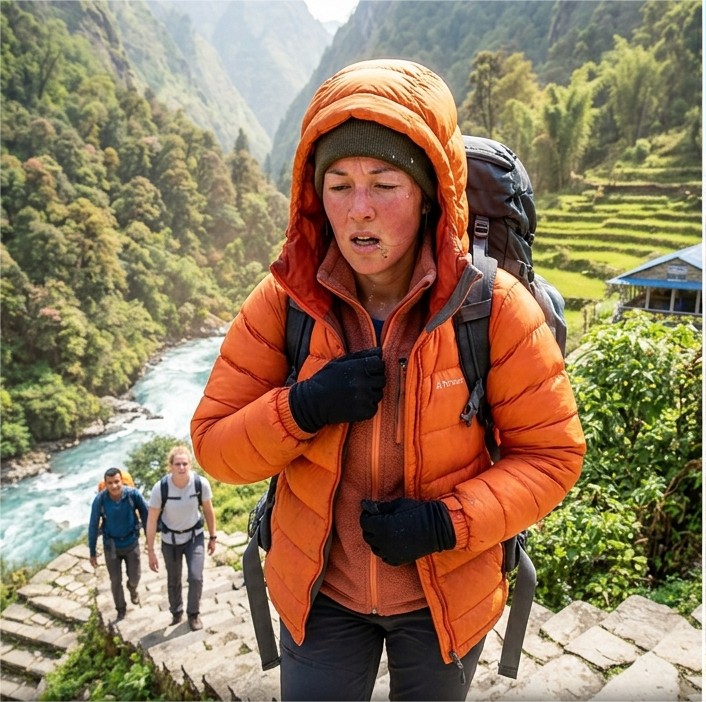
Why is layering wrong so bad while trekking? Wearing too many layers during the day prevents your body from naturally releasing heat. This makes you sweat profusely leading to wet clothes which means you quickly start losing heat from your body once you stop moving, or when the weather takes a turn. This makes you more susceptible to cold.
Why is this mistake detrimental?
| Stage | Clothing | Reason |
|---|---|---|
| Walking | Base layer, a thin fleece | Lets out the sweat effectively |
| Breaks/Evening | Warm down jacket, warm fleece | Traps the heat effectively when inactive |
| Night | Warm base layers, sleeping bag | Keeps your body heat from escaping |
| Windy/ Rainy conditions | Waterproof outer shell | Shields from elements |
So the golden rule for trekking is to wear as few layers as you need when walking and adding or subtracting from your attire as and when you require. You're much better off starting slightly cool than sweating all your way up!
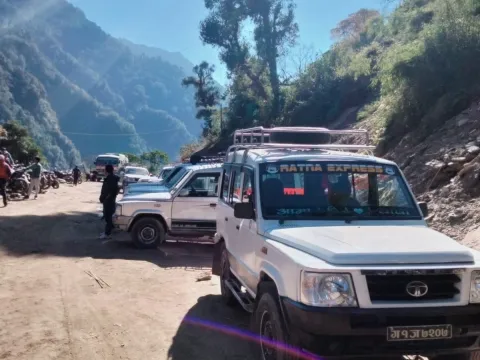
Underestimating your water needs during a trek to Annapurna Base Camp is a most frequent mistake of trekkers trekking Annapurna Base Camp. Not carrying enough drinking water is a very common mistake committed by trekkers while hiking on the ABC trail.
Why is drinking adequate water at higher altitude so important? At higher altitude the air is relatively dry and so your body uses water faster as you breathe faster to keep up with the altitude. Because of this you often find trekkers getting headache, feeling tired or having altitude problems which is primarily due to dehydration.
Why drinking adequate water is important?
| Altitude | Minimum Water consumption in a day | It's best to... |
|---|---|---|
| Below 2500m | 3-4 liters | Drink regularly, even if you're not thirsty |
| 2500-3500m | 4-5 liters | Carry at least 2 liters while trekking |
| Above 3500m | 4-6 liters | Use tablets or drink boiled water |
In conclusion, always try and carry at least two liters of water every time you start for a destination from a teahouse. Therefore, staying hydrated is crucial while trekking to Annapurna Base Camp.
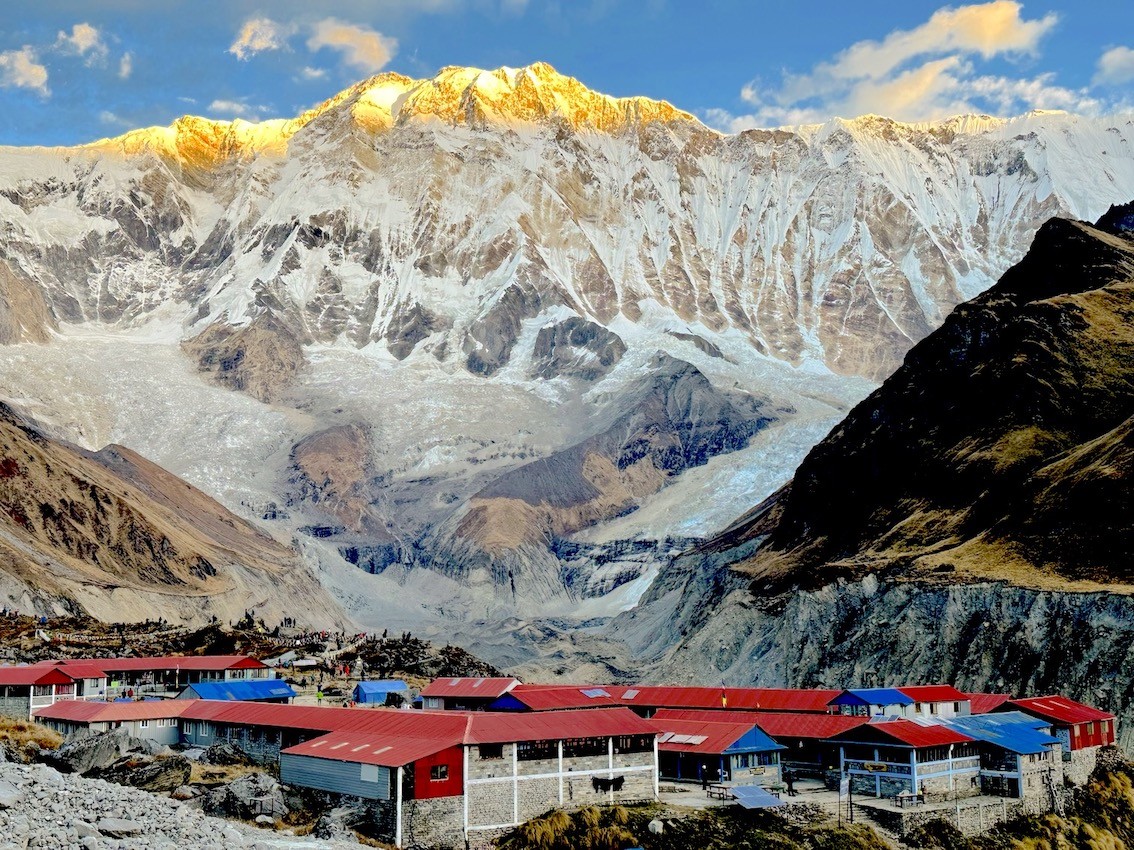
Actually, trekking to Annapurna Base Camp is undoubtedly a phenomenal experience but it's very important to be aware of the various common mistakes trekkers may commit and actively avoid them. Rushing the itinerary, skipping acclimatization, eating too much, drinking insufficient water, wearing wrong clothes, drinking alcohol at higher altitude and what not-all these common mistakes may ruin an otherwise incredible trekking experience and hike.
Hence, trekkers should trek smart, listen to their bodies and also be prepared by keeping these basic trekkers' etiquette in mind. Mountains will always be mountains; what is most important is that you should return home with memories you cherish.
Happy Trekking!
1. What is the biggest mistake people make on the Annapurna Base Camp Trek?
Many trekkers drastically underestimate the difficulty of the Annapurna Base Camp Trek and neglect proper physical preparation. The trail involves demanding long days, steep ascents, and significant altitude. Insufficient cardio and leg strength will inevitably lead to a struggle, especially after Chomrong and on the final ascent to ABC.
2. Why do many trekkers carry too much weight on the Annapurna Base Camp Trek?
An extremely prevalent error during the Annapurna Base Camp Trek is overpacking. Most carry backpacks exceeding 15kg, often laden with completely unnecessary items. This inevitably results in knee pain, back strain, and rapid fatigue. Aiming for a backpack under 10-12kg will make a significant difference.
3. Is not acclimatizing properly a frequent mistake on the Annapurna Base Camp Trek?
Absolutely. Many trekkers rush their Annapurna Base Camp Trek itinerary and don't incorporate sufficient rest for acclimatization. Skipping designated acclimatization nights at Machapuchare Base Camp or Deurali is a common cause of altitude sickness, frequently forcing trekkers to turn back.
4. What packing mistake do most beginners make on the Annapurna Base Camp Trek?
Choosing inappropriate footwear is incredibly common on the Annapurna Base Camp Trek. Many begin with brand new or unsuitable boots, which lead to painful blisters. It's crucial to break in a pair of good-quality, waterproof trekking boots well in advance of your trek.
5. Why is drinking water a major issue on the Annapurna Base Camp Trek?
Many trekkers attempt to save money on the Annapurna Base Camp Trek by drinking untreated water, which inevitably leads to stomach upset and other digestive problems. Always use water purification tablets or ensure the water you drink has been properly boiled. Dehydration can very quickly sour your ABC experience.
6. Do people often ignore weather changes on the Annapurna Base Camp Trek?
Yes. It's a common mistake to not pack for unpredictable weather, such as sudden rain or cold on the Annapurna Base Camp Trek. Without adequate waterproofs and warm layers, you'll experience significant discomfort on the exposed stretches leading to ABC.
7. Is hiring a guide or porter necessary on the Annapurna Base Camp Trek?
Many independent trekkers choose out of hiring a guide or porter to save money on the Annapurna Base Camp Trek and later regret it. Lacking local knowledge can result in navigation errors and safety concerns, particularly in adverse weather conditions.
8. What nutrition mistake is very common on the Annapurna Base Camp Trek?
Eating too little or relying solely on snacks is a frequent error made on the Annapurna Base Camp Trek. Insufficient calorie intake will inevitably lead to extreme tiredness and slow recovery.
9. Why do trekkers rush the itinerary on the Annapurna Base Camp Trek?
Pushing too hard and trying to reach ABC too quickly is a common mistake on the Annapurna Base Camp Trek, which inevitably causes fatigue and altitude problems. Allowing for 7-10 days for the trek will ensure a much more enjoyable and less demanding experience.
10. Is poor altitude sickness management common on the Annapurna Base Camp Trek?
Very. Many trekkers ignore the early signs of altitude sickness on the Annapurna Base Camp Trek and try to power through, continuing their ascent instead of resting or descending. Not carrying Diamox or not knowing when to turn back can become dangerous.
11. What cultural mistake do trekkers often make on the Annapurna Base Camp Trek?
Not showing proper respect for local traditions, such as the important practice of always walking clockwise around Mani walls, is a common cultural oversight on the Annapurna Base Camp Trek. This can lead to awkward interactions with the local Gurung and Magar communities.
12. Do people forget about insurance on the Annapurna Base Camp Trek?
Yes. It's surprisingly common for trekkers to arrive for the Annapurna Base Camp Trek without the necessary high-altitude insurance, and emergency evacuation from ABC can be astronomically expensive without it.
13. Is choosing the wrong season a mistake on the Annapurna Base Camp Trek?
Absolutely. Attempting the Annapurna Base Camp Trek during the monsoon or in the late winter without being properly prepared can lead to hazardous conditions like slippery trails and extremely poor visibility.
14. What mistake happens with gear rental on the Annapurna Base Camp Trek?
Renting low-quality sleeping bags or jackets from shops in Pokhara is a frequent mistake on the Annapurna Base Camp Trek, and you'll inevitably find yourself freezing at night near ABC where temperatures can plummet below freezing.
15. Why do trekkers forget sunscreen and sunglasses on the Annapurna Base Camp Trek?
The sun is incredibly intense at higher altitudes on the Annapurna Base Camp Trek, and many trekkers end up suffering from severe sunburn or snow blindness near ABC due to underestimating the potent UV radiation.
16. Is over-relying on mobile apps a mistake on the Annapurna Base Camp Trek?
Yes. Solely depending on offline maps without seeking local guidance is a risky strategy on the Annapurna Base Camp Trek. Trails can change suddenly due to landslides, making a local guide's knowledge invaluable.
17. What hydration mistake is frequent on the Annapurna Base Camp Trek?
Simply not drinking enough water is a very common mistake on the Annapurna Base Camp Trek, with the ideal daily intake being 3-4 liters. The dry mountain air can cause rapid dehydration, leading to headaches and fatigue.
18. Do people often forget rest days on the Annapurna Base Camp Trek?
Yes. Continuously trekking day after day without any rest days on the Annapurna Base Camp Trek inevitably leads to burnout. Incorporating acclimatization days in Chomrong or Sinuwa can significantly improve your overall experience.
19. Is bargaining too aggressively a mistake on the Annapurna Base Camp Trek?
Some trekkers attempt to bargain too hard for extremely small amounts on the Annapurna Base Camp Trek, which can sometimes offend teahouse owners. Being fair and reasonable fosters better goodwill and leads to better service.
20. What is the final regret many trekkers have after the Annapurna Base Camp Trek?
Focusing solely on the destination and rushing through the entire journey instead of savoring the moment is a common regret among trekkers after the Annapurna Base Camp Trek. Many miss out on the beautiful villages and rich culture along the trail.
Our travel experts are ready to assist you with any questions.
Send us a message.Have a question before you book? Send your enquiry below and our travel experts will get back with the required information.