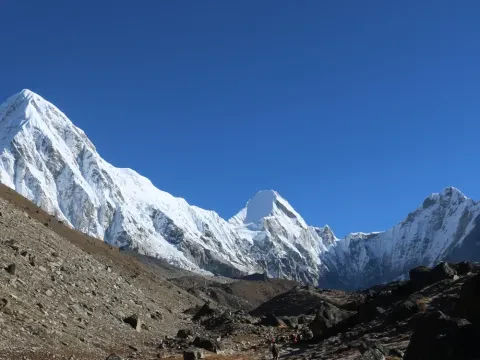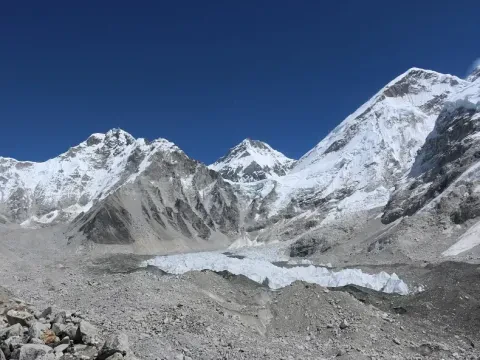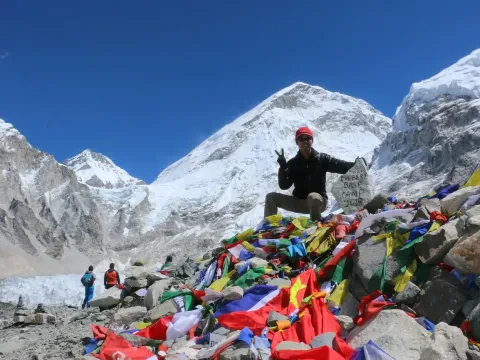
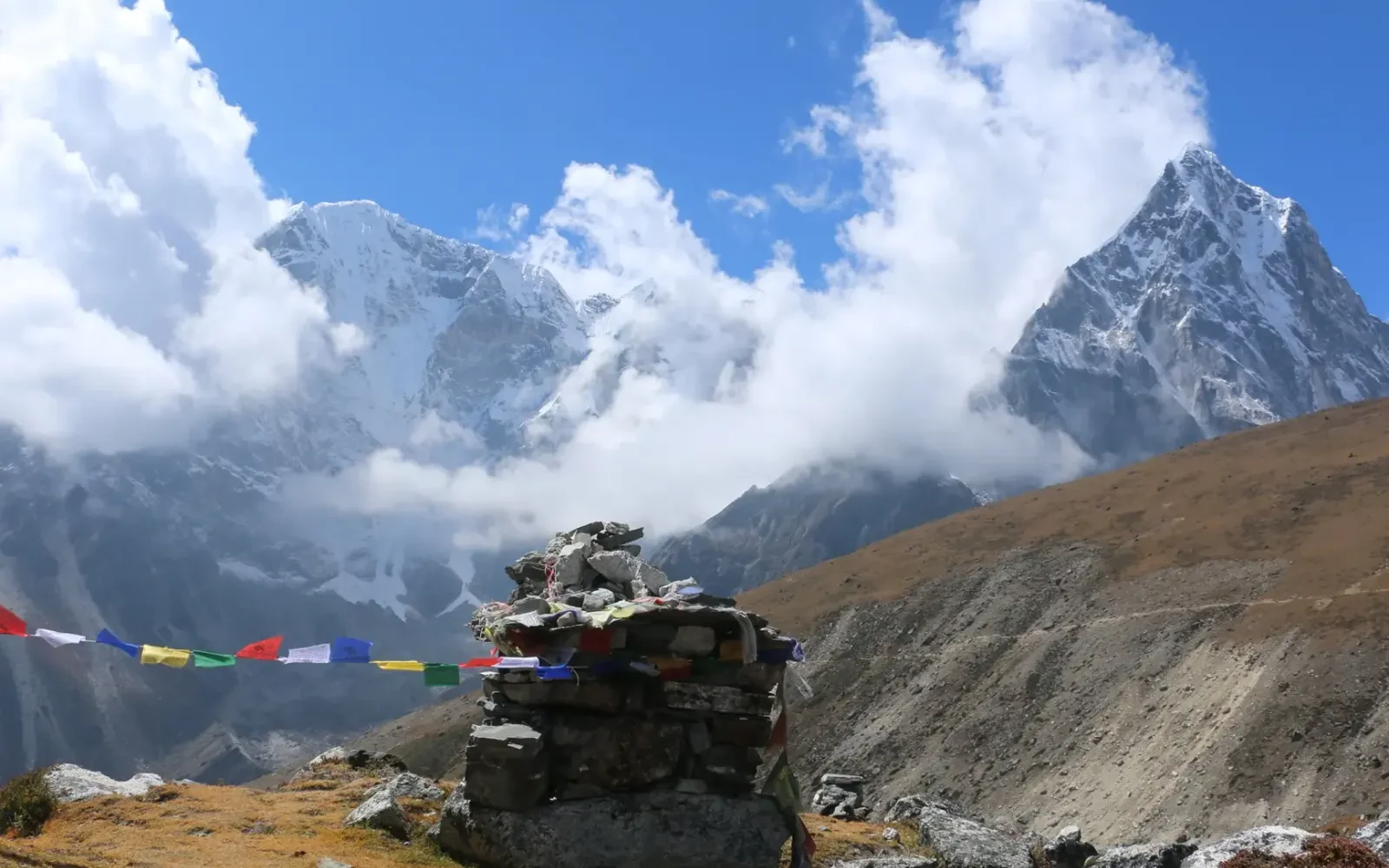
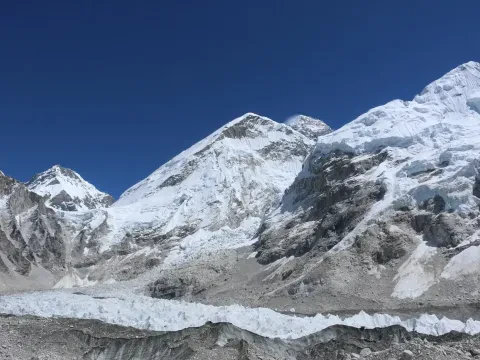
When you really want to skip the crowds on the Everest Base Camp trek, late Autumn like November or winter is the way to go. The trails quiet down, and the views of Everest—towering at 8,848 meters—are just unreal, all sharp and clear against the sky. Sagarmatha National Park feels almost empty, so you get this rare sense of peace that’s hard to find any other time of year. Plus, winter treks usually cost less. If you’re after a more personal adventure in the Himalayas without bumping into groups at every turn, winter’s the sweet spot.
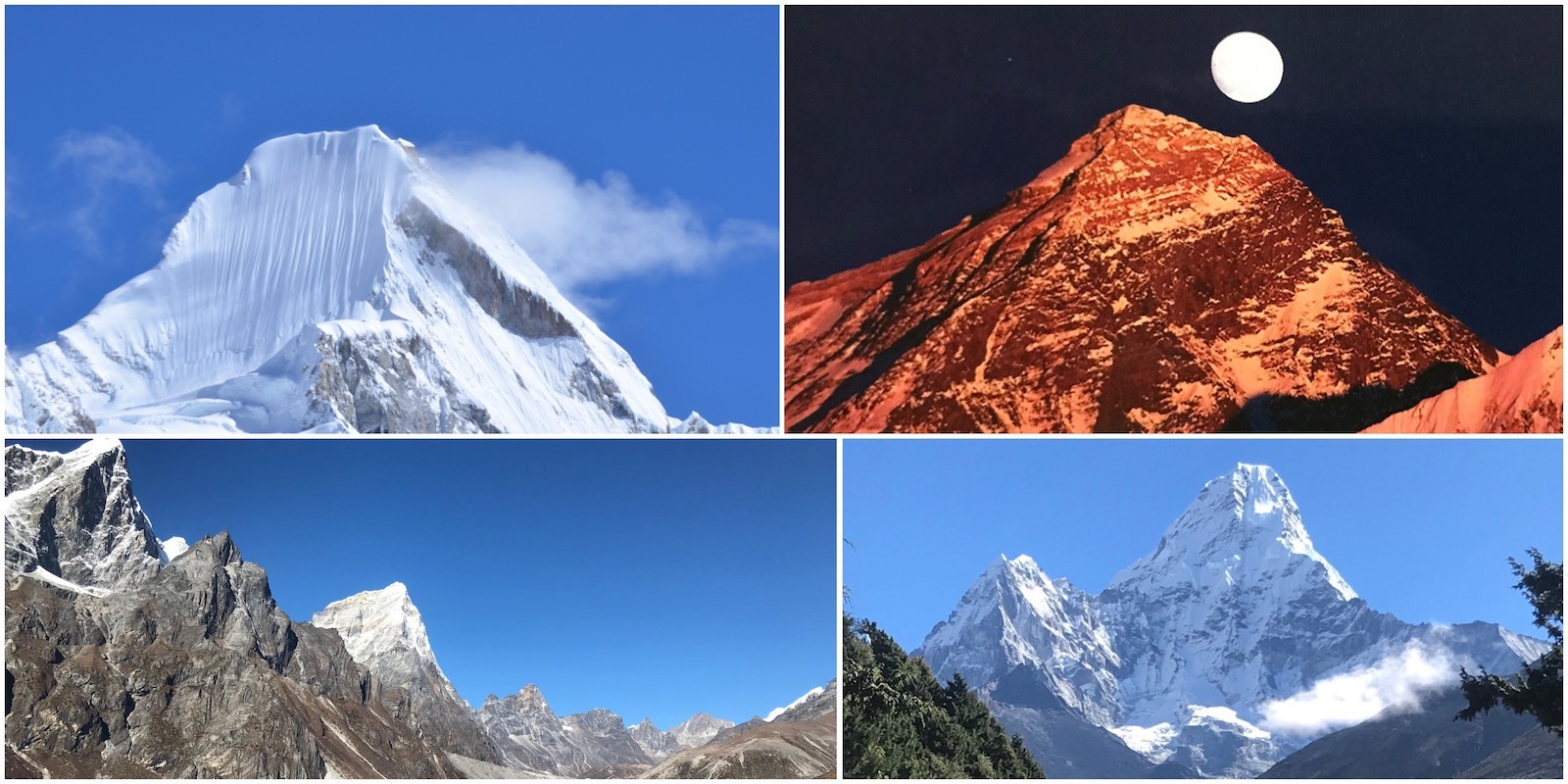
When you get the timing right, the Everest Base Camp trek feels like a whole different world. Picture yourself surrounded by epic landscapes, no crowds messing with your peace. Crowds just kill the magic on these popular trails, and nobody wants to wait forever for a spot at a teahouse. If you head out in the off-season, you get something deeper—a real connection with the mountains and the Sherpa culture. You come back with stories, not just crowded snapshots.
Meanwhile, solitude changes everything on the way to Everest Base Camp (5,364 m). When you reach Kala Patthar (5,545 m), the silence hits you. That’s when you really feel what you’ve accomplished. And winter? It turns the whole thing into an adventure that busy seasons just can’t match. Get this: Sagarmatha National Park sees over 10,000 visitors in the busiest months, but in winter, it drops to just 1,000 or maybe 2,000. So you get to see the raw, wild side of Everest (8,848 m) with barely anyone around.
A lot of trekkers don’t think twice about timing—and end up their Everest Base Camp Trek disappointed. They’re stuck in human traffic jams, fighting for beds at every stop. But if you plan ahead and pick winter, you sidestep all that. Plus, prices for permits and guides drop when fewer people are around, so you save money and get your solitude.
In fact, winter brings another bonus: clear, crisp air and insane snow-covered views. Your photos? No other trekkers in the way. Honestly, winter is the best time if you want a life-changing, solo Everest experience. The numbers prove it—winter just empties the trail compared to the autumn rush. If you’re ready for it, solitude out here is the ultimate reward.
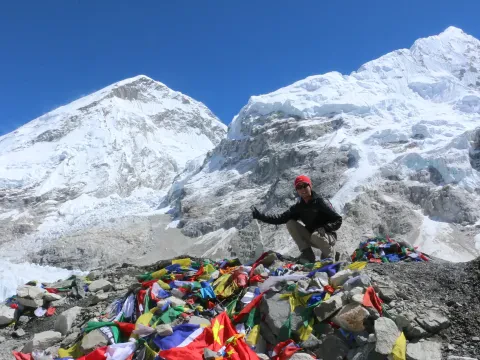
Crowd Levels on Everest Base Camp Trek by Season :
| Season | Monthly Visitors (Approx.) | Crowd Density | Best For Solitude? |
| Peak (Oct-Nov, Mar-Apr) | 8,000–10,500+ | Very High | No |
| Winter (Dec-Feb) | 1,000–2,000 | Very Low | Yes |
| Shoulder (Late Nov, Early Mar) | 2,500–4,000 | Low | Good |
Actually, Nepal’s got four seasons, and each one changes how your Everest Base Camp trek feels. You really want to time your trip right if you care about weather, views, and how crowded the trails get. Every season brings its own set of challenges and rewards—especially around Lukla and as you climb higher. Peak season? The trails are packed. Off-peak? You get way more freedom. Get this choice right, and your EBC trek becomes safer and a lot more fun.
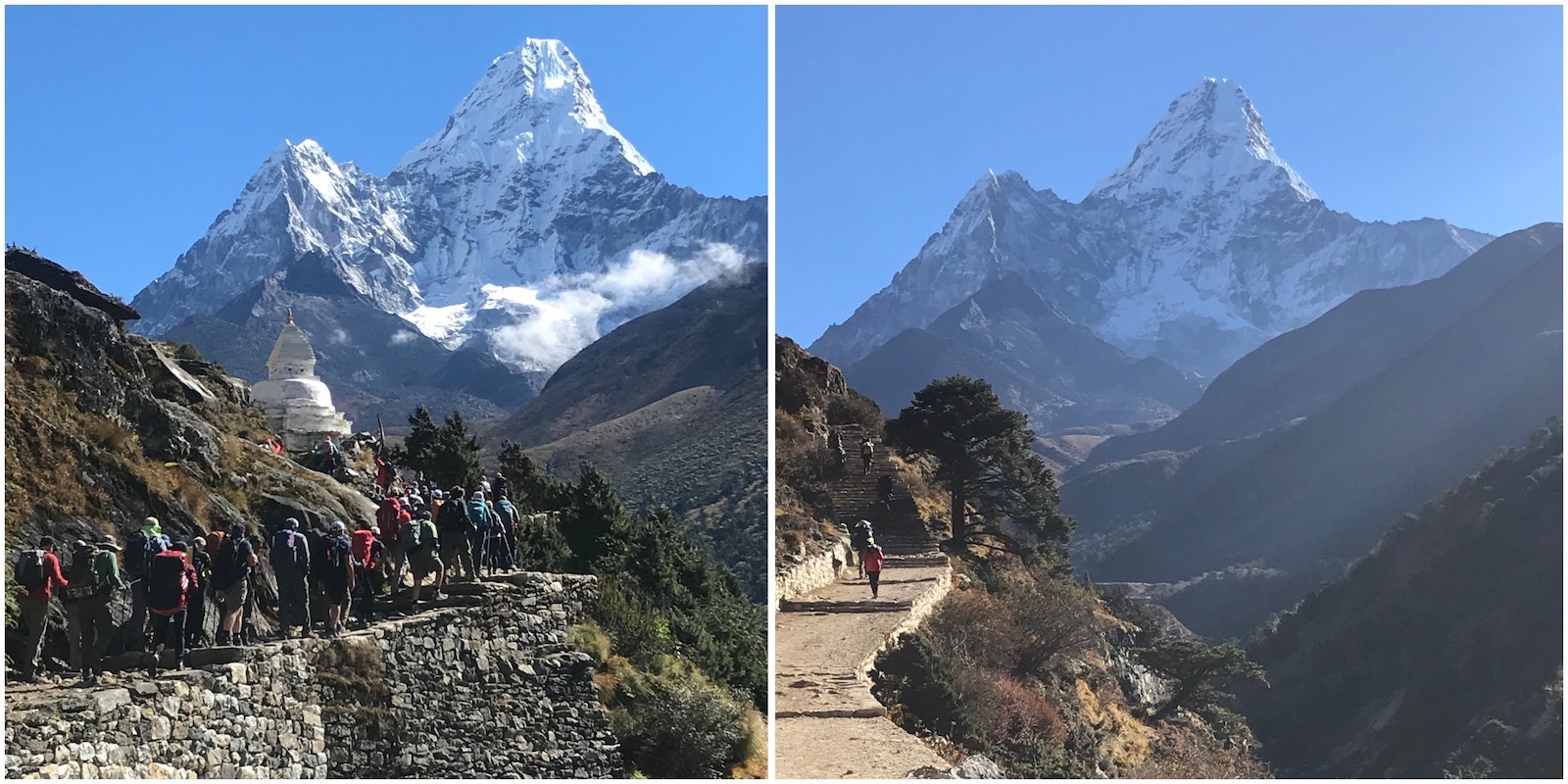
Here, Spring, from March to May, is mild. Around Namche Bazaar, you’ll see daytime temperatures between 10 and 18°C, but as you climb up to Everest Base Camp, it gets cold fast. The rhododendrons are out in full color, and honestly, the place is stunning. But you’re not the only one who thinks so—about a third of the year’s trekkers come now. That means crowded teahouses and little privacy. Still, if you start early, you get those clear Himalayan skies and, honestly, this is the classic season for EBC.
Likewise, then summer hits—June to August—and the monsoon arrives. Rain pours down, especially below Tengboche, and the trails get muddy and tough. Fewer people show up, which is great if you want quiet, but the views? Not so much, since clouds cover most of the mountains. You get a wild, green landscape, though, so if you love a challenge and don’t mind slipping around a bit, this is your moment.
Moreover, autumn, from September to November, is the sweet spot for weather. Temperatures are comfortable, around 5 to 15°C at lower altitudes, and the skies open up for those famous views of Lhotse and Everest. No surprise, almost half of Sagarmatha National Park’s visitors come now, so the trails fill up quickly. If you’re aiming for perfect trekking conditions, this is it. Late November thins out the crowds a bit, so you get a better balance between company and solitude.
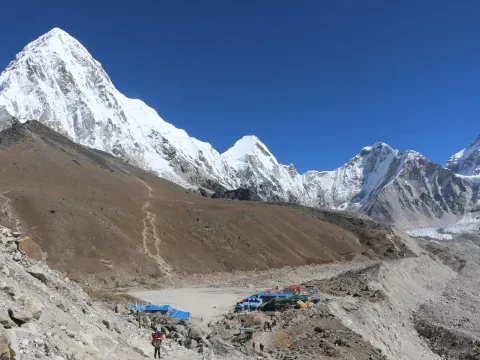
Now, winter—December to February—brings serious cold. Daytime highs at Base Camp can drop to -10°C, and the nights are even colder. Snow covers everything around Dingboche, turning the landscape into something out of a dream. Hardly anyone comes, so if you want true solitude and don’t mind the cold, this is as peaceful as it gets on Everest.
Key Season Features for EBC Trek :
This breakdown confirms winter as your top choice to avoid crowds on the EBC trek. You achieve pure Himalayan immersion with proper preparation.
Actually, peak season on the Everest Base Camp trail is a whole different beast. You run into real bottlenecks at places like Namche Bazaar (3,440 m) and Gorak Shep (5,164 m) from March to May and again from September to November. The crowds get wild—long lines for basic things in Namche, packed trails, barely any space to breathe. All that peace and sense of adventure you pictured? It gets swallowed up by the noise and the waiting.
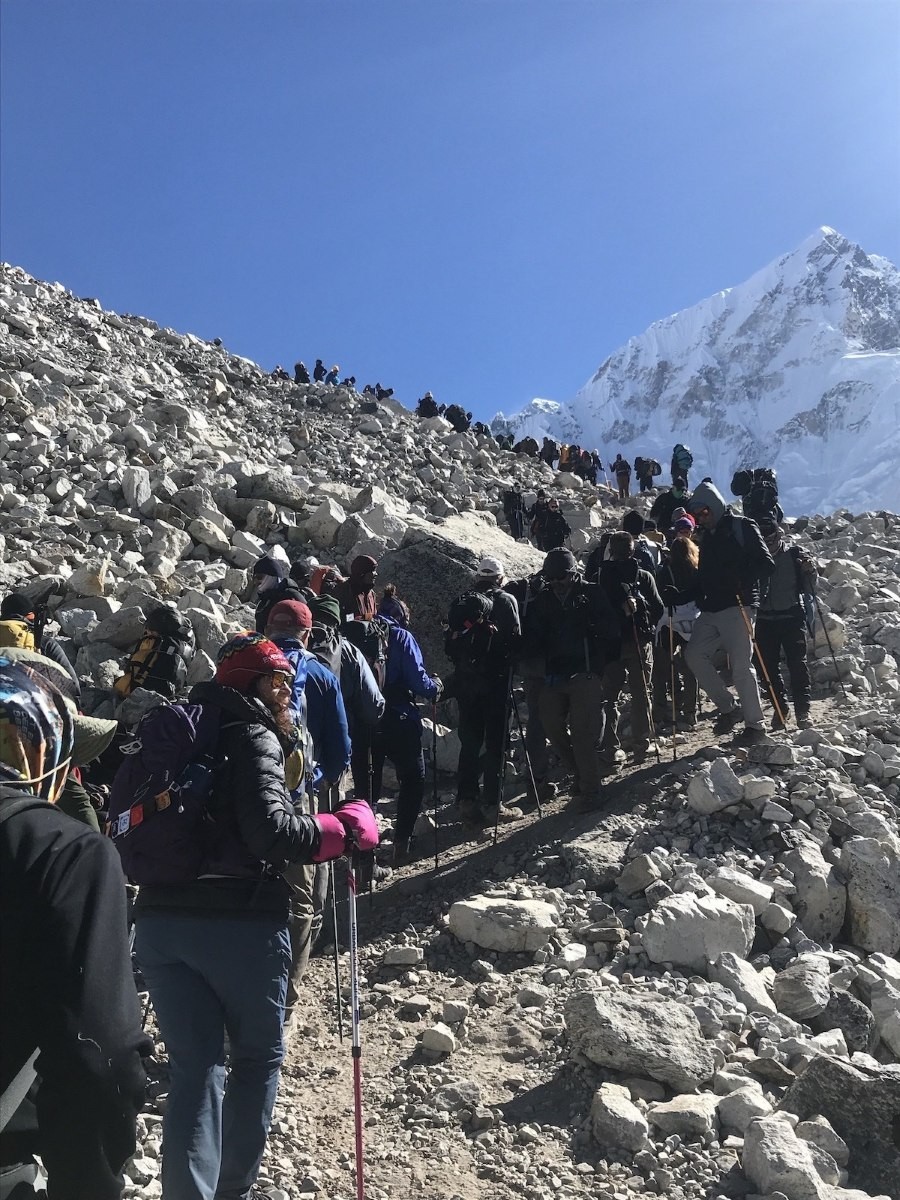
Likewise, Namche Bazaar turns into a traffic jam. You wait for everything—food, water, a spot to sit. Gorak Shep? Total chaos. Finding a bed near Base Camp feels like competing in the Olympics. Even sunrise hikes up to Kala Patthar (5,545 m) are packed edge to edge with trekkers hoping for a view. Forget about personal space. Every day starts to feel like a battle for room, for a meal, for a bit of quiet.
And it’s not just the crowds—your wallet takes a hit too. Prices for lodges and meals shoot up by thirty to fifty percent, sometimes even more. Demand just keeps pushing everything higher. You end up spending way more than planned, and suddenly that affordable adventure isn’t so affordable anymore.
Here, something else gets lost in the chaos: real cultural connection. Instead of soaking up Sherpa life, you mostly hear foreign voices. Locals are too busy keeping up with the crowds to share stories or traditions. Even places like Tengboche (3,860 m), which should feel peaceful, are busy and noisy. That authentic vibe? It slips away.
In fact, a lot of trekkers walk away wishing they’d picked a quieter time. You burn energy waiting around instead of marveling at Everest (8,848 m). Flight delays at Lukla (2,860 m) just pile on more stress. By the end, the whole thing feels rushed, overwhelming, and not at all what you hoped for. Honestly, it’s no wonder experienced guides warn you about these months.
Further, you get traffic jams on steep climbs near Dingboche (4,410 m), and all the basic resources—beds, food, hot water—start running low. The constant bottlenecks in Namche just wear you down. If you came looking for a tranquil, inspiring trek, peak season usually misses the mark. Most people end up wishing they’d chosen a different time.
Major Issues During Peak Seasons on EBC Trail :
This list shows exactly why you should avoid peak season EBC trail for true enjoyment.
If you’re after a peaceful Everest Base Camp trek, go between late November and February. That’s when the crowds vanish. Honestly, mid-December through late January is as quiet as it gets on the trail—sometimes it feels like you’ve got the whole place to yourself.
As soon as autumn ends in late November, the groups thin out fast. December takes things even further—visitor numbers around Everest Base Camp drop to their lowest. If you want true solitude, aim for mid-December to late January. The silence up there is almost surreal.
Here, January stands out for empty teahouses. In Namche Bazaar, you get a room right away. Up near Gorak Shep, though, a lot of places close for winter, so don’t expect too many choices. Flexibility helps a lot this time of year, but it’s worth it—if you plan right, these quiet months reward you with a totally different EBC experience.
Likewise, February stays calm till the last days. You’ll hike empty trails all the way to Kala Patthar, and, if you’re lucky, the skies open up and Everest looks crystal clear. From late November through February, solitude seekers get their dream trek—peaceful, wide-open trails and time to just breathe.
Here, a heads-up, though: fewer flights run in the deepest part of winter. Always double-check the schedule for Lukla flights. Weather delays are more common, so build in a few extra days just in case. On the bright side, you’ll have your pick of teahouses along the way.
Additionally, checking the weather every morning really helps. Use a solid app and ask around locally. Keep your plans flexible, and you’ll do fine. A winter trek to EBC ends up being a real highlight—quiet, wild, and surprisingly affordable.
Furthermore, pack extra warm gear for those freezing nights, especially in places like Dingboche. The lower demand also means you’ll save money. These quiet months don’t just bring peace, they’re lighter on your wallet too. Trekking Everest in winter feels fresh and real—no crowds, no rush, just you and the mountain.
Recommended Windows for Crowd-Free EBC Trekking :
| Window | Crowd Level | Teahouse Availability | Flight Reliability | Cost Savings |
| Late Nov | Low | High | Good | Moderate |
| Mid-Dec to Late Jan | Very Low | Good (limited) | Variable | High |
| Early Feb | Low | Moderate | Improving | High |
This table guides your perfect timing for winter EBC trek success.
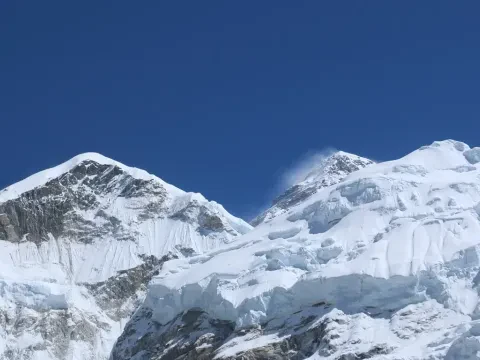
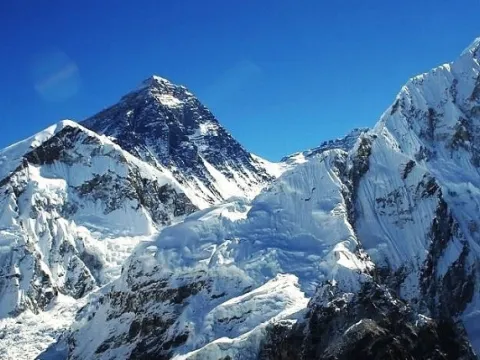
Meanwhile, winter on the Everest Base Camp (EBC) trek is something special. Every day, you wake up to sharp, clear air and views that just don’t quit. The weather mostly stays dry and stable, with crisp mornings that make each mountain stand out—Ama Dablam and Everest both look unreal in this light.
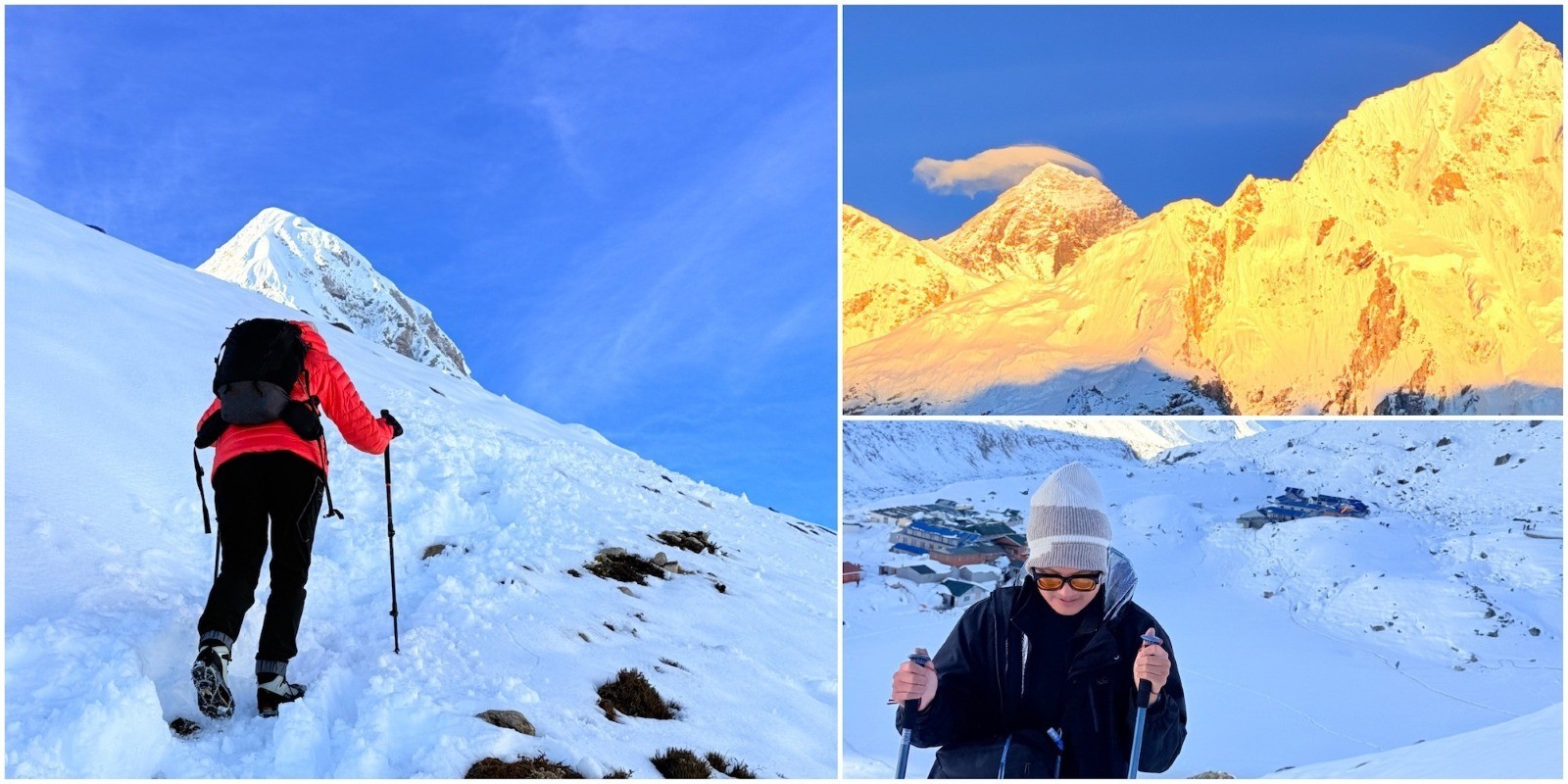
As December rolls in, you start off with pretty mild days, especially down near Lukla. Temperatures hover between 5 and 12°C, so it’s comfortable trekking at lower altitudes. Once you climb above 4,000 meters, snow chances tick up a bit—maybe ten to twenty percent—but most days, the trails stay clear and the mountain views just keep getting better.
Once January hits, things get colder. Up at Base Camp, you’re talking daytime temperatures between -15 and -8°C. Snow becomes a little more common on the high trails, with a thirty percent chance, but the cold air keeps the sky crystal clear. It’s tough, but those who push on get rewarded with the sharpest views of Everest you’ll ever see.
Likewise, February brings a little relief from the cold, and you might see daytime temperatures back up around 5 to 15°C near Lukla. There’s the occasional flurry, but it usually just adds a fresh coat of beauty without making the trail tough. The days get a bit longer, too, so you have more time to soak in those jaw-dropping views.
Honestly, the winter air out here is something else—so dry and crisp that every photo pops. You can spot distant peaks with zero haze, and the low humidity keeps everything looking razor sharp. Winter trekking at EBC really turns up the clarity and leaves you with memories that stick.
But yeah, the days are short, so you need to start early to catch the best light. Around Namche Bazaar, it pays to check the weather each morning, but clouds hardly ever stick around long in winter. Snow rarely messes up your plans, and you get the kind of visibility that makes every step worth it. This is the season for once-in-a-lifetime views.
Winter Temperature and Visibility Overview :
| Location | December (Day/Night) | January (Day/Night) | February (Day/Night) | Snow Prob. | Visibility |
| Lukla (2,860 m) | 5-12°C / -2 to -5°C | 3-10°C / -5 to -8°C | 5-15°C / -3 to -5°C | Low | Excellent |
| Namche Bazaar (3,440 m) | 4-8°C / -7 to -10°C | 3-7°C / -8 to -12°C | 5-9°C / -6 to -9°C | Low-Med | Excellent |
| Everest Base Camp (5,364 m) | -8 to -3°C / -20 to -25°C | -15 to -8°C / -25 to -30°C | -12 to -5°C / -20 to -22°C | Med | Outstanding |
Here, let’s be real—off-season trekking to Everest Base Camp is a trade-off. Sure, you get the place almost to yourself. The trails are quiet, and sometimes it feels like the only sounds are your boots crunching snow and the wind moving through the mountains. If you’re after peace and that raw Himalayan vibe, winter delivers.
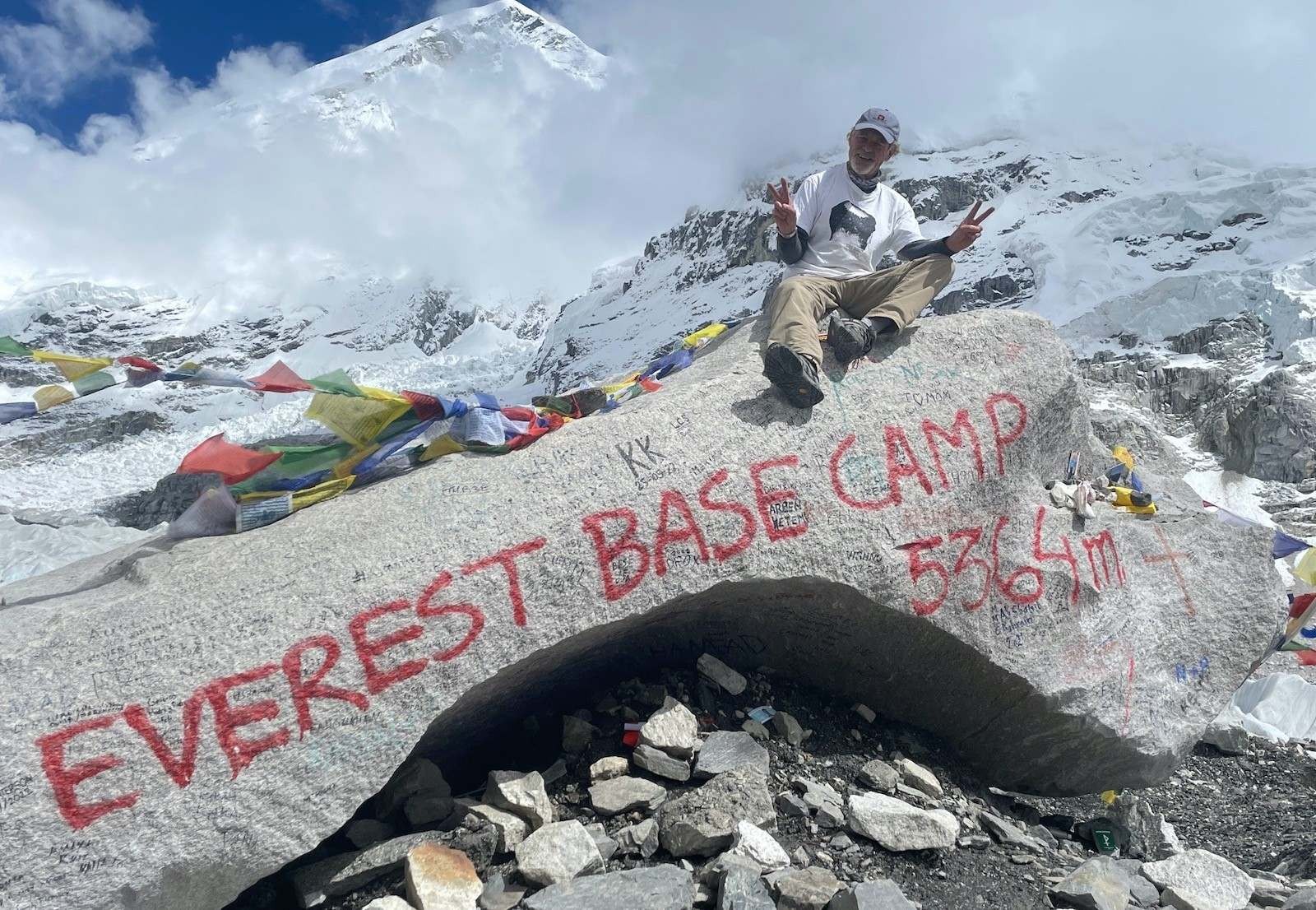
The other big plus? Everything’s cheaper. You can save a good chunk of money—sometimes up to half off your hotels and packages. That lets you stretch your trip or stay somewhere nicer, which is pretty great. And with fewer trekkers around, it’s much easier to actually connect with Sherpas and locals, especially around spots like Namche Bazaar. No crowds, just real conversations.
But, let’s not kid ourselves. The cold isn’t just a minor annoyance; it’s a real challenge. Nights get biting cold, especially as you climb higher. If your gear isn’t up to the task, you’ll feel it. Above Dingboche, you’ll be grateful for every bit of insulation in your sleeping bag. And winter brings more flight delays, especially in Lukla. Fog can ground you for days, and there aren’t as many open teahouses, so you have to plan your route and meals more carefully.
Still, if you come prepared—with the right gear, a flexible schedule, and an open mind—the rewards stack up. You’ll find better rooms for less money and those moments with locals? They feel more genuine. You get pushed out of your comfort zone, and that’s where the growth happens. Patience, resilience, and self-reliance—they’re all part of the experience.
So is the solitude worth the chill? For a lot of trekkers, absolutely. The cold and the quiet strip things down to what matters. If you’re willing to face the elements and roll with the delays, you’ll walk away with memories—and maybe a little wisdom—that you just can’t get in the busy season.
Pros and Cons of Off-Season EBC Trekking :
This list clarifies exactly why many choose off-season EBC trekking despite challenges.
Actually, getting ready for a winter trek to Everest Base Camp takes more than just excitement. You need the right gear and solid training if you want to pull this off safely—and actually enjoy it.
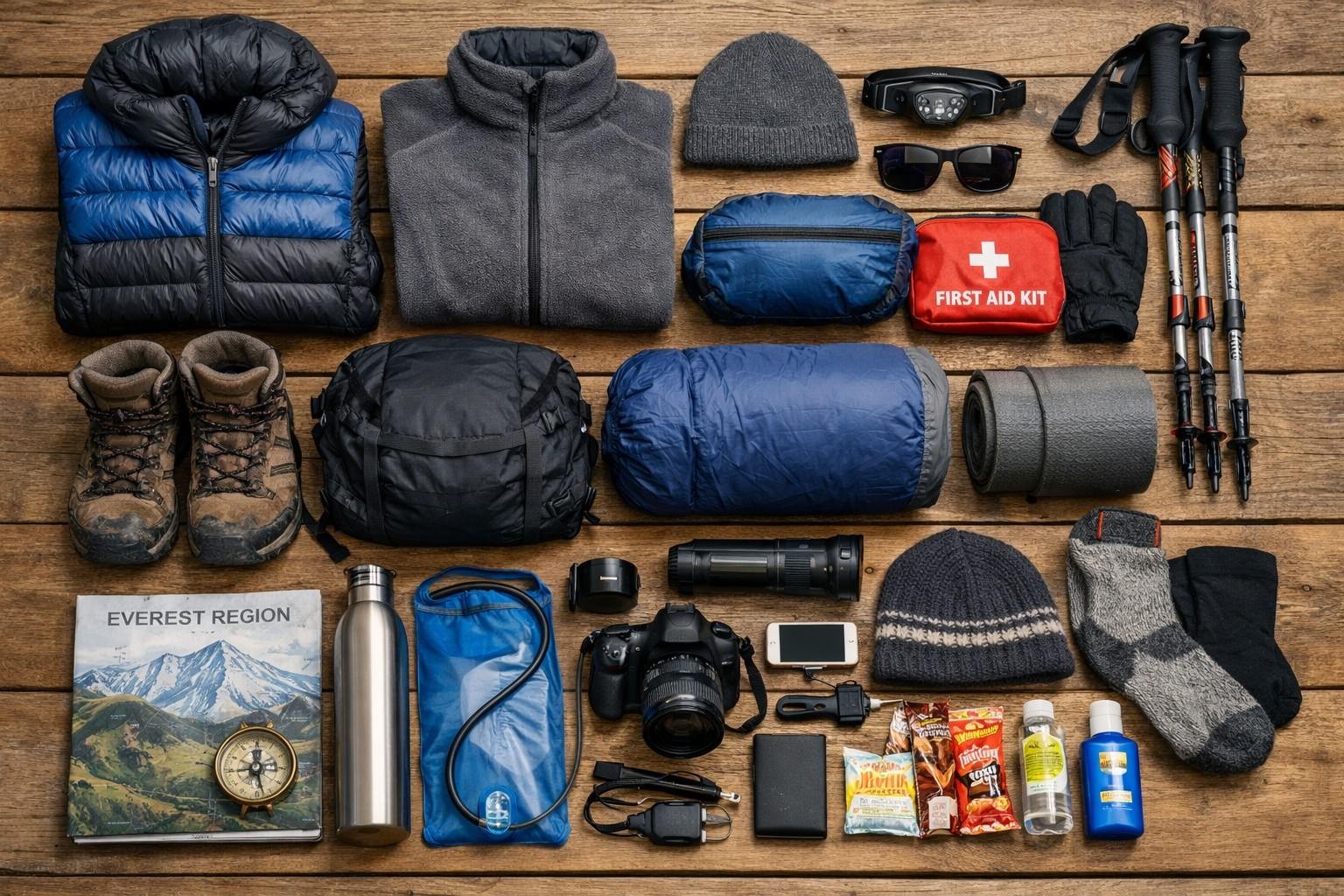
Here, start with your gear. Insulated boots make a huge difference on icy trails. They let you walk without worrying about slipping or freezing your toes off. A good down jacket—one that’s rated for at least minus twenty—keeps you warm, even when the wind cuts through everything else. Crampons aren’t optional. You’ll be glad you packed them when the trail turns slick. Layer up—wear a moisture-wicking base, throw on a fleece, and top it all off with a waterproof shell. That combo protects you when the weather flips, which it will. And don’t skimp on your clothes. Tested, cold-weather gear isn’t just for comfort; it keeps hypothermia at bay.
But gear isn’t everything. You need to train, and you’ll want to start months ahead. Build up your cardio with hikes on real hills. Practice carrying a heavy pack—ten or fifteen kilos—because that’s what you’ll be hauling every day. Stair workouts help too and get your legs ready for the endless up-and-down. If you can, add some sessions in a cold room or even a big freezer, wearing all your gear. It sounds weird, but it gets your body and mind used to moving in the cold.
Likewise, don’t forget your sleep system—people overlook this all the time. A four-season sleeping bag rated to minus twenty-five is a must. Pair it with an inflatable mat that has a high R-value so you don’t lose body heat to the snow beneath you. These details matter for your comfort and recovery.
Moreover, you don’t have to buy the most expensive gear out there, either. Plenty of budget options work if you choose wisely. And listen to local guides—they know what works in those conditions better than anyone.
Put the work in ahead of time, and you’ll find yourself walking confidently through some of the world’s most amazing mountains. The crowds thin out in winter, the landscape feels even more wild, and the whole adventure just comes alive. With the right prep, Everest Base Camp in winter isn’t just possible—it’s incredible.
Must-Have Gear and Training Tips for Winter EBC Trek :
This list covers complete essential preparation winter EBC trek needs.
Here’s a custom winter Everest Base Camp trek for anyone who wants to skip the crowds and actually enjoy the trail. Every day has a plan, but you can adjust the pace however you like. Want quieter trails and side trips to Thame and Gokyo? You’ve got it—this route sets you up for a peaceful adventure, starting right from Lukla (2,860 m).
Here, you land in Lukla and head to Phakding (2,610 m) with little fuss. With fewer trekkers around in winter, you can take it easy, especially on the first day. No rush, no crowds—just a relaxed start that sets the tone for the whole trek.
By day three, you reach Namche Bazaar (3,440 m) and stay put to acclimatize. You can wander around town or take a quiet detour up to Thame (3,800 m). This plan actually gives you extra rest days, so you’re not pushing too hard. Those side trips to Thame and Gokyo aren’t just for fun—they help you get used to the altitude.
On day five, you walk to Tengboche (3,860 m). The famous monastery is almost empty, so you can soak up the views in peace. Take your time—this isn’t a race. The whole trip is designed to build your confidence as you go, and if you want to add more side trips, go for it.
After that, you climb higher, stopping at Dingboche (4,410 m) and then Lobuche (4,910 m) over days eight to ten. The route leaves space for weather delays, so you never need to make rushed decisions. With fewer people around, you’ll even get better choices for teahouses and places to stay.
On day twelve, you finally hit Everest Base Camp (5,364 m). Next morning, you hike up to Kala Patthar (5,545 m) and catch sunrise lighting up Everest itself. You get the full experience—no crowds, no pressure. There’s time to enjoy those magic moments, and, if you want, you can work in extra side trips to Thame or Gokyo for a bit more adventure.
Finally, the way back feels even more relaxed. You can descend quickly or linger at your favorite spots. The plan wraps up with another buffer day in Namche Bazaar, giving you time to rest before finishing up. In the end, you walk away feeling refreshed and like you actually experienced the Himalayas—without the winter crowds.
Sample 14-Day Low-Crowd Winter EBC Itinerary :
| Day | Route & Activity | Elevation Gain/Loss | Notes for Flexible Pacing |
| 1 | Lukla (2,860 m) to Phakding (2,610 m) | -250 m | Easy start, buffer time |
| 2-3 | Phakding to Namche Bazaar (3,440 m) + acclimatize or Thame (3,800 m) side trip | +830 m | Extra rest day |
| 4-5 | Namche to Tengboche (3,860 m) | +420 m | Quiet monastery visit |
| 6-7 | Tengboche to Dingboche (4,410 m) + rest | +550 m | Weather buffer |
| 8-9 | Dingboche to Lobuche (4,910 m) | +500 m | Slow pace option |
| 10 | Lobuche to Gorak Shep (5,164 m) | +254 m | Light day |
| 11 | Gorak Shep to Everest Base Camp (5,364 m) & Kala Patthar (5,545 m) | +380 m | Sunrise views |
| 12-14 | Descent with Gokyo (4,750 m) optional side trip + Lukla return | -2,500 m total | Flexible buffers |
If you’re heading to Everest Base Camp during the quieter months, you really have to put safety front and center. It’s not just about braving the cold or dodging the crowds—it's about knowing how to avoid problems before they start. Start with altitude sickness. Go slow, drink plenty of water (seriously, aim for four liters a day), and keep an eye out for headaches or nausea. If you notice any symptoms, don’t brush them off. When a doctor says you need Diamox, listen. It works and keeps you healthier up high.
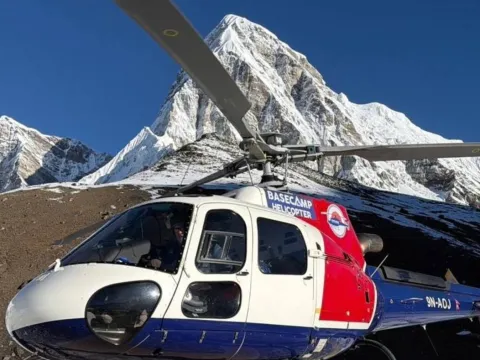
Likewise, helicopter insurance is another must. Get a policy that covers evacuation all the way up to 6,000 meters. It’s usually an extra $100 to $300, but trust me, it’s worth every penny. If something goes wrong, you won’t be stuck with a massive bill—or worse, without a way out. That insurance can literally save your life.
Moreover, trail closures from snow don’t happen often in winter, but you still need to stay on your toes. Always check the weather before you leave Dingboche, and hire a guide who knows the winter routes. The best guides can find safe detours if the usual path is blocked by ice. With a pro leading the way, your trek stays on track, even if the weather throws a curveball.
Further, pick guides who have real experience in winter, not just the ones with flashy ads. Look up reviews from past clients and see how they handled tough conditions. Good guides always have rescue gear. Plus, go with porters who know how to handle the cold and keep your gear safe.
In fact, here’s something a lot of people miss: trekking in the off-peak season actually sees fewer accidents overall. Fewer people means fewer problems, and when you’re careful about altitude and safety, your odds get even better. Helicopter insurance gives you that extra layer of peace of mind.
On the flip side, people who show up unprepared usually run into trouble. So train for the cold before you go, and make sure your guide checks on everyone’s health each day. When you plan ahead and stick with experienced pros, your winter trek stays safe, smooth, and a lot more fun.
Key Safety Measures for Off-Peak EBC Trek :
Emergency contact list and satellite phone for remote areas above Lobuche (4,910 m).
If you want an Everest Base Camp trek that’s actually peaceful, winter is the way to go. The crowds thin out, and the mountains feel bigger, quieter, more yours. Every day brings new views—those crisp winter skies and empty trails make it easy to feel like you’re walking through a dream. People talk about finding real peace out here, and honestly, it sticks with you long after you leave.
Here, planning ahead matters. Book your winter permits and guides early. That way, you get the best support and avoid any last-minute panic. Get your helicopter insurance sorted out before you go. And the best part? Winter treks usually cost less, so your adventure doesn’t break the bank.
What really draws people in are the stories—solo trekkers finding themselves at Base Camp, groups falling into a comfortable silence up at Kala Patthar. These moments change you. It’s not just about the hike; it’s about the shift in perspective that comes from real solitude.
Likewise, stay on top of updates. Apps like windy.com and mountain-forecast keep you in the loop with weather. Local operators share trail conditions in WhatsApp groups, and the Nepal Tourism Board website is a solid source for alerts. You’re never completely out of touch.
Here’s the thing: these quiet winter treks create memories that stick. Empty landscapes. Real effort. Real rewards. If you’re looking for something different—something more—this is it. Skip the crowds, connect with nature, and get to know the Himalayas in a way most trekkers never do.
Peak season? It just doesn’t compare. You miss out on that deep connection, both with the place and the people you meet along the way. So, why not start planning now? The quiet side of the Himalayas is waiting for you.
Key Takeaways and Resources for Winter EBC Trek :
| Takeaway | Resource for Updates |
| Choose winter for true solitude | Windy.com and Mountain-Forecast apps. |
| Book guides and insurance early | Nepal Tourism Board website. |
| Prepare for altitude and cold | Local operator WhatsApp groups. |
| Enjoy flexible low-crowd pacing | Sagarmatha National Park updates. |
1. What is the best time to trek to the Everest Base Camp to avoid crowds?
The best time to trek to the Everest Base Camp is from November to February. This is when the trails are really quiet. You will have the Himalayas to yourself. The air is crisp. The views of the Everest are stunning. If you prepare properly for the winter, you will have a time trekking to the Everest Base Camp.
2. Why does timing matter for an Everest Base Camp trek?
The timing of your trek determines how enjoyable your experience will be. If you trek during peak seasons, you will encounter crowds. However, if you trek during the off-peak winter months you will have a solitary experience and better visibility.
3. What is Nepal’s peak versus off-peak trekking seasons?
The peak seasons for trekking in Nepal are from March to May and September to November. During these periods the weather is stable. The trails are crowded. The off-peak seasons include winter, from November to February and the monsoon season. Winter is ideal for those who want to trek in an environment.
4. How crowded does the EBC trail get during peak seasons?
During seasons there are over 8,000 to 10,000 trekkers on the trail every month. This causes shortages of teahouses, congestion on the trail and long waits at viewpoints. This makes the experience less wilderness-like. In contrast during the off-peak winter season the number of trekkers is significantly lower making for an authentic and solitary Himalayan journey.
5. Which months are best for crowd-free Everest Base Camp trekking?
The best months for a crowd-free trek are from late November to February. During this period the trails are less crowded. The visibility is excellent. This period offers a balance of solitude and feasible conditions making it perfect for trekkers who want an experience in the Himalayas.
6. What weather and visibility should I expect in winter on EBC?
In winter the temperatures are often below freezing. The skies are crystal clear. The days are sunny but short. The nights are chilly. There may be snow higher up. The visibility is excellent. This makes for mountain panoramas, rewarding trekkers who are prepared.
7. What are the pros and cons of off-season EBC trekking?
The pros of off-season trekking include solitude, lower costs and sharp views. However, the cons include cold, shorter days and fewer open teahouses. For those who value peace over comfort the tranquility of the Everest Base Camp trail in winter outweighs the challenges with the preparation.
8. What gear and training do I need for a winter EBC trek?
You need gear such as high-quality down jackets, insulated boots, thermal layers and a warm sleeping bag. Prior cardiovascular training and altitude acclimatization are also crucial. Proper equipment ensures safety and comfort during crowd-free winter Everest Base Camp adventures.
9. Can you share a sample low-crowd winter EBC itinerary?
A typical 14-day itinerary starts in Lukla ascending gradually via Namche Bazaar and Dingboche to Everest Base Camp with rest days for acclimatization. The winter pacing accounts for daylight and cold maximizing solitude and mountain beauty.
10. Is it safe to trek Everest Base Camp in winter?
Yes, it is safe with guides, proper gear and fitness. Risks like cold and snow are manageable. Professional support and acclimatization minimize altitude issues making off-peak winter a choice for a rewarding low-crowd EBC trek.
11. How much cheaper is winter Everest Base Camp trekking?
Winter packages cost less than peak seasons due to low demand. You save on permits, flights and accommodations while enjoying trails. This makes the time to trek Everest Base Camp to avoid crowds more accessible.
12. Are teahouses open during winter on the EBC route?
Many teahouses remain open through mid-December. Reopen by late February though options reduce. Advance planning with an operator ensures comfortable stays. Winter still supports trekking with basic facilities available.
13. What fitness level is required for winter EBC trekking?
You need cardiovascular fitness and prior hiking experience. You must handle long days and altitude. Training for endurance prepares you for the demanding yet deeply rewarding crowd-free Everest Base Camp journey.
14. How clear are mountain views in winter compared to autumn?
Winter offers crystal-clear visibility with minimal haze, often better than autumn. Snow-capped peaks stand sharply against skies. This clarity enhances the experience of a low-crowd Everest Base Camp trek.
15. Do I need a guide for an off-peak EBC winter trek?
Yes, a professional guide is highly recommended for navigation, safety and local support in winter conditions. They handle logistics so you focus on the trail and stunning surroundings during your uncrowded adventure.
16. What risks should I manage in off-peak winter EBC conditions?
Key risks include cold, potential snow and altitude sickness. Mitigate with layering, hydration, slow pacing and guide support. Awareness and preparation ensure a unforgettable low-crowd Everest Base Camp experience.
17. How does winter EBC trekking differ from spring trekking?
Winter provides solitude and pristine views. Demands more cold-weather gear and fitness. Spring offers weather yet heavy crowds. Choose winter for immersion versus spring’s social busier atmosphere on the EBC trail.
18. Is December or February better for avoiding EBC crowds?
Both months offer low crowds. December provides -autumn quiet with some open facilities; February transitions to spring with slightly milder temperatures. Either delivers solitude for your Everest Base Camp trek.
19. What permits do I need for a winter Everest Base Camp trek?
You require the Sagarmatha National Park entry permit and Khumbu Pasang Lhamu Rural Municipality permit. These remain year-round. A reliable operator arranges them for your low-crowd winter EBC journey.
20. Why choose Haven Holidays Nepal for a low-crowd EBC winter trek?
Haven Holidays Nepal specializes in safe off-peak treks, with expert guides and quality gear support. Their custom winter itineraries focus on safety, comfort and maximizing the beauty of the uncrowded Everest Base Camp trail.
Our travel experts are ready to assist you with any questions.
Send us a message.Have a question before you book? Send your enquiry below and our travel experts will get back with the required information.