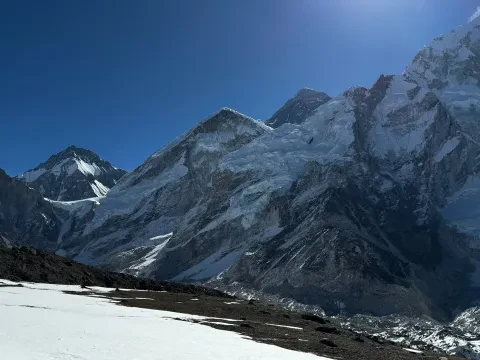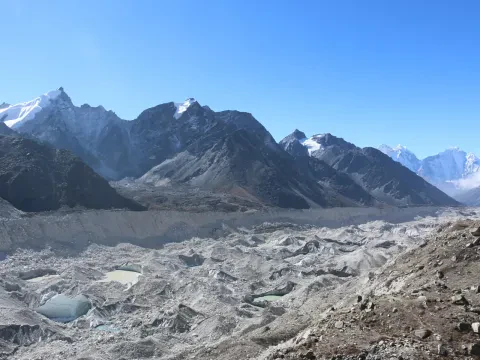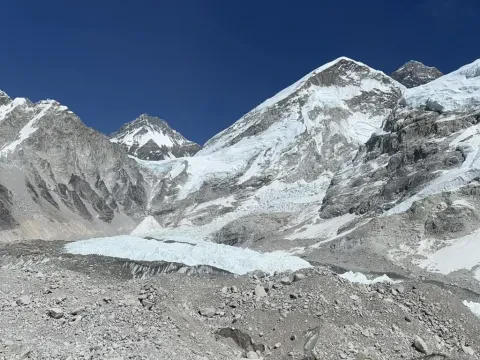
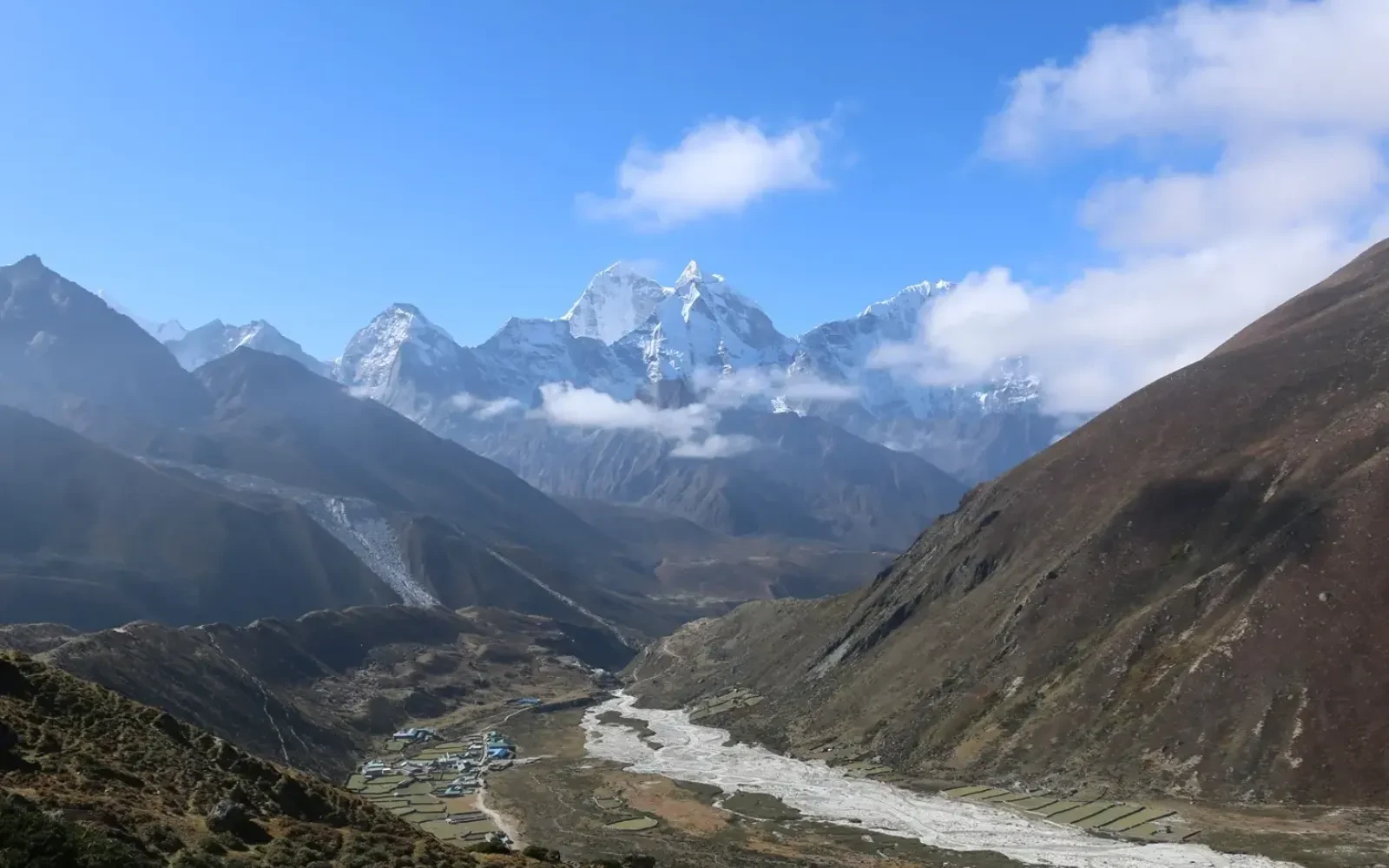
The Everest Base Camp overland trek is among the world’s most prominent Himalayan adventures that have attracted thousands of hikers and nature lovers to the scenic beauty of Nepal. This trek is an alternative to the classic Everest Base Camp trail that commences with a short but unpredictable flight from Kathmandu to Lukla.
Meanwhile, the EBC overland trek provides hassle-free sightseeing, authentic village tours and an iconic Himalayan trail of the highest peak of the world. Many hikers and trekkers are concerned about the risk of flight cancellation or delay in Lukla; however, these worries are overcome through an overland trail that is comparatively steady, secure and comfortable for an adventurous trek.
Here, hikers can witness a wide diversity of landscapes, starting from the Kala Patthar peak to the Everest Base Camp at 5,364 meters while exploring the best of the Himalayas. A local expert trekking agency Haven Holidays Pvt Ltd shares that the Everest overland trek has become one of the preferred travel itineraries for hikers who desire flexibility, economic travel options and an immersive cultural experience.
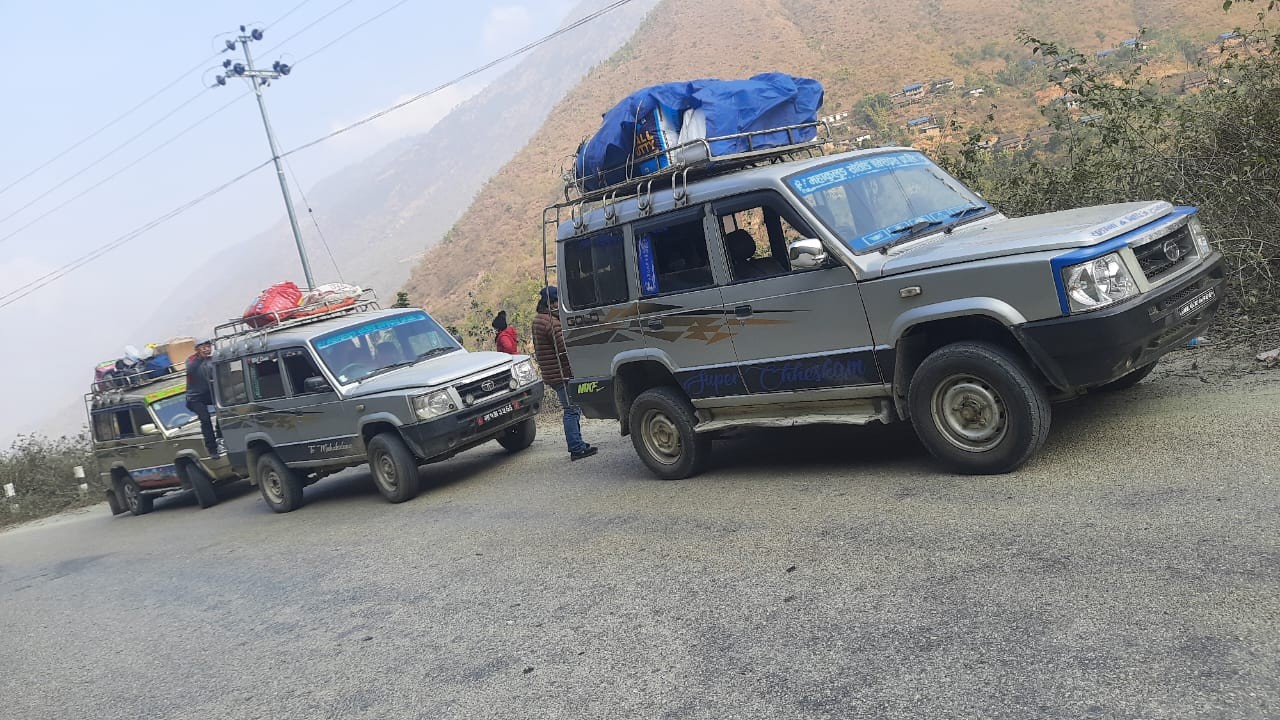
Similarly, our professional and locally experienced guides lead numerous hikers to the Everest Base Camp through the overland trek route while ensuring the acclimatization of trekkers to the altitudes of the Himalayas.
Whether an amateur or professional Himalayan adventurer, this travel guide offers a comprehensive overview of everything needed to plan the EBC overland trek.
Importantly, this article features all the essential details on the EBC overland trek from Kathmandu, including the complete itinerary, transportation, cost, accommodations, permits, trek difficulty, and other related aspects.
Everest Base Camp Overland Trek at a Glance,
Why Travelers Prefer the Overland Route ?
| Highlight | Description |
|---|---|
| Scenic Jeep Ride | Beautiful views of the Himalayan landscapes and mountainous villages |
| Cultural Experience | Witness unique Sherpa lifestyles |
| Better Acclimatization | Gradual gain in altitude to minimize AMS risks |
| Suspension Bridges | Explore famous Himalayan bridges |
| Sagarmatha National Park | World Heritage Site |
| Everest Panorama | Panoramic views of Everest, Lhotse, Nuptse, Ama Dablam |
| Kala Patthar | Marvelous vantage point for viewing Everest |
| Everest Base Camp | The ultimate Himalayan adventure destination |
Why Read This article?
This article contains all the essential details on the EBC overland trek from Kathmandu, including the complete itinerary, transportation, cost, accommodations, trekking permits, accommodation, food, facilities, and trek difficulty. This article also covers additional practical aspects, such as packing list, and safety tips. If you prefer a spectacular, budget-friendly, and scenic route to the Everest Base Camp, the overland trek is an affordable and rewarding Himalayan adventure that offers some of the best trekking opportunities in Nepal.
When planning for Everest Base Camp trek, the question that emerges first is whether to fly to Lukla or not. The Everest Base Camp overland trek comes with numerous advantages that make it more attractive to many trekkers. Compared to the flight option, the overland route offers more spectacular views, minimizes expenses on domestic transportation and offers greater flexibility to the hikers.
Additionally, local hiking guides suggest that the overland trek is a better option for gradual acclimatization in addition to avoiding inconveniences brought about by weather-related flight cancellations in Lukla.
One of the primary reasons why trekking to the Everest Base Camp via the overland route is popular among hikers is its cost-effectiveness. Compared to the flight option, transportation to the trail via road is cheaper.
Here, this means that trekkers can save some money on the overall cost of the adventure and utilize the savings on other aspects of the expedition. Another benefit of traveling overland is that the trail passes through some of the most scenic landscapes and mountainous regions in Nepal.
Compared to the flight option that offers spectacular views of the mountains from above, trekking through the trail on foot and by jeep offers a more immersive experience of the Himalayas. In addition to scenic sights, the overland trek is an excellent opportunity for hikers to witness local rural villages while exploring the cultural heritage of the mountainous region.
Moreover, another benefit associated with the overland trek is the fact that acclimatization occurs gradually compared to the Lukla flight option. As a result, the trek is considered to be less strenuous and challenging in the first few days.
| Feature | Lukla Flight Route | Overland Trek Route |
|---|---|---|
| Transportation | Flight | Jeep + Trek |
| Cost | Higher | More affordable |
| Flight Delays | Common | Not applicable |
| Acclimatization | Faster gain in altitude | Better gradual ascent |
| Cultural Experience | Limited before Lukla | Extensive village experience |
| Scenic Beauty | Mountain flight | Road + Trek |
| Flexibility | Weather-dependent | More reliable |
Advantages of the Overland Route,
Financial Benefits :
Better Acclimatization :
Richer Cultural Experience :
Greater Travel Reliability :
| Possible Challenges | Practical Solutions |
|---|---|
| Longer travel duration compared to Lukla flights | Extra 2-3 days for the travel itinerary |
| Uneven and rough mountain roads | Using a comfortable 4WD jeep |
| More strenuous trekking schedule | Walking at a relaxed pace |
| Road dust during dry seasons | Using a buff or a face mask |
| Fewer luxury transport options | Booking a reliable private jeep |
Who Should Consider the Overland Trek?
The EBC trek by road is suitable for budget travelers, adventure enthusiasts, first-time Everest trekkers, photographers, nature lovers, hikers with flexible schedules, those who want to avoid Lukla flight, those who want a better acclimatization option, culture-oriented travelers and long-dated visitors to Nepal.
Expert Recommendations from Haven Holidays Pvt Ltd.
Based on the extensive experience of local hiking agency Haven Holidays Pvt Ltd in the Everest region, the overland trek is suggested to budget travelers and those who prefer flexible, reliable and authentic Himalayan adventure. Their professional and local guides offer better guidance regarding the acclimatization process and transportation options so that hikers can enjoy one of the most rewarding trekking opportunities in the Everest region.
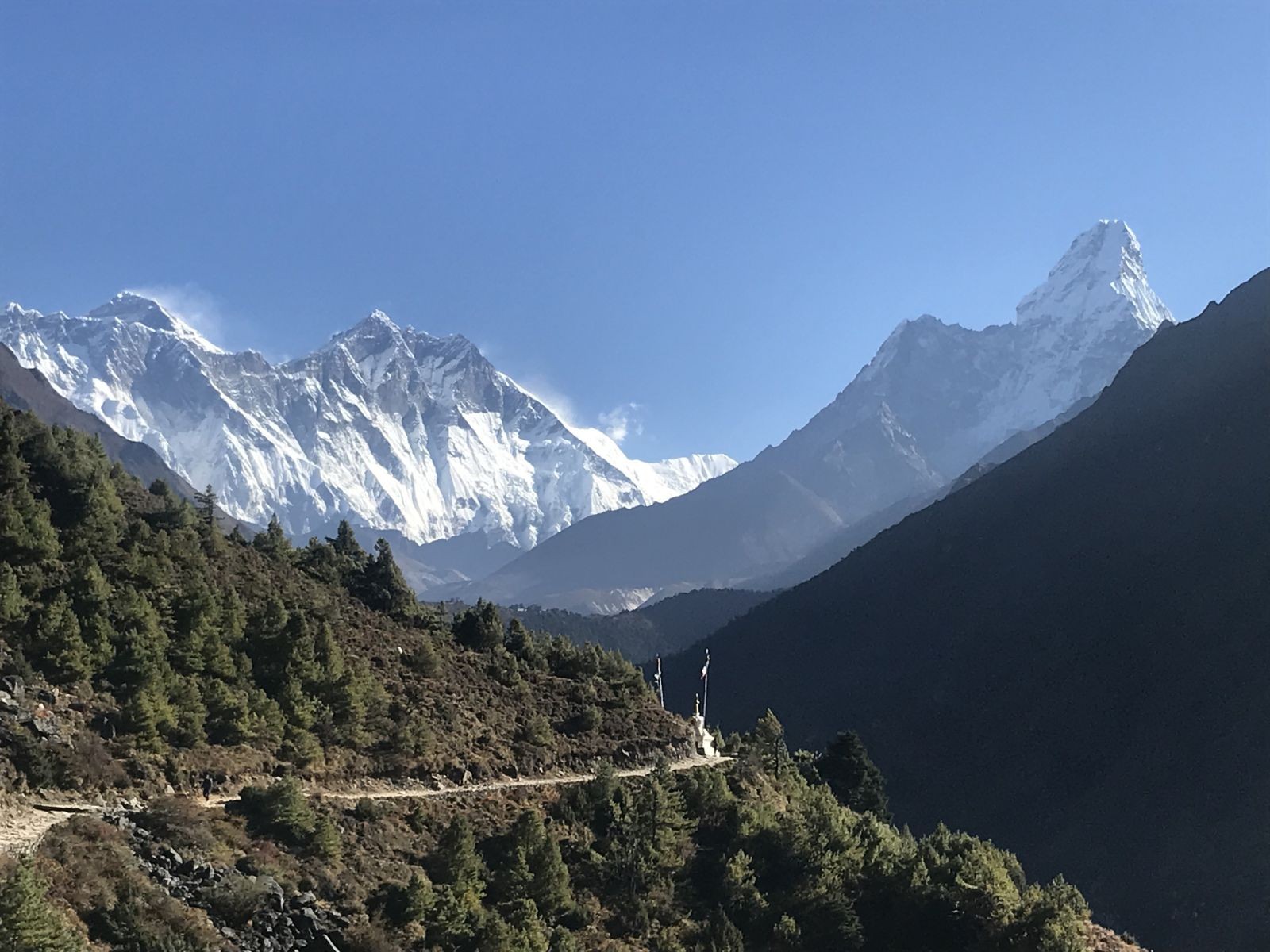
The Everest Base Camp Overland Route offers the trekker an alternative to the usual flight from Lukla. This route goes via Salleri and Surke to the Everest trail and has fewer altitude worries than the flight option and offers a more gradual acclimatization. As a result, many trekkers are choosing this adventurous and budget-friendly itinerary these days. Below you will find a detailed description of this route, the distance between the places on it, and the expected time required to complete it.
| Place | Elevation Approx | Distance | Travel Time |
|---|---|---|
| Kathmandu → Salleri | 2,360 m | 265-270 km | 8-12 hrs (Jeep) |
| Salleri → Surke | 2,290 m | 65-70 km | 5-7 hrs (Jeep) |
| Surke → Phakding | 2,610 m | 8 km | 3-4 hrs Trek |
| Phakding → Namche Bazaar | 3,440 m | 10-11 km | 6-7 hrs Trek |
| Namche → Tengboche | 3,860 m | 10 km | 5-6 hrs Trek |
| Tengboche → Dingboche | 4,410 m | 11 km | 5-6 hrs Trek |
| Dingboche → Lobuche | 4,910 m | 8 km | 5 hrs Trek |
| Lobuche → Gorakshep | 5,164 m | 4.5 km | 3 hrs Trek |
| Gorakshep → Everest Base Camp | 5,364 m | 3.5 km | 2-3 hrs Trek |
In fact, Everest Base Camp is our ultimate destination, which we reach after traversing through several Himalayan villages, beautiful forests, and crossing some high-altitude mountain passes. From EBC, we backtrack to Surke and then return to Kathmandu.
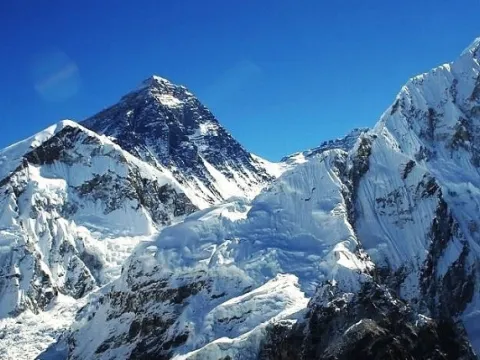
While the flight option spares you the hassle of the gradual acclimatization process, it does not offer you the breathtaking views of the Himalayas that this overland route is famous for. In fact, you will see some of the most beautiful ranges of the Himalayas on this route, including:
| Mountain | Elevation in meter |
|---|---|
| Mount Everest | 8,848.86 |
| Lhotse | 8,516 |
| Makalu | 8,485 |
| Cho Oyu | 8,188 |
| Ama Dablam | 6,812 |
| Nuptse | 7,861 |
| Thamserku | 6,608 |
| Kangtega | 6,782 |
| Kusum Kanguru | 6,367 |
| Taboche | 6,495 |
While most of us come to trek in the Everest region to witness the beauty of the Himalayas, few realize that the overland route has equally breathtaking countryside views. Some of these include:
The Benefits of Taking the Overland Route:
| Route | Distance in KM |
|---|---|
| Surke → Everest Base Camp | 65-75 |
| Return Trek | 65-75 |
| Total Trekking Distance | 130-150 |
| Total Road Distance | 330-340 km one way |
According to the expert trekking guides and leaders at Haven Holidays Pvt. Ltd ., the Everest Base Camp overland route is a fantastic option for those who want a safer and more customizable Everest experience. Their team of expert guides, who have taken many people on hikes to Salleri and Surke, knows the ins and outs of the local landscape and can help you get a great view of the mountains while also helping you prepare for the altitude. These professionals also assist with transportation and other trek preparations, making it much easier to get to the Everest region from Kathmandu.
The Everest Base Camp Hike Overland Route begins with a drive from Kathmandu to Salleri . On this route, trekkers have the unique opportunity to enjoy a full-day drive through the scenic Nepali countryside before reaching the trailhead. While those who take the short flight from Kathmandu to Lukla miss out on this gorgeous view, those who take the overland route have this incredible advantage. While the drive might get bumpy after Dhulikhel, you can still enjoy the beautiful mountain landscapes throughout your journey as you gradually make your way up the mountain.
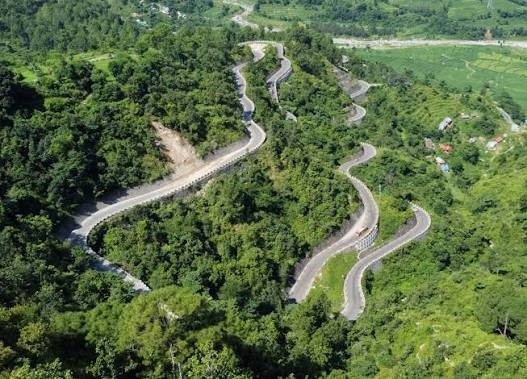
Here, the drive from Kathmandu (elevation: 1,400 m.) to Salleri (elevation: 2,360 m.) is approximately 265-270 km long and takes between 8 to 12 hours on average. This might take a bit longer in the rainy season due to road construction and/or landslides.
| Item | Details |
|---|---|
| Starting Point | Kathmandu (1,400 m) |
| Destination | Salleri (2,360 m) |
| Distance: | 265-270 km |
| Driving Time | 8-12 hrs |
| Road Type | Blacktop and rough mountain road |
| Recommended Vehicle | 4WD Jeep |
When it comes to transportation options, you have a choice between a shared jeep and a private hire. Here is a closer look at these two options:
Shared Jeep Hire:
As the name suggests, this is a shared ride where you share the jeep with other trekking companions and/or local people. This is the cheapest option, but it usually takes longer since you have to stop at multiple pickup points. The good thing is that it is super affordable.
Private Hire:
This is the most expensive but also the most comfortable option. With this option, you have the flexibility to stop wherever you want to take pictures, grab a meal, etc. As a result, you can also plan your sightseeing according to your convenience. This option is particularly good for families.
| Jeep Option | Capacity | Cost (One Way) |
|---|---|---|
| Shared Jeep | Per Seat | USD 65 |
| Private 4WD Jeep | 7-8 Passengers | USD 300 |
Here, the private hire option can be really budget-friendly if you have a group of 7 or 8 people as the cost would be split between them. In addition, the ride is also super comfortable.
As mentioned earlier, you can enjoy some great views on this road trip. Below is a look at the attractions you will pass by on the way to Salleri.
| Location | Elevation (m) |
|---|---|
| Kathmandu | 1,400 |
| Dhulikhel | 1,550 |
| Khurkot | 646 |
| Ghurmi | 1,130 |
| Okhaldhunga | 1,840 |
| Salleri | 2,360 |
Some of the major highlights of this road trip include:
Highlights on your journey from Kathmandu to Salleri:
Likewise, another thing you should know about this road trip in Nepal is that you have the added benefit of spotting some Himalayan peaks on a clear day. Some of the peaks you can spot from this route include:
| Mountain | Elevation in meter |
|---|---|
| Numbur Himal | 6,959 |
| Karyolung | 6,511 |
| Gaurishankar | 7,134 |
| Everest (in some stretches) | 8,848.86 |
While both the shared and private hire options have their own set of pros and cons, below is a summary of what they entail:
| Feature | Shared Jeep | Private Jeep |
|---|---|---|
| Budget-friendly | ✅ | ❌ |
| Flexible departure time | ❌ | ✅ |
| Comfortable seating | ❌ | ✅ |
| Best for | Solo Travelers | Families/groups |
Tips for Making the Most of This Road Adventure :
Finally, here are some tips from the expert guides at Haven Holidays Pvt. Ltd. regarding road drive in Nepal:
The staff at Haven Holidays Pvt. Ltd. recommends leaving Kathmandu early in the day to give yourself enough time to get to Salleri before nightfall, especially if you are planning on taking the shared jeep option. They also recommend that a private hire is a good option for a group of 7-8 people since you can get great value for money and also have the flexibility to stop and sightsee whenever you want. Last but not least, their expert drivers have a good knowledge of the local mountain roads and conditions, making it much easier to get from Kathmandu to Salleri.
Overview,
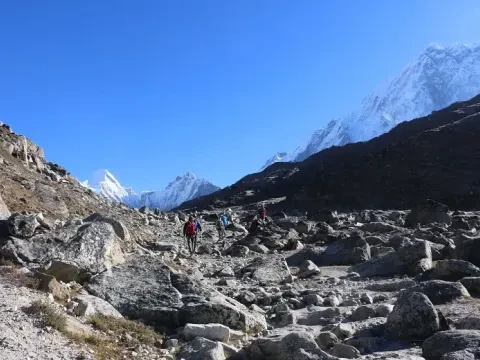
The journey from Salleri to Surke to Phakding is part of the Everest Base Camp overland trek, which substitutes the flight to Lukla Airport. It involves a scenic drive through the Solu region before entering the Khumbu Valley, thereby offering more acclimatization and cultural discovery than the standard route.
Meanwhile, Salleri (2,360 m) is the overnight stop after leaving the previous base camp. From there, you drive to Surke (2,290 m), discovering mountain ridges, Sherpa, and Rai villages through jeep tracks. It is mostly a dirt road through traditional farms inhabited by local ethnic groups.
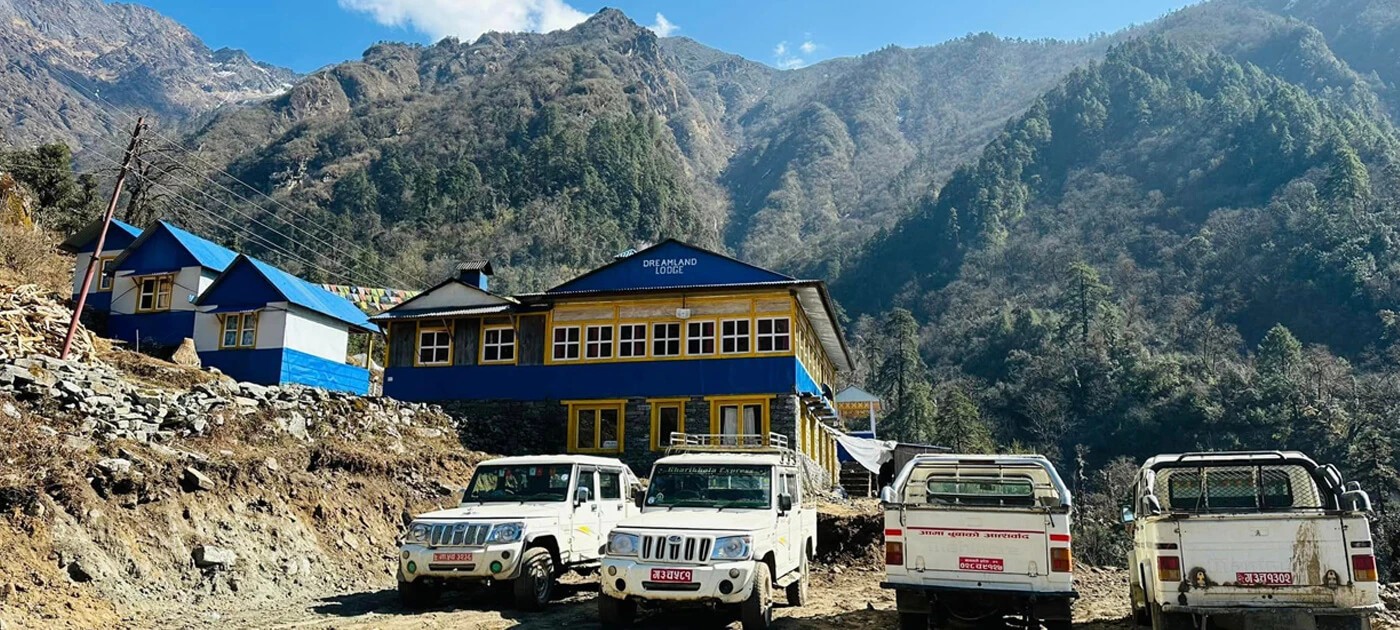
Likewise, the trail then follows the traditional Everest Base Camp path from Surke through Chheplung (2,660 m) and Ghat (2,530 m) to Phakding (2,610 m), giving you enough time and space to adjust to this fascinating region on the first day. Based on Haven Holidays Pvt Ltd’s expedition experience, this is the best approach when intending to avoid Lukla’s unpredictable landing conditions while enjoying a more authentic high-altitude trek.
Route Description :
Salleri to Surke by Jeep,
The drive from Salleri to Surke presents an exciting but short adventure. It winds through mountain ridges, connecting tiny settlements, waterfalls, and forests. While some stretches may appear rough, it is worth noting that the road is gradually improving yearly.
Here, both private and shared jeeps are available on the route for the trekking season. Besides the spectacular views, it saves you from the uncertainty of the mountain air.
Key Highlights along the Jeep Path :
Compared to the Lukla trail, you start climbing from a lower altitude. Thus, the first hiking day is relatively easy, giving you time to acclimatize. Along the trail, you will come across colorful Buddhist prayer flags, traditional mani stones, and ancient chortens.
Besides the suspension bridges, crystal-clear streams, yaks, and friendly Sherpa villages characterize this trail. As you trek along the Dudh Koshi River, the gurgling water adds to the landscape’s serene beauty.
Trek Walking Conditions :
Compared to the rest of the trek, these trails are well-groomed, allowing most trekkers to complete the 4-hour walk comfortably.
| Location | Elevation |
|---|---|
| Kathmandu | 1,400 m |
| Salleri | 2,360 m |
| Surke | 2,290 m |
| Chheplung | 2,660 m |
| Ghat | 2,530 m |
| Phakding | 2,610 m |
Mountain Peaks in Sight,
| Mountain | Elevation |
|---|---|
| Kusum Kanguru | 6,367 m |
| Kongde Ri | 6,187 m |
| Karyolung | 6,511 m |
| Numbur Himal | 6,959 m |
Accommodation and Food :
Reason to Choose this Trekking Route,
The Salleri to Surke to Phakding trail offers an excellent alternative to the most popular Everest Base Camp route. It allows you to enjoy a gradual elevation gain while appreciating the local culture. As a result, it can help you acclimatize better while cutting costs associated with domestic flights. According to Haven Holidays Pvt Ltd’s professional guides, this trail ensures a unique exploration of the region while naturally connecting you with the regular trail to Everest Base Camp before heading to Namche Bazaar (3,440 m), Dingboche (4,410 m), Everest Base Camp (5,364 m), and Kala Patthar (5,545 m).
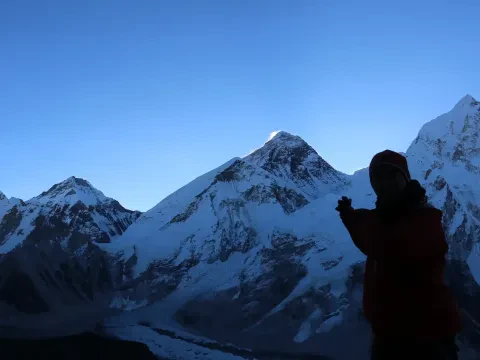
The Everest Base Camp overland route from Phakding (2,610 m) offers a traditional Everest trail with the added benefit of exploring the region on foot. The trek from Phakding begins the classic Everest trail from Salleri and Surke, meaning trekkers get to enjoy the same highlights as those who fly into Lukla, but with greater ease of acclimatization and less risk than mountain flights.
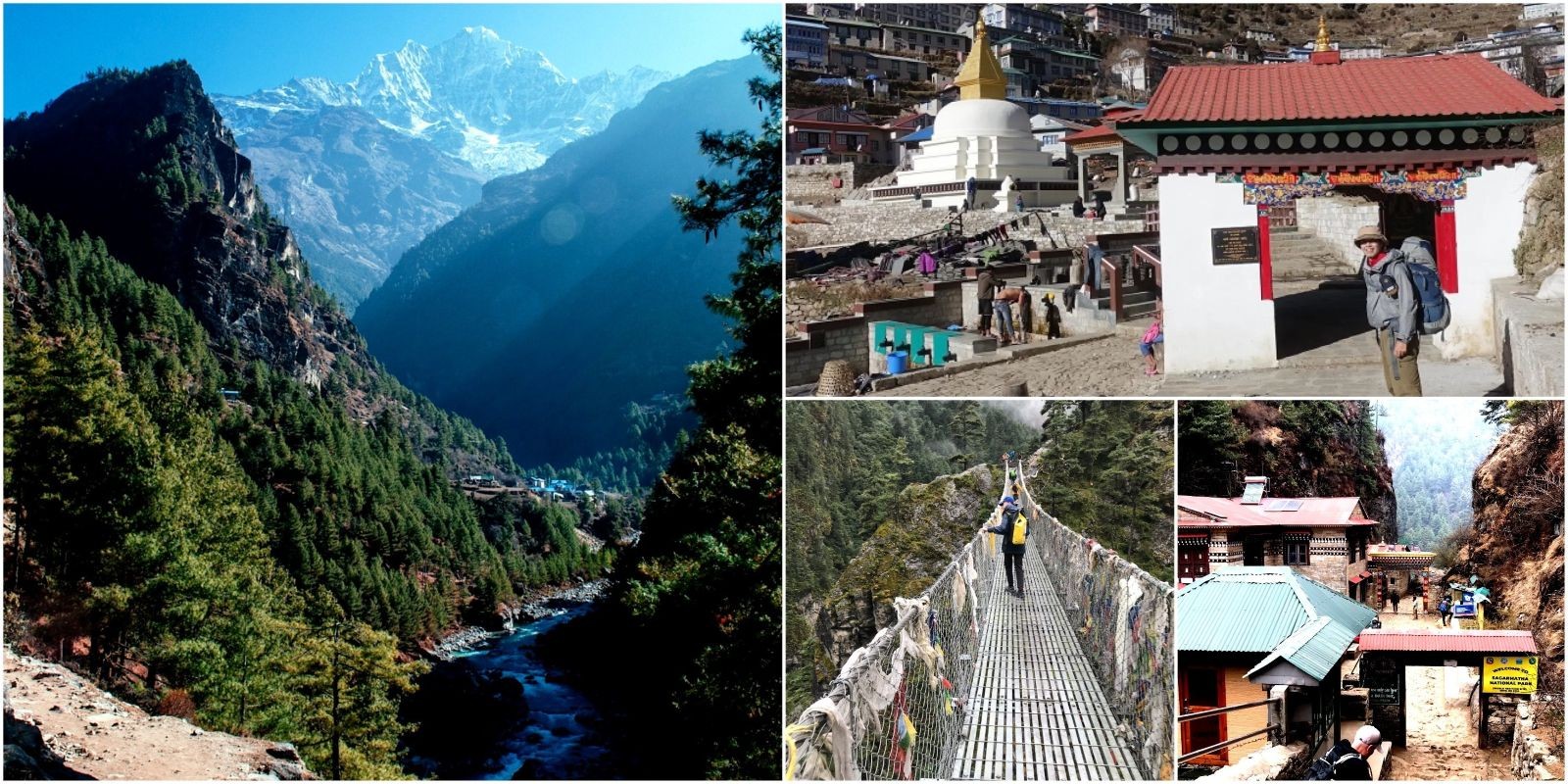
Here,14-day Everest Base Camp overland itinerary includes gradual ascent, two acclimatization days, and the return journey to Salleri via the same trail. As an experienced mountain guide company, Haven Holidays Pvt Ltd has extensive knowledge of the area and recommends this particular route based on its balance of comfort, safety, and enjoyment.
Everest Base Camp Overland Trek Itinerary Overview :
Day 01: Trekking from Surke to Phakding
After you drive for 3-4 hours from Salleri to Surke, you begin trekking to Phakding. You don’t need to ascend to Lukla, you will directly trek to Phakding via Chheplung.
Day 2: Trek from Phakding (2,610 m) to Namche Bazaar (3,440 m)
Day 2 of the trek is an easy walk following the beautiful Dudh Koshi River. Numerous suspension bridges lead to Monjo (2,835 m), the entrance to Sagarmatha National Park.
Actually, the climb to Namche is steep, but it is worth the effort to see Mount Everest (8,848.86 m) for the first time on a clear day.
Highlights on Day 2:
Statistics :
Day 3: Acclimatization Day at Namche Bazaar (3,440 m)
Acclimatization is a crucial part of any high-altitude trek. In addition to resting, trekkers can hike to Hotel Everest View (3,880 m) or Khumjung Village (3,790 m) and back to Namche to aid their acclimatization.
What to do in Namche Bazaar?
Day 4: Trek from Namche Bazaar to Tengboche (3,860 m)
Trek on one of the best walking trails in Nepal, offering spectacular views of Mount Everest (8,848.86 m) and other snow peaks.
Mountains visible on Day 4 :
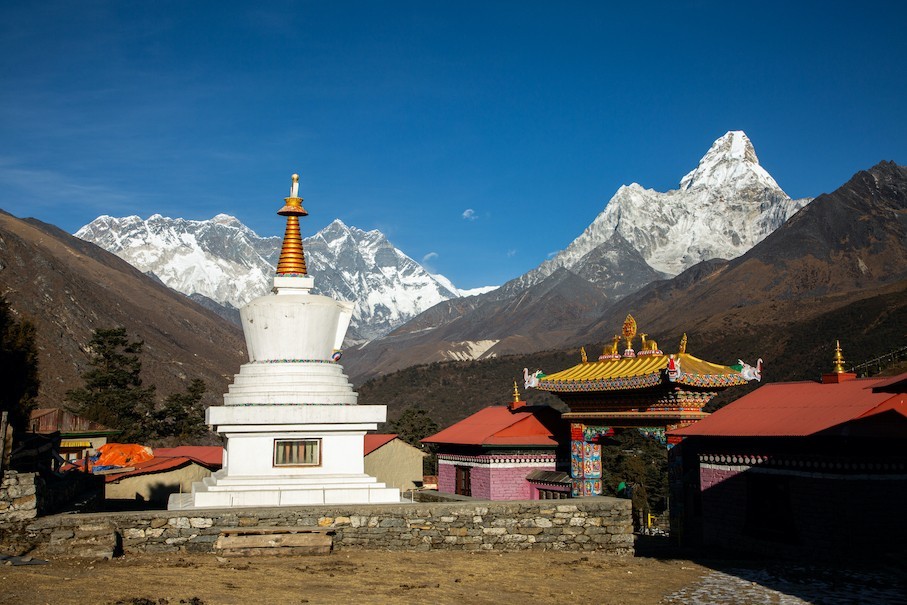
Highlights of Day 4:
Day 5: Trek from Tengboche (3,860 m) to Dingboche (4,410 m)
The trail drops to the forest before crossing the river. Vegetation becomes sparse as you enter the alpine zone. A stopover at Pangboche village (3,985 m) and Somare (4,010 m) is a good opportunity to rest.
Mountains seen on Day 5:
Day 6: Acclimatization Day at Dingboche (4,410 m)
The acclimatization day at Dingboche is vital as the trail gets steeper beyond this point. Most trekkers hike to Nangkartshang Peak (5,083 m).
Mountain panorama at Dingboche :
Day 7: Trek from Dingboche (4,410 m) to Lobuche (4,910 m)
Lobuche village is a day’s walk from Dingboche. The trail gently ascends through alpine meadows to Thukla (4,620 m). The path becomes steeper as you reach the Everest Memorial Park, a monument built in memory of climbers who lost their lives on Everest. The trail then continues to Lobuche.
Highlights of Day 7:
Day 8: Trek from Lobuche (4,910 m) to Gorak Shep (5,164 m) to Everest Base Camp (5,364 m) to Gorak Shep,
Day 8 is the highest point of the trek and arguably the best day on the trail. Hikers reach Gorak Shep village on the way to Everest Base Camp (5,364 m), where they can disembark heavy items and enjoy the incredible views of Khumbu Icefall.
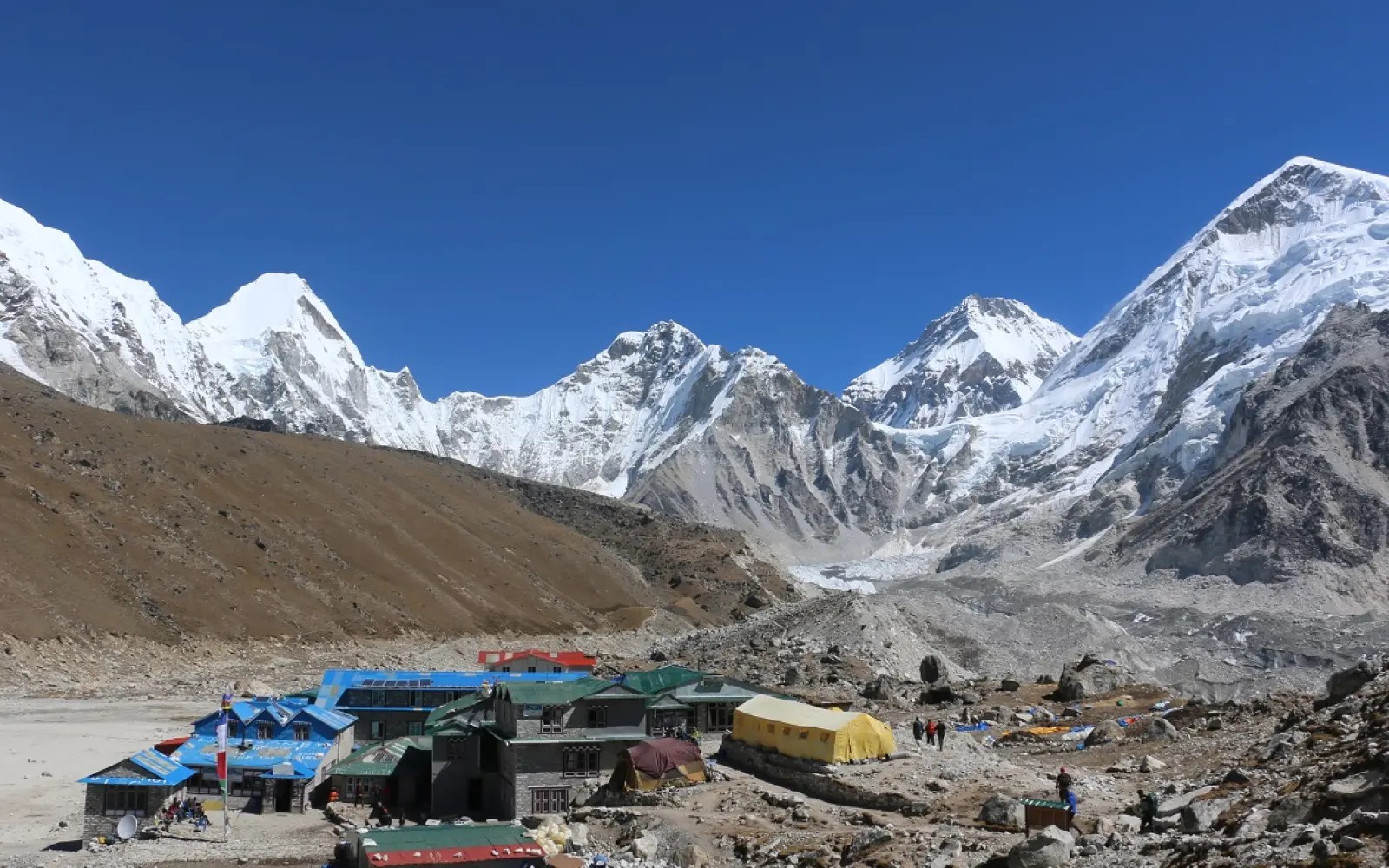
Top Attractions on Day 8:
Highest altitude: Everest Base Camp (5,364 m)
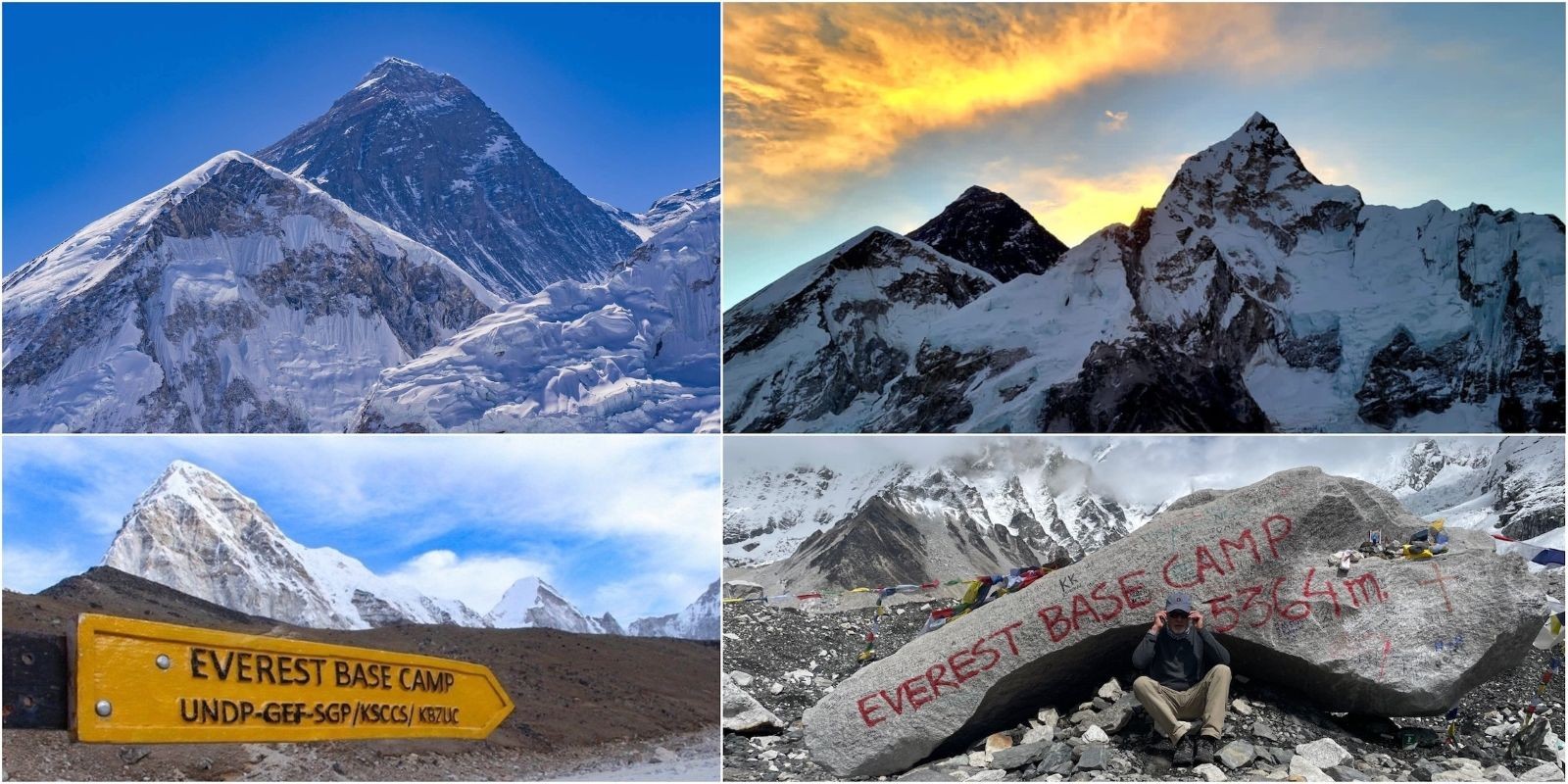
Day 9: Trek from Gorak Shep (5,164 m) to Kala Patthar (5,545 m) to Pheriche (4,371 m)
Climbers usually depart Gorak Shep before sunrise to see Mount Everest from Kala Patthar, the highest viewpoint. The rocky and narrow trail to Kala Patthar (5,545 m) becomes slippery when wet.
| Mountain | Elevation |
|---|---|
| Everest | 8,848.86 m |
| Nuptse | 7,861 m |
| Pumori | 7,161 m |
| Lingtren | 6,749 m |
| Chance | 7,543 m |
After watching the sunrise above the Everest horizon, you descend to Pheriche (4,371 m).
Days 10-14: Return Trek from Everest Base Camp to Kathmandu via Same Route
The trail mostly follows the same route as the going trip but with fewer hours as the body gets used to higher altitudes.
The following overnight stops are expected on the return journey:
The drive from Salleri to Kathmandu marks the end of the Everest overland trek.
| Destination | Elevation |
|---|---|
| Kathmandu | 1,338 m |
| Salleri | 2,360 m |
| Surke | 2,290 m |
| Phakding | 2,610 m |
| Namche Bazaar | 3,440 m |
| Tengboche | 3,860 m |
| Dingboche | 4,410 m |
| Lobuche | 4,910 m |
| Gorak Shep | 5,164 m |
| Everest Base Camp | 5,364 m |
| Kala Patthar | 5,545 m |
Why this itinerary works?
The 14-day Everest Base Camp overland itinerary is ideal for those who want the full Everest trekking experience without having to risk a potentially dangerous flight from Lukla. Ascents from Kathmandu to Salleri and then to Surke, Phakding, Namche Bazaar, Dingboche, and Everest Base Camp provide good acclimatization before heading back the same way. Not only is this itinerary safer, but it is also more flexible and cost-effective, and it gives you plenty of time to immerse yourself in the beauty of the Himalayas on the journey to Everest. Based on the extensive experience of Haven Holidays Pvt Ltd mountain guides, this trail is ideal for travelers who want to see the best of this incredible region while enjoying the comfort of a local hotel during their visit.
The return journey from Everest Base Camp overland through the same trail back to Kathmandu is comparatively easier as you descend day by day. Further, downhill trails allow you to walk faster, and increased oxygen levels help your body acclimatize naturally
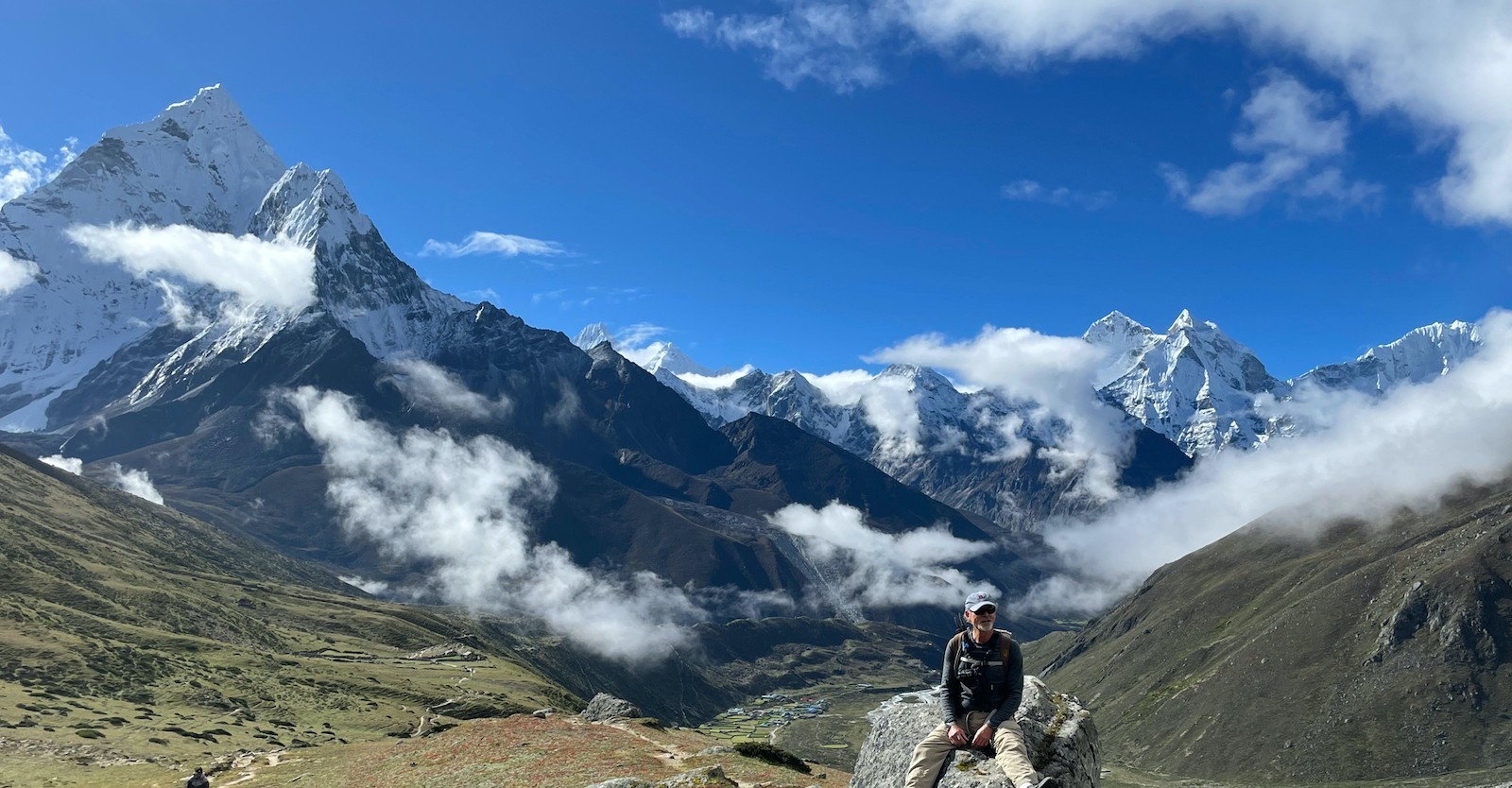
Unlike other trekkers who have to worry about Lukla flight cancellations, you can relax on the return journey overland through the same trail. You simply walk back to Surke from Everest Base Camp and take a jeep to Salleri and then continue your comfortable road trip to Kathmandu. According to the trekking experts at Haven Holidays Pvt. Ltd., the option to return via the same trail offers more flexibility and convenience, especially during the busy trekking season.
Here, the return journey also gives you a chance to enjoy the Sherpa hospitality, mountain views, beautiful bridges, monasteries, and forests from a different angle.
| Day | Route | Walking / Driving Time | Overnight | Elevation |
|---|---|---|
| 1 | Everest Base Camp → Gorak Shep → Pheriche | 7–8 hrs | Pheriche | 4,371 m |
| 2 | Pheriche → Namche Bazaar | 7 hrs | Namche | 3,440 m |
| 3 | Namche Bazaar → Phakding | 5–6 hrs | Phakding | 2,610 m |
| 4 | Phakding → Surke | 4 hrs | Surke | 2,290 m |
| 5 | Surke → Salleri (Jeep) | 4–6 hrs | Salleri | 2,360 m |
| 6 | Salleri → Kathmandu (Jeep) | 8–10 hrs | Kathmandu |1,400 m |
Highlights of the Return Journey,
Descending from Everest Base Camp is not as simple as walking back on the trail. Here are some of the highlights of the return journey from Everest Base Camp to Kathmandu via the same trail:
| Village | Elevation | Highlights |
|---|---|---|
| Gorak Shep | 5,164 m | Last village in Everest |
| Lobuche | 4,910 m | Panoramic views of the Khumbu Glacier |
| Pheriche | 4,371 m | Home to Himalayan Rescue Clinic |
| Pangboche | 3,985 m | Ancient monastery |
| Tengboche | 3,860 m | Popular Buddhist monastery |
| Namche Bazaar | 3,440 m | Sherpa capital |
| Monjo | 2,835 m | Entrance to Sagarmatha National Park |
| Phakding | 2,610 m | Riverside village |
| Surke | 2,290 m | End of trekking trail |
| Salleri | 2,360 m | Jeep station |
Jeep Ride from Surke to Salleri,
After completing the trekking trail, you can take a shared or private jeep from Surke to Salleri. The road winds through beautiful mountainous landscapes and traditional villages before reaching Salleri.
Jeep Ride from Surke to Salleri Description :
The drive from Salleri to Kathmandu winds through beautiful countryside and mountainous landscapes. While some road conditions can still be rough, the road to Kathmandu is generally smooth and passes through many scenic viewpoints.
Salleri to Kathmandu Drive Description :
Advantages of Returning by the Same Overland Route,
The option to return to Kathmandu by the same overland route has several advantages over the alternative of taking a flight from Lukla.
Advantages of Returning by the Same Overland Route :
| Destination | Elevation | Elevation Change |
|---|---|---|
| Everest Base Camp | 5,364 m | ........... |
| Gorak Shep | 5,164 m | -200 m |
| Lobuche | 4,910 m | -254 m |
| Pheriche | 4,371 m | -539 m |
| Namche Bazaar | 3,440 m | -931 m |
| Phakding | 2,610 m | -830 m |
| Surke | 2,290 m | -320 m |
| Salleri | 2,360 m | +70 m |
| Kathmandu | 1,338 m | -960 m |
Mountains Visible During the Descent,
| Mountain | Elevation |
|---|---|
| Mount Everest | 8,848.86 m |
| Lhotse | 8,516 m |
| Nuptse | 7,861 m |
| Ama Dablam | 6,812 m |
| Thamserku | 6,608 m |
| Kangtega | 6,782 m |
| Kusum Kanguru | 6,367 m |
Trekking Tips for the Return Journey :
Why the Overland Return is Worth It
The Everest Base Camp to Kathmandu by jeep using the same route itinerary is a comfortable and reliable option. Although it involves extra days compared to the alternative of flying from Lukla, it eliminates the risk of flight cancellations while giving you extra time to enjoy the local culture and scenery. Based on the extensive experience of the trekking experts at Haven Holidays Pvt. Ltd., you will find the option to return by overland route more convenient, flexible, and affordable.
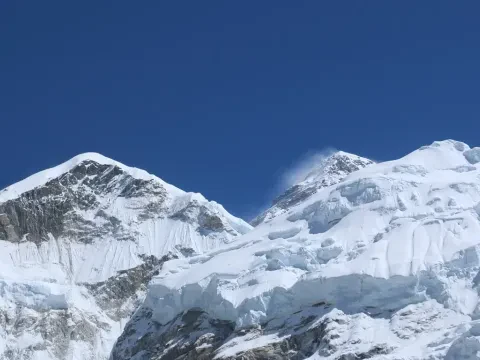
The Everest Base Camp trek distance varies depending on the roadhead you choose and whether you do extra acclimatization hikes. However, the Everest Base Camp overland trek from Kathmandu usually covers 330–360 km (205–224 miles) by road and 150–160 km (93–99 miles) by trekking.
Here, the total trek duration is 14–18 days, depending on your itinerary, acclimatization schedule, and weather conditions. The Everest Base Camp trek climbs up to Kala Patthar (5,545 m) and the highest point on the trek is the Everest Base Camp at 5,364 m.
Moreover, the Everest Base Camp overland trek from Kathmandu has a gradual climb compared to the direct flight to Lukla, making it a safer option for acclimatization, according to the trekking experts at Haven Holidays Pvt. Ltd.
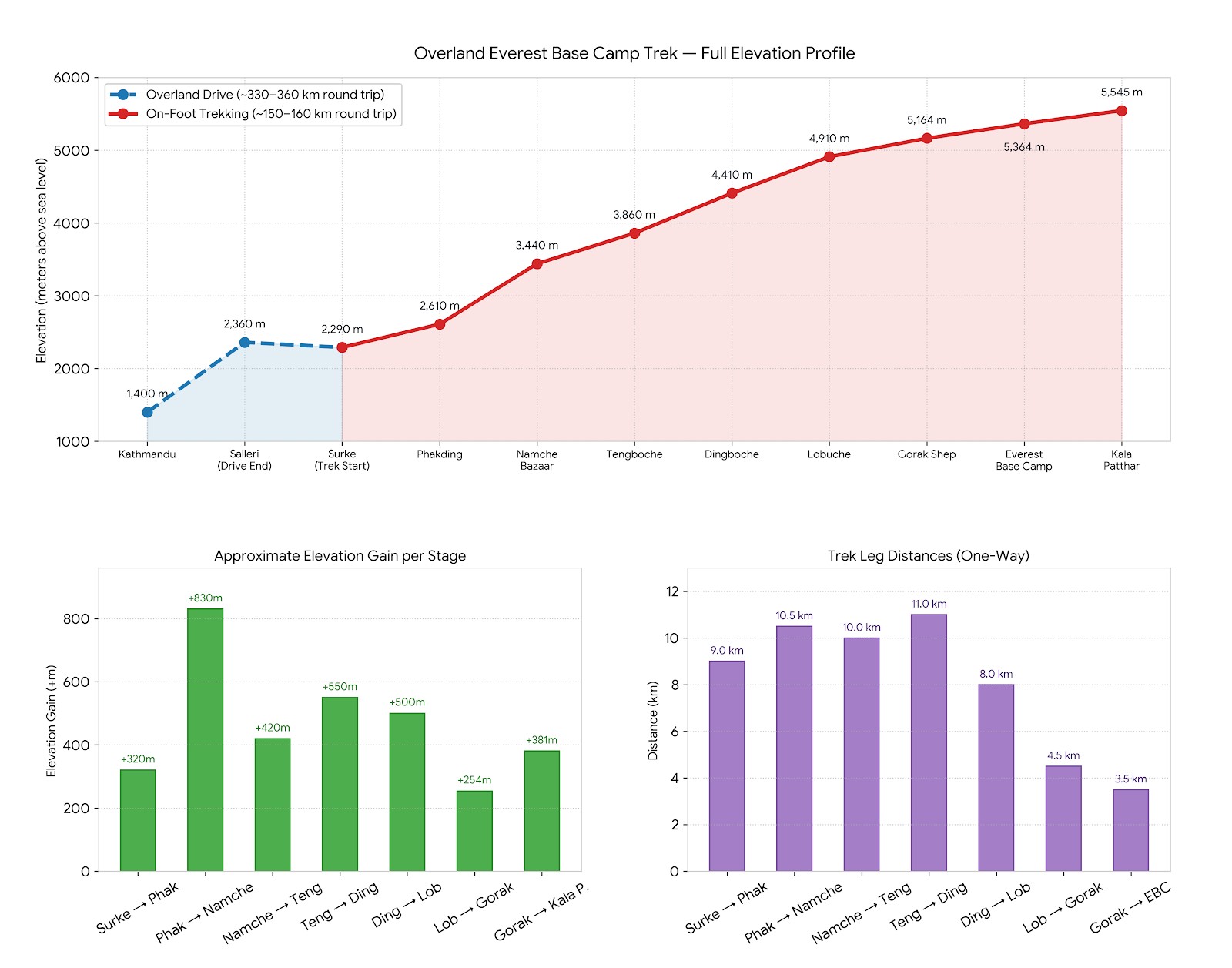
Trek Statistics at a Glance :
| Destination | Elevation |
|---|---|
| Kathmandu | 1,400 m |
| Salleri | 2,360 m |
| Surke | 2,290 m |
| Phakding | 2,610 m |
| Namche Bazaar | 3,440 m |
| Tengboche | 3,860 m |
| Dingboche | 4,410 m |
| Lobuche | 4,910 m |
| Gorak Shep | 5,164 m |
| Everest Base Camp | 5,364 m |
| Kala Patthar | 5,545 m |
| Route | Distance |
|---|---|
| Kathmandu → Salleri (Drive) | 265 km |
| Salleri → Surke (Drive) | 65–70 km |
| Surke → Phakding | 9 km |
| Phakding → Namche Bazaar | 10–11 km |
| Namche → Tengboche | 10 km |
| Tengboche → Dingboche | 11 km |
| Dingboche → Lobuche | 8 km |
| Lobuche → Gorak Shep | 4.5 km |
| Gorak Shep → Everest Base Camp | 3.5 km |
| Return Trek | Same Distance |
| Day Type | Walking Time |
|---|---|
| Short days | 4–5 Hours |
| Normal days | 5–7 Hours |
| Long days | 7–8 Hours |
| Acclimatization days | 3–5 Hours |
| Route | Elevation Gain |
|---|---|
| Surke → Phakding | +320 m |
| Phakding → Namche | +830 m |
| Namche → Tengboche | +420 m |
| Tengboche → Dingboche | +550 m |
| Dingboche → Lobuche | +500 m |
| Lobuche → Gorak Shep | +254 m |
| Gorak Shep → Kala Patthar | +381 m |
Trek Duration Options,
Itinerary Total Days:
Physical Demands,
The Everest Base Camp overland trek distance is appropriate for most trekkers, as long as they are reasonably fit and have prepared adequately for the challenge. Here’s what to expect on the trek:
Why the Overland Route Offers Better Acclimatization
The overland route to Everest Base Camp offers better acclimatization opportunities compared to the direct flight from Lukla. The gradual climb from Kathmandu to Salleri, Surke, Phakding, Namche Bazaar, and higher villages gives your body ample time to adjust to the higher altitudes. Combined with the acclimatization days and expert guidance from the trekking specialists at Haven Holidays Pvt. Ltd., the overland trek is a safer and more comfortable option for reaching Everest Base Camp (5,364 m) and Kala Patthar (5,545 m).
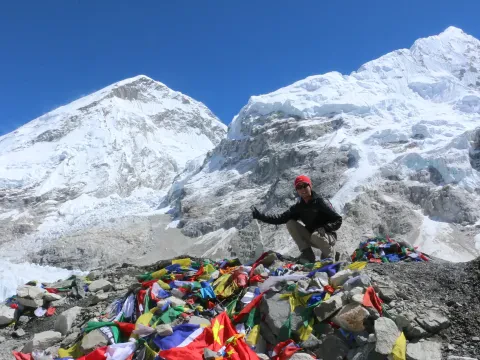
The Everest Base Camp overland trek cost is cheaper than the classic Everest Base Camp trek as it removes one of the most expensive elements of the classic itinerary – the flight from Lukla to Kathmandu. You will still need to get to Kathmandu airport in the morning and arrive at the Everest Base Camp by the afternoon of the first day as you drive from Kathmandu (1,400m) to Salleri (2,360m) and reach Surke the next day (2,290m), from where the trek to Everest Base Camp begins.
As per the experience of the Haven Holidays Pvt. Ltd. team in organizing treks and tours to Everest, most trekkers spend between USD 850 and USD 1,800 on the Everest Base Camp overland trek cost based on the number of people, transport, guide, accommodation, and personal needs.
| Expense Category | Budget | Mid Range | Premium |
|---|---|---|
| Transportation | Low | Moderate | High |
| Accommodation | Basic Tea Houses | Better Rooms | Most luxurious |
| Meals | Local Menu | Mixed Menu | Most luxurious |
| Guide & Porter | Optional | Recommended | Included |
| Total Cost | Lowest | Most popular | Maximum comfort |
Transportation,
Transportation is the significant difference between the classic and overland trekking itineraries.
| Transportation Option | Cost |
|---|---|
| Shared jeep Kathmandu to Salleri | USD 65 per person (one way) |
| Private jeep Kathmandu to Salleri | USD 300 per vehicle (one way) |
| Number of seats | 7-8 |
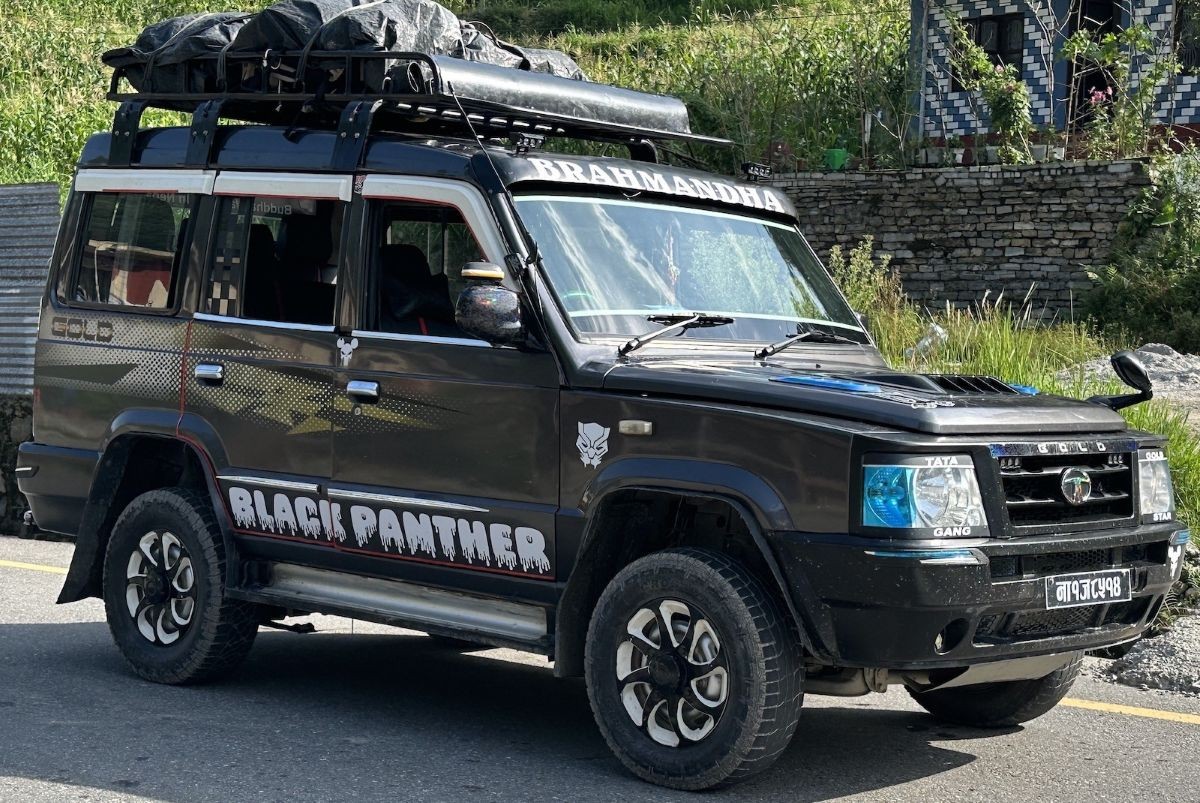
As you can see from the table above, a private jeep ride is extremely cost-effective for a group of people. You can share the expenses with up to 7 other travelers if you opt for a private transportation option. Here are the benefits of shared and private jeeps for your Everest Base Camp overland trek:
Transportation Pros:
Transportation Cons:
Permits
Every foreign trekker must have specific permits to enter the Everest region and should budget around USD 42 to 47 for the following:
Permits Cost
Accommodation,
| Location | Cost Per Night |
|---|---|
| Salleri | USD 10 – 20 |
| Phakding | USD 8 – 15 |
| Namche Bazaar | USD 10 – 20 |
| Tengboche | USD 10 – 18 |
| Dingboche | USD 10 – 20 |
| Lobuche | USD 12 – 22 |
| Gorak Shep | USD 15 – 25 |
What’s Included:
Meals,
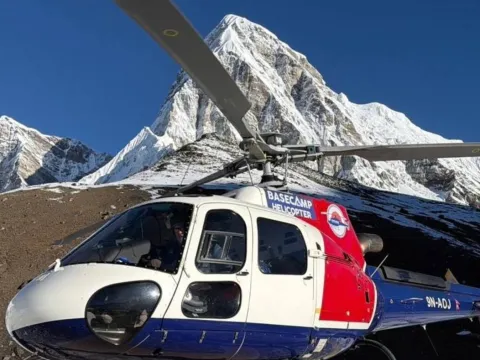
The meal prices in Everest increase with the altitude as the food has to be transported by foot or helicopter.
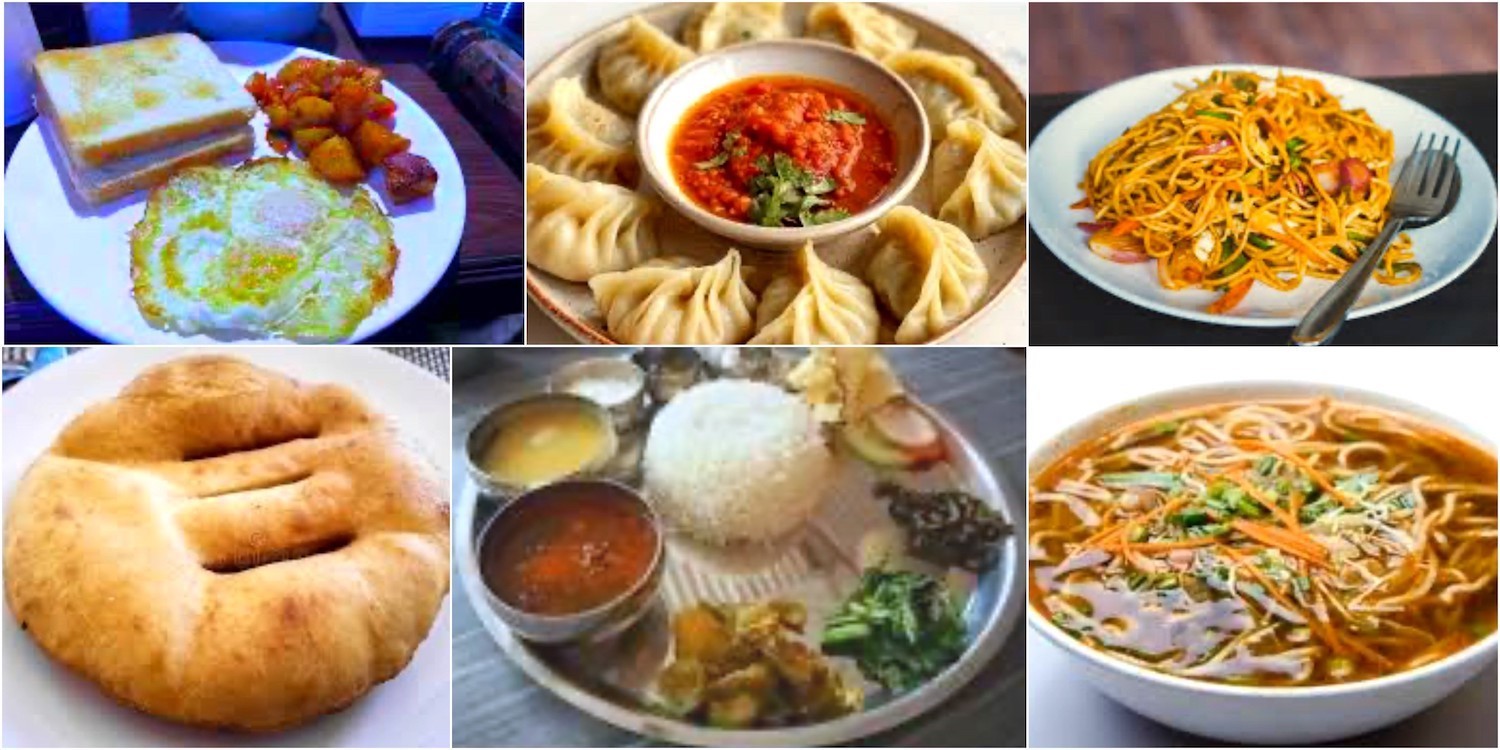
| Meal | Average Price |
|---|---|
| Breakfast | USD 5 – 10 |
| Lunch | USD 6 – 10 |
| Dinner | USD 7 – 12 |
| Drinks & Snacks | USD 3 – 8 |
Daily Meals Budget:
Guide,
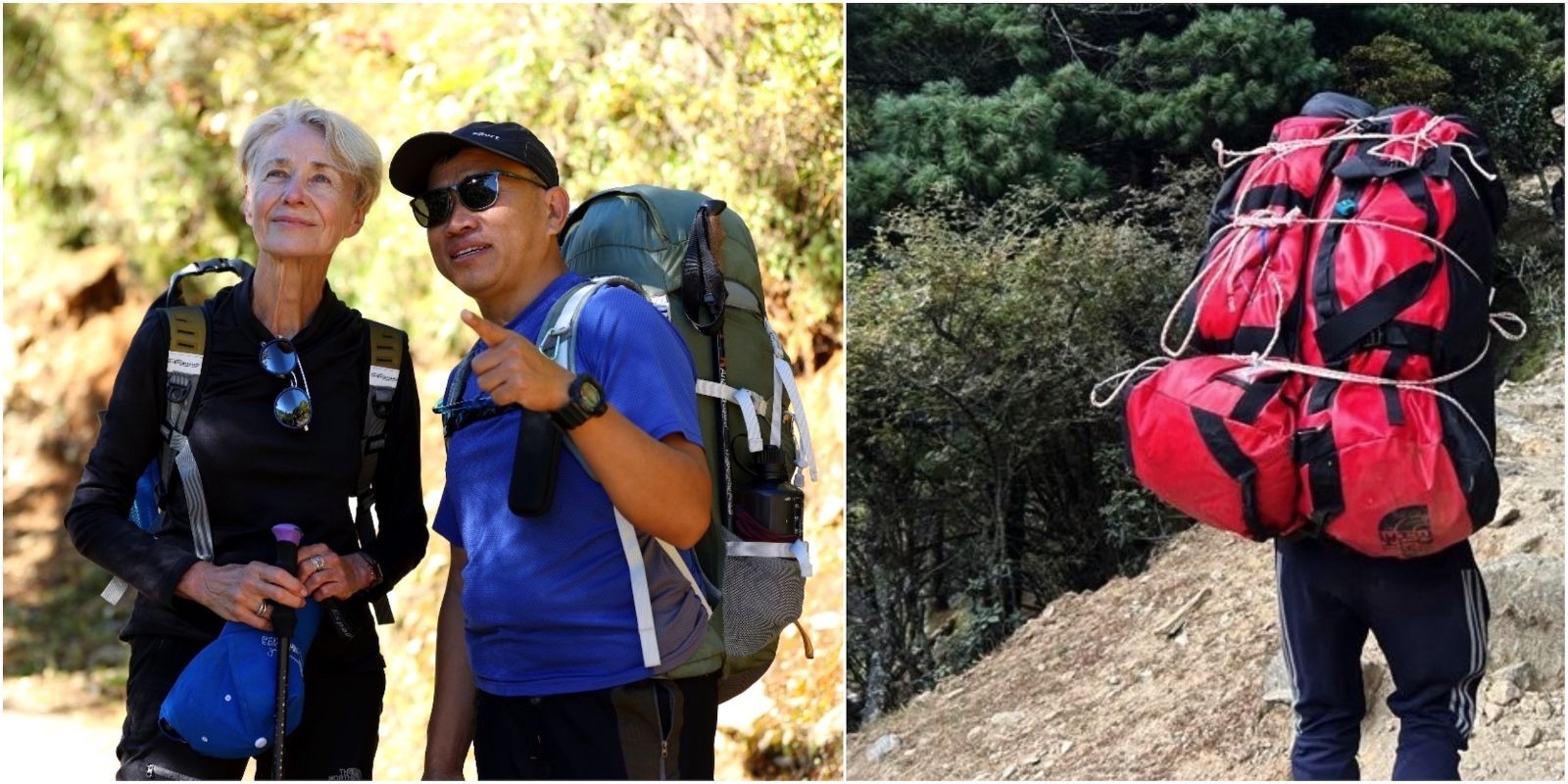
A guide is highly recommended to ensure a safe and smooth journey as well as gain valuable insights and benefit from their local knowledge and connections.
Service and Daily Rate :
Guide Services Include:
Porter
A porter can carry around 20 – 25 Kg on your behalf, and their services are recommended if you want to travel light and enjoy the trek.
Service and Daily Rate :
Usually, 1 porter can assist 2 trekking guests
| Extra Expenses | Estimated Cost per service |
|---|---|
| Wi-Fi | USD 3 – 8 |
| Hot shower | USD 3 – 7 |
| Battery charging | USD 2 – 5 |
| Drinking water | USD 2 – 5 |
| Snacks | USD 2 – 10 |
| Tips | (Optional) USD 5-10 per day recommended. |
Total Estimated Cost,
| Item | Estimated Cost |
|---|---|
| Shared Jeep | USD 130 |
| Permits | USD 45 |
| Food & Accommodation | USD 450 – 550 |
| Guide (shared) | USD 220 |
| Miscellaneous | USD 80 |
| Total | USD 900 – 1,050 |
| Item | Estimated Cost |
|---|---|
| Shared Jeep | USD 130 |
| Permits | USD 45 |
| Food & Accommodation | USD 600 |
| Private Guide | USD 450 |
| Private Porter | USD 350 |
| Extra Expenses | USD 120 |
| Total | USD 1,450 – 1,700 |
| Item | Estimated Cost |
|---|---|
| Private Jeep | USD 600 (return) |
| Permits | USD 45 |
| Best Lodges | USD 700 |
| Private Guide | USD 600 |
| Private Porter | USD 420 |
| Extra Expenses | USD 200 |
| Total | USD 2,200 – 2,600 |
What’s Included in Packages?
Most of the Everest Base Camp overland trek packages offered by Haven Holidays Pvt. Ltd. include the following:
What’s Usually Not Included:
Why the Overland Trek is Cheaper?
The cost of the Everest Base Camp overland trek is one of the most affordable ways to trek to the Everest Base Camp. Replacing the flight from Lukla with a jeep ride lowers the overall cost while also limiting disruptions caused by bad weather. Furthermore, this alternative provides trekkers with a more comfortable and gradual acclimatization to higher altitudes as the jeep tour passes through the scenic hills of Nepal. According to the insights of the Haven Holidays Pvt. Ltd. team who has been organizing Himalayan treks, hikes, and tours for years, the Everest Base Camp overland trek is the cheapest, most effective, and comfortable option for trekkers seeking to minimize expenses while enjoying the cultural and natural splendor of the region.
Overland Trekking: Pros & Cons, Cost Comparison & How to Book,
When it comes to options for transportation for the Everest Base Camp overland trek, you will have two choices: a shared or private jeep. A jeep ride is the preferred mode of transportation for the Everest Base Camp overland trek as the vehicle takes you from Kathmandu (1,400m) to Salleri (2,360m) via Dhulikhel and Okhaldhunga and Surke (2,290m), where the trek to Everest Base Camp begins.
| Feature | Shared Jeep | Private Jeep |
|---|---|---|
| One-way price | USD 65 per seat | USD 300 per vehicle |
| Capacity | 7-8 seats | Up to 7-8 |
| Departure | Fixed schedule | Flexible |
| Comfort | Moderate | Excellent |
| Fewer/More stops | Limited | Customizable |
| Best for | Solo travelers | Groups/Families |
Shared Jeep Pros & Cons,
Pros:
Cons:
Private Jeep Pros & Cons
Pros :
Cons :
| Group Size | Shared Jeep | Private Jeep |
|---|---|
| 1 Person | USD 65 | USD 300 |
| 2 People | USD 130 | USD 300 |
| 4 People | USD 260 | USD 300 |
| 6 People | USD 390 | USD 300 |
| 7-8 People | USD 455 – 520 | USD 300 |
As you can see from the table above, a private jeep becomes a cost-effective option for a large group of people. This is why the team at Haven Holidays Pvt. Ltd. offers special group discounts for trekking companies offering private jeep rides for the Everest Base Camp overland trek.
Who Should Opt for a Shared Jeep?
You should choose a shared jeep for the Everest Base Camp overland trek if:
Who Should Opt for a Private Jeep?
You should choose a private jeep for the Everest Base Camp overland trek if:
| Section | Road Conditions |
|---|---|
| Kathmandu – Dhulikhel | Paved |
| Dhulikhel – Okhaldhunga | Mixed |
| Okhaldhunga – Salleri | Mountain |
| Salleri – Surke | Off-road |
How to Book a Jeep Ride,
The process of booking a jeep ride is straightforward and should be done in advance.
| Book through | Options |
|---|---|
| Haven Holidays Pvt. Ltd. | Yes |
| Local Trek Agencies | Yes |
| Hotels in Kathmandu | Yes |
| Jeep counters in Kathmandu | Yes |
| As part of a trek package | Yes |
Booking Tips from Haven Holidays Pvt. Ltd. Team:
Here are a few helpful tips from the Haven Holidays Pvt. Ltd. operations team for booking a jeep ride for the Everest Base Camp overland trek:
Tip Description :
When comparing the shared vs. private jeep options for transportation for the Everest Base Camp overland trek, there is no best option as it all depends on your travel needs and budget. A shared jeep is the best option for solo travelers who seek the most value for their money. You will pay only USD 65 for a one-way shared jeep ride from Kathmandu (1,400m) to Salleri (2,360m). A private jeep ride costs USD 300 for a one-way ride and is perfect for larger groups of up to 7 – 8 people, so the expenses are divided among all the travelers. From the experience of the Haven Holidays Pvt. Ltd. team, a private jeep is the best option for a comfortable and stress-free start to your Everest Base Camp overland trek.
All trekkers must have valid Everest Base Camp permits in the Khumbu region. Fortunately, the permit system for the Everest Base Camp overland trek from Salleri is simple compared to other areas in Nepal. Whether you take the jeep or fly to Lukla, your permits are essentially the same once in the Khumbu region. Moreover, you will be pleased to know that TIMS (Trekkers’ Information Management System) is no longer required for most hikers in the Everest region. Instead, two local permits are required to trek to Everest Base Camp from Salleri. According to the latest hiking regulations and experience of Haven Holidays Pvt. Ltd., two local permits are sufficient for your Everest Base Camp trek from Salleri. They are:
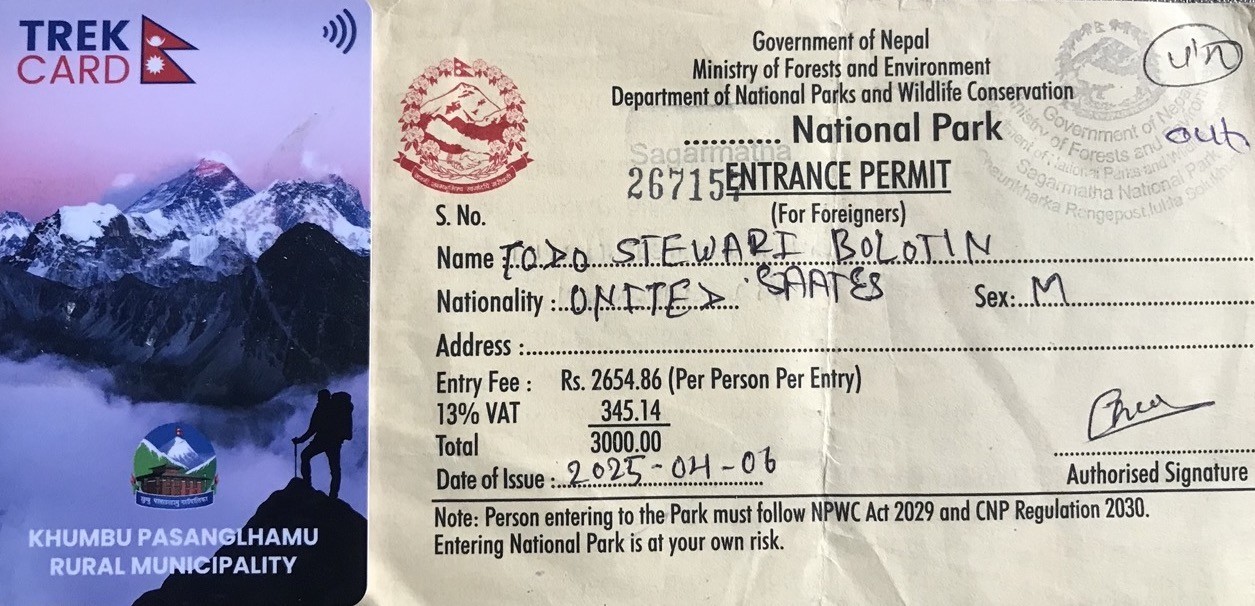
| Permit Required | Approximate Cost |
|---|---|
| Khumbu Pasang Lhamu Rural Municipality Permit | USD 25 |
| Sagarmatha National Park Entry Permit | USD 25 – USD 30 |
| TIMS Card | Not Required |
| Total Permit Cost | USD 50 – USD 60 |
1. Pasang Lhamu Rural Municipality Permit
Is TIMS Required for Everest Base Camp Trek?
The TIMS permit system has been replaced by local permits in the Everest region. As a foreign trekker, you only need a local permit to trek in the Everest region. The TIMS permit system has been canceled due to complexity and difficulty in use by foreign trekkers. Instead, the local government issues permits to foreign trekkers to regulate and manage tourism in the Everest region. Khumbu Pasang Lhamu Rural Municipality Permit and Sagarmatha National Park Entry Permit are required permits for trekking in the Everest region.
Furthermore, you must carry your permits with you at all times during your trek. Here are the documents you need to carry during your Everest Base Camp trek:
Documents to carry :
Here, the local permit fee helps to maintain trails, bridges, and other trekking routes. In addition, permit fees help to conserve natural resources such as forests and mountains while supporting local communities and wildlife.
Moreover, this is the expert advice from Haven Holidays Pvt. Ltd experienced guides on permits:
Finally, here’s why booking your Everest Base Camp overland trek with Haven Holidays Pvt. Ltd saves you time and effort. Your permits will be taken care of by our expert team before your trek begins. Now you can relax and enjoy the incredible journey from Kathmandu (1,400 m) to Everest Base Camp (5,364 m) and Kala Patthar (5,545 m).
The time you choose to trek to Everest Base Camp significantly impacts the kind of adventure you experience. From weather to mountain views, road conditions to trail comfort, everything is different throughout the year. Luckily, you can trek to Everest Base Camp overland without having to fly to Lukla, and this trek is available all year round. However, the best time to hike to Everest Base Camp is during spring (March – May) or autumn (September – November). Unlike the Lukla flight, an overland trek gives you more flexibility in shoulder seasons due to less dependence on the weather.
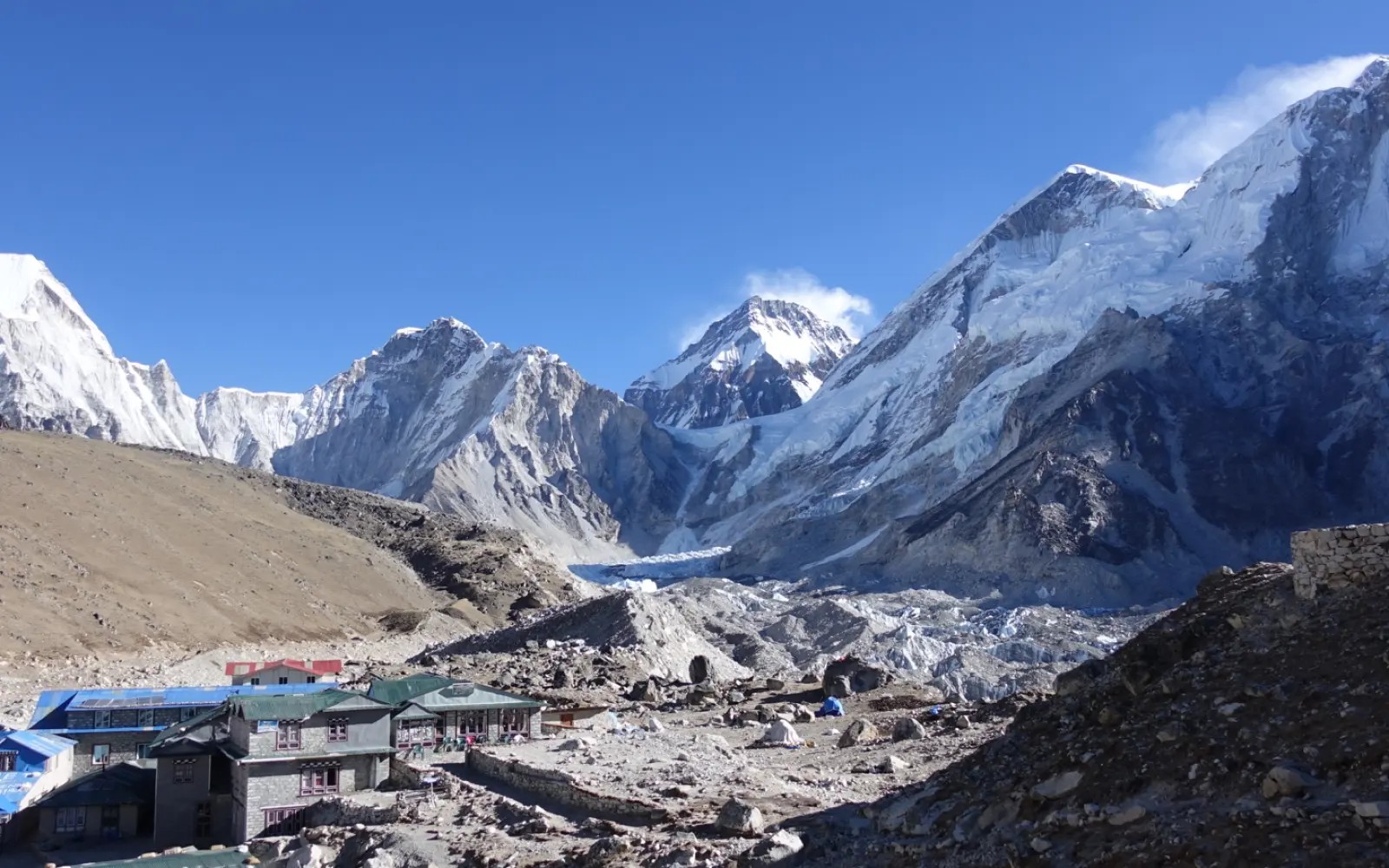
According to our expert guides at Haven Holidays Pvt. Ltd, the road to Lukla also helps you acclimatize well as you slowly climb from Salleri (2,360 m) and Surke (2,290 m) to Lukla (2,835 m). Let’s now explore the best seasons for trekking to Everest Base Camp overland with details and pictures.
Meanwhile, the seasons in Nepal are generally divided into four: spring, summer or monsoon, autumn, and winter. Each season has different advantages and challenges, so we have summarized them below:
| Season | Months | Recommendation |
|---|---|---|
| Spring | March – May | ⭐⭐⭐⭐⭐ Best Season |
| Summer/Monsoon | June – August | ⭐⭐ Fair |
| Autumn | September – November | ⭐⭐⭐⭐⭐ Best Season |
| Winter | December – February | ⭐⭐⭐ Good |
Nevertheless, the best time to trek to Everest Base Camp is in spring and autumn.
Spring (March – May)
Spring is one of the best times to trek to Everest Base Camp overland. During this season, the forests are full of blooming rhododendrons, temperatures are comfortable, and mountain views are spectacular.
| Elevation | Day | Night |
|---|---|
| Salleri 2,360 m | 15 – 22°C | 5 – 10°C |
| Namche Bazaar 3,440 m | 10 – 15°C | 0 – 5°C |
| Dingboche 4,410 m | 5 – 10°C | -5°C – 0°C |
| Everest Base Camp 5,364 m | 0 – 5°C | -10°C – -15°C |
Some benefits of visiting Everest Base Camp during spring include:
Advantages :
During spring, you can experience all the beauty of the Himalayas without cold weather and muddy trails. This makes it the best season for most trekkers, especially those who want to avoid the rainy season.
Autumn (September – November)
Autumn is the best season for trekking to Everest Base Camp. After the rainy season, the skies are clear, revealing amazing views of the Himalayas. Below are some of the reasons why autumn is such a fantastic time to trek to Everest Base Camp.
| Place | Day | Night |
|---|---|
| Salleri | 16 – 22°C | 6 – 10°C |
| Namche Bazaar | 10 – 16°C | 0 – 5°C |
| Dingboche | 4 – 10° C | -5°C- -7C |
| Everest Base Camp | 0 – 5°C | -10°C – -15°C |
Autumn Advantages :
However, there are also some disadvantages of trekking to Everest Base Camp during autumn.
Disadvantages :
Moreover, the road to Lukla is also excellent during the autumn season. Here are some more reasons why autumn is a great season for your Everest Base Camp overland trek.
Reasons to Trek to EBC During Autumn :
On the other hand, winter brings cold nights and quiet trails. Let’s look at some of the benefits and challenges of trekking to Everest Base Camp during the winter season.
Winter (December – February)
During the winter season, you can enjoy a peaceful and solitary trek to Everest Base Camp. However, temperatures drop considerably at higher elevations and night-time.
Winter Highlights
On the other hand, the main disadvantage of trekking to Everest Base Camp during the winter season is the cold weather at night. Moreover, trails above 4,000 m may also be covered with snow.
Summer/Monsoon (June – August)
The warm and rainy season in Nepal is from June to August. Although most of the trails get wet during this season, the mountain views are clearer during the summer season. During the monsoon, the valley is covered with greenery and is abundant with life.
| Feature | Condition |
|---|---|
| Lower roads | Wet |
| Forest trails | Muddy |
| Leeches | Possible |
| Mountain views | Clear on cloudy mornings |
Advantages of Trekking During Monsoon :
Despite the challenges, most trekking companies recommend the summer season for an overland trek to Everest Base Camp. This is because the road to Lukla usually remains open throughout the year.
Another reason why spring and autumn are perfect for trekking to Everest Base Camp is because of their road and trail conditions. The jeep route to Lukla is much better during the early months of the season and late autumn. This flexibility is unavailable for the Lukla flight due to limited daily slots. Although road conditions may sometimes be poor during the rainy season, most trekkers find it worth it to avoid the busy peak season. Besides, an overland trek to Everest Base Camp offers an incredible view of the Himalayas as you slowly ascend from Kathmandu (1,400 m) to Salleri (2,360 m) and Surke (2,290 m) before Lukla (2,835 m). Therefore, according to Haven Holidays Pvt. Ltd expert guides, the best time to trek to Everest Base Camp is in spring or autumn. However, if you prefer a less crowded and cheaper option, you can also consider traveling during the shoulder seasons of December and June.
Based on extensive Himalayan trekking and exploring experience, the expert guides at Haven Holidays Pvt. Ltd recommend the following:
Ultimately, most people prefer to trek to Everest Base Camp during the spring and autumn seasons. This is because of the pleasant weather and superb Himalayan views.
When it comes to planning an Everest Base Camp trek, a prudent packing list plays a significant role. The Everest Base Camp Overland trek from Kathmandu is an exciting journey comprising a long drive and a high-altitude trek through remote Himalayan trails. As such, it’s paramount to have the right kind of clothing and gear to ensure comfort while driving on dusty tracks and staying warm at night on the campsite.
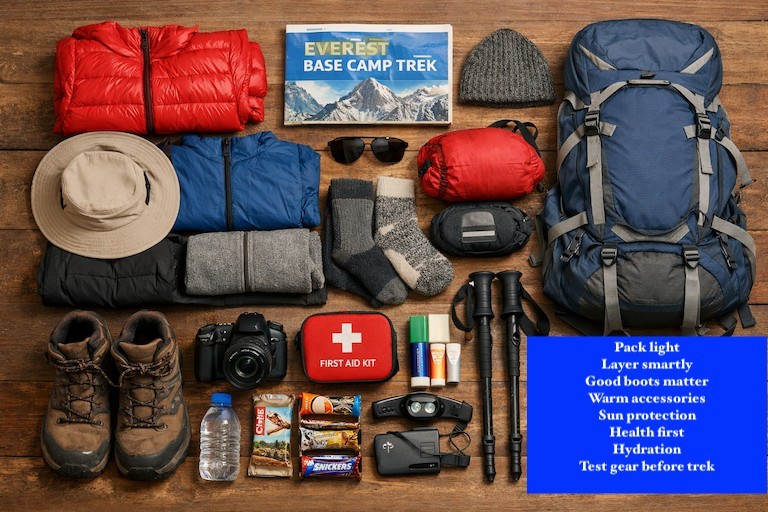
In addition to, the standard items for a Lukla flight-based Everest Base Camp trek, a road trip to the Everest Base Camp requires you to carry road trip essentials. Based on our many years of experience, our mountain guides at Haven Holidays Pvt Ltd. recommend a smart packing list and suggest going light.
Below is one of the best packing guides for the overland Everest Base Camp trek:
| Particulars | Necessary/Recommended |
|---|---|
| Documents | Necessary |
| Clothing | Necessary |
| Trekking Gear | Necessary |
| Electronics | Necessary |
| Health, Hygiene | Necessary |
| Comfort Items | Recommended |
Important Documents,
It’s always advisable to carry your important documents in a waterproof pouch.
Documents Checklist :
Emergency Contacts :
Clothing, In the Everest region, it is common to put on layers of clothes to stay warm and comfortable.
Base Layers :
Mid Layers :
Outer Layers :
Warm Clothing,
It is not uncommon to experience sub-zero temperatures, especially at Kala Patthar (5,545 m). Here are the warm clothes you should bring along:
While selecting the right pair of trekking shoes, it is important to note that you should not use new footwear.
Footwear Checklist :
Backpack,
A comfortable and durable backpack is required to carry personal belongings on a multi-day trek. While selecting a backpack, consider the following:
Sleeping Equipment
Most of the tea houses provide blankets, but it is recommended to bring along a sleeping bag rated from -10C to -15C. Additionally, a liner and an inflatable pillow are also useful.
Road Trip Essentials
Since the overland trek involves a long drive covering 8-12 hours in a jeep, it is important to carry a neck pillow, sunglasses, and a few other comfort items. Some of the most useful road trip essentials include:
Electronics,
It is a good idea to carry along some electronic devices during the Everest Base Camp overland trek.
Electronics Checklist :
As you climb higher, the electricity becomes expensive, so it is a good idea to carry a power bank.
Trekking Equipment,
It is important to carry high-quality trekking gear. Some of the most essential equipment includes:
Health & Hygiene,
It is always advisable to carry a personal medical kit. Here is a list of health and hygiene items:
Food & Snacks,
It is a good idea to carry high-energy foods and nutritious snacks for the Everest Base Camp trek. Here are some of the best healthy food options:
Miscellaneous/Luxury Items,
A set of miscellaneous items can make your Everest Base Camp trek more enjoyable. Some of the most common luxury items include:
| Particulars | Necessary |
|---|---|
| Passport | ✔ |
| Permits | ✔ |
| Down Jacket | ✔ |
| Sleeping Bag | ✔ |
| Trekking Boots | ✔ |
| Rain Jacket | ✔ |
| Trekking Poles | ✔ |
| Headlamp | ✔ |
| Water Bottles | ✔ |
| Power Bank | ✔ |
Packing Checklist Tips by Haven Holidays Pvt Ltd
Our mountain guides at Haven Holidays Pvt Ltd offer the best trekking services in Nepal. Based on their extensive knowledge and field experience, they recommend the following packing tips:
Final Packing List Tips
A smart packing list for the Everest Base Camp overland trek from Kathmandu ensures comfort and convenience during the long drive and cold nights at the Everest Base Camp (5,364 m) and Kala Patthar (5,545 m). The right clothing and reliable trekking equipment can make your overland trek one of the most delightful Himalayan adventures.
The Everest Base Camp trek calls for a lot of preparations and careful planning. As opposed to the traditional Everest Base Camp trek via Lukla, the overland trek through the road is less strenuous but can be time-consuming due to the long drive from Kathmandu to Salleri (2,360 m). This article contains a list of practical tips for a successful overland trek to the Everest Base Camp (EBC).
| Tips | Importance |
|---|---|
| Acclimatization | ★★★★★ |
| Stay Hydrated | ★★★★★ |
| Walk Slowly | ★★★★★ |
| Smart Packing | ★★★★★ |
| Book Jeep in Advance | ★★★★☆ |
| Carry Cash | ★★★★☆ |
1. Acclimatization,
Altitude is the main concern on any high-altitude trek, and EBC overland trek is no exception. The acclimatization process in the Everest region is relatively slow, and therefore it is important to avoid pushing yourself too hard.
| Location | Elevation |
|---|---|
| Namche Bazaar | 3,440 m |
| Dingboche | 4,410 m |
It is recommendable to spend an extra day or two in Namche Bazaar and Dingboche to acclimatize properly.
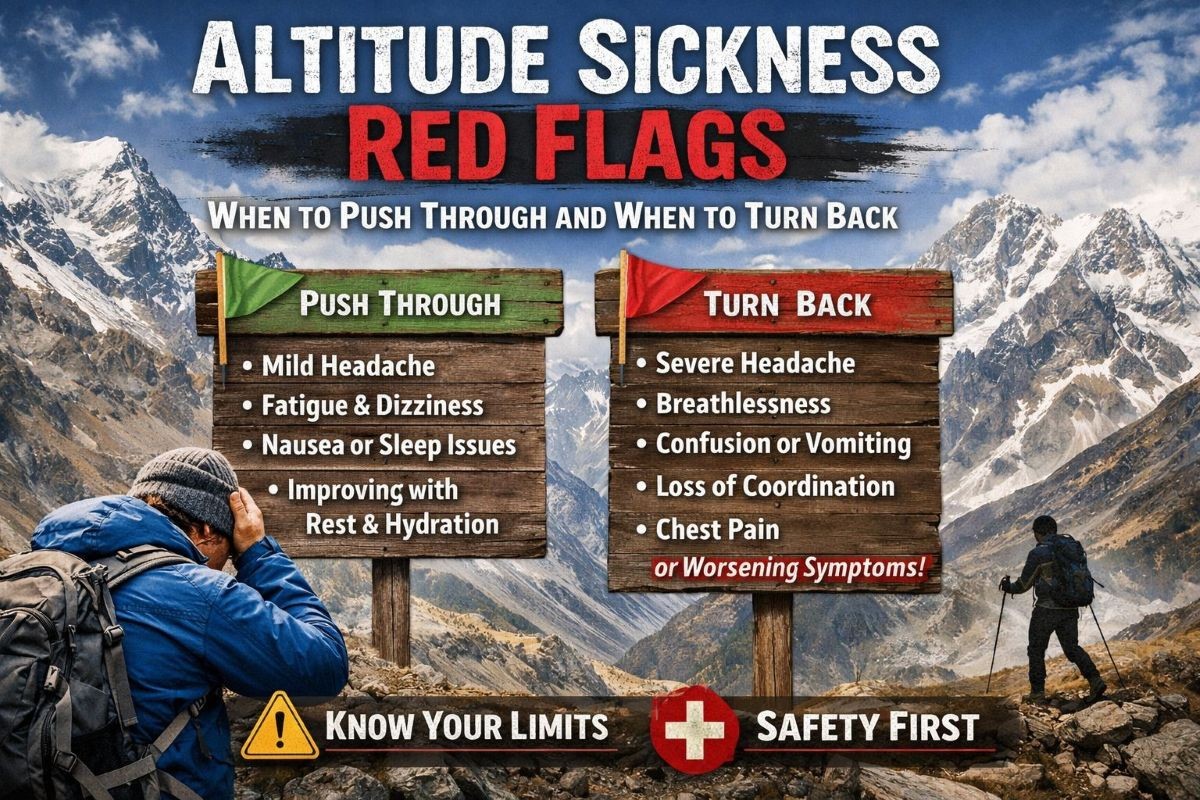
2. Know the Signs of Altitude Sickness
It is critical to understand the symptoms of altitude sickness (AMS) and know when to seek medical help.
Symptoms of Altitude Sickness :
3. Stay Hydrated
Drinking more fluids helps fight AMS and keeps you energized throughout the trek:
4. Walk Early and Often
On most trekking days, you will start walking early in the morning to maximize the day’s hours and avoid walking in the dark:
5. Book Your Jeep in Advance
During the peak seasons, jeeps get fully-booked months in advance, so it is important to book early:
6. Carry Extra Cash
As there are only a limited number of ATMs in the mountainous region, it is advisable to carry extra cash for your Everest Base Camp trek.
7. Stay Connected
Cellular networks are spotty and unreliable in the Everest region. However, you can use your mobile phone to stay connected to the outside world.
| Service Provider | Availability |
|---|---|
| Ncell | Partial |
| Nepal Telecom (NTC) | Better coverage |
| Wi-Fi | Available in most tea houses |
The mobile network becomes weaker at higher altitudes.
8. Hire a Professional Guide
A professional guide adds value to your Everest Base Camp trek. Here are some of the key reasons why you should consider hiring a local guide:
Our highly-skilled local guides at Haven Holidays Pvt Ltd recommend hiring professional guides to ensure a safe and memorable walking holiday in Nepal.
9. Respect Local Customs
While trekking in the Everest region, it is important to respect local customs and traditions. Here are some quick cultural awareness tips:
10. Be Environmentally Responsible,
It is critical to be a responsible trekker and follow the Leave No Trace principles while walking in the Everest region :
11. Weather Conditions
12. Avoid These Mistakes
Avoid making these common mistakes when walking to the Everest Base Camp:
| Common Mistakes | Better Alternatives |
|---|---|
| Walking at a fast pace | Walking slow allows better acclimatization. |
| Wearing new hiking boots | Breaking in new hiking boots before the trek. |
| Drinking less water | Staying hydrated prevents AMS. |
| Ignoring altitude sickness symptoms | Descending immediately if AMS occurs. |
| Packing too much gear | Only pack the necessary items. |
| Relying only on credit cards | Carrying cash is more reliable |
13. Travel Insurance
It is essential to purchase travel insurance with sufficient coverage. Make sure your travel insurance policy covers:
14. Additional Tips by Haven Holidays Pvt Ltd
Our professional trekking guides at Haven Holidays Pvt Ltd. recommend the following:
Final Remarks,
The practical trekking tips mentioned above will help you have a pleasant and safe journey on your overland trek to the Everest Base Camp. From the scenic drive through the Salleri (2,360 m) route to the EBC (5,364 m) and Kala Patthar (5,545 m) summit, a well-prepared hiker is more likely to enjoy the Himalayan adventure. With the help of trusted local experts at Haven Holidays Pvt Ltd, an overland Everest Base Camp trek can be truly spectacular and enjoyable.
The journey to the Everest Base Camp is an incredible trekking trail. The overland Everest base camp trek allows the traveler to skip the risky and uncertain mountain flight and embark on a scenic drive from Kathmandu to Salleri (1,400 m to 2,360 m) passing through Salleri and Surke (2,290 m) and eventually reach the Everest trail at Phakding (2,610 m). Along the drive, you pass through Sherpa villages and spectacular river valleys, across bridges, and enjoy the views of the Himalaya while acclimatizing to higher altitudes.
If you want an affordable, flexible, and authentic hiking adventure to witness the natural beauty of the Everest region while trekking around the Himalayas, the overland route is one of the best options to explore this region and reach the Everest base camp trek (5,364 m) and Kala Patthar (5,545 m). Although the jeep ride could be considered a long and uneven road, it serves the purpose of an adventurous journey for many trekkers.
Based on my previous experiences and professional knowledge in organizing trekking to the Everest region, the overland trek is preferred by the majority to save time, money, and effort on the most famous but challenging mountain flight from Lukla.
The overland trek to Everest base camp offers a wide variety of benefits that the hikers prefer to choose the driving options rather than the flight from Lukla.
Major Benefits :
Who Should Choose the Overland Trek to Everest Base Camp?
The overland trek to Everest base camp from Kathmandu is suitable for all types of travelers.
| Traveler Type | Recommended |
|---|---|
| Budget Travelers | ⭐⭐⭐⭐⭐ |
| Adventure Seekers | ⭐⭐⭐⭐⭐ |
| First-Time Everest Trekkers | ⭐⭐⭐⭐☆ |
| Experienced Trekkers | ⭐⭐⭐⭐⭐ |
| Photographers | ⭐⭐⭐⭐⭐ |
| Solo Travelers | ⭐⭐⭐⭐☆ |
| Couples | ⭐⭐⭐⭐⭐ |
| Small Groups | ⭐⭐⭐⭐⭐ |
In fact, the overland trek to Everest base camp from Kathmandu is appropriate and recommended for different categories of travelers, including those who choose the road rather than the flight from Lukla to save costs and time. This trekking trail is suitable for hikers searching for authentic cultural and natural exploration.
Specifically, the road trip, prior to the Everest hiking trail, is appropriate if:
| Trek Feature | Details |
|---|---|
| Starting Point | From Kathmandu (1,400 m) |
| First Jeep Destination | Salleri (2,360 m) |
| Trek Starting Point | Surke (2,290 m) |
| Highest Sleeping Place | Gorak Shep (5,164 m) |
| Everest Base Camp | 5,364 m |
| Kala Patthar | 5,545 m |
| Trek Duration | 15–17 Days |
| Trekking Distance | Approximately 130–150 km |
| Road Distance | Approximately 530–540 km Round Trip |
Budget Estimate for the Trek to Everest Base Camp,
| Expenses | Estimated Cost (USD) |
|---|---|
| Shared Jeep (Round Trip) | 130 |
| Private Jeep (Round Trip) | 600 per vehicle |
| Permits | 42–47 |
| Accommodation | 180–300 |
| Meals | 250–400 |
| Licensed Guide | 30–35 per day |
| Porter | 25–30 per day |
| Travel Insurance | Varies |
| Personal Expenses | 150–300 |
| Travel Style | Estimated Budget |
|---|---|
| Budget Trek | USD 900–1,200 |
| Standard Trek | USD 1,200–1,800 |
| Premium Trek | USD 1,700–2,600+ |
| Day | Route |
|---|---|
| 1 | Drive Kathmandu → Salleri |
| 2 | Drive Salleri → Surke, Trek to Phakding |
| 3 | Trek to Namche Bazaar |
| 4 | Acclimatization in Namche |
| 5 | Trek to Tengboche |
| 6 | Trek to Dingboche |
| 7 | Acclimatization in Dingboche |
| 8 | Trek to Lobuche |
| 9 | Trek to Everest Base Camp, Return to Gorak Shep |
| 10 | Sunrise at Kala Patthar, Trek to Pheriche |
| 11 | Trek to Namche Bazaar |
| 12 | Trek to Phakding |
| 13 | Trek to Surke |
| 14 | Drive Surke → Salleri |
| 15 | Drive Salleri → Kathmandu |
| 16-17 | Buffer or sightseeing time |
You choose the local agency to manage your Everest base camp trek with professional and qualified staff and the most appropriate itinerary according to your requirements and budget. The experienced team of Haven Holidays Pvt. Ltd. will assist you throughout the journey and provide reliable information, practical advice, and flexible and affordable solutions. From their arrival in Kathmandu to returning from the Everest region, the hikers will be supported by the local expert team, who knows the area and its people. They provide:
The professional team of Haven Holidays Pvt. Ltd. follows the road conditions and weather forecast and updates you about your journey and trail to Everest base camp on foot.
Before leaving for the Everest region, you need to complete a few procedures to ensure that nothing is missed. Here is what you need to do in advance:
So, is the overland trek to Everest base camp right for you? As stated previously, if you value authenticity and want to enjoy the scenic views of the Himalayas while acclimatizing, the overland route is one of the best options to experience the famous Everest base camp trek (5,364 m) and Kala Patthar (5,545 m). The overland trek to EBC promises not only unmatchable adventure and hiking challenges but also unique opportunities to witness the natural beauty of the Everest region while exploring rural Nepal. This hiking trail offers the most popular trekking route to the EBC plus an adventurous road trip with picturesque views of valleys and remote villages with friendly Sherpa people. This is an amazing opportunity for the first-time hikers and also for the experienced Himalayan trekkers.
Contact Haven Holidays Pvt. Ltd. to discover more about the overland trek to Everest base camp. You can also find out the permit details and rates for your upcoming Himalayan adventure and let their local experts plan your 15–17 day Everest base camp overland trek with professional mountain guides.
1. What is Everest Base Camp overland trek?
The Everest Base Camp overland trek is an alternative to the flight from Lukla to EBC. Instead of the flight from Lukla, the journey begins with a drive from Kathmandu to Salleri or Phaplu which is about 2300-2380 m asl followed by a trek through Puiyan / Surke to the trailhead at Phakding 2610 m asl. From there, it follows the classic Everest Base Camp trail to EBC and Kala Patthar.
2. How much does Everest Base Camp overland trek cost?
The Everest Base Camp Overland trek cost starts at around USD 965-1200 per person with a guide, permits, sharing a jeep (with Phaplu option), and tea house lodging / meals. All-inclusive (accommodation, food, guide, and porter) starts at around USD 1300. More luxurious options can cost over USD 2500. Meals and accommodation at tea houses and lodges cost about USD 25-40 per person per day. Tips and insurance are additional.
3. What is included and not included in overland EBC trek cost?
An overland EBC trek package usually includes private/shared jeep from Kathmandu to Salleri/Phakding and vice versa, TIMS and Sagarmatha national park permits, an English-speaking guide, a porter (upon request), accommodation in tea houses, and meals during the trek. International flights, visas, travel insurance, tips, and personal expenses are excluded.
4. What is the trek itinerary with elevation gain on Everest Base Camp Overland Trek?
Day 1: Arrival in Kathmandu, Day 2: Drive to Salleri or Phaplu 2360-2390 m asl, Day 3: Drive to Surke or Puiyan (around 2700-2840 m asl) or trek to Phakding 2610 m asl, Day 4: Trek to Namche Bazaar 3440 m asl, Day 5: Acclimatize day with a hike to around 3800-3900 m asl, Day 6: Trek to Tengboche 3860 m asl, Day 7: Trek to Dingboche 4410 m asl, Day 8: Acclimatize day, Day 9: Trek to Lobuche 4940 m asl, Day 10: Trek to Gorak Shep 5164 m asl and EBC, Day 11: Morning hike up Kala Patthar 5545 m asl followed by a return to EBC and back to Gorak Shep for the night, Day 12: Leaving EBC lower trail back down to Lukla / Phakding. The return trip will usually follow a similar route of lower passes.
5. What is the maximum altitude attained on the Overland EBC trek?
The maximum altitude on the Overland EBC trek is Kala Patthar at 5545 m asl. Other high passes are EBC at 5364 m asl. The majority of the nights are at a much lower altitude (Gorak Shep 5164 m asl, Lobuche 4940 m asl).
6. How long is overland EBC trek itinerary?
An Overland EBC itinerary is usually around 15-18 days, including two days’ drive each way and 11-14 days’ trekking. It takes a few days more compared to the standard flight version which is around 12-14 days. The extra days are needed to acclimatize better as most overland treks start from around 2300 m asl rather than Lukla at 2840 m asl.
7. What are the significant passes on the overland EBC trek from Kathmandu?
The Elevation profile: Kathmandu 1400 m asl > Salleri/Phaplu 2360-2390 m asl > Surke/Puiyan (around 2700-2840 m asl) > Phakding 2610 m asl > Namche 3440 m asl > Tengboche 3860 m asl > Dingboche 4410 m asl > Lobuche 4940 m asl > Gorak Shep 5164 m asl > EBC at 5364 m asl > Kala Patthar at 5545 m asl.
8. Why do people choose the EBC overland trek?
People prefer the overland trek to EBC because of the flexibility it offers, fewer delays compared to Lukla flight, better acclimatization from the lower start, and the opportunity to trek through less busy Solukhumbu villages, monasteries, and enjoy views of the Himalayas before following the main trailhead. The overland trek can also be done on a more flexible schedule.
9. How difficult is EBC overland trek?
The difficulty of an EBC overland trek is moderate to challenging due to the high altitude rather than the steepness of the trail. Hiking from one camp to another will take 5-7 hours with significant elevation gain, e.g., the Namche climb. A good level of fitness and some training can be adequate. The lower starting point makes it suitable for first-time trekkers compared to starting directly from Lukla.
10. When is the best season for overland trek to EBC?
The best seasons for trekking are spring (March-May) and autumn (September-November). Winter (December-February) can also be a good option, though it is cold at higher altitudes, while summer (June-August) is rainy with less muddy trails but few clouds.
11. What permits are required for overland EBC trek?
TIMS card, Sagarmatha National Park permit, and local rural municipality permit are required. A permit cost usually ranges from USD 50-100 depending on the trekking agency. There is no specific permit required for overland trekking except for the standard entry permits mentioned above.
12. Is it possible for a novice trekker to do Overland EBC trek?
Yes, an overland EBC trek is possible for novice trekkers with average fitness. Preparing by doing extensive hiking and cardio exercises before hand helps. The lower starting altitude also makes it easier for people to acclimatize gradually. Having a good guide and porter is essential for a comfortable and safe journey.
13. How much should I budget for EBC overland trek apart from the package?
Some extra costs usually include insurance, tips for guides and porters, personal equipment, drinks, hot water, showering, and wifi. It is advisable to have these extra expenses in mind while planning the trip. Most overland EBC treks from abroad usually cost around USD 2500-3500 depending on what is included and time of the year.
14. How many kilometers do I walk on a daily basis on overland EBC trek?
The distance covered on an EBC overland trek varies on a day-to-day basis. The most strenuous walks are from Phakding to Namche (about 10-12 km with an elevation gain of 830 m), and from Namche to Tengboche (9-10 km with an increase of 420 m). Another challenging stretch is from Dingboche to Lobuche (8-10 km with 530 m). From Lobuche to Gorak Shep/EBC there is a 8-10 km stretch for a 200-400 m elevation gain. The walk back from EBC is also strenuous on the knees even though it is a descent.
15. Does an overland trek to EBC have acclimatization itinerary?
An overland trek to EBC usually allows for better acclimatization due to the lower starting point. However, the itinerary can also vary depending on the tour company. The acclimatization days are usually on the way to EBC and spent in the lower areas such as Namche 3440 m asl (hiking to 3800-3900 m asl) and Dingboche 4410 m asl. This gradual increase in elevation and extra acclimatization days are helpful and reduce the risk of AMS (acute mountain sickness) compared to a direct flight from Lukla.
16. Is it possible to reach Everest Base Camp fully by road?
Unfortunately, no. The road to Everest Base Camp ends at Phakding, Thamdanda, or Surke at around 2610 or 2300-2750 m asl. From there on, it is necessary to trek to EBC (5364 m asl). On the other side in Tibet, EBC is reachable by road.
17. How many kilometers is an overland EBC trek?
The EBC trek from Phakding is about the same as the classic EBC trail (130-150 km there and back). Added to that are 8-12 hours of driving each way from Kathmandu to Salleri/Phakding (about 260 km). Extra days might also be needed for acclimatization and lower passes that are not on the EBC trail (about 20-40 km).
18. How much does an overland EBC trek cost compared to a standard EBC flight version?
An overland EBC trek is usually cheaper than a standard EBC trek via Lukla flight by around USD 200-400 since a shared jeep ride from Kathmandu to Lukla is usually cheaper than a direct flight from Kathmandu to Lukla (which might cost USD 150-300 one way). The difference also depends on how many people share the jeep, what is included, and the time of the year. Classic flight version EBC treks usually range from USD 1200-1800.
19. At which altitude does acute mountain sickness become a risk on an overland trek to EBC?
Generally, acute mountain sickness (AMS) becomes a risk above 3000 m asl. The most challenging passes on the overland EBC trek are Dingboche 4410 m asl, Lobuche 4940 m asl, Gorak Shep 5164 m asl, EBC 5364 m asl, and Kala Patthar 5545 m asl. It is important to start descending immediately if AMS symptoms occur. Diamox is a common drug for AMS and should be taken as recommended by a physician.
20. Can I customize my overland EBC trek itinerary to fit my budget?
Yes, usually, a tour company can customize your EBC overland trek based on your budget. Customization options include joining the itinerary from Phakding (after driving from Kathmandu) and spending extra days at lower altitudes. You can also opt for private transportation and hire a cook instead of staying at tea houses. Alternatively, you can fly out of Namche or Gorak Shep on a helicopter and reduce the number of trekking days. The more people in your group, the cheaper it is per person.
Our travel experts are ready to assist you with any questions.
Send us a message.Have a question before you book? Send your enquiry below and our travel experts will get back with the required information.