[{"name":"Everest Base Camp Helicopter Tour","duration":"1","image_url":"https:\/\/www.havenholidaysnepal.com\/storage\/trip-galleries\/1\/thumb_6cd53005d75a86e373d31419d1b14d78.webp","offer_price":1195,"url":"https:\/\/www.havenholidaysnepal.com\/trips\/everest-base-camp-helicopter-tour"},{"name":"Everest Mountain Flight","duration":"1","image_url":"https:\/\/www.havenholidaysnepal.com\/storage\/trip-galleries\/4\/thumb_3b0b4f1d6f72b0ad224daf4752f2c6e0.jpg","offer_price":285,"url":"https:\/\/www.havenholidaysnepal.com\/trips\/everest-mountain-flight"},{"name":"Everest Short Trek","duration":"9","image_url":"https:\/\/www.havenholidaysnepal.com\/storage\/trip-galleries\/5\/thumb_BXPP3621.JPEG0.02033800 1727957098.webp","offer_price":995,"url":"https:\/\/www.havenholidaysnepal.com\/trips\/everest-short-trek"},{"name":"Gokyo Valley Trek","duration":"12","image_url":"https:\/\/www.havenholidaysnepal.com\/storage\/trip-galleries\/6\/thumb_10bc469b14731f23d3ce84a7092ad53f.jpg","offer_price":1195,"url":"https:\/\/www.havenholidaysnepal.com\/trips\/gokyo-valley-trek"},{"name":"15 days Annapurna Base Camp Trek","duration":"15","image_url":"https:\/\/www.havenholidaysnepal.com\/storage\/trip-galleries\/7\/thumb_87d1533bc45faf070990aef0579e4be4.jpg0.81855100 1728285496.webp","offer_price":785,"url":"https:\/\/www.havenholidaysnepal.com\/trips\/15-days-annapurna-base-camp-trek"},{"name":"Nepal Pilgrimage Tour","duration":"14","image_url":"https:\/\/www.havenholidaysnepal.com\/storage\/trip-galleries\/8\/thumb_02c3bcf2ad2e8a4c1703e90ae747b5f1.jpg","offer_price":1475,"url":"https:\/\/www.havenholidaysnepal.com\/trips\/nepal-pilgrimage-tour"},{"name":"UNESCO World Heritage Site Tour","duration":"10","image_url":"https:\/\/www.havenholidaysnepal.com\/storage\/trip-galleries\/9\/thumb_unesco-world-heritage-site-Lumbani-temple-buddhists-hindus-kathmandu-nepal0.36988600 17347617740.93089500 1737469667.webp","offer_price":715,"url":"https:\/\/www.havenholidaysnepal.com\/trips\/unesco-world-heritage-site-tour"},{"name":"Island Peak Climbing","duration":"16","image_url":"https:\/\/www.havenholidaysnepal.com\/storage\/trip-galleries\/11\/thumb_Island peak0.53947000 1734692503.webp","offer_price":2495,"url":"https:\/\/www.havenholidaysnepal.com\/trips\/island-peak-climbing"},{"name":"Upper Mustang Trek","duration":"18","image_url":"https:\/\/www.havenholidaysnepal.com\/storage\/trip-galleries\/12\/thumb_upper mustang 7 Oct-2024.jpg0.95398900 1728286166.webp","offer_price":2995,"url":"https:\/\/www.havenholidaysnepal.com\/trips\/upper-mustang-trek"},{"name":"Annapurna Circuit Trek","duration":"16","image_url":"https:\/\/www.havenholidaysnepal.com\/storage\/trip-galleries\/15\/thumb_tibetan-flags.jpg0.04843900 1728289138.webp","offer_price":985,"url":"https:\/\/www.havenholidaysnepal.com\/trips\/annapurna-circuit-trek"},{"name":"Gosainkunda Lake Trek","duration":"10","image_url":"https:\/\/www.havenholidaysnepal.com\/storage\/trip-galleries\/16\/thumb_5A8083B3-C007-41A8-853F-D0C37C97D235_1_105_c.jpeg0.52581200 1731845258.webp","offer_price":595,"url":"https:\/\/www.havenholidaysnepal.com\/trips\/gosainkunda-lake-trek"},{"name":"Zip-lining in Pokhara and Dhulikhel","duration":"1","image_url":"https:\/\/www.havenholidaysnepal.com\/storage\/trip-galleries\/18\/thumb_215f765e2ebc995dd5c800b4bfdbacc3.jpg","offer_price":82,"url":"https:\/\/www.havenholidaysnepal.com\/trips\/zip-lining-in-pokhara-and-dhulikhel"},{"name":"Annapurna Heli Tour","duration":"1","image_url":"https:\/\/www.havenholidaysnepal.com\/storage\/trip-galleries\/19\/thumb_d71a6bbb9fd4da8d1b567a5cdbdec85d.jpg","offer_price":555,"url":"https:\/\/www.havenholidaysnepal.com\/trips\/annapurna-heli-tour"},{"name":"Paragliding in Pokhara","duration":"1","image_url":"https:\/\/www.havenholidaysnepal.com\/storage\/trip-galleries\/20\/thumb_de788d2dd9726783431f882c007efae1.jpg","offer_price":65,"url":"https:\/\/www.havenholidaysnepal.com\/trips\/paragliding-in-pokhara"},{"name":"Ultra-Flight in Pokhara","duration":"1","image_url":"https:\/\/www.havenholidaysnepal.com\/storage\/trip-galleries\/21\/thumb_e27a9fb572a5c21611bb2a3c18e4b8f0.jpeg","offer_price":175,"url":"https:\/\/www.havenholidaysnepal.com\/trips\/ultra-flight-in-pokhara"},{"name":"Sarangkot Hiking","duration":"1","image_url":"https:\/\/www.havenholidaysnepal.com\/storage\/trip-galleries\/22\/thumb_100ef822fea19987166c6c1366215f15.jpg","offer_price":55,"url":"https:\/\/www.havenholidaysnepal.com\/trips\/sarangkot-hiking"},{"name":"Mera Peak Climbing","duration":"18","image_url":"https:\/\/www.havenholidaysnepal.com\/storage\/trip-galleries\/24\/thumb_d16ae3895f678cf26ffbf2455f541fb5.jpg0.31883400 1732617790.webp","offer_price":2475,"url":"https:\/\/www.havenholidaysnepal.com\/trips\/mera-peak-climbing"},{"name":"Lower Dolpo Trek","duration":"18","image_url":"https:\/\/www.havenholidaysnepal.com\/storage\/trip-galleries\/26\/thumb_Dolpo Galary - 1.JPG0.37725200 1727939952.webp","offer_price":2995,"url":"https:\/\/www.havenholidaysnepal.com\/trips\/lower-dolpo-trek"},{"name":"Nagarkot Sunrise\/Sunset Tour","duration":"1","image_url":"https:\/\/www.havenholidaysnepal.com\/storage\/trip-galleries\/27\/thumb_5147a5532644283a380f2e86f3857c13.jpg0.17748000 1728488108.webp","offer_price":30,"url":"https:\/\/www.havenholidaysnepal.com\/trips\/nagarkot-sunrise-sunset-tour"},{"name":"16 day Everest Base Camp Trek","duration":"16","image_url":"https:\/\/www.havenholidaysnepal.com\/storage\/trip-galleries\/28\/thumb_IMG_4311.JPG0.64984800 1727942213.webp","offer_price":1695,"url":"https:\/\/www.havenholidaysnepal.com\/trips\/16-day-everest-base-camp-trek"},{"name":"Ghorepani Poon Hill trek with Jungle Safari and Trishuli River Rafting -13 days","duration":"13","image_url":"https:\/\/www.havenholidaysnepal.com\/storage\/trip-galleries\/29\/thumb_Ghorepani Poon hill.jpg0.48460800 1728281439.webp","offer_price":795,"url":"https:\/\/www.havenholidaysnepal.com\/trips\/ghorepani-poon-hill-trek-with-jungle-safari-and-trishuli-river-rafting--13-days"},{"name":"Mardi Himal Trek","duration":"12","image_url":"https:\/\/www.havenholidaysnepal.com\/storage\/trip-galleries\/30\/thumb_s1.jpg0.62112600 1728200721.webp","offer_price":795,"url":"https:\/\/www.havenholidaysnepal.com\/trips\/mardi-himal-trek"},{"name":"Langtang Valley Trekking","duration":"10","image_url":"https:\/\/www.havenholidaysnepal.com\/storage\/trip-galleries\/31\/thumb_IMG_4702.JPG0.84916500 1727958504.webp","offer_price":685,"url":"https:\/\/www.havenholidaysnepal.com\/trips\/langtang-valley-trekking"},{"name":"Real Adventure Tour in Nepal","duration":"9","image_url":"https:\/\/www.havenholidaysnepal.com\/storage\/trip-galleries\/32\/thumb_ebd1b8cc78d90abe8b9003dd9a2f25bf.jpg0.82151300 1728213516.webp","offer_price":695,"url":"https:\/\/www.havenholidaysnepal.com\/trips\/real-adventure-tour-in-nepal"},{"name":"Luxury Tour in Nepal","duration":"10","image_url":"https:\/\/www.havenholidaysnepal.com\/storage\/trip-galleries\/33\/thumb_8574e61b252b18676b042caf30d830df.jpg","offer_price":1675,"url":"https:\/\/www.havenholidaysnepal.com\/trips\/luxury-tour-in-nepal"},{"name":"Luxury Everest Panorama Trek With EBC Heli Sightseeing","duration":"8","image_url":"https:\/\/www.havenholidaysnepal.com\/storage\/trip-galleries\/34\/thumb_URZL2397.JPEG0.01209600 1728027820.webp","offer_price":2395,"url":"https:\/\/www.havenholidaysnepal.com\/trips\/luxury-everest-panorama-trek-with-ebc-heli-sightseeing"},{"name":"13 day Everest Base Camp Trek with Helicopter","duration":"13","image_url":"https:\/\/www.havenholidaysnepal.com\/storage\/trip-galleries\/35\/thumb_IMG_4292.JPG0.70131500 1728029276.webp","offer_price":2095,"url":"https:\/\/www.havenholidaysnepal.com\/trips\/13-day-everest-base-camp-trek-with-helicopter"},{"name":"Manaslu Circuit Trek","duration":"16","image_url":"https:\/\/www.havenholidaysnepal.com\/storage\/trip-galleries\/36\/thumb_Mt Manaslu 03-Oct-2024.jpg0.65804900 1727938470.webp","offer_price":1055,"url":"https:\/\/www.havenholidaysnepal.com\/trips\/manaslu-circuit-trek"},{"name":"Kanchenjunga Base Camp Trek","duration":"21","image_url":"https:\/\/www.havenholidaysnepal.com\/storage\/trip-galleries\/37\/thumb_Kanchanjunga Trek -!.jpg0.54744400 1727938497.webp","offer_price":2275,"url":"https:\/\/www.havenholidaysnepal.com\/trips\/kanchenjunga-base-camp-trek"},{"name":"Ganesh Himal and Sing-La Trek","duration":"14","image_url":"https:\/\/www.havenholidaysnepal.com\/storage\/trip-galleries\/38\/thumb_Ganesh Himal slider-1.jpg0.43764500 1727937722.webp","offer_price":1775,"url":"https:\/\/www.havenholidaysnepal.com\/trips\/ganesh-himal-and-sing-la-trek"},{"name":"Island Peak Climb with Everest Base Camp Trek","duration":"21","image_url":"https:\/\/www.havenholidaysnepal.com\/storage\/trip-galleries\/39\/thumb_2be428730fe83525bc85a010564f99de.jpg","offer_price":2750,"url":"https:\/\/www.havenholidaysnepal.com\/trips\/island-peak-climb-with-everest-base-camp-trek"},{"name":"Students' Adventure Tour in Nepal","duration":"12","image_url":"https:\/\/www.havenholidaysnepal.com\/storage\/trip-galleries\/41\/thumb_a926d22fbfe08cba271c41ac289b3fd2.jpg","offer_price":995,"url":"https:\/\/www.havenholidaysnepal.com\/trips\/students-adventure-tour-in-nepal"},{"name":"7 Day Poonhill Trek","duration":"7","image_url":"https:\/\/www.havenholidaysnepal.com\/storage\/trip-galleries\/42\/thumb_6196bd69036473293a2c24cc21ed57d7.jpg0.10880600 1728205378.webp","offer_price":555,"url":"https:\/\/www.havenholidaysnepal.com\/trips\/7-day-poonhill-trek"},{"name":"7 Days Annapurna Base Camp Trek","duration":"7","image_url":"https:\/\/www.havenholidaysnepal.com\/storage\/trip-galleries\/43\/thumb_IMG_2214.JPG0.08204900 1728202033.webp","offer_price":355,"url":"https:\/\/www.havenholidaysnepal.com\/trips\/7-days-annapurna-base-camp-trek"},{"name":"3 days Poonhill Trek","duration":"3","image_url":"https:\/\/www.havenholidaysnepal.com\/storage\/trip-galleries\/44\/thumb_Poon hill.jpg0.60816600 1731412954.webp","offer_price":165,"url":"https:\/\/www.havenholidaysnepal.com\/trips\/3-days-poonhill-trek"},{"name":"Poon Hill Luxury Trek with Chitwan-12 days","duration":"12","image_url":"https:\/\/www.havenholidaysnepal.com\/storage\/trip-galleries\/45\/thumb_Poom hill.jpg0.52074500 1730180532.webp","offer_price":1175,"url":"https:\/\/www.havenholidaysnepal.com\/trips\/poon-hill-luxury-trek-with-chitwan-12-days"},{"name":"Everest Luxury Trek-7 days","duration":"7","image_url":"https:\/\/www.havenholidaysnepal.com\/storage\/trip-galleries\/46\/thumb_ACRX9330.JPEG0.93236200 1728031275.webp","offer_price":2195,"url":"https:\/\/www.havenholidaysnepal.com\/trips\/everest-luxury-trek-7-days"},{"name":"Hindu Pilgrimage Tour in Nepal-10 days","duration":"10","image_url":"https:\/\/www.havenholidaysnepal.com\/storage\/trip-galleries\/47\/thumb_a94bf96a4d31decb419f6f828a3280d2.jpg","offer_price":995,"url":"https:\/\/www.havenholidaysnepal.com\/trips\/hindu-pilgrimage-tour-in-nepal-10-days"},{"name":"Everest Base Camp Short Trek-12 days","duration":"12","image_url":"https:\/\/www.havenholidaysnepal.com\/storage\/trip-galleries\/48\/thumb_IMG_4311.JPG0.52680100 1727945154.webp","offer_price":995,"url":"https:\/\/www.havenholidaysnepal.com\/trips\/everest-base-camp-short-trek-12-days"},{"name":"Everest Base Camp Hike 12 Days","duration":"12","image_url":"https:\/\/www.havenholidaysnepal.com\/storage\/trip-galleries\/49\/thumb_IMG_4260.JPG0.51729100 1728061234.webp","offer_price":1295,"url":"https:\/\/www.havenholidaysnepal.com\/trips\/everest-base-camp-hike-12-days"},{"name":"11 Days Everest Base Camp Trek","duration":"11","image_url":"https:\/\/www.havenholidaysnepal.com\/storage\/trip-galleries\/50\/thumb_IMG_4249.JPG0.21392500 1727946959.webp","offer_price":1055,"url":"https:\/\/www.havenholidaysnepal.com\/trips\/11-days-everest-base-camp-trek"},{"name":"6 Days Annapurna Base Camp Trek","duration":"6","image_url":"https:\/\/www.havenholidaysnepal.com\/storage\/trip-galleries\/51\/thumb_6 days Abc.jpg0.58185400 1728200798.webp","offer_price":285,"url":"https:\/\/www.havenholidaysnepal.com\/trips\/6-days-annapurna-base-camp-trek"},{"name":"Annapurna Base Camp Trek","duration":"8","image_url":"https:\/\/www.havenholidaysnepal.com\/storage\/trip-galleries\/52\/thumb_IMG_2214.JPG0.29415700 1729487656.webp","offer_price":585,"url":"https:\/\/www.havenholidaysnepal.com\/trips\/annapurna-base-camp-trek"},{"name":"Everest Base Camp Trek with Helicopter Fly Out 10 Days","duration":"10","image_url":"https:\/\/www.havenholidaysnepal.com\/storage\/trip-galleries\/53\/thumb_IMG_4328.JPG0.52056600 1728058444.webp","offer_price":1875,"url":"https:\/\/www.havenholidaysnepal.com\/trips\/everest-base-camp-trek-with-helicopter-fly-out-10-days"},{"name":"Everest Base Camp Trek 14 Days","duration":"14","image_url":"https:\/\/www.havenholidaysnepal.com\/storage\/trip-galleries\/54\/thumb_Everest Base Camp Trek 14 days Oct 3 2024.JPG0.43202700 1727939745.webp","offer_price":1335,"url":"https:\/\/www.havenholidaysnepal.com\/trips\/everest-base-camp-trek-14-days"},{"name":"ABC Trek with Poonhill 11 Days","duration":"11","image_url":"https:\/\/www.havenholidaysnepal.com\/storage\/trip-galleries\/55\/thumb_ABC with fishtail.JPG0.21441100 1728277965.webp","offer_price":555,"url":"https:\/\/www.havenholidaysnepal.com\/trips\/abc-trek-with-poonhill-11-days"},{"name":"Muldai Hill Trek 9 Days","duration":"9","image_url":"https:\/\/www.havenholidaysnepal.com\/storage\/trip-galleries\/56\/thumb_7efee59f0a8c6817c8255bd2b9f3539d.jpeg0.19479300 1728213091.webp","offer_price":675,"url":"https:\/\/www.havenholidaysnepal.com\/trips\/muldai-hill-trek-9-days"},{"name":"Mardi Himal Trek 6 days","duration":"6","image_url":"https:\/\/www.havenholidaysnepal.com\/storage\/trip-galleries\/57\/thumb_slider 1.jpeg0.36909700 1728184981.webp","offer_price":590,"url":"https:\/\/www.havenholidaysnepal.com\/trips\/mardi-himal-trek-6-days"},{"name":"Mardi Himal Trek 7 days","duration":"7","image_url":"https:\/\/www.havenholidaysnepal.com\/storage\/trip-galleries\/58\/thumb_slider1.jpg0.61666600 1728206414.webp","offer_price":620,"url":"https:\/\/www.havenholidaysnepal.com\/trips\/mardi-himal-trek-7-days"},{"name":"Mardi Himal Trek 8 Days","duration":"8","image_url":"https:\/\/www.havenholidaysnepal.com\/storage\/trip-galleries\/59\/thumb_sli1.jpg0.38569100 1728206631.webp","offer_price":695,"url":"https:\/\/www.havenholidaysnepal.com\/trips\/mardi-himal-trek-8-days"},{"name":"14 Days Manaslu Trek","duration":"14","image_url":"https:\/\/www.havenholidaysnepal.com\/storage\/trip-galleries\/60\/thumb_sunrise-mt-manaslu-during-manaslu-circuit-larke-pass-trekking-himalaya-nepal (1)0.81855800 1738673284.webp","offer_price":885,"url":"https:\/\/www.havenholidaysnepal.com\/trips\/14-days-manaslu-trek"},{"name":"Dhampus-Sarangkot Trek with Chitwan 8 days","duration":"8","image_url":"https:\/\/www.havenholidaysnepal.com\/storage\/trip-galleries\/61\/thumb_Sarangkot Bhangyang.jpg0.75461400 1728210333.webp","offer_price":790,"url":"https:\/\/www.havenholidaysnepal.com\/trips\/dhampus-sarangkot-trek-with-chitwan-8-days"},{"name":"7 Days Golden Triangle Tour","duration":"7","image_url":"https:\/\/www.havenholidaysnepal.com\/storage\/trip-galleries\/62\/thumb_311ce1d117ee0ba75402a7c301bcdf830.73532400 1739179809.webp","offer_price":845,"url":"https:\/\/www.havenholidaysnepal.com\/trips\/7-days-golden-triangle-tour"},{"name":"Annapurna Circuit Trek 12 days","duration":"12","image_url":"https:\/\/www.havenholidaysnepal.com\/storage\/trip-galleries\/63\/thumb_IMG_20161024_092237.jpg0.57796600 1728289938.webp","offer_price":695,"url":"https:\/\/www.havenholidaysnepal.com\/trips\/annapurna-circuit-trek-12-days"},{"name":"Everest Base Camp Budget Trek 16 Days","duration":"16","image_url":"https:\/\/www.havenholidaysnepal.com\/storage\/trip-galleries\/64\/thumb_IMG_4423.JPG0.92579200 1728144669.webp","offer_price":958,"url":"https:\/\/www.havenholidaysnepal.com\/trips\/everest-base-camp-budget-trek-16-days"},{"name":"Poonhill Budget Trek 7 Days","duration":"7","image_url":"https:\/\/www.havenholidaysnepal.com\/storage\/trip-galleries\/65\/thumb_5be067852d0c5228d6f3155bc425c6b5.jpg","offer_price":395,"url":"https:\/\/www.havenholidaysnepal.com\/trips\/poonhill-budget-trek-7-days"},{"name":"Annapurna Base Camp Budget Trek 8 Days","duration":"8","image_url":"https:\/\/www.havenholidaysnepal.com\/storage\/trip-galleries\/66\/thumb_Pokhara.jpg0.16188000 1728212001.webp","offer_price":375,"url":"https:\/\/www.havenholidaysnepal.com\/trips\/annapurna-base-camp-budget-trek-8-days"},{"name":"The Real UNESCO Seven World Heritage Tour in Kathmandu 4 days","duration":"4","image_url":"https:\/\/www.havenholidaysnepal.com\/storage\/trip-galleries\/67\/thumb_Baudha Stupa.JPG0.63906900 1728201021.webp","offer_price":380,"url":"https:\/\/www.havenholidaysnepal.com\/trips\/the-real-unesco-seven-world-heritage-tour-in-kathmandu-4-days"},{"name":"Everest Base Camp Jeep Ride with Helicopter Return","duration":"14","image_url":"https:\/\/www.havenholidaysnepal.com\/storage\/trip-galleries\/68\/thumb_788ee5b63a6efb6f3c3d048b4270daca.JPG","offer_price":1995,"url":"https:\/\/www.havenholidaysnepal.com\/trips\/everest-base-camp-jeep-ride-with-helicopter-return"},{"name":"Annapurna Base Camp Jeep Ride with Helicopter Return 7 days","duration":"7","image_url":"https:\/\/www.havenholidaysnepal.com\/storage\/trip-galleries\/69\/thumb_abc jeep.jpg0.10280600 1728204064.webp","offer_price":1455,"url":"https:\/\/www.havenholidaysnepal.com\/trips\/annapurna-base-camp-jeep-ride-with-helicopter-return-7-days"},{"name":"Everest Base Camp Trek","duration":"15","image_url":"https:\/\/www.havenholidaysnepal.com\/storage\/trip-galleries\/70\/thumb_Everest Base Camp Trek 3 oct- 2024.JPG0.58445300 1727941472.webp","offer_price":1375,"url":"https:\/\/www.havenholidaysnepal.com\/trips\/everest-base-camp-trek"},{"name":"7 UNESCO World Heritage Tour Kathmandu 2 days","duration":"2","image_url":"https:\/\/www.havenholidaysnepal.com\/storage\/trip-galleries\/72\/thumb_Bhaktipur 3.jpg0.05559600 1728201496.webp","offer_price":150,"url":"https:\/\/www.havenholidaysnepal.com\/trips\/7-unesco-world-heritage-tour-kathmandu-2-days"},{"name":"Day Tour to UNESCO Heritage Sites","duration":"1","image_url":"https:\/\/www.havenholidaysnepal.com\/storage\/trip-galleries\/73\/thumb_228A1018.jpg0.79892500 1728199793.webp","offer_price":55,"url":"https:\/\/www.havenholidaysnepal.com\/trips\/day-tour-to-unesco-heritage-sites"},{"name":"Golden Triangle Tour in Nepal","duration":"8","image_url":"https:\/\/www.havenholidaysnepal.com\/storage\/trip-galleries\/74\/thumb_f54139cf9100f00015ffe0400687e946.webp","offer_price":588,"url":"https:\/\/www.havenholidaysnepal.com\/trips\/golden-triangle-tour-in-nepal"},{"name":"Everest Base Camp Honeymoon Tour by Helicopter with Pokhara","duration":"7 days","image_url":"https:\/\/www.havenholidaysnepal.com\/storage\/trip-galleries\/76\/thumb_RJTL7517.JPEG0.40261600 1731499989.webp","offer_price":9999,"url":"https:\/\/www.havenholidaysnepal.com\/trips\/everest-base-camp-honeymoon-tour-by-helicopter-with-pokhara"},{"name":"Yoga and Meditation Retreat Tour in Nepal","duration":"10 days","image_url":"https:\/\/www.havenholidaysnepal.com\/storage\/trip-galleries\/77\/thumb_decf8e33-6617-4400-9df0-63bf75509adf.JPG0.51948300 1731574810.webp","offer_price":2575,"url":"https:\/\/www.havenholidaysnepal.com\/trips\/yoga-and-meditation-retreat-tour-in-nepal"},{"name":"Chisapani-Nagarkot Trek","duration":"3","image_url":"https:\/\/www.havenholidaysnepal.com\/storage\/trip-galleries\/78\/thumb_0b64dfceaeab48ac36d685476bdebafb.webp","offer_price":165,"url":"https:\/\/www.havenholidaysnepal.com\/trips\/chisapani-nagarkot-trek"},{"name":"Chitwan Jungle Safari Tour","duration":"2","image_url":"https:\/\/www.havenholidaysnepal.com\/storage\/trip-galleries\/79\/thumb_IMG_1696.JPG0.28467800 1733054554.webp","offer_price":175,"url":"https:\/\/www.havenholidaysnepal.com\/trips\/chitwan-jungle-safari-tour"},{"name":"Kailash Overland Tour","duration":"16","image_url":"https:\/\/www.havenholidaysnepal.com\/storage\/trip-galleries\/80\/thumb_PA2605230.68496700 1735818657.webp","offer_price":2495,"url":"https:\/\/www.havenholidaysnepal.com\/trips\/kailash-overland-tour"},{"name":"4 nights 5 days Bhutan Tour","duration":"5","image_url":"https:\/\/www.havenholidaysnepal.com\/storage\/trip-galleries\/81\/thumb_PB0508470.23069500 1735828937.webp","offer_price":1265,"url":"https:\/\/www.havenholidaysnepal.com\/trips\/4-nights-5-days-bhutan-tour"},{"name":"Everest Base Camp Trek Without Flying","duration":"16","image_url":"https:\/\/www.havenholidaysnepal.com\/storage\/trip-galleries\/82\/thumb_308b054484eddc042e092e1ae2ae5586.webp","offer_price":685,"url":"https:\/\/www.havenholidaysnepal.com\/trips\/everest-base-camp-trek-without-flying"},{"name":"Everest Base Camp Trek by Land","duration":"16","image_url":"https:\/\/www.havenholidaysnepal.com\/storage\/trip-galleries\/83\/thumb_8f0f2784a3ae7343d193b64fe8d47c96.webp","offer_price":675,"url":"https:\/\/www.havenholidaysnepal.com\/trips\/everest-base-camp-trek-by-land"},{"name":"Everest Base Camp Trek by Jeep","duration":"16","image_url":"https:\/\/www.havenholidaysnepal.com\/storage\/trip-galleries\/84\/thumb_f82b3acdfc933bc3e0197624c001b0a6.webp","offer_price":675,"url":"https:\/\/www.havenholidaysnepal.com\/trips\/everest-base-camp-trek-by-jeep"},{"name":"Everest Base Camp Trek without Lukla Flight","duration":"16","image_url":"https:\/\/www.havenholidaysnepal.com\/storage\/trip-galleries\/85\/thumb_2d0acc76dc958e3122a3745074989914.webp","offer_price":675,"url":"https:\/\/www.havenholidaysnepal.com\/trips\/everest-base-camp-trek-without-lukla-flight"},{"name":"Langtang Valley Trek","duration":"7","image_url":"https:\/\/www.havenholidaysnepal.com\/storage\/trip-galleries\/86\/thumb_a845db06c5feada1478e8aed659fce97.webp","offer_price":195,"url":"https:\/\/www.havenholidaysnepal.com\/trips\/langtang-valley-trek"},{"name":"Everest Base Camp Trek with Gokyo Lake","duration":"17","image_url":"https:\/\/www.havenholidaysnepal.com\/storage\/trip-galleries\/87\/thumb_c6aa32f7654f2eda78134bc84ac70b79.webp","offer_price":1885,"url":"https:\/\/www.havenholidaysnepal.com\/trips\/everest-base-camp-trek-with-gokyo-lake"},{"name":"Everest Three Passes Trek","duration":"19","image_url":"https:\/\/www.havenholidaysnepal.com\/storage\/trip-galleries\/88\/thumb_db5364eaab56f5755da55868f8ca4258.webp","offer_price":1735,"url":"https:\/\/www.havenholidaysnepal.com\/trips\/everest-three-passes-trek"},{"name":"Annapurna Base Camp Trek From Pokhara","duration":"5","image_url":"https:\/\/www.havenholidaysnepal.com\/storage\/trip-galleries\/89\/thumb_49c813cf1054ff06108963924a78ee88.webp","offer_price":255,"url":"https:\/\/www.havenholidaysnepal.com\/trips\/annapurna-base-camp-trek-from-pokhara"},{"name":"Sarangkot Sunrise Tour from Pokhara","duration":"1","image_url":"https:\/\/www.havenholidaysnepal.com\/storage\/trip-galleries\/90\/thumb_932d995b8fb702634a23e8f9a0432c6e.webp","offer_price":35,"url":"https:\/\/www.havenholidaysnepal.com\/trips\/sarangkot-sunrise-tour-from-pokhara"},{"name":"Langtang Valley Trek-8 days","duration":"8","image_url":"https:\/\/www.havenholidaysnepal.com\/storage\/trip-galleries\/91\/thumb_81d3d0a6979c9ed01f65d5ade53820b2.webp","offer_price":250,"url":"https:\/\/www.havenholidaysnepal.com\/trips\/langtang-valley-trek-8-days"},{"name":"Manaslu Circuit Trek 12 days","duration":"12","image_url":"https:\/\/www.havenholidaysnepal.com\/storage\/trip-galleries\/92\/thumb_d8251bbef0c8a246a02bda5c150a27c2.webp","offer_price":675,"url":"https:\/\/www.havenholidaysnepal.com\/trips\/manaslu-circuit-trek-12-days"},{"name":"2 Days Poon Hill Trek","duration":"2","image_url":"https:\/\/www.havenholidaysnepal.com\/storage\/trip-galleries\/93\/thumb_9d8fa8f60767538857d6c7cb3a7fee8b.webp","offer_price":135,"url":"https:\/\/www.havenholidaysnepal.com\/trips\/2-days-poon-hill-trek"},{"name":"Upper Mustang Jeep Tour","duration":"6","image_url":"https:\/\/www.havenholidaysnepal.com\/storage\/trip-galleries\/94\/thumb_9a3098a6c860b87ad3339773ef5435b9.webp","offer_price":1095,"url":"https:\/\/www.havenholidaysnepal.com\/trips\/upper-mustang-jeep-tour"},{"name":"Tsum Valley Trek","duration":"11","image_url":"https:\/\/www.havenholidaysnepal.com\/storage\/trip-galleries\/95\/thumb_704a6a1eb293553827633dbd8ad7d22c.webp","offer_price":775,"url":"https:\/\/www.havenholidaysnepal.com\/trips\/tsum-valley-trek"},{"name":"Mardi Himal Trek from Pokhara","duration":"4","image_url":"https:\/\/www.havenholidaysnepal.com\/storage\/trip-galleries\/96\/thumb_c92e9ee49c2564a11c7a9ba593439efc.webp","offer_price":295,"url":"https:\/\/www.havenholidaysnepal.com\/trips\/mardi-himal-trek-from-pokhara"},{"name":"4 Days Poon Hill Trek","duration":"4","image_url":"https:\/\/www.havenholidaysnepal.com\/storage\/trip-galleries\/97\/thumb_c349e182edd0858f3e3409d945f0d2ec.webp","offer_price":215,"url":"https:\/\/www.havenholidaysnepal.com\/trips\/4-days-poon-hill-trek"},{"name":"Poon Hill Sunrise Jeep Tour from Pokhara","duration":"2","image_url":"https:\/\/www.havenholidaysnepal.com\/storage\/trip-galleries\/98\/thumb_509875052b16f6f9156db386e3592eb8.webp","offer_price":260,"url":"https:\/\/www.havenholidaysnepal.com\/trips\/poon-hill-sunrise-jeep-tour-from-pokhara"},{"name":"Muktinath Jeep Tour from Pokhara","duration":"3","image_url":"https:\/\/www.havenholidaysnepal.com\/storage\/trip-galleries\/99\/thumb_1651790cb7422703fe86d472a35d4f90.webp","offer_price":255,"url":"https:\/\/www.havenholidaysnepal.com\/trips\/muktinath-jeep-tour-from-pokhara"},{"name":"Ghorepani Poon Hill Trek from Pokhara","duration":"5","image_url":"https:\/\/www.havenholidaysnepal.com\/storage\/trip-galleries\/100\/thumb_27fa62452af4ea8e08544aaa035cc446.webp","offer_price":295,"url":"https:\/\/www.havenholidaysnepal.com\/trips\/ghorepani-poon-hill-trek-from-pokhara"},{"name":"Ghandruk, Poon Hill, Muktinath and Upper Mustang Tour","duration":"7 days","image_url":"https:\/\/www.havenholidaysnepal.com\/storage\/trip-galleries\/101\/thumb_a7dd15032cd9693005233b1df7dc63d3.webp","offer_price":685,"url":"https:\/\/www.havenholidaysnepal.com\/trips\/ghandruk-poon-hill-muktinath-and-upper-mustang-tour"},{"name":"Nar Phu Valley Trek with Annapurna Circuit","duration":"16 days","image_url":"https:\/\/www.havenholidaysnepal.com\/storage\/trip-galleries\/102\/thumb_21f5af1d6f698a6898b64413bcc19c69.webp","offer_price":1395,"url":"https:\/\/www.havenholidaysnepal.com\/trips\/nar-phu-valley-trek-with-annapurna-circuit"},{"name":"Poon Hill-Jhino Danda Hot Spring Trek","duration":"4","image_url":"https:\/\/www.havenholidaysnepal.com\/storage\/trip-galleries\/103\/thumb_b1a8563edaf102468aab613332282c6c.webp","offer_price":215,"url":"https:\/\/www.havenholidaysnepal.com\/trips\/poon-hill-jhino-danda-hot-spring-trek"},{"name":"Annapurna Base Camp Trek with Helicopter Return","duration":"4","image_url":"https:\/\/www.havenholidaysnepal.com\/storage\/trip-galleries\/104\/thumb_928d650987e2db5f449127b41966da53.webp","offer_price":895,"url":"https:\/\/www.havenholidaysnepal.com\/trips\/annapurna-base-camp-trek-with-helicopter-return"},{"name":"Annapurna Circuit with Tilicho Lake Trek","duration":"10","image_url":"https:\/\/www.havenholidaysnepal.com\/storage\/trip-galleries\/105\/thumb_a8c9d8bf4041c0fa676d6c239abfd24c.webp","offer_price":615,"url":"https:\/\/www.havenholidaysnepal.com\/trips\/annapurna-circuit-with-tilicho-lake-trek"}]
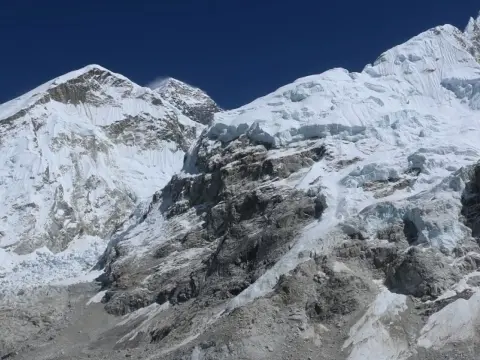
The Everest Base Camp Trek (EBC Trek) mostly begins at Lukla, an exhilarating mountain airstrip. The EBC trek progresses through renowned Sherpa villages like Namche Bazaar, Tengboche, Dingboche, and Lobuche. Trekkers pass through lush rhododendron forests, high-altitude deserts, glacial moraines, and suspension bridges like popular Hillary Bridge. The final destination of EBC Trek is Everest Base Camp at an altitude of 5,364 meters, overlooking the Khumbu Icefall and Mount Everest (8,848.86 meters). Trekkers also can climb Kalapattar(5545m) to see spectacular sunrise over Mt. Everest.
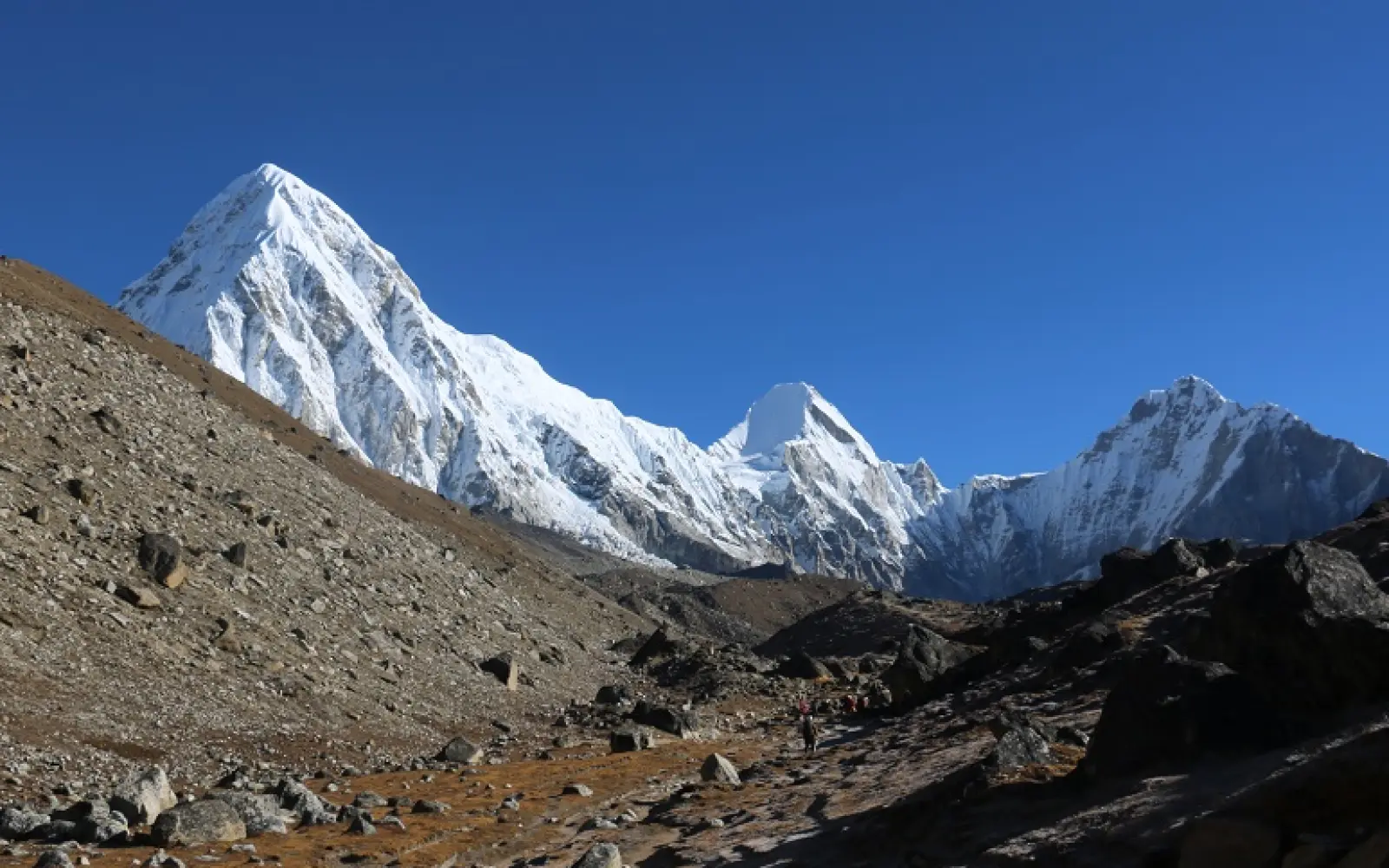
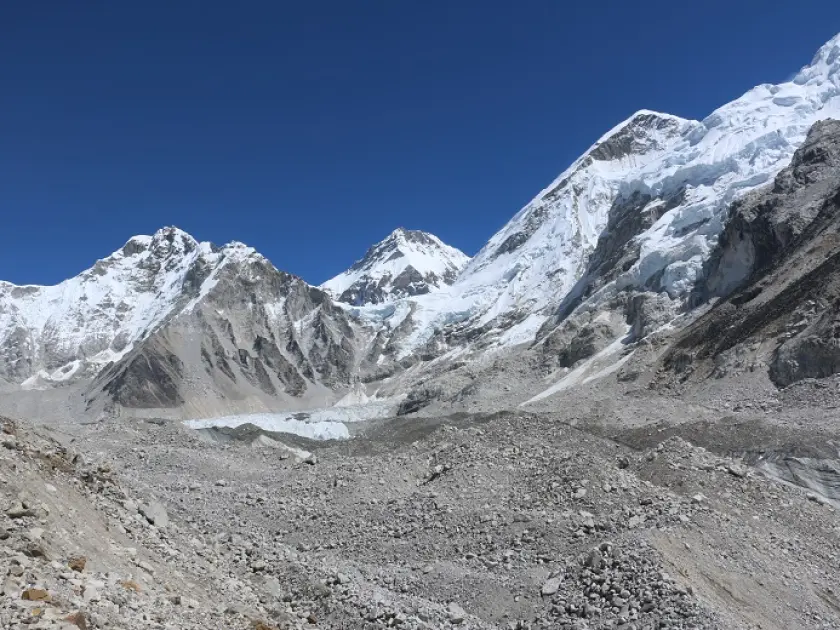
This Everest trek provides breathtaking views of Lhotse (8,516 m), Nuptse (7,861 m), Ama Dablam (6,812 m), and Pumori (7,161 m). The EBC Trek route is a combination of well-trodden paths and steep, rocky pitches, especially after Dingboche.
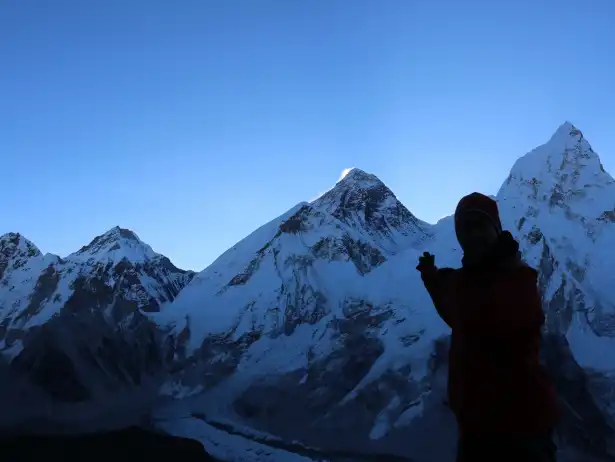
The most challenging segment of EBC Trek is the climb up to Kala Patthar (5,545 m), the summit, with unparalleled sunrise views of Everest.
Everest Base Camp passes through breathtaking alpine landscapes, offering spectacular Himalayan views, remote valleys, and an unforgettable trekking adventure.
The difficulty level of Everest Base Camp Trek is demanding to challenging. Trekkers trek 5–7 hours a day, 10–15 km a day in average in EBC Trekking. The total distance of Everest Base Camp Trek is about 130 km (Lukla to Lukla). If Surke is the start/end point, the distance is about the same but avoids the Lukla flight. Jeep/bus ride from Kathmandu to Thamdanda or Surke is 8–10 hours. Return can be via Salleri, Ramechhap, or a Lukla flight.
Accommodation Facilities on Everest Base Camp Trek range from teahouses that offer twin-sharing rooms and hot blankets. The cuisines on the menu at the local lodges ranges from dal bhat, noodles, pasta, pancakes to yak cheese available locally. The food is basic but nutritious.
The best season for Everest Base Camp Trekking is spring (March–May) and autumn (September–November). Both periods offer clear weather, pleasant temperatures, and consistent weather for trekking and mountain views.
The duration of the Everest Base Camp trek is 12–14 days with acclimatization days. Total trek time is around 60–70 hours. All the Everest Base Camp Trek itineraries have Namche (3,440 m) and Dingboche (4,410 m) acclimatization stops to reduce the risk of altitude sickness.
Everest Base Camp Trek without Lukla Flight | 16 days
Sagarmatha National Park Permit and Khumbu Rural Municipality Permit are required to be attained by the trekkers before departing onto the EBC Trekking Trail. A guide and porter are highly recommended and generally obligatory for assistance and safety. However, the guide and the porters are not mandatory for EBC Trek. Solo and Independend Trekkers can do Everest Base Camp Trek on their own.
EBC Trekking provides unrivaled Himalayan scenery, culture, and adventure—a trip of a lifetime to the foot of the planet's highest mountain.
Everest Base Camp Trek by Road( Without Lukla Flight)
Everest Base Camp Trek by Road is a scenic and adventurous alternative to flying to and from Lukla. Avoiding Lukla flights, the EBC trek starts with a long jeep drive from Kathmandu to Salleri. The drive takes about 8 to 10 hours, traveling around 268 km. Salleri is at an altitude of 2,360 meters. From Salleri, a jeep drive further takes you to Surke. This off-road journey from Salleri to Surke takes 5 to 6 hours and is approximately 65 km.
From Surke, you begin your trek to Everest Base Camp. On the initial day, trek to Paiya (2,730m) in 4–5 hours. The second day, trek to Phakding (2,610m), a 6–7 hour hike. From Phakding, trek to Namche Bazaar (3,440m) in 6 hours. Namche is a good place for acclimatization. Rest an additional day here and hike to Everest View Hotel (3,880m) for acclimatization and best view of Everest with a beautiful coffee and some snacks.
Resume hike to Tengboche (3,860m), 5 hours from Namche. Walk 5–6 hours to Dingboche (4,410m). Stay at Dingboche for two nights for acclimatization. Use the second day for hike to Nangkartshang Peak (5,083m). After proper rest, hike to Lobuche (4,910m), 5-hour hike. Hike to Gorakshep (5,164m) in 3 hours from Lobuche.
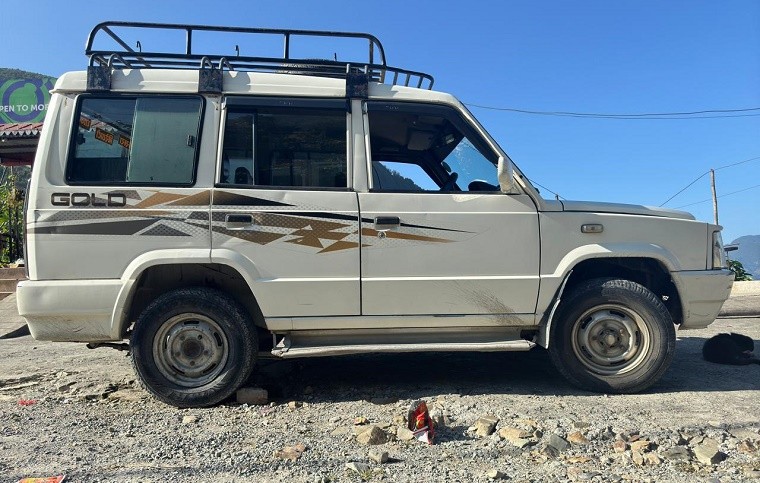
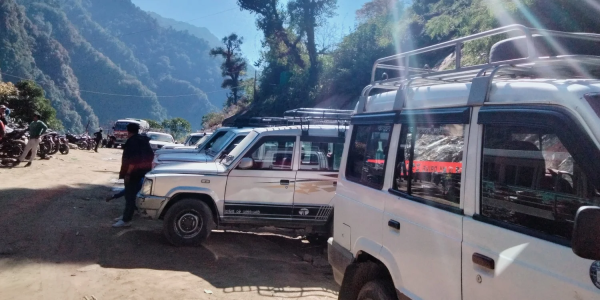
A 4WD jeep travels the scenic mountain road from Kathmandu to Surke via Salleri, offering an adventurous overland route to the Everest Base Camp Trek with spectacular Himalayan landscapes.
Hike from Gorakshep to Everest Base Camp (5,364m) as a side excursion on the same day. 4–5 hours round-trip. Early the next morning, hike up to Kala Patthar (5,545m) to see Everest at sunrise. The climb is 2–3 hours. Return the same way from Gorakshep to Surke in 3 to 4 days. The trail from Gorekhshep to Lukla and Surke is mixed of both ups and downs.
Back to Salleri by jeep from Surke and then on to Kathmandu. The journey back to Kathmandu from surke is two days. Perfect for those who avoid the flying risks or cancellations, this Everest Base Camp trek by road also offers slow altitude gain which assists in acclimatizing. It encompasses diverse landscape, vibrant Sherpa culture, and unmatched mountain views.
Hike to EBC by road trail in spring (March–May) or autumn (September–November). Weather is clear, and trails are well marked. This overland EBC trek ensures flexibility, security, and Himalayan experiences to cherish.
Everest Base Camp Trek without Lukla Flight | 16 days
Tourists may drive to Everest Base Camp without airplanes by following an extended jeep road trip from Kathmandu. Initially, you are taken to Salleri (2,360m), approximately 8–10 hours or about 265 km (from Kathmandu, at 1,400m altitude) on the rough jeep roads. Further trekking then extends to Surke, 6–7 hours ahead depending upon road conditions, from Salleri. Roughly, approximately 335 km of road path is available on the entire Kathmandu- Surke route.
From Surke, the ascent formally begins. It is about 5 hours to trek up to Paiya (2,730m). The EBC Trek route by road moves through prominent villages like Phakding (2,610m), Namche Bazaar (3,440m), Tengboche (3,860m), Dingboche (4,410m), and Lobuche (4,940m). Acclimatization at Namche and Dingboche help in adjusting to high altitude and reduce AMS risk.
The Everest Base Camp trek from Surke to Everest Base Camp (5,364m) is around 9–10 days. Several trekkers also hike to Kala Patthar (5,545m) at sunrise for a glimpse of Mount Everest. The sight from this top offers a more intimate view of Everest than can be seen from base camp.
The return trekking distance from Surke to EBC and back is about 130 km. Including the jeep trail, the total round-trip distance from Kathmandu-EBC-Kathmandu is about 800 km. The journey takes 16–18 days, including transportation and acclimatization. There are 5–8 hours of walking per trekking day in average.
Travel by 4WD jeep from Kathmandu toward Everest Base Camp, enjoying an adventurous overland journey through scenic Himalayan valleys, mountain roads.
Descending from EBC is also the same way: hiking back to Surke, then driving through Salleri to Kathmandu. Descending is faster, usually taking 2 fewer days than ascending.
This alternative EBC Trek route avoids Lukla's unpredictable flights but is not problem-free. The jeep ride is long, tough, and rough at times. Road conditions worsen during snow or monsoon. The Surke trek is steep and muddy in some parts. There are few lodges prior to Phakding, demanding flexibility and endurance.
Though difficult, this alternative trail for EBC is suitable for trekkers who would like to avoid flight delays and hike on less traveled routes. It provides gradual altitude gain, enhanced acclimatization, and a more varied cultural experience in the lower Solukhumbu region
It is a unique and rewarding Himalayan experience to go from Kathmandu to Everest Base Camp by land. Unlike flying into Lukla, this overland journey allows gradual acclimatization and greater cultural exposure. From Kathmandu, visitors drive through scenic mountain scenery and charming Sherpa villages on their way to the trek's beginning. This route provides flexibility, insulation from flight delays, and an introduction to Nepal's countryside life. The EBC hike by road begins at lower altitudes and ascends progressively, reducing the risk of altitude sickness. Traveling to EBC by overland enhances the appreciation of nature and culture en route to Everest Base Camp.
Trekkers gradually ascend from 1,400 m (Kathmandu) to 5,364 m (Everest Base Camp).
The trip to Phaplu (2,470 m) or Salleri (2,390 m) enables the body to acclimatize slowly to altitude before ascending higher altitudes like Namche(3440m) and Tengboche(3860m).
Everest Base Camp Trek by Land then ascends gradually through villages like Nunthala (2,220 m) and Bupsa (2,300 m).
Gradual altitude gain reduces the risk of Acute Mountain Sickness compared to a direct flight to Lukla.
Extra days in lower altitudes acclimatize your body to high altitudes.
Better acclimatization increases comfort, energy levels, and trek success rate.
You can enjoy the experience without the risk of sudden altitude gain.
Lukla Airport, the famous gateway to the Everest Base Camp Trek, offers one of the world's most scenic mountain flights with breathtaking Himalayan views.
2. Bypasses Unreliable Lukla Flights
Flights to Lukla regularly get delayed or canceled due to weather at 2,860 m.
Kathmandu to Phaplu/Salleri by road avoids these risks and keeps your itinerary.
You don't waste time waiting at airports or risky flight landings.
Drive takes 8–12 hours and offers consistent travel regardless of the weather.
Travel by road offers greater control over your schedule and departure time.
Trekkers can initiate their adventure without waiting for uncertain domestic flights.
This overland alternative guarantees reliability, flexibility, and peace of mind.
3. Discover Off-the-Beaten-Trail Villages and Cultures
This terrestrial route goes through culturally affluent Sherpa and Rai villages.
Villages such as Ringmu (2,720 m), Kharikhola (2,100 m), and Bupsa are unspoiled and less commercial.
You get to mingle intimately with locals and witness traditional Himalayan ways of life.
The path offers an insight into farm life, monastery visits, and Buddhist culture.
Fewer trekkers mean fewer crowded trails and more intimate moments.
This cultural experience is a big plus for the overall trekking experience.
4. Less Cost and More Flexibility
Overland travel from Kathmandu saves expensive Lukla flights (USD 180+ one way).
Overland travel reduces overall cost of trek and offers budget flexibility.
You pay less and have more cash for better accommodation and food.
Private jeep or shared jeep services offer budget flexibility.
Trek starting and ending points can be altered easily based on conditions.
Independent trekking or guided trekking both suit this route.
Budget trekkers benefit greatly from this inexpensive and flexible system.
5. Scenic and Diverse Landscapes
Route encompasses forests, terraced fields, rivers, and Himalayan views.
Drive passes through hilly regions like Okhaldhunga and Solukhumbu.
Trek passes through rhododendron forests, waterfalls, and high mountain ridges.
Daily altitude gain provides visual variety and keeps the journey interesting.
Forests provide a pleasant contrast to snow-capped peaks at altitude.
Photographers enjoy diverse scenery from subtropical valleys to alpine meadows.
New vistas open with every step that reward slow travel.
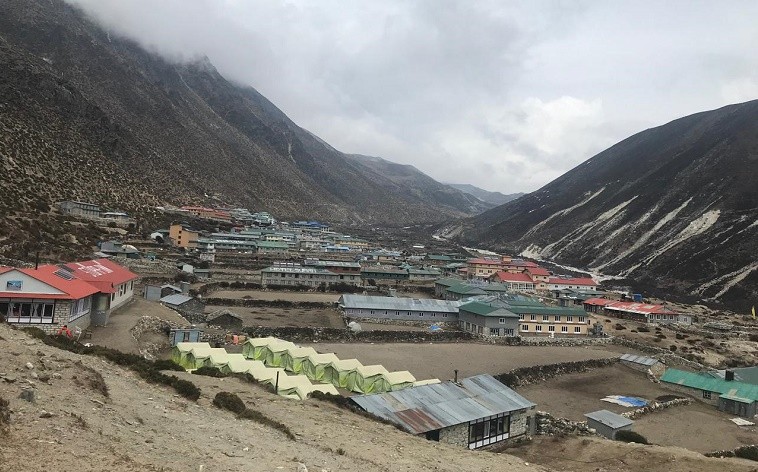
Dingboche (4,410 m) is a popular acclimatization stop on the Everest Base Camp Trek, offering spectacular mountain scenery, peaceful alpine landscapes, and panoramic views of Ama Dablam and Lhotse.
6. High Adventure with Fewer Crowds
This overland route receives fewer trekkers than the standard Lukla route.
You trek in peace without traffic jams on narrow trails.
Campsites and teahouses are less crowded, with better availability and personal attention.
There is less crowdedness, so the trail conditions are safer and nature is more peaceful.
You experience the mountains without the distractions of tourists.
It is a more adventurous feel, like an authentic Himalayan expedition.
You experience Everest with tranquility and solitude.
Kathmandu to Everest Base Camp by Land: Pros and Cons
The journey from Kathmandu to Everest Base Camp by land offers an offbeat, immersive Himalayan adventure. The land route to Everest Base Camp bypasses flying to Lukla and begins with a scenic drive to trailheads like Jiri (1,905 m) or Salleri (2,360 m) or Thamdanda or Paiya or Surke and then a long trek over diverse landscapes. It offers gradual acclimatization, cultural immersion, and panoramic views over diverse elevations. Though time-consuming, it's ideal for adventure seekers and risk-averse flights. The trek involves altitudes of 1,400 m at Kathmandu to 5,364 m at Everest Base Camp. Though rewarding, the trek demands good health, patience, and resilience.
1. Can you go from Kathmandu to Everest Base Camp by road?
Yes, you can travel from Kathmandu to Everest Base Camp mostly by road up to a certain point. You drive to Salleri or Surke, then trek the remaining distance. This option avoids the Lukla flight and offers a more adventurous and scenic journey.
2. How long is the drive from Kathmandu to the roadhead for EBC Trek?
The drive from Kathmandu to Salleri takes 8 to 10 hours (around 265 km). From Salleri, you may drive further to Surke depending on road conditions. This saves the flight but adds 2 extra days compared to the flying option.
3. Why choose Kathmandu to Everest Base Camp by road?
Many trekkers choose the road option to avoid Lukla flights, which can be delayed or cancelled due to weather. It offers beautiful scenery, better acclimatization, and a more authentic overland adventure experience.
4. What is the full route from Kathmandu to Everest Base Camp by road?
You drive from Kathmandu to Salleri (8-10 hours), then continue by jeep to Surke. From there, you start trekking via Nunthala, Kharikhola, and join the classic trail toward Namche Bazaar and Everest Base Camp.
5. How many days does the full Kathmandu to EBC by road trek take?
The complete journey usually takes 16 to 18 days. This includes 2 days of driving from Kathmandu and 12-14 days of trekking to Base Camp and back. Our experienced team designs safe and comfortable itineraries.
6. Is the road to Salleri good?
The road from Kathmandu to Salleri is mostly paved but has some rough and bumpy sections. It passes through beautiful hills, rivers, and villages. A 4WD jeep is recommended for comfort and safety.
7. What are the advantages of going by road?
You avoid flight risks, enjoy gradual acclimatization, experience more local culture and villages, and have a true adventure feel. The road journey itself is scenic and memorable.
8. What are the disadvantages of the road option?
The drive is long and tiring (8-10 hours), roads can be bumpy, and the total trip takes more days. However, for those who dislike flying, it is a very good alternative.
9. How difficult is the trek after the road journey?
The trekking part remains the same as the classic route — moderately challenging due to altitude. Starting from a lower point gives you better natural acclimatization, which many trekkers find helpful.
10. Is the road option suitable for beginners?
Yes, it is suitable for fit beginners. The longer journey allows more time for acclimatization. Our professional guides provide full support and adjust the pace according to the group. 11. What is the highest point you can reach by road?
Currently, you can reach up to Surke by jeep. From there, you begin the real trek. It is not possible to drive all the way to Everest Base Camp on the Nepal side.
12. How much does Kathmandu to Everest Base Camp by road cost?
The road option usually costs slightly more than the flying package due to extra days and jeep transportation. Contact us for current transparent pricing with all services included.
13. What should I pack for the road journey?
Pack comfortable clothes, motion sickness medicine, snacks, neck pillow, power bank, and warm layers. The drive can be long and temperatures change with altitude. We provide a detailed packing list.
14. Is it safe to travel by road to Everest region?
Yes, it is safe. We use well-maintained 4WD jeeps and experienced drivers. Our team has many years of experience managing road transfers safely.
15. How is acclimatization on the road option?
Acclimatization is actually better because you gain altitude gradually over more days. This reduces the risk of altitude sickness compared to flying directly to Lukla.
16. What type of vehicle is used for the drive?
We use comfortable 4WD jeeps (Toyota Land Cruiser or similar) that are well-suited for Nepali mountain roads. Private or shared options are available.
17. Can I return by road as well?
Yes, you can return the same way by road or combine road one way and flight the other. We can customize the itinerary according to your preference.
18. What is the best season for Kathmandu to EBC by road?
Spring (March-May) and Autumn (September-November) are the best seasons. Roads are more stable and weather is clear for both driving and trekking.
19. Why choose Haven Holidays Nepal for road to Everest Base Camp?
With over a decade of experience, we provide safe jeep transfers, expert guides, and well-planned itineraries. We focus on your comfort, safety, and enjoyment throughout the road and trek journey.
20. Is Kathmandu to Everest Base Camp by road worth it?
Yes, it is highly recommended for those who want to avoid flights. You get more time in the mountains, better acclimatization, and a complete adventure experience. Many of our clients say the road journey made their trek even more special.