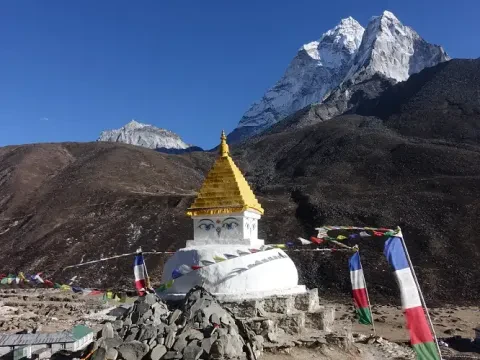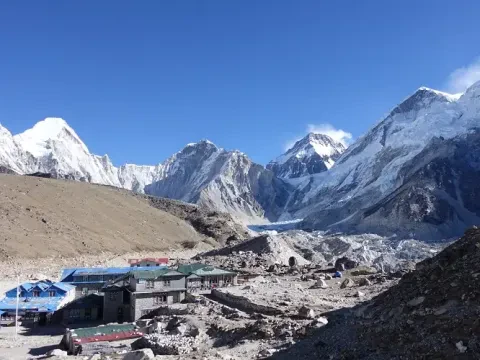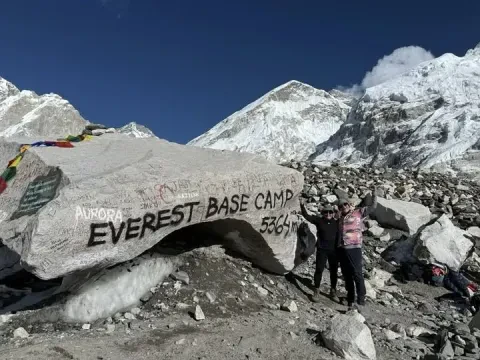
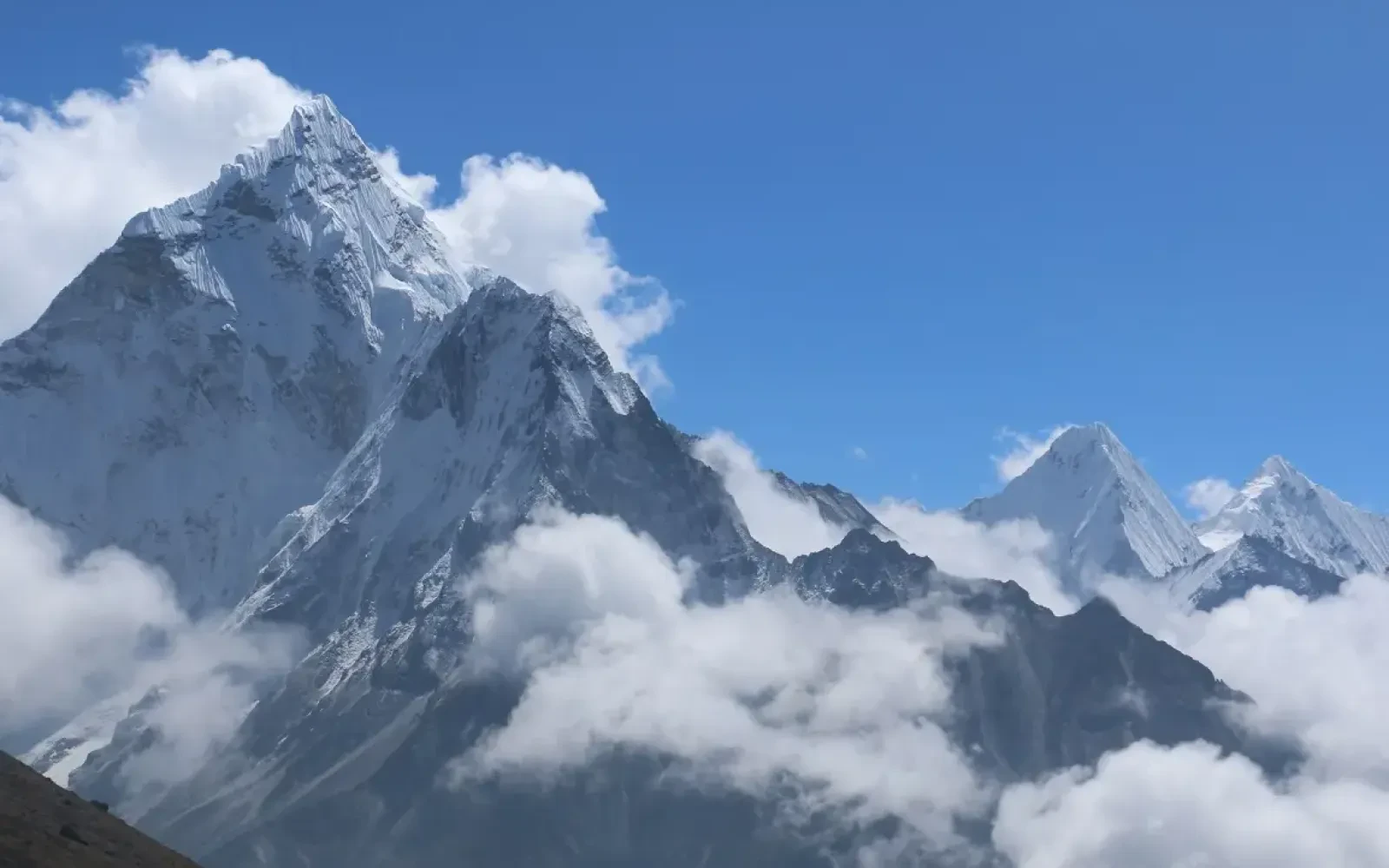
Actually, Chola Pass pulls in adventure seekers for good reason. Sitting at 5,420 meters in the heart of the Everest region, it’s a gateway that promises jaw-dropping Himalayan views and a real test of grit. Honestly, this isn’t just another mountain walk — it’s the kind of challenge that sticks with you.
Here, people come here looking for something tough, and Chola Pass delivers. You climb higher each day, moving steadily toward that thin-aired summit. Snowy peaks rise all around, but the altitude hits hard. It’s not easy, and you feel it in your lungs and legs, so showing up ready matters.
In fact, the pass links Gokyo Valley to the Everest Base Camp trail, and that connection isn’t just practical — it’s stunning. You get a look at glaciers sprawled below and the kind of raw Himalayan scenery that’s hard to describe. Crossing Chola Pass isn’t just about the view, though; it’s about the rush you get when you finally make it across. No wonder trekkers keep coming back.
But the beauty here goes hand-in-hand with the challenge. The climb starts steep, right from the morning, and the air gets thinner with every step. Still, those views pull you forward. By the end, you feel transformed — like you’ve earned your place among the mountains.
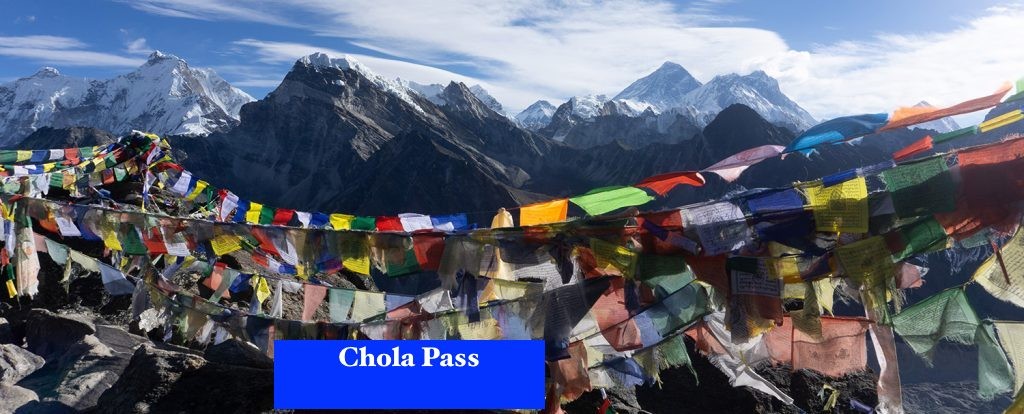
Highlights of Chola Pass in Three Passes Trek :
Actually, Chola Pass sits at 5,420 meters, right in the heart of the Solukhumbu District. If you’re trekking the Three Passes route between Gokyo and Everest Base Camp, this is the section that really tests you. The climb starts out from Dzongla village at 4,830 meters. From there, you push on for hours before you finally reach the top. Once you cross the pass, the route drops straight down toward Thagnak at 4,700 meters, making Chola a key connector on the trek.
The terrain? It’s rough. You’re scrambling up steep, boulder-strewn chutes, picking your way over loose rocks. There’s no room for sloppy footwork. Then come the glacier sections. They aren’t just tricky—they demand real focus, especially with all the slippery ice patches. Here, microspikes or crampons make a huge difference here. After the summit, things don’t exactly get easier. You’re facing narrow descents along the moraine, picking your way down scree fields, sometimes crossing icy streams. The altitude hits hard, and the wind can get brutal. Weather shifts out of nowhere and just adds to the challenge.
But the place has its rewards. You get an up-close look at the Ngozumpa Glacier and a clear view of big peaks like Cholatse. The rocky climbs really push your balance and stamina, while the snow adds a technical twist. All things considered, Chola Pass stands out as one of the most demanding—and memorable—sections of the trek.
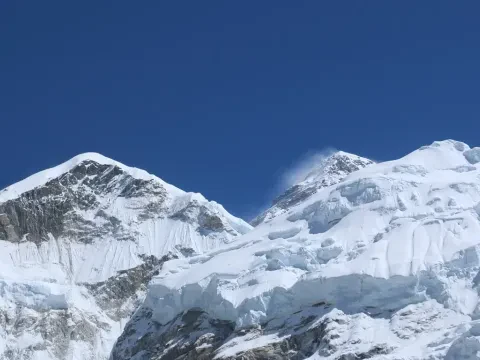
Terrain Features of Chola Pass :
| Feature | Description | Elevation Impact | Difficulty Factor |
| Ascent from Dzongla (4,830 m) | Steep boulder chute and scree | +590 m gain | High scrambling. |
| Glacier Crossing | Slippery ice with crevasses | Near 5,420 m summit | Requires crampons. |
| Descent to Thagnak (4,700 m) | Steep moraine and icy streams | -720 m drop | Slippery navigation. |
| Overall Distance | Approx 9.4 km | Net -130 m sleep | 6-8+ hours strenuous. |
So, how tough is Chola Pass, really? It’s a big question for anyone thinking about the Three Passes Trek. You’re looking at long days—somewhere between six and nine hours on your feet, pushing up steep climbs. At 5,420 meters, things get serious. You need to be ready for crampons, because ice shows up more often than you’d like. There are crevasses lurking near the top, and rockfall isn’t just a rumor—it’s real, especially if you get caught late in the day.
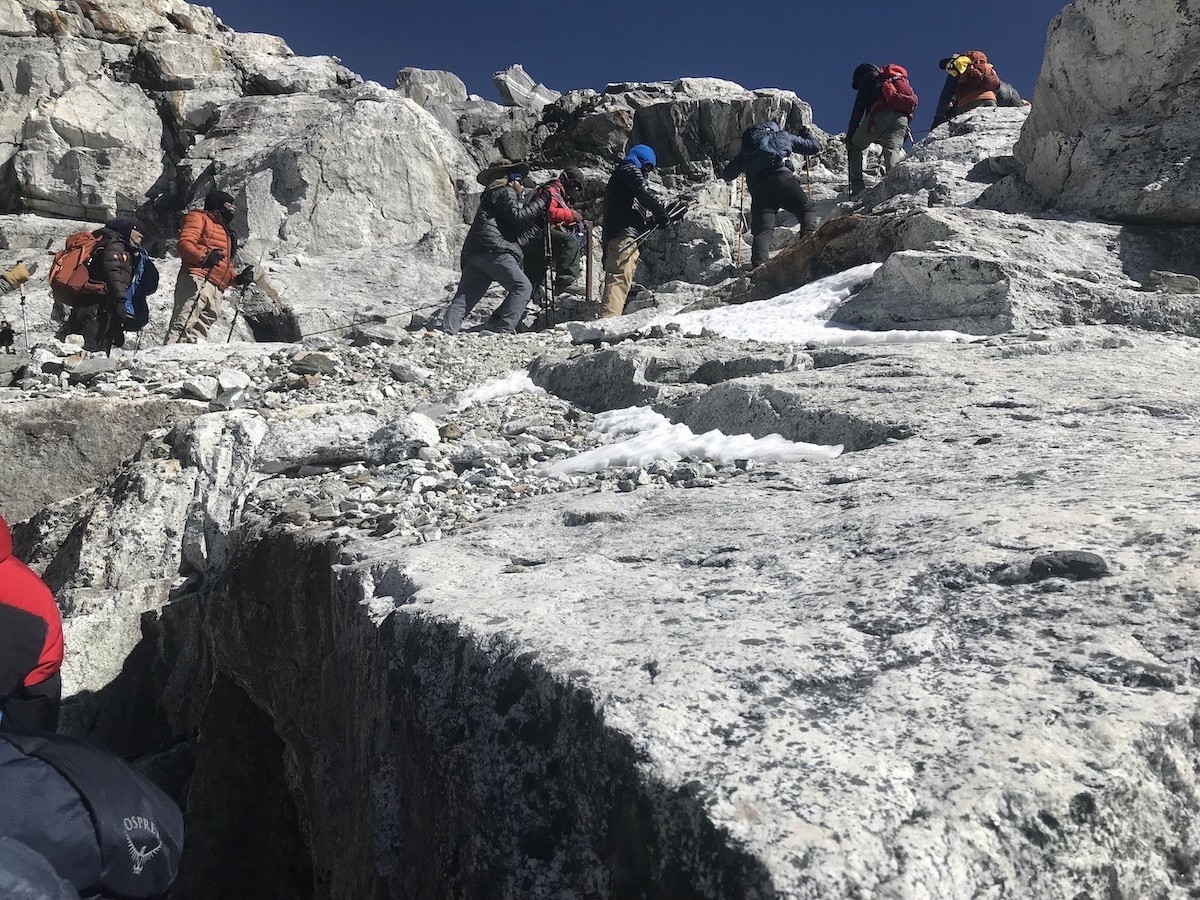
From the start, the trail means business. Right after Dzongla (4,830 m), you’re scrambling over boulders and fighting gravity. When the weather turns, the risks go up fast, which is why experienced trekkers always hit the trail early to dodge afternoon storms and melting ice.
Likewise, the glacier sections near the summit? Not for the faint of heart. You have to pick your way around crevasses and keep an eye out for loose rocks above. When the snow falls, things only get trickier. Most guides won’t let you near the pass without microspikes or solid traction gear.
Now, if you’re well-prepared and already used to the altitude, Chola Pass feels tough but not impossible. The key is building up your fitness and getting acclimatized before you try it. The reward? Epic views you’ll never forget. Most trekkers walk away calling it demanding, sure, but totally worth the effort. For people who train and plan ahead, it’s a challenge that’s tough—but definitely doable.
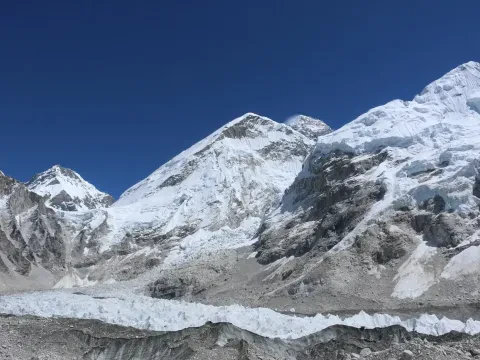
Key Factors in Chola Pass Difficulty Level :
Which way should you cross the Cho La Pass—coming from Gokyo or from the Everest Base Camp (EBC) side? Here’s what most trekkers find: It’s usually easier from the EBC side. You start out from Dzongla (4,830 m), and the trail climbs gradually, so you get those early sections that help you settle in and build confidence. The ascent isn’t crazy steep, and the path feels more balanced overall. That’s why a lot of people lean toward this direction.
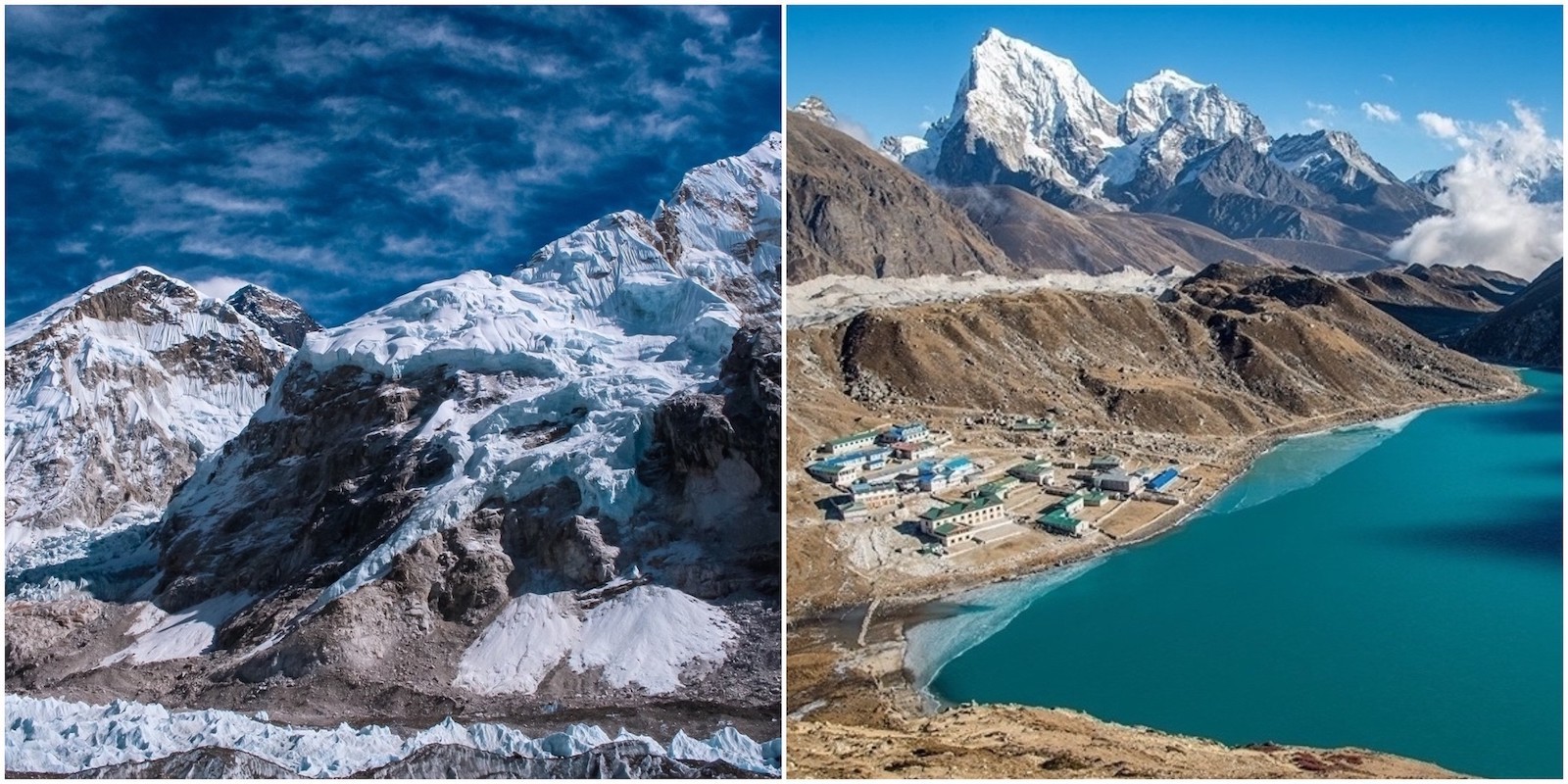
Now, if you’re coming from Gokyo, it’s a different story. The climb from Thagnak (4,700 m) is longer and much steeper. The rocky trails kick in fast and really start to wear down your legs. The altitude hits harder too, so you need to be in good shape for this route.
In fact, acclimatization is another thing to think about. Some trekkers swear by heading up the Gokyo Valley first, saying it gives their bodies more time to adjust before tackling the pass. Others prefer the EBC side for a quicker push to the summit. Honestly, a lot depends on your own experience and how well you handle the altitude.
Don’t forget, the descent from the EBC side down to Thagnak isn’t a walk in the park either. You have to pick your way down over moraine and loose rock, so stay alert. In the end, both directions on the Three Passes Trek have their own challenges and rewards. The choice really comes down to your fitness, your comfort with altitude, and the weather on the day. Either way, crossing Cho La Pass is the kind of memory that sticks with you.
Comparison Table: Crossing Chola Pass Directions :
| Aspect | From EBC Side (Dzongla 4,830 m) | From Gokyo Side (Thagnak 4,700 m) |
| Ascent Steepness | Less steep, gradual gain | Tougher, longer steep sections |
| Total Time | 6-8 hours typical | 7-9 hours often |
| Elevation Change | +590 m to 5,420 m summit | +720 m to 5,420 m summit |
| Acclimatization Benefit | Faster push after Lobuche | Better from Gokyo valley rest |
| Recommended For | Fit trekkers seeking balance | Experienced hikers wanting challenge |
Meanwhile, altitude sickness is a real threat on the Chola Pass, especially since you’re above 5,000 meters for much of the Three Passes Trek. AMS can sneak up on you—one minute you’re fine, the next you’ve got a pounding headache, you feel dizzy, maybe even nauseous. Some people lose their appetite, which is usually a big red flag that things are heading in the wrong direction. It’s not something to brush off. On this trek, paying attention to these warning signs and taking them seriously can save your life.
That’s why acclimatization isn’t just a suggestion—it’s essential. Guides check your oxygen levels every day and keep an eye on how everyone’s feeling. You’ll spend extra days in places like Namche Bazaar (3,440 m) and Dzongla (4,830 m), not just for the scenery, but to help your body get used to the thin air. The idea is simple: climb high during the day, then come back down a bit to sleep. You’ll also take side hikes around spots like Dingboche (4,410 m) to push your body to adjust.
Before you tackle Chola Pass itself (5,420 m), those extra nights in Dzongla really make a difference. Staying hydrated also helps lower your risk—don’t underestimate the power of drinking enough water up there. With the right strategy and a sharp guide, you can keep altitude sickness in check and give yourself a solid shot at a safe, successful crossing.
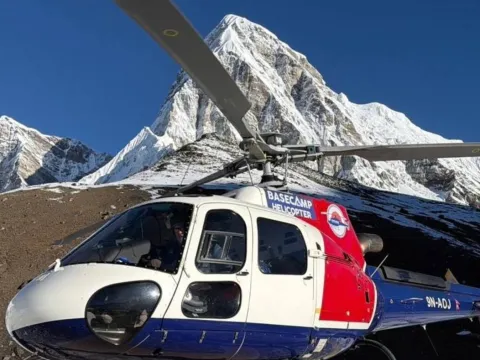
Acclimatization Tips for Chola Pass Success :
Actually, getting ready for the Chola Pass trek takes some serious effort. You’ll want to start training two to five months before you go. That means working on your cardio, hitting the weights, and taking hikes with a loaded backpack. The Three Passes Trek is no joke—long days, steep climbs, and thin air up high. You need stamina and strong legs if you want to enjoy it, not just survive.
Here, it’s best to get into a routine early. Run or cycle a few times a week. Swimming is great too—it helps with lung capacity, which really matters when you’re breathing that thin mountain air. Hill repeats? They’re brutal, but they seriously boost your cardiovascular fitness for those high passes.
Likewise, don’t skip the strength work. Squats and lunges build up your legs, and planks keep your core solid for those rocky trails. Weighted hikes are key—strap on a 10-15 kg pack and head for the hills. This isn’t just for your muscles; it toughens you up mentally, too. Back-to-back long hikes on weekends get you used to spending six to nine hours on your feet, just like you’ll do on the trek.
All in all, all this training pays off. You’ll handle the altitude better, protect your joints, and actually enjoy the adventure. That’s the real goal—making every step something you want to remember.
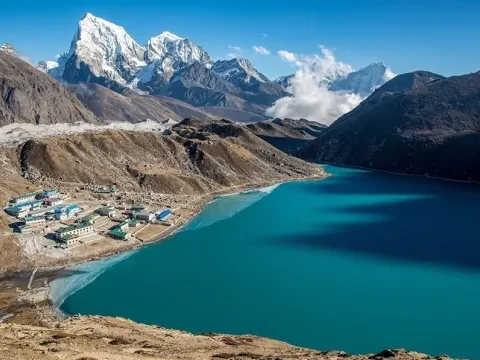
Recommended Training Schedule for Stamina Building :
| Month | Focus Area | Weekly Activities | Pack Weight |
| Months 1-2 | Cardio base | Run/cycle 4x, 45-60 min + stairs | None. |
| Month 3 | Strength + hikes | Squats/lunges 3x + 2 weekend hikes | 8-10 kg. |
| Months 4-5 | Full simulation | Back-to-back hikes + core 3x weekly | 12-20 kg. |
If you’re heading out on the Chola Pass section of the Three Passes Trek, you’ve got to come prepared. The weather changes fast up there, and the terrain doesn’t mess around. Start with the basics: crampons or microspikes. Ice patches are common, so you need that grip. Trekking poles aren’t just nice to have—they help you keep your balance on those steep, slippery spots.
More importantly, layer up properly. The temperature swings can catch you off guard, so wear clothes you can peel off or add as needed. Pack light—aim for a 20-30 liter daypack and keep it around 5-7 kg. Bring a waterproof shell, a couple of warm layers, and don’t forget sturdy trekking boots. Good boots make a huge difference when you’re crossing rocky paths or snowfields. Gaiters help keep the snow out, too.
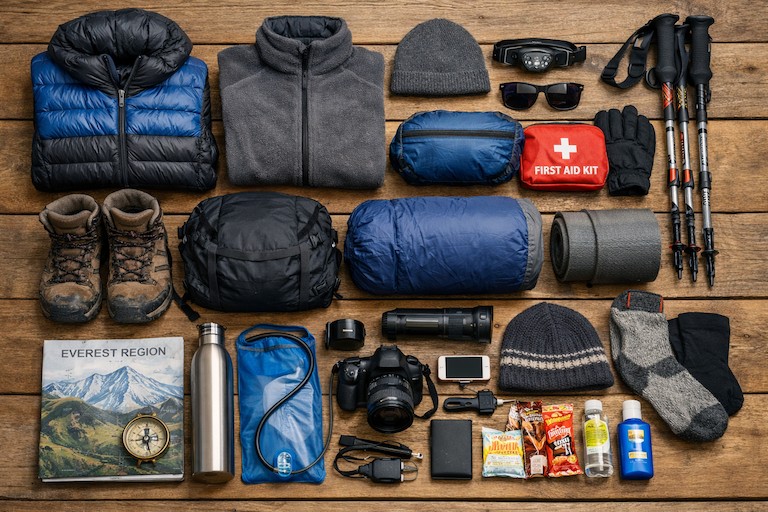
Likewise, you need to protect yourself from the sun, even when it’s chilly. Sunglasses and sunscreen are non-negotiable at that altitude. Early mornings are common, so toss in a headlamp. Always bring a basic first aid kit—accidents happen, and you’ll want to handle blisters or minor scrapes right away.
In fact, every piece of gear you pack for Chola Pass should earn its spot. Go for versatile, reliable stuff. With the right setup, you won’t just survive the Three Passes—you’ll actually enjoy it.
Must-Have Gear List for Chola Pass Safety :
Here, start your Chola Pass adventure with a 15-17 day trek from Lukla. Fly into Lukla at 2,860 meters—that’s where almost everyone begins. Most trekkers stick to March through May or September to November. Those months give you the best shot at clear skies, steady weather, and mountain views that actually look like the postcards. Plus, you skip the monsoon rains, which nobody misses.
Likewise, don’t forget permits. You’ll need to sort those out in Kathmandu before you go. That means grabbing the Sagarmatha National Park entry and the Khumbu Rural Municipality permit. Get those done early, and you’re set.
Moreover, guides are a big help, especially once you hit the glacier sections around 5,420 meters. A local guide makes navigation straightforward and keeps things safe.
Similarly, itineraries usually last 15 to 17 days and hit all the highlights. Most plans include acclimatization stops—Namche Bazaar is a favorite for that. You’ll spend a night in Dzongla at 4,830 meters before taking on the Chola Pass crossing. The journey builds up gradually, day by day. Day one gets you to Phakding at 2,610 meters without too much hassle. Step by step, you climb higher, get used to the altitude, and soak in some unreal scenery. By the end, you’ll have memories that stick with you long after the trek’s over.
Sample 16-Day Itinerary for Chola Pass Trek :
| Day | Route | Elevation | Key Activity |
| 1-2 | Lukla (2,860 m) to Namche (3,440 m) | Gradual ascent | Acclimatization hike |
| 3-6 | To Dingboche (4,410 m) | Rest and side hikes | Build altitude tolerance |
| 7-9 | EBC (5,364 m) and Dzongla (4,830 m) | Summit push | Prepare for pass |
| 10 | Cross Chola Pass (5,420 m) to Thagnak (4,700 m) | Main challenge | Glacier navigation |
| 11-13 | Gokyo (4,790 m) and descent | Lakes exploration | Recovery and views |
| 14-16 | Return to Lukla (2,860 m) | Final trek days | Safe completion |
If you want to cross Chola Pass on the Three Passes Trek without trouble, you need to get a few things right. Start early—way before sunrise, honestly—so you can walk on hard snow instead of wading through a slushy mess later. Most trekkers leave Dzongla, at about 4,830 meters, in the dark. That way, you’ve got firmer footing and you miss the afternoon hazards. Plus, your body’s energy just lasts longer when you begin before the sun’s beating down.
Here, staying hydrated is huge up here. Drink a lot—think four or five liters a day. Add some electrolytes to your water to keep cramps away. Don’t just gulp it all at once; keep sipping as you go. It really keeps dehydration at bay and gives you a better shot at reaching the top.
When you hit those glacier sections, slow down. Set a calm, steady pace, especially as you get close to the 5,420-meter summit. Keep your eyes on the ground and watch for hidden crevasses. If you can, rope up with others for extra safety. It makes a real difference.
And don’t forget snacks. You’re pushing for about eight hours at high altitude, so pack nuts, chocolate, or energy gels. Take short, regular breaks and eat a little each time. Quick snacks keep you going all the way to Thagnak, down at 4,700 meters. That’s what gets you over the pass in one piece.
Pro Tips Checklist for Chola Pass Crossing Success :
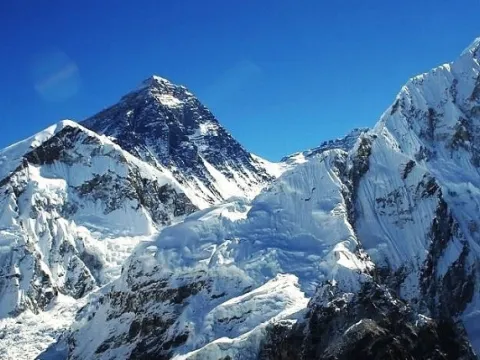
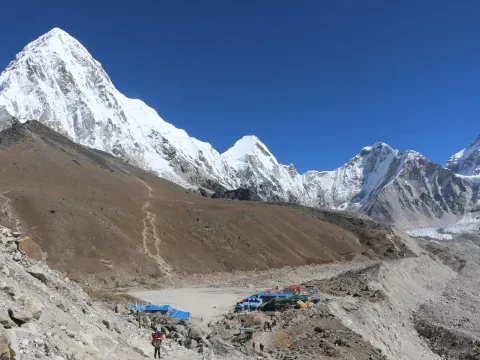
Let’s be honest—the Chola Pass trek throws plenty of challenges your way. But the payoff? It’s huge. You get those wild, sweeping views of Gokyo Lakes, endless Himalayan peaks, and glaciers that seem to go on forever. Standing at 5,420 meters, you really feel the effort was worth it. If you’re ready and up for a real adventure, this pass calls your name.
Actually, it’s not just pretty scenery, either. Trekkers get those jaw-dropping, panoramic shots of the Himalayas, and the Gokyo lakes sparkling far below. The glacier views? Unforgettable. Hitting that summit gives you this deep sense of achievement you just can’t fake.
And then there are the icons—Everest, Cho Oyu—so close you almost feel like you could reach out and touch them. People snap photos that never do the place justice, but the memories stick. The Three Passes Trek is pure, raw beauty. Crossing Chola Pass isn’t just another day in the mountains, it’s something you’ll talk about for the rest of your life. All the pain and sweat you put in just turns into a kind of quiet joy up there.
If you come prepared, you really own this challenge. You push yourself up steep trails, keep going through thin air, and come out stronger for it. There’s personal growth here, and a kind of inner resilience that sneaks up on you. This trek isn’t just about the views—it changes you. It’s no wonder people keep coming back, inspired by what they found out there.
The truth is, those hard moments build you up. You end up pushing past what you thought you could do, every single day. And when you’re surrounded by those lakes, peaks, and glaciers, it all makes sense. That’s why Chola Pass sits high on every serious hiker’s bucket list—the rewards are just that good.
Final Rewards of Crossing Chola Pass :
1. What is the altitude of Chola Pass and why does it matter?
Chola Pass sits at 5,420 meters in the Everest region. This high altitude means the air is thin and that increases the risks of getting mountain sickness. So, it is important to get used to the altitude before you try to cross Chola Pass so you can cross safely and enjoy the amazing views of the Himalayas from this tough path that connects the Gokyo and EBC routes.
2. How difficult is it to cross Chola Pass?
Crossing Chola Pass is very hard because of the rocky climbs, the possibility of snow and ice, the high altitude and the long days. You need to be in physical shape, be strong mentally and get used to the high altitude. Experienced trekkers find it very rewarding. Beginners need to prepare very well to be safe.
3. Which side is better for crossing Chola Pass—Gokyo or EBC?
Most people prefer to cross from the Gokyo side from Dragnag to Dzongla because it is a steeper climb. The EBC side, from Dzongla is a climb. Both sides are tough so you should choose based on your plan. How well have you gotten used to the high altitude to be safe.
4. Does Chola Pass suitable for beginner trekkers?
Chola Pass is not an idea for people who have never trekked before because it is at a very high altitude, has technical parts and is physically demanding. First-time trekkers should start with routes like the classic EBC route. Being in shape and having a guide can really help you succeed.
5. What are the risks of altitude sickness on Chola Pass?
At 5,420 meters you can get a headache, feel sick, feel dizzy and have lung or brain problems. It is very important to go up and drink a lot of water and get used to the high altitude. You can take Diamox. Only if a doctor says it is okay. If you feel bad you should go down away.
6. What is the best season to cross Chola Pass?
The best times to cross Chola Pass are in the spring from March to May and in the autumn from September to November because the weather is stable the views are clear. There is not too much snow. In the winter there is a lot of snow. It is very cold and, in the monsoon, season the trails are slippery. You should check with guides to find the time to cross.
7. How should I physically prepare for crossing Chola Pass?
You should start getting in shape months before by doing cardio, strength training and hiking distances with ups and downs. You should also practice hiking with a backpack. It is very important to have legs and be able to keep going for a long time. You should see a doctor to check your fitness level before you try to cross Chola Pass.
8. What essential gear do I need for Chola Pass?
You need good trekking boots, crampons, trekking poles, a warm jacket, base layers, a waterproof jacket, sunglasses, sunscreen, a headlamp and a good sleeping bag. You also need a first-aid kit and a way to purify water. It is very important to wear layers because the weather can change quickly at altitudes.
9. What is a typical itinerary for Chola Pass crossing?
Most plans include getting used to the altitude in Namche and Dingboche before going to Dzongla or Dragnag. You cross the pass early in the morning, go down to Thagnak and then continue to Gokyo or Lobuche. If you want to do the circuit with EBC and Gokyo it takes 16-20 days.
10. What permits are needed for the Chola Pass trek?
You need a Sagarmatha National Park permit and a Khumbu Pasanglhamu Rural Municipality permit. You can get these in Lukla or Kathmandu. The TIMS card is usually included in the package. It is an idea to trek with a registered agency to make getting permits easier.
11. Do I need crampons for crossing Chola Pass?
You might need crampons or microspikes in the early spring or late autumn when there is snow and ice on the rocky parts. They help you grip the slippery parts better. Your guide will tell you if you need them based on the conditions of the trail.
12. What views can I expect from Chola Pass?
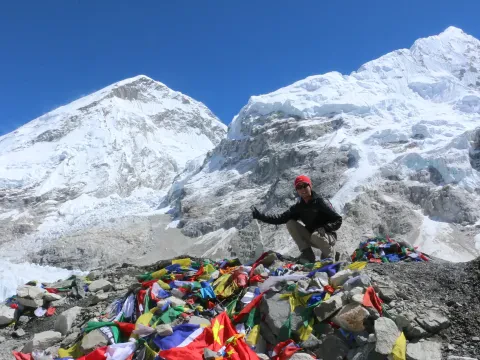
From the top of Chola Pass at 5,420 meters you can see views of Everest Ama Dablam, Cholatse and the surrounding glaciers. The dramatic landscape with prayer flags makes it very memorable. If the weather is clear, you will be rewarded with views of the Himalayas after the tough climb.
13. Should I hire a guide for Chola Pass?
Yes, it is a good idea to hire an experienced guide for Chola Pass. They can help you navigate and stay safe and monitor your altitude. Guides also take care of the logistics. Help you with the technical parts. Trekking alone is risky because the terrain is remote, and the weather can be unpredictable.
14. How important is acclimatization before crossing Chola Pass?
Getting used to the altitude be very important to reduce the risk of altitude sickness. You should spend nights at higher altitudes with rest days in Namche and Dingboche. The strategy of climbing and sleeping low helps your body get used to the high altitude before you try to cross the demanding Chola Pass.
15. How long does it take to cross Chola Pass?
It usually takes 6-9 hours to cross from Dzongla to Thagnak depending on how fit you're what the conditions are like. You should start early in the morning for weather and visibility. The steep climb and technical descent require you to go at a pace and take short breaks often.
16. What accommodation is available near Chola Pass?
There are teahouses in Dzongla, Dragnag and Thagnak that have simple rooms, meals and Wi-Fi. The facilities are basic at altitudes. It is an idea to book through a reputable operator to get a better lodge during the peak season.
17. What are the main risks when crossing Chola Pass?
The main risks are sudden changes in sickness in the weather slipping on rocky or icy terrain, getting exhausted and getting hypothermia. If you are prepared well check the weather and follow your guide, you can minimize these dangers on the Himalayan route of Chola Pass.
18. What fitness level is required for Chola Pass?
You need to be in good physical shape with strong cardiovascular fitness and muscular endurance. You should be able to hike for 6-8 hours a day with ups and downs. Training on hills and having experience with trekking can really help you handle the demands of Chola Pass safely.
19. Can I combine Chola Pass with EBC and Gokyo?
Yes, Chola Pass is part of the Gokyo-EBC via Chola Pass circuit or the Three Passes Trek. This route is very rewarding because it gives you different experiences, including lakes, base camp and high passes all in one amazing adventure.
20. What are pro tips for successfully crossing Chola Pass?
You should start early go at a pace drink a lot of water, eat snacks that give you energy and listen to your guide. You should also check the weather. Go down if the conditions get bad. Being mentally prepared and having an attitude are just as important as being physically ready for success, on Chola Pass.
Our travel experts are ready to assist you with any questions.
Send us a message.Have a question before you book? Send your enquiry below and our travel experts will get back with the required information.