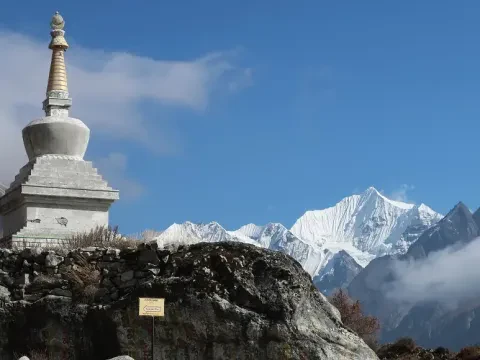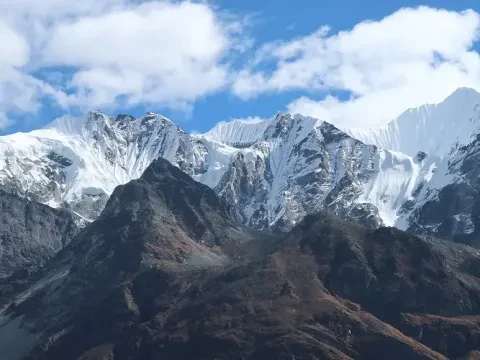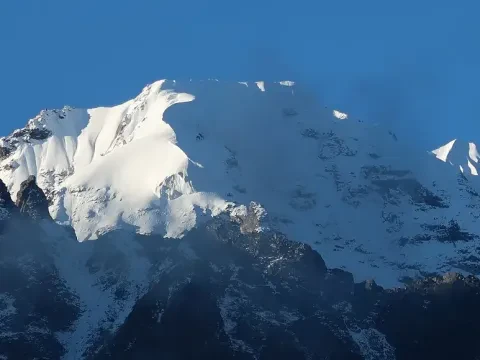
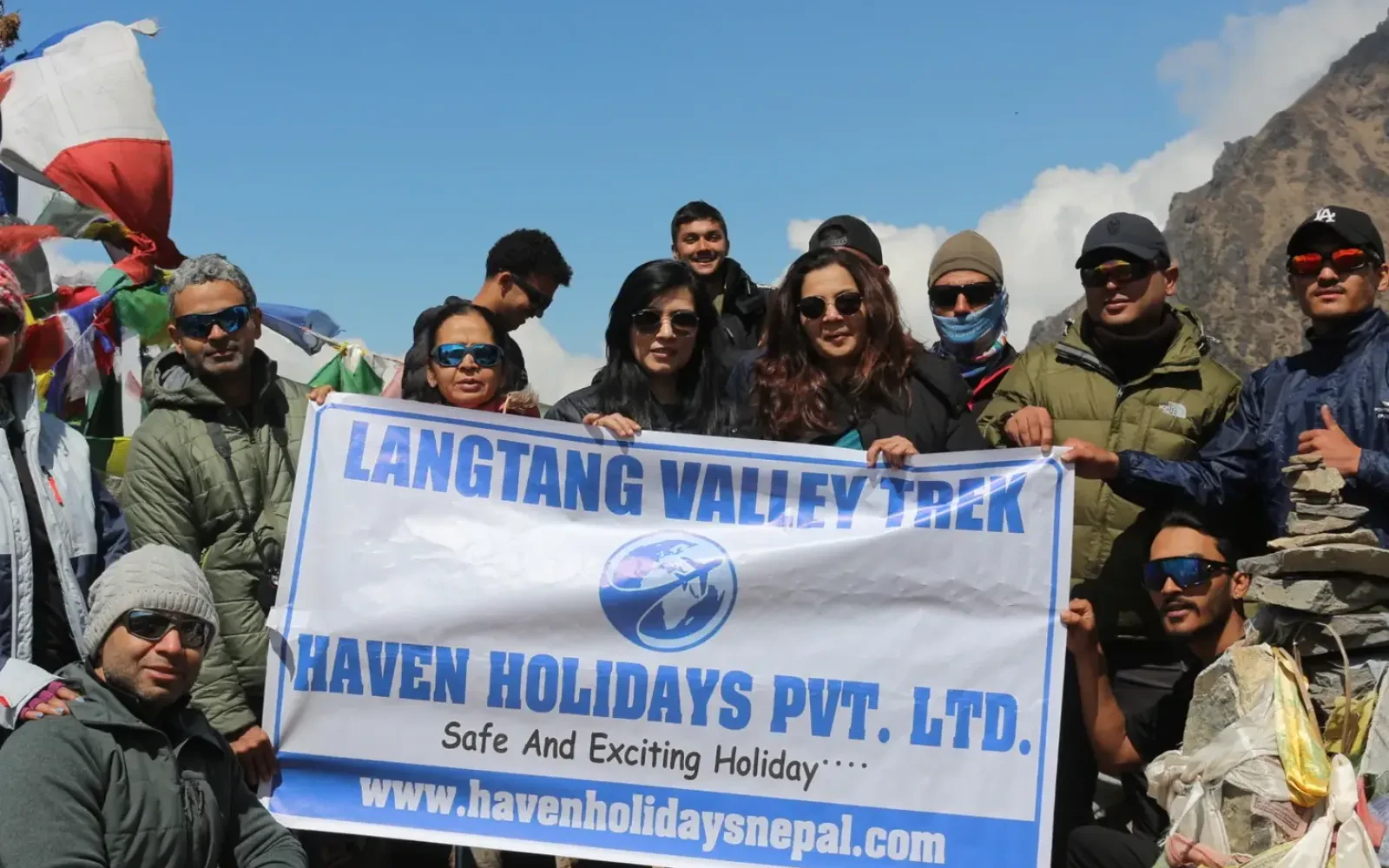
The Langtang Valley short trek 6 days is a spectacular Himalayan adventure that lets you enjoy the natural beauty of the Langtang Valley in a short time.
Imagine hiking through pretty forests with towering peaks of Langtang Lirung (7227 m) rising above the valley, visiting Tamang villages, enjoying the view of waterfalls, and discovering Buddhist culture.
That’s why the short Langtang trek is a great option to include in your Nepal hiking vacations!
Meanwhile, the Langtang Valley short trek 6 days is a fantastic option to discover the highlights of the Langtang region. This itinerary starts in Kathmandu and ends Kathmandu by exploring Kyanjin Gompa, a remote mountain village located at an altitude of 3870 meters.
Moreover, the short 6-day Langtang Valley trek also includes a side adventure to Kyanjin Ri (approx 4773 m).
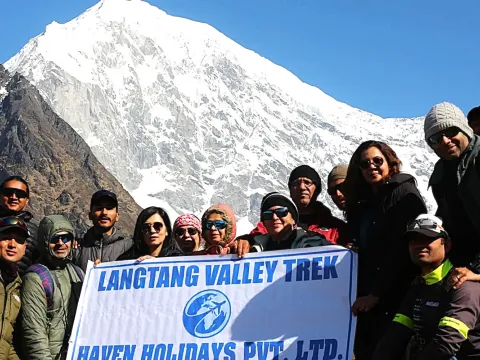
So, in other words, this Langtang Valley Trek itinerary is a high-altitude trail through the forest, alpine landscapes, Kyanjin Gompa, and breathtaking views over the Langtang Valley.
| Day Itinerary | Approx. Elevation | Walking / Drive |
|---|---|---|
| Day 1 Kathmandu – Syabrubesi – Pahire Pahire | 1800 m | Drive + Trek(7+2 hrs.) |
| Day 2 Pahire – Ghoda Tabela | 3030 m | 5-6 hrs. walk |
| Day 3 Ghoda Tabela – Kyanjin Gompa | 3870 m | 5-6 hrs. walk |
| Day 4 Kyanjin Ri – Lama Hotel | Kyanjin Ri 4773 m | 7-9 hrs walk |
| Day 5 Lama Hotel – Syabrubesi | 1550 m | 5-6 hrs. walk |
| Day 6 Syabrubesi – Kathmandu | 1400 m | Drive 7 hrs |
The listed times and elevations are only approximate and can differ depending on the route and the accommodations.
Moreover, It is important to note that this Langtang Valley 6-day itinerary is a demanding one; therefore, day 4 can be challenging due to gaining Kyanjin Ri’s height and losing it on the way down to Lama Hotel.
However, the short Langtang trek is a fantastic option for hikers who want to have a spectacular view of the Himalayas in a short time.
Now, let us dive deeper into this spectacular short Langtang trek!
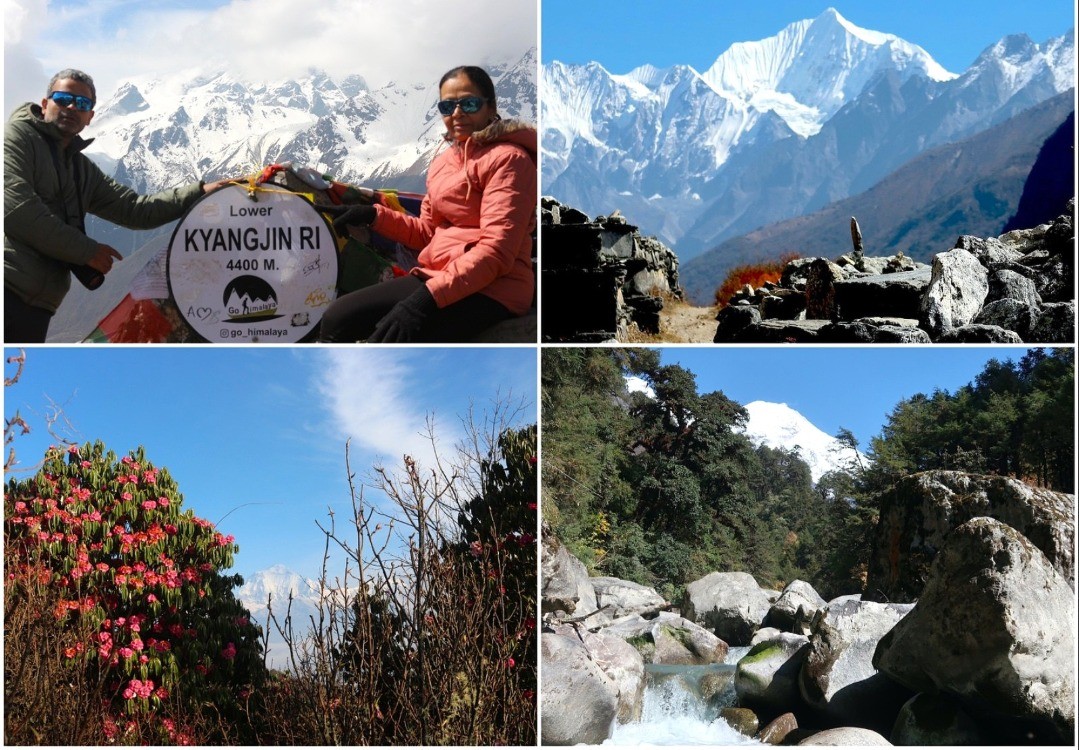
Short Langtang Valley trek is an ideal choice for the ones who want to enjoy the highlights of Langtang in a short time.
Moreover, the short trek is a perfect option for those who only have a week for their trip to Nepal. Since this itinerary lies close to Kathmandu, the hikes start from the capital city and rapidly shift towards the heart of the Himalayas.
| Advantages | Description |
|---|---|
| Short trek | Itself takes only 6 days. |
| Close to Kathmandu | No need to spend days driving on the road. |
| Explore the Kyanjin Gompa | Langtang’s main highlight. |
| Panoramic views of the Langtang Valley | Spectacular sightseeing in the Langtang region ! |
| Tamang culture | Authentic tribal experiences in the local villages. |
| Langtang Lirung | Mountain Range Majestic 7227 m peak ! |
| Forests | Beautiful views of Rhododendron and Oak trees ! |
| Diverse flora and fauna | Langtang National Park walk. |
| Alpine landscapes | Dramatic scenery in the upper part of the valley ! |
| Waterfalls | Spectacular cascades in the Langtang region ! |
Furthermore, the short Langtang trip is a fantastic alternative to a more extended Langtang Valley itinerary.
Although a classical Langtang trip would take around a week or more, this short 6-day Langtang Valley trek allows you to see the highlight of the region without wasting days on the acclimatization process.
As a result, the short Langtang trek implies a more intense experience, as you have a smaller amount of time to cover the same ground as in the extended version of the trek.
In addition, the short Langtang Valley trek is the ultimate high-altitude adventure involving long walks every day and gaining several thousands of feet in elevation per day!
However, if you want to explore the Langtang region from Kyanjin Gompa (at 3870 m) and enjoy the spectacular view from Kyanjin Ri (at 4773 m), this is the trek for you!
Moreover, this short Langtang trek is also famous for its cultural immersion in the local Tamang community. The tribal people living in the Langtang region will surprise you with their unique lifestyle and authentic traditions.
Besides, in this region, you will also find prayer flags fluttering above Himalayan villages and discover Buddhist monasteries nestled on mountain slopes.
So, local teahouses serve as places to eat and sleep during your hikes. What is more, you will be able to taste local cuisine and appreciate the hospitality of the local people.
Finally, this short Langtang itinerary has spectacular mountainous views as well! The Langtang Valley trail leads you through the magnificent mountain ecosystem. There are spectacular waterfalls and rushing rivers along the trail.
Moreover, the upper part of the Langtang Valley offers unforgettable views of the snow-capped Langtang Lirung (7227 m) Mountain Range, dotted along the horizon.
Finally, when you reach Kyanjin Gompa, you will have a breathtaking view of the Langtang Valley stretched out before you!
Nevertheless, the view from Kyanjin Ri, a peak climbing to 4773 m, is even more astonishing! Here you have a chance to enjoy panoramic views of the Langtang Valley and the Langtang Lirung peaks!
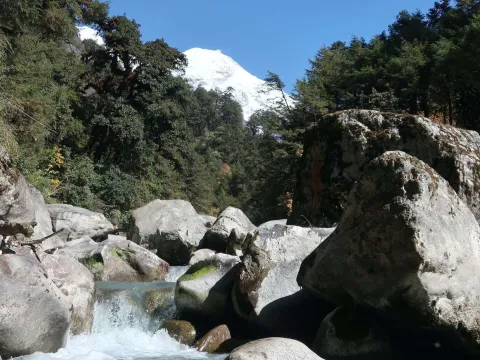
Short 6-day Langtang Valley trek allows you to experience the most prominent sights of Langtang region. As previously mentioned, this short trek starts in Kathmandu and ends in Syabrubesi village and you again drive back to Kathmandu.
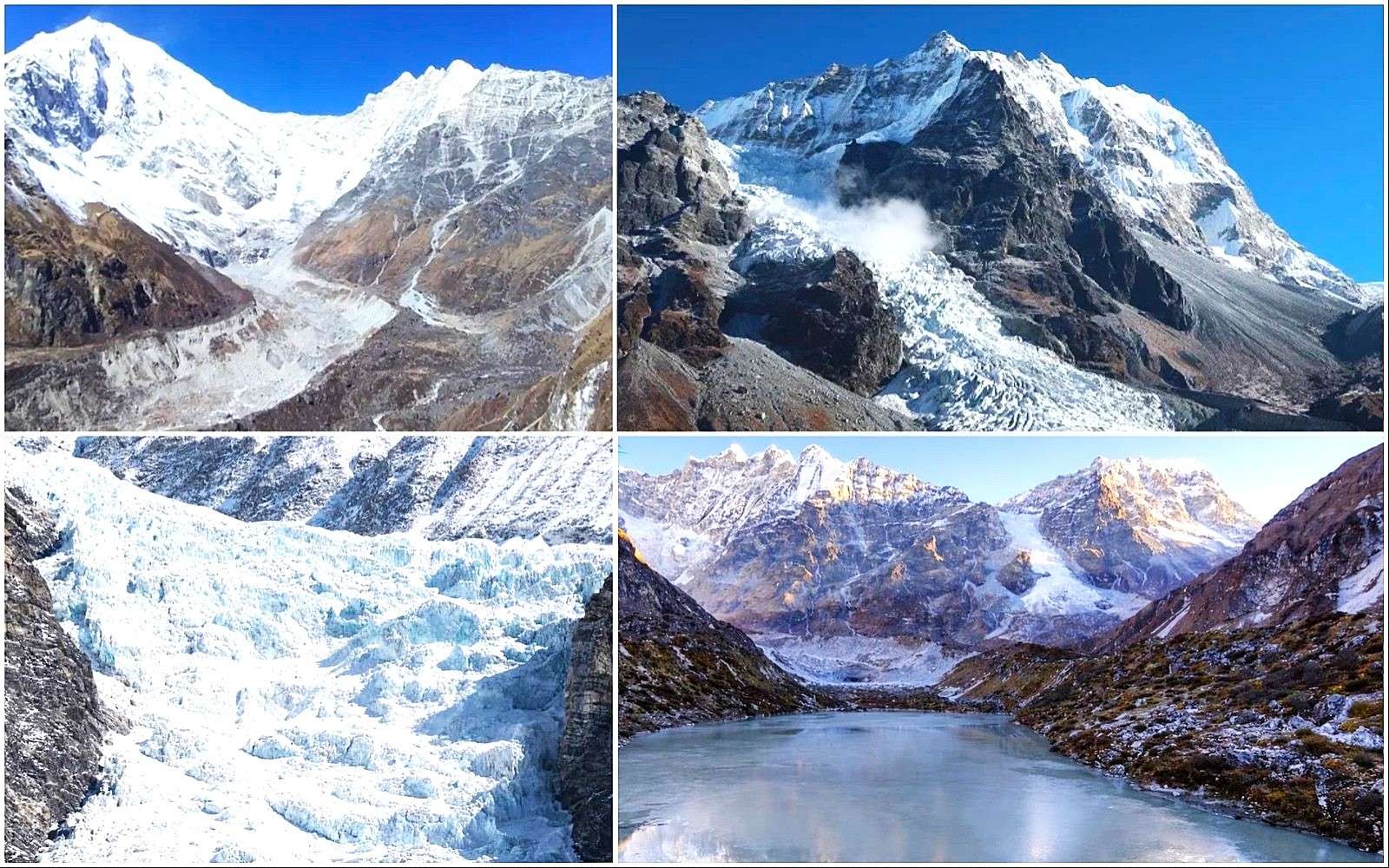
Thus, here is the full itinerary for your reference:
Here, Day 1 marks the beginning of the Langtang Valley trail. You leave the capital city of Kathmandu (approx 1400 m) and then head for Syabrubesi (approx 1550 m). Syabrubesi is 72 miles (122km) from the Kathmandu Valley. Here, you get down from the bus/jeep and trek to Pahire. The trek from Syabrubesi to Pahire is around 2 hrs following Langtang river.
Thus, the short Langtang valley trek is a highlight-filled adventure, which takes only a week. You can also enjoy the unique cultural heritage of the region and its traditional villages, snow-capped mountains, beautiful waterfalls, and dramatic mountainous scenery.
The Langtang Valley trek difficulty is generally moderate. However, this six-day itinerary is more demanding than an easy Langtang trek. Here, the trail involves steep climbs and long walks on certain days.
In fact, the most strenuous part of the six-day Langtang Valley trek is on Day 4. On this day, you will climb from Kyanjin Gompa to Kyanjin Ri and then descend to Lama Hotel. The other days are relatively easier.
| Factor | Approximate Details | Difficulty |
|---|---|
| Total duration | 6 days | Moderate |
| Daily walking | 5-8 hours | Moderate |
| Highest point | Kyanjin Ri – 4,773 m | Challenging |
| Kyanjin Gompa | 3,870 m | High altitude |
| Longest challenge | Kyanjin Ri + descent | Challenging |
| Terrai | Forest, stone, rocky | Moderate |
| Fitness | Regular hiking | Moderate |
| Altitude | Significant above 3,000 m | Important |
The six-day Langtang itinerary is demanding as you will have less time to acclimatize to the altitude. You will also have to climb significantly on certain days.
Here, you will start your trek from Syabrubesi at around 1,550 m. Onve you arrive at Syabrubesi, you will begin the trek immediately to Pahire. You have to walk for at least 2 hours on the first day after the drive from Kathmandu to Syabrubesi.
You will, then, climb to Ghoda Tabela at 3,030 m on the second day. On the third day, you will reach Kyanjin Gompa at 3,870 m.
On the fourth day, you will have to climb to Kyanjin Ri at 4,773 m and then descend to Lama Hotel at 2,470 m. The most challenging part of the six-day Langtang trek is the climb to Kyanjin Ri followed by the long descent on the same day to Lama Hotel on the 4th Day.
| Tips | Details |
|---|---|
| Start early | It will give you more time to descend on Day 4 |
| Walk slowly | It will reduce the strain on your body |
| Take regular breaks | It will help you to catch your breath |
| Drink plenty of water | It will keep you hydrated |
| Have a good breakfast | It will give you the necessary energy for the day |
| Wear warm clothes | It will keep you warm |
| Use trekking poles | They will reduce the strain on your knees |
| Descend carefully | It will prevent you from getting injured |
| Listen to your guide | They will know when it is time to turn back |
| Return if you feel ill | You do not have to reach Kyanjin Ri if you are not well |
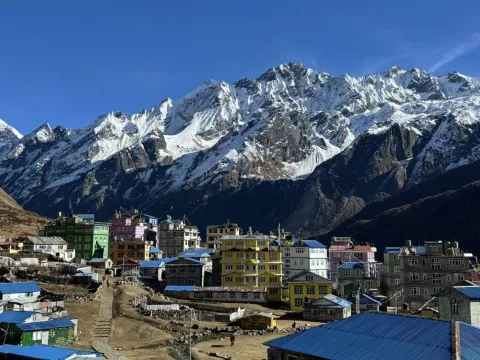
You do not need to be an elite hiker to do the six-day Langtang Valley trek. However, you need to be relatively fit. You should be able to walk for several hours at a time. You should also be able to hike for two or more consecutive days.
Here, stair climbing is a good way to prepare for the trek. It will help you to develop the strength and endurance required for the trek. Uphill walking is also a good form of preparation.
| Activity | Preparation |
|---|---|
| Walking | 1-2 hours regularly |
| Long hikes | 4-6 hours occasionally |
| Stair climbing | 30-45 minutes |
| Uphill walking | Once or twice a week |
| Strength training | Two or three times a week |
| Consecutive hiking | Once or twice a week |
You should start preparing 6-8 weeks before the trek. Similarly, you should focus on building endurance rather than speed. Likewise, you should also do strength training to build muscle power. Moreover, you should do these exercises to prepare your legs and core for the trek. You should also practice walking with a backpack.
Previous trekking experience helps,
Previous trekking experience is useful but it is not necessary. First-time trekkers can also do the six-day Langtang Valley trek.
However, they need to prepare well for the trek. You should also know your limits and respect the altitude. If you are a first-time trekker, it is a good idea to hire a guide. A guide will help you to monitor your fitness level.
The best time to do the 6-day Langtang trek is during spring and autumn. These are the peak trekking seasons in Nepal. Autumn is generally better than spring as it offers the best mountain views. During spring, the region is dotted with rhododendron flowers.
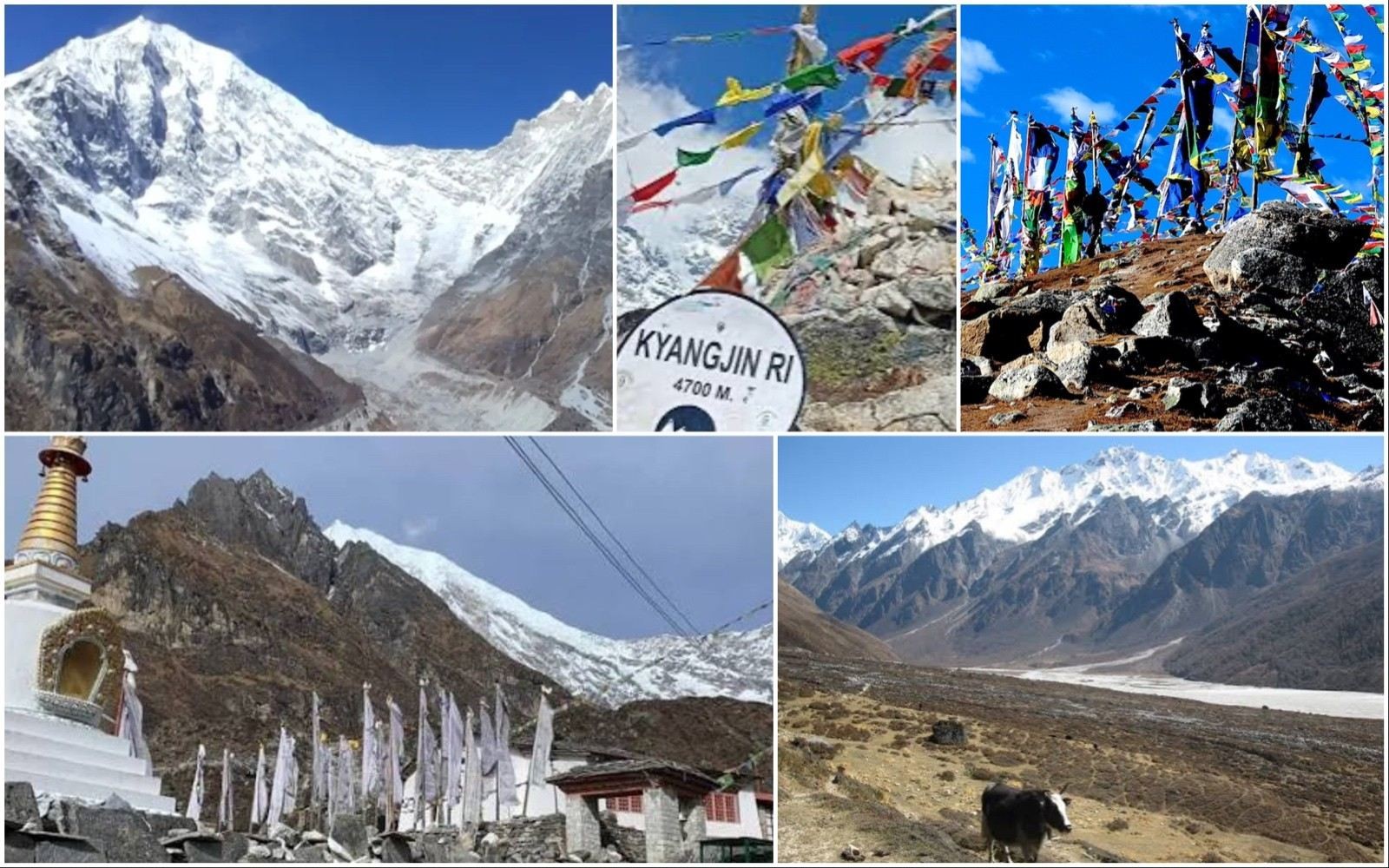
Meanwhile, the best time to do the six-day Langtang Valley trek is from March to May and September to November.
| Season | Months | Weather | Views | Trail conditions |
|---|---|---|
| Spring | March-May | Mild and stable | Excellent | Generally good |
| Autumn | September-November | Clear and dry | Excellent | Generally excellent |
| Winter | December-February | Very cold | Often clear | Snow possible |
| Monsoon | June-August | Wet and cloudy | Limited | Muddy and difficult |
Autumn is the best season to see the mountains. The monsoon has already cleared the air of the valley.
As a result, the mountain views are often excellent during this season. Likewise, the sky is also clear and blue. This makes it an ideal time for photography. The higher valley is also particularly spectacular during this season.
Similarly, the temperatures are also relatively moderate during this season. As a result, September to November is generally a good time to do the six-day Langtang Valley trek. October and early November are the busiest months. As a result, it is a good idea to book your accommodation in advance.
The six-day Langtang Valley trek is also a good option if you want to see the rhododendron blooms. Actually, the lower trail is particularly spectacular during this season. The entire forest is covered in pink and white flowers. The temperatures are also relatively warm during this season.
In fact, the mountain views are generally good during this season as well. March to May is a good time to see the rhododendron blooms. April is particularly good as the forest is at its most spectacular.
You should consider going trekking in Langtang during autumn for the best mountain views. You should go trekking in spring if you want to see the rhododendron blooms. Winter is a good time to trek if you want to avoid crowds. Monsoon is generally the worst season to trek in Langtang.
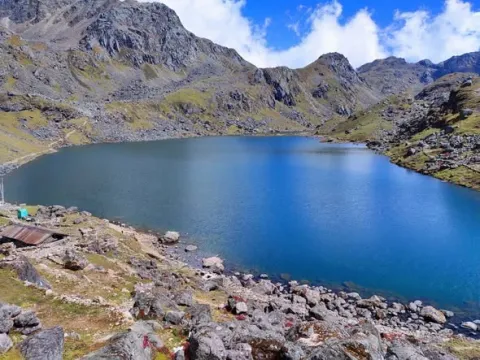
The 6-day long Langtang valley trek package deals vary depending upon the inclusions, group size, and other factors.
However, the approximate cost of a well planned Langtang valley guided trek is around US$400-700+ per person. Those who prefer independent but guided treks might save some bucks whereas hiring a guide, porter, and other comforts can increase the costs.
Here, the short 6-day itinerary takes you from Kathmandu city (around 1,400 m) to the highland village of Kyanjin Gompa (3,870 m) and acclimatization peak of Kyanjin Ri (4,773 m).
Therefore, the total expenses involved in the Langtang valley trek will include transportation, accommodation, meals, permits, and guides.
| Expense | Approximate Cost For Each Person | Description |
|---|---|---|
| Kathmandu-Syabrubesi transportation | $20-$40 | Shared transportation (Bus or jeep) |
| Return transportation | $20-$40 | Transportation from Syabrubesi to Kathmandu |
| Langtang NP permit | Around $30 | Permission to enter the Langtang valley region |
| TIMS | Varies | The trekker’s information registration system |
| Teahouse accommodation | $50-$60 | Approx. 5 nights’ stay |
| Food and drinks | $100-$160 | Includes three meals and some drinks |
| Guide | $120-$180+ | Usually, the cost is shared among the group members |
| Porter | $80-$120+ | Shared or solo porter services |
| Miscellaneous | $30-$70 | Tips for guides and porters, hot showers, charging electronic devices, etc. |
| Total guided trek cost | $400-$700+ | The guided cost depends upon the inclusions |
In fact, the 6-day trek is usually planned as an independent or guided one. Some prefer shared groups whereas others prefer private services. Similarly, the prices vary depending upon the included services.
| Trek Style | Approximate Cost | Best For |
|---|---|---|
| Independent | $300-$450+ | Budget explorers |
| Shared group | $400-$600+ | First-timers |
| Private guided | $550-$700+ | Families and couples |
| Premium package | $700+ | Higher-end experiences |
The transportation cost is one of the main expenses that you should consider during Langtang Valley Trek.
Meanwhile, the Langtang valley trek begins with a bus/jeep journey from Kathmandu. You can explore the lower trails at an approximate altitude of 1,550 m in Syabrubesi. Buses usually offer you the best value-for-money deal.
Likewise, jeep and private vehicles offer more flexibility and comfort but at a higher price range.
Moreover, road conditions can also affect the time duration of your journey.
The teahouses provide you with affordable accommodation in the form of a bed, blankets, and meals. There are also shared bathrooms on the way. You can expect hot showers at an extra cost.
Similarly, charging electronic devices might also come with an additional charge.
In fact, the teahouse amenities become minimal at higher elevations. There are also variations in the standards of the teahouses.
For example, Kyanjin Gompa at 3,870 m offers you various lodging options. You might need to book your accommodation in advance during the peak season.
Most of the meals during the Langtang valley trek include the local dishes. You can have traditional dal bhat which is a complete meal comprising rice and lentils. You should also try other local specialties like noodles, pasta soup, potatoes, and eggs.
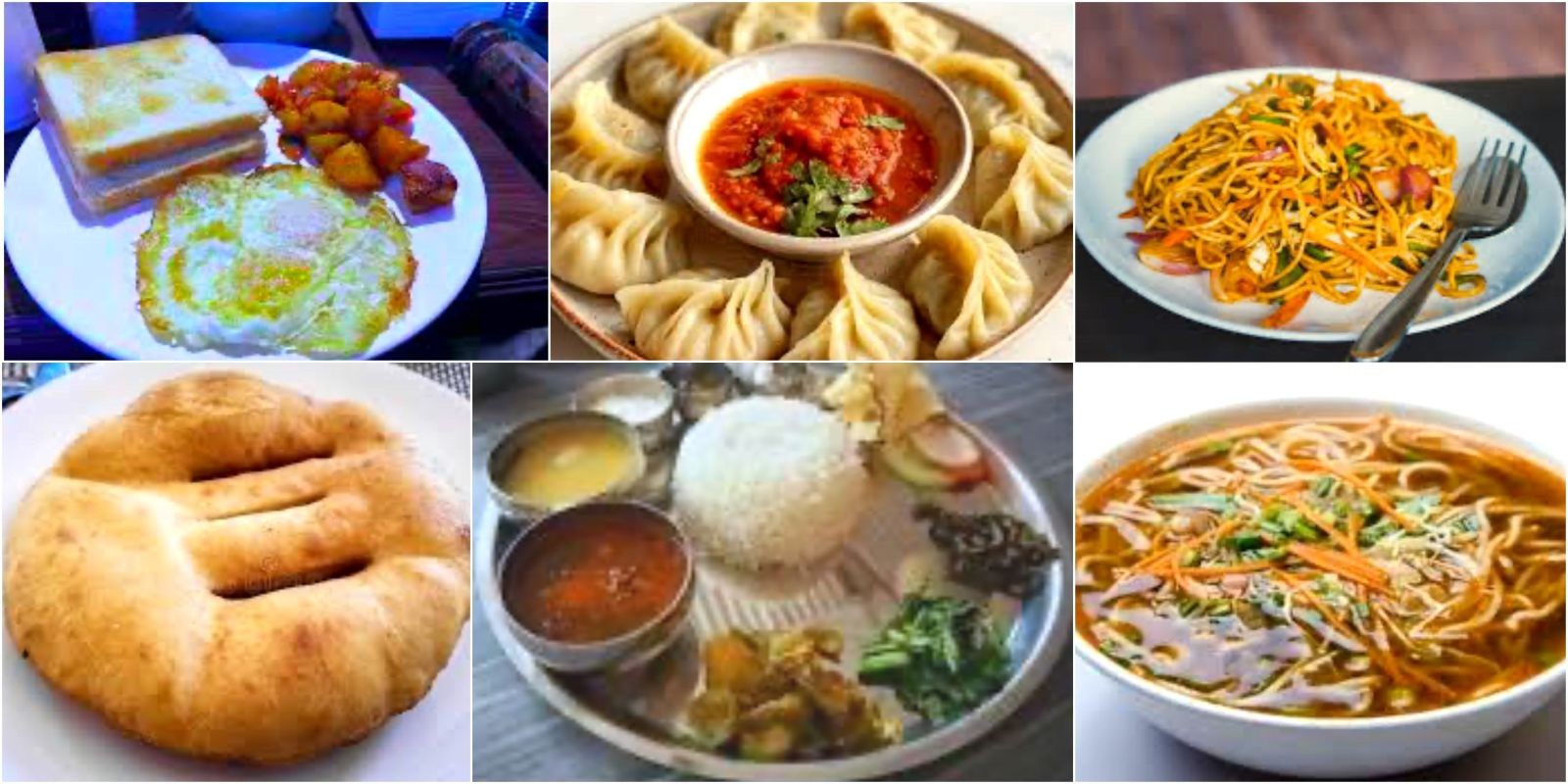
Here, the prices of the meals and other drinks tend to increase with higher altitudes. The drinking water also adds up to the daily expenses. You can roughly keep aside $15-$25 for having meals and snacks during the trek. The costs will vary depending upon the types of food you order.
The hired guide can make your short but intense Langtang valley trek manageable and comfortable. The experienced trekking guide will assist you with the trail directions and other accommodations.
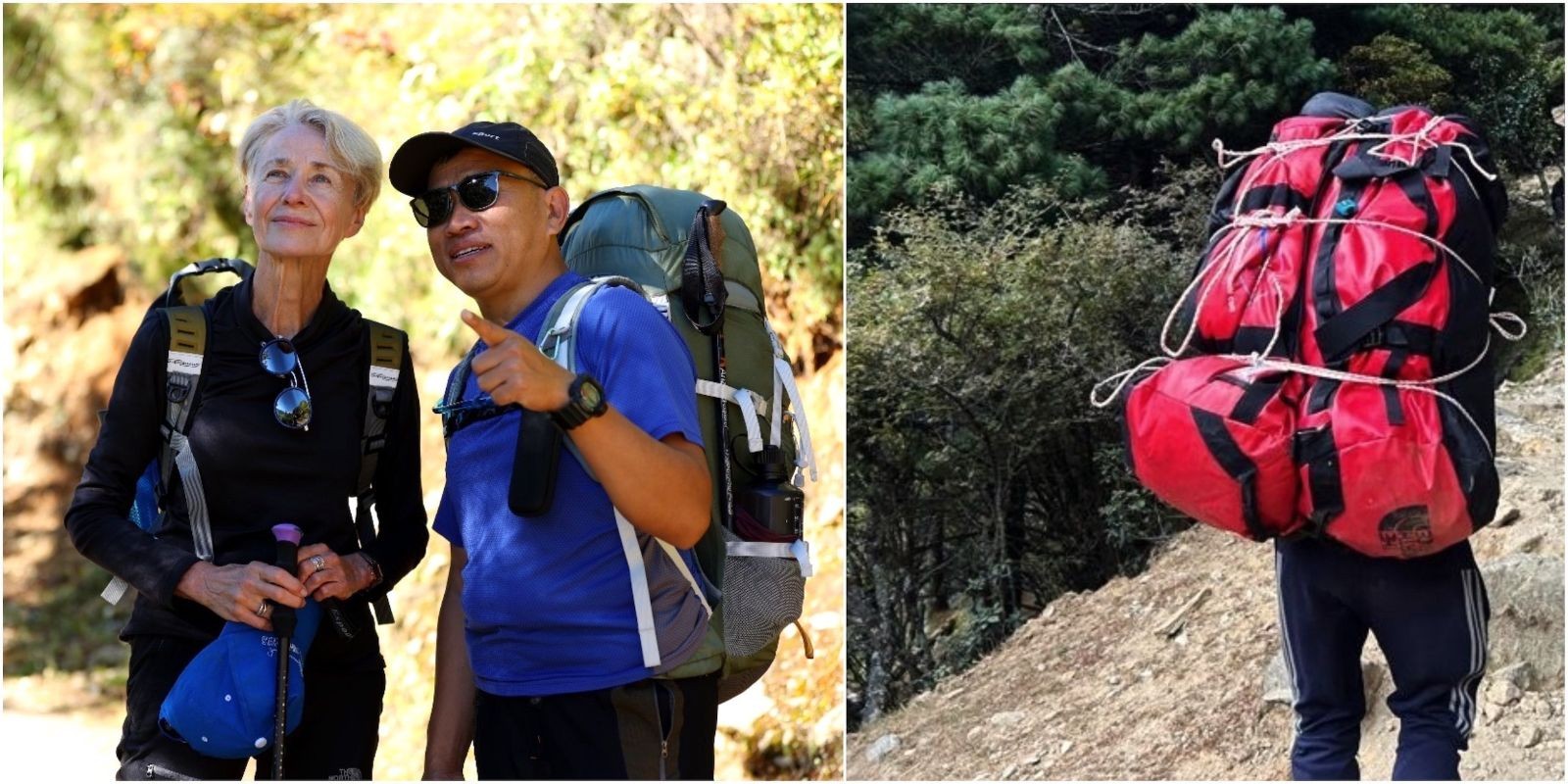
Likewise, a good guide will also look after your health conditions and help you monitor the altitude sickness.
Similarly, the porter will carry your bag while you enjoy hassle-free hiking. A porter’s assistance will be beneficial at higher altitudes. It will also reduce the chances of altitude illness as you will have minimal luggage on you.
Moreover, the guide and porter charges will be cheaper when hired in a group.
You should keep aside some extra money for the following expenses:
Here, these expenses are not included in the basic packages. Therefore, you must keep aside some extra money beside the estimated budget.
It is essential to know what a guided trek package includes. Here are some of the main inclusions of a good guided trekking package:
Haven Holidays Nepal can also help you in the process of organizing a guided Langtang valley trek.
The Langtang valley trek permits mainly consist of the Langtang national park entry permit, and TIMS (Trekkers’ Information Management System) permission. Actually, the permit costs keep on changing but it costs Rs. 3000 for foreigners and Rs. 1500 for SAARC Nationals, so it is essential that you check the most recent information before finalizing your trip.
| Permit/Document | Requirement | Approximate Cost |
|---|---|---|
| Langtang National Park Entry Permit | Mandatory | For many foreign visitors, the park entry permit costs around NPR 3,000. |
| TIMS | Mandatory (where applicable) | The TIMS fee varies depending upon the trekker’s category. |
| Passport | Mandatory | Original passport |
| Trekking registration | Mandatory (at checkposts) | The details are included in the above-mentioned permits. |
Note: The park entry and TIMS permit costs might change, so it is essential that you confirm them beforehand.
The Langtang valley trek takes you through the Langtang national park. Therefore, the park entry permit is mandatory for each trekker. The permit is beneficial for the conservation and maintenance of the hiking trails in the area.
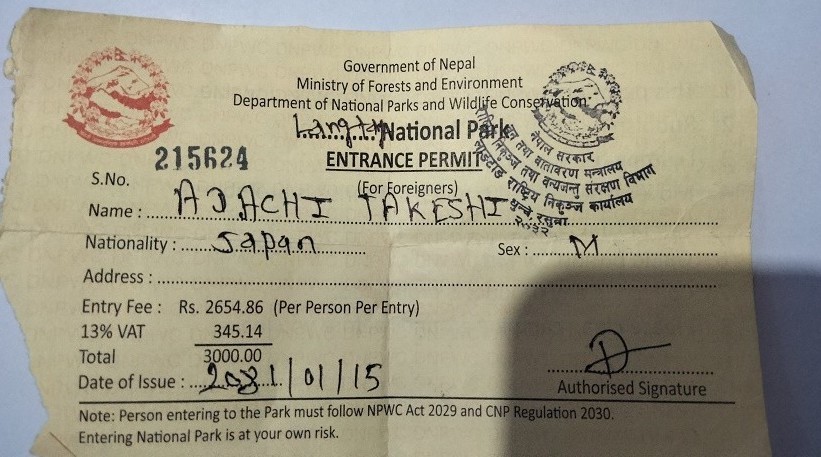
Importantly, make sure to keep the permit with you at all times as you might have to show it to the authorities at any checkpoint.
TIMS stands for Trekkers’ Information Management System. The requirements and guidelines for TIMS permits vary from time to time. Most of the organized trekkers get TIMS permits from their trekking agencies whereas independent trekkers should confirm the guidelines before heading to the trail.
Moreover, keep in mind that Nepal’s trekking guidelines and fees are subject to change. Do not follow the old and outdated information when applying for permits.
The Langtang valley trek permits can be obtained from Kathmandu. The licensed trekking agencies can assist you in getting the required documents. The services are usually beneficial for organized trekkers.
On the other hand, independent travelers should visit the relevant government or tourist offices in Kathmandu. Bring your passport, photos, and other required documents. Your travel agency can also provide you with the most recent permit costs.
The langtang valley trek permits need to be presented at the trail checkpoints. The officials will also enter your trekking details in their database. Make sure to keep your documents handy.
Meanwhile, there are permits checkpoints at Dhunche, Syabrubesi and Ghoda Tabela. You must present your Langtang National Park Entry Permit and your passport at each checkpoint. Please, be ready for this.
If you are hiring a guide, your guide will help do this for you.
Moreover, avoid losing the permit receipts as they might be required at the trail checkpoints.
Your guide can assist you with the permits during the trek.
Thus, the permit guidelines and costs keep on changing. Therefore, before finalizing your traveling date, it is essential that you confirm the most recent information.
Here are some of the important permit guidelines:
A suitable packing list for the six-day Langtang Valley trek should be minimalist, emphasizing lightweight clothing and gear.
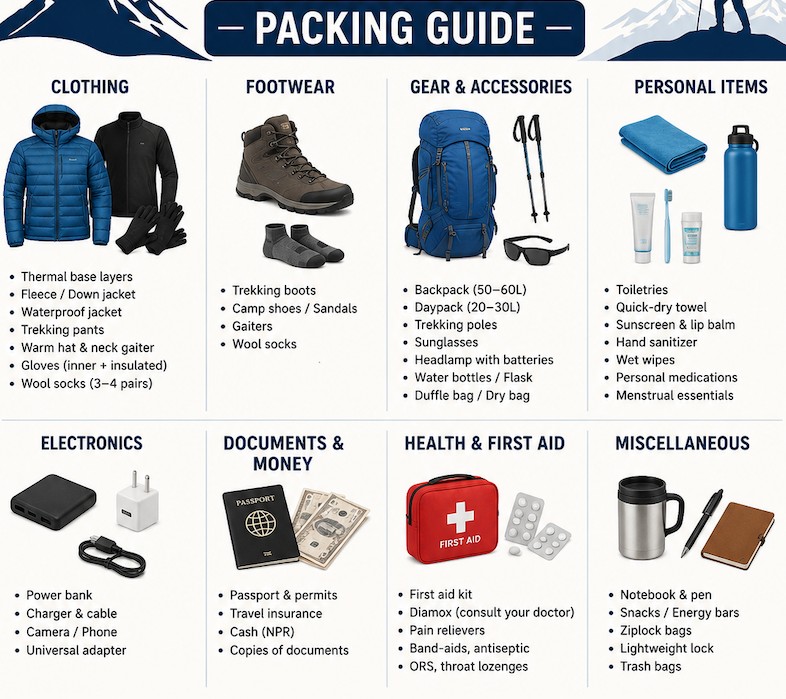
Due to the large temperature differentials between night and day, you should also pack warm clothes for the evenings and mornings. As you climb, the temperature drops – from around 1,400 m in Kathmandu to 3,870 m in Kyanjin Gompa,
while the optional Kyanjin Ri viewpoint provides excellent views from a height of 4,773 m.
| Essential/Highly Useful | Reasons for Bringing |
|---|---|
| Trekking boots | Prevent your feet from getting injured |
| Thermal layers | Warmth at higher altitudes |
| Fleece jacket | An extra layer of warmth |
| Down/insulated jacket | Necessary at Kyanjin Gompa |
| Waterproof jacket | Protection from the rain/snow |
| Trekking pants/trousers | Light clothing suitable for long walks |
| Warm hat | Prevents heat loss from the body |
| Gloves | Protects your hands from the cold |
| Sun hat | Protection from the Himalayan sun |
| Sunglasses | Eye protection from the sun |
| Headlamp | A reliable source of light |
| Trekking poles | Assist when climbing up or walking down |
| Backpack | Stores personal belongings and daily necessities |
| Water bottles | Keeps you hydrated throughout the day |
| Water purification | Ensures an adequate supply of clean treatment of water |
| Sunscreen | Offers protection from harsh UV rays |
| Lip balm | Moisturizes and prevents cracking of the lips |
| Personal first-aid kit | Treats minor illnesses and injuries |
| Personal medicines | Treats specific ailments |
| Power bank | Provides an extra power source for your devices |
| Quick-dry towel | Useful after washing or showering |
| sleeping bag | Keeps you warm at night (optional) |
| Toiletries | Maintains personal hygiene |
| Passport copies | Required for permits and emergency cases |
Layering,
Here, the above clothing should suffice for most hikes. You may want to bring an insulated jacket and a warm sleeping bag for night use, especially since Kyanjin Gompa can be quite chilly at night, with temperatures dipping below freezing.
Trekking Footwear,
You should invest in a good pair of trekking boots for the excursion. You will find that the trail comprises rocky and uneven surfaces.
Similarly, some parts of the trail can also be slippery. For this reason, it is advisable to avoid using new boots on this adventure. Where possible, try to bring some form of light camp shoes to allow your feet to rest after long days of walking.
Headlamps
A headlamp is a must-have item on this trek. You will find that day four will commence before sunrise. You will also need a good source of light while trekking up Kyanjin Ri. You should carry at least two extra sets of batteries. You may also consider bringing an alternative rechargeable headlamp.
Store your headlamp where you can easily access it.
Altitude Variations,
This hike covers altitudes of up to 4,773 m (the optional Kyanjin Ri). You will, therefore, need to carry the following items:
Similarly, it is advisable to walk slower above 3,000 m. You should also drink plenty of water throughout the day. You should also not dismiss any of the symptoms that may arise due to altitude sickness.
Trekking Bags
Where possible, try to bring only what you can carry with you. You may also consider hiring a porter to assist you with your personal belongings. You should only store personal belongings that you will use for the day in your daypack.
Your daypack should contain:
Day one comprises of a road trip and a hiking trail. You will start your adventure in Kathmandu at around 1,400 m above sea level. You will be driving for most of the day and will reach Syabrubesi at around 1,550 m. This picturesque road winds through rolling hills, river valleys, and local villages for much of the journey.
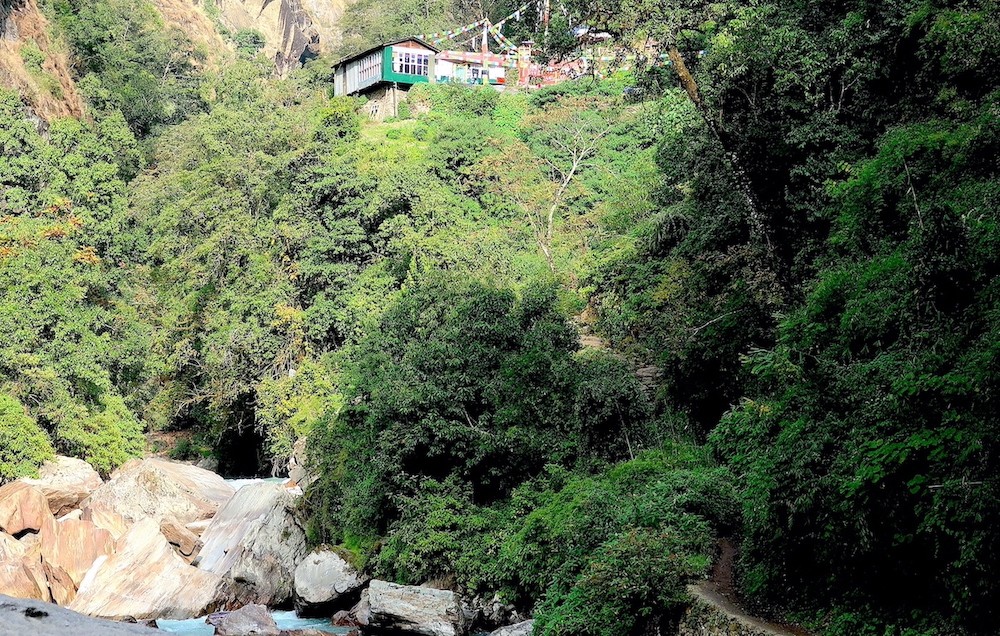
Once you arrive in Syabrubesi, you will start your trek to Pahire/Pairo. Trekking from Syabrubesi to Pahiro takes 2-3 hours.
| Detail | Description |
|---|---|
| Starting point | Kathmandu – around 1,338 m |
| Drive | To Syabrubesi – around 1,550 m |
| Trek | To Pahire/Pairo – around 1,800 m |
| Driving time | Around 6-8 hours |
| Walking time | Around 2-3 hours |
| Walking Distance | Around 5-7 km |
| Terrain | Forests and riverside trails |
| Difficulty | Easy to moderate |
| Overnight | Pahire/Pairo |
Note: The driving time and distance may vary depending on the road conditions and the starting point.
Your day should start early as you will need to cover a long stretch of road. The road will gradually climb out of the Kathmandu Valley. You will see beautiful green hills along the way. The road cuts through numerous local villages as you continue towards Syabrubesi.
Meanwhile, the rolling hills transform into mountainous landscapes as you approach the town.
As you approach near Syabrubesi, the road passes through lush river valleys. The road conditions can be quite variable, so you may want to plan for a longer first day due to possible delays.
Arriving at Syabrubesi
Syabrubesi is a small town located at an elevation of around 1,550 m. It serves as the main gateway to the Langtang Valley. There are numerous local lodges and teahouses found in the region. You should consider having lunch here before proceeding to Pahire. After having lunch, your trek will commence shortly.
Syabrubesi to Pahire/Pairo
Your trek will start almost immediately after your lunch. You will find that the trail is relatively flat as you follow the beautiful Langtang Khola and the valley. The trail gradually narrows as you walk deeper into the valley. You will find that there are many trees along the trail. You may also hear the sound of the river as you trek deeper into this enchanting region.
Likewise, there are also smaller streams alongside bridges that provide a nice diversion from the walk.
Once you have left Syabrubesi, you will find that the surroundings become less busy. You will get your first glimpse of a proper trek as you travel deeper into this valley. This trail will ultimately lead you to Pahire/Pairo at around 1,800 m.
Pahire/Pahoro is a beautiful village that offers a calm and peaceful night for your first-day camping.
Most of the teahouses in this region offer simple rooms and meals. There are also a few dining options to choose from. You will also find that these accommodations offer minimal amenities. You will find it useful to have a warm meal and dinner to prepare you for the following day.
Here, make sure that you organize your gear for the next day as you will have a much steeper climb on day two. It may also be useful to go to bed earlier to acclimatize to the altitude.
Day 1: Elevation Profile,
The first day will see you trekking from low altitudes of 1,400 m in Kathmandu up to around 1,800 m in Pahire. This increase in altitude is a fantastic way to prepare you for the higher altitudes that you will encounter in the Langtang region.
Here, day one should be seen as more of a ‘beginning of the adventure’ as you find yourself in the beautiful Langtang River Valley.
Day 2 is the most beautiful one as you walk deeper into the Langtang Valley. You will be departing from Pahire/Pairo and heading towards the Ghoda Tabela.
While doing so, you will notice that the forest is getting denser while traversing through Langtang National Park. But the valley is also opening up to the Himalayas. Here are some of the details of the Day 2 trek.
| From To | Altitude | Walking Time | Distance |
|---|---|---|
| Pahire/Pairo – 1800 m Ghoda Tabela | 3030 m | About 5-7 hrs | Approximately 14-16 kms |
Meanwhile, the trail from Pahiro to Ghoda Tabela consist of forest, stone, and rivers. It is a moderate-hard trail, and you will be spending the night at Ghoda Tabela.
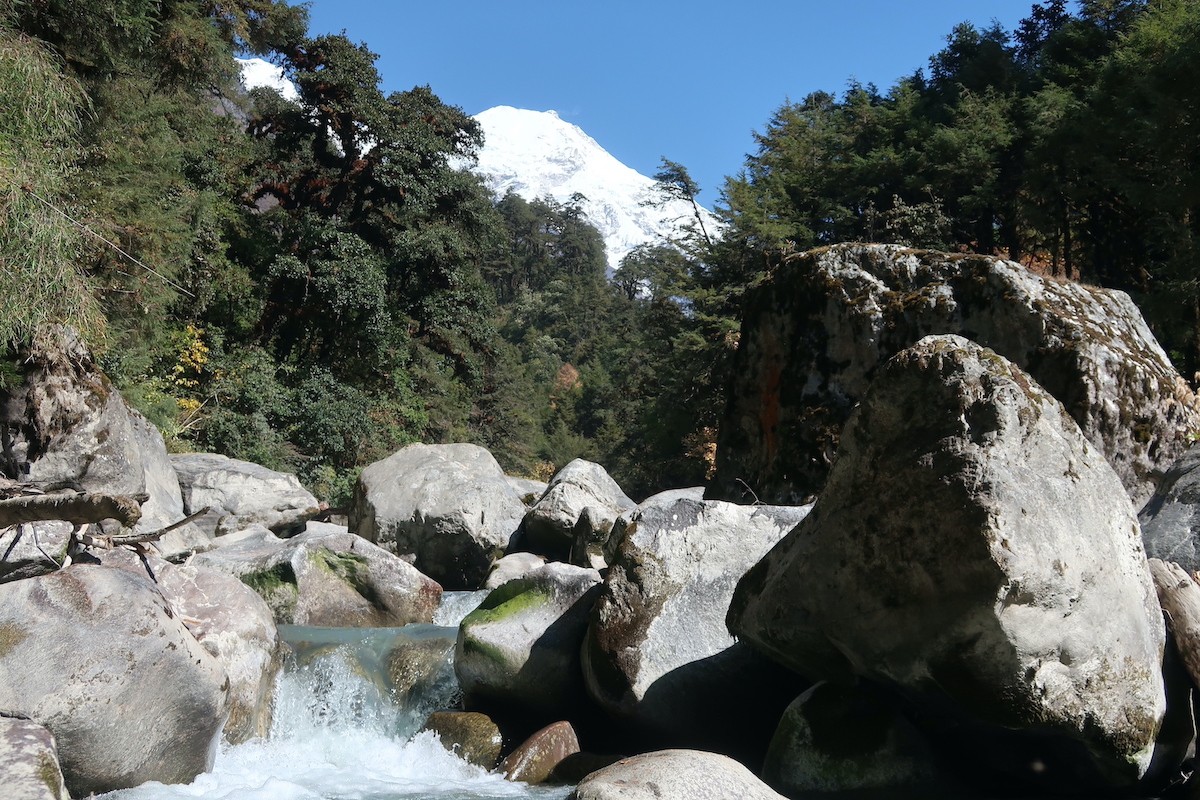
Depending on the trail and lodge, the distance and walking hours can vary.
Walking Through the Rhododendrons and OAKS
The trail from Pahire starts to climb higher. You will be walking through rhododendrons and OAKS of Langtang National Park. The forest is pretty dense, providing you with shade on a clear day. You will also encounter small streams and waterfalls.
Sometimes, you might hear waterfalls cascading down the rocky mountain on either side of the trail. The trail seems pretty lonely as far as the eye can see.
Walking Along the Langtang Khola
The Langtang Khola is your constant companion as you head deeper into the valley. You can hear the gurgling of the river, especially on calm days.
Moreover, some bridges allow you to cross smaller streams during the trek. The trail becomes more exciting as it reaches steep mountainous areas.
More Elevation Gain on Day 2
Even on Day 2, you will need to gain a considerable amount of elevation. Thus, Pahire (1800 m) to Ghoda Tabela (3030 m).
Therefore, make sure to keep a steady pace. Do not try to race up the mountain. You can always take short breaks in between to hydrate yourself.
Beautiful Landscape Opens Up at Ghoda Tabela
On Day 3, you are set to explore the heart of the Langtang Valley. You will be departing from Ghoda Tabela and heading towards Kyanjin Gompa. You might want to pack some snacks for this day since the trail is pretty long.
Moreover, the trail takes you through some of the best views in the Langtang Valley. You will see forests, alpine meadows, Tamang villages, snow-capped mountains, and so on.
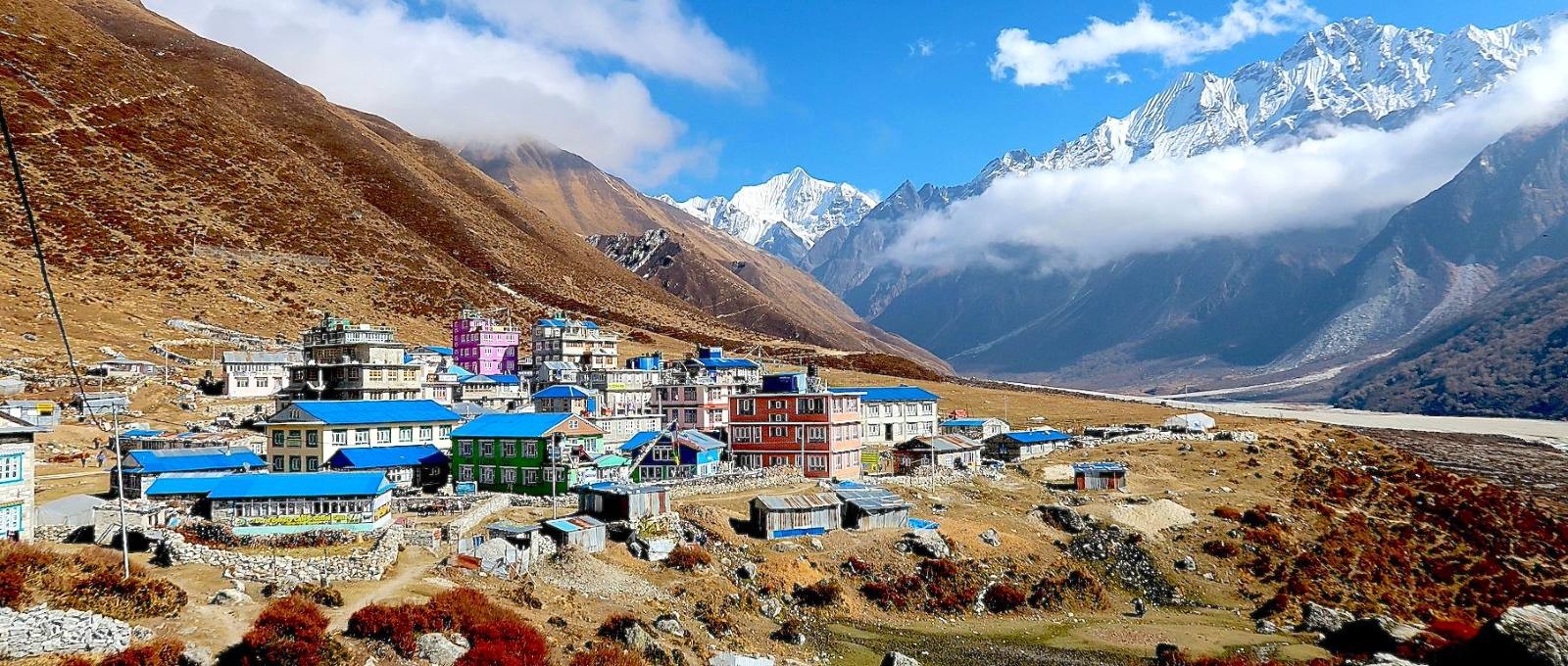
Finally, you will arrive at the Kyanjin Gompa, the spiritual center of the Langtang region.
Here are some of the details about Day 3 of the Langtang Valley Trek.
| From To | Altitude | Walking Time | Distance |
|---|---|---|
| Ghoda Tabela – 3030 m, Kyanjin Gompa | 3870 m | About 5 - 6 hrs | Approximately 12 - 13 kms |
Meanwhile, the trail from Ghoda Tabela to Kyanjin Gompa consists of alpine, forest, and stone paths. It’s not an easy trail, but it’s not that hard either.
Moreover, you will be spending the night at Kyanjin Gompa.
Depending on the trail and lodge, the distance and walking hours can vary.
The Trail from Ghoda Tabela to Langtang Village
On Day 3, you will notice that the trail is opening up to the Himalayas. You can see the snow-capped mountains. You can also witness traditional Tamang villages dotting the valley. The houses are made of stones and have prayer flags fluttering in the wind.
Furthermore, the trail takes you through a very unique Himalayan village. This village has a unique charm to it and has lasted for centuries.
Langtang village is about 3430 masl. It is a cultural heritage village with a fascinating history that dates back hundreds of years.
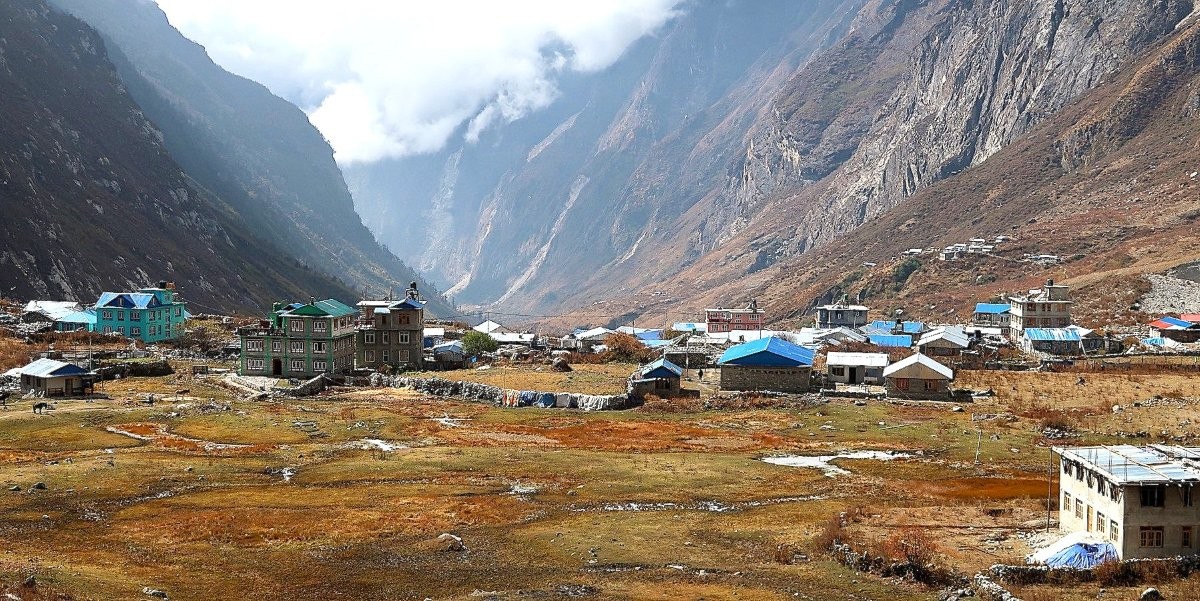
Here, many of the houses were rebuilt recently. Therefore, you can see traditional architecture in the houses of the village.
Then, the trail takes you through open alpine meadows towards Kyanjin Gompa at 3870 m. Here, you will witness the most popular view of Langtang Valley Trek.
Thus, Kyanjin Gompa is your ultimate destination for Day 3 of the short Langtang Valley trek.
Kyanjin Gompa is the spiritual epicenter of Langtang. It is a settlement surrounded by snow-capped mountains and dotted with prayer flags.
In addition, you can also visit a local monastery for a more spiritual experience. There are plenty of photo opportunities during the day.
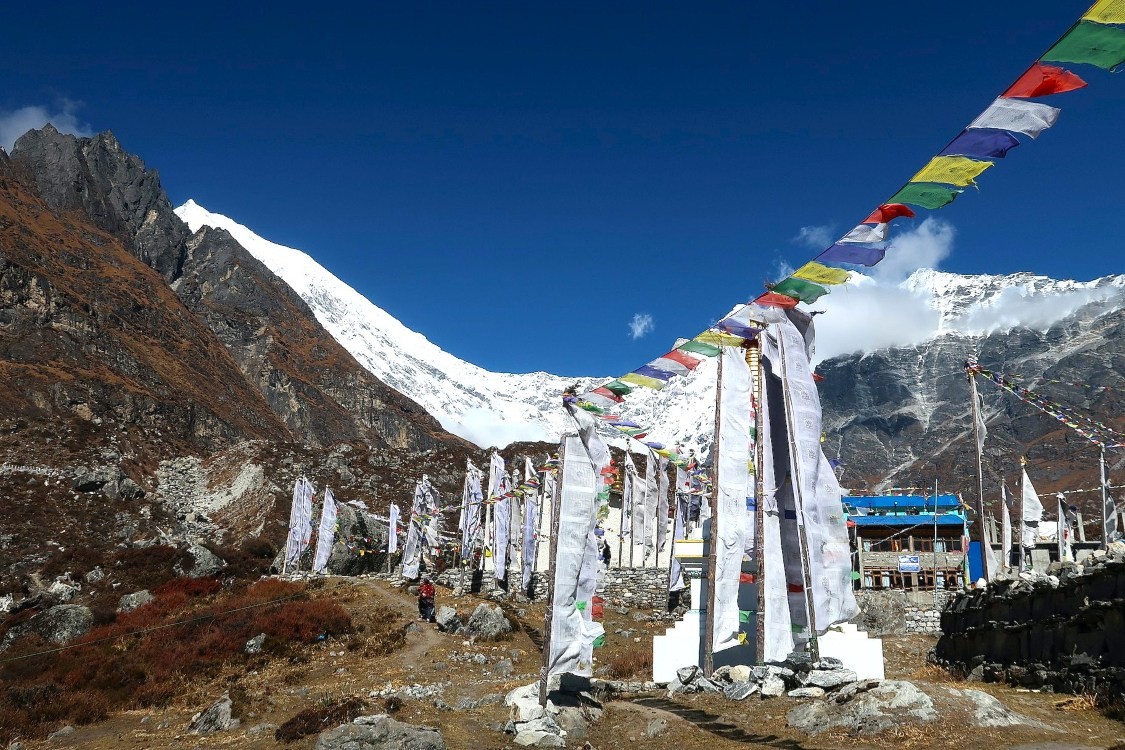
Especially in the evenings, the view becomes extraordinarily beautiful.
However, it gets cold at night, so make sure to bring warm clothing.
Kyanjin Cheese Factory: One of the Best Attractions in Langtang
One of the best things about Kyanjin is the Kyanjin Cheese Factory. This factory has become super popular among tourists. Therefore, it has been integrated into the itineraries of most of the Langtang treks.
Similarly, you can witness the cheese-making process in Kyanjin.
Additionally, you can also purchase local cheese from here. The factory has helped boost the local economy.
Thus, it has helped bridge the gap between tourists and locals.
Magnificent Views Near Kyanjin Gompa :
As you approach Kyanjin Gompa, the valley opens up to reveal some pretty amazing views.
Moreover, Langtang Lirung at 7227 m is also pretty majestic. The mountain peaks are covered in snow, which makes for a great contrast against the green meadows.
Therefore, it is a fantastic spot for clicking pictures. The golden hour is usually around late afternoon.
So, it might get chilly when the sun sets. Thus, you should bring some warm clothing during your Langtang Valley Trek.
Ghoda Tabela :
So, Day 3 is ultimately the highlight of the Langtang Valley Trek. The trail takes you to the heart of the Langtang Valley.
Here, the next day, you have a big challenge ahead of you as you go to Kyanjin Ri at 4773 m. Then you will have to descend to the Lama Hotel.
Thus, make sure to have a good night’s rest and drink plenty of water in preparation for the big day.
Day 4 is the most strenuous and rewarding day on your six-day Langtang itinerary. You will leave Kyanjin Gompa, located at 3,870 m, to hike to Kyanjin Ri at 4,773 m.
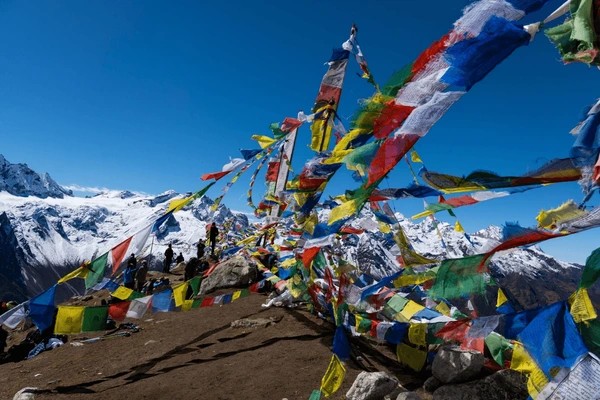
Meanwhile, the early morning start offers the best opportunity to photograph the mountain peaks as they are unveiled to the rising sun. Langtang Lirung (7,227 m) towers over the valley and the panorama reveals several other snow-capped summits in the Langtang range.
| Detail | Information |
|---|---|
| Start | Kyanjin Gompa – 3,870 m |
| Viewpoint | Kyanjin Ri – 4,773 m |
| Descent | Lama Hotel – 2,470 m |
| Walking Time | 7-9 hours |
| Difficulty | Hard |
| Highlights | Panorama views from Kyanjin Ri |
| Overnight | Lama Hotel |
Note: Walking time is depending on the weather conditions and the time spent at the viewpoint.
It is preferable to start early when it is still dark. Make sure to bring a headlamp for the walk down to Kyanjin Gompa. The trail becomes steeper beyond Kyanjin and it is advisable to take it slow due to the altitude.
Meanwhile, the track winds up rocky outcrops for the best panorama in the region. It takes around 3-4 hours to reach the viewpoint at 4,773 m. The sightseeing is worth the extra effort but the thin air means that breaths are short.
Therefore, it is best to only take short breaks while walking up. Remember that the higher you go, the fewer oxygen molecules there are in each lungful of air.
The view from the summit is simply breathtaking! Langtang Lirung rises to an incredible 7,227 meters with snow-capped peaks dotting the horizon. The sunrise is a particularly special time to be at Kyanjin Ri.
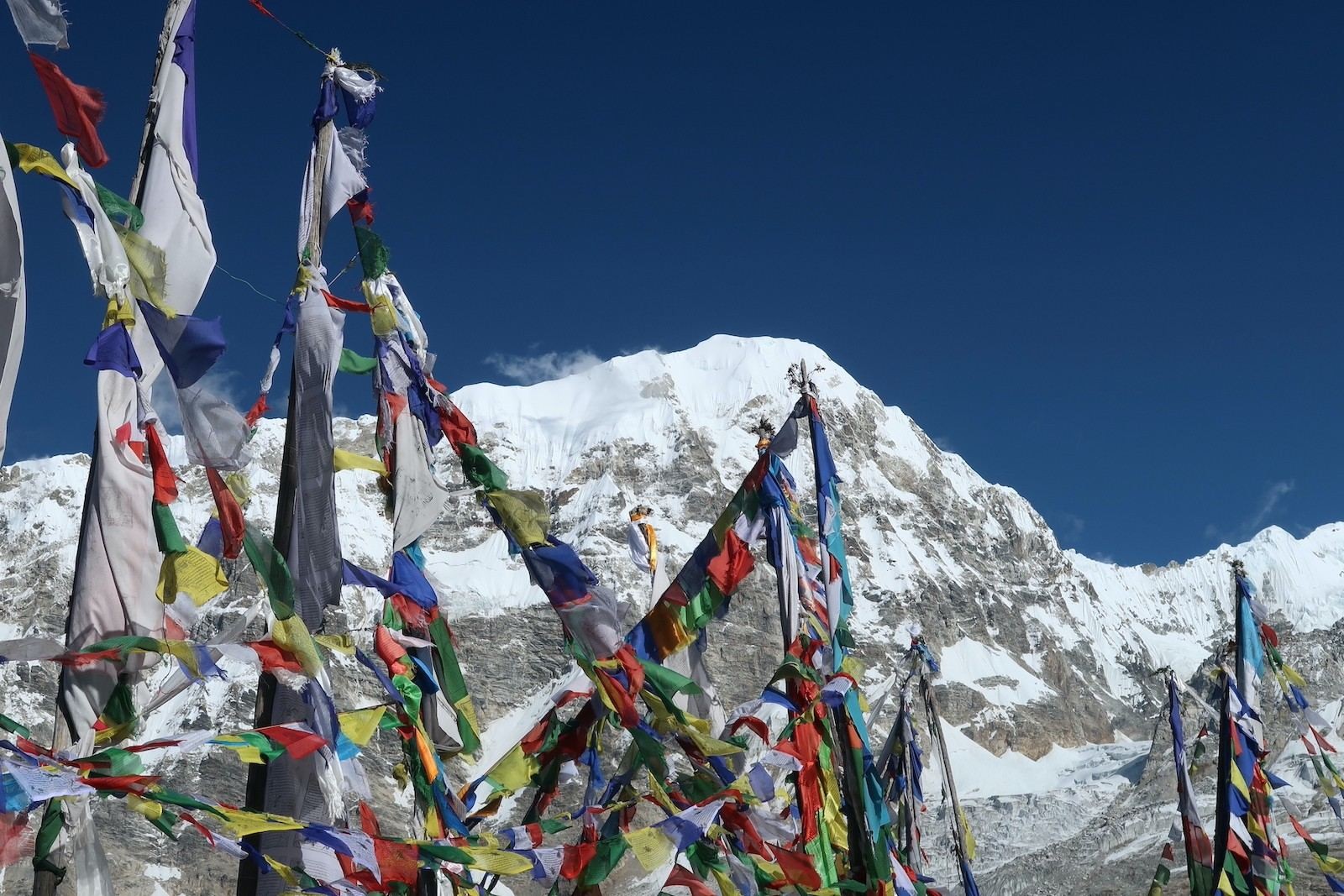
As the golden hour begins, you might notice that the sky transforms into brilliant hues of red.
If it is a clear day, the sun will peek out from the clouds creating beautiful photo opportunities. You can take stunning pictures of the Langtang massif from Kyanjin Ri. Make sure you bring extra batteries for your camera as cold temperatures drain power quickly.
Also, be careful with delicate electronics such as smartphones. Keep them warm at all times by placing them close to your body or within your sleeping bag.
Photography Tips at Kyanjin Ri
Tip Description :
Return to Kyanjin Gompa :
You will begin your trek down the valley on a rough trail. First, you walk through the alpine forest until Ghoda Tabela. The landscape gradually changes from rocky highlands to greener rolling hills.
Eventually, you reach Mundu and Langtang village at 3,430 m before continuing on to Ghoda Tabela at 3,030 m. As you go further down, the woods become thicker and denser. You finally reach Lama Hotel at 2,470 m after a tremendous descent.
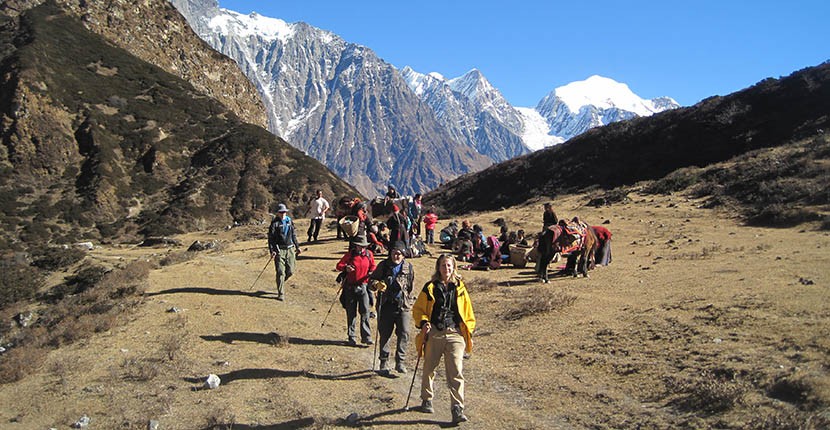
In fact, the long walk down has taken a toll on your legs and you are now very grateful for those trekking poles !
| Tip | Description |
|---|---|
| Trekking poles | They help to take the pressure off your knees. |
| Short steps | Do not take long steps especially on slippery inclines. |
| Bend your knees | They should be slightly bent at all times. |
| Taking breaks | Hydration breaks are important. |
| Snacks | Have healthy snacks on you at all times. |
| Rest for Legs | Give your legs a rest when you feel tired. |
Here, due to the long walk up and down, day 4 is undoubtedly the hardest one. With that said, the incredible scenery at Kyanjin Ri makes it all worthwhile.
On day 5, you will have quite the walk down the valley. You will begin your adventure at Lama Hotel (2,470 m) and end your day at Syabrubesi (1,550 m). The trail mostly follows the lower slopes of the Langtang valley through dense forests.
During the walk down, you will notice that the landscape begins to change. The cool highland stretches give way to rolling green hills.
| Detail | Information |
|---|---|
| Start | Lama Hotel – 2,470 m |
| Finish | Syabrubesi – 1,550 m |
| Elevation loss | 920 m |
| Distance | 10-12 km |
| Walking Time | 5-6 hours |
| Terrain | Forests, stone paths |
| Difficulty | Medium |
| Overnight | Syabrubesi |
Note: Distance and Walking Time may vary depending on the route walked
The trail goes through forests of rhododendrons and oaks at first. The cool highland stretch gradually gives way to greener rolling hills. Soon enough, you hear the peaceful sound of the Langtang khola river.
Moreover, the stream soon becomes a cascade as you walk down the valley. It is a fantastic opportunity to enjoy some well-deserved rest on the last day of your trek.
As you walk down the valley, you will see a number of different landscapes. You will also notice that the vegetation changes as you enter lower altitudes.
At higher elevations, temperate coniferous forests give way to warmer and greener shrubs and trees.
Meanwhile, there are also a number of local farming communities growing crops on the valley slopes. These communities welcome you with open arms and the friendly atmosphere is the perfect way to spend your final evening in the Langtang region.
Importantly, you can also take some nice photos during your walk down. There is no need to rush to Syabrubesi when you can enjoy the scenery!
Walking downhill on day 5 is actually quite challenging. Your knees and Ankles bear most of the body weight which can cause serious discomfort especially on day 4. Make sure to use trekking poles as they take some of the pressure off your knees and Ankles.
Also, remember to take short and firm steps especially on rocky inclines. Avoid jumping from one rock to another as this can damage your knees and ankles. Wearing good trekking shoes also plays a crucial role in keeping your knees and ankles safe.
Important: A leisurely pace when going downstairs is generally the best option.
You eventually arrive at Syabrubesi at 1,550 m and enjoy the familiar trailhead. The next day, you drive back to Kathmandu for your six-day short trek in the Langtang Valley ends here. You have the option of taking a warm shower and recharging your devices tonight.
In addition, you can relax and reflect on this fantastic hiking experience with your trekking companions.
Day 5 is satisfying in that it gives you a sense of accomplishment. The mountains slowly become obscured by the forested hills as you make your way down the valley.
However, the amazing panorama at Kyanjin Ri at 4,773 remains etched in your memory.
The next day, you leave Syabrubesi and take a long drive back to Kathmandu.
Day 6 is all about the return journey from Syabrubesi to Kathmandu, after your 6-day Langtang Valley trek. You’ll leave the village around 1,550 m and head down to around 1,400 m.
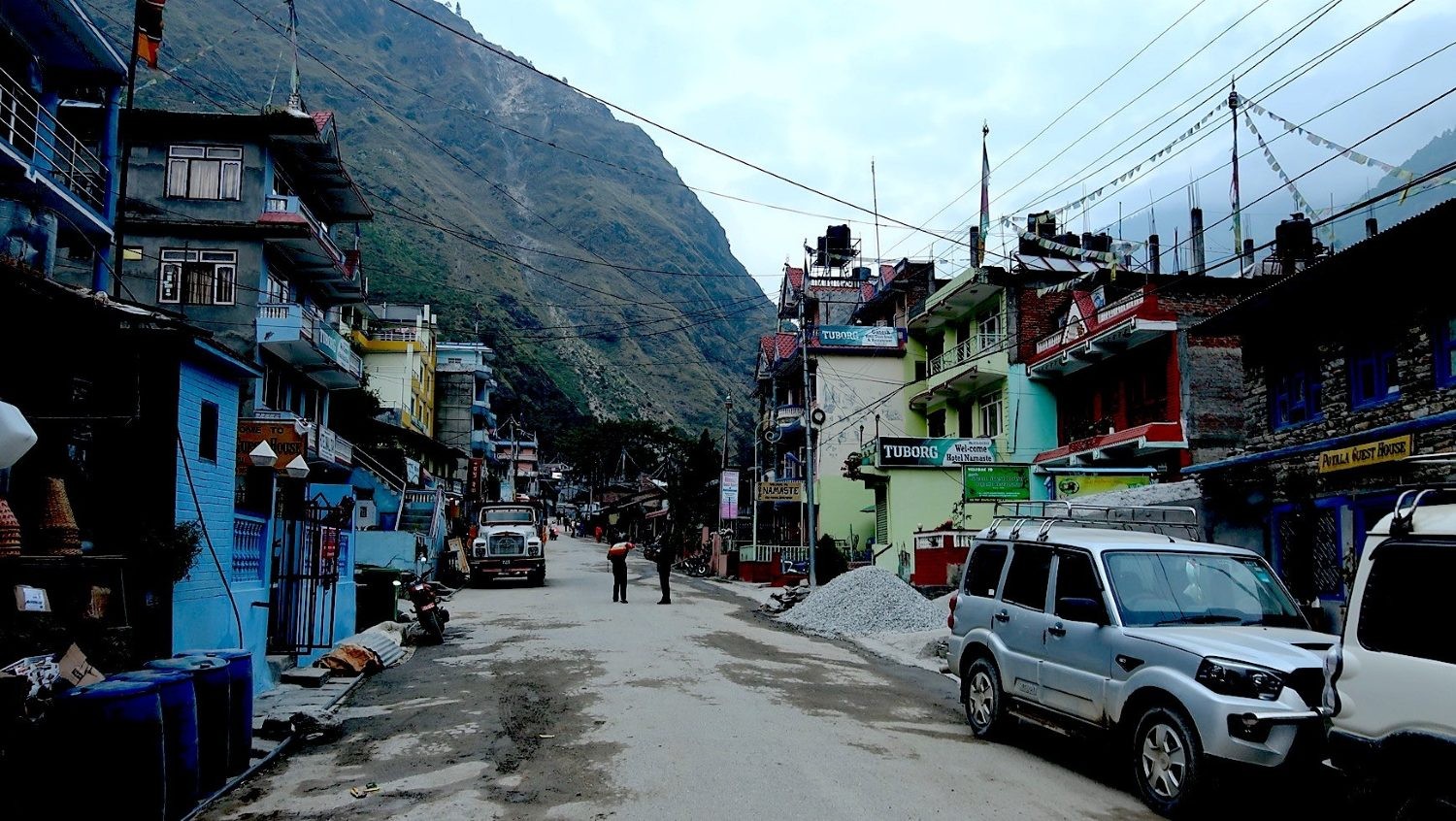
As you drive back down the mountain roads, you’ll see similar views to what you saw on your way up. However, you can relax and reflect on the past 5 or so days of trekking.
Here’s a quick summary of the drive back:
| Detail | Approximate Information |
|---|---|
| Starting point | Syabrubesi – 1,550 m |
| Destination | Kathmandu – 1,338 m |
| Means of transport | Bus, shared jeep, or private jeep |
| Driving time | 6-8 hours |
| Distance | 72 miles (122kms) |
| Primary scenery | Hills, rivers, villages, and terraces |
| Difficulty | Easy, but can be tiring |
Important: The driving time depends on the road conditions, traffic, weather, and type of vehicle.
Scenic Drive Through the Hills :
Meanwhile, you can also see local markets and roadside villages along the way. These are great places to stop for a bit of a break and take in the scenery.
Possible Stops Along the Way :
Here, the change can be quite surprising, as you go from the mountains to the busy streets of the capital.
Likewise, it’s hard to believe that you were trekking in the Himalayas just a few hours ago!
Reflecting on the Trek :
Your 6-day Langtang Valley trek took you from around 1,338 m in Kathmandu up to almost 4,800 m on Kyanjin Ri.
Here, you also hiked past the towering Langtang Lirung at 7,227 m.
In between, you saw forests, alpine meadows, and enjoyed the hospitality of the local Tamang people.
Importantly, you got to see the spiritual heart of Langtang Valley and its unique culture.
Now, as you drive back down the mountain to Kathmandu, you can reflect on your incredible adventure.
While your trek may be over, the memories of Langtang’s mountains, villages, and trails will stay with you for a long time.
The Langtang Valley trek is much more than just mountain scenery. This 6-day short trek immerses you in the heart of the Himalayas, offering dramatic mountain scenery, unique Tibetan Buddhist culture, forests, alpine meadows, and mountainous village life.
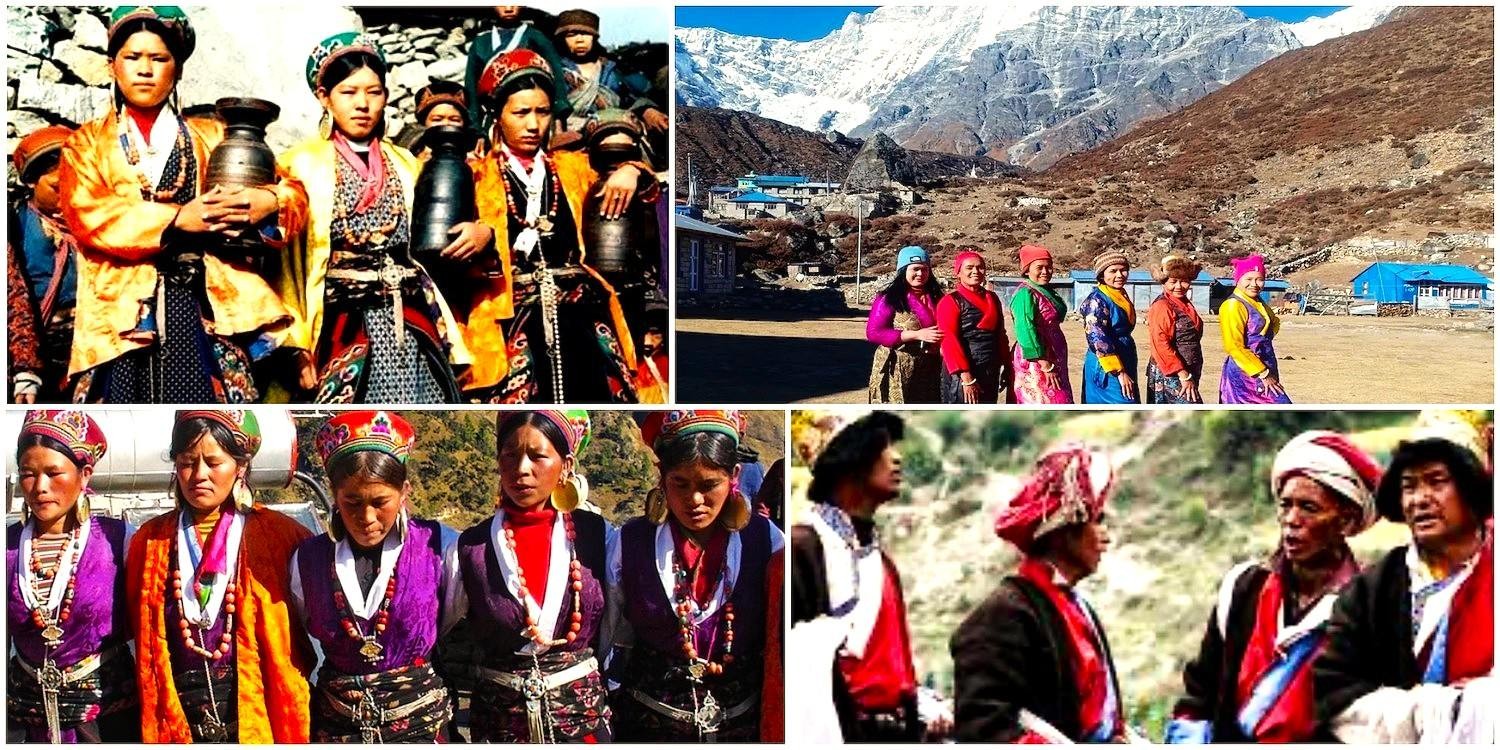
Despite its brevity, this trip offers some spectacular highlights.
| Highlight | Approx. Elevation | Why It’s Special ? |
|---|---|---|
| Kathmandu | 1,338 m | Trek start/end point |
| Syabrubesi | 1,550 m | Gateway to Langtang Valley |
| Pahire/Pairo | 1,800 m | First overnight trek |
| Ghoda Tabela | 3,030 m | Forest to alpine transition |
| Langtang Village | 3,430 m | Tamang village culture |
| Mundu | 3,540 m | Traditional upper valley settlement |
| Kyanjin Gompa | 3,870 m | Cultural and scenic center |
| Kyanjin Ri | 4,773 m - 4400 m | Panoramic mountain views |
| Langtang Lirung | 7,227 m | Langtang’s iconic peak |
Langtang Lirung rises to an impressive 7,227 m. This giant peak towers over the Langtang Valley, and the views of it are particularly special near Kyanjin Gompa.
Moreover, Langtang Lirung is at its most impressive on clear mornings, when the sun rises over the peak. The changing light also makes it look even more dramatic in the afternoons.
In addition to, the views from Kyanjin Ri are even more spectacular, as the panorama opens up to reveal Langtang Lirung and the surrounding peaks. The sight is truly breathtaking!
Kyanjin Gompa is a small village perched at around 3,870 m. This is the cultural center of the upper valley, surrounded by dramatic mountain scenery. The village is also home to a number of prayer flags, and a local Buddhist monastery.
Here, you can spend some time exploring the village and its surroundings in the afternoon.
Importantly, it’s a great opportunity to unwind and take in the spectacular views.
The highlight hike of the Langtang Valley trek is Kyanjin Ri at 4,773 m. This is a steep climb, but the views from the summit are well worth the effort.
From up on the ridge, you’ll be able to see mountain vistas that stretch out for miles. It’s a fantastic vantage point to take in the surrounding Langtang landscape.
Here, make sure to get an early start if you want to see the views!
Importantly, you’ll need a headlamp if you’re departing before sunrise.
One of the unique aspects of a Langtang Valley trek is that it takes you right through the heart of Tamang village culture. The most authentic insight into this fascinating local culture is to be found in Langtang Village at around 3,430 m.
Here, you’ll see traditional stone buildings and mountain farming life. You can also stop by the local teahouses and sample the local hospitality.
Additionally, the Tamang people are an indigenous people group of the Langtang region. They have their own unique cultural traditions that have been passed down for generations.
Importantly, it’s always a good idea to be respectful of local customs when visiting villages.
Important: Ask permission before taking photos of people, and you’ll be able to experience a more authentic side of local mountain life.
Another local specialty of the Langtang region is the Kyanjin Cheese Factory. This is a great place to stop for a break from trekking, and learn about local dairy production.
Here, you can also sample the local cheese, which is a delicious treat!
In fact, the factory is another great example of the unique culture and lifestyle of the people who live in the Langtang Valley.
As you make your way up the valley, the scenery changes dramatically. The dense forests give way to open alpine meadows.
Meanwhile, the landscape becomes much more expansive, especially around 3,500-4,000 m. Dramatic snow-capped peaks also punctuate the horizon.
Besides, the rolling meadows, streams, and rocky outcrops combine to make the landscape even more spectacular.
The lower part of the Langtang Valley trek is particularly scenic, as it winds its way through dense forests. Rhododendron and oak trees line the trail, and the Langtang Khola river winds its way through the valley.
Similarly, there are also plenty of waterfalls and streams to enjoy along the way. The sound of flowing water is always a welcome addition to a mountain trek.
Likewise, you might also spot some wildlife, including birds and other Himalayan animals that call these forests home.
Langtang Valley is much less crowded than some of Nepal’s more popular trekking regions.
Actually, the trails are much more sparsely populated, and the teahouses are more low-key.
Thus, this makes for a more relaxed and authentic trekking experience, and you’ll have more opportunities to interact with the local people.
If you want a less strenuous trekking experience, this is a great option.
The Langtang Valley trek highlights offer a unique insight into the region’s spectacular natural beauty and unique culture.
Meanwhile, you can see Langtang Lirung at an impressive 7,227 m, and also get up close to Kyanjin Gompa at 3,870 m and Kyanjin Ri at 4,773 m.
Likewise, you can also explore the traditional Tamang villages and learn about their fascinating cultural traditions.
On top of this, you can enjoy the local cheese-making culture, and the spectacular alpine meadows and forests.
Most impressively of all, you can do all this in just 6 days !
For a short trekking getaway from Kathmandu, the highlights of the Langtang Valley trek offer a fantastic Himalayan adventure, with spectacular mountain views, local culture, and a more tranquil trekking experience.
A successful 6-day Langtang Valley trek requires preparation and patience. Here, this short itinerary means you have to contend with multiple days of walking. It begins near the city, at around 1,400 m, and peaks at Kyanjin Ri, which stands at approximately 4,773 m.
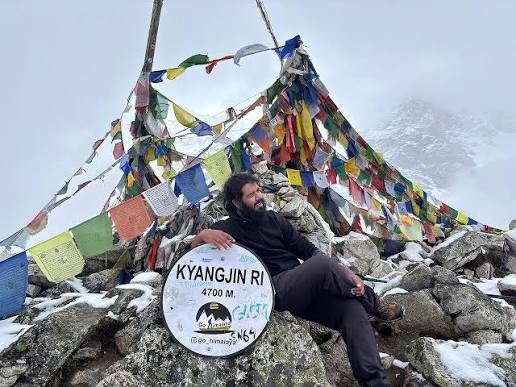
Additionally, you can also expect to gain and lose significant amounts of elevation on several occasions.
| TIP | DESCRIPTION |
|---|---|
| Start early everyday | Begin walking at an reasonable hour. |
| Pace yourself | Do not rush hikes above 3,000 m. |
| Respect altitude | Do not underestimate the demands of higher altitudes |
| Hydrate rightly | Drink plenty of fluids throughout the day |
| Eat prpperly | Take regular breaks to eat and keep your energy up |
| Use trekking poles | Use them as crutches to take pressure off your knee joints |
| Pack layers | Prepare for cold evenings and warm days at higher altitudes |
| Carry a headlamp | Necessary for exploring Kyanjin Ri |
| Book transport in advance | Buses can get fully booked out, especially on weekends |
| Carry cash | Cards are not widely accepted |
| Carry an insurance policy | Covers trekking-related injuries and emergency evacuation |
| Use a guide | Can be helpful, especially when acclimating |
| Check the weather forecast | Especially on the day of the Kyanjin Ri hike |
| Respect the local culture | Ask for permission before taking photos of villagers |
| Practice caution while crossing the road | Be considerate to the locals who live in these mountainous regions |
Starting walks in the mornings offer several advantages, including cooler temperatures and clearer mountain vistas. Additionally, you get to see the sunrise. On day 4, in particular, it is wise to begin walking early. You have to leave Kyanjin Ri for the Lama Hotel.
The most critical consideration when trekking in Langtang is the elevation.
From Ghoda Tabela onwards, you will begin to notice that the air becomes thinner and less dense. Ghoda Tabela, for instance, lies at around 3,030 m, while Langtang village lies at 3,430 m. Mundu, for instance, lies at around 3,540 m, while Kyanjin Gompa lies at 3,870 m. Kyanjin Ri, on the other hand, peaks at 4,773 m. Do not rush when walking at higher altitudes.
In addition, you should also listen to your body. If you start feeling excessively fatigued at any point, you should walk back down and rest.
On day 4, for instance, you have to descend from Kyanjin Ri (4,773 m) all the way down to the Lama Hotel (2,470 m). You also have to do a lot of downhill walking on day 5 as you make your way to Syabru Besi (1,550 m).
Importantly, trekking poles are necessary for such descents as they reduce stress on the knee joints while also providing additional stability, especially on uneven surfaces.
As mentioned, you will spend most of your time hiking at medium to high altitudes, where temperatures can fluctuate rapidly. While daytime temperatures might feel relatively warm, the nights can be extremely cold, particularly at higher elevations. Kyanjin Gompa, for instance, is known to be substantially colder than most of the other towns along the trail.
As such, you should always carry a fleece or insulated jacket, along with an additional pair of gloves, a beanie, and a waterproof outer layer.
The road between Kathmandu and Syabru Besi can be extremely lengthy, particularly if you decide to take public transportation. As such, it is advisable to book a private jeep in advance.
While such an option can be considerably more expensive, it also tends to be much faster, particularly considering the number of people who take this route.
In addition, you should also try to leave some extra time for the ride since the road can sometimes be affected by poor weather conditions.
Unfortunately, credit cards are not widely used in Nepal, which means that you may have to pay for most things in cash. You should carry enough Nepalese rupees to cover food, drinks, and any additional expenses you might incur.
In particular, you should budget an additional amount for snacks, warm drinks, hot showers, and electricity. It is also a good idea to keep some cash in a separate wallet from your main one for emergencies.
Hiring a guide can be a good idea, especially if you are new to trekking in Nepal.
After all, the trail covers some pretty significant altitudes for a short 6-day adventure. A competent guide can help you acclimate and also ensure that you do not miss any notable sights and attractions. Additionally, a guide can also help you navigate various social norms and etiquette, especially in the local villages.
Most importantly, however, a guide can assist you in case of any emergency, such as altitude sickness or a difficult injury.
Langtang is home to the Tamang people, who have their own unique cultural heritage and traditions.
As such, it is important to be respectful of local customs and etiquette, including dressing modestly and asking for permission before taking photos of local people and their homes.
In particular, you should always remove your shoes inside traditional houses and avoid touching religious artifacts. When visiting Buddhist sites and temples, always walk clockwise around sacred monuments and follow any other specific guidelines. You should also learn a few basic Nepali phrases to help you connect with the locals.
It is always advisable to tip generous tips to porters, guides, and teahouse owners for their hard work and services.
In addition, it is also a good idea to use locally owned accommodations and restaurants, particularly whenever possible. Supporting local businesses is crucial for helping mountainous communities thrive, especially following the devastating earthquake of 2015.
Moreover, it also allows you to get first-hand insights and recommendations from people who know the area best.
As mentioned, Langtang was severely affected by the devastating earthquake of 2015, which left many homes and community buildings destroyed.
Nonetheless, many locals and volunteers have worked tirelessly to reconstruct their community, and there is much reason to believe that recovery efforts continue to this day. Your support and contribution, including responsible trekking and visiting local attractions, can make a world of difference to mountainous communities.
Meanwhile, this short trek through the Langtang Valley is sure to test your endurance, but most people find it exceptionally rewarding, especially since you will have plenty of breathtaking views to enjoy on the way.
Specifically, you should try to take some time to appreciate Langtang Lirung (7,227 m), the local Tamang villages, as well as the Buddhist culture, alpine meadows, and the spectacular views that open up onto Kyanjin Gompa at 3,870 m.
If you are going on this short Himalayan adventure, make sure to prepare your things in advance and book transport from Kathmandu well in advance. We would also encourage you to share your own experience with us or ask any further questions you might have.
1. What is Langtang Valley Short Trek 6 Days?
Langtang Valley Short Trek 6 Days is one of the Himalayan family-friendly short treks. It is a lesser-known and hidden gem of Langtang Valley that offers an incredible adventure in just 6 days. This amazing trail covers diverse landscapes and unique tribal cultures of the Langtang region. So, if you want to explore the Himalayas with a tight schedule, this 6-day Langtang trek package is your best choice.
2. Is it possible to do the Langtang Valley Trek in 6 days?
Yes, it is possible to complete the Langtang Valley Trek in 6 days with a well-planned and calculated itinerary. The trek normally begins with a road journey from Kathmandu to Syabrubesi followed by a short trek to the valley. The Langtang Valley Trek 6 Days usually involves a moderate-level walking holiday through the Langtang Valley. Thus, it needs a good pace to finish trekking in 6 days.
3. What is the Langtang Valley Short Trek 6-day itinerary?
The Langtang Valley Short Trek 6-day itinerary usually starts with a drive from Kathmandu to Syabrubesi followed by a trek to Pahiro on the same day and then to Lama Hotel, Langtang Village, and Kyanjin Gompa. The return route is also the same as the Langtang Valley Short Trek itinerary. However, the distance should not be too much so that it can be covered in 6 days conveniently.
4. How difficult is the Langtang Valley Short Trek?
The Langtang Valley Short Trek is not hard for a fit hiker. The trail involves some steep ascent, rocky patches, forest walks, and narrow paths. In addition, Kyanjin Gompa, the highest point on this trek, is comparatively high, so heart and lung power matter. You should do regular walking or stair-climbing sessions before this 6-day Langtang trek.
5. What is the maximum altitude on the 6-day Langtang Trek?
The 6-day Langtang Trek maximum altitude reaches Kyanjin Gompa, which is around 3870 meters above sea level. However, there are sightseeing points like Kyanjin Ri from where you can witness the beauty of the Himalayas at 4600m above sea level. Hence, during the Langtang Valley Short Trek 6 Days, you may experience breathlessness due to elevation.
6. What is the best time to trek Langtang Valley?
The Langtang Valley Trek best time is spring (March to May) and autumn (September to November). During these seasons, the climate is mild, and clear weather lets you admire the Himalayas’ beauty. On the other hand, winters are severely cold, and monsoons make the trails slippery and arduous. Therefore, avoid planning your Langtang Valley Short Trek in the rainy or winter season.
7. How much does the Langtang Valley Short Trek cost?
Various factors determine the cost of the Langtang Valley Short Trek. The price depends on your accommodation choices, meals, guide assistance, porters’ fees, and extra activities. You can contact us or your preferred trekking agency for an exact cost of a 6-day Langtang Trek. You will get an elaborate description of what services are included and which are not in detail.
8. What permits are needed for the Langtang Valley Trek?
You will typically need a Langtang National Park entry permit to trek in the Langtang Valley area. In addition, a TIMS Permit is sometimes required as well. However, it is better to check with local authorities or your trekking company because regulations can change. Additionally, your trekking agency will assist you with the Langtang Valley Trek permits.
9. Where does the Langtang Valley Short Trek start?
The Langtang Valley Short Trek normally starts from the Syabrubesi town. First, you will need to take a road trip from Kathmandu to Syabrubesi to begin the Langtang Valley Trek. From there, the trail leads to Lama Hotel, Langtang Valley, and Kyanjin Gompa. The drive from Kathmandu to Syabrubesi takes around three hours.
10. What are the best things to see in Langtang Valley Trek?
The Langtang Valley Trek offers a variety of natural views and cultural experiences. Some of the best things to see in Langtang Valley Trek include forest walks, waterfalls, visiting Tamang people’s villages, and Kyanjin Gompa. The highlight of this trek is Langtang Valley and Kyanjin Ri. Moreover, Langtang Lirung and its surrounding peaks offer unparalleled Himalayan vistas.
11. Can a beginner do Langtang Valley Short Trek?
A novice trekker does have a chance to achieve Langtang Valley Short Trek adventure. Though previous trekking experience is not mandatory, it might be helpful. For the Langtang Valley Trek, a good level of fitness and training is needed to tackle the 6-day mountain hiking. Therefore, before embarking on this journey, you should do some practice.
12. What kind of accommodation is available for the Langtang Trek?
Tea houses provide Langtang Trek’s best accommodation with the most comfortable beds, sheets, and blankets available in the mountains. Accommodation becomes sparser as you climb higher up the trails. In addition, most tea houses have shared bathrooms and dining rooms. Hot water for a shower, Wi-Fi, and electricity are usually available upon request.
13. What food options are available on the Langtang Valley Trek?
There are plenty of food options available for a Langtang Valley Trek. In tea houses, you can find different meals to choose from, including dal bhat, noodles, pasta, soup, rice, potatoes, eggs, and Tibetan bread. Moreover, vegetarian options are widely available on the Langtang Valley Trek. Maintaining a healthy and balanced diet is important so that you can sustain energy during the 6-day Langtang trek.
14. Do I need a guide for the Langtang Valley Short Trek?
A professional and expert guide is mandatory if you want a hassle-free and successful Langtang Valley Short Trek. A guide will assist you with many aspects of the Langtang Valley Trek, including accommodation, permits, and local guidance. In addition, a guide will be able to inform you about the local culture and give you helpful travel tips. So, for a successful and safe Langtang Valley Trek, you need a trustworthy guide.
15. Can I get altitude sickness on the Langtang Trek?
There is a possibility of altitude sickness when trekking Langtang. Hence, it is normal to feel slightly off when you begin the Langtang Valley Trek. If you start feeling more uncomfortable, you should consult a doctor about medication. Altitude sickness can cause headaches, light-headedness, vomiting, and extreme tiredness. Therefore, drink plenty of water when trekking Langtang so that you can reduce the risk of altitude sickness.
16. What are the best things to pack for the Langtang Valley Trek?
A good pair of trekking shoes, warm clothes, a sleeping bag, a headlamp, a water bottle, and medicine will aid a Langtang Valley Trek. In addition, sunscreens, sunglasses, and gloves are also mandatory on this trek. You should also carry lightweight clothes for the Langtang Valley Trek as there are limits on the weight that a porter can carry. Moreover, a good trekking stick will be essential and comfortable.
17. Is the Langtang Valley Trek suitable for families?
The Langtang Valley Trek is perfect for a family that loves a thrilling adventure. A child should be old enough and have sufficient knowledge about trekking before embarking on the Langtang Valley Trek. In addition, parents must consider the walking hours and the steepness of the trail while doing Langtang Valley Trek with their children. The Langtang Valley Trek’s 6-day itinerary is designed to keep a slow pace for families. So, a qualified and professional guide will help you have a comfortable Himalayan family adventure.
18. How do I prepare for the 6-day Langtang Valley Trek?
Preparation is the key to a successful 6-day Langtang Valley Trek. You must begin training at least a month before the trek. Do some regular exercising or walking to improve your body endurance. In addition, strengthen your legs and core to have better power for the Langtang Valley Trek. Finally, you should also practice walking with a small bag to carry your necessities on the trail.
19. What are the reasons to choose Langtang Valley Short Trek?
If you are wondering why you should opt for the Langtang Valley Short Trek, here are a few reasons. First, this trek is perfect for those who have limited time on their hands. It offers you a beautiful Himalayan view without making you spend a fortnight on the trail. Furthermore, the Langtang Valley Trek is a unique experience because of the cultural insights and magnificent landscapes. Compared to longer treks, the Langtang Valley Short Trek offers an incredible view of the Himalayas without wasting your precious time.
20. How can I book the Langtang Valley Short Trek – 6 Days?
You can book the Langtang Valley Short Trek – 6 Days through a reliable trekking agency in Nepal. First, you need to discuss the tour and set an approximate date for your trek. After that, your agency will assist you with all necessary arrangements, including vehicles, accommodation, permits, meals, a guide, and a porter. You can rely on Haven Holidays Nepal to plan your Langtang Valley Short Trek – 6 Days. Moreover, you should also book early in case you want to explore the Langtang Valley Trek during the spring and autumn seasons.
Our travel experts are ready to assist you with any questions.
Send us a message.Have a question before you book? Send your enquiry below and our travel experts will get back with the required information.