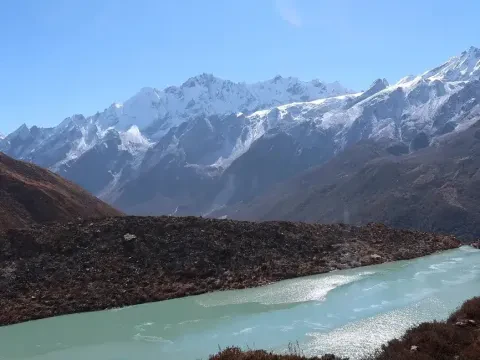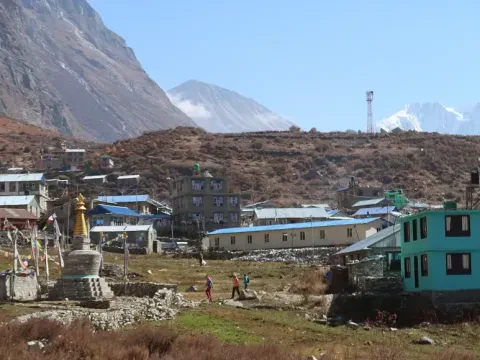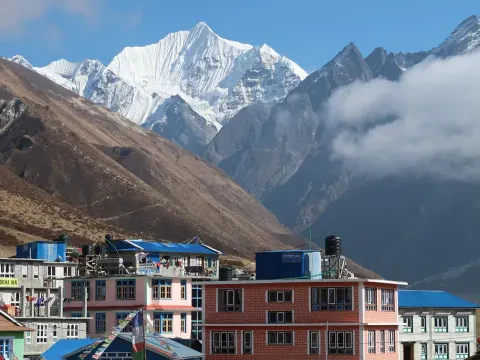
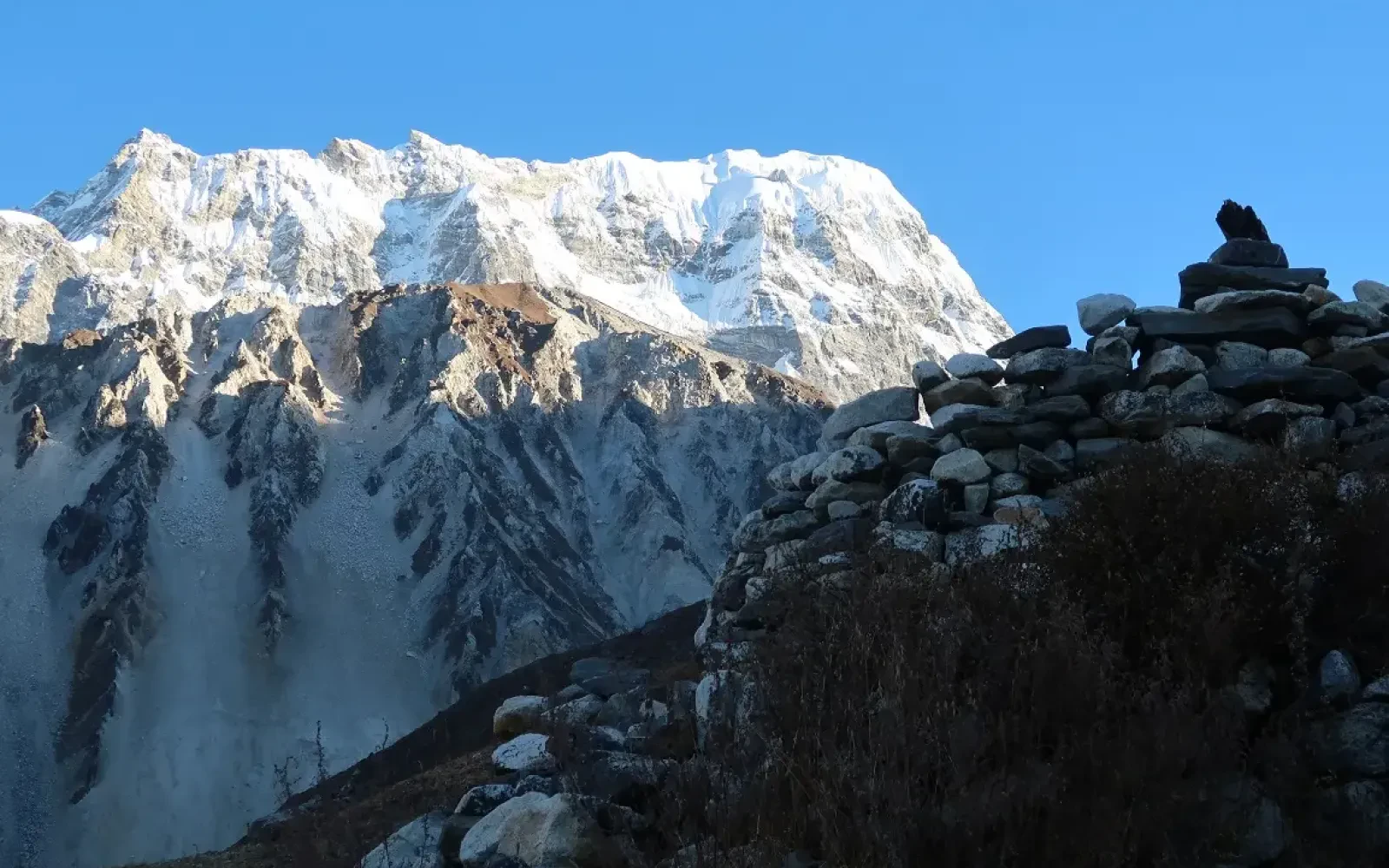
Meanwhile, Langtang Valley Trek in Nepal isn’t just another hike in Nepal—it’s a real adventure tucked away from the usual crowds. Picture this: lush forests, snowy peaks, and tiny Tamang villages, all stitched together by winding trails. The place feels alive with history and culture, especially when you pass by old monasteries or listen to stories from locals who’ve rebuilt after the 2015 earthquake. Honestly, Langtang stands out. While most people rush to Everest or Annapurna, Langtang offers a quieter, more personal experience.
Actually, the journey to Langtnag Valley Trek kicks off in Syabrubesi, sitting at 1,440 meters, and from there, you climb up to Kyanjin Gompa at 3,870 meters. Each day, the landscape shifts—one moment you’re under giant rhododendrons, the next you’re staring up at Langtang Lirung’s snowy summit. Keep your eyes open for red pandas darting through the trees, or listen for the calls of mountain birds—Langtang National Park is packed with surprises.
What really sets this trek apart is the peace and space. Unlike the packed trails to Everest Base Camp, you can actually hear your own footsteps here. The path runs alongside icy rivers and through valleys that feel untouched. It’s only a few hours from Kathmandu, so you don’t need weeks to make it happen. And you’re not just passing through—you get to really connect with the Tamang people, share meals, hear their stories, and get a sense of their way of life.
Hire guides on the Langtang Valley trek, It’s a smart way —guides know every twist in the trail and keep you safe when the weather turns. The whole trip takes about a week or a little more, and the views never get old. On clear days, you’ll catch Ganesh Himal rising in the distance, another massive peak to add to your memory.
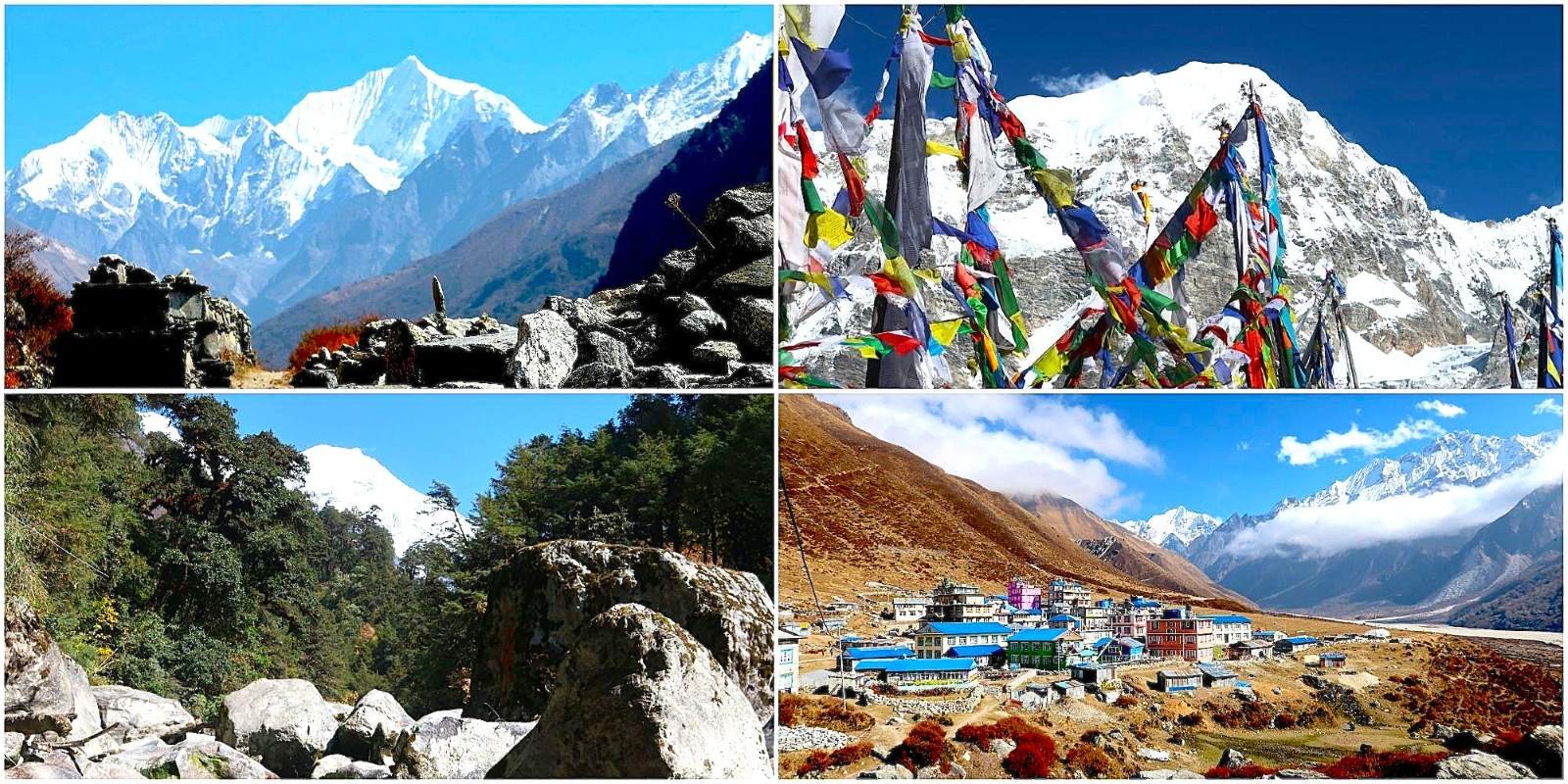
After the earthquake, locals rebuilt their teahouses and trails with grit and heart. When you walk these paths, you’re helping families and supporting the region’s recovery. There’s plenty to explore—valleys, high ridges, spiritual gompas perched on hillsides. At its core, Langtang Valley Trek is about resilience, beauty, and the quiet thrill of discovering a hidden corner of the Himalayas.
List of key attractions:
In total, this section provides a comprehensive hook for readers interested in Langtang Valley Trek, Nepal Himalaya, and hidden gems.
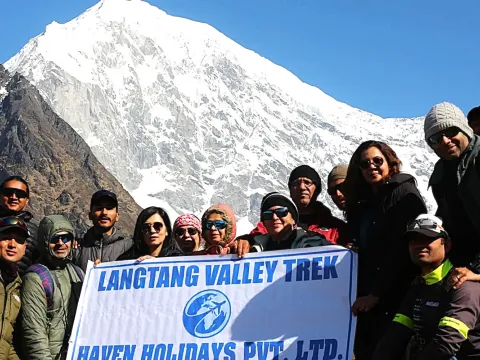
Under a sky that shifts every hour, Langtang Valley unfolds - forests give way to high meadows where stone homes stand quiet. Instead of crowds, you find space between peaks and villages shaped by Tamang life. The path climbs without techinal, fitting those who want challenge minus exhaustion. Come here when ease matters; getting close takes less time than longer trails farther west.It still costs less to walk these slopes compared to others nearby. Solitude stays part of the rhythm, even as seasons tour
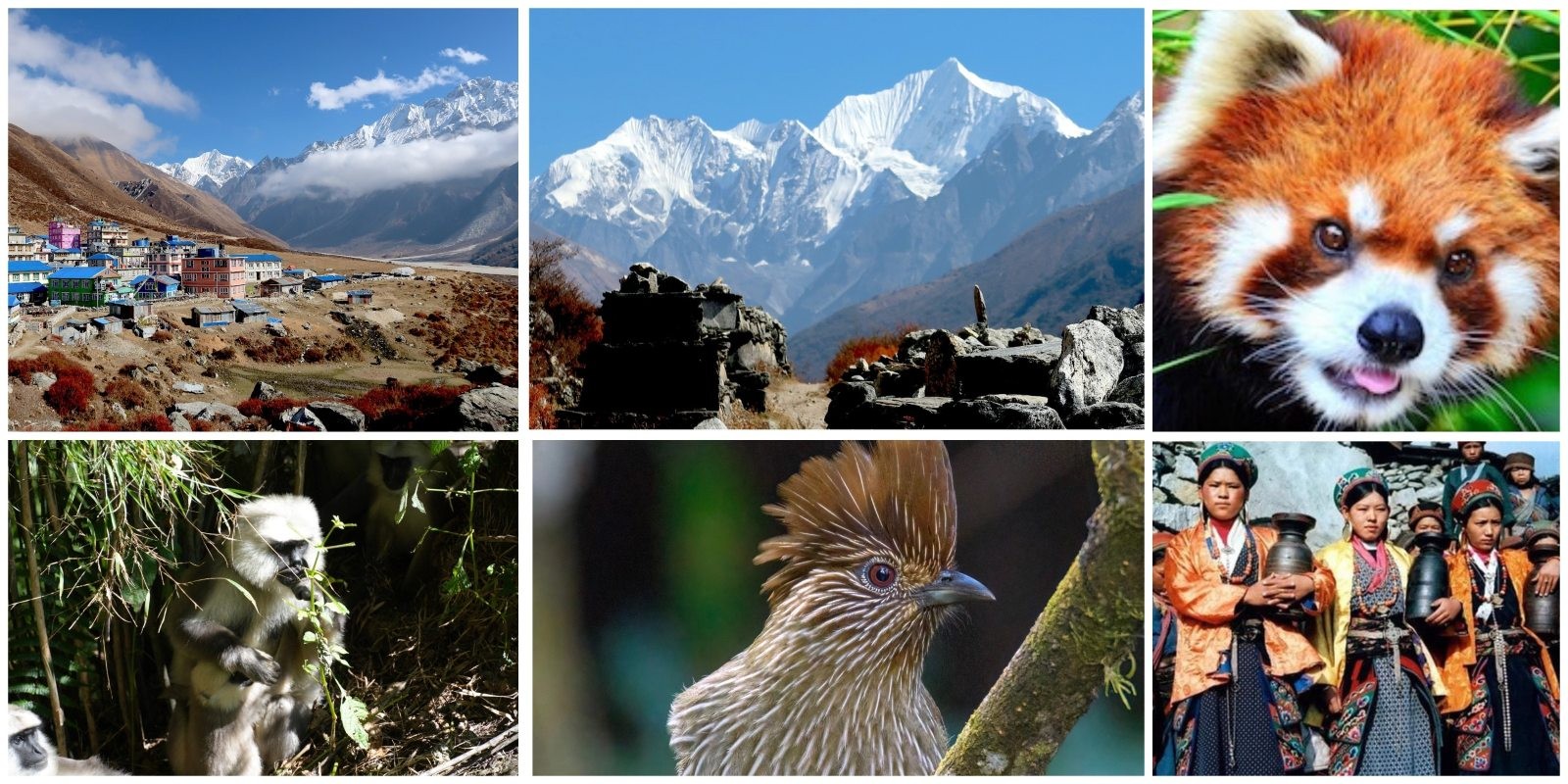
Starting off, most people pick the Langtang Valley Trek in Nepal because of how much the views change along the way. Through pine woods it goes, then opens into high mountain fields, followed by rocky stretches left by glaciers. Towering mountains stand out, especially Yala Peak at 55,00 meters, catching every hiker's eye. Flowing streams and sudden waterfalls bring even more life to the landscape. Because everything shifts so often, walking here feels different with each step.
Offbeat paths lead to quiet moments with Tamang life in Mundu, high at 3542 meters. Through shared meals, stories unfold about Buddhist ways and handmade wool goods. Monastery visits bring stillness, a different kind of altitude. Not just steps on stone, the trip grows deeper through people. Each conversation becomes part of the trail itself.
What draws people in? The Langtang Valley Trek in Nepal is close. Just seven or eight hours by road from Kathmandu, it skips long travel hassles. Remote trails often scare newcomers - not this one. Short trips work well here, making it ideal for time-limited travelers. Fitness matters less than you might think; steady pacing gets most through. Because it’s reachable without sacrifice, more choose it over distant peaks.
Likewise, peace settles deep when trails grow quiet, away from noisy paths. Not crowded like Everest or Annapurna, these walks stay calm throughout. Hikers find space to think while moving through untouched landscapes. The journey lasts just enough - seven to ten days without rush. Tranquility pulls people here, searching for stillness in Nepal’s mountains.
Up high near Tserko Ri, around 4984 meters, the crisp air wakes you up inside. Breathing deep here does something real to your lungs. Movement across rocky paths toughens stamina while quieting the mind. Meals grown close by feed more than hunger - they restore balance. This journey through Langtang doesn’t just move feet; it shifts how you feel altogether.
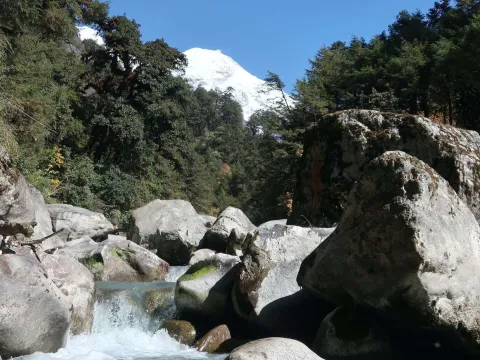
To support this topic, here is a table of unique highlights and benefits:
| Highlight | Description | Benefit |
| Scenery Variety | Forests, valleys, peaks like Langtang Lirung (7227m) | Immersive nature experience for visual delight |
| Cultural Immersion | Tamang villages, monasteries | Deeper understanding of Himalayan heritage |
| Accessibility | Close to Kathmandu, moderate paths | Convenient for beginners and short trips |
| Solitude | Fewer crowds | Peaceful, reflective trekking |
| Wellness | High-altitude exercise, fresh air | Improved physical and mental health |
These factors underscore why Langtang Valley Trek offers unique highlights and benefits in Nepal Himalaya explorations.
If you’re thinking about trekking Langtang Valley, spring is hard to beat. Actually, Langtang Valley Trek in Spring, from March to May, the weather feels just right—not too hot, not too cold. Rhododendrons burst into bloom, and you get those clear mountain views, especially of peaks like Dorje Lakpa (6966m). Animals start to stir, too, so there’s a good chance you’ll spot some wildlife along the trail. It’s just a comfortable time to hike, plain and simple.
Here, then, Langtang Trekking in Nepal in autumn rolls in, and it’s just as good—maybe even better for some folks. September through November means stable weather and that crisp, fresh air. The monsoon’s gone, so the sky finally opens up and the Himalayas look sharper than ever. Villages like ThuloSyabru (2250m) buzz with festivals, so you get a real taste of local culture while you’re out there. If you want big views and a bit of celebration along the way, autumn delivers.
But, Langtang Valley Trek in Nepal in winter is a different story. December to February turns the higher trails, like those near Kyanjin Gompa (3870m), into quiet, snowy paths. Not many people tackle the trek then, so if you’re after real solitude and don’t mind cold toes, it’s perfect. The mountains look especially dramatic under a fresh layer of snow, and the air feels extra clear. Just know this season’s best for trekkers who already have some winter hiking experience.
Summer, on the other hand? Not the best idea. June to August drenches the region with heavy rains. Trails get soaked and slippery, clouds hide the peaks (like Ganesh Himal, 7422m), and leeches come out for a snack. Landslides happen, too. Honestly, it’s just not worth the risk or the hassle.
Looking, the climate’s shifting a bit. Warmer temperatures might stretch those shoulder seasons a little longer. It helps to check the forecast before you go and travel with a guide—they’re great at reading mountain weather. In the end, the best time really depends on what kind of adventure you want and what you’re comfortable with.
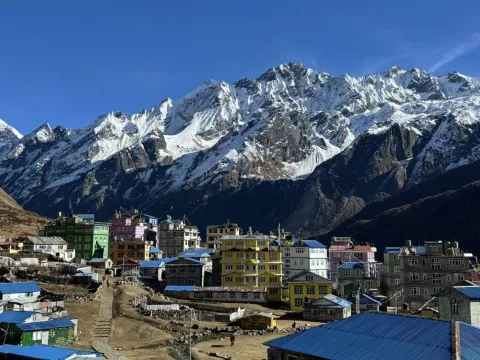
To support this topic, here is a bullet list of seasonal pros and cons:
These insights guide the best time for Langtang Valley Trek, Nepal trekking seasons, and Himalayan weather.
Actually, the Langtang Valley Trek in Nepal isn’t the hardest trek out there, but it’s not a walk in the park either. Most days, you’re hiking for 5 to 7 hours, winding through rocky trails, stone steps, and the occasional river crossing. The route climbs gradually, so you won’t feel overwhelmed all at once, but you’ll notice the altitude as you go. Honestly, if you’re reasonably fit and put in some prep work, you’ll be fine—even if this is your first trek.
Now, the altitude is where things get real. You’ll top out at Tserko Ri, which stands at 4,984 meters. Once you cross 3,000 meters, the air gets thinner and every step feels heavier. That’s why acclimatization days in places like Kyanjin Gompa (3,870m) matter so much. They give your body a chance to catch up and keep you from feeling miserable or worse.
Here, getting your body ready makes a huge difference. If you start jogging or cycling a few months before the trek, your legs and lungs will thank you. Throw in some squats and long hikes to build strength and stamina. Yoga’s a good idea, too—it helps with flexibility and teaches you to breathe better at altitude. Stick with your training, and you’ll actually enjoy the trek instead of just surviving it.
But don’t forget your head. Mental toughness counts for a lot. There are going to be days when you’re tired, cold, or just plain cranky. Picture yourself standing on top of Kyanjin Ri (4,773m) with those jaw-dropping views—that’s your motivation. It helps to have a good group, too. The right people can keep your spirits up when things get tough.
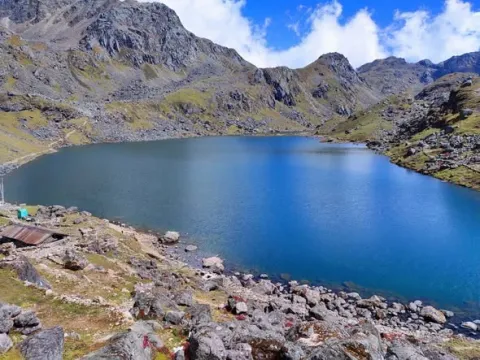
Looking ahead to Langtang Valley Trek, you’ll need to have a guide with you. They’ll check if everyone’s fit enough and set a pace that works for the group. Porters can carry the heavy stuff, so you only need a light daypack. And don’t slack on water or snacks—staying hydrated and fueled really makes the hike easier. When you put all these pieces together, the trek feels a lot more manageable.
To support this topic, here is a table of preparation tips:
| Aspect | Recommendations | Why It Helps |
| Cardio Training | Run or cycle 3-4 times weekly | Builds endurance for daily hikes |
| Strength Exercises | Squats, lunges, hill walks | Strengthens legs for ascents |
| Altitude Simulation | Hike at higher elevations if possible | Prepares for thin air |
| Nutrition | Balanced diet, hydration plan | Sustains energy on trails |
| Gear Practice | Test boots and backpack | Prevents blisters and discomfort |
This guidance addresses difficulty level, physical preparation, and Nepal trek fitness for Langtang Valley Trek.
If you’re looking for a real Himalayan adventure, this classic 8–10 day Langtang Valley Trek hits all the right notes. Here’s how it unfolds, step by step.
Actually, you start in Kathmandu, then drive about 7 or 8 hours to Syabrubesi (1,440m) on Day 1. It’s a long haul, winding past rivers and hills, but Syabrubesi has the basics—simple lodges, a few shops—and the relaxed pace is a good way to ease into the trek.
On Day 2, you leave Syabrubesi and head to Lama Hotel (2,480m). The trail crosses swinging suspension bridges over the Langtang Khola, then climbs through thick bamboo forests alive with birds and monkeys. It’s a solid 6 to 7 hours on your feet. By the end, you’ll be tired but excited for what’s ahead.
Day 3 takes you from Lama Hotel up to Langtang Village (3,430m). This stretch winds through rhododendron groves, and if the weather’s clear, you’ll catch your first glimpses of Langtang Lirung (7,227m). There’s a checkpoint at Ghodatabela (2,970m), and you’ll meet Tamang locals along the way. This day really brings the cultural side of the trek to life.
Day 4 is all about reaching Kyanjin Gompa (3,870m). The valley opens up with wide yak pastures and mountain views everywhere you look. Once you arrive, you can visit the old monastery and just soak in the glacier scenery. Honestly, this day feels like the heart of the trek.
Days 5 and 6 are for acclimatizing and exploring around Kyanjin Gompa. Many trekkers climb Kyanjin Ri (4,773m) for those jaw-dropping panoramas. You can check out the cheese factory, chat with local herders, or, if you’re feeling ambitious, hike up Tserko Ri (4,984m) for even bigger views. These days are all about discovery.
On Day 7, you start heading back, retracing your steps from Kyanjin Gompa to Lama Hotel. The packs feel lighter, the air a bit more familiar, and there’s time to stop for photos and remember the high points.
Day 8 is the final descent to Syabrubesi. The path leads through forests and past streams, and as you leave the mountains behind, the sense of accomplishment really sets in. Plenty of trekkers celebrate that night—you’ve earned it.
Days 9 and 10 are flexible. If you’re short on time, you can combine the last two days and finish faster. If you want more, tack on a side trip to Gosainkunda (4,380m). Either way, you’ll return to Kathmandu by bus. Expect to spend about $500–800, including permits and guides.
Here, this classic Langtang trek in Nepal works for first-timers and seasoned hikers alike. The route is flexible, the scenery’s unforgettable, and the experience is pure Nepal.
To support this itinerary, here is a table of daily highlights:
| Day | Route and Elevation | Distance/Time | Key Activities |
| 1 | Kathmandu to Syabrubesi (1440m) | 120km drive/7-8hrs | Acclimatize, prepare gear |
| 2 | Syabrubesi (1440m) to Lama Hotel (2480m) | 12km/6-7hrs | Forest hikes, river crossings |
| 3 | Lama Hotel (2480m) to Langtang Village (3430m) | 11km/6hrs | Cultural villages, peak views |
| 4 | Langtang Village (3430m) to Kyanjin Gompa (3870m) | 7km/4hrs | Monastery visit, glaciers |
| 5 - 6 | Around Kyanjin Gompa (3870m) | Varies/4-8hrs | Side hikes, acclimatization |
| 7 | Kyanjin Gompa (3870m) to Lama Hotel (2480m) | 18km/6hrs | Descent, reflection |
| 8 | Lama Hotel (2480m) to Syabrubesi (1440m) | 12km/5hrs | Downhill, celebration |
| 9 - 10 | Syabrubesi (1440m) to Kathmandu; variations | Drive/7-8hrs | Optional extensions like Gosainkunda (4380m) |
This detailed plan optimizes the Langtang Valley Trek itinerary, day-by-day trek schedule, and Nepal Himalayan adventures.
If you really want to make the most of your Langtang Valley Trek in Nepal, don’t skip the side trips—especially to Kyanjin Ri (4773m), Tserko Ri (4984m), and a few more hidden gems. These spots pull you away from the main trail and drop you right into some of the wildest 360° Himalayan views you’ll find in Nepal.
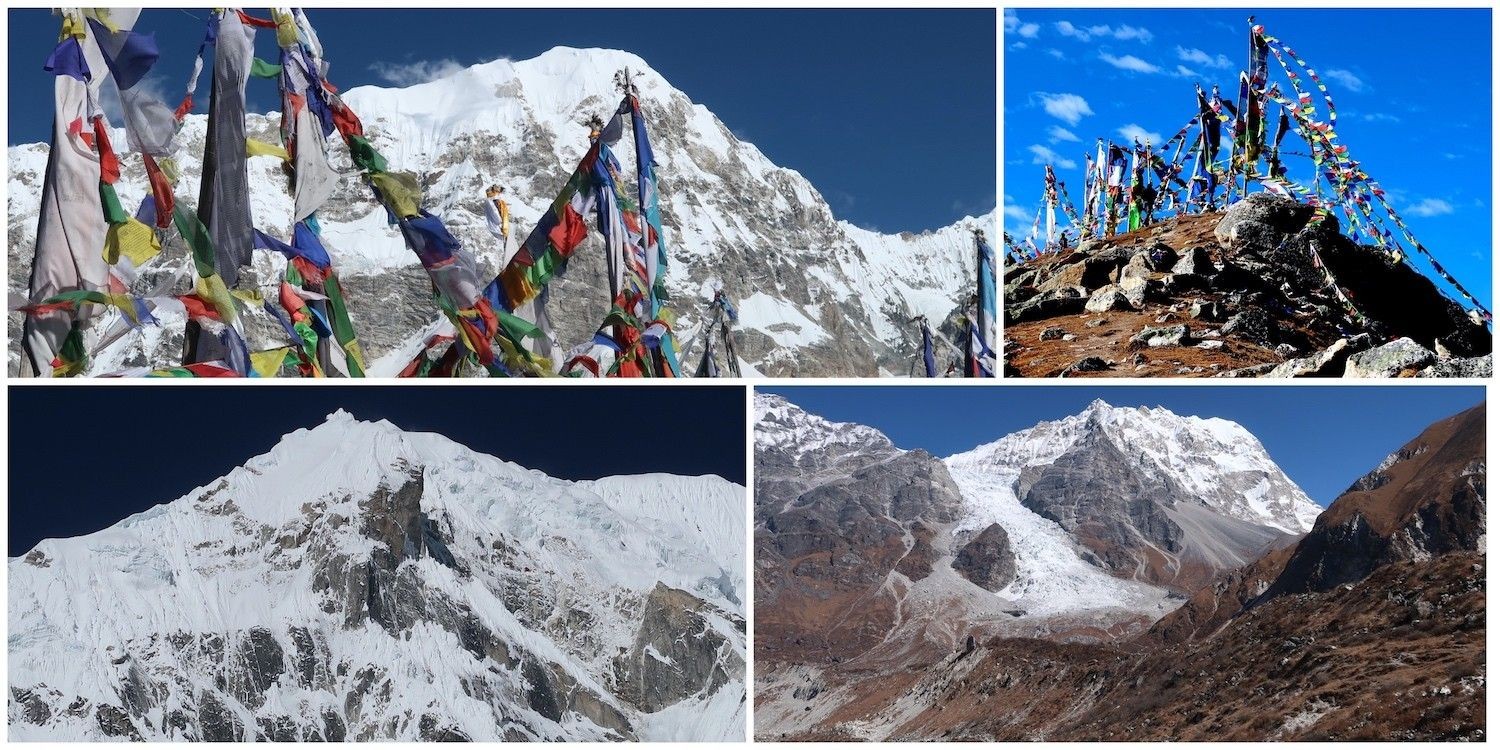
Here, most trekkers base themselves at Kyanjin Gompa (3870m) before tackling these side hikes. It’s a smart move. You get time to acclimatize, and the scenery just keeps getting better. Climbing up to these ridges, you’ll catch sight of glaciers curling through the valleys and peaks stretching up all around you. Honestly, these little detours are what set the Langtang trek apart.
Let’s start with Kyanjin Ri. It’s the classic. From Kyanjin Gompa, you climb about 900 meters—usually takes three or four hours, round trip. The trail zigzags up rocky slopes, nothing too technical, but you’ll feel it in your legs. At the top, you’re rewarded with sweeping views, including Langtang Lirung (7227m) right in your face. For the effort, this is as panoramic (and accessible) as it gets.
Likewise, Tserko Ri is the tougher sibling. The climb is steeper and longer—plan for five to seven hours out and back. You’ll cross moraines and icy streams, but the payoff is huge. At the summit, you’re staring straight at Yala Peak (5500m), with glaciers sprawled below. If you’re chasing that “top of the world” feeling, Tserko Ri delivers.
In fact, there’s also Cherko Ri, which not everyone knows about. It’s a bit easier—four or five hours to the top if you take it slow. You might spot Himalayan thar picking their way across the rocks, and the views open up to Dorje Lakpa (6966m). This route adds some nice variety to the trek.
Here, looking for something less intense? You can swing by the local cheese factory at Kyanjin Gompa. It’s a quick visit, but watching how they make yak cheese is pretty cool and gives you a nice break from hiking. Or, if you’re up for a short stroll, wander out to the nearby glaciers for a taste of adventure without a huge climb. There’s really something for every pace and fitness level.
If you’re craving a longer adventure, try LangshishaKharka (4280m). It’s a full day—six to eight hours through wide-open pastures—and you might meet some nomadic herders along the way. The close-up glacier views out there are something else. This route stretches the trek into new territory and keeps things fresh.
A few quick tips: stay hydrated, don’t rush the ascents, and keep a few snacks and warm layers handy. Local guides are a big help, especially since some setups will be recommended. A little prep goes a long way and lets you just soak up those wild Himalayan views.
As for Langtang Valley Trek in Nepal cost, side trips are pretty budget-friendly—figure on $20-50 extra for each additional day. For that, you get memories you’ll talk about for years and a camera roll full of jaw-dropping shots. These side adventures? They really do take the Langtang Valley Trek to another level.
To support this topic, here is a bullet list of top side trips and viewpoints:
These excursions boost side trips Langtang, viewpoints Kyanjin Ri, Tserko Ri hikes, and panoramic Himalayan views.
Heading to the Langtang Valley Trek Nepal? Here’s what you need to sort out. You’ll need the Langtang National Park Entry Permit—no way around it. For foreigners, it’s NPR 3,000 per person for each entry. Sure, it’s a fee, but it goes right back into protecting the park. These permits keep trekking safe and organized across Nepal.
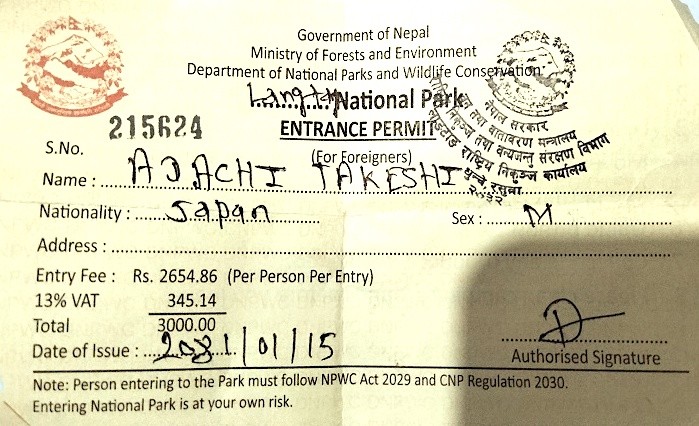
Then there’s the TIMS card (that’s the Trekkers’ Information Management System). This card helps authorities keep track of everyone on the trail. If you’re trekking solo, expect to pay about NPR 2,000. Join a group, and it’s NPR 1,000. SAARC nationals get a discount, which is a nice perk. The TIMS system boosts safety for everyone out there.
Now, here’s a big rule for 2026—no more solo trekking in Nepal’s national parks. You have to hire a licensed guide or book through an agency. Nepal put this rule in place to support local jobs and offer backup in emergencies. With a guide, you’re not just safer—you get a deeper experience in the mountains.
Actually, you can pick up your permits for Langtang Valley Trek at the Nepal Tourism Board offices in Kathmandu. Just bring your passport copies and a couple of photos. Agencies can handle all this for you if you’d rather not deal with the paperwork. When you hit the trail, officials will check your documents at Dhunche. If you’re missing anything, fines aren’t uncommon, so don’t skip this.
In fact, kids under 10 usually get in free, which is a bonus for families. These rules help protect all sorts of wildlife, including red pandas. Guides encourage trekkers to stick to eco-friendly habits, too. And since regulations can change, it’s smart to check for updates from official sources before you go. In the end, these steps keep Langtang and the wider Himalayas beautiful for everyone.
To support this topic, here is a table of key permits and costs:
| Permit Type | Foreign Nationals (NPR) | SAARC Nationals (NPR) | Notes |
| Langtang National Park | Entry 3,000 | 1,500 | Per entry, mandatory for all. |
| TIMS Card (Solo) | 2,000 | 600 | Issued via agency. |
| TIMS Card (Group) | 2,000 per person | 1,000 per person | Organized through guide/agency. |
| Mandatory Guide | Included in package | Included in package | No solo trekking allowed. |
These regulations cover Langtang National Park permits, TIMS card requirements, recommended guide , and Nepal trekking regulations for safe adventures.
Heading for the Langtang Valley Trek? First things first—you’ve got to get from Kathmandu to Syabrubesi. It's about 120 to 130 kilometers north, and the road isn't exactly a straight shot. Most people choose between a local bus, a shared jeep, or, if you want to splurge, a private jeep. The whole route traces the Pasang Lhamu Highway, winding through some seriously scenic hills.
If you’re on a budget, the local bus is your best friend. Buses leave early in the morning from Machhapokhari or Gongabu Bus Park. A ticket costs around NPR 1,000 to 1,200, and the journey takes anywhere from 7 to 9 hours, depending on traffic and road conditions. It’s not the fastest or comfiest ride, but it’s easy on the wallet—a good fit if you care more about the trek than the trip there.
Now, if you want something faster and a bit more comfortable, jump in a shared jeep. These jeeps cram in 6 to 9 passengers and charge about NPR 1,500 to 2,500 per person. They leave from early morning until midday, and they breeze through the rough patches better than the bus. You’ll shave off some hours—leaving more time for adventure once you arrive.
Then there’s the private jeep. This is the hassle-free, “let’s just enjoy the ride” option, perfect if you’re trekking with family or a group of friends. It costs NPR 12,000 to 18,000 for the vehicle, but you get total flexibility. The drive takes 5 to 7 hours, and you can stop whenever you need. Some companies will even pick you up right from your hotel.
About the road: most of the way is paved, at least until Dhunche. After that, it gets twisty and gravelly. During the monsoon, landslides and delays happen—no sugarcoating it. Dry season? Much smoother sailing. Always check the weather forecast before you leave Kathmandu.
Book your ride ahead if you’re trekking during high season. Agencies can line up a solid driver and get you there without drama. The drive itself is beautiful—think river views and rolling hills. You’ll roll into Syabrubesi at 1,440 meters, ready to hit the trails.
So, what’s the verdict? Buses are cheap but slow. Shared jeeps hit the middle ground—quicker and not crazy expensive. Private jeeps are all about comfort and convenience. Pick what matches your mood, your group, and your budget. The ride up shapes your whole Langtang adventure, so choose well.
To support this topic, here is a bullet list of transportation options from Kathmandu to Syabrubesi :
These details guide transportation choices, Kathmandu to Syabrubesi travel, bus vs jeep options, and road conditions for Langtang Valley Trek.
Here, staying in teahouses is a big part of trekking the Langtang Valley. The trail takes you from simple lodges tucked into the forest at Lama Hotel (2480m), up through Langtang Village (3430m), and finally to Kyanjin Gompa (3870m). Each stop has its own flavor—think yak cheese, fresh bread from tiny bakeries, and the kind of hospitality you only get in the mountains. Prices in stay reasonable, so you don’t have to break the bank to get a real feel for the Nepal Himalayas.
At first, you’ll settle into a warm, basic room—twin beds, thick blankets, nothing fancy but it does the trick after a long day’s hike. Most lodges are family-run, and meals happen in a common dining room where trekkers swap stories and locals share a bit of Tamang culture. Honestly, these teahouses are where you really get comfortable on the trail.
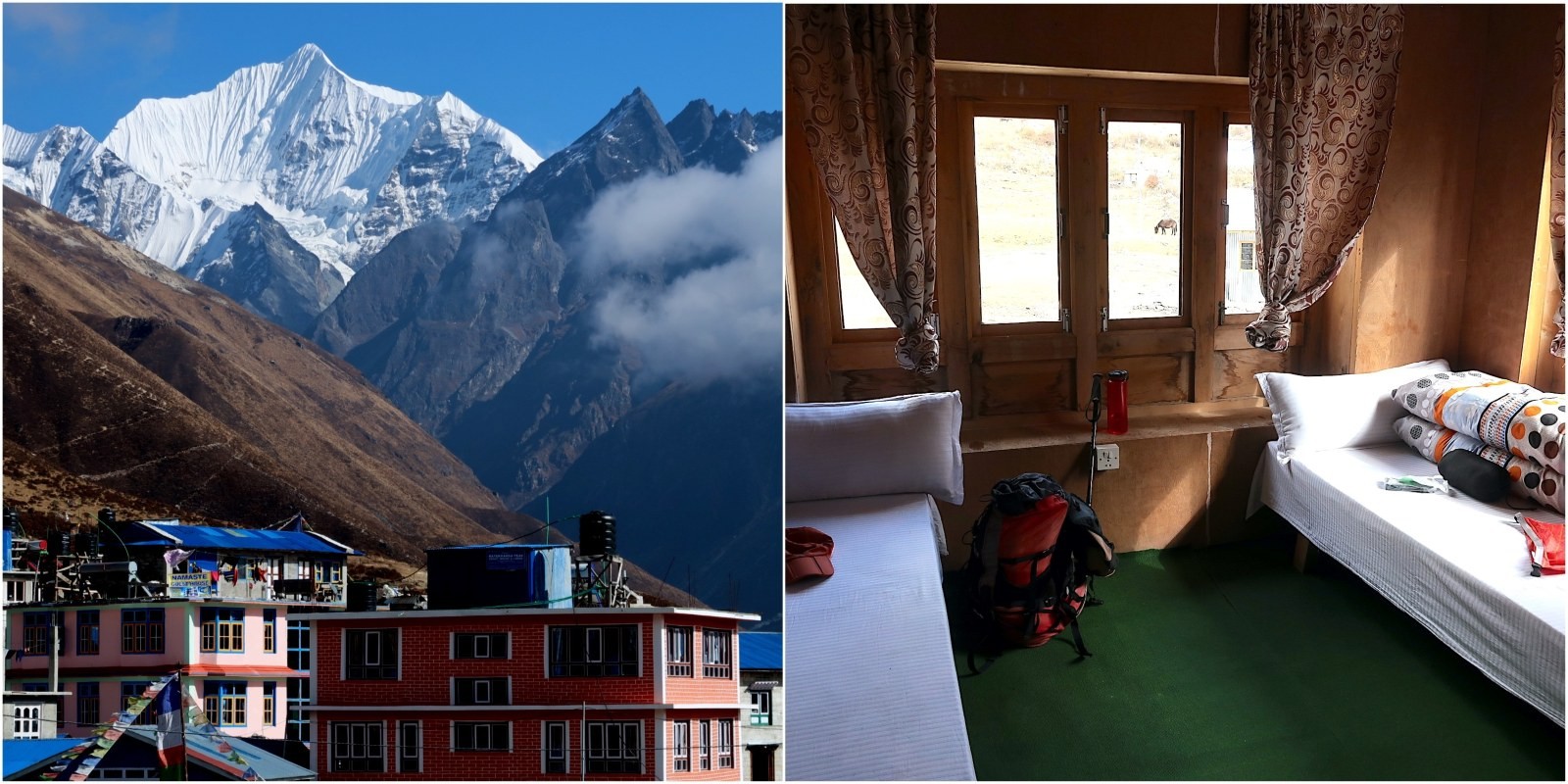
Meanwhile, each stop along the way has its quirks. Lama Hotel sits among thick trees and mossy rocks. The rooms are simple, bathrooms are shared, and if you want a hot shower, you’ll pay a small fee. Charging your phone is possible, but Wi-Fi comes and goes. Still, it’s enough for a good night’s rest before you head higher.
Here, Langtang Village, a bit further up, stands as a symbol of resilience—rebuilt after the earthquake. Lodges here feel cleaner, some even have attached bathrooms, and the views of Langtang Lirung (7227m) are unreal. The dining halls fill with laughter and stories; you’ll end up learning as much from the people as you do from the mountains themselves.
Likewise, Kyanjin Gompa marks the high point, both in altitude and experience. Teahouses here are warmer, sometimes packed, but always welcoming. Don’t miss sampling fresh yak cheese at the local factory, or grabbing a pastry from a bakery before the morning sun hits the peaks. It’s the perfect blend of comfort and culture—exactly what makes trekking in Nepal so special.
As for the Langtang Valley Trek cost, it’s still a bargain. Down at Lama Hotel, a basic room goes for $5-10 a night, while in Kyanjin Gompa, it’s more like $8-15. Hot showers are extra—$3-5 usually. If you plan ahead, it’s easy to keep your budget on track.
Moreover, hygiene is generally good. Owners take real pride in keeping bedding and dining areas clean, though you’ll want to use purification tablets for drinking water. Solar panels power most of the lights, so you can recharge both your phone and your energy for the next day.
During peak trekking season, book early if you want the best rooms. Guides can help you bargain a fair price. Respect the house rules, tip your hosts—it goes a long way. In the end, these teahouses do more than just give you a place to sleep—they help keep tourism sustainable and communities thriving in the Himalayas.
Here is a table of accommodation highlights by key stops:
| Location | Elevation | Room Type & Cost | Key Facilities | Unique Features |
| Lama Hotel | 2480m | Basic shared $5-10/night | Shared bathroom, hot shower fee | Forest setting, basic charging. |
| Langtang Village | 3430m | Improved $7-12/night | Some attached baths, Wi-Fi | Rebuilt post-earthquake, views. |
| Kyanjin Gompa | 3870m | Mid-range $8-15/night | Yak cheese factory nearby | Bakery items, monastery access. |
These details cover teahouse accommodation Langtang Valley Trek, facilities Lama Hotel Langtang Village Kyanjin Gompa, yak cheese bakery experience, and Nepal Himalayan stays.
Let’s talk about food on the Langtang Valley Trek. You’ll eat a lot of dalbhat—rice, lentils, veggies, and spicy pickles—because it’s everywhere, and honestly, you can always get another helping. After hours of hiking, that bottomless plate is a lifesaver. Teahouses don’t mess around; they know what trekkers need and serve up solid, filling meals made from local ingredients.
But you’re not stuck with just the classics. The menus throw in plenty of options: noodles, fried rice, momos (kind of like dumplings), and steamy soups that hit the spot on a cold night. Tibetan bread with yak butter is another favorite. You won’t get bored eating the same thing every day, that’s for sure.
Actually, vegetarians and vegans do just fine here. There’s dal bhat, veggie curries, potatoes, and all sorts of plant-based plates. Want vegan? Just ask for your food without dairy or egg—most teahouses are happy to help. Plant-based trekkers don’t have to worry about going hungry in Langtang.
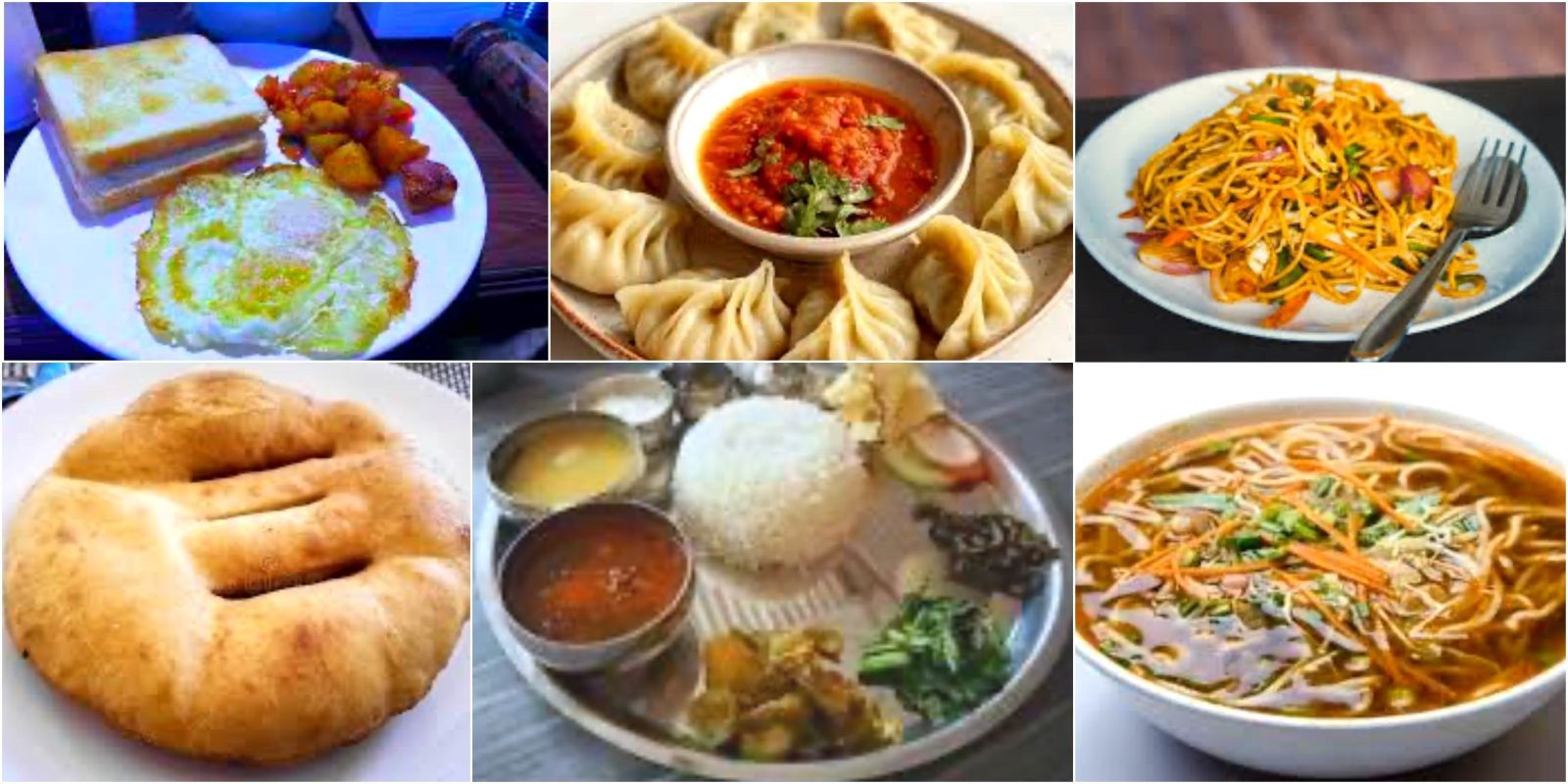
If you want to try something local, grab some yak cheese in Kyanjin Gompa. It’s rich, full of protein, and a real taste of the region. Bakeries up high serve fresh bread, which is a treat for breakfast, and don’t skip the butter tea—it’s weirdly comforting when you’re up in the cold.
About prices: as you climb higher, the food gets pricier. Down at Lama Hotel, a dish might run you $4-6, but up in Kyanjin Gompa, expect $6-10 per plate. If you’re eating three meals a day, you’ll spend $20-30 daily. Budget a little extra for snacks and hot drinks, and you’re set.
Don’t forget to drink water—a lot of it. You’ll need three to four liters a day to handle the altitude. Stick to boiled or treated water, and add in herbal teas for warmth and variety. Staying hydrated really keeps the fatigue away.
It helps to carry some snacks, too. Nuts, energy bars, or dried fruit give you a boost between meals, especially on long stretches. If you have special dietary needs, let your guide or the teahouses know ahead of time. They’ll do their best to make it work. In the end, smart food choices keep you feeling strong all the way through the trek.
To support this topic, here is a bullet list of common foods and options :
These insights address food on Langtang Valley Trek, vegetarian vegan options, dal bhat noodles soups, meal costs, and hydration tips for success.
If you're planning to trek the Langtang Valley in Nepal, expect to budget between $500 and $900 per person. That covers pretty much everything—permits, a guide or porter, transport, food, and lodging—for the classic 8 to 10-day route. Costs shift a bit depending on whether you go solo or in a group, and what kind of services you want. Some agencies bundle everything into a neat package, which makes things easier but sometimes a little pricier. Still, this price range keeps the adventure affordable.
Let’s break it down. First, permits are pretty straightforward. The Langtang National Park Entry Permit is about $23 to $30 (around NPR 3,000) for foreigners. Add a TIMS card—$10 to $20, depending if you’re in a group or trekking on your own. If you book with a guide or agency, they usually roll these fees into the package. So, in total, set aside about $40 to $50 for permits.
Here, hiring guides and porters make a real difference, both for safety and experience. A certified guide costs around $25 to $35 a day, and that covers their food and insurance. Porters run $20 to $30 a day if you want someone to carry your gear—up to 15-20 kg. Groups of two to four people can split these costs, which helps a lot. Expect to spend $200 to $400 on guides and porters over the whole trek.
Getting to Syabrubesi—the trailhead at 1,440 meters—also factors in. A round-trip local bus ticket will set you back $12 to $20. If you want a private or shared jeep, plan on $80 to $150. Some people return from higher up, like Kyanjin Gompa (3,870 meters), but the cost usually evens out. On average, budget $50 to $100 per person for transportation.
Actually, food and lodging add up day by day. Teahouses charge $5 to $10 a night for a basic room. Meals—think dal bhat and noodles—go for $4 to $8 each, so you’re looking at $20 to $30 a day for food. The higher you go, like up to Langtang Village (3,430 meters), prices bump up a bit. For an 8 to 10-day trek, that’s $200 to $300 for decent comfort.
Then you’ve got the extras—snacks, hot showers, tips. Save $50 to $100 for these, just in case. Renting gear in Kathmandu is another smart way to save. Trekking with a group means you can split a lot of costs, but if you go solo, expect to pay 10-20% more since you cover all the fixed fees yourself.
In the end, groups of four or more get solid discounts, especially on guides and transport. Solo trekkers usually land at the higher end of the budget—closer to $800 or $900. Trekking agencies offer packages from $585 to $900, depending on what’s included. If you plan ahead and share expenses, you’ll get the most out of your Langtang adventure without breaking the bank.
Here is Langtang Valley Trek cost breakdown:
| Category | Estimated Cost (USD) | Details & Notes |
| Permits (National Park + TIMS) | 40-50 | Mandatory; included in agency packages. |
| Guide & Porter | 200-400 | USD 25-35 guide/day, USD 20-30 porter/day. |
| Transportation (Round-trip) | 50-150 | Bus cheaper, jeep faster/comfortable. |
| Food & Accommodation (8-10 days) | 200-300 | Teahouse meals USD 20-30/day, rooms USD 5-10/night. |
| Miscellaneous (Snacks, Tips, Extras) | 50-100 | Hot showers, water, gear rental. |
| Total per Person | 500-900 | Lower for groups, higher for solo/comfort. |
These figures highlight Langtang Valley Trek cost, budget breakdown, permits guide porter, transport food lodging, and group vs solo pricing for effective planning.
Get ready for the Langtang Valley Trek in Nepal by packing smart. Start with layers. You’ll want a good base layer to wick sweat when you’re climbing up to Kyanjin Gompa (3870m). Throw on a warm mid-layer to fight off those cold winds near Langtang Lirung (7227m). A solid outer shell keeps you dry and blocks sudden storms. The weather up there is unpredictable, so having clothes you can swap around makes life way easier.
Moreover, footwear matters—a lot. Grab sturdy, waterproof trekking boots that support your ankles and have decent grip. Break them in before you even leave Syabrubesi (1440m), or you’ll regret it. Camp shoes or sandals give your feet a break at teahouses after long days. Good boots save you from blisters and sore feet.
Likewise, rain gear is a must. A lightweight waterproof jacket and pants will keep you dry when showers hit. Pack a poncho just in case the rain gets serious. Dry bags help protect your electronics and spare clothes inside your backpack. Staying dry makes the whole trek more bearable.
Similarly, you’ll climb high, so altitude meds matter. People use Diamox to keep altitude sickness at bay, but talk to your doctor and get a prescription ahead of time. Toss in painkillers and rehydration salts too. Being prepared for high elevation goes a long way.
Don’t forget your daypack essentials. Bring enough water for the day—2 or 3 liters is smart. Pack snacks like energy bars for those extra side hikes. Sunscreen, a hat, and sunglasses protect you from the strong Himalayan sun. These basics keep you fueled and safe out there.
Most importantly, think eco-friendly. Bring a reusable water bottle to cut down on plastic waste in Langtang National Park. Go for biodegradable soap and toiletries. Stick to leave-no-trace habits to help keep the place beautiful for everyone. It’s a small effort that makes a real difference.
Round out your gear with a few last things. Trekking poles help on steep climbs and tricky descents. A headlamp with spare batteries is great for early mornings or late arrivals at camp. Carry a first-aid kit for those inevitable small cuts and scrapes. And remember—pack light if you can. Your porter (or your own back) will thank you.
Here is a list of essential packing categories for Langtang Valley Trek:
These essentials cover Langtang Valley Trek packing list, layers boots rain gear, altitude meds daypack, eco-friendly items for safe and enjoyable trekking.
If you’re heading out on the Langtang Valley Trek, safety comes first. The trails are open and in good condition, and the region’s seen a lot of improvements since 2015. Guides keep a close eye on everyone’s pace and health. You’ll want to stay sharp, too—some paths get pretty tight, so watch your step. Helicopter evacuations are possible from higher altitudes if anything goes wrong, but with the current safety standards, things look solid for trekkers.
Moreover, altitude sickness is a big deal up here. The best way to dodge it? Take your time. Once you’re above 3,000 meters, go slow and follow that old rule: climb high, sleep low. Drink plenty of water—about 3 to 4 liters a day helps your body adjust. These habits really cut down your chances of getting sick.
Here, acclimatization is just as important. Most people build in rest days at higher spots like Kyanjin Gompa (3,870m). Don’t push your luck with big elevation jumps—keep it under 500 meters extra per night. Some trekkers take short hikes to nearby viewpoints and head back down to sleep, which works well for adapting without overdoing it. If you acclimatize right, you avoid most of the serious problems people run into up here.
Likewise, weather changes fast in the Himalayas. Spring and autumn are the best seasons: clear skies, great views of Langtang Lirung (7,227m), and fewer surprises. Stay away during the monsoon, when landslides are a risk, and winter, when avalanches can hit. Weather can shift in a heartbeat, so pack layers and always check the forecast before heading out.
Since the 2015 earthquake, the trails have gotten a major upgrade. Langtang Village (3,430m) got moved to a safer spot, and the paths and lodges are sturdier now. Local teams monitor everything and keep the trails in top shape, so you can trek with more confidence .
Expect a mix of terrain: stone steps, sturdy bridges, and forest trails, especially around Lama Hotel (2,480m). Some sections get rocky or muddy, so good boots matter. Guides are required—they help with navigation and keep things running smoothly. All these changes make for a better, safer trekking experience.
More importantly, listen to your body as you go. If you start feeling really off, head down right away. Bring any meds you might need, like Diamox, but talk to your doctor first. Stick to carb-heavy meals for energy. Stay proactive and you’ll have a great time on the trail.
To support this topic, here is a bullet list of key safety tips and prevention strategies :
These guidelines cover Langtang Valley Trek safety tips, altitude sickness prevention, acclimatization rules, trail conditions, weather risks, and post-2015 rebuilt status.
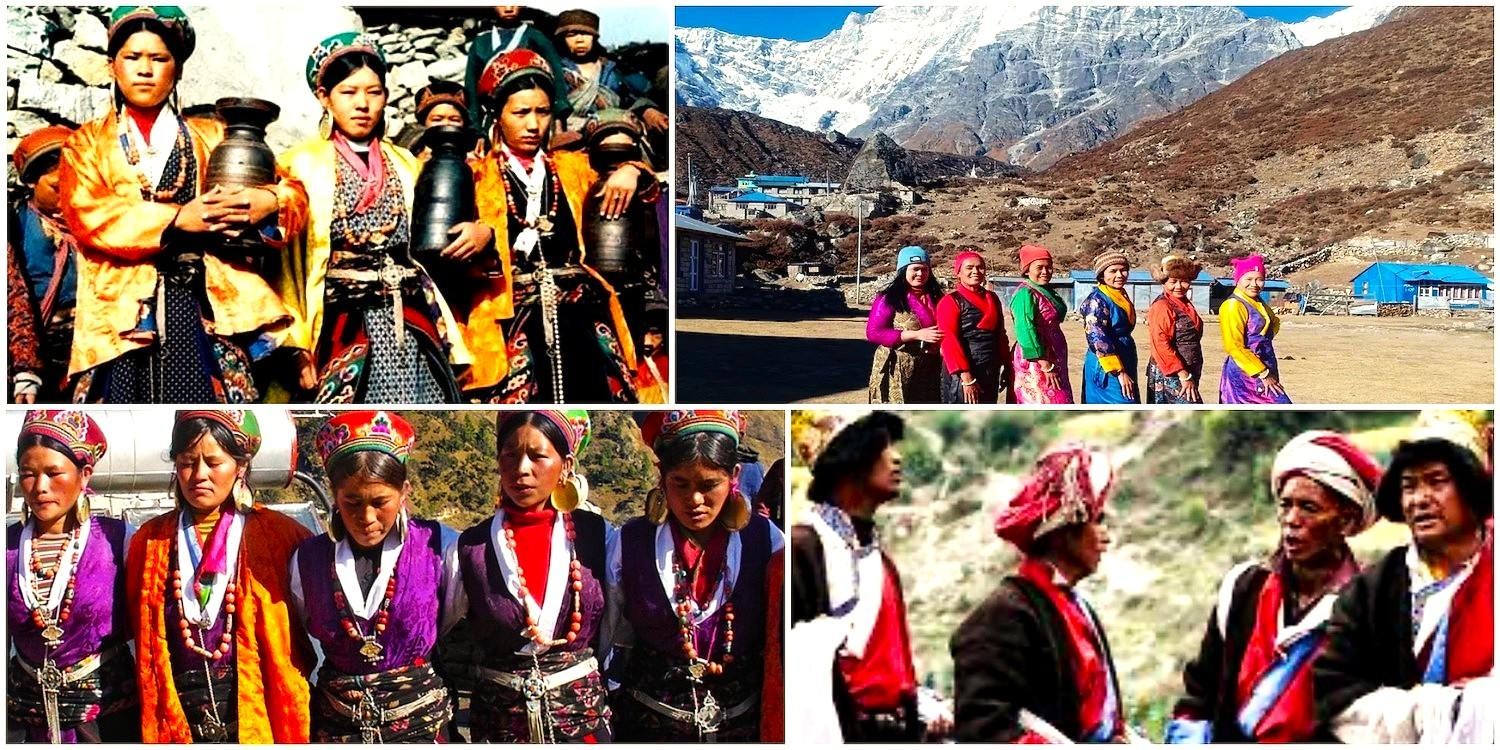
When you trek through Langtang Valley in Nepal, you meet the Tamang people first. Their villages, shaped by Tibetan Buddhist roots, feel welcoming right away. The Tamang have this quiet, genuine hospitality—they’re happy to share stories from their daily lives, maybe over a cup of tea. Their language and traditions make every stop along the trail feel richer. Honestly, meeting the Tamang is what gives the Himalayas that extra bit of soul.
Likewise, monasteries pop up along the way too, serving as peaceful spiritual hubs. Kyanjin Gompa sits at 3,870 meters—old, serene, and still very much alive. You’ll see monks in the middle of quiet rituals, and the air just sort of stills around them. Prayer wheels spin, mani stones line the paths, especially near Langtang Village. These places aren’t just sights; they’re a chance to soak up local life and find some calm, even if just for a moment.
Here, there are a few things to keep in mind, though. Always walk clockwise around stupas and mani walls. Leave sacred objects alone and, before you snap a photo of someone or a ceremony, just ask. Respect goes a long way out here. When you move through these spaces with care, you show gratitude for their traditions.
More importantly, trekking responsibly matters too. Stay in local teahouses, pick up handmade crafts, and tip your guides and porters well—they work hard, and it makes a real difference. Cut down on plastic; the mountains deserve it. These choices aren’t just good manners; they actually help the people who live here and keep tourism sustainable.
Dive a little deeper if you can. The Tamang celebrate festivals with music and dance; sometimes, you might join in for a meal or a hot drink. Their resilience—especially since the 2015 earthquake—is inspiring. When you understand their daily lives and join in, even just a little, it turns a trek into something personal.
There are a few practical things to remember when you visit monasteries. Take your shoes off before you go in, dress modestly, and keep quiet during prayers. It’s just about showing respect for their way of life.
And if you want to give back, hire local Tamang guides—they know the valley better than anyone. Buy yak cheese or wool products straight from the villagers, and don’t haggle too hard in the little shops. When you make these choices, everyone benefits. That’s how trekking in Langtang really becomes something special.
Here is a list of responsible trekking and cultural etiquette tips :
These elements highlight cultural insights Tamang people, monasteries responsible trekking, prayer flags etiquette, local customs, and community support for enriching Langtang Valley Trek.
So, is the Langtang Valley Trek right for you? Here’s what it really offers and why booking your adventure in Nepal might just be the best decision you make—think quiet trails, rich culture, and those jaw-dropping Himalayan views.
First, let’s talk about the rewards. The Langtang Valley dishes out some of the most unforgettable mountain scenery you’ll ever see. Picture yourself standing in front of Langtang Lirung (7,227m) or Ganesh Himal (7,422m)—they’re right there, massive and awe-inspiring. The valleys are peaceful, and the Tamang culture feels genuine, not put on for tourists. Honestly, if you’re craving some solitude, you’ll find it here—unlike the packed Everest or Annapurna routes. All of this adds up to a Nepal trekking experience that feels special, almost personal.
Who’s this trek for? Pretty much anyone chasing a real adventure. If you’re reasonably fit, even as a beginner, you can handle it with the right prep. Seasoned hikers? You’ll love detours up Tserko Ri (4,984m) and Kyanjin Ri (4,773m). It works for families, solo travelers, anyone looking for culture and quiet. In short, if you want something authentic and less crowded, Langtang fits the bill.
There’s more to it, though. After the earthquake, local communities like Langtang Village and Kyanjin Gompa rebuilt—stronger than before. When you trek here, you’re not just passing through; you’re helping out by choosing local teahouses and guides. Speaking of which, guides are now mandatory, which actually makes the trek safer and way more interesting—you learn a lot more. All these things make Langtang stand out, especially looking ahead to .
Think about what you want out of your trek. If you’re after real connection with people and place, prefer quiet trails, and like the idea of supporting the Tamang communities, this is your spot. The physical challenge is real but manageable, and the rewards—well, they’re huge if you love wild scenery and honest culture.
Here, getting there from Kathmandu is easy, too. The trek works with tight schedules—8 to 10 days is enough. It’s budget-friendly, usually between $500 and $900 per person.You get safety and good guidance built in. So, all the logistics are pretty straightforward.
But maybe the best part? The personal growth. You come back tougher, more mindful, maybe even a little changed. People leave with stories about red pandas, yak cheese, ancient monasteries, and those quiet moments on the trail. The experience sticks with you long after you’re home.
So, if this all sounds like your kind of adventure, now’s the time. Book your Langtang Valley Trek early to snag the best spots. Reach out to agencies in Kathmandu, start training, sort out the permits. Don’t wait—commit, and open the door to something extraordinary.
To support this conclusion, here is a bullet list of who should go and key rewards:
These final thoughts affirm Langtang Valley Trek suitability, rewards, who should trek, and call to action for booking your Nepal adventure.
1. What is the Langtang Valley Trek in Nepal?
The Langtang Valley Trek is an adventure in the Himalayas that is close to Kathmandu. You will see views of Langtang Lirung and learn about the Tamang people. The trek takes you through forests and to glaciers. It is a trek for people who are just starting out and for people who have trekked before. The Langtang Valley Trek is a way to experience the real Nepal.
2. Why should I choose Langtang Valley Trek over other treks?
The Langtang Valley Trek is special because you can see the mountains close and there are not as many people as on other treks. You can see landscapes, visit monasteries and learn about yak cheese factories. The Langtang Valley Trek is not as high as some treks like Everest or Annapurna, so it is a good choice for people who want to trek in the Himalayas without going too high.
3. What is the best time to do Langtang Valley Trek?
The best time to do the Langtang Valley Trek is in the spring from March to May or in the autumn from September to November. In the spring the rhododendron trees are. It is very beautiful. In autumn the sky is clear. You can see the mountains very clearly. Both times of year are good because the weather is stable. It is comfortable to trek.
4. How difficult is the Langtang Valley Trek?
The Langtang Valley Trek is considered a trek. This means it is not too easy and not too hard. You will walk for 5-7 hours a day, and the trail goes up gradually. The highest point on the trek is 4,984m but you can take your time and get used to the high altitude. If you are in shape and prepare well, you can do the Langtang Valley Trek.
5. How many days does the Langtang Valley Trek take?
The classic Langtang Valley Trek takes about 8 to 10 days. This includes the time it takes to drive to the starting point trek to Kyanjin. Do some side trips. You can also do an longer version of the trek depending on what you want.
6. What are the best side trips in Langtang Valley?
There are side trips you can do in the Langtang Valley. One of the best is to climb Kyanjin Ri, which's 4,773m high. You can see the sunrise from the top. It is very beautiful. Another good side trip is to climb Tserko Ri, which's 4,984m high. From the top you can see around, and it is a great view. There is also a place called Langshisha Kharka where you can see meadows and glaciers.
7. What permits are required for Langtang Valley Trek?
To do the Langtang Valley Trek you need to get a Langtang National Park Entry Permit and a TIMS card. Your trekking agency will help you get these permits. You do not need an area permit.
8. Can solo trekkers do the Langtang Valley Trek?
Yes, solo trekkers can do the Langtang Valley Trek. The Langtang Valley is an area so you can trek there by yourself. However, you recommended to book your trek through a registered trekking agency and have a guide with you.
9. How do I get from Kathmandu to Syabrubesi?
To get to the starting point of the Langtang Valley Trek you can take a jeep or a local bus from Kathmandu. The trip takes 6-8 hours. The private jeep is more comfortable. The local bus is cheaper. The road to Syabrubesi is very scenic. You will see beautiful countryside.
10. What kind of accommodation is available on the Langtang Valley Trek?
On the Langtang Valley Trek you will stay in teahouses and lodges. These are comfortable places to stay. You will usually have a twin-sharing room with a bathroom. The teahouses and lodges are run by Tamang families, who are very friendly and welcoming.
11. What food is available during the Langtang Valley Trek?
On the Langtang Valley Trek you can eat at the teahouses and lodges. They serve Nepali food like Dal Bhat well as noodles, pasta, pizza and soups. There are also vegan options. You can try some Tamang dishes and fresh yak cheese which are very tasty.
12. How much does the Langtang Valley Trek cost?
The cost of the Langtang Valley Trek varies. A standard 8–10-day package costs between USD 650-950 per person. This includes your guide, permits, accommodation, meals and transportation. The cost depends on the size of your group and the level of service you want.
13. What should I pack for Langtang Valley Trek?
To pack for the Langtang Valley Trek you should bring trekking boots, a jacket, trekking poles, a sleeping bag liner, a rain jacket, layers, sunglasses, sunscreen, water purification and a first-aid kit. You should pack lightly. Make sure you have everything you need for the trek.
14. How to prevent altitude sickness on Langtang Valley Trek?
To prevent altitude sickness on the Langtang Valley Trek you should ascend gradually stay hydrated eat well and take rest days at Kyanjin Gompa. You can also take some medicine called Diamox. You should talk to a doctor first. If you feel sick you should listen to your body. Go back down to a lower altitude.
15. Is the Langtang Valley Trek good for beginners?
Yes, the Langtang Valley Trek is a trek for beginners. It is a trek, which means it is not too hard, but you will still get to experience the Himalayas. You will have a guide and a good support team. You can take your time to get used to the high altitude.
16. What cultural experiences will I have on this trek?
On the Langtang Valley Trek you will have the chance to meet friendly Tamang people. You can visit Buddhist monasteries like Kyanjin Gompa and learn about the local culture and traditions. You will also experience the hospitality of the people in the mountain villages.
17. Are there glaciers on the Langtang Valley Trek?
Yes, there are glaciers on the Langtang Valley Trek. You can see the Langtang Lirung Glacier and icefalls from Kyanjin and beyond. The glaciers are very beautiful. Create a dramatic backdrop for the trek.
18. What is the highest point on the standard Langtang Valley Trek?
The highest point on the Langtang Valley Trek is Kyanjin Gompa, which is 3,800m high. However, you can also climb Kyanjin Ri or Tserko Ri which're higher. These side trips offer views of the Langtang Valley.
19. Is the trail safe for trekking?
Yes, the trail is generally safe for trekking. However, you should always follow safety guidelines and trek with a guide. You should also be aware of the weather. Take necessary precautions. With preparation and awareness, you can have a safe and enjoyable trek.
20. How to book the Langtang Valley Trek in Nepal?
To book the Langtang Valley Trek you should contact a registered and experienced agency, like Haven Holidays Nepal. They will help you with permits, guides, accommodation and logistics. It is an idea to book your trek 3-6 months in advance to make sure you get your preferred date
Our travel experts are ready to assist you with any questions.
Send us a message.Have a question before you book? Send your enquiry below and our travel experts will get back with the required information.