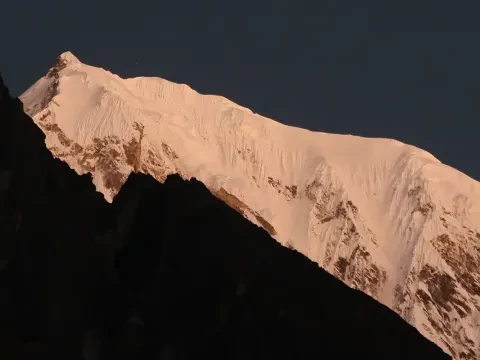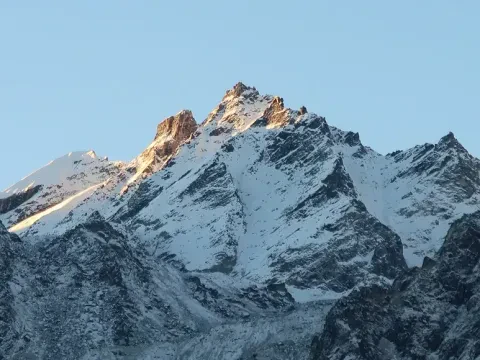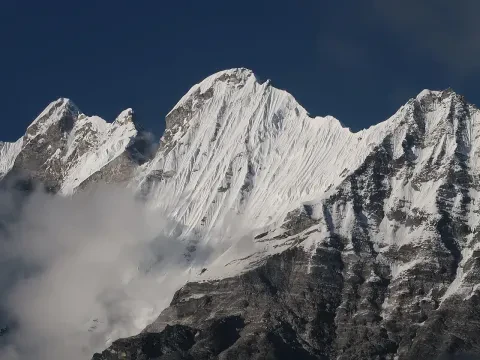
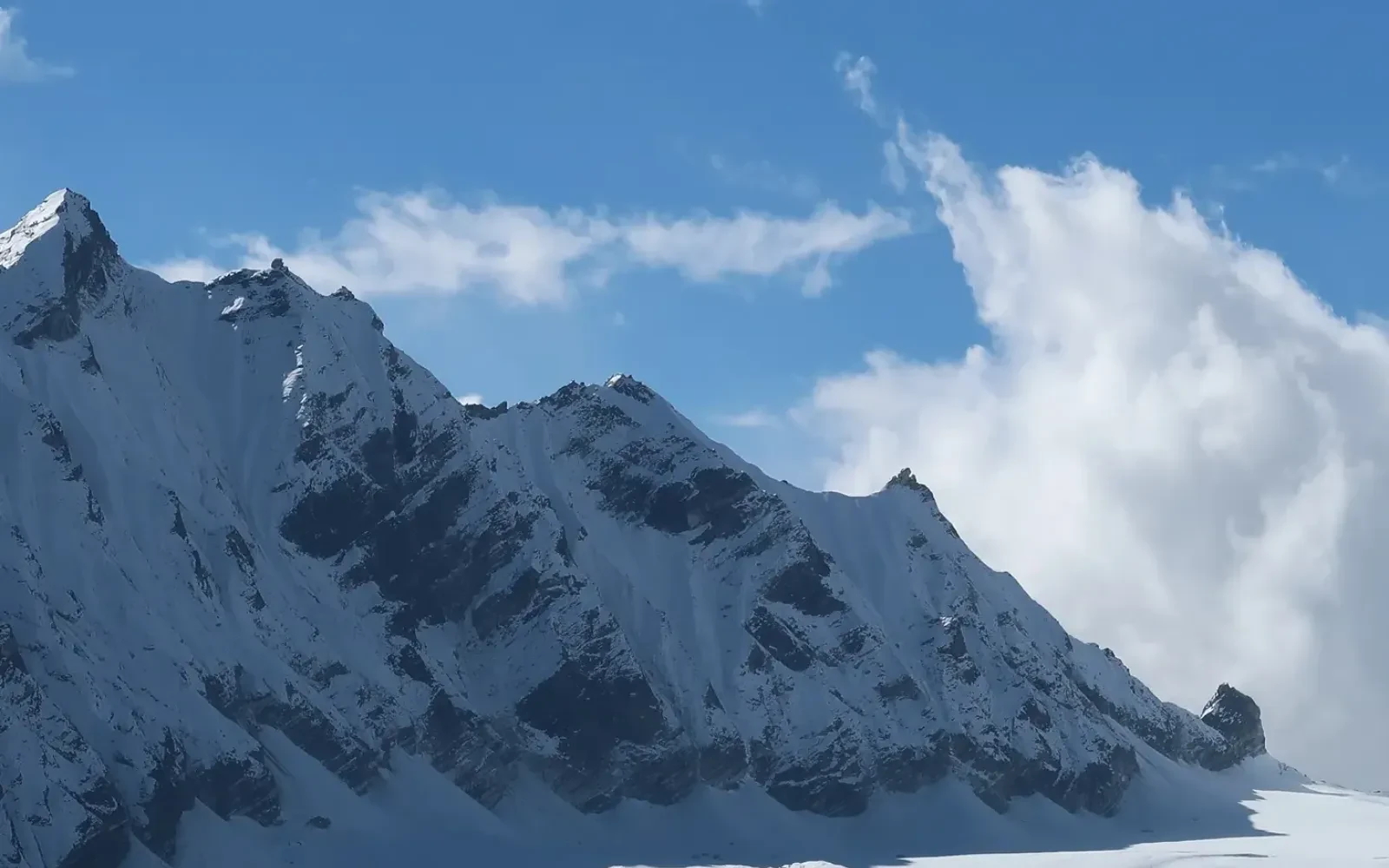
Actually, October is the most favorable time of the year to hike in the Langtang Valley. Brilliant blue skies are the norm, offering stunning mountain vistas of peaky giants like Langtang Lirung (7,227 m). But this popularity means you need to pack strategically for the peak season; think light, warm, and functional.
Here, the Langtang Valley trek begins in Syabrubesi (1,460 m) after a road journey from Kathmandu and climbs steadily to Kyanjin Gompa (3,860 m), with a chance to ascend Tserko Ri (4,984 m) for panoramic views. As you gain altitude, the weather fluctuates from pleasant and warm in the lowlands to bitterly cold in the high camps. You’ll need layers for just about everything; not arctic gear, but certainly not summer clothes. Balance is critical for a truly great experience.
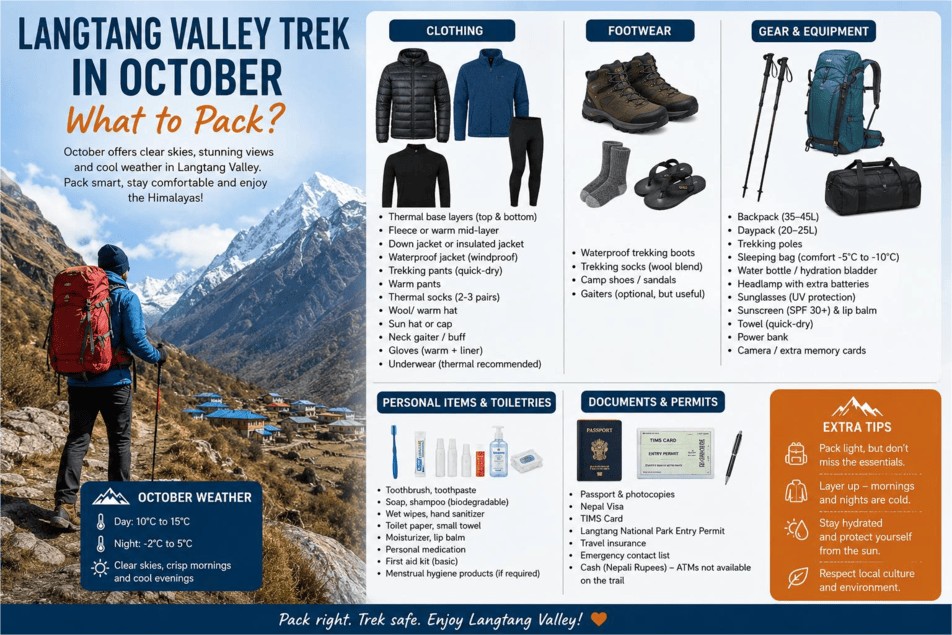
October’s Packing Advantage :
| Trekking Zone | Locations | October Avg Temp | Packing Essentials |
|---|---|---|
| The River Canyon | Syabrubesi, Lama Hotel (1,460-2,480 m) | 18C-24C | Quick-dry shirts, sun hat, lightweight hiking pants or shorts. |
| The Alpine Valley | Langtang Village, Kyanjin Gompa (3,430-3,860 m) | -2C-12C | Heavy fleece jacket, warm thermal baselayers, insulated down jacket, wool cap |
| The Summit Peaks | Tserko Ri, Kyanjin Ri (4,773-4,984 m) | -5C-5C (plus wind chill) | trekking Poles, warm gloves (waterproof and insulated), neck gaiter or balaclava, sunglasses with UV protection, headlamp. |
Gaiters Required for Langtang in October?
Importantly, the one item of ‘gear’ that should top your list is an experienced local guide or booking your trip with a reputable agency. They're invaluable – providing daily weather forecasts for Tserko Ri, helping navigate rocky sections, and securing you the best rooms at Kyanjin Gompa.
Ultimately, October’s unparalleled clarity makes the Langtang Valley Trek iconic. However, prudent packing for Langtang Valley Trek for the wide-ranging temperature swings from Syabrubesi (1,460 m) to Kyanjin Gompa (3,860 m) is the secret ingredient. Pack smart, travel light, and let the mountains unfold!
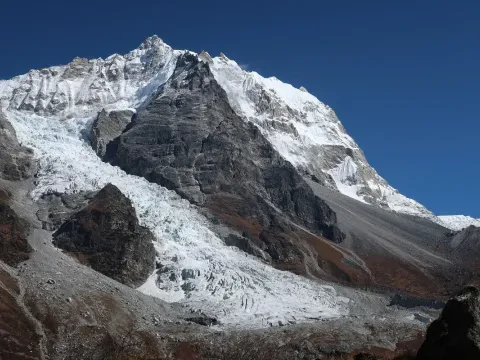
Here, ascending from Syabrubesi (1,460 m) to Kyanjin Gompa (3,860 m) on the Langtang Valley trek means experiencing a dramatic shift in climate. What starts as a warm, riverine environment soon morphs into the crisp, frigid air of the high Himalayas. This requires a deliberate approach to what you wear. Layering is your best friend here.
Syabrubesi's Lowland Warmth :
The High Valley Chill :
| Trekking Zone | Key Locations | October Avg Temp | Packing Essentials |
|---|---|---|
| The River Canyon | Syabrubesi, Lama Hotel (1,460-2,480 m) | 18C-24C | Quick-dry shirts, sun hat, lightweight hiking pants or shorts. |
| The Alpine Valley | Langtang Village, Kyanjin Gompa (3,430-3,860 m) | -2C-12C | Heavy fleece jacket, warm thermal baselayers, insulated down jacket, wool cap. |
| The Summit Peaks | Tserko Ri, Kyanjin Ri (4,773-4,984 m) | -5C-5C (plus wind chill) | trekking Poles, warm gloves (waterproof and insulated), neck gaiter or balaclava, sunglasses with UV protection, headlamp. |
Likewise, the rapid elevation gain means you need clothing that you can easily add and remove. Start with lightweight t-shirts in Syabrubesi and progressively add layers like a fleece and a down jacket as you trek higher. Given the dry October conditions, a heavy waterproof set isn’t as critical as a good quality softshell to block the wind.
Here, accompanying a local guide is highly recommended. They’ll keep you informed about the changing weather, assist you in making smart clothing choices on the go, and know how to navigate any terrain challenges safely.
In summary, the drastic elevation climate shift between Syabrubesi (1,460 m) and Kyanjin Gompa (3,860 m) demands mindful packing. By bringing layers suitable for warm lows and frigid highs, you’ll stay comfortable and fully enjoy the spellbinding October vistas on the Langtang Valley Trek. Keep it sensible, and the adventure is yours!
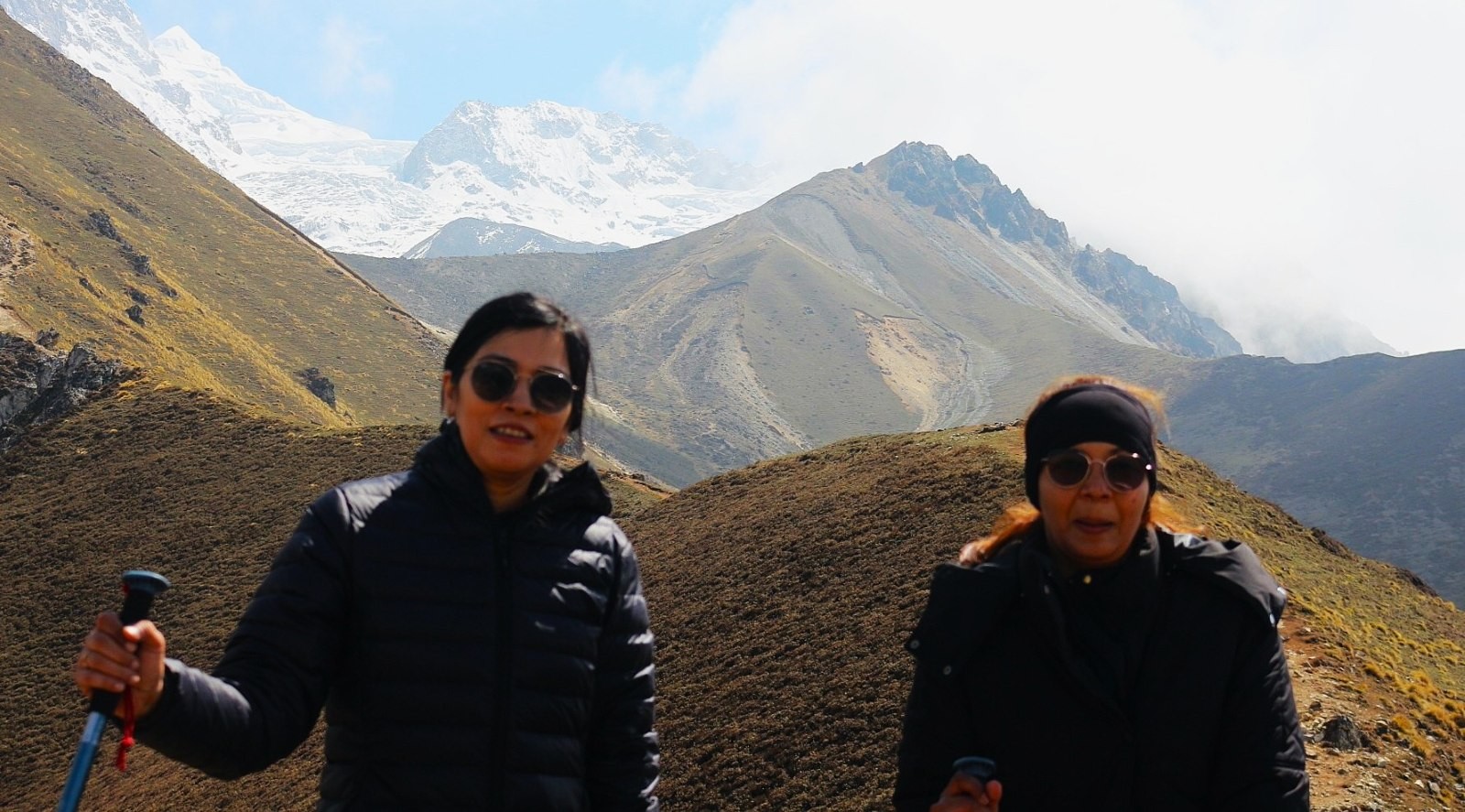
Actually, the initial days on the Langtang Valley trek - Syabrubesi to Lama Hotel ( 1460m to 2480 m)-will see you sweating buckets as you gain elevation, traveling through the warm, steamy air of river canyons. As your body heats up under stress, your base layers work overtime. Picking the correct foundation material can literally make or break those first two days.
Why cotton MUST be eliminated on any trek,
There is NO good reason to bring cotton clothing anywhere. If you perspire, the material clings, becomes heavy and eventually sops it all up to slowly drip. The second a breeze hits or as you pause to take in a breathtaking view you’ll be freezing in your wet cotton – not an optimal experience if you value getting tired and chills! Look for moisture-wicking materials that pull perspiration away from the body, then disperse and evaporate very rapidly. Synthetics like polyester and merino wool are excellent choices.
| Material | Sweats Management | Speed ( Drying ) | humid canyon advantage | Recommendation |
|---|---|---|
| Cotton | None-the-positive | Near impossible | none-it only makes things cold | Absolutely do not bring |
| Poly blend | Fast; efficient | Very high | cool, not stuffy, allows body to breath. | High value, low cost, great option |
| Merino Wool | Superb | High | warm yet cool, doesn’t “ stink,” is incredibly comfortable | Best in all-around value if price is no obstacle |
Base Layer Packing Checklist:
In fact, the reason this is so critical in those warm lowland river canyons is the combination of exertion and humidity means you'll get significantly damp if you do not prepare yourself appropriately for that moisture control with your base layers between syabrubesi(1460 m) and Lama hotel(2480m). With well selected pieces, you will remain dry and comfortable as you gain altitude.
In short, the “ Base Layer Core “ is not optional in those humid lowland river canyons where there is much exertion and moisture in the air as you start on your travels from Syabrubesi (1,460 m) to Lama Hotel (2,480 m); this simple consideration makes a huge difference in how enjoyable your trek begins.
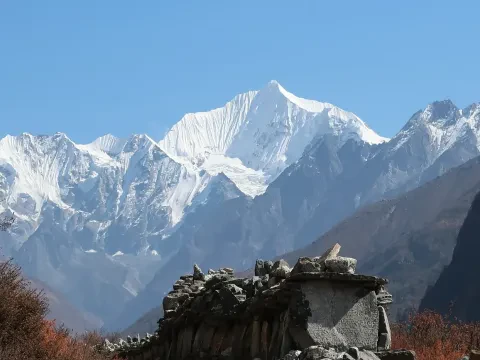
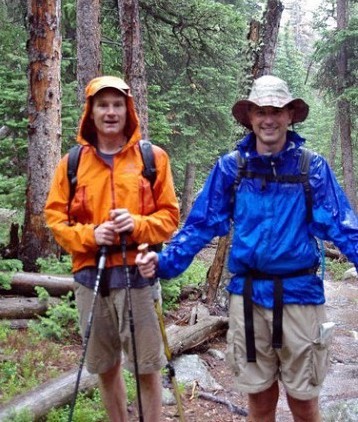
While October is the best time for Langtang Valley trek and the driest month, meaning the monsoon has mostly subsided, you might still encounter misty afternoons or light drizzles as you navigate the dense forest between Syabrubesi (1,460 m) and Lama Hotel (2,480 m). Heavy rain gear isn’t typically necessary, but you’ll benefit from something to keep the moisture out.
Need for Rain Gear in October?
Forget the full poncho! Opt instead for a highly breathable, lightweight, packable, and waterproof shell. This garment can serve as protection against mist and light rain, and its breathability ensures you won’t feel overly hot while hiking uphill.
| Item | Reason | Best Use |
|---|---|---|
| Lightweight Hardshell Jacket | Protects from mist and showers | wear it whenever clouds are visible. |
| Pack Rain Cover | Keeps belongings dry within your pack | stash it in the pack lid so you can get to it quickly. |
Forest Section Strategies:
Remember, in the dense forest the canopy seems to funnel water to the ground with amplified ferocity, so even little drizzles seem heavier here. Above the forest the air generally becomes drier.
As October is mostly the dry season, you shouldn’t weigh down your pack with heavy rain protection; instead, take advantage of a minimalist setup that allows you to comfortably hike through these green environments.
In Summary, Rain protection in October does not need to be a cumbersome chore in the dense forest where some moisture may still linger as you traverse the elevations between Syabrubesi (1,460 m) and Lama Hotel (2,480 m). Lightweight wind and rainproof shell, and a cover for your pack will do just the trick to keep you comfortable and dry.
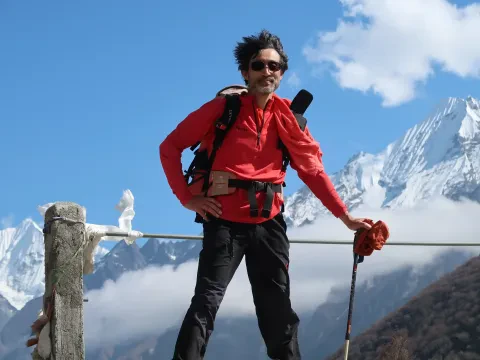
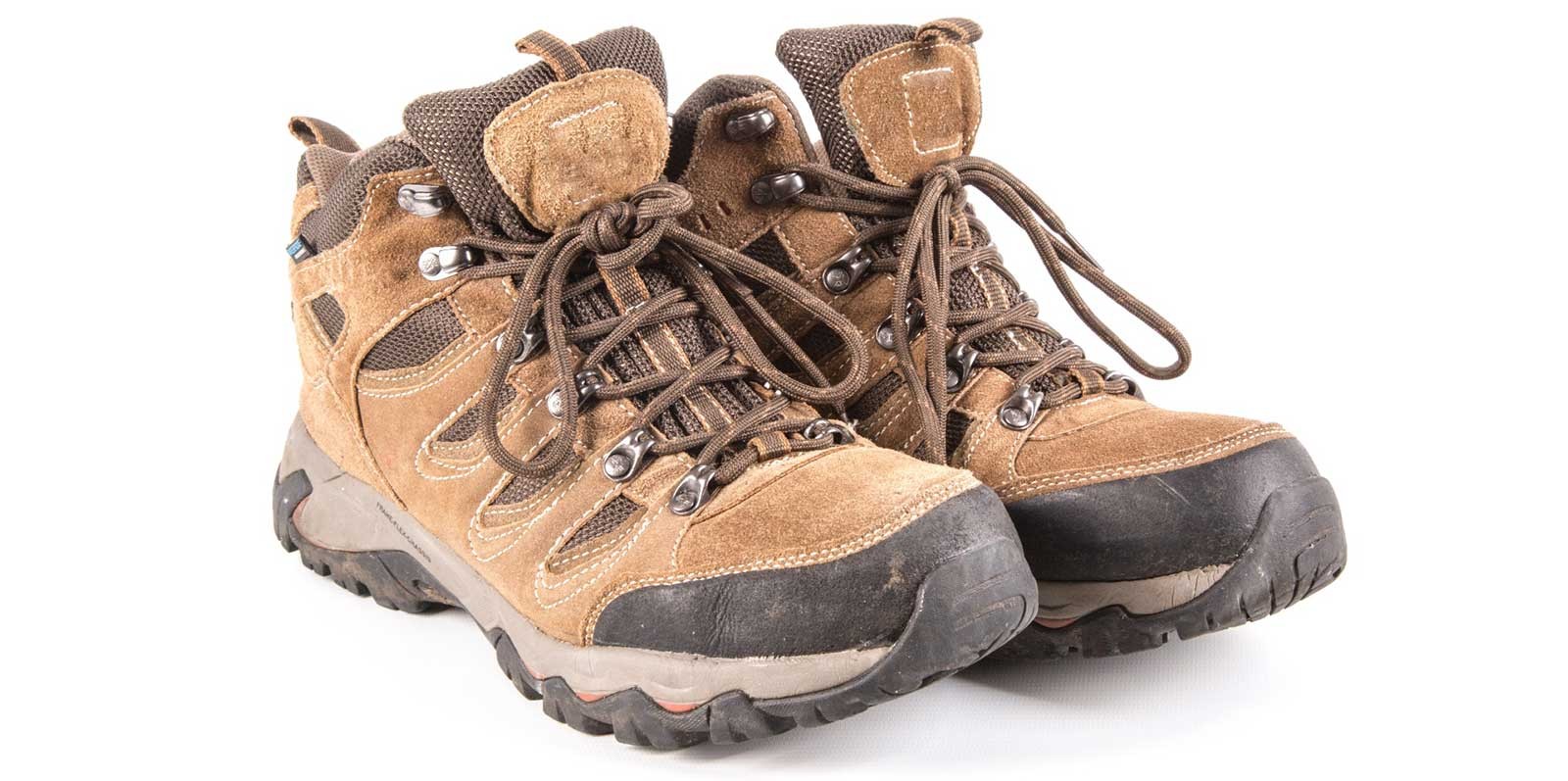
Here, walk past the mid-section of the Langtang trek – as you hop between Rimche and the revamped Langtang village (3,430 m), it gets rough and uneven. Old landslide chunks, bits of shale, and hefty rocks litter the paths, so you need something sturdy on your feet. These bad boys help keep you upright and prevent you from twisting your ankle.
Why this Stuff is Crucial for Your Feet:
What Footwear is Your Best Mate for Langtang Valley Trek in October:
| Gear | Reason it’s Needed | How to Use it Like a Pro |
|---|---|---|
| Hiking Boots | They Grip the Rocks and the Loose Bits | Grab Waterproof Ones With Deeper Threads! |
| Ankle Support | It Stops You Twisting an Ankle on wonky Trails | High-Top Kicks are Your MVP! |
| Merino Wool Socks | They’re the Sock Equivalent of a Cool, Dry Foot hug | Change them if They Feel Damp, Pronto! |
Super Pro Tips :
Moreover, the trek from Rimche to the modern Langtang Village (3,430 m) after the earthquake 2015 is seriously rocky due to a whole bunch of old landfalls. Hence the need for proper, gnarly boots with plenty of tread and ankle support! Once you get to Kyanjin Gompa (3,860 m) and higher, things can still be a bit of a tumble underfoot. Stick with decent shoes and cosy socks, and your feet will sing all the way up.
Bottom Line: Your footwear on the rocky stretches is no joke. Broken-in hiking boots with serious treads and merino wool socks are your shields against those landslide-ravaged slopes and loose glacier bits. This key preparation ensures you’ll stride confidently from Rimche all the way to Langtang Village (3,430 m) and then some.
Just past Ghoda Tabela, the dense trees drop away and bam! You’re in this huge, open alpine area. Weather turns on a dime here; you feel this incredible rush of air from the Tibetan border. For this part of the Langtang trek, arriving at Langtang Village (3,430 m) makes solid insulation layers absolutely non-negotiable.
Why Insulation is Your New Best Friend at this Altitude:
Must-Have Insulation Layer Components:
| Layer Name | What to Layer With | The Big Why at 3,430m |
|---|---|---|
| Middle Layer | The Warm, Cozy Fleece Jumpers | when the Air Says 'Brrr!' |
| Outer Layer | The puffy, Packable Down Number | Protects from the chill! |
| Windproof Sheath | The Windbreaker, Slim and Light | It Tells the Wind to 'Beat It!' |
Smart Strategies for Staying Toasty:
Here, that jump in altitude from after Ghoda Tabela is stark. Trees vanish, and the vast valley floor suddenly gets cold really quickly. Thanks to your meticulously chosen insulation layers, you’ll find that Langtang Village (3,430 m) is a cozy spot where you can recuperate and gear up for the trek to higher reaches like Kyanjin Gompa (3,860 m).
In a Nutshell: Surviving the elevation change and leaping out of the forest line at Langtang Village (3,430 m) means mastering your insulation layering game. Your fleece jumper and a packed down jacket are the core of your defense against the sharp drop in temperature and the powerful valley winds. This essential gear keeps you feeling fantastic, right up to those stunning Kyanjin Gompa views, throughout your amazing Langtang journey.
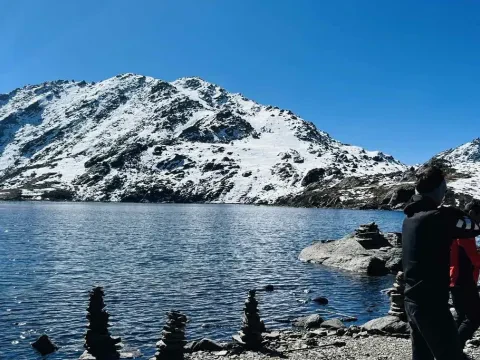
Here, at an impressive 3,860 meters (12,664 feet), Kyanjin Gompa serves as the primary high camp of the Langtang Valley. As the sun dips below the horizon and is swallowed by the towering mountain range, the mercury plummets rapidly. Consequently, it is crucial to have warm clothing readily available for the chilly evenings and subsequent frigid nights. The local teahouses are fairly basic in construction, offering minimal heating, meaning the cold can penetrate deeply.
Why Warm Gear Is Very Important at Kyanjin Gompa :
Essential Clothing for Kyanjin Gompa Evenings
| Item | Why You Need It | How to Use It |
|---|---|---|
| Heavy Thermal Tops & Bottoms | Traps body heat against the cold | Wear them after settling in for the night. |
| Warm Wool Beanie | Covers your head, preventing heat loss | Don from late afternoon until morning. |
| Insulated Gloves | Keep your hands from going numb | Slip on when stepping outside or in drafty areas. |
| Thick Fleece Trousers | Boosts warmth for lounging | Wear them over thermals in the dining hall. |
Upon arrival at Kyanjin Gompa (3,860 m), it's advisable to immediately change into dry and warm attire and then don your thermals and beanie. This ensures you remain comfortably warm while relaxing, enjoying hearty meals, and engaging in conversations with fellow trekkers. While the cold here can be intense for many, with the proper gear, you can comfortably navigate the nights beneath Langtang Lirung (7,227 m).
Practical Tips
To sum up, a well-prepared alpine kit for Kyanjin Gompa is indispensable for combating the freezing October nights. A heavyweight thermal base layer, a cozy wool beanie, insulating gloves, and warm fleece trousers will keep you toasty at 3,860 meters. This straightforward gear ensures you get quality rest, enabling you to tackle hikes to Tserko Ri (4,984 m) or Kyanjin Ri (4,773 m) feeling energized.
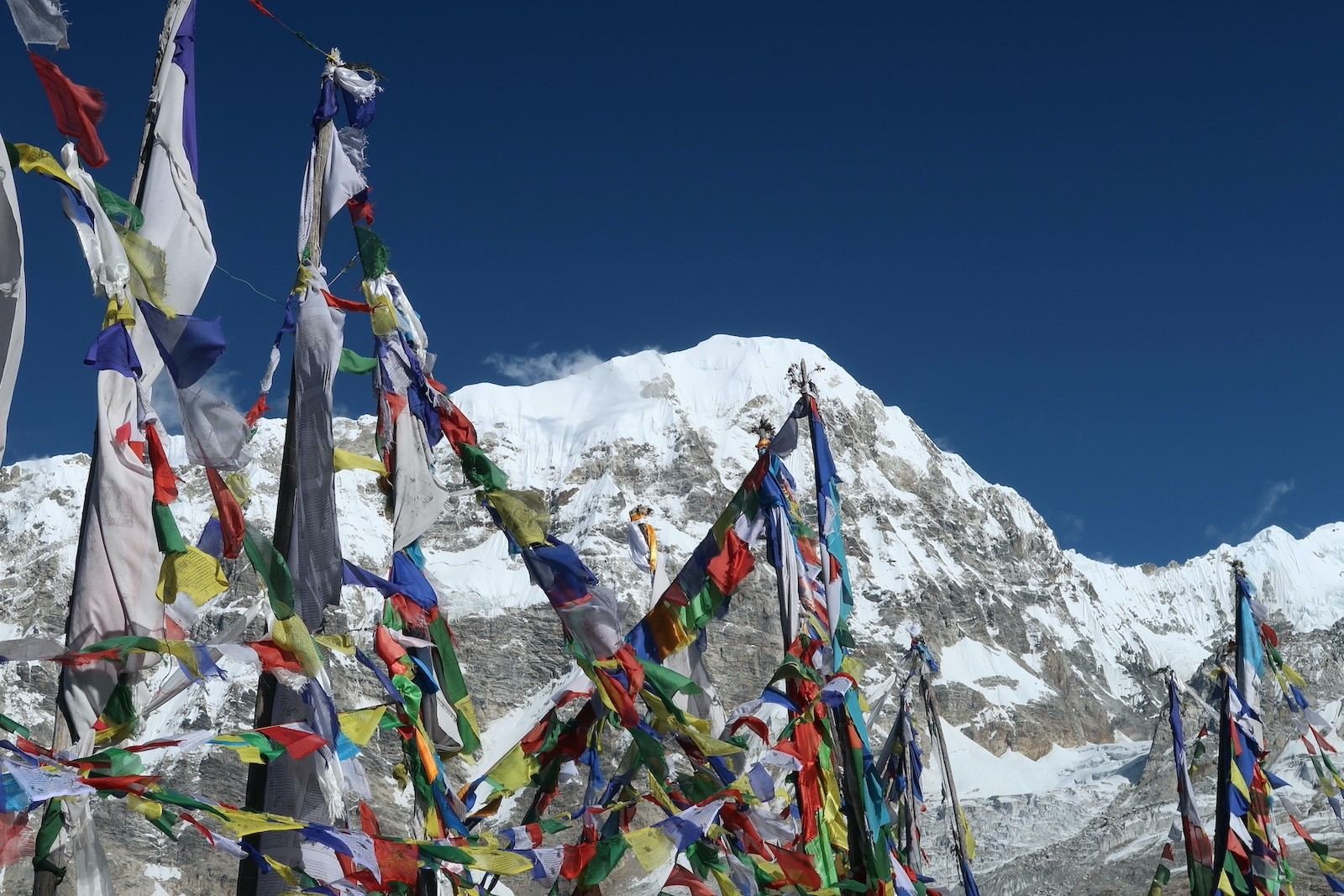
Reaching Tserko Ri, soaring at an incredible 4,984 meters (16,352 feet), represents the pinnacle – both literally and figuratively – of the Langtang Valley Trek. This is a demanding and lengthy 6-8 hour alpine day hike commencing from Kyanjin Gompa (3,860 m). Typically starting around 4:00 AM, the ascent takes place entirely in the dark, necessitating a thoughtfully packed daypack with the right essentials for both safety and comfort.
Essential Daypack Items for Tserko Ri :
| Item | Why You Need It | Simple Tip |
|---|---|---|
| Headlamp + Fresh Batteries | Illuminates the pitch-black trail ahead | test before heading out that night |
| Polarized Sunglasses | Shield eyes from bright sunlight and reflections | Put on when sun peeks over mountains |
| Sturdy Trekking Poles | Aid balance and stability on inclines | adjust to your height |
As you set off from Kyanjin Gompa (3,860 m) in the pre-dawn gloom and climb towards 4,984 meters, your headlamp cuts through the darkness, illuminating the path ahead. The trekking poles become your trusted companions, offering support and balance on the challenging terrain. With the rise of the sun, the magnificent vistas of Langtang Lirung (7,227 m) and the sweeping glaciers are revealed, and your sunglasses protect your eyes from the bright sunlight reflecting off the snow.
Practical Tips for This Day Hike
In conclusion, the ascent to the summit of Tserko Ri demands a meticulously prepared daypack. A reliable headlamp, polarized sunglasses, and robust trekking poles will ensure you reach this lofty point of 4,984 meters safely and with ease. These crucial items will allow you to soak in the breathtaking sunrise and panoramic views while maintaining a secure footing on the steep alpine trail.
In conclusion, this rewarding day hike from Kyanjin Gompa (3,860 m) will undoubtedly be one of the most unforgettable highlights of your Langtang Valley Trek in October.
Actually, October is the peak trekking month in the Langtang Valley. This means teahouses in places like Kyanjin Gompa (3,860 m) and other high camps fill up fast. While most teahouses supply blankets, you'll likely find they run out, especially if your group is large, and the rooms tend to get quite chilly at night. A quality sleeping bag becomes indispensable for getting a good night's rest.
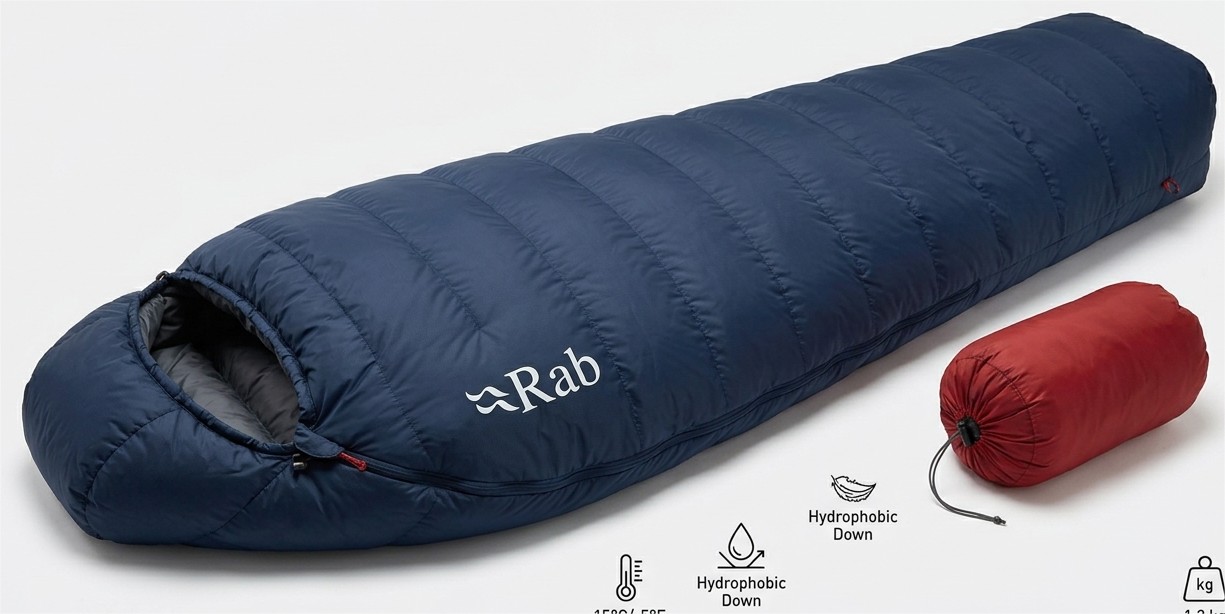
Why Your Personal Sleeping Bag is a Must-Have :
Your Recommended Sleeping Essentials :
| Item | Purpose | Application Instructions |
|---|---|---|
| Four-Season Sleeping Bag | Maximum warmth in chilly teahouse rooms | Place over any available lodge blankets for insulation. |
| Microfiber Camp Towel | Rapid drying of personal items and skin after a wash | Hang out overnight to air dry in your room or common area. |
| Warm Hat & Socks | Extra thermal insulation for the extremities and the head while sleeping | Wear to bed as a final layer of warmth. |
Upon arrival at your teahouse, immediately change into dry clothes before crawling into your cozy sleeping bag and relaxing by the warm dining hall fire. Proper recovery through restful sleep is crucial for enjoying each trekking day.
In fact, many trekkers mistakenly overlook the necessity of a personal sleeping bag, but its impact on your overall feeling the next morning is immense. Given that October is high season, securing good accommodation in advance, perhaps through a reputable trekking agency, is highly recommended.
Practical Tips for Teahouse Success :
To successfully survive teahouses during peak season in the Langtang Valley, preparation is key. A robust four-season sleeping bag rated to -10C along with a fast-drying microfiber towel will significantly enhance your comfort and hygiene, even in crowded lodges like those in Kyanjin Gompa (3,860 m). This simple gear investment guarantees you awaken refreshed and ready for an adventure up to Tserko Ri (4,984 m) and beyond, making your October trek truly enjoyable.
Actually, the frigid mountain air at higher elevations in the Langtang Valley mercilessly depletes batteries. Consequently, reliable power solutions are essential. Many teahouses depend on solar power, and during the peak October season, when there are more trekkers utilizing the limited electrical outlets, they often charge a fee for their use. Carrying a portable power bank will save you precious time, money, and stress.
Recommended Electronics Gear for High Altitudes :
Effective Electronics Management Strategies :
| Item | Justification for Inclusion | Smart Utilization Tip |
|---|---|---|
| 20,000mAh Power Bank | Ensures sufficient power for your phone, headlamp, and other gadgets | Choose a rugged model that can withstand the elements. |
| Headlamp + Spare Batteries | Essential for safe travel during early morning and late evening hikes | Test your headlamp thoroughly each night before going to sleep. |
| Dry Bag for Devices | Protects sensitive electronics from damaging cold and moisture | Tuck it inside your sleeping bag with your phone and power bank at night. |
In fact, taking these simple precautions will dramatically improve the longevity of your batteries in freezing conditions like those found in Kyanjin Gompa (3,860 m) and the higher reaches of the valley. You can then freely capture the breathtaking views of Langtang Lirung (7,227 m) and navigate trails like the one to Tserko Ri (4,984 m) without fear of losing power.
Practical Tips for Power Management :
Ultimately, maintaining a charged state for your essential electronics is crucial for an enjoyable and well-prepared Langtang Valley Trek in October. A powerful 20,000mAh power bank and intelligent battery conservation techniques, such as storing devices within your sleeping bag at night, will prevent frustrating power outages and ensure you have reliable access to your camera and navigational tools throughout your journey.
When you go beyond the 3,000 meters mark on your trek to Langtang Valley, proper hydration will be your number one weapon against Acute Mountain Sickness (AMS). The air you breathe at higher altitude will be very dry and cool, meaning you lose water very quickly. You’ll need to drink enough safe water throughout your trekking day to counteract this.
Here, the Langtang national park strictly prohibit plastic water bottles, or discourage their use, in an effort to conserve the environment.
Thus, you should always safely treat local water.
Why is Water Purification Important :
You should take reusable flasks or bottles.
Carry a set of water purification tablets or small UV SteriPen.
These two will safely sterilise your lodge water or spring water ensuring that you stay properly hydrated without needing to buy expensive water at expensive prices.
Must Have Health Items for your Langtang Trek
Re-hydration Salts- you want to restore the minerals you lose whilst breathing/sweating during your ascent.
Blister tape- (moleskin is also great) you’ll be hiking up and down stone steps for a significant portion of your trek, so your feet will need this!
Preventative Diamox -take it only if your doctor advises.
| Item | Why you need it | How to use it |
|---|---|---|
| Water Purification Tablets | Making local water safe for drinking | Follow label directions |
| Re-hydration Salts | Restoring lost minerals after long days | Dissolve one sachet in water |
| Blister tape( moleskin) | Protecting your feet on stone steps | Put on before irritation occurs |
| Basic First aid kit (Headache tablets etc) | Treating minor ailments | In an accessible day pack pocket |
Importantly, stay well Hydrated. Every day at a higher elevation, drink a lot more water than usual - 3 to 4 litres is generally a minimum, 5 or more is even better on a strenuous climbing day, as you rapidly lose hydration in the dry mountain air. It will really assist in helping prevent altitude sickness from setting in. This makes it all the easier to maintain strength and enjoy the trek from the low altitude start point at Syabrubesi (1,460 m), travelling all the way to Kyanjin Gompa (3,860m) and eventually Tserko Ri (4,984m).
Likewise, it may be a good idea to hire a guide. They can quickly identify the warning symptoms of altitude sickness and assist you in resting or descend if necessary.
In summary, be sure to carry essential health and hydration supplies for your October trek to the Langtang Valley. Equipped with purification tablets, re-hydration salts, blister tape and other personal medical supplies, you'll not only have an easier trip from Syabrubesi (1,460m) all the way to Kyanjin Gompa (3,860m) and Tserko Ri (4,984m) but also a more comfortable and safe journey.
Here, the month of October, blessed with its stable weather and unobstructed views, reigns supreme as the best time to visit the Langtang Valley. However, in this glorious month, you need to focus on packing extremely light and efficiently, since you will be hiring a porter to carry your load. Portes have strict luggage weight restrictions (typically, 10-12kg per person), so maintaining a reasonable pack weight is extremely important, for the sake of both his and your own physical comfort.
| Trekking Zone | Key Locations | October Average Temp | Primary Packing Focus |
|---|---|---|
| The River Canyon | Syabrubesi, Lama Hotel (1,460m-2,480m) | 18C to 24C | Breathable quick dry Tees, sun hat, trail shorts / light pant. |
| The Alpine Valley | Langtang Village, Kyanjin Gompa (3,430m-3,860m) | -2C to 12C | High-loft down jacket, heavy weight thermals, wool beanie |
| The Summit Peaks | Tserko Ri, Kyanjin Ri (4,773m-4,984m) | -5C to 5C (with wind chill factor) | Trekking poles, headlamp, polarised sunglasses, thermal gloves, neck gaiter |
Are trail gaiters needed for Langtang in October?
No trail gaiters are necessary for a trek to Langtang Valley in October, since you should not expect mud, leeches, or slippery slopes,unlike the monsoon season.
Importantly, I would recommend hiring an excellent and experienced local guide, or book your trekking with a good travel company. He will be able to point out when to rest or ascend further depending on your condition in high altitude, handle all the logistics including the crossing of the landslide-prone zone, guide you through all terrain, manage the lodging at each tea-house in Langtang, and assist you with the timely bookings for the prime-time spots at Kyanjin Gompa, Tserko Ri, Kyanjin Ri and so on.
| Gear Category | Essential Items | Target Weight |
|---|---|---|
| Base Layers | 3-4 moisture-wicking tops | 1.0 - 1.5 kg |
| Mid & Outer layers | Fleece jacket,hardshell jacked,down jacket | 2.5 - 3.5 kg |
| Bottoms & footwear | Convertible trousers, water-proof boots, wool socks | 2.0 - 2.5 kg |
| Rain gear & Trekking essentials | Raincover, Gaiters, Trekking poles | 1.0 - 1.5 kg |
| Sleeping system & camp shoes | -10C rated Sleeping Bag+liner, Camp shoes | 1.5 - 2.0 kg |
| Personal Items: Tech, Health etc | Power bank, Headlamp, First aid kit, Purif. Tablets | 1.0 - 1.5 kg |
| TOTAL PACK WEIGHT | - - | 10 - 12 KG MAXIMUM |
To sum up, by following this packing checklist diligently you will ensure a safe and enjoyable trek for you from Syabrubesi (1,460m) all the way up to Kyanjin Gompa (3,860m) and Tserko Ri (4,984m) during the stunning month of October. It all about keeping pack weight light(10-12kg for porter), packing essential layer and carrying out the preparation method beforehand.
Here, you can contact Haven Holidays Pvt. Ltd for booking your Langtang Valley Trek in October. We assure you that we can make your trip safe, exciting and memorable with our professional team.
1. Why is it the best time for the October Langtang Valley Trek?
October is considered the absolute golden month for this trek because the lingering monsoon rains have left behind totally pure air, yet the biting winter cold has yet to descend. Expect a beautiful vista from Langtang Lirung (7,227m), with bright, sun-drenched days followed by cool, crisp evenings.
2. Should I bring any special clothing for the October Langtang trek?
Definitely pack a three-layer dressing setup. Bring lightweight base layers for when you’re hiking up through hot riverbeds, a warm fleece mid-layer when you rise towards cooler altitudes like Kyanjin Gompa (3,870m), and a strongly windproof and waterproof exterior coat for when the freezing alpine winds sweep down the peaks like from Langtang Lirung.
3. Do I really need a thick down jacket for Langtang valley trek in October ?
Oh yes, a seriously good quality down jacket is entirely indispensable. While days walking between 1,550m (Syabrubesi) and 2,470m (Lama Hotel) will be relatively warm, you will get surprisingly cold at evening and morning altitudes – say in Langtang Village (3,430m) or even higher at Kyanjin Gompa (3,870m), where unheated tea houses become quite the chillboxes without a hefty insulating layer.
4. What sort of boots would be best to bring along for the walk in Langtang?
Lace up a sturdy, pre-broken-in pair of high-ankle supported trekking boots that offer real purchase (a good deep tread!) through the various environments – from smooth trail paths to steep stone steps – that you’ll encounter between starting out near Syabrubesi (1,550m) and the heights of Kyanjin Gompa (3,870m). Your ankles and toes will thank you.
5. Am I going to have to pack my sleeping bag for Langtang Valley Trek in October?
Yes, bring along a four-season sleeping bag with a temperature rating of at least -10C (14F). Basic blankets are often provided in lodges, but for the freezing chilly mornings and evenings in the high mountain settlements like Kyanjin Gompa (3,870m) they are just not quite enough to keep you toasty and properly rested while trying to climb to such heights as Kyanjin Ri (4,773m).
6. What kind of handwear and headgear should I include?
Get ready to pack a wonderfully snug woolen beanie or ski cap and thin, warm, lightweight gloves for those freezing morning conditions, especially around the early stages of the ascent near Syabrubesi (1,550m) which start relatively mild, but quickly rise. Also, a wide-brimmed hat, polarized sunglasses are vital because the crisp autumn sun hits extremely hard at the higher altitudes of, for instance, Kyanjin Gompa (3,870m) or Kyanjin Ri (4,773m).
7. How many pairs of socks do I really need?
Aim to pack four to five pairs of high quality Merino wool trekking socks. Merino is amazing at regulating temperature, it keeps your feet comfy, dry, and provides cushioning which becomes essential on the relentless steep climbs and descents all the way between 1,550m (Syabrubesi) and 2,470m (Lama Hotel).
8. Is rain gear necessary for Langtang Valley Trek in October?
Although historically October offers a very dry trekking window with minimal rain expected, in Nepal’s mountains, the weather is incredibly changeable. You absolutely must have a good lightweight, packable poncho or rain coat, just in case some unexpected shower sweeps in over the towering peaks near to any glaciation as you make your way up to the high glacial passes such as Kyanjin Ri (4,773m).
9. What size backpack should I be carrying for Langtang Valley Trek?
If you are hiring a local porter to lug all your bulky gear (which is recommended), then an appropriately sized 50-70 liter capacity duffel bag will be adequate. In addition to that, pack a smaller, light daypack of no more than 30 liters capacity to carry all your immediate needs: a water bottle, snack, camera, map, rain gear, first-aid kit.
10. Is it advisable to take hiking poles for the Langtang Valley?
100% yes! Using trekking poles will substantially help save your knees from some of the brutal strain caused by steep descents (which can be up to 25% pressure relief), like the 900m vertical drop between Lama Hotel (2,470m) back down to Syabrubesi (1,550m). Also handy when climbing steep inclines around the higher passes to, say, Kyanjin Ri (4,773m) for extra support.
11. Which portable methods will I need to ensure I have safe drinking water during Langtang Valley Trek?
You are going to need some method of water purification – whether that be tablets to drop in your bottle, an iodine based filter, or a water filter straw and a UV sterilizer, too. Forgetting this is a huge problem – buying plastic bottles adds considerable weight, expense, and damage to the local environment at spots like 3,030m (Ghoda Tabela).
12. What electronic gadgets are necessary to carry for Langtang Valley Trek?
Bring an enormous portable power bank that can store lots of charge (at least 20,000mAh). High altitude air makes batteries drain so much faster. Cold also drains your phone, camera, and headtorch quickly so consider packing spare battery packs. Charging facilities aren’t free or readily available at teahouses further along the trail once you leave the low altitude areas, even below 1,550m Syabrubesi – saving yourself money and a lot of hassle this way.
13. What toiletries and skin protection am I likely to need for Langtang Valley Trek?
An absolutely crucial item is a heavy-duty sunscreen – like SPF 50+ at least. You also want something like a solid lip balm with some form of SPF protection built in, along with a good intensive moisturiser to prevent your skin from getting terribly dry and cracked in the sharp mountain air around such places as Tserko Ri (4,985m) particularly in the drier, cooler weather of the autumn.
14. Should I include any personal medicine for the Langtang Valley hike?
A good comprehensive personal first-aid kit is really necessary. You definitely need altitude sickness tablets (Diamox), various analgesics (pain relief pills), antiseptic wipe/hand sanitiser, plasters for blisters (they will come in really handy) and something to manage any stomach problems such as an anti-diarrhea medicine and oral re-hydration salts. You won’t come across any pharmacies beyond a certain altitude when going between 1,550m Syabrubesi and 3,430m Langtang Village and higher.
15. Do I really need to pack special food items with me for Langtang Valley Trek?
Yeah, pack a healthy selection of high-energy snacks such as protein bars, chocolate, mixed nuts, Dried fruits, some jerky and even maybe some small energy gels or powder to boost your levels between meals and especially when tackling the challenging steep climb towards Tserko Ri (4,985m). The meals in the tea houses are filling, yes, but having a few tasty tidbits with you for when you’re hiking helps quite a bit.
16. Do I need my crampons or micro-spikes for Langtang Valley Trek in October?
Probably not. The paths through the main sections of the trail should be entirely clear of snow and ice in October, even right up to the higher reaches of 4,985m Tserko Ri. However, if your ambitious trekking plan involves heading out onto any specific glacial passes past Kyanjin Gompa (3,870m) then an ultra-lightweight pair might serve you well.
17. What documents must I carry carefully with me for Langtang Valley Trek?
Carry your passport, along with your Nepalese tourist entry visa, your valid TIMS Card for trekker identification, your Langtang National Park entry permits, and a substantial amount of cash all safely tucked into a zip-top waterproof bag in your daypack – as these documents will be asked for several times by military guards along the path!
18. Should I take along any toiletries, like towels for Langtang Valley Trek?
Yes, make sure you bring at least one small, packable, quick-dry microfiber towel. A few packs of travel wet wipes are also incredibly handy, particularly at the higher villages like Langtang Village (3,430m) and Kyanjin Gompa (3,870m) and beyond, where private bathrooms (and particularly hot showers!) are a rather costly luxury and not always readily available.
19. What sort of clothes should I wear in the evenings at lodges during Langtang Valley Trek in October?
Bring along a clean, comfortable set of clothes (like thermals, track suit bottoms) to change into when you reach your lodgings for the night and a pair of clean socks – or even better – slippers. This helps get out of sweaty trekking attire quickly, thereby helping you to ward off any possibility of getting sick, especially at the cooler altitudes around 2,470m Lama Hotel and upwards.
20. Roughly how much Nepalese Rupees in cash should I prepare for Langtang Valley Trek?
Most people are recommended to carry around Nrs 3,000-4,000 per person per day. This is needed for buying things like water, snacks, and charging your electronic gear in the mountain lodges because unfortunately there is no ATM available anywhere along this Langtang trail from as far back as near to the basecamp start point of 1,550m Syabrubesi. Though, one ATM of Prabhu Bank is Available at Gyanjin Gompa, it may not work all the time and it’s not completely reliable.
Our travel experts are ready to assist you with any questions.
Send us a message.Have a question before you book? Send your enquiry below and our travel experts will get back with the required information.