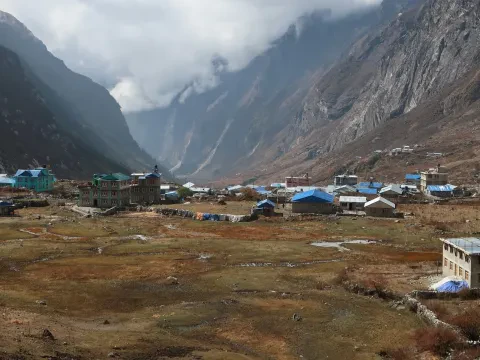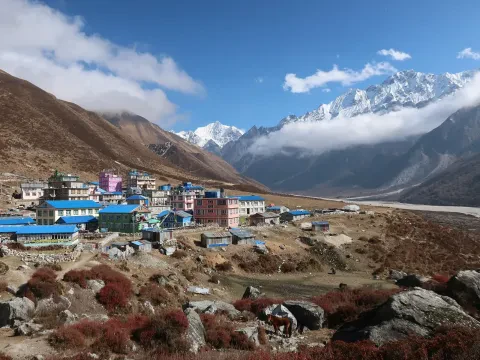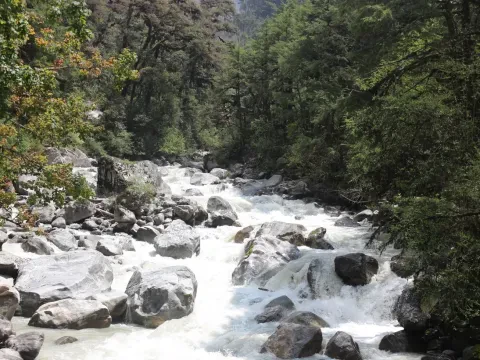
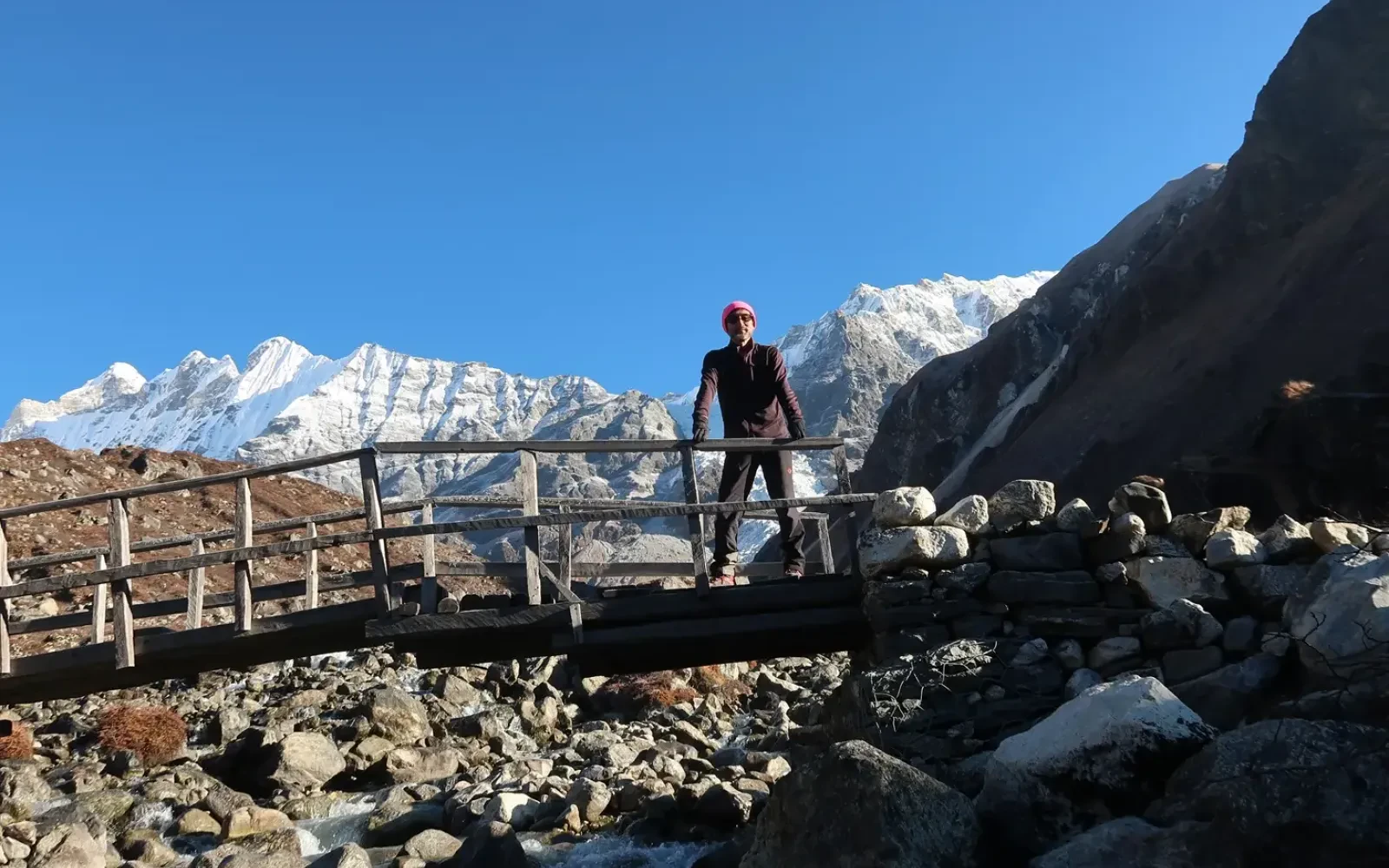
Actually, Langtang Valley Trek in September is an amazing shoulder season with the lingering verdancy of monsoon, active waterfalls, and lush trails between Syabrubesi (1,503m) and Kyanjin Gompa (3,870m). However, the dynamic, transitional microclimate between humid, warm lowland gorges and cold, clear alpine regions requires a strategically hybrid wardrobe.
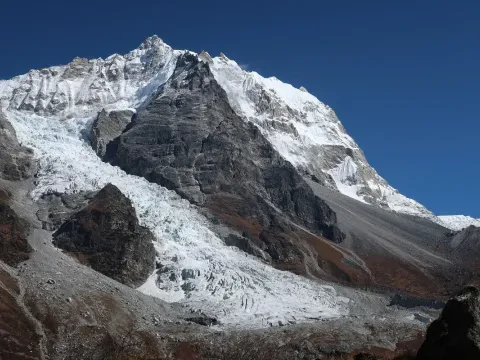
Expect dramatic, post-monsoon visibility of peaks like Langtang Lirung from dizzying heights while grappling with damp, muggy air down low – a truly fascinating paradox! September offers reduced crowds, more budget-friendly accommodation options, and jaw-dropping scenery, making it ideal for those seeking a less-trod path. But the key? Intelligent gear choices that allow you to adapt swiftly to drastically changing conditions.
Why Packing is so Unique in September :
Your Target Pack Weight Goal :
A light approach is key: Aim for 7-10kg max (including water). This will make the numerous stone steps and valley miles significantly more manageable!
| Elevation & Trail Segment | Typical September Weather | Primary Packing Strategy. |
|---|---|---|
| Low Gorges (1,500-2,500m) | Warm (15-25°C), Humid, Potentially Muddy | Moisture-wicking base layers, lightweight rain shell, quick-dry shorts/pants. |
| Mid-Valley (2,500-3,500m) | Cooler (10-18°C), Brightening Skies | Fleece or mid-layer jacket, insulating vest, comfortable hiking pants. |
| High Alpine (3,500-4,500m+) | Cold (0-10°C), Crisp, Windy, Clear Nights | Heavy down or synthetic fill jacket, warm hat and gloves, thermal base layers. |
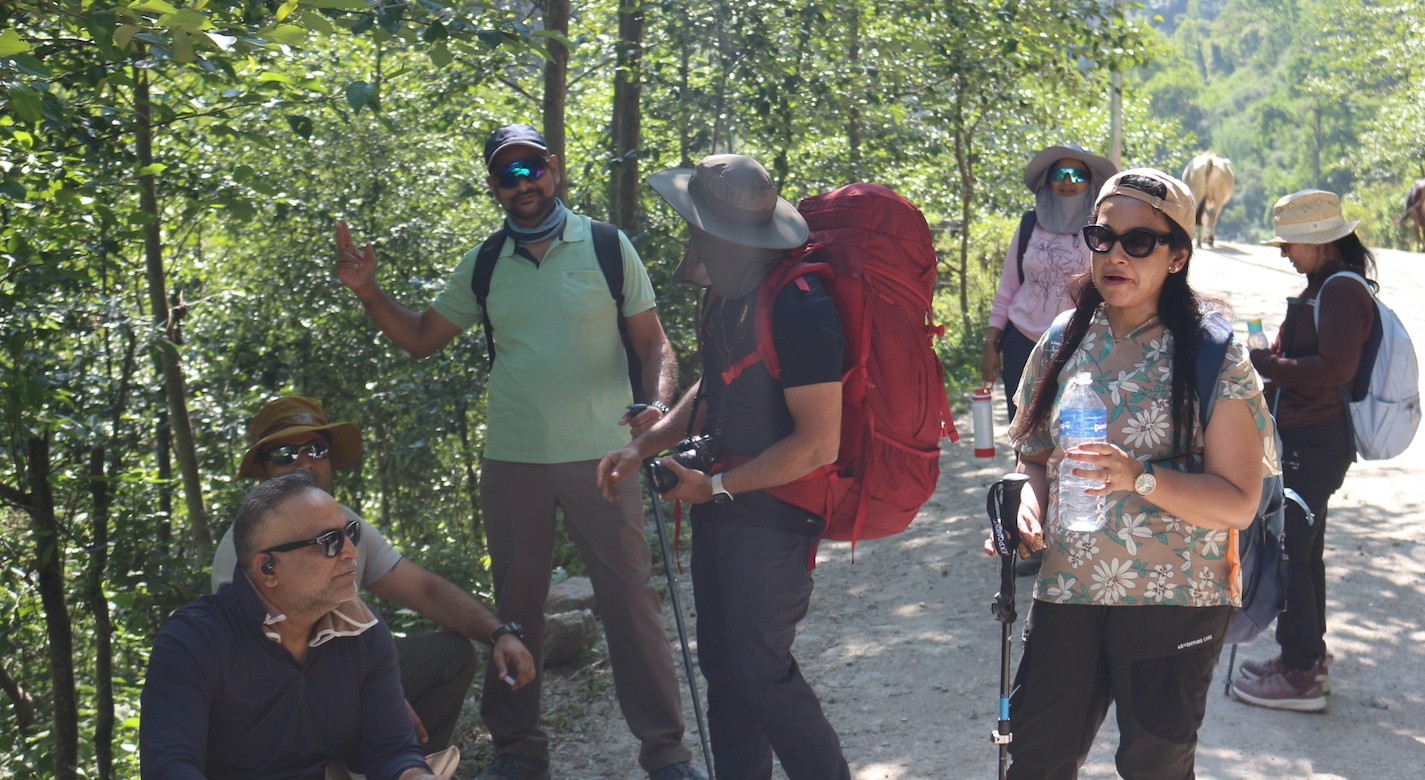
Actually, the initial phase of the Langtang Valley trek, traversing the humid, deep river gorges between Syabrubesi (1,503m) and Lama Hotel (2,480m), presents a significant challenge for your comfort and physiological regulation in September. The thick, damp air clings and can quickly lead to unpleasant, chilling conditions if your clothing doesn't manage sweat effectively. Here, your base layer is not just clothing; it’s a performance piece designed to regulate your internal climate and keep you dry as you ascend.
Why You CANNOT Skimp on Base Layer Fabric in the Low Gorges,
Your Recommended September Base Layer Arsenal
2-3 high-quality, moisture-wicking t-shirts: Opt for either synthetic polyester or merino wool. Look for models with good ventilation features and odor resistance, especially for multi-day trips between washes.
1 long-sleeve wicking shirt: This provides sun protection for longer stretches in the gorges and a comfortable, slightly more insulated option for evenings.
NO cotton: Seriously, just don't. It's the antithesis of what you need here.
| Material | Sweatwicking Capability | Drying Time | Odor Management | September Best Use Case |
|---|---|---|
| Cotton | Extremely Poor | Extremely Poor | Extremely Slow| Poor | None. |
| Polyester | Excellent | Very Fast | Moderate | Excellent value and performance |
| Merino Wool | Excellent | Fast | Excellent | Premium comfort and thermoregulation |
On the Trail: Practicalities for the humid gorges:
Change to Dry: If you feel particularly clammy or if you stop for lunch, changing into a dry t-shirt can be a game-changer at Lama Hotel (2,480m).
Lighten the Load: Every gram matters. A lighter pack will ease your ascent through these physically demanding sections.
Hydrate!: Humidity, paradoxically, can exacerbate dehydration as your body expends more effort cooling itself. Drink up!
Importantly, remember that carrying a reusable water bottle and purification tablets is a must in Langtang National Park, as single-use plastics are discouraged. By prioritizing a solid base layer strategy, you’ll conquer the steamy gorges of Langtang in September with greater ease, dryness, and enjoyment.
Langtang Valley Trek in the first week of September? Expect a post-monsoon drenching on the densely forested paths between Syabrubesi and Lama Hotel! That slight-but-steep incline can get tricky when fine mists and drizzle conspire with mud! A well-equipped rain protection strategy is your best friend.
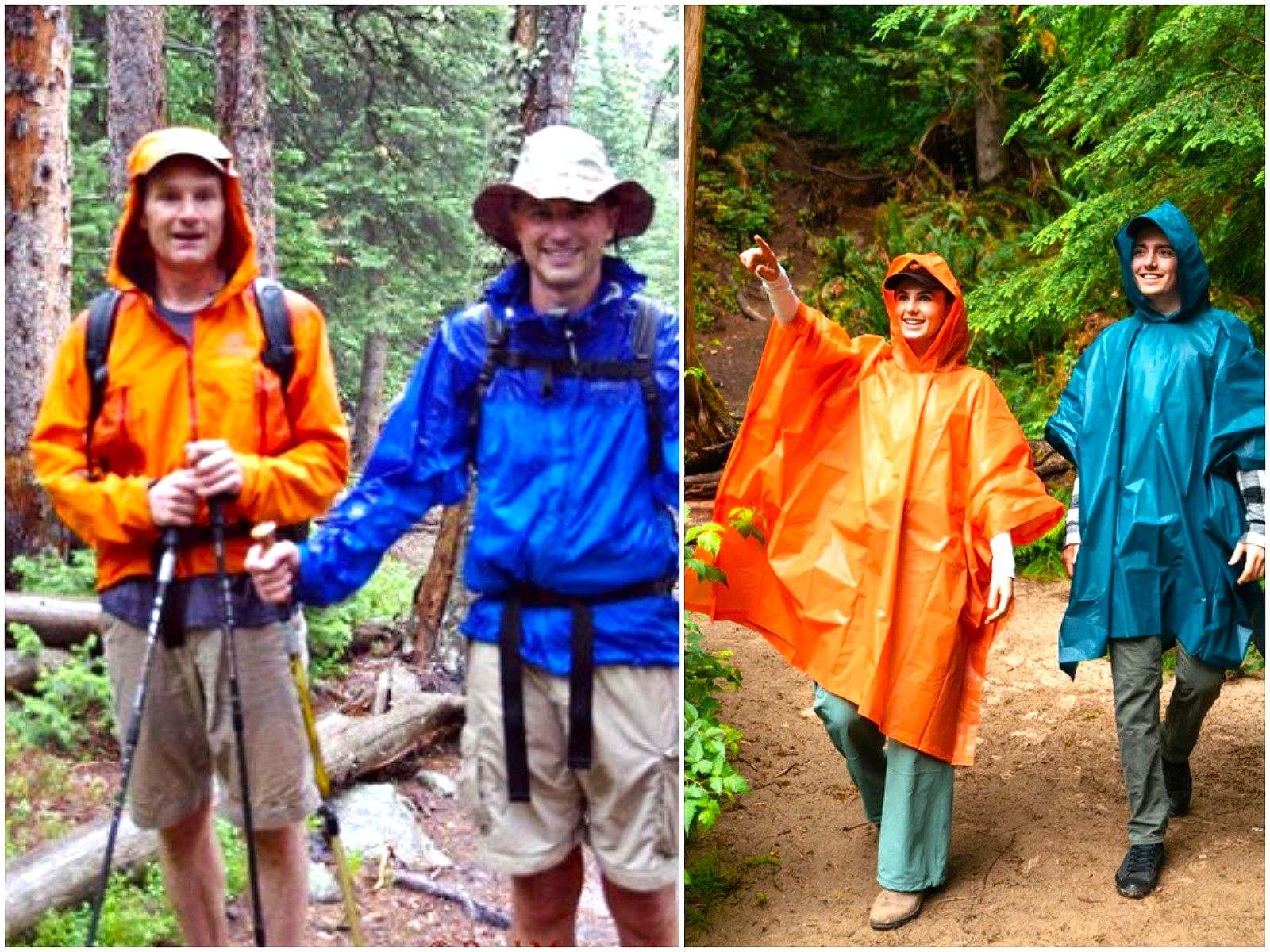
Your Top Rain Kit Combo :
| Gear type | Weight | breathable? | Rain protection score | Langtang-approved for |
|---|---|---|
| light-weight water-proof hard shell | 300-450g | definitely | excelent | full day showers & wind |
| backpack rain cover | 80-120g | not applicable | essential | keeping your stuff bone dry |
| light-weight rain poncho | 150-250g | sort of | very good | unexpected sudden deluge |
Smart Ways to Win the Weather Game :
From The Source :
Here, considering how fast weather changes along this trail-muddy underfoot conditions at Ghodatabela one minute, visibility plunging due to thick clouds the next-hiking with an experienced guide is highly advisable for overall safety and comfort. They can anticipate rest stops and steer you around the slickest sections.
To wrap things up: the dynamic duo of a lightweight, breath-able hard shell and a bomb-proof rain cover for your pack are the keys to navigating September’s often wet forests on the Langtang Valley Trek. It keeps you dry but lets your body breathe as you enjoy the rich, green scenery and weather what comes!
Actually, the early days of the Langtang Valley Trek (days one and two to Lama Hotel) see a whole LOT of stone steps through forest. These get slick as anything in September, covered in moss and damp. Getting your footwear strategy right is paramount for staying upright!
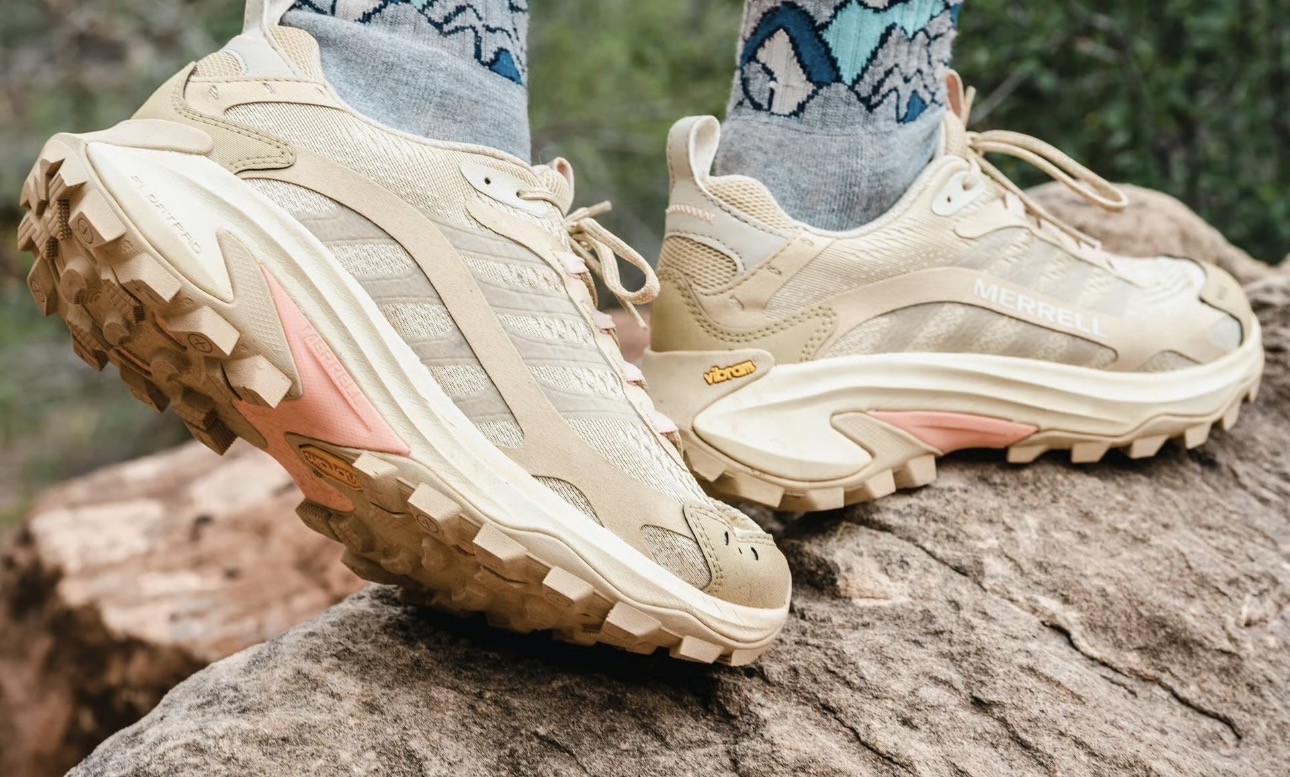
Your Best Bet is…
| item | essential features | plus side for damp conditions |
|---|---|---|
| walking boots | Gore-Tex innards, Vibram soul | keeps your feet bone dry & superb grip. |
| wool socks | moisture-wicking, bit of padding | great at friction-fighting, warming. |
| gaiters | optional; water-resistant ankle coverings | an extra layer to block mud, grit. |
Why this system is non-negotiable :
Smart Step-Taking Tactics ;
So, there you have it. Sturdy, water-proof trekking boots featuring aggressive traction, along with snug, woollen, moisture-wicking socks are your essential armor for the mossy, slippery stone steps of the Langtang Valley Trek in September. They’ll make sure you’re not slip-sliding your way through the beautiful forest landscape!
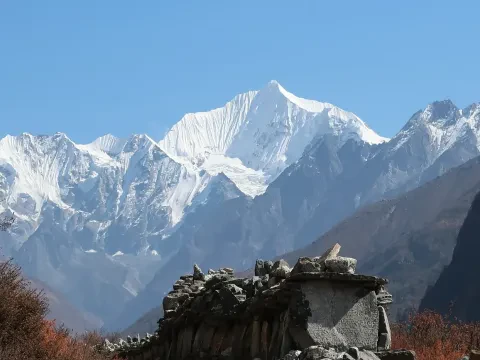
Actually, early September starts with green juicy lush vegetation making a super breeding ground for leeches and insects in the lower portion of the trekking region, Especially near forests and valleys like Bamboo, Changdam (above these points). Leeches tend to stick over those trekking sections in the trail below the 3K meters.
Defense against Leeches, insects…
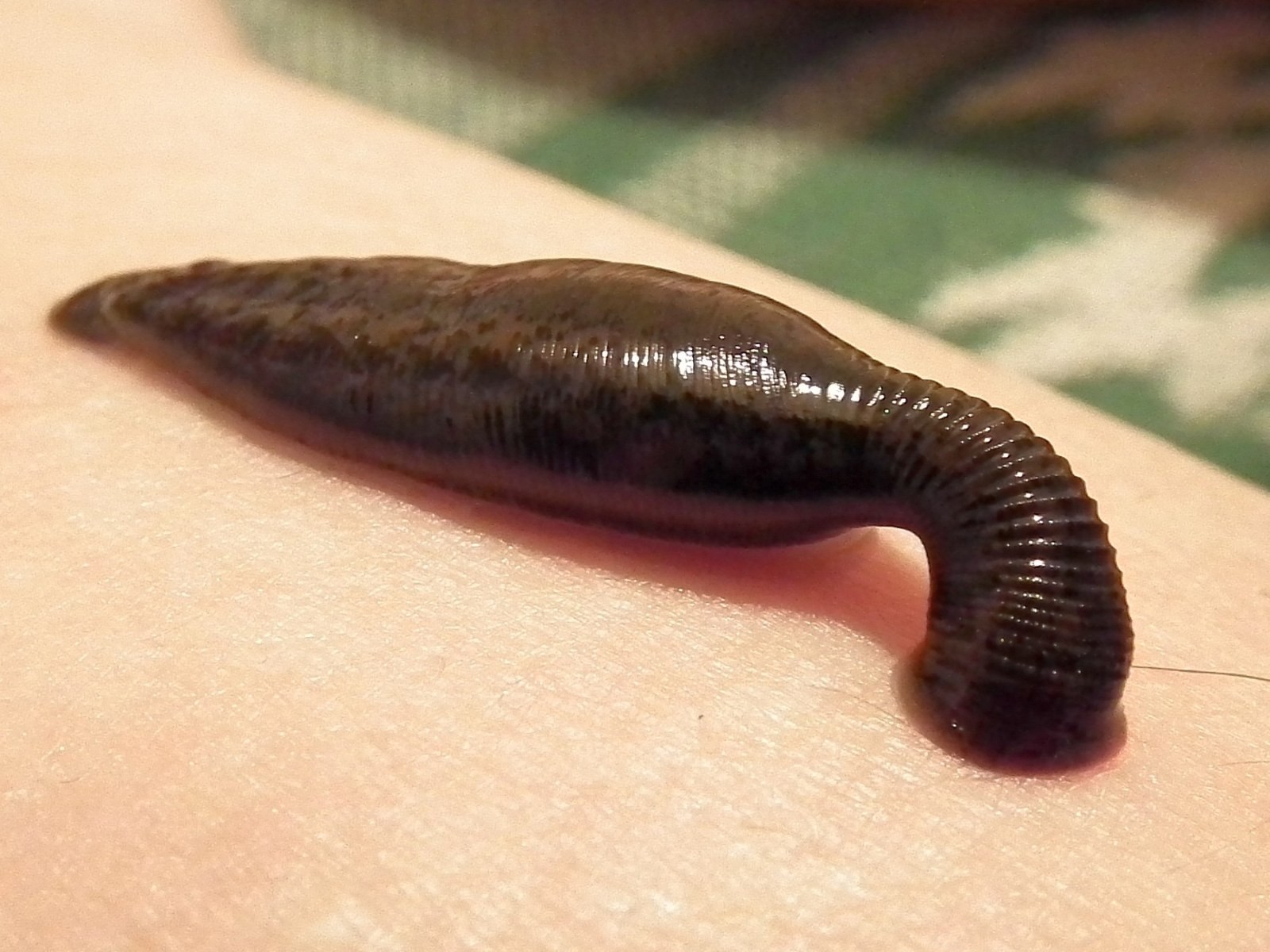
Importantly, we need Leech socks, made from tight weaves pulled up right above our hiking sock’s mouth, tuck in the pants with a small bottle of table salt (works wonders for getting rid of leeches instantly). Put in some insect repellent on your boot’s mouth and ankle before we enter some damp sections near jungles, streams.
Check the body periodically (esp. On your legs) when in and after crossing streams, wading in bushes.
| Item | Why ? | How to Use ? |
|---|---|---|
| Leech Socks | Leech Protection | Above socks, tucked in Pants.!! |
| Table Salt | Instant Leech Removal | Sprinkle on Leach’s body to release!! |
| Insect Repellant | Safety & Comfort | Spread over boots, ankles.!! |
| Gaiters | Added Safety | Extra layer on boots!! |
Real Deal Info:
Best Solution To Deal With It: Hire A local Guide! (I do recommend hiring one in the month of September for the Langtang trek).!!! My guide knew exactly where these troublesome friends were and how to navigate through without too many hiccups while offering fantastic trekking experiences and also offering lots of trekking knowledge!!
Summing Up: Leeches are a definite factor you will have to deal with in the first week of September for this Langtang hike, but this is nothing if you carry and are equipped with a small kit as explained above. This does not take space and does not weight up your daypack!! It ensures you are able to make most of the beautiful, lush Green lower region, and focus on what’s important!!
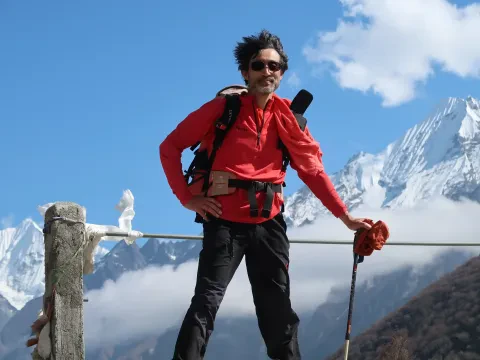
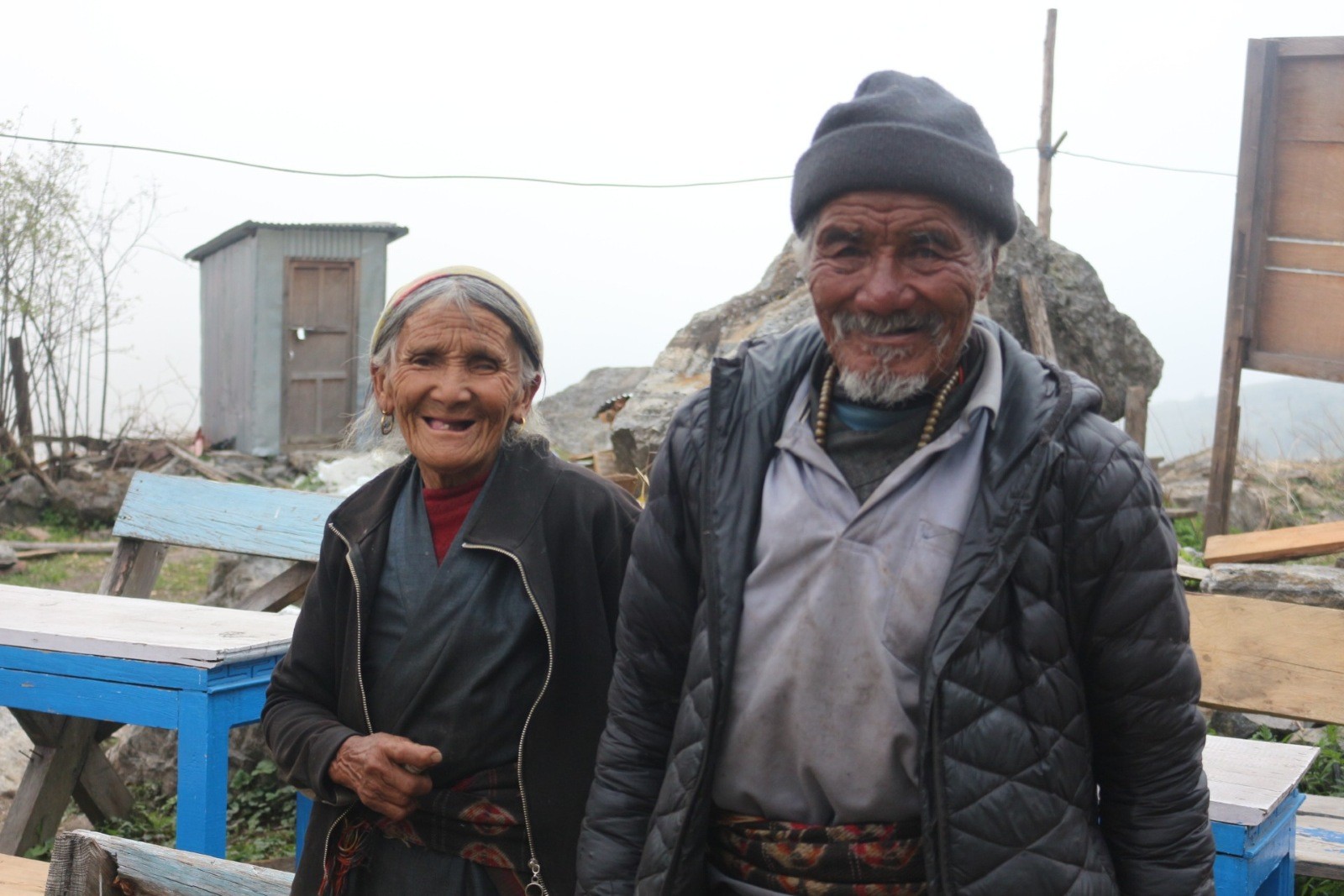
As you will reach 3,430 meters, you have already crossed many a landmarks to get to the remote village of Langtang. Here is where one notices a clear-cut difference from the low lands: the lush forests are now giving way to Alpine pastures and open clearings. Now as compared to the humid low lands, the atmosphere here gets a bit crispier, the day-time temperature takes on a chilling edge and of course the nights go considerably colder.
Thus moving to an altitude above 3,000 m has your clothing system evolve to the next level, introducing mid-layered insulation as an absolute must!
Why This Evolution in Clothing!!?
When at this elevation and higher, even daytime is going to feel significantly cooler especially when its Windy. However at nights, with no sunlight the temperature tends to dip rapidly, and this is precisely where your mid layer insulating garments make them feel necessary.
If your body gets cold, the ability to recover from being tired and dehydrated goes down considerably. So these garments bridge that gap between moving up, staying toasty in evenings and chilling comfortably.
Here is your Go-To mid-layer solution in these regions !!
In fact, a Lightweight to Midweight Fleece is the best choice of mid-layer. A garment made with synthetic fibers like Polyester or a Merino Wool base mid-layer is best suitable to the environment here as they keep your insulated while being breathable and quick to dry. This layer would be put right on top of your base layer when its getting cool outside; be it early morning while setting out on a trek, after lunch breaks or in the evenings.
| Layer | Product | Its Role here !! |
|---|---|---|
| Base Layer | Moisture Wicking Synthetics/Merino Base layer | Wicked Sweat ! |
| Mid Layer | Light Weight Fleece Jacket | Warmth as temperatures plunge !! |
| Outer Shell | Wind-Proof Shell Jacket | Block against any passing breezes !!! |
Some Handy Tricks!
Conclusion: The arrival at Langtang village marks a point in the Langtang Valley hike where you'd feel the altitude and cold distinctly, this is where your mid-layer fleece jacket will become your best buddy, helping you traverse comfortably as the environment transitions from the dense vegetation to the wide expanse of high altitude alpine landscape during your September trek!!
Once you pass Mundu, the Langtang Valley Trek gets seriously real; think vast glacial washouts and boulder-strewn moraine terrain. This stuff is loose underfoot, demanding dependable support to keep your balance and protect those joints, both up and (most importantly) down.
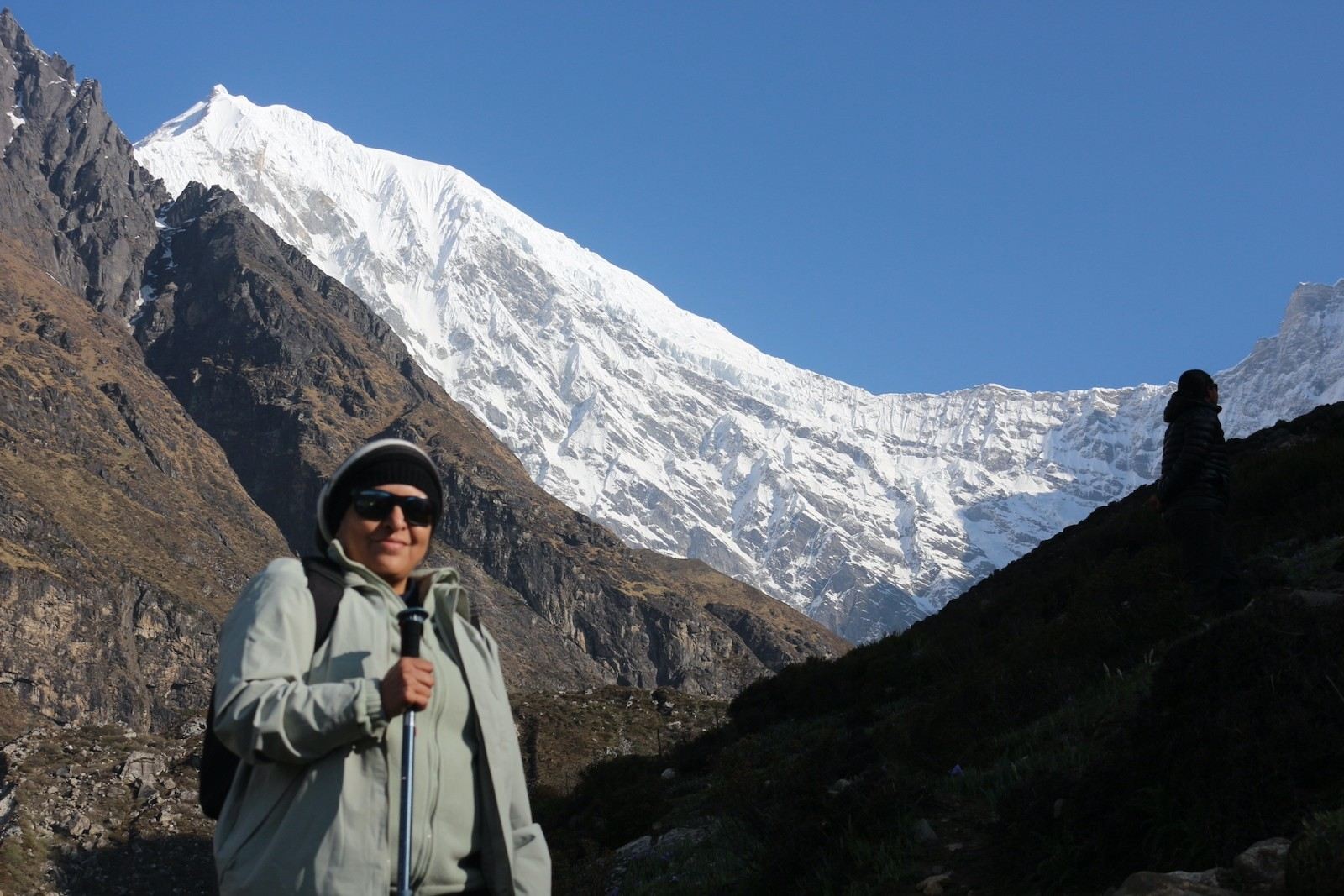
Why Trekking Poles Are Essential Here :
Recommended Pole Specs :
| Feature | Benefit on Glacial Moraines | Importance in September |
|---|---|---|
| Adjustability | Customizable for different ascents and descents | Crucial for the mixed ground conditions |
| Material Strength | Withstands the jarring of frequent rock impact | Minimizes the risk of a broken pole |
| Grip & Straps | Reduces hand fatigue over long sections | Essential when trekking for hours across the moraine |
Practical Usage Tips :
In conclusion, the takeaway here is simple: a pair of heavy-duty, adjustable trekking poles are arguably the single most beneficial piece of kit you can bring on the Langtang Valley Trek in September. They offer a level of security and support across those challenging glacial moraines that make the upper valley much safer and far more enjoyable, all while saving your knees and reducing fatigue.
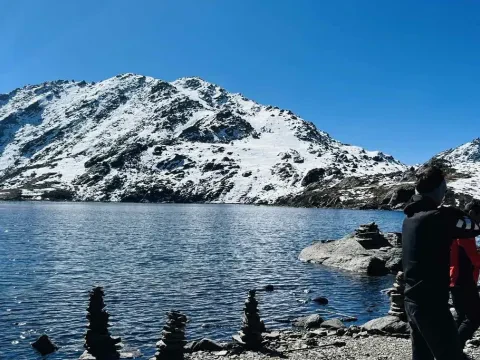
At a formidable 3,870 meters (12,696 feet), Kyanjin Gompa is the high-altitude hub for trekkers in the Langtang Valley. In September, this place means business after the sun dips below the peaks – nighttime temperatures routinely hover around freezing point (0C to 5C). If you don't want to be shivering, a proper down jacket isn't just recommended, it's non-negotiable.
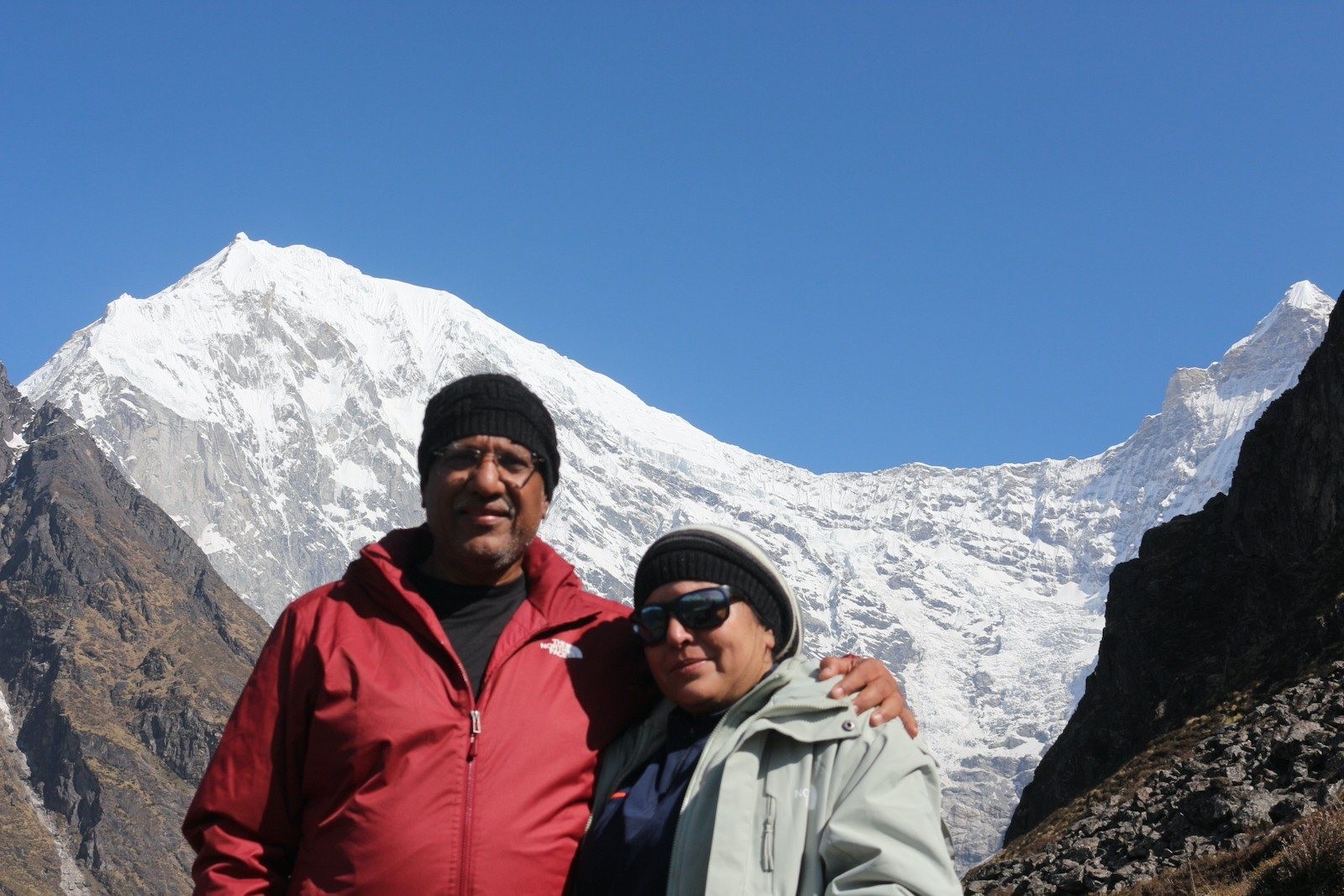
Down Jacket Requirements :
| Specification | Ideal Range | Why It Matters at Kyanjin Gompa |
|---|---|---|
| Fill Power | 700+ | Unbeatable warmth against freezing temps |
| Weight | 300-500g | Won't feel like an extra boulder in your pack |
| Fit | Regular / Relaxed | Allows for layering over your fleeces and base layers |
| Hood & Pockets | Features an adjustable hood for extra head warmth | A vital cozy addition for the biting cold |
Evening Routine at Kyanjin Gompa :
Expert Advice :
Importantly, a good down jacket won't just keep you toasty through the cold September nights at Kyanjin Gompa; it's also a fantastic, reliable layer when tackling a wind-swept ridge walk to Tserko Ri or Kyanjin Ri during the day.
So there you have it: when it comes to Kyanjin Gompa in September, a quality, lightweight down jacket boasting solid fill power is one piece of gear you absolutely cannot skip. It delivers the crucial warmth needed for post-hike recovery and ensures you can appreciate the breathtaking alpine evenings at this unique high-altitude village in complete comfort.
Meanwhile, the blankets are issued in Langtang Valley teahouse lodging; however it won't leave you insulated in Sep when there may be a few of early autumn travelers and the room might not be heated at evening.
In higher locations like Kyanjin Gompa the temperature within the night generally goes to the freezing level. Bringing your personal private sleeping bag for Sept to safeguard you, hygiene and to stop going hungry can pay.
Why would you’re bringing your sleeping bag?
| Merchandise | Advice for September | Rationale |
|---|---|---|
| T-score | -10° to –15° comfort value | Safety, if night can fall to –10°C. For altitudes over 3.8km this is a sensible, useful range. |
| T-score | Lightweight | 800g to 1.2kg could be good for each day’s haul; this can maintain it from feeling enormous all via the daypack. |
| Filler | Any filler, as long as with a liner | A bag could develop damp; the filler of a bag can handlehumidité in a means that’s far better. It can nonetheless require a liner in to ensure hygiene. |
| Sort of bag | Semi-rectangular or a ‘mummy’ fashion bag | Helps you retain most of your physique heat from head to toe; that makes it extra efficient in preserving you insulated and warm all by way of the evening time. |
What to put on to mattress :
Professional Tip
“It might seem slightly like over packing initially, however trust me, once you find yourself cozy and toasty in your personal bag within the frigid evenings in September in the higher elevations of Langtang, you’ll consider it was completely value it. It provides you peace of mind and makes your trek that little bit extra restful and extra pleasurable. I haven't regretted bringing one for a minute.”- Skilled Everest guide, Mr. Bhabanath Adhikari.
To sum it up, while you can get sufficient blankets in Langtang lodging on the Nepalese facet of the border; you ought to really contemplate a private sleeping bag, particularly one graded to-10°C or below for September the higher altitudes, in case you actually wish to stay protected within the cold and maintain your distance from the colds and keep hygienic.
On Kyanjin Ri ( 4,773m ) or Tserko Ri ( 4,984 m) the view of the 5000-meter heights can only take your breath. Although not a very important part of the day by day trekking path, climbing up the 2 viewpoints throughout a trek over Langtang is absolutely the peak highlight – and definitely worth placing your entire gear up on. These viewpoint excursions have actually got a lot higher altitude, they have robust winds within the early mornings and very intensive UV rays are available in play within the day time so there’s really specific high-altitude equipment you will must carry all by your self.
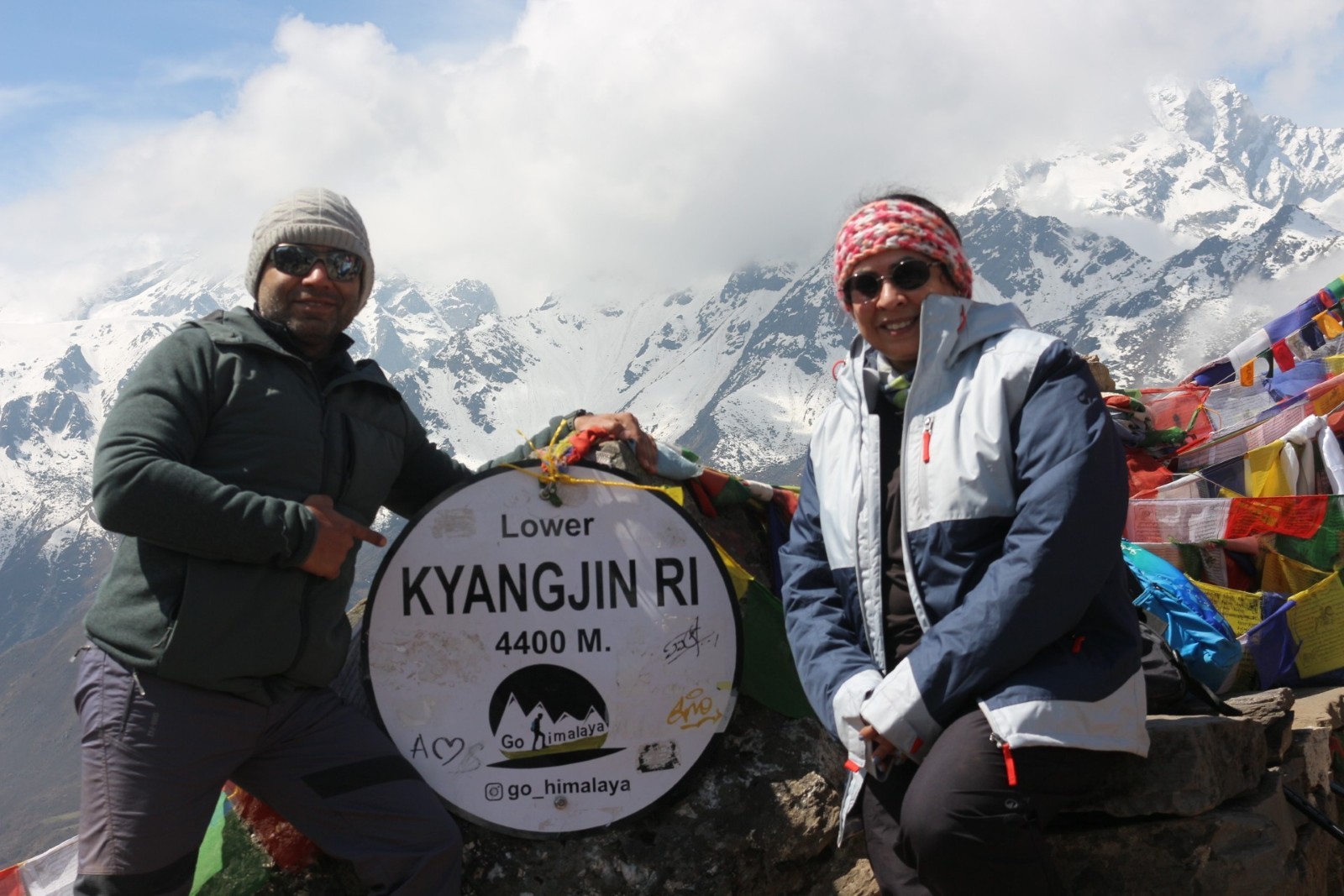
Gear for the Ascent to Kyanjin Ri and/or TserkoRi :
| Item | Specification | Essential Because...? |
|---|---|---|
| Woollen cap | Thicker and windy | Protect you from the wind that will suck your heat. |
| Woollen/down gloves | Water-resilient and windproof | Protecting your hands throughout the cold in the day |
| polarised sunglasses | polarised | Shielding eyes from reflected rays of the sun which bounce off snow and rocks |
| Hiking Poles | robust and Adjustable | In case you would trip the rocks or slipping off |
Day hike guidelines :
Professional Perception :
“The ascent to either viewpoint from Kyanjin Gompa requires planning. The temperatures may feel severe on your exposed skin when the wind is at full blast, and the sunlight will burn much brighter at such a height. Getting ready with warm, protective gear is crucial to truly enjoying what is easily among the finest mountain vista points in the entire Nepal.” – Mountain Information from Langtang Valley Trekking Guides Team.
In conclusion, if you wish to reach the summit of KyanjinRi or TserkoRi, be ready for extreme environments. Take along an important winter cap, warm, windproof gloves and heavy-duty polarized sunglasses for your day pack, which together will maintain you protected, cozy and all set to seize these incredible views at 5,000m.
Actually, electronics Management on the Langtang Valley Trek in September: It can be a problem to manage electronics on this trek during September. Most of the villages in the area have solar electricity, which might be intermittent during cloudy afternoon sky, and the cold alpine night can drain batteries extremely fast.
Essential Electronics Strategy :
| Item | Recommended Specification | Why Important during September |
|---|---|---|
| Power Bank | 20,000 mAh capacity, Fast Charging | The villages have unreliable solar charging facilities. |
| Head lamp | high lumen rating and a Red Light mode | required for pre-dawnstarts and navigating around. |
| Storage of devices | inside the inner jacket pockets or thermal socks at night | to prevent the devices from draining their batteries due to cold. |
| Spare batteries (AAA or AA) | essential for the camera and the head lamp | for backup if power sources at teahouses don’t charge. |
Tech Tips :
Expert Advice
Here, along the Langtang Valley Trek route you will come across several clean locally managed water sources in several locations, but because you may not always know what kind of treatment has been provided you are better to always carry you own treated water with you throughout your trek to avoid getting any sort of intestinal issues.
Since most of the Langtang upper valleys relies on clean water, in accordance with national park regulations you must also pack and carry a reusable water bottle as you’re not allowed to throw any plastic waste there.
During September, the Langtang Valley Trek offers a highly rewarding experience, providing a pleasant shoulder-season window, lush green valleys, fewer crowds, and the bonus of clear skies. In addition, keeping the weight of your pack around 10-12kg would make carrying the backpack for you and your porter a much more convenient.
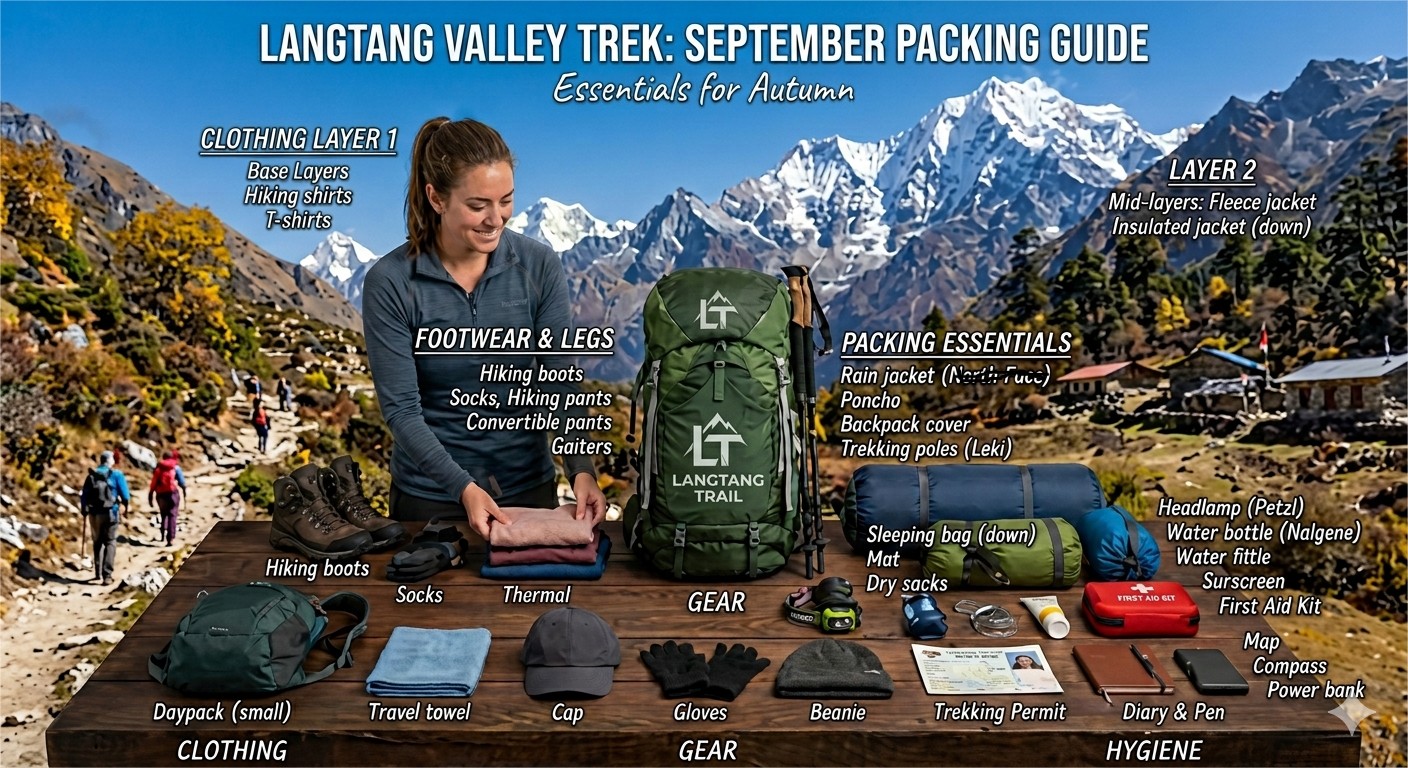
| Category | Target weight | For the month of September |
|---|---|---|
| Base layers | 1-1.5kg | - 3/4 moisture wicking T-shirts (Synthetic or merino) |
| Outer & Mid Layers | 2-3kg | - Fleece jacket, Hardshell jacket, Down coat |
| Trousers & Footwear | 2-2.5kg | - Quick drying trekking pants, Hiking boots (broken in!), Thermal socks(3-4pairs), camp shoes. |
| Rain protection and outdoor gear | 1-1.5 kg | - Backpack rain cover, gaiters, Trekking pole |
| Sleep system and accessories | 1-1.5 kg | - -10 C sleeping bag and liner, camp socks(2pair) |
| Electronics and first aid | 1-1.5 kg | - 20,000mAh power bank, headlamp and extra batteries, First Aid Kit |
| TOTAL PACK WEIGHT | 10-12kg | This amount helps manage porter’s load and the hiker’s comfort. |
| Elevation Zone | Main climate conditions | Your core gear solution |
|---|---|---|
| Low lands (1,500 to 2,500 m) | Warm, humid, maybe rain | - Synthetic/Merino short and long sleeved tops, rain gear, leech socks. |
| Mid - Valley (2,500 to 3,500 m) | cool, clearing skies | - Fleece midlayer, trekking pole. |
| High Alps (3,500 to 4,500m) | cold nights, windy | - Heavy duty down coat, thick beanie, uv polarized sunglasses. |
As Langtang is well-developed teahouse trail, most things like snacks or even simple medicines that you could have forgotten may be bought in the main Langtang village or Kyanjin Gompa, which means you should not stress if you think you have not packed sufficiently for every eventuality.
In summation, Langtang Valley Trekking in September is a great time to travel but the most important step is ensuring you’ve got enough adequate trekking clothing for it, that you know a way how to wear it. Organizing your trek through a reputable guide and company is the most reliable method for smooth preparation and efficient administration and for having a remarkable Langtang trekking experience.
Prepare For Your September Trek: The Ultimate Packing Guide for the Langtang Valley, you can kiss the monsoon goodbye in September and welcome Nepal's crisp, golden autumn days. But early September's potential light showers still mean you need to pack a varied selection of clothes to conquer a Langtang Valley trek this time of year. Contact Haven Holidays Pvt. To book your Langtang Valley Trek in September.
Q1: What Kind of Outerwear is Essential for a Langtang Valley Trek in September?
As September transitions to its more autumn-like weather, the weather can still be fickle. A good windproof jacket is essential. For those first few days in September especially, as there is still chance for rain, a Waterproof jacket with a hood that’s also wind-proof to protect you in the high mountain winds will prove an invaluable addition to your gear, especially once you get past Lama Hotel on your journey towards the mountains.
Q2: Do I Need a Heavy Down Jacket for the Langtang Valley trek in September?
It is absolutely mandatory for you to pack a heavy down jacket or equivalent as the temperature will drop close to or below the freezing point overnight in the higher areas like Kyanjing Gompa where there is an average temperature of -2 ° C in this month of September. Even if daytime temperature is quite high, in contrast, a light but thick winter jacket is indispensable.
Q3: What Type of shirts will be best suited for this Trek in September?
Best recommended for are a blend of these items - three or four pieces of moisture-wicking tops in Synthetic material or merino wool would be ideal. Cotton should be completely avoid because of the reason that it absorbs a lot of moisture from the skin and takes to long time to dry. Quick-dry t-shirts or other shirts would be helpful for the days, and long sleeved ones would definitely help with the intense heat coming from high-altitude UV rays.
Q4: What are the Best Trekking Pants for the variable conditions of September?
It will be more prudent to bring two lightweight, quick-dry trekking pant-like as zip-off convertible pants or trekking pants for trekking during the September month. Having convertible pants as described would be very appropriate because you will not need to adjust yourself according to the rising or falling of temperature that is not that stable in the month of September.
Q5: Should I Pack Thermal Underwear for the Langtang Valley Trek in September?
The answer for this is certainly yes. At least one or two pairs of polypropylene and thermal wears is considered necessary to give your legs protection in cold temperature at night and at early morning time. You can Wear this underwear under your pants in very cold condition to help to stay warm during night time.
Q6: What kind of specific shoes do I need for Langtang valley in September trekking?
Definitely pack strong Waterproof walking shoes with ankle support that grips really well. Since early September may mean soggy trails from trailing monsoon rainfalls you can easily slip and fall in steep and rugged places of the Langtang. A good shoe will avoid much pain and ache as the trek is long and you will find yourself in places which is prone to slips.
Q7: how many pairs of socks should I be wearing for this autumn trek?
Ideally, it is preferable that you bring three to four pairs of thick hiking socks (either polyester or merino) along with a couple of pairs of thin liner socks, just for cushioning and support. Clean socks are a major part of foot comfort and will support you to walk long distances of the Langtang Valley trek easily.
Q8: are gaiters beneficial for the langtang valley trek in September?
Gaiters protect your ankles and shoes from the trail mud, wet forest floors, and loose rocks. Gaiters are especially handy during the early part of September if there has been a spell of rain on the trails, which may result in damp terrain.
Q9: Should I carry an open sandals or camp shoe at the teahouse in September?
Carrying a light pair of slip-ons is a wonderful thought. At the end of each exhausting trek of your day, you would love taking off your thick trekking boots to let your feet breathe freely. You might also want slip-ons to wear around the guesthouse.
Q10: do I need to wear my sleeping bag in Langtang valley trek in September?
You really want a Four-Season sleeping bag, or one rated to a minimum of -10°C or lower. Teahouses often have mattresses, pillows and blankets, however; they do not come with heating facilities as you would expect at home. Thus, a personally warm sleeping bag is mandatory, both for hygiene standards, and more importantly, for temperature regulated comfort on cold alpine nights.
Q11: what Size of backpack should i use for Langtang Valley Trek in September?
This depends greatly if you will hire a porter to carry your luggage or not. If you can hire someone then bring only a small 15-25Liter Day pack and pack light. If you have decided to travel on your own, you'll need to be able to fit everything into 50 to 65 Liter capacity backpack that you may be carrying with you throughout the trip. Remember to put waterproof rain cover over your backpack to safe guard your things in case it suddenly rain.
Q12: Is Trekking Poles Necessary for the difficulty level in the Langtang Valley?
Trekking poles have become a necessity rather than a choice. They’ll reduce the strain on your knees and help with overall balance on steep stone steps, narrow bridges and slippery scree fields of the Langtang Valley trek difficulty.
Q13: What Kind of Head Wear Do I need for the changeable weather condition in September?
A sunhat for high altitude sunny days will do, however for evenings when the temperature can dip dramatically bring a warm woolly beanie. The best multi purpose head wear would be a buff which you can use for warmth on the top of your head or a headband to prevent your face from sun exposure.
Q14: Do I need to Wear Hand wear for trekking at upper langtang regions of the Langtang valley trek?
Yes a pair of simple wind-proof gloves or fleece Gloves will be sufficient for you. Although it’s going to be moderate temperature lower down at lower villages along the trek, the air in higher altitudes above the Langtang valley could really make your hands feel frozen, thus, gloves become extremely useful.
Q15: how will I be able to make my water potable at the Langtang valley Trekking?
For purify your drinking water, you have the option of bringing Water Sterilizer or a Water purifying Tablets that kill impurities or you can buy a SteriPen that uses Ultra Violet light to disinfect your water. A water bottle with a filter or a good quality water bladder is also useful and an environmentally friendly alternative to disposable plastic bottles.
Q16: What sort of Electronics and gadgets do I require on the treks?
You will have to ensure that your mobile device has been fully charged and in the event, you do not have a device with great capacity to save batteries, you’ll probably have to carry portable chargers along. The high altitude temperature also affects your cell phone battery performance so it is advisable to bring a Power Bank.
Q17: Is Rain gear Necessary for early September trek on the Langtang valley?
Bringing waterproof protection gear whether it is a poncho or a rain cover for your backpack is certainly a wise decision since it is possible to have early September rain showers in the Langtang valley. For protection against extreme and unexpected rain I strongly suggest keeping zip lock bag where you store your electronics and personal clothing.
Q18: What are the personal hygiene items needed during my teahouse trek to the Langtang?
Besides bringing your toiletries such as soap, tooth brush, toothpaste, etc. Make sure to carry a travel-sized packet of Hand sanitizer. A few rolls of toilet paper should ideally be tucked into the pocket of your day pack along with Wet Wipes; it'll come to great use when you need to freshen up in between destinations.
Q19: What personal medical supplies are recommended for a trekking in the Langtang Valley?
For minor medical needs, it would be a really good idea to bring your personal First Aid Kit that includes some antiseptic wipes, Bandaids, re- hydration tablets and medications like Aspirin to deal with potential problems of headaches or minor aches; this is extremely helpful in preventing serious health concern while trekking. Because September month is considered humid and wet there might be possible leech infestation so carry a solution of rubbing alcohol or salt.
Q20: Should i bring a Passport and Photographs to the trek in September?
Definitely, carry your original passport along with numerous passport sized copies stored away in waterproof pouches, along with copies of all the important personal information contained in your passport. You need to have Passport And Passport sized photos with the National Park entry check Post And Local police check Post also, it will be asked to have a photocopy of your passport every time it is necessary .
Our travel experts are ready to assist you with any questions.
Send us a message.Have a question before you book? Send your enquiry below and our travel experts will get back with the required information.