
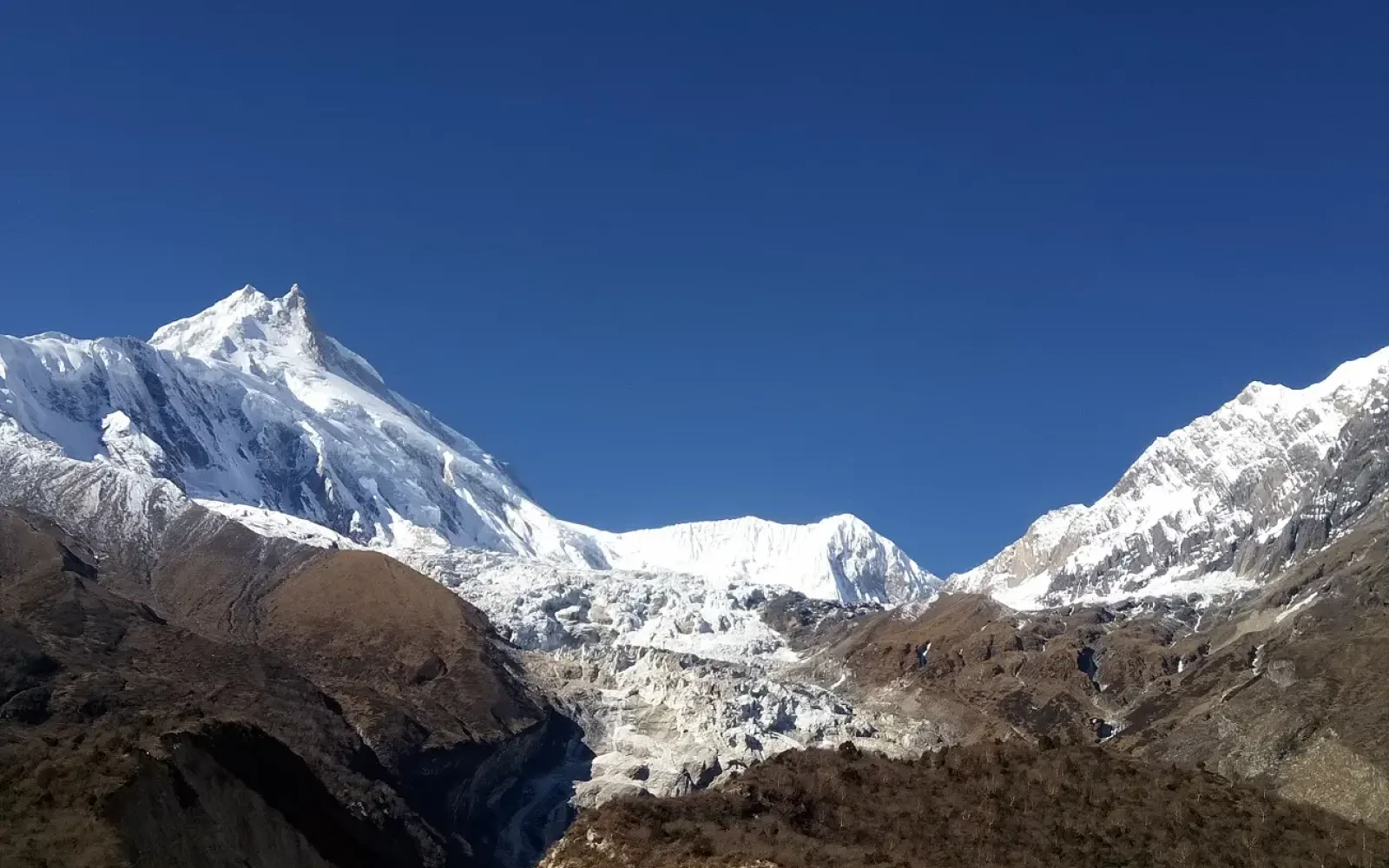
Meanwhile, the Manaslu Circuit Trek is a little-known Himalayan treasure in Nepal. Trekkers navigate remote valleys, cross lofty passes, and encounter genuine culture. This loop encircles the enigmatic Mount Manaslu (8,163 m), the eighth-highest summit on Earth. The Manaslu Circuit Trek route offers varied scenery—from subtropical jungle to alpine pasture. Villages such as Sama Gaon (3,530 m) reveal Tibetan-inspired spiritual life. Observers behold snow-capped summits, icy streams, and fauna in the Manaslu Conservation Area. Compared to routes in Annapurna or Everest, this trek is less frequented. Explorers relish the tranquility, unspoiled surroundings, and authentic warmth of hosts. The Manaslu Circuit showcases Nepal's unexplored wonders and rich traditions. Overall, it presents a memorable expedition through one of Himalaya's most undeveloped areas.
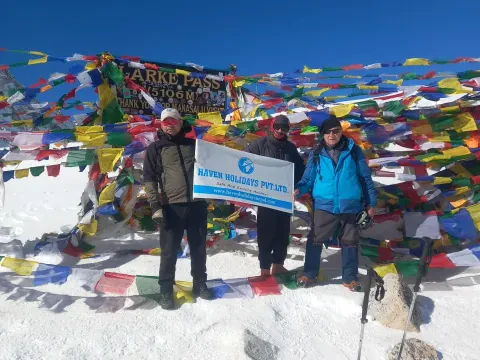
Starting from the Budhi Gandaki Valley, Machhakhola, trekkers ascend through the lush greenery of terraces, pine forests, and local villages. They ascend gradually to the Larke Pass at 5,160 meters which provides magnificent views of distant peaks like Manaslu. After passing through the Himalayan landscape into the Annapurna region, they conclude their trek at Besisahar (760 meters) via Dharapani. Combining cultural nuances with strenuous hill walks, accommodations are simple village teahouses that offer hearty fare. Trekkers can also encounter rare flora and fauna such as the Himalayan blue sheep and snow leopards. The route exhibits incredible shifts in scenery from verdant forests to stark highland passes. It gifts trekkers with scenic Himalayan panoramas and peaceful seclusion.
To conclude, the Manaslu Circuit Trek offers an exhilarating experience—the wilderness of Himalaya interlaced with traditional life.
Key Facts about the Manaslu Circuit Trek:
Manaslu circuit Trek Elevation Profile:
| Day Location | Elevation | Key Highlights |
| 1 Machha Khola | 890 m | Drive from Kathmandu, start trek. |
| 2–3 Jagat | (1,340 m) to Deng (1,860 m) | Gradual rise Subtropical forests, Gurung villages. |
| 4–6 Namrung | (2,630 m) to Sama Gaon (3,530 m) | Entering alpine zone, Tibetan-style monasteries, Manaslu views |
| 7–8 Sama Gaon rest/acclimatization | 3,530 m | Explore Manaslu Base Camp (4,800 m). |
| 9 Samdo(3,860 m) | 3,860 m | Tibetan border views |
| 10 Dharmasala (4,480 m) | 4,480 m | High camp preparation |
| 11 Cross Larke Pass (5,106 m) to Bimtang (3,720 m) | Highest point | Panoramic summit views. |
| 12–14 Bimtang to Besisahar | 760 m | Descent Forest trails, end of trek. |
Origins of Manaslu Trekking: Restrictions before 1991 and its first ascents
Actually, the Manaslu region had been forbidden to foreigners as well as local population for many years prior to 1991. This restriction was put by government owing to its close vicinity to Tibet border. So government wanted to protect the culture of local people and also wanted to keep the security by prohibiting the entry of foreigners to the region unless by permission. This prohibition kept the tradition and natural environment of region preserved for longer period even during the era of mountaineering expeditions. Travelers were provided with permits for expeditions than on any regular basis. There were stiff limitations and restrictions and provided with relatively inadequate infrastructure facilities.
So the Manaslu region yet remained to be the world's arcane corner for several years. The local population in the region yet kept themselves away from modernization in peace and tranquility. In general, those restrictions kept the area not accessible of the world as within the one of the least developed Himalayan zones of Nepal.
Here, the Manaslu expeditions that can be described as a launching pad for the development of the modern trekking trails took place. H.W. Tilman, a renowned British weather beard, touched the region in 1950. In his account about the region, he described it as having significant beauty. The first successful elevation of Manaslu (8,163 meters) was committed by Toshio Imanishi, a Japanese mountaineer, in 1956, who was soon joined by Gyalzen Norbu an also with a Sherpa porter. As a result, he became one of the first foreigners whose successful climb to the summit (8,163meters) was to draw international attention to the peak.
Again, a team of the researchers also made reconnaissance trips in the 1950s. They established the valleys around the massif and investigated feasible climbing routes. Mountaineering in the region continued providing charges with fruitful knowledge of the terrain. These efforts gained so much significance that the Himalayas open to growing number of travelers in succeeding days.
Finally, in 1991, the region's circuit emerged accessible to modern trekkers inaugurating an era of treasure trove trekking in the region.
Historical Timeline of Manaslu Region Access:
Key Early Expeditions to Mt. Manaslu:
| Year | Expedition Leader | Key Achievement | Elevation Reached |
| 1950 | H.W. Tilman | First modern exploration of the valley | Various low passes. |
| 1953 | Japanese team (recon) | Mapping of Manaslu approaches | Up to base camp areas |
| 1956 | Toshio Imanishi &Gyalzen Norbu | First summit of Manaslu (8,163 m) 8,163 m summit |
| 1970s | Various teams | Additional climbs and surveys | Multiple peaks over 7,000 m |
In1991, Nepal officially opened the Manaslu region to foreigners. Nepal lifted decades of restrictions citing border security issues with Tibet. Government officials wanted to encourage controlled tourism while safeguarding culture. They introduced increasingly popular special permits to govern access. Trekkers could now venture into the Budhi Gandaki Valley and circumnavigate Mount Manaslu(8,163m).
Actually, this landmark event was preceded by hundreds of years of isolation from the1950s onward. Visitors experienced intact wilderness and traditional societies. The administration was concerned with long-term sustainable development. Officials implemented regulations and procedures for protecting flora and fauna. In short, this unprecedented alteration released Nepal's secret treasure on the global stage.
Likewise, the change in policy in 1991 converted the isolated Manaslu region into a trekking destination for the first time. The Nepal government ensured the development of tourism was beneficial to the economy and respectful of culture. The new system mandated entry fees and permits for restricted areas. Trekkers followed centuries-old salt-trading routes across the river. New settlements such as Jagat(1,340m)grew accustomed to the presence of the first wave of globally dispersed hikers. Mountaineers had previously summited the summit, but trekking was non-existent. This initiative developed new sources of revenue through local guiding enterprises.
Moreover, protecting the environment was integral to the short-term plans. Further safeguards were put in place to study the effects of visitors. In essence, the prime permit unlocked potential conservation while embracing adventure.
Key Events Leading to 1991 Opening:
Permit Introduction and Initial Regulations:
| Aspect | Details in 1991 | Purpose |
| Restricted Area Permit (RAP) | Required for entry between Jagat (1,340 m) and Dharapani (1,860 m) | Control visitor numbers and ensure security |
| Group Requirement | Minimum two trekkers plus licensed guide | Support local employment and safety |
| Conservation Focus | Linked to MCAP initiatives | Protect environment and culture |
| Initial Visitor Numbers | Around 400 in 1992 | Prevent overcrowding unlike Annapurna |
Impacts of Opening Bullet List:
In the 1990s, trekkers encountered difficult trails in the Manaslu region. Trails crossed high passes like Larkya La and steep descents to remote villages. Side-hills created relentless ascents and descents. Leech-infested jungle and rocky paths challenged. Landslides damaged paths during winter and spring. Heavy rains washed away paths annually. Bridges over high rivers often collapsed. Villages provided little shelter in tiny wooden shacks. Electricity and communications operated little if at all. Facilities were lacking and medical attention minimal. Remote locations caused long waits for helicopter evacuation. Altitude sickness arose while crossing mountain passes. Accessibility required long long-distance bus trips. In brief, all of these hardships tested humanity in the early '90s.
Here, limited services constituted the Manaslu trek in the '90s. Hotels offered thin mattresses and flimsy walls. Big luxury details did not exist. Good hot showers and heating systems stayed absent at altitude. Dining choices remained simple fare with local ingredients. Independent travel did not occur, limiting options. Permits created bureaucratic obstacles. Distant locations meant slower medical response. Weather and snow forced earlier or later trekking weeks. Few visitors trekked in 1992 around 400 trekkers. Overall, these disadvantages helped keep things rugged yet requirements total concentration.
Early Trail Challenges List:
Infrastructure Limitations in 1990s:
| Category | 1990s Reality | Impact on Trekkers |
| Accommodation | Basic teahouses in villages like Namrung (2,630 m) | Limited comfort, cold nights |
| Facilities | No electricity, inconsistent water | Relied on headlamps, basic hygiene |
| Medical Access | Scarce clinics, no helicopters | High risk for altitude issues |
| Transportation | Rough bus rides to Soti Khola (700 m) | Long, uncomfortable starts |
Access and Permit Hurdles for Manaslu Circuit Trek List:
In December 1998, the government established the Manaslu Conservation Area. It aimed to protect fragile ecosystems and culture and to expound the area’s extraordinary diversity. Management was handed to the National Trust for Nature Conservation (NTNC) via the Manaslu Conservation Area Project (MCAP). The creation of the conservation zone came with challenges like illegal farming, poaching, and overharvesting since trekking in 1991. The 1,663 sq km zone occupies northern Gorkha.
Actually, district lining the country's border with Tibet, rising from subtropical plains to Mount Manaslu (8,163m). Promoting community engagement while yielding benefits to inhabitants, the declaration effectively pioneered integrated preservation efforts in parallel with sustainable right development. Kathmandu, with conservation aid from donors, observed the initiative as a milestone.
Before establishment of Manaslu Conservation Area, the implementing body of the MCAP rolled out integral programs. NTNC centered on community-based custodianship as a long-term solution. Stakeholders control resources and benefit from eco-tourism. The environmental zone conserves thus long, bio-diverse flora and fauna, and monasteries and paintings of Tibetan culture inhabit settlements like Sama Gaon(3,530m).
Also, Manaslu Conservation Area has limited environmental degradation resulting from rising tourism. Enforcement measures aim to safeguard the pristine natural environment. Trekking pack fees funded such endeavors. From thus, the declaration created a responsible tourism model, having harmonized the conservation of a protected Himalayan region with its cultures.
Key Facts about Manaslu Conservation Area Establishment:
Biodiversity and Wildlife Protected Bullet List:
Conservation and Cultural Protection:
| Aspect | Details in 1998 Establishment | Benefits to Region |
| Management Model | Community-based under NTNC/MCAP | Empowers locals, shares tourism revenue |
| Permit Revenue Use | Funds trail maintenance, wildlife protection | Supports infrastructure in remote villages |
| Cultural Focus | Preserves Nubri, Tsum, Gurung traditions, monasteries | Maintains authentic Tibetan-Buddhist life |
| Environmental Measures | Limits deforestation, poaching controls | Protects habitats around Manaslu (8,163 m) |
Actually, the Manaslu Circuit became more popular in the 2000s as an alternative trek. When opened for trekking, the region was heavily promoted to offset congestion in Everest and Annapurna routes. The trekkers were craving for wilderness, primitive cultures, and minimal presence of other hikers. The area had comparable Himalayan majesty minus the commercialization.
Despite the heavy regulation of travel in it, the number of visitors incrementally increased once conservation efforts grasped access. The guides stressed the spectacular views of Larke Pass (5,106 m) and traditional villages on route. Travel marketing highlighted loneliness and untouched scenery. To conclude, in the decade, the Manaslu gained notoriety as an off-the-beaten-path favorite.
Here, promotion methods propelled the Manaslu throughout the decade. Travel agencies promoted it as "the new Annapurna" with pure adventure exploits. The state and travel companies warned of less ecological degradation. Trekker's learned about the cultural intrigue at Samdo (3,860 m). Trekkers numbers escalated from several hundred to several thousand every year. The trek was best for seasoned hikers (previous trekking experience) who avoid mass tourism. Lodging facilities lacked but continued improvements emerged along the trail. Positive reports facilitated the word-of-mouth promotion. Therefore, the Manaslu became well recognized as an Eco-preserving, satisfying option in Nepal.
Visitor Growth in the 2000s and Early Trends Bullet List:
Promotion as Alternative Comparison:
| Feature | Manaslu Circuit (2000s Boom) | Everest Base Camp / Annapurna Circuit |
| Crowd Levels | Low (hundreds to low thousands) | High (tens of thousands annually) |
| Promotion Focus | Remote, authentic, less commercialized | Iconic peaks, well-developed facilities |
| Cultural Experience | Tibetan-influenced villages, monasteries | More tourist-oriented, mixed influences |
| Infrastructure in 2000s | Basic teahouses improving gradually | Extensive lodges, roads, helicopters |
| Appeal | Solitude, raw adventure | Accessibility, fame |
Reasons for 2000s Manaslu Circuit Popularity Growth Bullet List:
Infrastructure improved hundreds of percent on the Manaslu Circuit over two decades. In the 1990s and early 2000s, trekking expeditions depended solely on camping. Most of the study sites had no shops and basic accommodation was being developed slowly in last 2010s.
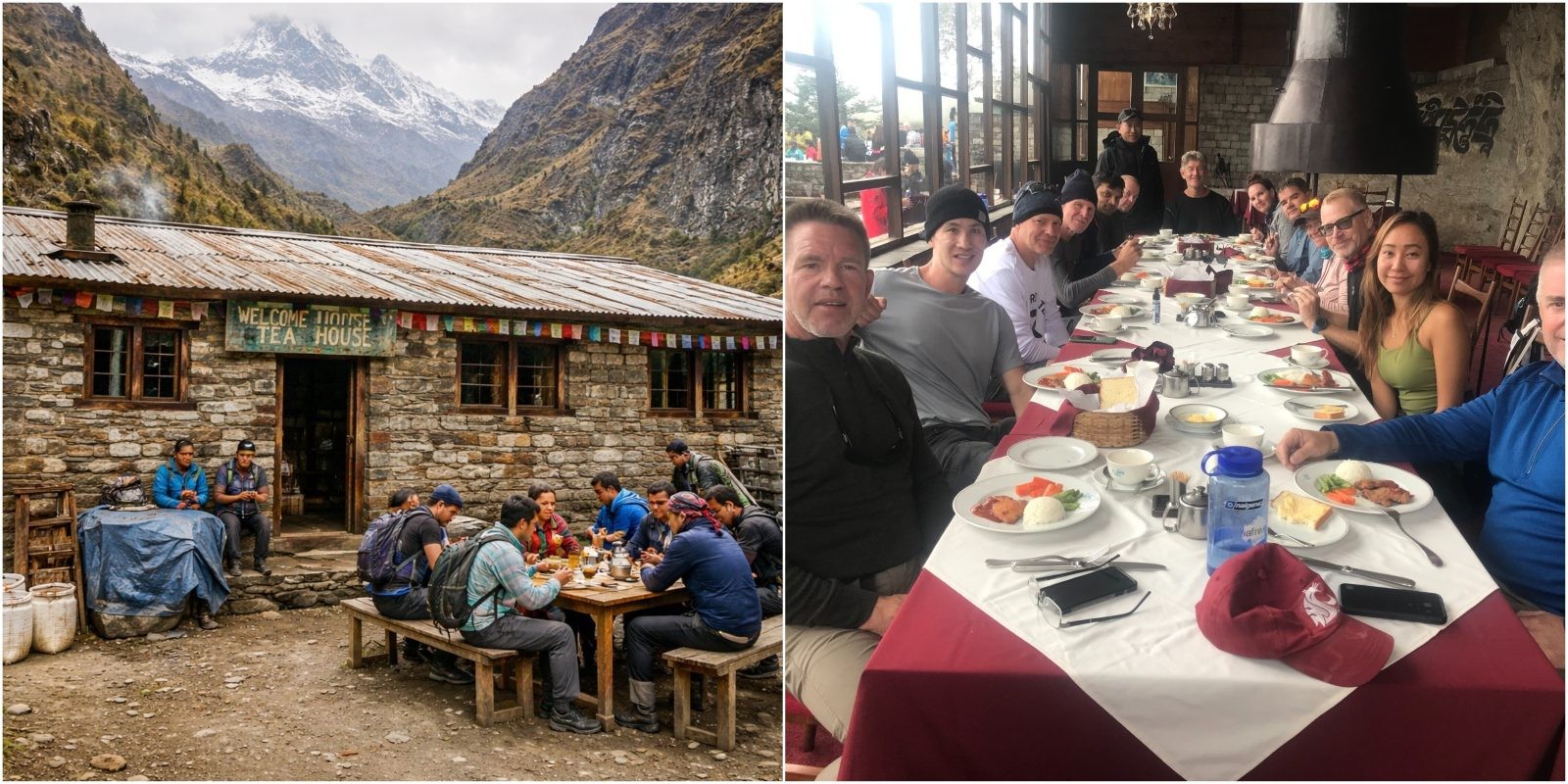
Here, villages such as Namrung (2,630 m) and Sama Gaon (3,530 m) were developed with basic lodges. The administration improved the suspension bridges at numerous locations along the course of the Budhi Gandaki River. Some sections of trails experienced repairs including steps made on landslide-prone slopes to mitigate risks of further landslides. Alterations in the overall infrastructure made the trek safer and convenient for trekking.
Presently, tea houses offer beds and other adult/child beverages. In essence, the transformation of the infrastructure from the camping trek to tea house trek a performance of the remote hill district destinations of Manaslu.
Hence, the improvements took pace during the 2010s and operationalized in the 2020s on Manaslu Circuit Trail. The infrastructures in the neighboring lower hill villages of Deng (1,860 m), and Lho (3,180 m) were further enhanced by the local proprietors. Better bridges replaced unstable stone crossings. Roads were built up to higher altitudes to reduce trekking period at the start of the trek.
Likewise, supporting amenities such as power supply, and sanitation facilities got upgraded in many tea houses. The recent changes concentrate on the sustainability of the electricity and different eco-friendly materials above 3, 000 meters. The trekkers can now expect reliable shelter facilities close to the base of the Mount Manaslu (8,163 m).
Evolution Timeline of Infrastructure List
Key Infrastructure Developments along Manaslu Circuit Trail:
| Period - Accommodation Type | Bridge/Trail Upgrades | Impact on Trekking |
| 1990s–2000s - Camping only | Basic, unstable bridges over rivers | High self-sufficiency required |
| Early 2010s - Basic teahouses emerge | Initial bridge replacements | Lighter packs, more comfort |
| Mid-2010s - Teahouses in most villages | Improved suspension bridges | Reliable shelter up to Dharmasala (4,480 m) |
| 2020–2025 - Upgraded rooms, solar power | Enhanced trail sections, landslide defenses | Safer, more hygienic experience |
Current Infrastructure Highlights List:
Indeed, the region around the Manaslu Circuit has today stayed a restricted area off the beaten track. Close to the Tibet border, the region has one of the highest conservation and cultural sensitivities. The trekkers have to obtain special permits via agencies. Solo trekking is not yet allowed. Guides are provided to all groups. This ensures the safety of the guides from treacherous conditions and the protection of the fragile ecosystems and local customs. These two factors also ensure that the authentic culture of the small villages like the Samdo (3,860 m) does not get transformed by horde of mass tourism. The remote location near Mount Manaslu (8,163 m) ensures a solitude experience. In conclusion, encumbrances such as these would guarantee that the circuit remains a real journey into nature as experienced in other untouched regions of Himalaya. Actually, the strict regulations on guided trek and permits remaining in effect in the year 2026. Authorities have suspended areas below two travelers per group. All groups guided for the safety of the groups and respect of the cultures. The permits combine restricted area fees with additional conservation costs. Officials ensure the documentation. Regions entice explorers to wilderness. Transports facilitate comfort without overdevelopment. Travelers choose pristine routes to the Larke Pass (5,160 m). To conclude, the region has been relatively far away from human encroachments and remains a genuine adventure into Himalaya.
Current Permit Requirements (2026):
| Permit Type | Cost (Peak: Sep–Nov) | Cost (Off-Season: Dec–Aug) - Notes |
| Restricted Area Permit (RAP) | USD 100 first 7 days + USD 15/day - USD 75 first 7 days + USD 10/day | Mandatory; through agency only |
| Manaslu Conservation Area Permit (MCAP) | NPR 3,000 (USD 25–25) | Same - Funds conservation efforts |
| Annapurna Conservation Area Permit (ACAP) | NPR 3,000 (USD 25–25) | Same - For descent into Annapurna region |
Guided Trek and Restriction Rules Bullet List:
Current Status Key Facts List:
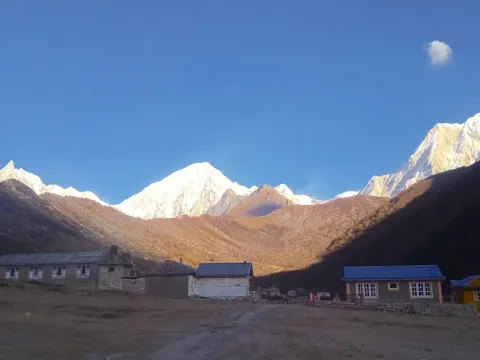
In the present, the Manaslu Circuit Trekking is a feast to the eyes due to its various topographies. The trekkers have the chance of getting amazed with the lush subtropical forests, terraced fields & alpine meadows. The crossing of turbulent rivers & the empty moraines near Mount Manaslu (8,163 m) are other magnificent experiences. The warm hospitality and the traditional customs and life of the Gurung settlements present the special features of the trek. The other settlements under the Tibetan influence, with the prayer flags and ancient monasteries, have a distinct appeal.
Actually, the trek is summated at the Larke Pass (5,106 m), the highest point in the trek from which a number of huge peaks can be seen in the panoramic view. To sum up the highlights of the trek, they are the natural beauty, cultural richness and high altitude exhilaration in one shot.
Today, the natural features of Manaslu region have drawn the experienced trekkers into this isolated trail. The beauty of the features is more impressively shifting from the lush plains to the gliding high passes on the trek. Low-lying Gurung settlements share the customs, legends and arts and crafts of their communities in the lower valleys. The Tibetan border communities like Samdo (3,860 m) still maintain their past decade's dynasties. The views of the heavenly peaks from the Larke Pass at the elevation of 5,106 meters are awe inspiring. The animals observed along the route love to excite the trekkers with their presence. The trekkers never miss authentic experiences and thus they can have glorious memories of nature, ethnicity and treks.
Present-Day Key Attractions List
Major Attractions and Elevations:
| Attraction | Location/Elevation | Description |
| Subtropical start | Machha Khola (890 m) | Lush forests, waterfalls, river gorges |
| Gurung villages | Jagat (1,340 m) to Deng (1,860 m) | Terraced fields, local hospitality |
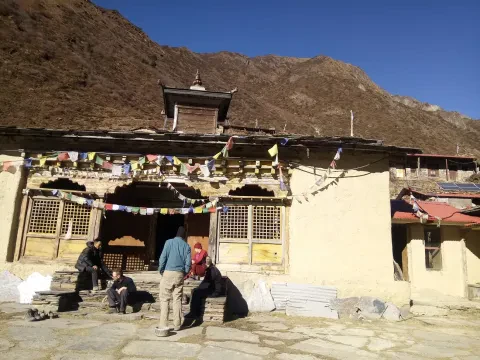
| Tibetan-style settlements | Sama Gaon (3,530 m), Samdo (3,860 m) | Monasteries, Buddhist culture, border views |
| Larke Pass | 5,106 m | Snowy/icy crossing, panoramic Himalayan views |
| Descent landscapes | Bimthang (3,720 m) onward | Alpine meadows to rhododendron forests. |
Cultural and Natural Highlights List on Manaslu Circuit Trek:
Actually, development projects redefine the Manaslu Circuit Trek nowadays. Road departments push the roads near starting points for the trek into the mountains. This causes a change of trek starting points: trekkers previous used to start at Soti Khola (700 m), now they start at Machha Khola (890 m). The upgrading of the road network allows for easier access: The first day of a trek was until recently a matter of 8 hour long jeep rides and now it can be reduced to 3 hours.
But it also exposes this part of a trek to dust and occasional vehicles. This makes ridges near low altitude easier to reach but the old feeling of emptiness is diminished. The partially trans-Himalayan climate also influences the trail. To sum up, changing infrastructure and climate result in a new trekking experience.
In fact, the effects of rising temperatures are evident on the trail nowadays as well. Since the climbing seasons are getting warmer, glaciers in the Himalaya melt faster than they did a decade ago. The glaciers around Larke Pass (5,106 m) already display precarious looking moraines. Landslide danger increases with rising altitudes on the shoulder seasons. Snow lines all over rise higher up the high passes than they did before.
Also, the general weather pattern becomes less predictable. The modernization of infrastructure allows for better access but also for increased elevation of a modern trek. Small communities adapt with new teahouses on trek routes. Modernization warrants access while bring modern concerns to the forefront.
Road Development Changes on Manaslu Circuit Trail:
Climate Impacts from Rising Temperatures:
| Change | Description | Impact on Trek |
| Glacier retreat | Faster melt near Manaslu (8,163 m) | Unstable paths, new moraine risks |
| Shifting snow lines | Higher permanent snow on Larkya La (5,106 m) | Less snow in pass, more ice/slippery descent |
| Increased landslides | Warmer, erratic rains in mid-elevations | Trail blockages, especially post-monsoon |
| Unpredictable weather | Rapid temperature swings above 3,000 m | Altitude sickness risk, sudden storms |
| Warmer lower sections | Higher daytime temps in subtropical areas | Hotter starts, more hydration needed |
Modern Changes Summary List:
Actually, advanced technological innovations promise a drastically easier trek along the Manaslu Circuit Trail. Entrepreneurs design GPS devices and digital maps that aid trekkers tracking across the trail leading to Larke Pass (5,106 m). Applications provide accurate current location while walking on isolated walking trails in the elevations.
Moreover, internet applications enable trekkers to monitor and observe digital indicators on the trail from GPS-enabled mobile devices ensuring more safe and convenient resources. Online permit applications for restricted areas lessen administrative constraints. Authorities link with digital platforms to issue or approve documents quickly. These facilities reduce paperwork as well as ensure more safe proximity towards Mount Manaslu (8,163 m). Enhanced internet connection (Wi-Fi) supports coordinating emergencies.
In the long run, technological innovations magnifies accessibility along the remote Manaslu circuit path while helping keep the wilderness adventure intact.
Furthermore, digital innovations greatly facilitate access in the years to come. Web-based systems provide online pre-booking of Restricted Area Permits (RAP) and conservation fee transactions. Trekkers access downloaded maps for remote areas lacking internet connection. GPS trackers screen contouring and teahouse position across the route. Satellite-based communication enables aiding emergency response sections above 4,000 m.
Thus new technologies promote road development while helping safeguard trekking between more visitors continuously. Responsible agencies adopt suitable technologies to address tourism needs. Overall, technological advances enable better and flexible planning towards the Manaslu region while respecting its fragile global environment.
Projected Technological Enhancements List:
Future Tech Impact:
| Technology | Current Status (2026) | Future Projection (2027+) | Benefits |
| GPS & Digital Maps | Basic apps available | Advanced offline, 3D maps with live updates | Safer navigation, reduced getting lost. |
| Online Permit Systems | Partial online for some; agency-based | Full digital application and payment | Faster processing, less bureaucracy. |
| Connectivity Tools | Limited in remote zones | Better satellite/Wi-Fi in key villages | Enhanced safety, real-time communication. |
| Emergency Tech | Helicopter reliance | Drone/APP-based alerts | Quicker rescues above 4,000 m. |
Accessibility Improvements Bullet List:
Meanwhile, future sustainability issues are evident for the Manaslu Circuit. Increases in backpackers put pressure on existing waste management systems, which are inadequately equipped for such large amounts of waste in the remoter areas. Plastics are also beginning to be seen polluting the waters below Machha Khola (890 m). Water sources are being tainted by high use at short-term camps, i.e. Dharmasala (4,480 m).
Likewise, increasing visitation threatens to cause trail erosion and cause disturbance to wildlife. Conservation management issues must be strengthened. Local inhabitants need financial and practical support to practice environmentally sustainable lifestyles. In brief, sustainability issues threaten the future of the Manaslu Circuit as a whole.
In the future, issues on responsible resource management on Manaslu Circuit Trail will be raised. Waste will begin to accumulate at altitudes above 3,000 m, due to lack of adequate waste disposal and removal processes. Visitors will need to reduce their use of disposable plastic products when hiking near Mount Manaslu (8,163 m). Water will need to be conserved in the higher altitudes, by undertaking purification processes without boiling. There will be increased pressure upon the tourism industry to expand, resulting in overcrowded teahouses in the village of Sama Gaon (3,530 m).
Likewise, this is already to some extent advised for by local authorities, who intend to attract travelers with tighter regulations and community sessions. Visitation issues will test the carrying capacity of the settlement. Overall, in order to optimize the preservation and long-term sustainability of the region, preventative actions must be taken.
Key Sustainability Challenges on Manaslu Circuit Trail List:
Sustainability Measures and Challenges:
.
| Challenge | Current Impact (2026) | Future Risks (2027+) | Proposed Solutions |
| Waste Disposal | Limited bins; carry-out required | Rising plastic pollution in high zones | Mandatory waste bags, recycling points. |
| Water Conservation | Reliance on rivers/streams | Scarcity from climate change | Refill stations, purification promotion. |
| Tourism Balancing | Controlled via permits | Gradual increase in visitors | Visitor caps, revenue for conservation. |
| Environmental Education | Guide-led awareness | Need for broader campaigns | Workshops in villages like Samdo (3,860 m). |
Ongoing and Future Efforts:
Here, eco-tourism is expected to have a brighter future for the Manaslu Circuit in the coming years. Implementation of stringent rules are being made to keep the environmental effect to minimum. Ecotourism will enable the local people to get more direct income from the treks and at the same time protect the pristine heritage surrounding the Everest Massif (8,163 m). It facilitates the local groups to manage the cost effective homestay facilities and cultural sessions offered by local people to the trekkers in places like Sama Gaon (3,530 m).
In fact, the revenue generated from issuing the permits is being used efficiently to run the conservation projects and programs. Basically, these policies and different rules and policies, allow a sustainable development to take place. In brief, so far as the Manaslu is concerned, Ecotourism offers a win-win situation both to its people as well as to the environment for coming years.
Here, the future potential of the ecotourism can be summarized and discussed below; more stringent rules are being put in place to restrict the group sizes and keep pressure to minimum near the Larke Pass (5106 m); local community groups and co-operatives are managing the teahouses and selling handicraft material; the authorities have strict implementation of pack-in pack-out waste related policies; the trekkers are being introduced to Buddhist- Tibetan traditions and people through guides etc; the heritage is being preserved and integrated in sustainable economic development.
Basically, Nepal does not want to make Manaslu more commercialized than the mainstream routes towards Everest. The overall objective of every policy and rule is to keep the pristine hills, untouched and peaceful for the future generations.
Prospects for Eco-Tourism List:
Eco-Tourism Benefits and Strategies:
| Aspect | Current Approach (2026) | Future Prospects (2027+) | Expected Outcome |
| Rules & Regulations | Guided trekking mandatory | Tighter group limits, eco-certification required | Reduced environmental footprint. |
| Community Income | Guide/porter wages, teahouse profits | Cooperatives, homestay networks | Higher local revenue share. |
| Heritage Preservation | MCAP oversight | Community-led monitoring, cultural workshops | Intact monasteries in Samdo (3,860 m). |
| Waste & Resource Management | Carry-out policy | Zero-waste teahouses, refill stations | Cleaner trails to Bimthang (3,720 m). |
| Visitor Experience | Authentic but basic | Eco-guided cultural immersion | Deeper appreciation of pristine heritage. |
Key Eco-Tourism Indicators on Manaslu Circuit Trail:
Actually, the Manaslu Circuit remains a trek into timelessly pure Himalayan wilderness for tomorrow’s trekkers. They encounter majestic scenic beauty far from overcrowded trails. They conquer Larke Pass (5,106 m) and gaze upon the mighty Mount Manaslu (8,163 m). They experience secluded villages where age-old traditions are intact. Strict but necessary regulation ensures the environment remains so for generations. This trek offers a combination of utter solitude, physical challenge and addictive local flavor. This is a heritage future generations will surely enjoy. Summarized, Manaslu endures as Nepal’s undiscovered treasure of natural and spiritual wilderness.
Moreover, this trek distinguishes itself for appealing to every generation. Wilderness trails through ever-changing terrain from lush valleys to imposing passes. Supportive villages display welcome spirit at Namrung (2,630 m) and Samdo (3,860 m). Conservation measures capture the trek’s fragile integrity. Technological progress enhance safety and enjoyment with least invasion. Eco-friendly development preserves its outstanding nature. In sum, the Manaslu Circuit offers permanence, profound culture, stunning landscapes and spiritual awakening for all trekkers yet to come.
Reasons Manaslu Circuit Trek Remains Timeless:
Timeless Adventure Elements:
| Element | Description | Why Timeless for Future Generations |
| Natural Beauty | Diverse zones from 890 m to 5,106 m | Pristine landscapes endure with protection. |
| Cultural Immersion | Gurung & Tibetan villages, monasteries | Traditions preserved through community involvement. |
| Adventure Challenge | High pass crossing, remote trails | Thrill remains unchanged by time. |
| Solitude & Peace | Low visitor numbers, quiet paths | Escapes mass tourism for generations. |
| Environmental Integrity | Strict permits, eco-practices | Safeguards heritage for future explorers. |
Legacy for Future Generations:
Meanwhile, the Manaslu Circuit Trek prompts reflection on its journey through time. Visitors embrace the past by respecting the early, conservative expeditions. They engage with the present by traveling in guides and with trail developments in proximity to Mount Manaslu (8,163 m). They plan for the future by respecting local communities and ensuring the trek's sustainability.
Likewise, the Manaslu trek links historical isolation to modern accountability. The dazzling panoramic views from the low-lying valleys to Larke Pass (5,106 m) serve to remind visitors of the indomitable strength of the Himalayas, their people and themselves. The various memories of the trek serve to remind visitors of the indestructibility of the Himalayan range, its people and themselves. The various images serve as reminders of the trek's resilience, adaptation and hope.
Finally, the Manaslu Trek inspires future generations of visitors to strike a balance between adventure and conservation.
The concluding reflections reflect on the Manaslu trail's significance today. Past experiences impart lessons of moderation and respecting cultural diversity. During the present day, travelers adapt to the broader access granted to Sama Gaon (3,530 m). When consolidating on these lessons for the trek's future, travelers unite in action to conserve fragile ecology. Trekkers stroll away with lingering memories of authentic villages and unspoiled passes.
Yet, they recognize the importance of requesting stricter rules and empowering local inhabitants. This comprehensive perspective encourages perseverance for sustainability. Overall, the Manaslu trek remains a vibrant testament to reasoned exploration in the high Himalayas of Nepal.
Embracing the Past: Key Historical Lessons:
Navigating the Present: Current Realities:
| Aspect | Present Reality (2026) | Reflection Value |
| Guided & Restricted | Mandatory guide, no solo trekking | Ensures safety, supports local jobs. |
| Infrastructure Growth | Teahouses up to Dharmasala (4,480 m) | Improves comfort while keeping remoteness. |
| Visitor Experience | Fewer crowds than Annapurna or Everest | Offers solitude and genuine interactions. |
| Environmental Awareness | Pack-in/pack-out policies, permit fees | Encourages personal responsibility. |
| Cultural Immersion | Tibetan villages like Samdo (3,860 m) | Deepens respect for living heritage. |
Shaping a Sustainable Future for Manaslu Region:
Holistic Reflections Summary on Manaslu Circuit Trek:
| Time Dimension | Core Reflection | Action for Future Generations |
| Past | Isolation preserved authenticity | Honor history through respectful travel. |
| Present | Balance growth with conservation | Practice mindful trekking today. |
| Future | Collective responsibility ensures longevity | Advocate for sustainable policie. |
1. What is the Manaslu Circuit Trek?
The Manaslu Circuit Trek is a trek that takes you around Mt. Manaslu. It is an adventure that lasts for 14 to 18 days. You will see different things like forests and high mountain passes. You will also see villages where the Gurung and Tibetan people live. The views are just amazing. The Manaslu Circuit Trek goes over the Larke Pass 5,106 meters. This trek is one of the best in Nepal because it is not crowded and you can really experience the history and culture of the place.
2. When was the Manaslu region officially opened for trekking?
The Manaslu region was opened to trekkers in 1991 by the Nepal government. Before that it was not allowed to go because of security and cultural reasons. The trails were very difficult. There were not many places to stay or eat. So, it was an adventure. It was not like the popular treks like Everest or Annapurna.
3. What is the history of the Manaslu Conservation Area?
The Manaslu Conservation Area was made in 1998 to protect the animals and plants that live there. It is also meant to protect the culture of the Tibetan people. The area is big. 1,663 Square kilometers. It helps to keep the snow leopards and blue sheep that live there safe. The people who live in the area also help to protect it. They want to keep the place nice for the people who will come after them.
4. Why is the Manaslu Circuit considered an alternative to Everest and Annapurna?
Some people like to trek in the Manaslu Circuit because it is not as crowded as Everest and Annapurna. The Manaslu Circuit is just as beautiful as the two, but it is quieter and more peaceful. You can see villages and experience the culture of the people who live there. If you want to be alone and see scenery, then the Manaslu Circuit is a good choice.
5. How has infrastructure developed in the Manaslu region?
The Manaslu region has changed a lot over the years. Now you can stay in teahouses with electricity and good toilets. The bridges are safer. The trails are better. You can even drive to the start of the trek now, which makes it easier to get there. Even, with all these changes the Manaslu Circuit Trek is still a wild adventure.
6. What are the current rules for the Manaslu Circuit Trek in 2026?
The Manaslu Circuit Trek is an area, and you need special permits and a guide from a registered trekking agency. As of March 2026, the rule that you had to trek with least one other person is no longer in place. Now solo trekkers can get the Manaslu Restricted Area Permit, they still cannot trek without a guide.
7. Can solo trekkers do the Manaslu Circuit Trek?
Yes, solo trekkers can do the Manaslu Circuit Trek. You have to book with a registered trekking agency and trek with a guide. This makes the trek easier for people to do while keeping everyone safe and protecting the area.
8. What permits are required for the Manaslu Circuit Trek?
You need to get the Manaslu Restricted Area Permit, the Manaslu Conservation Area Permit and the Annapurna Conservation Area Permit. A registered agency will help you get these permits. Solo travelers can get the Restricted Area Permit on their own. They still need a guide for the entire Manaslu Circuit Trek.
9. What are the main attractions of the Manaslu Circuit Trek?
The Manaslu Circuit Trek has a lot of things to see. You will walk through forests and across plateaus. You will see villages with monasteries. The Manaslu Circuit Trek also has a lot of animals. Then there is the Larke Pass, which's very high and has great views of Manaslu and other mountains.
10. How difficult is the Manaslu Circuit Trek?
The Manaslu Circuit Trek is not easy. It is best for people who're fit and have trekked at high elevations before. The highest point is the Larke Pass, which's over 5100 meters high. You have to climb hills and walk for a long time. You also need to be careful not to get sick from the elevation. To do the Manaslu Circuit Trek you need to be well prepared, have a guide and take your time to get used to the high elevation.
11. What is the best time to trek the Manaslu Circuit?
The best time to trek at the Manaslu Circuit is in spring from March to May and in autumn from September to November. During these periods the skies are clear and the weather is stable. It is safe to cross Larke Pass, which is 5106 meters high. In winter there is snow and in summer there are monsoon risks. However, if you prefer crowds you can trek during the off-season but keep in mind that the permit costs will be different.
12. How have road projects affected the Manaslu Circuit Trek?
Recently roads have been built to Machha Khola and nearby villages. This has made it possible to reduce the trekking days. Now you can get to the starting point of the trek by jeep in 3 hours instead of walking for 8 hours. While this makes it easier to access the trek it also means that there is dust and traffic in the lower sections. However, the upper trail remains untouched and scenic.
13. How is climate change impacting the Manaslu region?
The Manaslu region is experiencing temperatures, which is causing the glaciers to melt faster. This is also causing the snow lines to shift and landslide risks to increase. The weather is becoming more unpredictable. These changes affect the conditions of the trail around Larke Pass and the availability of water. It is now more important than ever to follow practices and hire experienced guides to ensure safe trekking.
14. What technological innovations are expected for the Manaslu Circuit in the future?
In the future we can expect to see GPS apps and digital mapping tools. There will also be permit systems and improved satellite and Wi-Fi connectivity for emergencies. These advancements will make the trek safer and more accessible while also helping to preserve the region’s authentic character.
15. What are the main sustainability challenges on the Manaslu Circuit?
The main sustainability challenges, on the Manaslu Circuit include managing waste, plastics conserving water at high camps preventing trail erosion caused by growing tourism and protecting wildlife. To minimize the impact responsible operators, focus on carrying out waste educating the local community and limiting group sizes.
16. Is the Manaslu Circuit Trek suitable for beginners?
The Manaslu Circuit Trek is not the best option for complete beginners because it is located in a remote area it is very high up and the facilities are not always the same. People who are fit and have some experience with hiking can do it if they prepare properly to get used to the high altitude and have a licensed guide to help them.
17. What is the duration and cost of the Manaslu Circuit Trek package?
The Manaslu Circuit Trek usually takes 14 to 18 days, including the time it takes to get to and from Kathmandu. The cost of the Manaslu Circuit Trek is around USD 1,400 to 2,000 or more per person. This includes the cost of permits a licensed guide, a place to stay, food and help from a travel agency. People who are traveling alone can now plan their trip easily because of new rules that started in 2026.
18. How does eco-tourism benefit the Manaslu region?
When people travel to the Manaslu region, they help the community by staying in their homes hiring local guides and buying things from them. The money from permits also helps to protect the environment and the old buildings and temples. There are rules in place to make sure that the Manaslu Circuit Trek remains an authentic experience for people to enjoy.
19. Why choose Haven Holidays Nepal for the Manaslu Circuit Trek?
Haven Holidays Nepal offers trips to the Manaslu Circuit Trek with guides who're experts and follow responsible practices. They know a lot about the history and culture of the region. They make sure that the trips are safe and sustainable. They also respect the way of life and help to protect the environment, which makes the Manaslu Circuit Trek a special experience.
20. Why will the Manaslu Circuit remain a timeless trekking experience?
The Manaslu Circuit still has its off-the-beaten-path spirit. With some changes and more people visiting it remains a great experience. The local community is involved in eco-tourism and new technologies are used to ensure safety. Conservation efforts are also in place. This means that the Manaslu Circuit will continue to offer a connection, to Himalayan culture and nature for a long time.
Our travel experts are ready to assist you with any questions.
Send us a message.
Have a question before you book? Send your enquiry below and our travel experts will get back with the required information.