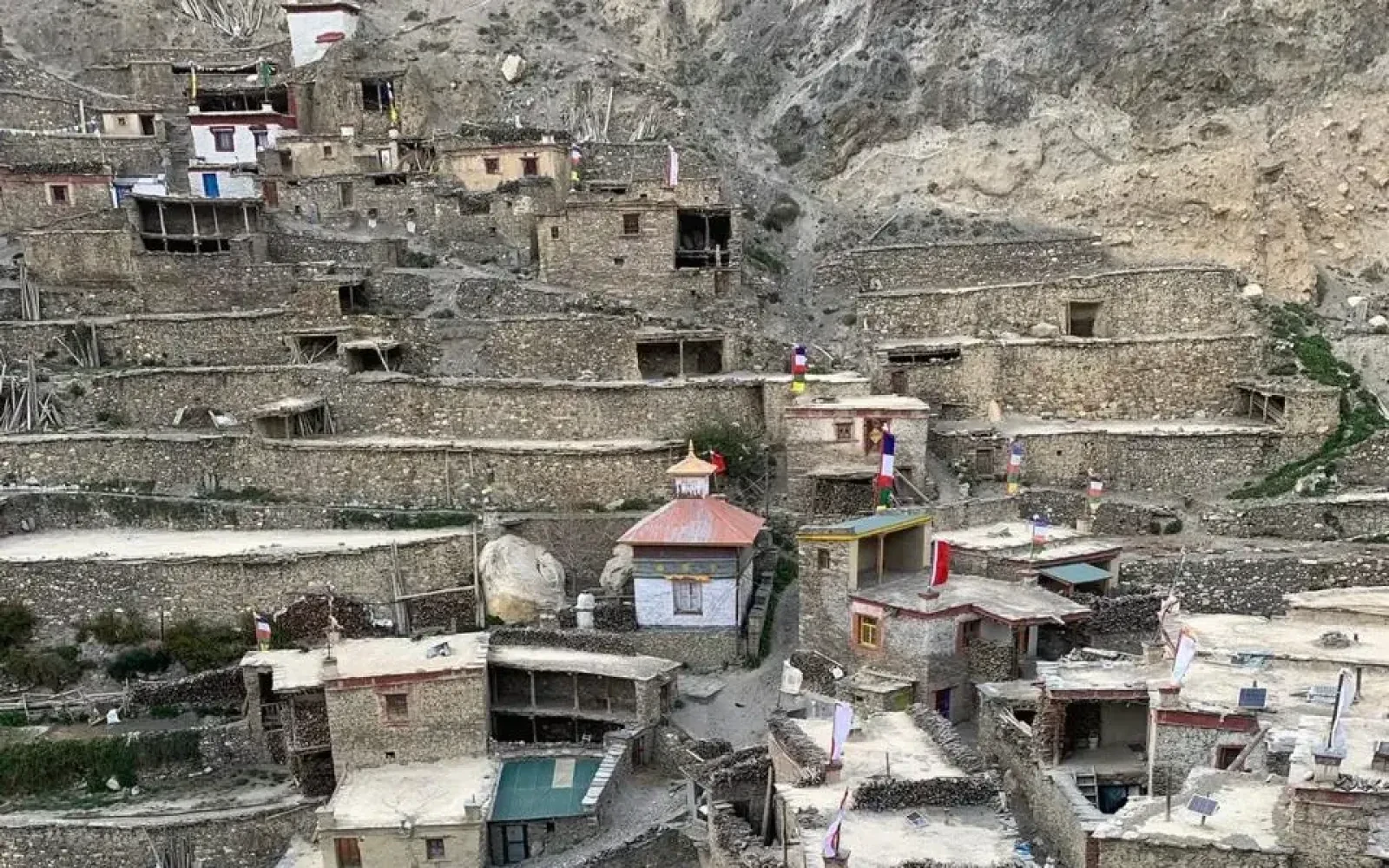
Have you ever dreamed of visiting a forgotten Himalayan valley where time has stood still? Well, Nar Phu Valley offers exactly this and it's one of the most authentic trekking experiences in the Annapurna region. Located just to the north of the Annapurna Circuit, this restricted area trekking region is famous for its dramatic landscapes, authentic Tibetan-Buddhist villages, and deeply ingrained culture. Since only a few thousand trekkers are permitted each year, the valley has preserved its natural beauty and its ancient way of life remarkably.
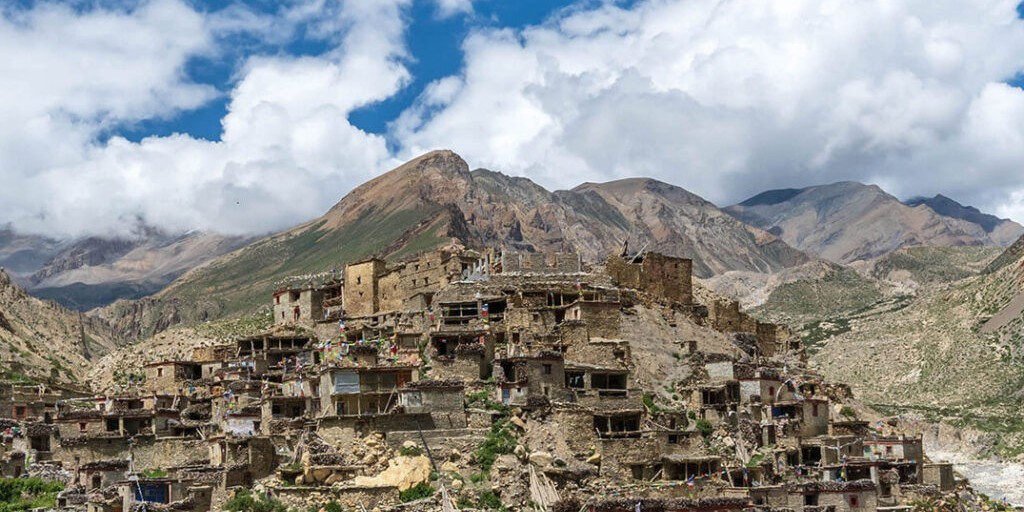
Actually, the two main villages of Nar and Phu cling to cliff sides and are high-altitude settlements that seem suspended above the valley below. As you trek through this incredible place you'll feel as though you've stepped back in time into a living museum of Himalayan life and tradition.
Highlights of the Nar Phu Valley Trek :
In conclusion, all of the above make Nar Phu Valley the perfect trekking destination for adventurers wanting an unspoiled Himalayan experience.
Have you ever thought about how remote valleys of Nepal were first inhabited and what was life like centuries ago? The origins of the Nar Phu Valley and its inhabitants are intimately connected with ancient trans-Himalayan trade and migration. For centuries, the valley played an important role in connecting Nepal and Tibet, serving as a major thoroughfare on the old salt and wool routes between the two regions. Oral histories recount how Tibetan migrants first settled the protected valley after fleeing or emigrating from the Tibetan plateau, and the villages of Nar and Phu gradually grew out of the strategic location.
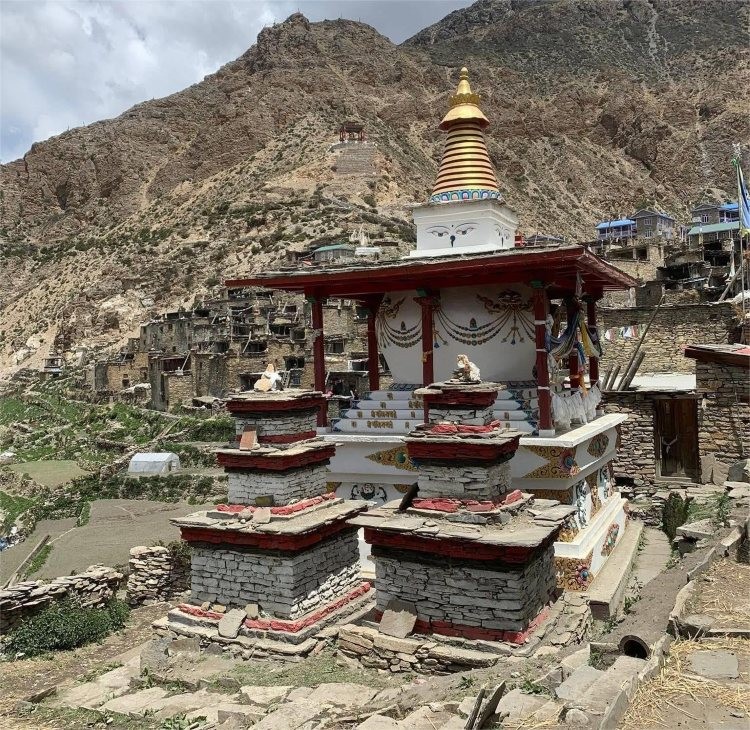
Actually, the Manangi (Nyeshang) people of the Nar Phu Valley maintain close ties to their Tibetan heritage in terms of both culture and religion. The isolation of the valley was a crucial factor in its ability to retain its cultural identity, language, and lifestyle, despite the incredibly harsh, high-altitude environment that the residents call home. Ancient monasteries and cave dwellings are a testament to the history and resilience of this secluded region.
Historical Significance :
| Era | Main Development | Importance |
|---|---|---|
| Ancient Times | Settlement as a trade route outpost | Strategic link between Nepal and Tibet |
| Medieval Period | Construction of monasteries, growth of Buddhism | Spiritual and cultural heart of the valley |
| 20th Century | Preserved ancient traditions despite global changes | Unique, unbroken cultural heritage |
| Present Day | Designated restricted trekking area | Protected culture and the environment |
In conclusion, Nar Phu Valley Trekking is more than just a hike; it’s a deep dive into a significant piece of living Himalayan history.
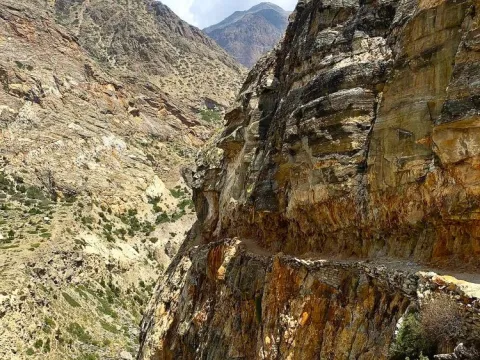
Have you ever wondered how life could be sustainable in such an isolated and harsh, high-altitude valley like Nar Phu? Geography in Nar Phu Valley is particularly striking, with dramatic landscapes that dictate the culture and lives of its inhabitants.
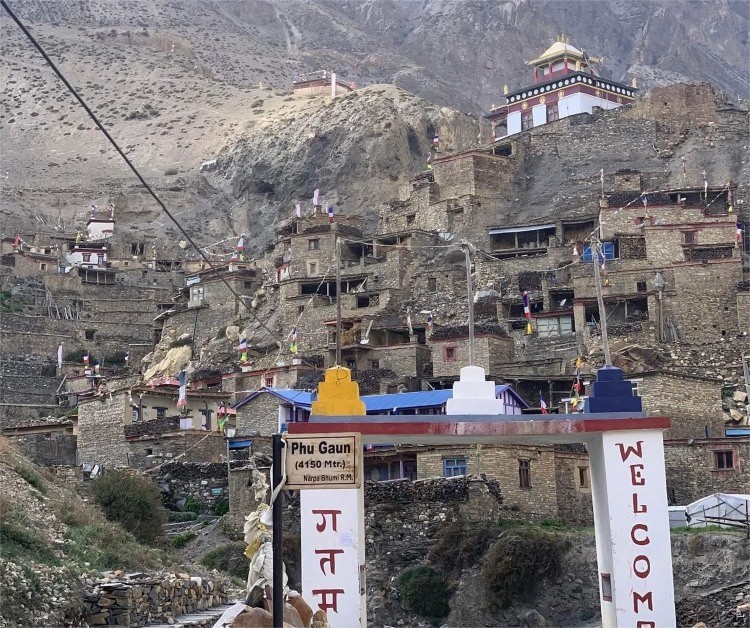
Situated north of the Annapurna circuit, the valley is enclosed by mountain ridges, effectively creating a rain shadow. The landscapes here evolve from deep, narrow gorges to broad alpine pastures and bare plateaus with increased altitude. Villages such as Nar (4110m) and Phu (4250m) are dramatically perched on sheer cliffs and rock outcrops with incredible, yet inhospitable, homes, with looming Himlung Himal as a backdrop.
Actually, Nar Phu villagers are mainly of Manangi (Nyeshang) origin and are very strongly influenced by Tibetan culture. These are tough people, both welcoming and devout, and with deeply rooted traditional ways of life preserved for centuries of isolation.
Key geographical features:
People of Nar Phu Valley:
| Aspect | Details | Importance |
|---|---|---|
| Altitude range | 3000 – 5320 m | Highest inhabited valleys |
| Climate | Arid, cold and windblown | Rain-shadow protected |
| main villages | Nar and Phu valleys | Built precariously on cliffs |
| People | Manangi (Tibetan ancestry) | Strongly preserves its culture |
In conclusion, the valley of Nar Phu is truly unique due to its combination of rugged landscape and tough, but friendly, residents.
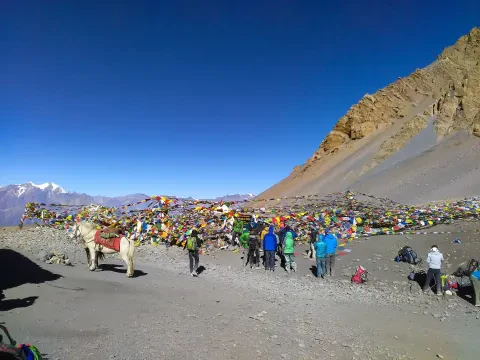
Have you ever considered the livelihoods of those residing in such an isolated valley within the Nepalese Himalayas like in Nar Phu Valley? In Nar Phu Valley, these are profoundly integrated with their harsh environment.
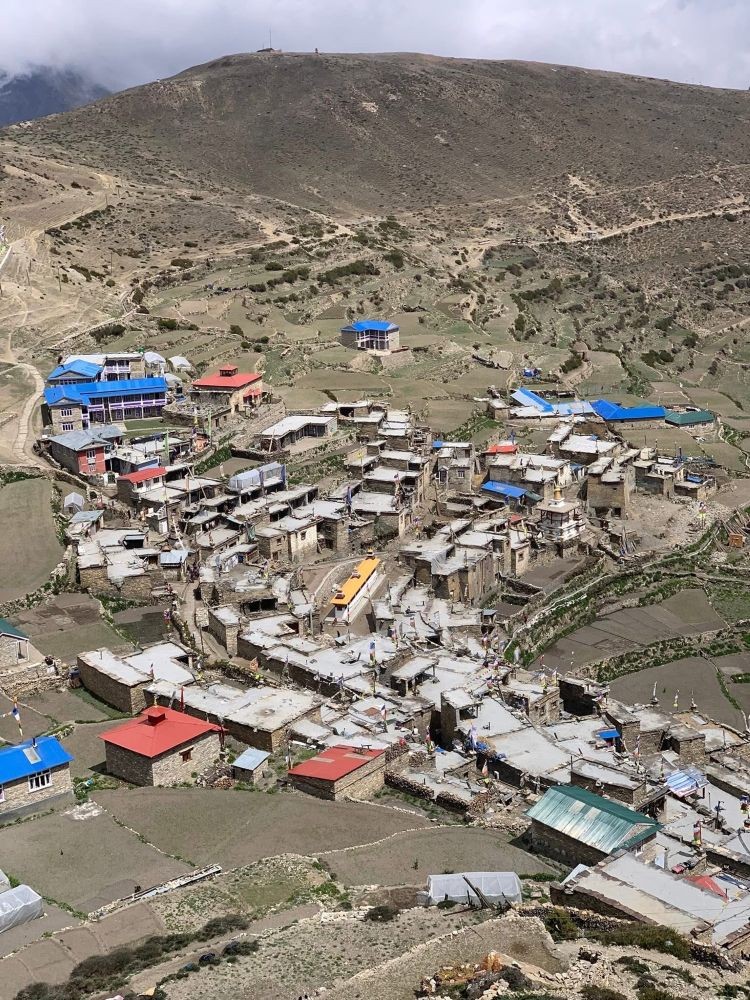
Actually, people make a living predominantly through subsistence agriculture, animal husbandry and by seasonal trading. Barley, potatoes and buckwheat are farmed by the inhabitants, on a limited scale and on terraced fields during the brief summer months. The locals also herd sheep, yaks and goats; for their meat and dairy products as well as for their wool and use of their pack abilities. Many families are dependent on periodic movement and small-scale trade for survival.
Likewise, religion is central to everyday life in Nar Phu. They follow the Tibetan Buddhist practice with significant traditions of Nyingma and Kagyu. Monasteries are ancient spiritual centers, and religious life permeates through daily rituals, prayer flags and Mani walls that embellish the area.
Main occupations:
Religion:
| Aspect | Details | Cultural significance |
|---|---|---|
| Main Farming | Barley, potatoes and buckwheat | Agriculture adapted to short growing season |
| Animal herding | Yak, sheep and goat | Crucial for food, materials and transport |
| Religion | Tibetan Buddhism | Integral to daily life, identity and community |
| Festivals | Losar, Saga Dawa and local festivals | Reinforces cultural bonds and shared experience |
In conclusion, through its unique fusion of work and devotion, Nar Phu Valley presents an exemplary testament of human endurance and spiritual strength amidst the remote Himalayas.
Have you ever wondered how hard it is to trek to the one of the remotest valley of Annapurnas? Also, the very difficult accessibility to Nar Phu valley itself adds the specialness to this valley for its pristine environment and unspoiled culture.
Moreover, Nar Phu is one of the restricted trekking regions so special permit required for everyone to travel to this valley. And it is not possible for you to trek to Nar Phu valley as independent trekker, you need to arrange trip through registered trekking agency. There is no road access so you have to trek to this valley.
Accessibility Summary :
| Aspect | Details | Notes |
|---|---|---|
| Permit | Restricted Area Permit + ACAP + TIMS | To be arranged through agency |
| Starting Point | Koto village | Road head is in between Chame |
| Minimum Trek Days | 4-6 days (one way) | depends on trekkers pace and short trips |
| Combine it with | Annapurna circuit trek or Phu Valley trekking | For a complete experience |
| Reach difficulty | Medium to hard | Needs some physical fitness |
Thus, to be said, it's due to restricted accessibility that Nar Phu valley is special. Thus trekkers who go there, rewarded with an authentic Himalayan experience.
Have you ever dreamed of standing at a hidden valley of the Himalayas in Nepal with awesome peak views all around you? Nar Phu valley of the Annapurnas is brimming with spectacular points of interest which will reward trekkers generously.
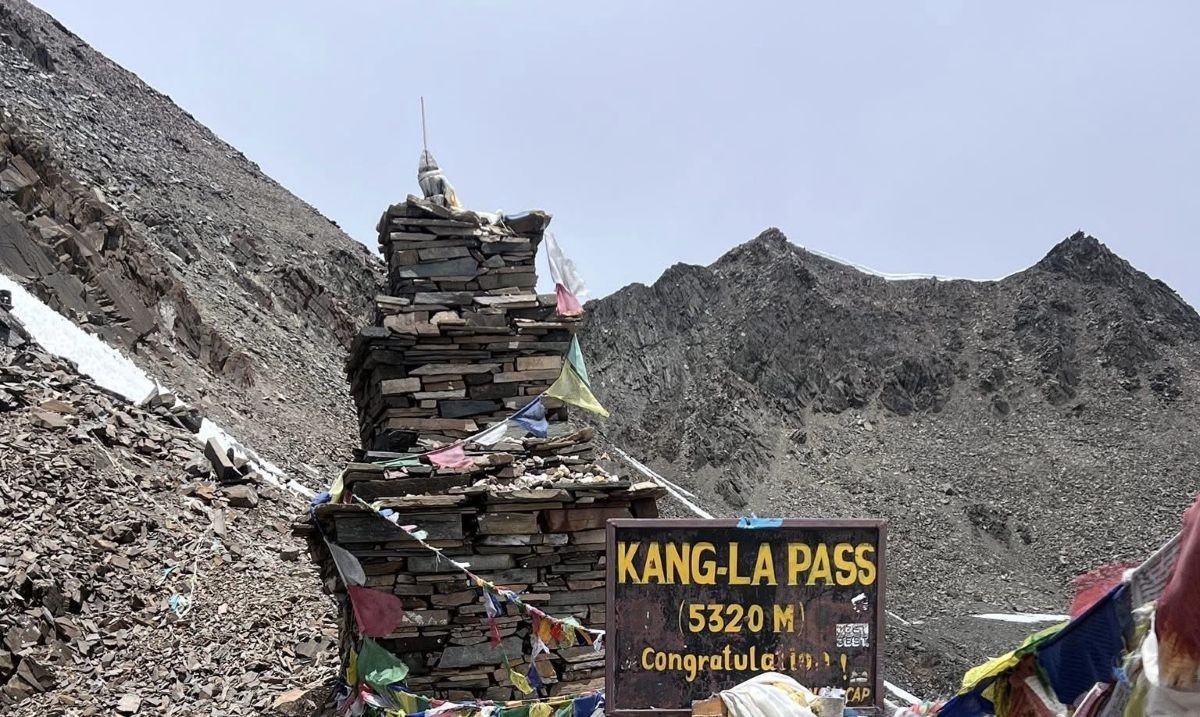
Also, this valley represents the perfect fusion of astounding natural beauty, ancient cultural sites and the essence of adventure. Thus, each stage of the Nar Phu trek holds special memories and sights to cherish.
Highlights of Nar Phu Valley :
| Attraction | Location | Altitude | Uniqueness |
|---|---|---|
| Phu Village | Upper Valley | 4,250 m | Houses constructed along cliff edges. |
| Nar Village | Mid Valley | 4,110 m | Tranquil atmosphere, preserved culture |
| Kang La Pass | Nar and Ngawal | 5,320 m | Challenging pass, vibrant prayer flags |
| Old Monasteries | Phu & Nar | Varies | Spiritual importance, historic architecture. |
| High Mountain Meadows | Throughout Valley | 3,800 – 5,000 m | Beautiful alpine scenery, wildflowers. |
Additionally, the union of stunning geography and traditional heritage makes Nar Phu Valley unique. Thus, Nar Phu valley trek is worth experiencing for nature lovers and culture enthusiasts alike.
Have you ever wondered what basic amenities you'd find in a valley as secluded and protected as Nar Phu? It's no surprise that Nar Phu Valley is equipped with simple yet practical facilities that reflect its traditional and preserved nature.
Additionally, its isolated location and low tourism mean that infrastructure is relatively basic. This allows for a focus on authentic culture and hospitality, rather than luxury.
Facilities to Expect in Nar Phu Valley :
| Facility Type | Availability | Quality/Standard | Notes |
|---|---|---|
| Accommodation | Limited teahouses | Basic but clean | Shared bathrooms; limited hot water |
| Food | Teahouse dining | Decent local Tibetan/Nepali food | Dal bhat, thukpa, buckwheat dishes |
| Electricity | Solar power | Very limited (evenings only) | Take a power bank along! |
| Internet/Wi-Fi | Minimal/non-existent | Inconsistent, weak signal | Usually only found in the main teahouses |
| Medical/Emergency | First-aid facilities | Best assistance is found in Manang | Medical insurance is a must! |
Even though the facilities in Nar Phu Valley are basic, the warm hospitality of the local people more than makes up for any shortcomings. Being there truly adds to the authentic experience of the remote mountain region.
Are you planning a trek and wondering about the perfect season to visit Nar Phu Valley? Choosing the right time to travel is quite important given the valley's remoteness and elevation.
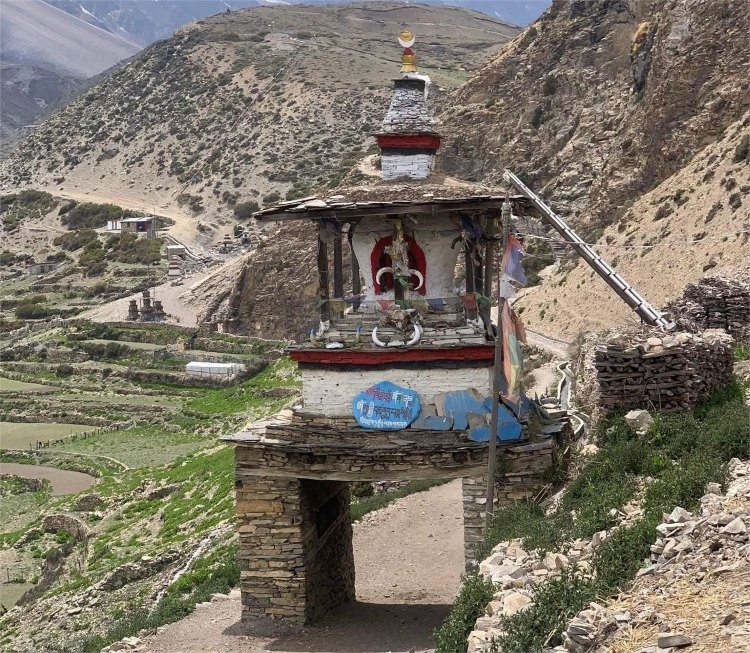
Moreover, spring and autumn are the best seasons to visit Nar Phu Valley because the weather conditions are very favorable with stable weather. The trails are also generally safe and accessible.
Best season to visit Nar Phu Valley :
| Season | Weather | Trails | View | Recommendation |
|---|---|---|
| Spring | Mild, clear | Good | Excellent | Highly Recommended |
| Autumn | Steady, dry | Excellent | Outstanding | Best for visit |
| Summer | Wet, unstable | Moderate | Extremely green | Avoid |
| Winter | Freezing cold, heavy snow | Very Difficult | Snow-capped mountain scenery | For experienced trekkers only |
So, plan to visit Nar Phu Valley during spring or autumn for an enjoyable trekking experience with great views and stable trails.
Have you ever dreamed of a trek that combines both isolation and immersion in rich culture? Look no further than the Nar Phu Valley Trek, one of the most authentic treks in the Annapurna region. This restricted area trek leads you through rugged gorges and ancient villages, with a crossing of the thrilling Kang La Pass at 5,320 meters (17,454 feet).
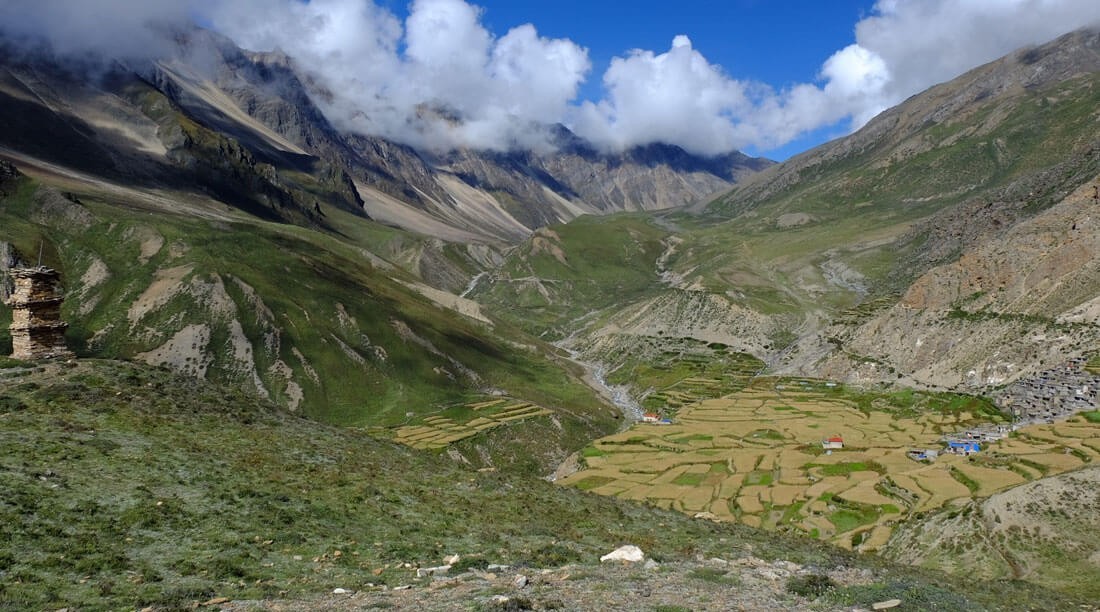
Due to its restricted status, the valley remains relatively unspoiled, attracting fewer trekkers and offering a truly unique adventure.
Why Nar Phu Valley Trek?
| Feature | Details |
|---|---|
| Duration | 12-16 days (can be combined with Annapurna Circuit) |
| Highest elevation | Kang La Pass - 5,320 meters (17,454 feet) |
| Difficulty | Moderate to Challenging |
| Permits | Restricted Area Permit required |
| Best Season | Spring and Autumn |
In conclusion, this trek is ideal for adventurous individuals seeking a more intimate and meaningful Himalayan adventure.
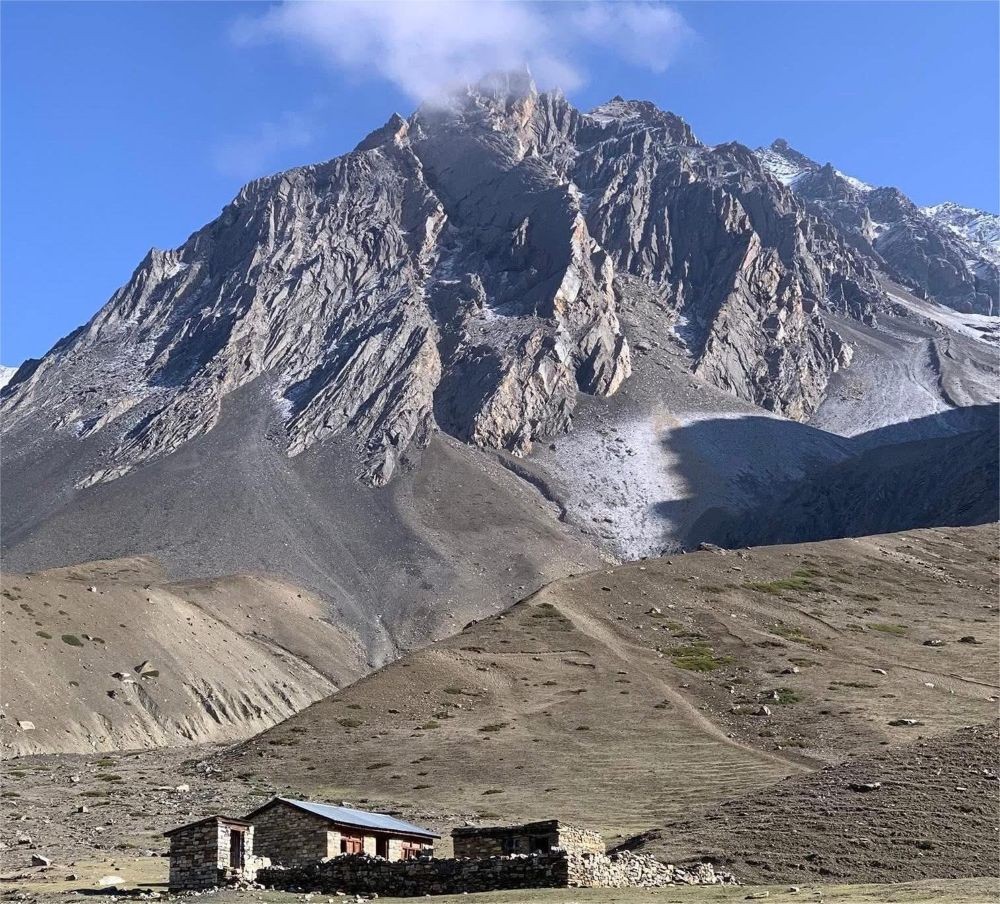
Are you in search of a trek that offers that unique feel of remoteness, a rich cultural experience, and that less-crowded atmosphere many people crave on their journey? If yes, then you're in luck because the Nar Phu Valley Trek is considered one of the most authentic and rewarding experiences available in the Annapurna region. The valley itself is restricted trekking area which allows limited number of trekkers to visit in a year and hence the pristine environment and traditional Tibetan-Buddhist culture still thrives within. You will be walking through stark gorges, ancient monasteries and old villages like Phu and Nar, and will leave with a sense of wonder and solitude which are rare to find elsewhere in Nepal.
Nar Phu Valley Trek - What makes it a good choice?
| Aspect | Details |
|---|---|
| Duration | 12-16 days (or possible to combine with Annapurna Circuit) |
| Highest point reached | Kang La Pass – 5,320 m (17,454 ft) |
| Grade | Moderate - Difficult |
| Characteristic | Restricted area requiring special permit |
| Best time to travel | Spring (March-May) and Autumn (September-November) |
Therefore, in short, if you are looking for a truly offbeat, culturally rewarding and adventurous trek that will truly rejuvenate you, the Nar Phu Valley trek should definitely be high up on your list!
Have you considered enhancing the renowned Annapurna Circuit trek, turning an already classic experience into something even more exceptional? The best way to do this would be combining it with the Nar Phu Valley Trek, creating arguably one of the most rewarding and encompassing Himalayan journeys you'll ever undertake.
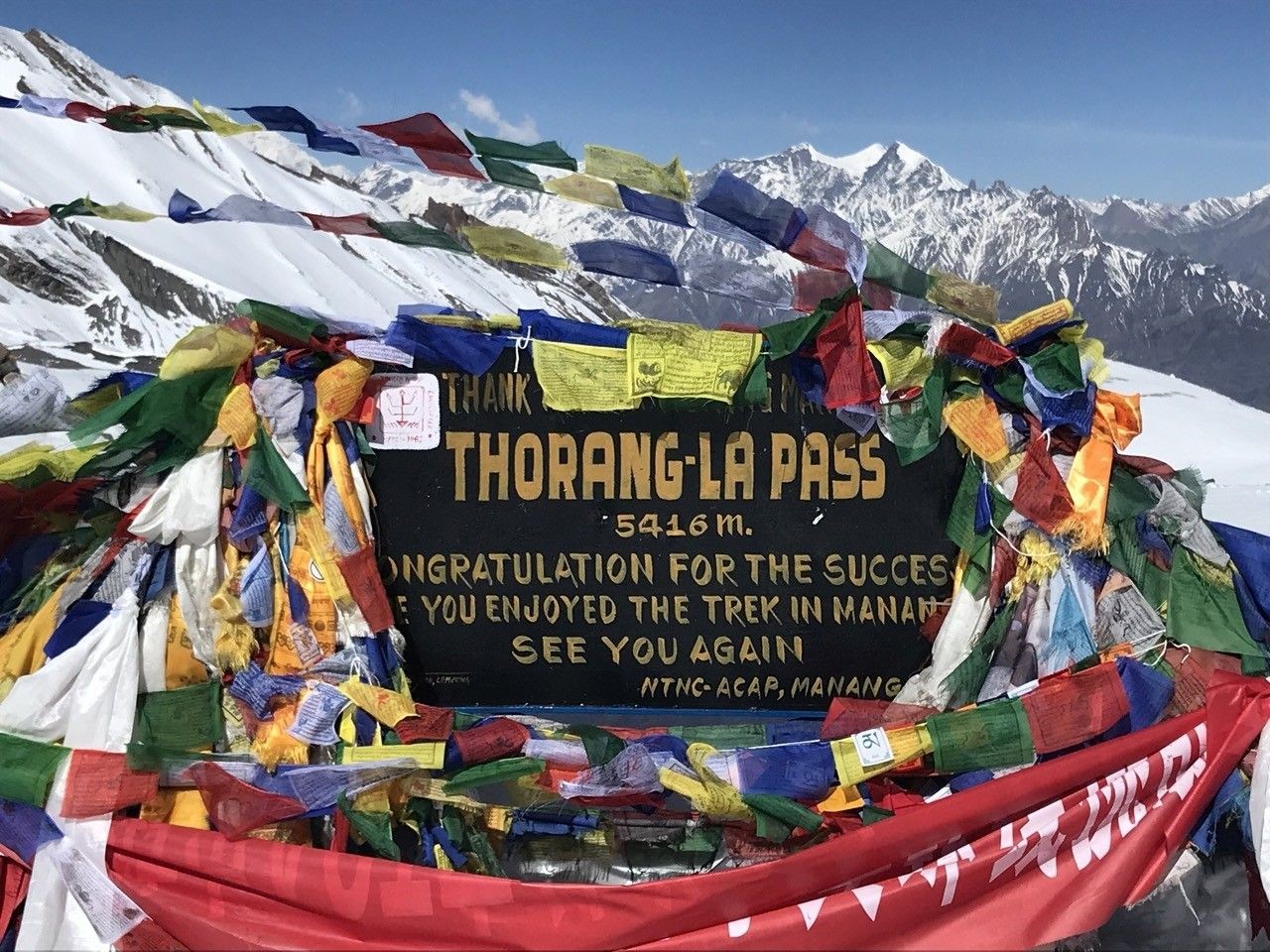
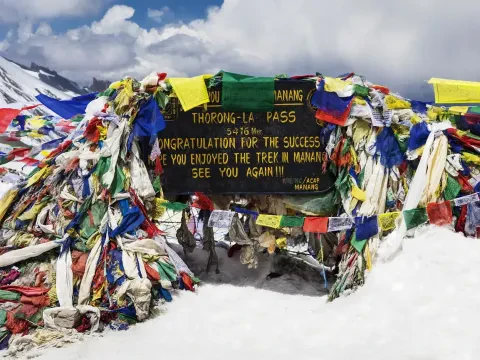
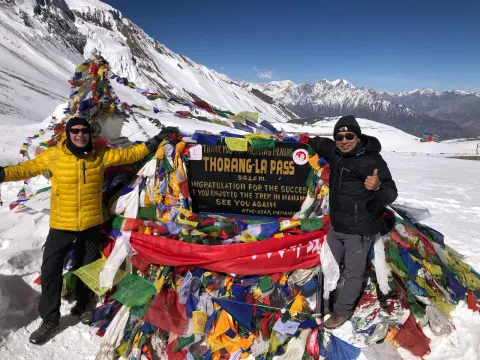
Actually, what makes this combination so appealing is that you get to witness the serene, remote, and culturally rich Nar Phu Valley first before making your way to the traditional Annapurna Circuit by crossing the Kang La pass into Ngawal or Manang. This trek, therefore, offers you the perfect mix of exploration of hidden gems and classic high pass adventure of the Thorong La.
Why is this the best combination trekking trip in Nepal?
| Benefit | Nar Phu Valley Alone | Combined with Annapurna Circuit |
|---|---|---|
| Cultural Immersion | Very High | Exceptional |
| Mountain Scenery | High | Outstanding |
| Acclimatization Benefit | Good | Excellent |
| Sense of Adventure | Very High | Complete Himalayan Journey |
| Overall Duration | 12-14 days | 16-18 days |
Consequently, Nar Phu Valley trekking combined with Annapurna Circuit turns an excellent trekking experience into an unparalleled Himalayan adventure.
Would you like to further diversify your trek with additional exploring activities without unduly prolonging your trip from Nar Phu Valley? The Nar Phu Valley offers some amazing side trip options that will add an extra element of discovery to your trek. These side excursions would be ideal to observe lesser-known monasteries, high-altitude views, and remote settlements which will allow you to tailor your trek to your specific interests and fitness level.
Side trips you may wish to make in and around the Nar Phu Valley:
| Side Trip | Duration | Grade | Main Highlight |
|---|---|---|
| Phu Village Trek | 1-2 days | Moderate | Astonishing cliff-side village of Phu |
| Cave Monastery Trek | Half Day | Easy/Mod | Ancient meditation spots of Buddhist monks |
| Alpine meadow hike | 1 day | Moderate | Stunning panoramic views of high meadows |
| Kang La pass viewpoint trek | 1 day | Challenging | Dramatic and wide vistas of mountains |
In conclusion, it is suggested that you make use of at least one of these side trips on your trek, particularly as they will give you two additional opportunities for acclimatization.
Have you now seen for yourself why the Nar Phu Valley trek continues to be on the wish lists of adventurous travelers worldwide? This restricted and largely unknown valley is an ideal place to experience the contrasting blend of the vast grandeur of the Himalayas and the vibrant traditional Tibetan Buddhist culture of its people. Whether trekked independently or in combination with the Annapurna Circuit, Nar Phu valley trekking experience offers unmatched adventure and serenity in the otherwise heavily traveled trekking regions of Nepal. In other words, if you seek something beyond the usual trekking paths of Nepal, the Nar Phu Valley is ready to welcome you.
1. Why is Nar Phu Valley the ultimate off-beat trekking destination in Nepal?
Nar Phu Valley is an unparalleled off-beat trekking destination in Nepal due to its remote location, untouched Tibetan culture and breathtaking landscapes. It offers an authentic, peaceful Himalayan adventure away from the tourist crowds, with ancient monasteries and stunning mountain vistas. (53 words)
2. What sets Nar Phu Valley apart from other off-beat trekking destinations?
Nar Phu Valley stands out as a truly special off-beat trekking destination because of its secluded valleys, traditional Tibetan villages, and profound Buddhist heritage. It’s a trek that combines the thrill of high-altitude adventure with a deeply immersive cultural experience, all while maintaining a profound sense of solitude. (58 words)
3. Is the Nar Phu Valley trek suitable for expereinced trekkers?
Absolutely. For experienced trekkers seeking the ultimate off-beat trekking destination, Nar Phu Valley is a phenomenal choice. The trails are challenging, the altitude is significant, and the need for restricted area permits adds a layer of adventure that outshines popular routes like the Annapurna Circuit.
4. What is the difficulty level of the Nar Phu Valley trek?
Trekking in Nar Phu Valley is considered moderately to challenging. As the quintessential off-beat trekking destination, it involves steep climbs, thrilling river crossings, and significant high-altitude exposure. Prior fitness and meticulous acclimatization are crucial for a rewarding and safe adventure.
5. Which permits are mandatory for trekking in Nar Phu Valley?
To embark on this exceptional off-beat trekking destination, you will need a Restricted Area Permit, an ACAP (Annapurna Conservation Area Permit), and the services of a licensed trekking guide. These requirements are in place to preserve the unique character and pristine nature of the region.
6. How many days are typically needed for the Nar Phu Valley trek?
A typical trek to Nar Phu Valley, usually taken as a side trip from the Annapurna Circuit, takes about 7 to 10 days. This duration allows ample time to fully explore the beauty and culture of this incredible off-beat trekking destination without feeling rushed.
7. What are the unique cultural experiences to be found in Nar Phu Valley?
As the premier off-beat trekking destination, Nar Phu Valley offers an incredible opportunity to experience genuine Tibetan-Buddhist culture. Immerse yourself in ancient monasteries, interact with the welcoming locals of Nar and Phu villages, witness traditional life, and perhaps even participate in local festivals if the timing is right.
8. What are the must-see highlights of the Nar Phu Valley trek?
The highlights of Nar Phu Valley, our top off-beat trekking destination, include breathtaking ancient gompas (monasteries), traditional stone-built villages like Nar and Phu, dramatic, rugged gorges, awe-inspiring high passes, and intimate views of magnificent peaks such as Himlung Himal.
9. Is Nar Phu Valley a good destination for photographers?
Without a doubt! Nar Phu Valley is an absolute dream for photographers seeking the best off-beat trekking destination. The pristine, untouched landscapes, vibrant prayer flags, unique traditional architecture, and majestic Himalayan panoramas offer endless opportunities to capture truly unforgettable and unique images.
10. What is the ideal season to trek in Nar Phu Valley?
The prime seasons for trekking in Nar Phu Valley, the ultimate off-beat trekking destination, are spring (March-May) and autumn (September-November). During these periods, you'll encounter stable weather patterns and clear skies, perfect for appreciating the stunning scenery.
11. Why is Nar Phu Valley so much less crowded than other treks?
Nar Phu Valley remains less crowded because it is a designated restricted area that requires special permits and the companionship of a licensed guide. These regulations help to naturally preserve its remote beauty and ensure it remains one of Nepal's best kept secrets among off-beat trekking destinations.
12. What kind of accommodation can be expected in Nar Phu Valley?
Accommodation in Nar Phu Valley, as with most off-beat trekking destinations in remote regions, consists of basic but clean and welcoming teahouses operated by local families. The simple facilities and authentic hospitality contribute significantly to the charm of this unique destination.
13. Is Nar Phu Valley a suitable trek for beginners?
While beginners with excellent physical fitness and a capable guide might manage parts of the trek, Nar Phu Valley is generally considered a more advanced off-beat trekking destination. Its remoteness and high-altitude requirements make it better suited for trekkers with some prior experience.
14. What kind of wildlife might I encounter in Nar Phu Valley?
During your trek in Nar Phu Valley, a spectacular off-beat destination, you may have the chance to spot wildlife such as elusive blue sheep, Himalayan tahr, playful marmots, and a variety of fascinating high-altitude bird species.
15. How does Nar Phu Valley compare to other popular Himalayan treks?
Compared to the well-trodden paths of other treks, Nar Phu Valley offers an unparalleled sense of solitude, a richer cultural immersion, and a rawer, untamed natural beauty. This is why it is widely regarded as one of the best off-beat trekking destinations in the Himalayas.
16. Is it safe to trek in Nar Phu Valley?
Yes, Nar Phu Valley is perfectly safe for trekking when undertaken with a licensed and experienced guide. The trails are well-maintained, and the local communities are exceptionally friendly and supportive, contributing to the security of this extraordinary off-beat trekking destination.
17. What type of food is typically served in Nar Phu Valley?
The cuisine in Nar Phu Valley, a true off-beat trekking destination, primarily consists of fresh and hearty local dishes. Expect to enjoy staples like dal bhat (lentils and rice), momos (dumplings), traditional Tibetan bread, thukpa (noodle soup), and locally sourced yak products.
18. Why should I choose the Nar Phu Valley trek for my next adventure?
If you crave adventure, deep cultural experiences, and profound tranquility, the Nar Phu Valley trek is the ultimate off-beat destination for you. It promises an unforgettable journey through some of the most remote and beautiful corners of the Himalayas, leaving you with lifelong memories.
19. What is the average altitude of the Nar Phu Valley trek?
The altitude in Nar Phu Valley ranges significantly, from approximately 3,500 meters up to 4,200 meters. This high-altitude environment adds to the thrill and challenge of this exceptional off-beat trekking destination, making proper acclimatization essential for a safe and enjoyable experience.
20. Is the effort to trek Nar Phu Valley truly worth it?
Absolutely, a resounding yes! The Nar Phu Valley trek is unequivocally worth every bit of effort as Nepal's most captivating off-beat trekking destination. The untouched culture, dramatic mountain scenery, and sense of profound discovery make it an absolutely unforgettable and life-changing adventure.
Nar Phu Valley Trek - The Real Himalayas Still Breathe Here
Safe travels and happy Nar Phu Valley trekking!
Krishna Thapa
Trek Planner and Blogger
Haven Holidays Pvt. Ltd.
[email protected]
977-9851014429
Our travel experts are ready to assist you with any questions.
Send us a message.Have a question before you book? Send your enquiry below and our travel experts will get back with the required information.