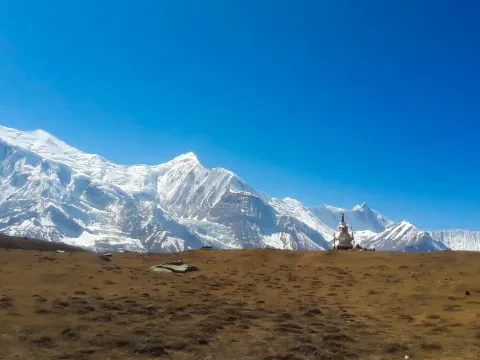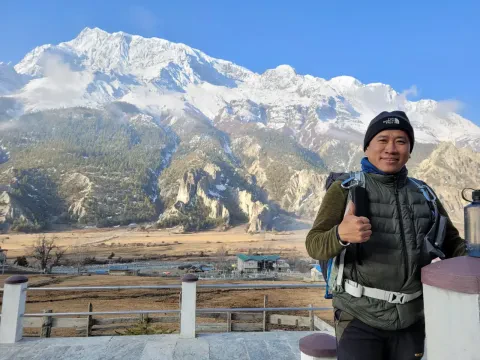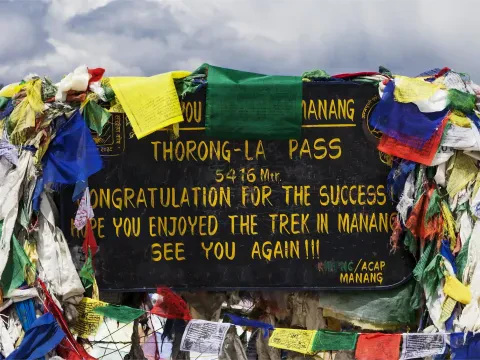
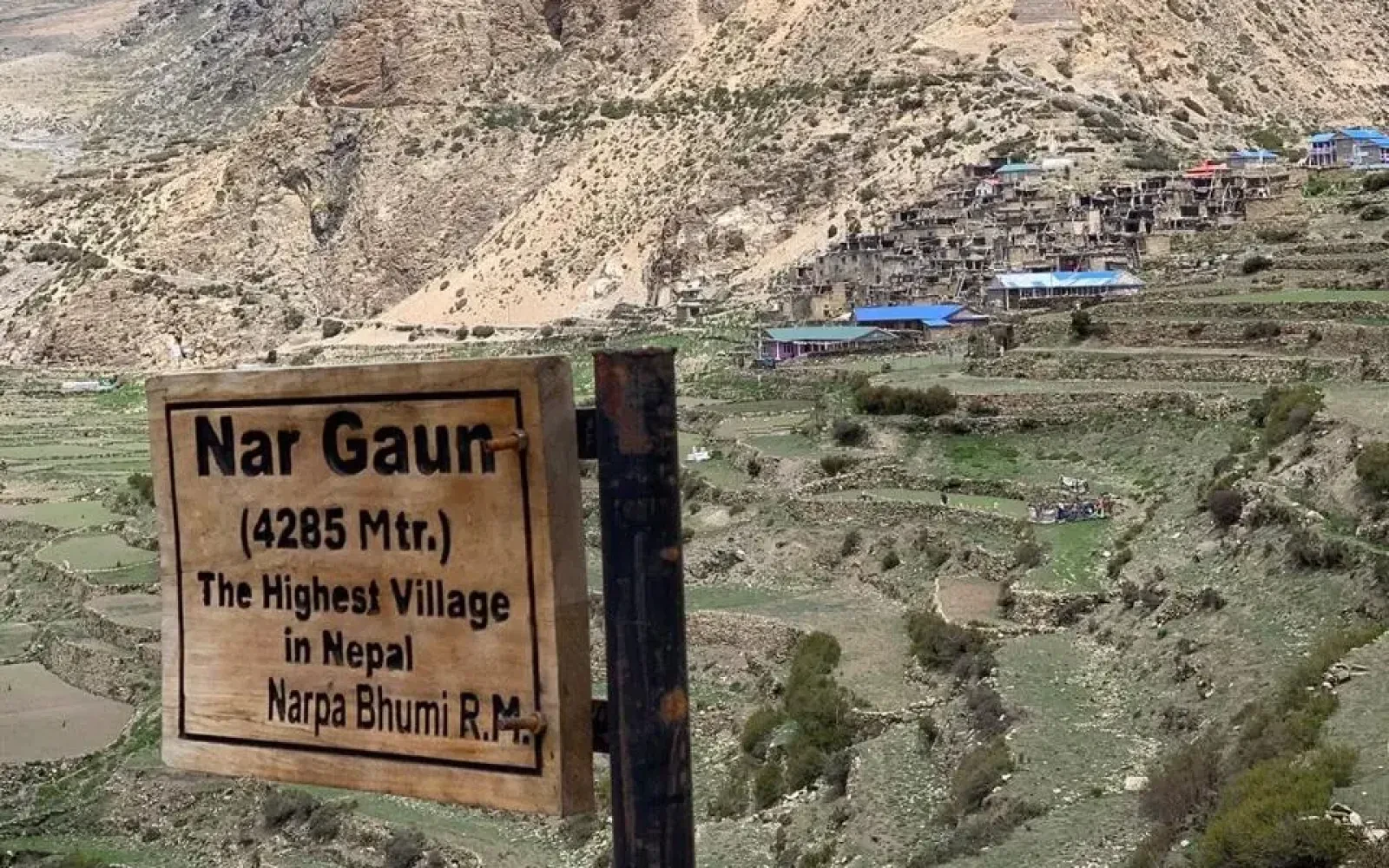
Do you ever wonder what it would be like to visit a remote Himalayan village in Nepal untouched by the passage of time? Nar Village is just that place; an extraordinary glimpse into the past.
High in the Annapurna region at 4,110m (13,484ft), Nar is one of the highest and most traditional settlements found within the protected Nar Phu Valley. This ancient village, a dramatic cluster of stone homes perched on a cliffside, embodies the rich traditions of Tibetan Buddhism.
Likewise, quieter and more elusive than the neighboring village of Phu, Nar exudes an even greater sense of seclusion and authenticity. It feels like a secret that the Himalayas have been keeping for centuries.
Features of Nar Village :
| Feature | Details |
|---|---|
| Altitude | 4,110 m (13,484 ft) |
| Location | Nar Phu Valley, Annapurna Region |
| Community | Manangi (of Tibetan descent) |
| Main Attraction | Ancient traditions & dramatic landscape |
| Accessibility | Restricted Area (requires a special permit) |
Have you ever wondered about the deep roots that anchor a remote mountain village of Nepal, Nar village? The history and origin of Nar Village are intertwined with ancient trade routes and the history of Tibetan migration into the region.
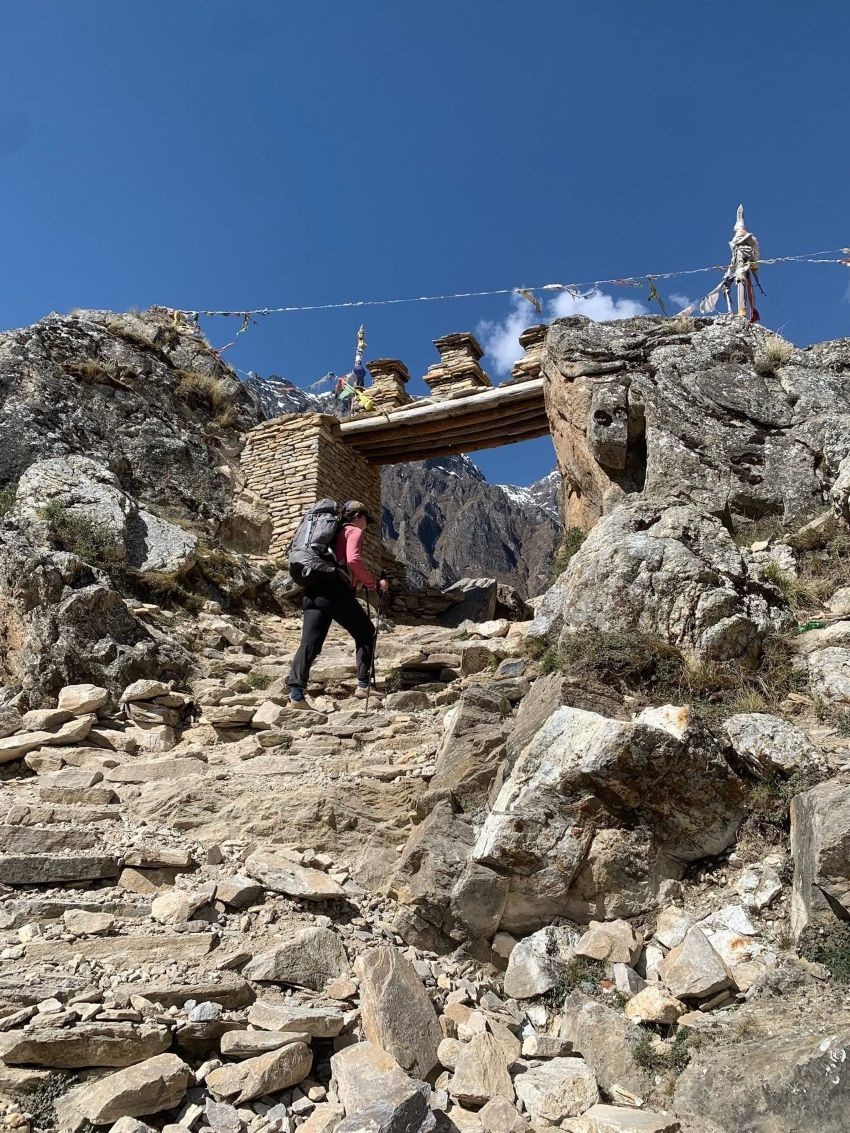
Actually, it's believed that Nar was settled centuries ago to take advantage of its position on the historic salt trade routes between Tibet and Nepal. Local legends point to Tibetan nomads as the first inhabitants of this sheltered valley, who found it an ideal place for survival. This fusion of cultures created a unique village identity.
Likewise, the villagers of Nar are part of the Manangi (or Nyeshang) community, who share deep cultural and religious connections with Tibet. Nar has withstood centuries of isolation, a challenging climate, and scarce resources, demonstrating incredible human resilience.
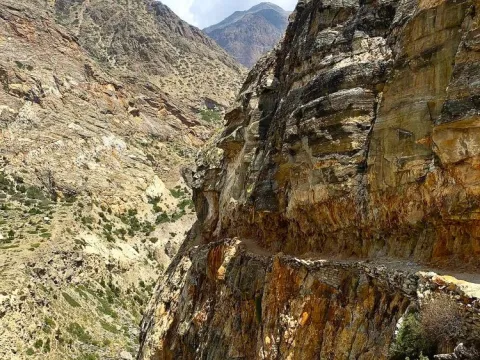
Historical Highlights :
| Period | Key Development |
|---|---|
| Ancient Times | Settlement as a trade route outpost |
| Medieval Period | Development of monasteries & Buddhist influence |
| 20th Century | Preservation of traditional lifestyle |
| Present Day | Restricted area with authentic culture |
Therefore, visiting Nar Village is far more than just appreciating the scenery; it's stepping into a living history.
Have you ever contemplated how people subsist in such a high and isolated mountain environment like in Nar village? The geography of Nar Village is nothing short of dramatic and demanding.
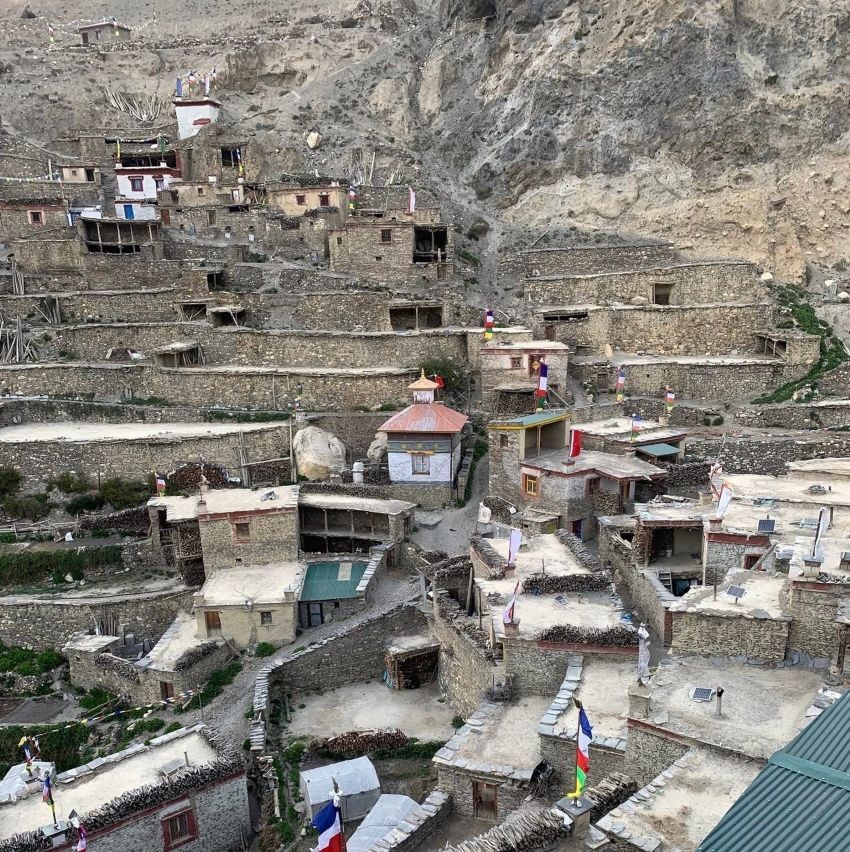
Here, Nestled at an altitude of 4,110 meters (13,484 feet) on a steep mountainside, Nar is embraced by rugged cliffs, narrow valleys, and imposing peaks. It is located in a rain-shadow region, resulting in a dry, rocky landscape with sparse vegetation. The people of Nar have demonstrated an extraordinary capacity for adapting to this environment over generations.
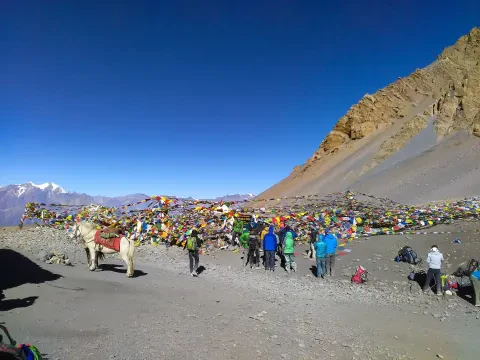
People of Nar Village :
| Aspect | Details | Significance |
|---|---|---|
| Altitude | 4,110 m (13,484 ft) | One of the highest permanent settlements in the region |
| Climate | Arid, cold, prone to strong winds | The valley's position creates a rain shadow |
| Community | Manangi (Tibetan origin) | Strong preservation of cultural heritage |
| Main Occupation | Farming, herding, seasonal trade | Adaptation to the demands of the high-altitude environment |
In conclusion, the fusion of the challenging landscape with the resilience of its inhabitants makes Nar Village a truly unique destination. A visit here offers a profound appreciation for both natural beauty and human endurance.
Ever wondered how people sustain a livelihood in a remote, high-altitude village like in Nar Village? In Nar Village, occupation and religion are intricately woven into the challenging mountain terrain.
Actually, the livelihood primarily consists of subsistence farming, animal herding, and seasonal trade. Farmers cultivate barley, potatoes, and buckwheat on terraced fields during the short summer months. Yaks, goats, and sheep are raised for their wool, meat, milk, and as beasts of burden. Many locals supplement their income by migrating seasonally or engaging in small-scale trading.
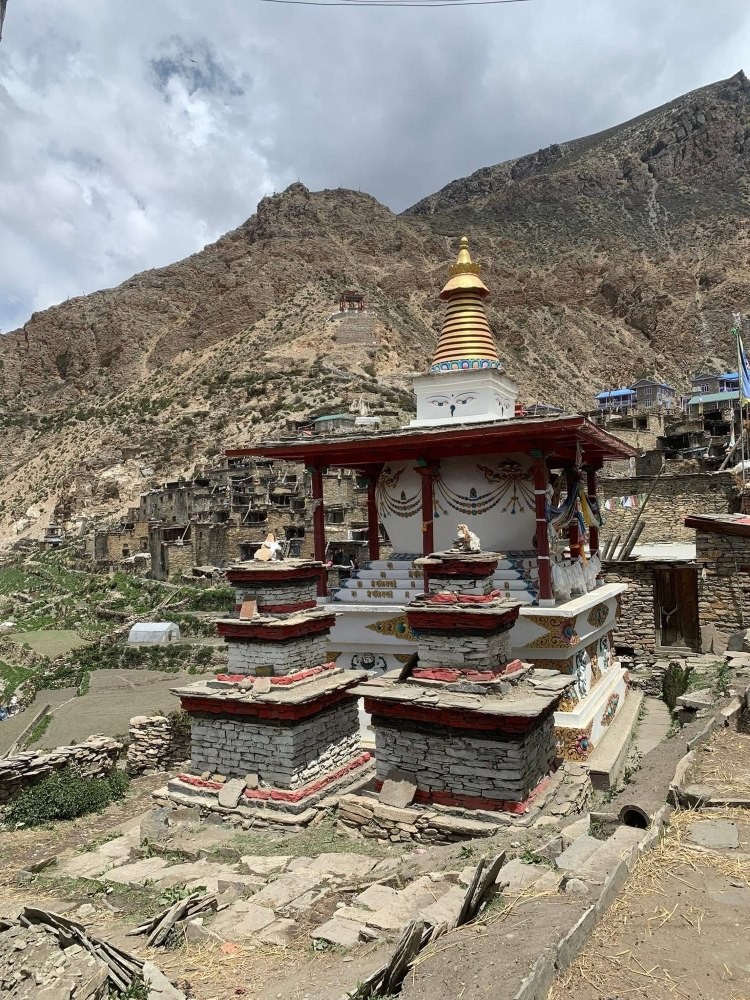
Moreover, people in this area are engaged in Yarshagumba collection in the high mountain area and its buying and selling among the people.
Likewise, religion is a central aspect of life in Nar. Villagers are devout followers of Tibetan Buddhism, with influences from the Nyingma and Kagyu traditions. Ancient monasteries and chortens serve as spiritual centers for the community.
Main Occupations :
Religious Practices ;
| Aspect | Details | Cultural Significance |
|---|---|---|
| Main Farming | Barley, potatoes, buckwheat | Adapted to short growing season |
| Animal Husbandry | Yaks, goats, sheep | Source of food, wool, and transport |
| Religion | Tibetan Buddhism (Nyingma & Kagyu) | Central to community identity |
| Festivals | Losar, Saga Dawa, and local events | Strengthens social bonds |
In conclusion, the symbiosis of occupation and religion has enabled the people of Nar to thrive in one of the harshest environments in the Himalayas.
Have you ever considered how challenging it is to reach such a remote, high-altitude village like Nar village? Accessibility in Nar Village is limited, which has been instrumental in preserving its authentic character.
Actually, Nar is located in a Restricted Area, requiring special permits for entry. There is no road access to the village; the only way to reach it is by trekking through the Nar Phu Valley, typically beginning from the village of Koto.
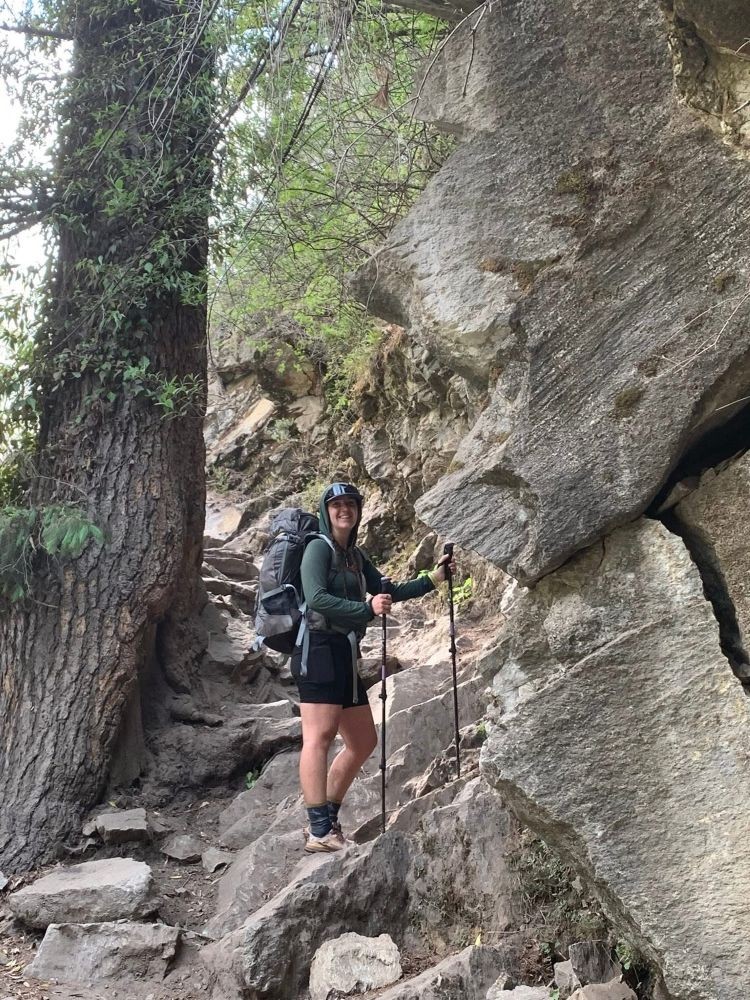
Here, the trek from the roadhead to Nar usually takes 4 to 6 days, depending on the trekkers' pace and any side excursions. This restricted accessibility transforms visiting Nar into a true adventure and a sense of accomplishment.
Accessibility Details :
| Aspect | Details | Notes |
|---|---|---|
| Permit Requirement | Restricted Area Permit | Must be arranged through a registered agency |
| Road Access | None | Trekking only |
| Trek Duration | 4-6 days from Koto | Depends on pace and acclimatization |
| Best Combined With | Phu Valley or Annapurna Circuit | Makes the journey more complete |
Consequently, the difficult accessibility of Nar Village has maintained its pristine condition and cultural richness. Visitors who undertake the journey are rewarded with a unique and unforgettable Himalayan experience.
Can you picture yourself in a serene Himalayan village, surrounded by dramatic peaks and ancient stone structures in Nepal? Nar Village boasts several major highlights that make the journey exceptionally rewarding.
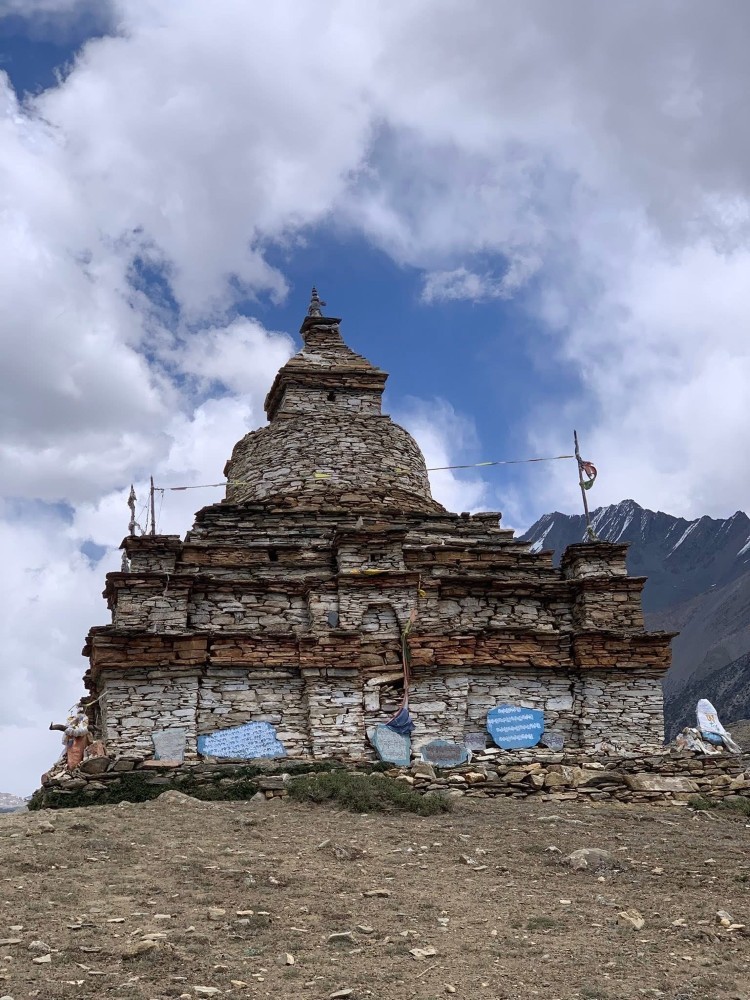
Furthermore, the village's spectacular setting and rich cultural heritage leave a profound and lasting impression on visitors, often making it one of the most authentic destinations in the Annapurna region especially Annapurna Circuit.
Major Highlights of Nar Village :
| Attraction | Description | Why Visit It |
|---|---|---|
| Nar Village Architecture | Cliff-side stone houses | Unique traditional building style |
| Ancient Monasteries | Historic gompas with murals | Spiritual and cultural significance |
| Mountain Panoramas | Views of Annapurna and other peaks | Breathtaking natural beauty |
| Local Culture | Traditional Manangi lifestyle | Authentic cultural immersion |
| Peace & Solitude | Quiet atmosphere with few tourists | Rare sense of remoteness |
Additionally, the captivating combination of dramatic landscapes and a living cultural heritage makes Nar Village an outstanding destination. It is highly recommended for trekkers seeking both natural beauty and deep cultural experiences in the Himalayas.
Wonder what kinds of basic facilities can be expected in such a remote high altitude village like in Nar village? As it is and will remain a tradition bound and restricted village, there are simple but comfortable facilities provided by Nar village.
Moreover, since the village is remote and has a tiny population, you will not be offered luxurious facilities. In conclusion, your journey is based on the concept of experiencing simple and true hospitality.
Facilities provided in Nar village :
| Type of Facility | Availability | Quality/Standard | Note |
|---|---|---|
| Accommodation | Few teahouses/lodges | Very Basic, clean | Sharing washroom and very little provision of hot water. |
| Food | Teahouses restaurants | Very good Tibetan/ Nepali cuisine | Dal Bhat, Thukpa, buckwheat products are commonly available. |
| Electricity | Solar based | Very limited (evenings only) | Carry at least two power banks each. |
| Internet/Wifi | Very less | Very poor and intermittent connectivity | May be available weakly in the central tea houses. |
| Medical/Emergency | Basic first Aid | The nearest real treatment center is Manang. | Purchase comprehensive travel insurance for trekking in Nepal. |
Henceforth, while the facilities are not so high in the village of Nar, the warm hospitality provided by its people does make up for the lack of high facilities. Thus, the visit to this high altitude village becomes an integral part of the true high altitude experience.
Have you been planning on when to visit Nar village for the most amazing experience? Henceforth, timing of the visit is crucial, considering the high altitude and remote location of Nar Village.
Furthermore, as the trails can be inaccessible or potentially very dangerous during unstable months due to extreme weather conditions at this altitude and remote terrain. As a result, the best months are Spring and Autumn to experience and trekking to Nar village.
Best Time to visit Nar village :
| Season | Weather condition | Trial Access | Scenic beauty | Recommendation |
|---|---|---|
| Spring | Very good | Mild and clear | Excellent | Highly Recommended |
| Autumn | Excellent | Stable and Dry | Outstanding | Best Time |
| Summer | Moderate | Rain and Unstable | Very Green | Not Recommended |
| Winter | Very difficult | Extreme Cold and Snowy | Snow covered | Experts only |
Therefore, plan your visit during the spring and autumn season to avoid possible untoward incidents caused by weather in the high altitude village of Nar village.
Have you been fascinated with the reasons why Nar village is the most amazing and rewarding place in the Nar Phu Valley? Besides the mesmerizing scenery, there is something far more that the ancient high altitude settlement offers.
Furthermore, the arrival at Nar village is like stepping into a world of untouched traditions, resilience, and living Himalayan heritage. Therefore, it's a journey that gives every visitor, not just memories of amazing scenery but also deep respect and admiration for the people that live in this isolated and remote village.
Actually, Nar village embodies the pure essence of the Himalayas, – remote, spiritually rich, cultural immersion and simply outstanding in its sheer beauty. If you are looking for an authentic and deeply enriching high altitude Cultural Trek, then Nar is one place that you must consider.
Though the trek to Nar village is demanding but the journey will create lasting memories and relationships which you will treasure always.
Nar village is waiting – for the trekking soul who wishes to travel the extra mile.
Safe Journeys and Happy Trekking to Nar Village!!
1. Where is Nar Village located?
Nar Village is an isolated, beautiful village in the Annapurna region of Nepal, sitting at an elevation of around 4,100 meters. It's nestled in the hidden Nar Phu Valley, accessible as a side-trip from the main Annapurna Circuit. This traditional Tibetan-style village is known for its untouched culture and stunning mountain views.
2. Why is Nar Village becoming popular among trekkers?
Nar Village is gaining popularity as it's a real gem on the Annapurna Circuit. It offers an authentic Tibetan-Buddhist culture, ancient monasteries, and breathtaking landscapes, all without the crowds. Trekkers are visiting Nar Village to discover a more remote and genuine part of Nepal.
3. How do you reach Nar Village?
Nar Village can only be reached by taking a 4-6 day side-trip off the main Annapurna Circuit, typically starting from Manang or Koto. The path winds through gorgeous pine forests and the narrow Phu Valley until you finally arrive in this high-altitude settlement.
4. What makes Nar Village special?
Nar Village stands out due to its well-preserved Tibetan culture, traditional stone houses, and friendly local people. Surrounded by soaring peaks and dry terrain, it feels like stepping back in time. The serene atmosphere and warm hospitality are truly unforgettable.
5. What is the altitude of Nar Village?
Nar Village is located at approximately 4,100 meters (13,450 feet). Due to its high altitude, acclimatization is crucial before arriving. The thin air combined with the spectacular views of the surrounding snow-capped peaks make Nar Village a rewarding high-altitude destination.
6. Is Nar Village worth the side trip?
Yes, Nar Village is definitely worth the side trip! It provides a rare glimpse into traditional Tibetan life, ancient gompas, and pristine nature. Many trekkers on the Annapurna Circuit claim that visiting Nar Village was one of the highlights of their journey.
7. What can I see in Nar Village?
In Nar Village, you can explore ancient monasteries, traditional houses with flat roofs, mani walls, and countless prayer flags. The village also offers panoramic views of Pisang Peak and other Himalayan giants. The local way of life and the distinct culture are the main draws.
8. How many days are needed to visit Nar Village?
Most trekkers dedicate 4 to 7 days to the Nar Phu Valley side trip, which includes visiting Nar Village. This allows sufficient time for acclimatization, exploration, and enjoying the peaceful environment without feeling rushed.
9. Is Nar Village good for photography?
Nar Village is a photographer's dream! The traditional architecture, vibrant prayer flags, dramatic mountain vistas, and locals in traditional attire create fantastic photo opportunities, especially during the golden hours of sunrise and sunset.
10. What culture will I experience in Nar Village?
Nar Village is steeped in strong Tibetan-Buddhist culture. You'll witness ancient traditions, visit monasteries, spin prayer wheels, and interact with locals who still lead a semi-nomadic lifestyle. The cultural experience here is deep and very authentic.
11. Is accommodation available in Nar Village?
Yes, there are a few basic teahouses and guesthouses in Nar Village. While the facilities are simple, they are clean and the hospitality is warm. Spending a night here allows you to fully immerse yourself in the peaceful village atmosphere.
12. Do I need a special permit for Nar Village?
Yes. Nar Village is located in a restricted area, so you'll need to obtain a special Restricted Area Permit in addition to the ACAP permit and hire a licensed guide. These regulations are in place to protect the local culture and environment.
13. What is the best time to visit Nar Village?
The ideal times to visit Nar Village are during spring (March-May) and autumn (September-November) when the weather is stable and the trails are clear. Winter often brings heavy snow, making travel difficult, while the monsoon season can pose challenges for trekking.
14. How difficult is the trek to Nar Village?
The trek to Nar Village is moderately difficult, with some steep sections and high altitude involved. It's best suited for fit trekkers who have some prior experience with high-altitude trekking. Proper acclimatization before reaching Nar Village is essential.
15. Can beginners visit Nar Village?
Beginners can visit Nar Village if they are well-prepared physically and are accompanied by a guide. However, due to the altitude and remoteness, it is more suitable for those who already have some trekking experience.
16. What food is available in Nar Village?
In Nar Village, you can enjoy simple but delicious local fare, including dal bhat, Tibetan bread, momos, thukpa (noodle soup), and yak products. Meals are usually prepared fresh by the local families.
17. Why is Nar Village called a hidden valley?
Nar Village is referred to as part of a "Hidden Valley" (Nar Phu) because it was closed to tourism until 2002. Its remote location behind the Annapurna range meant it remained isolated and preserved for centuries.
18. Is Nar Village safe for solo female trekkers?
Yes, Nar Village is generally safe for solo female trekkers when traveling with a licensed guide. The local people are respectful and welcoming. It's advisable to follow standard trekking safety precautions.
19. What wildlife can I see near Nar Village?
Around Nar Village, you may spot blue sheep, Himalayan tahr, marmots, and various high-altitude birds. The area is part of the Annapurna Conservation Area, which is home to a rich diversity of wildlife.
20. Why should I visit Nar Village?
You should visit Nar Village to experience one of the most authentic and least-visited places in the Annapurna region. Its captivating combination of dramatic scenery, rich Tibetan culture, and peaceful atmosphere makes Nar Village a truly special destination.
Our travel experts are ready to assist you with any questions.
Send us a message.Have a question before you book? Send your enquiry below and our travel experts will get back with the required information.