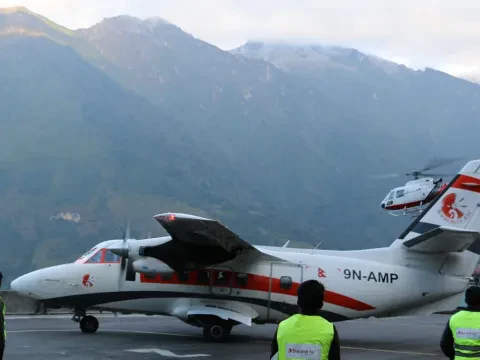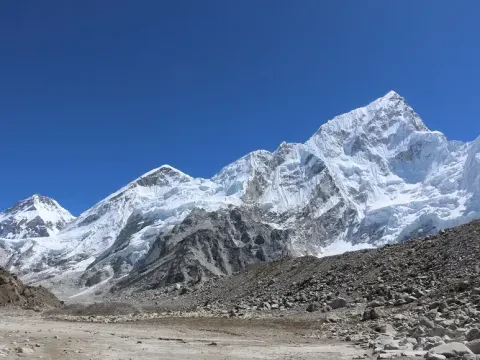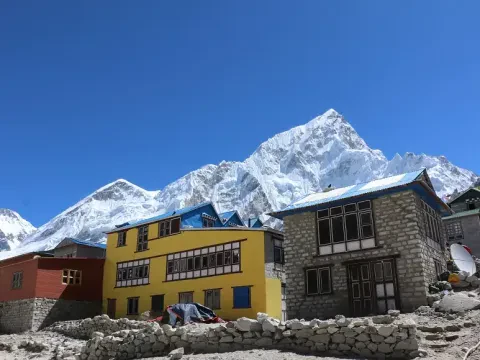
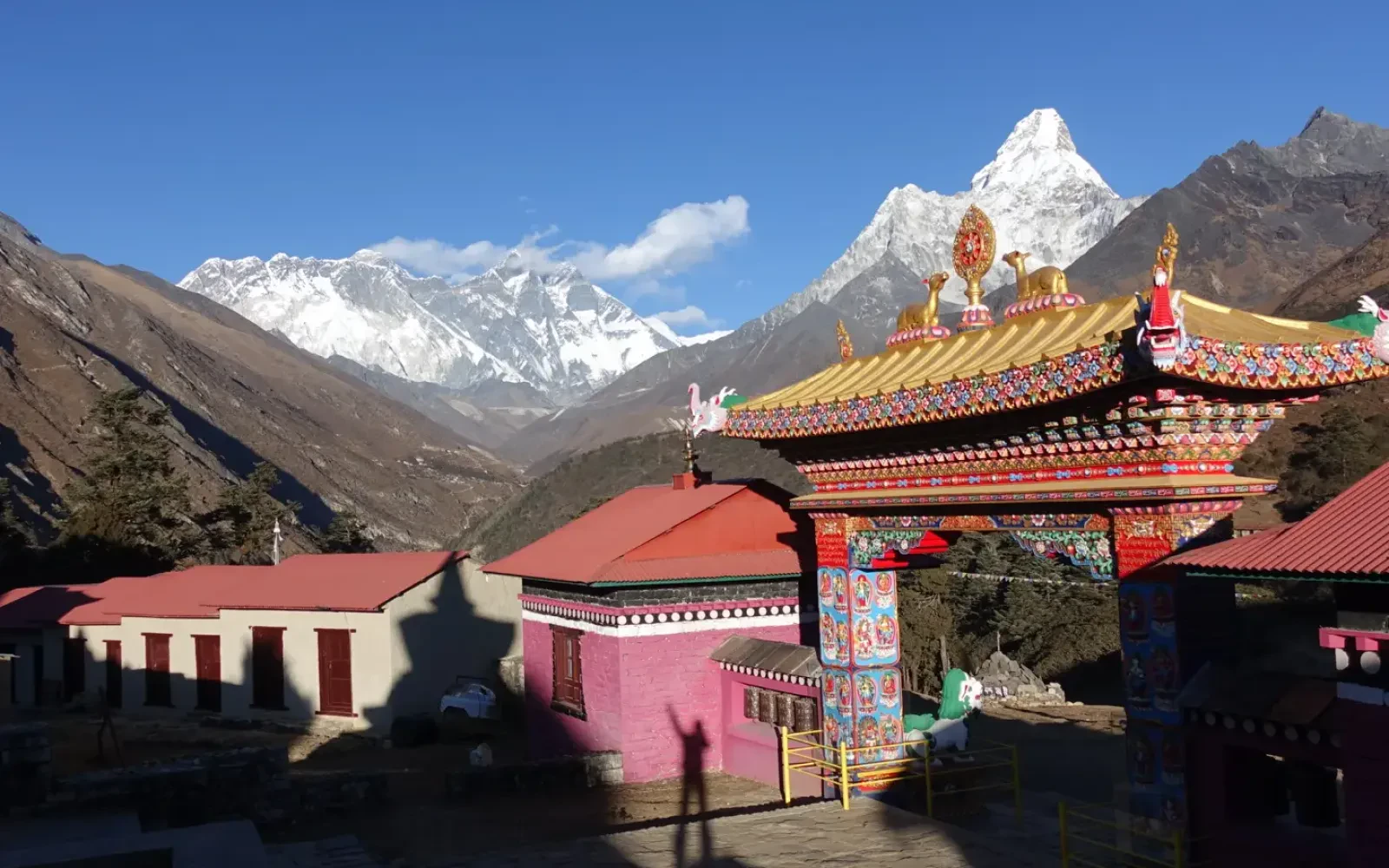
Actually, Everest Base Camp isn’t just about the climb or the killer views. There’s a spiritual pulse to this place that you feel the moment you land in Lukla. Prayer flags flutter in the wind, and ancient monasteries pop up along the trail, inviting you to pause and soak in a bit of peace between the lung-busting hikes. The Khumbu region isn’t just about altitude — it’s alive with Sherpa culture and the deep roots of Tibetan Buddhism. This isn’t just a trek; it’s a chance to step into another world.
Likewise, right from the start in Lukla (2,860m), you get hit with that spiritual energy. The first monastery, Rimishung in Phakding (2,610m), sits quietly on the route, giving you a first taste of Buddhist rituals. Move on to Namche Bazaar (3,440m), and you’ll find its lively gompa where locals and trekkers alike gather. It’s not just for show — these places invite you to watch, reflect, and sometimes join in.
Here, Tengboche Monastery (3,867m) is the real showstopper. Perched high up with Everest looming in the background, monks chant every day, and if you’re lucky, you can meditate alongside them. Pangboche Monastery (3,985m) waits a little farther up, guarding ancient relics and traditions that have survived centuries. These aren’t just stops along a path; they shape the whole trek, giving it a spirit you won’t find anywhere else.
Moreover, the spiritual thread runs even deeper in places like Khumjung Monastery (3,790m), famous for its mysterious yeti scalp. Sherpas lead rituals here, honoring mountain spirits and the power of nature. Not far off, Khunde Monastery (3,840m) offers a quiet retreat, the perfect spot to catch your breath and just be present with the mountains wrapped around you. Suddenly, walking to Base Camp feels less like a bucket-list hike and more like a journey for your soul.
Further, trekking here isn’t just an adventure — it’s a full-on experience, and yes, it comes with a price tag. Packages usually run from $1,200 to $2,500, covering permits and guides. If you’re watching your budget, you can still add on monastery stays and spiritual detours. Good operators make sure you acclimatize safely, so you can focus on the experience, not the headaches. In the end, it’s not just about reaching Base Camp. It’s the spirit of the place — the culture, the rituals, the people — that sticks with you long after you’re back home.
Key Monasteries on the Everest Trail,
For the beginners, Everest Base Camp Trek options often throw in guided visits to ancient monasteries. You don’t just walk the trails—you soak up the world of Tibetan Buddhism along the way. The itineraries spell everything out clearly, so you actually know what you’re getting into
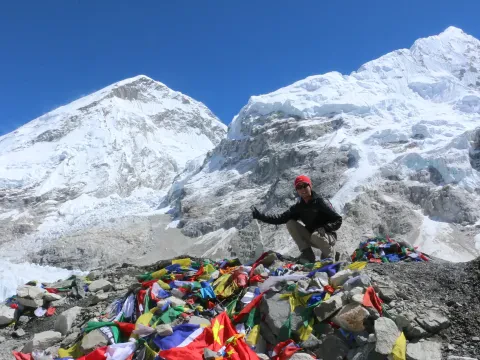
Actually, these EBC Trek packages aren’t just about the hike; they’re crafted for people chasing a deeper, more meaningful adventure. You get all the key details—altitude info, must-see spots, and honest guides that don’t waste your time with fluff. Everything links together naturally, from one experience to the next.
Honestly, if you’re searching for a trek that weaves in the spiritual side of Everest, these packages stand out. They highlight everything: the Base Camp itself, the peaceful monasteries, the whole atmosphere. It’s more than a journey—it’s a chance to connect with something bigger.
The Influence of Tibetan Buddhism in the Khumbu Region and Sherpa Heritage
Actually, Tibetan Buddhism runs deep in the Sherpa heritage of the Khumbu region. When the Sherpas crossed over from Tibet about 500 years ago, they brought the Nyingma tradition with them. Over time, those beliefs settled into the landscape, shaping a culture you honestly won’t find anywhere else. Their daily rituals aren’t just about faith—they pull people together, weaving spiritual devotion right into the fabric of the community.
Likewise, take monasteries like Tengboche. Sitting at 3,867 meters, it’s more than a building—it’s the spiritual heart of Khumbu. Monks there lead pujas to honor the mountain gods, mixing Buddhist teachings with old Sherpa beliefs. As you walk the trails, you’ll spot prayer wheels spinning and mani stones stacked along the path, all nudging trekkers to move a little more mindfully.
Moreover, Sherpa festivals crank this connection up a notch. During Mani Rimdu, for example, masked dancers bring ancient Tibetan stories to life, and the whole village joins in. In places like Khumbu, locals worship yullha—the protective spirits of the land. So, these traditions aren’t just for show. They’re alive, shaping how people live and see their world.
Similarly, the idea of beyul is especially powerful here. Sherpas see Khumbu as a hidden sanctuary, a sacred place for Buddhists, and they treat it with a kind of gentle reverence. They believe causing harm to the land would upset the balance, so they tread lightly. Lamas aren’t just spiritual leaders—they shape everyday choices, reminding people to live with compassion and courage, especially up in the thin mountain air.
If you want to experience this firsthand, cultural tours in Khumbu usually cost between $500 and $1,000, covering donations to monasteries. These trips aren’t just about sightseeing—they’re about diving into Sherpa heritage. It’s a real chance to see how old traditions meet modern trekking life. In the end, Tibetan Buddhism isn’t just part of the backdrop—it’s what makes the Everest Base Camp trek feel so alive and authentic.
Key Influences of Tibetan Buddhism
Explore this table on Tibetan Buddhism's role in Sherpa heritage :
| Aspect | Description | Example in Khumbu |
| Spiritual Practices | Daily pujas and meditations | Tengboche Monastery rituals |
| Cultural Festivals | Annual celebrations honoring deities | Mani Rimdu at monasteries |
| Sacred Landscape | Beyul and yullha beliefs | Khumbu as hidden valley |
| Community Life | Moral guidance from lamas | Environmental protection |
| Heritage Preservation | Integration with tourism | Guided cultural treks |
Incorporating Buddhism into Daily Life for the Sherpa Community
Actually, Sherpa heritage packages concentrate on the practice of Tibetan Buddhism for Search Engine Optimization purposes. Stories are written primarily in active voices and contain keywords related to the Khumbu region, Sherpa heritage, and Tibetan Buddhism that will help improve their Google rankings.
In fact, all of these combined create a rich and diverse cultural history for the Sherpa people. The Sherpas continue to preserve their heritage and traditions even while living under the shadow of Mt. Everest (8,848m). The use of connectives promote seamless integration between individual stories. Overall this subject provides a wealth of reliable and useful informational content.
If you’re planning to visit monasteries during your Everest Base Camp trek, a little respect and preparation go a long way. The Sherpa people and Tibetan Buddhist communities take their traditions seriously, and as a guest, you want to fit right in—not stand out for the wrong reasons.
Let’s start simple. Before you step inside any monastery, take off your shoes. Seriously, it matters. Dress modestly too—cover your shoulders and knees. It’s not just about looking respectful; it’s about showing you care. When you sit, don’t point your feet at altars or monks. That’s a big no. These little things help keep the space sacred for everyone.
Likewise, don’t just whip out your camera, either. Always ask before taking photos—monastery leaders appreciate it. Inside, keep your voice down. The atmosphere is calm for a reason. And when you walk around stupas or spin prayer wheels, go clockwise. It’s a simple detail, but it means a lot.
Now, about packing: the weather changes fast up there, so bring lightweight layers. Stay hydrated—carry a reusable water bottle. And while you’re at it, bring a small donation. A few dollars or a candle can be a thoughtful offering. Most monasteries don’t charge a fixed entry fee, but a $1-5 donation is common and welcomed.
Likewise, many trekking packages include guided visits, which really helps—you won’t have to guess what’s expected. With the right prep and a bit of cultural awareness, your monastery visits become something much more than a quick stop; they turn into genuine connections with the people and the place. That’s what makes the trek unforgettable.
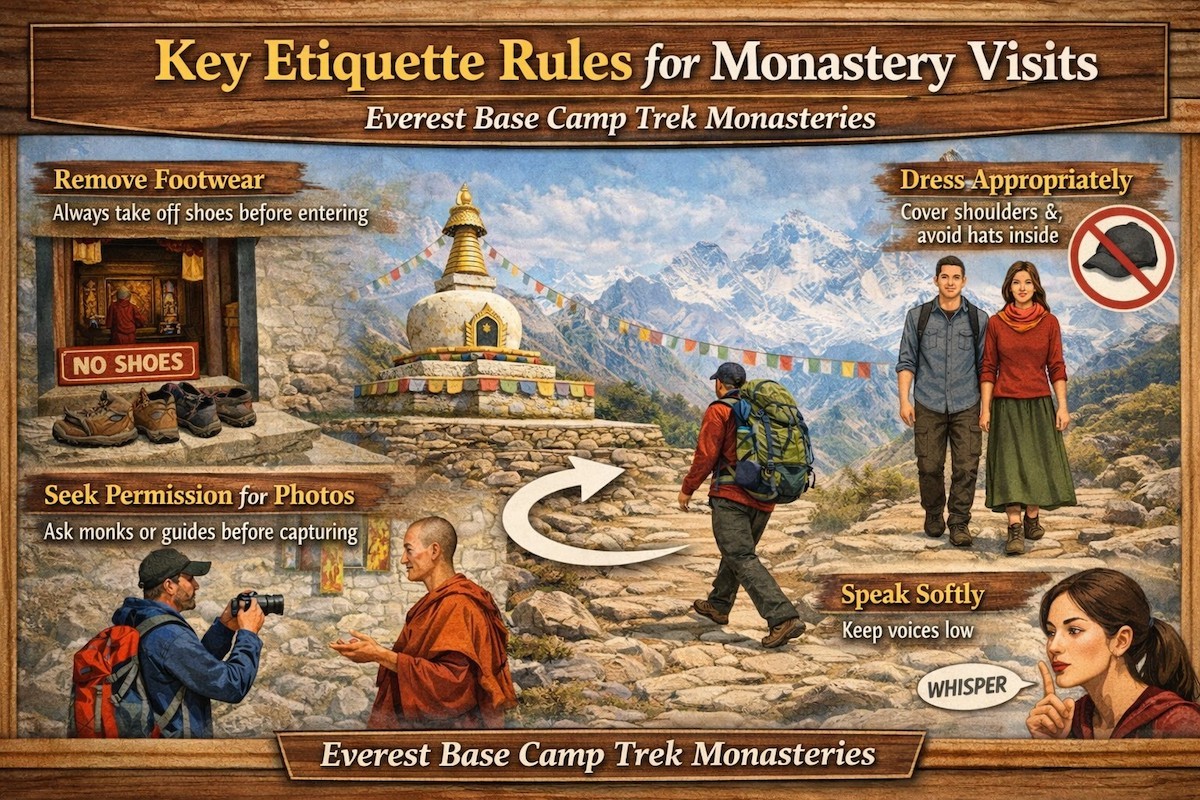
Key Etiquette Rules for Monastery Visits,
To list of essential etiquette tips for Everest Base Camp Trek monasteries:
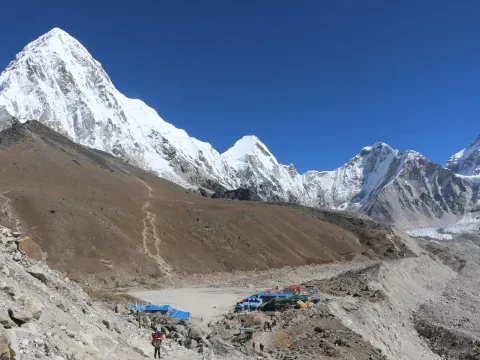
Meanwhile, Phakding Monastery sits quietly by the Dudh Koshi River, right where most trekkers take their first real breath on the way to Everest Base Camp. At 2,610 meters, it’s not just a place to catch your breath—it’s a gentle introduction to Sherpa traditions and the calm pulse of Tibetan Buddhism. The moment you step onto the path, you see the monastery’s bright prayer flags snapping in the wind. The murals inside? They’re wild with color and detail, telling old Buddhist stories that pull you in, even if you don’t know a single line of scripture.

Likewise, locals call it Rimishung Monastery, and it belongs to the Nyingma sect. You’ll spot monks carrying out daily rituals, their chants echoing through the valley. It’s all set against a backdrop of rhododendron forests, so the air smells sweet when the flowers bloom. Getting there means crossing a suspension bridge over the roaring Dudh Koshi—definitely a little jolt of adrenaline before the trail climbs higher.
Similarly, spin a prayer wheel for luck, watch the river rush by, and soak in the quiet. The monastery’s history goes way back, tied to Sherpa migrations centuries ago. Some ancient relics inside connect you straight to Himalayan spiritual traditions. No one charges you to visit, but a donation helps keep the place running. Most trekking packages stop here and often include a guide who’ll point out details you might miss.
All in all, Phakding Monastery sets the mood for the trek ahead. It’s peaceful, a bit mysterious, and gives you a chance to slow down before things get tough. If you’re headed to Everest, don’t rush past—this spot deserves a moment.
Features of Phakding Monastery
Review this table on Phakding Monastery's key aspects :
| Feature | Description | Significance |
| Location | Along Dudh Koshi River in Phakding (2,610m) | First spiritual stop on Everest Base Camp Trek. |
| Sect | Nyingma School of Tibetan Buddhism | Reflects ancient Sherpa heritage practices |
| Attractions | Prayer wheels, murals, flags | Promotes meditation and cultural immersion |
| Elevation | 2,610m (8,563 feet) | Aids gradual acclimatization for trekkers |
| History | Tied to Sherpa migrations | Preserves Himalayan Buddhist traditions |
Why stop at Phakding Monastery during your Everest Base Camp trek?
Actually, it’s simple. It’s not just another checkpoint—it’s a peaceful break along the Dudh Koshi River, and honestly, the place feels special from the moment you step in. You get a real sense of the local culture, not just from the monastery itself, but from the whole village vibe. It’s a great spot to catch your breath, soak in the scenery, and ease into the rhythm of the trek.
Plus, starting your journey with a calm, authentic experience like this just sets the right tone for everything ahead.
Actually, Pema Namding Monastery sits quietly in Ghat Village, right at 2,610 meters, and if you’re trekking to Everest Base Camp, you’ll probably pass by pretty early on. It’s a newer place—built in 2008—but when you step inside, you’re surrounded by ancient Buddhist treasures. There’s this mix of fresh architecture and old energy that’s hard to miss. You’ll find thangkas, prayer wheels, and statues, all set up to invite you in and slow you down.

Meanwhile, the place isn’t just for show. Ngawang Jigdral Rinpoche built it to spread compassion and wisdom, and Trulsik Rinpoche gave it the name, tying it right back to the old Nyingma roots of Tibetan Buddhism. The artistry inside isn’t just there for decoration—it tells stories, with murals and sculptures that make the old traditions feel alive.
Here, one of the wildest things: they have a Buddha statue that’s over 1,000 years old. It’s the heart of the place. People come through, spin prayer wheels, and let the atmosphere sink in. You feel both the Sherpa heritage and something bigger—like a thread running straight from ancient Tibet to this spot in the Himalayas.
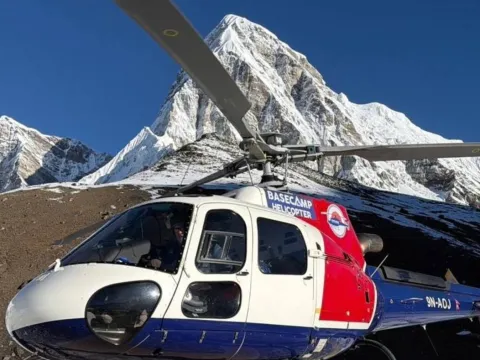
In fact, Ghat itself sits by the Dudh Koshi River, just past where most people land in Lukla. The village feels peaceful, almost like it’s nudging you to stop and just breathe for a second. Lots of trekkers use the calm to meditate or just take a break from the trail.
To the fact, you don’t need to pay any entry fee—just a small donation if you feel like helping out (usually a couple bucks). Some trekking packages even set up guided walks through the monastery, so you can really take it all in. If you want more than just mountain views on your trek, this place gives you a slice of culture and peace that sticks with you.
Key Features of Pema Namding Monastery ,
Here’s what stands out for anyone trekking to Everest Base Camp :
Integrating Monasteries Visit into Everest Trek Packages,
Adding Pema Namding Monastery to Everest Base Camp trek packages does more than just a trek—it brings real depth to the trip. The packages highlight the monastery’s ancient Buddhist relics, but they don’t stop there. They also tap into the peaceful, modern vibe that people want from a spiritual escape. That combo helps the trek stand out online, sure, but it also gives travelers something special on the ground.
Actually, there’s something magnetic about Pema Namding. Old and new come together, and trekkers get to see—and even touch—sacred artifacts firsthand. Stories about the place connect everything, pulling people in. When you talk about Ghat and its hidden treasures, this monastery is definitely at the top of the list.
Meanwhile, Namche Monastery sits right in the heart of Namche Bazaar, the Sherpa capital, at 3,440 meters. It’s a peaceful escape from the busy markets just outside. If you’re trekking to Everest Base Camp, this place catches your attention—not just for acclimatization, but as a spot to stop and reflect. There’s something about the way Buddhist rituals and local culture come together here that just pulls you in.

Actually, Namche Bazaar owes a lot of its energy to the old salt trade routes that once ran through these mountains. The monastery stands out as a daily gathering place for prayers and meditation. Monks keep Tibetan Buddhist traditions alive, not as museum pieces, but as a real part of daily life. When you walk in, you feel that energy—it’s not just for show.
Here, step outside, and there’s the Himalayas in full view—Mount Everest dominates the skyline. Rituals inside the monastery echo through the walls, and you can join in if you want. Colorful stupas dot the surroundings, adding to the sense of discovery. Spending time here connects you to the trek in a deeper way—it’s not just about the trail, but about understanding the spirit of the place.
At this altitude, the monastery helps people adjust to the thinner air. Trekkers wander through nearby shops, but many find themselves drawn back to the quiet inside these walls. Festivals like Mani Rimdu light up the area with music, masks, and vivid traditions that feel very much alive. Namche is a mix of adventure and soul, and the monastery stands at the center of that.
If you want to support the place, a small donation—usually $2 to $5—helps keep things running. Many trekking packages include a visit, which is worth it if you’re after something more than just a physical challenge. Guides weave stories about the monastery into the journey, making the experience richer. Reliable info is easy to find, so you’ll have no trouble getting the details you need before you go.
Aspects of Namche Monastery
Review this table on Namche Monastery's key elements :
| Aspect | Description | Significance |
| Location | In Namche Bazaar (3,440m), Sherpa capital | Gateway for Everest Base Camp Trek spirituality |
| Practices | Daily prayers and Tibetan Buddhism meditations | Promotes peace in bustling environment |
| History | Tied to ancient trade routes | Reflects Sherpa heritage evolution |
| Attractions | Stupas and ritual sessions | Enhances cultural immersion for trekkers |
| Festivals | Mani Rimdu celebrations | Showcases vibrant Buddhist traditions |
Spirituality in Everest Base Camp Trek Itineraries
Actually, spirituality plays a big part in Everest Base Camp treks. Most packages make a point to highlight Namche Monastery, and honestly, it’s easy to see why. The place sits right in the middle of the lively Sherpa capital, and the spiritual energy there is hard to miss. People come for the trek, but they often leave with something deeper, something they didn’t expect.
When you walk through Namche Monastery, you feel the sacred atmosphere right away. Trekkers don’t just pass by—they stop, take it in, and let it shape their journey. This isn’t just another stop along the trail. It’s a chance to pause, reflect, and get a sense of the spiritual side of the Himalayas. Anyone planning a trek here gets more than just mountain views—they get a glimpse into a living tradition that adds real meaning to the trip.
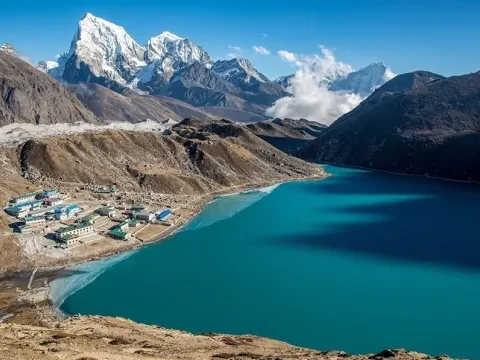
Actually, Khumjung Monastery sits high at 3,790 meters, right in the heart of the Everest region. It’s a place that pulls you in with stories of the yeti and bursts with colorful festivals. Sherpa culture runs deep here. The monastery isn’t just a stop along the Everest Base Camp trek—it’s a full-on experience.

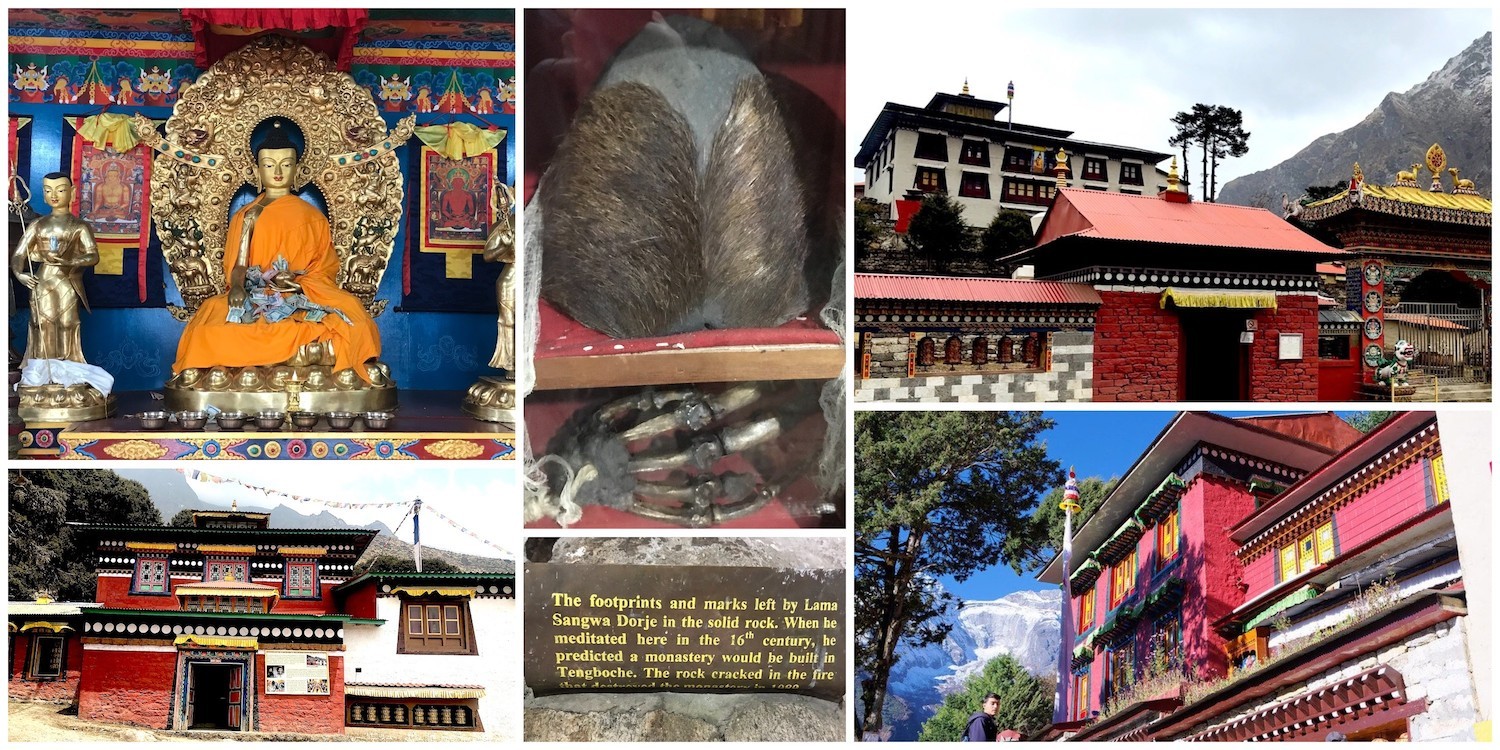
Walk inside, and you’ll find the famous yeti scalp. People come from all over just to see it. The scalp itself? Honestly, it’s a little mysterious and a little strange, and that’s exactly why everyone’s so fascinated. Back in 1960, Sir Edmund Hillary took the scalp from here to study it. Today, trekkers still swing by to catch a glimpse, usually during a day hike from Namche Bazaar. The walls inside are covered in murals that bring those yeti legends to life. It’s hard not to get swept up in the stories.
But Khumjung isn’t only about myths. The monastery is alive with festivals—especially Dumji, when dancers in wild, bright masks spin and leap in celebration. These festivals aren’t just for show. They’re a real piece of Sherpa life, blending spiritual rituals with a good dose of folklore. The whole village joins in. Monks chant, families gather, and even travelers end up clapping along.
Step outside, and you’ll see potato fields rolling out across the hills, with the snow peaks towering above. The village wraps around the monastery, and right nearby sits the Edmund Hillary School—another reminder of how deep the history runs here. And those mountain views? Impossible to forget, especially when the festivals are in full swing.
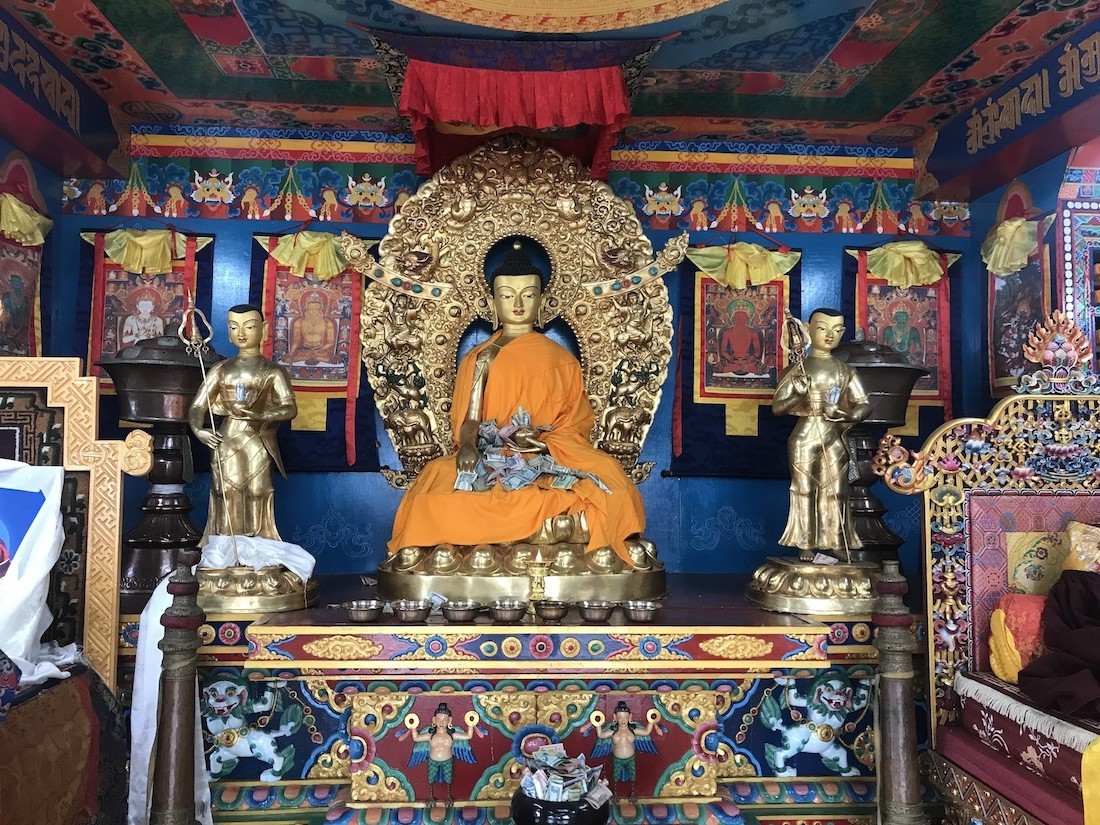
If you want to see the yeti scalp up close, you just leave a small donation—two to five dollars—and you’re in. Some trekking packages even include festival tours, so you won’t miss a thing. In the end, Khumjung Monastery isn’t just a quick stop on your way to Everest. It’s a vibrant, quirky place where adventure and tradition collide, and you walk away with stories you’ll actually want to tell.

Highlights of Khumjung Monastery :
Here is a list of key attractions on Everest Base Camp Trek:
Why Add Khumjung Monastery to Everest Base Camp Trek Packages
Meanwhile, Khumjung Monastery isn’t just another stop on the Everest Base Camp trek. People love it for the wild yeti legends and the lively Himalayan festivals that bring Sherpa culture to life. When you include it in a trek package, you’re not just ticking a box for SEO — you’re giving trekkers stories worth telling and memories that stick.
Actually, the place buzzes with mystery and tradition. Trekkers don’t just visit; they get pulled into the festivals, the rituals, the whole atmosphere. Khumjung Monastery turns a trek into something deeper, something spiritual. For anyone searching for meaning or just wanting a good story to bring home, stopping here makes the trip unforgettable.
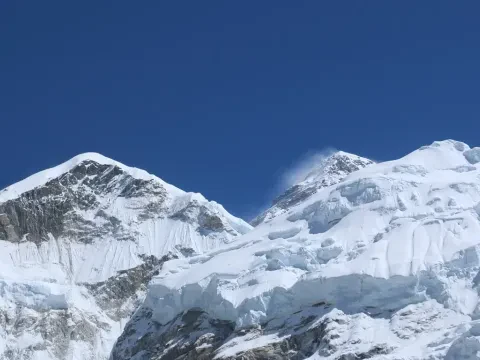
Actrually, Khunde Monastery sits quietly above Khumjung Village, right at 3,840 meters. It’s the kind of place that gives you a real break from the grind of the Everest Base Camp Trek. The mountains roll out in every direction—Everest, Ama Dablam, Lhotse. You just stand there, soaking it all in, while the prayer flags snap in the wind and monks chant their daily pujas. The whole scene feels almost unreal.

Inside, ancient Tibetan Buddhist relics rest behind thick stone walls. There’s a deep sense of Sherpa tradition here. Trekkers show up tired and leave with a little more peace, whether they spend time meditating or just wandering through the quiet courtyards. The monastery feels like a hidden pocket of calm—a genuine retreat where you can actually catch your breath and reset.
Likewise, step outside and you’re surrounded by rhododendron forests, especially beautiful when they bloom. And just down the trail, Khunde Hospital stands as a reminder of Sir Edmund Hillary’s legacy with the Sherpa people. Most visitors swing by both spots for a real look at life up here.
The best part? There aren’t any mandatory fees. Drop a small donation—maybe a few dollars—if you want to help out with maintenance. Most trekking packages include a stop at Khunde anyway, and honestly, it’s worth it. Nothing beats standing there with the mountains all around you, feeling that quiet settle in. It’s more than just another stop; it’s a place that gives back a little energy for the road ahead.
Key Elements of Khunde Monastery,
Explore this table on Khunde Monastery's attractions :
| Element | Description | Significance |
| Location | Near Khumjung at 3,840m elevation | Tranquil retreat for acclimatization on Everest Base Camp Trek. |
| Views | Panoramas of Everest, Ama Dablam, Lhotse | Stunning peak vistas enhancing spiritual experiences. |
| Practices | Daily pujas and meditations | Promotes serenity amid Himalayan surroundings. |
| Nearby Sites | Khunde Hospital by Hillary | Ties to Sherpa heritage and community health. |
| Appeal | Peaceful ambiance with forests | Ideal for rejuvenation during high-altitude journeys. |
Making EBC Trekking Itineraries Better
Actually, Everest Base Camp treks always highlight Khunde Monastery. It’s not just a stop—it’s where you can actually slow down and soak in the calm. The views? They’re unreal. Snowy peaks everywhere you look, and it’s all tied to Sherpa culture, which adds a real sense of place.
Here, people don’t just pass through. They linger, catch their breath, and take in the silence. That’s where the trip shifts from just hiking to something more personal. And when you lay it all out—beautiful scenery, quiet moments, a bit of local history—it makes a huge difference. This kind of experience turns an ordinary trek into something you remember.
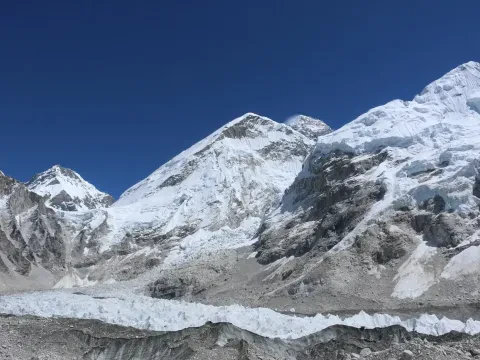
Here, if you’re trekking to Everest Base Camp, don’t miss Thame Monastery. It’s tucked away at 3,800 meters above sea level and makes for an unforgettable detour from Namche Bazaar. The main draw? The Mani Rimdu festival. Every year, monks bring this place alive with masked dances, chanting, and ancient rituals that show you what Sherpa culture and Tibetan Buddhism really feel like.

Actually, the monastery sits in Thame Village, surrounded by wild Himalayan peaks. When Mani Rimdu hits—usually around May or June—the courtyard fills with color and energy. Monks step into elaborate masks and costumes, acting out stories of good triumphing over evil. Visitors join locals for processions, prayers, and blessings that leave you feeling connected and, honestly, a little awed. Inside, the walls are covered with vibrant murals that tell centuries-old Buddhist tales.
Moreover, getting to Thame isn’t hard, but you’ll need to set aside three or four hours to hike there from Namche. The trail helps with acclimatization, and you’ll catch sweeping views of Kongde Ri along the way. Plus, there are plenty of cozy teahouses for breaks before you reach the monastery.
In fact, there’s no entry fee—just a suggested donation of a couple of dollars to help keep the rituals going. Most Everest Base Camp trekking packages can include Thame as a guided side trip, so you won’t have to figure it all out on your own. If you want a deeper connection to the region’s spiritual side, seeing Mani Rimdu at Thame Monastery is about as real as it gets.
Key Attractions of Thame Monastery
Here is a list of highlights for Everest Base Camp Trek side trips:
Incorporating Thame Monatery into EBC Trek Packages
Here, bringing Thame Monastery into Everest Base Camp trek packages adds something special. Trekkers don’t just pass by—they get swept up in the Mani Rimdu festival, watch the rituals up close, and really feel the energy of the place. These trips highlight all the big moments at Thame Monastery, from the sacred dances to the deep-rooted traditions. Lists and stories pull readers in, making them want to experience it for themselves. If you’re after a trek that goes beyond the usual, Thame Monastery delivers real spiritual insight right in the heart of the Himalayas.
Step inside Thamo Monastery (3,400m) on your way to Everest Base Camp, and you’ll feel something different. Tucked near Namche Bazaar, this place isn’t just another stop on the trek — it’s a living story of Tibetan refugee nuns who’ve rebuilt their lives out here, surrounded by the Himalayas.

Actually, Khari Rinpoche founded Thamo Monastery back in 1962 after escaping Tibet. The nuns who settled here came with almost nothing, but with help from the Sherpa community, they started over. Today, about 35 nuns call Thamo home. They keep up daily pujas and meditations, guided by the Gelukpa tradition, holding tight to their roots and faith.
Here, it’s hard not to feel moved by what you see here. The nuns escaped persecution and found a way to persevere, carrying on their spiritual practices high above the valleys. Their monastery overlooks green slopes and quiet forests — the kind of view that just makes you stop and breathe it all in. Visitors often find themselves inspired by the quiet strength of these women.
Likewise, Thamo isn’t far off the main trail to Thame (3,800m), so it’s easy to visit. If you take the detour, you’ll get a chance to talk with the nuns and get a real sense of Sherpa culture. Inside, the prayer rooms glow with color and old artifacts, each with a story of its own. The whole experience opens up a side of the Everest trek that’s easy to miss if you just rush through.
If you want to help, even a small donation — just a dollar or two — goes a long way for the nuns’ daily needs. Most trekking packages mention Thamo as a highlight, but honestly, it’s the resilience of these women that leaves the biggest mark. This isn’t just a cultural site — it’s a reminder of what people can endure and create, even in the toughest places.
Aspects of Thamo Monastery,
Review this table on Thamo Monastery's key features :
| Aspect | Description | Significance |
| Founding | Established 1962 by Khari Rinpoche | Marks resilience of Tibetan refugee nuns post-exile |
| Residents | About 35 nuns of Gelukpa sect | Symbolizes enduring spiritual community |
| Elevation | 3,400m near Namche Bazaar | Accessible stop on Everest Base Camp Trek |
| Practices | Daily pujas and meditations | Promotes peace and cultural preservation |
| Heritage | Tied to Tibetan refugees' stories | Inspires visitors with tales of perseverance |
Resilience on the Everest Base Camp Trek
Here, Thamo Monastery stands out along the Everest Base Camp route. It’s not just another stop; it’s a living example of resilience. Tibetan refugee nuns call this place home, and you can feel their strength and determination as you walk through its grounds. Sherpa heritage lives here too. Their stories mix with those of the nuns, creating a powerful sense of endurance and hope.
When trekkers visit, they don’t just hear about resilience—they see it in action. Every conversation, every detail in the monastery, brings these stories to life. It’s not just about ticking off a sightseeing spot. It’s about connecting with real people and the history that shapes them. If you want an experience that goes deeper than stunning views, stopping at Thamo Monastery is a must. You walk away with more than photos—you leave with stories that stay with you.
Here, Tengboche Monastery sits high at 3,867 meters, right in the heart of the Everest Base Camp Trek. If you’re hiking this trail, you can’t miss it—this place has a kind of energy that just pulls you in. The monastery itself looks out over Everest and Ama Dablam, with sweeping views of the Himalayas that honestly make you catch your breath. Trekkers stop here not just for the scenery but for a chance to step into rituals and meditation that go deep into the roots of Tibetan Buddhism.

Every day, the monks chant, filling the halls with something ancient and calming. They really keep Sherpa traditions alive, and you feel that as soon as you step inside. The walls are covered with bright murals telling Buddhist stories, and if you’re lucky enough to visit during the Mani Rimdu festival, you’ll see masked dances that celebrate triumph over evil. It’s lively, sacred, and unforgettable all at once.
Further, getting to Tengboche isn’t a stroll in the park. You climb a steep trail up from Namche Bazaar, and the altitude hits you. But you get these incredible views as you go, and you can stop at a bakery along the way for a break—most people do. When you finally reach the monastery, it feels like more than just another stop; there’s a sense of renewal, like you’ve tapped into something bigger.
Likewise, supporting the monastery is easy—a small donation of $2 to $5 helps keep things running. Most Everest Base Camp Trek packages offer a guided visit, so you really get to experience everything this spiritual hub offers. Out of all the highlights on the trek, Tengboche Monastery stands out. It’s the kind of place that sticks with you long after you’ve left the mountains behind.
Highlights of Tengboche Monastery,
Here is a list of key features on Everest Base Camp Trek:
Integrating Tengboche Monastery into EBC Trek Packages
Here, trek packages for Everest Base Camp always highlight Tengboche Monastery. It’s a must-see—this place sits right in the heart of the mountains, with Everest in the background, and you can’t help but feel something big when you’re there. Most companies use plenty of keywords about Everest and Tengboche to catch attention online, and they throw in lots of photos and lists to keep people interested.
Honestly, Tengboche Monastery just grabs you. Those mountain views are something else, and trekkers get a real taste of Tibetan Buddhism up close. So, when you read about this spot in trek package write-ups, you’re not just getting basic info. You get a sense of the place—why it matters, what you’ll see, and how it feels to stand there, looking out at the Himalayas.
Meanwhile, Tengboche Monastery has a story that refuses to fade. Perched high in the Himalayas, it’s not just a quiet place for the Nyingma sect—Lama Gulu founded it back in 1916, and Sherpas quickly made it their spiritual home. The place has been knocked down and rebuilt more than once, and each time, the community pulled together and made it stronger.

In 1934, an earthquake leveled the original monastery. The locals didn’t wait around. Monks and villagers got to work right away and rebuilt it, holding on tight to their spiritual traditions. That disaster, as terrible as it was, only deepened their connection to their Tibetan Buddhist roots.
Then, in 1989, a fire swept through and destroyed almost everything—walls, precious relics, ancient murals. It could have been the end. But support poured in, even from far away. Sir Edmund Hillary’s Himalayan Trust chipped in, and volunteers showed up to help restore the monastery. They brought the murals and the buildings back to life, piece by piece. The place stands today because so many people refused to let it disappear.
Now, Tengboche Monastery sits at 3,867 meters, looking out at Everest. Trekkers pass through on their way to Base Camp, and you can feel the history in the air. Annual festivals bring everyone together to celebrate what they’ve rebuilt. The story of Tengboche isn’t just about survival—it’s about spirit and stubborn hope, and honestly, that’s what sticks with you when you visit.
If you’re trekking, you won’t pay any extra fees to see the monastery, but donations go a long way to help keep its legacy alive. The story of Tengboche—its destruction, its rebuilding, and the people who refused to give up—adds a whole new layer to any Everest trek. You don’t just walk through history here; you feel it.
Key Milestones in Tengboche's History,
Explore this table on Tengboche Monastery's enduring legacy :
| Milestone | Year | Description |
| Founding | 1916 | Lama Gulu establishes as Nyingma retreat in Khumbu. |
| Earthquake Destruction | 1934 | Devastating quake levels structure, leading to rebuild. |
| Fire Destruction | 1989 | Blaze destroys artifacts; international aid assists recovery. |
| Rebuilding Completion | Post-1989 | Himalayan Trust and volunteers restore enduring legacy. |
| Current Role | Ongoing | Spiritual hub on Everest Base Camp Trek, hosting festivals. |
Legacy of Tengboche in Modern Everest Base Camp Treks
Actually, Everest Base Camp Trek packages lean into the area’s rich history—especially when it comes to stories about rebuilding and the lasting spirit of the region. Tengboche Monastery always gets a mention, too. People love hearing about its past and how it keeps bouncing back, and honestly, the Sherpas play a huge part in keeping that legacy alive. They’re not just caretakers; they’re the heartbeat of the place.
Here, you’ll notice a thread connecting old and new, with each generation adding something to the story. Tengboche’s history isn’t just a dry timeline—it’s full of real challenges and comebacks that pull you in. If you’re searching for meaningful stories or guidance about the trek, this is where you’ll find it.
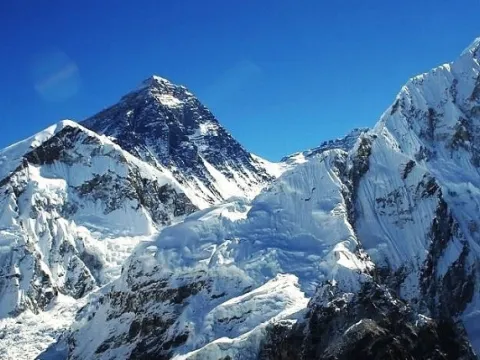
Meanwhile, Pangboche Monastery sits high up at 3,985 meters on the Everest Base Camp Trek, and it’s hard to walk past without stopping. This place isn’t just old—it’s the oldest in Khumbu, built back in the 17th century by Lama Sangwa Dorje. Walk inside and you’ll find walls covered in ancient murals, shelves lined with sacred texts, and, yes, the famous yeti hand relic. People come from all over just to catch a glimpse of that odd artifact and hear the wild stories that go with it.

But there’s more to Pangboche than legends. Every day, monks gather for puja, lighting butter lamps and chanting in a way that fills the halls with a kind of energy you don’t forget. If you’re trekking, you’ll probably arrive after walking through thick forests, the air getting thinner and the views opening up. Suddenly, Ama Dablam towers right above you, and the monastery feels like it’s perched on the edge of the sky.
Here, the place lives and breathes Sherpa heritage. Those yeti tales you hear? They come straight from the villagers, handed down for generations. Visitors are welcome to join in the daily rituals, and it’s an easy way to get a sense of the spiritual side of life up here. Don’t be surprised if you end up tossing a few dollars into the donation box—just $1-5 goes a long way to help the monks keep those relics in good shape.
Likewise, most Everest Base Camp trekking packages include a stop here, often with a guide ready to spin a few yeti stories. It’s a break from the physical grind of the trail—a chance to breathe, soak up some culture, and maybe, for a moment, feel like you’re part of something much older and deeper than just a trek.

Key Attractions of Pangboche Monastery,
Here is a list of highlights for Everest Base Camp Trek:
Enriching EBC Trek Packages with Pangboche Monastery
Meanwhile, trek packages for Everest Base Camp often highlight Pangboche Monastery. It isn’t just another stop—it’s a place packed with old relics, wild yeti stories, and everyday rituals that pull you in. Spiritual seekers find plenty to love here, and the stories about ancient artifacts and those mysterious creatures stick with you.
Honestly, visiting the monastery feels different. You hear the monks chanting, catch a glimpse of relics, and get swept up in the legends. For anyone looking to add some depth to their trek, Pangboche’s the spot.
Now, let’s talk about the hidden corners of the Everest Base Camp Trek — Deboche Ani Gumba, Kyaro, and Mende Monasteries. These places don’t get the crowds, but that’s exactly what makes them special. They’re quiet, tucked away from the busy trails, and if you’re looking for a real taste of Sherpa culture and peaceful Himalayan vibes, this is where you’ll find it.
Here, take Deboche Ani Gumba, for example. At 3,820 meters, this old nunnery is still home to Buddhist nuns who gather for prayers every day. The place feels ancient, almost timeless, and it sits right in the middle of rhododendron forests. It’s easy to see why people come here to meditate or just sit in silence for a while.
Then there’s Kyaro Monastery, up at 3,901 meters in upper Pangboche. Some folks say it keeps relics linked to the yeti — which adds a bit of myth and mystery to the place. It’s not on the main trail, so you’ll have to take a side hike, but it’s worth it. The buildings really show off traditional Sherpa architecture, and you get a close look at Tibetan Buddhist life.
Likewise, Mende Monastery is another quiet spot, perched above Mende Village at 3,800 meters. It’s a newer monastery, built in the 20th century, and it’s known for its Nyingma-pa rituals and impressive statues. There’s even a cave nearby that honors the founding lama. It’s a good place for anyone wanting a little peace or a moment to reflect.
In fact, you don’t need to pay to visit these monasteries, but donations help keep them going. If you want to see something unique on the trek, these are the spots to check out. They’re connected by quiet trails and a shared sense of calm — and honestly, they make the journey feel a lot more personal.
Subheading: Features of Lesser-Known Monasteries,
Review this table on Everest Base Camp Trek hidden spots :
| Monastery | Elevation | Key Highlights |
| Deboche Ani Gumba | 3,820 m | Peaceful nunnery with daily prayers and forest surroundings. |
| Kyaro Monastery | 3,901 m | Ancient yeti relics in upper Pangboche, traditional architecture. |
| Mende Monastery | 3,800 m | Nyingma-pa rituals, founding lama cave, serene meditation spot. |
Discovering Hidden Gems
The Everest Base Camp Trek isn’t just about the big names. There are all these tucked-away spots—like Deboche Ani Gumba, Kyaro, and Mende—that don’t get enough attention. When you dig into these places, you end up with richer stories and, honestly, better SEO that feels real.
To be honest, people don’t just pass by these monasteries. They actually stop, explore, and soak in the atmosphere. There’s something about these quiet corners that pulls trekkers in, lets them dig deeper, and gives the journey a real sense of meaning. You start to notice how these places connect to the bigger story of the trail. That’s what makes this trek way more than just a checklist—it’s an experience that stays with you.
When you look back on the Everest Base Camp Trek, it’s hard not to feel changed. This isn’t just a long walk through the Himalayas—it’s a deep dive into ancient monasteries, Sherpa traditions, and some serious soul-searching. The adventure leaves you different than when you started.
Here, right from the jump in Lukla, the path winds its way up to Base Camp, but it’s the stops along the way that really hit home. You pass through places like Tengboche and Pangboche, their monasteries tucked into the landscape. You step inside, and something about the chants and the scent of incense settles you. Tibetan Buddhism isn’t just a backdrop here—it shapes every step, bringing a sense of calm and mindfulness that sticks with you.
Likewise, you get a taste of Sherpa heritage at Khumjung Monastery, where locals even talk about yeti legends. At Thame, you might catch daily prayers or the Mani Rimdu festival, and find yourself reflecting on more than just the trail ahead. The climb is tough, sure, but it’s these moments of quiet and connection that dig deeper, building resilience you can feel.
Further, the Khumbu region’s Buddhist roots run deep. With Everest looming above, you start to see things differently. Deboche Ani Gumba—one of those hidden gems—offers a rare look into local culture. And stories from Thamo Monastery, full of grit and community, get under your skin and make you think.
Of course, all this doesn’t come free. Everest Base Camp Trek Cost usually run between $1,200 and $2,500. That covers permits, guides who know the region’s spiritual side, and donations to keep the monasteries thriving. You’ll need to spend a few days adjusting to the altitude in Namche Bazaar too, which turns out to be perfect for slowing down and soaking it all in.
In fact, it’s not just the altitude that leaves a mark. Monasteries and the rituals inside them turn the trek into something more—an adventure that’s as much about the heart and mind as it is about the legs. Festivals, prayers, and the simple act of moving through this landscape connect you to something bigger. In the end, the EBC Trek isn’t just about reaching Base Camp. It’s about discovering a new side of yourself along the way.
Key Reflections from the Trek :
Here is a list of profound insights on Everest Base Camp Trek:
Actually, the Everest Base Camp trek isn’t just a hike—it’s a real spiritual journey. Along the way, you dive into Sherpa culture and Tibetan Buddhist traditions. The trail itself turns into a space for reflection, not just another item on a travel bucket list.
Honestly, this trek sticks with you. People come back changed, carrying memories and ideas that last for years. If you’re after more than just mountain views, you’ll find meaning woven into every step. This is what makes the Himalayas unforgettable.
1. What is the "Popular Monasteries on Everest Base Camp Trek"?
The Popular Monasteries on Everest Base Camp Trek is a way to see the spiritual side of the Everest Base Camp Trek. You get to visit monasteries like Tengboche, Pangboche and Khumjung. This package is a mix of trekking and Buddhist culture which makes for an interesting adventure. You get to experience the peacefulness of the Himalayas.
2. Why should I choose a spiritually focused EBC trek package?
If you choose a focused EBC trek package you can experience peace at famous monasteries while on your way to Everest Base Camp. This package is special because it lets you learn about the culture stay in monasteries and take part in prayer sessions. All these things make your journey more meaningful than a regular trek.
3. What etiquette should I follow when visiting monasteries on the EBC trek?
When you visit monasteries on the EBC trek you should always take your shoes off walk around the mani walls in a clockwise direction speak softly ask the monks if you can take their picture dress in a way and give donations in a respectful manner. These things show that you respect the Buddhist traditions and will make your spiritual experience better.
4. Which is the first monastery on the Everest Base Camp Trek?
The first monastery you will see on the Everest Base Camp Trek is Phakding Monastery. It is a place to stop after you land in Lukla. The monastery is near the Dudh Koshi River. Gives you a good introduction to Sherpa Buddhism. This helps you get ready for the journey that is ahead of you.
5. What makes Pema Namding Monastery in Ghat special?
Pema Namding Monastery in Ghat is a spiritual place that has old Buddhist things, colorful pictures on the walls and a peaceful feeling. It is a place to stop early in the walk with a nice view of the river and friendly monks.
6. Is Namche Monastery worth visiting during the EBC trek?
Yes, Namche Monastery is definitely worth visiting. It is in the middle of the Sherpa capital. Has stunning views. You can learn a lot about the culture and spirituality here. The monastery is also a place to rest and get used to the high altitude.
7. What is unique about Khumjung Monastery on the Everest trek?
Khumjung Monastery is famous for having a Yeti scalp. The monastery also hosts colorful festivals in the Himalayas. You can see the mountains from here and learn a lot about the Sherpa traditions. This makes Khumjung Monastery a highlight of the EBC journey.
8. Why visit Khunde Monastery during the Everest Base Camp Trek?
Khunde Monastery is a place to visit because it is very peaceful and has amazing views of the peaks. The monastery is near Khumjung, which makes it perfect for meditation and reflection. You can enjoy the atmosphere of the Himalayas here.
9. What is special about Thame Monastery and Mani Rimdu?
Thame Monastery is a place to visit if you want to see the Mani Rimdu festival. The festival has sacred masked dances and rituals. The monastery shows the heritage of Tibetan Buddhism in a beautiful and remote setting.
10. Can I visit Thamo Monastery on the EBC trek?
Yes, you can visit Thamo Monastery on the EBC trek. The monastery is home to brave Tibetan refugee nuns. Visiting the monastery is an experience that shows the strength of the nuns and their daily prayers and traditions. This adds depth to your Popular Monasteries on Everest Base Camp Trek.
11. Why is Tengboche Monastery the highlight of the EBC spiritual trek?
Tengboche Monastery is the famous spiritual place on the EBC trek. It has views of Everest and is known for its beautiful monastery architecture, prayer ceremonies and peaceful atmosphere. Many people. Take pictures of the monastery.
12. What is the history of Tengboche Monastery?
Tengboche Monastery has an interesting history. It was destroyed by fire and earthquake. It was rebuilt. The monastery shows the faith and resilience of the Sherpa people on the Everest Base Camp spiritual route.
13. Does Pangboche Monastery have Yeti relics?
Yes, Pangboche Monastery is famous for its Yeti relics, including a supposed Yeti hand and skull. The monastery has devotions and is one of the oldest on the Popular Monasteries on Everest Base Camp Trek.
14. What are lesser-known monasteries on the Everest Base Camp Trek?
There are some monasteries that're not as well-known like Deboche Ani Gumba, Kyarok and Mende Monasteries. These monasteries are great for people who want to have an authentic and quiet spiritual experience. They are perfect for people who want to immerse themselves in the culture without the crowds.
15. How difficult is the Popular Monasteries on Everest Base Camp Trek?
The trek is moderately difficult to strenuous because of the altitude. However, visiting the monasteries adds some cultural walks to your journey. If you are fit have a guide and take the time to get used to the high altitude you can do this trek.
16. What is the best time for this spiritual EBC monastery trek?
The best time to do this trek is in the spring (March to May) or autumn (September to November). The weather is stable. The views are clear during these seasons. The monasteries are also more active. You can experience the local festivals, which makes your trekking and spiritual experience even better.
17. Do I need prior trekking experience for this package?
You should have some fitness and hiking experience because of the high altitude and long days of walking. However, you do not need to be a mountaineer. The guides will help you. Make sure you have a safe and spiritually enriching experience on the Popular Monasteries on Everest Base Camp Trek.
18. Are monastery stays included in the package?
Many packages offer the option to stay in monasteries or near gompas like Tengboche. This allows you to take part in morning prayers and evening chants, which gives you a spiritual experience during the trek.
19. What should I pack for visiting monasteries on EBC?
You should pack clothing, a headlamp, a quick-dry towel and other personal items. You should also bring a water bottle, sunscreen and layers of clothing. It is an idea to dress respectfully and bring small donations for the monasteries, which will make your visits more meaningful.
20. How does this package combine trekking and spirituality?
This package combines the challenge of reaching Everest Base Camp with visits to historic monasteries. You get to learn about the culture be mindful and reflect on your journey while trekking through the sacred Khumbu region. The Popular Monasteries, on Everest Base Camp Trek package is a way to experience the beauty of nature and the richness of the local spirituality.
Our travel experts are ready to assist you with any questions.
Send us a message.Have a question before you book? Send your enquiry below and our travel experts will get back with the required information.