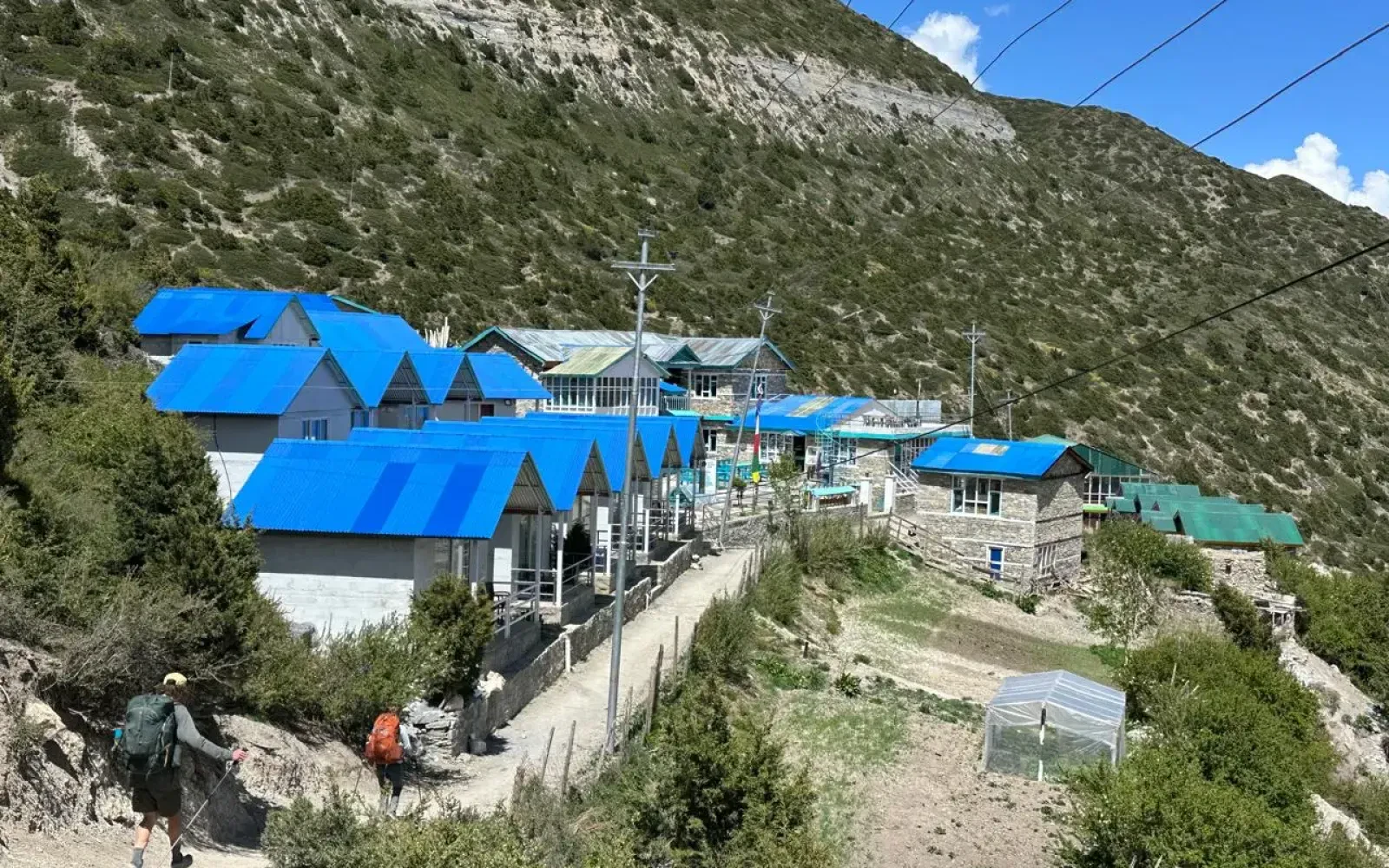
Shree Kharka a beautiful and tranquil village located at very high altitude of Manang district in Nepal. So, this village is one of the ascents villages for Tikhicho lake. Not only that but also it is situated at about 4045m which also is a true high-altitude mountain village.
Hence, Shree Kharka is famous for traditional stone houses and mouthwatering hospitality. And the village rests among dramatic towering high peaks and rough, rocky terrains which provide a ideal place to relax and become acclimatized! And several trekkers take a rest here for the final up-hill push towards Tilicho Lake. Moreover, the tranquil environment and picturesque sights along with the scenic surroundings make it a ever memorable trek.
Likewise, Shree Kharka really provides an insight into living at high altitude in the Annapurna area, so you get a chance to experience the culture, have some good local food and get ready for the climb. And the warm people and calming feel of the place is a taste of being a long way up in the Himalayas.
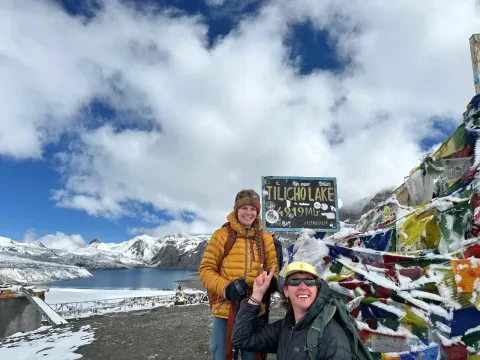
Why Visiting Shree Kharka :
In conclusion, Shree Kharka is not only just a village on the Annapurna circuit trail. As a result, it provides a valuable and pleasant journey in the middle of the Annapurna range. Besides, the organic culture, and tranquility aspects surely attract numerous travelers. So, Shree Kharka always remains an inspiring place where everyone's venture feels unforgettably remarkable.
Shree Kharka is in a high, far-flung valley of the Manang district of Nepal. As such it is around 4045m (13,123ft) altitude in the Annapurna Conservation Area. It is also overshadowed by spectacular high peaks and rocky ridges.
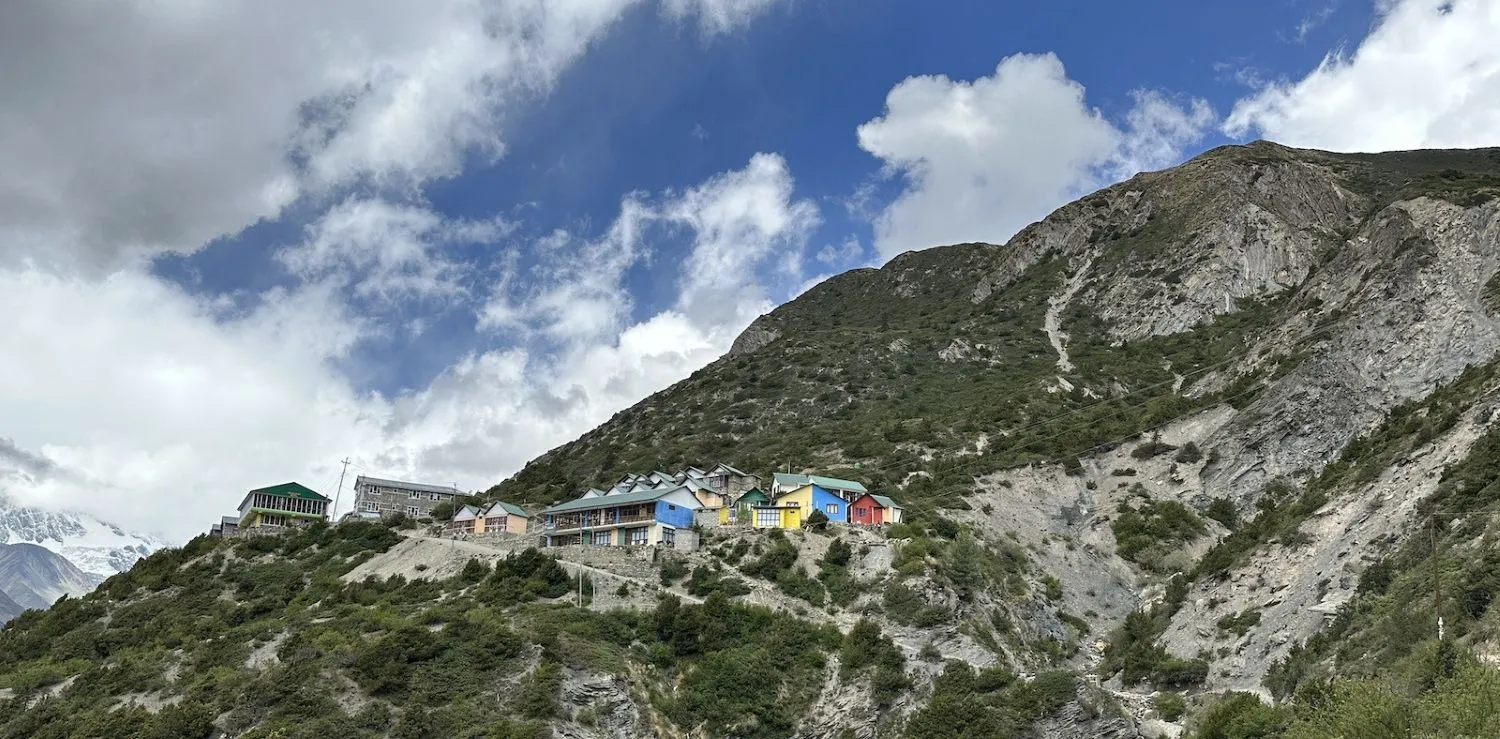
Thus, outside of Shree Kharka, the terrain is rough and stunning. And it is made up of high pastures, glacial mountain streams, and sharp mountain slopes. So, it has a pristine, untamed wilderness and clear skies and breathtaking scenery. Additionally, the village acts as a rest point for those travelling along the Tilicho Lake trail.
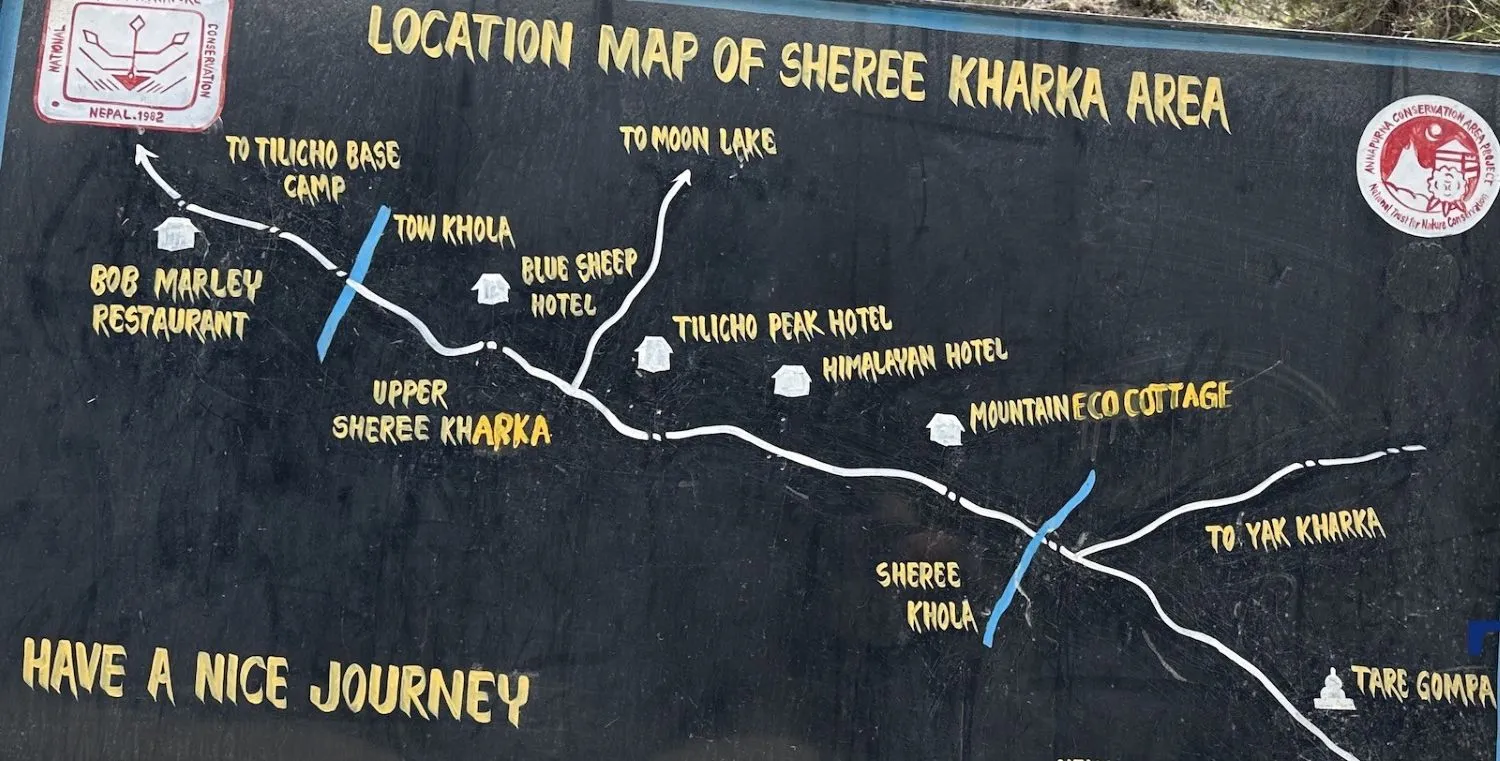
Likewise, Shree Kharka falls into the classic Tibetan influenced Manang region. This means people here have their own culture and way of life, suited to the high altitude. And the area provides pasture for Yak and subsistence farming during the brief summer.
| Feature | Details |
|---|---|
| Altitude | Roughly 4,045 meter / 13,123 feet |
| Location | Manang District, Annapurna Region |
| Close-by Sightseeing | Tilicho Lake (1-2 days trek) |
| Climate | Too cold and too dry in winter |
Geographical Highlights :
In conclusion, this is what makes Shree Kharka unique. And Shree Kharka provides a unique and genuine high-altitude experience with its stunning setting and pure environs. No wonder it is memorable for all its treks in the Annapurna region.
Many beautiful and intriguing features on Shree Kharka make it a unique place to the area of the Annapurna Region. The village, therefore, at high altitude and dramatic position generates a feeling of calm and strength. In addition, it is quite close to the Moon Lake And Tilicho Lake and other marvelous overlooking.
So, the one of main attraction in the region is the magnificent mirror reflections of the snow-covered peaks in the water of glacial lake. When the light hits the water in the early morning, the lake turns to glow with mesmerizing colors. So, it is said that the reflection in the lake is one of the most amazing sights in the entire area. Besides, there is a huge feeling of accomplishment when you reach the village following the demanding trek.
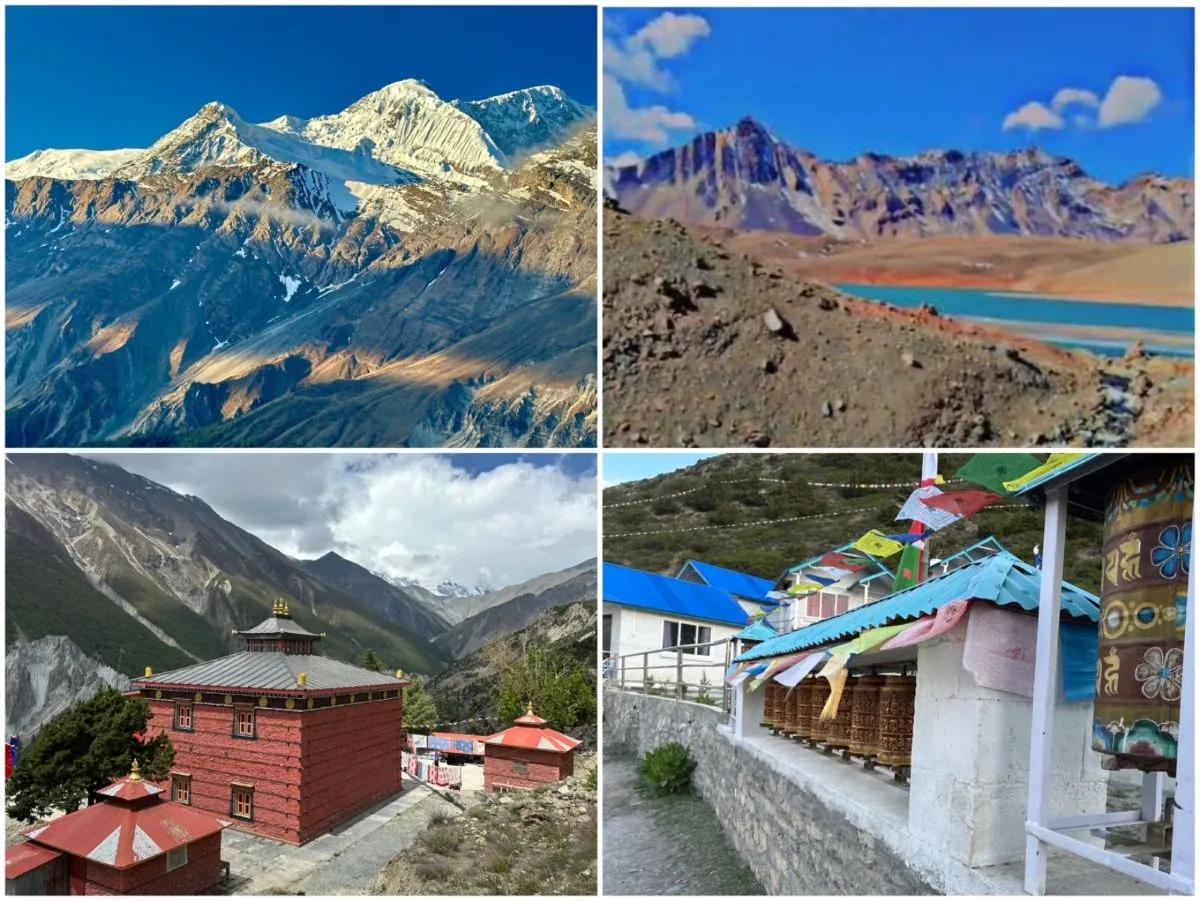
Another wonderful thing is the feeling of stillness and simplicity in life in this remote, high-altitude village. You will get away from busy hiking trails here, while still feeling comfortable among the spectacular scenery. Also, the teahouses provide welcoming and modest service that only complements the overall spirit of the region.
Major Highlights :
In conclusion, the main features of Shree Kharka are its stunning scenery and its sense of adventure. For these reasons the area is likely to be a highlight of any Annapurna trek. Above all, the unique lake, sharp summits and calm landscape ensure that Shree Kharka never fails to fascinate and delight those who explore its rocky edge.
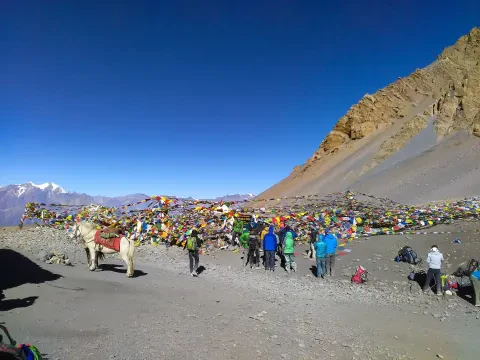
Shree Kharka is in a distant and high valley. It is isolated, and there is no easy access, so you have to be well-prepared and exert yourself to get to the village. Since it is so hard to get to, the vast majority of trekkers pass through the village on the Annapurna Circuit route or detour off to visit Tilicho Lake. In addition, getting to Shree Kharka from Manang is more practical.
Hence, trek from Manang to Shree Kharka requires nearly 1-2 days of continuous ascend. Besides the trail is simple and pristine offering marvelous views of mountains and valley. Hence, the concluding journey to Shree Kharka is pure bliss offering magnificent landscape. Moreover, few trekkers want to minimize time and tour from Kathmandu or Pokhara to Manang and then trek towards Shree Kharka.
In fact, the village has basic teahouses. So, load enough food, water and warm clothes in your backpack before using. And, it is an ideal destination to travel during springs and autumns, as the paths are not mud and the weather is stable. Proper contrast adjustment and valuable guide are a must.
| Route Option | Duration | Difficulty | Best For |
|---|---|---|
| From Manang | 1-2 days | Moderate | Most tourists |
| Annapurna Circuit Route | The section after the main circuit | Moderate difficulty | For seasoned trekkers |
| Helicopter choice | Flight time as short as 5 minutes | Easy to do | To fill a few hours in the sunshine |
Accessibility Tips :
So, this isn't the easiest village to reach but it is worth it. So, with a little planning and preparation you'll find yourself in what could be one of the most tranquil and beautiful villages in the Annapurna range-and the whole ride is part of the adventure when you go through the Himalayas.
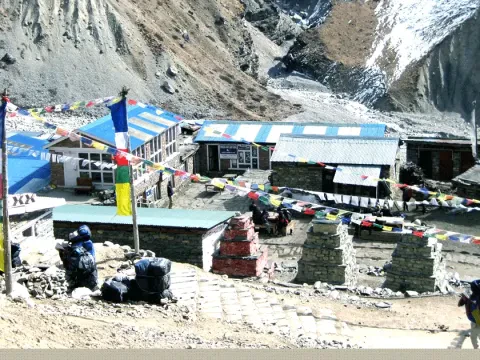
Shree Kharka provides a few primitive yet vital facilities for trekkers. As a result, there are a handful of basic teahouses for guests to stay in and eat at. Along with the remote location and altitude, these facilities are very limited.
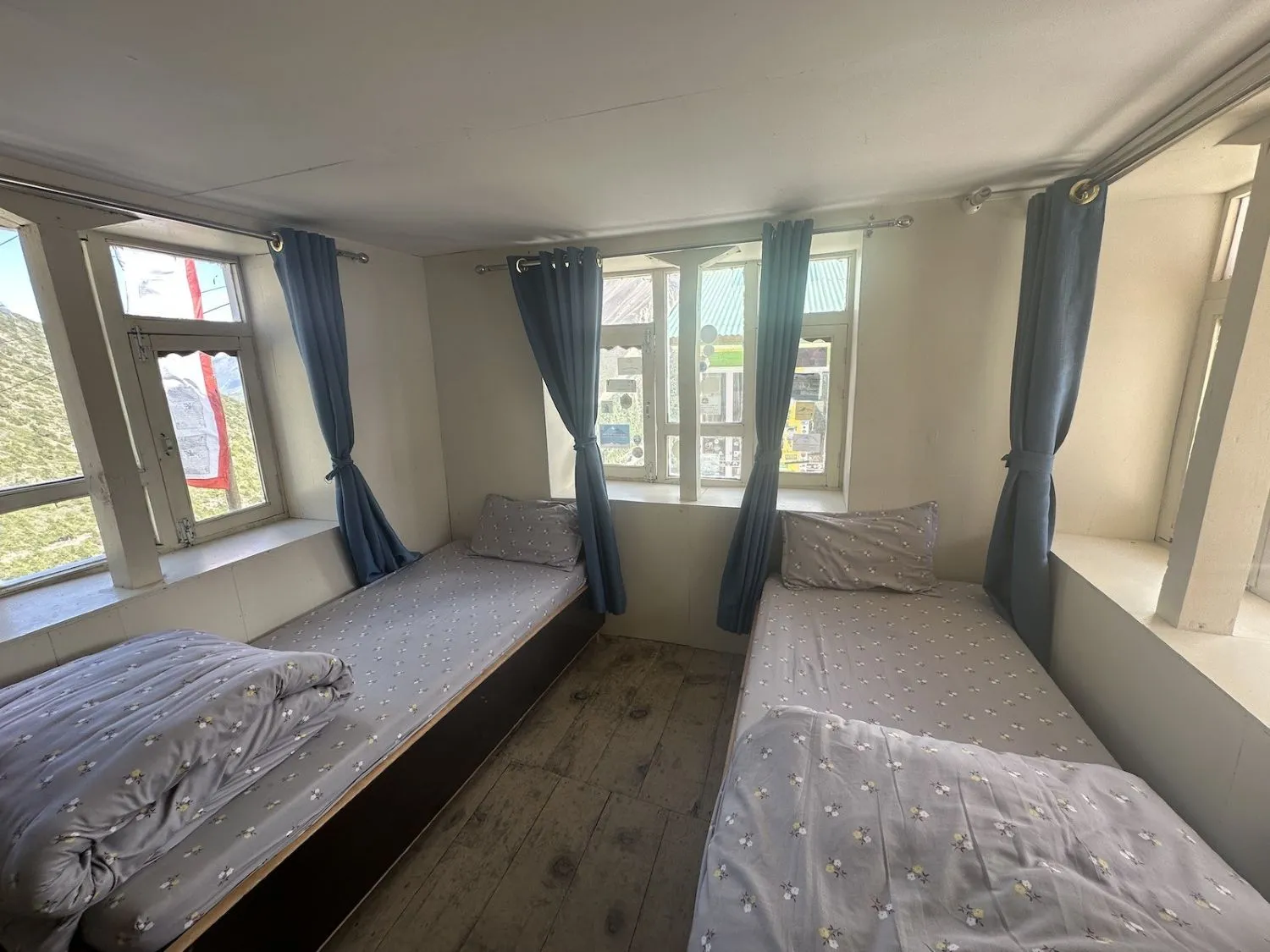
Likewise, the teahouses in Shree Kharka therefore have simple twin-share rooms with community bathrooms. And in the common dining hall you can have hot food such as dal bhat, noodles, or tea. This can help you to relax and eat warm food at the end of a long trekking day. Charging facilities are few and far between, they tend to be solar powered, and you will often have to pay for them.
Moreover, the village itself also has a small local shop where you can pick up the essentials (snacks, water and trekking gear). So, it is good to do a bit of restocking before making your way to Tilicho Lake. And the local villagers are very friendly and helpful if you need any local information.
| Facility | Availability | Notes |
|---|---|---|
| Teahouse | Twin-share with shared bathrooms | if you aren't camping. |
| Meals | Dal bhat, noodles, tea | Hot meals in dining room |
| Wi-Fi | Available if needed with extra charge | Extra charge |
| Toilet facilities | Sharing, normal | Basic outdoor or simple indoor |
Facilities Tips :
In conclusion, the facilities in Shree Kharka are quite basic but adequate for the trekkers. So, if you want to get rest and ready for upcoming legs of the journey, you will find it here. What’s more, the natural mountain lifestyle and friendly household offer you’re comfortable and charming accommodation.
From March to May and September to November are the best times to visit Shree Kharka. In turn, these seasons bring the world's best weather and an optimal time to experiment with the trail conditions. Because of these ideal conditions, the weather in these seasons tends to be the best, and the trails have less snow and rain.
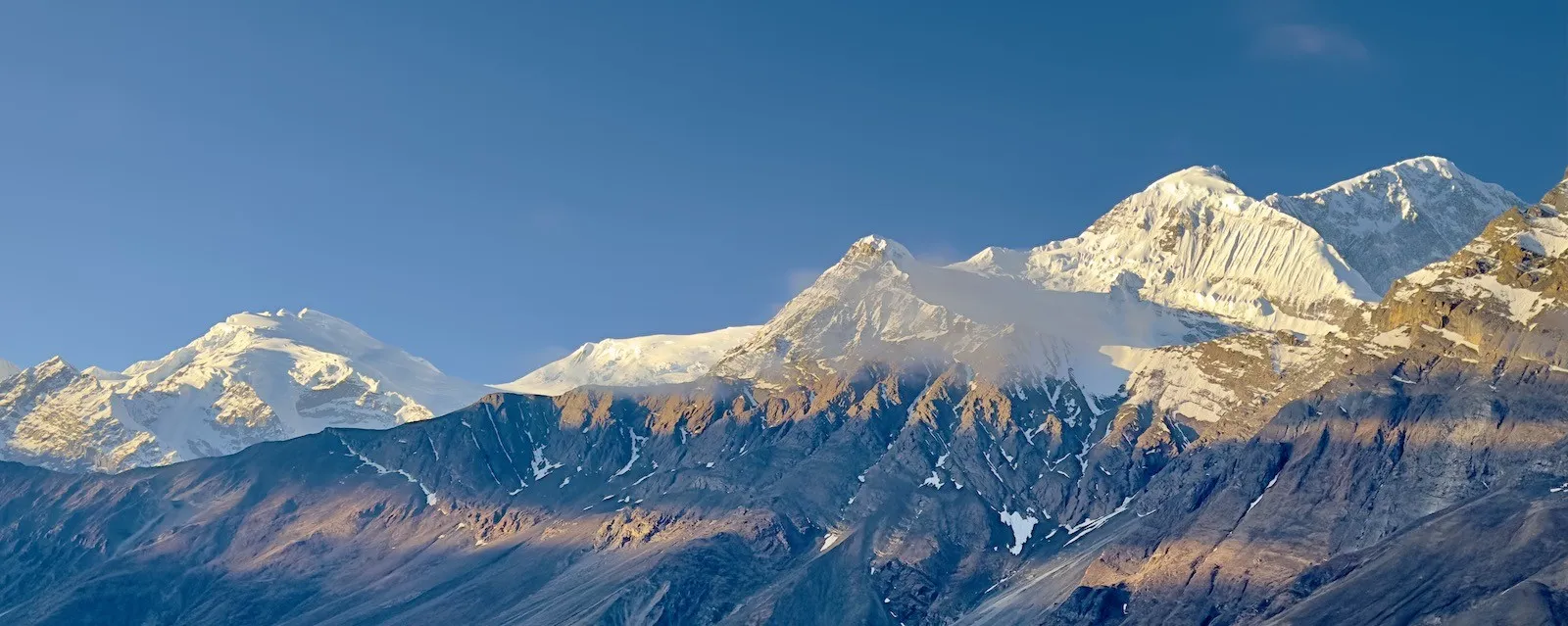
Hence, spring has breathtaking blooms of rhododendrons and quite hot weather, while autumn has eye-catching azure skies and remarkable visibility of all the summits of the area. So, either season is perfect for photographs and expeditors trekking. Plus, no rush in the village area, as the feeling was, less populous than the popular Annapurna Circuit route.
In fact, Summer (June to August) is the monsoon and rainy season. The trail then can be so slippery and foggy. So, it isn't suitable for most of the trekkers.
In addition, winter (December to February) is very cold. Also has the possibility of snow. So, it can make the trail difficult and hazardous.
| Season | Duration of Seasons | Typical weather - temperature and rain | Trail conditions for | Note |
|---|---|---|
| Spring | Mar-May | Warm, clear skies | Good, some snow possible | Excellent. |
| Summer/Monsoon | Jun-Aug | Cloud, raining | Extremely wet, slippery | best avoid for any hiking purpose. |
| Fall | sept-nov | sunny stable | Sunny stable | sunny dry | fantastic. |
| Winter | Dec-Feb | May be very cold, snow potential | Slippery and challenging | Not suitable. |
Best Time Tips :
In order to enjoy the most during your tour, ensure that you are visiting Shree Kharka at the right time. Again, it will be wiser to plan your trip during spring or autumn, as these will be the most suitable seasons for the majority of travelers. Not only provides you with the best possible conditions to enjoy the scenic grandeur but also allows you to live the experience to the fullest.
Shree Kharka is a beautiful and tranquil village located deep within the Annapurna region. As such it provides a wonderful blend of culture, natural picturesque landscapes and true mountain life. In addition, it's high altitude, traditional lifestyle and welcoming Sherpa hosts make it a highlight on any trekker's journey.
So, whether you go there with the Tilicho Lake Trek or the Annapurna Circuit, the memories of Shree Kharka are sure to stay with you. And the breathtaking sights of the neighboring summits, the serenity and the warm friendliness contribute to an unforgettable experience. In fact, for many travelers, Shree Kharka ranks among the top experiences of their trip to Nepal.
Likewise, the capital is also a perfect example of the high-altitude Himalaya culture that surrounds it. It so epitomizes the province that it sends a message of encouragement to all those who inhabit the mountains: Stay strong, stay warm; your spirit, and your mind, if not your infrastructure, lives on. And what better surroundings to do this in than the fresh air, incredible scenery and fantastic people of the region?
Final Thoughts :
Hence, Shree Kharka is much beyond a break in the trail. As such, it provides a significant and enchanting experience in the Himalayas. Further, the blend of natural serenity, cultural feeling and peacefulness makes it a unique place. Hence, it is still inspiring and inviting everyone who comes down the tranquil track and scenic scenery.
1. What is the actual height of the Shree Kharka settlement?
The official Shree Kharka altitude is recorded at 4,045 meters ASL. This remote Himalayan high-altitude border village is a key acclimatization checkpoint for trekkers heading between the lush Manang Valley and the legendary Tilicho Lake trekking circuit.
2. How can Shree Kharka be found on the Annapurna map?
This tranquil valley is geographically located in the isolated of the Manang District of Nepal. It is the main crossroads where trekkers intentionally divert from the traditional Annapurna Circuit trek route to embark on their steep western extension into the high glacial lakes.
3. How long is the hike from Manang to Shree Kharka?
The bird's-eye trip on foot from Manang (3,540m) all the way up to this point reportedly takes about 3 to 4 hours constantly walking. The restored Manang to Shree Kharka trail breaks through the overlook’s village of Khangsar (3,745m) before climbing up rugged alpine inclines.
4. What benefits are gained by remaining in Shree Kharka in terms of altitude safety?
An overnight here is beneficial in preventing the effects of acute mountain sickness as it offers safe, gradual, phased acclimatization. Opting for a Shree Kharka overnight' diverts a heavy ascent of elevation in the harsh Tilicho Base Camp (4,140m) surroundings.
5. Is it possible to view all the main Himalayan summits from the Shree Kharka?
You will have no trouble admiring incredible snow peaks right from the window of your guesthouse. The sweeping panoramic mountainous scenery of the Shree Kharka clearly displays the giant rocky faces of Annapurna II and Annapurna III, while Gangapurna (7,455m) and the stern snowfields of the grand Mt. Chulu can be extensively seen.
6. What type of accommodation is common in Shree Kharka?
Trekkers are accommodated in traditional, locally constructed, Alpine-style teahouses. Basic facilities provided at the 'Shree Kharka teahouse' level of accommodation are multi-occupancy twin bedded rooms, warm blankets and large delux communal dining halls, heated by central wood fired stoves, to counteract the biting cold during the night hours.
7. Can the trail from Shree Kharka to Tilicho Base Camp be classified as dangerous?
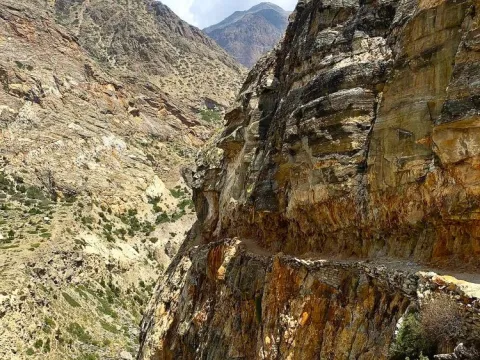
A well-known two-mile stretch of active scree fields lies on this route and must be approached with extreme care. The descent of them. – The Shree Kharka to Tilicho Base Camp landslide area – demands the utmost concentration because loose gravel and pebbles slide down from the steep cliffs overhead.
8. Are there any local historical or cultural attractions in Shree Kharka?
Sure, Cultural Devotees can also visit the archeological Tare Gumba away from the main trail. Visiting this old monastery of Shree Kharka provides insights into the centuries old Tibetan Buddhist cultures and customs practiced by the local Manangi communities.
9. What kind of the food is available at the lodges nearby?
The mountain lodges supply normal trekking food high in energy to the hungry trekkers. The daily Shree Kharka teahouse menu consists of typical Nepalese Dal Bhat, hot noodle soup, potatoes, eggs, pancake, plus hot cups of ginger lemon honey tea.
10. Are there reliable mobile network connections in Shree Kharka?
The mobile signals are very unreliable; they are usually dropping out as the high ridges in all directions continually interfere with them. Artek can sometimes provide a little bit of Shree kharka internet via Ncell or NTC in a few locations, but most of the remoter teahouses will want to take a large premium for unreliable satellite Wi-Fi.
11. Is it possible for me to hike to Shree Kharka and then to Tilicho Lake all in one day?
Physically possible, however, a direct day round-trip is extremely time-consuming and tiring and outlawed on safety considerations. The usual Tilicho Lake trekking itinerary splits the trip by overnighting at Base Camp before ascending to the 4,919 meters (16,138 ft) summit of the Tilicho Lake.
12. How can I rejoin the main circuit route from this location?
You do not have to trek all the way back to Manang to get back on the loop. The popular Shree Kharka to Yak Kharka shortcut trail takes a shortcut by going directly across the Thorong Khola valley via a suspension bridge.
13. When is the most favorable season to visit Shree Kharka?
The busiest seasons to trek are Autumn and Spring. This is because the weather stays consistent and promise clear blue sky, unimpeded magnificent views of the high snow capped peaks when trekking Shree Kharka in October or April.
14. Is there an ATM in the village?
No there is no bank or working ATM In this alpine zone! You are responsible to budget your total Shree Kharka trekking cost and have enough of hard cash Nepalese Rupees in Besisahar or Kathmandu by physical delivery to carry out your trail expenses.
15. Am I required to obtain any permits to trek to Shree Kharka?
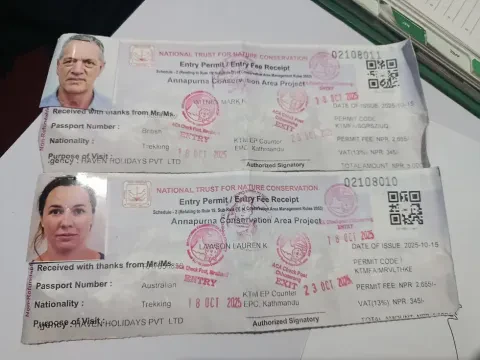
Yes, you will need to present two authentic documents at the regional checkpoints. Your "Shree Kharka trekking permits" include both the mandatory ACAP pass and the confidential Trekkers' Information Management Systems (TIMS) card.
16. What should I be bringing along for the cold nights?
What to pack for high altitude: One of the most important considerations is warm layers as the sun isn't out very high up. All of your must-have Shree Kharka cold weather items are: heavy down jacket; merino thermal underwear, fleece layers, a head lamp and four seasons sleeping bag!
17. Is clean drinking water accessible at the guesthouses?
Yes, you can buy boiled water or to filter local tap water by yourself. The application of chlorination tablets or UV purifier for your Shree Kharka water consumption will be beneficial in order to keep your health and eliminate plastic bottle packaging.
18. Is it safe for beginners to manage the trek around Shree Kharka?
Yes, beginners in moderate shape can generally complete this side if they take care to move slowly. The major hurdle in the main Shree Kharka trail difficulty is the altitude rather than technical climbing, so slow movements helps a lot to conserve energy early on.
19. Is there any rare Himalayan wildlife that can be observed from the actual settlement?
Absolutely. The desolate crags around us are inhabited by some of the rarest Alpine animals. You might see a herd of endemic Himalayan blue sheep roaming the rocky fields, or if you're very lucky catch sight of a snow leopard!
20. Why is selecting the trek route through Shree Kharka a wise decision?
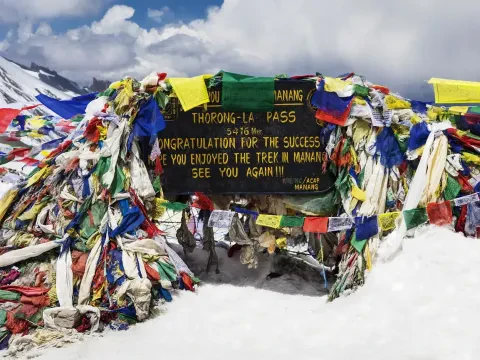
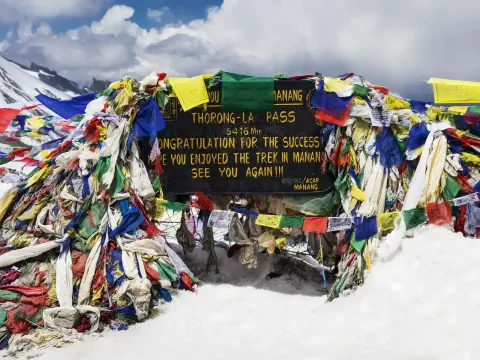
Experienced guides like this way as it provides a perfect natural acclimatization ladder. Taking a shree kharka as a rest stop will allow your body to acclimatize to 4000 meters level much easier and increase your up most success rate in cross Thorong La Pass (5416meters.)
Our travel experts are ready to assist you with any questions.
Send us a message.Have a question before you book? Send your enquiry below and our travel experts will get back with the required information.