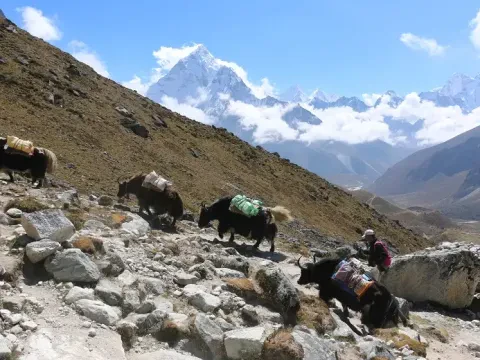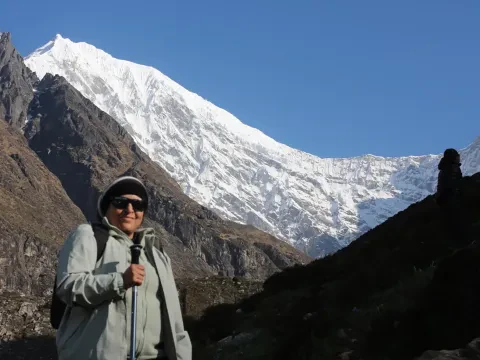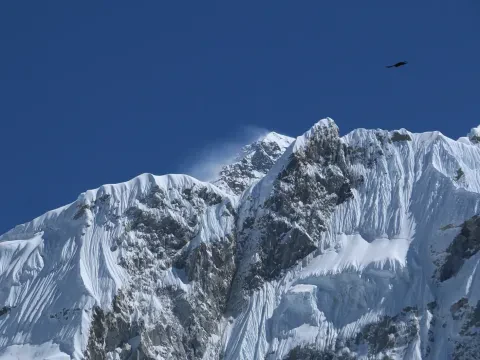
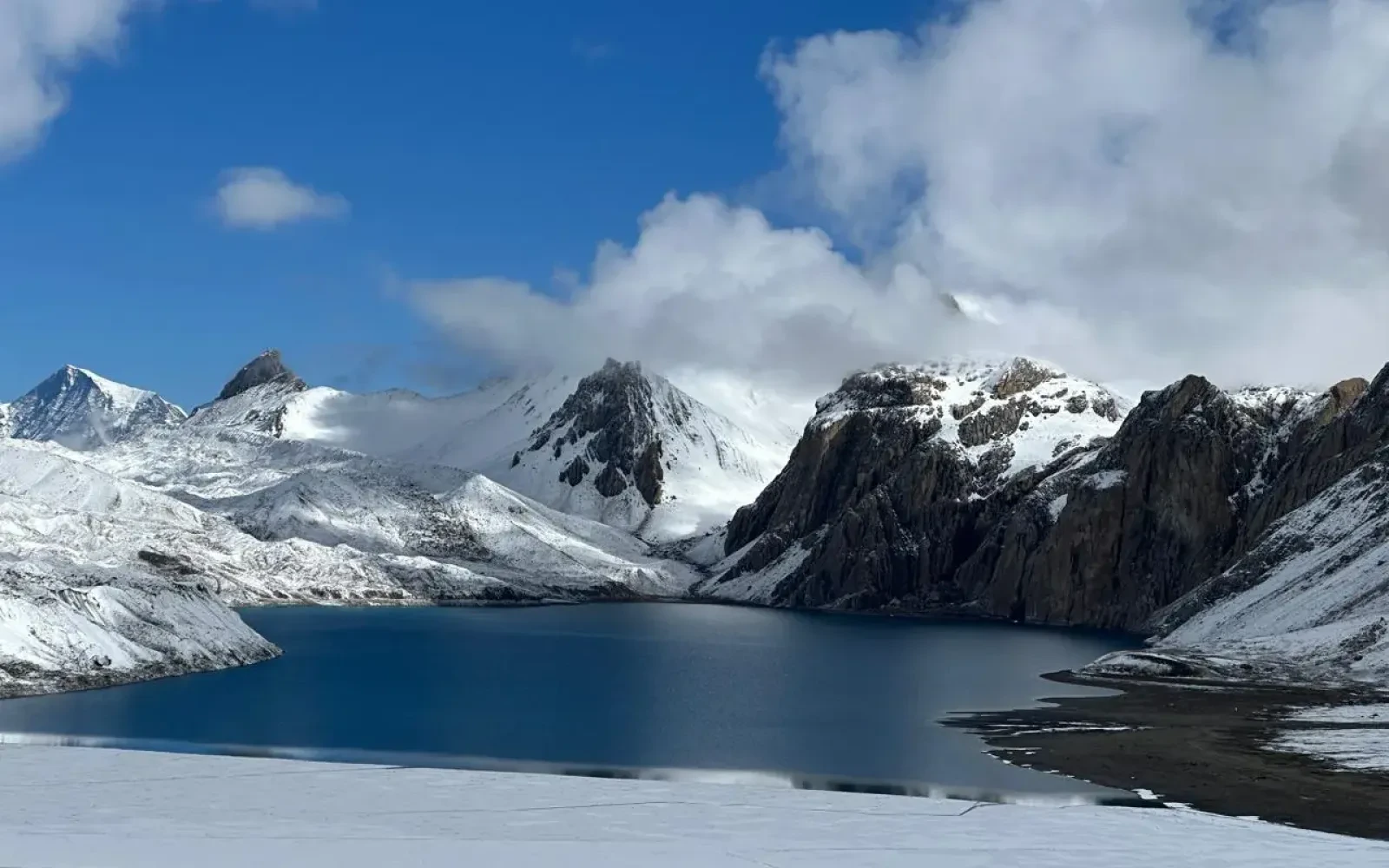
Actually, many trekkers wonder if trekking in Nepal during the monsoon season is really worth it. The answer is a resounding yes-if you prepare properly! Although the rain does present some real challenges, it also rewards trekkers with deserted trails, vastly reduced teahouse prices, powerful, thundering waterfalls, and lush, vibrant green mountain landscapes you'll never see during the peak spring and autumn seasons.
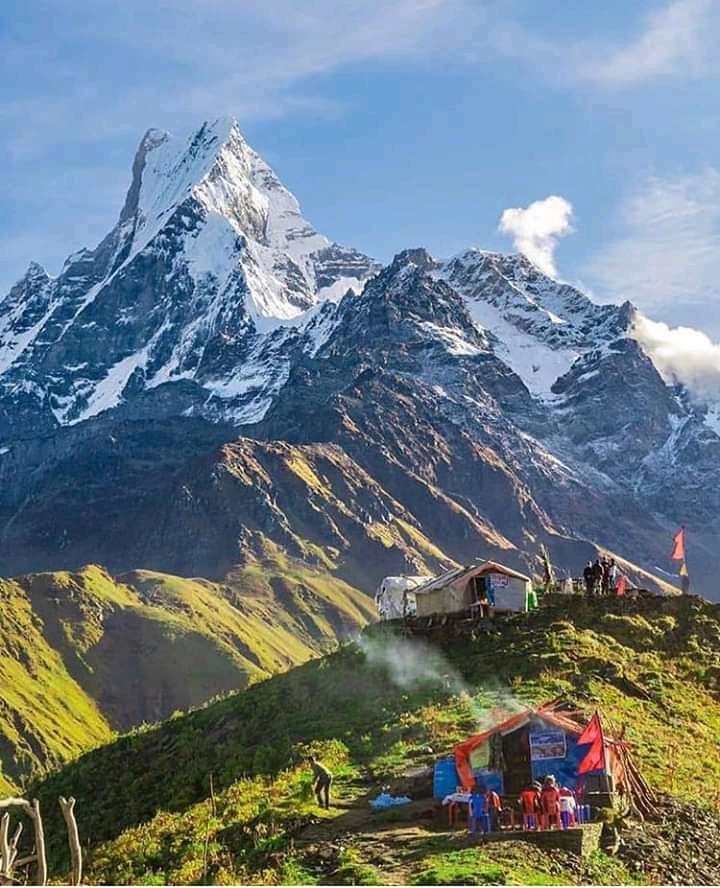
Likewise, the mountains burst into a green wonderland of dense forests, dramatic cloudscapes, and ferocious rivers, and often you will have an entire trek and famous viewpoints such as Poon Hill or Mardi Himal to yourself. Monsoon trekking in Nepal provides a uniquely peaceful and intimate connection with the Himalayas that’s unobtainable during the busy seasons.
| Feature | Advantages | Challenges |
|---|---|---|
| Crowds | Practically empty trails | Muddy, slippery paths and landslide risk. |
| Scenery | Extremely green landscape and stunning waterfalls | Frequent rain and poor visibility. |
| Cost | Cheaper accommodation rates and no competition | Increased likelihood of flight delays. |
| Experience | Intimate and serene | Demands better clothing and higher vigilance. |
In conclusion, provided you have the right mentality, it's one of the most rewarding Nepal adventures.
Here, the most important, and most vital, rule for monsoon trekking in Nepal is this: absolutely no cotton. This natural fibre absorbs water like a sponge, holds it for an incredibly long time, leading to severe chafing, heat loss and consequently, potential hypothermia.
Likewise, every single piece of clothing you wear must be a high-quality, fast-drying synthetic (polyester, nylon) or merino wool. These fabrics have the ability to wick moisture away from your body, meaning that sweat and rain will move to the fabric where it can quickly evaporate.
| Clothing item | Monsoon recommended | To avoid at all costs |
|---|---|---|
| Base layers | Polyester, Nylon, Merino Wool | 100% Cotton T-shirts and undergarments |
| Mid-layers | Fleece or light insulating jacket | Heavy, untreated Cotton hoodies |
| Outer layers | Waterproof-breathable jacket and trousers | Non-waterproof garments or cotton-based outers |
| Socks | Synthetic or merino wool trekking socks | Cotton socks |
Monsoon clothing: key takeaways :
In conclusion ,avoid cotton completely, for every piece of clothing you pack, it is the biggest hurdle to successfully monsoon trekking in Nepal.
Meanwhile, an excellent hard-shell jacket is crucial for monsoon trekking in Nepal. It's vital to differentiate a good waterproof hard-shell from a simple windbreaker-cheap models may claim water resistance but can quickly become useless in persistent heavy rain.
The Essential Features of a True Monsoon-Proof Hard-shell Jacket:
| Feature | Good Monsoon Hard-shell | Cheap Windbreaker / Water-Resistant | Verdict |
|---|---|---|
| Waterproof Rating | 20,000+ mm | 5,000 mm or less | Crucial for heavy rain. |
| Seams | Fully taped | Often not taped | Leakage risk. |
| Breathability | Excellent (Gore-Tex etc.) | Poor | Prevents overheating. |
| Durability | High | Low | Lasts multiple seasons. |
Pro Tip: It’s wise to invest in a quality hard-shell. A single, dependable jacket is preferable to several cheaper ones that may fail you when you need them most.
In summary, when trekking in Nepal during the rainy season, a true monsoon-proof hard-shell jacket with a high waterproof rating and fully taped seams is essential.
Actually, one of the most frequent quandaries for monsoon trekkers is deciding between a trekking rain poncho and a hard-shell jacket, as both have distinct benefits depending on the conditions.
| Criteria | Rain Poncho | Hard-shell Jacket | Winner |
|---|---|---|
| Coverage | Covers hiker + backpack | Covers only the body | Poncho (lowland trails) |
| Wind Resistance | Poor | Excellent | Hard-shell |
| Breathability | Very good | Good (with pit zips) | Poncho |
| Mobility | Loose & bulky | Fitted & flexible | Hard-shell |
| Weight & Packing | Very light | Slightly heavier | Poncho |
| Best Use Case | Humid lowlands & light rain | Higher altitudes & strong winds | Depends on altitude |
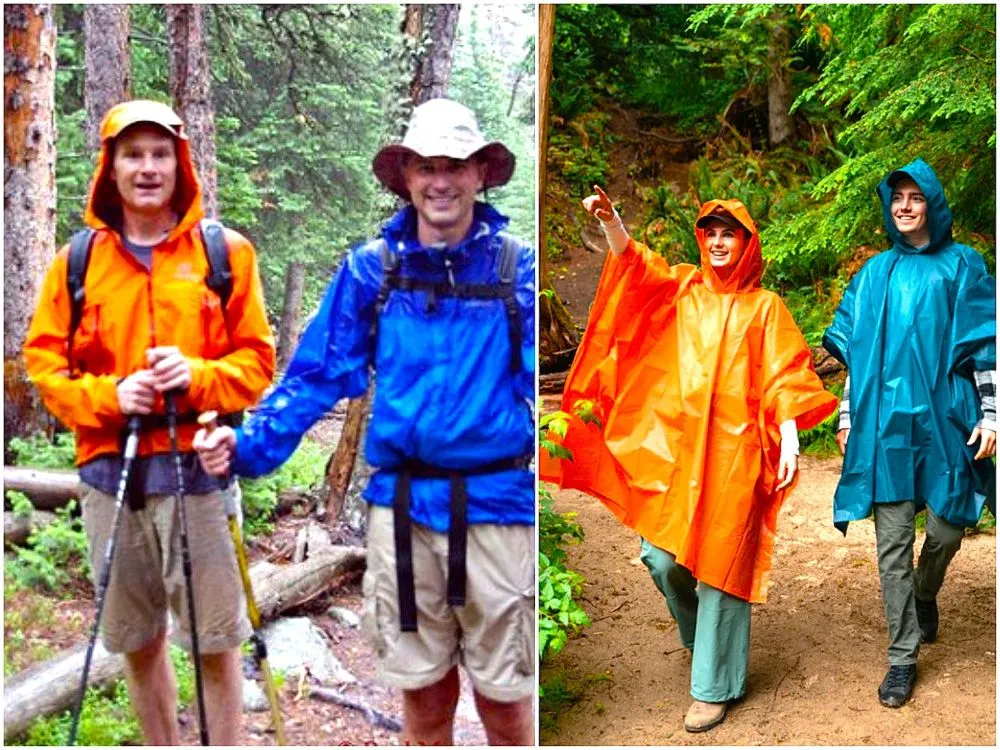
Practical Recommendation:
In conclusion, a well-thought-out combination of both a poncho and a hard-shell will offer the most effective rain protection throughout your monsoon trek in Nepal.
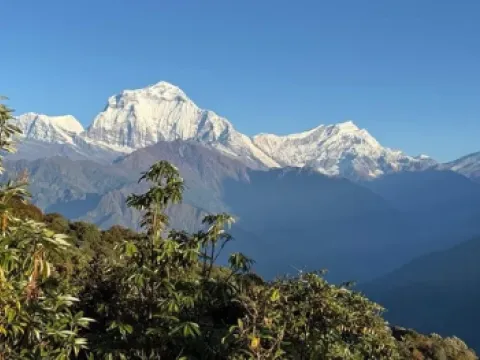
Yes – waterproof trousers and high ankle trail gaiters are very much recommended for monsoon trekking in Nepal. With the amount of rainfall, muddy paths and the incessant splashing involved in walking, it's a vital piece of clothing to protect the lower half of your body and stay dry.
Why waterproof trousers and gaiters are important:
| Item | Function | Important features | Level of recommendation |
|---|---|---|
| Waterproof Trekking Pants | Protection from rain and mud | Breathable, fully taped seams, adjustable waistband | Highly Recommended |
| High Ankle Trail Gaiters | Prevent water from entering above the boots | Waterproof, robust and secure fit | Strongly Recommended |
| Gaiters and Trousers Combo | Maximum protection on muddy trails | Overlap the boot top with trousers | Best Option |
Pro Tip: Look for lightweight and packable waterproof trousers that can be pulled on over your trekking trousers, and gaiters that come up to at least your mid-calf to prevent water and mud from running into your boots.
Overall, the use of good waterproof trousers and trail gaiters is key to staying comfortable and keeping your feet dry while trekking in monsoon weather and a highly recommended investment.
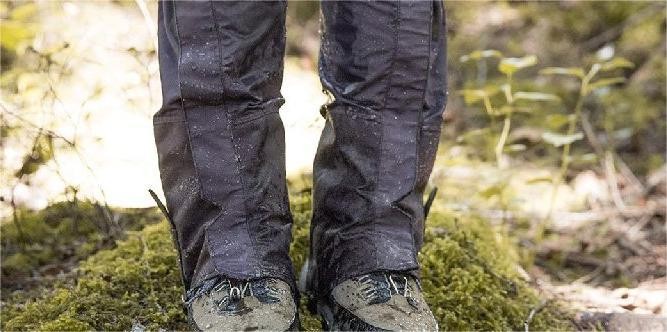
Meanwhile, your hiking boots are the most important equipment when trekking in the monsoon. The wet, muddy and slippery trails require hiking boots that give excellent grip and are also waterproof.
Essential Features of Monsoon hiking boots:
| Boot type | Waterproofing | Wet trail grip | Weight | Best For |
|---|---|---|
| Gore-Tex Mid-cut boots | Excellent | Very Good | Medium | Most monsoon trekkers |
| Gore-Tex Low-cut shoes | Good | Good | Light | Lower altitudes and less technical trails |
| Non-waterproof Leather boots | Poor | Excellent | Heavy | Should be avoided |
Important Tips:
Ultimately, waterproof hiking boots with the best deep tread are essential when trekking in Nepal in the monsoon as you will prevent serious injuries such as falls in treacherous areas and allow yourself to have more comfortable trekking.
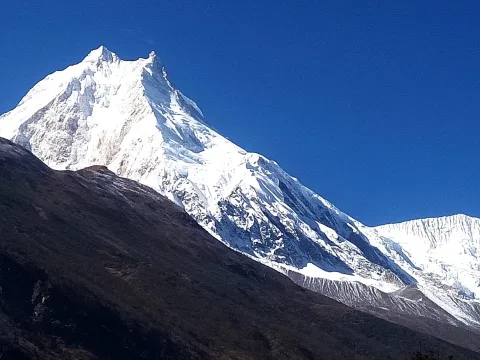
Actually, leeches are perhaps one of the most irritating of the common features of a Nepal trek during the monsoon. They live in wet, humid forests and may attach themselves to your legs before you realize it (typically on the ankles and lower legs), feeding on your blood. However, with adequate preparation and protection against bugs while trekking is simple.
Tips to Prevent and Fight Leeches :
| Item | Purpose | How to use |
|---|---|---|
| Leech Socks | Acts as a physical barrier to prevent leeches climbing your leg | Wear them over your hiking socks & boots. |
| Salt/Anti-leech spray | Can be used to remove attached leeches safely and easily | Sprinkle on the leech or spray directly on it. |
| Gaiters | Provide extra protection to your ankles and lower legs | Wear over your leech socks. |
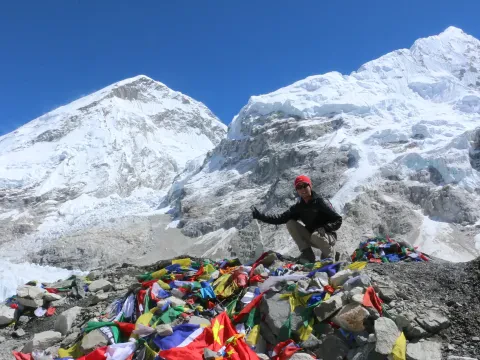
Here, never rely on a single rain cover for your backpack during the monsoon months, particularly if your trek is going to be longer than a day or two, because eventually, even the best external rain cover can only do so much to prevent moisture seeping into your pack via the seams and zippers when it rains for a prolonged period. Instead, consider implementing the Double Layer Waterproofing System.
Dry Bag System - The Best Option :
| Method | Waterproofing capability | Weight added | Recommendation |
|---|---|---|
| External rain cover only | Medium | Light | Not good enough for monsoon trekking. |
| Dry bags/liners inside pack | Excellent | Medium | Essential for monsoon |
| Combined cover and internal liners | Best | Slightly heavier | Ideal and the safest option |
Items to double-bag :
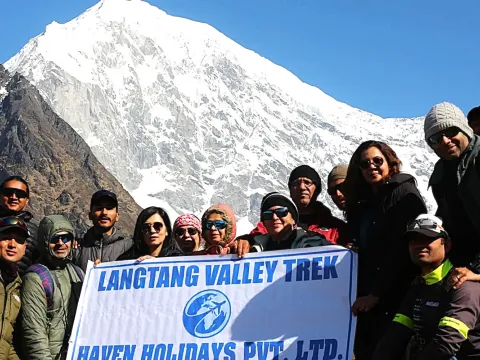
Actually, there is little that feels better than slipping your feet out of a pair of wet, uncomfortable boots after a long day of trudging through the rain. Appropriate camp shoes and a completely dry set of clothes to change into for teahouse visits is essential for comfort and recovery during a monsoon trek in Nepal.
What you will need to pack for your evening and night time use in the teahouse:
| Item | Why it Matters | Recommendation |
|---|---|---|
| Camp Sandals / Crocs | Foot recovery after a long, wet day | Lightweight, quick-drying. |
| Dry thermal base layer | Warm, comfortable night sleep | Synthetic or merino wool. |
| Lightweight fleece layer | Added warmth during damp evenings | Packable, fast-drying. |
| Extra dry socks | Prevention of blisters, warm feet | Wool or synthetic. |
Pro Tip: Use a separate dry bag and keep all of your 'evening kit' inside. This way, when it comes to getting out of wet hiking gear at the end of the day, you will always know where your dry, warm set of clothes is.
In conclusion, by making sure to bring a good pair of camp shoes and a dry set of clothes for teahouse and evening use you are sure to make your monsoon trek experience in Nepal much more enjoyable.
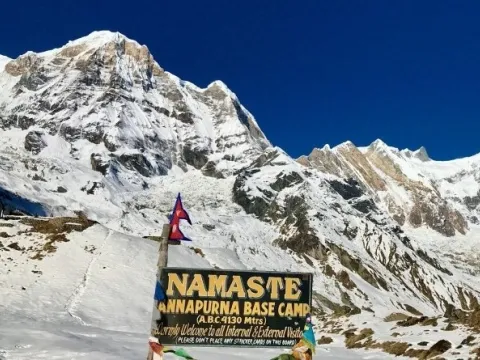
Actually, extreme monsoon humidity can do wonders in damaging electronic equipment. Being proactive in the protection of your devices will ensure you can continue to use them and have the convenience you have come to expect.
What you will need to pack to protect your devices:
| Item | Purpose | Recommendation |
|---|---|---|
| Dry Bags / Zip-locks | Protect electronics from water | Multiple heavy-duty layers |
| Silica Gel Packets | Absorb internal moisture | 5-10 packets |
| Power Bank (10,000mAh+) | Reliable alternative to charging | Waterproof or rugged |
| Waterproof Phone Case | Protect from splash water | High quality, touch sensitive |
Pro Tip: Never leave electronics in your day pack during a heavy rain storm, instead, make sure they are inside your main pack in their own dry bag. Charge any devices whenever humidity is lower during the day.
When packing for extreme humidity, it is always a good idea to double-protect your items by layering two dry bags or multiple zip-lock bags, and to pack a few silica gel packets, especially since solar charging will not be as effective. Packing a durable, large power bank is a must.
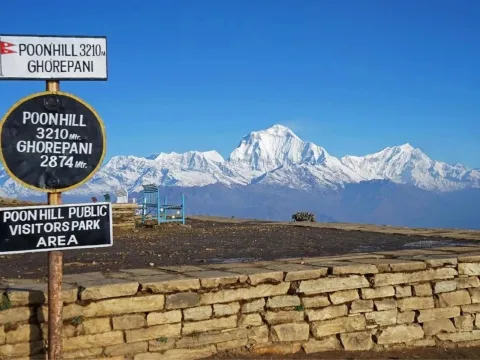
During monsoon, the trails are damp, making them perfect breeding grounds for bacteria. Minor cuts, blisters and leech bites can easily become infected without proper care. Thus, a well-stocked first-aid kit is essential.
Essential monsoon medical kit :
| Item | Purpose | Why critical in monsoon |
|---|---|---|
| Blister plasters/Moleskin | Prevent & treat blisters | Wet condition increase risk of getting blister. |
| Water purification tablets | Safe drinking water | Streams could be contaminated easily by rain. |
| Antiseptic cream | Treat cuts & leech bites | Humidity leads to higher chances of getting infections. |
| Anti-fungal powder | Foot & skin care | Constant moisture promotes fungus growth. |
| Hand sanitizer and wet wipes | Daily hygiene | Access to clean water is not possible often. |
Pro Tip: Store your first aid kit inside double-layered waterproof pouch and check every day. Even a small issue could turn out to be severe in wet weather.
In conclusion, extra medical supplies, especially for the prevention of infections and foot care are a must have for your monsoon trekking trip in Nepal. These item make sure that minor problem do not spoil your trip.
Here is a complete and definitive monsoon trekking gear checklist for you. Use this table as your final packing list.
| Category | Essential Items | Notes / Tips |
|---|---|---|
| Clothing | Quick-dry base layers, synthetic fleece, hard-shell jacket & pants, leech socks, gaiters | Avoid cotton. Bring an extra set of dry clothing. |
| Footwear | Waterproof hiking boots (Gore-Tex + Vibram), camp sandals/Crocs, extra dry socks | It is crucial to break in your hiking boots before your trek. |
| Rain protection | External rain cover, internal dry bags, trekking poncho | A double-layer system is recommended. |
| Head & Hands | Wide-brim hat, buff, waterproof gloves | Protect from rain and sun. |
| Sleep & Camp | Dry sleeping clothes, lightweight sleeping bag liner | One set of clothing must be completely dry. |
| Hydration | Reusable bottle, purification tablets | Stay hydrated at all times. |
| First aid | Blister plasters, antiseptic cream, anti-fungal powder, painkillers | Bring some extra for wet weather conditions. |
| Electronics | Power bank (10,000mAh+), dry bags, silica gel packets | Protect from humidity. |
| Trekking essentials | Trekking poles, headlamp with batteries, multi-tool | Poles will be very helpful in wet trails. |
| Documents | Passport, permits, cash, waterproof pouch | Must be kept dry at all costs. |
Here, this checklist will make sure that you are adequately prepared for the challenges of trekking in Nepal during the monsoon. Take a print-out or save a screenshot to help you pack.
To experience the monsoon trekking in Nepal safely and comfortably with the assistance of knowledgeable local guides and all logistical arrangements, please contact Haven Holidays. We will help you transform the rainy season into an unforgettable Himalayan experience.
When trekking in the Himalayas of Nepal in the monsoon (June-September), you will be greeted by lush green landscapes and peaceful trails; however, a careful packing strategy needs to be employed in order to prepare for abundant rainfall and high humidity.
1. What is the most important piece of gear on the Nepal monsoon trekking gear list?
It would be a good quality and top performing waterproof shell jacket with a high level of breathability. When selecting your monsoon trekking clothing, be sure that the jacket's seams are fully taped and it features pit-zips to ensure it doesn't get too steamy on the inside while fending off the wet on the outside.
2. Do I need to include waterproof hiking boots on my Nepal trekking during monsoon equipment checklist?
Yes, sturdy hiking boots that come with a strong waterproof membrane, like those featuring Gore-Tex, should be a high priority. Since water can still get into boots from the top during monsoon treks, you should make sure your monsoon trekking gear includes breathable trail gaiters that seal the water out effectively while deterring unwelcome creatures and mud from creeping in.
3. How do I keep my belongings in the backpack dry during Nepal's monsoon trekking?
A robust and tailored waterproof backpack rain cover is needed if you plan to protect the exterior of your pack from the torrential rain. Use durable dry bags or stuff sacks to waterproof the inside of your backpack, protecting everything, especially electronics and dry clothing.
4. Are trekking poles necessary on the Nepal monsoon trekking gear list?
Yes, adjustable trekking poles with rubber tips are a must for your monsoon equipment checklist. The mountainous terrain during monsoon can be dangerously slippery and muddy, so using poles will offer a significant level of stability.
5. What are the best monsoon trekking clothing options for the humid weather?
Avoid cotton entirely. Choose the right type of fabric for your monsoon trekking clothing and opt for quick-drying synthetics or merino wool instead. Synthetics will draw moisture away from the skin, meaning they dry faster in a potentially damp teahouse.
6. Do I need to pack leeches for my monsoon equipment checklist?
Leeches thrive at lower elevations during the monsoon so a strategy to protect yourself should be part of your Nepal monsoon trekking gear. Consider including high-ankle leech socks, anti-leech repellent, or even a small pouch of salt and tobacco that can be applied directly onto the creatures.
7. What is the best kind of footwear to wear in the teahouses while trekking Nepal during monsoon?
For wearing inside the teahouses, pack some lightweight waterproof sandals or Crocs. Your primary hiking boots will probably be damp; therefore, having something with open soles and breathability will allow your feet to rest and dry more comfortably.
8. How should I prepare my electronics for Nepal's monsoon trek?
Sensitive electronics are at serious risk of damage in the wet. Pack cameras, telephones, power banks, and chargers in separate waterproof bags; transparent ones that are waterproof down to 15 meters (IPX8) are the best, and it would be a good idea to pack some silica gel sachets as well for humidity.
9. Is it worthwhile to pack a trekking umbrella on the Nepal monsoon trekking gear list?
Yes, a trekking umbrella is beneficial when traveling during monsoon. Wind-resistant umbrellas come in handy during lighter, misty rain. They provide good ventilation as they are not restrictive like a fully sealed waterproof jacket.
10. What is the best type of sleeping bag for a monsoon trek in Nepal?
For a Nepal monsoon trek, it is better to use a sleeping bag with synthetic filling. The fill maintains its insulation power even if damp so is a much better choice than down, and you need something that will keep you warm and comfortable when the temperature drops to 0 °C (32 °F) at night.
11. Should I include a microfibre towel in my Nepal monsoon trekking gear?
Yes, the towel is extremely important. Cotton towels will simply not dry properly in humid conditions so take a quick-drying microfibre towel. This also takes up very little space in your bag, and can be put to use for a variety of different situations on the trail.
12. How can I keep my important documents safe when trekking in Nepal during monsoon?
Passport, trek permits, and cash can be placed in a rugged waterproof document wallet. They should be kept close to your body in an inner pocket to ensure they don't get damaged during heavy rain showers.
13. What headwear should be on the trekking in Nepal monsoon equipment checklist?
It is always wise to wear a wide-brimmed hat or baseball cap to deflect the rain away from your eyes while you are trekking. Good headwear is very important to maintain vision on muddy sections of the trail.
14. Are gaiters actually required on a Nepal monsoon trekking journey?
Gaiters are crucial to preventing leeches, mud, water, and debris from getting into your boots. Consider low or mid-calf trail gaiters to create a protective seal over your footwear when wading through dense and damp terrain.
15. How many pairs of socks should I bring when trekking Nepal during monsoon?
Pack as many as five pairs of good quality merino wool trekking socks. Drying gear during the monsoon can be tough, so having plenty of fresh, dry socks will reduce your risk of getting blisters considerably.
16. Should I pack a very warm jacket for a monsoon trek in Nepal?
It is useful to have some form of insulated warmth for a Nepal monsoon trek, although if you are trekking in Mustang or the Annapurna Circuit it may get cold at high altitude. However, pack only lightweight down items and place them in waterproof bags so that they remain dry throughout the journey.
17. What kind of water purification gear should I bring when trekking Nepal in monsoon?
Contamination of water is higher during monsoon due to runoff, and visibility may be reduced making water filter effectiveness compromised. To avoid problems such as waterborne diseases, bring a quality water filter and some chlorine or iodine purification tablets as back-up for your monsoon equipment checklist.
18. Why is a headlamp on the Nepal monsoon trekking gear list a must?
Heavy downpour can lead to the sudden arrival of darkness, while landslides may delay your arrival at a teahouse. Having a powerful and waterproof headlamp and backup batteries will guarantee you are able to walk in the dark without falling or stumbling.
19. Do I need a special rain poncho for a Nepal monsoon trekking gear list?
Even with a waterproof jacket, a Poncho is an excellent idea when trekking the Himalayas in monsoon. You will be able to pull a Poncho over your body and whole rucksack quickly without having to be too sweaty.
20. What is the biggest trekking mistakes one might make for the Nepal monsoon trek?
Leaving things loose is one big mistake! Assume your pack cover will never offer sufficient protection, therefore it would be ideal to use dry bags and waterproof your inner possessions in separate bags for safety and security.
Our travel experts are ready to assist you with any questions.
Send us a message.Have a question before you book? Send your enquiry below and our travel experts will get back with the required information.