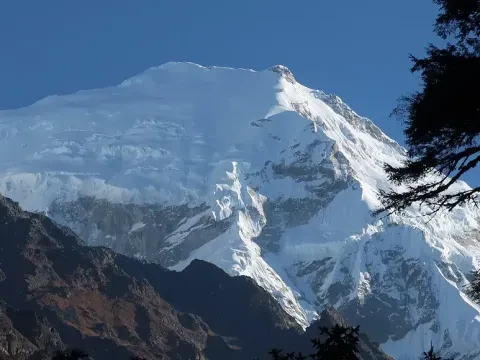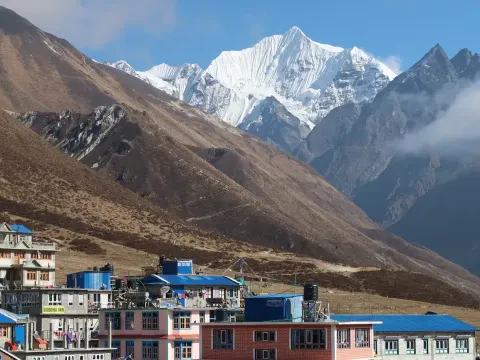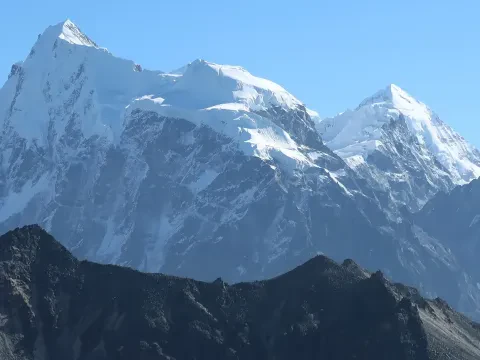
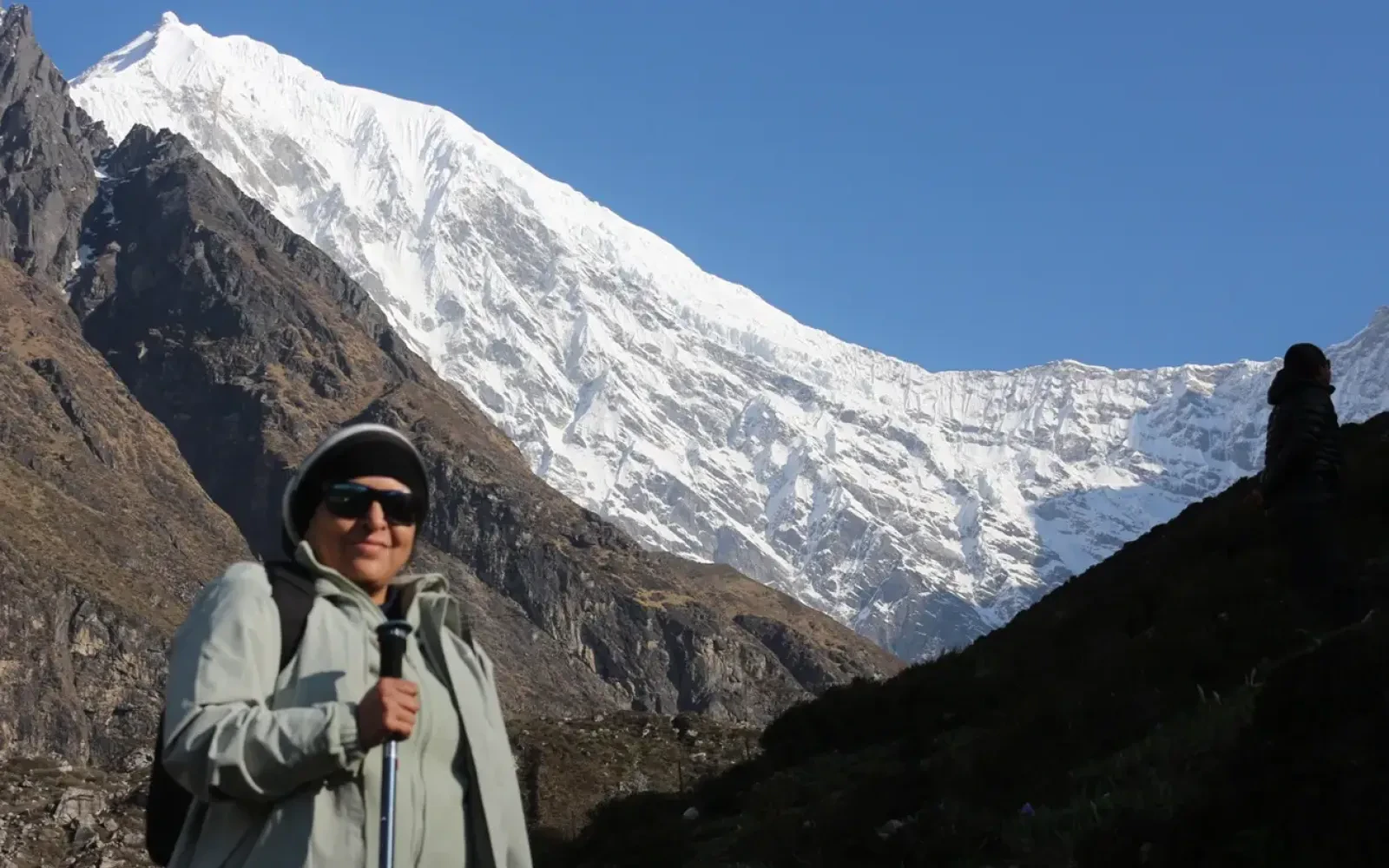
Just off the beaten path within the dramatic central Himalayas lies the alluring Langtang Valley Trek; a remarkably accessible walk through a valley that feels a million miles removed from modern-day clamor. Affectionately dubbed the "valley of the glaciers", this stunning mountain paradise offers an incredibly raw and intimate glimpse of towering, snow-clad massifs without requiring days and days of exhausting wild trekking.
Actually, this glorious expedition takes you on the footsteps of ancient traders beside the rushing waters of the Langtang Khola river, which carve their way through profound gorges before opening into vast alpine pastures. With the trek beginning only a day's journey north of Kathmandu, this route avoids the erratic plane journeys over mountains altogether, plunging you straight into the unblemished wilderness of alpine country.
Must-enjoy Highlights of the Langtang Trek :
| Location/Mountain Peak | Altitude in Meters | Altitude in Feet | Role in Journey |
|---|---|---|
| Syabrubesi village | 1,550m | 5,085ft | Bustling trail entry/exit |
| Lama Hotel settlement | 2,480m | 8,136ft | Quaint river-side camp |
| Mundu / Old Langtang Village | 3,430m | 11,253ft | Resilient cultural village |
| Kyanjin Gompa | 3,870m | 12,696ft | Alpine village & camp |
| Kyanjin Ri Viewpoint | 4,773m | 15,659ft | Ridge with panoramic views |
| Langtang Lirung | 7,227m | 23,710ft | Highest Peak |
In conclusion, our expert team at Haven Holidays Pvt. Ltd. Ensures this package is comfortable and as stress-free as possible since we recognize that your first adventure in the Himalayas is unforgettable. beginners love this trail because the gradual altitude gains throughout the days allow for healthy acclimatization and make trekking enjoyable.
Here, this allows you plenty of free time to tour cheese factories, take captivating photographs, and visit with friendly local people. If you are looking for a genuine, striking, and ultra-reliable mountain get-away then look no further than this remarkable valley route.
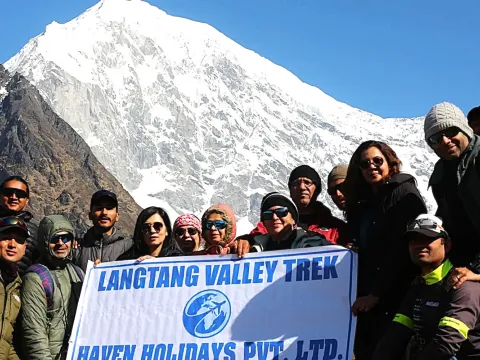
Picture a glacier-carved valley surrounded by soaring peaks, ancient rhododendron forests, and traditional stone villages offering warm Tibetan hospitality. Nestled just north of Kathmandu, the Langtang Valley Trek is a hidden gem offering an authentic Himalayan experience without requiring a lengthy and exhausting multi-day trip.
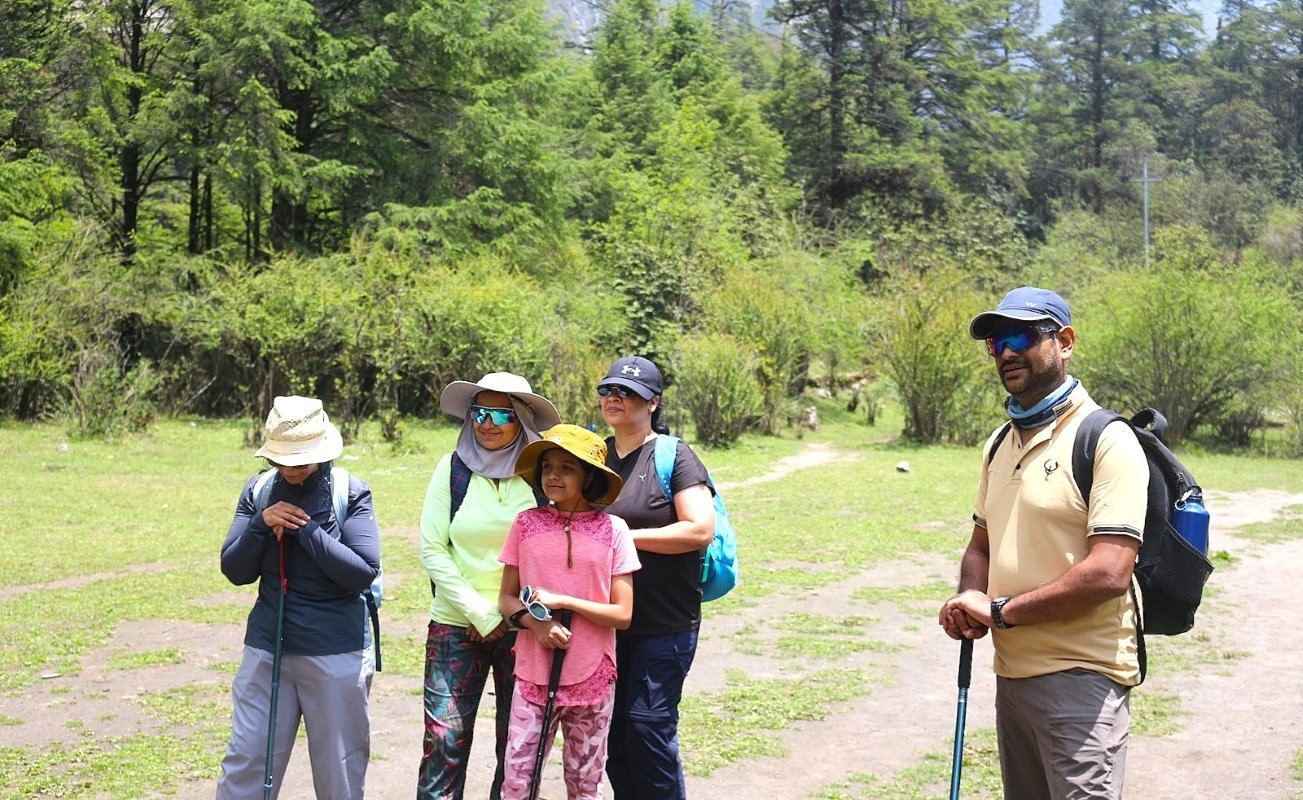
Having organized trekking routes across Nepal for quite a while now, I can assure you that this journey is entirely feasible for first-time hikers who are in reasonable physical condition. While it requires slightly more stamina than a Poon Hill circuit, the reward is a deeply immersive journey into a wilderness landscape.
Top Features of a Langtang Trek :
| Location / Mountain peak | Altitude (m) | Altitude (ft) | Description for trekkers |
|---|---|---|
| Syabrubesi | 1,550 | 5,085 | Start/end of the trail and main trailhead. |
| Lama Hotel | 2,480 | 8,136 | Cosy stop over by the riverside within forests. |
| Langtang village | 3,430 | 11,253 | Reconstructed hub of Tibetan mountain culture. |
| Kyanjin Gompa | 3,870 | 12,696 | Overnight point and centre of the valley. |
| Kyanjin Ri (Viewpoint) | 4,773 | 15,659 | Accessible ridge with sweeping valley views. |
| Tserko Ri (Highest peak) | 4,984 | 16,351 | Challenging peak climb for the fit. |
| Langtang Lirung | 7,227 | 23,710 | Highest mountain in the area. |
In fact, we meticulously structure this trip to allow for extra acclimatization buffers, which guarantee a smooth adjustment of your body to the low oxygen environment. The trek is very popular with beginners because it avoids unnecessary internal flights and their associated flight delay problems due to unpredictable weather, which allow for all your attention to be focused on experiencing the beautiful high altitudes and friendly locals.
Booking this trek with us means a great introductory high Himalayan experience combining stunning natural landscapes and authentic Tibetan culture.
Here, understanding a trail's difficulty is crucial before your holiday, and when considering the Langtang Valley trek, here’s what you need to know. The trek is graded as a moderate teahouse trek, implying it's more demanding than shorter walks in the hills but much less challenging than traversing high mountain passes.
Challenges to be Prepared For :
| Trek stage / Itinerary | Average duration | Approximate distance | Trail description |
|---|---|---|
| Syabrubesi to Lama Hotel | 5 to 6 hours | 11.3 km / 7 miles | Forest trail along the riverside. |
| Lama Hotel to Langtang Village | 5 to 6 hours | 14.8 km / 9.1 miles | Continuous uphill through the canyon. |
| Langtang Village to Kyanjin Gompa | 3 to 4 hours | 6.8 km / 4.2 miles | Mostly level walking along the valley. |
| Kyanjin Gompa activity day | 4 to 7 hours | Varies with choice | Steep, but manageable ascents. |
| Kyanjin Gompa back to Lama Hotel | 6 to 7 hours | 21.6 km / 13.4 miles | A long downhill walk. |
Likewise, the established trail network and plentiful, comfortable teahouses which provide warm, filling meals make this journey quite manageable, helping muscles recover overnight from the day’s exertions.
In conclusion, our experienced guides at Haven Holidays Pvt. Ltd. Will tailor your pace to your abilities. This prevents excessive exertion at higher altitudes, which can often lead to altitude sickness and will help you comfortably achieve your destination. We arrange all necessary permits and porter support, ensuring your journey through the valley is a safe and rewarding adventure.
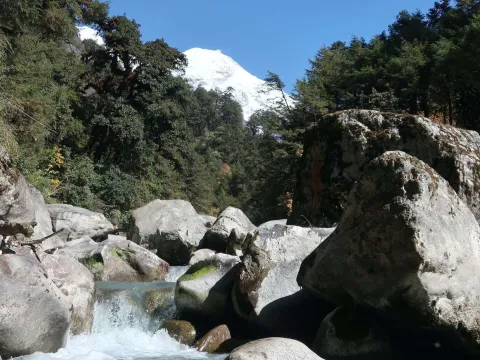
Sure, trekking in the Himalayas can sound daunting, but a moderate-difficulty trail like that in Langtang Valley is well within reach of committed beginners. Although longer than the simple foothill rambles that we typically encounter on a beginner hike, this trail still eschews the advanced risks like altitude sickness inherent in tougher treks.
In fact, the Langtang Valley route is 100% free of technical climbing or prior experience in mountaineering and instead simply requires basic stamina and structurally consistent pacing. While the steady initial climb beside the river will indeed challenge your calves and heart, the path itself is robust and solid.
Important Physical Factors to Take into Account:
| Trekking Stage/Stop | Base Altitude (Meters) | Base Altitude (Feet) | Average Spring/Autumn temperature |
|---|---|---|
| Syabrubesi (Start Point) | 1,550m | 5,085ft | 18°C-24°C (64°F-75°F) |
| Lama Hotel (forest zone) | 2,480m | 8,136ft | 10°C-15°C (50°F-59°F) |
| Langtang Village (mid-valley) | 3,430m | 11,253ft | 5°C-10°C (41°F-50°F) |
| Kyanjin Gompa (end base) | 3,870m | 12,696ft | -2°C-8°C (28°F-46°F) |
| Kyanjin Ri (viewpoint) | 4,773m | 15,659ft | -5°C-2°C (23°F-36°F) |
With Haven Holidays Pvt. Ltd. Our team focuses on a slow, controlled pace throughout each day so that beginners have time to fully appreciate this trek and to adjust to high altitudes as well as possible. It’s simple-our itineraries are never rushed, giving your body the time to adjust to a higher altitude more efficiently, so you won't be worn out while experiencing the physical challenge and you'll have plenty of energy to share stories by the fire in the evenings. A good attitude and some degree of walking fitness should turn this mountain endeavor into a successful expedition!
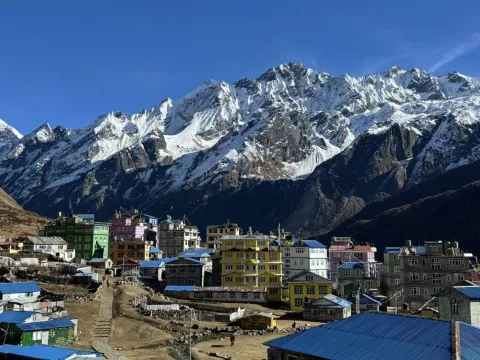
Absolutely. First-time hikers can achieve this amazing Langtang valley trek successfully. By eliminating the major logistical hurdles of wilderness expedition traveling, this trek offers a perfect introduction to high-altitude trekking for first-timers.
Advantages to trekkers embarking on their first hike:
| Trekking route | Trekking distance | Walking time | Difficulty |
|---|---|---|
| Syabrubesi to Lama Hotel | 11.3 km / 7 miles | 5 to 6 hours | Moderate |
| Lama Hotel to Langtang Village | 14.8 km / 9.1 miles | 5 to 6 hours | Moderate |
| Langtang Village to Kyanjin Gompa | 6.8 km / 4.2 miles | 3 to 4 hours | Easy |
| Kyanjin Gompa exploration day | Highly Variable | 4 to 6 hours (as needed) | Optional |
| Kyanjin Gompa to Lama Hotel | 21.6 km / 13.4 miles | 6 to 7 hours (mostly down) | Moderate |
Actually, the excellent network of local services along the trail also smooths the journey for those completely new to backpacking for extended periods of time. You won't have to worry about carrying survival supplies or pitching your tent when you book with Haven Holidays Pvt. Ltd.
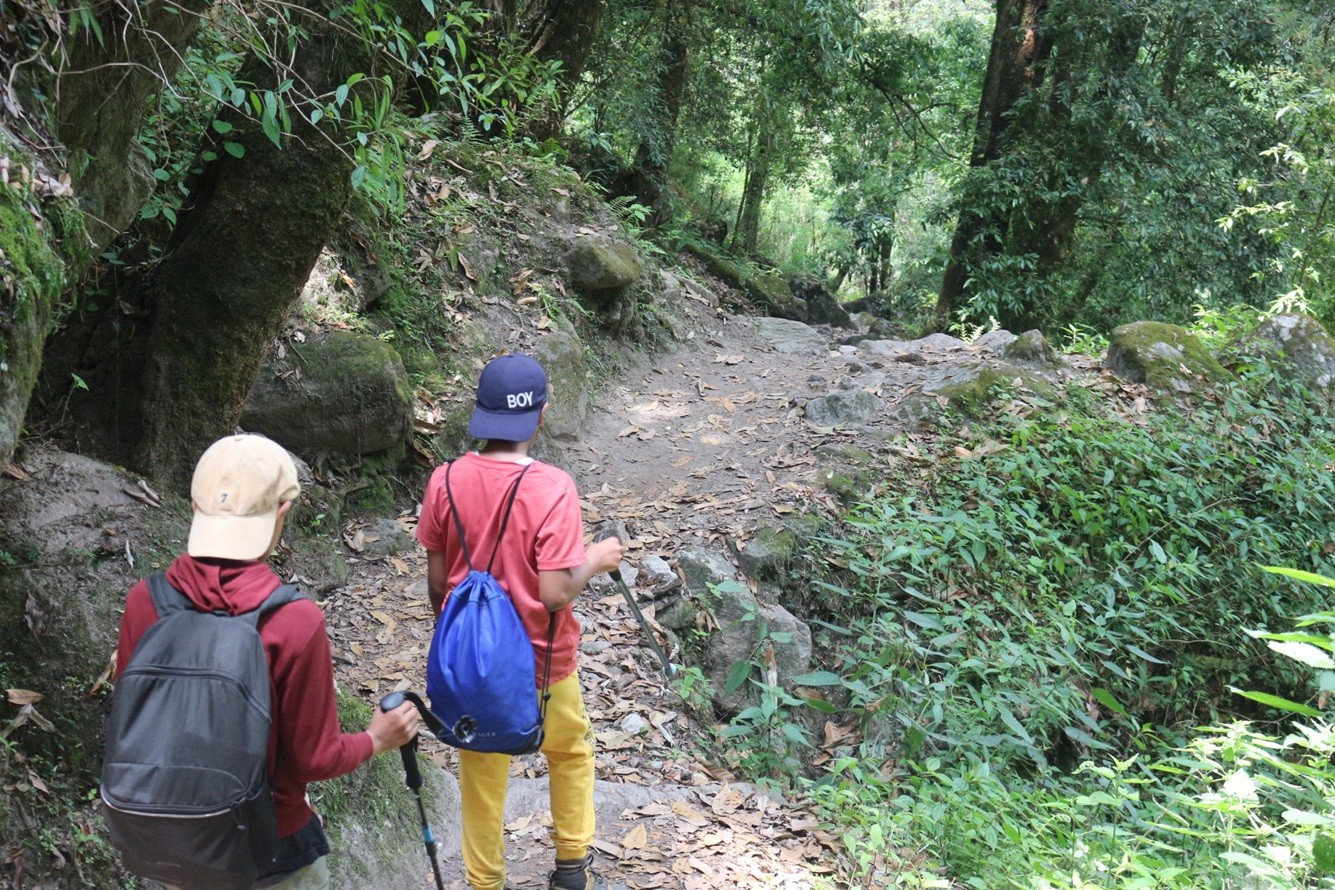
Likewise, we even include porters to carry your large pack, leaving you with a small day pack to carry. We take care of all the safety concerns and permits so that you can enjoy your journey into the heart of the Langtang.
Meanwhile, a journey to the high Himalayas typically evokes images of extreme peril, but a trip to the Langtang Valley shatters that notion and provides a gentler intro to the alpine. It's the perfect classroom for new hikers as both its geographic layout and solid infrastructure takes out the usual stress of backcountry adventuring.
Likewise, the trail is engineered in such a way to allow your body to get used to its conditions, by making a slow climb from the deep river canyons to the expansive, flat valley floor. You will not be asked to scale vertical ice walls, technically traverse any rock scrambles, or take death-defying journeys along cliff edges, giving you the freedom to focus simply on putting one foot in front of the other.
Structural reasons why this trek is perfect for beginners :
| Trekking Stage / Target Stop | Start Altitude | End Altitude | Net Elevation Gain |
|---|---|---|
| Day 1: Syabrubesi to Lama Hotel | 1,550 m / 5,085 ft | 2,480 m / 8,136 ft | +930 m / 3,051 ft |
| Day 2: Lama Hotel to Langtang Village | 2,480 m / 8,136 ft | 3,430 m / 11,253 ft | +950 m / 3,117 ft |
| Day 3: Langtang Village to Kyanjin Gompa | 3,430 m / 11,253 ft | 3,870 m / 12,696 ft | +440 m / 1,443 ft |
| Maximum Viewpoint: Kyanjin Ri | 3,870 m / 12,696 ft | 4,773 m / 15,659 ft | +903 m / 2,963 ft (Optional) |
Here, at Haven Holidays Pvt. Ltd., our itineraries are custom-made to simplify this trek for first-time hikers by creating easily manageable daily distances. We put a strong emphasis on "how" and utilize a steady pace throughout the trip that keeps muscle fatigue and joint pressure at an absolute minimum. While all of your heavy luggage is portered for you, your only task for most of the day is to hike, take fantastic photos of the imposing Langtang Lirung massif, and enjoy. This blend of wild nature and dependable comfort makes this a first time Himalayan trek that can't be beat.
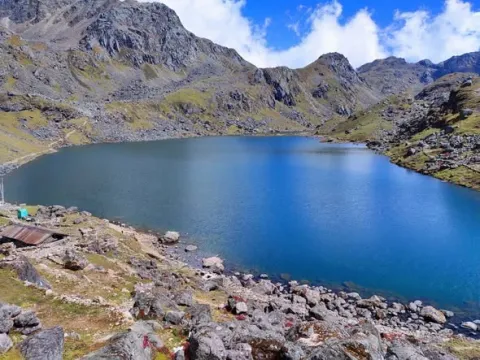
While you don't need the lung capacity of an Olympian for this trek, giving yourself a few weeks for proper preparation will drastically improve your trek. As you will be on the trail for several consecutive days, preparing your body with endurance training and having the correct equipment will be your dual keys to a successful trip.
Step-by-step training protocol:
| Training phase | Cardio focus (3x/week) | Strength and stability (2x/week) | Weekend simulation goal |
|---|---|---|
| Weeks 1 & 2 | 30-minute moderate jog or bike ride | 3 sets of bodyweight squats and calf raises | 2-hour outdoor walk wearing trekking boots. |
| Weeks 3 & 4 | 45-minute fast uphill treadmill walk | 20 minutes of consecutive stair climbing | 4-hour trek with a 5kg (11 lbs) daypack on hilly terrain. |
| Weeks 5 & 6 | 30-minute easy swim (tapering phase) | Core plank work and deeper leg stretches | Get adequate rest and hydrate, pack for your trek. |
When it comes to training for the Langtang Valley, the specialists at Haven Holidays Pvt. Ltd. Always stress the importance of mental preparedness as well. Knowing that you will be taking the trek at a slow and steady pace will help alleviate fears of keeping up with other, faster hikers.
Here, we will also furnish you with a complete packing list (including everything from proper thermal clothing to reliable trekking poles) so that you don't overpack or forget anything crucial. Our expert guides will take care of all on-trail logistics, and keep an eye on your well being, freeing you to train for the trek and travel to Nepal with complete peace of mind. Please contact us today and begin your trek!
Actually, the Langtang National Park moderate altitude adventure is an exciting journey but as a first-time trekker, this trek is more about making smart choices than brute force. From subtropical river valleys, to glacial basins at thin air, the scenery can change drastically within a day's walk, and understanding how to control your body, in addition to showing respect for the mountain, is crucial.
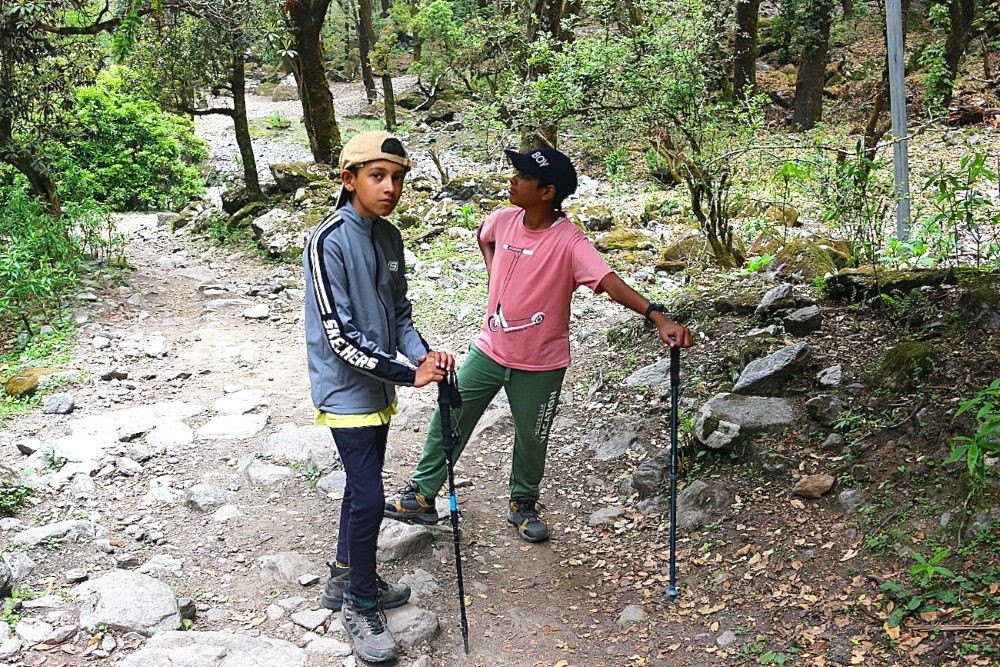
Here, a veteran of mountain trips, I always stress to first-timers, "The Himalayas will reward patience and punish arrogance." With careful consideration to some key safety rules and regulations you can avoid all the common first-timer traps, and come down with a big smile on your face.
Crucial success factors for first-time hikers:
| Symptom/Indicator | Normal Trail Fatigue (Keep Walking) | Mild Altitude Sickness (Stop & Monitor) | Severe AMS Warning (Descend Immediately) |
|---|---|---|
| Breathing | Shortness of breath during difficult climbs | Breathlessness, but able to speak in sentences while resting | Severely short of breath, even at rest, and difficulty breathing while lying flat. |
| Headache | Temporary, relieved by water or rest | Mild, persistent headache, that is not relieved by aspirin or water | Severe, throbbing headache, often with vomiting. |
| Energy | Muscle fatigue, end of the day fatigue | Loss of appetite, general lassitude and feeling a bit dizzy | Confused, can not balance or is losing consciousness. |
Here, our team at Haven Holidays Pvt. Ltd. Plans our treks to the Langtang region with a slow climbing strategy which minimizes all of these altitude related concerns. All of our first-timers can successfully accomplish these treks because we monitor their oxygen levels nightly, insuring that they are not experiencing any adverse effects from high altitudes and can enjoy the natural beauty and local culture fully.
More importantly, we will manage every aspect of your journey, allowing you to relax and absorb the amazing mountain environment, as this well supported trip is the one for you.
When packing for your first Himalayan trekking in Nepal, the focus will be all about embracing the classic three-layer clothing system that can protect you from freezing cold nights without making you sweat in the warm days. Your main bag that the porters will be carrying, is going to be a simple duffel bag and your only job as a trekker will be to fit everything you will need throughout your hike into a personal day pack.
Core gear categories for the first-time trekker:
| Gear Category | What to Pack | Porter Duffel Bag vs. Personal Daypack | Expert Packing Tips |
|---|---|---|
| Clothing layers | Down jacket, fleece jacket, 2 thermals, 3 hiking shirts, waterproof shell jacket and pants | Porter Duffel Bag (12kg/ 26lb) | Pack your clothes by rolling them tightly to save space and eliminate wrinkles. |
| Footwear | Walking boots, hiking sandals or camp sneakers, 4 pairs of thick merino wool hiking socks | Walk in boots on the trail, wear the sandals or camp sneakers at the campsite. | Do not wear brand new walking boots on the trek, they are bound to give you blisters. |
| Gear and Hardware | 4 season down sleeping bag, 2 adjustable trekking poles, UV sunglasses, 1L water bottle | Personal day pack (5kg / 11lb) | Use your trekking poles not just to keep you balanced, but also to reduce the amount of stress on your knees and ankles by up to 25%. |
| Toiletries and Medical | SPF 50+ sunscreen, lip balm, moist wipes, first aid kit for blisters, water purification tablets | Personal day pack. | The UV rays at high altitudes are extremely strong, and will burn you in minutes without sun block. |
In fact, the ultimate way to make sure that you do not have to worry about packing a good set of gear is to book a trip with Haven Holidays Pvt. Ltd. Our trekkers will be provided with a complimentary high quality duffel bag as well as a comfortable medical grade down sleeping bag.
Moreover, through our detailed pre departure briefing, we will explain what gear is worth purchasing, and what is merely over kill, eliminating the risk of over packing. We will handle the logistics and transport of your gear, leaving you only with the pleasant task of enjoying the beauty of Langtang!
In conclusion, choosing the perfect season for your first Himalayan trekking holiday is undoubtedly the single most important decision you will make, as mountain weather controls everything about your experience including safety, comfort, and scenery. Beginners should ONLY opt for the two distinct, dry, clear-cut, peak trekking windows when the mountain climate is stable and the routes are totally devoid of torrential monsoon downpour or significant heavy snow accumulation.
As a local trekking operator actively tracking the mountain weather patterns on a day-to-day basis, I would recommend that all first-time travelers avoid this route during any of the transitional shoulder and off-seasons; they will turn an arduous journey of survival into a thoroughly enjoyable, supremely rewarding holiday in the Himalayas.
The Two Most Favorable Trekking Windows :
| Trekking Season / Months | Avg. Day Temperature | Avg. Night Temp (Kyanjin Gompa) | Trail and Visual Conditions |
|---|---|---|
| Autumn (Sept – Nov) Highly Recommended | 12C to 18C (54F to 64F) | -5C to 2C (23F to 36F) | Excellent path traction, clear blue sky and crisp views, perfect for mountain photography. |
| Spring (March – May) Highly Recommended | 14C to 20C (57F to 68F) | -2C to 5C (28F to 41F) | Beautiful hillside flora bloom with vibrant rhododendrons, manageable moderate alpine cold, easy day hiking. |
| Monsoon (June – August) Avoid | 18C to 25C (64F to 77F) | 5C to 10C (41F to 50F) | Muddy trekking trails, major risks of landslide on the access road, torrential rain and completely obscured mountain views. |
| Winter (December – February) Avoid | 5C to 10C (41F to 50F) | -15C to -10C (5F to 14F) | Extreme snow accumulation blocking the upper trekking routes and viewpoints, freezing tea house conditions and the most physical challenge on your entire trip. |
We, at Haven Holidays Pvt. Ltd, specifically schedule all beginner trips for the best window of both the aforementioned seasons to ensure your utmost safety, health, and enjoyment. Every day we consult with real-time satellite weather data from the National Park to make sure that your time out trekking in the Himalayas is at the highest level of safety and comfort.
In this way, you can solely concentrate on your breathing, on capturing incredible photos of the landscape and on enjoying Langtang Lirung (7,227m / 23,710ft) from the top, without you worrying about any possible blizzards or thunderstorms. Let us bring you to Nepal during its golden months, where you will truly feel its incredible natural wonder.
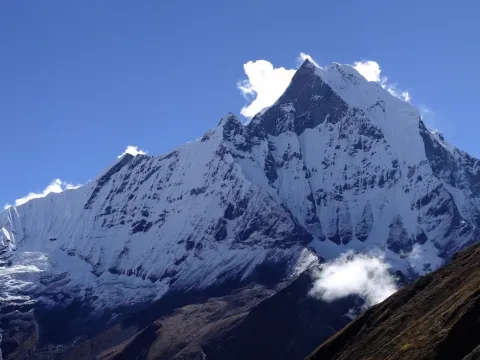
Although the Langtang trek is considered a beginners trek and welcomes trekkers of all types with open arms, walking at altitude naturally comes with its own set of environmental and physical challenges that you should be mentally prepared for. Knowing these common obstacles will help you tackle them easily, without getting yourself discouraged when your legs finally start getting tired.
Daily Obstacles You will Likely Encounter :
| Trekking Challenge | Main Impact on a Beginner | The Professional Guide Solution |
|---|---|---|
| The Lama Hotel Staircase | Sore calves, early muscle fatigue | Take many short, rhythmic steps and use trekking poles, which will lighten your body weight by 25%. |
| Altitude | Increased heart rate, shortness of breath | Strictly observe the 'Bistari, Bistari'(slowly, slowly) rule and drink a recommended 4 liters of water a day. |
| Cold nights | Inability to sleep | We provide 0 to -20 Degree C certified sleeping bags. You can also request a hot water bottle from your lodge. |
| Basic Food Options | Missing home food | You will be dining on nutritious Dal Bhat (lentil soup with rice) and enjoy its slow energy releasing carbohydrates, a fuel for longer trekking days. |
Here, experiencing these challenges are an integral and rewarding part of your Himalayan adventure and the feeling of reaching Kyanjin Gompa (3,870m / 12,696ft) after overcoming them all is truly incomparable.
By selecting Haven Holidays Pvt. Ltd. For your trek, you get an assurance that you will not have to carry your heavy bags through the unstable, landslide- prone sections of the trail. Our experienced, licensed Sherpa guides will always closely monitor your vital signs to ensure your safety and well-being at altitude with regular use of medical grade portable pulse oximeters; this way there's no uncertainty of any potential altitude sickness developing and you are left only to enjoy the views.
In conclusion, taking into account all the geographic evidence and excellent trailside facilities, the definitive answer is an undisputed, emphatic YES - the Langtang Valley trek is an absolutely superb option for beginners. Bridging the gap between simple foothill day-walks and advanced high-altitude trekking, this trek offers the ideal middle ground for first-time trekkers to safely test their mountain legs.
Likewise, this breathtaking journey takes away all the daunting logistical nightmares that tend to dissuade people from traveling in the Himalayas. No need to brave dangerous high-altitude passes, cross glaciers, or gamble on potentially disastrous mountain flights – you get to simply relax and enjoy your holiday!
Here, you’re going on your first moderate altitude trek through the magical Langtang Valley! A truly amazing life accomplishment, to be sure. To make sure this trek is remembered for its spectacular sights, and not its punishing fatigue, our team here at Haven Holidays Pvt. Ltd. Has put together the 10 ultimate insider tips for first-time trekkers on a successful journey to Kyanjin Gompa (3,870m / 12,696ft).
10 Tips for Successful Trail Traversal :
| Layer/Gear Category | Core Functionality | Recommended Pack List | Porter Duffel vs. Personal Day Pack |
|---|---|---|
| Base Layer | Wicks sweat away from the body to retain core warmth | 3 synthetic t-shirts, 2 long johns/thermal underwear (merino wool recommended) | Porter Duffel Bag |
| Mid Layer | Insulates by trapping your natural body heat | 1 high-loft fleece jacket, 1 lightweight packable down jacket. | Duffel (fleece) / Day Pack (down jacket). |
| Outer Layer | Protects you from high-alpine wind and precipitation | 1 waterproof, windproof, breathable outer shell jacket and pants. | Carry in Personal Day Pack |
| Trail Essentials | Protects your body and enhances trail comfort | Sunscreen (SPF 50+), lip balm, well broken-in trekking boots, 4 pairs of wool socks. | Boots (wear them!) / accessories in Day Pack. |
In conclusion, all of these crucial elements are incorporated into the customised itineraries when you book your Himalayan journey with Haven Holidays Pvt. Ltd. We provide all our trekkers with a complimentary high-quality duffel bag and a warm, medical-grade down sleeping bag for the entire duration of the trip, eliminating the need to purchase expensive winter gear.
Get in touch with our experts today and let us handle your gear and logistics so you can concentrate solely on your sensational adventure in the Langtang mountains!
Final Words: Why Langtang is the Ideal Beginners’ Choice
| Metric / Feature | Langtang Valley Trek | Everest Base Camp Trek | Manaslu Circuit Trek |
|---|---|---|
| Beginner Fit | Excellent (Highly Achievable) | Moderate (Requires Training) | Poor (Veterans Only). |
| Max Altitude Sleep | 3,870 m / 12,696 ft | 5,164 m / 16,942 ft | 5,106 m / 16,752 ft. |
| Avalanche / Pass Risk | Minimal | Moderate | High (Larke Pass). |
| Trail Condition | Wide, clear, smooth river paths | Rocky moraine / glacial fields | Steep, exposed ridges. |
| Logistics Reliability | 100% (Accessible via road) | Weather-dependent flights | Requires special trekking permits. |
In the end, your first adventure in the roof of the world should be about jaw-dropping scenery and once-in-a-lifetime memories – not a struggle for survival. When you book your first trekking experience with Haven Holidays Pvt. Ltd., you gain access to a fully-insured network of experienced, professional guides, strong, efficient porters, and the best safety protocols available in mountain travel today.
Moreover, we’ll do all the heavy lifting, monitor your oxygen levels each evening, and sort all necessary permits out for you, leaving you free to embrace the challenge of the mountains with a secure and prepared mind. Stop dreaming of trekking in the Himalayas; contact one of our experts today to plan your inaugural valley trek!
1. Is the Langtang Valley trek suitable for a complete beginner?
Yes, a complete beginner can certainly successfully complete the langtang valley trek. While slightly more physically taxing than the Poon Hill hike, the paths are well-established and gentle. As long as you maintain a good level of physical fitness and a positive attitude, the langtang valley trek difficulty is entirely manageable.
2. What is the standard Langtang Valley trek itinerary?
A typical, beginner-friendly langtang valley trek itinerary is an 8-10 day roundtrip from Kathmandu. This duration accounts for two full days of driving overland, five days of steady valley hiking, and a day for exploration in the breathtaking, high-altitude Kyanjin Gompa.
3. What is the maximum Langtang Valley trek elevation?
The regular overnight langtang valley trek elevation is at its highest at Kyanjin Gompa (3,870 meters or 12,696 feet). However, undertaking the common acclimatization day hikes up Kyanjin Ri or Tserko Ri will take you to altitudes of 4,773 and 4,985 meters, respectively.
4. What is the total walking distance of Langtang Valley?
The entire round-trip langtang valley distance covered on foot is between 65 and 80 kilometers (40-50 miles). This distance may increase slightly if you decide to hike to the higher glacial viewpoints or will be shorter if you stick to the main valley floor trails.
5. How much does a Langtang Valley trek cost?
In 2026, the average langtang valley trek cost will be between $500 and $900 USD per person. This usually includes park permits, teahouse accommodation, three daily meals, and the services of a qualified local guide. Traveling overland significantly reduces the overall price compared to alternative treks.
6. How is the Langtang Valley trek difficulty compared to Everest Base Camp?
The langtang valley trek difficulty is rated as moderate, making it notably less strenuous than trekking to Everest Base Camp. The terrain is generally much gentler, with less demanding daily walking hours and a significantly lower risk of developing acute mountain sickness due to the reduced langtang valley trek elevation.
7. What is the best Langtang Valley trek itinerary for acclimatization?
For optimal acclimatization for beginners, an itinerary that includes an overnight stop at Lama Hotel (2,470m) and Langtang Village (3,430m) before two successive nights at Kyanjin Gompa is ideal. This gradual increase in langtang valley trek elevation allows the body to adjust smoothly without overexertion.
8. What factors impact the total Langtang Valley trek cost?
Your final langtang valley trek cost is dependent on factors such as your group size, your preferred mode of transport to the trailhead (public bus versus private 4x4 jeep to Syabrubesi), and the amenities you require along the route. Budgeting for extras like hot showers, charging facilities, and Wi-Fi at teahouses will slightly increase your overall expenditure.
9. What is the daily walking distance during Langtang Valley trek?
Expect to walk approximately 10 to 14 kilometers (6-8 miles) each day. This typically translates to 5-7 hours of steady, unhurried hiking, allowing you ample time in the afternoons to rest and acclimatize.
10. Do I experience altitude sickness during Langtang Valley trek ?
Yes, since the langtang valley trek elevation rises above 3,000 meters, mild altitude sickness symptoms like headaches can occur. This risk is easily minimized for beginners by staying well-hydrated, abstaining from alcohol, and following an itinerary that restricts daily vertical gain to under 500 meters.
11. What terrain features define the Langtang Valley trek difficulty?
The langtang valley trek difficulty is characterized by hiking through dense rhododendron forests, crossing suspension bridges, and navigating rocky switchbacks. The trail begins with a continuous climb through a river gorge, eventually opening up into a broad, flat, glacially-carved valley flanked by majestic peaks.
12. Are there any hidden fees in the Langtang Valley trek cost?
Beyond your primary langtang valley trek cost, the most significant 'hidden' fees are for optional teahouse services. Expect to pay extra for hot showers (NPR 300-500), charging electronics, and satellite Wi-Fi. Carrying some cash in local Nepali currency from Kathmandu is highly recommended to cover these smaller expenses.
13. Where do the day-hikes fit into the Langtang Valley trek itinerary?
A well-structured langtang valley trek itinerary allocates a day for rest and exploration on either Day 5 or Day 6, when you reach Kyanjin Gompa. This offers you the flexibility to embark on strenuous climbs to Kyanjin Ri or Tserko Ri, or to visit the local cheese factory at your leisure.
14. Is the Langtang Valley distance safe from landslides and trail hazards?
During the peak trekking seasons, the walking langtang valley distance is completely safe and well-maintained. However, the road leading from Kathmandu to the trailhead at Syabrubesi is rugged and winding, and can be hazardous and prone to landslides during the monsoon months (summer).
15. What gear is needed to handle the Langtang Valley trek difficulty?
To navigate the langtang valley trek difficulty comfortably, reliable gear is essential. This includes sturdy, broken-in hiking boots, trekking poles for knee support during descents, a warm down jacket for the frigid evenings, a headlamp, and a water purification system.
16. What permits are required and are they included in the Langtang Valley trek cost?
You will need a Langtang National Park entry permit (NPR 3,000) and a TIMS card. If you opt for an all-inclusive package with an agency, these essential permit fees will be incorporated into your initial langtang valley trek cost, and your guide will manage checkpoint procedures.
17. How high do the surrounding peaks rise above the Langtang Valley trek elevation?
Although the maximum langtang valley trek elevation is around 3,870 meters, the surrounding mountains are truly monumental. You'll be walking in the shadow of Langtang Lirung (7,227m), Dorje Lakpa (6,966m), and the stunning Gangchempo (6,387m).
18. Can I shorten the Langtang Valley distance if I am short on time?
It is possible to complete the langtang valley distance in as little as 5 or 6 days by foregoing rest days and using private transportation. However, this accelerated schedule is not recommended for beginners due to the increased physical exertion and altitude risks.
19. What food and lodging can I expect for my Langtang Valley trek cost?
Your langtang valley trek cost will include accommodation in cozy, traditional Tamang teahouses. The food menus at these teahouses are surprisingly varied and offer traditional carbohydrate-rich Dal Bhat, pasta, eggs, and pancakes-all perfect for replenishing your energy after a long day.
20. When should a beginner schedule their Langtang Valley trek itinerary?
Beginners are strongly advised to plan their langtang valley trek itinerary during the peak spring (March to May) or autumn (October to November) trekking seasons.
Our travel experts are ready to assist you with any questions.
Send us a message.Have a question before you book? Send your enquiry below and our travel experts will get back with the required information.