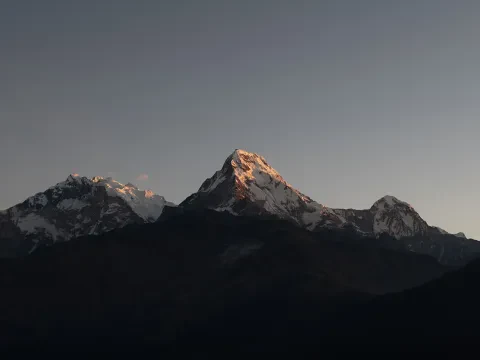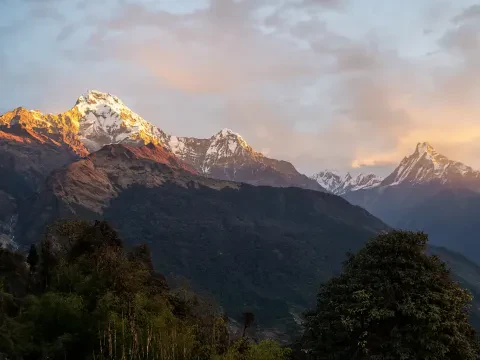
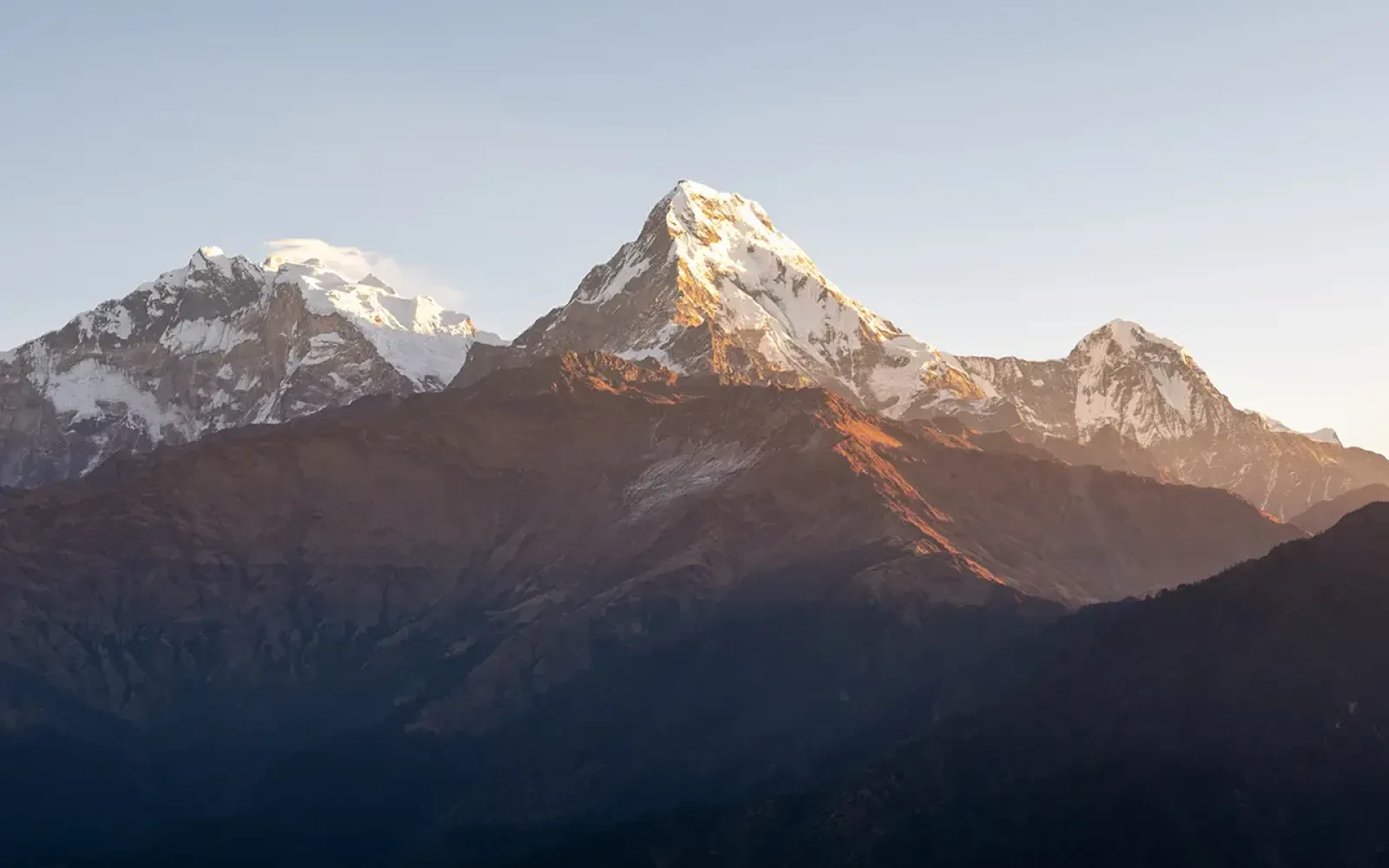
For a first trek in the Nepal’s Himalayas, choosing the perfect route with the right mix of safety and scenery is tricky business. But without a doubt, the renowned Ghorepani Poon Hill loop is the best trek in Nepal for beginners as it is considered a spectacular entry into the world of high-altitude trekking without a single significant safety risk. Whilst legendary routes like the Everest Base Camp Trek or the Annapurna Circuit take weeks to cover the immense distance of rugged high-altitude walking, this relaxed loop will serve up stunning views of the giant snow capped peaks, and you’ll reach them at a very quick pace.
Actually, the Poon Hill trek 3-5 day loop provides a truly magical experience in the mountains without being too hard physically. Rather than sitting there worrying about your blood oxygen level or a steep vertical drop, you will simply be walking along beautiful wide village paths. It’s maximum elevation will reach only 3210 meters which reduces the risk of acute mountain sickness to a minimum compared to high altitude trekking routes like these. Hence, it has gained recognition as the easiest trek from Pokhara and families, beginners and low-stress holidays would be glad to discover.
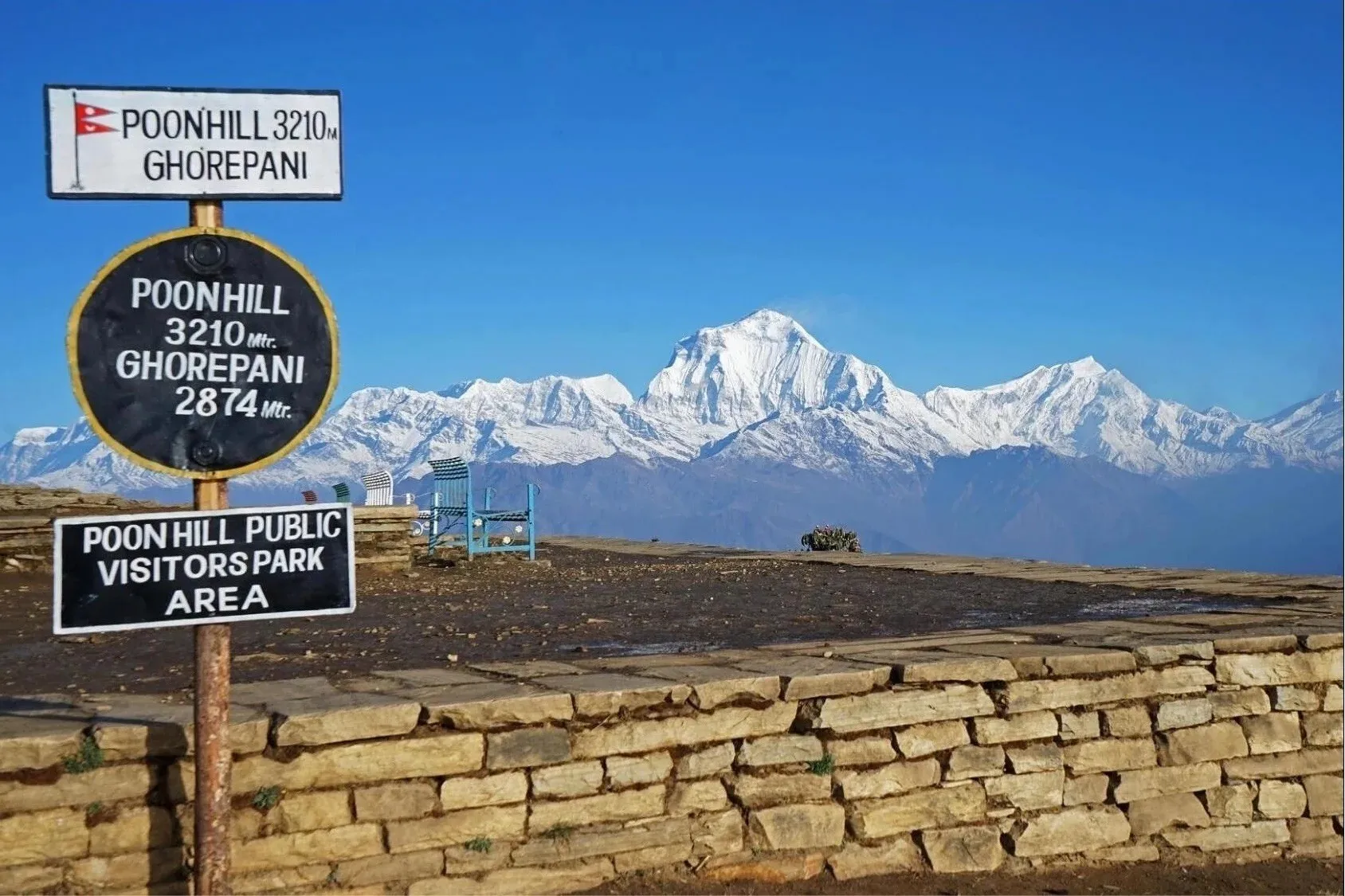
OVERVIEW AND BEGINNER SUITABILITY :
| TREK METRIC | POON HILL LOOP FOR BEGINNERS | STANDARD HIGH-ALTITUDE TREK | BEGINNER ADVANTAGE |
|---|---|---|
| MAX ALTITUDE | 3,210 meters (10,531 ft) | 5,416 meters (17,769 ft)+ | No or very little chance of acute mountain sickness or problems breathing at elevation |
| TREKKING HOURS (PER DAY) | 4-5 hours | 6-8 hours | Very low physical impact on your cardiovascular health with plenty of free time |
| CELL COVERAGE | 4G / WI-FI available consistently | Sparse / nonexistent coverage | Constant access to friends and family back home, and emergency services |
| ACCOMMODATION | Comfortable and heated teahouses | Minimalist high alpine lodgings | Extremely comfortable, safe and enjoyable beds with home cooked meals and various dishes to chose from. |
When you are trying to choose a trek to complete your first journey in the Himalayas in Nepal and want the trek to be safe yet have amazing views at the same time, the task can seem very challenging. However, a clear answer is the Ghorepani Poon Hill trek which undoubtedly holds the title of the best trek in Nepal for beginners. It can be described as a perfect starting point for an introduction to high-altitude hiking without extreme risks.
Here, legendary treks like Everest Base Camp trek or the Annapurna circuit need weeks of high-altitude trekking and the only challenge it has to offer is physical exertion. This small loop however provides you with breathtaking panoramas of massive snow capped peaks with in no time.
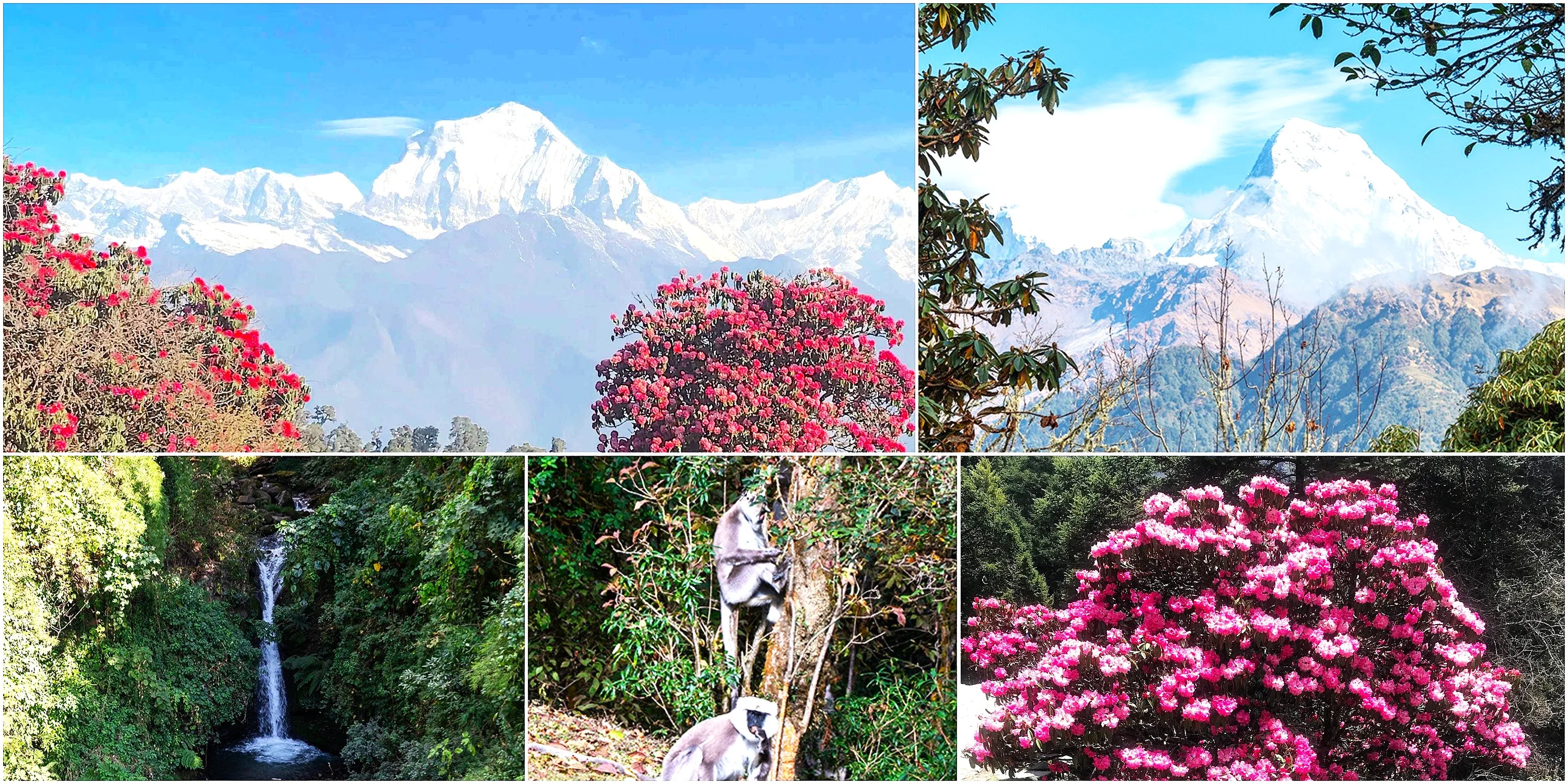
In fact, choosing the Poon Hill trek 3 to 5 days itinerary means that you will be able to savor the essence of mountain trekking without over stretching yourself physically. The entire loop reaches a maximum of just 3,210 m which greatly reduces the risk of suffering from Acute Mountain Sickness. Because of these, it is renowned as the easiest trek from Pokhara and hence a top choice for the families, hobbyist hikers or a stress free mountain holiday.
Trek Overview and Beginner Suitability Metrics :
| Trek Metric | Poon Hill Beginner Loop | Standard High Altitude Trek | Beginner Advantage |
|---|---|---|
| Max Altitude | 3,210m (10,531ft) | 5,416m (17,769ft)+ | Very low risk of altitude sickness |
| Daily Walking | 4 to 5 hours | 6 to 8 hours | Low cardio strain |
| Cell Coverage | Good, with stable 4G / WiFi | Erratic or no reception | Easy communication with home |
| Accommodation | Comfortable, warm teahouses | Basic high altitude huts | Better food, comfort and luxury |
In the past, trekkers spent a long day trekking on a dusty and very hot road from Nayapul or Birethanti to get to their first destination in the trekking route. However, with improved road construction recently, this is no longer a problem. The Pokhara to Ulleri drive on an off-road four-wheel-drive will allow the beginners to reach the higher and picturesque Poon Hill trek trailhead.
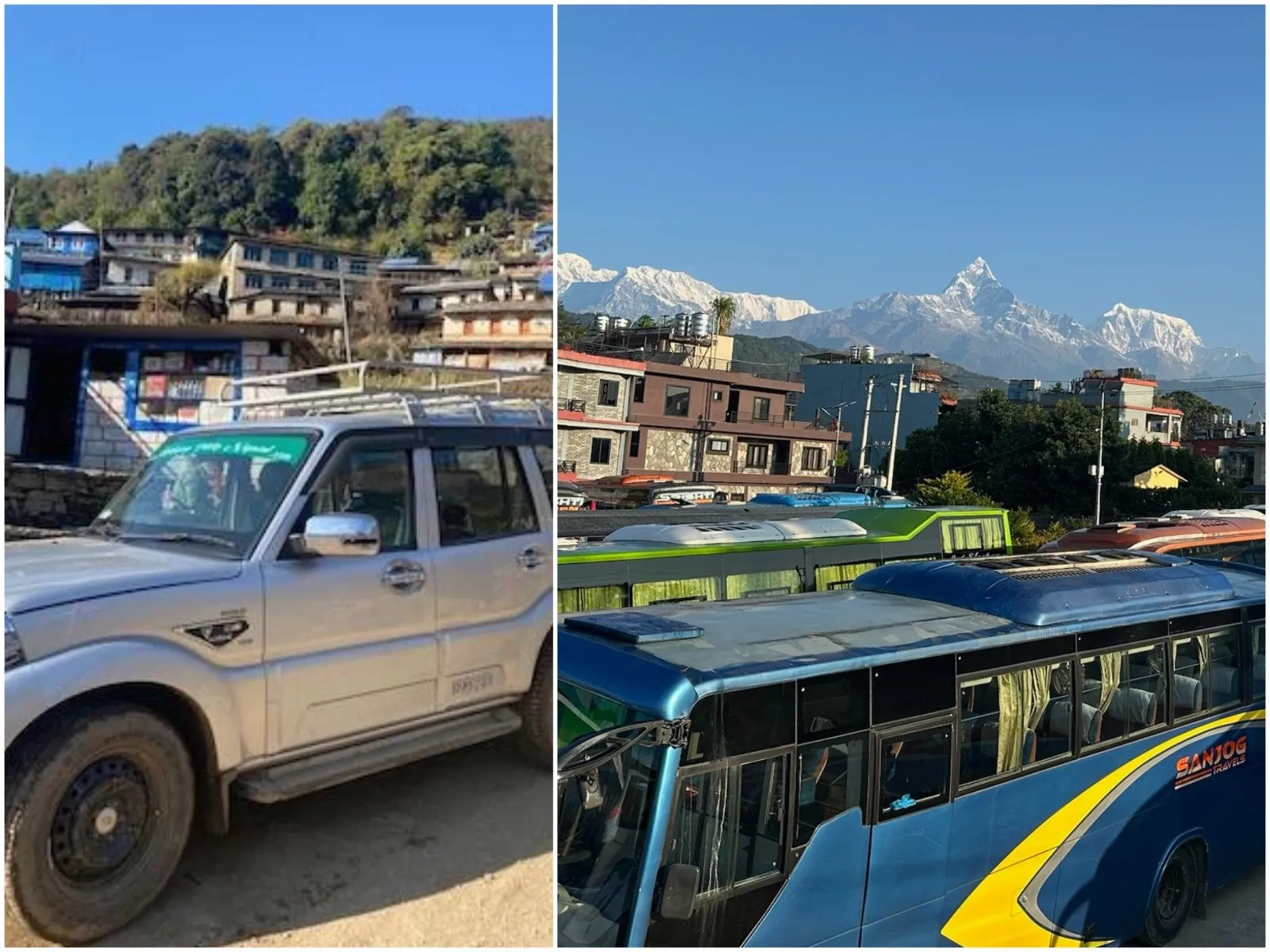
Insider Tip: A direct Pokhara to Ulleri drive saves trekkers the exhausting trek through the very dusty and hot road of Nayapul to Tikhedhunga. By doing this you can skip over 3000 steps and save your legs and energy for the impressive alpine ridgelines up ahead. The price of a driving to Ulleri jeep cost would be around 90-120 USD for a jeep. By traveling to the mountain village of Ulleri (2050m) in a four-wheel-drive vehicle from Pokhara (822m), you can bypass almost an entire day of exhausting trekking on the lower part of the route.
Here, this way you will be able to enjoy your foot trekking starting in the mid altitude section where beautiful rhododendron flowers grow and you are able to breath in crisp mountain air.
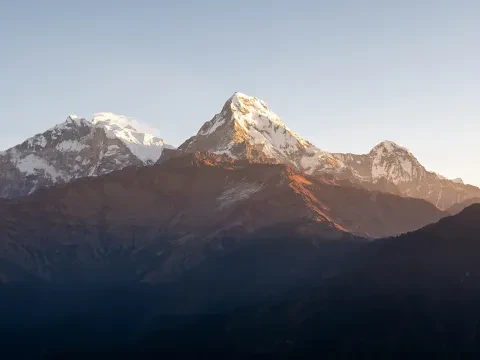
Trailhead Transport realities :
| Transport Option | Average Cost (USD) | Travel Time | Comfort & Convenience Level |
|---|---|---|
| Private 4 WD Jeep | 90-120 (Per Vehicle) | 3.5 hours | High (Fast, private and stops whenever desired) |
| Local Shared Jeep | 10-15 (Per Person) | 4.5 - 5 hours | Medium (Slightly uncomfortable and frequent local stops) |
| Local Public Bus | 5-8 (To Nayapul only) | 2.5 hours + walk | Low (Does not take you all the way to Ulleri) |
One of the greatest things about this Annapurna trekking region is its sheer flexibility. You can easily modify this trail according to your priorities, how you feel at the moment, and how much time you have at your disposal. Regardless of whether your motivation for undertaking the trek is the local mountain culture, the desire to rest your tired muscles after a long trek, or the intention to witness as much as possible; this route has the perfect option for you.
Route Highlights and features :
| Route choice | Length | Highlights | Ideal For |
|---|---|---|
| The Cultural Path | 3 to 4 days | Ulleri, Ghorepani, Ghandruk | Photographers, those interested in local culture and families. |
| The Relaxation Trail | 3 to 4 days | Ulleri, Ghorepani, Jhinu Danda | Those who are looking for the ultimate post hike rest. |
| The Grand Combination | 5 days | Covers Poon Hill, Ghandruk, Jhinu Danda | Travelers who do not want to miss out on anything. |
Climbing the mountains requires a lot of cardio while descending the steep and historic stone steps to Ghandruk (1940m) and Jhinu Danda (1780m) are more stressful to the body. Descending a steep and stone trail for many hours a day can surprise most first-time trekkers with the toll it takes on their knee joints and muscles. Take your time and descend slowly and carefully to avoid damaging your knees.
How to protect your knees while descending :
| Descent Section | Elevation Difference | Total Estimated Steps | Recommended Strategy |
|---|---|---|
| Ghorepani to Tadapani | -230 m (-754 ft) | Approximately 6000 | Stay slow and avoid the roots. |
Actually, this part is often considered to be one of the most rewarding portions of the entire loop by trekking guides; it’s the first "real" trekking day of the trip. The beauty of your car pick-up is that it puts you at the very top of the valley's steep slopes, allowing you to skip the most infamous stone staircases of the day one journey that has been notorious for killing off beginners with exhaustion in the past. Your walk thus begins right from the heart of the alpine setting, and you immediately find yourself walking at a sustainable and enjoyable pace.
In fact, the total distance from Ulleri to Ghorepani is a very manageable 8-10 kilometers of continuous uphill walking. As you ascend, you will marvel at the magically shaded, moss-covered oak trees and the vast, blooming rhododendron forests which explode in pinks and reds come spring time. The trek culminates in the welcoming ridge village of Ghorepani, which stands at an impressive 2,874 meters (9,429 feet). From here you will take in breathtaking panoramic views of surrounding peaks while resting in insulated teahouses, warming yourself by a fire and eating a hot dinner.
Trail Breakdown: Ulleri to Ghorepani :
| Trail Section | Distance Covered | Walking Duration | Terrain Type | Elevation Gain |
|---|---|---|
| Ulleri to Banthanti | 3.5 Kilometers | 1.5 to 2 Hours | Gradual stone steps and forest paths | Rise of 230 meters. |
| Banthanti to Nanggethanti | 3.0 Kilometers | 1 to 1.5 Hours | Shaded dirt trails alongside mountain streams | Rise of 160 meters |
| Nanggethanti to Ghorepani | 2.5 Kilometers | 1 Hour | Wide stone paths through rhododendron groves | Rise of 434 meters. |
Actually, the pre-dawn walk up to Poon Hill viewpoint is undoubtedly the most iconic highlight of the trek and can easily be achieved with just a minimal level of everyday fitness. Hikers typically wake at 5:00 AM to arrive in time to see the sunrise and experience the incredible wonder that the morning mist rolling through the peaks, in addition to experiencing what it's like to trek in the darkness with only your headlamp illuminating the path ahead while you ascend.
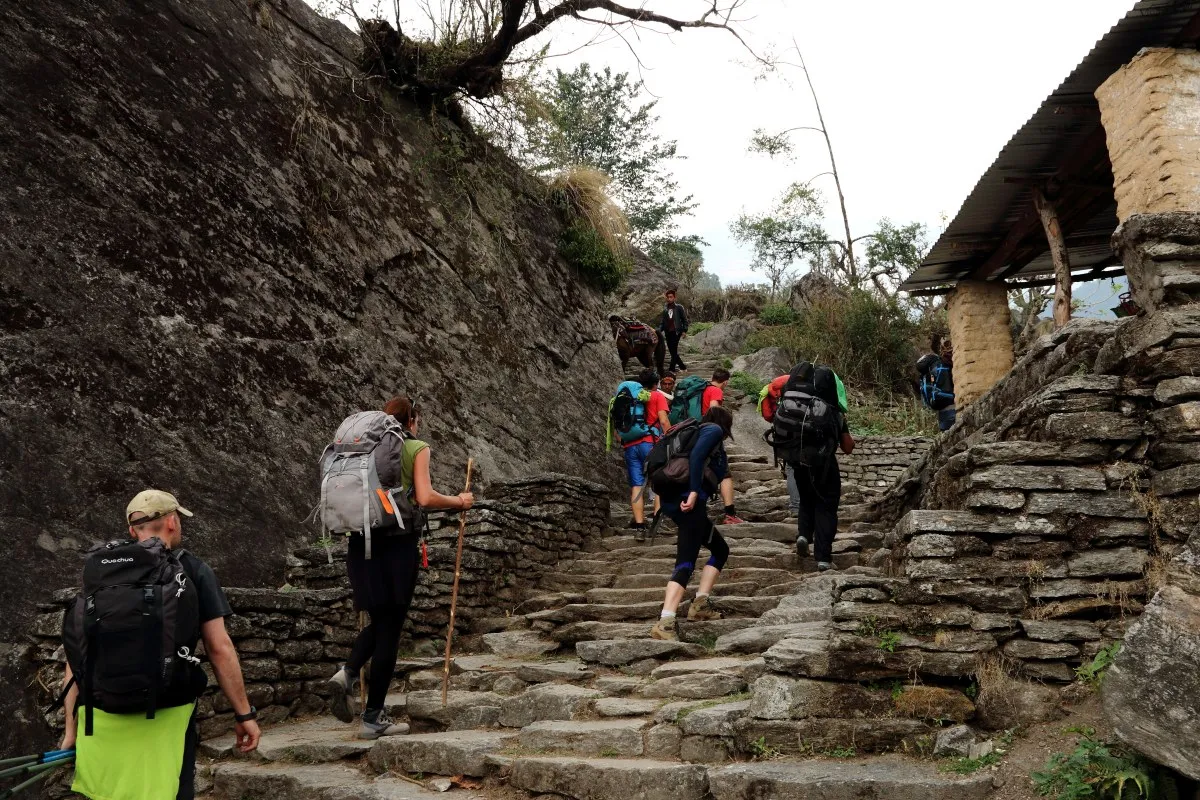
Likewise, the hike itself from Ghorepani to Poon Hill viewpoint is a 45-60 minute trek up a remarkably wide and easily accessible stone staircase; the path itself is devoid of steep inclines or treacherous drop-offs and thus safe for children and senior hikers alike, bringing you directly to the summit with no vertical challenges. Standing at the highest point at Poon Hill at 3,210 meters, you will gain a huge sense of accomplishment and be comforted by the knowledge that at this elevation, you are still well below any significant risk of altitude sickness that is more characteristic of higher expeditions in the Himalayas.
Viewpoint Survival and Safety Checklist :
| Altitude Landmark | Metric Elevation | Imperial Elevation | Oxygen Level Efficiency | Oxygen Safety Status |
|---|---|---|
| Pokhara Valley | 822 meters | 2,696 feet | 100 percent | Sea Level Baseline. |
| Ghorepani Village | 2,874 meters | 9,429 feet | 72 percent | Highly Safe/Minor Exertion. |
| Poon Hill Summit | 3,210 meters | 10,531 feet | 69 percent | Max Altitude/No AMS Risk |
After your journey down from the Poon Hill sunrise view point and having hot breakfast in Ghorepani, you now open into very flexible trekking experience. Such flexibility structure is exactly what make the region ideal for novice hikers as you can modify your daily trekking length and duration as per your leg fatigue. Instead of fixed straight path to some transport point, you may opt for staying within the higher Himalayas for one more day by walking further up to get into even deeper alpine region.
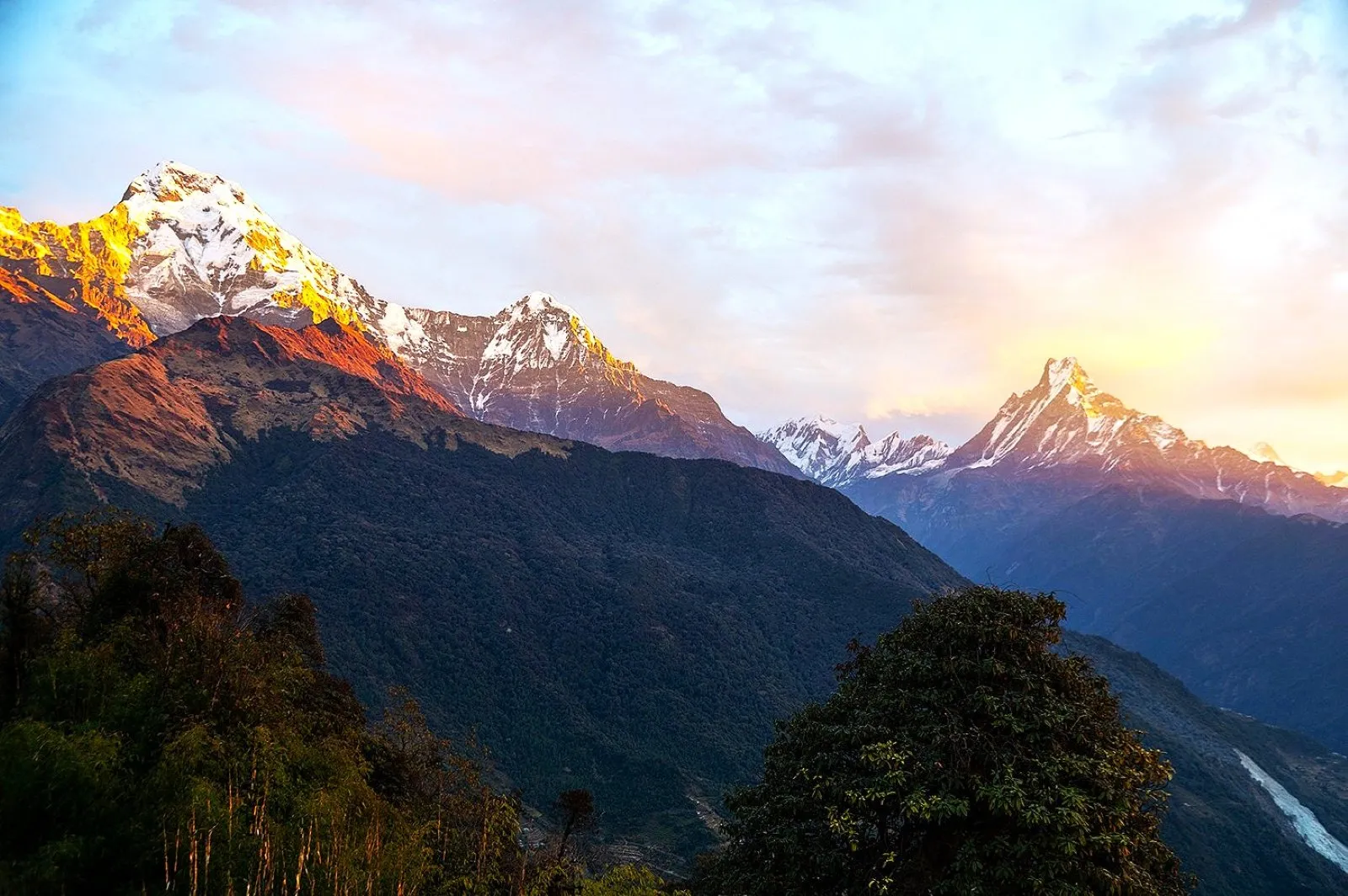
To most of the novice trekking- trekkers, the classic Ghorepani to Tadapani trekking route offers one of the most picturesque walking route. Following the route you get to walk along with the Deurali ridgeline all the way crossing the high pass then plunging into the lush green, moss draped, waterfall-filled and deeply hidden gorge before climbing again up to the charming ridge-top village called Tadapani which lies at 2630 meters, this is the point where you choose the direction of your departure in the following day.
Customized Trekking Options:
| Trekking Options | Walking Time | Daily Attractions | Trekking type |
|---|---|---|
| Route 1: Through Tadapani | 5 to 6 Hours | Deurali Pass views, deep valley gorge and rhododendron forest | Fully alpine hike. |
| Route 2: Direct Exit | 4 to 5 Hours | Valley descent and farmlands, quick transport | Quick departure trek. |
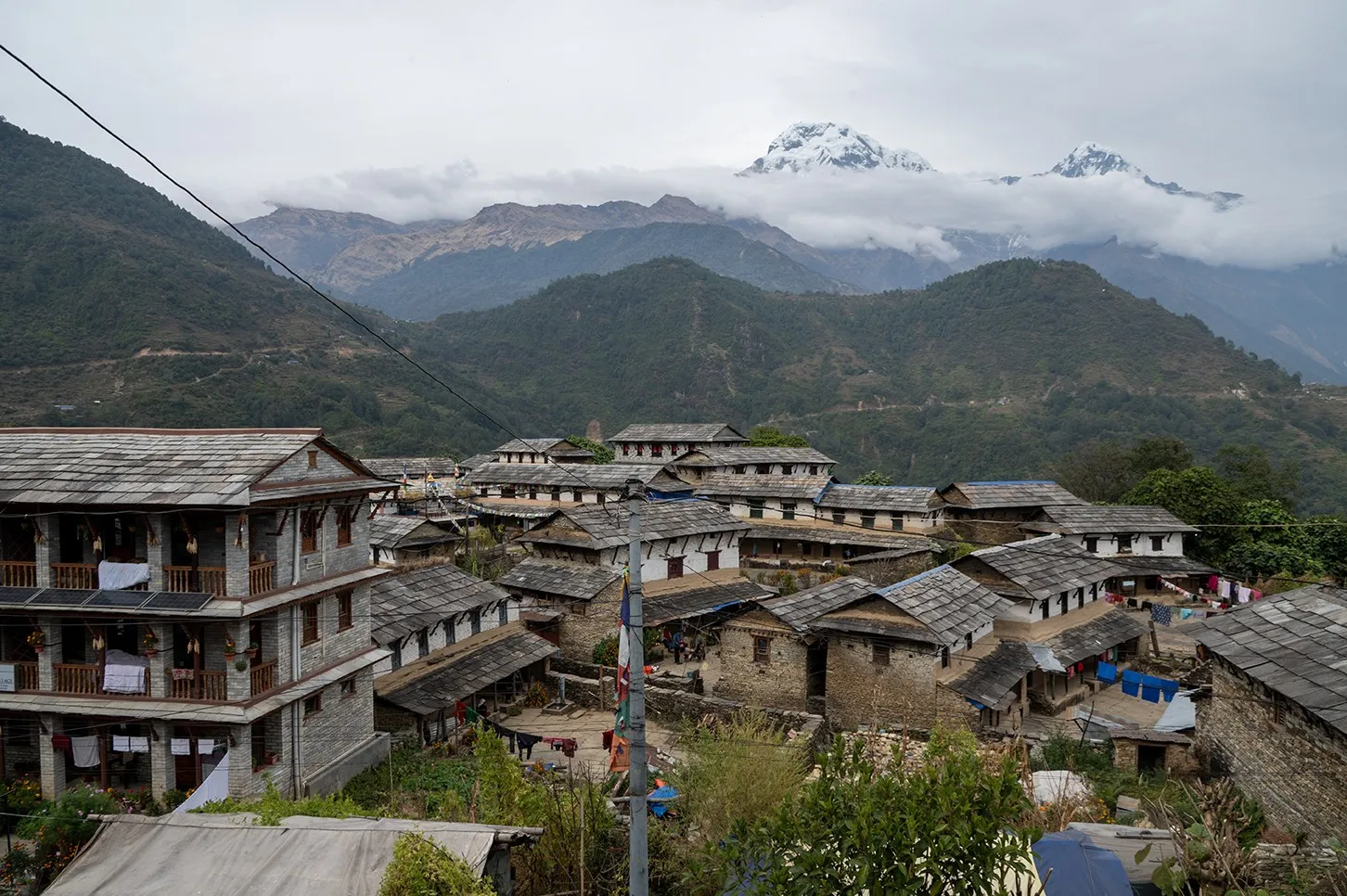
Going towards the south from the Tadapani junction leads you into a wonderful cultural trekking route. Trekking to Ghandruk is a grand favorite for photographers and families who are interested in a balanced natural-mountain-view-and-cultural-learning trek and it also offers a very good, well-maintained, easy to trek and safe walking surface on the downward journey.
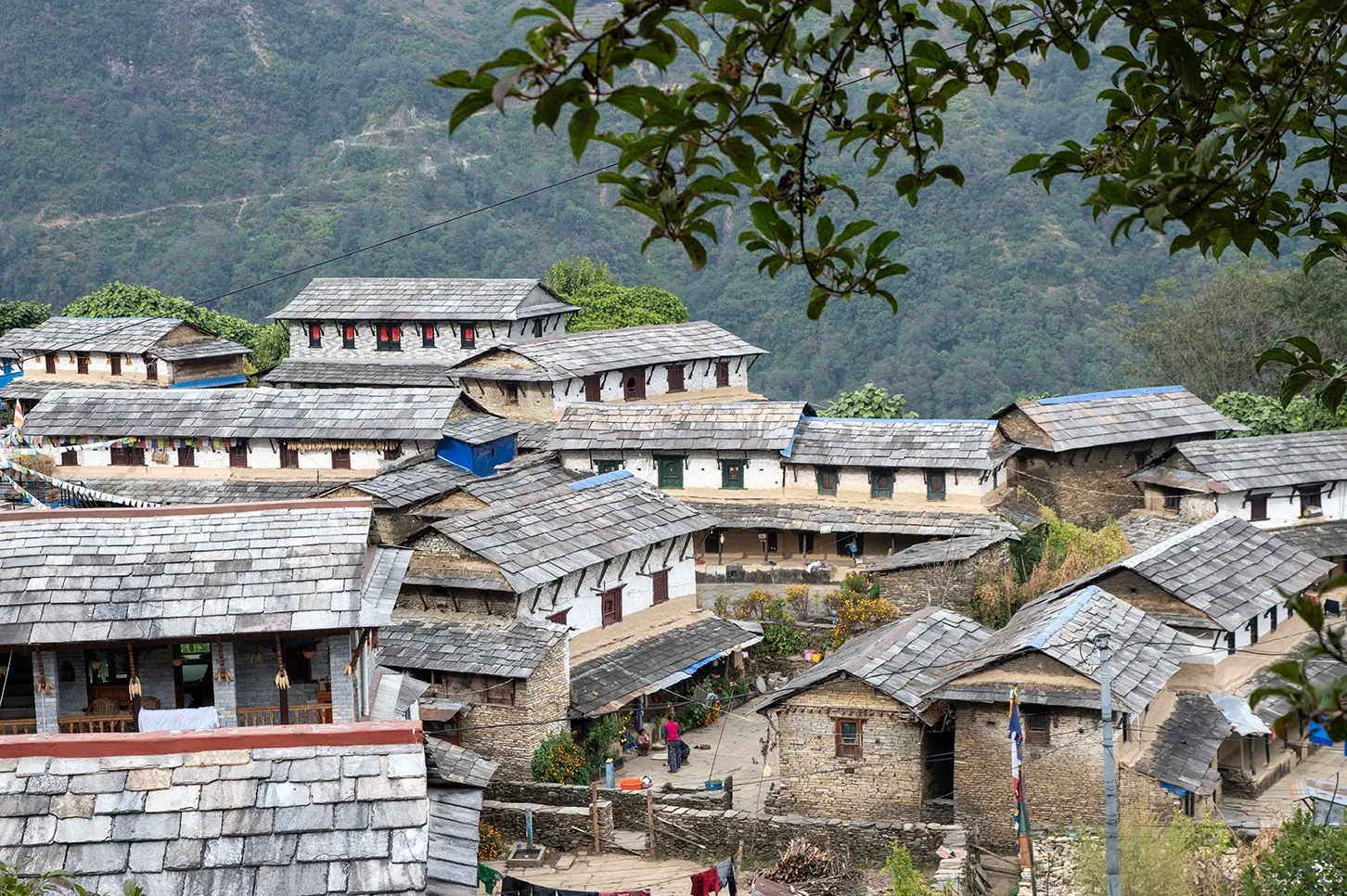
Actually, the trail from Tadapani to Ghandruk takes about 6.5 kilometers to cover and offers an extremely pleasurable, down-ward walk through a very beautiful rhododendron and oak forest which finally opens up to reveal the huge, terraced hillside of Ghandruk village at an altitude of 1940 meters. Ghandruk is considered the jewel of this trekking route which is famous for the extremely picturesque stone houses built in a traditional style with flagstone streets and is home to the famous Gurung ethnic people. Ghandruk is one place where you can feel the real charm of Gurung life by visiting the cultural museum.
Key features of the Ghandruk Cultural Route:
| Landmark / Settlement | Elevation | Walking distance | Typical Activities / Highlights |
|---|---|---|
| Tadapani Junction | 2630 meters | -- | High altitude mountain lodge, sunrise view. |
| Baisi Kharka | 2260 meters | 3.5 Kilometers | Rest stops, quiet forest area for a cup of tea. |
| Ghandruk Village | 1940 meters | 6.5 Kilometers | Traditional Gurung village, Annapurna and Machhapuchhre views |
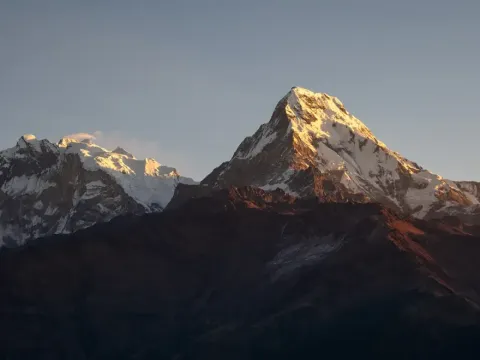
For those travelers who like their mountain trek ending in a blissfully relaxing manner, going for the Jhinu Danda option is a great plan! The way substitutes visiting the village museum to a heavenly and rejuvenating experience deep within the river valley. This choice is particularly attractive for hikers who want to offer their bodies a deep and natural hot springs recovery after some days of intensive walking downhill.
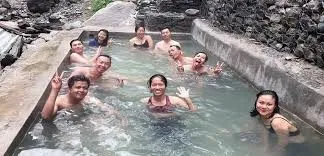
Here, you will walk downhill along ridges until you get to the cozy hillside village of Jhinu Danda, at an elevation of 1,780 m. The best advantage of stopping at this village is that the Jhinu Danda hot springs are easily accessible, only a few minute's walk downhill along the banks of the wild Modi Khola river. Soaking in its natural, warm, and mineral-rich geothermal pools offers excellent, natural hot springs recovery for beginners legs after a few days on the trail, and the sound of the powerful glacial river right by the hot water streams is fantastic.
Jhinu Danda Wellness & Recovery Highlights :
| Location | Altitude (m) | Highlights | Wellness Benefits |
|---|---|---|
| Tadapani Ridge | 2,630 | Forest junction | crisp, pure alpine air, beautiful views. |
| Jhinu Danda village | 1,780 | Hillside dwelling | warm, rich in oxygen evening air. |
| Modi Khola riverside hot pools | 1,650 | Geothermal natural hot springs | Deep muscle relaxation & recovery |
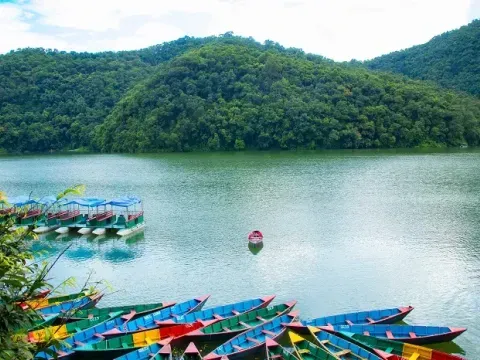
Actually, those trekkers who are reluctant to choose between Ghandruk and the hot springs in Jhinu Danda will be very happy to hear that this choice is not mandatory! If you have one extra day on your trek plan, you can enjoy both spectacular highlights together in a wonderfully relaxing loop through the foothills of Annapurna without ever feeling rushed.
Here, a custom 5-day itinerary will provide enough breathing space for a pleasant walk through both these world famous locations. Following your sunrise hike, and walk down from Tadapani, you will be guided along a scenic, descending trail through a wonderful verdant valley toward Ghandruk for some village exploring. From Ghandruk, a short and leisurely walk on the hillsides overlooking the river will bring you down to Jhinu Danda. You will never regret adding that extra day to your Poon Hill trek, and have all the key features covered.
The perfect 5-Day Combination trek :
| Trekking Day | From | Midday Highlight | To | Total walking time |
|---|---|---|
| Day 3 | Ghorepani | Poon Hill Sunrise | Tadapani | 5-6 hours. |
| Day 4 | Tadapani | Ghandruk | Jhinu Danda | 4-5 hours. |
| Day 5 | Jhinu Danda | Jhinu Hot Springs | Pokhara | 2-3 hours. |
Actually, you will wake up on the last morning of your trekking holiday with absolutely zero stress – because of the significant improvements to the road infrastructure in the lower valleys. Years ago you would have had an extra 2-day trek along hot river beds before reaching any public bus service, but nowadays the loop has a swift road departure to the Lakeside city of Pokhara. Meaning you can relax your feet as soon as you have finished walking.
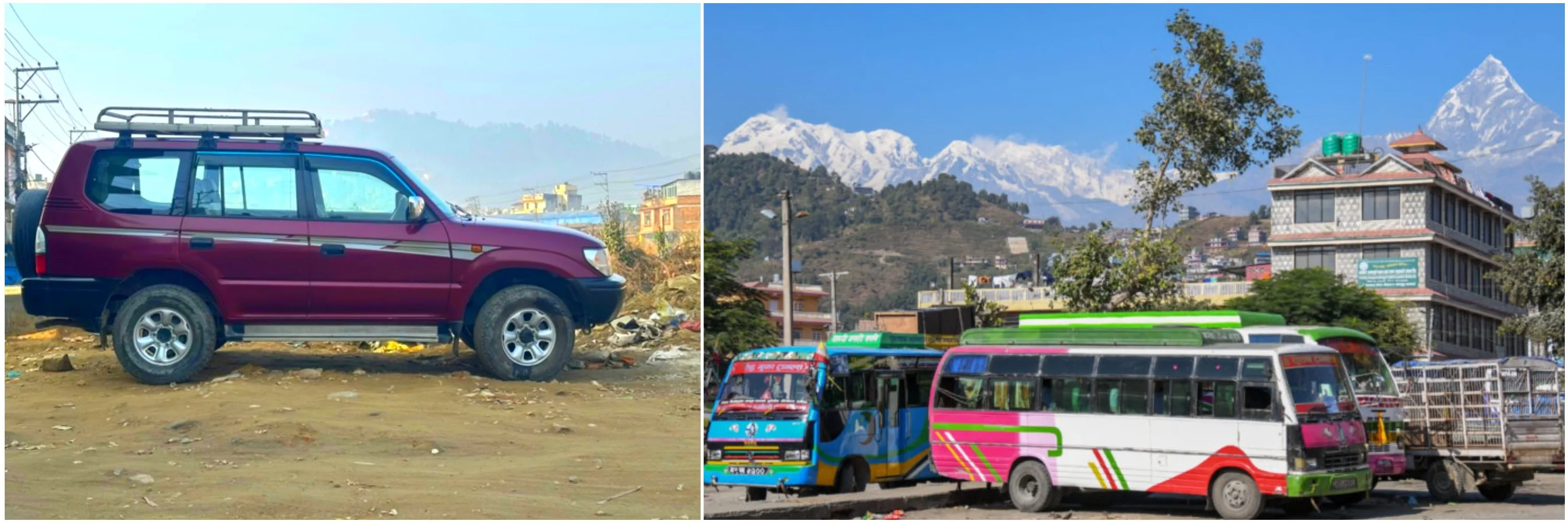
In fact, both the options provide a direct road experience making ending your trek extremely straightforward. From the Jhinu Danda to Pokhara route you will cross a huge suspension bridge high above the Modi Khola river, to get to the jeep station in Matque. Whereas in the Ghandruk to Pokhara drive your vehicle can pick you up directly from the lower parking area of the village. In both cases a comfortable 2.5 to 3-hour drive follows winding mountain roads to your hotel in Pokhara.
Transport Options for Departure :
| Finishing Trailhead | Vehicle Type | Journey Length | Estimated Cost | Where you get dropped off |
|---|---|---|
| Matque (Below Jhinu) | Private Four-wheel-Drive Jeep | 2.5-3 hours | €90-110 | Lakeside Hotel in Pokhara. |
| Ghandruk Station | Private Four-wheel-Drive Jeep | 2.5 hours | €80-100 | Lakeside Hotel in Pokhara. |
| Either Station | Local shared public jeep | 3.5-4 hours | €10-15 | Pokhara City Bus Station. |
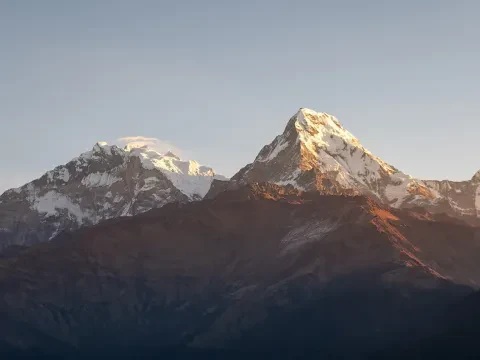
Here, one of the biggest anxieties a first-time hiker faces is the thought of wondering whether they will be physically able to undertake the daily vertical ascents of the Himalayan stages. The good news is you absolutely don't have to be a high-performance athlete, elite marathon runner, or seasoned mountaineer in order to appreciate every single minute of this classic trek loop.
Likewise, more important than any high-level preparation is the mindset to keep it simple and the basic fitness which will be gained over time. A simple cardiovascular workout including walking uphill, cycling or spending half an hour on a stair-climber three times a week will be more than sufficient. What is key on the trail is taking your time; small steps with calm breaths will prevent exhaustion and use of walking sticks is paramount for joint support as they take on around 20% of your body weight going downhill towards Ghandruk or Jhinu.
Practical preparation and pacing tips:
| Exercise Type | Recommended frequency | Main muscle group worked | Real-world benefit for trek |
|---|---|---|
| Brisk hill walking | 3 times a week for a month | Calves, thighs and lungs | Will improve your stamina when climbing uphill stages of the trek |
| Stair-climber workouts | 2 times a week for 20 minutes | Glutes and quadriceps | The perfect exercise for those countless stone steps along the trail |
| Core strength exercises | 5 minutes every morning | Lower back and ankles | Increases balance and reduces the likelihood of falling on irregular paths and terrain. |
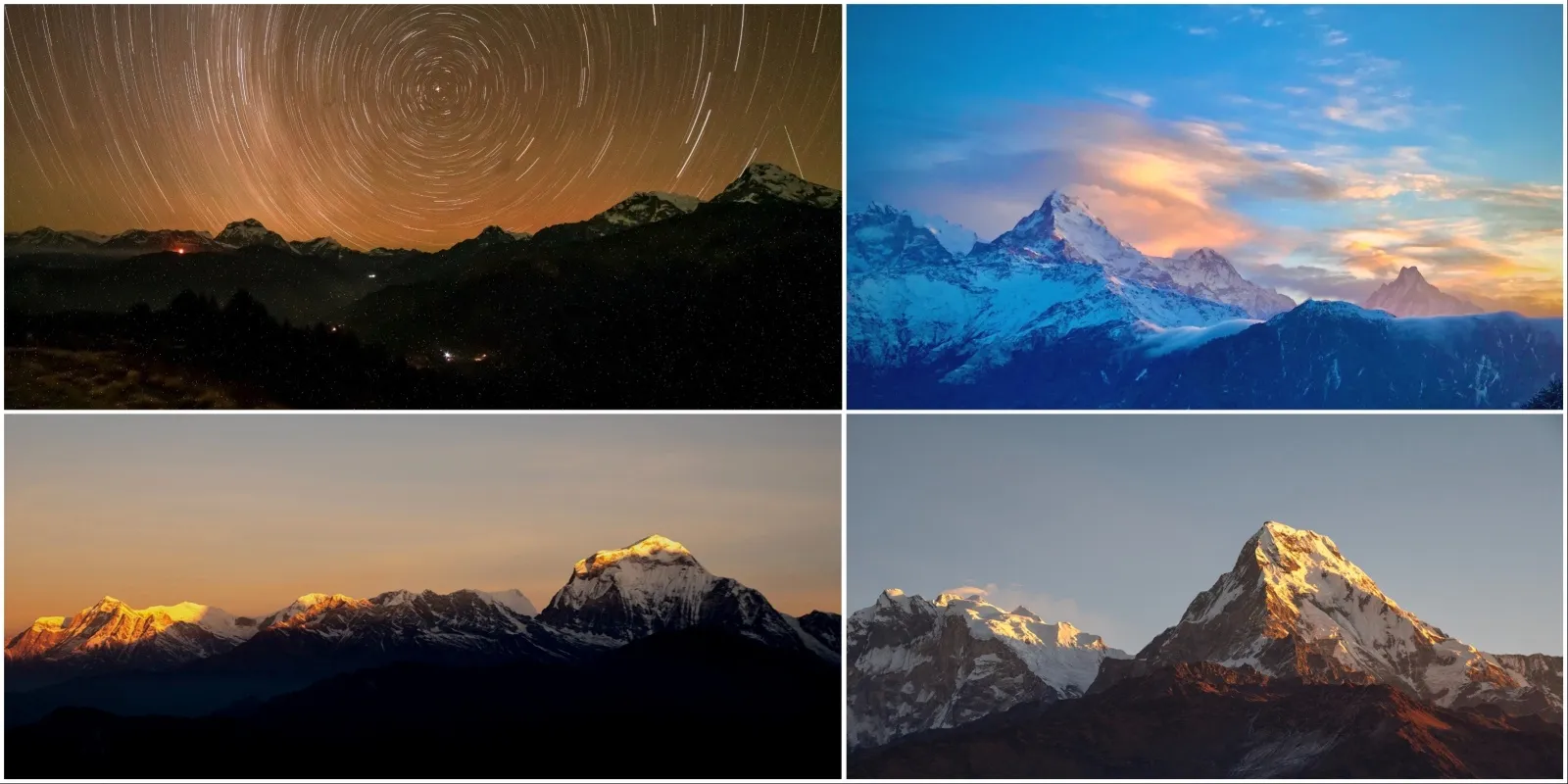
Actually, choosing the best time to visit Poon Hill is the biggest secret to scoring those dream, postcard-worthy photos of the immense Himalayan mountains. While technically the trail can be trekked any time of the year, the mountain climate tends to follow a pattern so specific that it completely changes the landscape. Carefully selecting your travel time depending on your personal photography aims and comfort will go a long way toward an unforgettable, comfortable and beautiful trekking holiday.
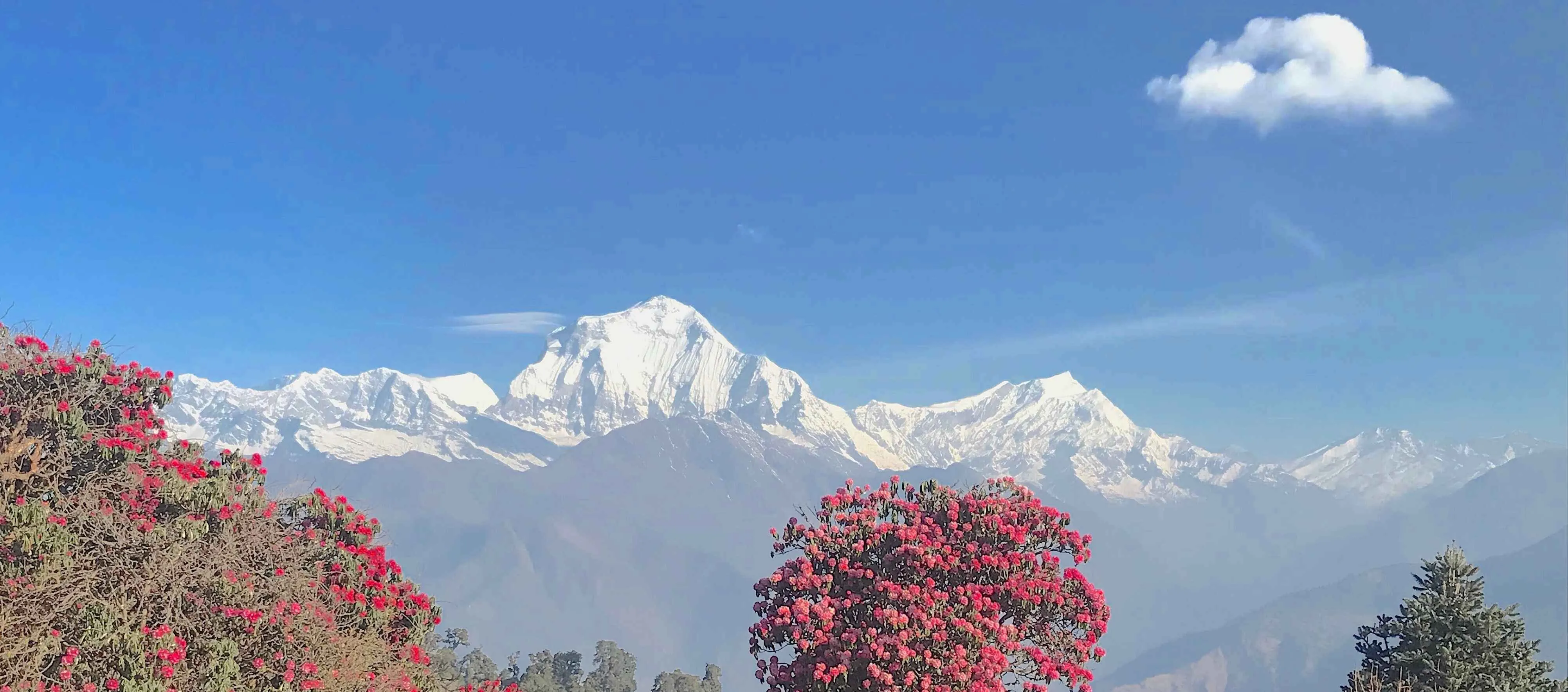
In fact, there are two definite peak season windows for trekking for absolute beginners. While the autumn months, October and November, boast crisp air and perfectly clear, blue skies for the most outstanding autumn mountain photos, the spring window, March and April, will treat you to the spring rhododendron bloom where every single hill is ablaze in scarlet, pink and white flowers and is equally magnificent.
Seasonality, Weather Conditions, and Trail Profiles :
| Trekking Season | Ideal Calendar Months | Average Daytime Temp | Mountain Visibility Status | Primary Landscape Highlight |
|---|---|---|
| Autumn Peak | October to November | 12 to 18 Degrees C | Excellent (Crisp, completely clear skies) | Unmatched long-distance peak photography. |
| Spring Peak | March to April | 14 to 22 Degrees C | Good (Clear mornings with light afternoon haze) | Blooming rhododendron and wild orchid forests. |
| Winter Shoulder | December to February | 5 to 10 Degrees C | Fair (Clear but intense freezing cold) | Quiet trails and snow-capped village roofs |
| Summer Low | June to September | 20 to 26 Degrees C | Poor (Heavy rain clouds and dense valley fog) | Lush green terraced fields and active waterfalls |
Actually, taking your first journey to the mighty Himalayas is a cherished memory that will last a lifetime. It is definitely possible to experience the most stunning mountain scenery in Nepal without too many gruelling, long trekking days on the road or gravel. By opting for routes that eschew the dusty road walking for modern road heads, you eliminate physical exertion, and by using the services of a licensed and reputable trekking agency, you don’t have to worry about any of the logistical challenges, private jeep transfers, or tea house bookings well before you arrive.
In fact, this Poon Hill itinerary summary matrix outlines 3 clear options for a Poon Hill trek that will surely help you with finalizing any travel arrangements you are planning for Nepal. Take a look at this comparative chart to find the most suitable option for yourself – be it a short, breathtaking mountain escape; a leisurely, cultural trekking experience through charming villages; or simply a relaxing journey focused on pure R&R! Don't forget to pack all the necessary essentials for your first trek including solid boots, a headlamp, and two trekking poles before booking your trekking holiday.
Beginner Itinerary Selection Matrix :
| Selected Route Track | Recommended Timeline | Core Landmark Milestones | Primary Physical Focus Type | Ultimate Trip Highlight. |
|---|---|---|
| The 3-Day Express | 3 Days and 2 Nights | Ulleri to Ghorepani to Poon Hill and return | Moderate cardiovascular climbing | Golden sunrise view above 8,000 meters. |
| The Cultural Route | 4 Days and 3 Nights | Ulleri, Ghorepani, Poon Hill, Tadapani, and Ghandruk | Balanced ridge and forest walking | Historic Gurung stone village museum tour. |
| The Wellness Route | 4 Days and 3 Nights | Ulleri, Ghorepani, Poon Hill, Tadapani, and Jhinu Danda | Extended downhill trail tracking | Natural hot springs muscle recovery soak. |
| The Grand Loop | 5 Days and 4 Nights | Complete coverage of every single regional station | Comprehensive valley loop hiking | Complete blend of views, culture, and hot springs. |
1. What's the best trek in Nepal for beginners?
When considering a beginner trek, the Ghorepani Poon Hill trek always takes the crown for the best trek in Nepal for beginners. It has very accessible and maintained trails, remains at safe elevations (below 3,210 meters), and requires no prior hiking experience, along with being rewarded by spectacular panoramas of the Annapurna range.
2.Is an Annapurna Circuit considered a beginner trek in Nepal?
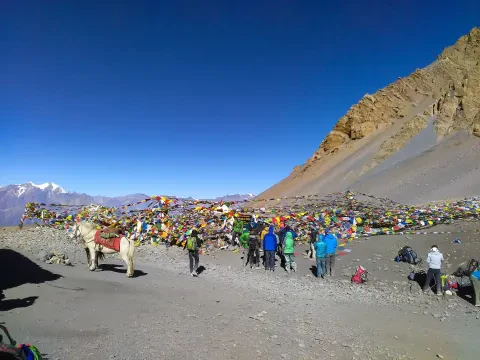
For first-timers, the classic Annapurna Circuit is often considered too strenuous for the best trek in Nepal for beginners. Lower altitudes are relatively easy but crossing the highly challenging 5,416 meter Thorong La Pass involves extreme risks with altitude and severe exhaustion for an inexperienced trekker.
3. How hard is the Poon Hill trek for a beginner trekker?
Overall, Poon Hill trek difficulty is marked as an easy to moderate trek. The only strenuous bit for the novice is the famous 3000 stone stairs ascending to Ulleri, which necessitates a certain endurance in the knees without any specialized climbing skills.
4. For an easy trek, what's the average trekking time in Nepal?
An easy beginner trek in Nepal normally involves between 3 and 5 days of actual trekking time. A few selected short treks such as Poon Hill or the shorter routes of Mardi Himal will test your limits of strength but not for weeks on end.
5. Can a first-timer trek safely to Everest Base Camp?
Yes it's doable, but not the absolute best trek in Nepal for beginners due to the high altitude. If EBC is chosen for beginners, a full 14-day trek will need to be selected with enough acclimatization days for coping with the thin air.
6. For a beginner trekker, why is the Langtang Valley trek recommendable?
The Langtang Valley trek is an excellent beginner trek in Nepal due to its gradual incline, mostly. The trek follows a beautiful river valley up to Kyanjin Gompa (3,870m), therefore having less severe rapid increases in altitude as compared to other major Himalayan treks.
7. For the best beginner treks, what's the highest elevation that will be reached?
The best trek in Nepal for beginners typically summits between 2000 to 3500 meters. Keeping the highest sleeping altitude below 3000 meters like for Poon Hill or Royal trek would reduce the possibility of Acute Mountain Sickness.
8.Is the Mardi Himal trek beginner-friendly?
The Mardi Himal trek would make an excellent choice for a fit beginner wanting to avoid the more touristy routes. Despite being on high ridges (up to 4,500 meters) the trek is relatively short (5 days) and it provides cozy tea houses which make it ideal after Poon Hill.
9.What kind of accommodation is available during easy trek itineraries?
The best beginner treks in Nepal involve well developed tea house facilities. These lodges, family run, are equipped with comfortable twin sharing rooms, hot showers, western toilets, internet access and elaborate menus ranging from local Dal Bhat to western dishes.
10.Do I need to hire a guide for a simple trek in Nepal?
Based on current tourism rules in Nepal, all mountain treks require a guide to be hired along with their licenses. For beginners a guide is essential; this is due to help with trail finding, logistics with the lodges, managing pace and the overall safety in emergencies.
11.What is the average cost of an easy trek in Nepal?
An easy beginner trek in Nepal like Poon Hill would range between $250-$500 USD per person. Treks through valleys are relatively cheap because the most of the travel expenses involve overland jeep travel from Pokhara or Kathmandu rather than expensive domestic flights.
12. For a short trek in Nepal, how much fitness training is expected?
If you want to make the most of the best trek in Nepal for beginners, start with basic cardio training at least 4-6 weeks prior to your arrival.Jogging, swimming, cycling or simply taking lots of walks in areas with stairs will adequately prepare your knees.
13.How long is a trek in total for an easy trek?
A typical short trek in Nepal for beginners can span 32 to 50 km (20-31 miles) which roughly translates to an 8-12km per day walking segment.
14.For an easy Himalayan trek, are trekking poles compulsory?
For any easy trek, especially in cases of Poon Hill trek difficulty, it is highly advisable to use trekking poles as they will relieve immense pressure on your knees and ankles when descending thousands of uneven stone stairs often seen in lower hills.
15. When are the best months to trek in Nepal?
For your first journey, Spring (March-May) and Autumn (September-November) are generally the ideal seasons because the mountain weather is stable and the days are warm and clear. Spring also brings out the most gorgeous Rhododendron forests.
16. Dhampus Sarangkot trek – suitable for family or senior travelers?
Yes, the Dhampus village trek to Sarangkot ridge is the best trek in Nepal for beginners traveling with children or the elderly. It's an easy 2-3 day trek that has low altitude and provides splendid views of the Annapurna mountain range.
17. Is travel insurance required for low-altitude Nepal treks?
Even for an easy trek in Nepal, you must have comprehensive travel insurance which covers emergency evacuation and medical costs, so you don't end up stranded should an accident or illness occur during your trekking period.
18. Is it possible for a first-timer to go on an easy trek in Nepal alone?
No, trekking alone is forbidden in most national parks and conservation areas of Nepal. Therefore, you have to book through an authorized agency or hire a licensed guide for safety and navigation across the changing trekking terrains.
19. What equipment do I need for a short trek in Nepal?
For a short trek in Nepal for beginners, you don’t require specialized technical equipment. A 30-liter daypack, walking boots that are already well-worn, warm jackets, thermal clothing, a reusable water bottle and a head lamp would suffice.
20. What's the average success rate of beginner treks?
The success rate is close to 98-99% on trekking trails like Poon Hill and Langtang Valley. This is because of their low altitude gain, combined with good accommodation facilities, allowing any reasonably healthy trekker to conquer these routes.
Our travel experts are ready to assist you with any questions.
Send us a message.Have a question before you book? Send your enquiry below and our travel experts will get back with the required information.