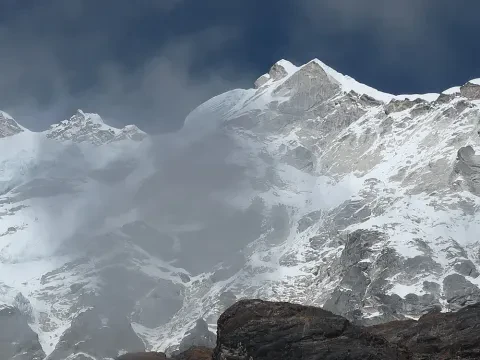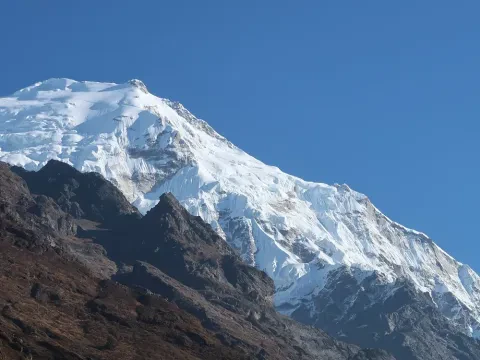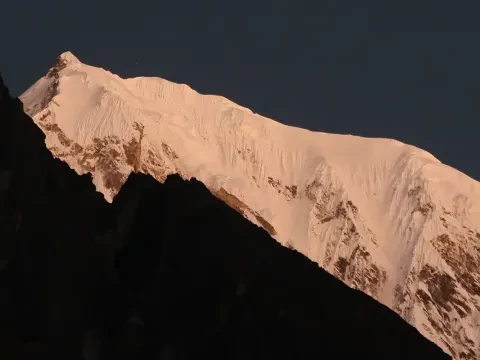
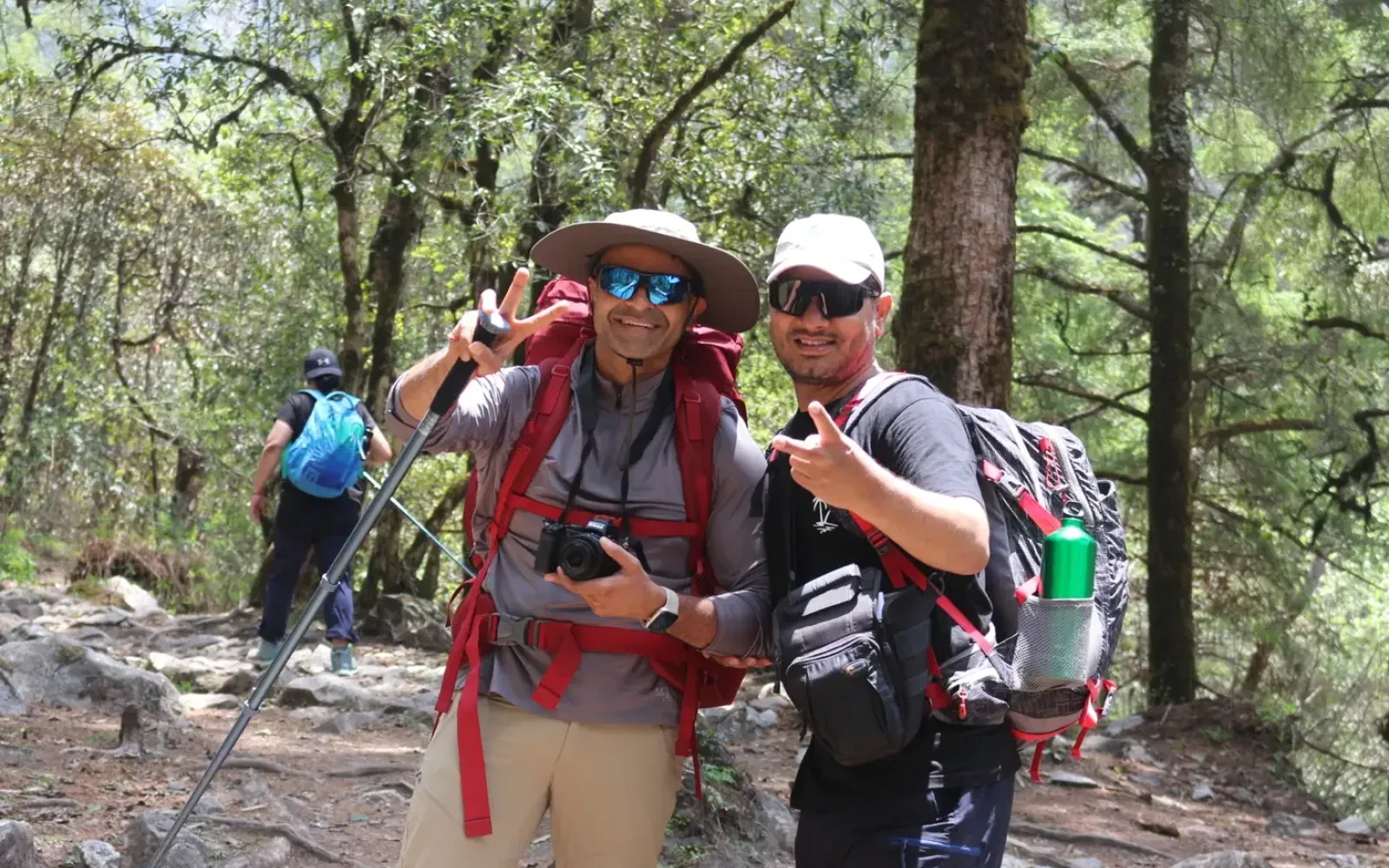
The Langtang Valley Trek is a delightful Himalayan trail that leads to Langtang Valley, located to the north of Kathmandu. Offering mountain views, along with fascinating Tamang culture, this trek is unique in that it reaches the heights of the Himalayas without requiring a domestic flight.
Meanwhile, the Langtang trek from Kathmandu is a great choice for short time visitors seeking to see the Himalayas and the Tibetan influenced culture of the Tamang people. The trail winds through forests, villages, alpine ridges, glaciers, and the towering peaks of the Himalayas.
Here, the Langtang Valley trek begins with a drive from Kathmandu to Syabrubesi, located at approximately 1,550 meters above sea level. From there, the trail takes hikers through forests of oak, rhododendron, bamboo, and pine to higher altitudes and villages. Further up the valley, the vegetation changes, and opportunities arise for hikers to stop by traditional Tamang village houses for a taste of local hospitality and mountain life.
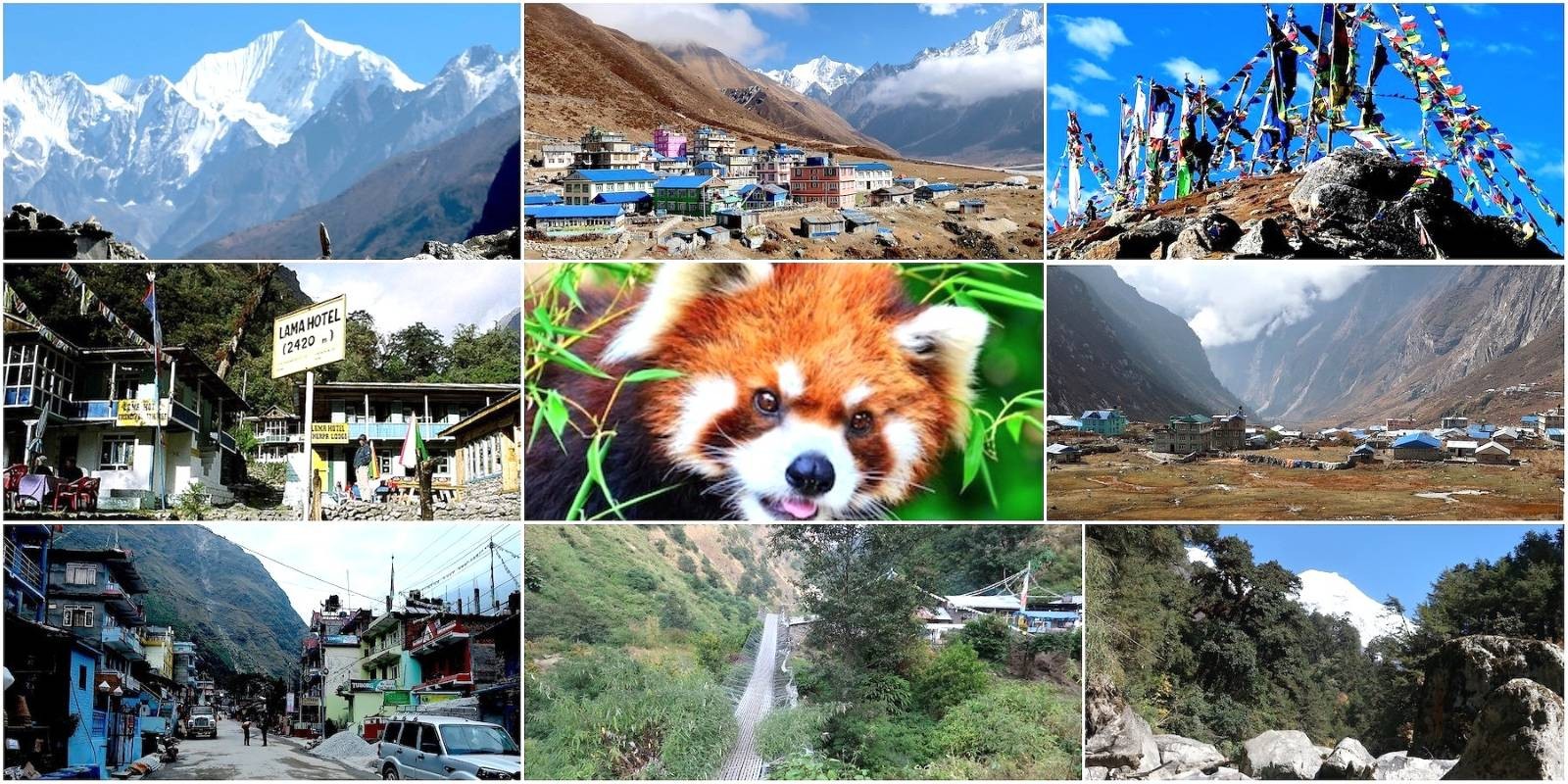
Major Villages and Viewpoints of Langtang Valley:
The major attraction points of the Langtang Valley lie at various elevations, with most of the trail ranging between two and four thousand meters above sea level.
| Attraction | Approx. Elevation (m) |
|---|---|
| Syabrubesi | 1,550 |
| Lama Hotel | 2,470 |
| Langtang Village | 3,430 |
| Kyanjin Gompa | 3,870 |
| Kyanjin Ri | 4,773 |
| Tsergo Ri | 4990 |
One of the popular destinations along the Langtang Valley trail is Kyanjin Gompa, a high altitude monastery located at approximately 3,870 meters.
From there, serious adventurers have the option of summiting Kyanjin Ri, a peak that rises to around 4,773 meters, for expansive views over the Himalayas.
On a clear day, the views from Kyanjin Gompa and Ri open up to the Langtang Lirung ridge and other snow covered summits, with dramatic glaciers and high altitude landscapes.
Similarly, it is important to keep in mind, that the 5 day Langtang Valley Trek is not an easy option, that everyone can manage. Rather, it is a condensed version of the classical Langtang trek, which means that each day has more walking and elevation gain, and less time for acclimatization.
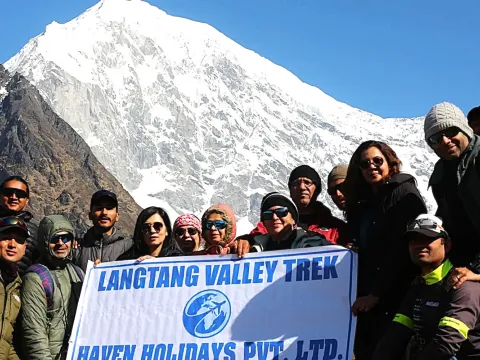
The short version of the Langtang trek is more suitable for seasoned and serious trekkers that seek a thrilling high altitude adventure.
Meanwhile, less experienced or untrained hikers might want to consider a longer itinerary with extra days of acclimatization, especially if they are traveling at the height of summer when the valley is already at a higher altitude.
Based on our own experience, it is better to err on the side of caution since the trail requires flexibility due to weather, road conditions, and other unpredictable factors.
The itinerary below represents an accelerated five-day version of the Langtang Valley trek, designed for serious and well trained hikers willing to sacrifice extra acclimatization days for a shorter but equally spectacular adventure.
Meanwhile, the route generally follows the trail of the regular 7-8 day itinerary of the Langtang Valley trekking, but compressed into 5 days.
As such, the trek begins with a drive from Kathmandu to Syabrubesi, then follows the trail towards Lama Hotel and Langtang Village, with an optional climb to Kyanjin Ri, from where another long day of hiking leads back to Syabrubesi. Because of the condensed schedule, preparation is of the essence.
Moreover, the long hikes and significant changes in altitude over a short span of time mean that the Langtang Valley 5 day itinerary is considerably more strenuous than a traditional multi-day trek. The number of hours spent on the trail may vary depending on the conditions of the hiker.
Actually, the information provided below should be used as a guideline, keeping in mind that the daily distance can change based on individual capabilities, weather, trail conditions, road closures, and availability of accommodations.
| Day Route | Approx. Elevation | Walking/Travel |
|---|---|
| Day 1: Kathmandu → Syabrubesi → Lama Hotel/Rimche | 2,470 m | Drive + Trek |
| Day 2: Rimche/ Lama Hotel → Langtang Village | 3,430 m | 6–7 hrs |
| Day 3: Langtang Village → Kyanjin Gompa | 3,870 m | 4–5 hrs |
| Day 4: Kyanjin Ri → Lama Hotel | 4,773 m / 2,470 m | 7–9 hrs |
| Day 5: Lama Hotel → Syabrubesi → Kathmandu | 1,550 m | Trek + Drive |
The first day of this short 5-day Langtang Valley trek begins with a road trip to Syabrubesi from Kathmandu, the trailhead for this adventure. From there, hikers follow a forest trail to the next destination, Lama Hotel or Rimche.
Here, depending on the road conditions and the starting time, the first day can be particularly strenuous, as it involves both driving and trekking through the woods.
The next day, Day 2 of the short 5-day Langtang Valley trek leads hikers to the Langtang River. The trail follows the river through the forest and then begins to climb up to higher altitudes and villages like Ghoda Tabela. This day has the longest distance on the itinerary and should be approached with caution, as the elevation gain is considerable, reaching up to 3,430 meters above sea level.
Compared to the previous day, Day 3 of the 5-day Langtang Valley trek is a shorter and relatively easier hike. It leads to Kyanjin Gompa, a high altitude monastery located around 3,870 meters. The trail becomes progressively more alpine and offers great views of Langtang’s glaciers, mountains, and valley.
On the third day of the 5-day Langtang Valley trek, early risers have the opportunity to climb Kyanjin Ri. The peak of Kyanjin Ri reaches 4,773 meters or lower point rises to an altitude of 4400m, and a late morning departure is recommendable in order to allow enough time to descend back to Lama Hotel the same day. This day is the most challenging on the itinerary for the 5-day versions of the Langtang trek.
The final day of the 5-day Langtang Valley trekking follows a trail back down to Syabrubesi. The return to Kathmandu is made via road as well, but the driving time can vary greatly depending on mountain road conditions.
A traditional version of the Langtang Valley trek is usually much longer and allows for more acclimatization and relaxation. The 5 day Langtang Valley Trek itinerary, on the other hand, is a condensed and specialized version, meant for serious and well prepared trekkers.
If you are looking for something gentler and less demanding, you might consider a longer Langtang itinerary to allow for extra days of acclimatization in the mountains.
By clicking on these internal links to our standard Langtang itineraries, you can compare the two options and select the one that suits you best.
Practical note: Exact hours and distances may vary, as they depend on both the hiker and the conditions of the trails and mountain roads.
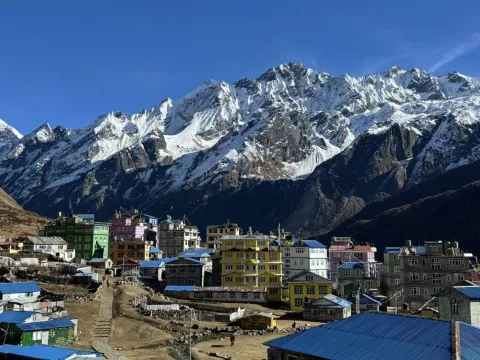
Langtang Valley Trek 5 day Itinerary is an accelerated version of the Langtang Valley Trek that covers Kyanjin Gompa and Lama Hotel. The trip is suitable for experienced trekkers only due to its long walks and steep climbs.
Moreover, the journey’s time schedule combines driving and hiking, so early starts and reliable private transfers are mandatory.
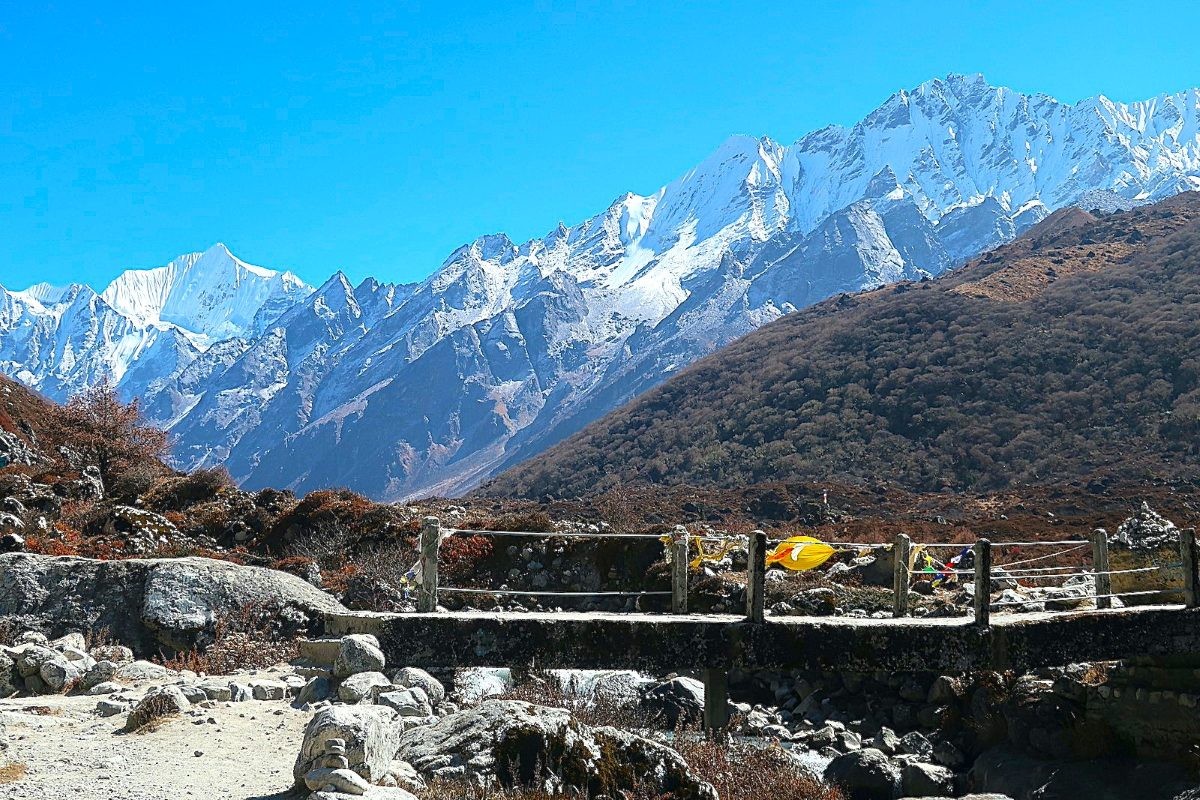
| Day 1 | Kathmandu – Syabrubesi – Rimche |
|---|---|
| Day 2 | Rimche – Langtang Village |
| Day 3 | Langtang – Kyanjin Gompa |
| Day 4 | Kyanjin Ri – Lama Hotel |
| Day 5 | Lama Hotel – Syabrubesi – Kathmandu |
| Route | Elevation | Distance |
|---|---|---|
| Kathmandu- Syabrubesi- Rimche | 2,400 m | Drive ( 7 hrs) + 3-4 hrs trek |
| Rimche- Langtang Village | 3,430 m | 6-7 hrs |
| Langtang Village- Kyanjin | 3,870 m | 3-4 hrs |
| Kaynjin- Kyanjin Ri- Lama Hotel | 4,773 m | 7-9 hrs |
| Lama Hotel- Syabrubesi-Kathmandu | 1,550 m | 6-7 hrs trek + drive |
Langtang Valley Trek from Kathmandu suggests an early morning drive to Syabrubesi (1,550m). The next stage has a moderate difficulty as you will be walking through the forest towards Rimche (2,400m, depends on the accommodation).
Here, it is recommended to use private transportation as the drive to Syabrubesi may be long and unreliable due to road conditions and other circumstances.
Langtang Valley Trek on Day 2 invites you to follow Langtang River through the forest and further, up the mountain slopes. Your route will lead you via Lama Hotel and Ghoda Tabela and will end at the Langtang village (3,430 m).
Here, Ghoda Tabela has a permit check post. Please show your permit there and walk to Kyanjin Gompa
Actually, the walk from Rimche to Langtang village will take you 6-7 hours on average. However, this time depends on the group and weather conditions. The trail ascends steadily, so it is necessary to maintain a steady and calm pace and stay hydrated.
On the third day of the Langtang Valley Trek, you will be heading towards the main point of the Kyanjin Gompa 5 day trek. The trail leads gently upward, through alpine scenery, toward Kyanjin Gompa (3,870 m), taking around 3-4 hours.
As you have reached a considerable altitude, you may have extra time for exploring the village before returning to the trail. However, it would be a mistake to overexert yourself at this stage.
Kyanjin Ri climb is the highlight and the most exhausting challenge that awaits on Day 4 of the Langtang Valley short trek. You will need to wake up early and head up toward Kyanjin Ri (4,773 m) for epic views. From this point, you will be able to enjoy a fabulous sight over the Langtang Valley.
On the next stage, you will be descending the valley towards Lama Hotel (2,470 m). The views will be equally spectacular as you head down. However, the drop in altitude is mighty, which will definitely tax your legs. Altogether, the walk from Kyanjin Ri to Lama Hotel is estimated to take 7-9 hours, depending on the chosen viewpoint, the weather, your fitness level, and the trail condition.
The last day of your stay in the Langtang Valley will be devoted to getting back to Syabrubesi. The trail leads you through forests back to Syabrubesi (1,550m) and takes around 5-6 hours. Then, you can take a private vehicle back to Kathmandu.
Here, a word of caution should be said regarding the return transfer: if you have any private vehicle from Kathmandu to Syabrubesi, it would be a good idea to leave a couple of extra hours as the road can be unpredictable. Therefore, it is unwise to rely on a particular time of arrival in Kathmandu.
In general, the Langtang Valley Trek 5 days from Kathmandu is an extraordinary opportunity to experience the magic of the Himalayas in a short while.
However, the trip involves long walks, a steep climb, great altitudes, and unreliable roads, therefore, it should be considered as an experienced trekker only.
Moreover, the timing of the itinerary is mandatory: you should not try to extend it as it will put unnecessary stress on your body.
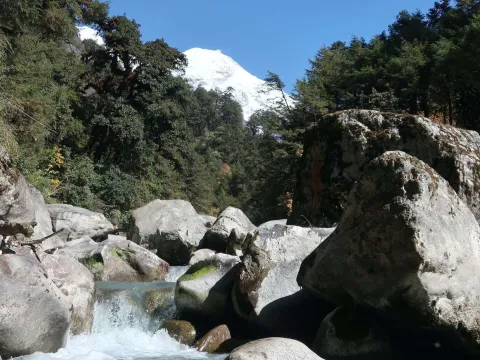
Yes, the five-day Langtang Valley trek is possible, but it is a high-altitude short trek, rather than a relaxing short adventure. The itineraries of Langtang Valley Trek 5 day is designed to squeeze the whole Langtang Valley Trek into a short span of time. So, if you are up to long walks, steep climbs, and little rest, then this is the right choice for you.
Here, the main reason why Langtang Valley Trek 5 days is not recommended is the fact that you will have to climb steeply to gain a considerable amount of altitude in a rather short time.
Likewise, starting from Syabrubesi (1,550 m), you will have to reach Langtang village (3,430 m) and Kyanjin Gompa (3,870 m).
Additionally, you can climb up to Kyanjin Ri for unforgettable views of the Langtang Valley at around 4,773 m.
Thus, the main difficulty of the Langtang Valley Trek 5-day itinerary is its rapid altitude gain.
Langtang Valley Trek 5 day Difficulty Factors:
In conclusion, the Langtang Valley Trek difficulty in general is moderate to challenging, while the five-day itinerary version makes it more strenuous. Thus, it becomes more challenging for inexperienced hikers who had never been on long mountain hikes.
Another essential point is related to transportation. Having a private vehicle from Kathmandu to Syabrubesi and back will make your adventure much more comfortable as you will be able to set your own schedule.
Moreover, it will become easier to adjust the Langtang Valley Trek 5-day schedule according to your fitness level and the trail conditions.
However, it is necessary to clarify that physical fitness is not the only factor that might influence your journey.
Sometimes, the body reacts to rapid altitude gain by triggering altitude sickness, which should be taken seriously.
Therefore, if you experience severe headaches, extreme tiredness, dizziness, nausea, or extreme shortness of breath, it is time to consult an experienced doctor.
So, those looking forward to exploring the Langtang Valley in five days should be experienced hill walkers, have previous trekking experience, be well-prepared and physically fit, and be willing to follow the standard altitude acclimatization procedures.
Here, first-time trekkers, people who want to have a slow-paced trek, and those preferring thorough acclimatization should consider the longer Langtang trek itinerary.
As mentioned before, one of the crucial points related to the Langtang Valley Trek 5-day itinerary is that it cannot be canceled due to the lack of time.
Therefore, the primary concern should be not “Can I do 5-day Langtang Valley Trek?” but “Can I complete the 5-day Langtang Valley Trek without health complications?” The answer to the second question will determine your response to the first one. In short, the Langtang Valley Trek 5-day schedule should be considered only as an optional challenge to your trekking experience.
Therefore, the fastest version of the Langtang Valley Trek should be left to the professionals. Haven Holidays Nepal has plenty of alternative itineraries that will help you choose the most appropriate adventure according to your experience, fitness level, schedule, transportation options, and local weather.
The Langtang Valley Trek 5 days detailed itinerary combines road, forest, villages, high altitude, plus the Kyanjin Gompa area into a hectic schedule. With its focus on time, early starts in the morning become mandatory, while private transport helps avoid wasting time on the road
The first day focuses on an early private drive to Syabrubesi (1,550 m), while the mountain road can sometimes be rough, especially during adverse weather or construction works. From Syabrubesi, the hike follows the Langtang River through forests, and over some bridges, until it reaches Rimche at around 2,400 m.
Actually, teahouses with food and accommodation are available throughout the trail, but they become sparser and more rudimentary as one reaches higher altitudes.
Expectations on Day 1 : A mix of private road and walking, with forest, bridges, and uphill sections.
The second day trail involves following the forested mountain ridge, crossing the river, and passing Lama Hotel en route to Ghoda Tabela. One then arrives at Langtang Valley at around 3,430 meters after progressively steeper climbs. Langtang Village is a good place to spend the night at reasonable cost and with some facilities.
Expectations on Day 2 : A long day with a steady climb through forest and mountainous landscapes with more open vistas.
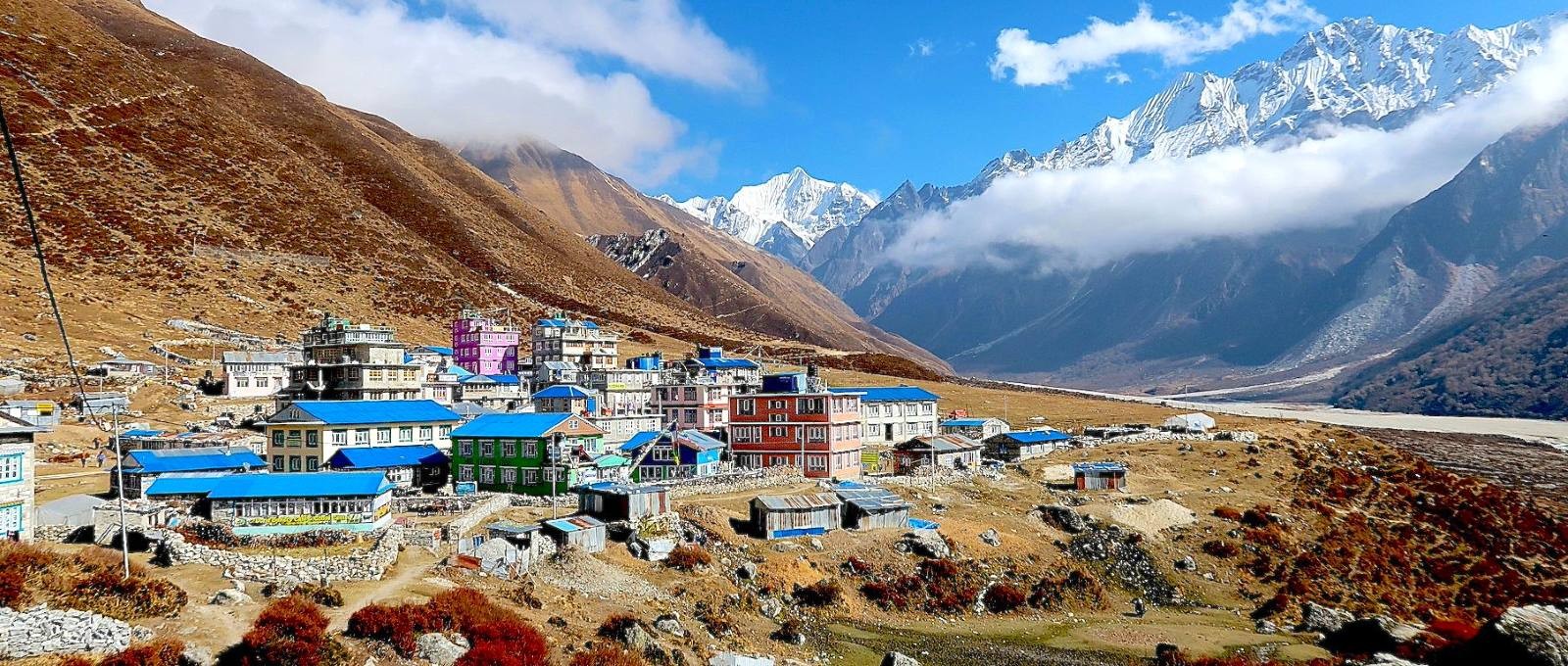
The third day is relatively short but involves very high altitudes. The trail goes through open landscapes, small villages, and some mani walls, with spectacular views over valley glaciers. One arrives at Kyanjin Gompa at around 3,870 m after 3 to 4 hours of walking. Kyanjin Gompa is a large village with teahouses, bars, and restaurants that offer more substantial meals and lodging.
Expectations on Day 3 : A shorter day that is nonetheless quite high, so it is good to rest after arrival at Kyanjin Gompa.
One should start early from Kyanjin Gompa to attempt the Kyanjin Ri peak at 4,773 m. The long climb to Kyanjin Ri is steep and exhausting but is mostly compensated by the magnificent views from the summit.
After returning to Kyanjin Gompa, one starts the long descent to Lama Hotel at 2,470 m. This long day can last between 7 and 9 hours, depending on the traffic situation and the route to Kyanjin Ri that one chooses to take.
Expectations on Day 4 : One of the most strenuous days of the trek with a combination of very high altitude and long hiking hours. Using trekking poles is essential during the long descent.
The trail on the fifth day is relatively short (between 5 and 6 h) to get back to Syabrubesi. Once again, private transport is necessary to return to Kathmandu and should only be used after arriving at the road junction.
This way, one avoids wasting time waiting for a vehicle on a mountain road, especially if the road is closed or inaccessible.
Expectations on Day 5 : The final downhill walk through the forest with a prolonged road trip.
Overall, the 5-day Langtang Valley Trek tour provides a good value while enabling some great views of the valley. It should nonetheless be noted that this itinerary is both demanding and compact and as such is not suited for inexperienced trekkers who are unaware of the long and hard days they will have ahead.
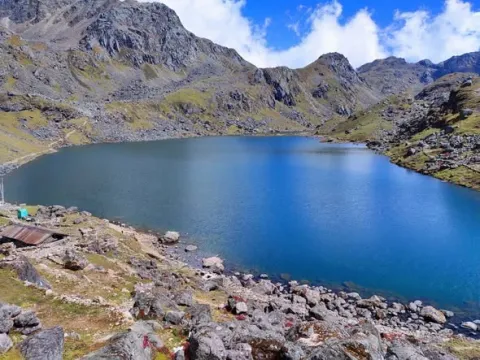
The Langtang Valley Trek 5 day difficulty level is challenging, with long walks up and down, and the overall pace is fast as most of the trail is covered on foot. The five-day Langtang Valley Trek is suitable for most trekking-level adventurers, but it is important to note that it does not allow for much walking at a slow pace and has little flexibility for delays or detours.
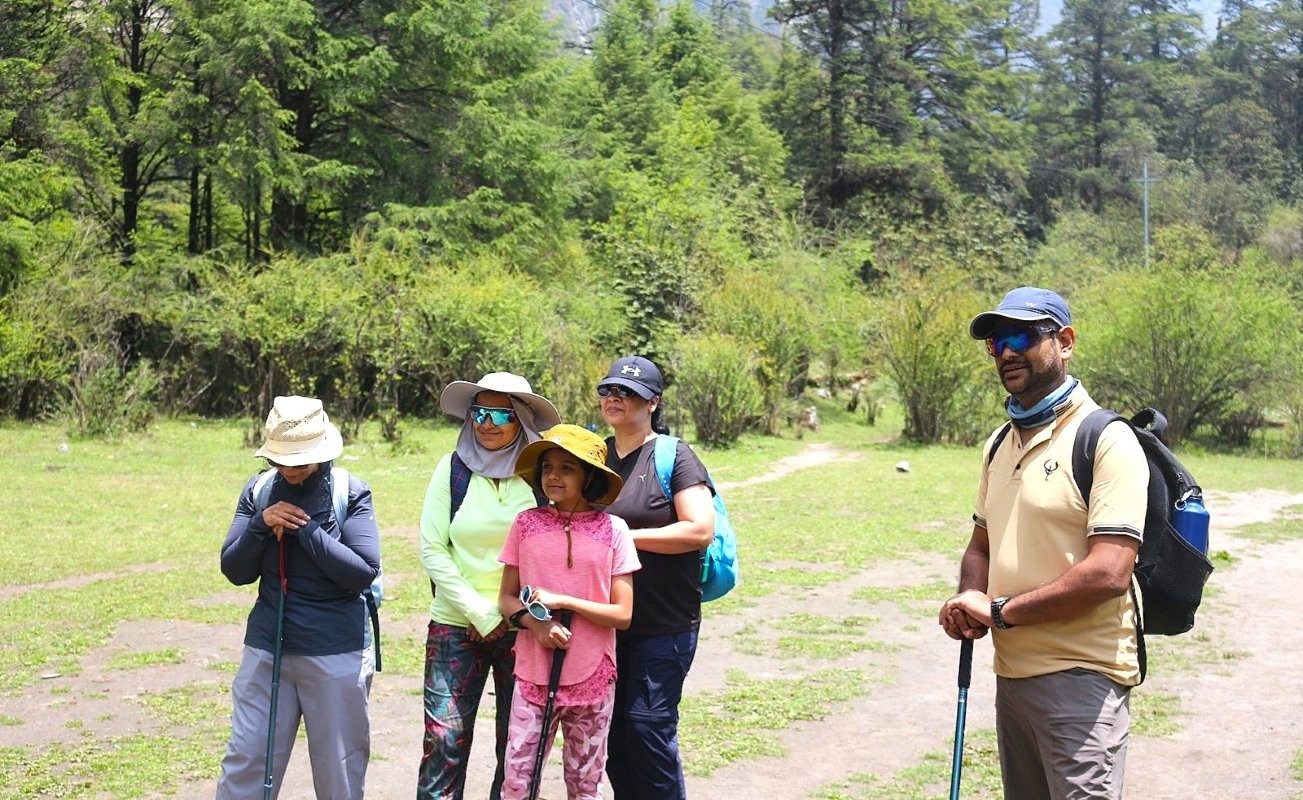
Challenges that contribute to the higher difficulty of the Langtang Valley Trek 5-day are as follows:
Likewise, the combination of long hikes and the rapid increase in height are the main challenges for most people on this trail. Additionally, different kinds of trail surfaces will also cause fatigue, and descending down steep slopes can put extra stress on the knees.
The Langtang Valley Trek 5 day length involves long stretches of uphill hiking that are moderately challenging, and steep sections with short steps.
On the other hand, descending slopes can be even harder on the muscles and joints. Another factor to consider is Kyanjin Ri, an optional detour to a peak that provides unparalleled views over the valley. Since it adds several hours to the daily hike, it is best to leave it for the last day when one has some extra energy and resilience.
Furthermore, the trail involves spending several hours walking through uneven terrain. For instance, on Day 1, the hike is primarily through the forest with some bridges and river crossings, while on Day 4, it becomes steeper and more exposed. Hence, one should be prepared to walk for long hours through different trail surfaces for this trek.
While the Langtang Valley Trek 5-day itinerary can be a great challenge for novices, a properly prepared beginner with enough fitness and enthusiasm can manage it. Previous trail trekking experience will undoubtedly help, though it is not mandatory.
Thus, the best way for a beginner to prepare for the Langtang Valley Trek is to start exercising and do some cardiovascular workouts. Additionally, lunges, hiking, and stair climbing will strengthen leg muscles needed for this trek.
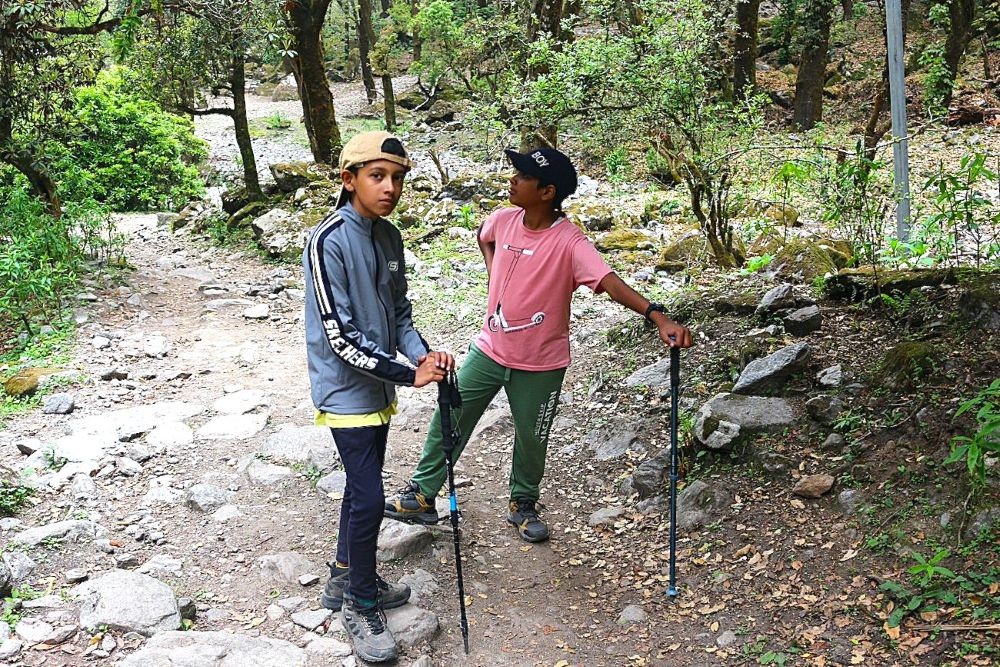
It is essential to distinguish difficulty and altitude when planning for Langtang Valley Trek 5-day. Although proper fitness will undoubtedly make the experience better and easier, it does not necessarily prevent altitude sickness.
Furthermore, it is impossible to predict how one will feel at higher altitudes. That is why it is always a good idea to pay attention to any physical discomfort that may arise, and, if possible, consult a physician.
Meanwhile, altitude sickness usually manifests itself in headaches, dizziness, nausea, fatigue, and loss of appetite.
Moreover, extreme cases of altitude sickness may involve vomiting, severe weakness, and trouble breathing.
Hence, if any of these symptoms occur, it is vital to stop the trek and descend until they subside.
In general, the 5-day Langtang Valley Trek is best suited for experienced and fit multi-day trekkers. It is a challenging trek that requires knowledge of the trails, as well as endurance and resilience.
However, the right motivation and determination can help anyone overcome these difficulties and enjoy the spectacular views.
Therefore, it is important to keep in mind that this trek is not ideal for inexperienced adventurers or for those who seek a leisurely pace and comfort.
Finally, it is always a good idea to add extra days for acclimatization to altitude if one is new to high-altitude trekking.
The Langtang Valley Trek is popular all year around due to its spectacular views of the Himalayas. However, the best time for Langtang Valley Trek is generally during spring (March to May) and autumn (Sept to Nov). The weather during these months is mostly clear and sunny, so you get great views of the surrounding mountains.
On the other hand, the weather can be unpredictable in the mountains, so it is not advisable to go during any specific season.
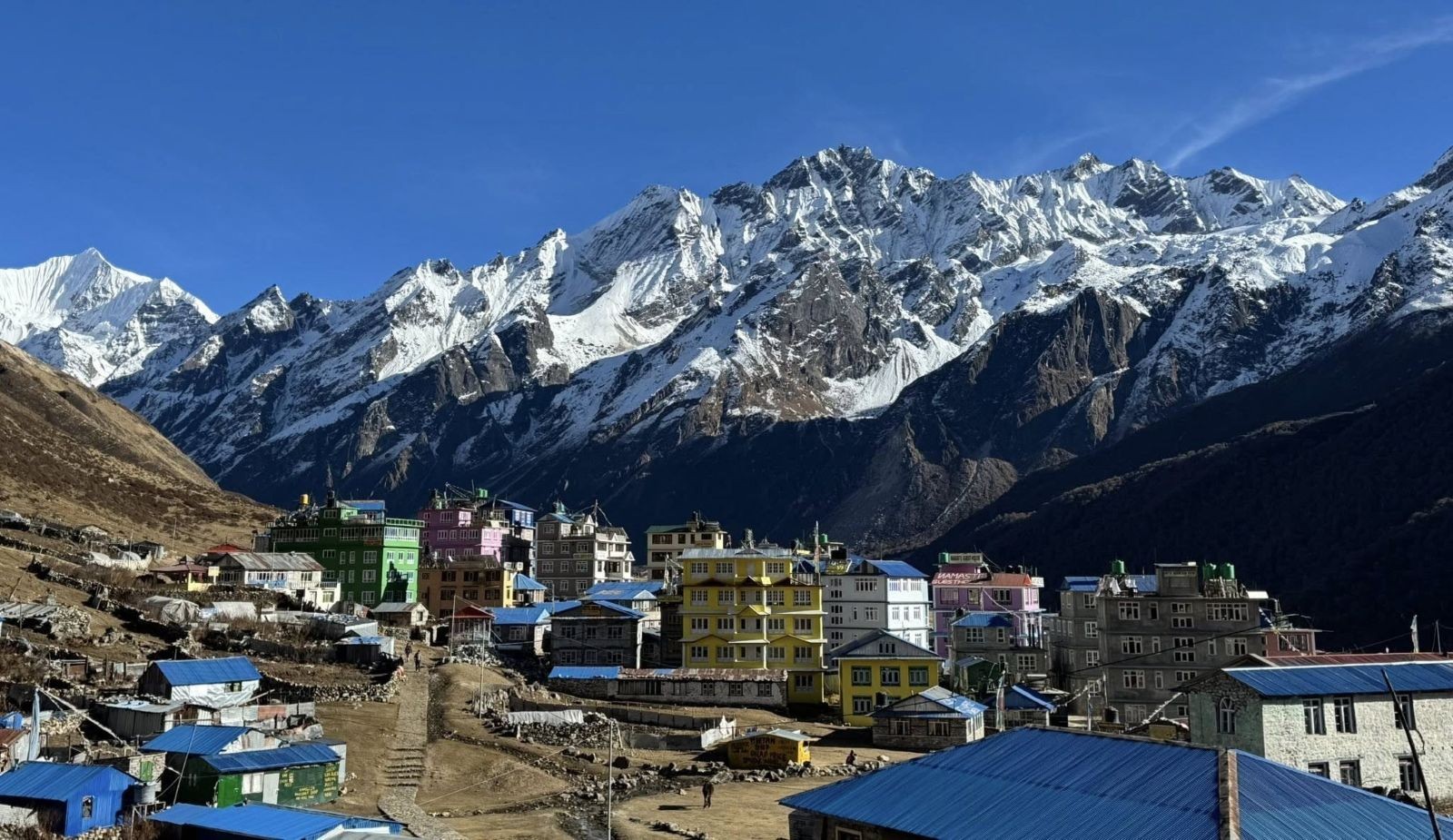
Likewise, 5-day Langtang Valley itinerary gives less flexibility, especially if the weather turns out to be bad. You should not plan to trek Langtang Valley for 5 days if there is a high chance that the weather will be rainy or cloudy.
After all, getting stuck in the rain or snow for days has nothing to do with enjoying a short 5-day Langtang Valley Trek itinerary.
Langtang Trek in the spring is generally warm and beautiful with blooming rhododendron forests. It can be quite chilly in March, especially at night, and snowy at higher elevations. April is perfect for Langtang Valley Trek as the weather is milder, and the forests are covered with rhododendrons. It is generally warmer in May, although the valley can be cloudy on some days.
| Month | Advantages | Disadvantages |
|---|---|---|
| March | Fewer crowds and clear skies | Cold weekends |
| April | Flowers and milder weather | Crowded |
| May | Warm valley | Temperatures can drop at night |
In summary, April is my favorite month for Langtang Valley Trek 5-day as the temperatures at lower altitudes are warm and comfortable. Nonetheless, be prepared for rapid weather changes above Kyanjin Gompa.
Another great time for Langtang Valley Trek is autumn. After the monsoon season, the skies clear up, and the weather becomes drier throughout the region. September can be a bit rainy in Langtang, but it should be generally fine and comfortable from October to November. For a 5-day Langtang Valley Trek itinerary, stable weather is crucial as there is less flexibility if something goes wrong.
In my opinion, trekking Langtang Valley in October is perfect for a 5-day itinerary. The weather should be generally clear and comfortable throughout the trek. Similarly, the Langtang Valley Trek in November offers great views of the mountains, although it can be cold at night.
December to February can be quite cold at night, and it is possible to get snow at higher elevations. For Langtang Valley Trek, snowfall is not common, but it can occur at Kyanjin Gompa and Kyanjin Ri.
Thus, it is necessary to pack warm clothes for the nights and be prepared for colder temperatures around the Kyanjin Ri area.
June to August is technically the rainy season in the Langtang region. It can be very wet, especially at lower elevations. Rainy weather makes the trails slippery and unsuitable for trekking, and heavy rains can trigger landslides.
Additionally, mountain roads between Kathmandu and Syabrubesi can be temporarily closed due to bad weather.
To summarize, the best time for Langtang Valley Trek is spring or autumn as the weather is generally clear and stable.
Nonetheless, if you want to complete a 5-day Langtang Valley Trek itinerary, it is important to be flexible as the weather can change rapidly in the mountains.
Check the weather forecast before departing for the mountains and adjust your Langtang Valley Trek itinerary 5-day if needed.
The Langtang Valley Trek 5-day cost is determined by transportation, permits, guide, porter, accommodation, meals, and personal expenses. The approximate budget for a five-day Langtang trekking tour is USD 400 to USD 700 per person, including shared or public transport and teahouse stays, while the private jeep and organized tours would incur higher charges. Haven Holidays Nepal currently provides more general Langtang cost estimates on their website, identifying private jeep, permits, food, accommodation, and guide as major expense items.
| Cost Description | Approximate Cost |
|---|---|
| Langtang national park permit | NPR 3,000 |
| TIMS | NPR 1,000 – NPR 2,000 |
| Kathmandu – Syabru Bus – Kathmandu | NPR 2,400 – NPR 5,000 |
| Private jeep | Approx. NPR 12,000 – 15,000 per one way |
| Accommodation | NPR 800 – 1,500 per night |
| Food and drinks | NPR 2,000 – 3,000 per day |
| Guide | Approx. NPR 3,000 – 4,500 per day |
| Porter | Approx. NPR 1,500 – 2,000 per day |
| Personal expenses | NPR 3,000 – 6,000 |
Important : Permit and TIMS costs may fluctuate; therefore, it is advisable to cross-verify the current charges.
Transportation is a significant expense for the Langtang Valley trek 5-day tour, which necessitates arriving at Syabrubesi early to start exploring the region on the first day.
Thus, opting for a private jeep is a better option than relying on public transport. In addition, shared or public transportation from Kathmandu to Syabrubesi costs between NPR 1,400 and NPR 2,000 while a private jeep is in the range of NPR 15,000 – 20,000 per one way.
Teahouse accommodation is a more affordable option in the Langtang Valley, with prices ranging from NPR 800 – NPR 1,500. It is better to consider a higher budget for food due to the high altitudes since the price increases as you ascend. A realistic estimate is between NPR 2,000 – NPR 3,000 for meals, tea, coffee, and other incidentals.
For the Langtang Valley trek 5-day, it is advisable to hire a guide due to the compressed schedule, leaving limited time for exploring. A competent guide can cost NPR 3,000 – NPR 4,500 per day. Meanwhile, a porter’s fee ranges between NPR 1,500 – NPR 2,000 depending on various factors.
The following are approximate costs for Langtang Valley Trek 5-day from Kathmandu:
Here, the charges mostly depend on the group size because some expenses, such as transportation, can be split among participants.
Hence, a solo traveler would have to pay significantly higher fees than a family of four. As a result, considering private transportation for a Langtang 5-day trek is a better option due to the need to depart early on the first day and have more flexibility on the fifth day.
In addition, the road between Kathmandu and Syabrubesi is a critical consideration in trekking tour planning because it determines the time needed to reach the region.
When preparing for a Langtang Valley Trekking 5-day, a good rule of thumb is to prioritize warm clothes and save the lighter ones for the nights. Even though Langtang Valley Trek is only 5-day, you will reach an altitude of 3870 meters (Kyanjin Gompa) and possibly 4773 meters (Kyanjin Ri).
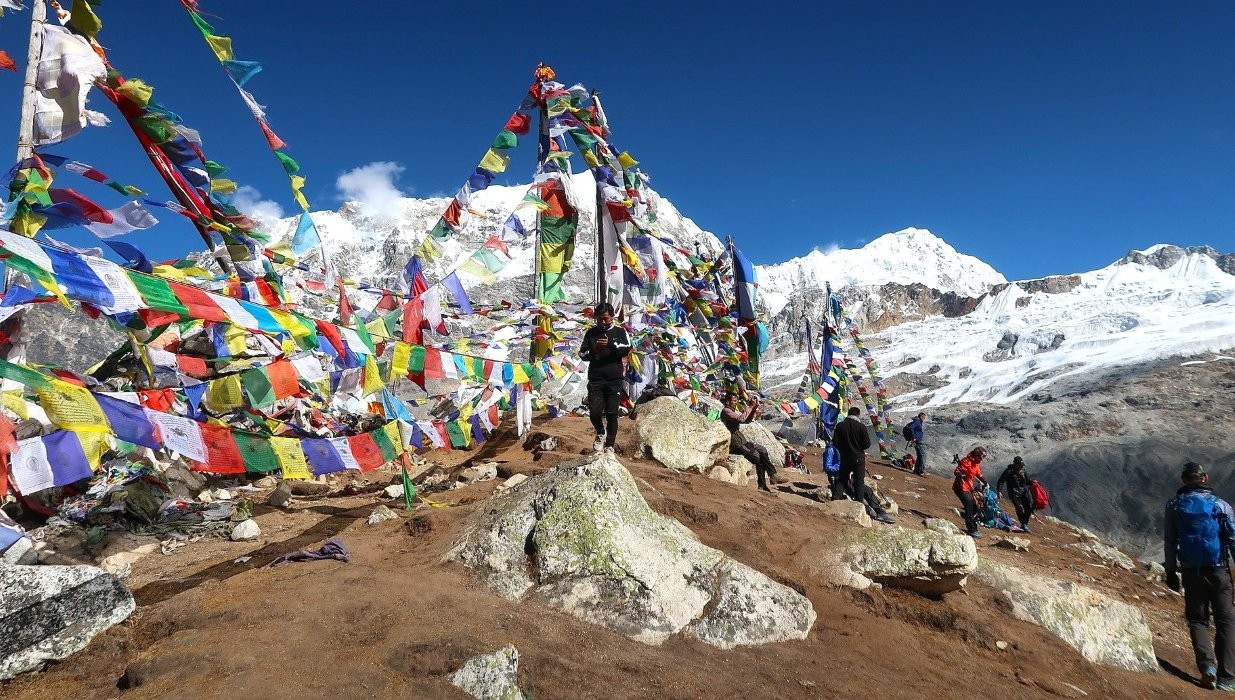
Thus, the short 5-day trip to Langtang Valley is not a good opportunity to test your light and thin clothes. Layering is essential as you will experience large temperature variations.
As for Langtang Trek 5-day packing list, I would recommend the following: a good pair of trekking boots, a down jacket, and a waterproof jacket.
Similarly, thermal clothes are necessary for the cold evenings at high altitudes together with some good trekking trousers that would keep you warm. Warm socks, a beanie, and gloves are also needed when it is cold.
Additionally, it is vital to have sunglasses and sunscreen when being at higher altitudes and a headlamp when it is dark outside.
Finally – remember to bring some warm sleeping bags, especially if you are not accustomed to cold weather. On the other hand, bring light clothes and a warm beanie and gloves when it is cold and dry at night. You can take off some warm clothes when you are trekking, and the thin layers help keep the body temperature stable.
| Gear | Recommendation |
|---|---|
| Trekking boots | Should be comfortable, broken in |
| Down jacket | Something to keep you warm for the cold nights |
| Waterproof jacket | Will protect you from rain and snow |
| Waterproof trousers | Might be necessary in rainy seasons |
| Sleeping bag | Something to keep you warm for the cold nights |
| Thermal layers | Good quality layers, thin, warm, and lightweight |
| Gloves | Warm and preferably waterproof |
| Warm socks | Should be worn when it is cold outside |
| Sunglasses | UV protection |
| Sunscreen | High protection |
| Headlamp | Essential for early mornings |
| Water bottles | Sturdy and with a good volume |
| Power bank | Will charge your phone and other devices |
| First-aid kit | Personal medications, blister treatments, etc. |
| Trekking poles | Optional |
For Langtang Trek 5 day, a good rule of thumb is to pack light clothes for lower altitudes and warm clothing for higher areas in case of cold evenings.
Similarly, thermal layers, a good down jacket, and waterproof clothes are essential for the Langtang Valley Trek. Warm socks, gloves, and a beanie are also necessary accessories. The same goes for a good pair of hiking boots.
On the other hand, make sure that your shoes are broken in, so it will not hurt your feet during the trek. Finally, you might want to bring gaiters if the trail is muddy or snowy.
Bring a small first-aid kit, personal medications, blister treatments, and some basic toiletries. You might also want to bring some hand sanitizer, tissues, lip balm, and a good-quality towel.
Additionally, make sure to bring a headlamp as some teahouses might close earlier in the evenings and open later in the mornings.
Likewise, you will probably want to leave your electronic devices in the teahouse at night as a power bank might be the only option to charge your phone. Remember to keep your devices dry and warm, especially when it is cold outside.
As it is only a 5-day trek, bring only the essentials. Avoid packing anything unnecessary, for example, luxury items. Teahouses provide the necessary accommodation, so, unless you want to set up your tent in the middle of the mountains, you will not need to bring any camping equipment.
Another good idea is to bring only the clothes that you will need for the trek. You might want to avoid bringing too many clothes and layers and rely more on thermal wear.
On the other hand, make sure to bring warm clothes for evenings at higher elevations. The same goes for good quality hiking boots to keep your feet warm and dry.
Final Checklist :
To conclude, the best Langtang Valley Trekking 5-day packing list will have only the essential items without luxury ones.
After all, the 5-day Langtang Valley Trek itinerary is physically demanding, so everything that is not necessary can be left at home. Do not forget warm clothes for cold evenings at higher altitudes and a good-quality sleeping bag.
On the other hand, bring light clothes for day hikes and keep your feet and body warm at night.
Preparing for Langtang Valley Trek is particularly important since this is a 5-day program, which is a relatively short time to complete the tour. The Langtang Valley Trek 5-day includes 2 consecutive walking days, a steep climb up Kyanjin Ri, and a long hike down to the Lama Hotel.
That is why it is essential to start training several weeks before the scheduled trip departure.
The most basic advice on preparing for Langtang Valley Trek 5-day is to start walking regularly and gradually increase the distances. It is also helpful to practice stair climbing, since most of the trails involve climbing up and then straight down.
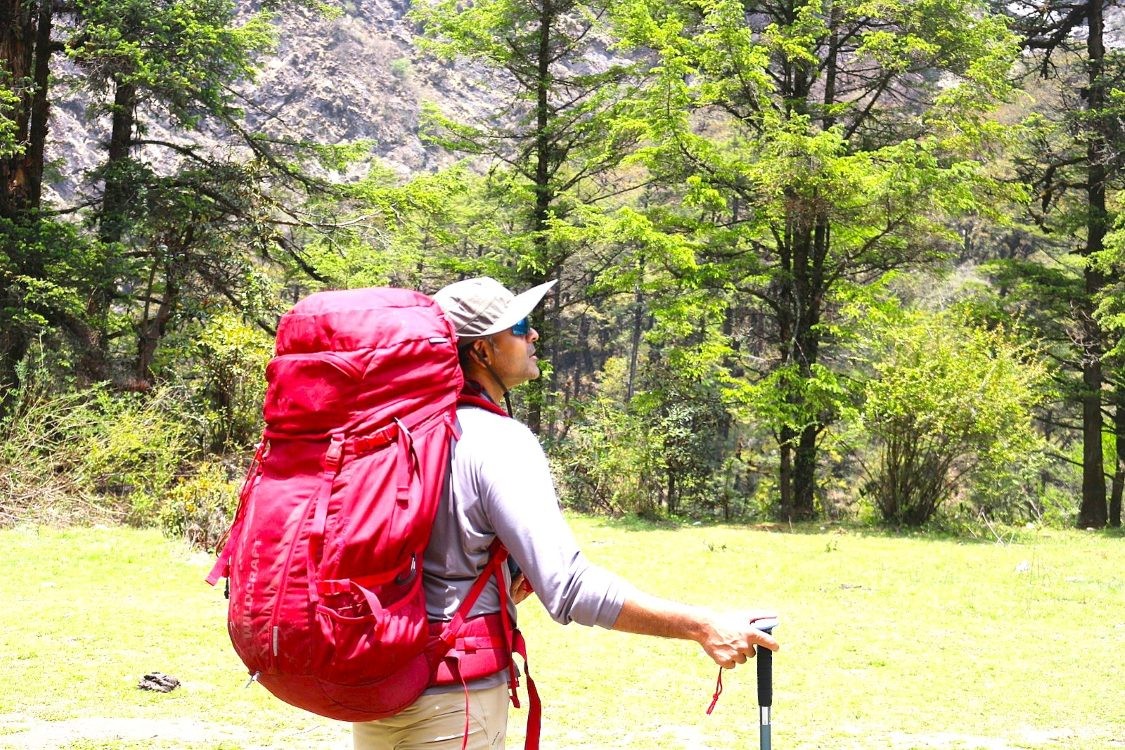
In addition, it is a good idea to practice walking on uneven ground, which is necessary for all mountain hikes.
| Preparation Area | Recommendation |
|---|---|
| Walking Practice | 4-5 times per week |
| Stair training | Helps to develop leg muscles |
| Uphill training | Gradually increase the height |
| Downhill training | Learn to move properly on uneven ground |
| Daypack | Get used to the weight of the bag |
| Strength training | Pay special attention to the lower body |
| Recovery | Take regular breaks |
Here, it is not necessary to train like an athlete but to be able to walk actively for several hours. It is also helpful to do squats, step-ups, calf raises, and other exercises to strengthen the legs and core.
Moreover, practicing yoga or stretching will help prevent injuries.
It is a good idea to start using trekking boots or shoes several weeks before the trip. Those who do not have any hiking gear can purchase them in advance. The point is to notice any discomfort caused by specific boots or shoes so that it is possible to return them before the trip departure.
It is essential to drink plenty of fluids during training. It is also necessary to eat healthy, balanced meals and include more fruits, vegetables, whole grains, dairy products, and lean meat in the diet.
During the Langtang Valley Trek 5-day, it will be helpful to have nutritious meals and snacks to maintain the energy level.
Although it is vital to prepare physically for the Langtang Valley Trek 5-day, one should remember that the altitude is always a challenge.
Actually, the itinerary includes Kyanjin Gompa at an elevation of 3870 meters and the peak of Kyanjin Ri at 4773 meters. It is vital to keep in mind that acclimatization is a slow process, and there is nothing to be ashamed of if the body cannot adapt to the new altitude in the short term.
When walking at a higher altitude, it is necessary to take it slow, drink plenty of fluids, and avoid overexertion.
In addition, it is critical to understand how the body reacts to increased pressure and notify the guides if anything is wrong. In case of altitude sickness, it may be necessary to cancel further hikes until the physical state improves.
In general, the idea of preparing for Langtang Valley Trek 5-day is to strengthen the lower body and get accustomed to the long walks per day.
Moreover, it is vital to choose the right equipment, carefully plan the trip, and be able to fully recover after returning from the trek.
The Langtang Valley Trek 5-day allows quickly explore the Langtang region. The itinerary helps discover Langtang village and Kyanjin Gompa as well as admire the magnificent view from the peak of Kyanjin Ri. The journey starts with a drive from Kathmandu to Syabrubesi and a short hike to the village of Rimche.
Then, the trail leads to Langtang village, located in the high mountainous region. Further, the trek continues to Kyanjin Gompa, which is situated at 3870 meters above sea level. The highlight of this trip is a climb up Kyanjin Ri, which is 4773 meters above sea level.
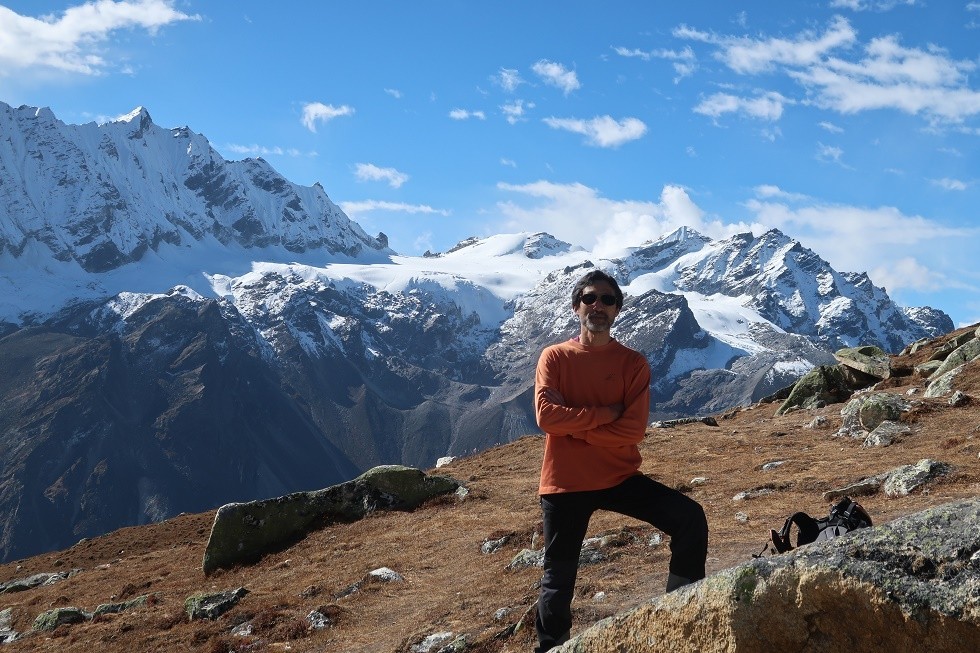
However, those interested in this adventure should understand it needs to be well-prepared for the Langtang Valley Trek 5-day, so it is better to leave such a short but challenging and tiring trek to the experienced trekkers only. Here are the most critical tips for Langtang Valley Trek 5-day:
Duration: 5-day trek.
Difficulty level: High.
Meanwhile, private vehicles are the best choice for Langtang Valley Trek 5-day because it will be much easier to get a place in them. Those who prefer shared taxis might not always find an available spot on time.
Besides, the road conditions sometimes force the drivers to make detours, which increases the travel time.
Consequently, it is essential to leave extra time for transfers rather than follow the strict schedule.
Moreover, those who want to experience Langtang Valley Trek 5-day should remember elevation is always a challenge, regardless of the degree of one’s athletic ability.
Although some people get tired faster at higher altitudes, others’ bodies can withstand the lack of oxygen for a relatively long time. Regardless of how strong the immune system is, it is vital to listen to one’s body and not overload it on the short hikes.
At Haven Holidays Nepal, we can advise on a private Langtang Valley Trek itinerary, depending on individual preferences, the level of experience, the available time, and the season.
If 5-day treks seem too short, there are also options for multi-day Langtang Valley Trek. It is also possible to extend it to 2-week trekking tours for more leisurely adventures.
Moreover, we offer various other Nepal trekking tours, including Tamang Heritage Trail. Choosing the most suitable itinerary is crucial since it considers both the experience level and the expected degree of comfort throughout the trip.
Yes, it is possible to complete the Langtang Valley Trek in 5 days; however, you will have to maintain a very fast pace. A five-day-trek is not recommended for novice hikers because it leaves you with less time to acclimatize to the altitude. Instead, the standard Langtang Valley Trek itinerary is spread across a more extended period.
Contact us and book your Langtang Valley Trek with us and make it a safe and memorable trip.
1. Can I complete Langtang Valley Trek in 5 days?
You can customize Langtang Valley Trek to complete it in 5 days, but the trek becomes strenuous as you have to hike within a short period. A five-day itinerary usually covers Langtang Valley up to Kyanjin Gompa and returns to Syabrubesi. A trekker should have good fitness and experience to do a fast-paced 5-day Langtang Valley Trek.
2. Is Langtang Valley Trek 5 days suitable for beginners?
It is possible for fit and tested beginners to do a Langtang Valley Trek 5 days, but it is not the best option. The Langtang Valley Trek is moderate to difficult because of the steep ascents and descents and the high altitudes involved. Newcomers to trekking should prepare for the 5-day Langtang Valley Trek by doing regular exercises such as stair climbing and walking for long hours.
3. What is the Langtang Valley Trek 5-day itinerary?
The Langtang Valley Trek 5-day itinerary is a fast-paced adventure covering the valleys surrounding the Langtang Himalayas. This trek covers many places, including Kathmandu to Syabrubesi, Lama Hotel, Langtang Village, Kyanjin Gompa, and Syabrubesi. It is always better to have a professional guide assist you with your Langtang Valley Trek 5-day itinerary.
4. Can I reach Kyanjin Gompa on a 5-day Langtang trek?
Yes, you can reach Kyanjin Gompa within five days on your Langtang trek. The Kyanjin Gompa altitude is around 3,870 meters, and it is the endpoint of the upper Langtang Valley. You need to have a good pace while doing a 5-day Langtang Valley Trek to Kyanjin Gompa.
5. How difficult is the Langtang Valley Trek in 5 days?
The Langtang Valley Trek in 5 days is moderately challenging to difficult due to the short schedule. On a daily basis, a trekker can expect to walk for 5 to 7 hours on a 5-day Langtang Valley Trek. Additionally, hikers will also have to deal with steep inclines and declines. Hence, it becomes relevant to have a good fitness level to do a Langtang Valley Trek 5-day itinerary.
6. How many hours do I walk each day on Langtang Trek 5 days?
On Langtang Trek 5 days, you can expect to walk for about 5 to 7 hours daily. Moreover, some specific Langtang 5-day trek itineraries can also require you to hike for more extended hours. The distance covered on each day of the trek varies, depending on the route. On average, the route from Syabrubesi to Kyanjin Gompa is about 24 km.
7. What is the highest altitude on Langtang Valley Trek 5 days?
On Langtang Valley Trek 5 days, the highest altitude you will reach is Kyanjin Gompa, which is around 3,870 meters. Furthermore, if you have the time and energy, you can also climb Kyanjin Ri on your Langtang Trek 5-day itinerary. The Kyanjin Ri peak ascent is an optional extra that takes you to 4,773 meters above sea level.
8. Is altitude sickness a problem on Langtang Valley Trek 5 days?
Yes, altitude sickness can affect you on Langtang Valley Trek 5-days because of the rapid increase in altitude during the trek. Altitude sickness commonly occurs due to changes in air pressure and reduces the amount of oxygen in the air. The most common symptoms of altitude sickness include headache, nausea, dizziness, tiredness, and sleeplessness. It is always better to acclimatize regularly while on a high-altitude trek and inform your guide if any symptoms persist.
9. Can I do Kyanjin Ri during the 5-day Langtang Trek?
It is possible to do Kyanjin Ri during 5-day Langtang Trek; however, it makes theLangtang itineraries more strenuous as it requires an additional day. Kyanjin Ri is a 4,773-meter peak located near Kyanjin Gompa. Moreover, it involves steep ascents and can be challenging, especially on a 5-day Langtang Valley Trek. If you are considering doing Kyanjin Ri, it would be better to have a good level of fitness.
10. What fitness level is needed for Langtang Valley Trek 5 days
A Langtang Valley Trek 5-day itinerary demands a good level of fitness. To prepare for this trek, it is crucial to do regular physical activities such as walking, stair climbing, and jogging for several weeks before the scheduled trek departure. You should also focus on strengthening your lower body and work on your endurance. Having a good fitness level can make a 5-day Langtang Valley Trek highly enjoyable and less strenuous.
11. Can I do Langtang Valley Trek 5 days from Kathmandu
Yes, it is possible to do Langtang Valley Trek 5 days from Kathmandu; however, you will have to depart very early in the morning. The road from Kathmandu to Syabrubesi can take up to 7 to 8 hours. Thus, it is necessary to have good road connections if you want to do Langtang Valley Trek 5-day itinerary from Kathmandu.
12. What is the fastest Langtang Valley Trek itinerary?
The fastest Langtang Valley Trek itinerary is a 5-day trip that includes trekking from Syabrubesi to Lama Hotel, Langtang Village, Kyanjin Gompa, and back to Syabrubesi. Here’s how this 5-day fast-paced itineraries usually look like: Day one: Kathmandu to Syabrubesi, day two: Syabrubesi to Lama Hotel, day three: Lama Hotel to Kyanjin Gompa, day four: Kyanjin Gompa and day five: return to Syabrubesi and Kathmandu.
13. Is 5 days enough for Langtang Valley Trek and Kyanjin Gompa?
5 days is enough to complete the Langtang Valley Trek and Kyanjin Gompa, but it might be a tight schedule. It is essential to make the most of your 5-day Langtang Valley Trek. Therefore, it is better to avoid any detours and have a good pace so you can enjoy Kyanjin Gompa’s stunning scenery on your Langtang trek.
14. Should I hire a guide for Langtang Valley Trek 5 days
For a Langtang Valley Trek 5-day itinerary, it is always better to hire a professional guide. Besides, a guide can help you in navigating the trails when you are on a 5-day Langtang Valley Trek. In addition, he can also help you to acclimatize to the altitudes and manage your time wisely to ensure you reach your destination on time.
15. What should I pack for aLangtang Valley Trek 5 days
When preparing for theLangtang Valley Trek 5 days, the most crucial items to bring along are trekking clothes and gear. Some of the most fundamental items for aLangtang Valley Trek 5-day itinerary include light clothing, trekking shoes, warm clothing, sleeping bags, rain gear, water bottles, sunscreens, sunglasses, headlamps, first aid items, and personal medication. Avoid bringing unnecessary items on your Langtang trek.
16. What is the best season for Langtang Valley Trek 5 days?
The best season to go for Langtang Valley Trek 5 days is from March to May and September to November. These are the dry seasons, and they offer the best trekking conditions and breathtaking views of the mountains. These months have been recommended by Nepal Tourism Board as the best seasons to explore Langtang region.
17. Can I complete Langtang Trek 5 days without acclimatization?
It is possible to complete Langtang Trek 5 days without an acclimatization day. On the other hand, it would be better if you could include one extra day in your Langtang Valley Trek 5-day itinerary to acclimatize. Acclimatization is essential for a Langtang trek due to the rapid increase in altitude.
18. How much does Langtang Valley Trek 5 days cost?
The Langtang Valley Trek 5-day cost can vary depending on various factors, such as whether you hire a private jeep or not, the type of accommodation you prefer, the meals you intend to eat, whether you hire a guide and porter, and many other factors. Therefore, it is better to request a quotation specifying what the trek package entails.
19. Is Langtang Valley Trek 5 days better than a 7-day itinerary?
The Langtang Valley Trek 5-day itinerary is better than a seven-day itinerary for people who have limited vacation days. Moreover, a 5-day itinerary is a faster option to complete the journey. Whereas, on the other hand, a 7-day Langtang Valley Trek allows you to explore the region at a slower pace and enjoy Kyanjin Gompa to the fullest. In addition, it is better to have more days when you are going on a high-altitude trekking adventure such as a Langtang trek.
20. Should I choose Langtang Valley Trek 5 days
Choose the 5-day Langtang Valley Trek if you are a fit and an experienced trekker with minimal free time. Furthermore, this itinerary also gives you an excellent view of the dense forests, the Himalayas, the Tibetan plateau, and the Tibetan-style houses belonging to the Tamang community. It is, however, not advisable for beginners to choose the Langtang Valley Trek 5-day itinerary.
Our travel experts are ready to assist you with any questions.
Send us a message.Have a question before you book? Send your enquiry below and our travel experts will get back with the required information.