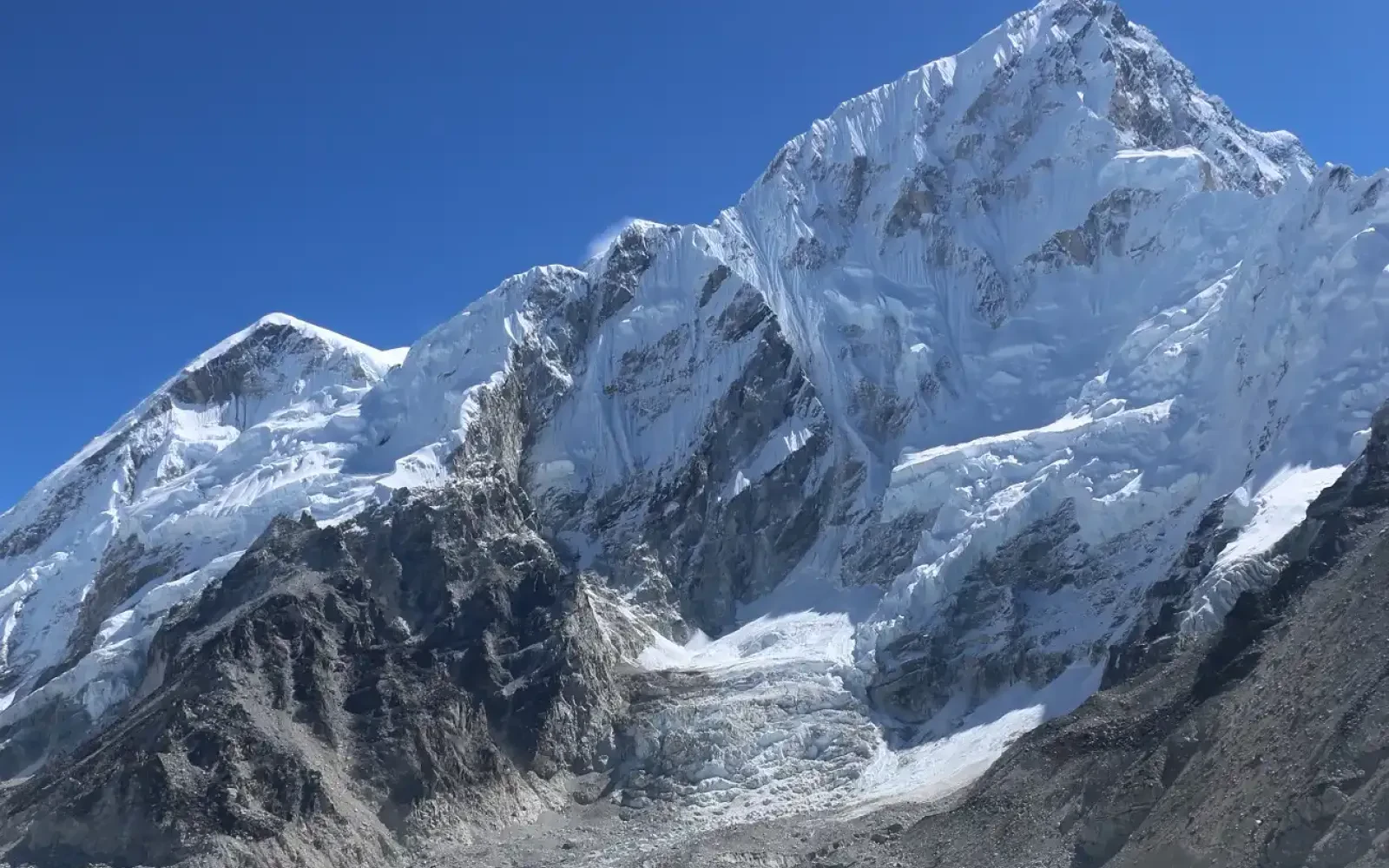
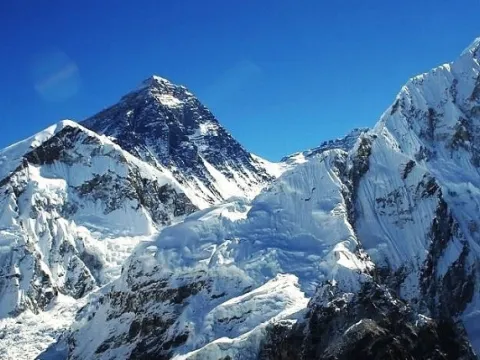
Actually, the Everest Base Camp Trek pulls in adventurers from all over the globe. There’s just something about those jaw-dropping views of Mount Everest, towering at 8,848 meters, that gets people hooked. But it’s not just the scenery—walking through the Khumbu Valley, you get a real taste of Sherpa culture. The journey kicks off in Lukla, sitting at 2,846 meters, and winds all the way up to Everest Base Camp at 5,364 meters. On the way, you’ll make your way through Sagarmatha National Park, passing legends like Lhotse and Ama Dablam.
Make no mistake; the altitude of Everest Base Camp (5364m) is tough. Every step tests your grit, but the reward? Panoramas you’ll never forget. Acclimatization is key—nobody wants to deal with altitude sickness, so you take it slow. Guides help you pick your way through rocky trails, and teahouses dot the route, offering a chance to rest and eat homemade meals. It’s a blend of adventure and culture, all rolled into one. Most folks finish the round trip in about 12 to 18 days, walking close to 130 kilometers. There’s something about this trek—it pushes you, connects you to wild nature, and in the end, you come away changed.
In fact, people don’t just show up on a whim. They train hard, building endurance and strength, and pack carefully—think warm clothes, sturdy boots, all the basics. Just getting to Lukla by plane is an adventure, sometimes a little nerve-wracking. From there, trails climb up to Namche Bazaar, a lively market town at 3,440 meters. Trekkers hang out here for a couple days to get used to the altitude. Next stop: Tengboche Monastery at 3,860 meters, where monks chant in old stone halls. The path just keeps climbing—Dingboche at 4,410 meters, with the views getting sharper and more dramatic. Kala Patthar, at 5,645 meters, is where you catch the best view of Everest.
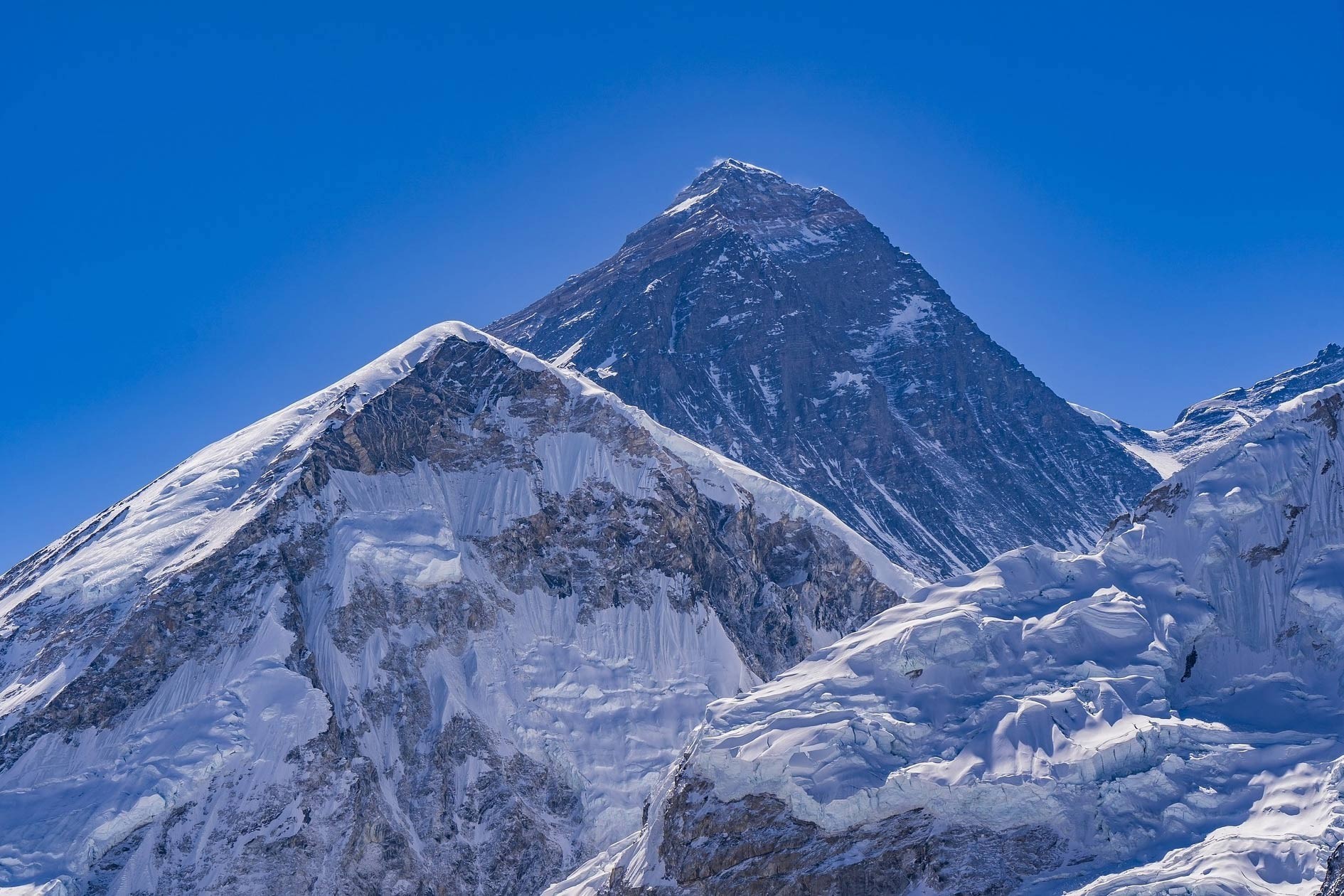
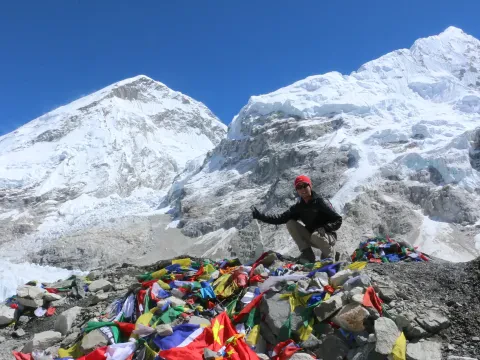
Likewise, Base Camp is a hive of activity, full of colorful expedition tents. Porters balance heavy loads like it’s nothing, and yaks shuffle across narrow bridges with supplies. The weather in the Himalayas? Unpredictable. One minute it’s sunny, the next you’re swallowed by fog. Still, trekkers bond over the challenge, swapping stories and sharing the struggle. This trek really has it all—history, nature, and a real sense of accomplishment. It never goes out of style.
Key Locations and Elevations on the Trek:
| Location | Elevation (meters) | Description |
| Lukla | 2,846 | Starting point with airport; gateway to Khumbu. |
| Namche Bazaar | 3,440 | Bustling Sherpa hub; acclimatization spot with markets. |
| Tengboche | 3,860 | Monastery site; spiritual stop with Everest views. |
| Dingboche | 4,410 | Village for rest; higher altitude adjustment. |
| Gorak Shep | 5,164 | Last lodge before Base Camp; cold and windy. |
| Everest Base Camp | 5,364 | Expedition base; iconic rock marker. |
| Kala Patthar | 5,645 | Summit viewpoint; panoramic Everest sight. |
Trekkers face moderate to challenging difficulty levels:
Major Peaks Visible During the Trek:
| Peak | Elevation (meters) | Notable Feature |
| Mount Everest | 8,848 | World's highest; symbolic goal. |
| Lhotse | 8,516 | Fourth highest; sharp face. |
| Nuptse | 7,861 | Ridge companion to Everest. |
| Ama Dablam | 6,812 | Jewel-like shape; photogenic. |
| Thamserku | 6,623 | Snowy sentinel over valleys. |
Actually, early expeditions aimed at Mount Everest (8,848m) with great ambition. British teams led the efforts from Tibet's north side. They faced severe weather and unfamiliar terrain. The 1921 reconnaissance mapped routes in detail. Climbers like George Mallory explored the Rongbuk Glacier (5,180m). They marked the North Col (7,020m) as crucial. However, political barriers limited access. Over the years, expeditions developed skills. They tested oxygen gear at high camps. Avalanches posed constant dangers. Teams included surveyors and doctors. They also documented plants and rocks. This era created global interest in Everest. Failures provided valuable lessons for future success. Overall, these attempts laid the groundwork for triumph.
Likewise, later efforts grew more intense in the 1920s and 1930s. The 1922 team reached 8,320m but faced tragedy. Seven porters died in an avalanche. Mallory returned in 1924 with Andrew Irvine. They disappeared near the summit. Debates continue over whether they reached the top first. In 1933 and 1936, teams faced storms. Climbers like Eric Shipton searched for other routes. By 1950, Nepal opened the southern route. The 1951 reconnaissance discovered the Khumbu Icefall (5,486m). Swiss teams in 1952 came close to summiting at 8,595m. Oxygen and weather conditions held them back. These challenges refined techniques. International cooperation increased. Expeditions shifted focus from exploration to conquest. The determination of this period inspired modern mountaineering.
Timeline of Key Early Expeditions:
| Year | Expedition Details | Highest Point Reached (meters) | Outcome |
| 1921 | British reconnaissance led by Howard-Bury; mapped north approach. | 7,000 (North Col) | Identified viable route; no summit attempt. |
| 1922 | First full attempt; used oxygen; avalanche killed 7. | 8,320 | Record height but tragic loss. |
| 1924 | Mallory and Irvine disappeared; oxygen improved. | 8,600 (estimated) | Mystery remains; body found later. |
| 1933 | British team faced winds; led by Ruttledge. | 8,570 | Weather forced retreat. |
| 1935-1936 | Recon and attempts; Shipton involved. | 7,800 | Gathered data; no high success. |
| 1938 | Tilman led; light-style expedition. | 8,300 | Storms stopped progress. |
| 1951 | British south-side recon; found Western Cwm. | 6,400 | Opened Nepal route. |
| 1952 | Swiss attempts; Tenzing Norgay guided. | 8,595 | Closest pre-summit effort. |
Challenges Faced by Early Climbers:
| Challenge | Description | Impact |
| Altitude | Thin air caused hypoxia. | Limited climbs without oxygen. |
| Weather | Monsoons and winds raged. | Forced many retreats. |
| Terrain | Icefalls and crevasses endangered lives. | Required rope teams. |
| Logistics | Long approaches from Darjeeling. | Exhausted teams early. |
Actually, Edmund Hillary and Tenzing Norgay achieved a remarkable feat in 1953. They reached the summit of Mount Everest (8,848m) on May 29 at 11:30 a.m. The British expedition, led by John Hunt, chose the south route from Nepal. Teams built camps progressively higher. Base Camp sat at 5,364m in the Khumbu Valley. Climbers tackled the Khumbu Icefall (5,486m) and the Western Cwm. They managed to reach the South Col (7,920m) despite strong winds. Hillary and Tenzing used their oxygen gear effectively. They overcame the Hillary Step near the summit. Their success marked the birth of South Base Camp as a key hub. It inspired future climbs around the world. This breakthrough united global mountaineering efforts and highlighted Sherpa contributions as well.
In fact, the duo's climb transformed Everest exploration forever. They began from Camp IX at 8,500m early in the morning. Hillary led through snow and rock while Tenzing followed closely behind with expert skill. They faced thin air and steep drops. Yet, their perseverance drove them onward. At the top, they planted flags and took photos. The descent brought relief and celebration. News reached Britain on coronation day. Queen Elizabeth II knighted Hillary soon after. South Base Camp (5,364m) became the standard entry point in Nepal. It gradually boosted tourism in Khumbu. Sherpas gained recognition as vital partners in these efforts. This event also sparked humanitarian work by Hillary. Overall, the summit gave rise to the modern legacy of Everest.
Key Camps and Elevations in 1953 Everest Expedition:
| Camp | Elevation (meters) | Purpose |
| Base Camp (South) | 5,364 | Main supply hub; starting point. |
| Camp II | 5,900 | Intermediate rest after Icefall. |
| Camp III | 6,200 | Head of Khumbu Icefall. |
| Camp IV (Advance Base) | 6,400 | Western Cwm access. |
| South Col | 7,920 | High camp before summit push. |
| Camp IX | 8,500 | Final overnight before ascent. |
Challenges and Achievements Timeline:
| Date | Event | Details |
| April 12 | Base Camp established | At 5,455m; supplies ferried. |
| May 21 | South Col reached | By Noyce and Annullu. |
| May 26 | First summit attempt | Bourdillon-Evans to 8,748m. |
| May 28 | Ridge camp setup | Hillary-Tenzing at 8,500m. |
| May 29 | Summit success | At 8,848m; 15 minutes atop. |
Actually, Lukla Airport changed everything for Khumbu when it opened in 1964. Built under Sir Edmund Hillary’s watch, the project began after he purchased land from Sherpa families for 2,650 dollars. Without machines, villagers shaped the runway themselves using only basic tools. Their effort carved a path into thin mountain air. Nothing mechanical helped back then. At 527 meters, the strip stretched across tight terrain. Up it rose - 2,845 meters high into a squeezed passage between hills. Getting there used to mean walking from Jiri, seven full days on foot.
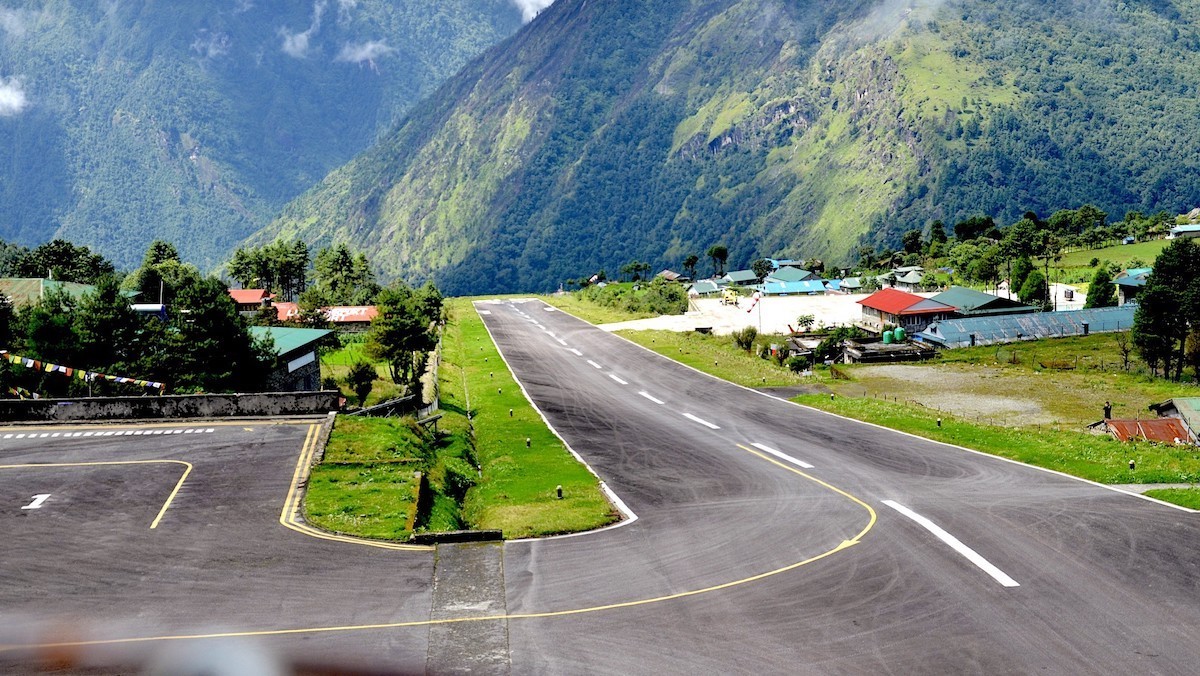
Likewise, now air travel shrinks that stretch down to half an hour when flying out of Kathmandu. Fast deliveries reached mountain villages first. Because of better access, tourism grew near Everest's peak at 8,848 meters. Local businesses gained strength from the shift. Climbers found gear and planning simpler over time. Though small, the new airport connected faraway trails to distant places.
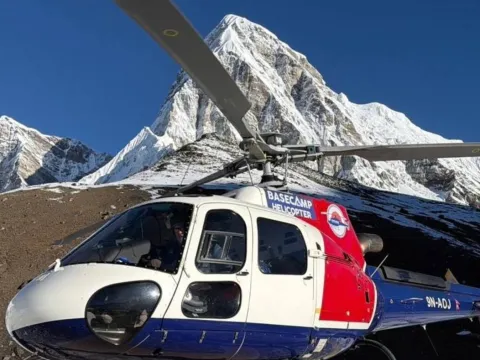
Out near Everest, change came fast. At first, loads traveled on people's backs. Locals stomped earth into firm ground through rhythm and movement. A proper strip of pavement arrived by 2001, built to keep landings steady. By 2008, it wore a new name - honoring two pioneers. These days, planes arrive every year carrying fifty thousand travelers. Places to rest and eat sprouted thick along the paths up high. Now reaching Namche Bazaar at 3,440 meters happens faster. Trekking toward Everest Base Camp - sitting high at 5,364 meters - grew common. Storms still pause flights more than once. Rescue missions began using helicopters when skies clear. Change arrived slowly, yet kept traditions standing. His idea - to support Sherpa life - finally took root.
Development Timeline of Lukla Airport:
| Year | Milestone | Impact |
| 1964 | Construction begins | Hand-built airstrip; initial flights start. |
| 1965 | Official opening | Connects Khumbu to Kathmandu. |
| 1971 | Regular operations | Boosts tourism and supplies. |
| 2001 | Runway paved | Improves safety amid growth. |
| 2008 | Renamed Tenzing-Hillary | Honors summit pioneers. |
| Aspect | Pre-1964 | Post-1964 |
| Access Time | 7-day trek from Jiri | 30-min flight to Lukla (2,845m). |
| Visitor Numbers | Few expeditions | Over 40,000 annually. |
| Economy | Subsistence farming | Tourism-driven; jobs in guiding. |
| Supplies | Porter-dependent | Air cargo for essentials. |
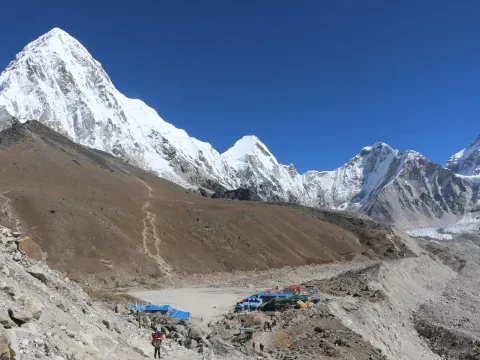
Actually, adventure tourism really took off in the Khumbu region in the 1970s. Word got out about Everest, and soon people from all over wanted to see Base Camp for themselves—5,364 meters up. Trekkers started pouring in, and most of them kicked things off from Lukla at 2,846 meters. Sherpas led the way, guiding those first waves of visitors with a mix of skill and local know-how. They didn’t just show trekkers the trails; they shared stories, culture, and a sense of what life in the Himalayas was really like. By 1973, companies like Adventure were already running organized trips, and by 1978, you could find groups of trekkers hanging out with climbers at Base Camp—32 that year alone. The old expedition routes started turning into well-trodden tourist paths, all thanks to the Everest hype in the media. This wasn’t just a fleeting trend; it sparked a real boom in trekking and gave the local economy a solid boost. Honestly, the 1970s lit a fire under global wanderlust for the Himalayas.
Actually, Sherpa-guided routes grew fast around this time. Locals took their mountaineering know-how and turned it toward tourism. They led trekkers from Namche Bazaar—3,440 meters up—and on to the higher villages. People got their first taste of Sherpa hospitality in those cozy teahouses along the way. Sagarmatha National Park opened in 1976, aiming to protect the area as visitor numbers climbed. Guided tours kept people safe at altitude, and by the end of the decade, the number of annual visitors had shot up. Sherpas weren’t just porters anymore; they became real leaders in this new world of adventure travel. The whole thing sparked a mix of cultural exchange—traditions held strong, but the community also adapted to change. In the end, Sherpas laid the groundwork for what modern trekking looks like today.
Key Milestones in 1970s Trekking Rise:
| Year | Event | Impact |
| 1973 | Adventure trek to Base Camp area | First organized tourist groups arrive. |
| 1976 | Sagarmatha Park established | Protects trails; boosts eco-tourism. |
| 1978 | Trekkers visit Messner's camp | 32 visitors signal growing interest. |
| Late 1970s | Sherpa guides standardize routes | From Lukla (2,846m) to EBC (5,364m). |
Initial trekkers often hiked from Jiri, taking weeks.
Growth Factors for Sherpa-Guided Routes:
| Factor | Description | Contribution |
| Airport Access | Lukla (2,846m) shortened journeys | Enabled quick starts; increased visitors. |
| Sherpa Expertise | High-altitude knowledge | Ensured safe navigation to Dingboche (4,410m). |
| Economic Shift | From farming to guiding | Created jobs; sustained communities. |
| Global Appeal | Post-1953 summit hype | Drew adventurers worldwide. |
Before roads came, paths through Khumbu grew slowly over time. By 1963, a road arrived in Jiri, making travel less difficult. Then, in 1964, an airstrip began operating at Lukla - high up near 2,846 meters. That changed how people moved across the region. Places to rest started long ago where merchants once paused. Locals known as Sherpas offered basic shelter to those passing through. Mountains saw more footprints after 1953. Rivers gave way fast when bridges appeared over Dudh Koshi. Visitors grew thanks to first steps laid long ago. Places such as Namche (3,440m) linked into wider trails. Distance faded once paths met bold moves.
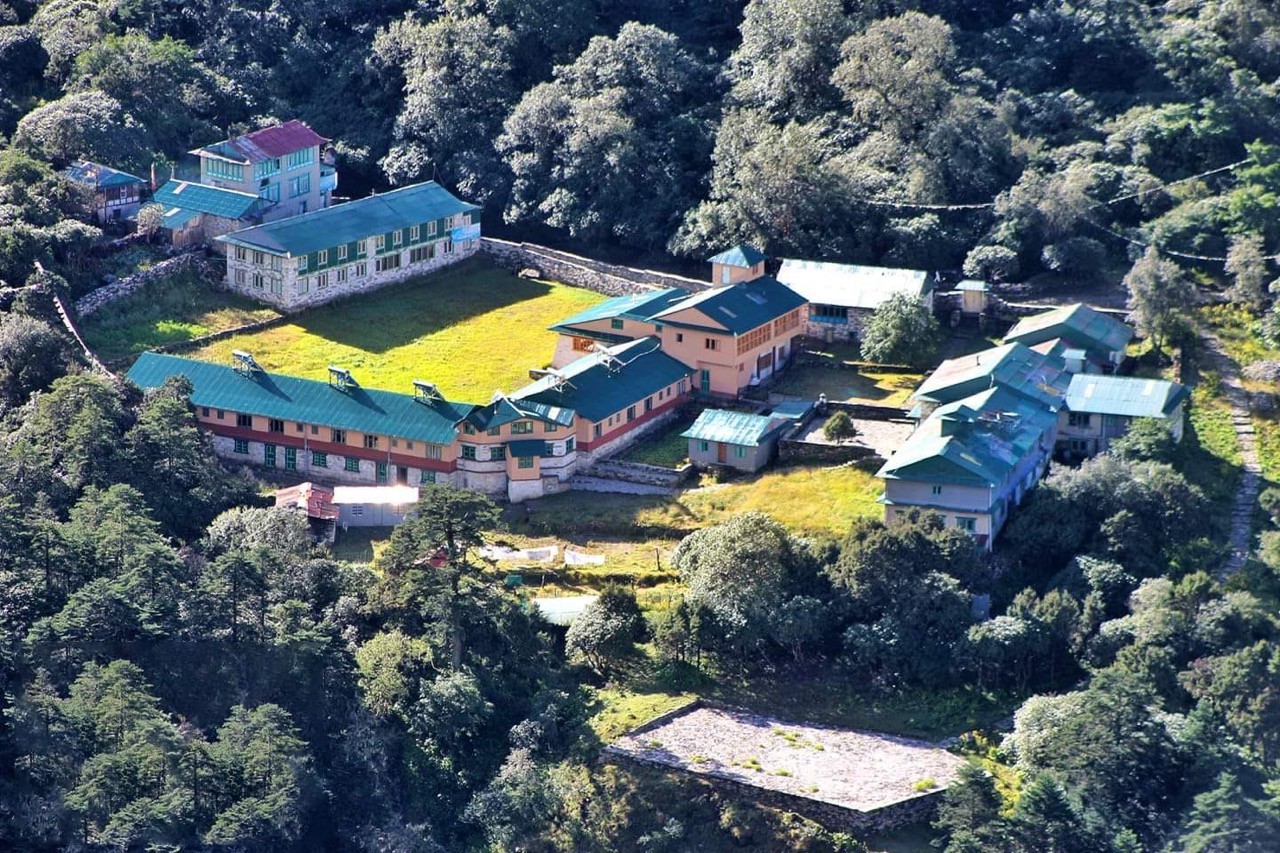
Here, decades passed. Paths kept growing along with small tea spots. During the 1970s, more visitors arrived - lodges sprouted one after another. The next decade showed a different picture: garbage became hard to ignore, so people started picking it up. When planes needed safer landings, Lukla's strip got paved around 2000. Now, sunlight runs lights; warmth stays inside newer rooms. Paths were shifted around to slow down trail wear. Since 2018, permit income has gone toward community work nearby. Slow changes have made high climbs feel easier. Nature stays protected along the way. All these years of tweaks keep the tradition alive.
Timeline of Infrastructure Development:
| Decade | Key Changes | Examples |
| 1960s | Access improvements | Jiri road (1963); Lukla Airport (2,846m, 1964). |
| 1970s | Teahouse growth | Family-run lodges along trails to EBC (5,364m). |
| 1980s-1990s | Maintenance focus | Bridge reinforcements; trash management. |
| 2000s | Modern upgrades | Runway paving; better dining halls. |
| 2010s-2020s | Sustainable tech | Solar energy; Khumbu permit for projects. |
Teahouse Evolution Features:
| Era | Amenities | Benefits |
| Early (pre-1970s) | Basic shelter, meals | Trader rest stops. |
| 1970s-1990s | Twin rooms, stoves | Comfort for trekkers. |
| 2000s+ | Wi-Fi, hot showers, renewables | Eco-friendly stays at Gorak Shep (5,164m). |
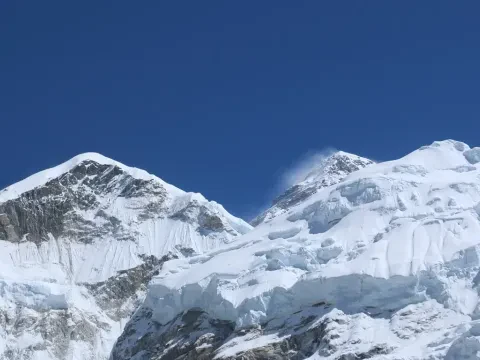
Every year, more than 40,000 trekkers head for Everest Base Camp, all chasing that bucket-list adventure. The EBC Trek route starts in Lukla, perched at 2,846 meters, and winds its way up to the base camp at a whopping 5,364 meters. From the get-go, hikers cross those wild suspension bridges you’ve probably seen in photos. There’s green valleys, thick pine forests, and the steady thrum of fellow trekkers’ boots.
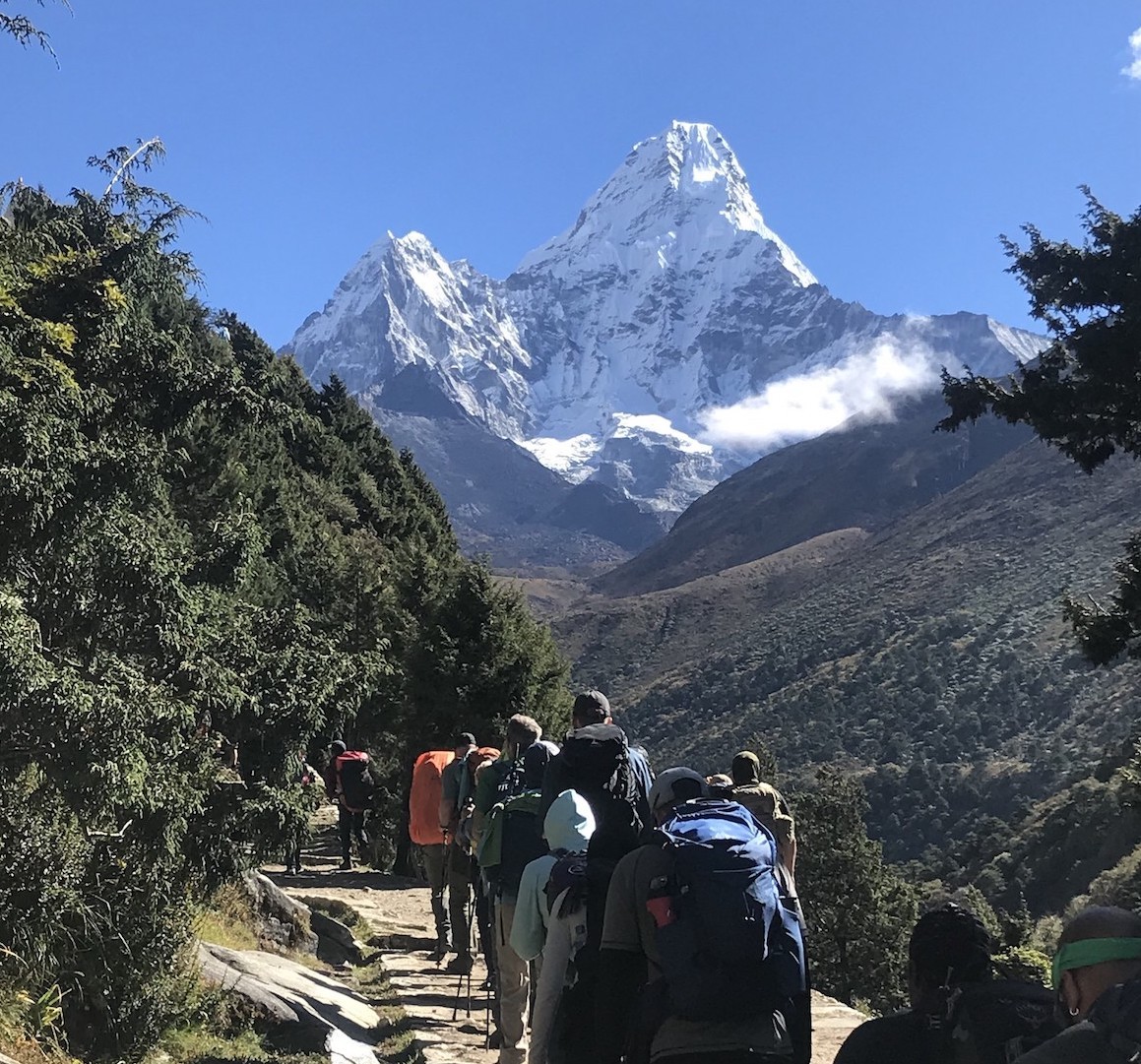
Actually, Namche Bazaar sits at 3,440 meters and feels like a little mountain city—full of energy, packed with teahouses where you can grab a hot meal, hop on Wi-Fi, and catch your breath. Guides lead the way, and the trails are so well-marked it’s hard to get lost, even with the crowds. The whole trek is about 130 kilometers round trip, and every step gives you another jaw-dropping view of Everest looming in the distance.
Likewise, it’s not just a hike; it’s a blend of adventure and Sherpa culture. People come from all over the world, drawn by the mix of challenge and community. Most trekkers follow a set itinerary to keep things safe and manageable. You fly into Lukla, spend your first night in Phakding, then push on to Namche. Acclimatization days are built in, so you don’t end up with altitude sickness. The trail climbs higher, winding through Tengboche and Dingboche, then up to Gorak Shep, right before the base camp itself. There’s even a side hike up Kala Patthar for sunrise—think panoramic views you’ll never forget.
Moreover, EBC Trek in Spring and autumn are the busiest times, but honestly, there’s no bad season to go. The trek’s popularity never really fades, and it’s easy to see why. The Everest Base Camp route just keeps delivering, year after year.
Standard Daily Itinerary and Elevations (12-14 Day Trek):
| Day | Route Segment | Elevation (meters) | Distance (km) | Approx. Time |
| Kathmandu to Lukla flight; Lukla to Phakding | 2,846 to 2,610 | 8 | 3-4 hours | |
| Phakding to Namche Bazaar | 2,610 to 3,440 | 10-12 | 5-7 hours | |
| Acclimatization in Namche Bazaar | 3,440 | - | Rest day | |
| Namche to Tengboche | 3,440 to 3,860 | 10 | 5-6 hours | |
| Tengboche to Dingboche | 3,860 to 4,410 | 11 | 5-6 hours | |
| Acclimatization in Dingboche | 4,410 | - | Rest/hike | |
| Dingboche to Lobuche | 4,410 to 4,940 | 10 | 5 hours | |
| Lobuche to Gorak Shep; to EBC | 4,940 to 5,164; to 5,364 | 14 round | 6-8 hours | |
| Gorak Shep to Kala Patthar; descend | 5,164 to 5,645 summit | 7 round | 3-4 hours |
Current Trekker Statistics and Trends:
| Period | Estimated Annual Trekkers | Notes |
| Pre-2020 | Average 30,000-40,000 | Steady growth. |
| Post-Pandemic (2023+) | 40,000+ (some months 10,000+) | Record surges in October. |
| Peak Month Example | April/May | Up to 12,000+ entries. |
On April 25, 2015, a huge earthquake—7.8 on the Richter scale—hit Nepal. The ground shook so hard it sent avalanches tearing down Mount Everest. At South Base Camp, everything turned chaotic in seconds. Ice, rock, and wind slammed into tents, tossing people and gear everywhere. Twenty-one people died right there at camp. Dozens more got hurt, some badly, from falling debris.
Down in the Khumbu Valley, the quake set off landslides. Trails vanished under rubble. Villages and teahouses cracked, some just collapsed outright. Helicopters rushed in for rescue. Survivors scrambled to get out, even as aftershocks kept coming. For Everest, this was the deadliest disaster in its history. People saw just how wild and dangerous these mountains can be.
Then, just as things seemed to settle, another earthquake hit on May 12—this one almost as strong. More landslides, more blocked trails, especially near Phakding and Namche Bazaar. Sherpa communities got to work, rebuilding what they could. The climbing season ended early. Most climbers packed up and headed home fast. Aid came in from all over the world, but the valley was scarred—whole sections looked changed forever.
Even so, people held on the trail during Everest Base Camp Trek. They rebuilt, tougher than before, and set up better safety rules for the future. The Khumbu Valley bounced back, but nobody forgot what happened that spring.
2015 Everest Avalanche and Earthquake Key Facts:
| Aspect | Details | Impact |
| Date | April 25, 2015 (main quake) | 7.8 magnitude; triggered Pumori avalanche. |
| Deaths at Base Camp | 21-22 (including Sherpas and climbers) | Deadliest single disaster on Everest. |
| Injuries | 61+ at Base Camp | From wind blast and debris. |
| Total Nepal Deaths | 9,000 nationwide | Landslides and building collapses. |
| Aftershock | May 12, 2015 (7.3 magnitude) | Additional avalanches; season closure. |
| Location | Damage Type | Recovery Notes |
| Base Camp (5,364m) | Tents destroyed; avalanches | Rebuilt for following seasons. |
| Phakding area | Minor landslides on trails | Alternative routes engineered quickly. |
| Namche Bazaar (3,440m) | Some teahouses cracked | Most operational soon after. |
| Tengboche (3,860m) | Monastery and lodges affected | Repaired with community effort. |
| General Trails | Blockages and rockfalls | Cleared within weeks; passable by autumn. |
Actually, the 2015 Nepal earthquake hit hard and fast. Right away, places all over the Khumbu Valley took a beating. Namche Bazaar, sitting at 3,440 meters, ended up with cracked buildings and busted teahouses. Down in Lukla, the structures mostly survived, but everything turned chaotic. Langtang didn’t get that lucky—a huge avalanche basically wiped out the whole village. Trails everywhere filled up with landslides and rubble. Rockfalls blocked the way near Phakding and even higher up. Rescue teams scrambled, but aftershocks kept shaking the ground.
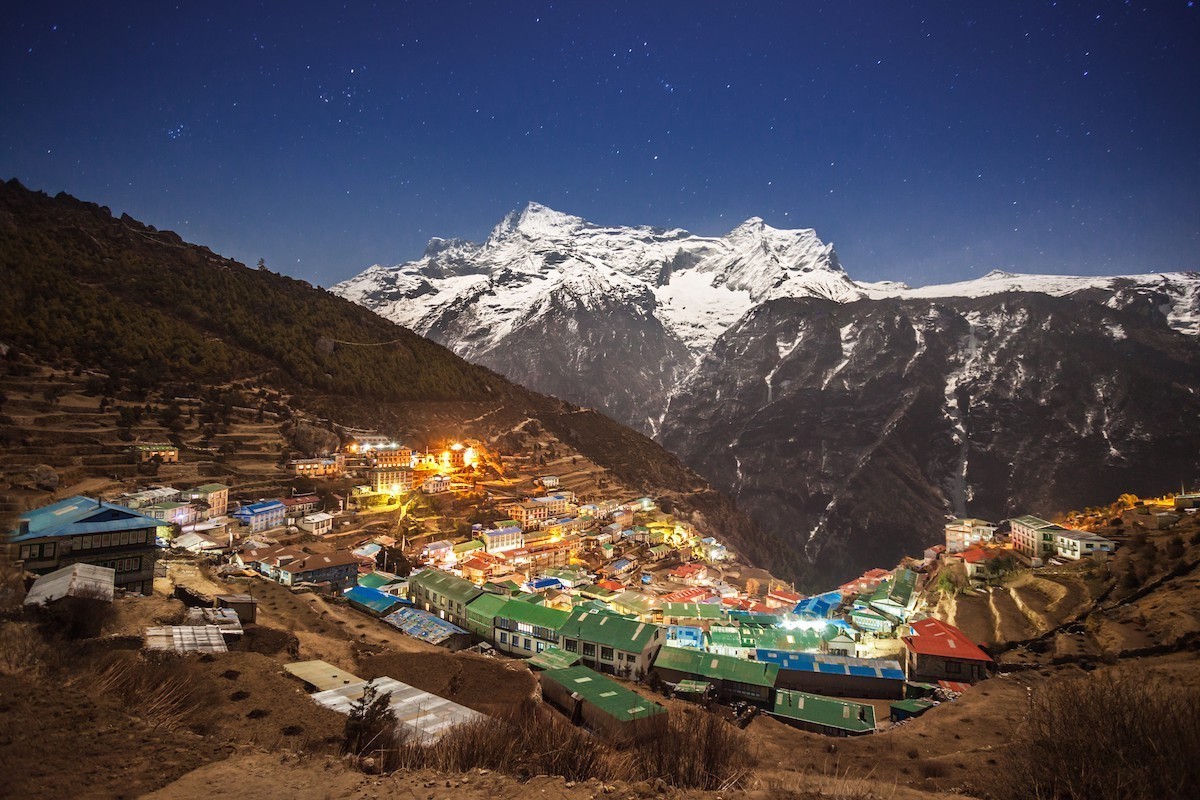
In fact, people grabbed what they could and moved to safer spots as fast as possible. That first wave of damage really showed how vulnerable these remote Himalayan villages are. It threw daily life into turmoil and brought trekking to a dead stop.
Not every place suffered the same way, though. Langtang, about 3,430 meters up, just disappeared under a wall of ice and rock falling from Langtang Lirung. Hundreds lost their lives right there. Namche Bazaar had some buildings collapse, but the whole town didn’t go down. Lukla’s airport, cracks and all, kept running. Meanwhile, debris from landslides clogged up valleys and rivers.
Then, more aftershocks hit on May 12, making everything worse. Trekkers and locals ended up stranded for days with barely any way out. Helicopters got a few people to safety, but help was limited. In the end, the earthquake exposed just how shaky the region’s infrastructure really is. It left scars—on the land and in the lives of everyone who called those mountains home.
Key Settlements and Immediate Damage (April-May 2015):
| Settlement | Elevation (meters) | Primary Damage | Casualties/Impact |
| Namche Bazaar | 3,440 | Cracked teahouses, minor building damage; some structures affected | Limited deaths; many evacuated temporarily. |
| Lukla | 2,846 | Minimal structural damage; airport operational but disrupted | Few injuries; flights halted due to weather/debris. |
| Langtang Village | 3,430 | Completely buried by avalanche/landslide from Langtang Lirung | 243-300 deaths (locals + trekkers); village obliterated. |
| Khumbu Valley Trails | Varies (2,600-5,000+) | Landslides blocked paths; debris on routes to Namche and beyond | Trails impassable; trekkers stranded. |
Secondary Hazards and Blockages:
| Hazard | Description | Affected Areas |
| Landslides | Triggered by main quake and aftershocks | Khumbu trails, Langtang Valley. |
| Debris Blockages | Rocks/ice obstructed paths and rivers | Routes to Namche (3,440m), higher Khumbue. |
| Avalanches | From peaks like Pumori and Langtang Lirung | Base Camp (5,364m), Langtang (~3,430m). |
| Aftershocks | May 12 quake (7.3M) added destruction | Widespread, including Khumbu. |
After the 2015 earthquake, Nepal bounced back fast. People didn’t just wait around—they got right to work. Locals grabbed whatever tools they could find and cleared debris from the Khumbu Valley trails. Teahouse owners reopened their doors, leaning on each other for help. By the end of that year, trekkers could get back on the trails. The government and NGOs worked together, targeting schools first. More than 7,000 schools got rebuilt or repaired, so millions of kids could get back to class. That brought hope, and honestly, it brought tourists back too. There was a sense of life returning to normal.
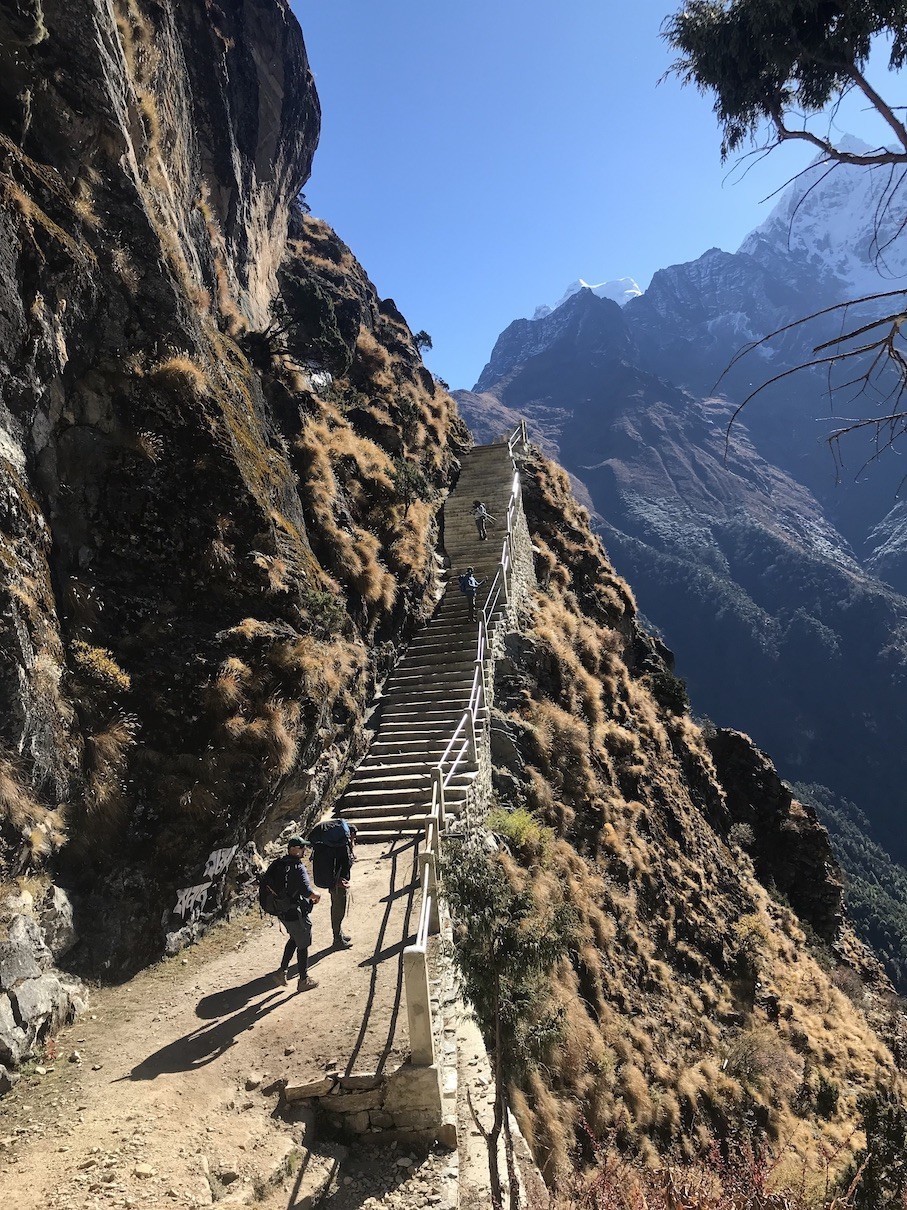
Actually, the rebuilding didn’t slow down on the Everest Base Camp Trail. Whenever a landslide blocked a path in Khumbu, people fixed it or carved out a new route. Lukla airport got flights going again pretty quickly. Teahouses in places like Namche Bazaar kept sprucing up their rooms little by little. Across the country, people focused on making new buildings safer and stronger. Temporary classrooms popped up so kids wouldn’t miss out on school while construction crews worked. By the end of 2015, permanent schools were rising from the rubble. All of this—every cleared path and rebuilt classroom—honored those lost and pulled communities even closer together.
Rapid Trail and Trekking Infrastructure Repairs (2015):
| Aspect | Timeline | Details |
| Trail Clearing | May-July 2015 | Locals engineered alternative routes; minor landslides fixed |
| Teahouses Restoration | Mid-2015 onward | Most operational by autumn; some upgraded |
| Lukla Airport (2,846m) | Immediate post-quake | Minimal damage; flights resumed quickly |
| Khumbu Paths to EBC (5,364m) | By late 2015 | Fully passable; better shape than pre-quake in sections |
| Namche Bazaar (3,440m) | Summer 2015 | Damaged lodges repaired; internet restored gradually. |
School Rebuilding Progress (Post-2015 Earthquake):
| Metric | Number | Notes |
| Schools Damaged/Destroyed | 8,000-9,000 | Across 31 districts; 14 most affected |
| Schools Rebuilt/Repaired | Over 7,000 | By late 2015 initial progress; continued to 7,700+ long-term |
| Classrooms Affected | 30,000 | Many temporary centers used initially |
| Students Impacted | 1 million | Out of school briefly; education resumed. |
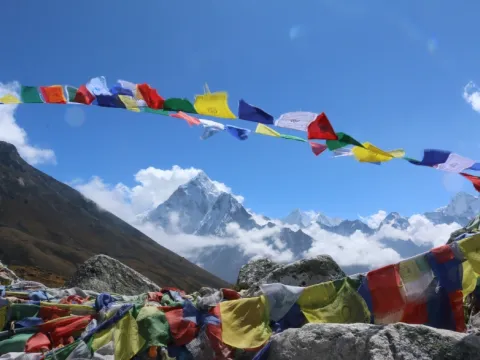
By 2026, the Everest Base Camp trek feels different. Lodges along the trail step up their game—hot showers, better beds, and solar panels keep places warm and bright. Teahouses now have real comforts, not just the basics. You can actually get a good night’s sleep or a proper meal at the end of a tough day. After the pandemic, they didn’t just clean up; they made everything safer and easier to reach. Trails look better, too—wider, well-kept, and easier to walk.
Actually, there’s a real push to go green. Plastic waste? Way down. Lodges that put in the effort to be eco-friendly get certified. But it’s not all smooth sailing. New rules are coming, and everyone’s aware. Now, you need a guide no matter what, which keeps people safer and cuts down on crowds. The idea is to keep the whole place from getting overrun. It’s a balancing act—letting people chase adventure while making sure the Khumbu region stays beautiful for years to come.
From Lukla, things start to change fast along the Everest Base Camp Trek. In Namche Bazaar, boutique lodges combine that classic Sherpa vibe with modern perks. Up higher, rooms stay cozy thanks to electric heating. Even in the middle of nowhere, you can check your messages—Starlink internet covers some of the most remote spots. Villages pull together to collect rainwater and sort their waste. Government rules require every trekker to hire a licensed guide now, and permit fees go straight to conservation work. Warnings about stricter limits are everywhere. Trekkers get the message and pick up greener habits. So, Everest Base Camp Trek 2026 brings more comfort and a clearer sense of responsibility—progress, but with caution.
2026 Lodge and Infrastructure Upgrades:
| Location | Elevation (meters) | Key Upgrades | Sustainable Features |
| Namche Bazaar | 3,440 | Boutique lodges, en-suite bathrooms, heated blankets | Solar power, eco-certification. |
| Dingboche | 4,410 | Improved insulation, hot showers | Rainwater harvesting, composting. |
| Gorak Shep | 5,164 | Solar-powered rooms, better dining | Reduced diesel use, waste management. |
| General Trail | Varies | Upgraded suspension bridges, wider paths | Plastic-free initiatives. |
Current and Impending Regulations (2026):
| Regulation | Details | Purpose |
| Mandatory Licensed Guide | Required for all foreign trekkers in Everest region | Safety, local employment |
| Permit Fees | Sagarmatha National Park + Khumbu Rural Municipality | Conservation funding |
| Solo Trekking Ban | No independent trekking; agency affiliation needed | Reduce risks, manage crowds |
| Impending Visitor Limits | Warnings of quotas and stricter rules | Prevent overcrowding, protect environment |
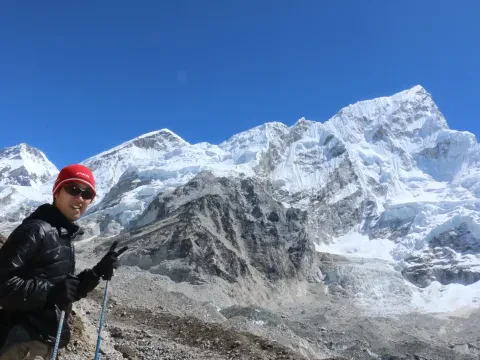
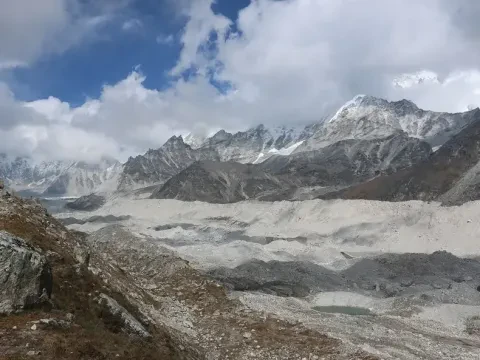
Actually, climate change is hitting the Everest region hard. Glaciers are melting faster every year. The Khumbu Glacier, right by Base Camp at 5,364 meters, keeps getting thinner. Trails turn sketchy—rocks get exposed, erosion chews up the path, and once-solid ground starts to crumble as permafrost thaws. Rockfalls are more common now, especially along the way to Namche Bazaar at 3,440 meters. Avalanches? Those aren’t just a winter thing anymore—they slam down even during the main trekking seasons. And the weather’s all over the place: storms arrive out of nowhere, and the old patterns just don’t hold up.
Likewise, this isn’t just tough on trekkers—it hits Sherpa communities too. Higher up, it’s warming even faster than the rest of the world. People notice. Awareness is growing, and folks are doing what they can to adapt, but the environmental problems are serious—and they’re not waiting around.
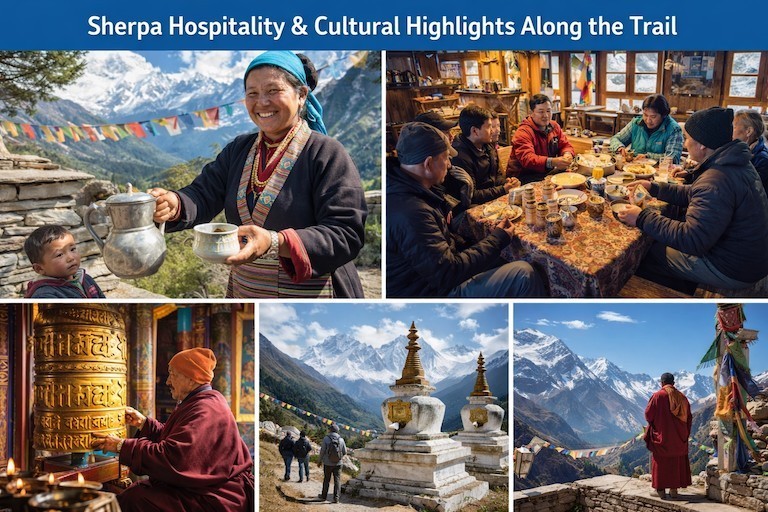
As the glaciers shrink, the whole landscape shifts. Khumbu Glacier keeps losing thickness, year after year. Ponds pool up on the surface and mess with the ice, making it less stable. Around Base Camp, crevasses keep widening. Trails from Phakding at 2,610 meters up to the higher villages take a beating from erosion. Sometimes rockfalls and landslides block the way. Avalanches don’t stick to a schedule anymore—they hit in spring and autumn, and you never really know when. Fewer days are safe for climbing now. Sherpas talk about less snow and way more heat than before, forcing everyone to rethink routes and stay alert. In short, climate change is making these legendary trails a lot riskier.
Key Climate Impacts on the Everest Region:
| Impact | Description | Affected Areas/Elevation |
| Glacier Melt | Khumbu Glacier thinning ~1m/year; rapid loss since 1960s | Base Camp (5,364m), Khumbu Icefall (5,486m). |
| Unstable Trails | Exposed rock, erosion from permafrost thaw | Phakding to Namche (2,610m-3,440m), higher paths. |
| Rockfalls | Increased frequency from melting ice in cracks | Slopes above 4,000m, trails to Dingboche (4,410m). |
| Avalanches | More events in non-winter seasons | Pumori area, routes near Base Camp (5,364m). |
Rising Hazards and Risks:
| Hazard | Frequency Change | Consequences for Trekkers |
| Avalanches | Increasing in spring/autumn | Sudden threats on trails; evacuation needs. |
| Rockfalls/Landslides | More common due to thaw | Blocked paths; injury risks |
| Unpredictable Weather | Stronger storms, shorter stable periods | Reduced visibility; altitude sickness rise |
| Trail Erosion | Permafrost melt destabilizes ground | Slippery, rerouted sections |
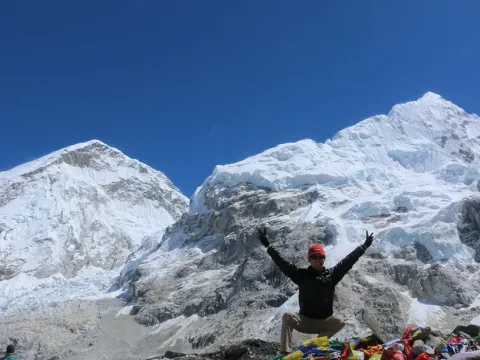
After 2026, Nepal is trying to tighten its grip on Everest-area rules as it is largely too crowded every year. To handle too many climbers and trekkers, officials consider limiting permits for Everest Base Camp Trek. Instead of going alone on Everest Base Camp Trekking trail, foreign trekkers must now hire certified guides across the country. Solo trekkers by outsiders fade under these changes. Safety improves, jobs grow - a quiet win for communities. Not every path welcomes crowds these days. Some limits arrive just in time, matching footfall to nature’s pace. Rules shift quietly where thin air meets heavy traffic. Protection grows stronger when numbers stay small. Change moves slowly, yet it holds the valley together.
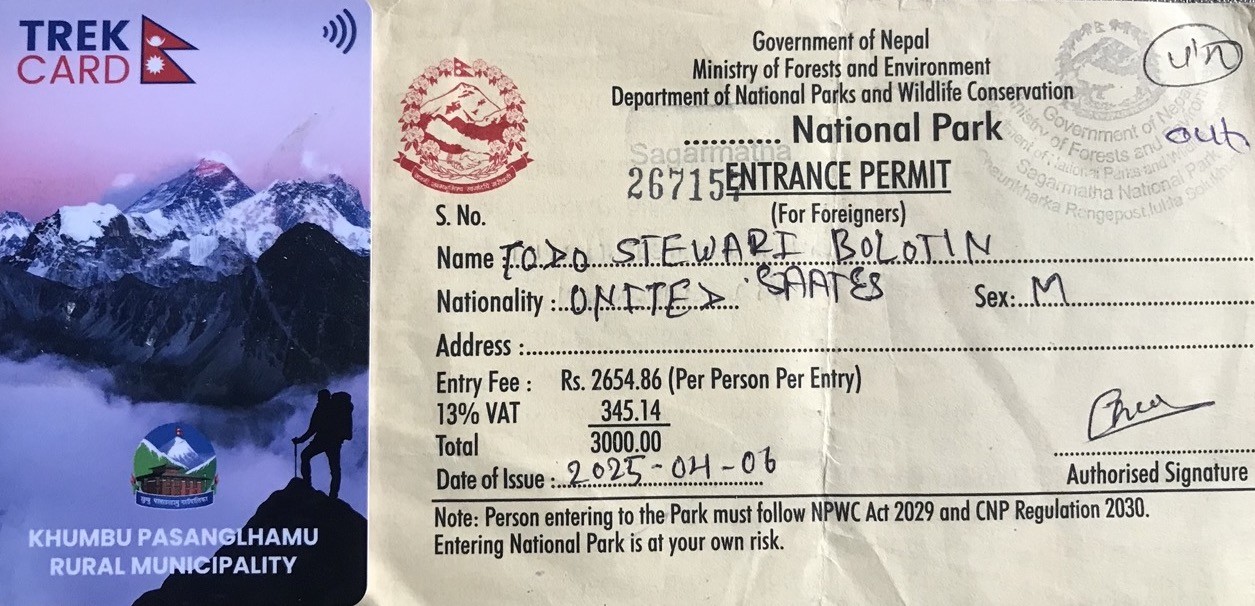
Likewise, trekkers have started talking about tighter rules once 2026 arrives. Money from permits goes toward fixing roads and removing waste. Instead of applying solo, climbers rely on guides who work with official groups. Some trails shift direction so popular spots get less traffic. Before setting hard numbers, officials take time to measure how many people an area can handle. Now the trails see less damage, plus trash is better managed. More work comes to local guides when climbs happen. Safety feels stronger for those walking high paths. Responsibility matters more than open entry these days. The peak stays protected - 8,848 meters of mountain and land around it.
Current and Post-2026 Regulations Overview:
| Regulation | Status in 2026 | Post-2026 Potential Changes Purpose |
| Mandatory Licensed Guide | Required for foreign trekkers | Stricter enforcement; agency affiliation mandatory | Safety, local jobs, crowd management. |
| TIMS Card | Discontinued for Khumbu; handled by agencies | Fully integrated into agency permits | Streamlined tracking. |
| Sagarmatha National Park Permit | NPR 3,000 (foreign) | Possible increases for conservation | Park maintenance. |
| Khumbu Pasang Lhamu Permit | NPR 2,000-3,000 | Revised fees; potential seasonal caps | Local revenue, over-tourism control. |
| Permit Caps/Quotas | Warnings and studies | Daily/seasonal limits discussed | Reduce congestion on trails to EBC (5,364m). |
Potential New Routes and Controls:
| Aspect | Details | Expected Impact |
| Alternative Routes | Diversion paths to avoid main trails | Less pressure on Namche (3,440m) to Dingboche (4,410m). |
| Daily Entry Limits | Studied for peak seasons | Prevents bottlenecks; safer acclimatization. |
| Conservation Fees | Higher deposits or permanent fees | Funds cleanup and eco-projects. |
| Agency Oversight | All treks via registered operators | Better monitoring and emergency response. |
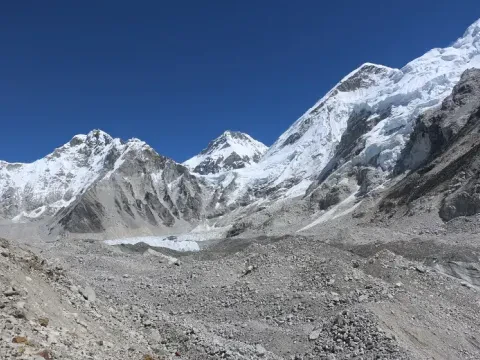
Meanwhile, high up near Everest, Nepal is reshaping how visitors interact with fragile landscapes. Because ice beneath the old camp softens each year, officials now shift operations lower down. That spot - once solid at 5,364 meters - is no longer safe for long-term use. Instead of waiting, teams clean routes while guiding fewer people through sensitive zones. From trash pickup to smarter trails, changes unfold quietly but steadily.
Every so often, villages take charge of keeping their surroundings spotless. Because guides depend on mountain travel, rules now guard their income fairly. Some programs back guesthouses that tread lightly on nature. With care like this, traditions hold strong alongside healing forests. Over time, these methods feed resilience into daily life. Footprint on the delicate Himalayas grows smaller because of them. In turn, Everest - rising 8,848 meters - stays more protected through these efforts. Even, some projects are doing their level best to protect cultural highlights on Everest Base Camp Trail and flora and fauna in Sagarmatha National Park.
Starting in 2025, a new cleanup effort begins on Everest, lasting through 2029. Instead of staying put, Base Camp might move downhill after early tests show promise. Litter finds its way into bins more easily now, thanks to fresh drop spots along trails. Because of fair pay systems, local Sherpa families see steady benefits over time. Fewer climbers climb each season, kept low by careful tracking behind the scenes. From high valleys comes a quiet shift. Not just survival but renewal shapes life in Khumbu now.
Because of changing choices, villages stand stronger against storms that come more often. Instead of taking from the land, visitors begin to give back in small ways. Through this, old trails carry stories worth keeping. Even mountains need rest - so people adapt slowly, carefully.
Five-Year Everest Cleaning Action Plan (2025-2029) Key Elements:
| Element | Description | Focus Area |
| Base Camp Relocation | Feasibility study for lower, stable site | Address melting Khumbu Glacier instability. |
| Waste Management | Reclaim fixed ropes; garbage points to Camp II | Reduce 85+ tonnes annual waste. |
| Climber Limits | Based on carrying capacity | Prevent overcrowding; lower environmental strain. |
| Conservation Fee | Convert $4,000 deposit to permanent | Fund ongoing cleanup and monitoring. |
| Mountain Rangers | Monitor waste and compliance | Enforce rules at high elevations. |
Initiatives to Reduce Footprint and Preserve Sherpas:
| Initiative | Details | Benefits |
| Waste Reduction | Carry-out policies; recycling programs | Cleaner trails to Gorak Shep (5,164m). |
| Sustainable Lodges | Solar power; low-impact designs | Lower energy use in teahouses. |
| Community Revenue | Permit fees fund local projects | Economic stability for Sherpas. |
| Cultural Preservation | Education on traditions; fair wages | Maintain Sherpa identity amid tourism. |
| Rerouting Trails | Avoid erosion-prone areas | Protect fragile permafrost zones. |
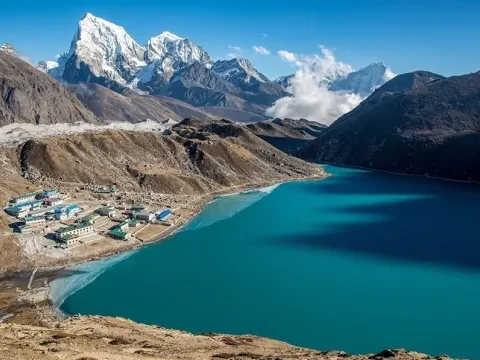
Here, high above sea level, the path to Everest Base Camp pulls people young and old. Reaching 5,364 meters isn’t just a number - it becomes real under steady boots. There, Mount Everest rises, massive at 8,848 meters, unmoving in the thin air. Along the way, Sherpas share quiet strength through tea, stories, and centuries-old temples tucked into stone. Steel cables hum beneath feet on swaying bridges, while pink blooms light up thickets of rhododendron.
Further, stories drift up from teahouse hearths where voices gather. Though the path demands strength, still it offers deep calm. Nature shows its force here, unfiltered by distance or time. Even as things shift, the trail keeps calling. Growth happens quietly, while understanding spreads beyond borders. Stillness matters just as much as motion here. Walking through these mountains asks questions about where people truly belong.
Down the mountain, kids not yet born will walk this famous path. Because weather changes, paths and shelters adapt slowly, carefully. Nature stays safe when choices are gentle, deliberate. While new things arrive, Sherpa ways remain strong through quiet resilience. A single traveler’s choice can shift how whole communities gain from visits. Rules keep crowds at levels nature and towns can handle. Teaching people small actions adds up to big change over time. Sharing stories across cultures builds quiet respect.
As EBC Trek paths wear and weather shifts, old ways stay part of each journey. Strength comes not from reaching summits but moving forward when hard. Humility grows where voices listen more than they speak. Facing change protects what matters most down the road. In the end, the path forward stands as proof of balance - people moving with peaks, not against.
Timeless Elements of the Everest Base Camp Trek’s Appeal:
| Element | Description | Enduring Value |
| Natural Majesty | Views of Everest (8,848m), Lhotse (8,516m), Ama Dablam (6,812m) | Inspires awe and humility |
| Sherpa Heritage | Monasteries like Tengboche (3,860m), local legends, hospitality | Cultural depth and connection |
| Physical Challenge | Ascent from Lukla (2,846m) to Base Camp (5,364m) | Personal achievement and growth |
| Community Spirit | Teahouses, shared meals, guide-trekker bonds | Human connection in remote settings |
| Spiritual Dimension | Prayer flags, Buddhist sites, reflection at high altitudes | Inner peace and perspective |
Balancing Adventure, Heritage, and Adaptation:
| Aspect | Current Approach | Future Focus for Generations |
| Adventure | Guided treks, acclimatization days | Enhanced safety with tech and training |
| Heritage Preservation | Community-led teahouses, monastery visits | Cultural education programs, fair revenue sharing |
| Environmental Adaptation | Solar lodges, waste management | Relocation studies, glacier monitoring, regenerative practices |
| Regulation & Access | Mandatory guides, permit fees | Potential quotas, new routes, carrying-capacity limits |
| Education & Awareness | Leave-no-trace campaigns | School programs, global eco-tourism standards |
1. What is the Everest Base Camp Trek-Past, Present and Future package about?
The Everest Base Camp Trek-Past, Present and Future package is about the Everest Base Camp Trek. This package explores the Everest Base Camp Trek from expeditions in 1921 to the 1953 Hillary-Tenzing summit and modern trails. It covers Lukla Airport’s impact, teahouse development, 2015 earthquake recovery and future sustainable practices for the journey to 5,364 meters.
2. When did the first attempts to reach Everest Base Camp begin?
The first attempts to reach Everest Base Camp started in 1921. People wanted to conquer Everest. The 1953 Hillary and Tenzing summit from South Base Camp marked a big breakthrough. This package details the transition from paths to popular trekking routes in the Khumbu region.
3. How did Lukla Airport change the Everest Base Camp Trek?
Lukla Airport was built in 1964. It changed the way people accessed the Khumbu region. The airport made it easier for people to get to the Everest Base Camp Trek. Now thousands of trekkers can reach Everest Base Camp every year. They can start their journey from Lukla. Go all the way to Everest Base Camp at 5,364 meters.
4. What role did Sherpas play in the rise of Everest Base Camp trekking?
Sherpas played a role in the rise of Everest Base Camp trekking. They helped build the legacy of the Everest Base Camp Trek. Sherpa-guided routes became popular in the 1970s. This package highlights how Sherpas built the infrastructure and teahouses. They supported the growth of adventure tourism in the Everest region.
5. How many trekkers visit Everest Base Camp every year?
Today around 40,000 trekkers visit Everest Base Camp every year. The popular route from Lukla to Everest Base Camp at 5,364 meters is an experience. Trekkers can enjoy the altitude and the beautiful scenery. They are supported by lodges and sustainable practices.
6. What happened to Everest Base Camp during the 2015 earthquake?
The 2015 earthquake was very bad. It triggered avalanches at Everest Base Camp. Killed 21 people. The earthquake also caused landslides across the Khumbu Valley. It damaged Namche Bazaar, Lukla and the trails. People worked hard to recover quickly. They restored the trekking infrastructure by 2015.
7. How did the Khumbu region recover after the 2015 earthquake?
After the 2015 earthquake people worked hard to recover. They quickly repaired the paths. Rebuilt over 7,000 schools. They restored settlements like Namche Bazaar and Lukla. This allowed the Everest Base Camp Trek to resume with resilience and infrastructure.
8. What changes can trekkers expect in the 2026 Everest Base Camp Trek?
In 2026 the Everest Base Camp Trek will have some changes. There will be lodges and more sustainable practices. There may be regulations to limit permits and manage tourist numbers. This is to make sure that trekking to Everest Base Camp is responsible and safe.
9. How is climate change affecting the Everest Base Camp Trek?
Climate change is affecting the Everest Base Camp Trek. The glaciers are. The trails are becoming unstable. There is a risk of avalanches and rockfalls. This package discusses ways to adapt to these changes. It wants to preserve the beauty of the journey to 5,364 meters Everest Base Camp.
10. Will there be new rules for Everest Base Camp Trek after 2026?
Yes, there will be rules for the Everest Base Camp Trek after 2026. The rules may limit permits. Adjust routes. They want to manage the number of tourists and reduce the impact on the environment and the Sherpa communities.
11. What is regenerative tourism in the context of Everest Base Camp?
Regenerative tourism is a way to make tourism better. It wants to reduce the impact on the environment and protect the Sherpa communities. It balances adventure, heritage and sustainability for generations on the Everest Base Camp Trek.
12. Is the Everest Base Camp Trek suitable for beginners?
The Everest Base Camp Trek can be challenging. It is achievable with proper preparation. This package covers the history of the trek the trail conditions and future sustainable practices. It helps beginners to have an enjoyable journey.
13. What infrastructure developments support the Everest Base Camp Trek today?
Today the Everest Base Camp Trek has infrastructure. There are teahouses and enhanced lodges. The trails have been restored after the 2015 earthquake. This package highlights the decades of development that support 40,000 trekkers.
14. How long does the Everest Base Camp Trek take?
The classic route from Lukla to Everest Base Camp and usually takes 12-14 days. This package combines insights with present trail experience and future sustainable adaptations.
15. What makes this Everest Base Camp Trek package unique?
This package is unique because it combines the past, present and future of the Everest Base Camp Trek. It covers the expeditions from 1921 to 1953 the present popularity with 40,000 trekkers and the future challenges like climate change and regulations.
16. How safe is trekking to Everest Base Camp in 2026?
Trekking to Everest Base Camp in 2026 will be safer with infrastructure and sustainable practices. Climate change brings new risks. The package emphasizes the importance of preparation, responsible tourism and adaptation for the journey to 5,364 meters.
17. What is the altitude of Everest Base Camp?
Everest Base Camp is at 5,364 meters. The trek from Lukla offers a climb through the Khumbu region. Trekkers can acclimatize to the altitude with the help of teahouses and Sherpa communities.
18. Who were the first people to summit Everest from Base Camp?
The first people to summit Everest from Base Camp were Sir Edmund Hillary and Tenzing Norgay. They achieved the 1953 summit. This package celebrates their breakthrough and the birth of South Base Camp as a trekking milestone.
19. How does the package address sustainability on the Everest Base Camp Trek?
The package discusses practices and post-2026 regulations. It talks about tourism and efforts to protect the Sherpa communities and the environment. It wants to address the challenges of climate change on the Everest Base Camp Trek.
20. Why should I choose the Everest Base Camp Trek-Past, Present and Future package?
You should choose the Everest Base Camp Trek-Past, Present and Future package because it is a journey. It blends the history of the Everest Base Camp Trek, the current trail experience and forward-looking insights on sustainability. It is ideal for an adventure, to 5,364 meters Everest Base Camp.
Our travel experts are ready to assist you with any questions.
Send us a message.Have a question before you book? Send your enquiry below and our travel experts will get back with the required information.