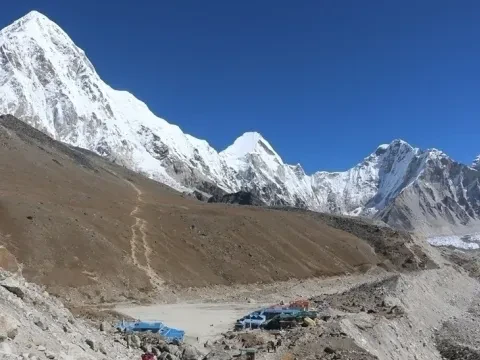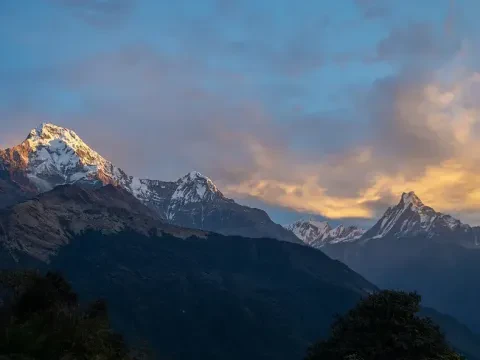
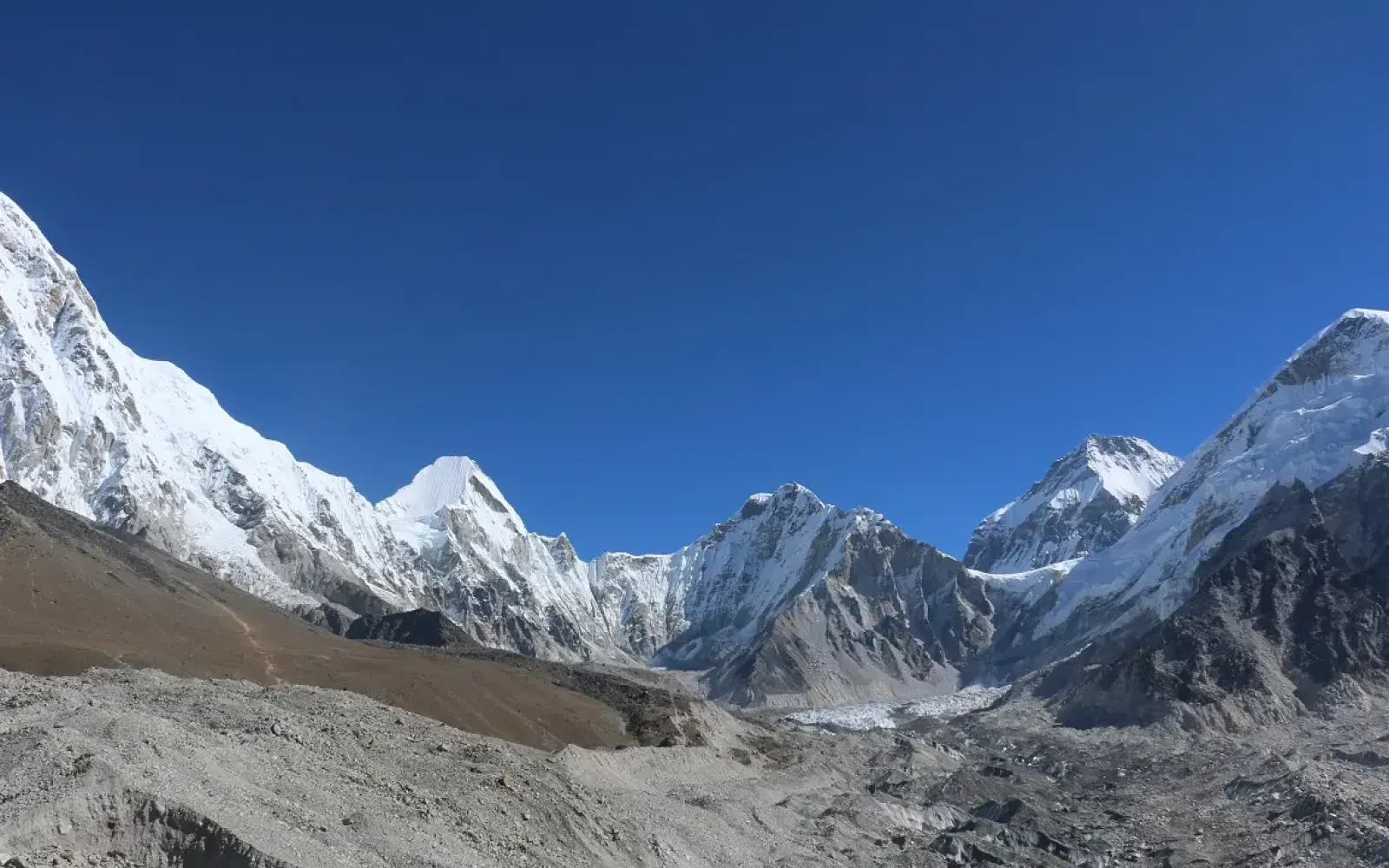
Meanwhile, the EBC Trek 2026 signifies an epoch of comeback for every trekkers after the valley was illuminated with alluring vibe from the world's highest mountain. Everest Region is experiencing an unprecedented surge in admiring visits with the soaring levels of camping approach. Tourists are returning en-masse to have a chance to take in the awe-inspiring sceneries of the world’s highest peaks during some of the clearest post-monsoon skies seen in decades.
Moreover, the Everest region sets a new benchmark for sustainable high altitude trekking experiences with virtually no more plastic and noticeably improved protocols of trekkers-friendly accommodation. 2026 emerges as the most suitable year when you would enjoy the feel of old Sherpa tradition with all of the modern comforts of trekking post-pandemic years. This trip is unparalleled comeback to all yearning for Himalayan exploration especially after having to put off their journeys for a few years.
Some of the key reasons that contribute towards the present enthusiasm in 2026 include the following:
Seasonal Vibe and Trail Outlook 2026
| Feature | Spring (March - May) | Autumn (Sept - Nov) | Winter (Dec - Feb) | Monsoon (June-Aug) |
|---|---|---|
| Visibility | Excellent mountain clarity | Sharpest, cloudless views | Deep blue skies, high wind | Partly Visible |
| Trail Vibe | Vibrant, expedition energy | Festive, busy, social | Quiet, serene, solitary | Muddy and Leachy |
| Landscape | Blooming Rhododendrons | Golden hills, crisp air | Snow-covered, pristine | Blurred with clouds |
| Daily Temp | 10 to 15 C | 8 to 12 C | 1 - 5 C | 1 - 15 |
Highlights you must not miss on your trek in 2026:
Here, planning the Everest Base Camp Trek Cost 2026 involves a detailed analysis of recent pricing changes in Nepal. The overall costs of trekking often range from $1200 to $4500 depending on comfort levels. The trekking price in Nepal has settled thanks to the recently-enforced compulsory guides laws and fixed permit fees.
Moreover, budgeting must take into account professional guides costing between $30 and $40 daily. Up-market food and accommodation fees rise with altitude to the less accessible reaches of the Sagarmatha National Park. Awareness of these costs helps maintain a worry-free trek to the base of the World’s highest mountain.
Cost Summary for Major Trekking Expenses :
Comparison of Budget Tiers for 2026:
| Category | Budget Package Standard Package | Luxury Package |
|---|---|---|
| Estimated Total | $700 – $1,200 | $1,300 – $2,100 | $3,500 – $4,500+ |
| Accommodation | Common bathroom | Private room (lower) | En-suite/Heated rooms |
| Dining Style | Basic/Local menu | Standard varied menu | Gourmet/A-la-carte |
| Transport | Standard Flight | Standard Flight | Helicopter Options |
| Group Size | 10+ Trekkers | 4–8 Trekkers | Private/Boutique |
Additional Indirect Costs to Consider:
Here, Nepal Trekking Regulations have drastically been revised with the aim of guaranteeing the trekker's safety and promotion of responsible tourism. In 2026, all trekking travelers visiting the Everest Region now will need to abide by the mandated guide regulations although those travelers planning solo trips are not welcomed anymore as the safety is what the trustee prioritize and treks will not start without the valid guides and permits.

Therefore, you are required to secure the Khumbu Pasang Lhamu Rural Municipality Permit if you are willing to travel to the trekking areas, officially. Now access points at various parts of the trail are under the digital permitting system enabled to scan the QR code reader to facilitate entry while the other rules are put forth to maximize the local contribution and mountain security.
Highlights Everest Trek Permits 2026
Cost of permits and requirements needed in regulations:
| Permit Type | Cost (Approx. USD) | Where to Obtain Necessity |
|---|---|---|
| Khumbu Rural Permit | $23 - Lukla or Monjo | Mandatory |
| Sagarmatha National Park | $25 - Kathmandu or Monjo | Mandatory |
| TIMS Card (Digital) | $15 - Kathmandu | Mandatory |
| Gaurishankar Permit | $23 - Kathmandu | Only if trekking via Jiri |
Why the "No Solo" Rule Exists in 2026
In fact, the 14-Day EBC Trek is for ensuring optimum acclimatization. It is an ideal calendar of giving yourself enough breaks to recover on the mountain. Your trip kicks off in Kathmandu followed by an exciting flight to Lukla that marks the beginning of your tremendous adventure. The trek towards base camp includes scheduled rest days in the popular towns of Namche Bazaar and Dingboche for optimal acclimation.
During this trek, you will pass through ancient forests, traverse soaring bridges, and visit historic monasteries to Mount Everest. The climax is reaching Everest Base Camp, which is a reflection of your mental and physical vitality. The 14-day EBC trek timeline maximizes your chances of reaching your ultimate goal.
Sample travelling plan on a day-to-day basis:
Table of Altitude and trekking Distance:
| Day | Destination Elevation (m) | Approx. Distance |
|---|---|---|
| Day 03 | Namche Bazaar-3,440m | 10 km |
| Day 05 | Tengboche-3,860m | 9 km |
| Day 06 | Dingboche-4,410m | 11 km |
| Day 08 | Lobuche-4,940m | 8 km |
| Day 09 | Everest Base Camp-5,364m | 13 km (Round) |
| Day 10 | Kala Patthar-5,545m | 4 km (Round) |
Important Rules of Acclimatization:
Meanwhile, traveling in 2026 for the official flight to Lukla in the Everest Region will be a bit more complicated than in past years. A recent transfer of commercial airlines to the Ramechhap airport outside Kathmandu has essentially shifted all Everest Region flights on the main months from being scheduled at Kathmandu's International terminal to arriving from the Manthali Airport in Ramechhap.
Subsequently, this has been implemented as a strategic control for managing the heavy Mt. Everest air traffic in order to avoid abundance of delays and concern of safety standards for Everest hiking enthusiasts. To get to the airstrip now will require a 4-hour car ride from the capital city. Prepare for this logistical change in booking your mountain trek; time is now the most vital element in beginning your Himalayan travel experience.
Comparison of Mountainside Flight Logistics:
Comparison of Flight Logistics:
| Feature | Kathmandu Departure (TIA) | Ramechhap Departure (Manthali) |
|---|---|---|
| Availability | Limited to off-peak / Winter | Primary hub for Spring & Autumn |
| Flight Time | 35 Minutes | 15 - 20 Minutes |
| Drive Time | 30 Minutes from Thamel | 4 - 5 Hours from Thamel |
| Cost (Est. One-way) | $230 - $240 | $190 - $220 |
| Reliability | Low (Air traffic delays) | High (Dedicated mountain slot) |
Transport costs in 2026:
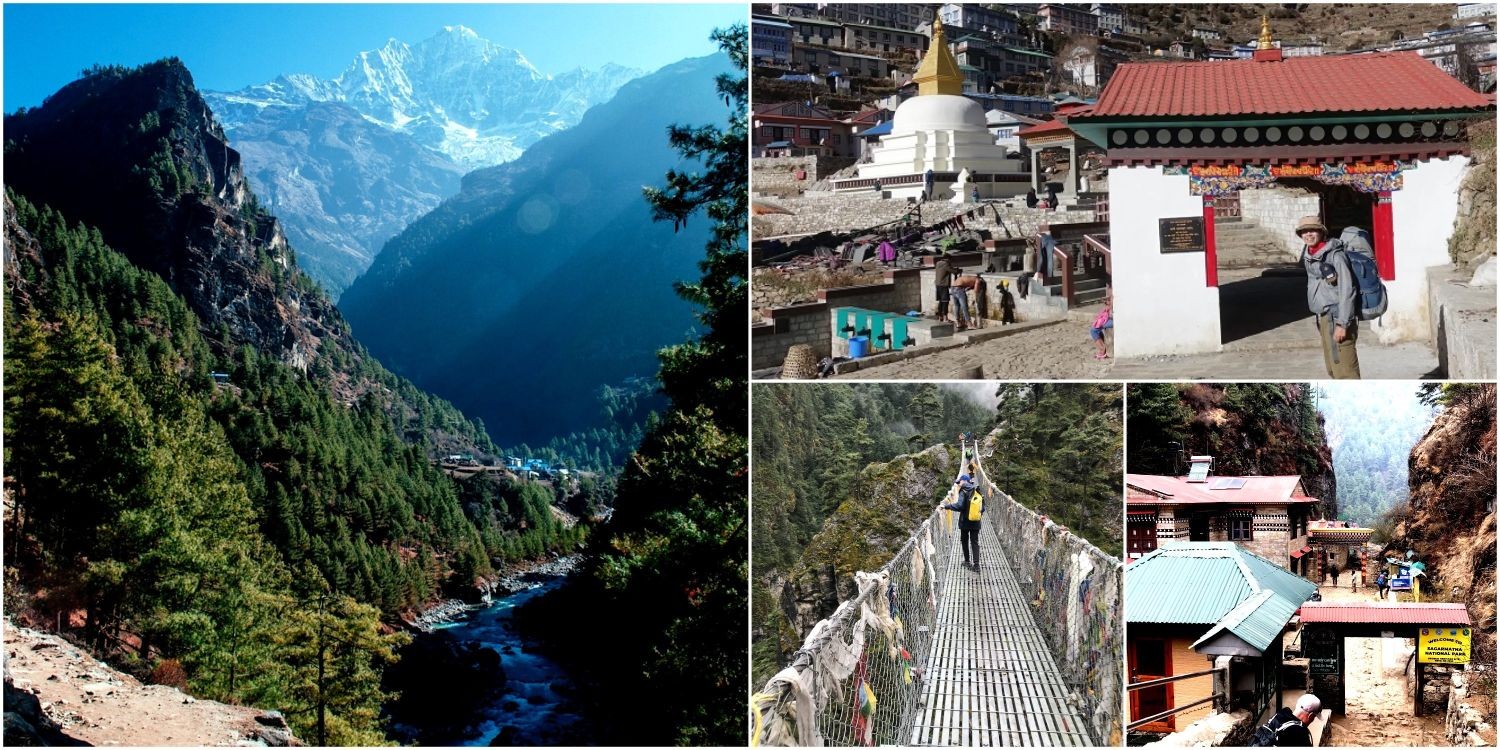
Actually, the trail from Phakding to Namche bazaar truly introduces the high altitude world of the Himalayas to you. Follow the brilliant turquoise Dudh Koshi River along forested riding fields of pines and cedars. Many of the numerous high suspension bridges will have you looking straight down, while offering breathtaking views of the magnificent scenery.
Here, situated on this portion of the trail is the daunting ascent of the historic Sherpa capital of the Khumbu. Keep up a steady, swift pace over this long, steep climb. A rewarding secret is the first glimpses of Everest and the prospect of mountain luxury awaiting you in Namche.
Landmarks along the Route: Phakding to Namche:
Elevation and Distance Information:
| Landmark | Altitude (m) | Distance from Phakding | Terrain Type |
|---|---|---|
| Phakding | 2,610m | 0 km | Undulating/Riverside |
| Monjo | 2,835m | 5 km | Moderate uphill |
| Jorsalle | 2,740m | 6.5 km | Descent/Flat |
| Hillary Bridge | 2,900m | 8.5 km | Riverside walk |
| Namche Bazaar | 3,440m | 11 km | Steep zig-zag ascent |
Important Gear for This Section:
Actually, Namche Bazaar marks the most crucial biophysical acclimatization point for all travel groups on the Everest Base Camp Trek 2026. Its raucous Sherpa outpost is perched at 3,440m where the oxygen content plummets. You will make a crucial error if you endeavor to ignore your solemnly arranged and necessary rest days in Namche as these could cause monumental Altitude Sickness issues.
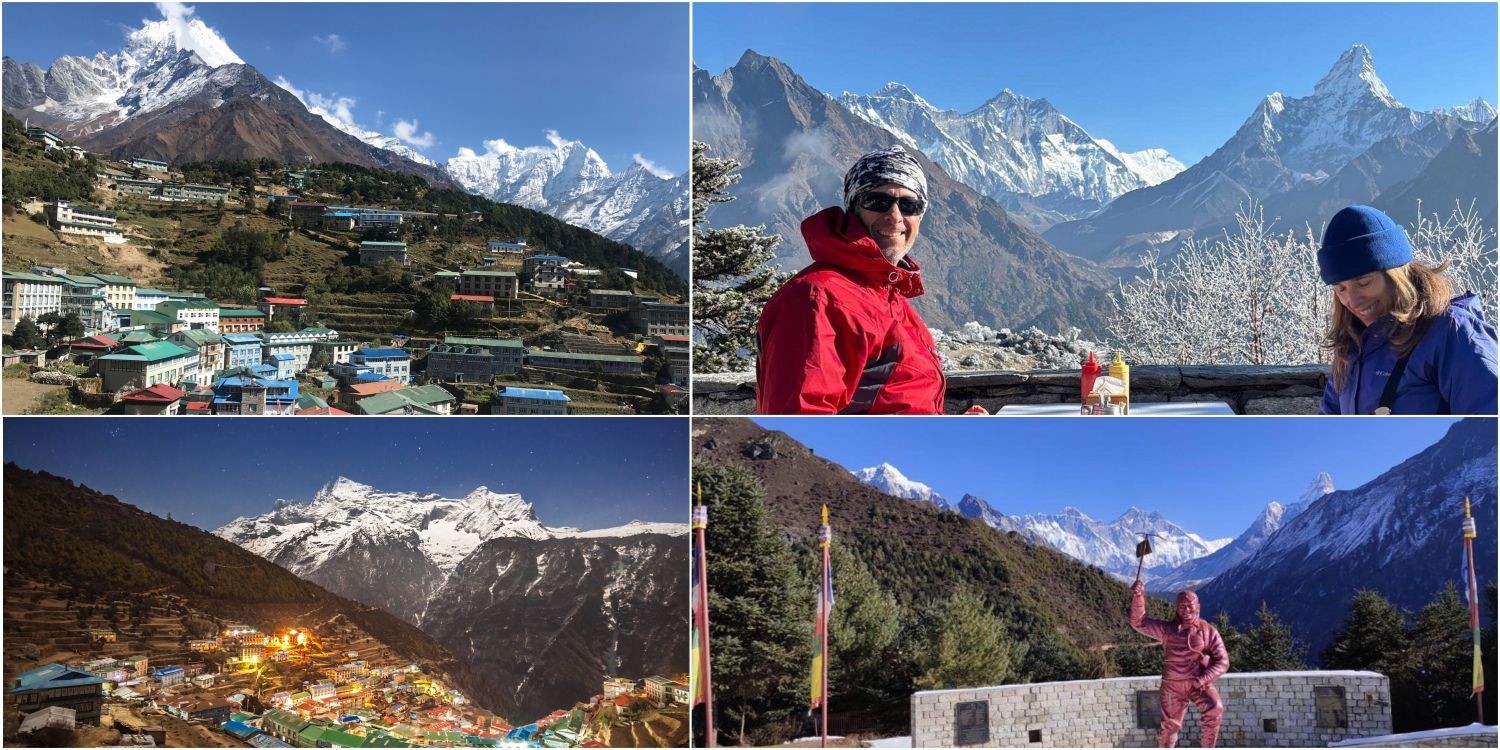
Here, it is an age old adage that you "climb high but sleep low", which should be diligently adhered to, and this allows bodies production of more red blood cells so that you can happily cope with the astoundingly high altitudes where higher up it gets so collectively give your body those invaluable rest days and avoid a dangerous ascent. Rest Days in Namche makes your trek all more successful rather than risky and daunting.
Altitude Sickness Prevention Techniques :
Suggested Activities for Acclimatization:
| Activity | Elevation (m) | Duration | Why It Helps |
|---|---|---|
| Everest View Hotel Hike | 3,880m -2-3 Hours | Highest hotel views; excellent "climb high" practice. |
| Khumjung Village Visit | 3,780m - 4-5 Hours | Visit the "Yeti Scalp" monastery and Hillary School. |
| National Park Museum | 3,450m - 1 Hour | Learn about Sherpa history and local alpine flora. |
| Syangboche Airstrip | 3,780m - 2 Hours | Panoramic views of Thamserku and the Khumbu Valley. |
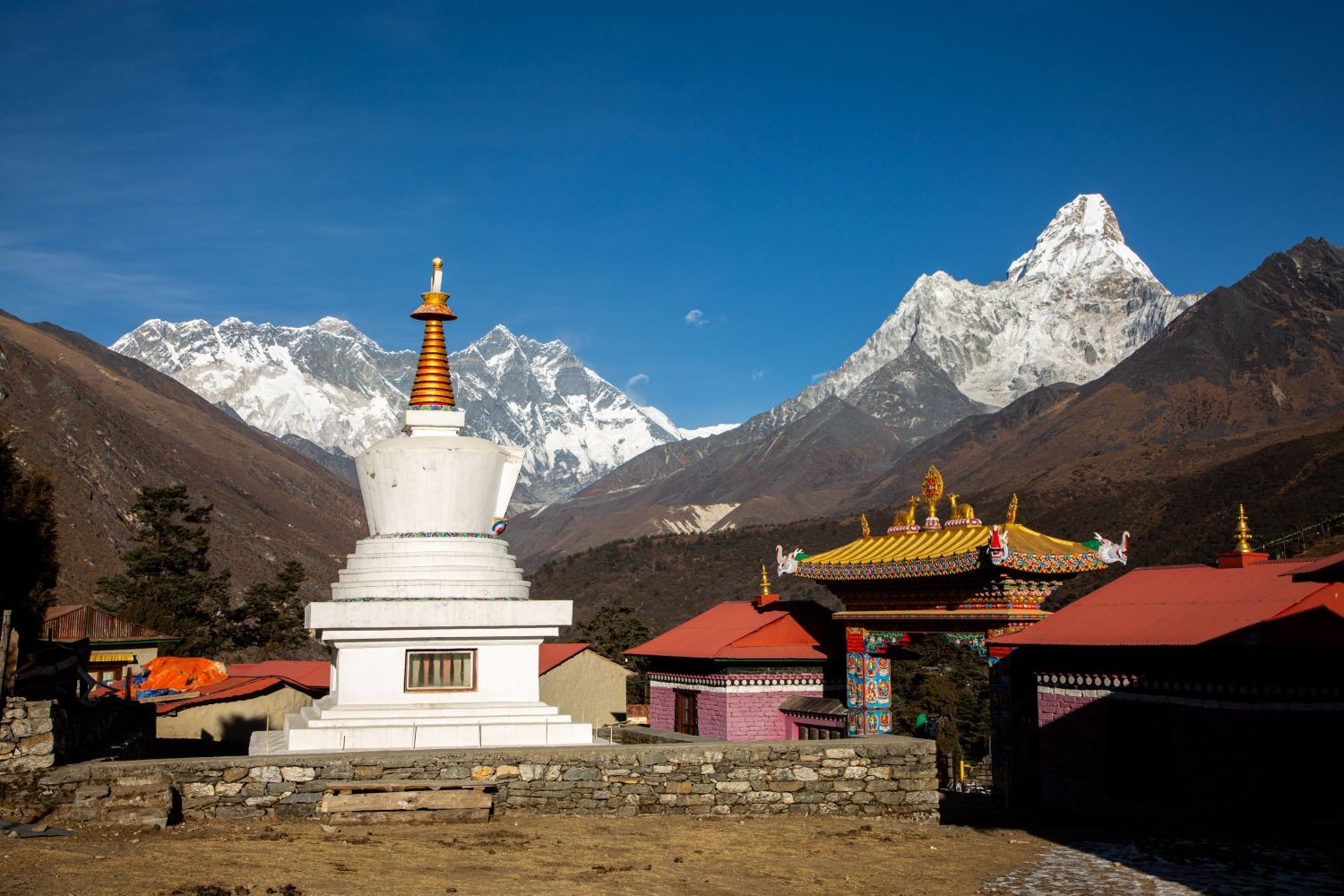
Meanwhile, the Tengboche Monastery is the spiritual and cultural hub of the entire 2026 Everest Region. Sitting high on a ridge and overlooking the towering Ama Dablam this is easily the most famous monastery in the world, and with good reason. You will be amazed by the peace you find during the daily prayer ceremonies in the mornings and evenings, with the sacred rituals providing the perfect contrast to the inhospitable peaks of the approaching mountains. This large gompa is our last must-see stop before Everest Base Camp, as it is here that most of the climbers and trekkers get their prayers answered by the monks before the great journey.
Highlights include:
Visiting the Monastery 2026:
| Feature | Details | Tips for Trekkers |
|---|---|---|
| Opening Hours | 6:00 AM – 8:00 AM / 3:00 PM – 5:00 PM | Arrive early for the morning chanting session. |
| Photography | Prohibited inside the main prayer hall | Respect the monks; always ask before taking portraits. |
| Dress Code | Modest clothing; hats and shoes must be removed | Wear warm socks as the monastery floors are cold. |
| Donations | Optional but highly appreciated for upkeep | Small denominations of NPR are suitable for the box. |
Actually, walking from Dingboche to Lobuche marks a major step into the true alpine wilderness of the 2026 trail. Climbing beyond the tree line, the route enters a stark moonscape of ice and rock. The trail crosses the intimidating Thukla Pass before sweeping directly onto the edge of the huge Khumbu Glacier. Air pressure here is so low that each breath supplies just half the oxygen of the sea level.
Mentally, this is one of the most demanding sections of the Everest Base Camp Trek route. You will need your utmost concentration to keep a steady pace and avoid succumbing to the high-altitude thinning air.
Dingboche to Lobuche trekking details:
Altitude and availability of oxygen 2026:
| Location | Elevation (m) | Oxygen % vs. Sea Level | Terrain Type |
|---|---|---|
| Dingboche | 4,410 m | 58% | Alpine Scrub/Dusty |
| Thukla | 4,620 m | 56% | Riverbed/Flat |
| Thukla Pass | 4,830 m | 54% | Steep/Rocky |
| Lobuche | 4,940 m | 53% | Glacial Moraine |
| Gorak Shep | 5164 m | 51 % | Glacial Moraine |
| Everest Base Camp | 5364 m | 49 % | Glacial Moraine |
High altitude survival tips:
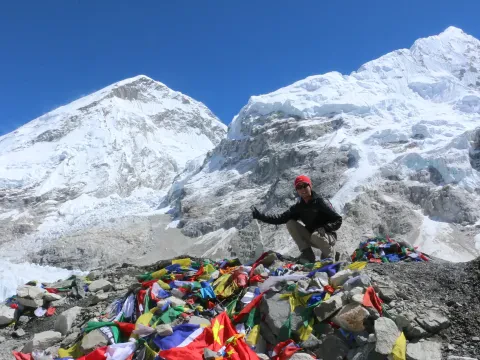
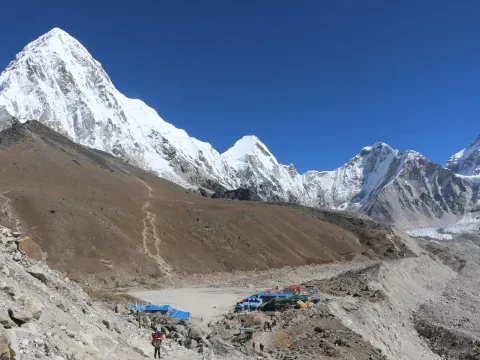
Here, arriving at Everest Base Camp (5,364m) is the emotional and physical culmination of your entire 2026 journey. The final ascent from Gorak Shep will traverse the unstable rock-ridged remains of the Khumbu Glacier. You will walk in the "shadow of giants" in the cliffs of Nuptse and Pumori, which loom overhead along the route.
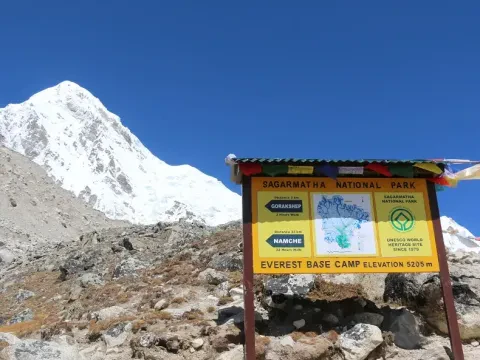
More importantly, witnessing the renowned "Everest Base Camp" sign etched into a rock is the quintessential souvenir photograph of every EBC trek. Standing on the edge of the earth's highest summit is an awe-inspiring, humbling, storybook moment of personal achievement that is well worth all of the arduous steps through the ultra-thin air of the ultra-high Himalayas.
The Final Sprint: Gorak Shep to EBC:
Peak Day Statistics for EBCs:
| Milestone | Elevation (m) | Distance | Time (Approx.) |
|---|---|---|
| Gorak Shep | 5,164 m | Start Point | 0:00 |
| EBC Path Ridge | 5,250 m | 1.5 km | 1 Hour |
| EBC Rock | 5,364 m | 3.5 km | 2.5 Hours |
| Kala Patthar | 5,545 m | 2 km (Ext) | 1.5 Hours |
The following are the Emotional and Safety Highlights
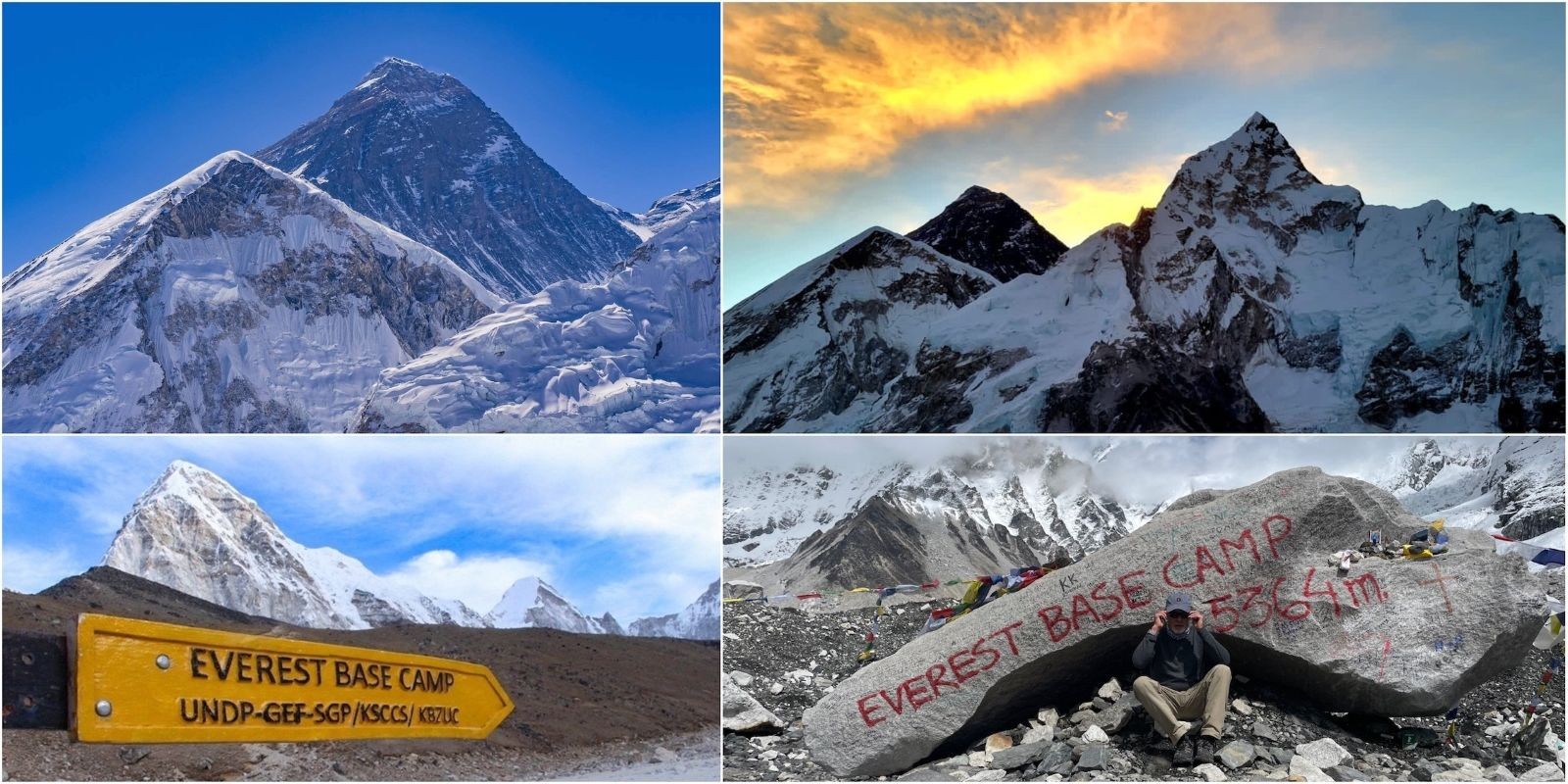
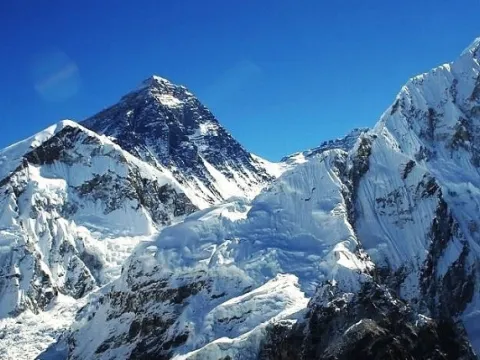
For the 2026 trekking season, the early morning rise to the rocky bastion of Kala Patthar will undoubtedly be Trekker's greatest achievement. At 5,545m, the singular Kala Patthar offers an unparalleled 360 degree view of the entire Everest conglomerate.
However, if you do not begin your ascent in the bitterly cold darkness of the early hours, you shall not bear witness to the world's highest peak lit by the worlds inaugural rays of Daybreak. Physical anguish will reign supreme in the rarefied atmosphere, but the serene, golden glow will pay dividends both spiritually and photographically. This viewing platform is considered by many trekkers to be even more impressive than that of the base camp, although you will need to possess patience and the right equipment to endure the shivering cold of the early morning.
Strategic advice for the 2026 ascent:
Quick Facts about the Kala Patthar Trek:
| Category | Details | Trekker Notes |
|---|---|---|
| Summit Elevation | 5,545 meters (18,192 ft) | Higher than Everest Base Camp (5,364m). |
| Duration (Up) | 1.5 to 2.5 Hours | Pace yourself; every step feels like ten. |
| Duration (Down) | 45 to 60 Minutes | Be careful of loose gravel on the descent. |
| Best Season | March–May / Oct–Nov | Autumn offers the clearest, most stable skies. |
| Oxygen Level | Approximately 50% | Breathe deeply and pause at every switchback. |

Actually, many teahouse lodges have gone a lot more luxurious in 2026, and there is a mixture of good old traditional "mountain hospitality" and luxury accommodation. You can expect to pay as much as $25-$35 per day for all the mountain food. The menus in the Khumbu region have an astonishing variety from traditional Dal Bhat to Sherpa Stew.
Further, most teahouses have adopted better insulation and heated rooms in the evenings by the traditional yak dung stoves. Basic rooms are still basic, but a lot of lodges in both Namche and Lukla now have en-suite bathrooms. So now you know the various costs and meal options it is still important to know how much energy you will need to sustain at high altitude.
The 2026 Teahouse Menu:
Daily Budget (USD) for Food & Amenities 2026:
| Item / Service | Estimated Cost | Notes |
|---|---|
| Breakfast Set | $8 – $12 | Porridge, eggs, toast, and tea/coffee. |
| Lunch / Dinner | $10 – $18 | Prices increase as you move toward Gorak Shep. |
| Bottled Water | $1 – $4 | Buying 1L bottles (discouraged due to waste). |
| Hot Shower | $4 – $7 | Usually a gas or solar-powered bucket shower. |
| Device Charging | $3 – $6 | Charged per device or by the hour for power banks. |
| Wi-Fi Access | $5 – $10 | Often sold via "Everest Link" prepaid cards. |
Standards of Accommodation by altitude:

Here, getting your EBC Packing List 2026 ready is the starting point to having a safe and comfortable mountain adventure. Variations in temperature reach as much as -15C during the high-altitude freezing night. As such you need to have top quality layering system to handle this variation while ensuring moisture is transported away from your body and your core temperature maintained.
Moreover, your Trekking Gear Nepal list prioritizes weight, durability and thermal efficiency for the challenging Khumbu conditions. Such investment in your gear comprises the best safeguard against the variety of cold related hazards.
Core trekking clothing and system Layers:
Technical Equipment and Material:
| Item | Specification | Why You Need It |
|---|---|---|
| Trekking Boots | Waterproof / Ankle Support | Protects against rocky trails and prevents ankle sprains. |
| Sleeping Bag | Rated to -15°C or -20°C | Teahouse blankets are insufficient at Gorak Shep (5,164m). |
| Daypack | 30L - 35L with Rain Cover | Carries your water, camera, and extra layers daily. |
| Nalgene Bottles | 1L x 2 (BPA Free) | Essential for hot water and can serve as bed warmers. |
| Headlamp | 300+ Lumens | Critical for pre-dawn climbs to Kala Patthar. |
Personal care items that are absolute essentials:
Actually, the Everest Base Camp With Helicopter Return is an elite upgrade that makes it possible to do a Luxury Everest Trek in 2026. This reduced version of the normal 14-day itinerary takes 10 or 11 days by trekking to the base camp in 9 days to allow for adequate and safe acclimatization.
Here, instead of descending for three days, hopping aboard a helicopter from Gorak Shep directly, and taking a bird’s eye view of the Khumbu Icefall & mountain peaks, is possible. This is an elitist upgrade to end your adventure at high altitudes in five-star luxury.
Advantages of 2026 Heli-Return Package:
Comparing Luxury and Standard Heli-Returns:
| Feature | Standard Heli-Return | Luxury Heli-Trek |
|---|---|---|
| Price (Approx.) | $2,200 – $2,800 | $3,500 – $4,500 |
| Accommodation | Standard Teahouses | Boutique Luxury Lodges (e.g., Yeti Mountain Home) |
| Heli Route | Gorak Shep to Kathmandu | Multiple heli-shuttles and base camp flyovers |
| Group Size | 4–5 Pax (Sharing) | Private or small groups |
| Included Perks | Basic Trek Support | 5-Star Kathmandu Stay / Gourmet Meals |
What the Luxury Budget Will Offer:
Actually, your Nepal Journey to EBC 2026 will be a once-in-a-lifetime achievement requiring logistics and disciplined preparation. You must undertake a dedicated 3-month cardiovascular training schedule prior to traveling. High altitude climbing is arduous and calls for enduring physical steel and a mindset resilient to the near-daily hassle of mountain trekking.
Besides, you must also finalize travel insurance with explicit cover for emergency helicopter evacuations up to 6,000 meters. The above final preparations will turn your potentially onerous trek into a seamless and fulfilling adventure. Dedicate yourself to your Sherpa adventure, with an open receptiveness to local Sherpa ways.
Important Physical Training Preparations:
Mandatory Insurance Requirements for 2026:
| Coverage Feature | Minimum Requirement | Why It Is Crucial |
|---|---|---|
| Altitude Limit | Up to 6,000 Meters | EBC and Kala Patthar exceed 5,300m elevations. |
| Emergency Rescue | Helicopter Evacuation | There are no roads; helicopters are the only medical exit. |
| Medical Limit | $100,000 USD | Covers potential ICU stays and specialized altitude treatment. |
| Trip Interruption | Flight/Weather Delays | Lukla flights are frequently delayed by mountain clouds. |
| Baggage/Gear | Lost or Damaged Equipment | Protects your investment in expensive down gear and cameras. |
Final Success Strategies:
1. What is the cost of Everest Base Camp Trek 2026?
The Everest Base Camp Trek 2026 package costs US$ 1,375 from the original US$ 1,755. This is the cost for the trip. The Everest Base Camp Trek 2026 package includes a place to stay, food, permits and guides for the 14-day trip from Kathmandu or Ramechhap.
2. How many days is the Everest Base Camp Trek 2026 itinerary?
The Everest Base Camp Trek 2026 itinerary is 14 days long. You will travel from Kathmandu to Lukla then to Namche, Dingboche, Lobuche and to the Everest Base Camp at 5,364m and see the sunrise at Kala Patthar. You will also have rest days in Namche and Dingboche to get used to the altitude.
3. Is the Everest Base Camp Trek 2026 difficult?
The Everest Base Camp Trek 2026 is not too hard. It is not easy either. You will walk for 5-8 hours every day. Some parts of the trail are hard like from Phakding to Namche and from Dingboche to Lobuche. If you are fit and take your time you can do it. The Everest Base Camp Trek 2026 is at an altitude so you need to be careful.
4. When is the best time for Everest Base Camp Trek 2026?
The best time for the Everest Base Camp Trek 2026 is in the spring from March to May or in the autumn from September to November. The sky is clear. You can see the sunrise from Kala Patthar. The flights from Kathmandu or Ramechhap to Lukla are also safer during this time
5. What is the maximum altitude in Everest Base Camp Trek 2026?
The highest point of the Everest Base Camp Trek 2026 is Kala Patthar, which's 5,545m high. The Everest Base Camp is at 5,364m. You will get used to the altitude during the 14-day trip with rest days in Namche and Dingboche.
6. How are Lukla flights managed for Everest Base Camp Trek 2026?
For the Everest Base Camp Trek 2026 you can fly from Kathmandu or Ramechhap to Lukla. This makes it easier to start your trip and reduces delays. The flights are managed by the government so you do not have to worry about it.
7. What permits are required for Everest Base Camp Trek 2026?
You need two permits for the Everest Base Camp Trek 2026: the Khumbu Pasang Lhamu Rural Municipality Permit and the Sagarmatha National Park Entry Permit. The permits are digital now. It is easier to get them. The cost of the permits is included in the package.
8. Do I need prior trekking experience for Everest Base Camp Trek 2026?
You do not need to have trekked to do the Everest Base Camp Trek 2026. You need to be fit and healthy. The 14-day trip is designed to help you get used to the altitude with rest days in Namche.
9. What kind of accommodation is used in Everest Base Camp Trek 2026?
During the Everest Base Camp Trek 2026 you will stay in teahouses. The teahouses have rooms with bathrooms. You will get to experience the local hospitality. You will stay in teahouses from Phakding to Lobuche and Dingboche.
10. How to prevent altitude sickness on Everest Base Camp Trek 2026?
To prevent altitude sickness, you need to take your time and rest when you need to. The Everest Base Camp Trek 2026 itinerary includes rest days in Namche and Dingboche which helps your body get used to the altitude. You should also drink a lot of water. Eat well.
11. What should I pack for Everest Base Camp Trek 2026?
You should pack clothes, including a down jacket, trekking boots and a sleeping bag liner. You should also bring trekking poles, sunglasses and layered clothing. You will get a list of what to pack for the 14-day trip.
12. Is helicopter return available in Everest Base Camp Trek 2026?
Yes, you can return by luxury helicopter from the Everest Base Camp Trek 2026. After seeing the sunrise at Kala Patthar and visiting the base camp you can fly back from Gorak Shep or Pheriche which will save you time and energy.
13. What food is served during Everest Base Camp Trek 2026?
During the Everest Base Camp Trek 2026 you will be served teahouse meals that include dal bhat, pasta, pizza, pancakes and vegetarian options. You will be given high-calorie meals throughout the 14-day itinerary to keep your energy levels up to 5,364m.
14. Why choose Haven Holidays Nepal for Everest Base Camp Trek 2026?
Haven Holidays Nepal offers the value for the Everest Base Camp Trek 2026 with expert guides, safe acclimatization and a 5.0 rating. You will enjoy visiting the Tengboche Monastery and seeing the sunrise at Kala Patthar with support.
15. What is the group size for Everest Base Camp Trek 2026?
The group size for the Everest Base Camp Trek 2026 is small with 2-12 people. This means you will get service and attention from the guides. You can also choose to do a trek if you prefer.
16. Will I see Mount Everest on the trek in 2026?
Yes, you will see Mount Everest during the Everest Base Camp Trek 2026. The sunrise from Kala Patthar is the highlight of the trip. You will get to see the mountain in all its glory.
17. How money should I bring for Everest Base Camp Trek 2026?
You should bring some money for personal expenses, like hot showers, WiFi and drinks. The package includes most of the costs. You will need some extra cash.
18. Is insurance mandatory for Everest Base Camp Trek 2026?
Yes, you need to have travel insurance that covers altitude trekking up to 6,000m. The insurance should also include emergency helicopter evacuation. This is mandatory for the Everest Base Camp Trek 2026.
19. What is special about Tengboche Monastery in Everest Base Camp Trek 2026?
Tengboche Monastery is a place during the Everest Base Camp Trek 2026. It is a place at 3,867m and you will get to see it during the 14-day trip. The monastery is surrounded by Himalayan views.
20. Why is 2026 a great year for Everest Base Camp Trek?
The year 2026 is a time to do the Everest Base Camp Trek because of the improved digital permits and better flight management. The infrastructure is also getting better making it a safe and memorable experience.
Our travel experts are ready to assist you with any questions.
Send us a message.Have a question before you book? Send your enquiry below and our travel experts will get back with the required information.